Audio & Hi-Fi
Best DACs at Every Price Point: Eight Converters Worth Buying
Eight digital-to-analog converters that stand out at their price points, from a sub-$100 desktop unit to a full-size living-room component.
Introduction
Digital-to-analog converters have become one of the most crowded corners of the hi-fi market. A desktop DAC that would have cost several hundred dollars a few years ago now sells for well under a hundred, and the practical gap between budget and premium models is narrower than the price tags suggest. What separates a good converter from a great one is rarely the chip alone. It is the analog output stage, the headphone amplifier, the connections on the back panel, and whether the manufacturer gives you a remote control.
This guide covers eight converters that stand out at their own price points, starting below $100 and working up to a full-size component that can anchor a living-room system. Each one earns its place for a specific reason: value, headphone performance, soundstage, build quality, or flexibility.
How to Choose a DAC That Fits Your System
Chipset names get most of the attention, but implementation matters more than the model number on a datasheet. The same converter chip can sound lean in one design and full-bodied in another, depending on the power supply, the output stage, and the layout. Treat the chip as a starting point rather than a verdict.
Connections come next. A desktop DAC needs at least USB, and ideally coaxial and optical inputs as well. If the converter will live in a living room, HDMI ARC or an analog input can matter more than any specification, because it lets the same box handle music, television, and movies without swapping cables.
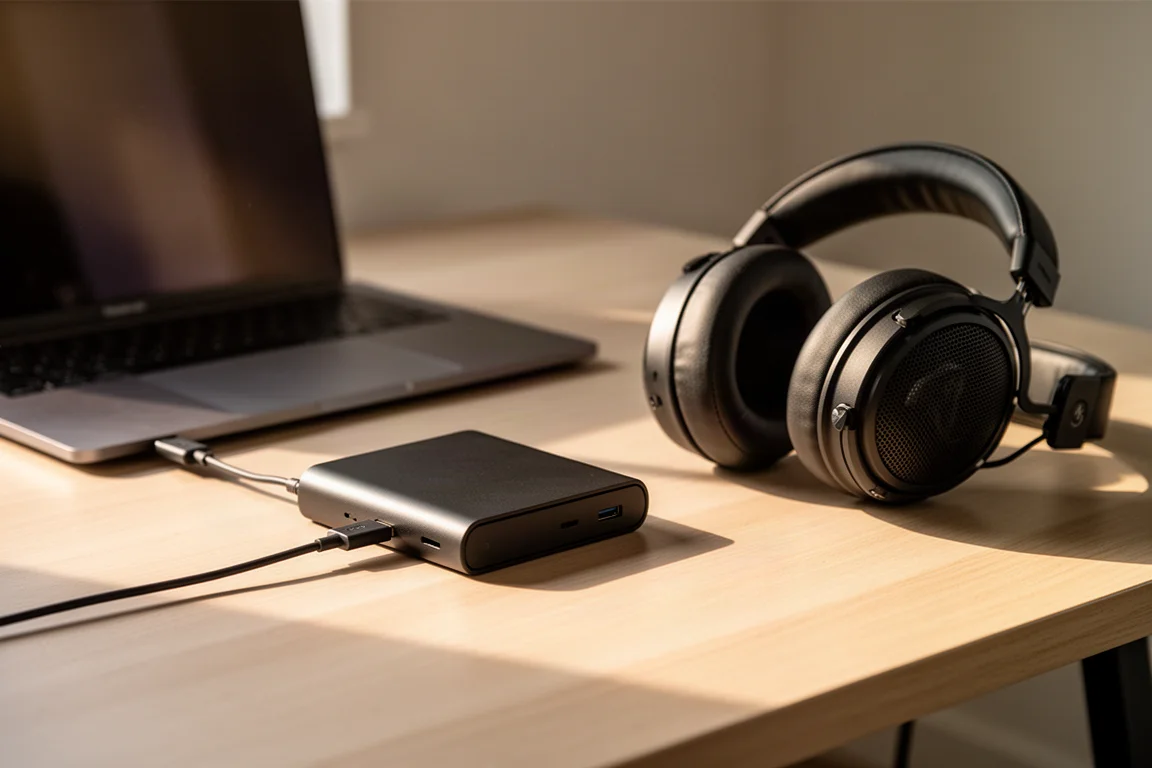
Everyday features are the ones buyers underestimate. A remote control is genuinely useful when the DAC feeds a power amplifier with fixed output. A built-in headphone amplifier removes an entire component from the desk. Adjustable digital filters let you fine-tune the presentation, though the differences tend to be a matter of taste rather than transformation.
Finally, think about where you buy. With affordable desktop converters, a retailer with a generous return policy is worth more than a small discount, because it makes a faulty unit someone else’s problem. Buyers who want long-term peace of mind should look for a dealer that handles warranty claims directly.
Best Budget Pick: SMSL SU-1
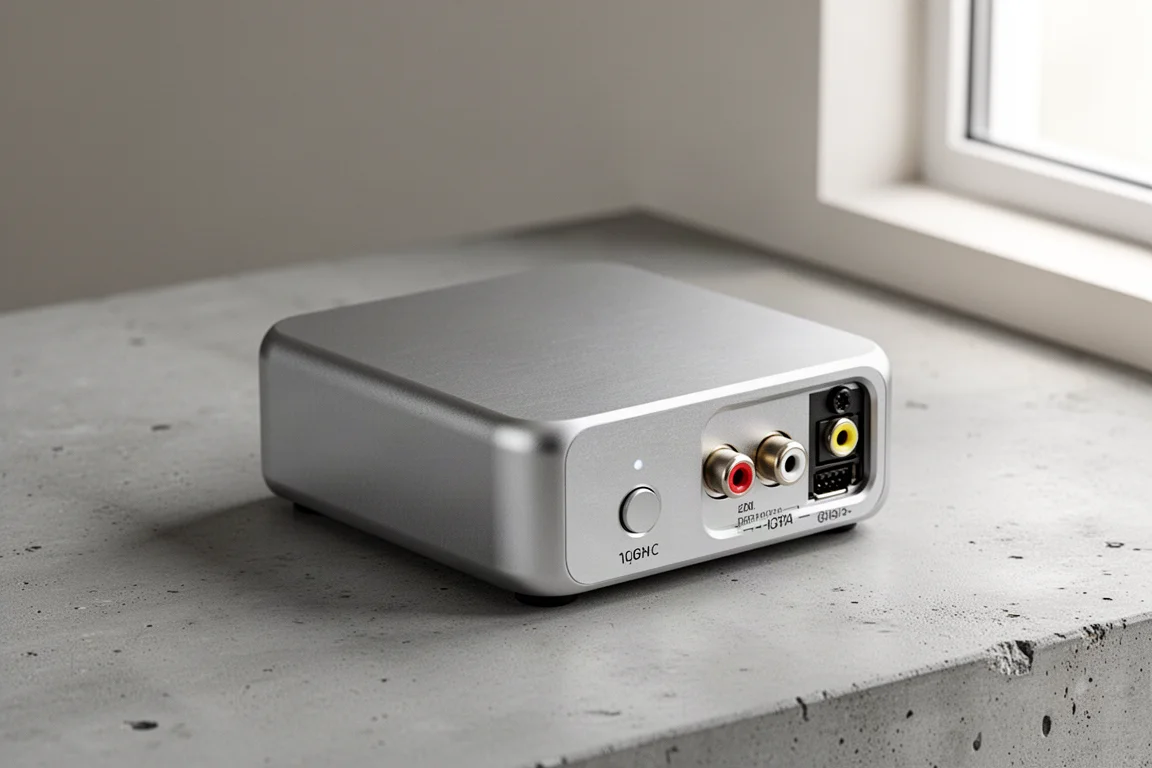
At $80, and often closer to $70, the SMSL SU-1 is the cheapest converter here and one of the most impressive. The back panel is deliberately spartan: one pair of RCA outputs, one coaxial input, one optical input, one USB input, and a 5V power input. Because it runs on 5V, it can be powered straight from a computer or from a phone-style USB-C charger, and it will even run from a battery.
Inside sits an AKM 4493S chipset with MQA support. The result is a clean, dynamic presentation that punches far above its price, all in a chassis roughly the size of a thick deck of cards. The trade-off is control: there is no remote, so volume adjustments have to happen elsewhere in the system, and there is no headphone output for late-night listening.
Best Entry-Level Alternative: Schiit Modi 3+
The Modi 3+ is the newest iteration of a long-running desktop converter and sells for $130. It pairs a Sabre chipset with Texas Instruments OPA1656 op amps, a combination that has earned a strong reputation for a smooth, non-fatiguing character. It also includes Unison USB, an input stage developed in-house for cleaner computer audio.
Like the SU-1, it is a DAC and nothing more, and there is no remote control. What you get instead is a simple, well-built box with a proven track record. For listeners who want a straightforward desktop converter with no extra features to configure, it remains an easy recommendation.
Best Budget DAC/Amp Combo: SMSL M300 SE
The M300 SE takes a different approach. Its DAC and headphone amplifier are combined in a pair of Cirrus Logic CS43131 chips, which keeps the footprint small and adds MQA support. The headphone output is the surprise here. It drives headphones far better than the price suggests, which makes the M300 SE a complete desktop solution rather than just a converter.
It also includes a fully functioning remote and a set of digital filter roll-offs that audibly change the presentation, giving listeners something to tune. Current pricing sits at $130, though it launched nearer $116.
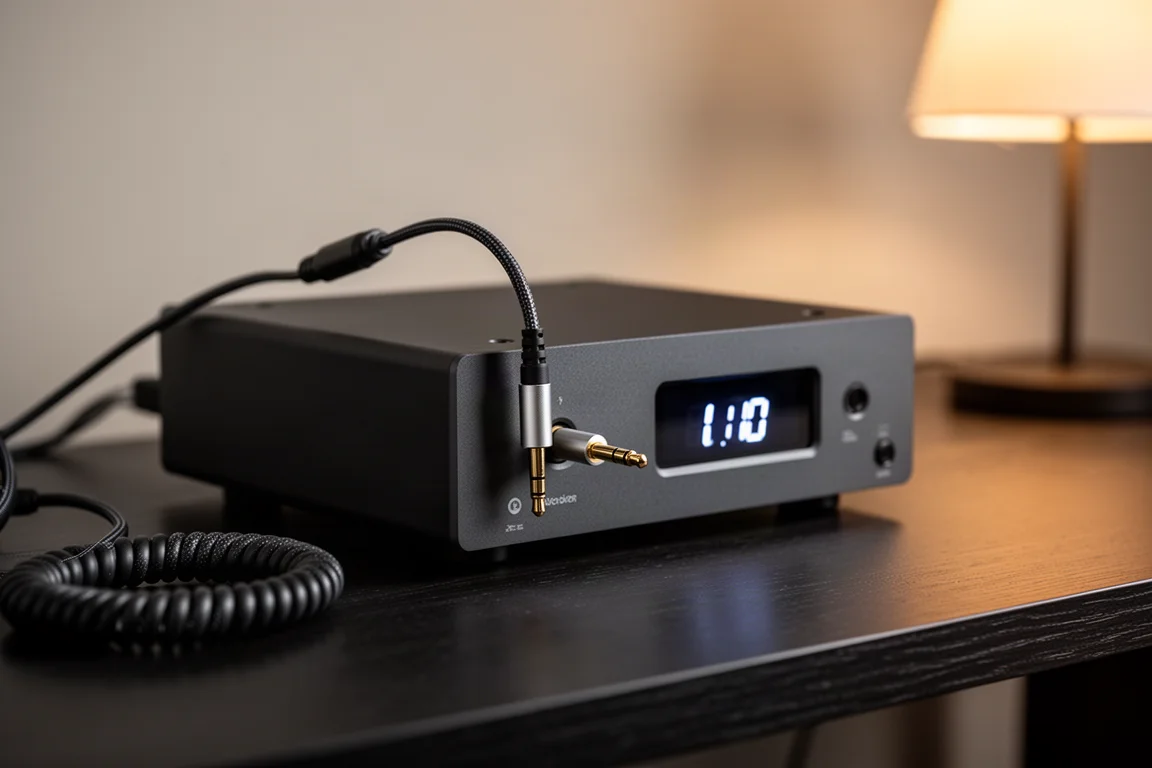
Reliability is worth mentioning. This is an affordable unit built to a price, and some owners have run into failures. That makes the retailer matter: buying from a store with a liberal return policy, or from a specialist dealer that handles warranty service, is the sensible route.
Best Value All-Rounder: SMSL DL200
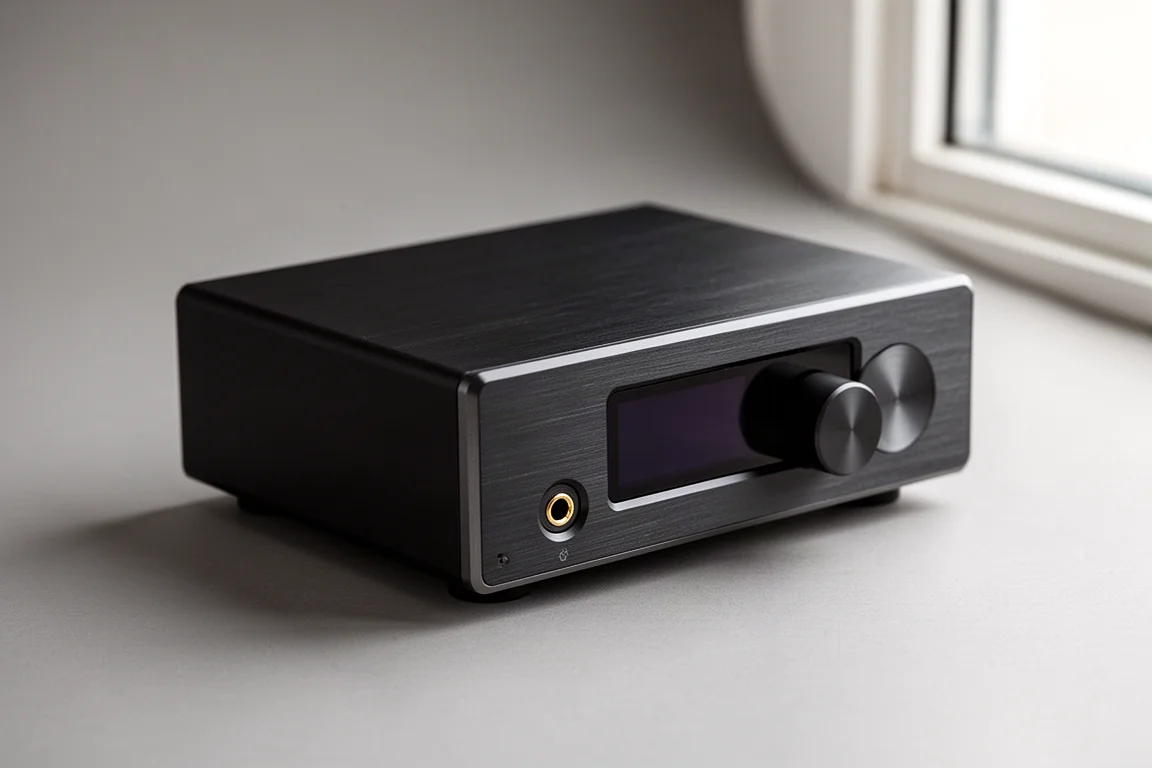
The DL200 is the strongest all-rounder under $200. It uses a Sabre ES9039Q2M chipset and delivers the open, dynamic, clean sound that defines the current generation of affordable converters: detailed without becoming fatiguing, and free of the sharp sibilance that older budget designs sometimes showed.
The headphone amplifier is excellent, and the feature set is unusually complete for the money. There is a remote control, MQA support, Bluetooth, balanced TRS outputs, and seven digital filter settings that make an audible difference. One of those filters works almost like a loudness control, adding weight at the bottom and a little sparkle up top without turning harsh. At under $190, it is hard to argue with.
Best Mid-Priced Upgrade: Geshelli Labs J2
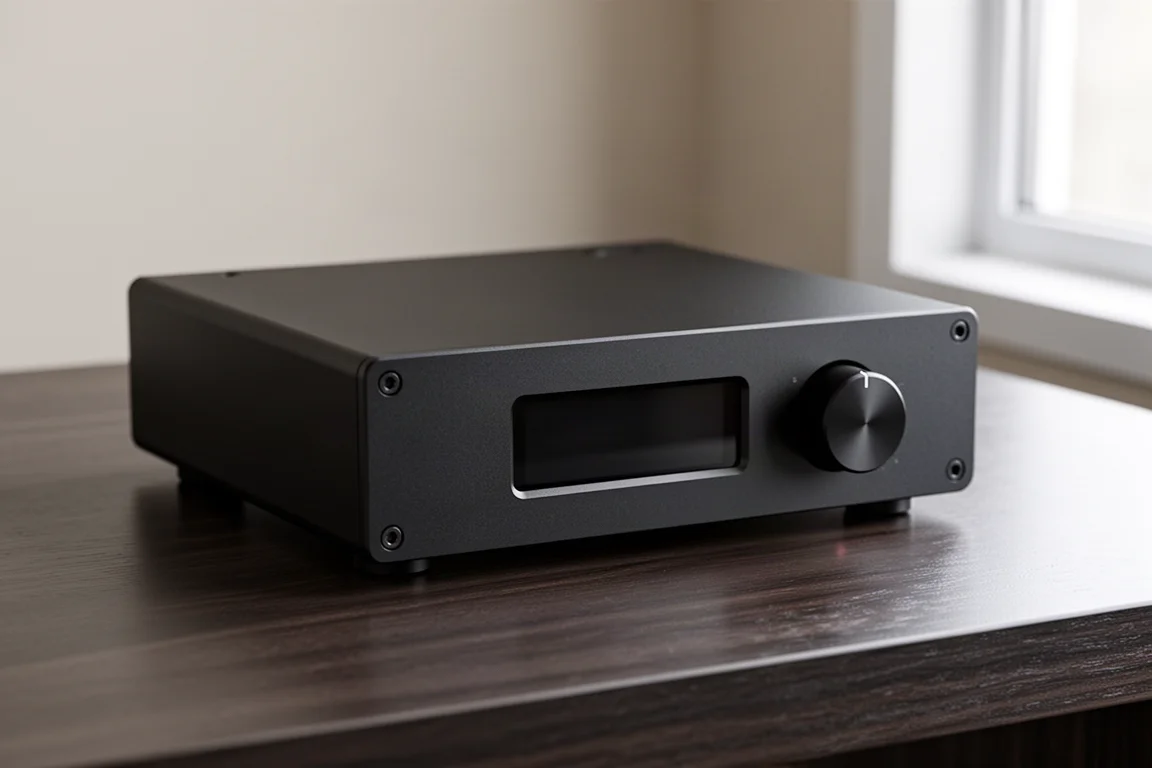
Stepping up to roughly $250, the Geshelli Labs J2 in its socketed AKM version is the first pick here that invites tinkering. The base price covers an aluminum chassis, stock op amps, and no USB input. USB adds about $50, and upgraded op amps cost more again. Even the stock configuration, fitted with Texas Instruments OPA1656 op amps, is remarkable: a huge soundstage, generous bass, natural mids, and a presentation that stays comfortable over long sessions.
The socketed design is the real appeal. Because the op amps can be swapped, the J2 can be improved later rather than replaced, and a premium op-amp upgrade takes it to another level entirely.
For listeners who would rather buy once and tune over time, this is the most flexible option in the mid-price bracket.
Best Soundstage Performer: Geshelli Labs E2
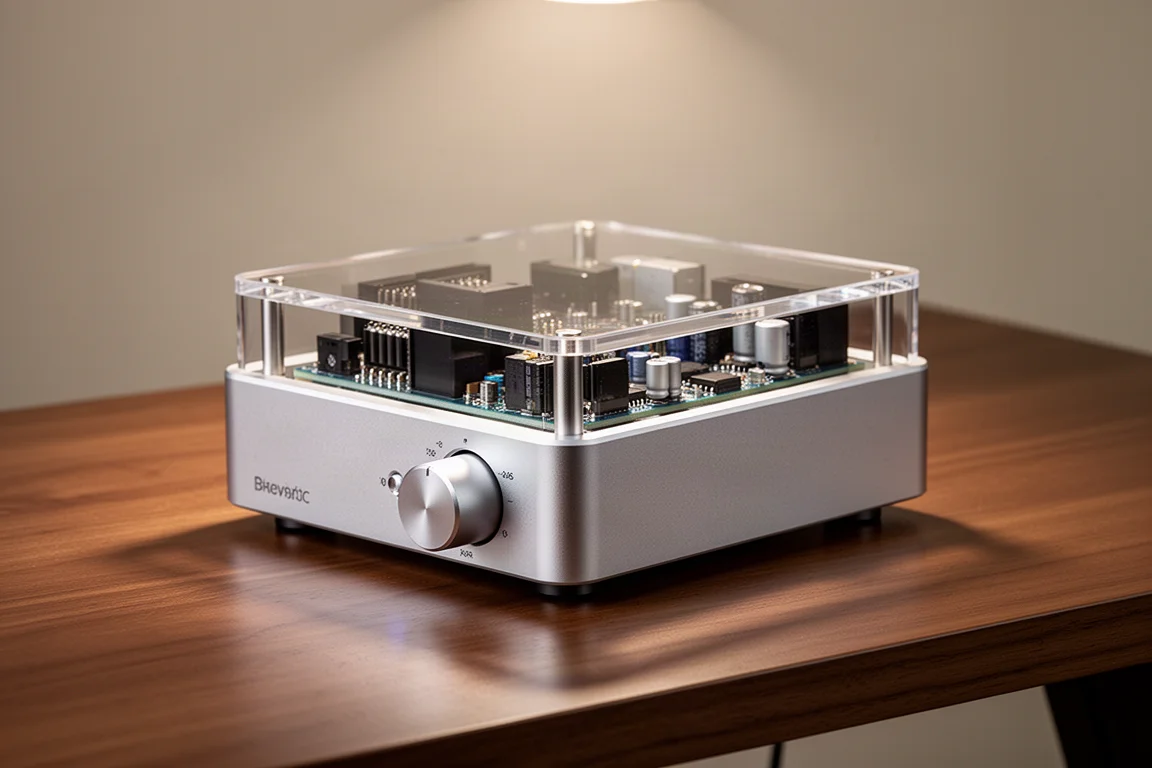
The second Geshelli Labs option is the one to consider if soundstage is the priority. It starts around $250 and climbs toward $500 once optional upgrades are specified, and what it delivers is the widest, most three-dimensional presentation in this group, going beyond even the pricier converters it has been measured against.
That sense of space is the headline, but the rest of the performance holds up as well, with the same natural, non-fatiguing character that makes the brand’s more affordable model so easy to live with. It is not the cheapest way into high-quality desktop audio, and a fully specced build is a genuine investment, but nothing else here creates the same impression of a room behind the speakers.
Best Living-Room Hub: Emotiva XDA-3
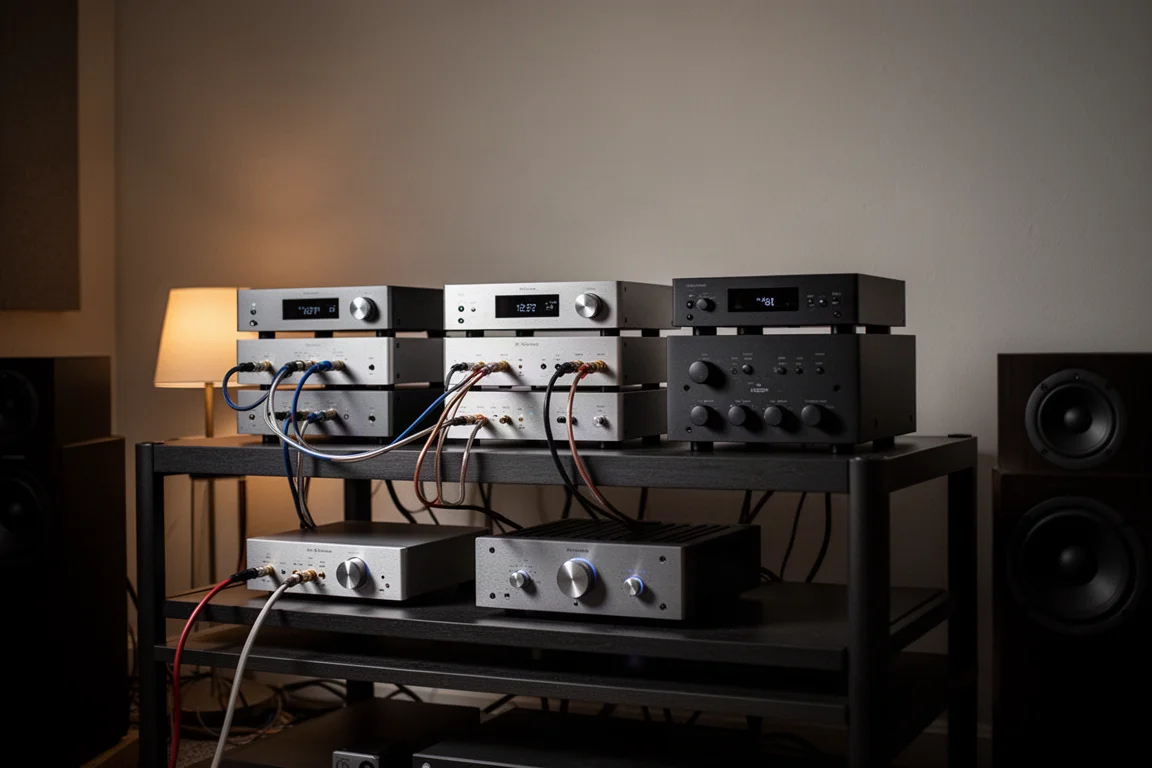
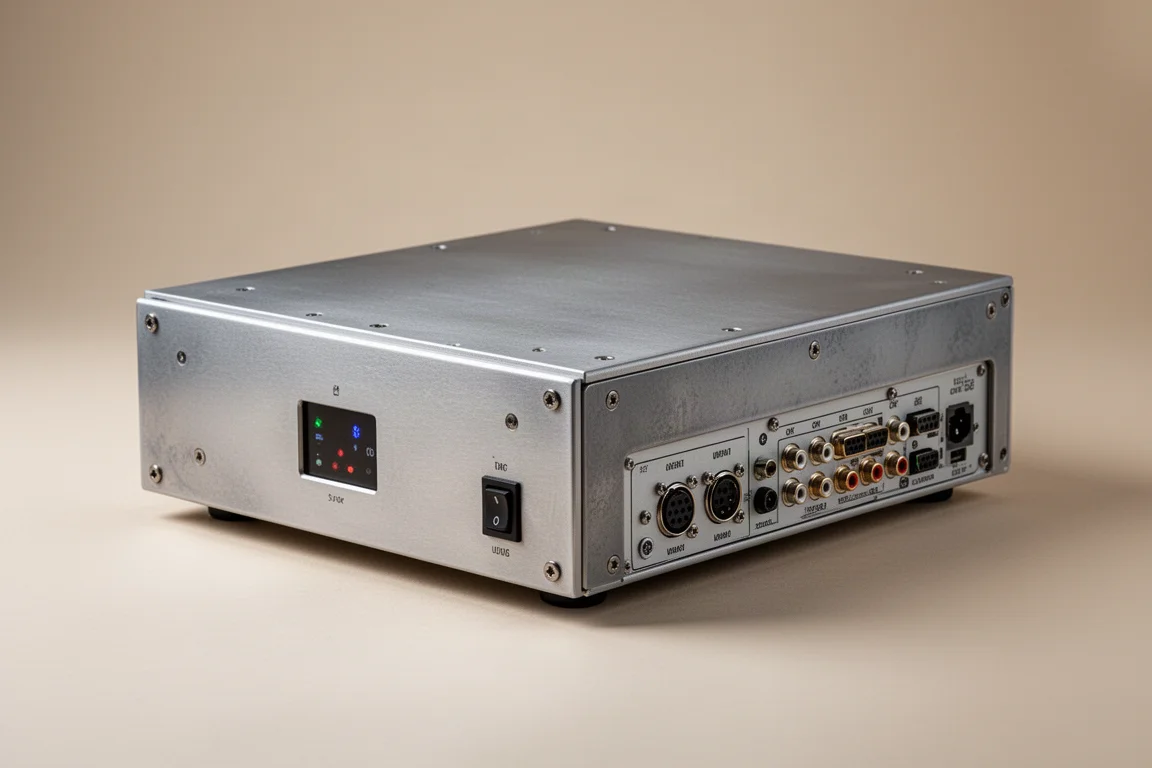
The XDA-3 is a different kind of product. At $700 it is a full-size component built to sit in a rack, and it is a genuinely differential, truly balanced design with an analog input that lets it serve as a proper preamplifier rather than just a converter.
The Sabre ES9038Q2M chipset inside is widely used and well regarded, but the connections are what make this one compelling. Balanced outputs suit long cable runs to powered speakers or a power amplifier, and an HDMI ARC input means the XDA-3 can handle television and movie audio as easily as music. Add a remote control and you have a single box that can run an entire living-room system.
Best High-End Build: EverSolo DAC-Z8
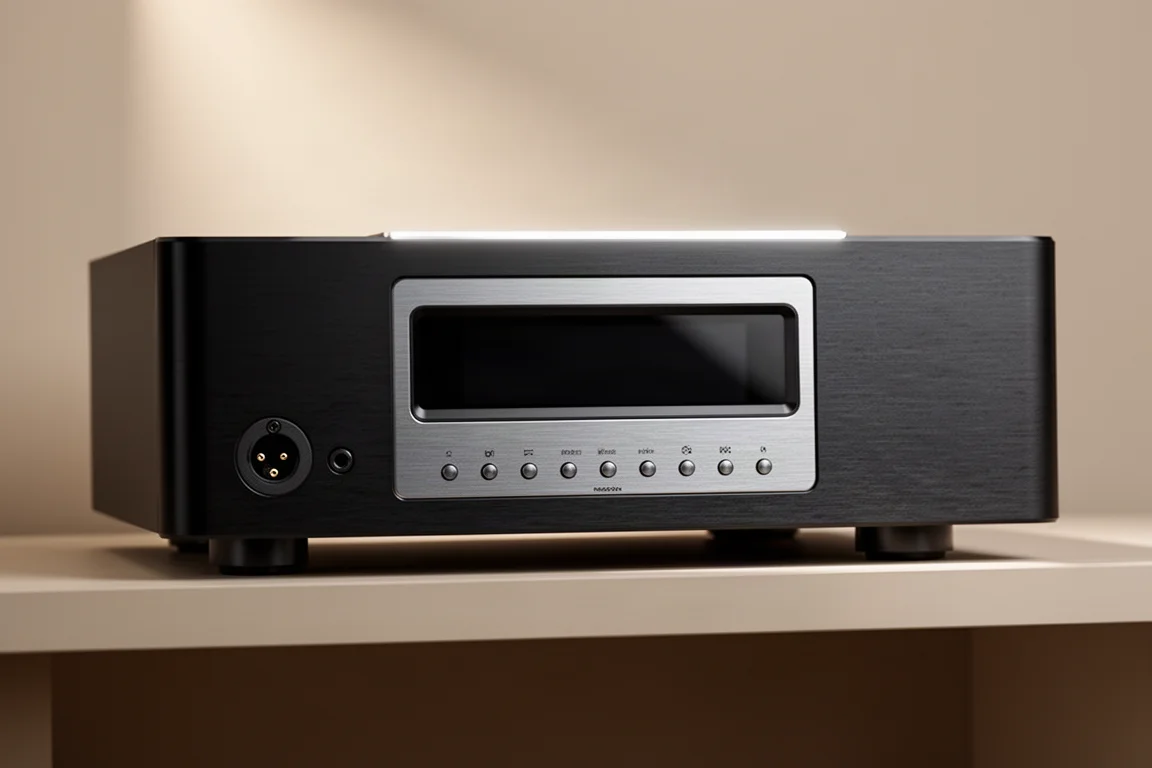
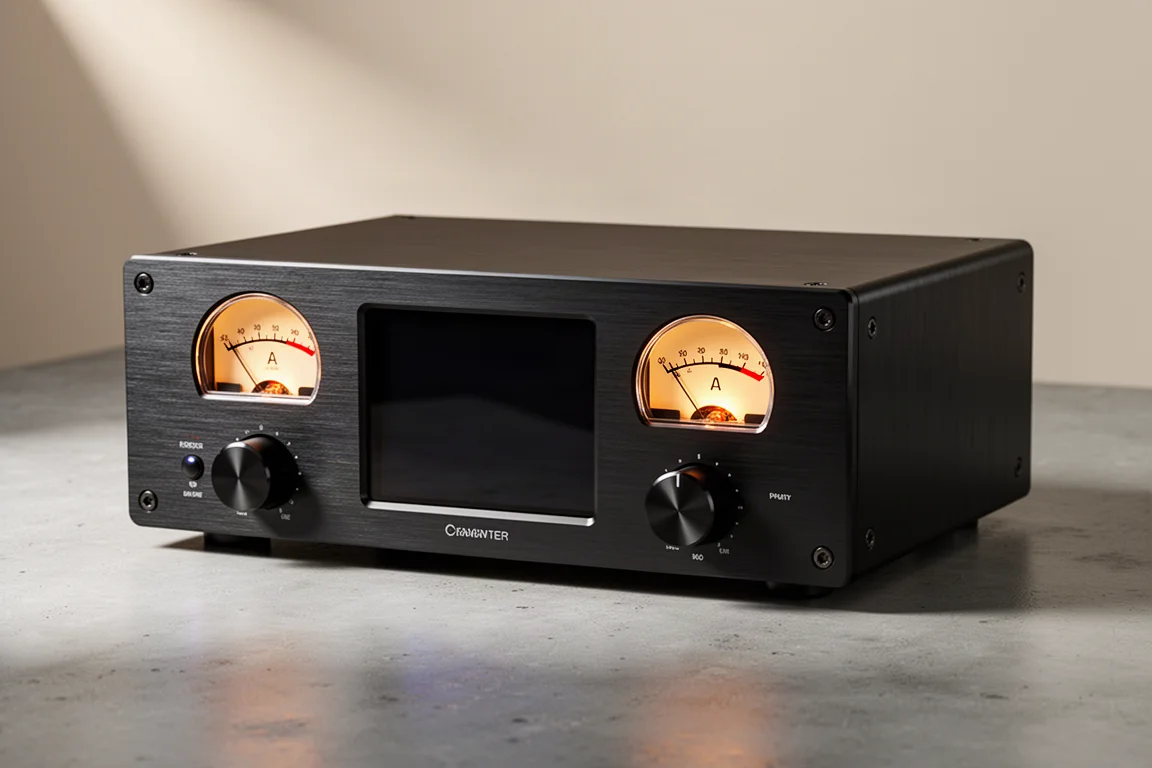
At around $800, the EverSolo DAC-Z8 is the most expensive pick here, and availability can be limited, so it is worth checking stock before planning a purchase. What you get is build quality that surpasses other converters in this price range, decorative VU-style meters, balanced outputs, an AES input, and a broad set of higher-end connections.
Sound quality is excellent, though it is not automatically the better buy. Compared directly against the Geshelli Labs J2 with a premium op-amp upgrade, the J2 came out ahead in most situations, while the EverSolo edged ahead on a few tracks. Expensive and sometimes hard to find, it still justifies its asking price for buyers who want a beautifully built, heavily equipped centerpiece.
Buying Advice
The right choice depends less on budget than on what the rest of the system needs. If the goal is simply to get clean sound out of a computer for the least money, the SMSL SU-1 at $70 to $80 is difficult to beat, and the Schiit Modi 3+ at $130 is the more established alternative.
Between $130 and $190, the M300 SE and the DL200 sit in the value sweet spot, and the DL200 is the one to pick when a headphone amplifier, balanced outputs, and Bluetooth all matter. Above $250, the Geshelli Labs J2 and E2 shift the focus to soundstage, upgradeability, and long-term ownership, while the Emotiva XDA-3 and EverSolo DAC-Z8 are aimed at listeners who want a full-size component with a broad connection set and premium build quality.
Whatever the budget, buy from a seller with a workable return policy or warranty process, and match the converter’s connections to the gear you already own before spending more on specifications you will never use.
Conclusion
Good converters exist at every price point, and the differences between them come down to priorities rather than raw quality. The SMSL SU-1 and Schiit Modi 3+ cover the entry level, the SMSL M300 SE and DL200 add headphone amplification and features for very little more, the Geshelli Labs J2 and E2 deliver soundstage and upgrade potential, and the Emotiva XDA-3 and EverSolo DAC-Z8 serve listeners who want a substantial, fully equipped centerpiece for a main system. Pick the one whose strengths match your setup, and the rest is listening.
Further reading
Related Reviews

Backpacking Gear
Building a 10 lb Base Weight: An Ultralight Backpacking Gear List
A practical walkthrough of the ultralight pieces behind a 10 lb base weight, from a 765 g pack and a roomy one-person tent to a full camp chair and a dependable water filter.

Road Bikes
10 New Road Bikes Worth Watching: Aero, Titanium, Steel and Endurance Standouts
A practical roundup of 10 new road bikes, from aero flagships chasing single-watt gains to titanium, steel and endurance platforms built for real roads.

Bikepacking Gear
11 Bikepacking Essentials for Long-Distance Cycling
Eleven bikepacking essentials for long-distance cycling, from a steel gravel frame and a two-person tent to helmet lights, packable gloves, and a frame bag that puts weight in the right place.