Hi-Fi Audio
Best DACs From $80 to $1,000: Seven High-Value Picks
Seven high-value DACs from $79.99 to $997 USD, with the strengths, features, and trade-offs that matter before you buy.
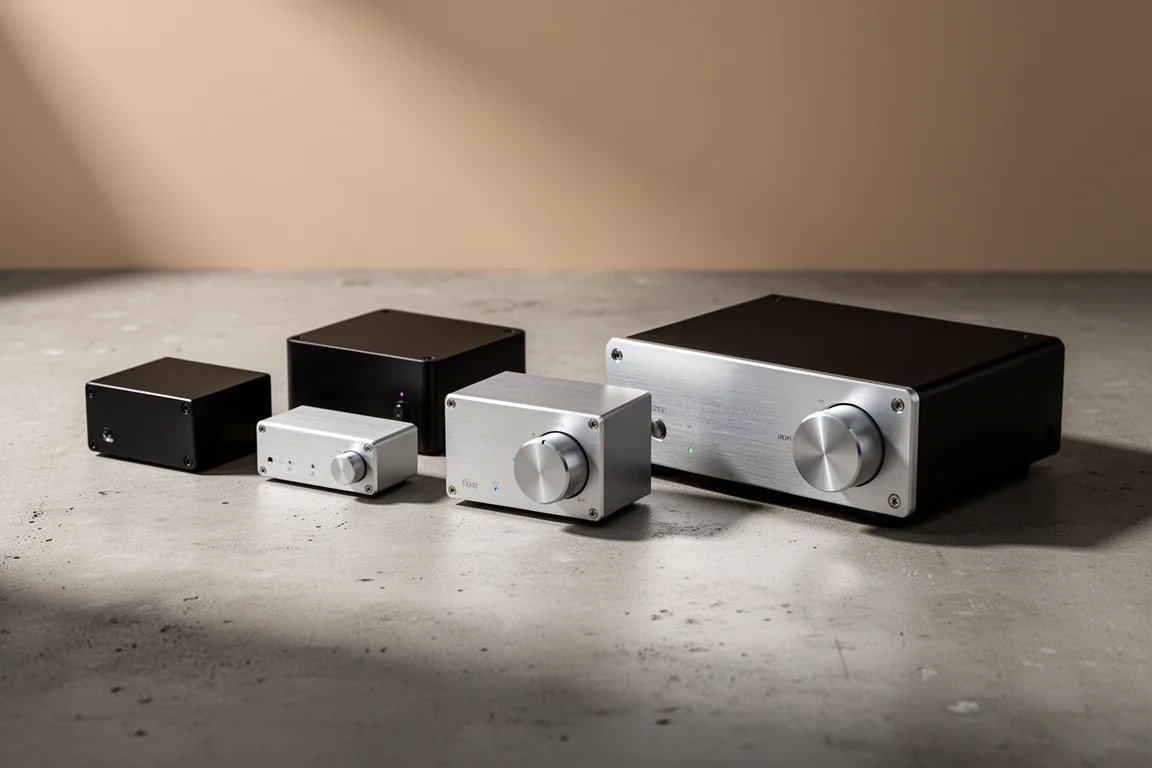
Introduction
A DAC, short for digital to analog converter, is one of the simplest and most effective upgrades available to a system. If your music is coming from an affordable streamer, a television, a streaming box, a laptop, or a phone, the conversion stage inside that device is usually the weakest link in the chain. A dedicated converter takes that job away from the source and hands it to hardware built for the purpose.
Converters also vary more than their specification sheets suggest. Two units can share the same converter chip and still sound clearly different, because the analog output stage shapes the result just as much as the digital section does. That is why a listening-first approach matters more here than in almost any other category.
This guide covers seven converters from $79.99 to $997 USD. Each earns its place for a different reason: raw value, feature set, output flexibility, or outright sound quality.
What to Look For in a Budget DAC
The first thing to decide is what the DAC actually needs to do. Several models here are pure converters: they accept digital inputs and send an analog signal out, with no volume control at all. Others add a remote and a variable output, which lets you drive a power amplifier directly and control loudness from your seat.
Inputs matter just as much. Most units in this range offer USB, optical, and coaxial. USB is the most common way to connect a computer, but it is not automatically the best-sounding path, and some manufacturers invest heavily in their own USB implementations to improve it. Optical and coaxial are useful for televisions, streamers, and disc players.
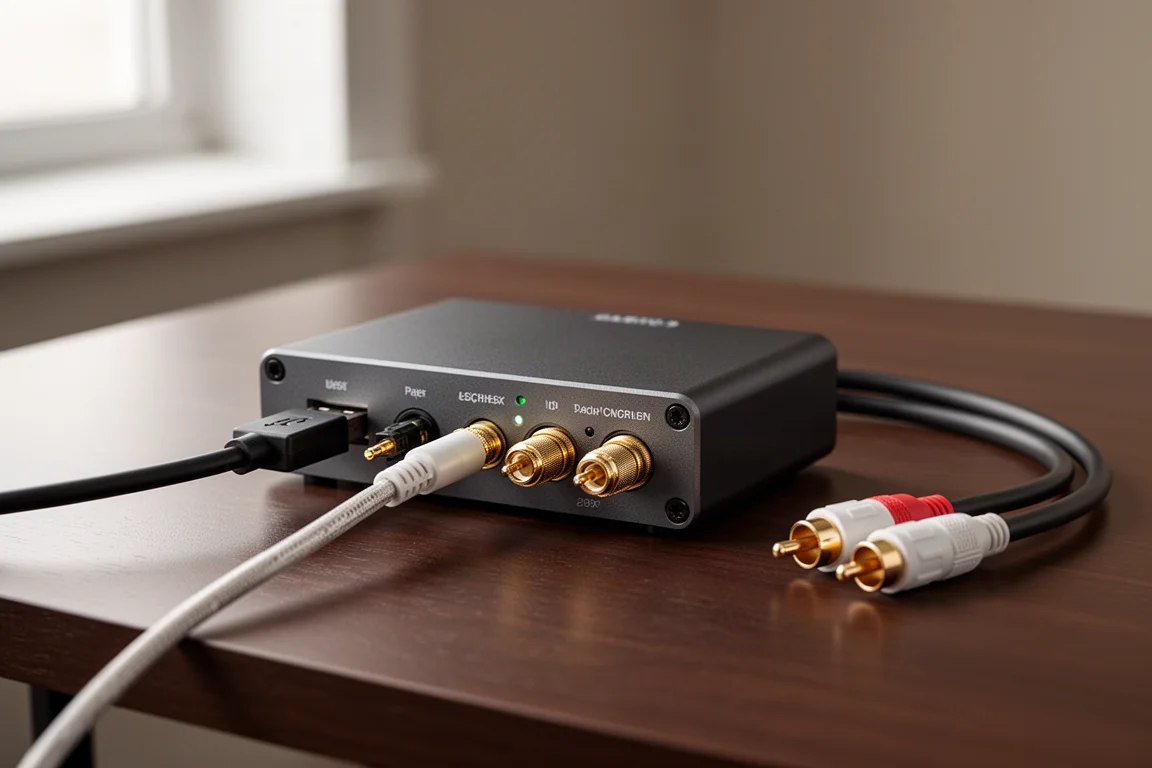
Output format is the next decision point. Single-ended RCA outputs are universal and will work with almost anything. Balanced outputs, whether on XLR or TRS connectors, are worth having if your amplifier accepts them, and TRS can be adapted to XLR when needed.
Chipset naming is useful for orientation but should not be treated as a verdict. Converters using the same silicon appear throughout this list, and they do not sound identical. Power supply design, output stage topology, and the quality of the analog section do more to separate these units than the chip model printed on the box.
Finally, think about where you buy. A DAC at this price point is not worth shipping internationally for service, so a retailer with a straightforward return policy is the safer route if anything goes wrong.
Best Under $100: SMSL SU-1
At $79.99, the SMSL SU-1 is the entry point here and the strongest value in the group. It is deliberately simple: a USB input that also powers the unit, an optical input, a coaxial input, and a single pair of RCA outputs. The front panel carries one small button for input switching, with no remote and no volume control.
Inside, it uses the AKM 4493S chipset. That same chip appears in several other converters, but the SU-1 does not sound like a compromise. Its presentation is dynamic and detailed, with real bass presence, and it stays open rather than harsh. It holds its own against more expensive units in this list, which is unusual at this price.
Best Around $130: Schiit Modi+
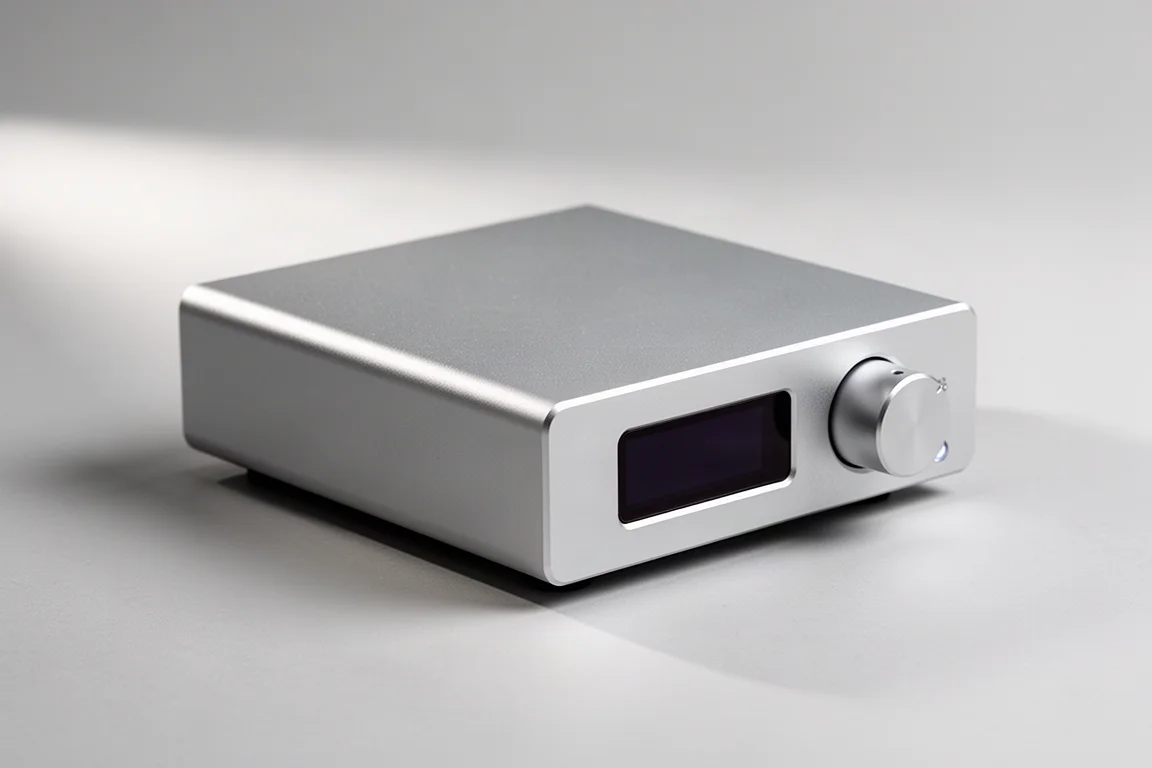
The Modi+ sells for $129 and is designed and built in Texas. The Modi line has been in production for around ten years, and that long refinement cycle shows in the finished product. It uses Schiit’s Unison USB technology, an in-house implementation intended to improve the way audio is pulled from a computer over USB, plus the Sabre ES9018 chipset.
Connectivity covers a USB input, a separate 5 volt USB power input, one optical input, one coaxial input, and a pair of RCA outputs. Like the SU-1, it is a pure converter with no volume control.
Sonically it follows the Schiit house character: detail-oriented and focused on the mid-range. It does not hit as hard at the bottom as the SU-1, and it does not sound identical to it either. For anyone stepping up from a tablet, a television, or the converter built into a streamer, it is an immediate and audible upgrade.
Best Around $200: Topping E50
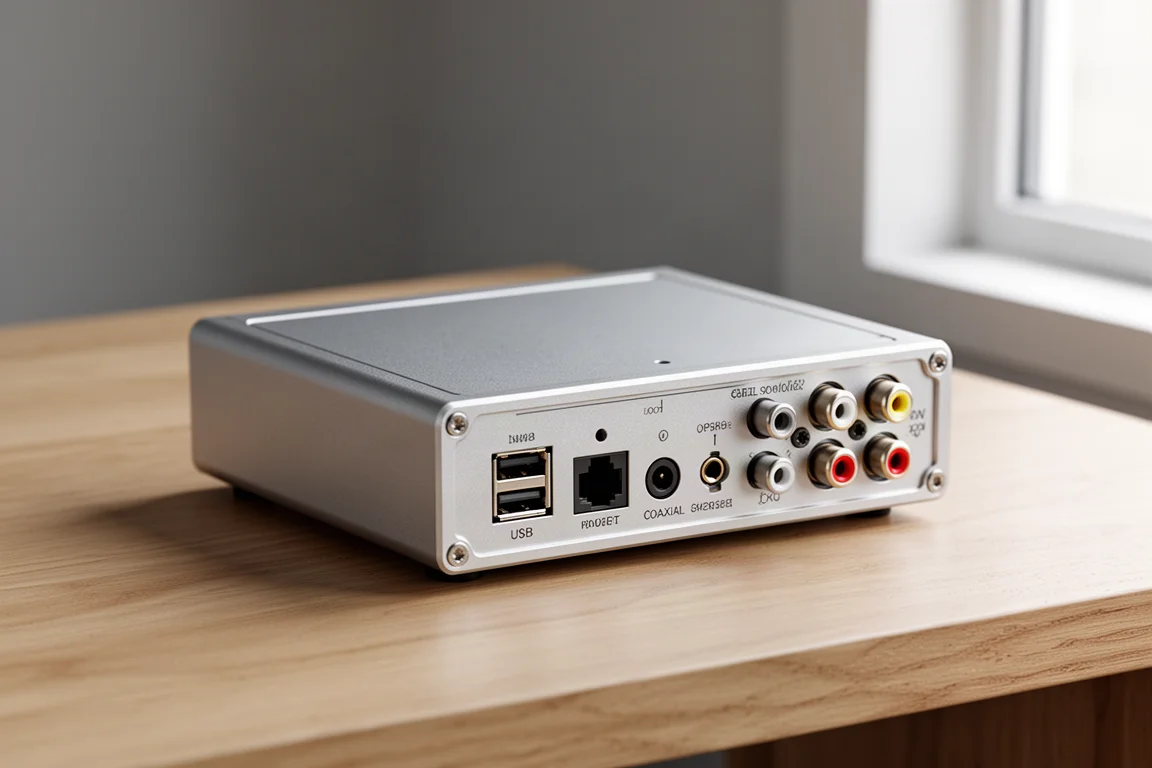
The Topping E50 sits at $199, down from a previous price nearer $250, and it is the first model here to include a remote control. That changes what the unit can do in a system: paired with an integrated amplifier such as a Fosi Audio V3, a Fosi BT20A Pro, an Aiyima A07 Pro, or an A08, the remote lets you control volume across every digital source from across the room.
It is also the first product in this roundup with a balanced output, delivered on TRS connectors rather than XLR. If your amplifier does not accept TRS, an inexpensive TRS to XLR adapter solves it. An RCA output is included as well, along with a full-size coaxial input, a full-size optical input, and a USB input. The converter chip is the ES9068S.
The E50 leans toward the lower end of the spectrum compared with the SU-1 and the Modi+. There is more weight in the bass and a warmer, slightly richer mid-range, which adds up to a more relaxed sound signature overall. If that character appeals more than raw detail, this is the natural step up.
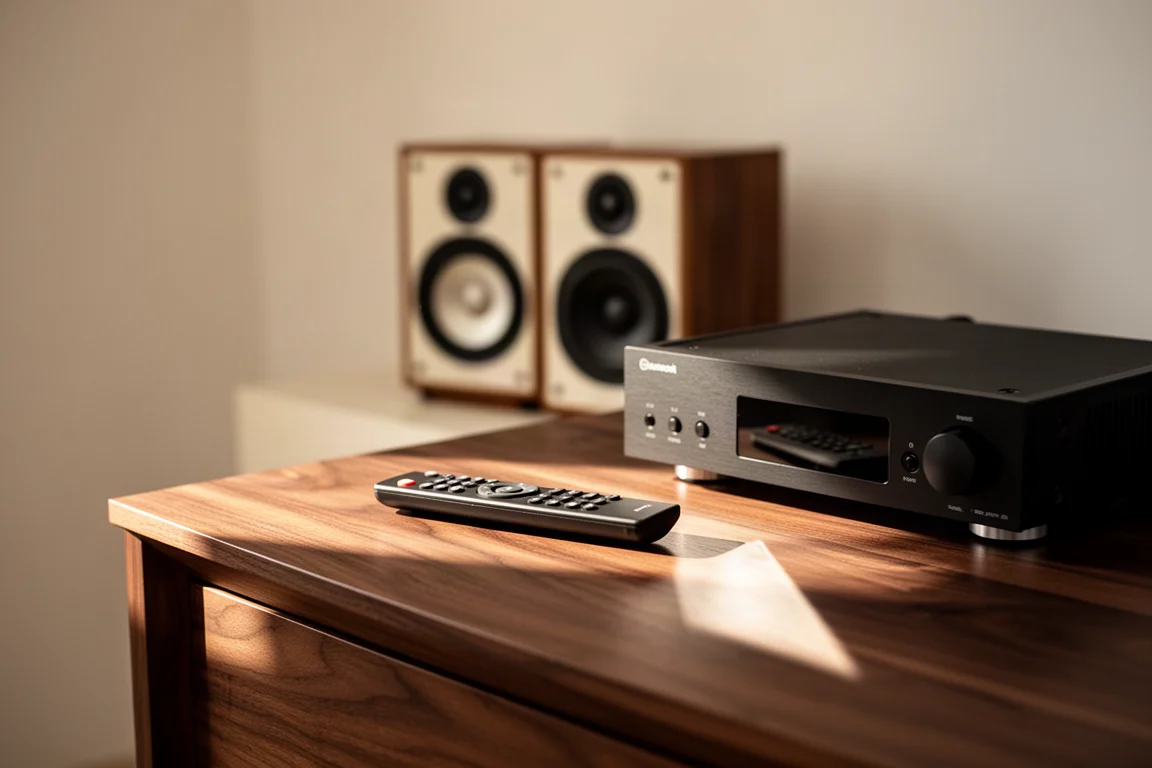
The remote and the balanced output also make the E50 the first unit here that can act as the control center of a small desktop system rather than a fixed converter sitting behind one.
Best Value Pick: Geshelli Labs J2
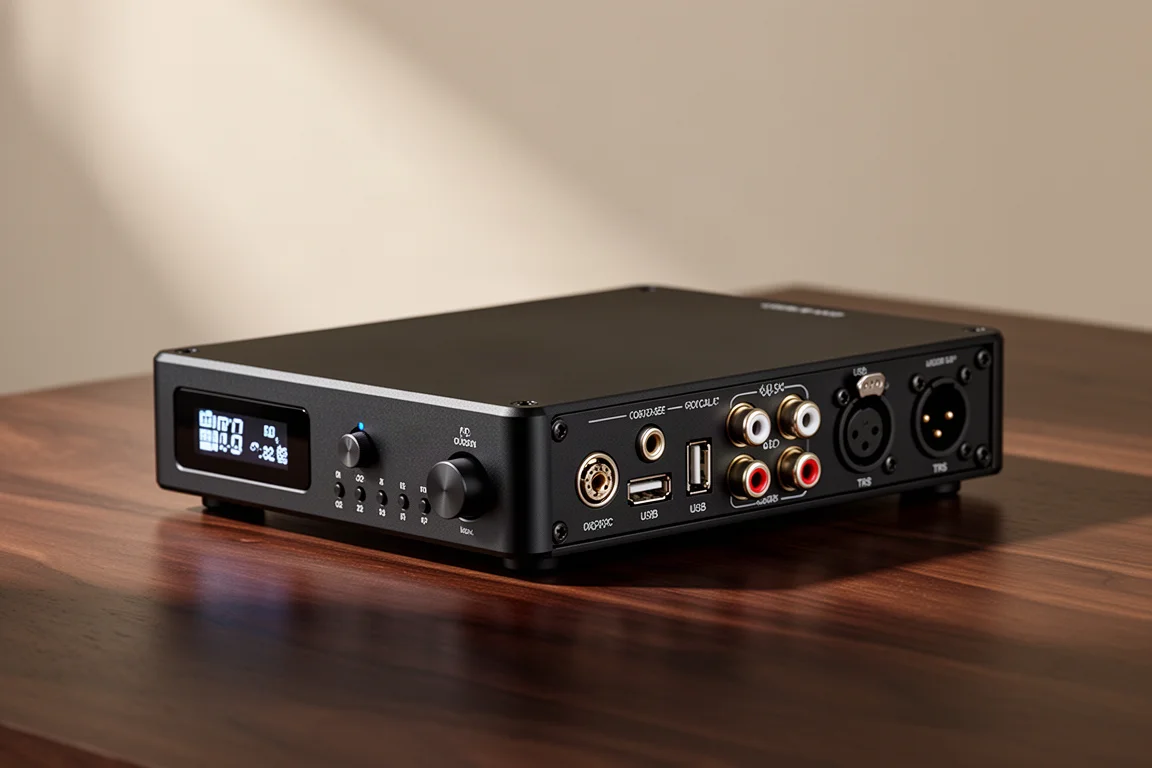
The Geshelli Labs J2 starts at $249 in an aluminium case without USB, and it may be the best value in this entire group. Three versions are available, two built around Sabre chipsets and one around an AKM chipset. The AKM version is the pick of the three for its extra punch at the bottom, though the Sabre versions are strong in their own right.
There are two useful options. A wooden case is available in a range of woods at varying cost, and a socketed board option costs about ten dollars more and lets you swap op-amps later if you want to experiment with the sound. That upgrade path is unusual at this price.
Connectivity is generous: coaxial and optical inputs on the front, a second optical and a second coaxial input on the back, an optional full-size USB input for about $50 more, and both RCA and XLR outputs. The output is non-variable, so there is no volume control.
Build and support are part of the appeal. The J2 is designed and assembled in the United States, with customer service based there as well. In sound quality terms, it competes with converters costing roughly twice as much, and it is the unit that anchors this list for pure value.
Best Mid-Range: SMSL SU-9N
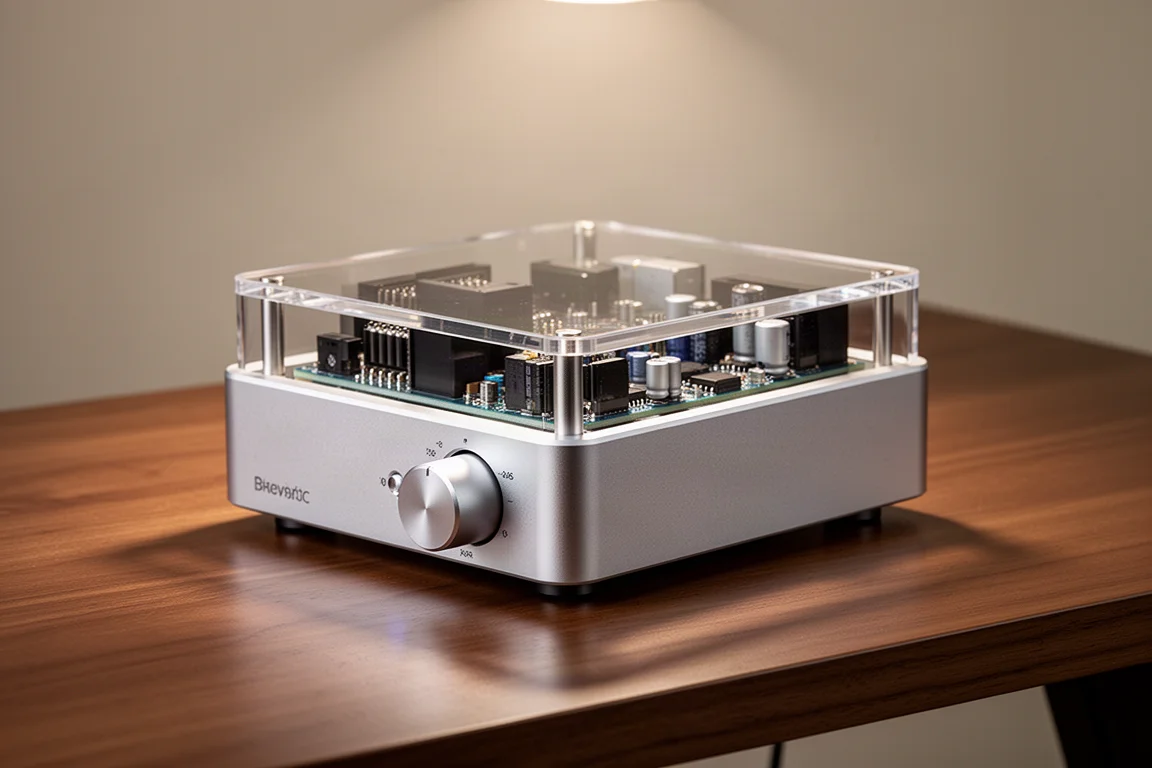
At $400, the SMSL SU-9N is the non-MQA edition of the SU-9, which trims the price without giving up the core design. It brings back the convenience features: a remote control and a genuinely nice volume control, so it can drive an amplifier directly.
Outputs cover both balanced and single-ended connections. Inputs include coaxial, optical, and a full-size USB connection. It uses the Sabre ES9038 Pro chipset and adds LDAC Bluetooth for wireless listening from a compatible device. Power comes from a discrete linear power supply built into the chassis rather than an external switching brick.
On sound alone it does not surpass the J2. What it offers instead is flexibility: volume control, a remote, balanced outputs, and Bluetooth in one box.
Best Around $700: Eversolo Z8
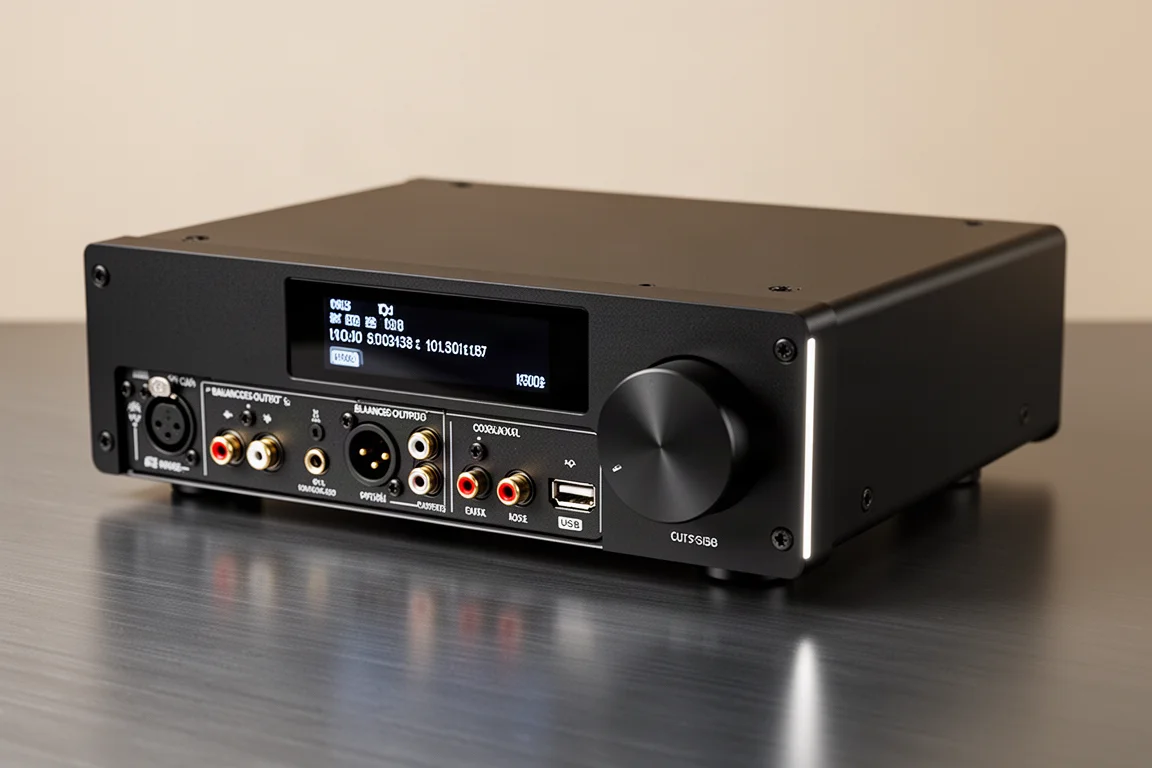
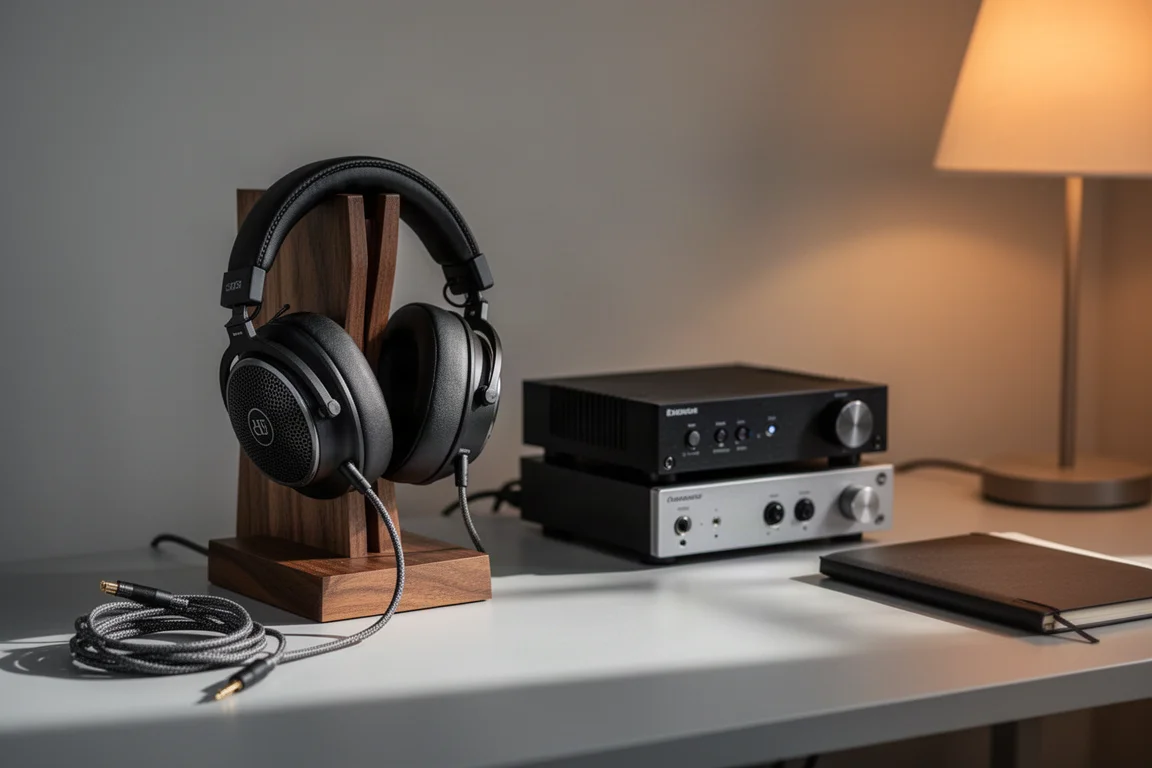
Around $700, the Eversolo Z8 steps into a different tier of build and features. Eversolo arrived on the scene with high-quality DACs and streamers, and the Z8 reflects that background. It uses a Sabre Pro chipset and includes a built-in headphone amplifier, which makes it usable as a complete desktop hub.
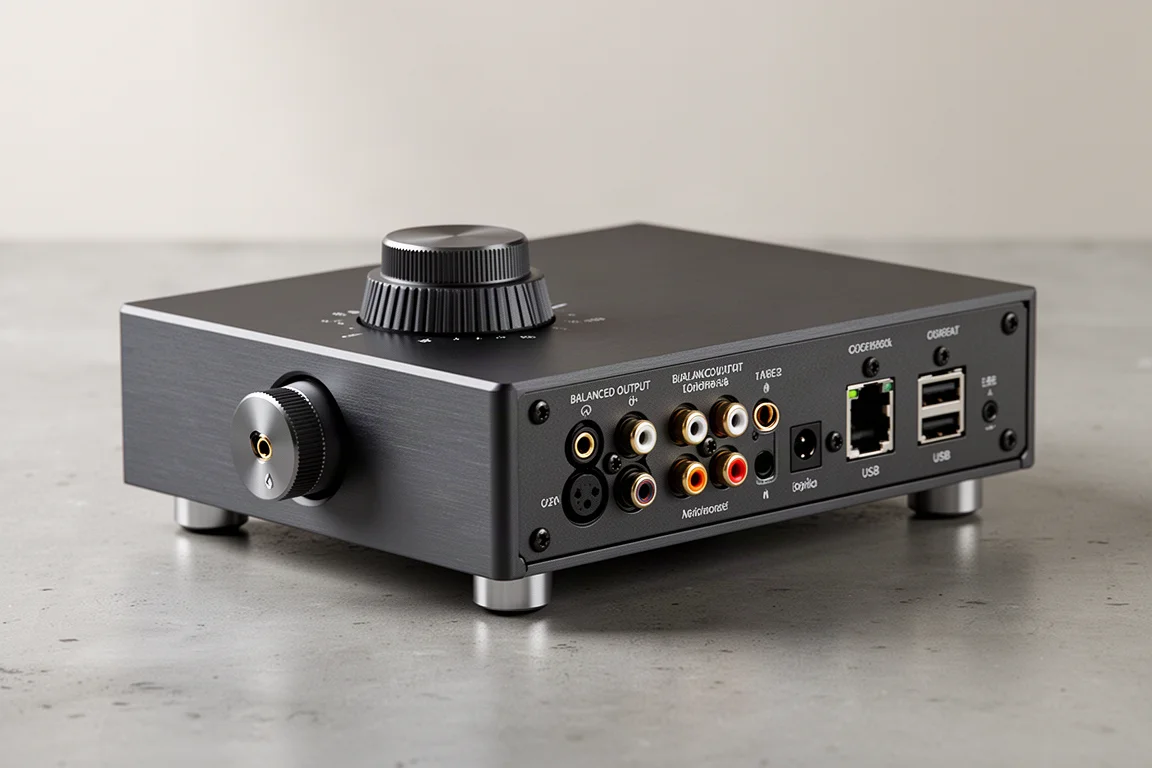
The rear panel is well equipped: balanced outputs, RCA outputs, a single coaxial input, a single optical input, two USB inputs (one USB-C and one printer-style connector), and a dedicated USB port for updates. Four feet support the chassis, and the volume control is a stepped design that feels substantial in use.
It is the first unit in this list that can genuinely rival the J2 on sound quality, unless the J2 has had its op-amps changed, in which case the comparison opens up again. For anyone with roughly $700 to spend and no interest in a ladder design, the Z8 is a straightforward recommendation.
The headphone amplifier also means the Z8 can serve as a single box for both speakers and headphones, which is a meaningful advantage in a smaller setup.
Best Premium Pick: Denafrips Ares II 12th Edition
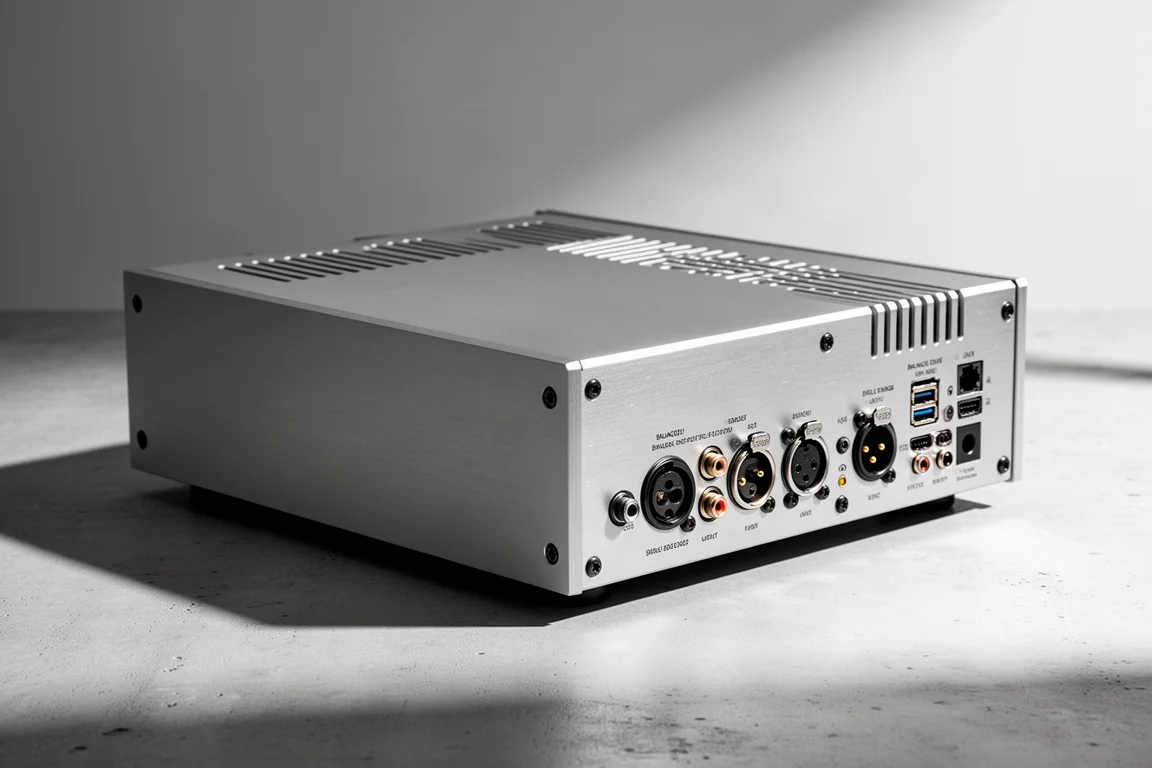
At $997 USD, the Denafrips Ares II 12th Edition closes out the list. Note that the manufacturer’s site defaults to Singapore dollars, so it is worth confirming that USD is selected before ordering. This is the only ladder DAC here, using discrete parts rather than a delta sigma chipset, which is an older approach that produces a distinctly different character.
Its standout quality is soundstage. The presentation is large and immersive, and it is noticeably airier on top than the Topping E50. There is no volume control at all: the unit is either on or off, so it needs a preamplifier or an integrated amplifier with its own volume.
Value is where the case gets more complicated. The J2 and the Eversolo Z8 both compete with it in meaningful ways. The sound characteristics and the sense of immersion are not identical, but in a direct comparison the differences are not enormous. The Ares II is the pick here for listeners who specifically want a ladder design and prioritize soundstage above everything else.
Buying Advice: Matching a DAC to Your System
The right choice depends far more on your system than on the price bracket. If you have under $100 to spend, the SMSL SU-1 is where the money should go, and the Schiit Modi+ is the sensible alternative just above it if you want a different tonal character.
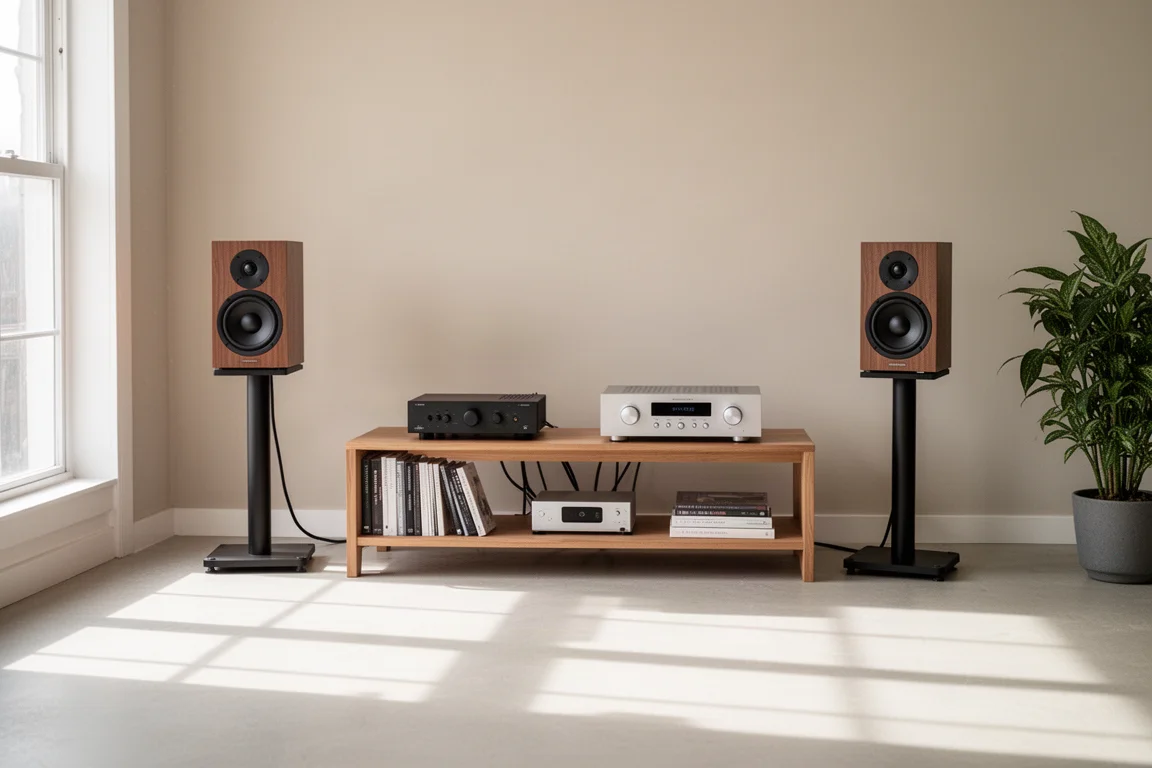
If you need to control volume from your seat, the picture changes. The Topping E50 at $199, the SMSL SU-9N at $400, and the Eversolo Z8 at around $700 all include remotes, and all three can feed a power amplifier directly. The Geshelli Labs J2 and the Denafrips Ares II do not, so they belong in systems that already have a preamp or an integrated amplifier handling volume.
Balanced outputs are worth paying for if your amplifier has balanced inputs. The E50 offers TRS, while the SU-9N, the J2, and the Z8 provide balanced connections as well, and adapters cover the gap where connector types differ.
If you want a single box for headphones and speakers, the Eversolo Z8 is the only unit here with a built-in headphone amplifier. If you want a future upgrade path, the J2’s socketed board option is unique in this group.
Conclusion
Seven converters, seven different reasons to buy. The SMSL SU-1 is the best entry point under $100, the Schiit Modi+ offers a mid-focused alternative just above it, and the Topping E50 adds a remote and a balanced output at $199. The Geshelli Labs J2 remains the value champion of the group, the SMSL SU-9N brings volume control and Bluetooth at $400, and the Eversolo Z8 is the strongest all-rounder near $700. At the top, the Denafrips Ares II 12th Edition delivers the largest soundstage of the group for listeners who want a ladder design.
Any of these will make a clear difference if you are currently listening through the converter inside a television, a laptop, or an entry-level streamer.
Further reading
Related Reviews
Hi-Fi Audio
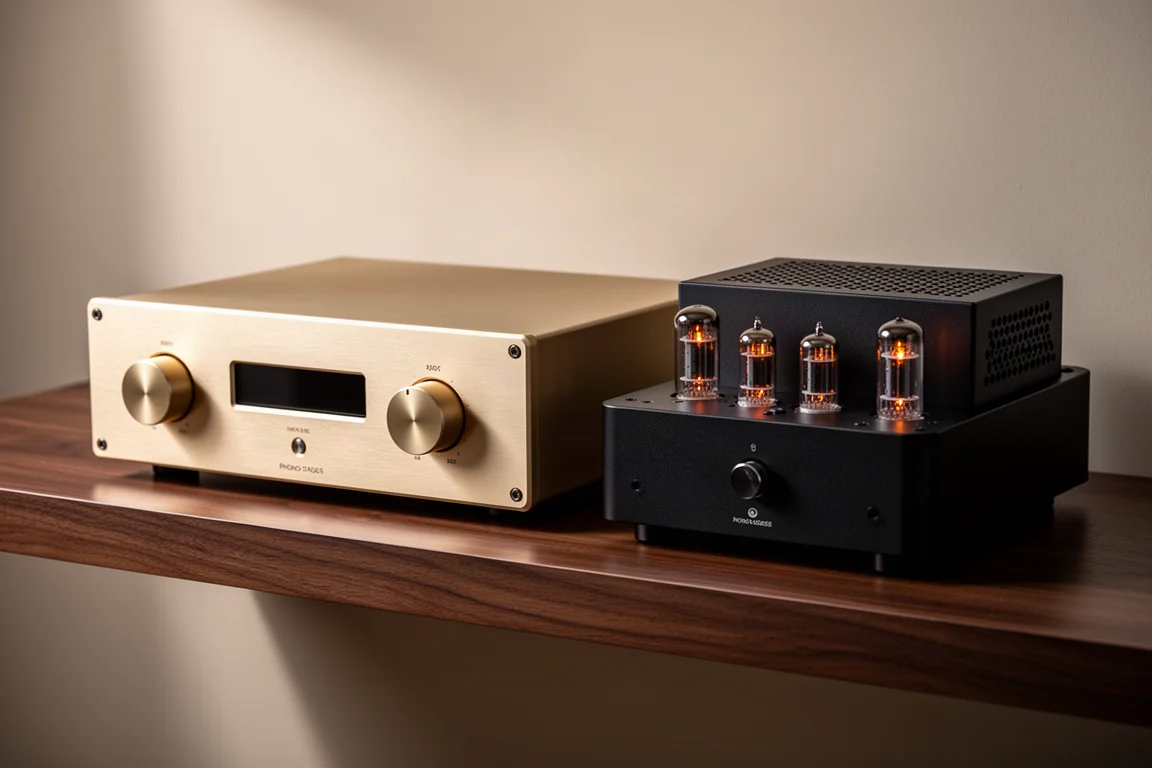
Accuphase C-57 vs Allnic H-7000V: Two High-End Phono Stages Compared
A fully balanced solid-state phono stage with a pitch-black noise floor meets a tube design built for well-loved records. Here is how to choose between them.
Hi-Fi Audio
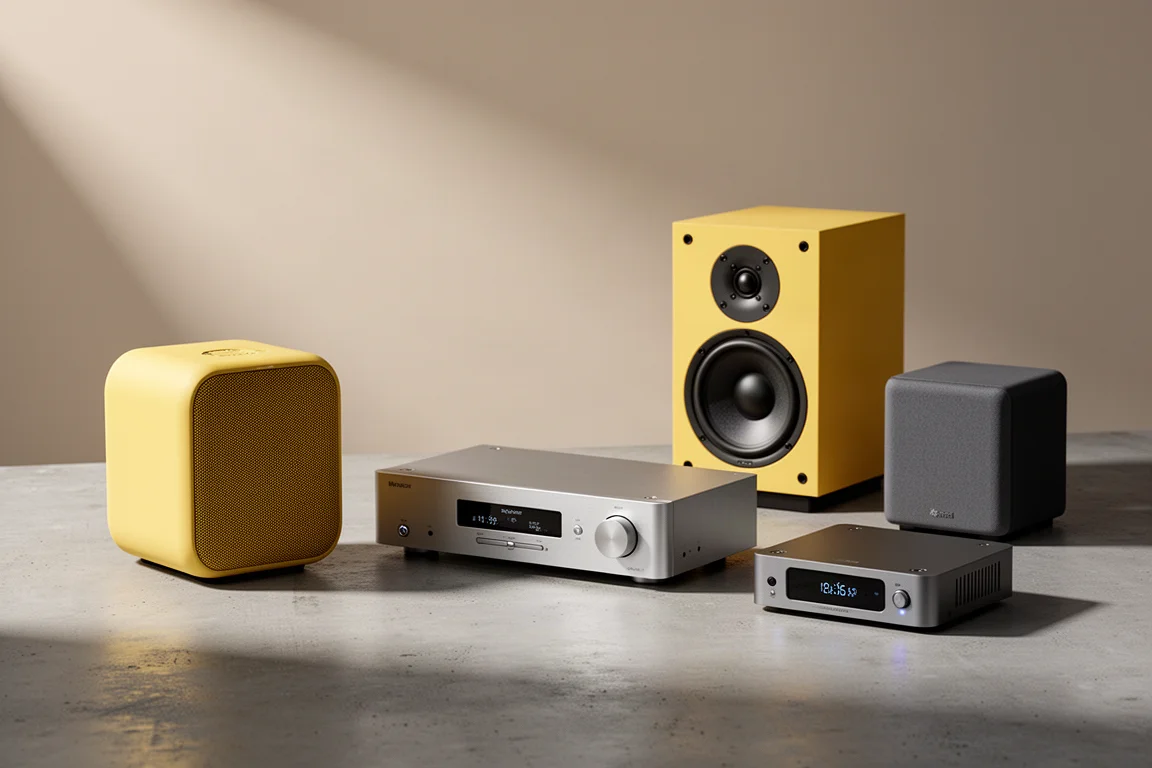
Active vs Passive Hi-Fi: Five Components for a Modern System
Five components that define modern active and passive hi-fi systems, with the strengths, trade-offs and setup details worth weighing before you buy.
Hi-Fi Audio
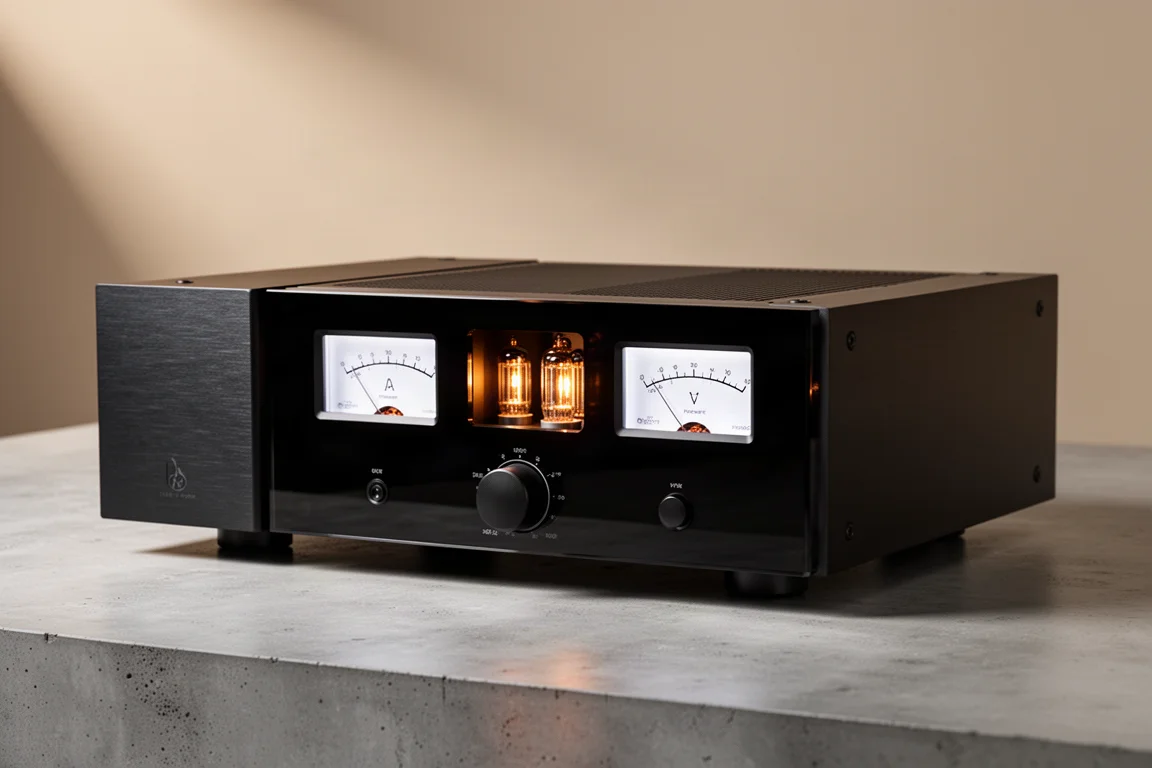
Advance Paris A10 Apex Review: A Hybrid Integrated Amplifier That Covers a Lot of Ground
A French hybrid integrated amplifier with a class A tube preamp stage, analogue power meters, and an internal DAC and phono stage good enough to make extra boxes unnecessary.