Cycling Hydration
Best Cycling Hydration Gear: Bottles, Vests and Frame Packs Compared
A practical look at five hydration options for cyclists, from insulated bottles to wearable vests and frame packs, plus the science of what to put in them.
Introduction
Hydration is one of the few parts of cycling where getting it wrong has immediate consequences. Riders who under-drink on a long, hot day do not simply feel slow; they lose blood volume, their cardiovascular system works harder than it should, and the ride stops being enjoyable well before it stops being possible.
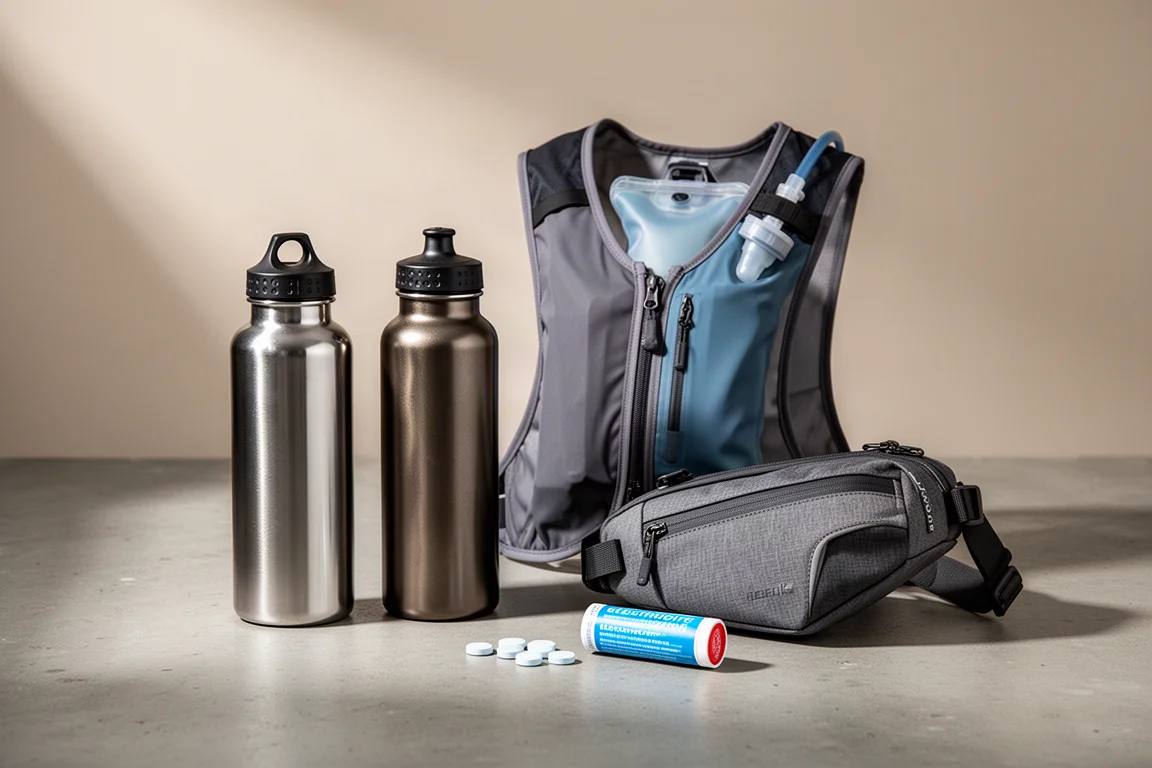
The good news is that the equipment side of the problem is largely solved. There are bottles that keep liquid cold for hours, vests that let you drink without touching the bars, and frame packs that carry several litres of water without adding anything to your back. Below are five options worth understanding, followed by the practical science of what to put in them.
What to Look for in a Hydration Setup
The first question is not which bottle to buy but how much liquid you realistically need to carry. A 710 ml bottle covers a short ride comfortably; anything longer, or anything with infrequent resupply, pushes you towards more capacity. Bigger bottles let you drink when you want rather than when you are forced to stop.
Temperature matters more than most riders admit. A cold drink is simply more appealing on a hot climb, which means you drink more of it, which means you are better hydrated. Insulation is therefore a performance feature, not a luxury one.
Hygiene is the other consideration. A two-way self-sealing valve makes it difficult for road grime to get into the bottle, and a cap adds a further barrier. On long days where dust and spray end up everywhere, that protection is genuinely useful.
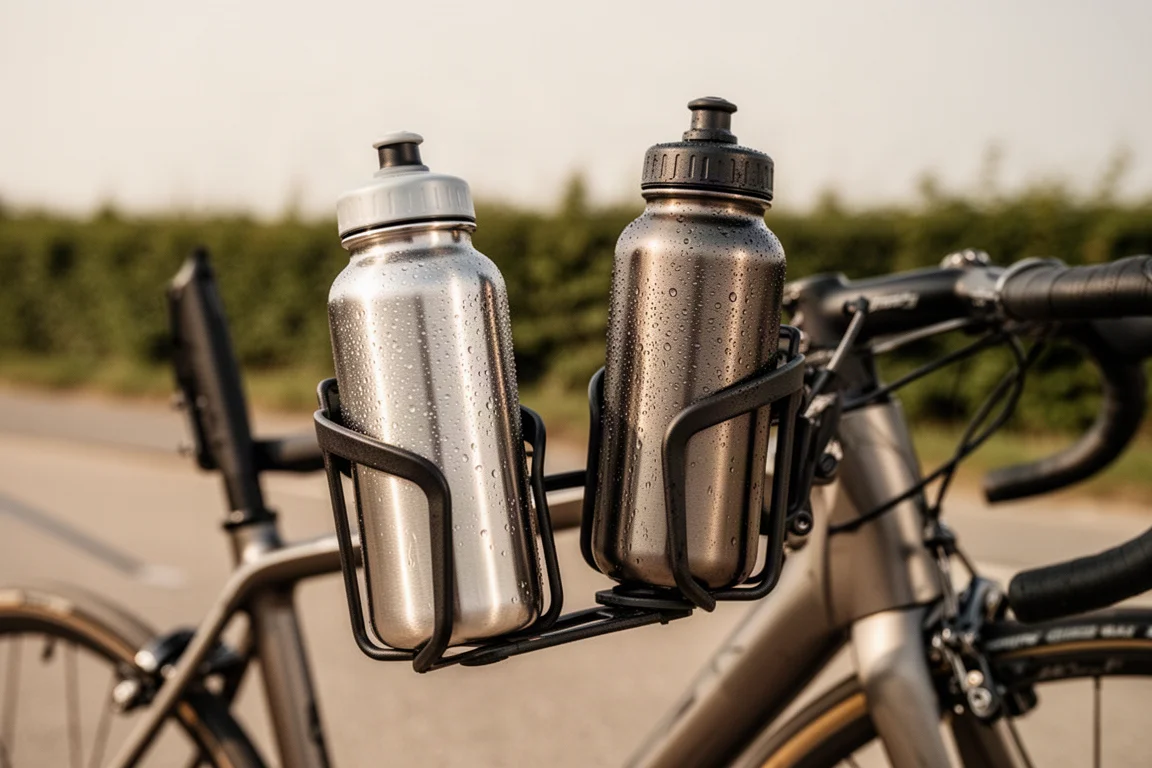
Finally, think about how you drink while riding. Some riders are comfortable reaching for a bottle in technical terrain; others are not, and those riders benefit most from a hands-free tube system. Matching the format to your confidence and terrain is what makes a setup work in practice.
CamelBak Podium: Vacuum-Insulated Bottles
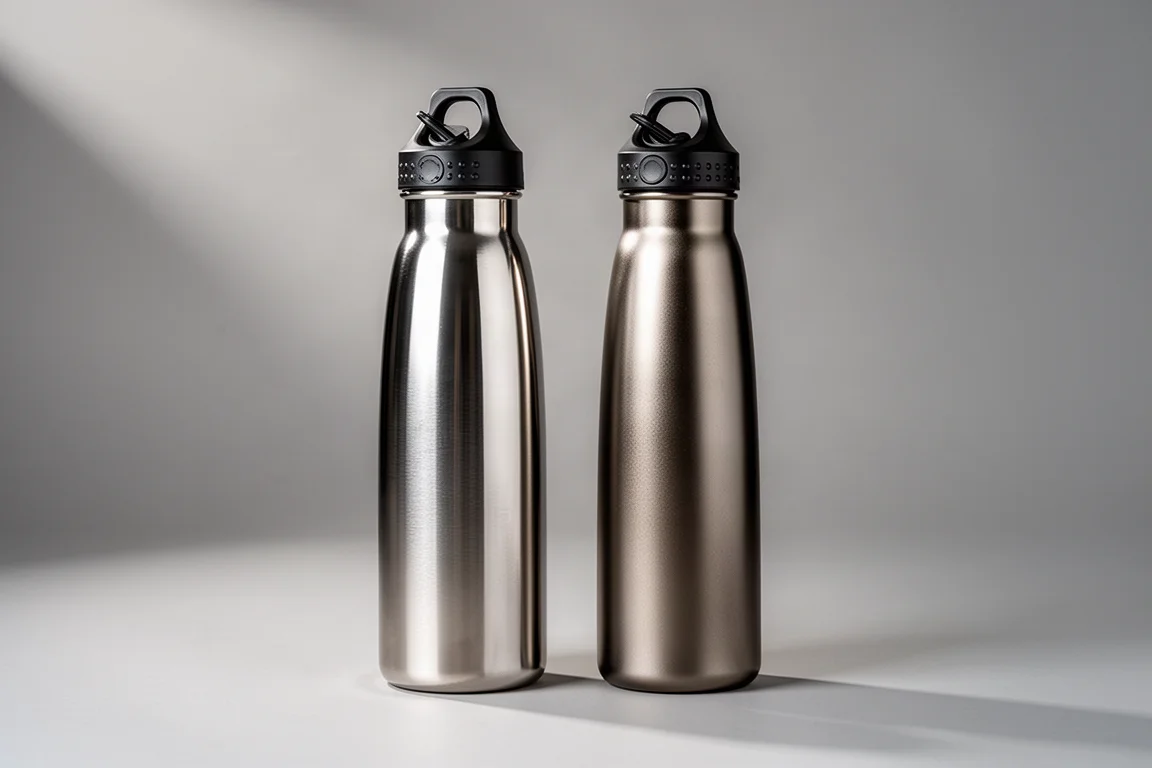
The Podium line sits at the top of the bottle range. These are double-wall vacuum-insulated bottles available in steel and even titanium, and the insulation is strong enough to keep a drink cold for most of a day. For riders heading into sustained heat, that is a meaningful difference rather than a small comfort.
They use a two-way self-sealing valve, so it is difficult for dirt and grime to work their way inside, and an optional cap can be added as an extra barrier. On longer bikepacking trips, where bottles pick up everything the road throws at them, that detail is worth having.
CamelBak Chill Bottle: Insulated Cooling for Warmer Rides
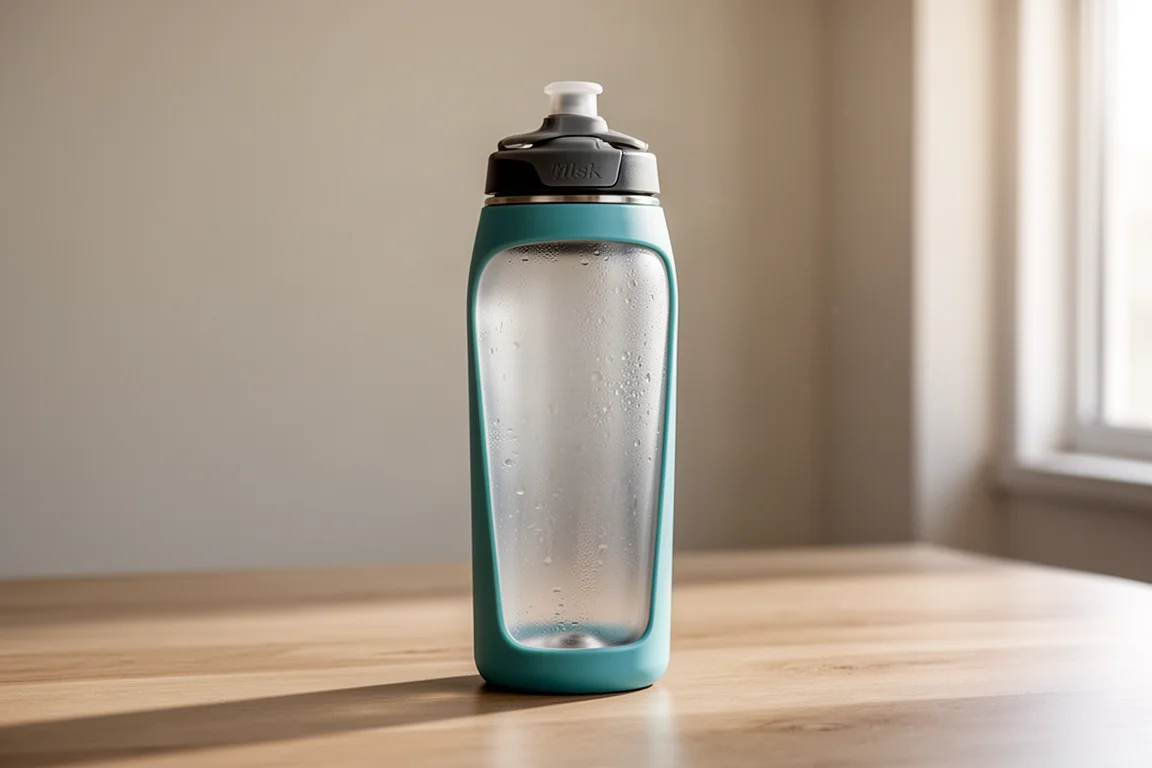
The Chill is the insulated version of the standard bottle, built with a double wall to keep your drink cold as you ride. It is the simpler, lighter route to the same benefit: a drink that still tastes refreshing an hour into a hot climb.
Riders often find that a cold bottle encourages them to drink more regularly, which is exactly the behaviour that prevents dehydration from creeping in. If you want insulation without the vacuum-insulated construction of the Podium range, this is the sensible middle step.
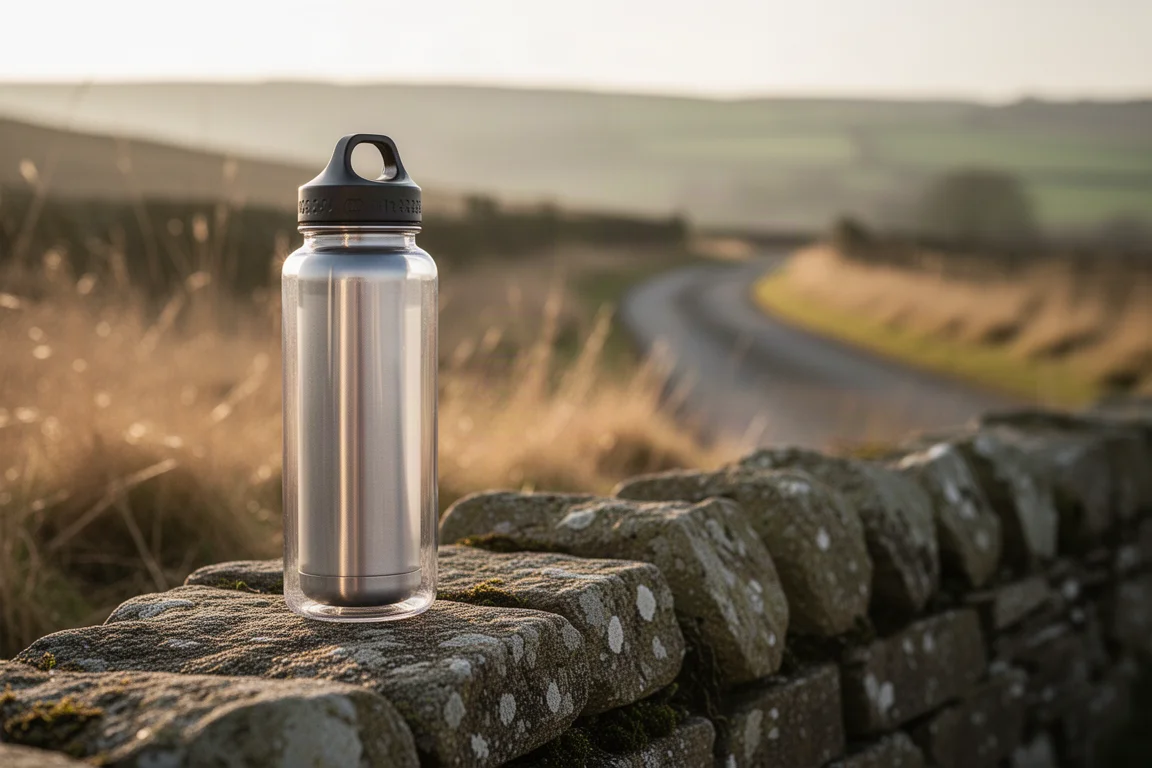
It is also the easiest place to start if you are replacing a single worn-out bottle rather than rebuilding a whole hydration setup. Capacity is available at the smaller end for shorter rides and at 710 ml for riders who prefer to carry as much as possible.
CamelBak Chase Vest: Wearable Water and Gear Capacity
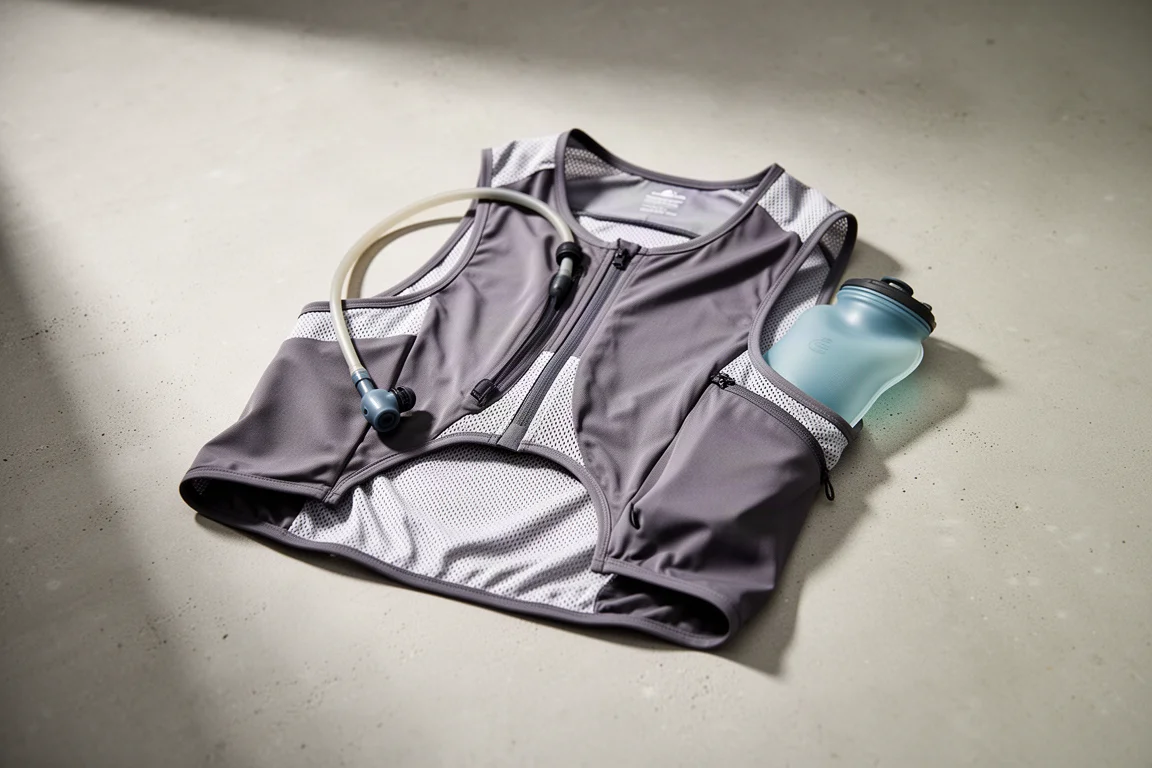
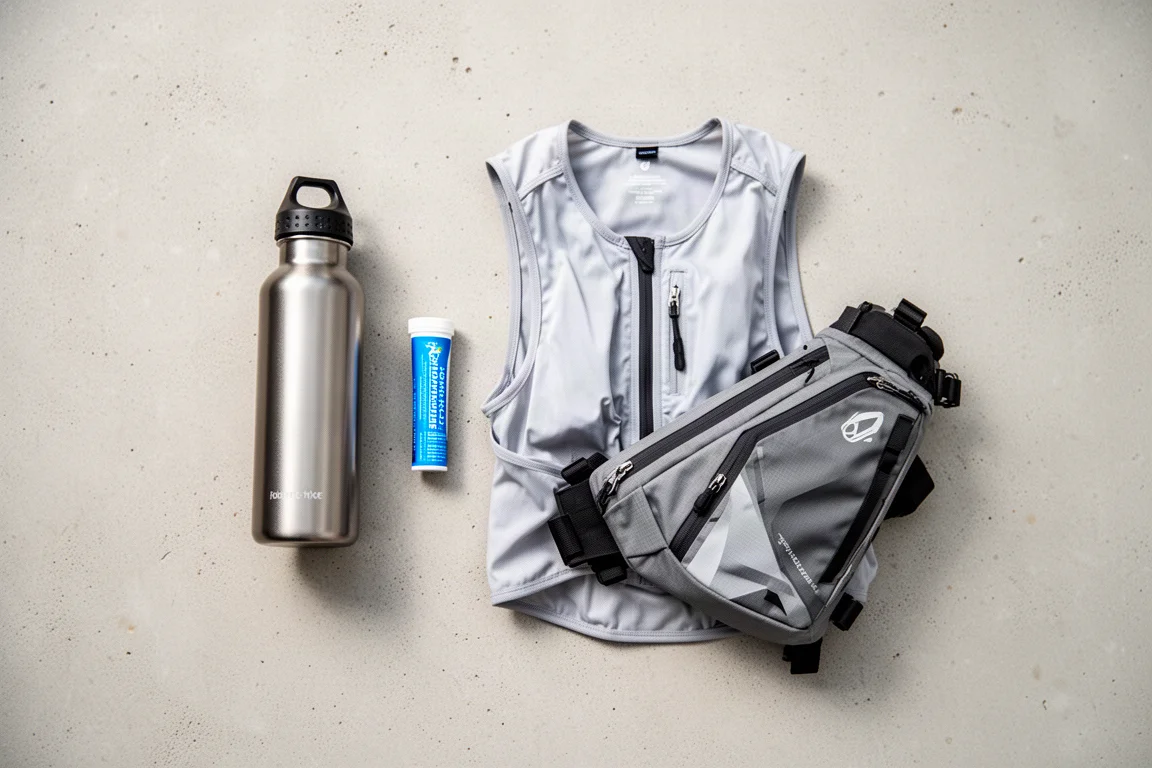
A hydration vest increases what you can carry without touching the bike. The Chase vest holds 1.5 litres of water along with 2.5 litres of gear capacity, which makes it a good fit for longer gravel rides or dawn-to-dusk road efforts where refill points are spread far apart.
The biggest advantage of a pack like this is how easy it is to drink from. The tube lets you take on fluid with both hands still on the bars, which matters if you are nervous about reaching down for a bottle or riding terrain that demands your full attention. There is also room for snacks, a phone or a camera, and the design keeps the load from bouncing around the way a general-purpose backpack would. Your jersey pockets remain accessible from behind.
CamelBak Mule Frame Pack: Water On the Bike
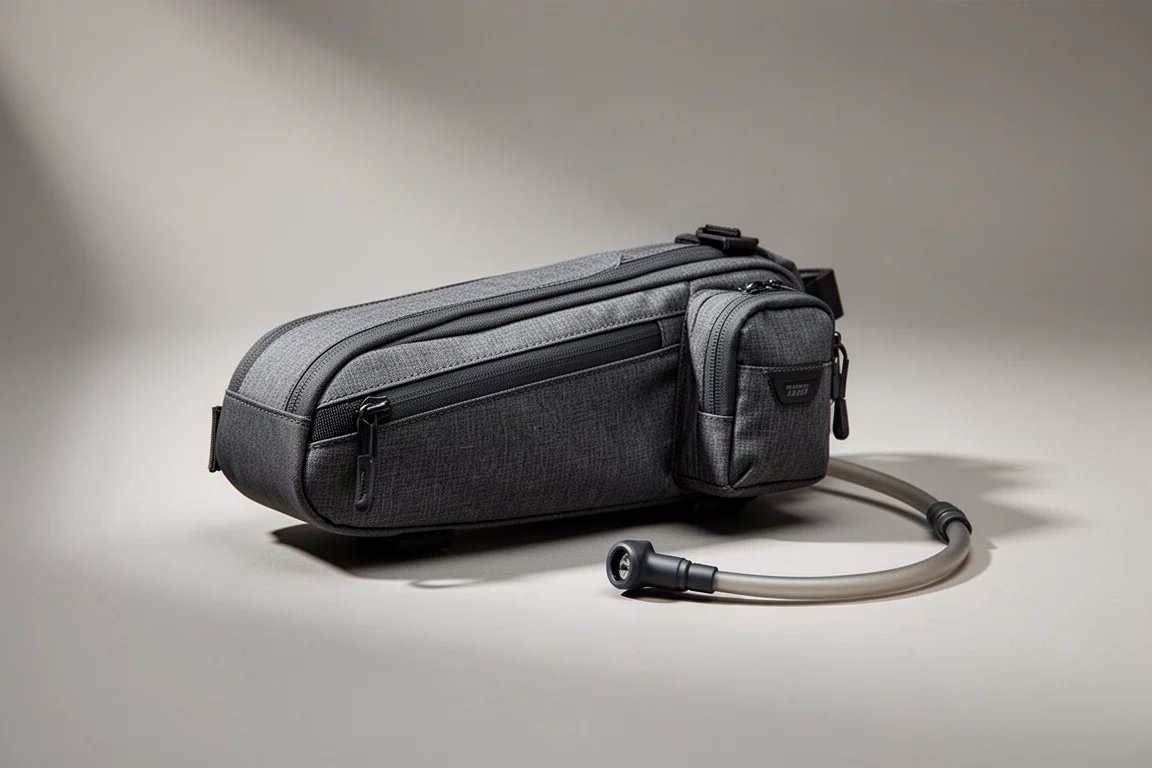
If you would rather not wear anything on your back, a frame-mounted pack moves the weight to the bike. The Mule frame pack carries a two-litre reservoir and leaves space for gear such as mechanical spares or food, and it drinks through a tube in the same hands-free way as a vest.
A neat touch is that the reservoir can be removed and used as a normal bottle, which adds flexibility on trips where resupply points are genuinely scarce. Because the bike carries the water, the setup suits riders who dislike the feeling of a pack on their shoulders but still want a significantly larger carry capacity than two bottles alone provide. It works alongside standard bottles rather than replacing them.
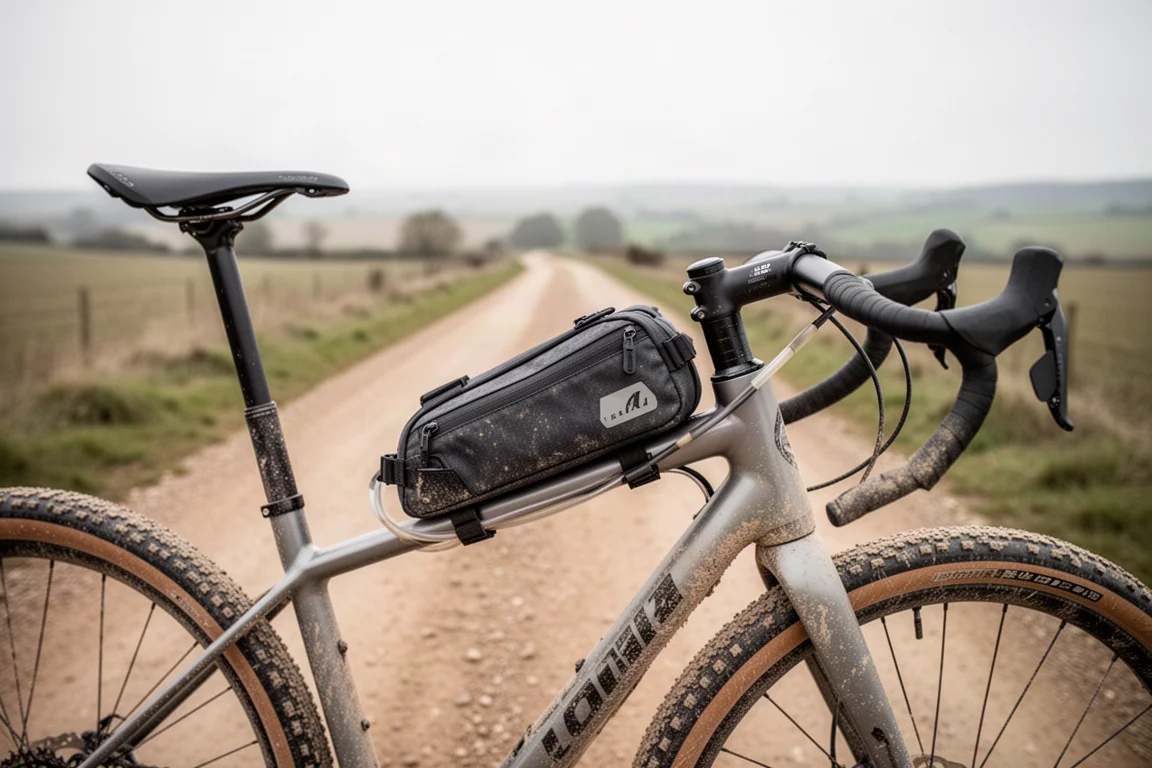
For long bikepacking routes with minimal resupply, this is one of the more effective ways to raise the amount of liquid you can take without compromising how the bike handles.
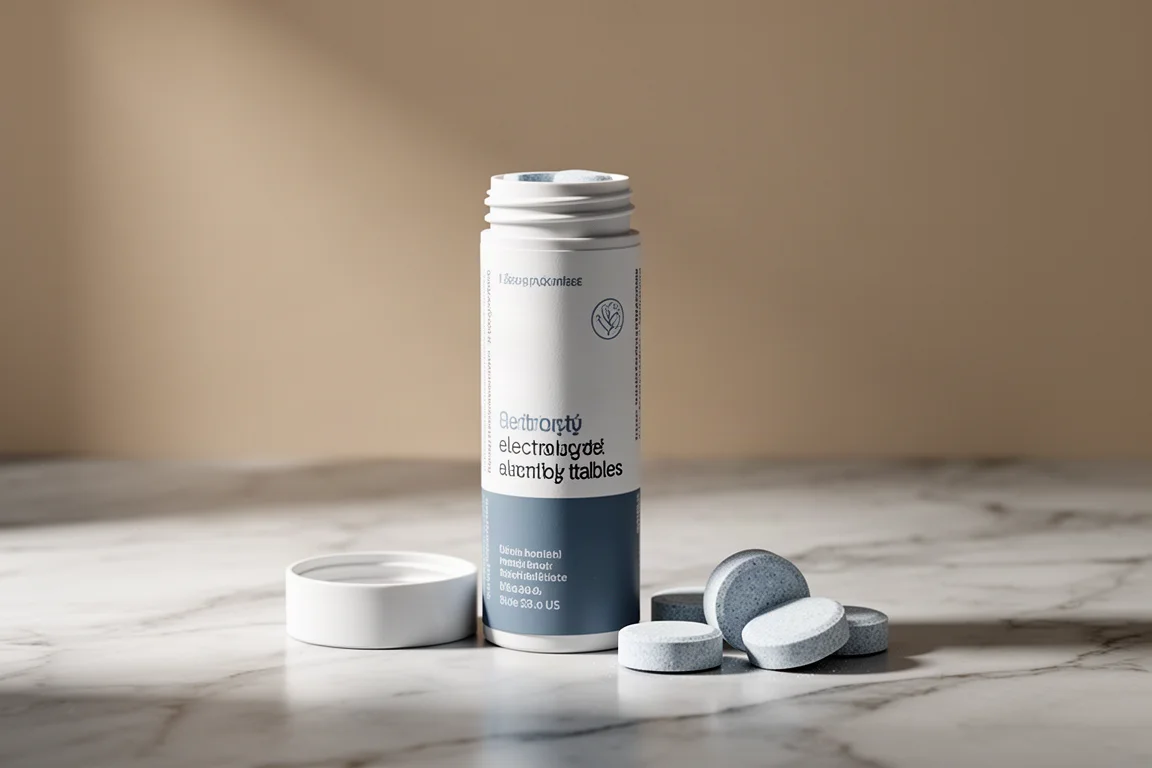
Precision Fuel & Hydration PH 1500: Electrolyte Tablets
What you put in your bottles matters as much as what you carry. Electrolyte tablets such as PH 1500 are designed around a strong sodium content, which is the component that helps your body absorb fluid and hold on to it in the bloodstream.
Hydration specialist Andy Blow, founder of Precision Fuel and Hydration, points out that a pre-ride drink with upwards of 1500 mg of sodium per litre, roughly three times the strength of an average sports drink, is what expands blood volume before a hard effort. The same logic applies to recovery: sodium-rich fluids are absorbed faster and retained better than plain water, and the target after a ride is around 150 per cent of what you lost.
There is also a plain practical case for separating fuel from hydration. Loading a bottle with a heavy carbohydrate mix works for short, cool efforts, but on long hot days it is easy to drink for hydration and end up overdoing the fuel, which is where that bloated, sick feeling comes from.
Overall Buying Advice
The right setup follows the ride, not the other way around. For short rides and regular refills, a single insulated bottle is enough. For longer days in the heat, a vacuum-insulated bottle keeps fluid appealing enough that you actually drink it. For technical terrain or routes with sparse resupply, a vest or frame pack removes the need to reach for a bottle at all.
On the drinking side, it pays to know your own numbers. Weighing yourself before and after a ride is a simple way to estimate sweat rate, since roughly one kilogram of weight lost equals one litre of sweat. Doing that in a few different conditions builds a picture you can plan around, and a morning body weight that drops by two or three per cent is a clear sign you are behind on fluid.
Treat hydration as a skill to be practised rather than a fixed rule. Record what you drank, in what conditions, and how you felt, then adjust. Over a season, that habit does more for your riding than any single piece of equipment.
Conclusion
Carrying enough fluid and knowing what to put in it are two halves of the same problem. The bottles, vests, frame packs and electrolyte tablets here each solve a specific version of it, and the best combination is the one that matches your terrain, your climate and how confident you are drinking while moving. Get that right and hydration stops being something you worry about mid-ride.
Further reading
Related Reviews

Backpacking Gear
Building a 10 lb Base Weight: An Ultralight Backpacking Gear List
A practical walkthrough of the ultralight pieces behind a 10 lb base weight, from a 765 g pack and a roomy one-person tent to a full camp chair and a dependable water filter.

Road Bikes
10 New Road Bikes Worth Watching: Aero, Titanium, Steel and Endurance Standouts
A practical roundup of 10 new road bikes, from aero flagships chasing single-watt gains to titanium, steel and endurance platforms built for real roads.
Bikepacking Gear
11 Bikepacking Essentials for Long-Distance Cycling
Eleven bikepacking essentials for long-distance cycling, from a steel gravel frame and a two-person tent to helmet lights, packable gloves, and a frame bag that puts weight in the right place.