Mountain Bikes
Best Cross-Country Mountain Bikes 2026: Five Race-Ready Rigs Worth Knowing
Five cross-country mountain bikes with distinct race personalities, from flex-stay soft-tails to a traditional triple-triangle hardtail.
Introduction
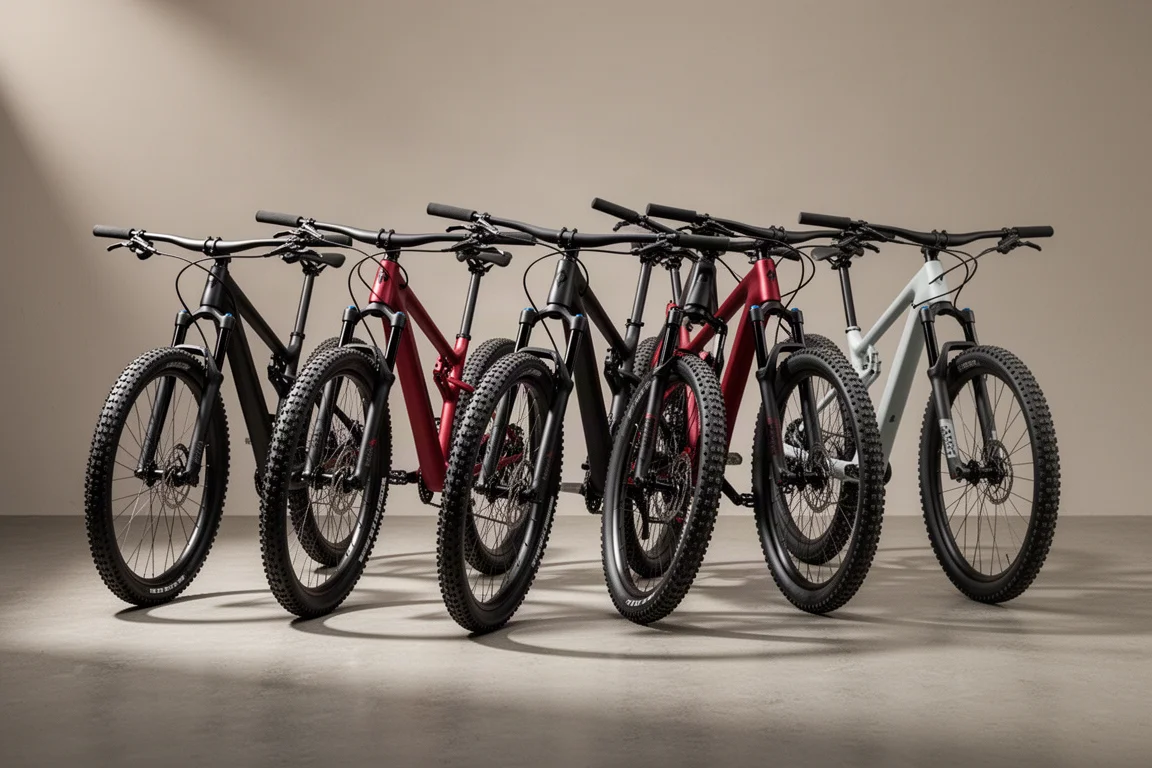
Cross-country racing bikes have converged on a recognisable formula: short travel, low weight, and geometry that is far more capable than the steep, twitchy race bikes of a decade ago. The five bikes below each interpret that brief differently. Two of them hide their rear shock inside the frame, one keeps a traditional triple-triangle hardtail silhouette, and the rest sit somewhere in between.
This guide looks at what makes each design distinctive, where the numbers land, and which kind of rider each bike suits best.
What Defines a Modern Cross-Country Race Bike
Three themes run through this group. First, travel has crept upward. Between 110mm and 120mm at the front and 75mm to 110mm at the rear is now normal, which makes these bikes far more composed on technical descents than the race bikes of the past.
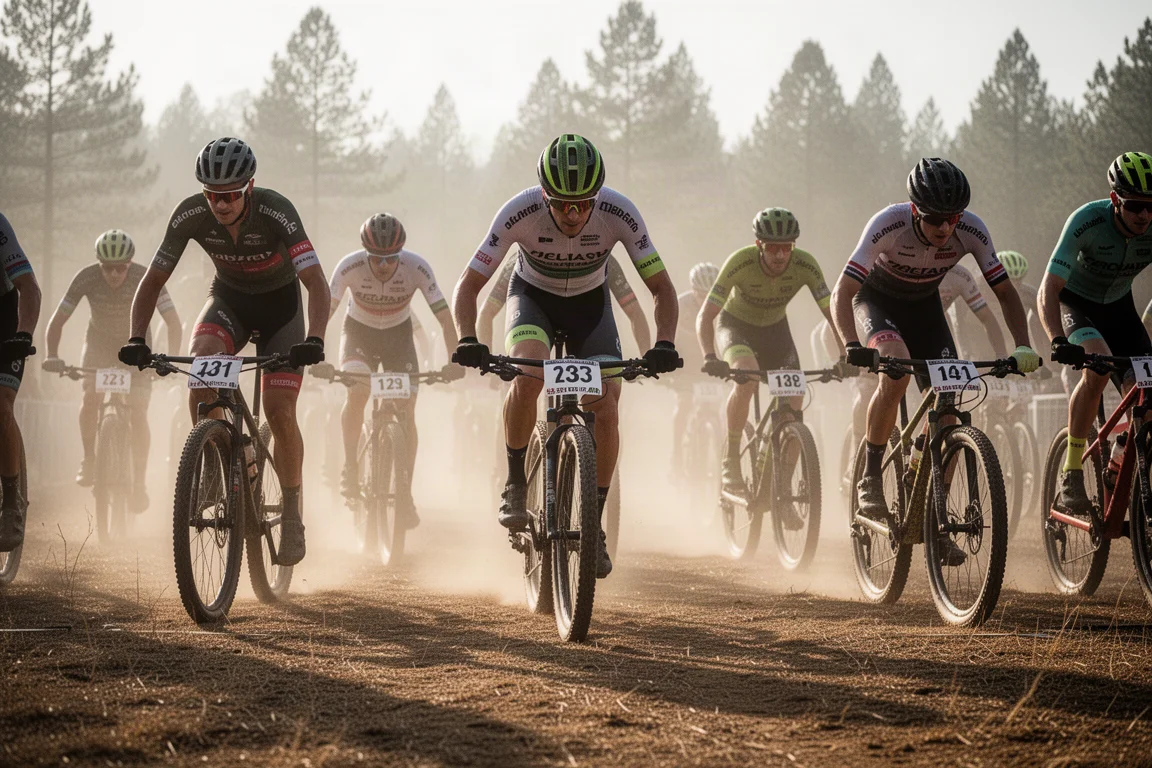
Second, frame weight remains a headline number. Bare frames in this group sit under 2kg, and complete bikes at the top of each range can dip below 10kg. Third, integration is everywhere. Remote lockouts, internal cable routing and one-piece cockpit components are now common rather than exotic.
Head angles across the group range from a steep 68 degrees on the traditional hardtail to a slack 66.5 degrees on the most progressive full-suspension model, which shows how wide the cross-country category has become.
Specialized Epic World Cup
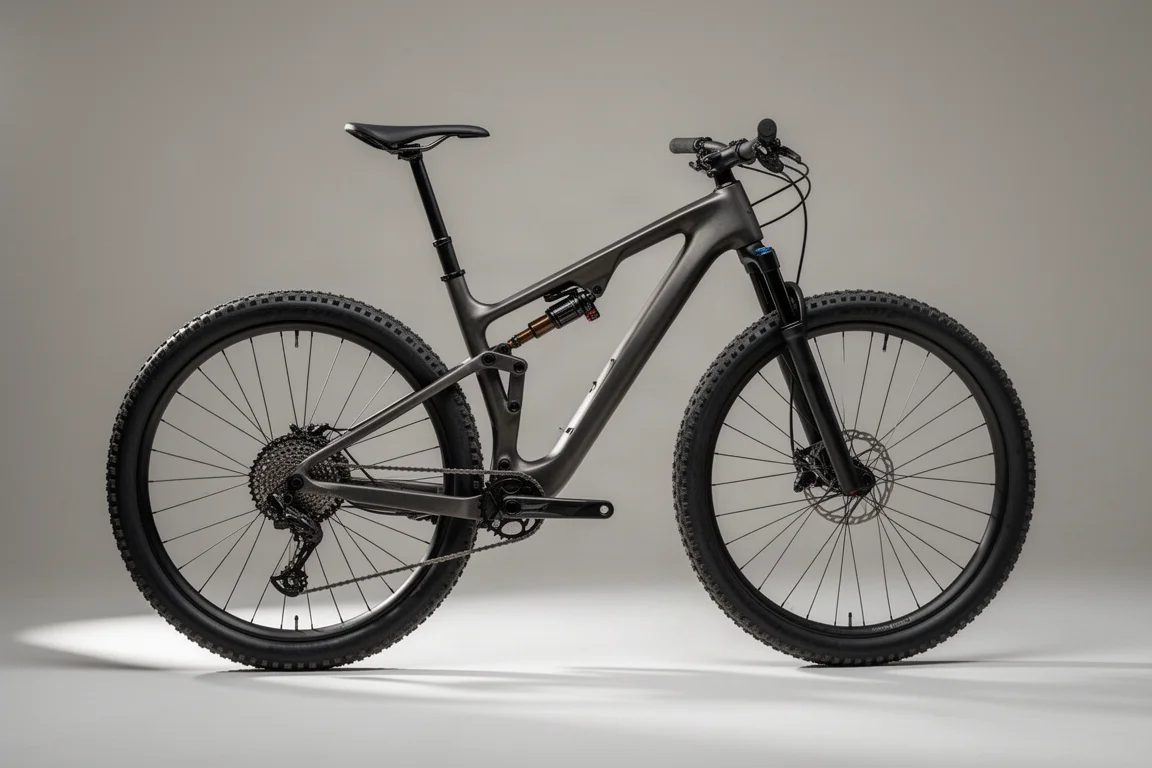
The Epic World Cup is the most radical take on the Epic platform to date. It drops the Horst link pivot on the chainstay in favour of a flex stay, and although the shock appears to be hidden inside the top tube, the layout is fairly conventional underneath: a small linkage drives the shock to produce 75mm of rear wheel travel.
The shock itself is the unusual part. The RockShox SIDLuxe WCID runs independently adjustable positive and negative air springs, positioned as a way to combine hardtail-style snap with terrain-absorbing forgiveness. Riders can set it firm and run zero sag in the “no gulp” setting for maximum efficiency, or open it up for a softer feel. Up front, a RockShox SID SL Brain fork offers 110mm of travel.
Every model uses carbon Roval wheels with 29mm internal width hookless rims. Weight is the headline figure: the S-Works frame is claimed at 1,765g including shock, paint and hardware, and even the cheaper Expert frame comes in under 2kg.
Mondraker F-Podium
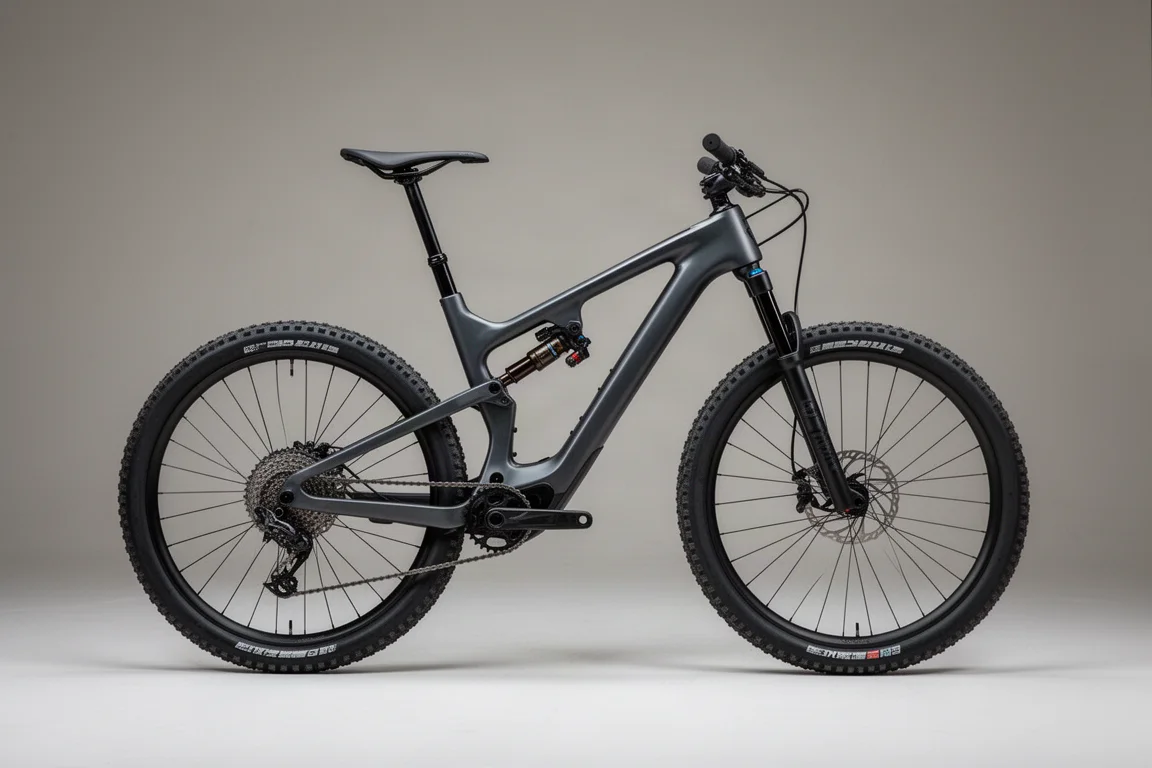
Mondraker is better known for downhill racing, but the F-Podium shows the brand can build a competitive cross-country bike. The latest version merges what were previously separate race and downcountry models into a single bike, with 110mm of rear travel and a 120mm fork.
The geometry is progressive even by current standards. Head and seat angles measure 66.5 and 76 degrees, reach is 480mm on a size large, and the wheelbase stretches beyond 1.2m, making it one of the longest cross-country race bikes around. Seat tubes are shorter to allow longer dropper posts, and tyre clearance has been improved for bigger rubber.
With a redesigned rear suspension and a more compact rear triangle, a bare frame weighs under 2kg. All models come with dual-action remote lockouts, Mavic wheels, and SRAM drivetrains and brakes, while suspension duties across the four-bike range are split evenly between Fox and RockShox. The range opens at £3,999 or $6,295 and finishes with the F-Podium RR SL.
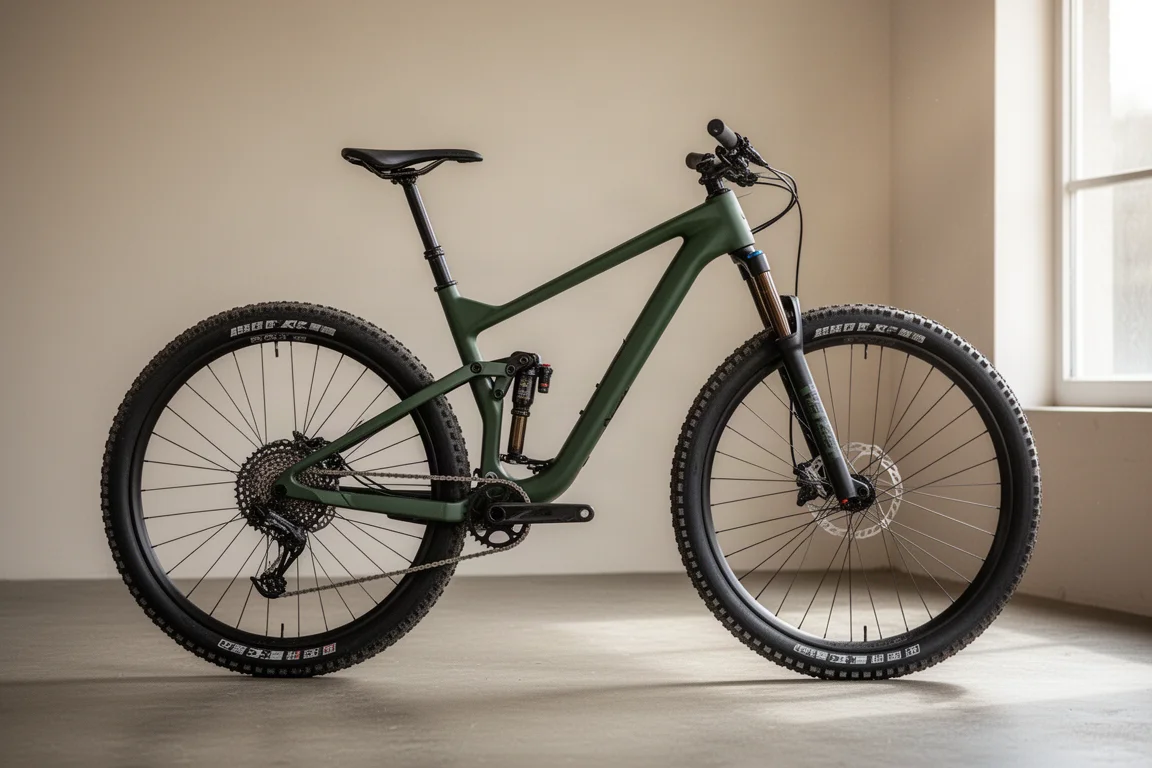
Orbea Oiz
The new Oiz follows the same consolidation trend, replacing a two-model line-up with a single 120mm travel race bike that Orbea describes as looking as good as it rides. The geometry has been revised with a 67 degree head angle and a steeper 76.5 degree seat angle, and reach grows to 472mm on a size large.
Weight has come down as well: the top OMX carbon frame is claimed at 1,740g. Every model gets Orbea’s Squidlock remote for the fork and shock, and all but the cheapest H30 are equipped with a dropper post.
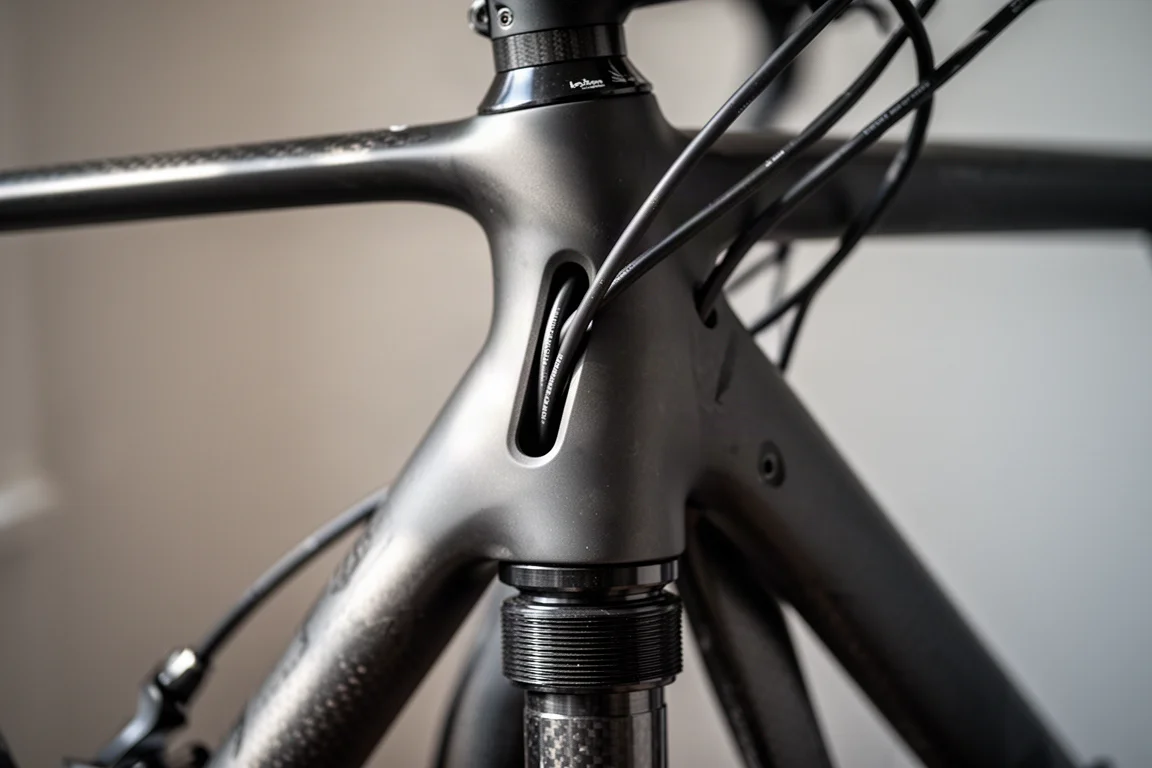
Cables run internally through the stem and headset for a clean front end, a choice some riders dislike because of the extra maintenance it can require. Pricing is broad: the aluminium H30 starts at £2,899 or $3,199, the cheapest carbon M30 sits at £4,399, and the limited-edition top model reaches $10,999.
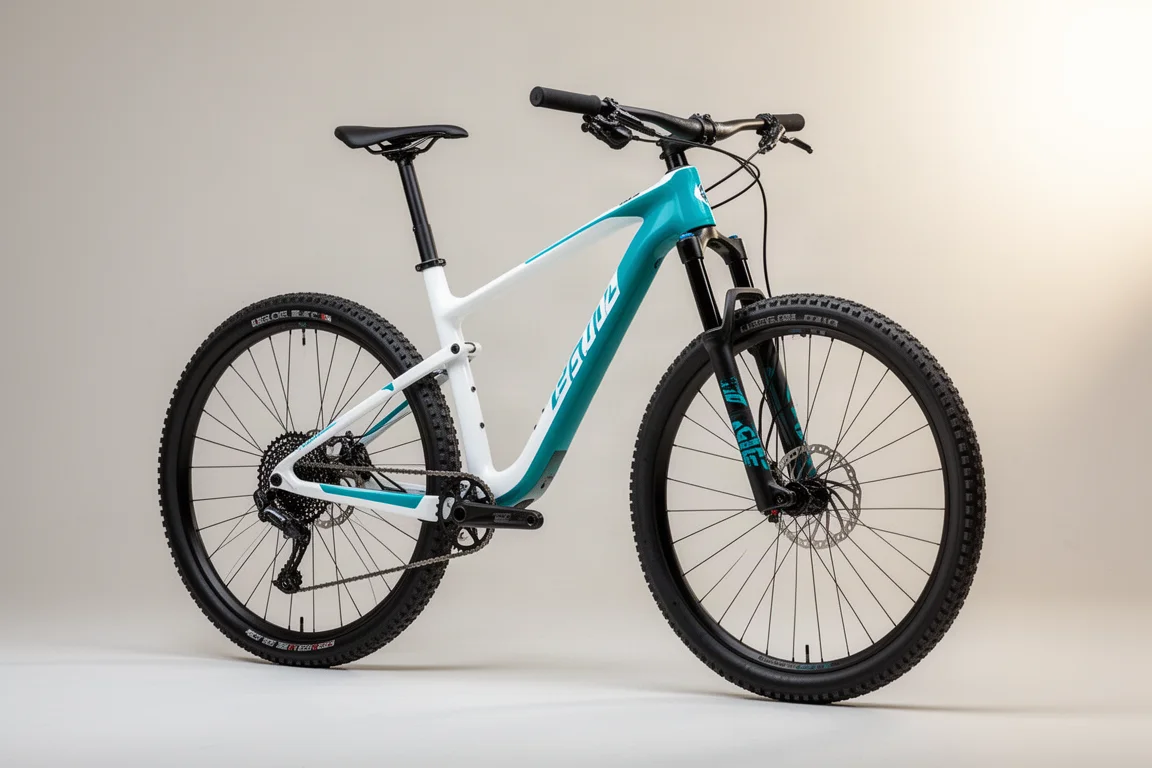
Lapierre Prorace
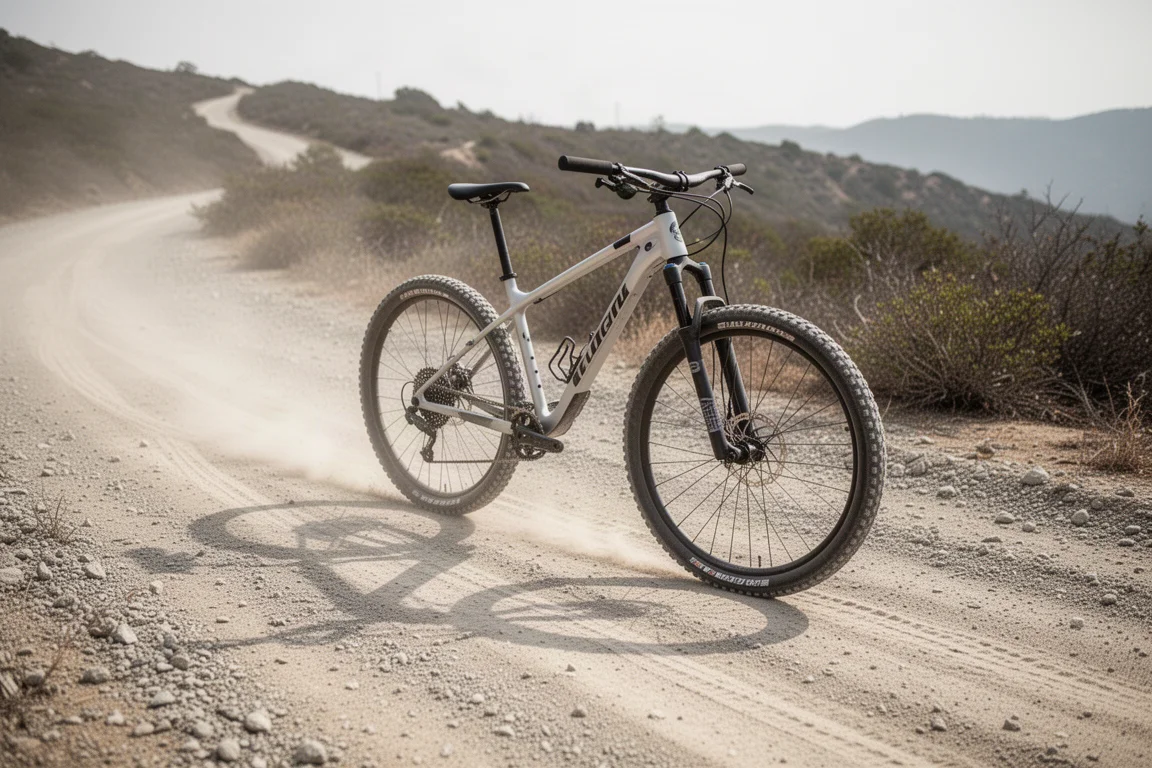
The Prorace is the hardtail of the group, and the most traditional in design. Its frame uses a triple-triangle layout, with a relatively steep 68 degree head angle and a 74 degree seat angle. Reach is comparatively short at 455mm, and chainstays measure a super-short 420mm.
Extended seat stays are intended to add comfort and compliance, and the rear end uses SRAM’s UDH standard so the frame is compatible with newer SRAM transmissions. A press-fit bottom bracket will not please everyone, but it is part of the bike’s traditional character.
The range-topping Prorace CF 9.9 pairs an X01 Eagle AXS drivetrain and an X1 carbon crankset with Level TLM brakes. A RockShox SID SL fork with 100mm of travel handles the front, while Lapierre supplies lightweight carbon wheels and most of the cockpit, finished with an FSA SLK carbon bar.
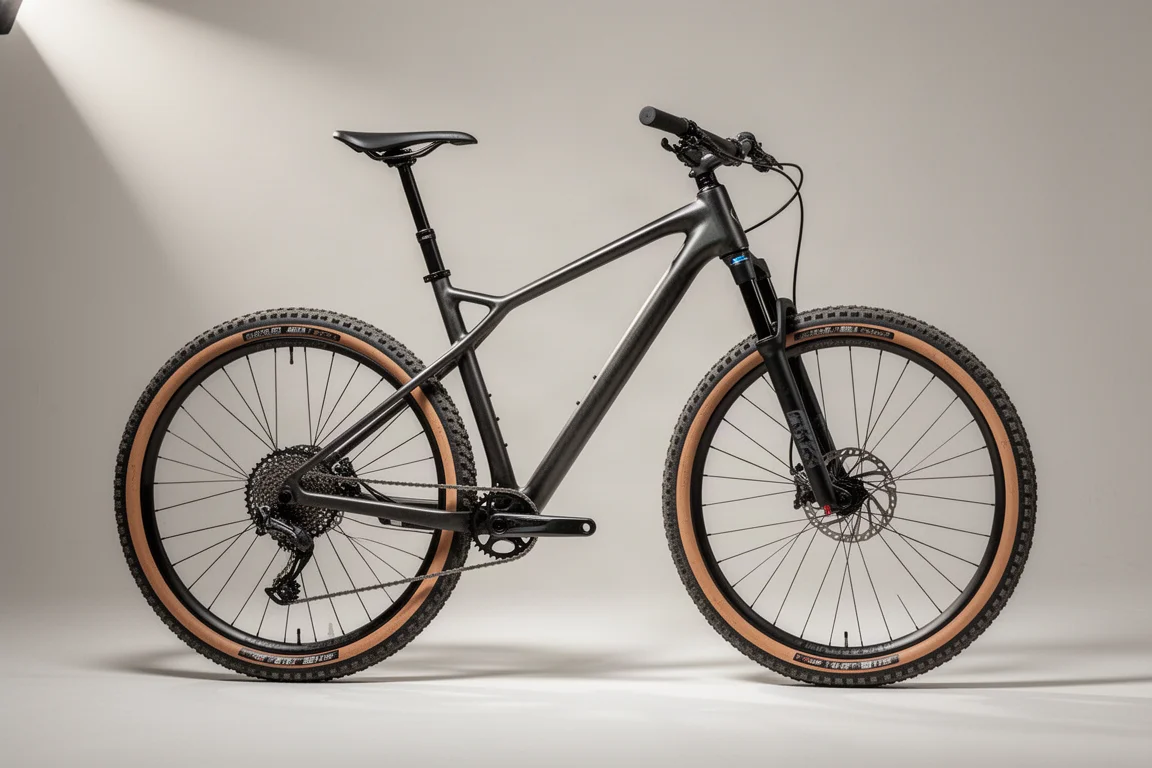
Trek Supercaliber
The second-generation Supercaliber is new from top to bottom, with more travel, revised geometry and an updated version of Trek’s IsoStrut suspension. Rear travel now stands at 80mm with 110mm up front, which puts it close to the Epic World Cup on paper.
Like the Epic, the Supercaliber relies on a special version of the RockShox SIDLuxe shock, but the IsoStrut design is different: it forms a structural part of the frame, removing the extra material and hardware that a link-driven shock would need. Combined with Trek’s SLR OCLV carbon, that approach keeps weight down, and the range-topping Supercaliber SLR 9.9 XX AXS T-Type is claimed at just 9.3kg.
The entry point is the SLR 9.8 XT at £6,100 or $6,999, and a cheaper SL model uses a slightly heavier SL OCLV frame. The pick of the range is arguably the SLR 9.8 GX AXS at £6,575 or $7,350, which pairs the lighter SLR frame with SRAM’s GX AXS transmission, Bontrager Kovee carbon wheels, a RockShox SID fork, a dropper post and a one-piece carbon handlebar and stem.
Buying Advice
Travel and weight are the two numbers most buyers look at first, but geometry matters just as much. If your racing happens on fast, flowing courses, the hardtail Prorace and the firm “no gulp” setting of the Epic World Cup will feel quick and efficient. If your local races include technical descents, the longer, slacker F-Podium and the 120mm Oiz will be easier to live with.
Budget shapes the decision too. The Oiz is the most accessible route into a modern cross-country race bike in this group, particularly in aluminium H30 form, while the Supercaliber, Epic World Cup and F-Podium sit higher up the price scale. Whichever you choose, factor in consumables: tyres, chains and brake pads wear quickly on a race bike that is ridden hard.
Conclusion
These five bikes show how broad cross-country racing has become. The Prorace keeps the hardtail tradition alive, the Epic World Cup and Supercaliber push integrated rear suspension to its lightest form, and the F-Podium and Oiz lean toward more capable geometry without abandoning race pace. Match the bike to your courses and your budget, and any of them will be a credible start-line choice.
Further reading
Related Reviews
Mountain Bikes
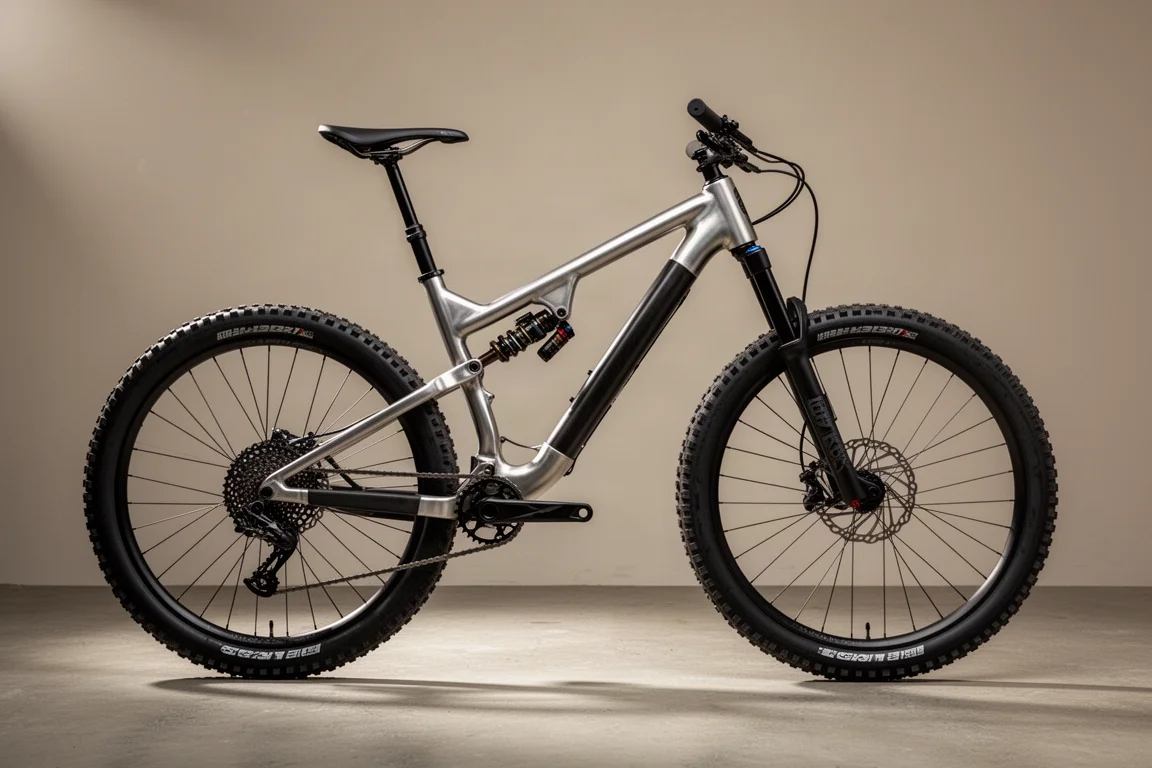
Atherton AM.130 Review: 3D-Printed Titanium Lugs and a 130mm Trail Bike That Descends Like a Bigger Machine
The Atherton AM.130 pairs 3D-printed titanium lugs with carbon tubes and a DW6 suspension platform. Here is how it rides, what the build delivers, and who it suits.
Mountain Bikes
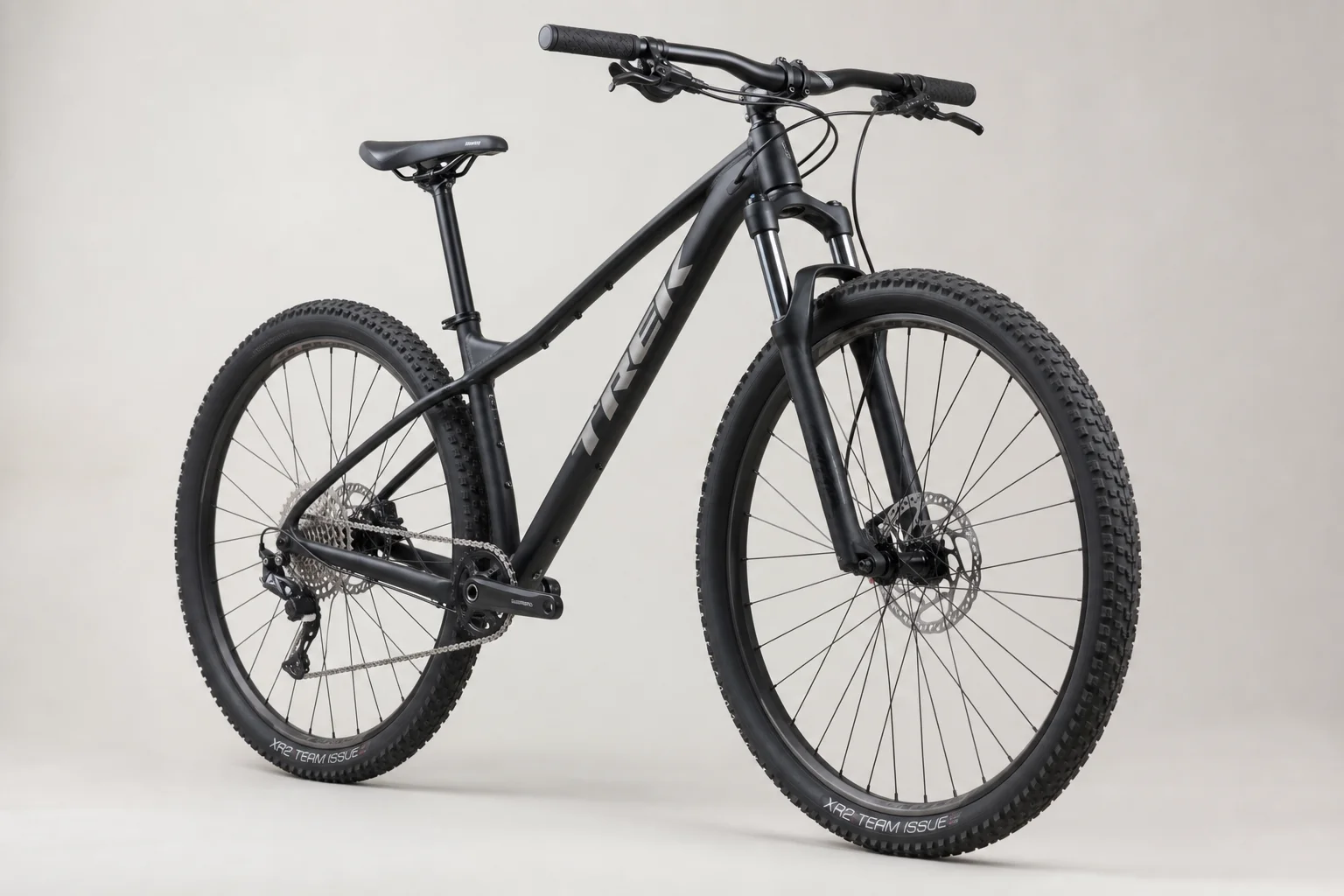
Beginner Mountain Bike Buying Guide: What to Look For in a Trailworthy Hardtail
A practical framework for evaluating beginner mountain bikes, whether new or used, by examining key components that indicate real trail capability.
Mountain Bikes
Best Aluminum Mountain Bikes 2026: Five Alloy Bikes Worth Your Attention
Five aluminum mountain bikes that show how far alloy has come, from a 120mm trail bike and a versatile machined frame to a 180mm freeride machine.