Mountain Bikes
Best Cross-Country Mountain Bikes 2023: Five Race Bikes Worth Watching
Five cross-country mountain bikes from the 2023 season, from Pinarello's medal-winning Dogma XC to the redesigned Specialized Epic World Cup.
Introduction
Cross-country mountain bike racing is back at its most compelling, and the bikes have kept pace. Modern XC race machines are more capable than ever while staying remarkably light, with every gram scrutinised in the pursuit of all-out speed.
2023 brought a wave of new releases, from newcomers such as Pinarello through to established players such as Specialized. Here are five cross-country bikes worth keeping an eye on for the rest of the season and beyond.
How These Five XC Bikes Compare
Every bike here is built for the same job: covering rough, technical race courses as quickly as possible. That means short travel, efficient pedalling positions, and frames engineered to shed weight without giving up stiffness.
The differences show up in suspension layout, geometry numbers, frame weight and build pricing. Travel spans from a pure hardtail through to 120mm at both ends, and frame weights vary enough to change how a complete bike feels on a climb.
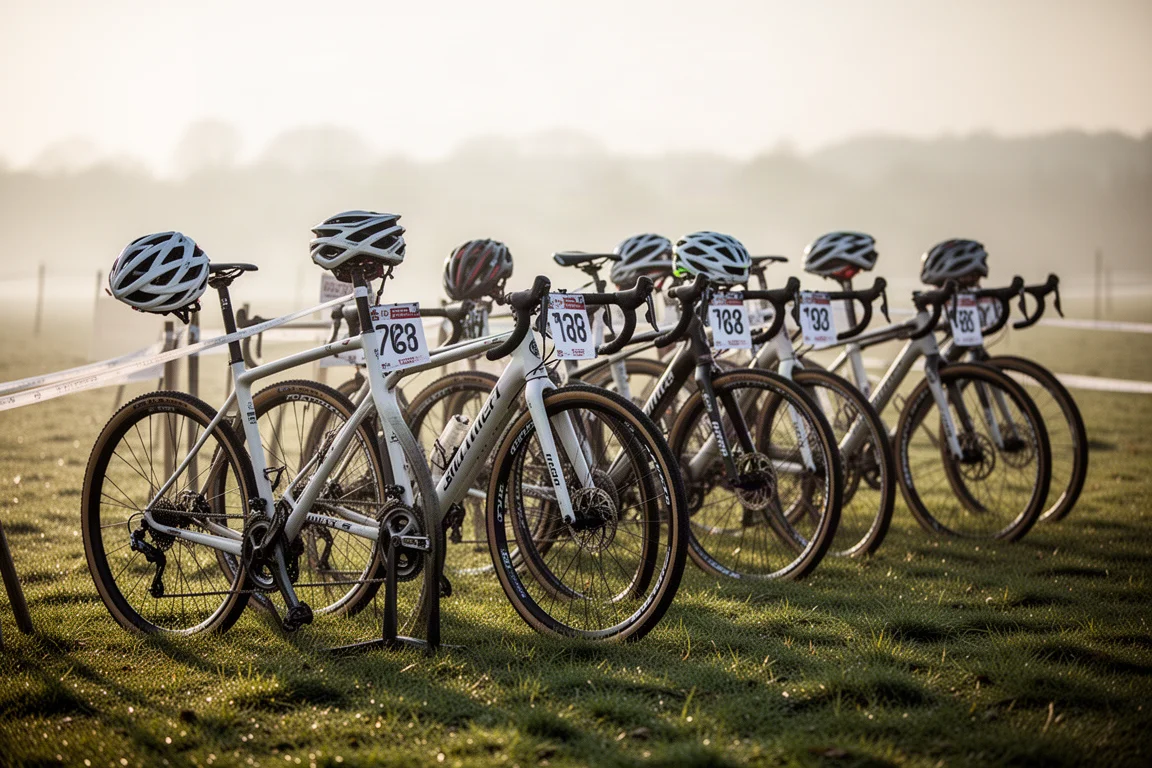
Hardtails still have a place on smoother, faster courses, while full suspension designs make more sense as the terrain gets rougher. The five bikes below cover both approaches, and each one has a clear reason to be on a shortlist.
Pinarello Dogma XC
Not many brands can claim three gold medals at a single Mountain Bike World Championships, particularly a brand that has only recently returned to mountain biking after years of success on the road. Pinarello’s Dogma XC race machines took three of four elite gold medals in Scotland. Pauline Ferrand-Prevot did the double on the hardtail Dogma XC, winning the short track and Olympic distance events, while team-mate Tom Pidcock took the men’s elite Olympic distance title on the full suspension version.
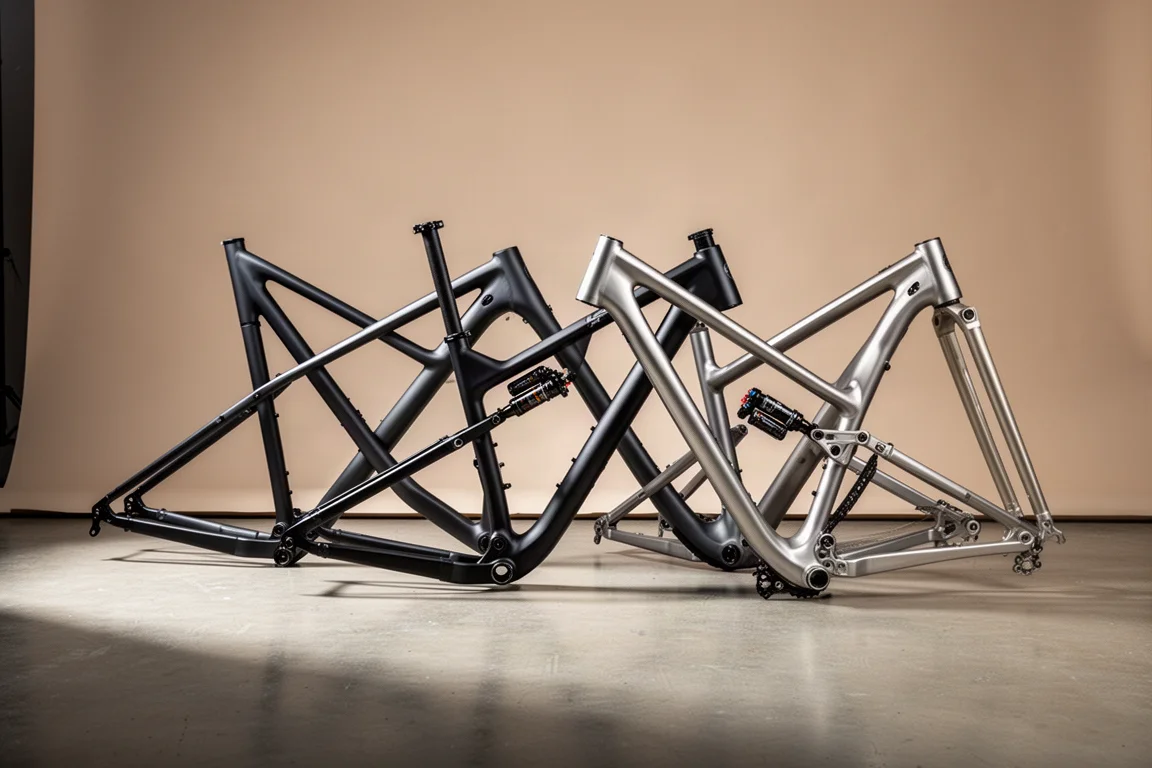
The hardtail shares its most distinctive feature with the full suspension model: a bottom bracket area with an additional strut running between the shell and the seat tube, creating a smaller triangle within the front end. Pinarello claims this boosts stiffness, and the race results suggest the approach rings true. The rear triangle is visibly asymmetric, with the non-drive side reinforced to counterbalance the forces put into the drivetrain for more balanced energy transfer.
Pinarello has been reserved about geometry, specification and pricing. What is known is that the bike is designed around a 100mm fork, is compatible with dropper posts, and uses a one-piece integrated bar and stem with internal cable routing.
Trek Supercaliber
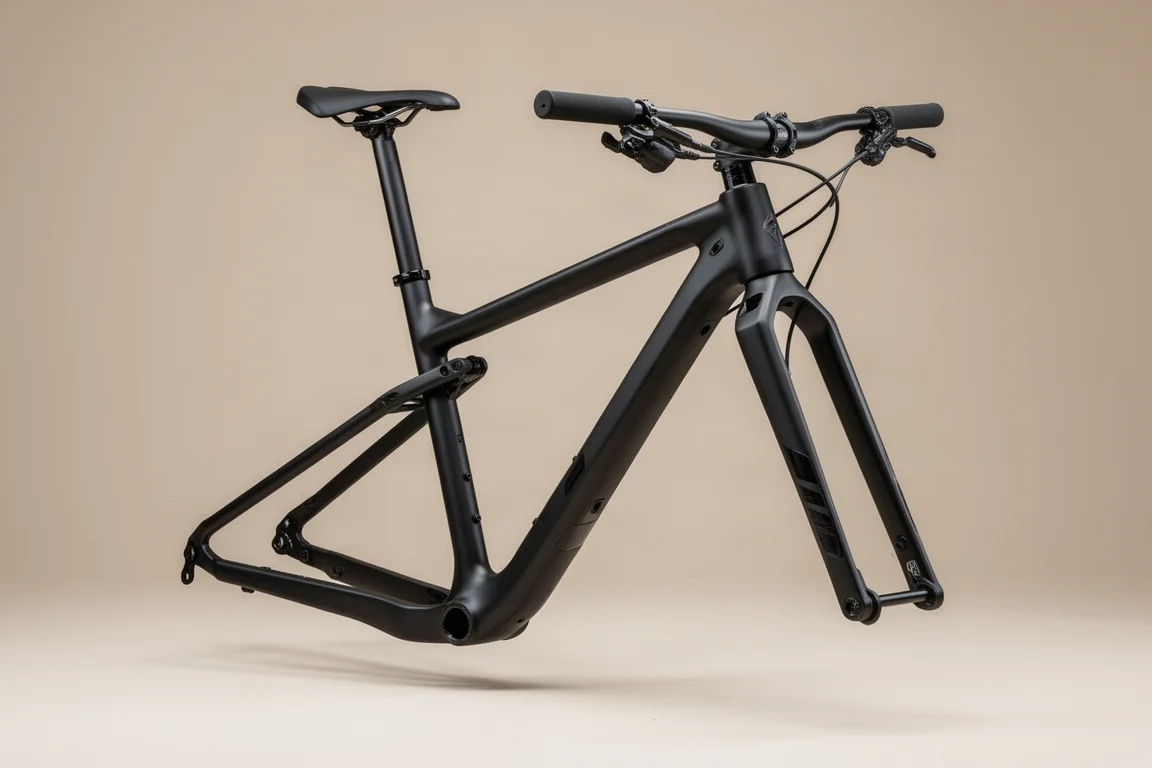
Trek rolled out a revised Supercaliber for its racing debut. The unusual frame leaves you wondering whether it is a hardtail or a full suspension bike, and it has received the familiar longer and slacker treatment along with a weight-loss programme. It comes in around 200 grams lighter than the previous bike, and complete bikes start at a claimed 9.45kg, which meets the lightweight criteria racers demand.
Rear wheel travel grows to 80mm, with up to 120mm up front, and the head angle is 1.5 degrees slacker. Reach extends by 10mm to 465mm on a size large, and the chainstays are now 5mm longer in a bid to boost stability in the high-speed rock gardens that litter modern XC courses. Because travel increased, the bottom bracket sits 7mm higher to maintain adequate ground clearance.
The IsoStrut rear suspension remains, paired with a specially designed RockShox SID Lux rather than a choice of rear dampers. All of that technology does not come cheap: the range tops out at £10,800 or $11,700, while the range starts at a more palatable £3,780 or $4,200.
Ibis Exie
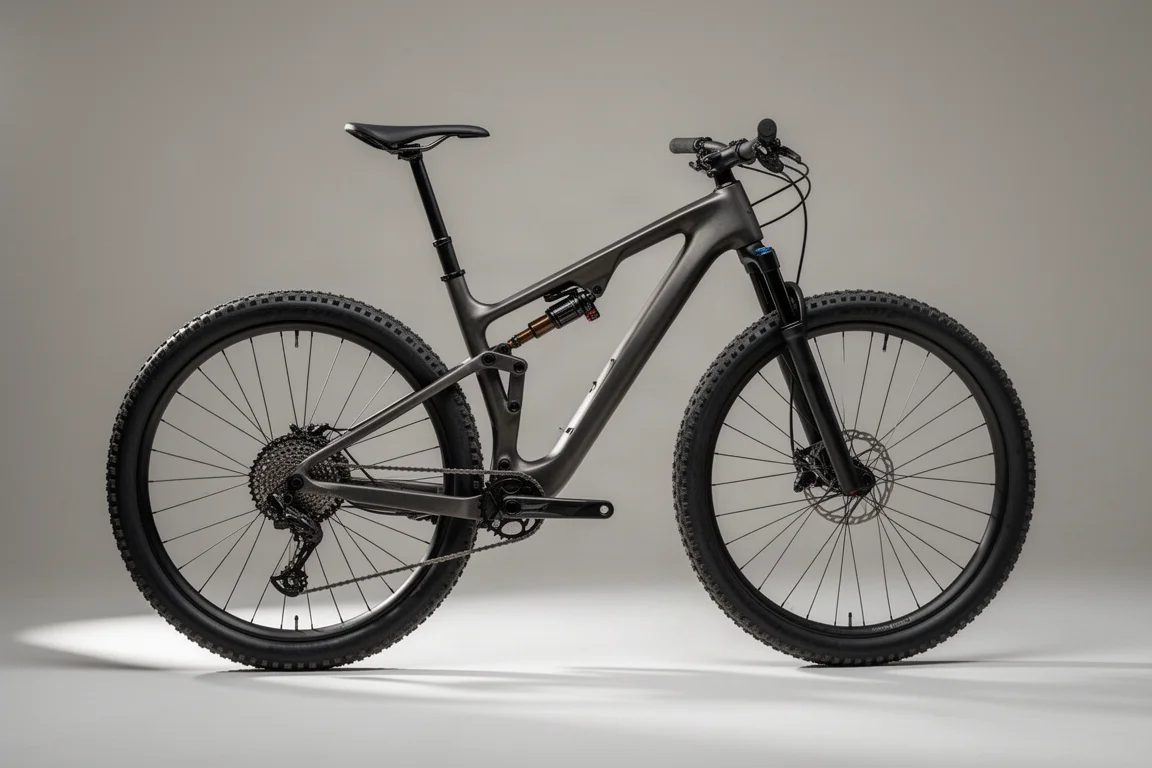
Ibis may not be the first name that springs to mind when you think of World Cup cross-country machines, but the Exie is already proving its ability on the circuit, with Jenny Rissveds taking it to a host of World Cup podiums in 2022. Ibis describes the Exie as a bike that flat out shreds, and with geometry that would not look out of place on a downcountry or trail bike, it is easy to see why.
With a 67.2 degree head angle and a rangy 478mm reach on a size large, the Exie can claim some of the most progressive numbers of any XC race bike. A 120mm fork is standard while longer dropper posts are allowed for, which emphasises its fast but fun intentions.
Originally released as a boutique handmade option made in the USA, the Exie now includes a more affordable and heavier overseas-made version to bring the price down. The Vietnam-made Deore build is listed at $4,999, the USA-made XT build at $7,999, and the XX SL range-topper at $12,299. If you want an XC race bike that can double as your daily driver, the Exie is worth a closer look.
Scott Spark RC
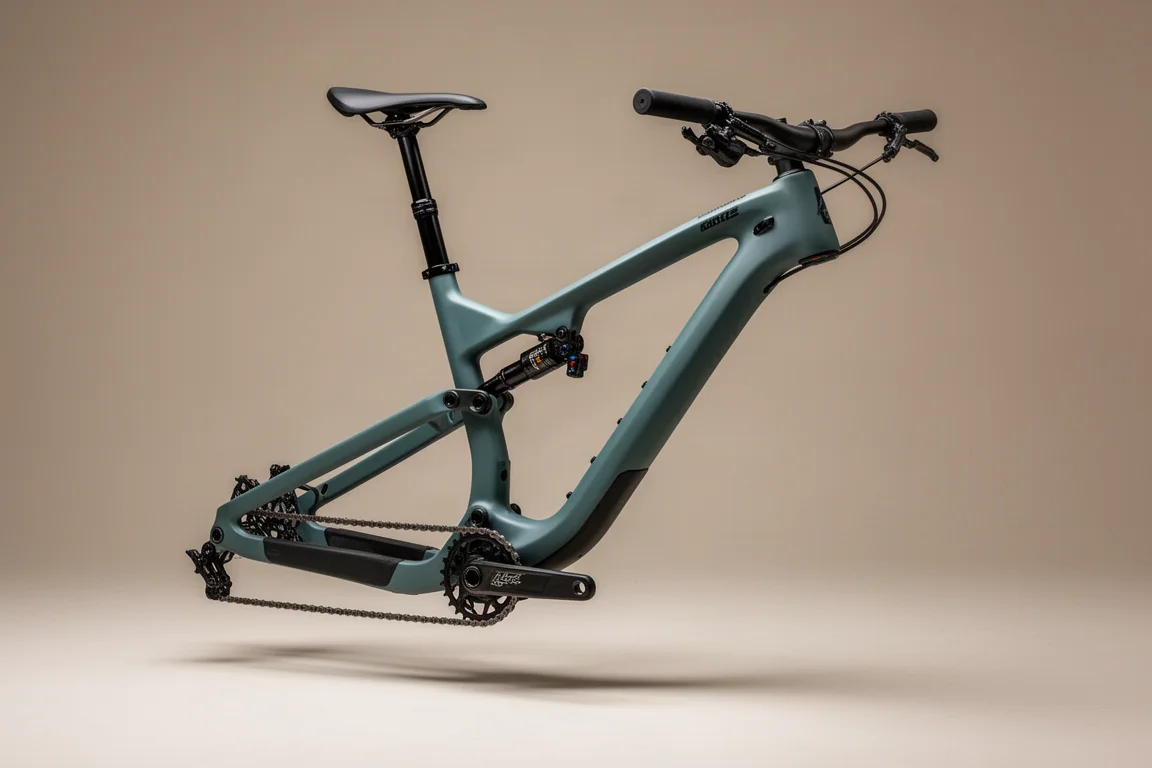
Few bikes can match the Scott Spark’s trophy cabinet. First introduced in the 2000s, the current iteration is still doing the business close to two and a half years after its release, thanks to an attention-grabbing hidden shock frame design, progressive geometry and Scott’s signature TwinLoc system.
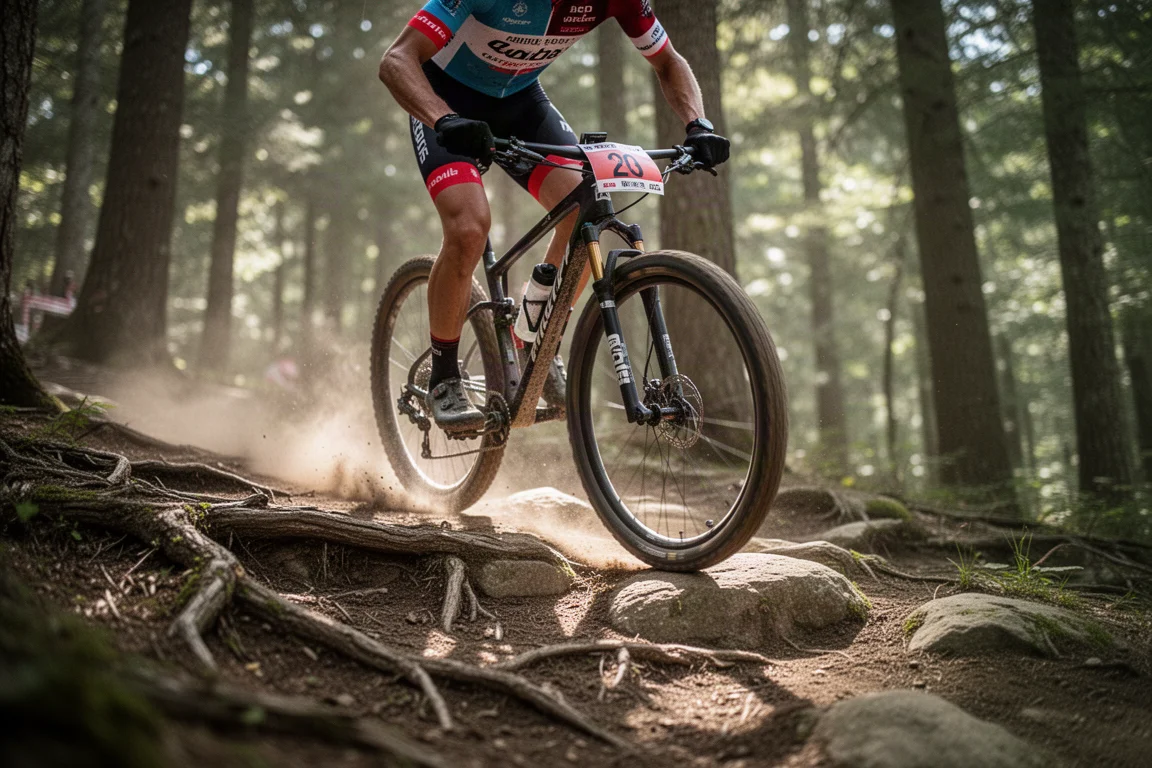
As one of the first cross-country bikes designed around today’s rougher, more technical courses, the Spark RC features 120mm of travel front and rear. Progressive geometry gives riders the confidence to charge head first into descents and treacherous World Cup rock gardens, and the head angle is adjustable to tailor the geometry to rider preference. There is room for two water bottles in the front triangle and space for big 2.4 inch rubber, making it a versatile machine that works outside the race tape as well, which helps explain its popularity with privateer racers.
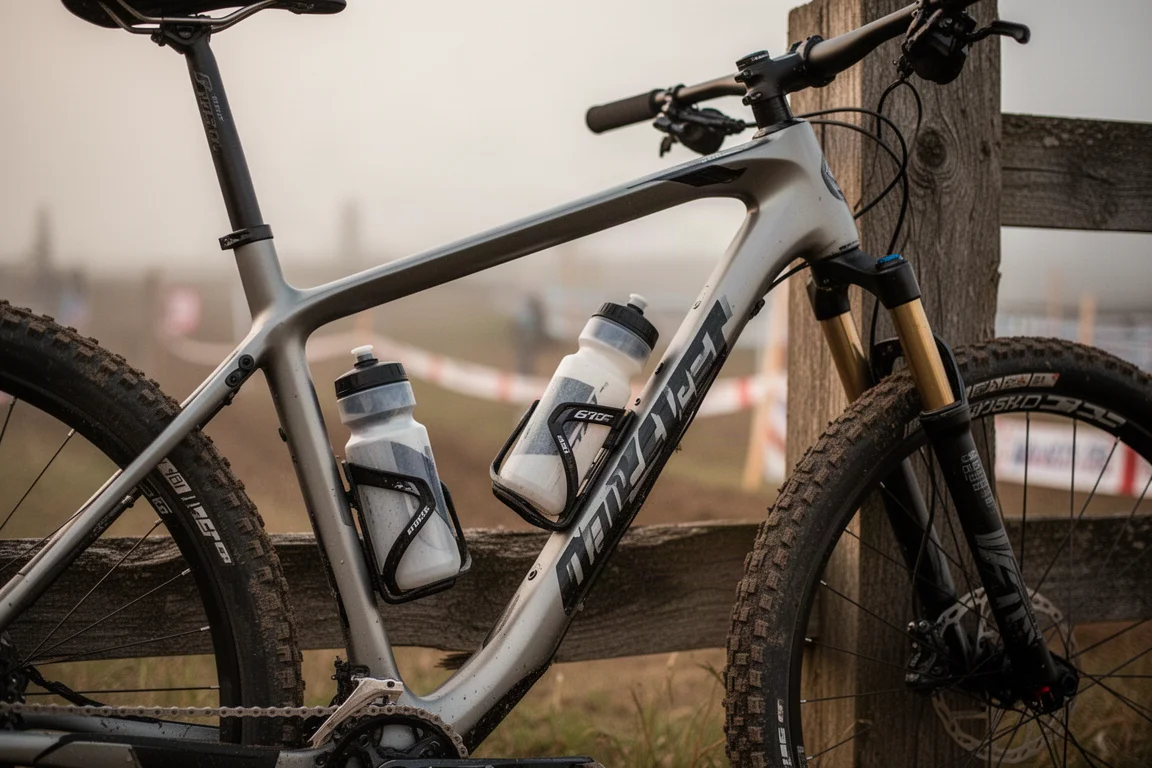
The lightest frame option weighs in under 2kg, opening the door to building one of the lightest bikes on a start line. The range-topping RC SL is listed at 14,999 in pounds or dollars depending on market, but the RC range starts at £4,299 for the base Comp model, so deep pockets are not strictly required to get your hands on this World Cup legend.
Specialized Epic World Cup
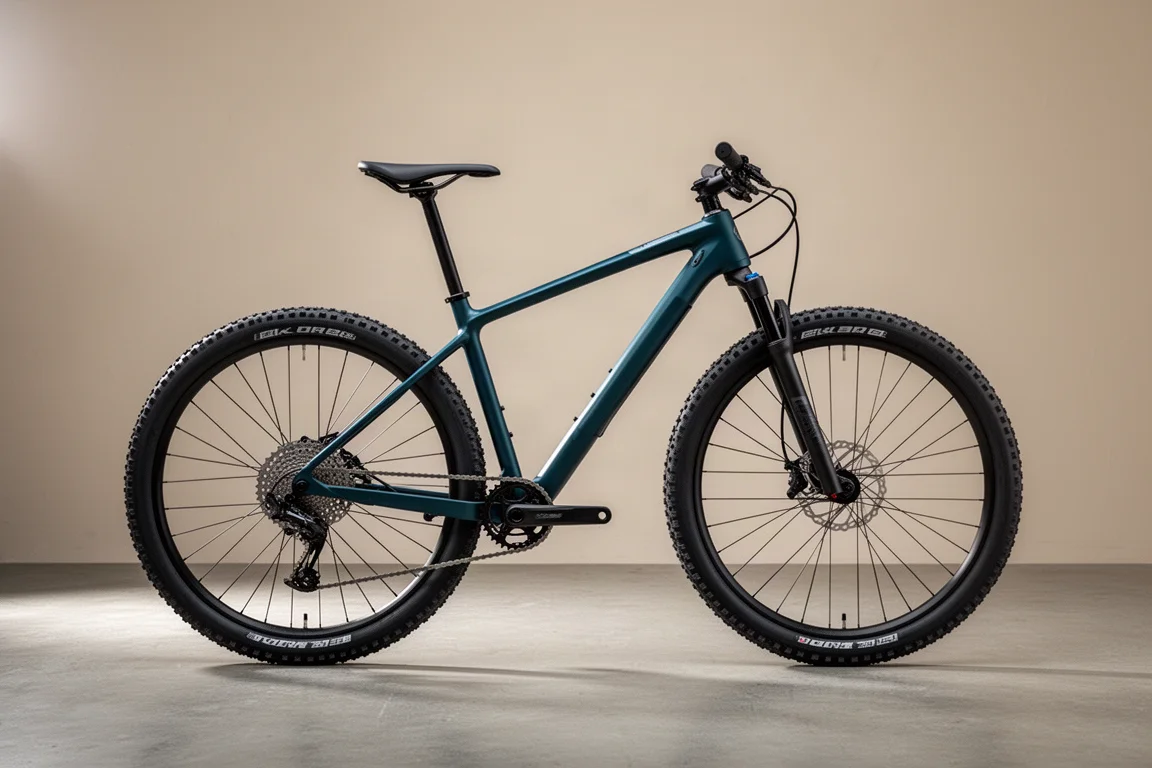
The Brain-equipped full suspension Epic has been around even longer than the Spark and has racked up multiple wins over the years. For 2023 the Epic World Cup treads a new path. The previous generation had already ditched the FSR link pivot in favour of flex stays, and the new bike takes things to the next level: the Brain is now gone from the rear shock.
The RockShox SID Lux WCID rear shock, co-developed with RockShox, moves into the top tube rather than sitting under it. The integrated shock has no form of on-the-fly external pedal adjustment. Instead, you adjust the negative air in the shock to provide your pedal platform, with three settings: the firmest and most efficient mode, a middle road of efficiency and traction, and the softest setting for soaking up the roughest descents.
Unlike the Supercaliber, where extended seat stays actuate the shock, the Epic still uses a small rocker link, so it is arguably more of a full suspension bike than a softail. Where other bikes in this group are getting bumped up in travel, the Epic World Cup actually has less travel out back than its predecessor, sporting just 75mm, down 25mm from the 100mm of previous models. It does see a boost in fork travel, with a custom 110mm RockShox SID SL up front.
Buying Advice
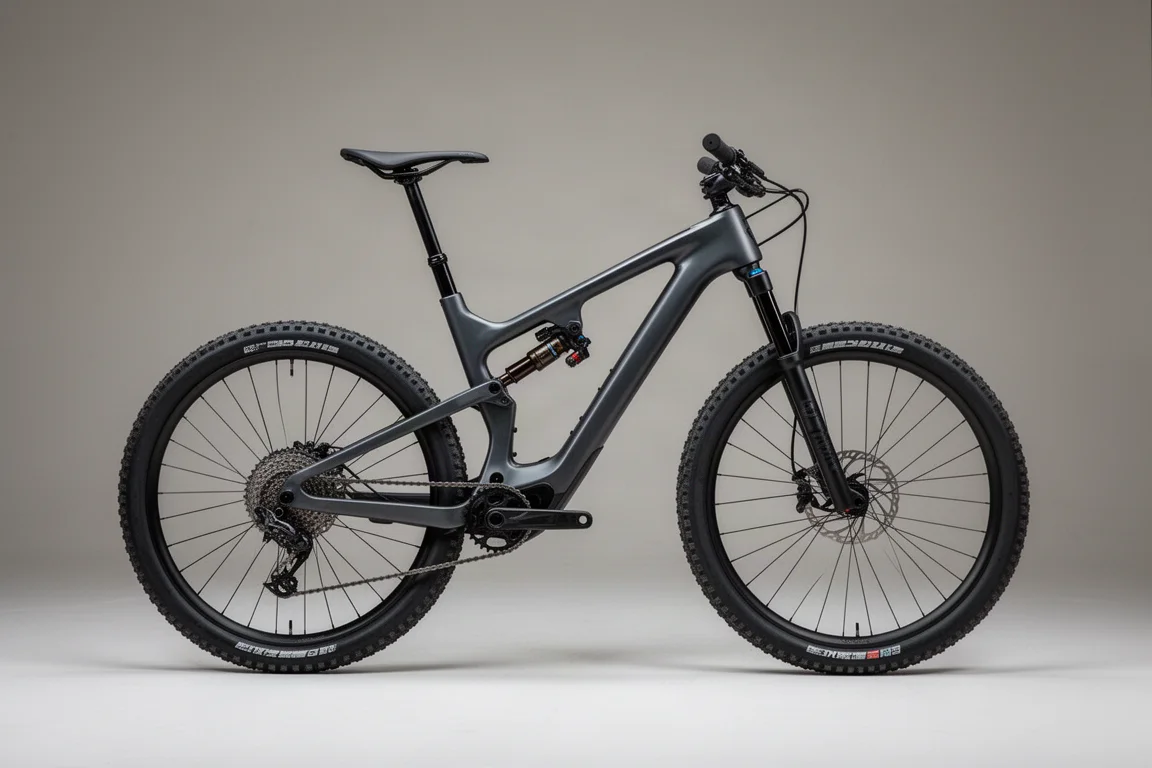
Travel, geometry and frame weight all matter, but the deciding factor is usually the terrain you ride most. Riders who race smooth, fast circuits may prefer the efficiency of a hardtail, while anyone lining up on technical courses will get more out of a full suspension design with 120mm of travel.
Budget shapes the decision just as much. Where pricing has been published, entry points sit at £3,780 or $4,200 for the Supercaliber, £4,299 for the Spark RC Comp and $4,999 for the Exie Deore, while range-topping builds climb steeply from there. Pricing and full specification for the Dogma XC were not confirmed at launch. If you want the lightest frame and the best components, expect to pay accordingly; if you want the same geometry and suspension design, the lower builds usually deliver most of the performance for a lot less.
Conclusion
Each of these five bikes earns its place on the list for a different reason. Pinarello brings race-proven stiffness and a hardtail that is still winning at the highest level, Trek offers a lighter and more capable Supercaliber, Ibis pairs progressive geometry with a friendlier entry price, Scott delivers proven World Cup pedigree and genuine versatility, and Specialized rethinks integrated rear suspension with the Epic World Cup.
The right choice comes down to your courses, your budget and whether you want a hardtail or full suspension. Any of the five will get you to the start line with a serious advantage.
Further reading
Related Reviews
Mountain Bikes
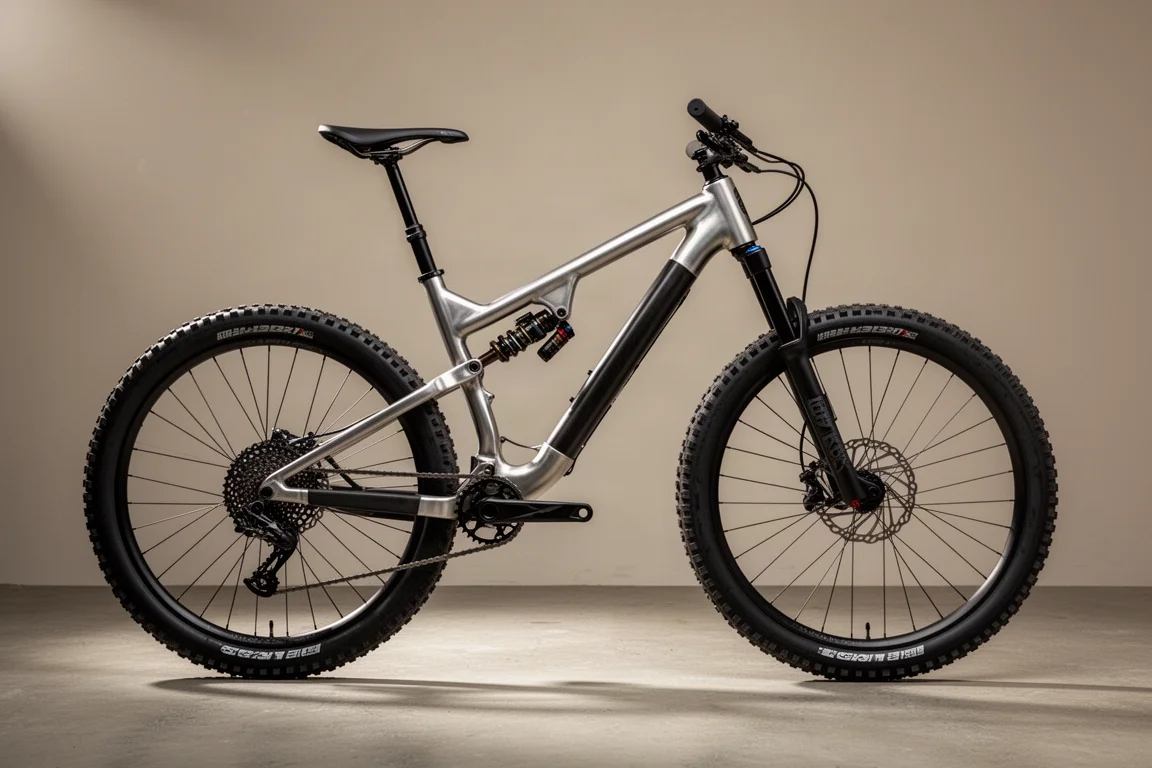
Atherton AM.130 Review: 3D-Printed Titanium Lugs and a 130mm Trail Bike That Descends Like a Bigger Machine
The Atherton AM.130 pairs 3D-printed titanium lugs with carbon tubes and a DW6 suspension platform. Here is how it rides, what the build delivers, and who it suits.
Mountain Bikes
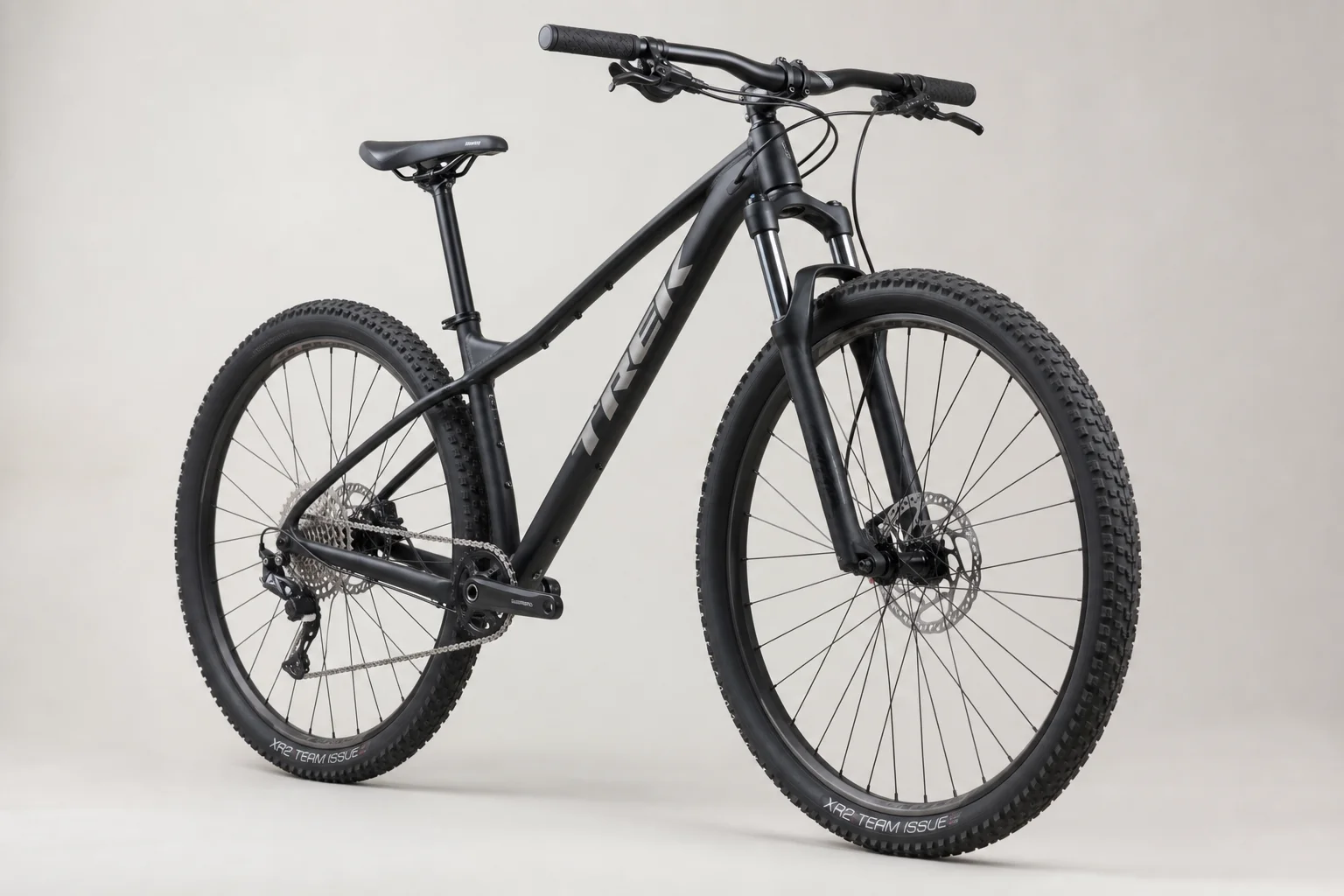
Beginner Mountain Bike Buying Guide: What to Look For in a Trailworthy Hardtail
A practical framework for evaluating beginner mountain bikes, whether new or used, by examining key components that indicate real trail capability.
Mountain Bikes
Best Aluminum Mountain Bikes 2026: Five Alloy Bikes Worth Your Attention
Five aluminum mountain bikes that show how far alloy has come, from a 120mm trail bike and a versatile machined frame to a 180mm freeride machine.