Backpacking Gear
7 Cottage-Brand Backpacking Gear Picks Worth Carrying
Seven small-brand ultralight picks, from a 4 oz fleece hoodie to carbon fiber tent stakes, with the strengths and trade-offs to weigh before buying.
Introduction
The outdoor gear market is crowded. Thousands of brands develop, manufacture, and market equipment in the hope that it ends up in your pack, and a handful of names have become so familiar that they almost feel like the default choice. Behind them sits a different kind of company: small, independent makers who often build gear by hand in a garage and release it in small batches.
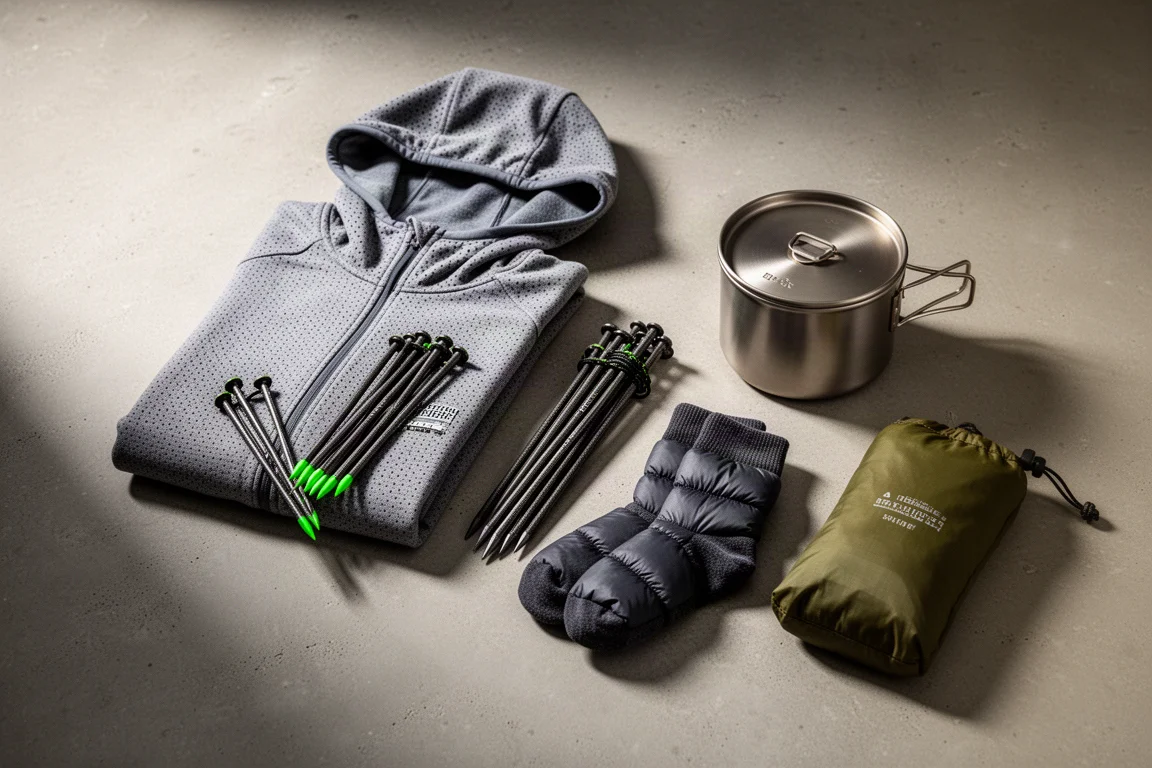
The seven products below come from that second group. Each one solves a specific problem on an overnight or thru-hike, and each one earns its place by being light, purposeful, or genuinely different from the mainstream option. None of them are gimmicks, and none of them ask you to compromise on how your kit works.
What to Look For in Ultralight Cottage Gear
Weight is usually the first number people check, but it is rarely the whole story. A 4 oz fleece that never leaves your pack is worth less than a heavier layer you actually wear, and a 3 g tent stake is only useful if the ground you camp on will hold it. The more useful question is what a piece of gear lets you do: carry a just-in-case layer without resenting it, seal leftovers so they do not leak through your pack, or keep a chair dry when it rides on the outside of your bag.
Material choice follows the same logic. Titanium keeps cookware and frames light, composite fabrics shrug off water, and open-weave fleece trades wind resistance for breathability. Availability matters too. Small makers work in batches, so popular items can sell out and restock unpredictably.
That does not mean cottage gear is automatically better. It means the trade-offs are usually more visible, and it pays to know which ones you can live with before you buy.
Farpoint Alpha Cruiser Hoodie: A Mid-Layer That Weighs About 4 oz
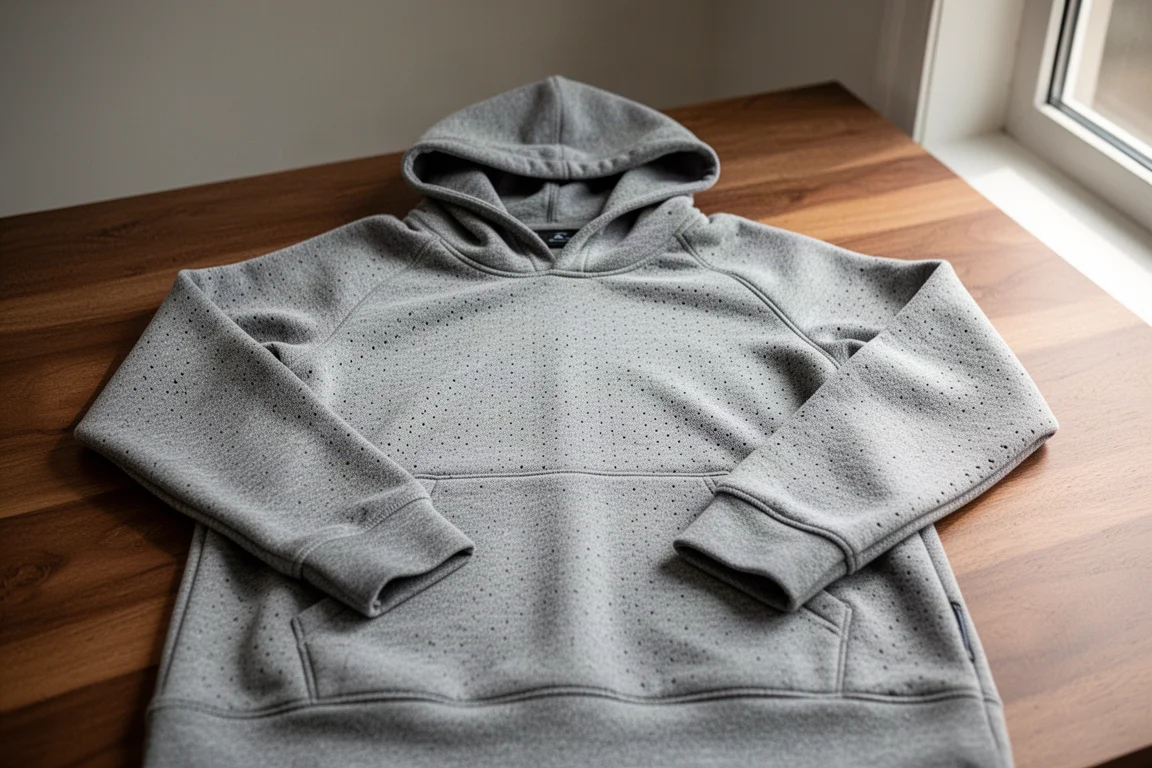
Fleece mid-layers have a habit of being the item you carry for a whole trip and never wear. They are also not light, with many landing close to a pound. The Farpoint Alpha Cruiser Hoodie takes a different approach: it weighs roughly 4 oz, which is light enough to pack as a just-in-case layer without thinking twice about it.
The fabric is deliberately airy and looks perforated at first glance. That construction gives up wind resistance, which is the trade-off. The usual answer is to wear it under a rain jacket when the wind picks up, or under a puffy when you want extra warmth. In that role it works as an active insulating layer: it holds off the cold while you warm up on a climb, then lets heat escape quickly instead of trapping it.
It is particularly good for cold starts, when you need a layer for the first hour of walking but know you will shed it once you find a rhythm. Batches tend to sell out quickly, so it is worth buying when you see it in stock.
At Stakes Carbon Fiber Tent Stakes: Barely There at 3 to 4 g
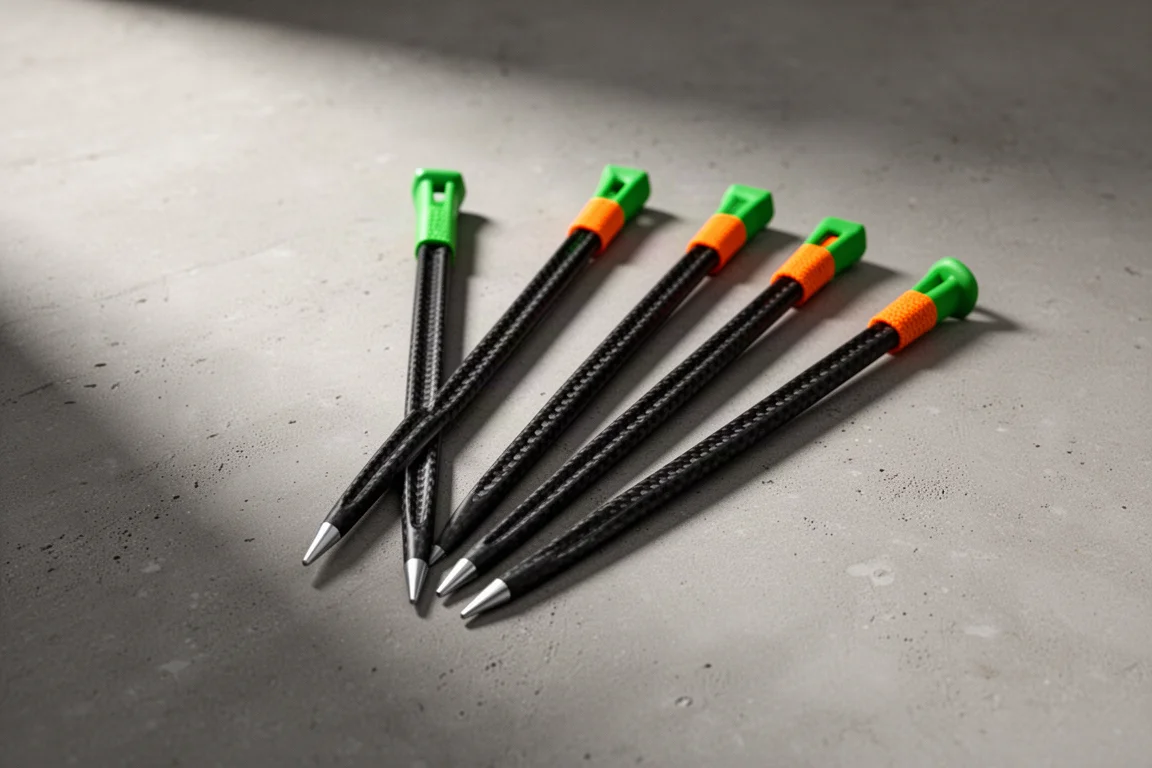
At Stakes is a husband-and-wife team making carbon fiber tent stakes in their garage, and the numbers are hard to argue with. Each stake weighs somewhere between 3 and 4 g, light enough that a kitchen scale may not even register one. Held next to a standard aluminum stake, the difference is obvious.
Carbon fiber is not as strong as aluminum or titanium, so these are not the stakes to hammer into hard, rocky desert ground. On soft soil, which covers most campsites, they press in easily, and a solid metal tip helps them push past smaller obstructions on the way down. The bright color options include a green that glows in the dark, which makes guy lines easier to spot when you are moving around camp after dark.
For ultralight hikers who mostly camp on soft ground, they are a genuinely interesting piece of kit.
Vargo Dig Dig Trowel: A Titanium Tool for Cat Holes
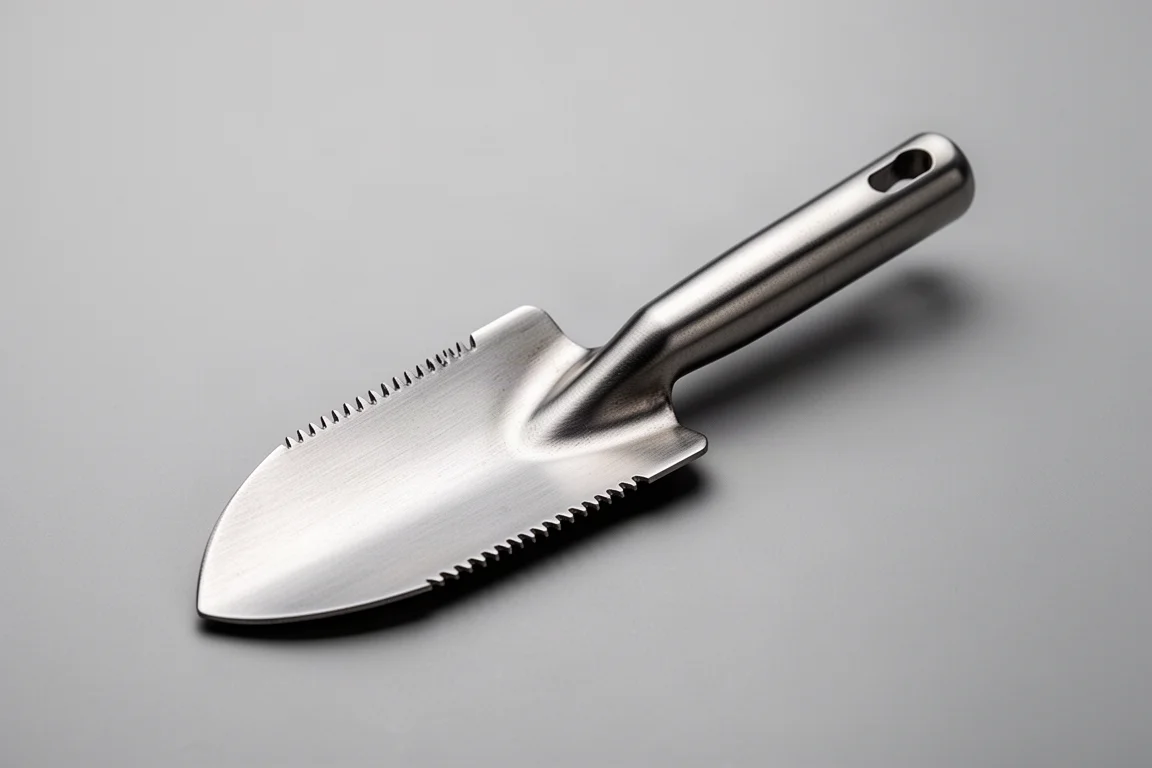
Titanium is the metal of choice for ultralight backpacking, and Vargo builds a wide range of gear from it. The Dig Dig Trowel is the best-known example: a titanium trowel with serrated edges that cut through roots and small sticks when you are digging a cat hole.
The detail that stands out is the rounded top edge, which keeps the trowel from cutting into your palm while you work. There is one small notch cut into the body that can still dig into your hand if you grip it the wrong way, but otherwise it is a comfortable tool to use, and it is easy to see why it has become a default choice for backcountry bathroom breaks.

If you have been making do with a plastic trowel or a stick, the upgrade is noticeable.
Vargo 700 ml Titanium Bot: A Pot With a Sealing Lid
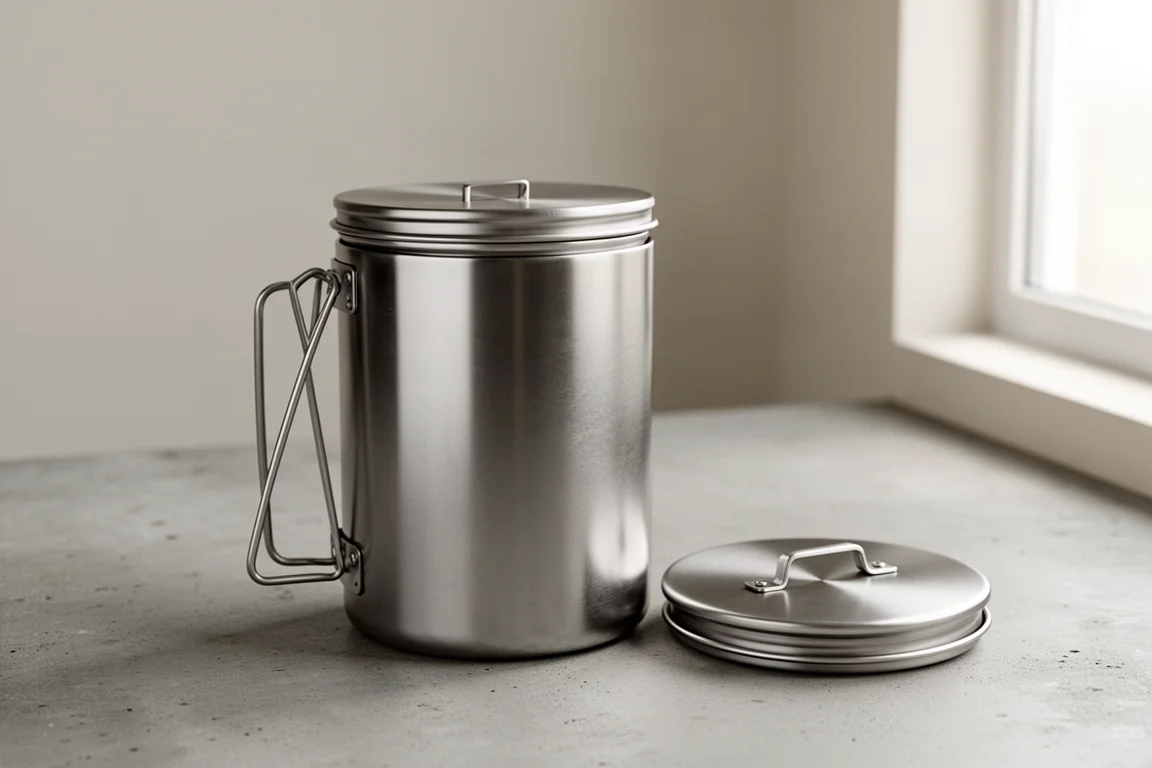
Vargo also makes the 700 ml Titanium Bot, which is essentially a titanium pot with a screw-on lid. That lid is the interesting part. Inverted, it sits loosely on top so steam can escape while you cook. Screwed down, it seals the contents, which means leftovers can go back into your pack without leaking.
That combination makes it a natural fit for cold soaking, and for anyone who alternates between cold-soaked meals and cooked ones. Titanium keeps the weight down, and the sealed lid removes the need to trust a plastic bag with anything wet.
Vargo ExPed 50: An External Frame Pack in Titanium
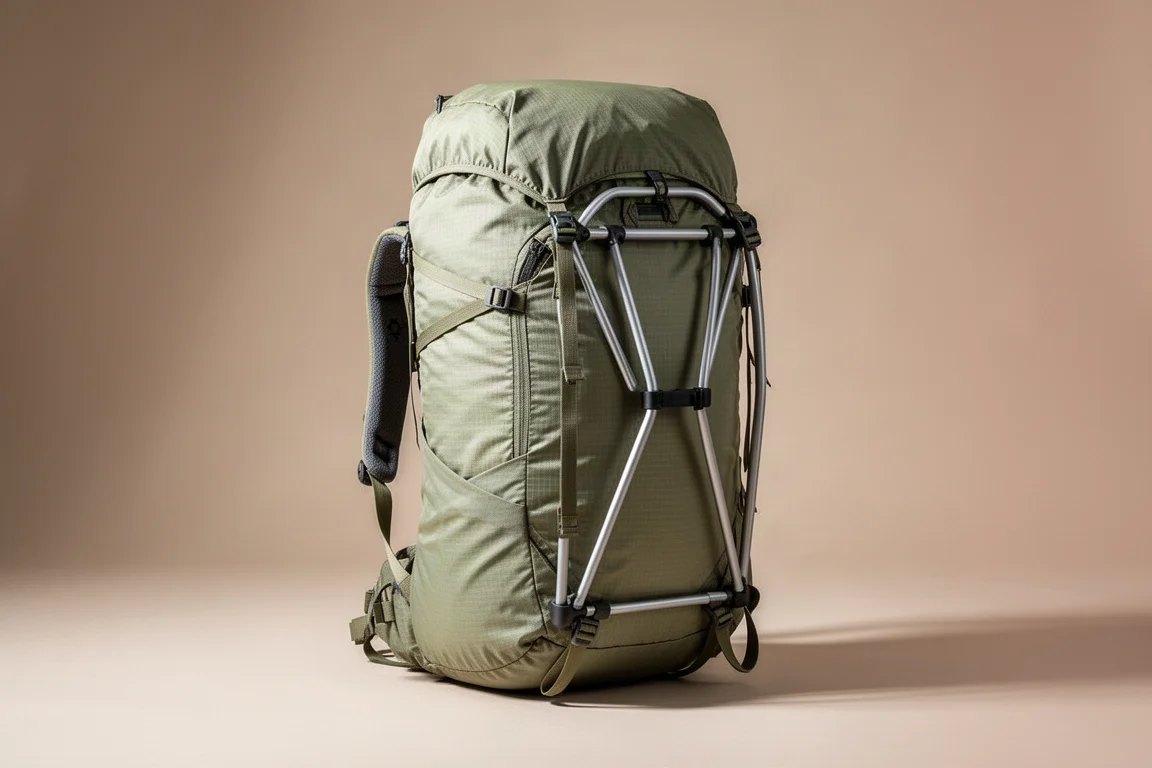
External frame packs largely disappeared a couple of decades ago, but the concept never stopped working. The Vargo ExPed 50 brings the layout back with a titanium frame, which makes it one of the very few ultralight external frame packs in existence.
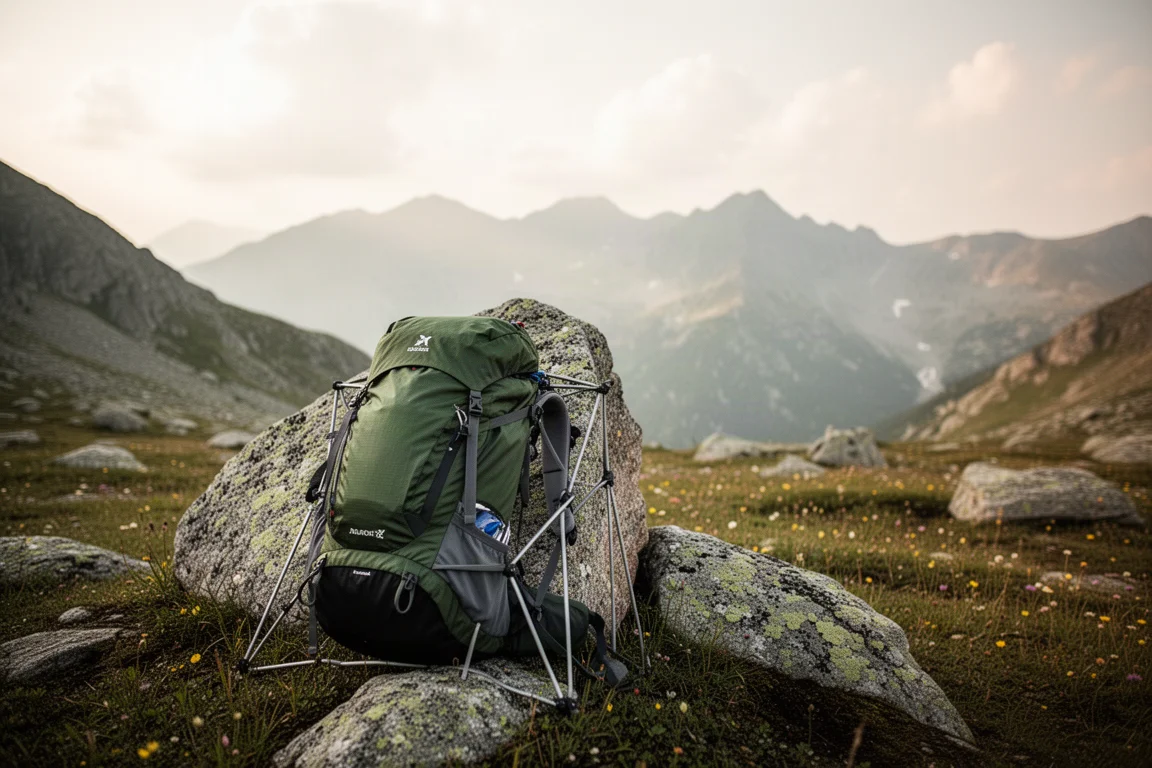
For hikers who like the way an external frame carries a load, or who simply want something different from the usual internal frame design, it is a rare option worth a closer look.
Goose Feet Down Socks: Warm Feet, and Warm Batteries
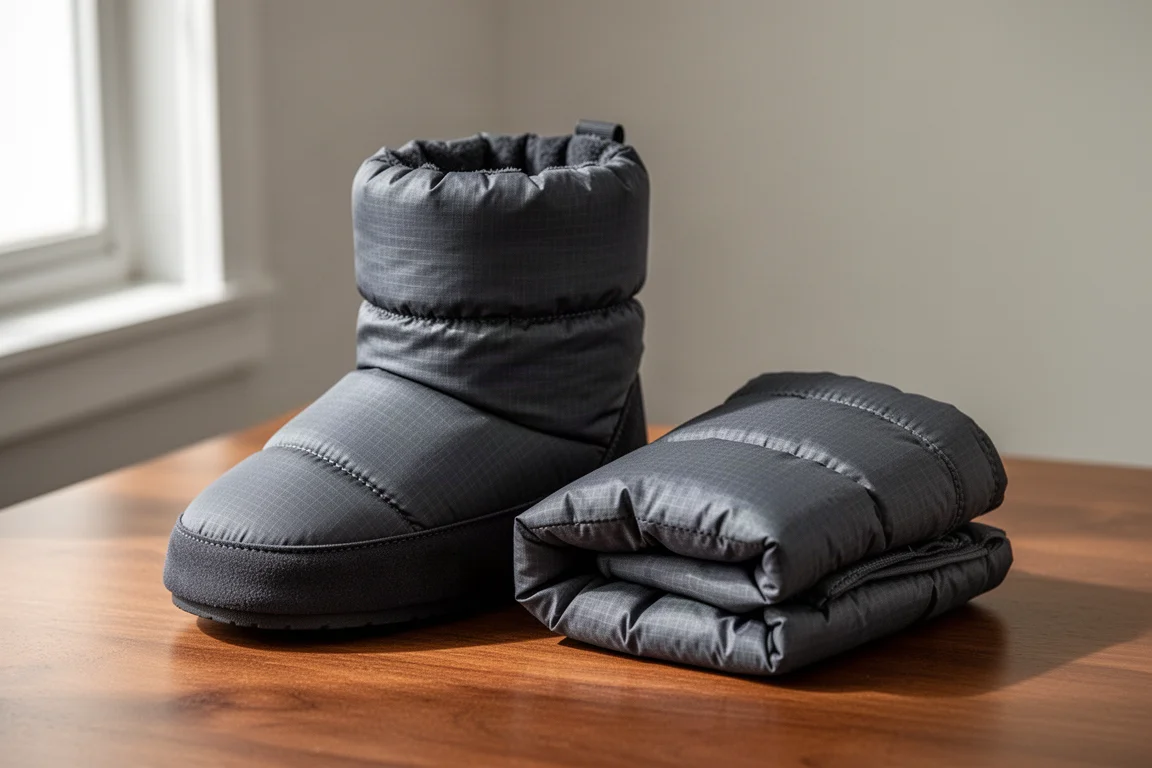
Cold feet at night are a common complaint, and down socks are the simple fix. Goose Feet Down Socks weigh about 2 oz for a pair, so they are easy to justify carrying even when the forecast is uncertain. They are comfortable to wear around camp before bed and inside a quilt once you turn in.
They also turn out to be useful for more than feet. Camera and phone batteries hold their charge better when they are kept warm, and a pair of down socks makes a convenient insulating wrap overnight. They can double as padding around an extra camera lens inside a pack. Goose Feet also sells over booties that slip over the down socks so you can walk around camp or step outside at night, though those are a separate purchase.
Hilltop Packs Dyneema Chair Bag: Protection for Gear That Rides Outside
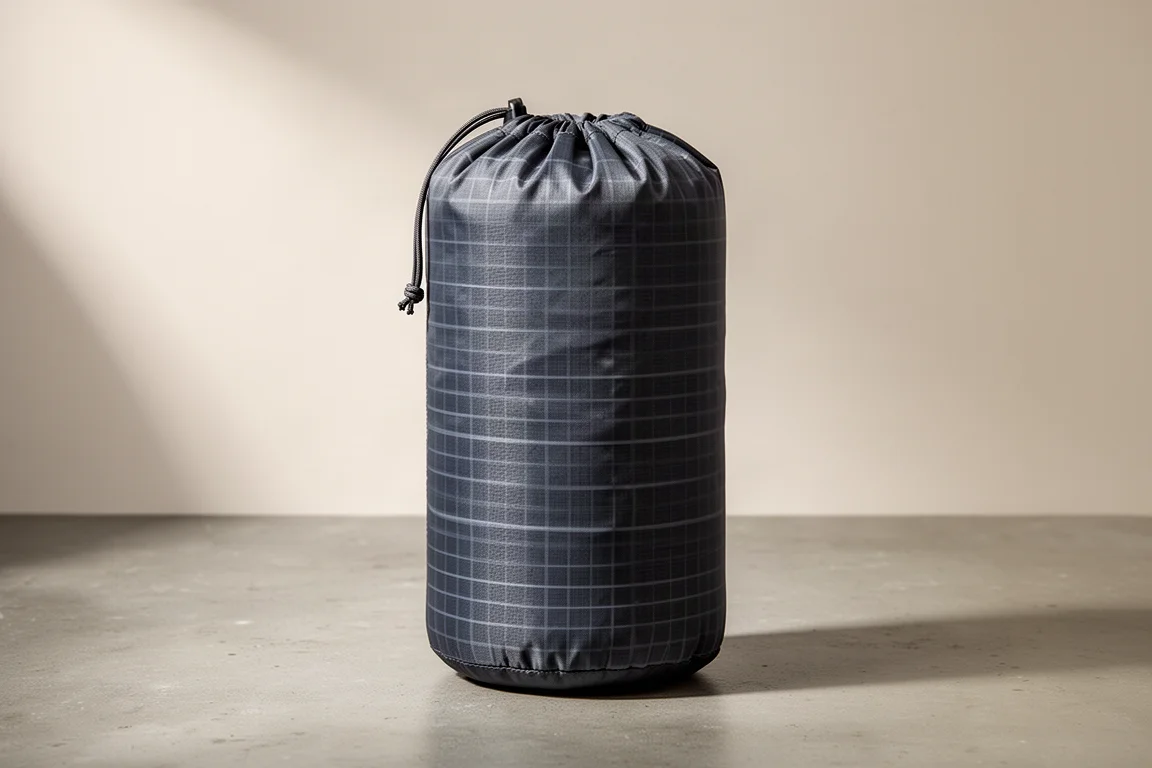
Hilltop Packs makes packs, custom printed food bags, battery bags, and a range of ultralight stuff sacks. The Dyneema Chair Bag is a good example of why small makers are worth watching: it solves a narrow problem well.
Most gear inside a pack can be kept dry with a liner or a plastic bag, but a camp chair usually rides on the outside, where it is fully exposed in a downpour. A Dyneema bag is far more protective than the nylon sack a chair typically ships with. The bag is not seam sealed, but the seams are minimal and the fabric does not soak up water the way nylon does, so it takes a serious amount of rain to wet the chair inside. Hilltop will print the bag with custom artwork, or leave it plain if you prefer.
Buying Advice
Buy the item that fixes a problem you actually have. If your mid-layer stays in your pack, a 4 oz fleece changes that calculation. If your chair rides outside your bag, a Dyneema sack is a small and sensible fix for a wet seat. If you camp on soft ground and count grams, carbon stakes are an easy win, while a titanium trowel or pot earns its place through daily use rather than novelty.
Specialist retailers make this category easier to shop. Garage Grown Gear focuses on ultralight gear and small cottage brands, which is often the only route to makers who will never appear in a big-box catalog. Wherever you buy, check batch availability before you commit to a trip, since small makers restock on their own schedule.
Conclusion
These seven items share a trait: each one is made by a small team, and each one is designed around a specific job rather than a product category. Supporting makers like these keeps a wider range of ideas in the market, from glow-in-the-dark carbon stakes to titanium external frame packs. If any of them match how you actually hike, they are worth trying.
Further reading
Related Reviews

Backpacking Gear
Building a 10 lb Base Weight: An Ultralight Backpacking Gear List
A practical walkthrough of the ultralight pieces behind a 10 lb base weight, from a 765 g pack and a roomy one-person tent to a full camp chair and a dependable water filter.

Backpacking Gear
A 15-Pound Lightweight Backpacking Gear List for Solo Trips
A beginner-friendly 15-pound backpacking setup built from easy-to-find gear, with notes on what each piece does, how it packs, and where to spend your attention.

Backpacking Gear
8 Ultralight Backpacking Gear Upgrades Worth Carrying
Eight small, affordable backpacking upgrades that solve real trail annoyances, from a pillow that stays put to a fuel valve that rescues leftover canister gas.