Hi-Fi Speakers
Best Compact Speakers: Four Standouts From Budget to Premium
Four compact speakers from £259 to £1,995, compared on sound, system requirements and value so you can choose the right one for your room.
Introduction
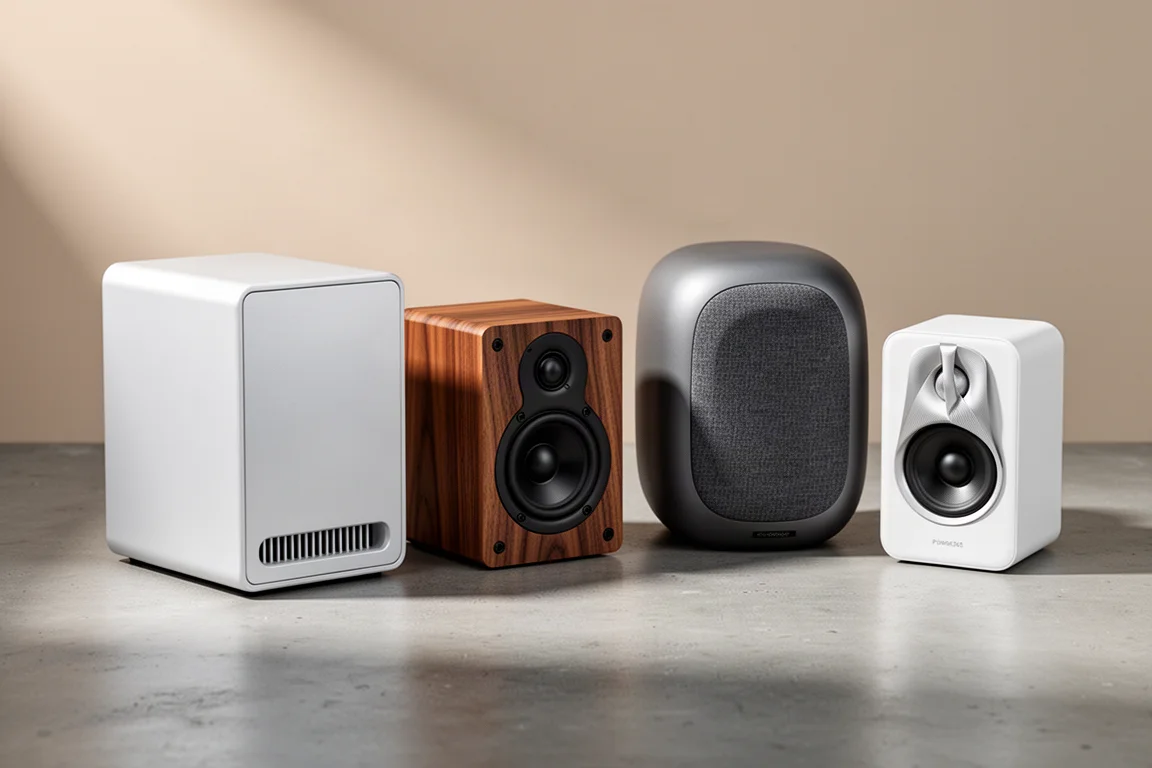
Some shortlists write themselves. This one did not. Four compact speakers made the cut, and they span from £259 to £1,995, which means they are aimed at very different systems, rooms and budgets. Two are passive designs that need an amplifier, one is a fully powered system with its own electronics built in, and one is a miniature monitor built for near-field listening.
What they share is a sense of purpose. Each one solves a different problem well, and each one is honest about what it does not do. That is the thread running through this guide.
What Earns a Place on This Shortlist
Value relative to price matters, but it is not the whole story. Cabinet construction, driver choice, crossover quality and the way a speaker behaves in a real room all carry weight, and so does the cost of the system around it. A £259 passive speaker is only good value if it does not demand expensive electronics to sound decent, and a £1,995 monitor is only worth the money if it tells you something its cheaper rivals cannot.
There is a practical side too: how far you will sit from the speakers, how large the room is, and whether you are willing to add a subwoofer later.
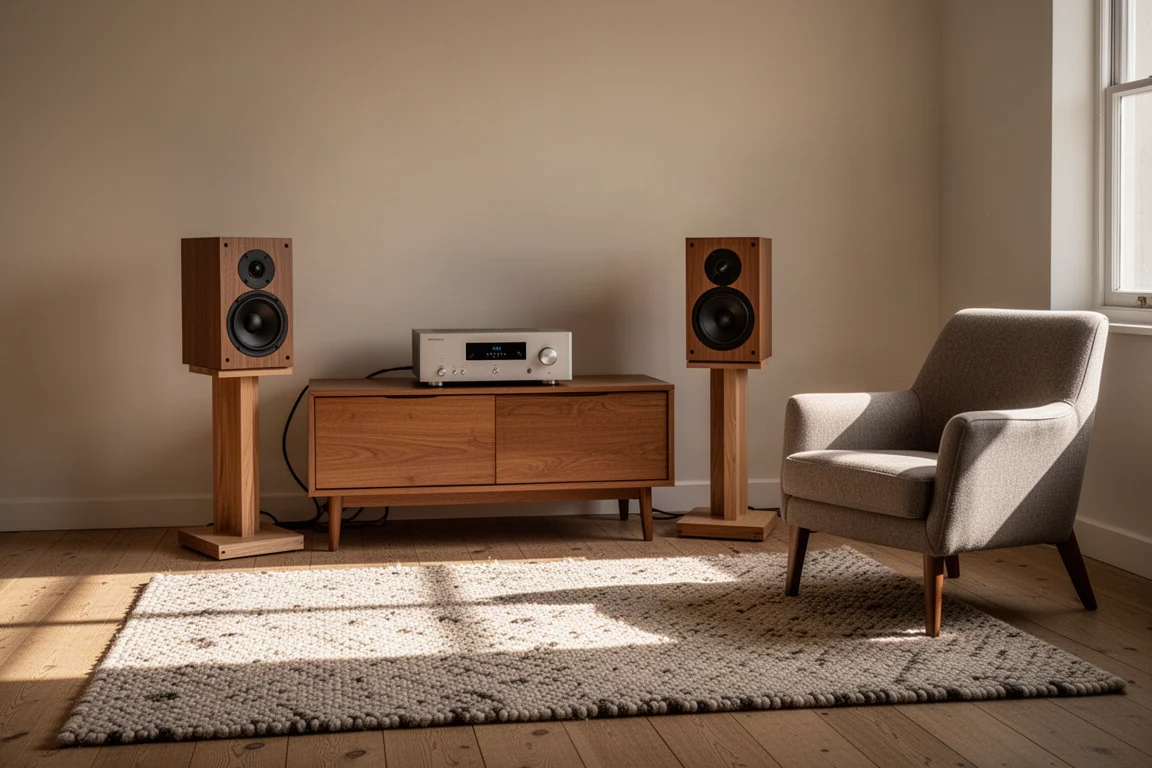
Connectivity and amplification requirements turned out to be just as decisive as raw sound quality in this group, because a powered speaker and a passive speaker ask very different things of a buyer.
Acoustic Energy AE100 Mk II: Clean, Honest Sound at the Entry Point
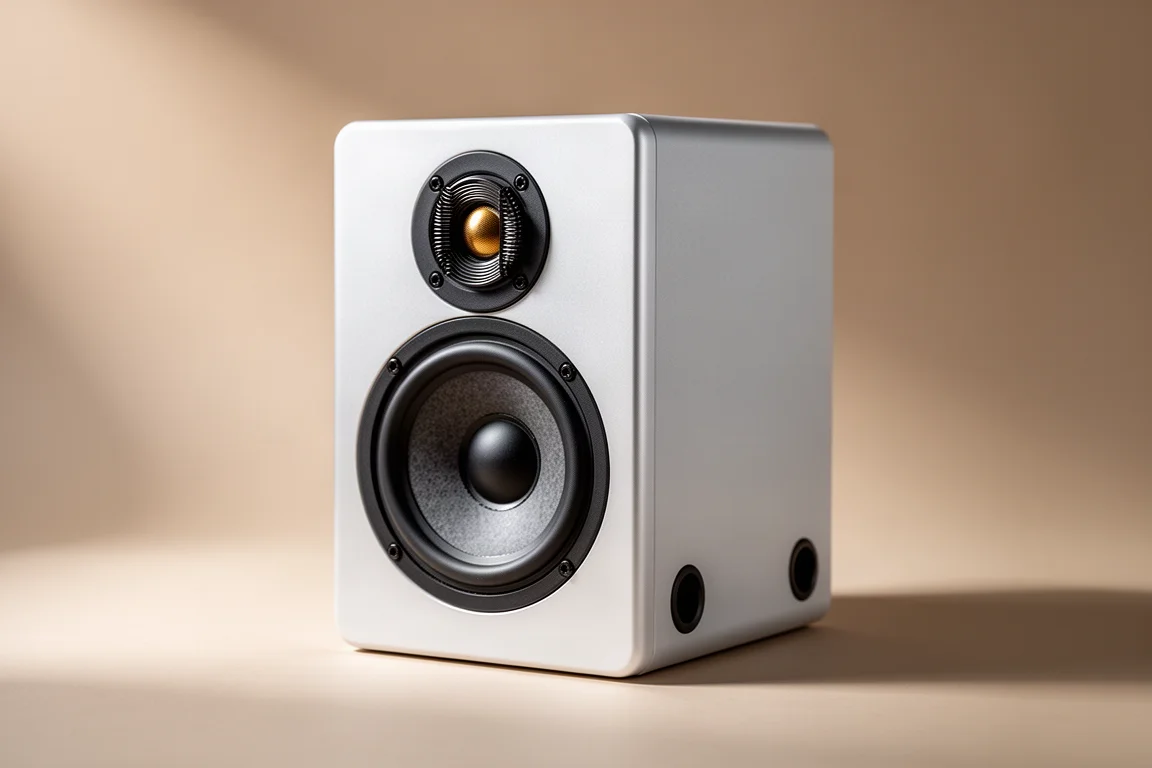
At £259 in the UK, the AE100 Mk II is the entry point into Acoustic Energy’s range, and it comes in satin black, satin white or a walnut veneer wrap. The engineering is more interesting than the price suggests. A 15mm HDF cabinet replaces the 18mm MDF of the previous model, which allowed internal volume to grow by roughly 30 percent while the outside of the box grew by only about 15 percent. The result is the same cabinet rigidity with more bass extension and better power handling, and it is the first time HDF has appeared in a speaker at this price.
The driver complement follows the same logic. A 130mm paper cone midwoofer is joined by a 25mm fabric dome tweeter set in the company’s wide dispersion waveguide, positioned as close to the midwoofer as possible. That waveguide is trickle-down technology from the flagship 500 series, and it exists to keep integration between the two drivers smooth. Paper cones are prized for a natural midrange presentation and usually appear further up the price ladder. Smaller details get attention as well, from curved cabinet edges to a slotted port rather than a cylindrical one, which reduces port chuffing. Binding posts are decent rather than fancy, and there are no premium wood finishes at this price.
Sonically, the bass is tight and snappy with reasonable extension. This is a speaker about bass quality rather than bass quantity, so anyone chasing deep low end will want a subwoofer. The midrange is open and natural, with crisp transients and clean decays that make vocals and lead instruments sound authentic. The soundstage is deep and wide, which is impressive at this price. More expensive speakers such as the LS3/5a offer richer tone and the Amphion Argon 1 more detail, but both cost considerably more, and neither embarrasses this cabinet on stage width.
Two caveats are worth knowing. The tweeter runs a little hot and the upper midrange and highs lack some refinement, which can be eased with less toe-in. The sound also hardens when pushed much above 80dB. A Cambridge Audio AXA35 at £399 is a natural partner, pairing clarity and control with enough richness to bring out the best in it.
Dali Menuet SE: Near-Field Refinement in Real Walnut
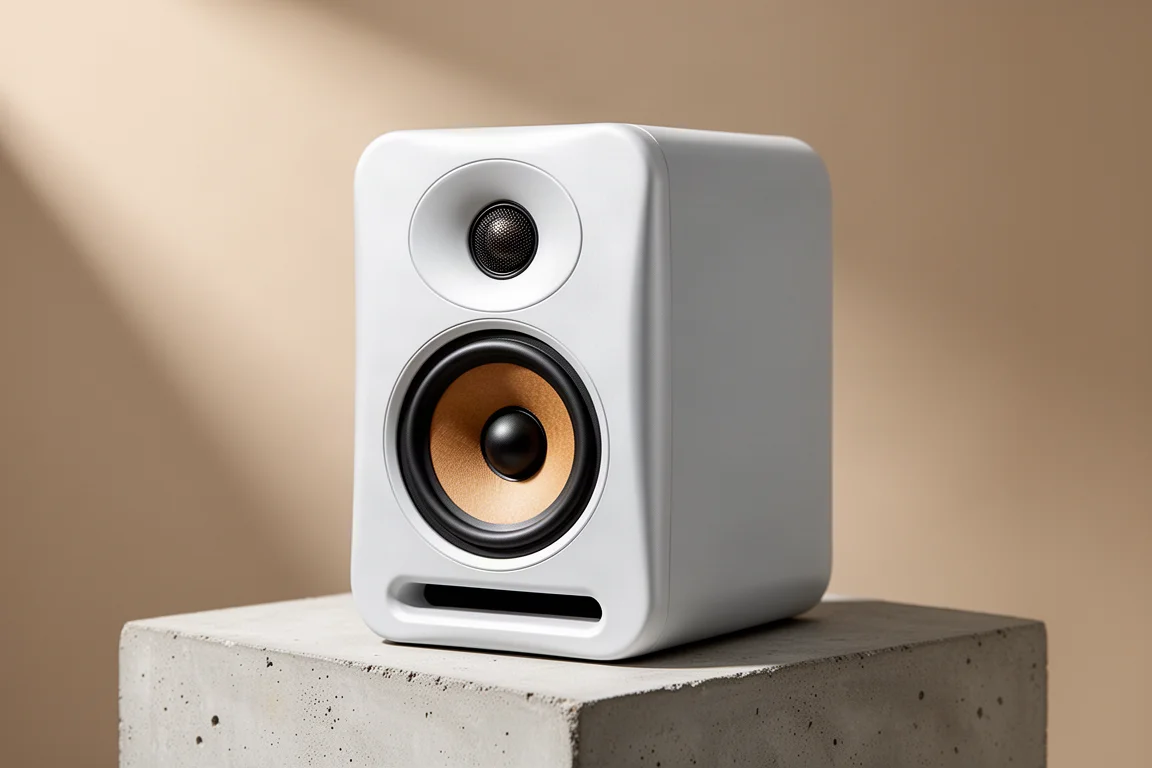
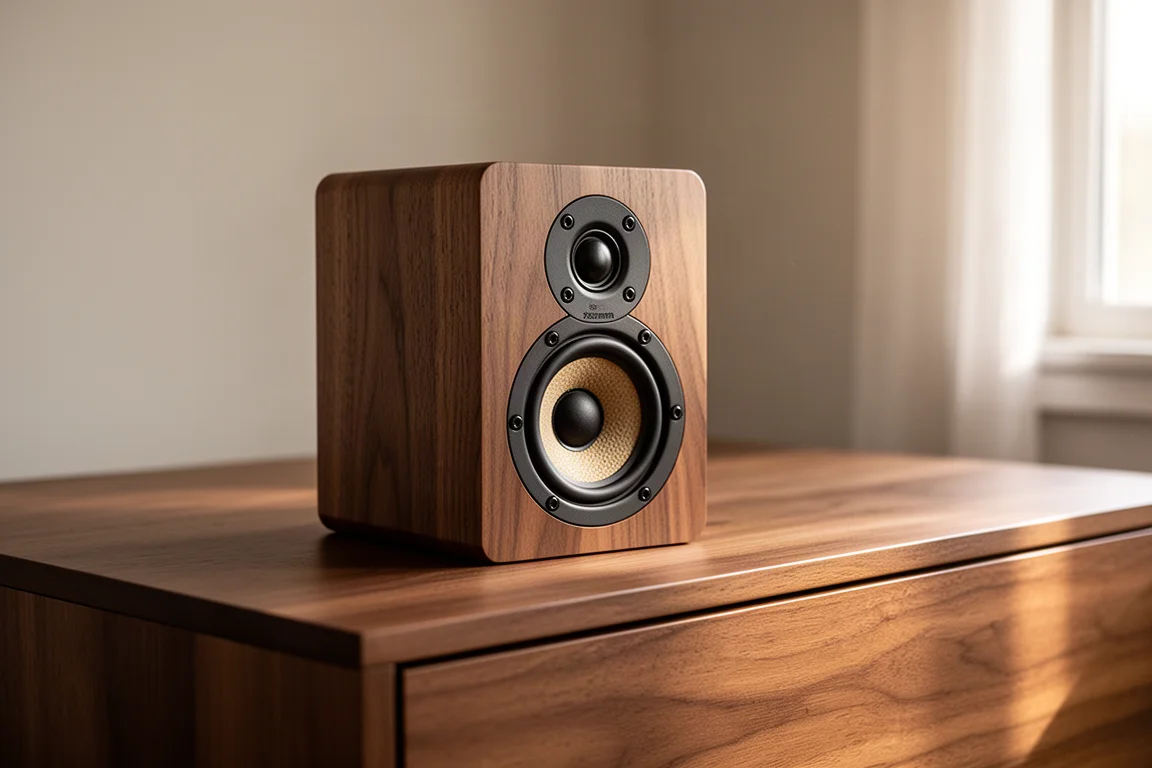
The Menuet SE is a special edition of Dali’s miniature monitor and sells for £1,499 in the UK. The real walnut veneer is the kind of finish photographs never quite capture. The only complaint worth noting is that the grilles are not magnetic.
Drivers carry over from the standard model: a 28mm soft dome tweeter and a 115mm wood fibre midwoofer. The rear panel holds two of the finest binding posts you will find on a speaker this size, with the port discreetly concealed behind them. The special edition adds an improved crossover with Mundorf capacitors and a better crossover board for improved electrical isolation, all aimed at reducing distortion. These are enhancements borrowed from Dali’s more expensive Epicon range.
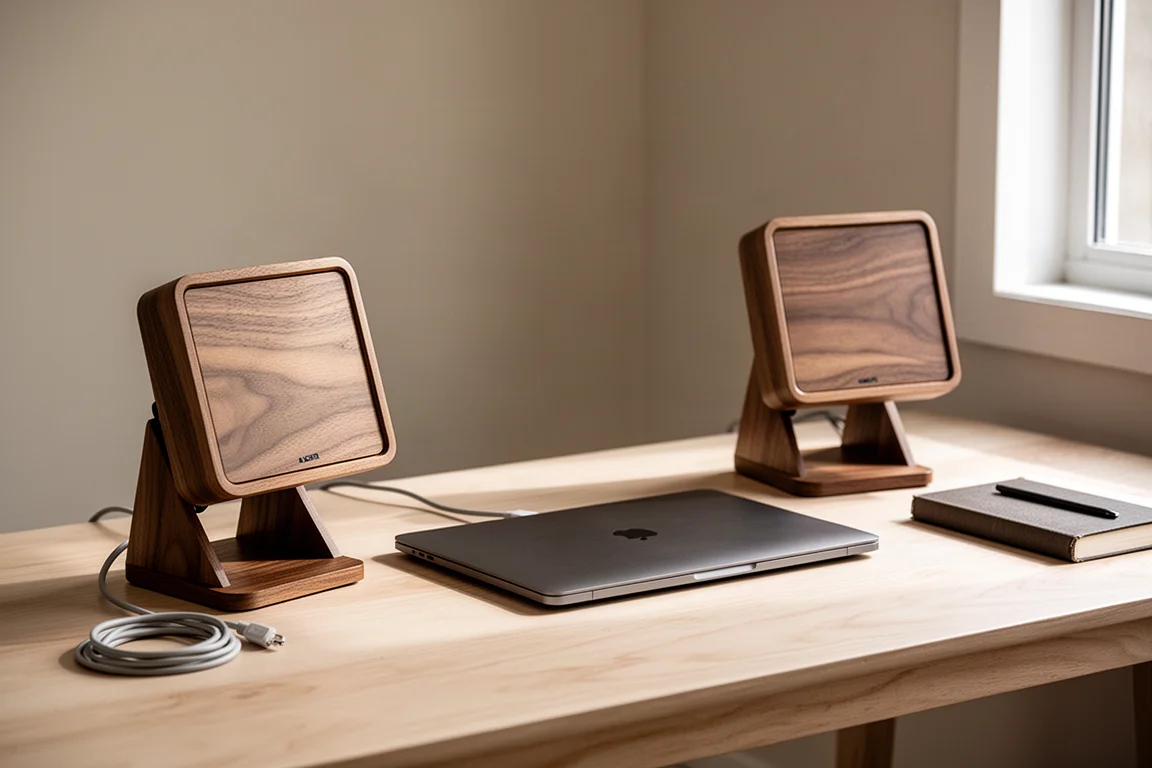
Physics still applies. This is a small speaker, best suited to near-field listening at the end of a desk or in a small room, and sitting more than about two metres away is not ideal. Bass is limited, with little happening below 60Hz, so the bottom octave and some mid-bass punch are missing. A subwoofer is essential in most setups, and it needs to be a good one to keep pace with the agility of the monitor.
The midrange is where it earns its keep: clean and refined with real body and texture, and the combination of high resolution and tonal richness places it in a select group. Highs are extended, open and refined, and imaging is a genuine strength. It deserves quality partnering equipment, and the Exposure 2510 is a natural match.
Q Acoustics M20: A Complete System in One Box
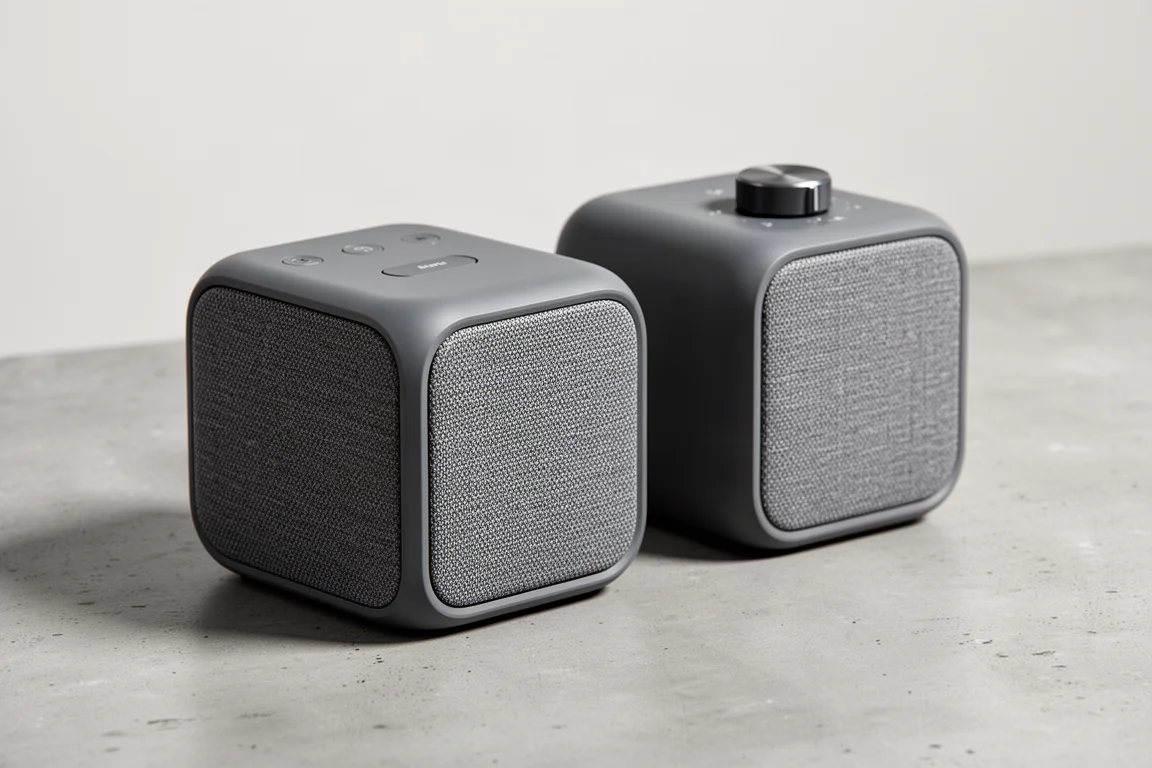
At £399 in the UK, and periodically discounted to around £349, the M20 is a compact two-way powered speaker system and the value story of this group. The grilles are not removable, so the drivers stay hidden, which is a shame. The explanation given is consistency with the M4 soundbar, and a future revision could address it.
The design borrows from the well-regarded 3020i passive speaker, with point-to-point cabinet bracing, a 22mm soft ring dome tweeter and a 125mm aramid fibre cone midwoofer crossing over at 2,400Hz. One cabinet houses all the electronics for both speakers, including a 60W per channel Class D amplifier. Connectivity covers Bluetooth, RCA and 3.5mm analogue inputs, optical digital and USB digital, which is unusual at this price and lets a PC or laptop act as a streamer. There is a subwoofer output, a switch to assign the powered speaker to left or right channel duties, and three DSP settings that shape output below 300Hz by plus three, zero or minus two decibels.
Internally, incoming signals are multiplexed through a Texas Instruments PCM9211 chip. Analogue inputs are converted to digital, passed through the DSP engine, then converted from PCM to PWM for the Class D amplifier. There is no conventional DAC, and avoiding digital to analogue and back to digital conversions helps preserve the integrity of the signal.
The payoff is impressive clarity. Bass is weighty and superbly controlled with a tight grip on the midwoofer, and the midrange avoids the lean character that Class D designs can suffer from. It is not quite as open and transparent as the AE100 Mk II paired with a Cambridge Audio AXA35, but it is only a fraction behind, and building that separates route with a cost-effective DAC would cost more than double. Highs are refined but slightly recessed, which costs a little detail, and extra toe-in helps. As a complete package, the connectivity, dynamics, control, clarity and tonal balance are difficult to assemble from separate boxes for the same money.
Neat Acoustics Petite Classic: The Most Revealing of the Four
The Petite Classic sells for £1,995 in the UK in a satin white finish, with a textured black option and no wood finishes available at present. Its history matters. A 30th anniversary limited edition of 100 units, named after the first speaker the company’s founder brought to market, sold so well that the Petite returned. The Classic drops the gloss finish and the accessory pack and gets a further tweaked crossover, but it is essentially the same speaker.
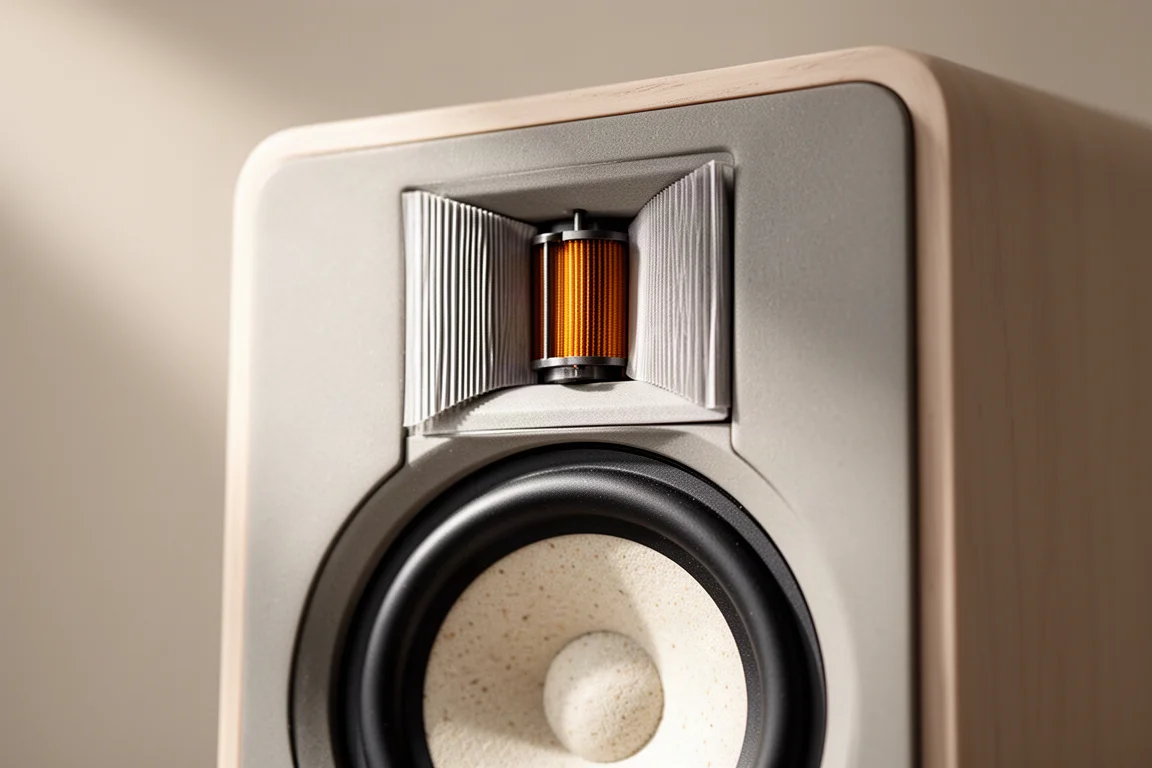
The cabinet is made in Britain and houses a 150mm midwoofer from SB Acoustics with a mineral-filled polypropylene cone, handing over at 3,800Hz to a Dayton Audio AMT tweeter. Two rear ports give useful flexibility in room positioning. The crossover uses very good parts from suppliers such as Mundorf, though the binding posts are not up to scratch for a speaker at this price. It is worth remembering that Neat is a small British manufacturer that assembles its speakers and builds its cabinets in the UK, so the money goes somewhere other than exotic veneers.
In use, this is the most revealing speaker in this group, and notably so for anything below £3,000. Bass digs deep with better definition than larger rivals and there is no bleed into the midrange. The separation of instruments and lead vocals is remarkable, transients are crisp without sounding artificial, and notes decay naturally. The highs take no prisoners, and some listeners will find them a touch bright, though that is as likely to be the recording or the partnering equipment as the speaker. Integrating an AMT tweeter with a conventional midwoofer is not easy, and this implementation works. Against the ProAc Response 1SC, the Petite Classic is more resolving with tighter bass, more detail up top and more precise imaging, while the ProAc counters with a richer tone and a vaster soundstage.
Matching a Speaker to Your Room and System
The four speakers ask for very different things. The M20 is the simplest to live with: it needs no amplifier, accepts a laptop over USB and can be driven straight from a phone over Bluetooth. The AE100 Mk II is the cheapest route into a separates system, but budget for an amplifier, since a £399 integrated is the natural partner and roughly doubles the outlay. The Menuet SE and the Petite Classic are passive too, and both will expose whatever sits upstream, so they belong in a system that is already sorted.
Room and listening distance matter just as much. The Menuet SE is a near-field design that wants a desk or a small room and a subwoofer. The AE100 Mk II and the M20 will fill a modest living room happily. The Petite Classic is the one that rewards a dedicated listening position, where its imaging and detail can be appreciated.
Buying Advice
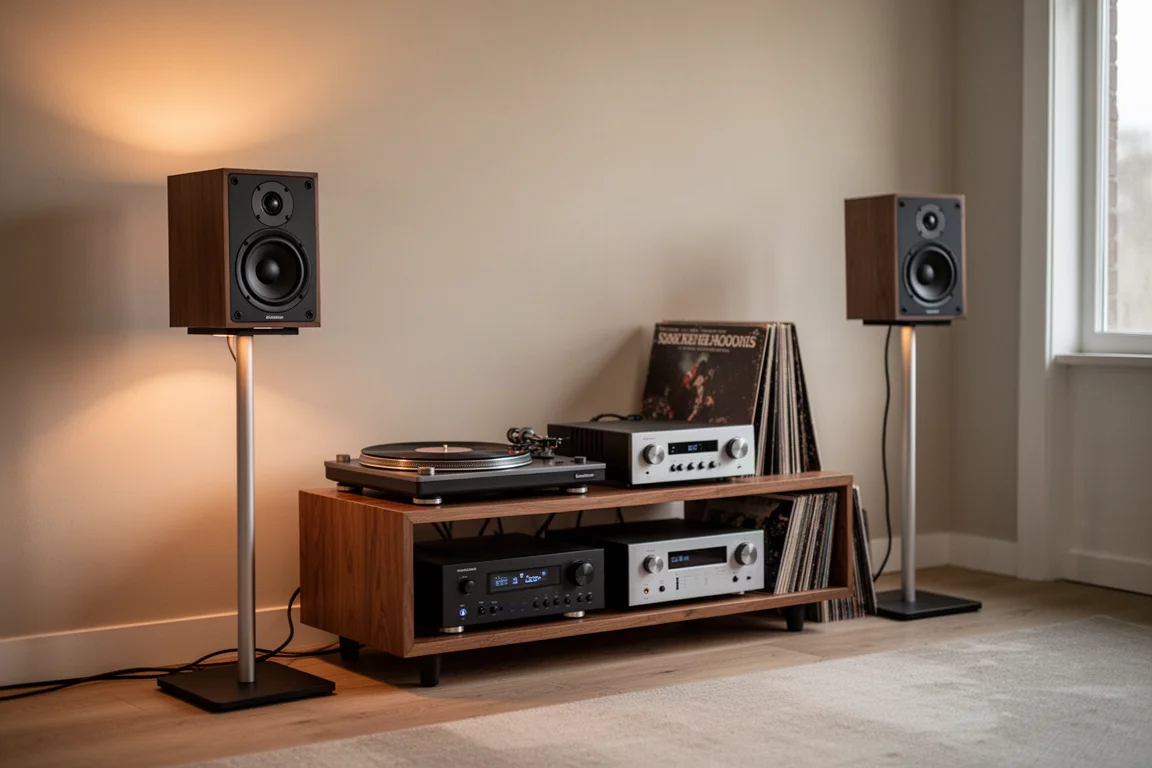
For most buyers the M20 is the pick of this group. It is the biggest value proposition here: a complete amplified system with digital and analogue inputs, controlled bass and a clean midrange for less than the price of the AE100 Mk II plus a decent amplifier. Add a source you already own and you have a working hi-fi.
If you already own amplification you like, the AE100 Mk II is an entry point that punches well above its price, as long as you keep volumes moderate and accept that deep bass is not its business. The Menuet SE is for near-field listeners who value midrange texture and can accommodate a subwoofer. The Petite Classic is for those who want maximum resolution and precise imaging, and who are prepared to build a system around it.
Conclusion
Four compact speakers, four distinct answers. The M20 offers the most complete package for the money, the AE100 Mk II delivers surprising refinement at the entry level, the Menuet SE trades scale for near-field magic in a beautiful walnut cabinet, and the Petite Classic is the most revealing of them all. Match the speaker to the room and the system, and any of the four will serve you well.
Further reading
Related Reviews
Hi-Fi Speakers
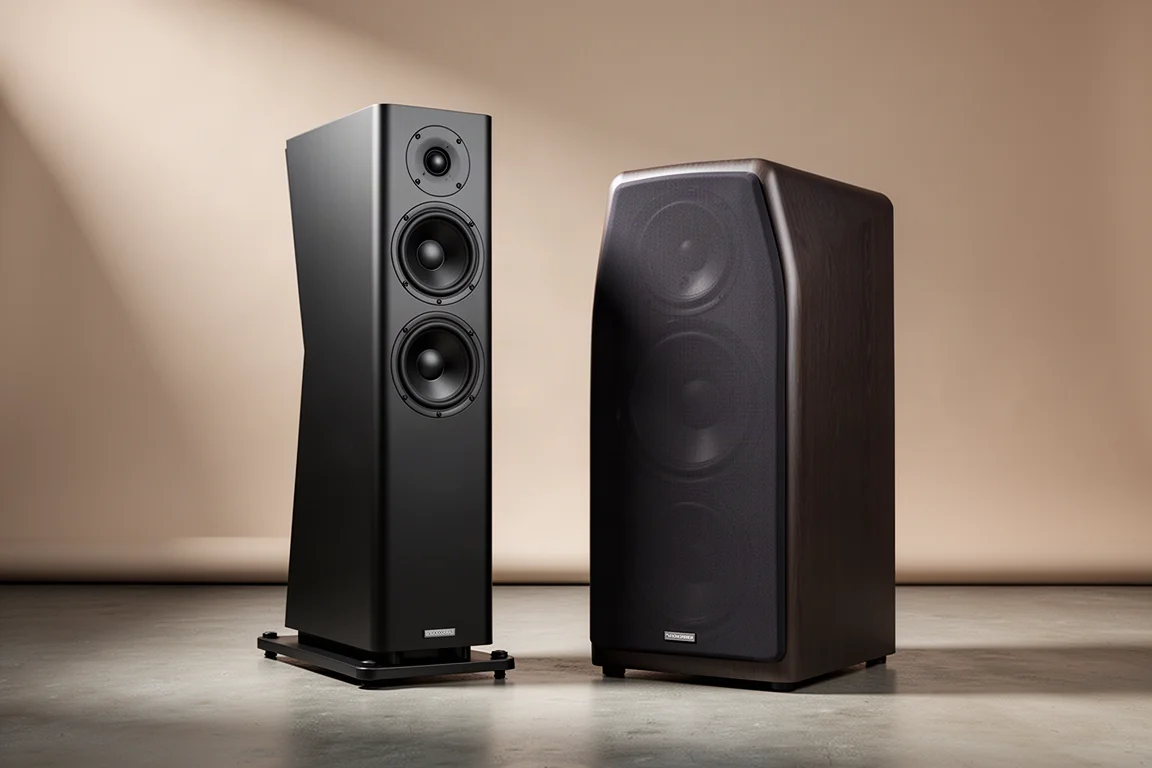
1723 THX Tower vs 1528 Bookshelf: Which Speaker Fits Your Room?
Two speakers at roughly the same price, built very differently. How the 1723 THX tower and the 1528 bookshelf compare on construction, bass, power needs, and sound.
Hi-Fi Speakers
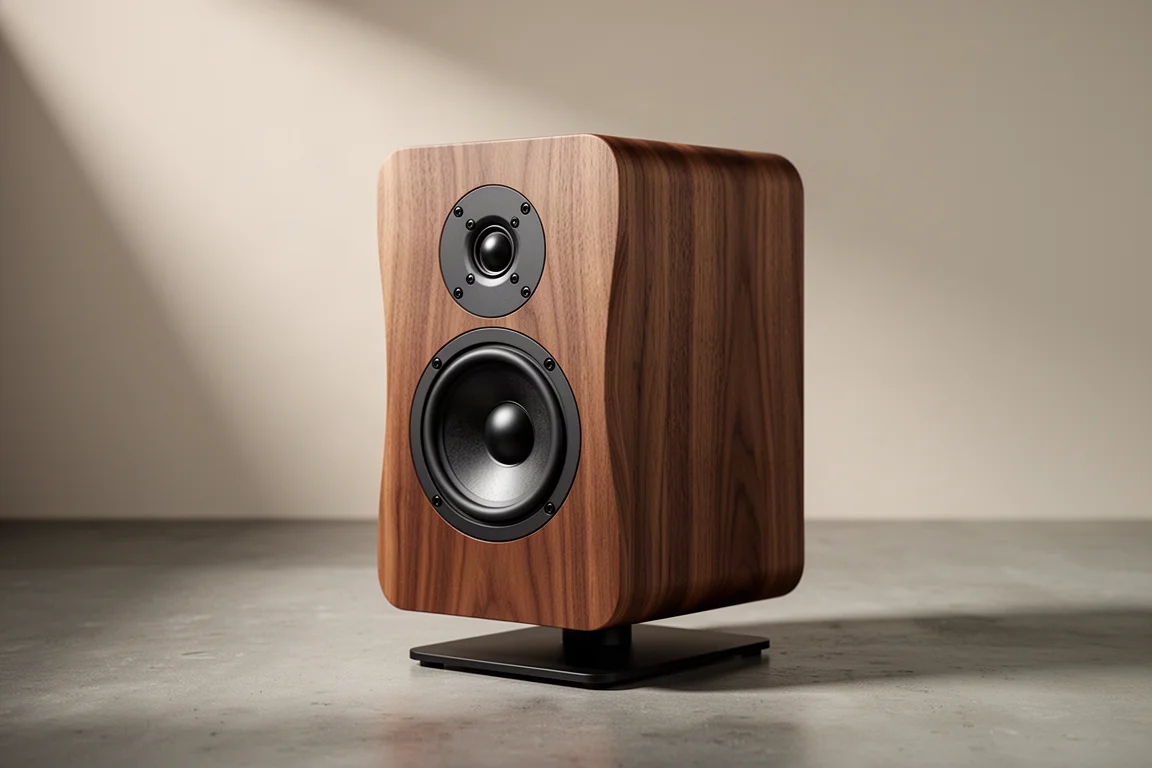
Acoustic Energy AE 300 Review: Deep Bass From a Compact Standmount
A two-way standmount with real wood veneer, surprising low-end weight, and a warm, easygoing character. Here is what to know before buying.
Hi-Fi Speakers
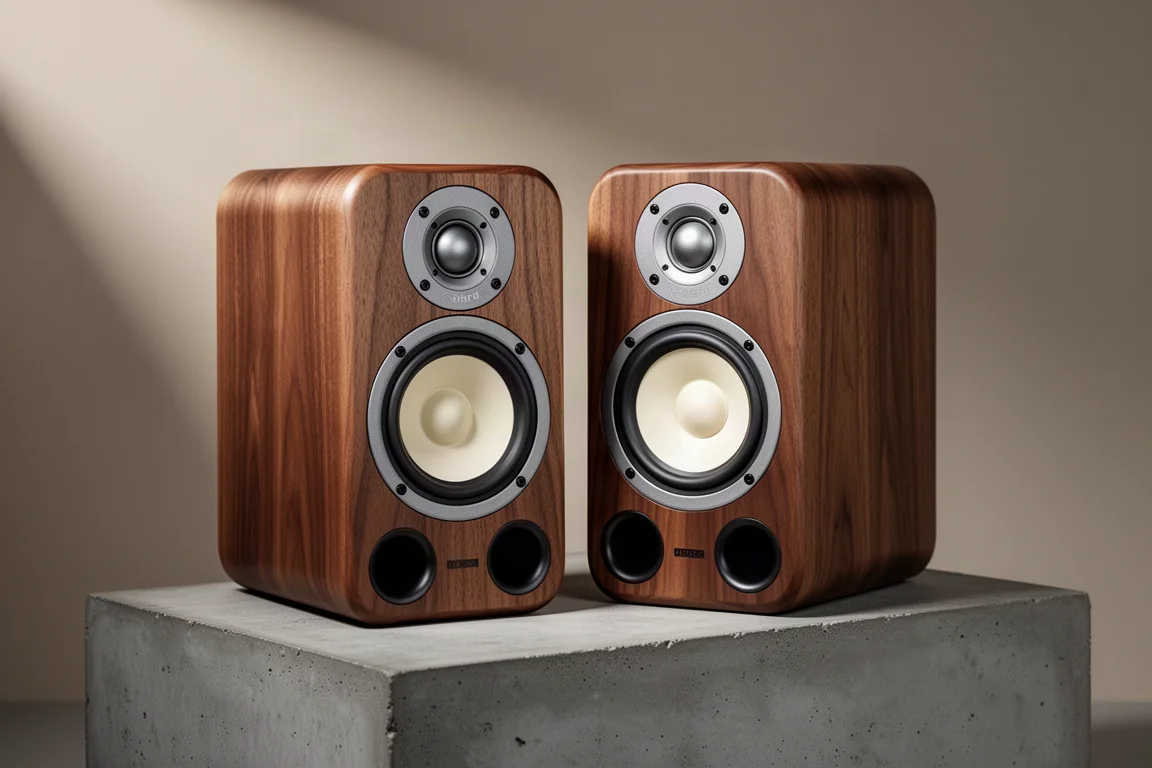
Acoustic Energy AE1 40th Anniversary Review: A Modern Take on a British Classic
A compact standmount that revives a 1980s favorite with all-new parts, a warm mid-centric balance, and a price of £1,499 per pair.