Hi-Fi Audio
Best Compact Hi-Fi Systems for Small Spaces: Tiny Setups That Still Sound Serious
A practical guide to compact hi-fi systems for small rooms, from a $145 starter stack to a $1,350 Class A/B setup, with speaker pairings and clear upgrade paths.
Introduction
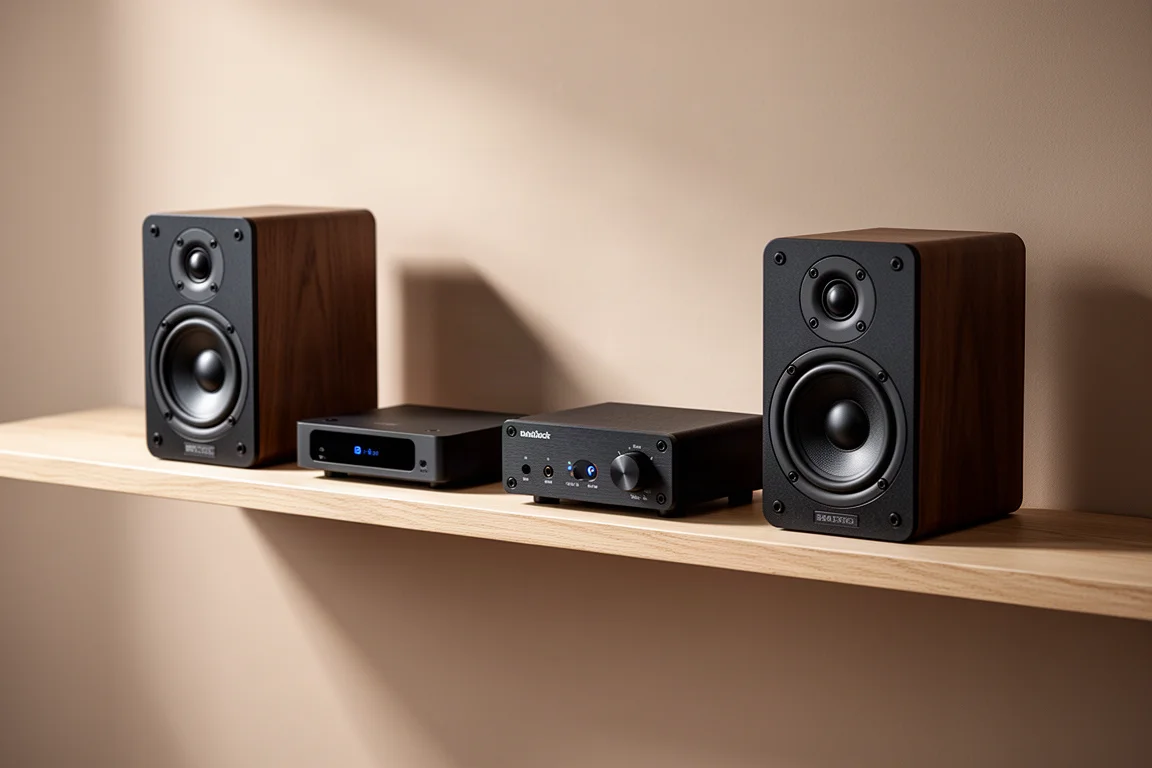
Not everyone has room for a full-size rack. Apartments, condos and shared living rooms often mean that a single shelf, a desk or a small sideboard is the entire installation space. The good news is that the electronics side of a hi-fi system has shrunk dramatically. Class D amplification and compact network streamers now deliver a complete source-and-power setup in less space than a couple of hardback books.
This guide walks through several complete compact systems at different price points, from a starter stack that costs about $145 to a Class A/B build that reaches roughly $1,350. Every component listed can be mixed and matched, so treat each group as a starting point rather than a fixed recipe. Speaker pairings follow at the end for readers who can fit a pair of small cabinets even when the electronics have to stay tiny.
How These Compact Systems Compare
Four things separate these systems, and it helps to decide on each before you spend anything.
Amplifier topology comes first. Class D designs are the smallest and most efficient, which is why a complete stereo amplifier can fit in the palm of your hand. Class A/B designs are physically larger but bring a different character and, in some cases, considerably more power.
Connectivity comes second. Some components here offer a single analogue input, others add optical and coaxial connections, and the streamers vary in how many digital and analogue inputs they provide. Count the sources you actually own before choosing.
Upgrade paths matter as well. Several amplifiers in this guide accept a higher-voltage power supply, and at least one uses swappable op-amps, so the same box can be improved later instead of replaced.
Finally, decide whether you need extras such as a phono stage or a headphone amplifier. Adding them later is easy as long as you leave an input free.
The Most Affordable Compact System: Around $145
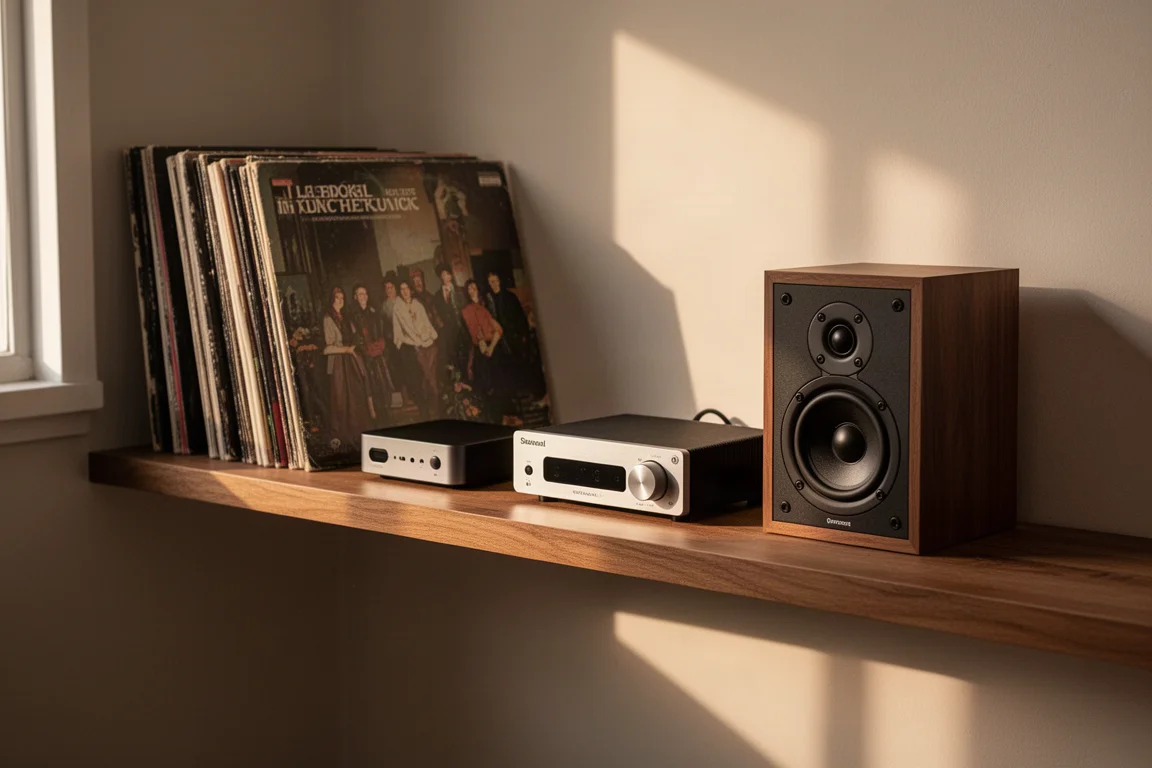
The cheapest complete system here pairs a Fosi Audio TB10D amplifier with a WiiM Mini streamer. The amplifier lists at $80 and regularly carries a $20 coupon, and the streamer lists at $90 with a $5 coupon, which brings the pair to roughly $145. Together they take up less shelf space than a couple of books or a large sandwich, yet they cover streaming, equalisation and amplification.
Fosi Audio TB10D
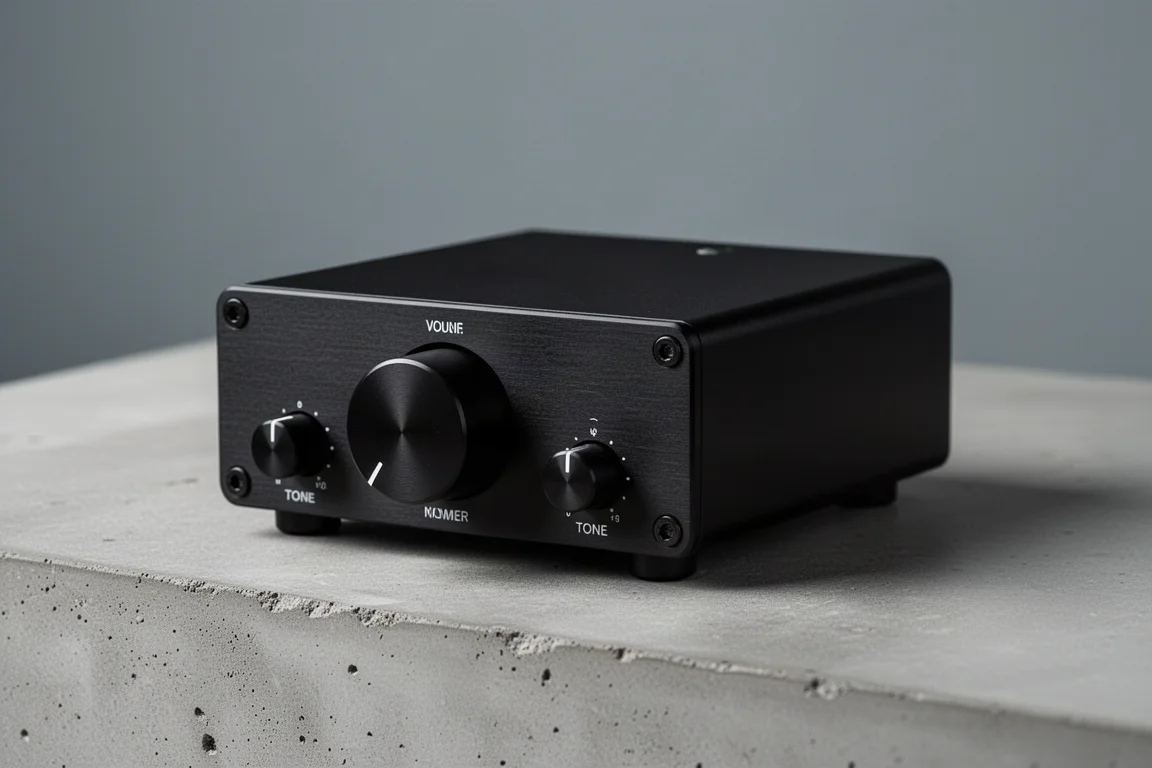
The TB10D is built around the Texas Instruments 3255 amplifier chipset and ships with a 26V power supply, which is enough to drive most speakers in a normal-sized room. It has a single analogue input, so one source connects directly, and the power supply can later be upgraded all the way to a 48V 10A unit for more headroom.
WiiM Mini
The WiiM Mini is a fully functioning streamer rather than a simple Bluetooth receiver. It supports AirPlay and Chromecast, includes a 10-band EQ, covers a broad range of streaming services, and can also play music ripped from CDs that is stored on your home network.
Because the TB10D has an auxiliary input, a small phono preamp can be added later if you want to bring a turntable into the system.
Stepping Up: A $250 Streaming Stack
The next system keeps the same small footprint but improves the parts. A Fosi Audio BT20A Pro amplifier at around $100 pairs with a WiiM Pro streamer at around $150 for a total near $250.
Fosi Audio BT20A
The BT20A is the model that sits closest to the TB10D. It uses the same Texas Instruments 3255 chipset but with better parts and swappable op-amps, and it adds Bluetooth on top. It is physically larger than the TB10D, so it suits a slightly deeper shelf.
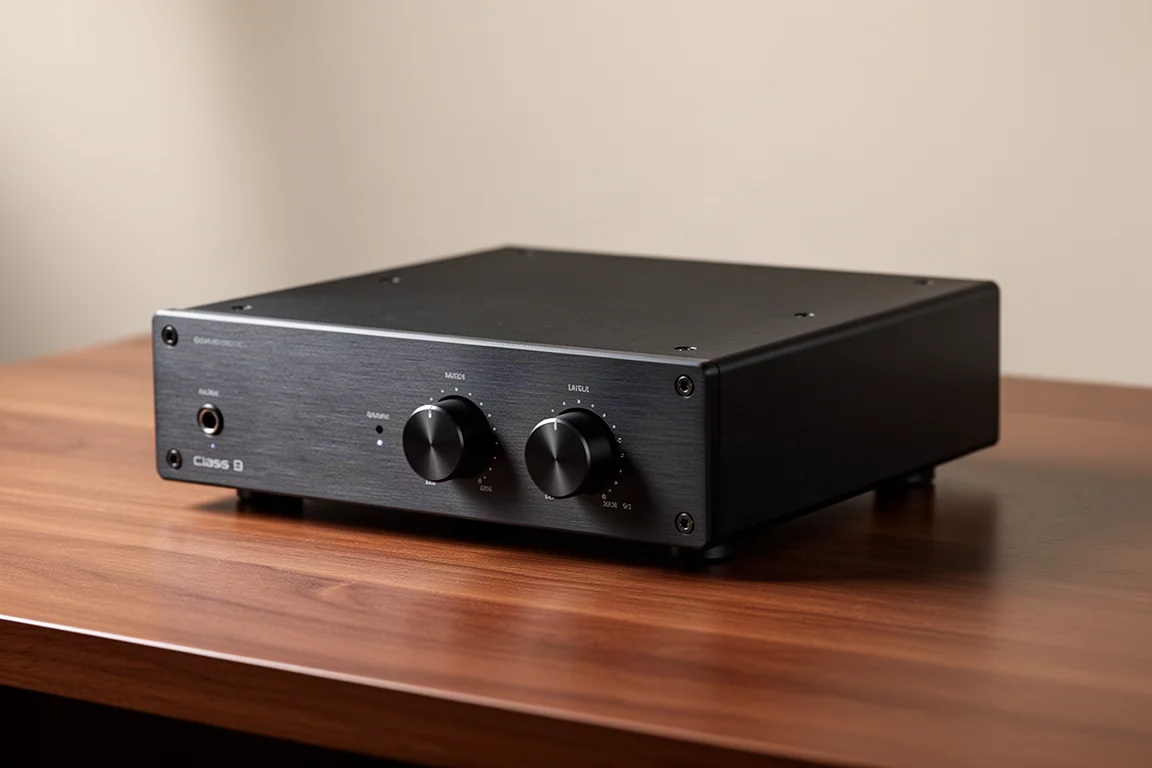
Fosi Audio BT20A Pro
The BT20A Pro is the version used in this stack. It brings a proper RCA input for other devices as well as an optical input, which makes it far easier to connect a streamer and a second source without adapters.
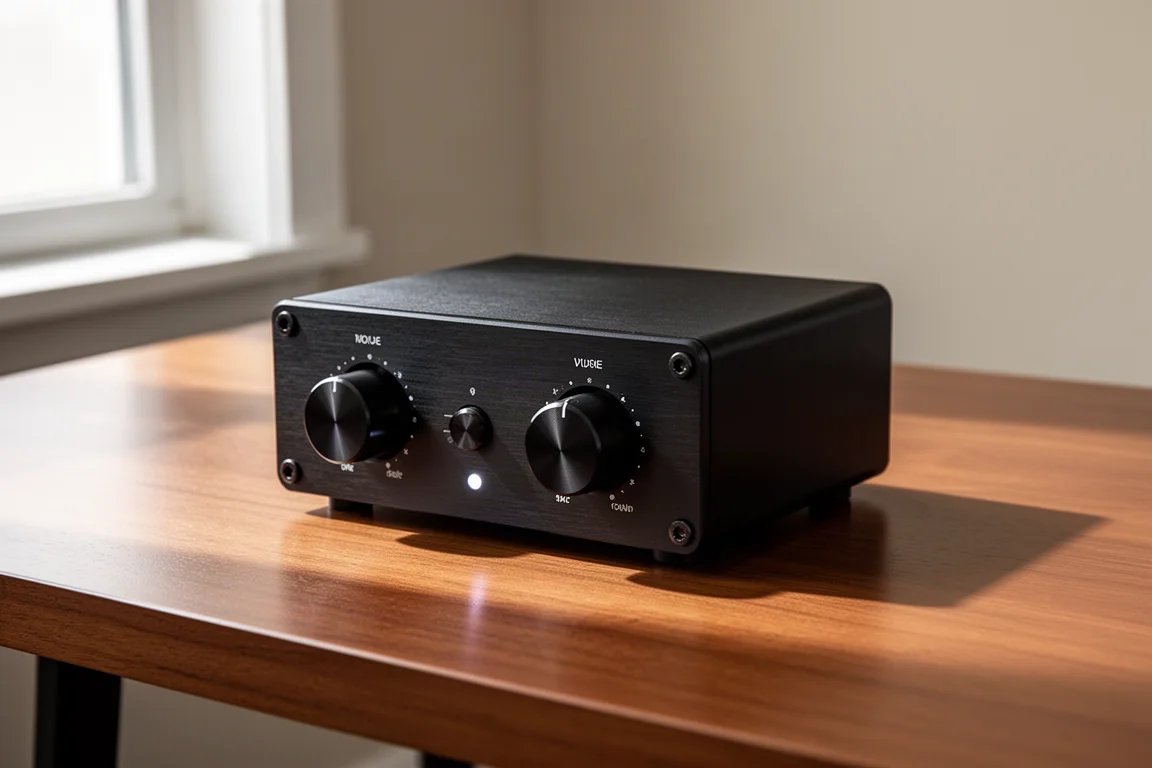
WiiM Pro
The WiiM Pro is the more capable of the two WiiM streamers here. It offers optical and coaxial outputs, so it can feed a separate DAC or run through its own internal DAC, and it has both digital and analogue inputs available for other components.
SMSL SU-1
Adding the SMSL SU-1 takes the same stack to about $330. The SU-1 uses the AKM 4493S chipset, and it is a clear step up from the internal DAC in the WiiM Pro, which makes it the sensible upgrade when digital conversion quality is the priority.
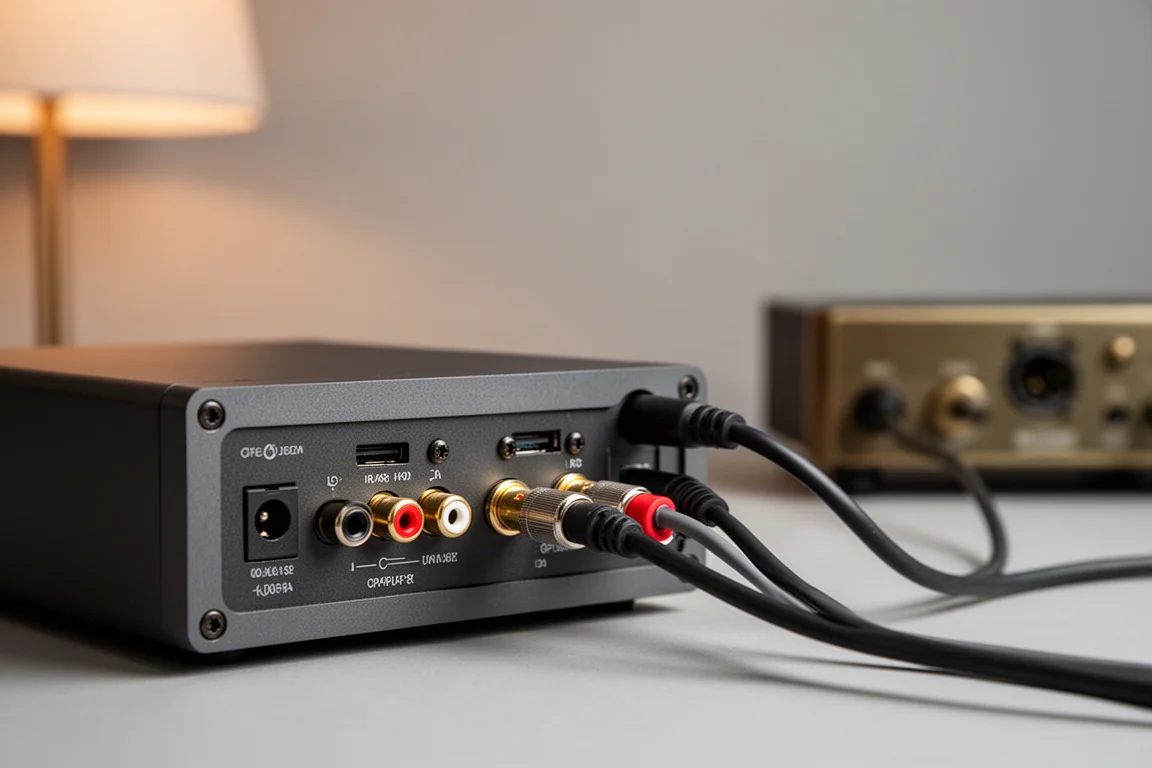
At this point the stack still accepts a phono stage, so a turntable remains an option without changing the amplifier.
Adding Vinyl: Phono Stages for a Small System
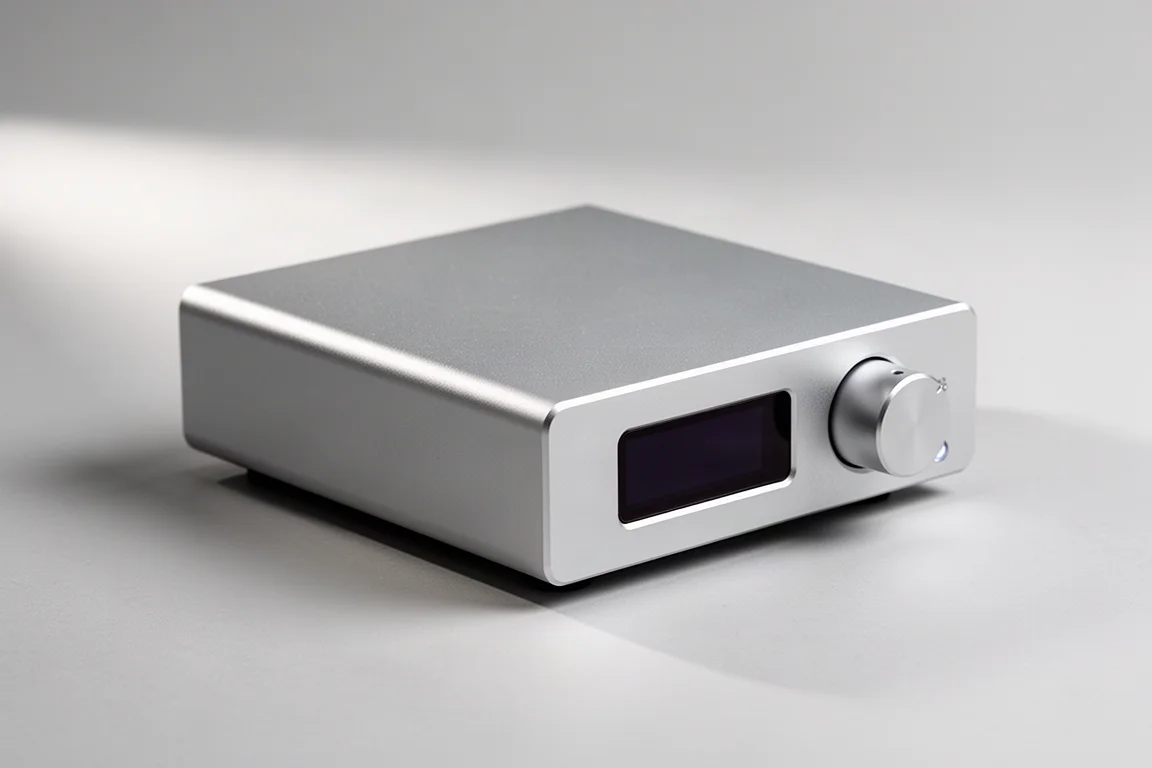
If a turntable is part of the plan, a compact phono stage is the simplest way in. Two options cover most of the range, and both need only one free analogue input.
Schiit Mani
The Mani is a compact phono stage in the same budget bracket as other entry-level phono preamps, and it slots easily into any of the systems here because it requires just one analogue input.
iFi Zen Phono
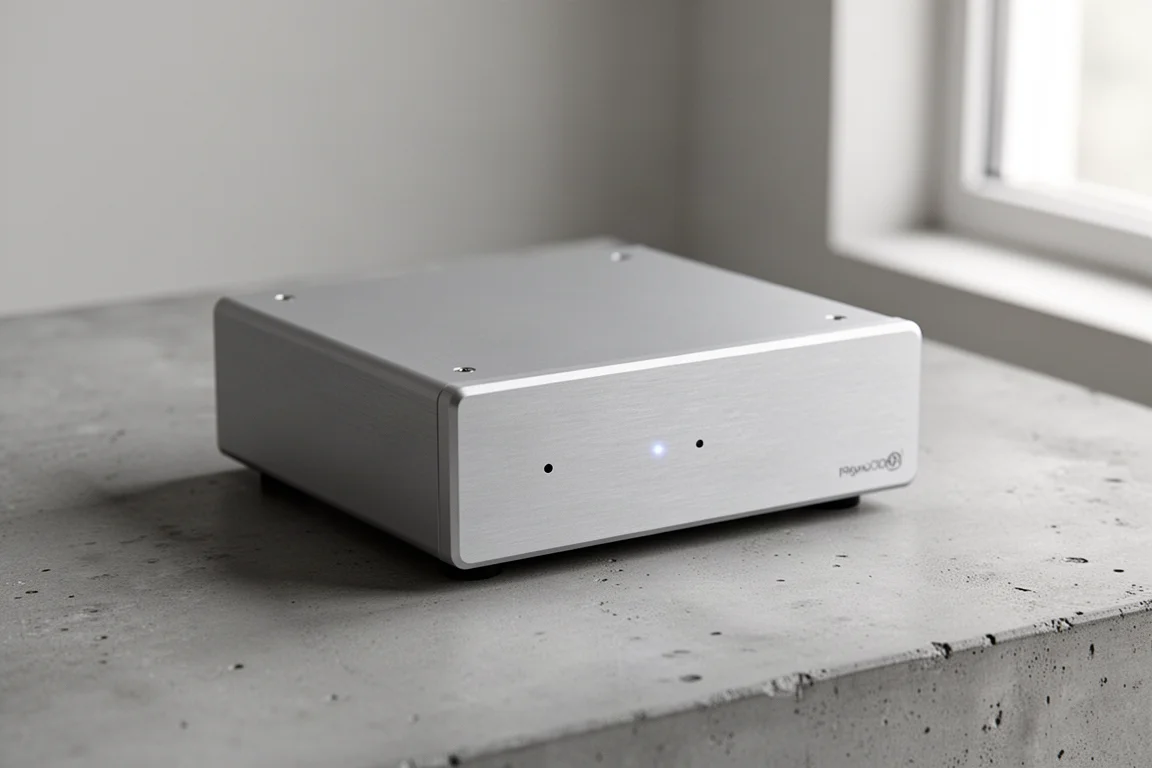
The Zen Phono sits higher up the same category at around $200, which is worth knowing if you would rather put more of the budget into the vinyl side of a compact system.
A Compact Class A/B System: Around $550
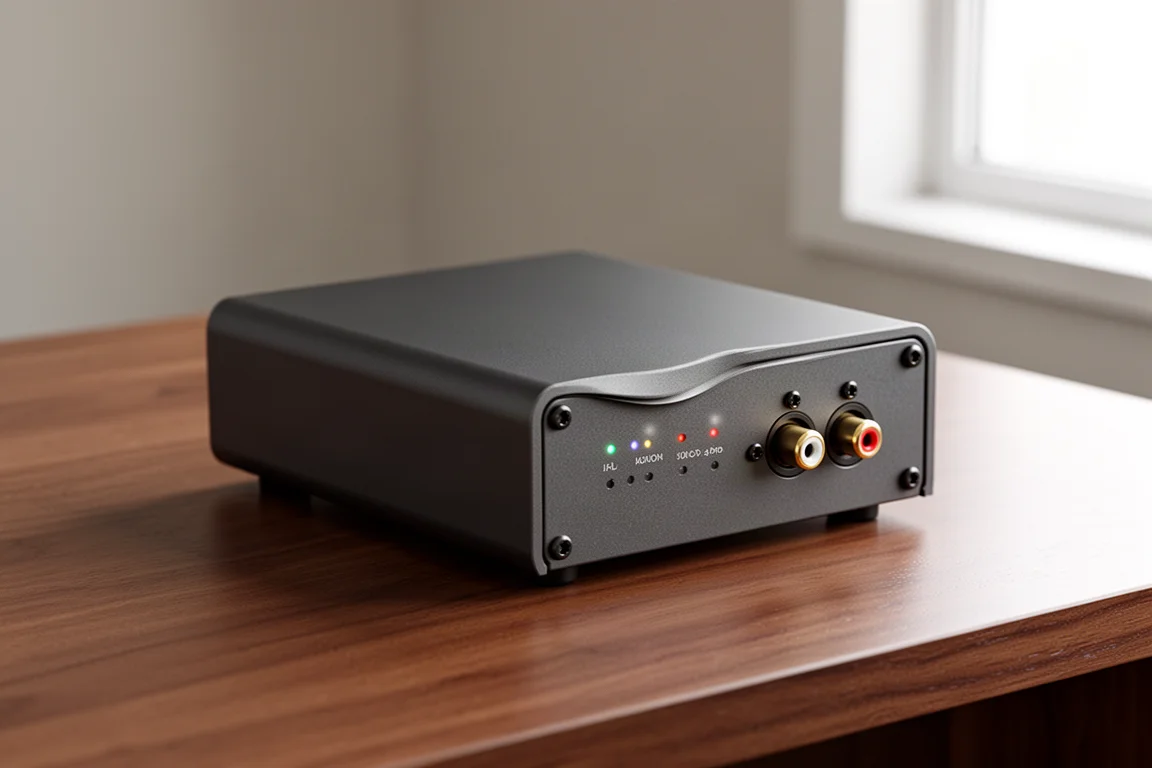
Class A/B amplification does not have to mean a large chassis. The Schiit Syn processor at $400 plus a WiiM Pro streamer at $150 makes a $550 system that adds surround processing, a headphone amplifier and a DAC without taking over the room.
Schiit Syn
The Syn is an immersive music and surround processor with up to five channels, covering front left and right, centre and surrounds, although you do not have to use every channel. It also includes a headphone amplifier and a DAC, and it offers USB, optical and analogue inputs, so it can accept sources directly.
Schiit Gjallarhorn
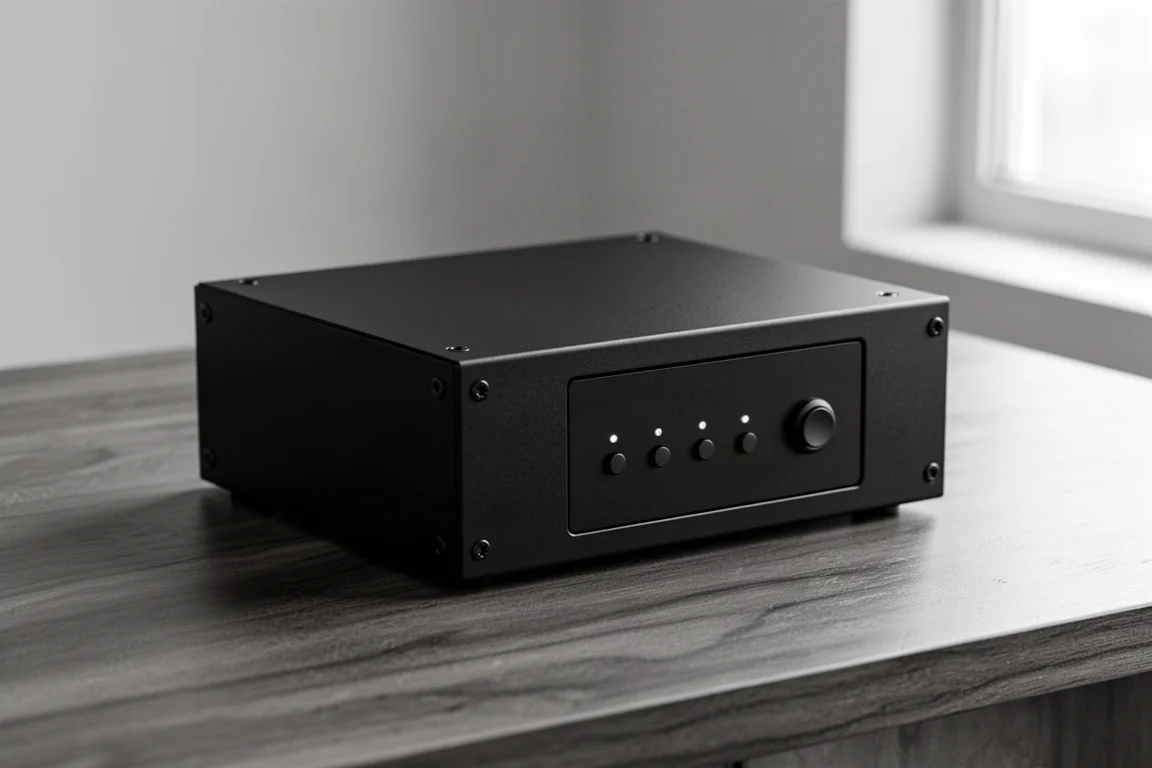
The Gjallarhorn supplies the power in this system. It is a Class A/B amplifier rated at 10W RMS into 8 ohms and 15W RMS into 4 ohms, and it can be bridged in other setups, though not in this particular configuration. At normal listening levels the power rating is not a limitation.
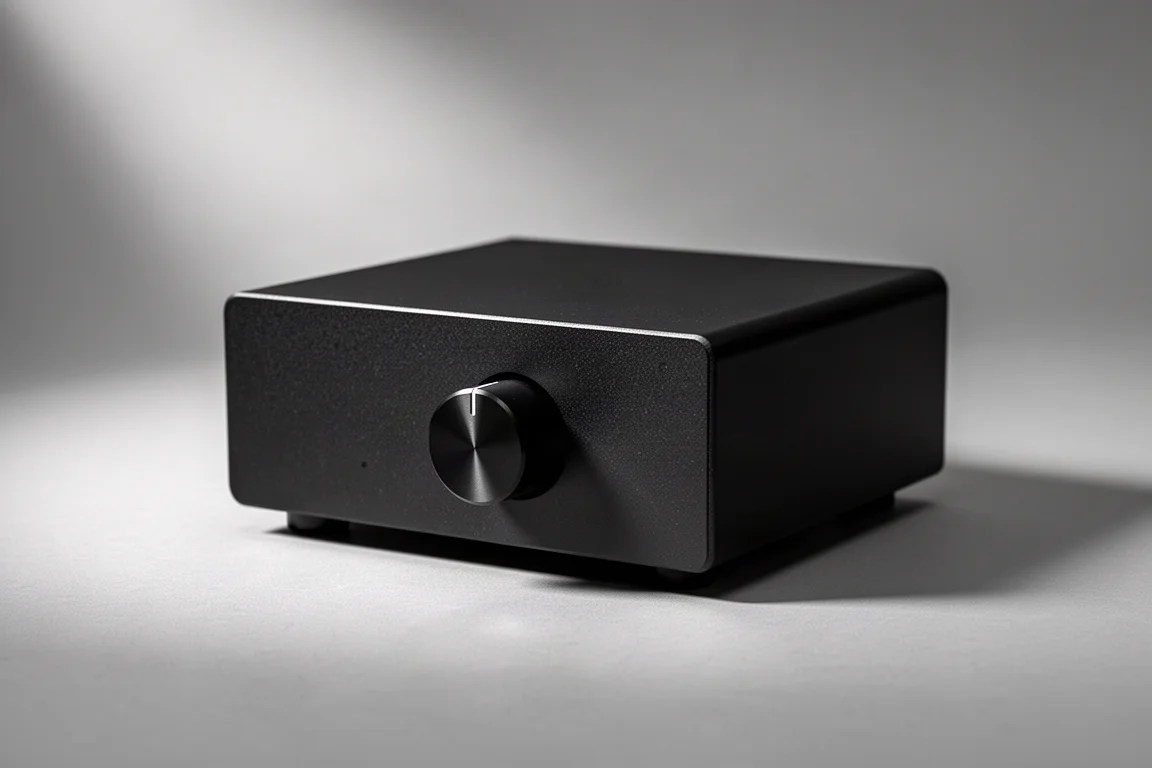
Schiit Magnius
If a balanced output becomes necessary, the Magnius is part of the alternative pairing that replaces the single-ended arrangement in this system.
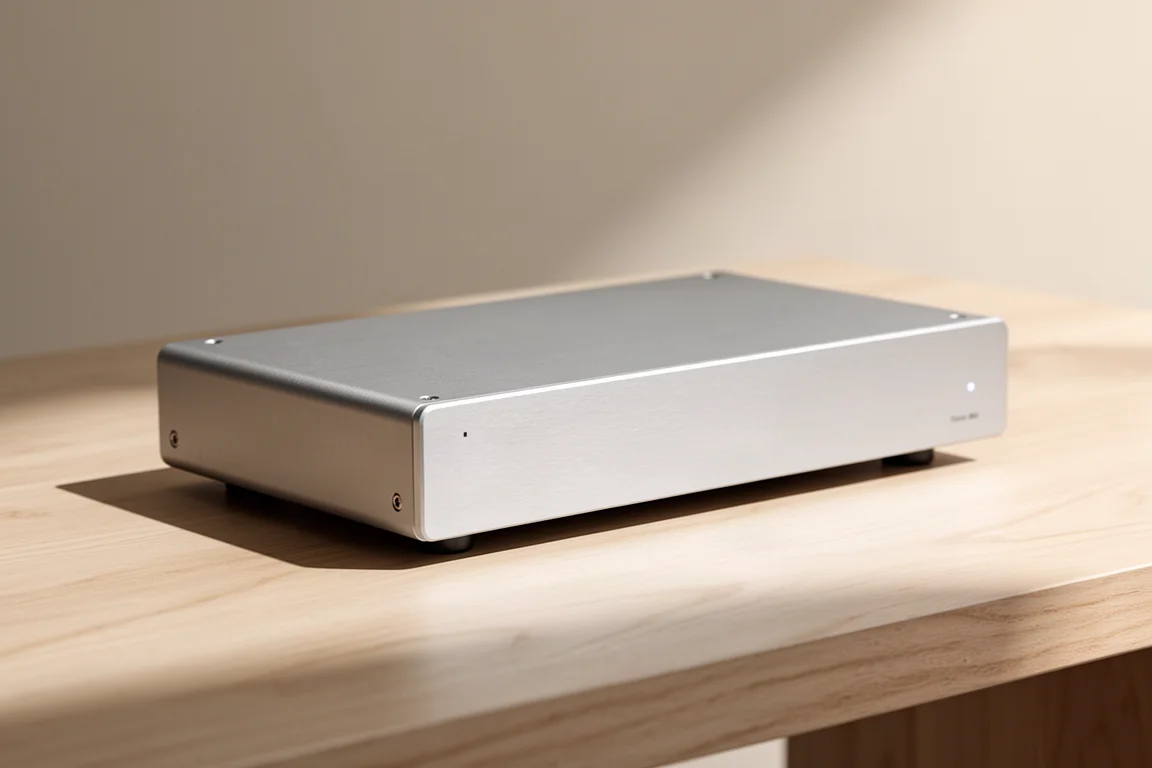
Schiit Modius
The Modius completes that balanced alternative, giving the Syn-based system a different signal path when balanced connections are required.
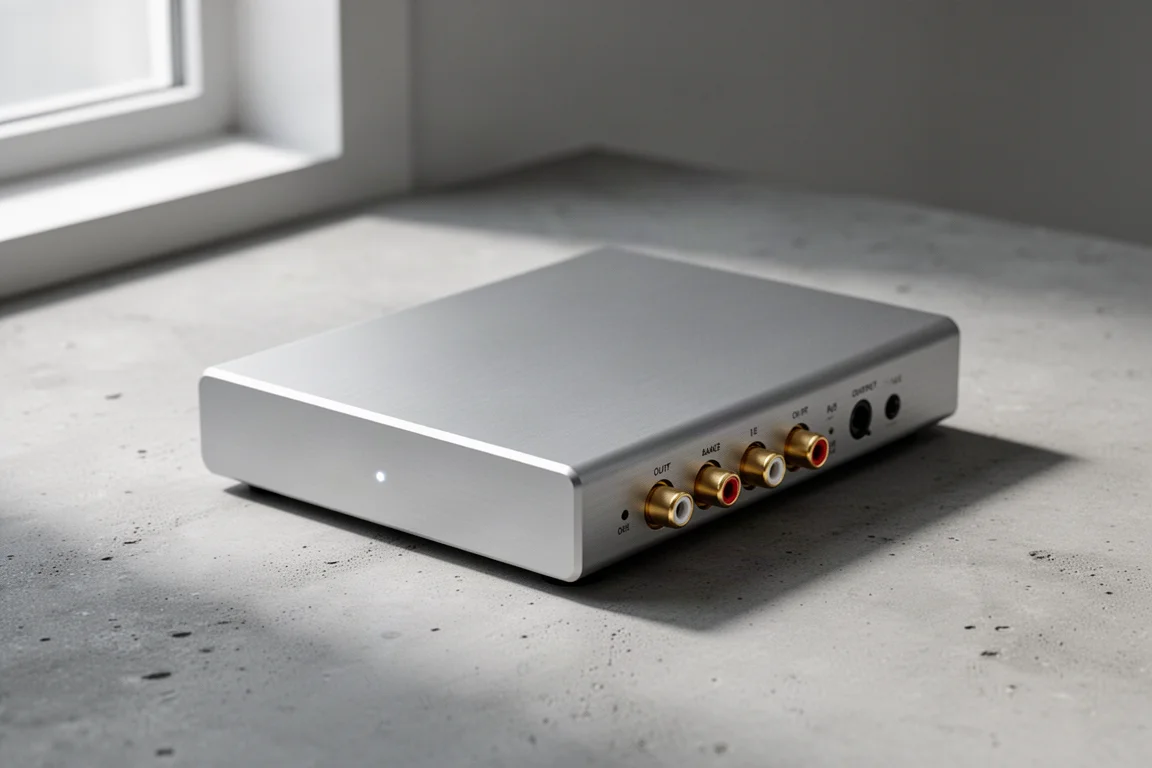
Topping LA90
The Topping LA90 costs around $800 and is the most capable amplifier in this roundup. It has balanced inputs only, so an RCA to XLR adapter is needed with unbalanced sources, and a switch on the back puts it into pure power amplifier mode, bypassing the internal volume control. Pairing the LA90 with the WiiM Pro and the Syn brings the system to roughly $1,350.
A Headphone-First Compact Stack
Listeners who do most of their listening on headphones can build the system around the headphone amplifier instead of a speaker amplifier.
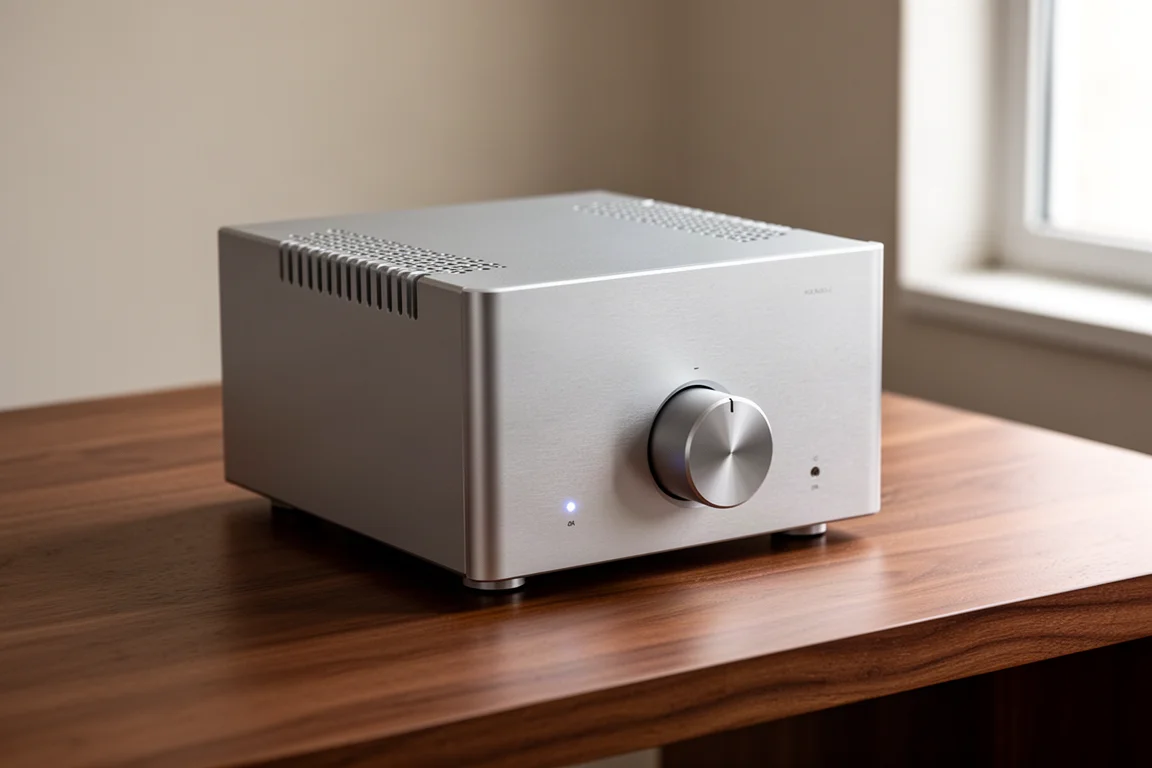
Schiit Lyr+
The Lyr+ is a headphone amplifier and preamp with a remote control and two analogue inputs, and it can run in either regular solid-state mode or tube mode, giving two distinct sound signatures. At $600 it is the most expensive single component in this stack.
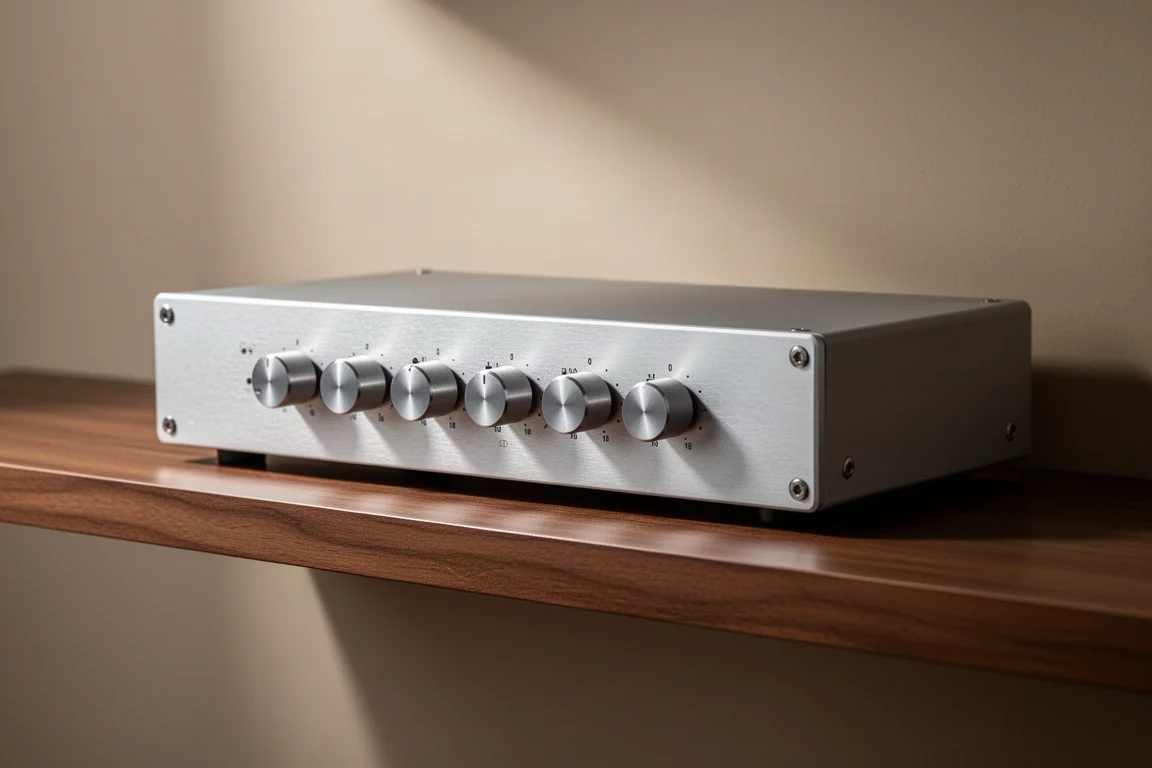
Schiit Lokius
The Lokius is a six-band analogue equalizer at $300. It is entirely optional, but it appeals to listeners who prefer shaping their sound in the analogue domain rather than through digital EQ.
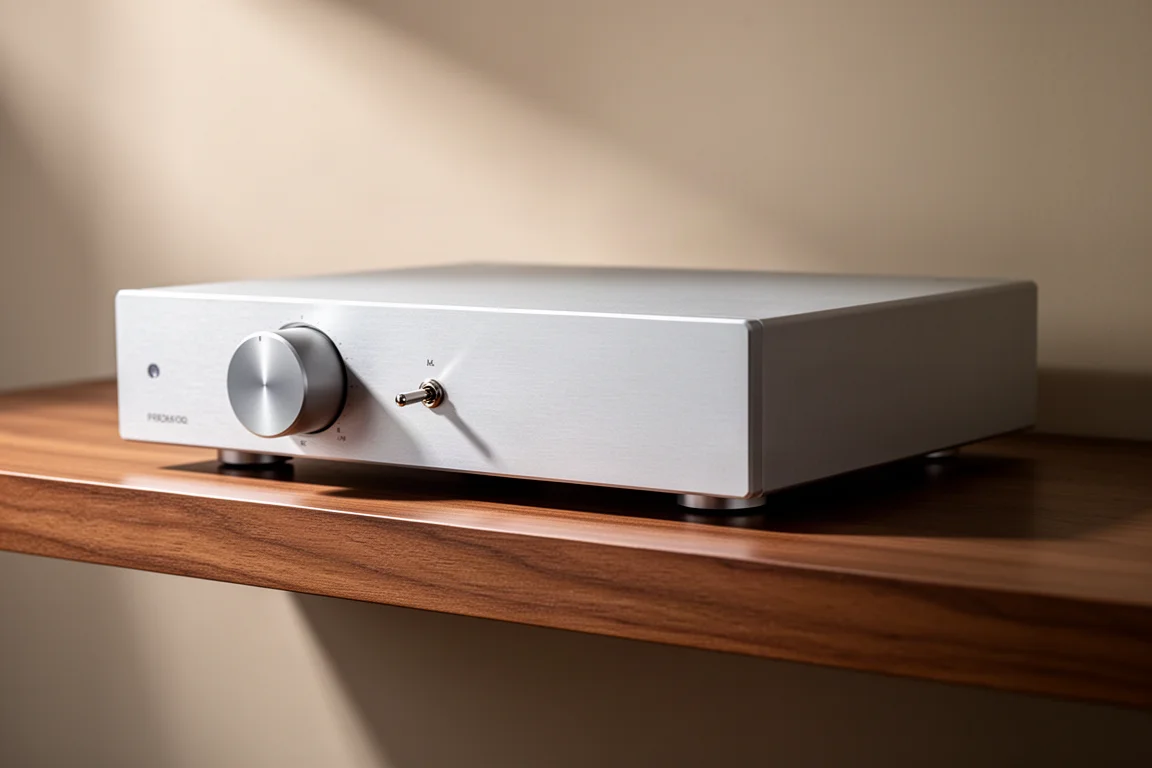
Schiit Saga
The Saga is a traditional preamplifier with a generous set of analogue inputs at around $300, which makes it an inexpensive way to add source switching and volume control to a compact system.
Together, the Lyr+ plus the Lokius and the Gjallarhorn come to about $1,200. Swapping in the Topping LA90 for more power pushes that figure to roughly $1,700, and adding a WiiM Pro as the source brings it to about $1,850.
More Power for Less: Emotiva BasX A2m
Emotiva BasX A2m
The BasX A2m is currently on sale for under $300. It is a Class A/B amplifier rated at roughly 50W into 8 ohms and 90W into 4 ohms, so it offers more power than the Topping LA90 for considerably less money.
This is the second generation of the amplifier, and it is included here on the strength of its specifications and sale pricing rather than a hands-on comparison.
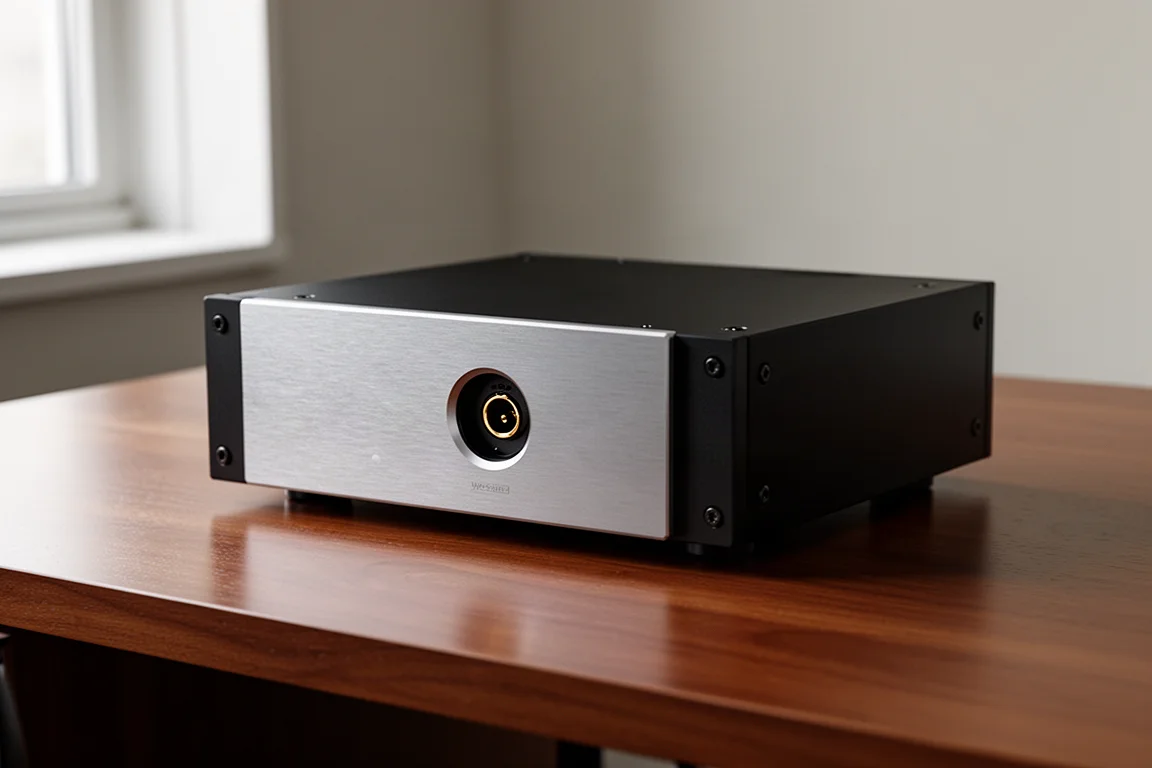
Speaker Pairings Worth Considering
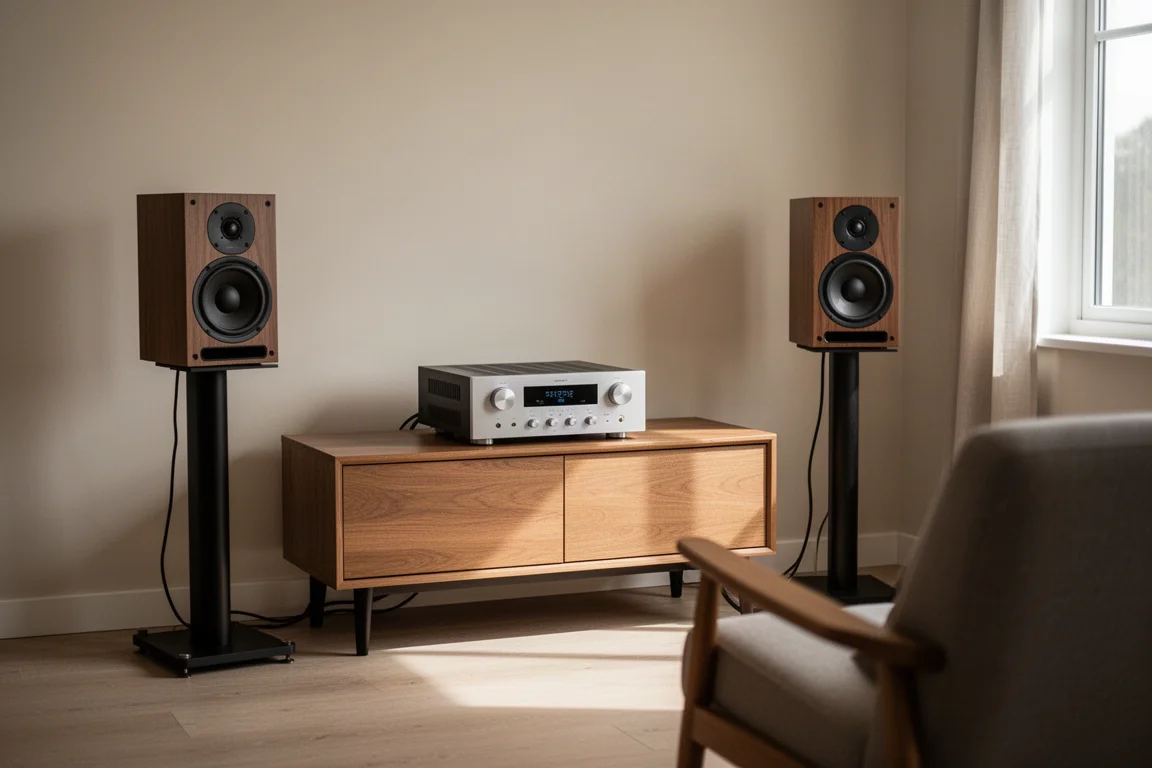
If you can fit a pair of bookshelf speakers even when the electronics need to stay small, these are the models worth shortlisting. Emotiva is running a large closeout sale, which makes its speakers especially interesting at the moment.
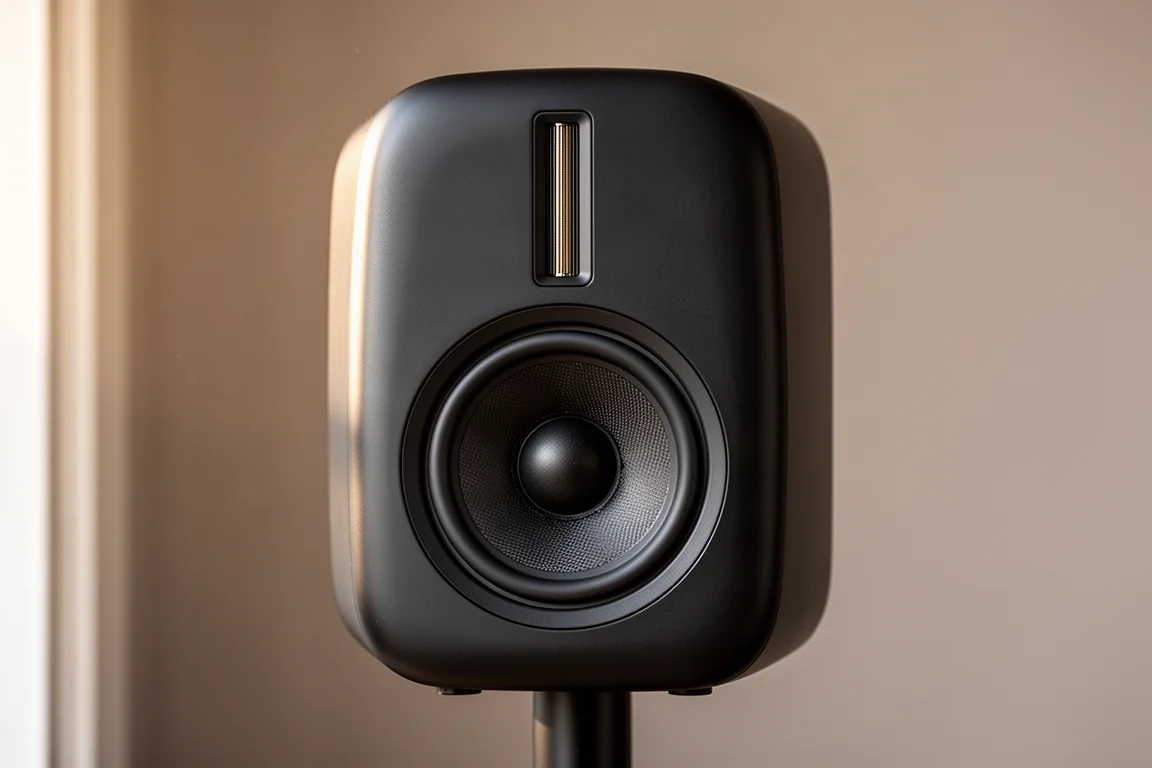
Emotiva B2+
The B2+ is down to around $360 during the closeout sale, making it one of the more substantial bookshelf options in this guide.
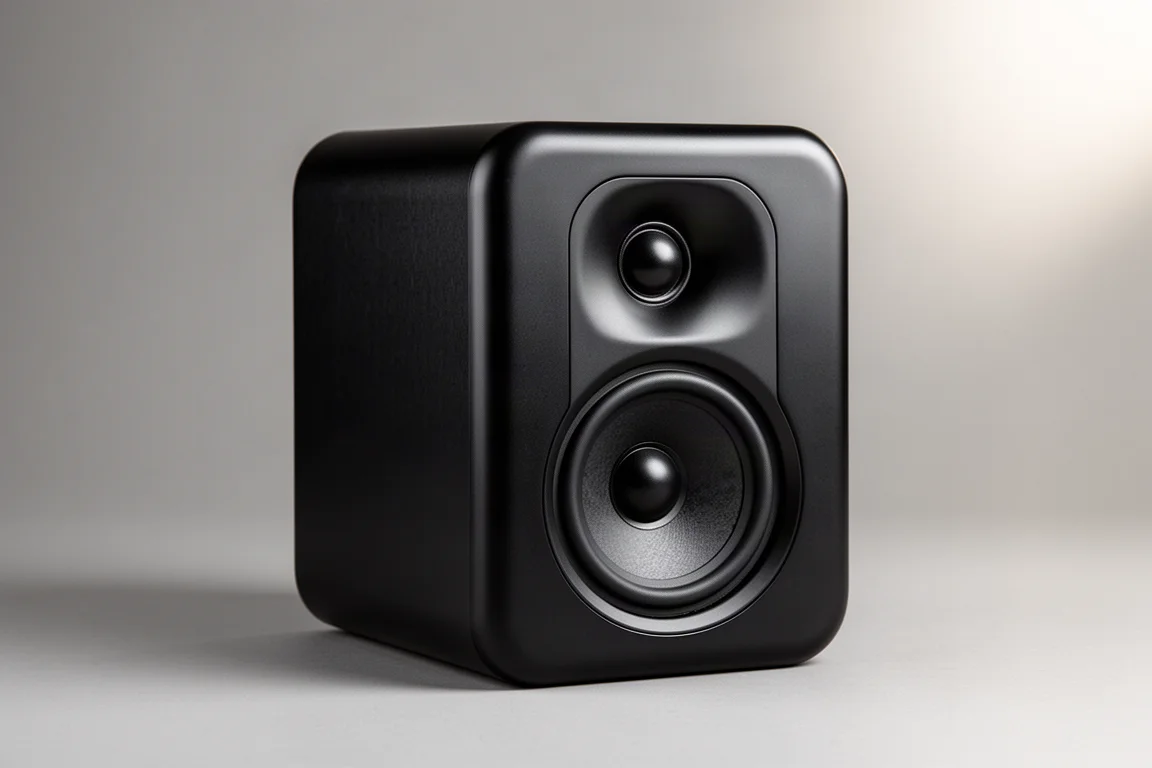
Emotiva B1+
The smaller B1+ sits at around $280 in the same sale.
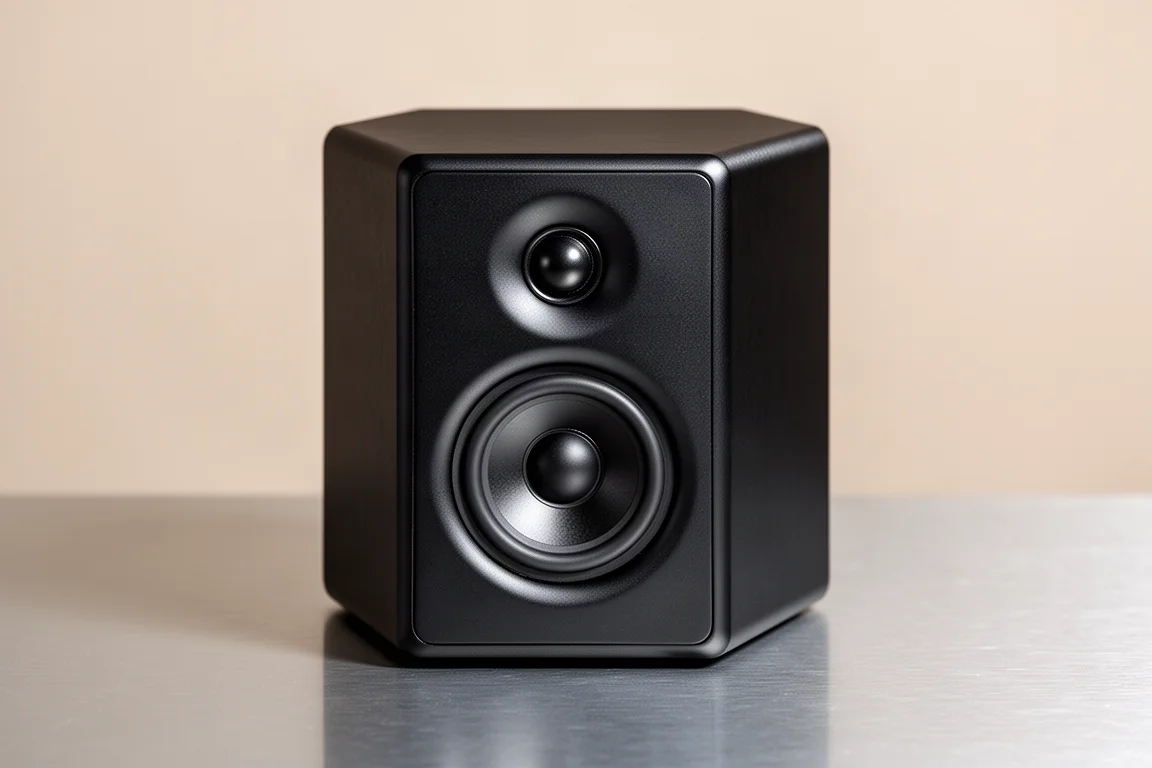
ELAC BS41
The ELAC BS41 comes in around $120, which makes it the most affordable speaker pairing here and a natural match for the entry-level system.
JBL Stage A130
The Stage A130 is another bookshelf option that works well with the compact amplifiers above.
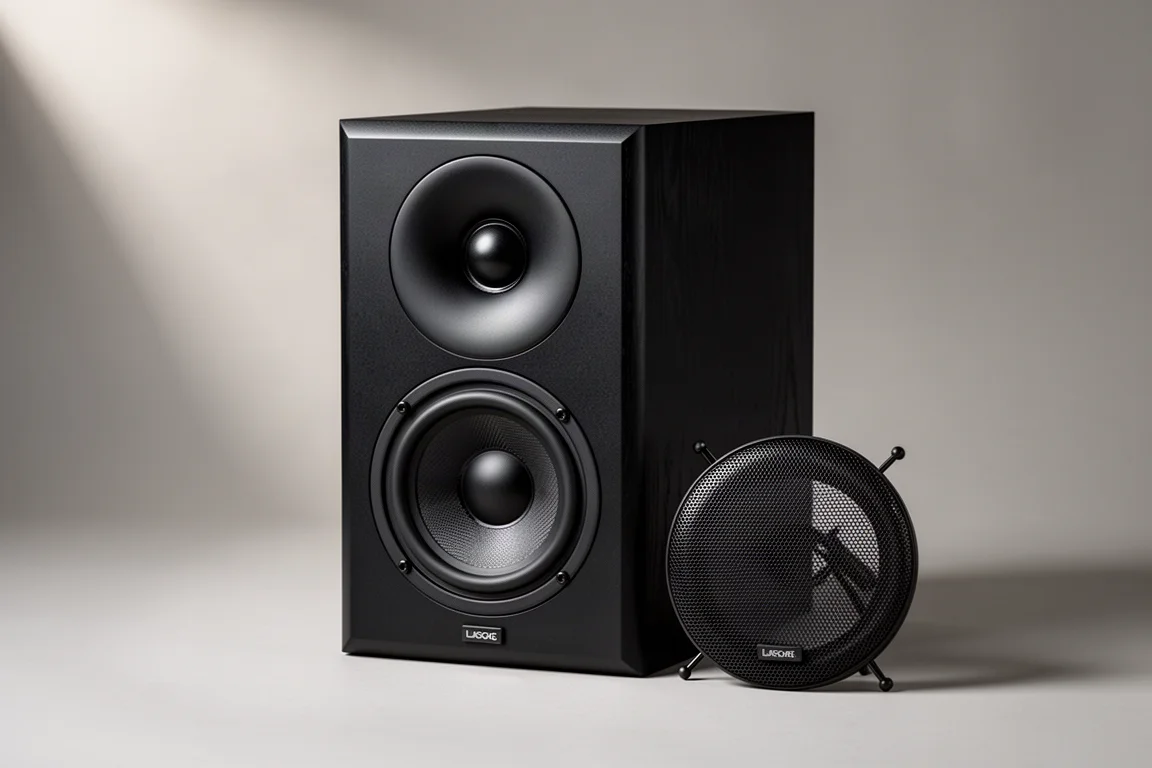
ELAC Debut B5.2
The Debut B5.2 is worth watching for sale pricing if you want a familiar bookshelf model at a lower cost.
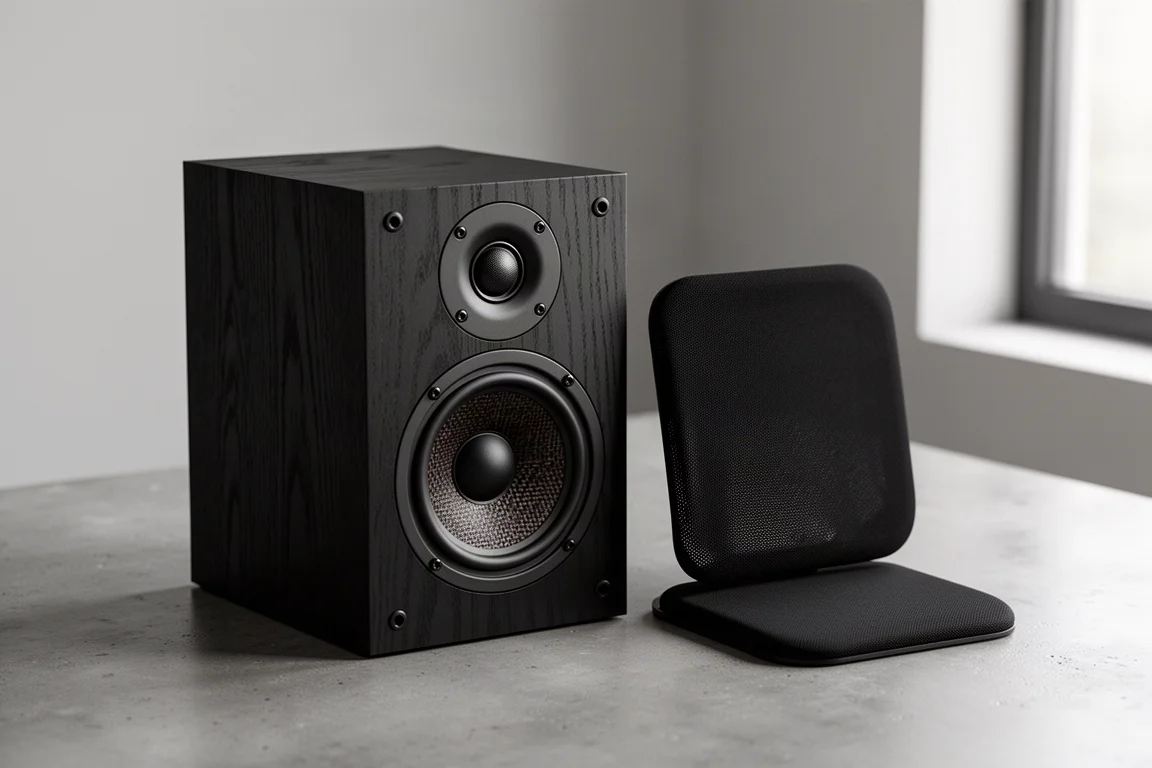
Q Acoustics 5020
The 5020 is a strong performer among compact bookshelf speakers and pairs comfortably with any of the amplifiers listed here.
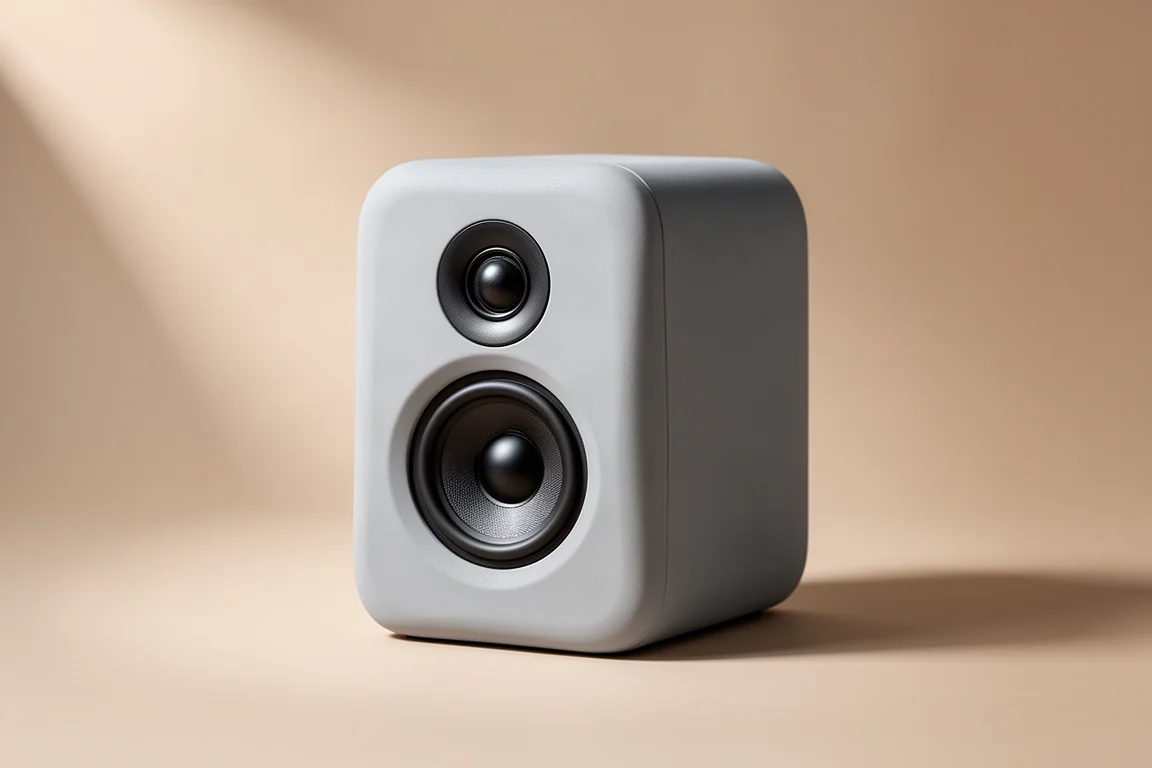
Acoustic Energy AE100
The AE100 is equally worth considering and is one of the speakers recommended for smaller rooms.
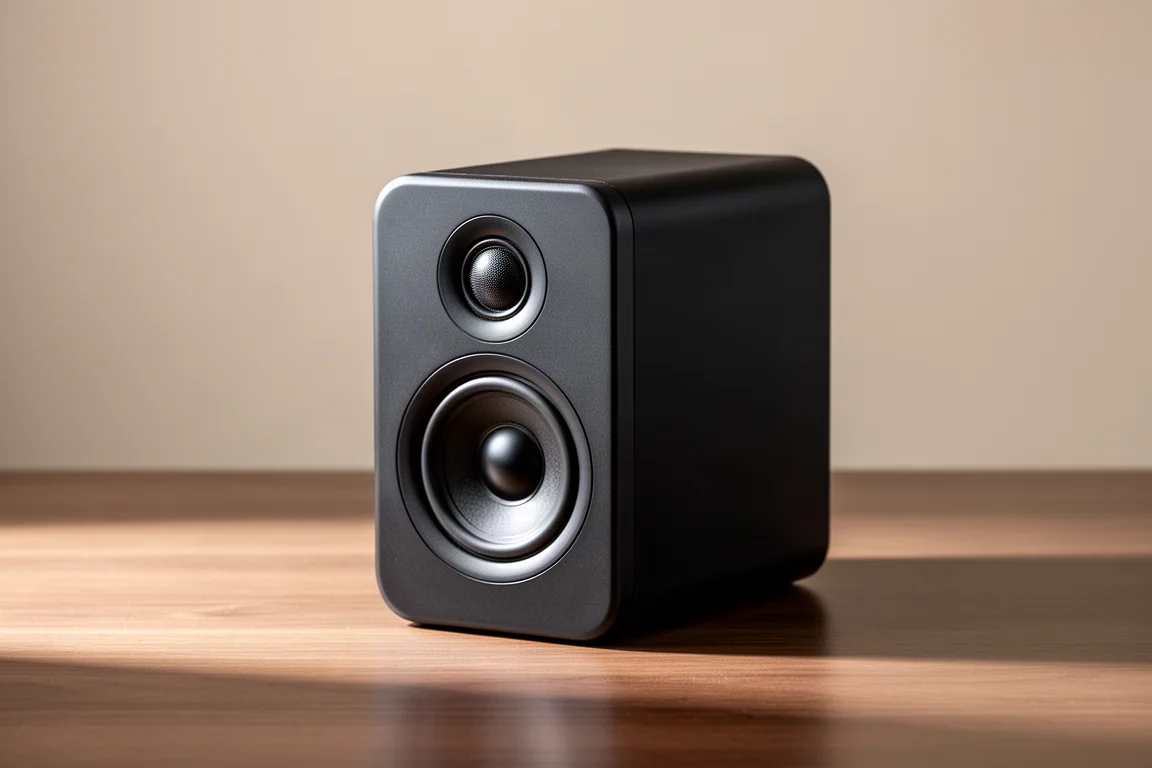
Wharfedale Denton 80th Edition
The Denton 80th Edition stands out as the most impressive speaker in this list, and it is a natural step up for a compact system with a larger budget.
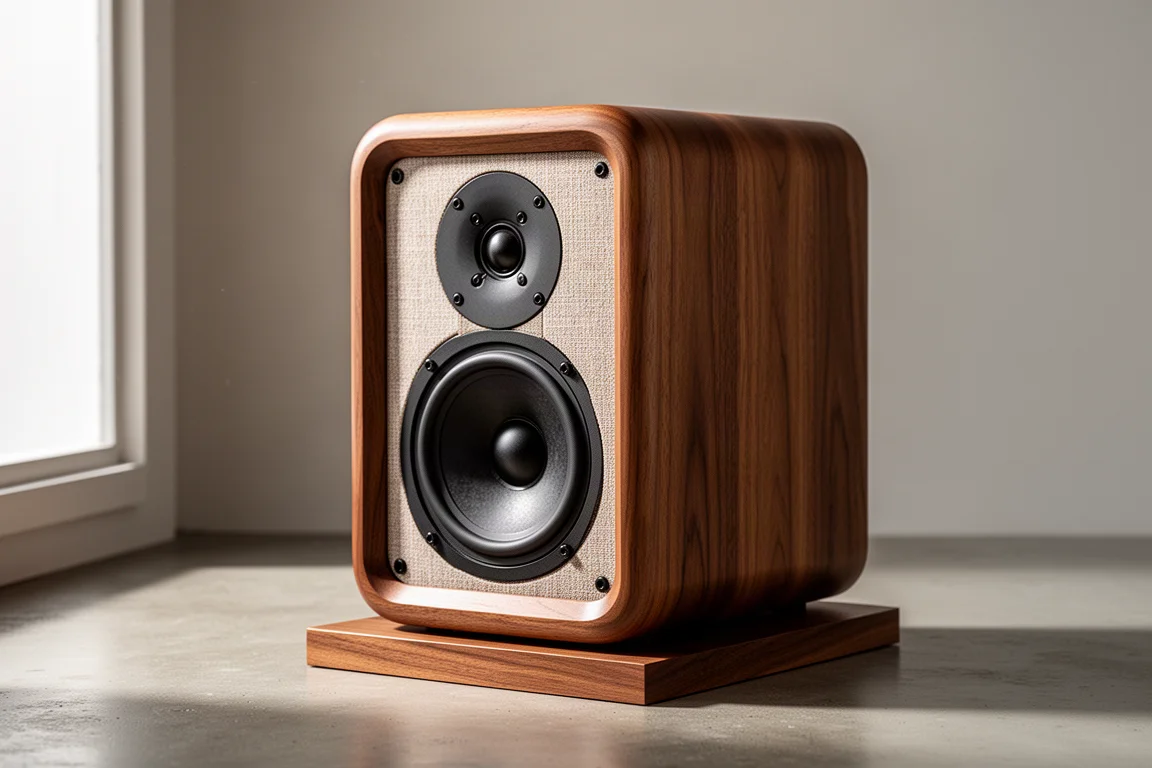
Overall Buying Advice
Work backwards from the room. If the shelf is genuinely tiny, the $145 pairing of a Fosi Audio TB10D and a WiiM Mini is the smallest complete system here, and it still leaves an input free for a phono stage later. If digital quality matters more than absolute size, the $250 stack built around the Fosi Audio BT20A Pro and WiiM Pro is the better foundation, and adding the SMSL SU-1 at the top of that stack takes it to about $330.
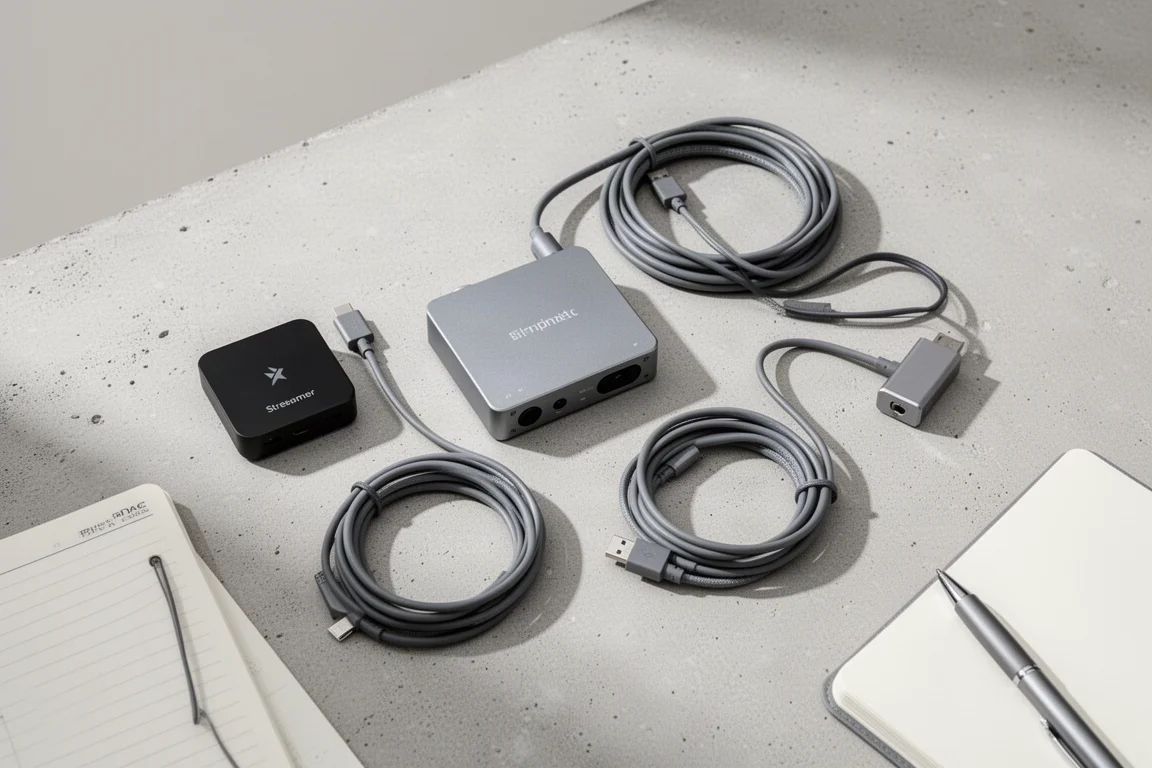
Where these systems differ most is amplification. Class D keeps everything palm-sized, while Class A/B designs such as the Schiit Gjallarhorn, the Topping LA90 and the Emotiva BasX A2m take a different approach and, in the Emotiva’s case, deliver considerably more power for less money. As a rough budget guide, plan on about $550 for a Syn-based Class A/B system, around $1,200 for the headphone-first Lyr+ stack, and up to about $1,850 if you move to the Topping LA90 with a WiiM Pro as the source.
Nothing here has to stay in its original grouping. The Syn processor, for example, could be combined with several compact Class D amplifiers to drive more channels, and a WiiM streamer works with any of the amplifiers listed. Spend the largest share of the budget on the part you will hear most: the speakers if you have the space, or the amplifier if you do not.
Conclusion
Compact hi-fi no longer means accepting a thin, compromised sound. A $145 starter stack, a $250 streaming setup, a $550 Class A/B system and a $1,200 headphone-first build all fit on a shelf, and each can be improved later with a better power supply, a dedicated DAC or a phono stage. Decide which sources you actually use, count the inputs you need, then choose the group that matches your shelf and your budget.
Further reading
Related Reviews
Hi-Fi Audio
Accuphase C-57 vs Allnic H-7000V: Two High-End Phono Stages Compared
A fully balanced solid-state phono stage with a pitch-black noise floor meets a tube design built for well-loved records. Here is how to choose between them.
Hi-Fi Audio
Active vs Passive Hi-Fi: Five Components for a Modern System
Five components that define modern active and passive hi-fi systems, with the strengths, trade-offs and setup details worth weighing before you buy.
Hi-Fi Audio
Advance Paris A10 Apex Review: A Hybrid Integrated Amplifier That Covers a Lot of Ground
A French hybrid integrated amplifier with a class A tube preamp stage, analogue power meters, and an internal DAC and phono stage good enough to make extra boxes unnecessary.