Subwoofers
Best Compact 8-Inch Subwoofers: JL Audio Dominion D108, SVS 3000 Micro, and Monoprice THX 8
Three compact 8-inch subwoofers compared on low-frequency extension, group delay, and output capability, with practical notes on crossover and placement.
Introduction
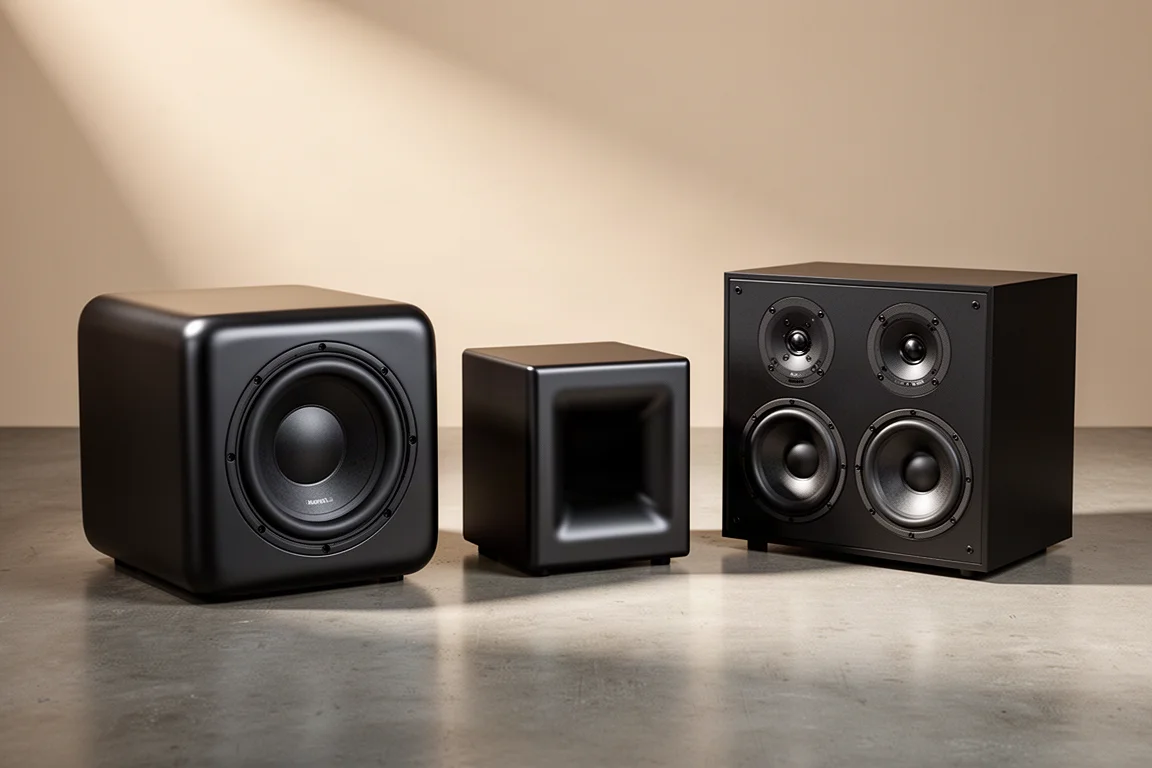
Compact subwoofers ask a lot of a small box. A sealed 8-inch design has to fill out the bottom end of a bookshelf system without taking over the room, and the three models here solve that problem in noticeably different ways: the JL Audio Dominion D108, the SVS 3000 Micro, and the Monoprice THX 8.
All three are small enough to disappear into a normal living space, but they sit at very different prices and deliver very different amounts of low-frequency output. What follows is a practical look at what each one does well, where it gives ground, and which kind of system it suits.
What to Look For in a Compact Subwoofer
Cabinet size is only the first variable. A sealed design like the D108 relies on amplifier power and driver excursion, combined with digital signal processing, to reach lower than the enclosure would suggest on its own. Boosting the low end asks the driver to move further in and out, and it also puts heat dissipation on the list of design concerns. Across extended listening sessions, heat did not appear to be an issue for the D108.
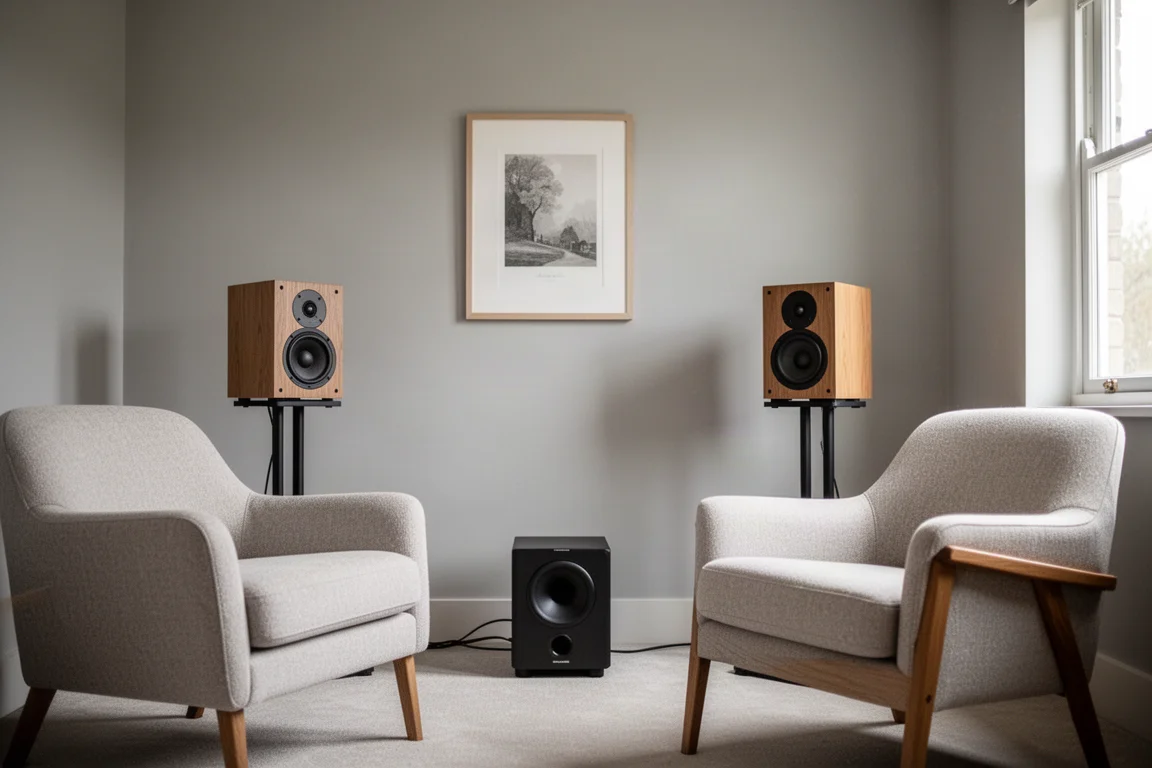
Crossover is the second variable. When a subwoofer is paired with small bookshelf speakers, especially ones using a midwoofer around five inches, the usual 80 Hz crossover can leave the main speakers doing more work than they should. Crossing higher, at 100 Hz or 120 Hz, hands more of the demanding range to the subwoofer, which adds dynamic range and takes stress off the mains.
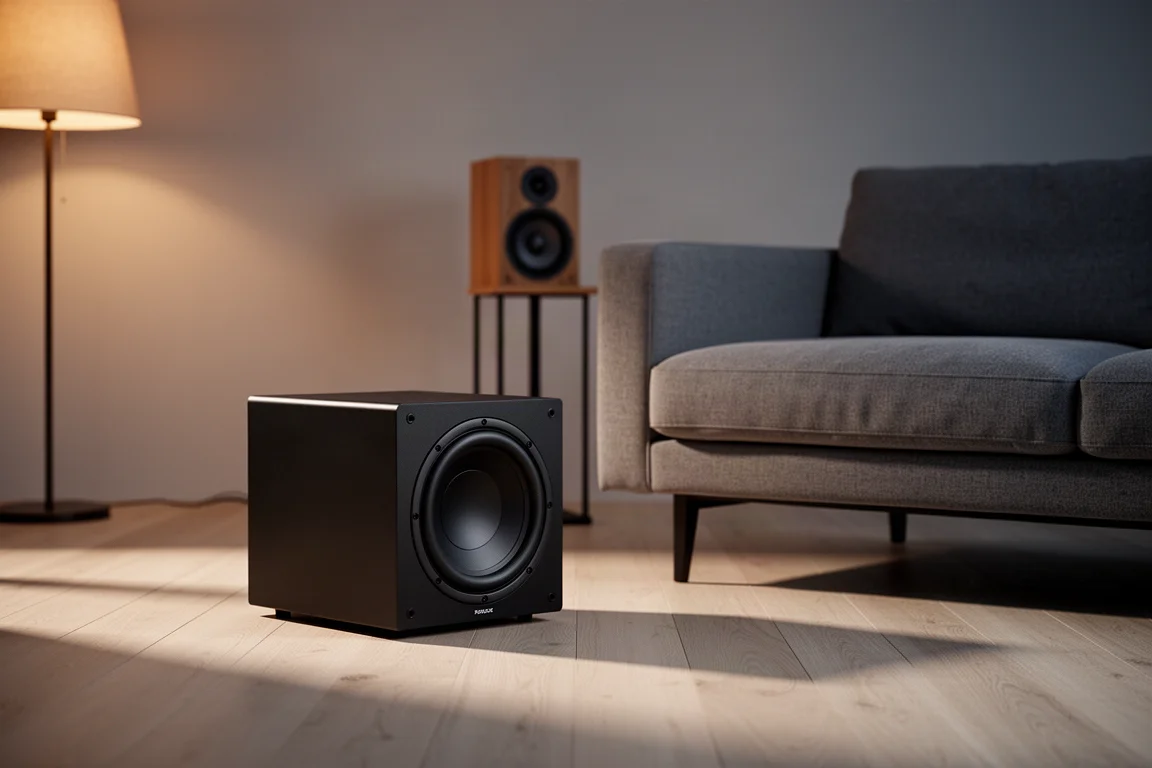
Listening level is the third variable. Extension at low volume and extension at high volume are not the same thing. A subwoofer that stays linear as output rises is easier to integrate than one that trades away its bottom octave to stay loud.
JL Audio Dominion D108: Sealed and Compact
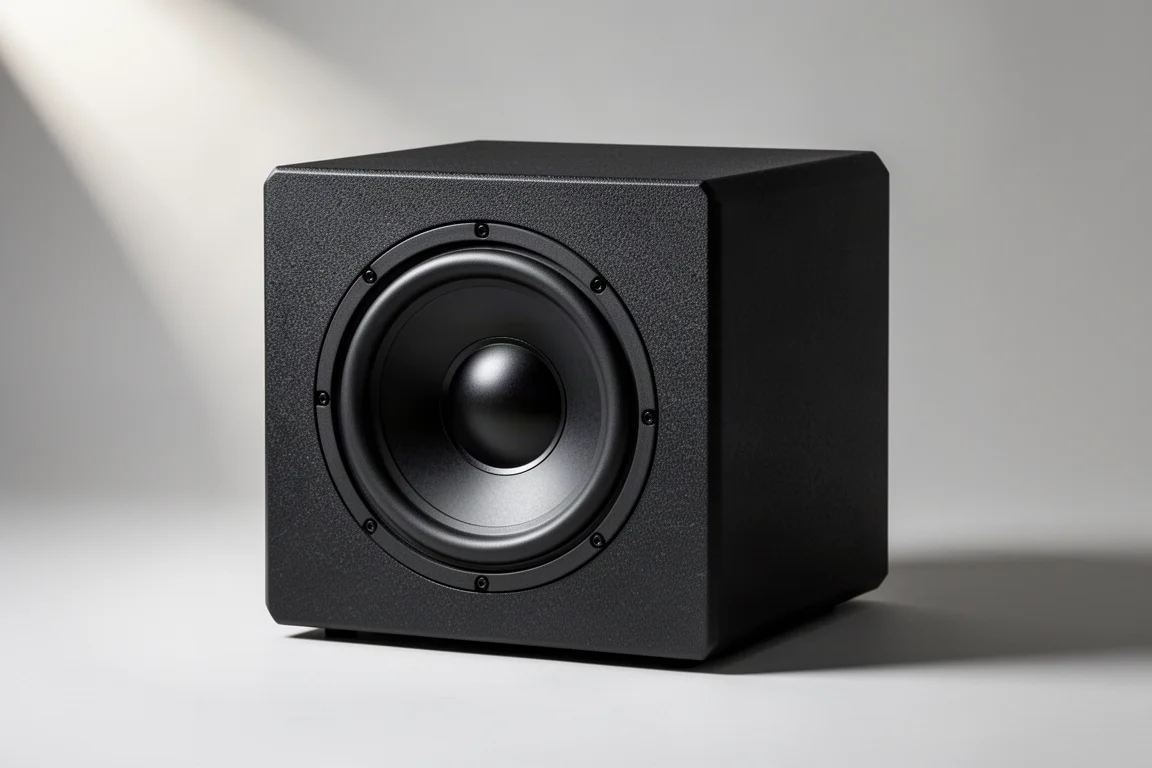
The Dominion D108 is an 8-inch subwoofer in a sealed enclosure that is genuinely small. JL Audio specifies a -3 dB point of 29 Hz, and anechoic measurements at one meter support that figure. At moderate output, roughly 85 dB at one meter, the -3 dB point stays close to the same.
At lower levels, around 80 dB at three meters with the subwoofer corner loaded, the D108 reached into the mid-20s. As output climbed, that extension narrowed and the character shifted toward mid-bass punch in the 50 Hz to 80 Hz region. At maximum output the response also stops being flat above roughly 80 Hz, which makes alignment with the main speakers worth attention if the crossover sits near 80 Hz. The trade-off is deliberate: rather than cutting off the bottom end entirely, the D108 gives up some low output while keeping the rest of its response intact.
Group delay is a clear strength. A sealed design is inherently going to show lower group delay, and the D108 measured around 30 milliseconds at 20 Hz. The cabinet is small enough to place almost anywhere, and the finish options run from ash at around $1,000 to gloss at $1,200. This model is generally sold through JL Audio dealers.
SVS 3000 Micro: Dual Drivers in a Small Cabinet
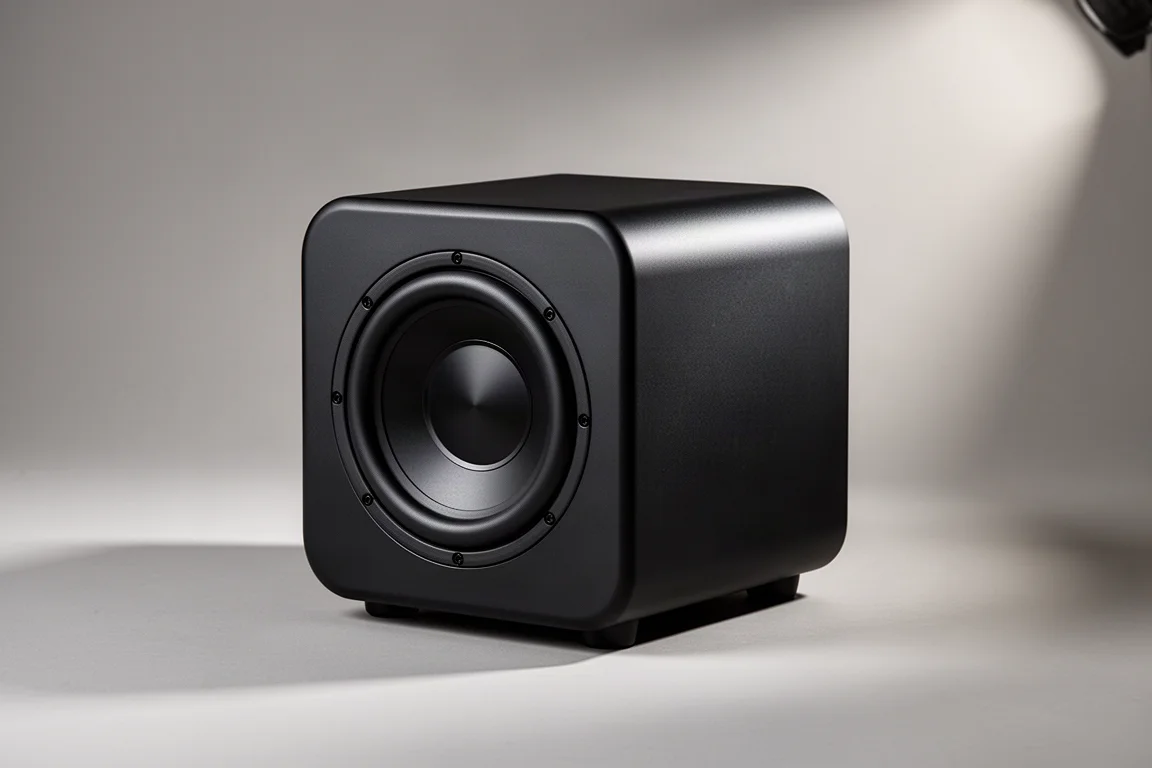
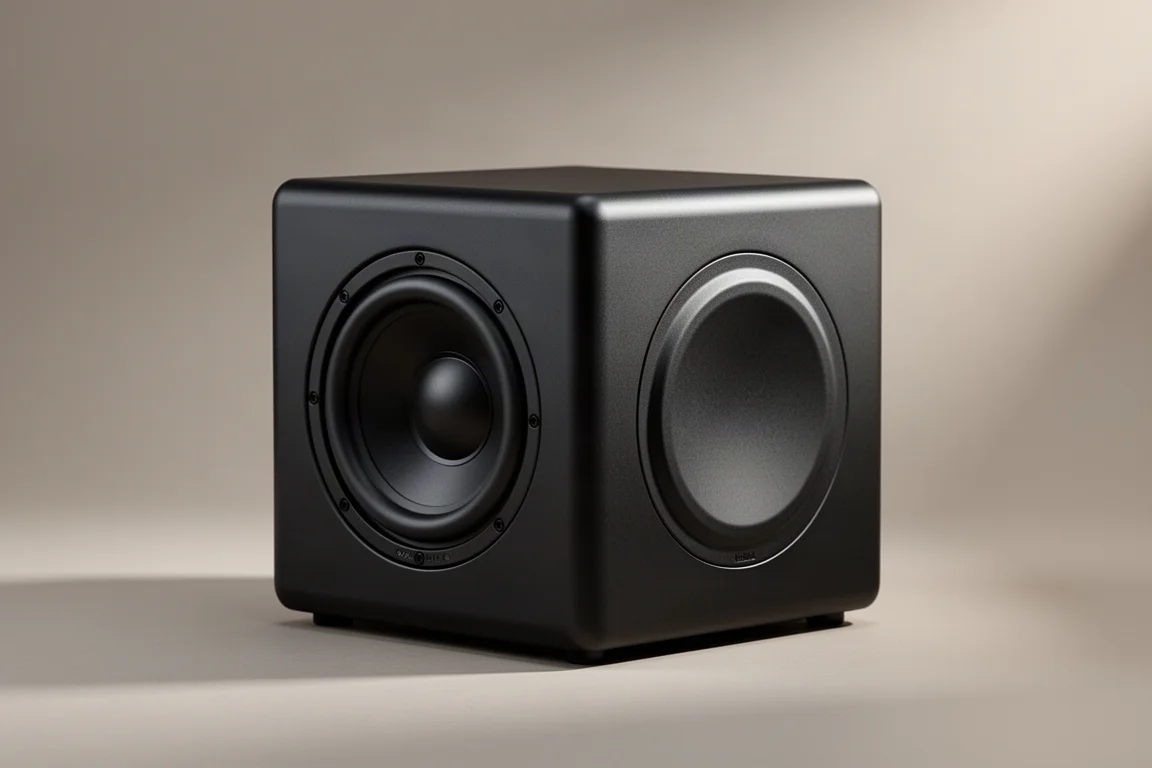
The SVS 3000 Micro uses two 8-inch drivers and is priced around $900. In measurements with its bypass mode engaged, meaning no low-frequency mode enabled, it shows more high-frequency extension than the D108. The D108 holds the same response by default even when its low-pass filter is bypassed, which is worth keeping in mind when comparing the two curves directly.
Group delay is where the designs diverge most. At 20 Hz the 3000 Micro measured roughly 80 milliseconds against about 30 milliseconds for the D108, a difference of around 50 milliseconds. In practice that matters most when group delay ramps up through the crossover region, because matching mains to the subwoofer then depends on both phase and time alignment. Output capability is strong for the size, with the 3000 Micro measuring about 76 dB at 20 Hz.
Monoprice THX 8: The Budget Option
The Monoprice THX 8 sits at the other end of the price range, typically between $250 and $350, though that figure moves around. It delivers significantly less bass output than either the SVS 3000 Micro or the D108.
Maximum output data puts the THX 8 at roughly 73 dB at 20 Hz, against about 76 dB for the 3000 Micro and about 80 dB for the D108. It does hold one narrow advantage: around 31 Hz it measured about 93 dB against 91 dB for the D108. For a small system on a tight budget, that is still a meaningful amount of bass support for a pair of bookshelf speakers.
How the Three Subwoofers Compare
At a similar moderate level, around 85 dB, the D108 looked more linear than the other two and reached lower, with roughly 2 to 3 dB more output at around 15 Hz. The 3000 Micro extended higher in frequency in its bypass configuration. Both the SVS and the D108 outperformed the Monoprice THX 8 by a wide margin in overall output capability, with the 3000 Micro pulling ahead of the THX 8 above about 63 Hz.
Price explains part of that gap. The D108 costs several hundred dollars more than the 3000 Micro depending on finish, and the THX 8 costs a fraction of either. JL Audio has a reputation for pricing above the mainstream, and the D108 is a case where the money goes into measurable engineering performance rather than branding alone.
Buying Advice
If low-frequency extension and linearity matter most, the D108 is the strongest performer of the three in the measurements, and its price reflects that. If cost is the deciding factor, the Monoprice THX 8 adds real bass support and relief for small bookshelf speakers for far less money, as long as expectations for deep output stay modest. The SVS 3000 Micro sits between them at around $900, with two drivers and a different balance of extension, group delay, and output.
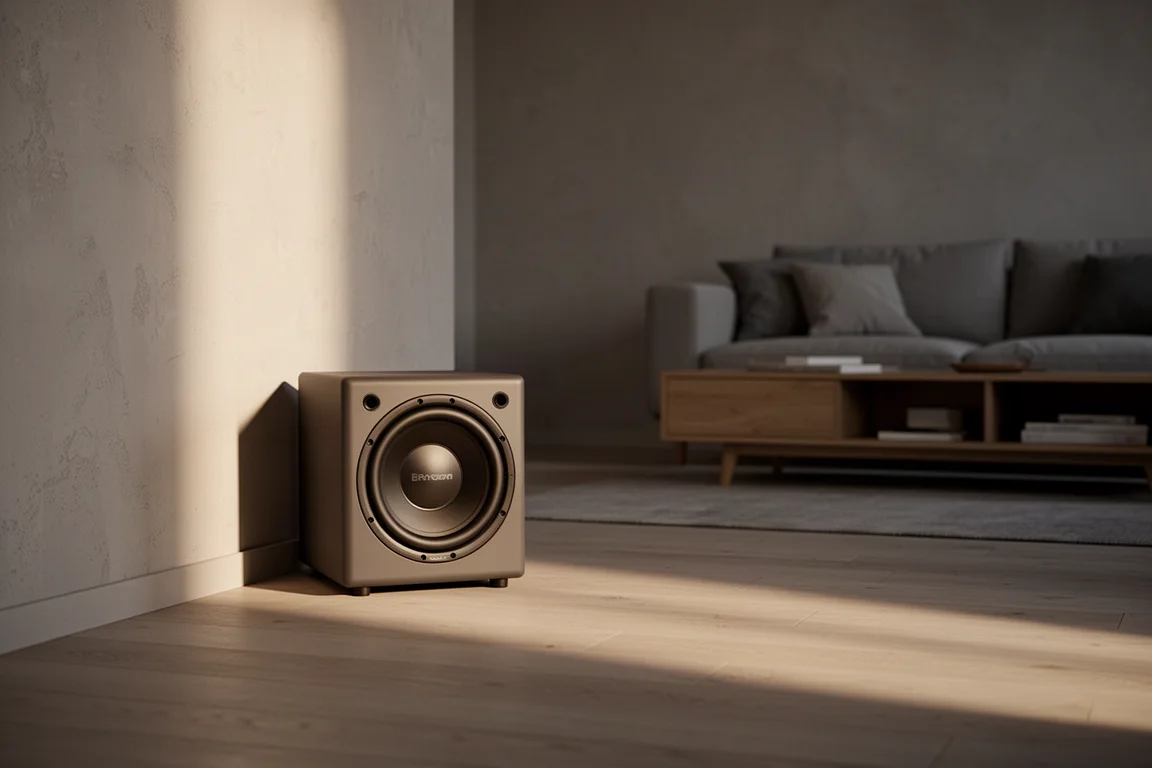
Setup choices matter as much as the subwoofer itself. Crossing over at 100 Hz or 120 Hz takes pressure off small main speakers and lets a compact subwoofer contribute more dynamic range, while corner placement extends the bottom end at modest listening levels. Neither choice changes how a subwoofer behaves at its limits, so it helps to know where your normal listening level actually sits before deciding how much extension you need.
Conclusion
Each of these subwoofers makes sense for a different listener. The JL Audio Dominion D108 asks for the most money and returns the most measured performance in a genuinely small sealed cabinet. The SVS 3000 Micro trades group delay performance for a dual-driver design at around $900. The Monoprice THX 8 keeps the entry cost low and delivers a fraction of the output of the other two, which is a fair trade at its price.
Further reading
Related Reviews
Subwoofers
Arendal 1961 Subwoofer 1S Review: Beautiful Build, Modest Punch at $1,000
A sealed $1,000 subwoofer with a gorgeous cabinet, plus three lower-priced alternatives that deliver more impact for movie nights.
Subwoofers
Arendal Sound 1723 2V Subwoofer Review: Dual 13.8-Inch Drivers Under $3,000
A flagship ported subwoofer with dual opposing 13.8-inch drivers, a 1,200W RMS amplifier, app-based DSP, and a 10-year warranty.
Subwoofers
Ascendo 16 Sub Active Sealed Review: Sealed Bass Built on Real Engineering
A close look at the Ascendo 16 Sub Active Sealed, a 16-inch sealed home theater subwoofer with independently verified measurements, a purpose-built driver, and genuinely controlled output.