Sleeping Pads
Best Comfort Sleeping Pads: Six Pads Tested for a Better Night's Sleep
Six comfort-focused sleeping pads compared on thickness, warmth, pressure relief, valve design and weight, with clear guidance on which one suits the way you sleep.
Introduction
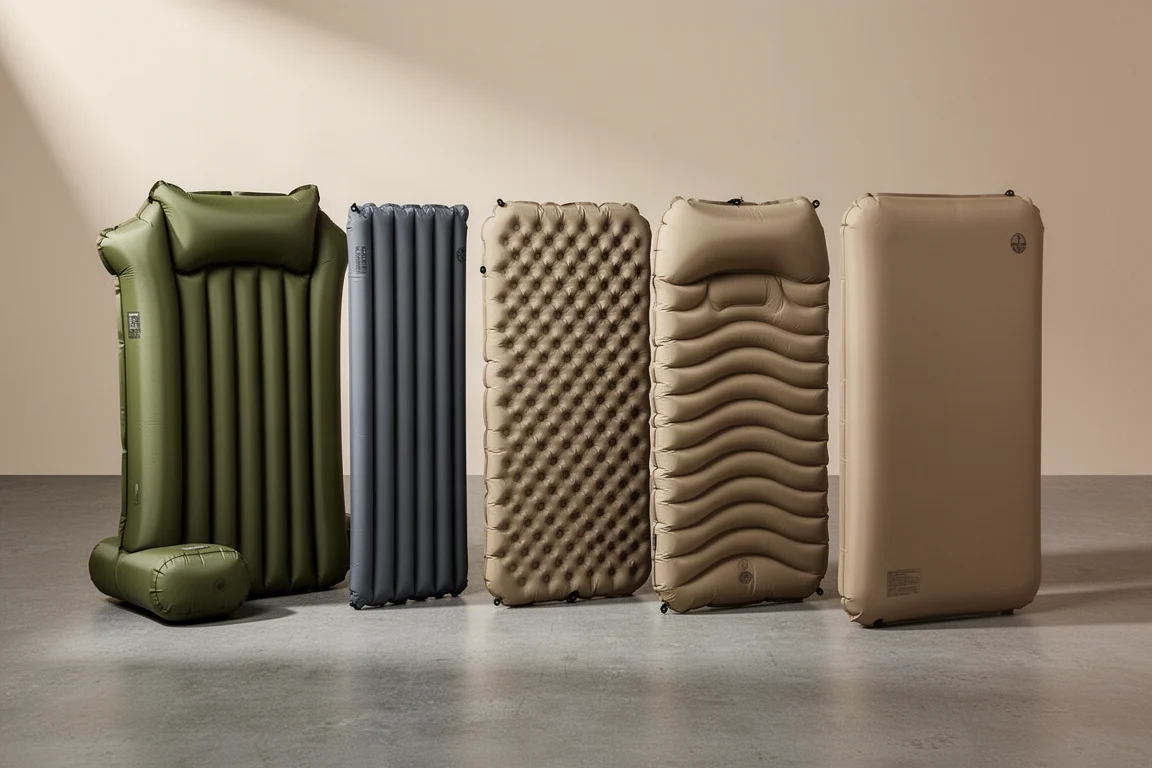
Sleeping pad comfort comes down to a few things that only reveal themselves after a full night on the ground: how much cushioning sits between your hip and the dirt, how the surface behaves under a shoulder, and how easy it is to fine-tune the air once you are already lying down. This season’s options are the most comfort-focused yet, and they include the thickest pad and the widest pad tested so far. The six pads below are the most comfortable of the group.

All six are warm enough to be used well into cold weather, so the differences that matter are about support, pressure relief, valve access and weight. Each section covers what a pad does well, where it falls short, and which sleeper it fits best. Every one of them has spent real nights outdoors rather than a few minutes on a shop floor.
What Matters Most for Comfort
Thickness and edge support come first. A thick pad only helps if the edges hold you up instead of sloping away or collapsing when you roll toward them, which is why sidewall construction matters as much as the headline depth.
Baffle design is the second factor. Horizontal, vertical and dimpled layouts each spread pressure differently, and the depth between the low points and the raised points often matters more than the pattern itself.
The third factor is the top fabric. A stretchy, soft surface gives under a shoulder or hip instead of pushing back, and it feels noticeably better if you sleep directly on the pad under a quilt.
Valve placement is the detail people overlook. A valve on the top surface is far easier to adjust in the dark than a pair of valves on the underside.
Warmth and weight close the list. Every pad here is rated for cold conditions, but the lightest and the heaviest options sit at opposite ends of the range.
Therm-a-Rest NeoLoft: The Thickest Pad Under 1 kg
The NeoLoft is the thickest pad tested, and the thickest sleeping pad on the market that weighs under a kilogram. It reaches 4.6 inches by using a sidewall rather than relying on baffle height alone, which keeps the edges supportive instead of angling or collapsing when you roll toward them. The sides are also built up a little higher to help keep you centred through the night.
The top fabric is a stretchy polyester with a genuinely soft hand feel, so it gives slightly under a shoulder or hip rather than resisting. Warmth is the surprise: the pad carries an R-value of 4.7, maintained through Therm-a-Capture and Triangular Core Matrix construction, and it stayed warm on cold ground around freezing. Thick pads usually struggle to hold a high R-value, and this one does not.
The trade-offs are mostly about specs. The NeoLoft is expensive at well over $200 and heavy at over 800 g, though it is not the heaviest pad in this group. It uses horizontal baffles, which are essential to its warmth and stability, but side sleepers can find that an arm goes numb. The stretchy surface and the ability to let air out both help, and at this thickness the pad can be softened a long way. When it is partly deflated it can feel a little balloony, and the twin valves, one to inflate and one to deflate, make small air adjustments fiddly.
This is the pad for heavier sleepers who want to stop bottoming out, and for anyone who simply likes a big, cushy mattress.
Exped Ultra 5R: The Lightest and Warmest of the Six
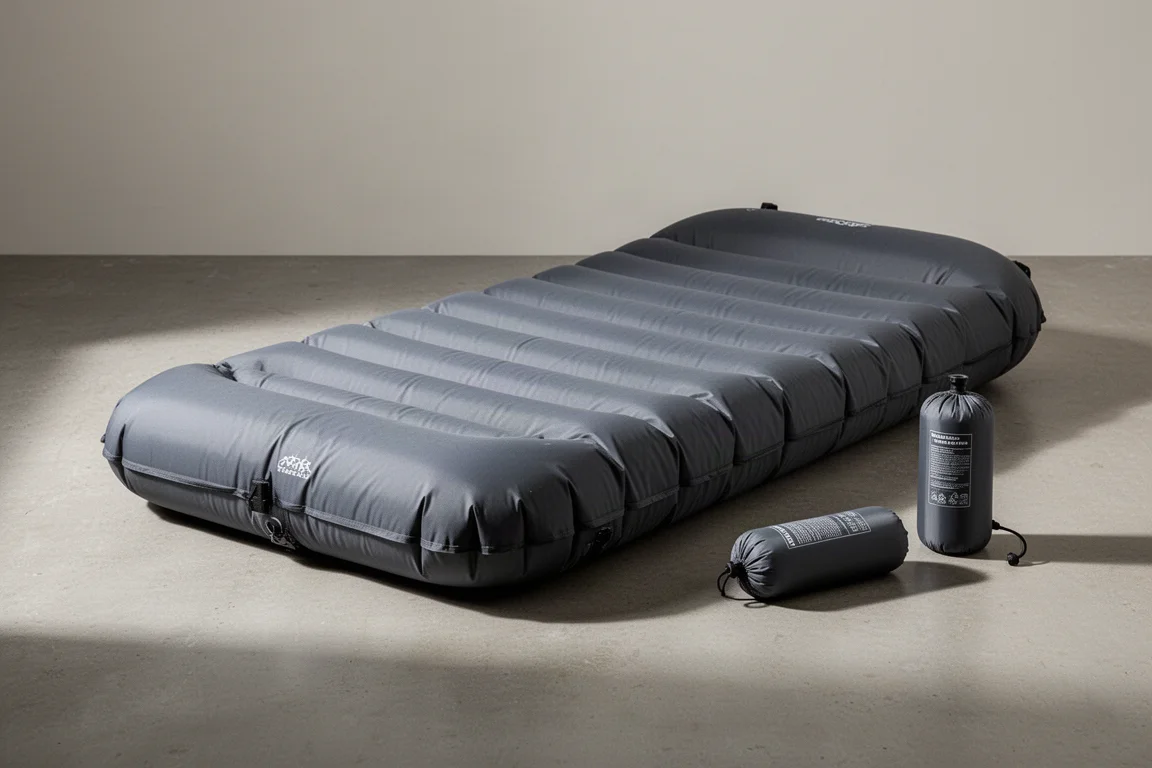
The Ultra 5R is the lightest and warmest pad here. It has been used well below freezing and stayed toasty, and it sleeps warmer than its R-value alone would suggest. If weight is the priority, the mummy version trims more grams, and the Ultra 3R brings a lower R-value while still keeping you warm down to freezing conditions.
The fabric is slightly stretchy and slightly soft, though not as soft or as stretchy as the NeoLoft. The vertical baffles run the length of the pad, a layout many sleepers find more comfortable than horizontal baffles. At 3 inches it is not especially thick, but the outer baffles carry extra height, so it sleeps like a slightly deeper mattress than the number implies.

Two things are worth weighing up. Vertical baffles suit most people but not everyone, so it is worth lying on one if you have the chance. The valve system is the weaker point: separate inflation and deflation valves sit on the bottom of the pad, which makes inflating it and adjusting the air less convenient than a top-mounted valve. Thickness is adequate for most sleepers rather than generous.
For the majority of people this pad is plenty, and it is especially appealing if you want to travel as light as possible.
REI Helix: The Best Pressure Relief
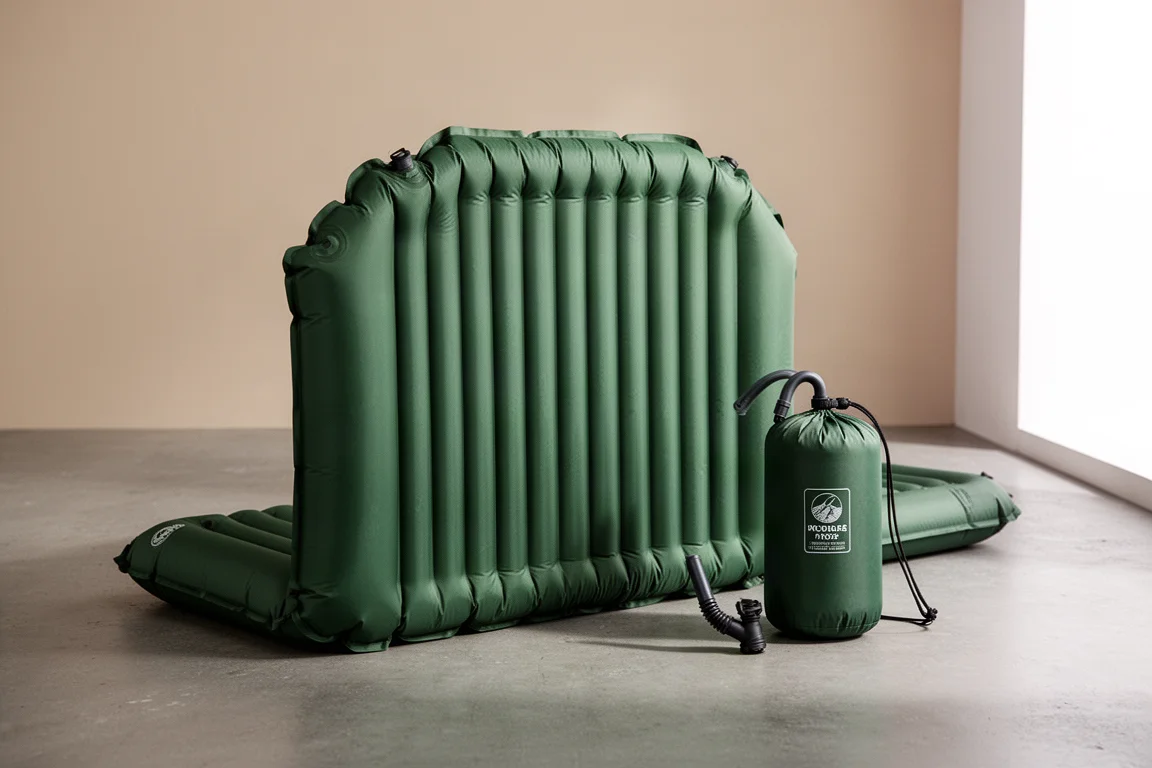
The Helix has been a favourite for years, and its standout quality is pressure relief. The surface is built from a series of raised areas and lowered channels, and under load the raised sections compress like small air springs. Because there are so many relief points, pressure spreads out rather than concentrating under a hip or a shoulder, which makes it more effective than pads using either vertical or horizontal baffles. Not every pad with this style of baffling performs the same way, and the difference here is the depth between the bottom of the channels and the top of the raised areas, which allows more compression and more relief.
The Helix is also warm and very well priced, which is unusual in a pad this comfortable.
The valve system is poor, with separate inflation and deflation valves on the bottom of the pad. The Helix also needs to be inflated firmer than most pads before it performs well, which is not intuitive, since most people let air out rather than add it. Inflating it fully maximises the pressure relief and stops the 3-inch pad from feeling thin. Heavier sleepers, particularly those over 220 lb, may still feel a hip or shoulder bottom out. This is a pad that only shows what it can do after a full night.
It suits side sleepers under 220 lb, especially anyone who finds their hip uncomfortable or their arm going numb on other pads.
Zenbivy Flex Air: Softer Surface, Better Valve
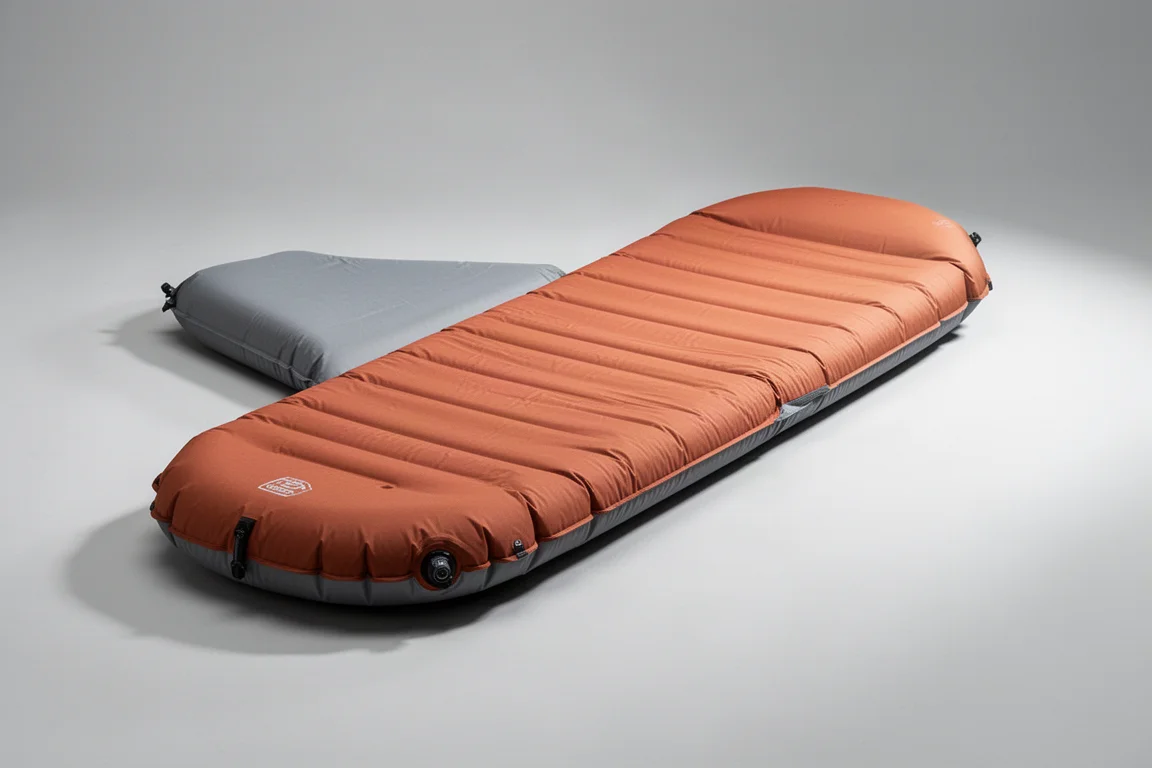
The Flex Air uses a similar baffle pattern to the Helix and shares its strengths, with two clear improvements. The two-way inflation and deflation valve sits on top of the pad, so air can be adjusted easily even while you are lying on it. The top fabric is stretchier and softer, which feels noticeably nicer if you sleep directly on the pad under a quilt.
Pressure relief sits slightly behind the Helix, because the height difference between the lowered areas and the raised areas is smaller. Like the Helix, it can feel thin, and heavier sleepers may bottom out. For anyone who wanted to like the Helix but did not get along with it, this is the natural alternative, particularly if you want that softer stretch surface and the easier valve.
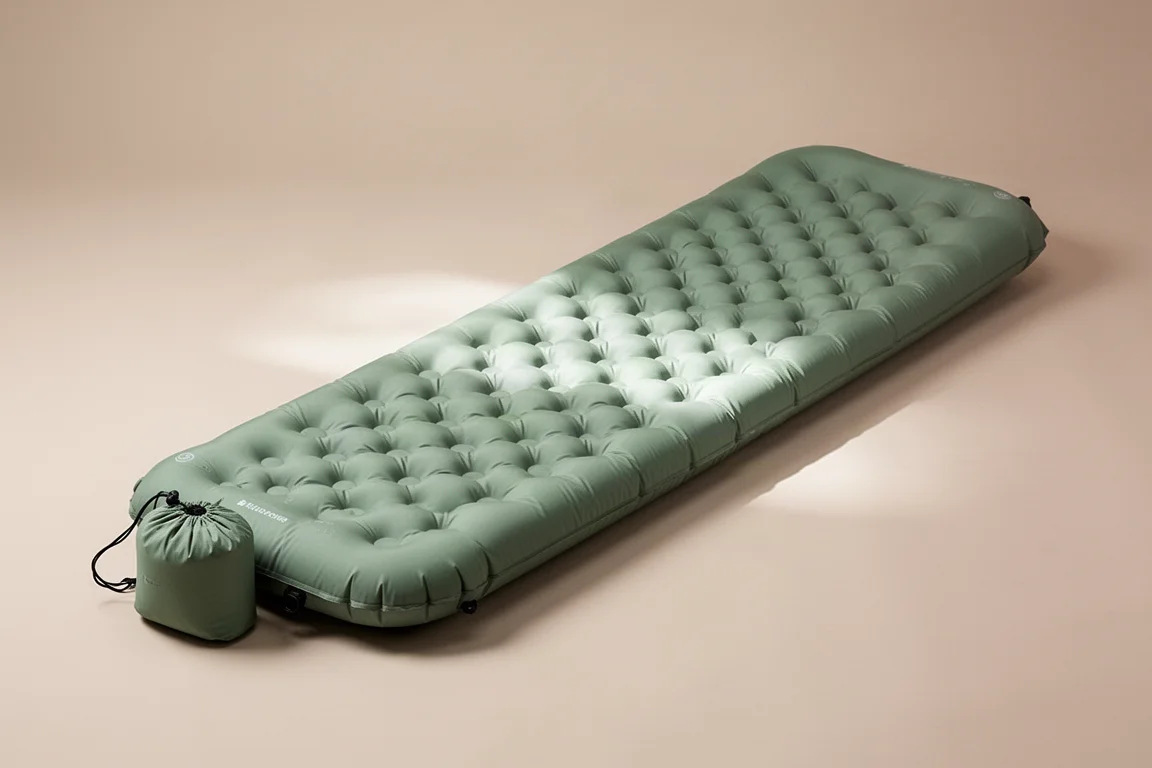
NEMO Quasar 3D: Support for Back Sleepers
The Quasar 3D is built around support. Its horizontal baffles are curved rather than straight, a shape that feels more comfortable than flat horizontal baffles, and the pad adds a raised head area and raised sides that keep you positioned. Back sleepers tend to love how it feels, and the structure is the reason.
Two trade-offs come with it. It is the second heaviest pad in this group, and it is the least warm of the six, keeping you comfortable down to around freezing and not much below. The horizontal layout, even in curved form, is also less effective for side sleepers and for pressure relief than the dimpled designs above.
If you sleep primarily on your back, this is the one to look at first, because the support is exactly what that position rewards.
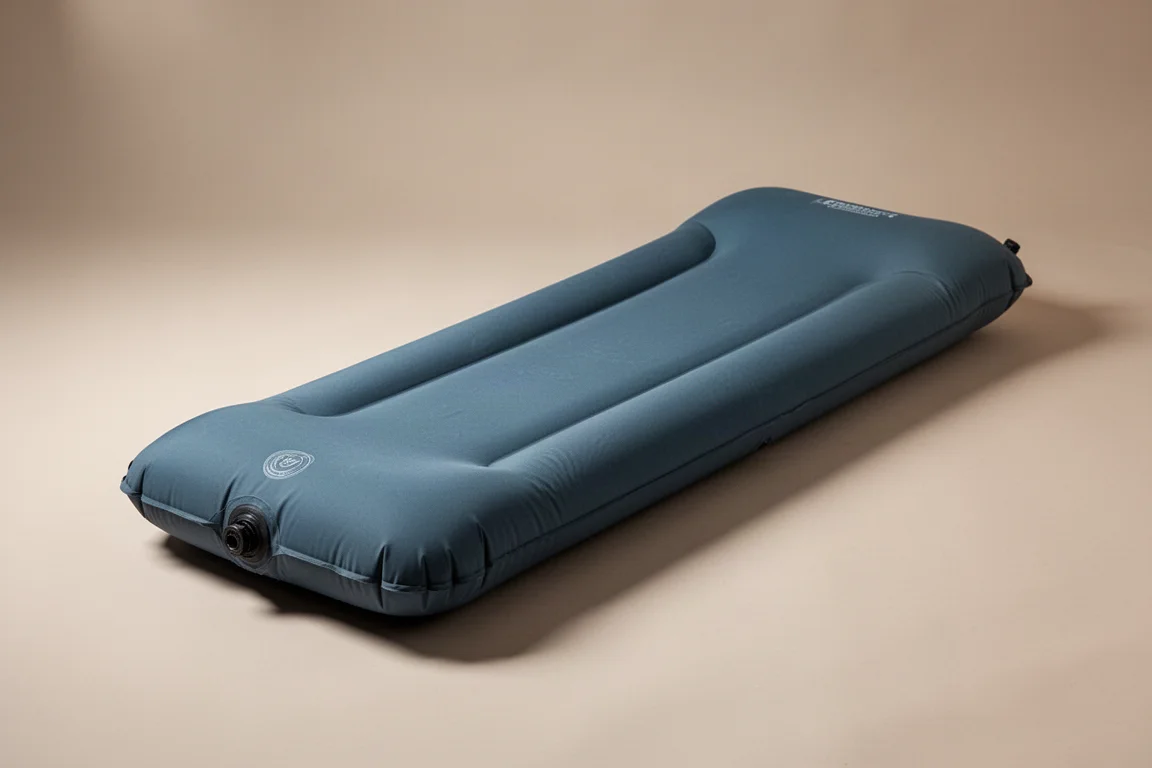
Big Agnes Boundary Deluxe: 30-Inch Width
This is the 30-inch wide version of the Boundary Deluxe, and it is the only 30-inch wide pad on the market that stays reasonably light, warm and comfortable. The width is the whole point. Broad back sleepers can spread out without a shoulder hanging off the edge, and side sleepers who curl into a fetal position with knees drawn up keep their hips and knees on the pad instead of slipping off the side.
Pressure relief comes from a hybrid of dimpled and vertical baffling. It is not as comfortable as the Helix or the Flex Air, but it is more comfortable than the Ultra 5R. The valve sits on top, so adjusting the air is easy, and the synthetic fill insulation means it sleeps as warm as its R-value suggests, which has not always been true of Big Agnes pads that use reflective insulation.
The obvious downside is weight: it is the heaviest pad here at over a kilogram. The size can also be a problem, since it may not fit many one-person tents, and it will not pair comfortably with a 25-inch pad in a two-person tent. The top fabric is less soft than some of the others, though that matters less if you sleep in a base layer rather than directly on the surface.
It is the pick for anyone broad who sleeps on their back, or for a fetal-position side sleeper who will genuinely use that extra width, as long as you are willing to carry the weight.
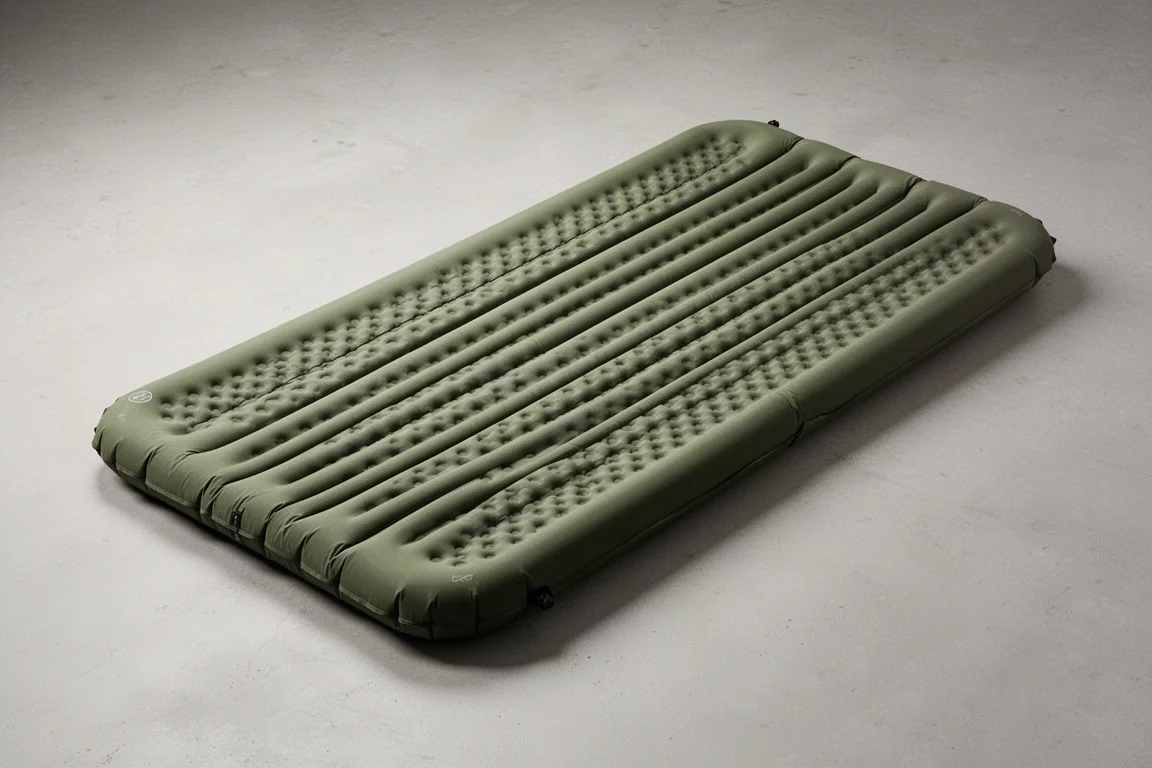
Buying Advice
Match the pad to the way you sleep rather than to the spec sheet. Side sleepers who wake with a numb arm or an aching hip should prioritise pressure relief, which points to the Helix first and the Flex Air as the softer-topped alternative. Back sleepers get more from support and surface area, which is where the Quasar 3D and the 30-inch Boundary Deluxe come in. If pack weight is the deciding factor, the Ultra 5R is the clear choice. If cushioning is what you are after, the NeoLoft is the thickest pad here and still the only one at that thickness under a kilogram.
Two smaller details are worth checking before you buy. Valve placement matters more than it sounds, because a top-mounted valve is far easier to fine-tune in the dark than a pair of valves on the underside. And if you have ever felt a pad bottom out under your hip, thickness and baffle depth should carry more weight in your decision than a warmth rating.
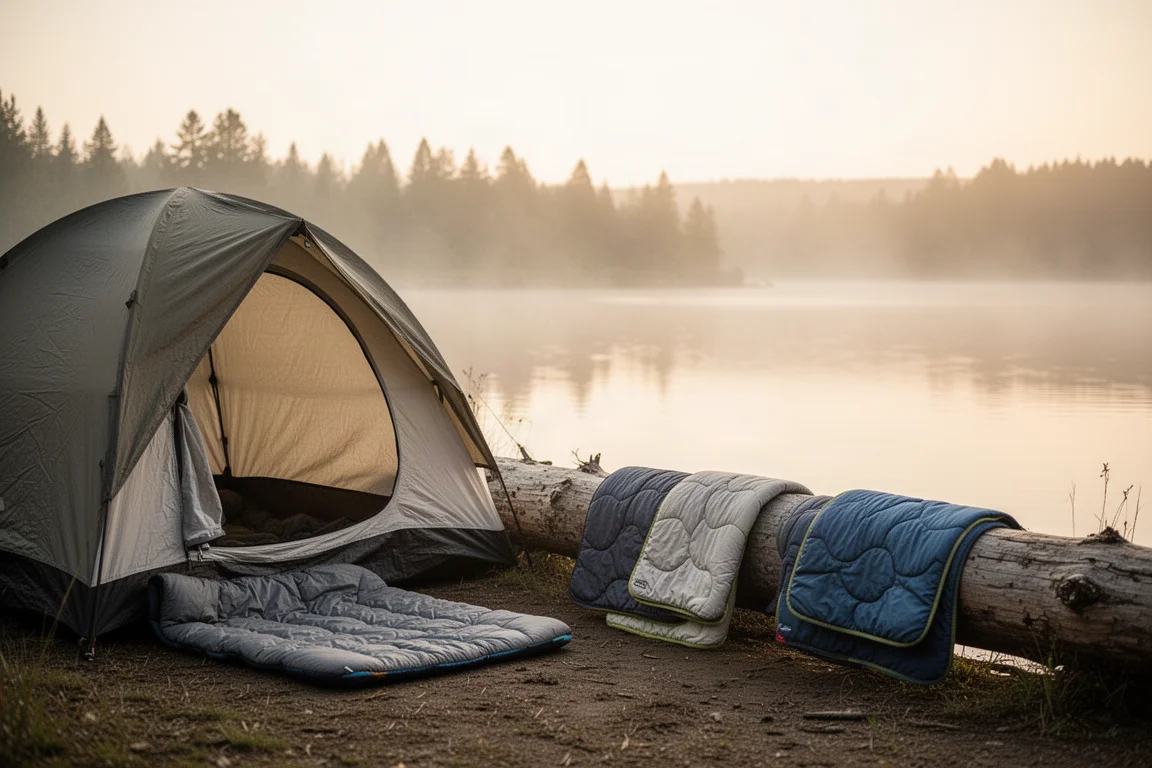
Finally, think about the whole sleep system. A stretchy, soft pad surface feels best under a quilt rather than a tightly fitting sleeping bag, and pads that sleep thin benefit most from being inflated firmly. A pad that fits how you sleep will do more for a good night outdoors than any single number on the box.
Conclusion
For comfort alone, the two standout picks are the REI Helix and the Therm-a-Rest NeoLoft. The Helix delivers the best pressure relief of the six while staying warm and well priced, which is why it still earns its place after years of use. The NeoLoft is the answer for anyone who bottoms out on thinner pads or simply wants a thick, cushy mattress, and it manages that while staying under a kilogram. The Exped Ultra 5R covers the opposite priority, remaining the lightest and warmest of the group. However you sleep, one of these six should fit.
Further reading
Related Reviews
Sleeping Pads
Best Backpacking Sleeping Pads 2026: Nine Pads Rated on Price, Comfort, Warmth, and Weight
Nine backpacking sleeping pads compared on price, comfort, warmth, and weight, from a $65 summer pad to a year-round option rated at R-7.3.
Sleeping Pads
Best Backpacking Sleeping Pads: Comfort, Warmth, and Weight Compared
A practical comparison of the Nemo Quasar 3D, Therm-a-Rest NeoAir XTherm Max, and Big Agnes Rapide SL for backpackers choosing between comfort, warmth, and packed weight.
Sleeping Pads
Best Backpacking Sleeping Pads: Ultralight, Winter, Comfort and Budget Picks
A practical roundup of the sleeping pads that stand out for ultralight weight, winter warmth, pressure relief and value, plus three popular pads that fell short.