Backpacking Gear
Best Comfort Backpacking Gear: Nine Affordable Picks for Trail and Camp
Nine affordable backpacking picks that address the real sources of discomfort, from pack fit and footwear to shelter, sleep system, and small camp extras.
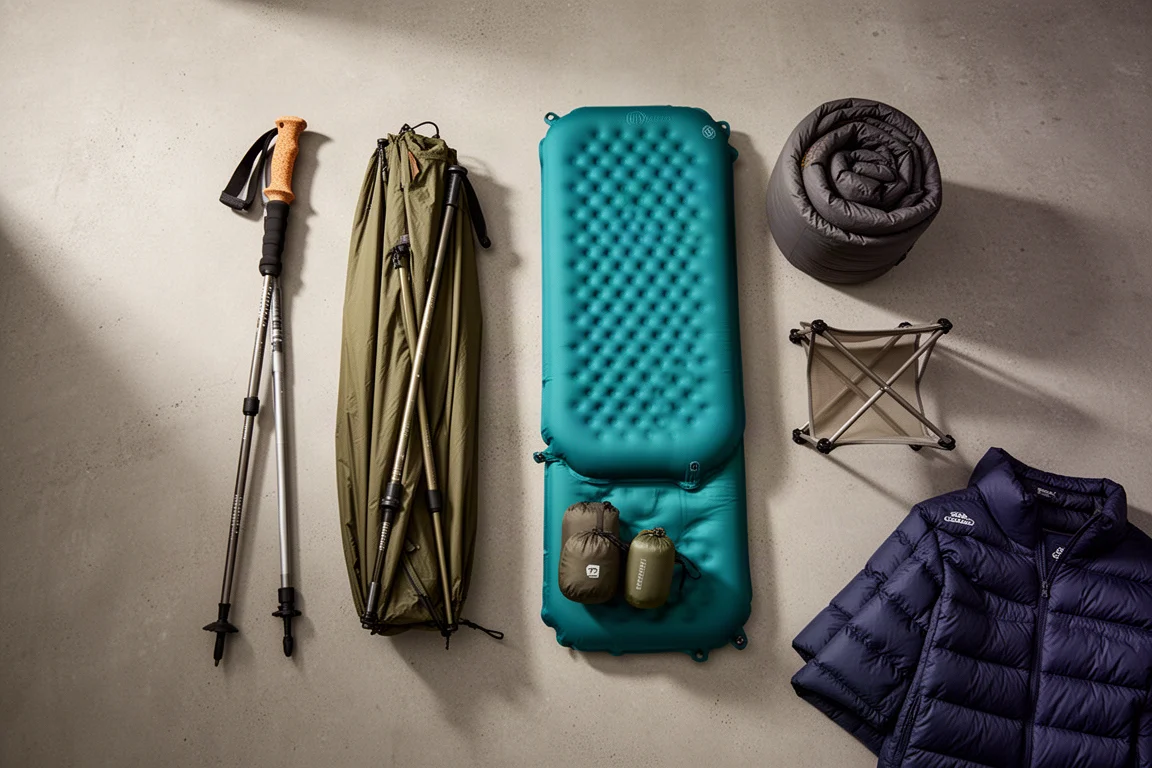
Introduction
Most backpacking trips are not ruined by a single piece of gear. They are worn down by small, repeating problems: a pack that digs into the shoulders, feet that blister, a shelter that is fiddly in the rain, and a sleep system that leaves you cold at two in the morning. Fix those and the same trip feels completely different.
The gear below is organized around where discomfort actually appears. First come the items that matter while you are moving, then the items that matter once you stop for the night. Several of these picks sit well below the top of the market, and a few go on sale often enough that patience pays off.
What Comfort Really Means on the Trail
Daytime discomfort usually comes down to three things: how the pack carries weight, whether you use trekking poles, and what is on your feet. Get those right and long days feel far less punishing.
Trekking poles are the cheapest of the three to address. They take load off the body on descents and help pull you uphill, so your upper body shares work that would otherwise fall entirely on your legs.
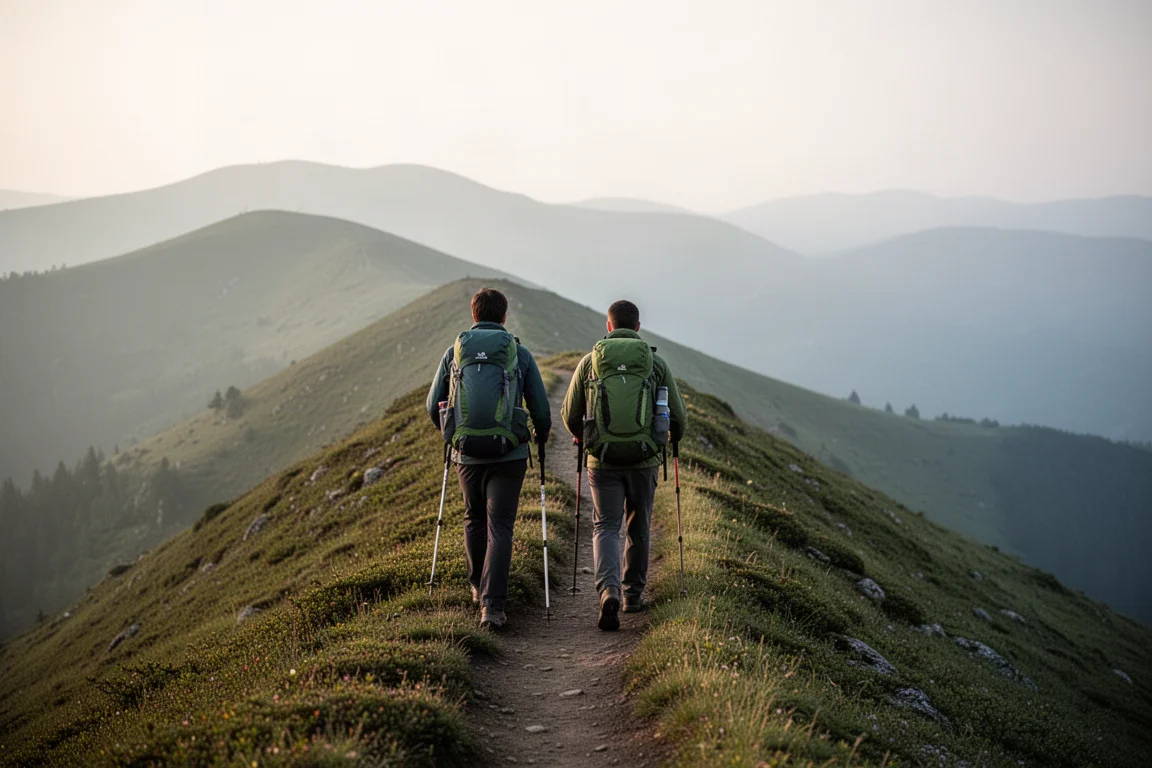
Load carry starts with fit. Torso length, not height, determines the right pack size, and two people of the same height can need different sizes. From there, a frame that transfers weight into the hip belt does more for comfort than any padding upgrade.
REI Flash 55 Backpack
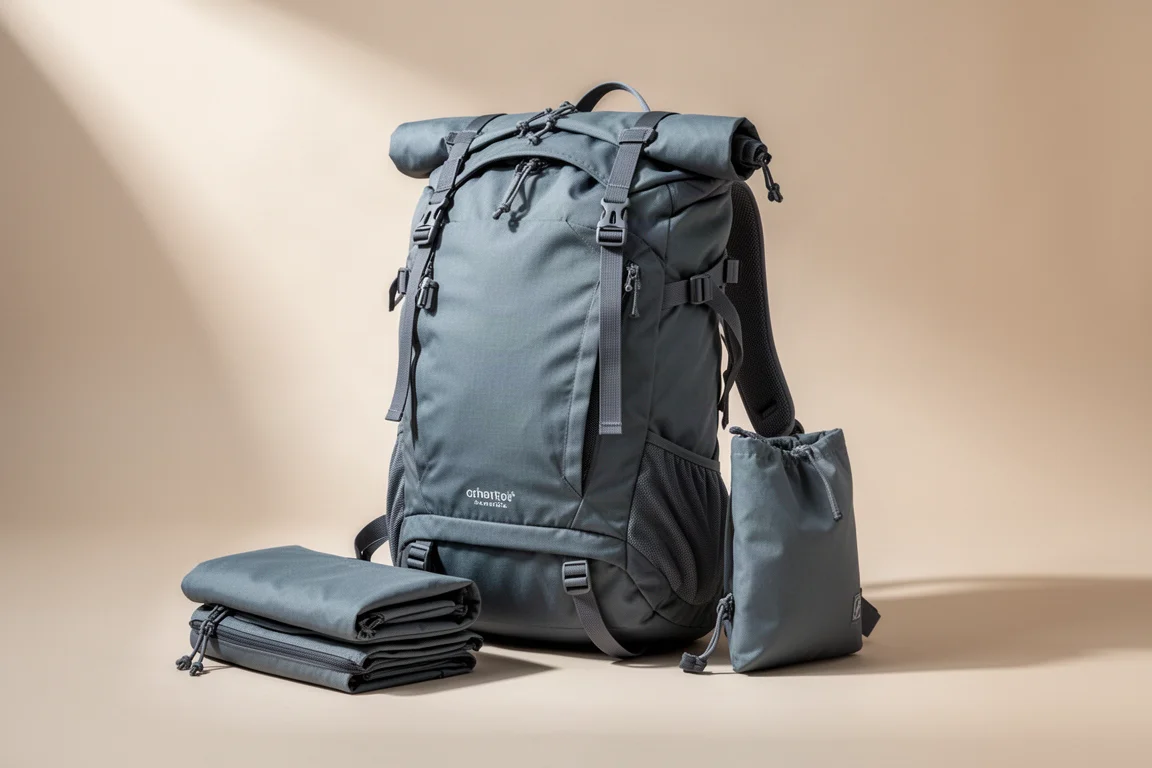
Fit is the first thing that makes a pack comfortable, and the Flash 55 addresses it with an adjustable torso. You buy one of the available sizes, then fine-tune the harness within that size, which matters because torso length varies widely between people of similar height.
The second factor is how the pack carries a load. The Flash 55 has a frame that transfers weight into the hip belt, and the hip belt foam is deliberately stiff, which helps that transfer instead of letting the load sag. The pack is advertised to carry around 35 lb, though it has handled well over 40 lb comfortably.
Water access is another quiet comfort feature. The bottle pockets sit in front of the side pockets, so grabbing a bottle and putting it back takes a second. At $200 full price the pack is already reasonable, and REI sales come around roughly every three months, often at 30 percent off and at least 20 percent off, which brings it to about $140.
Cascade Mountain Tech Carbon Fiber Cork Trekking Poles
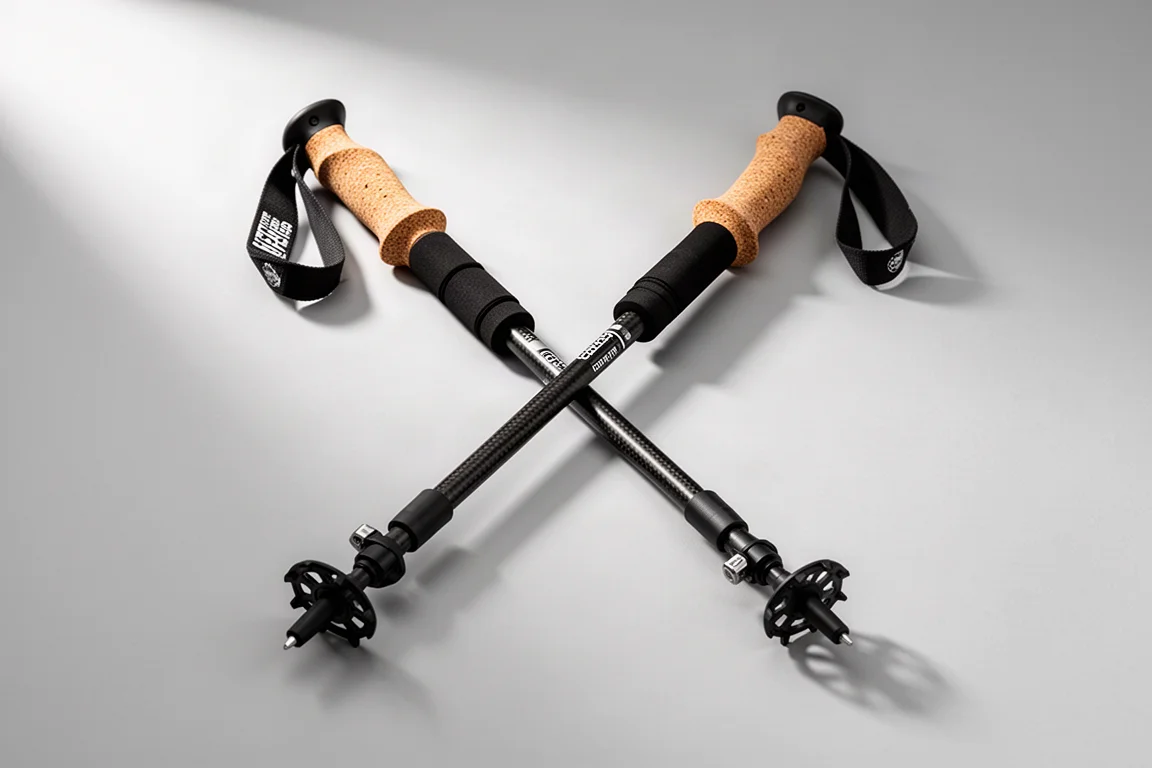
The Cascade Mountain Tech carbon fiber poles with cork grips are the value pick for trekking support. They run about $40 at Costco or on Amazon, which is unusual for carbon fiber, and they have held up over long-term use.
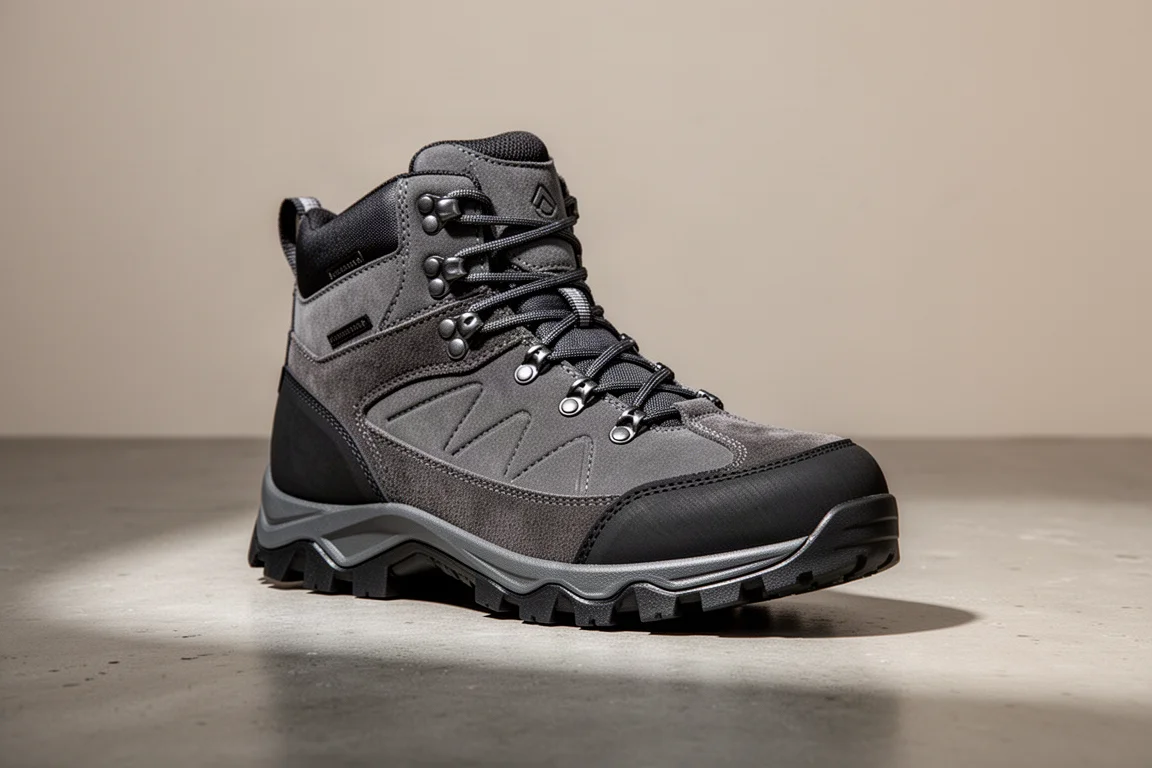
Salomon Quest Boot
Footwear is where many trips go wrong. Blisters and sore feet usually trace back to shoes or boots that do not match the foot or the conditions. Heavy boots are a common culprit because they often need a break-in period and can still fail to accommodate your foot shape.
The Salomon Quest is a lighter boot option for hikers who want boot-style coverage without the weight and break-in demands of a traditional heavy pair.
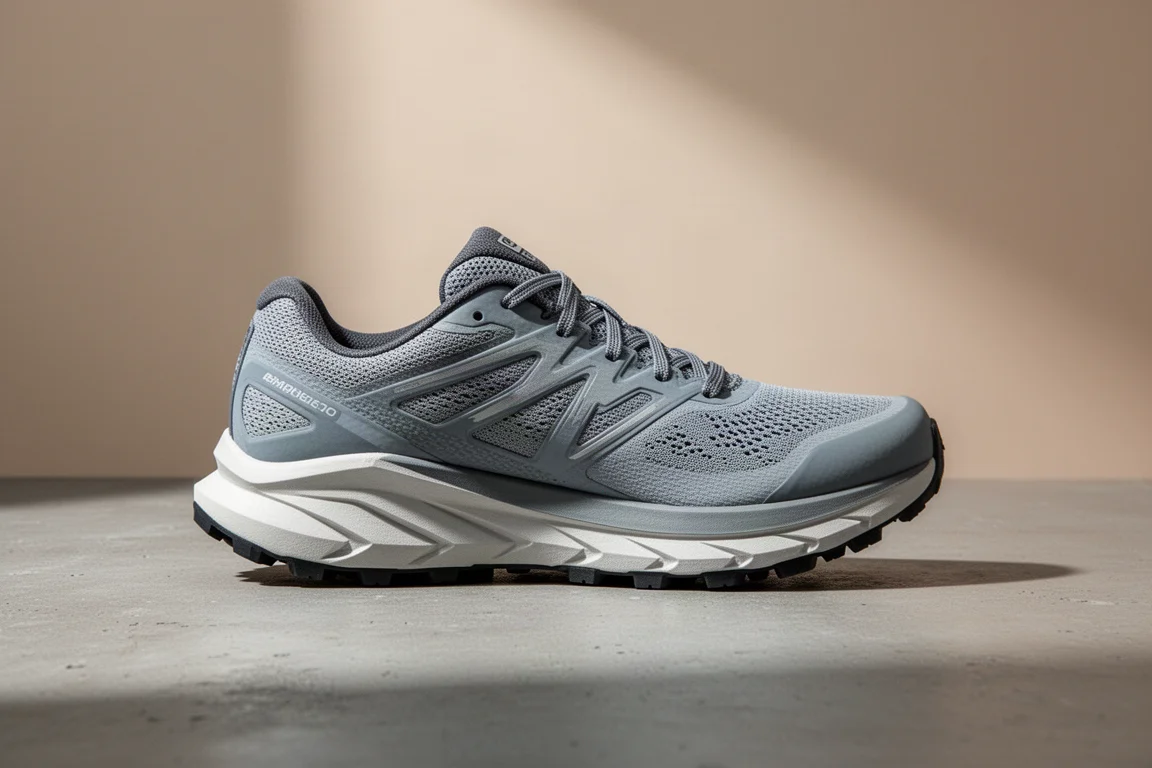
Hoka Speedgoat Trail Runners
Trail runners are the other path, and for many backpackers the better one. They are lighter on the foot, which matters over thousands of steps, and they let the foot move more naturally than a stiff boot.
The Hoka Speedgoat is a long-standing favorite for exactly that reason, and it works well as a backpacking shoe for hikers who do not need a boot.
Durston X-Mid 2 Tent
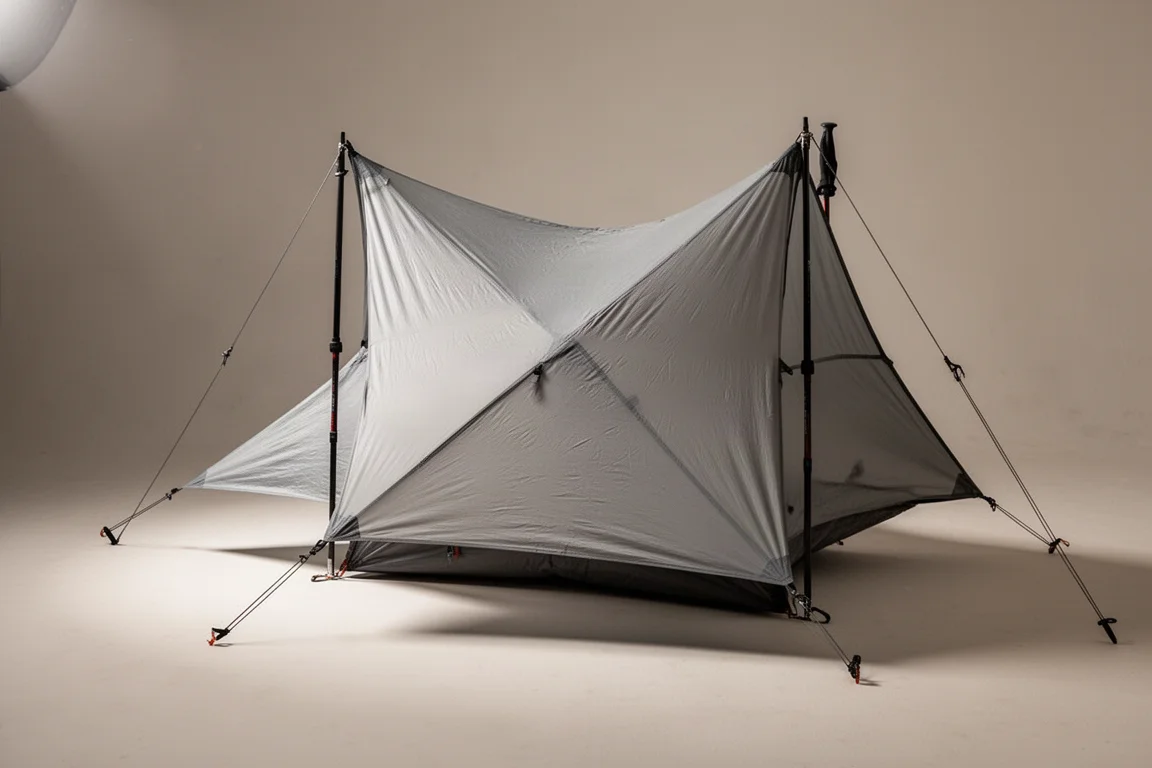
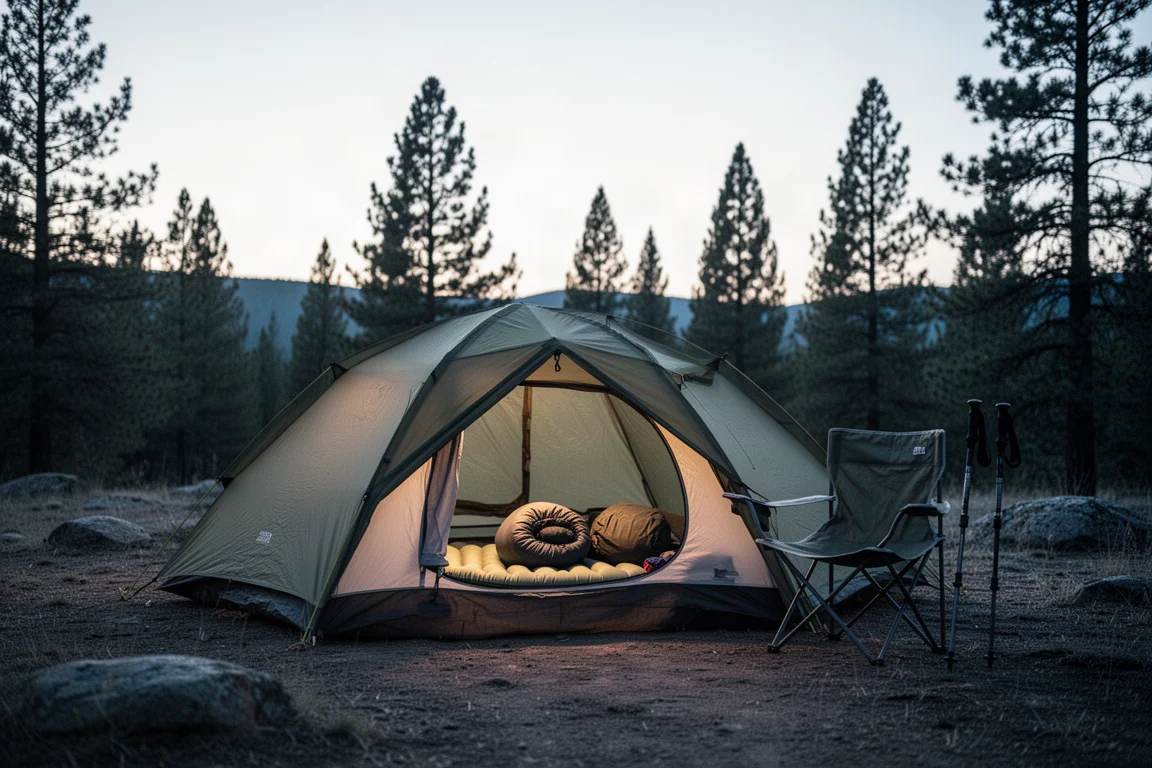
A comfortable tent has to do three things: hold enough space, pitch quickly, and keep weather out. The X-Mid 2 handles all three. It fits two 25-inch wide sleeping pads side by side, which is generous for a two-person shelter and makes shared trips far more pleasant.
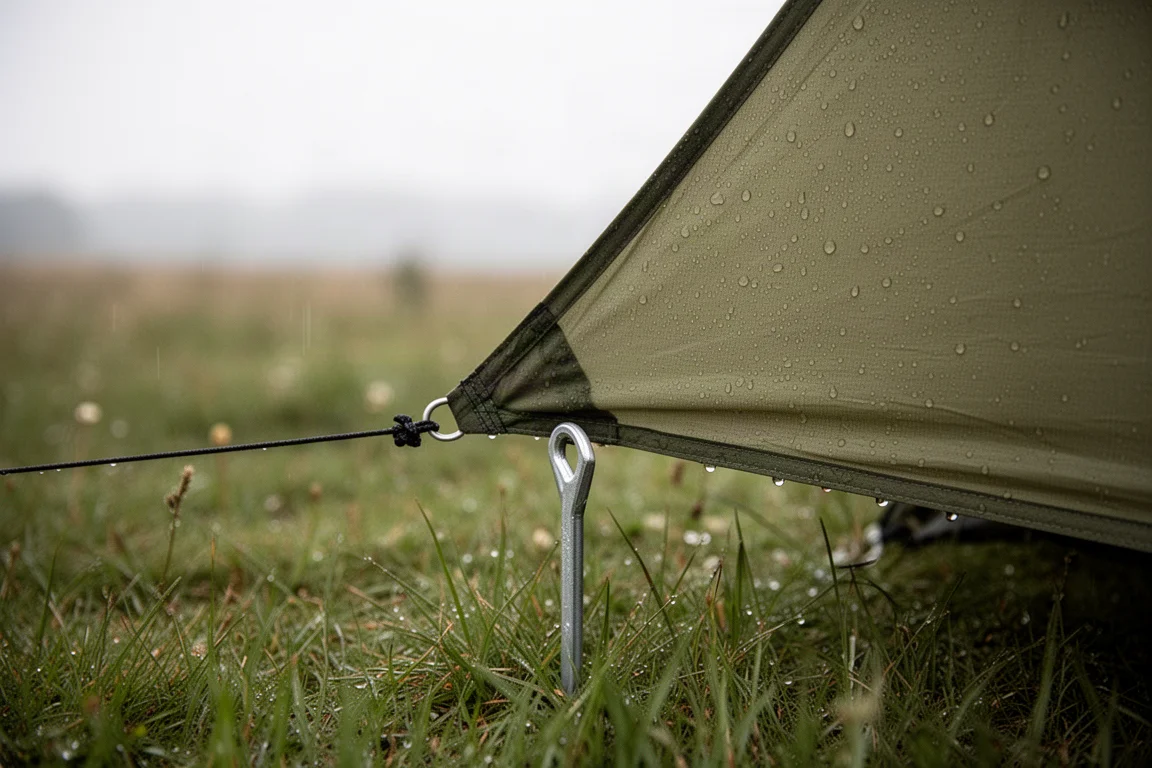
Pitching is simpler than the trekking pole design suggests. You stake out four corners, place your poles at the peak points, raise them, and you are done. It goes up as an all-in-one pitch, so the interior stays protected while you set it up, unlike tents where the inner goes up first and gets soaked if it is raining.
The double-wall design puts a mesh barrier between you and the fly, which limits condensation, and the silpoly fly does not hold as much moisture or stretch and sag when it gets wet.
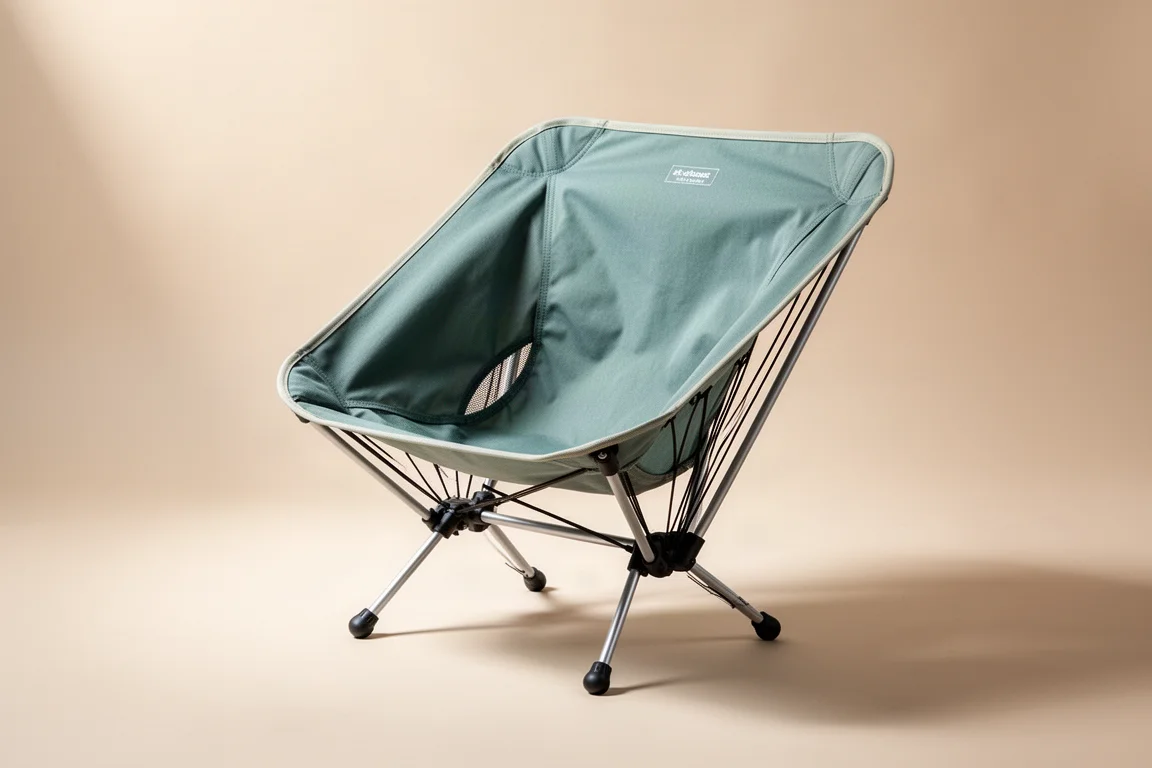
REI Flexlite Air Chair
A chair changes the shape of an evening at camp. It gives your back support instead of forcing you to lean against a rock or a log, and it gives you somewhere to sit while you eat, filter water, or talk with friends.
The Flexlite Air weighs about a pound and costs $100 at full price, often dropping to around $70 on sale, which is strong value for an ultralight chair.
Camp Kitchen, Hydration, and Small Extras
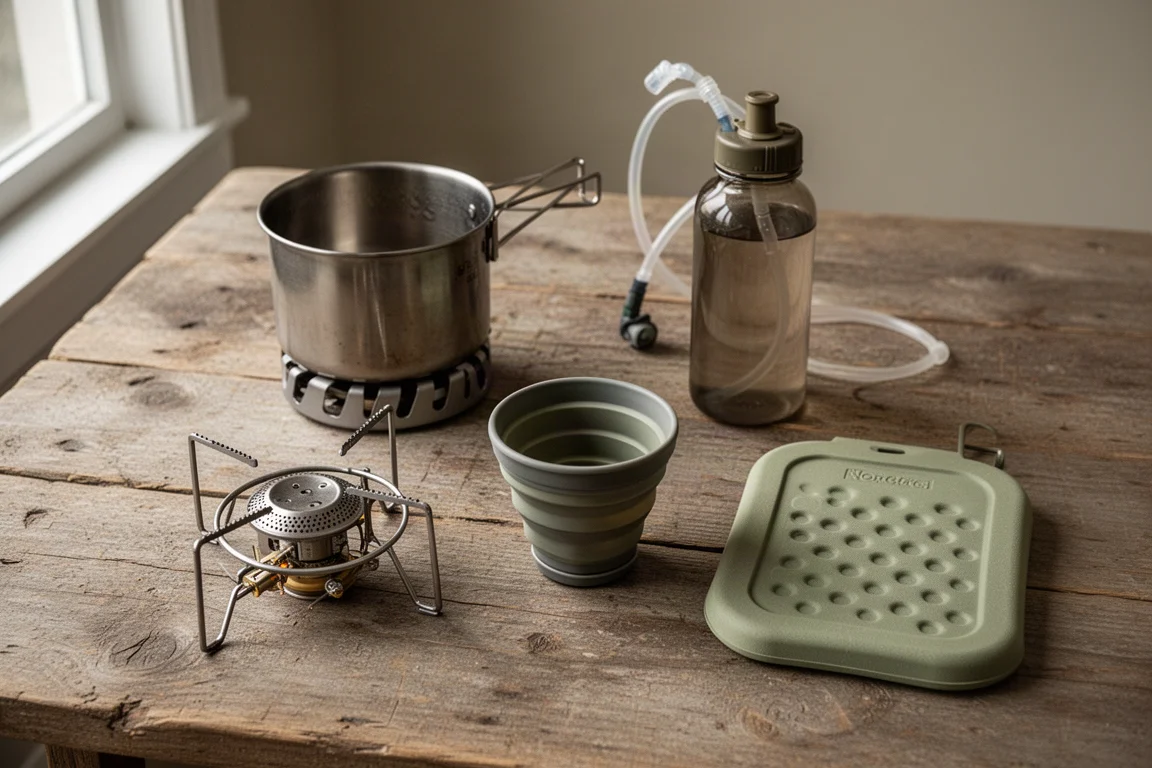
Hydration and cooking are the two places where small items earn their keep. A drinking tube that attaches to a standard water bottle weighs very little and lets you sip without stopping, and it stays easy to refill, easy to monitor, and easy to cap for use around camp. On the cooking side, a pot and stove combination with heat-capturing fins on the base can boil water in about a minute and a half for a modest outlay, and a collapsible cup that nests inside the pot keeps the whole kit compact.
The remaining extras are inexpensive and light: a pillow with a pad strap and enough height to keep your neck neutral, a foam sit pad that doubles as extra pillow height and insulation under a chair, and a pair of camp slippers for trips out of the tent in the middle of the night.
Treats count too. A sturdy tube of chips survives a day in a side pocket without turning to crumbs, and a non-alcoholic beer at the end of the day can mean better sleep and a better start the next morning.
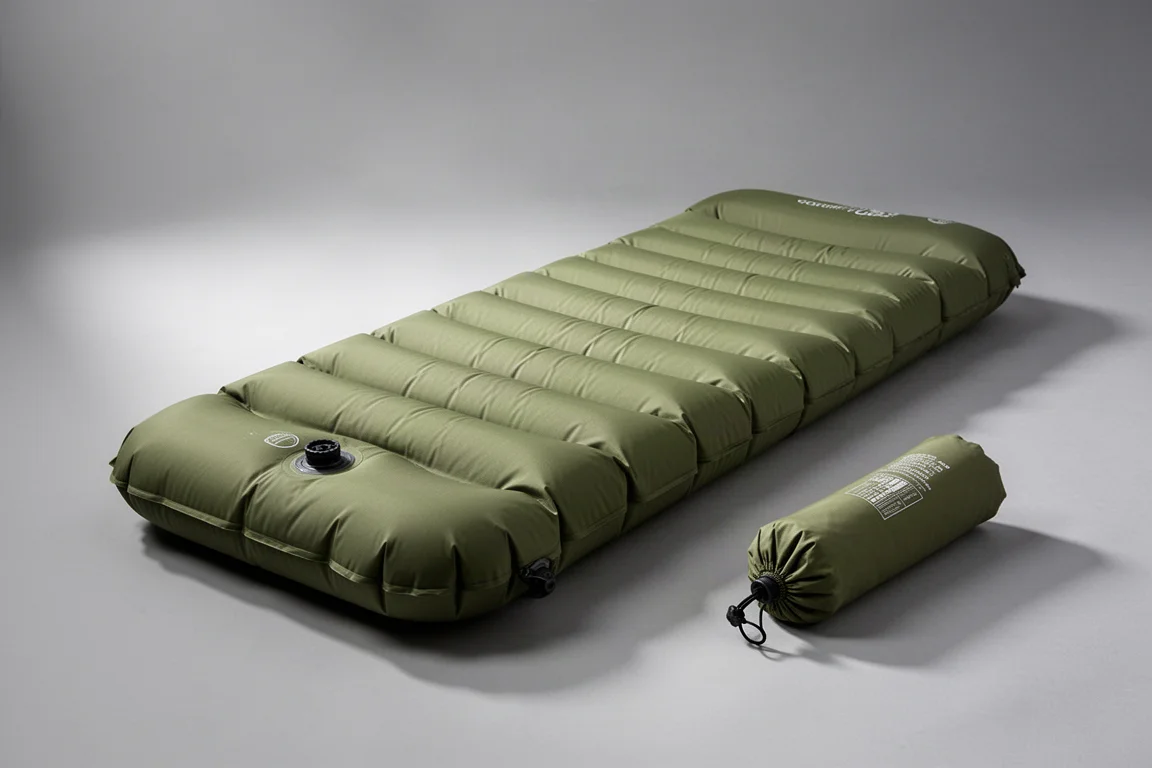
REI Helix Sleeping Pad
Sleep is the single biggest comfort factor on a trip, and it is also where budgets tend to explode. A comfortable setup does not have to be expensive, though.
The REI Helix pad costs $160 at full price and often closer to $100 on sale. It earns its place with reflective insulation that keeps you warm in three-season conditions, and with a dimpled surface that relieves pressure so your arm does not go numb overnight. It is not the thickest pad on the market, so sleepers over about 200 lb may want to look elsewhere, but for lighter sleepers it is exceptionally comfortable.
Decathlon MT900 Sleeping Bag
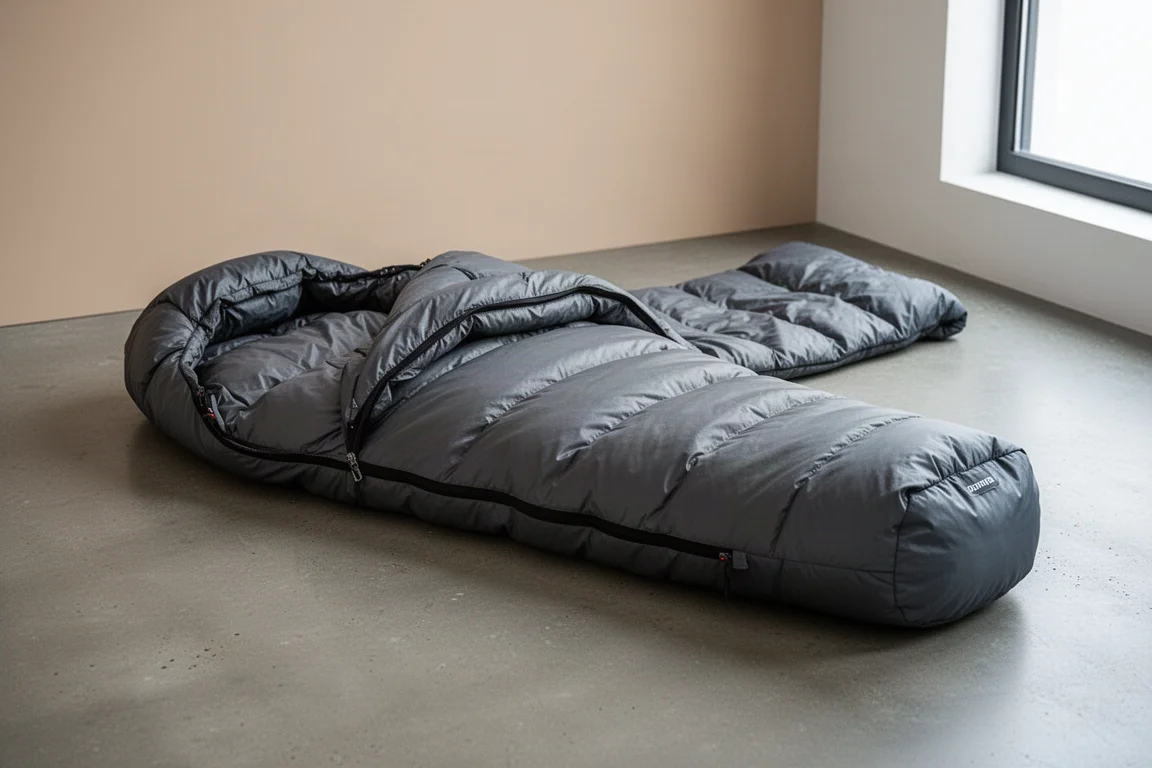
Quilts are often the more comfortable choice for restless sleepers because you can move around in them without getting tangled, but affordable quilt options have become hard to find.
That makes a well-priced sleeping bag a sensible alternative. The Decathlon MT900 costs $170, weighs just over a kilogram, and is rated to freezing, a rating that holds at that temperature or slightly below for warm sleepers.
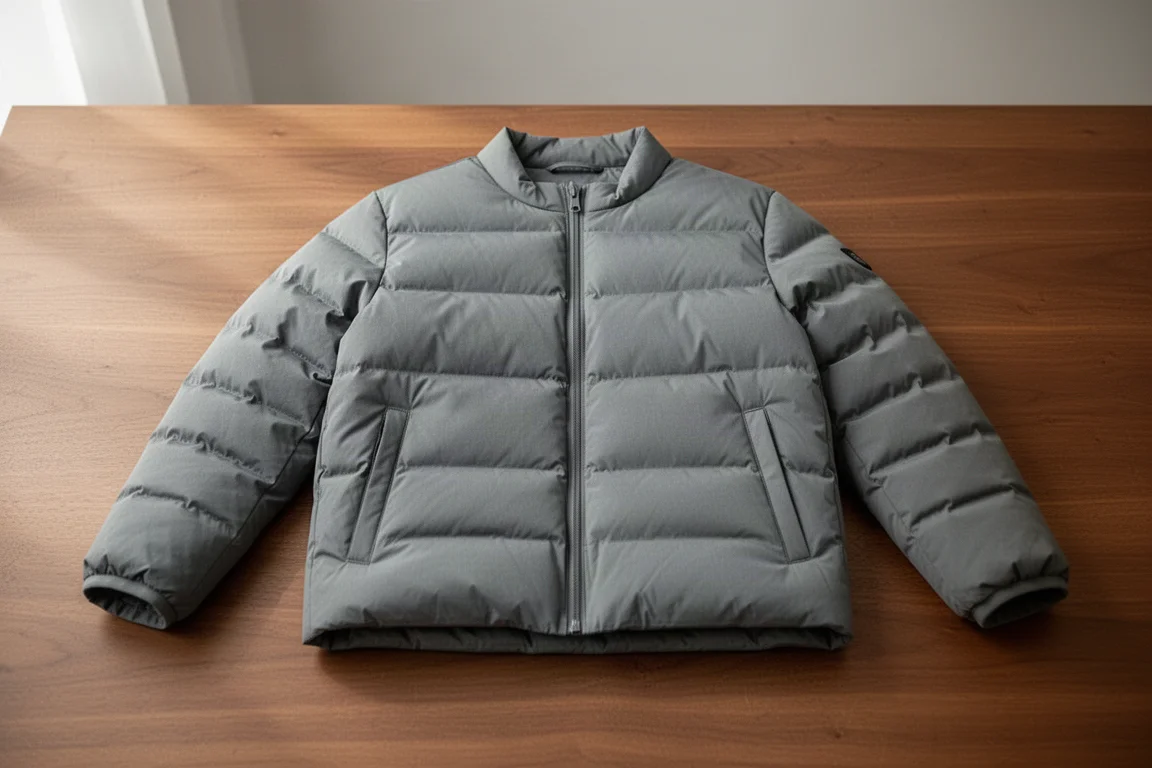
Decathlon Trek 100 Down Jacket
Being cold at camp undermines everything else, so a warm layer is not optional. The Decathlon Trek 100 is an inexpensive down jacket that has risen to $100 but remains a good buy, and it is frequently discounted further.
Buying Advice: Assembling a Comfort System
Comfort gear works best as a system rather than a shopping list. Start with fit: torso length for the pack and foot shape for the shoe matter more than any specification. Then decide where you actually suffer. If you wake up stiff, put your budget into the sleep system. If you fade on long descents, start with trekking poles.
From there, buy in the order you will feel it. A pack, footwear, and poles change every mile of the day, while a chair, a pillow, and a warm jacket change every hour at camp. Several items here go on sale regularly, so waiting for a discount is a reasonable strategy, and the total cost of a genuinely comfortable setup can stay well below what the top of the market suggests.
Conclusion
Discomfort is rarely about one bad purchase. It is about a handful of mismatches between your body, your load, and your sleep setup. Fix the pack fit, the footwear, the shelter pitch, and the sleep system, then add the small camp comforts that make evenings enjoyable, and the same trip will feel dramatically different. None of the picks above require a premium budget to work well.
Further reading
Related Reviews

Backpacking Gear
Building a 10 lb Base Weight: An Ultralight Backpacking Gear List
A practical walkthrough of the ultralight pieces behind a 10 lb base weight, from a 765 g pack and a roomy one-person tent to a full camp chair and a dependable water filter.

Backpacking Gear
A 15-Pound Lightweight Backpacking Gear List for Solo Trips
A beginner-friendly 15-pound backpacking setup built from easy-to-find gear, with notes on what each piece does, how it packs, and where to spend your attention.

Backpacking Gear
8 Ultralight Backpacking Gear Upgrades Worth Carrying
Eight small, affordable backpacking upgrades that solve real trail annoyances, from a pillow that stays put to a fuel valve that rescues leftover canister gas.