Backpacking Gear
Best Comfort-Focused Backpacking Gear 2026: Four Pieces Tested in the Desert
Four comfort-focused backpacking pieces put through cold desert nights and loaded trail days, with what each one does well and where it stops.
Introduction
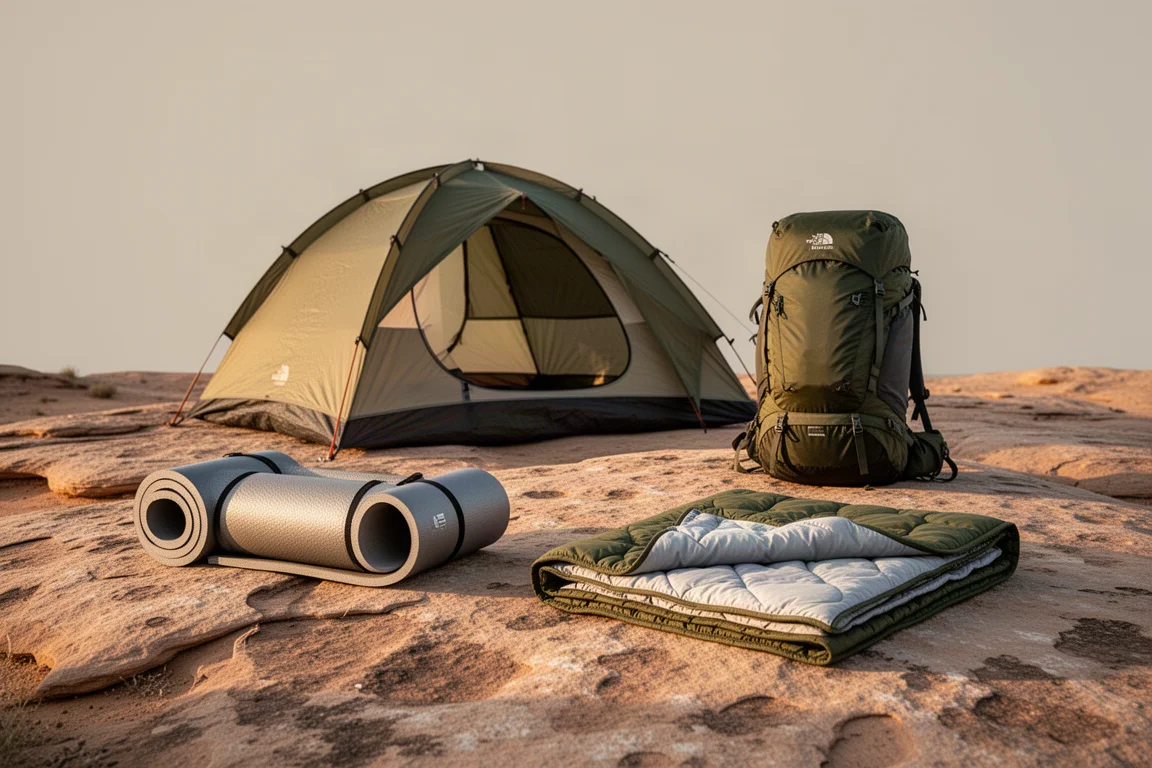
Comfort in the backcountry rarely comes from one piece of gear. It comes from a shelter that stays calm when the wind picks up, a sleeping pad that holds warmth through a cold night, a pack that carries its load without grinding into your shoulders, and a sleep system that stays where you put it while you move. These four pieces were tested together on a desert trip in Joshua Tree, where the forecast low sat around 10 degrees Celsius, the actual overnight temperature dropped to just above freezing, and the wind was strong enough to matter.
What We Tested and How
Each item was judged against the promise it makes rather than a generic checklist. For the tent, that meant checking whether two 25-inch wide sleeping pads fit side by side with anything left over, and how the shelter behaved in strong wind. For the sleeping pad, it meant a full overnight at temperatures just above freezing to see how warm it slept and how comfortable it felt. For the pack, it meant carrying roughly 35 lbs across a day of about 10 km, then refitting every strap and seeing whether the load could be managed better. For the quilt system, it meant deliberately tossing and turning to hunt for drafts around the zipper.
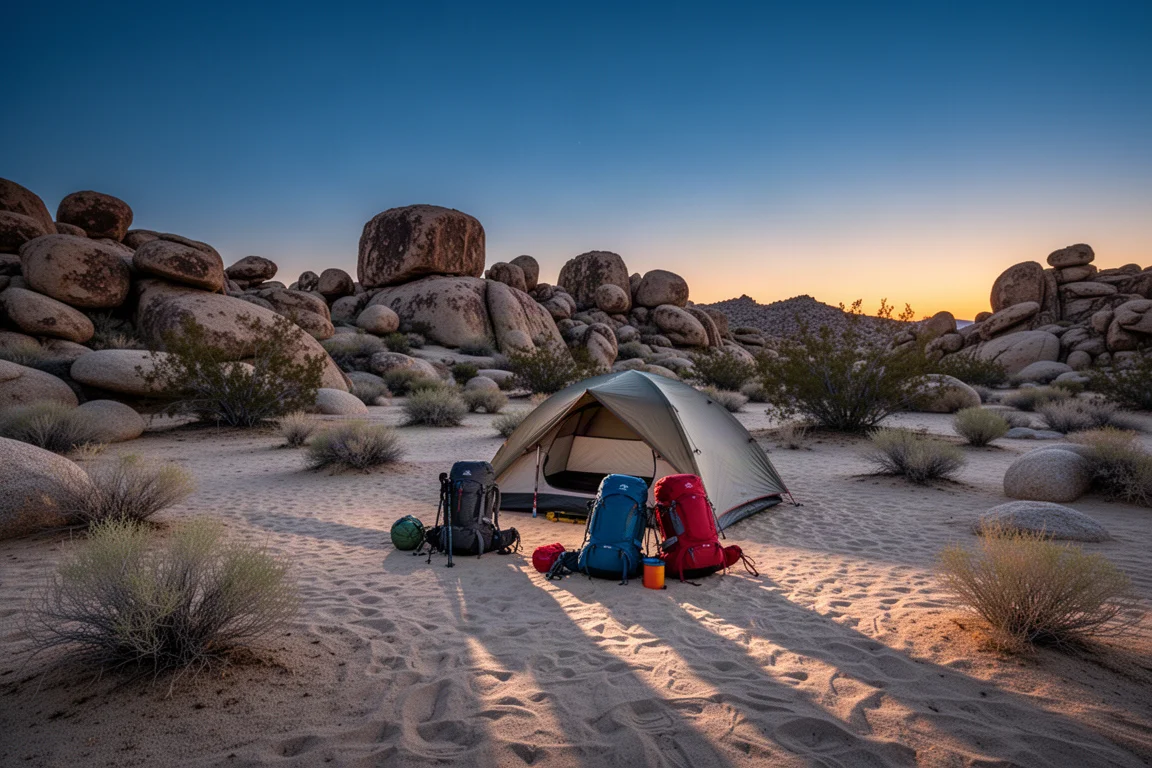
The setting made a useful stress test: an exposed desert site with wind on the tent panels, plenty of water weight in the pack, and a colder night than the forecast suggested.
Durston X-Dome 2: A Three-Season Shelter for Two
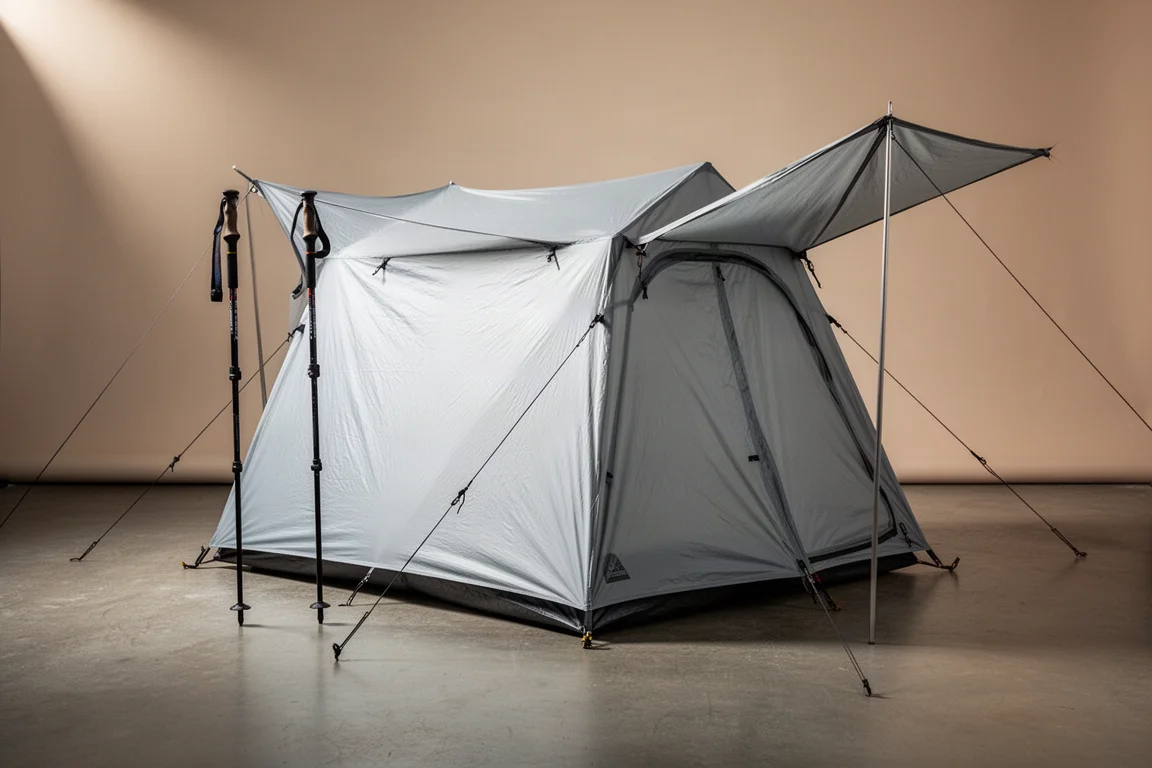
The X-Dome 2 builds on the X-Dome 1 Plus, a tent known for versatile pitching and quick setup. The two-person version keeps the same pole architecture, with thicker poles across the top and thinner poles running down to the corners, and it is freestanding, which makes it easier to reposition on ground where stakes are hard to set.
Interior space is the headline. With one rectangular regular-wide pad inside, there was clear room at both the head and foot ends, plus enough leftover space for clothing and small items. A long pad would eat into that margin quickly. Two 25-inch wide pads nearly fill the full width, though the rhombus-shaped floor leaves usable space in the corners. Storage is handled by large ceiling pockets at each end and smaller pockets in the corners.
Wind performance is where the design shows its limits. In estimated 50 km/h winds, with all eight stakeout points and all eight guyline points in use and trekking poles bracing both sides, the tent was taken down because it did not look likely to survive the conditions. The weak point is the large side panels at the head and foot, which cannot be reinforced with trekking poles, so pressure on those panels transfers straight into the poles. As with most freestanding tents, the poles are what fail first.
That is a fair trade-off for a three-season tent in the class of the Hubba Hubba and the Copper Spur. Against those tents, the X-Dome 2 stands out for ease of use, stormworthiness in moderate conditions, weight, and interior space. The main wish is simply that it were a little larger, though more volume would mean more weight and more sail area in wind.
Sea to Summit Ether Light XR: Warmer and More Durable
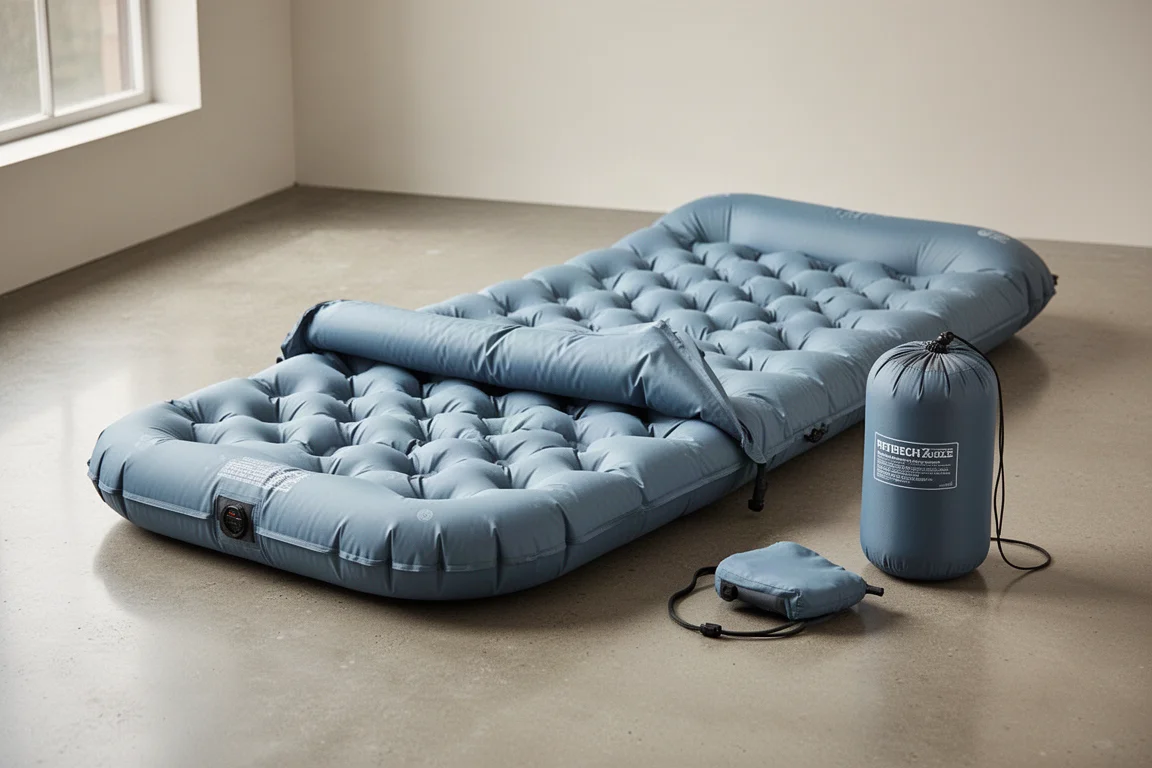
The Ether Light XR updates the Ether Light XT, a pad that set a high bar for comfort. The claim is that the XR keeps that comfort while running warmer and lasting longer.
Two changes support the durability side. The weld points are now oval rather than circular, which increases the bonded surface area at the points most likely to fail, and the TPU layer inside the pad is thicker. Since the TPU is what holds the air, a thicker layer should mean fewer punctures and leaks over time.
Warmth is the clearer improvement so far. The pad carries an R-value of 4.1, up from the XT, which is still modest next to some pads in this category. On a night that fell to just above freezing, with only a t-shirt and boxers, there was no sense of cold coming through the pad. That is a meaningful result for a pad this thick, because a large air volume usually gives warmth more surface area to escape from.
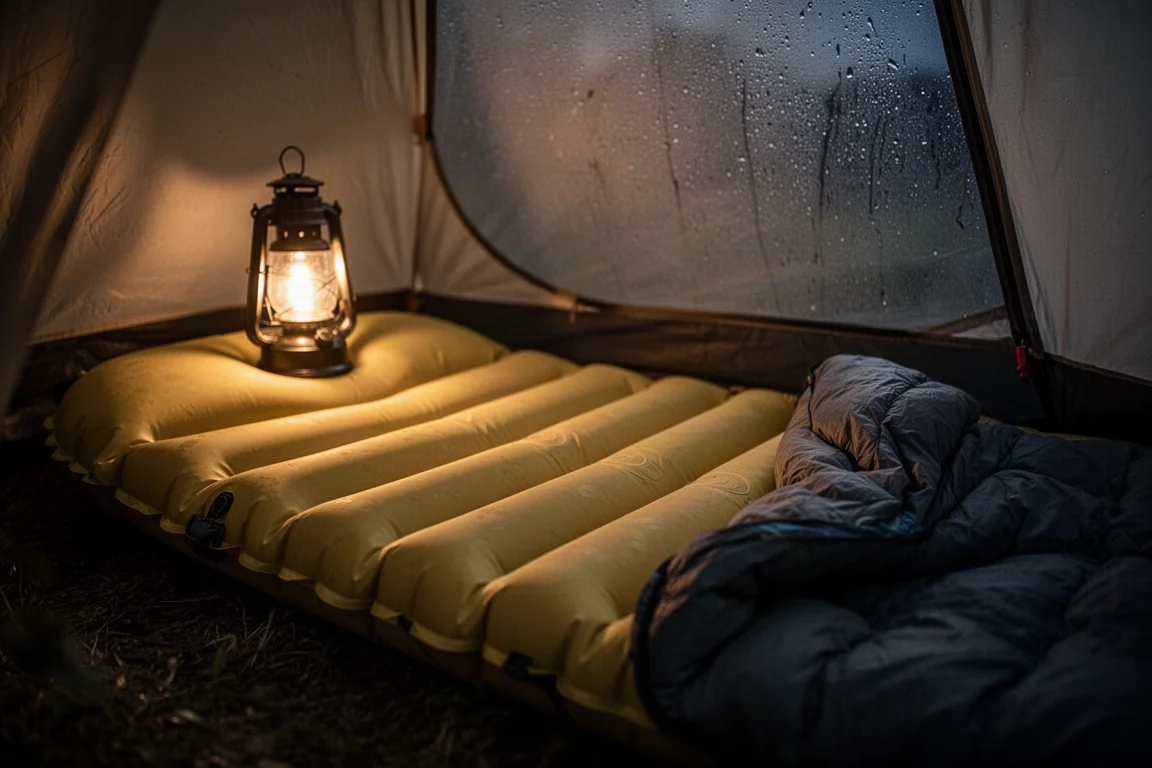
Comfort was more mixed on this first outing. The pad was slept on at roughly 75 percent inflation and felt comfortable, but not quite as comfortable as the Ether Light XT, with some arm numbness and more position shifting than expected. Whether that comes down to stiffer materials, a change in the height of the raised cells, or simply one restless night is not yet clear. More nights on the pad will settle the question.
Atom Packs Prospector: Light and Feature-Rich, With a Weight Ceiling
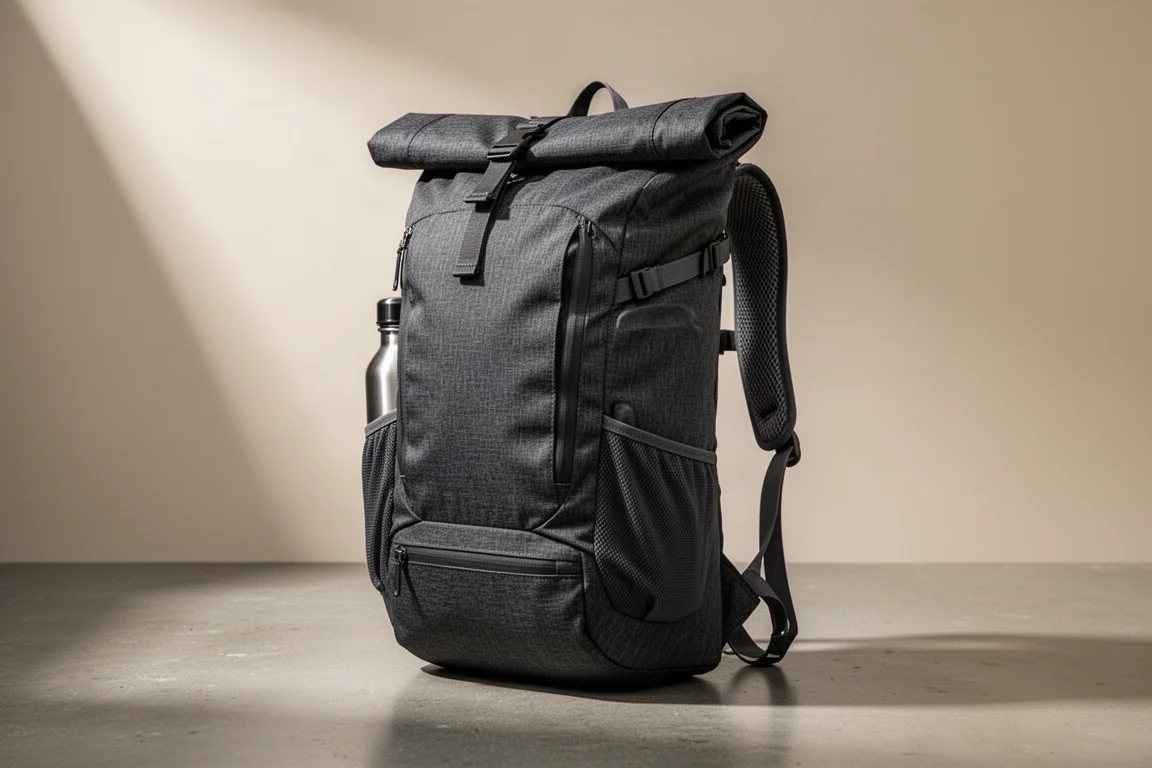
The Prospector makes three promises: lightweight, fully featured, and a load hauler. The first two hold up well. The pack weighs under a kilogram and still includes easy-to-reach side pockets for water bottles, shoulder strap pockets, and a bottom pocket, so items can be grabbed without stopping. Access is one of its strongest qualities.
The load-hauler claim is where it falls short. With 35 lbs on board, the pack carried reasonably well once every strap was reset from scratch in order: hip belt first, then shoulder straps, load lifters, and chest strap. Even so, the hip belt is not especially stiff, and the frame does not drive weight down into the hips the way a heavier load-hauler frame does. The practical ceiling looks like about 35 lbs. Carrying 40 to 45 lbs comfortably is not realistic.
Fit plays a part. The pack used here ran slightly small, with the load lifters sitting lower above the shoulder than ideal, and because the torso length is not adjustable, a size up would have been too large. That is a normal trade-off with fixed-torso ultralight packs, and a good reason to measure carefully before ordering.
Compared with the Kakwa 55, a similar pack that also carries well, the Kakwa handles heavier loads more comfortably, managing 40 to 45 lbs where the Prospector tops out around 35 lbs. The Prospector counters with a better pocket layout and easier access to gear, and its side pockets are more useful than the zippered side pocket on the Kakwa. So the Prospector lands two for three on its claims, and for most hikers the 35 lb ceiling will never come into play.
Rock Front Quilt System: Draft-Free Quilt Sleeping
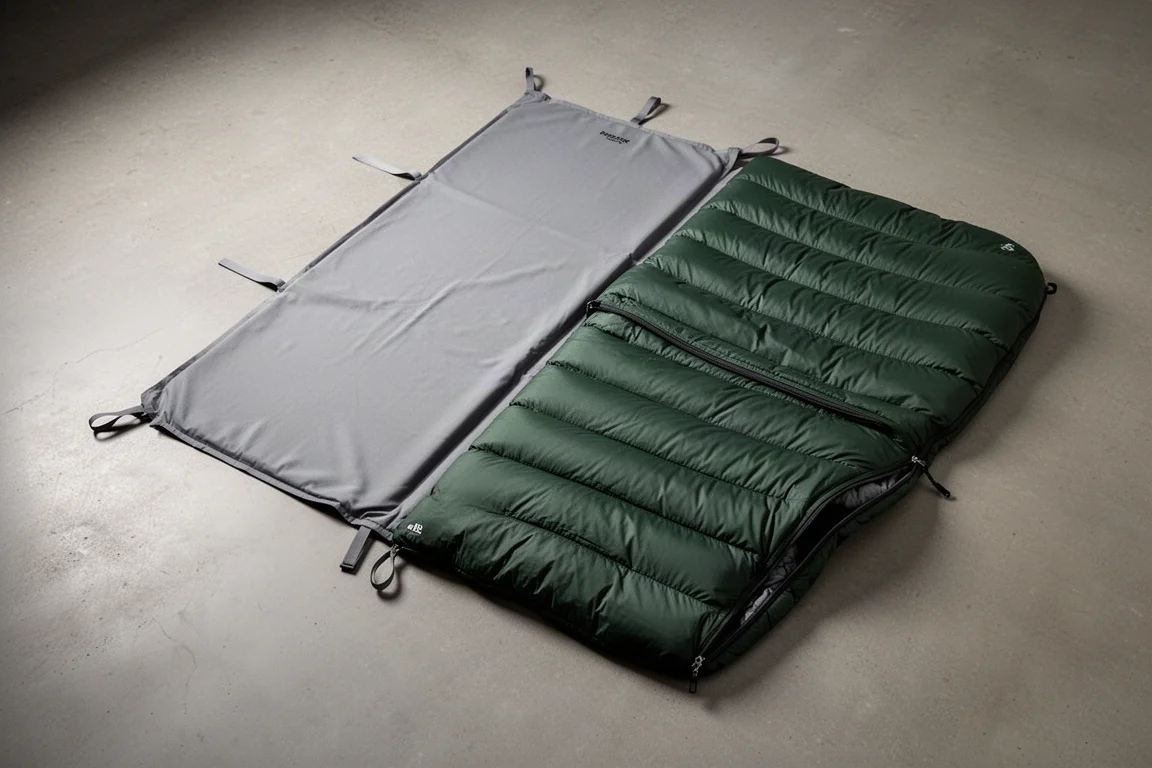
The Rock Front system takes a different approach to quilt sleeping. A thin sheet attaches to the sleeping pad, and the quilt zips onto that sheet. Because the zipper runs the full length from head to foot, the quilt stays locked onto the pad instead of attaching only around the torso, which is how it is designed to eliminate drafts. A small draft tube over the zipper adds another layer of protection, and a pillow sleeve at the head end holds a pillow that does not have its own pad straps.
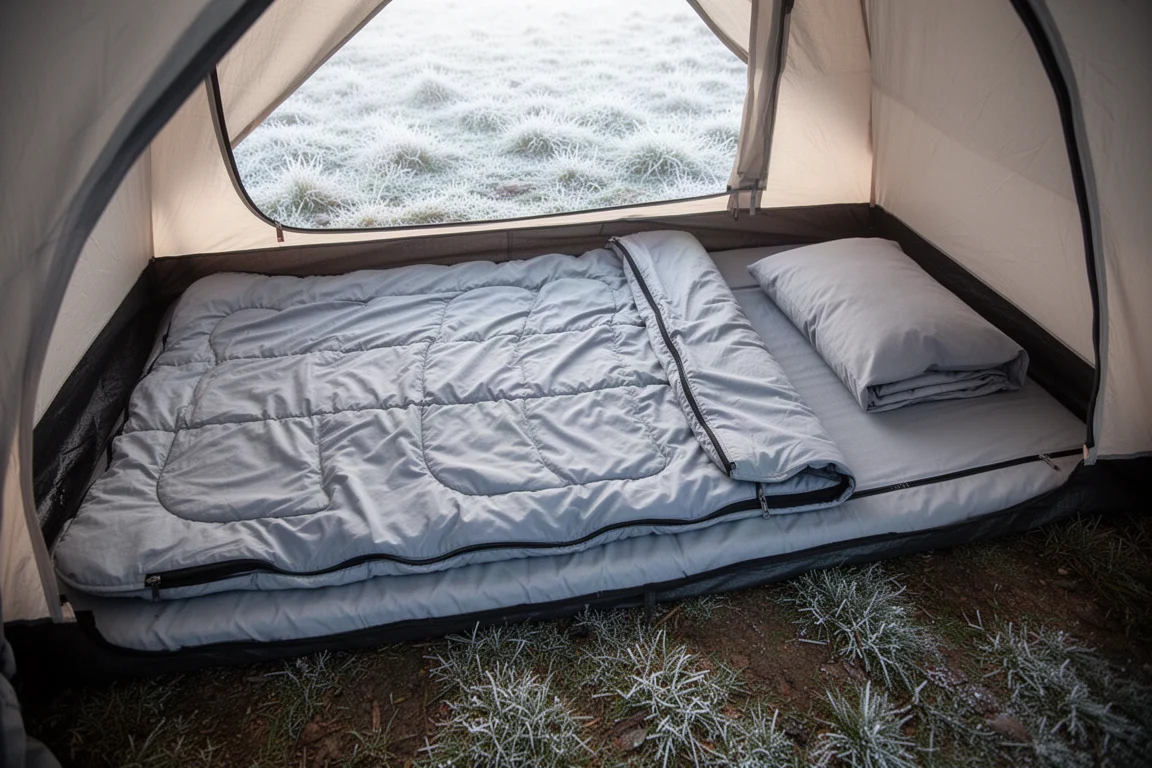
On a cold night, the draft protection held up. Lifting the quilt and checking along the zipper and around the edges turned up no cold spots. Movement was just as convincing: there is enough room under the quilt to roll over freely without tangling, and sleeping on the stomach, which is often awkward under a quilt, was straightforward.
Because the attachment runs the entire length of the system, it behaves differently from quilt systems that connect only near the torso. For anyone who moves around a lot at night and ends up fighting a traditional quilt, this design keeps the insulation where it belongs. It is also lighter and less expensive than the comparable Zen Bivy system, which makes it a genuinely appealing alternative for anyone weighing the two.
Matching the Gear to Your Trip
Not every piece here suits every trip. For exposed alpine routes or shoulder-season nights where wind is the main risk, the X-Dome 2 is a sound three-season shelter but not an extreme-conditions tent, so expect to choose pitches with some natural protection. If you sleep cold, the Ether Light XR’s warmth at an R-value of 4.1 is the reason to look at it, though a pad this thick rewards a little experimentation with inflation pressure. For loads up to roughly 35 lbs, the Prospector is a strong ultralight option with excellent pocket access; heavier carries point toward a pack with a stiffer frame and hip belt. And if you have never felt settled under a traditional quilt, the Rock Front system addresses the draft problem directly rather than asking you to adapt to it.
Buying Advice Before You Commit
The most useful thing you can do is describe your real trip honestly before you buy. A desert trip with several litres of water is a different pack test than a light summer weekend, and the difference between 35 lbs and 45 lbs is the difference between the Prospector feeling comfortable and feeling overloaded. Be realistic about your total load, including water and food, and pick the pack that matches the heaviest day you actually expect.
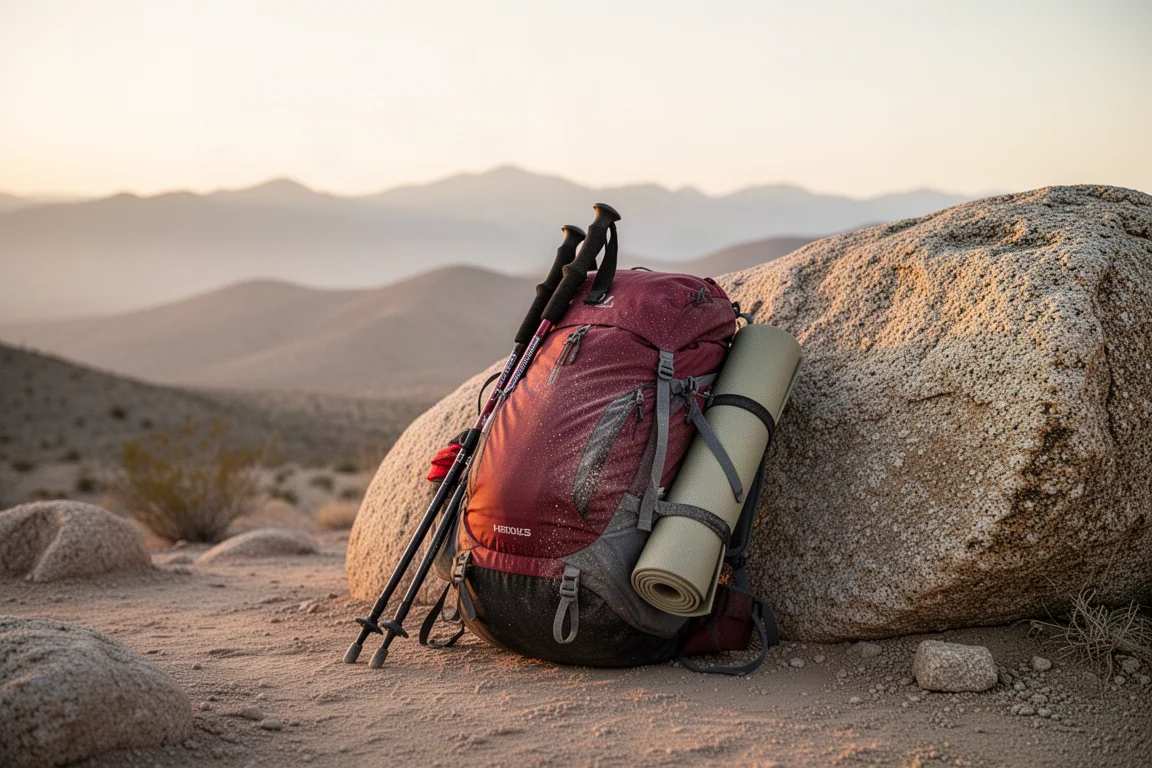
For shelter, match stormworthiness to exposure rather than to worst-case imagination. A three-season freestanding tent like the X-Dome 2 covers the majority of trips, provided you are willing to pitch with some protection when the wind is forecast to build. For sleep, decide whether warmth or surface comfort matters more to you, and give a new pad more than one night before you judge it, since a single restless night is not much evidence either way. With quilts, the attachment style matters more than the temperature rating for anyone who moves a lot in their sleep.
Conclusion
What stands out across these four pieces is how little compromise is left between comfort at camp and comfort on the trail. The X-Dome 2 delivers genuine two-person space in a three-season package with sensible limits. The Ether Light XR runs warmer than the pad it replaces and has been reinforced where that pad failed. The Prospector is light, beautifully organised, and honest about how much weight it wants to carry. The Rock Front system removes the draft problem that keeps many hikers away from quilts entirely. Match each one to the trips you actually take, and the nights out get noticeably better.
Further reading
Related Reviews

Backpacking Gear
Building a 10 lb Base Weight: An Ultralight Backpacking Gear List
A practical walkthrough of the ultralight pieces behind a 10 lb base weight, from a 765 g pack and a roomy one-person tent to a full camp chair and a dependable water filter.
Backpacking Gear
A 15-Pound Lightweight Backpacking Gear List for Solo Trips
A beginner-friendly 15-pound backpacking setup built from easy-to-find gear, with notes on what each piece does, how it packs, and where to spend your attention.
Backpacking Gear
8 Ultralight Backpacking Gear Upgrades Worth Carrying
Eight small, affordable backpacking upgrades that solve real trail annoyances, from a pillow that stays put to a fuel valve that rescues leftover canister gas.