Camping Tents
Best Coleman Tents With a Hinged Door: Four Family Tents Compared
A practical look at Coleman's patented hinged tent door and four family tents that use it, from a budget eight-person model to a ten-person cabin tent.
Introduction
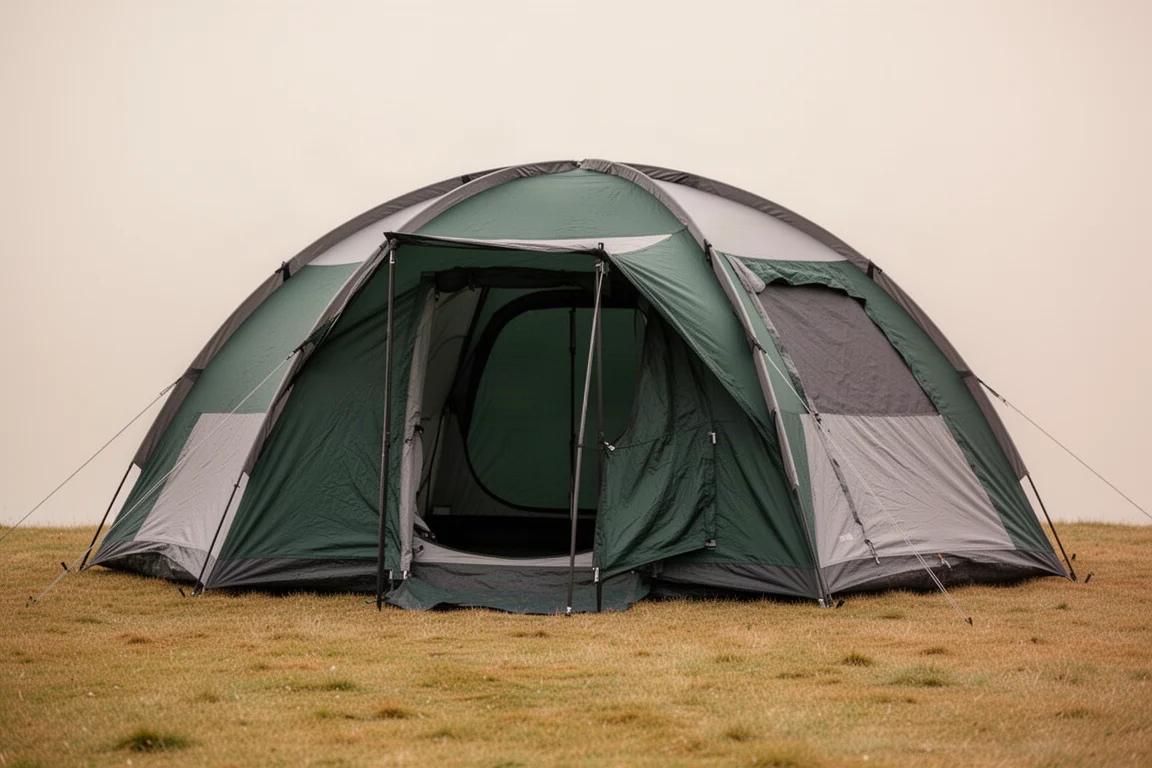
Coleman fits a hinged door to only some of its tents, and once you have camped with one, a standard zippered entrance starts to feel like work. The design is patented by Coleman, and it behaves much like a door at home: you grab the handle, pull it open, step through, and it settles closed behind you. Getting in and out takes about five seconds, while unzipping and rezipping a conventional door can take fifteen seconds or more, particularly when the storm flap catches the zipper teeth.
This guide covers what the hinged door actually changes, how the two support poles go together, and the four Coleman tents that use it, ordered from fourth place to first.
What a Hinged Door Changes
The difference shows up every time you enter the tent. A hinged door has a handle to pull and closes automatically behind you. A zippered door asks you to work the zip open, step through, and close it again, which runs to around fifteen seconds or more depending on how snaggy the zipper is. Because most Coleman tents cover their zips with a storm or rain flap to prevent leaking, that flap is a common source of snags.
You can always roll a zippered door fabric up and latch it to the side, but that leaves the opening uncovered, which cuts into privacy and lets a whole lot of bugs inside. A hinged door keeps the panel in place while still giving you a clear entry.
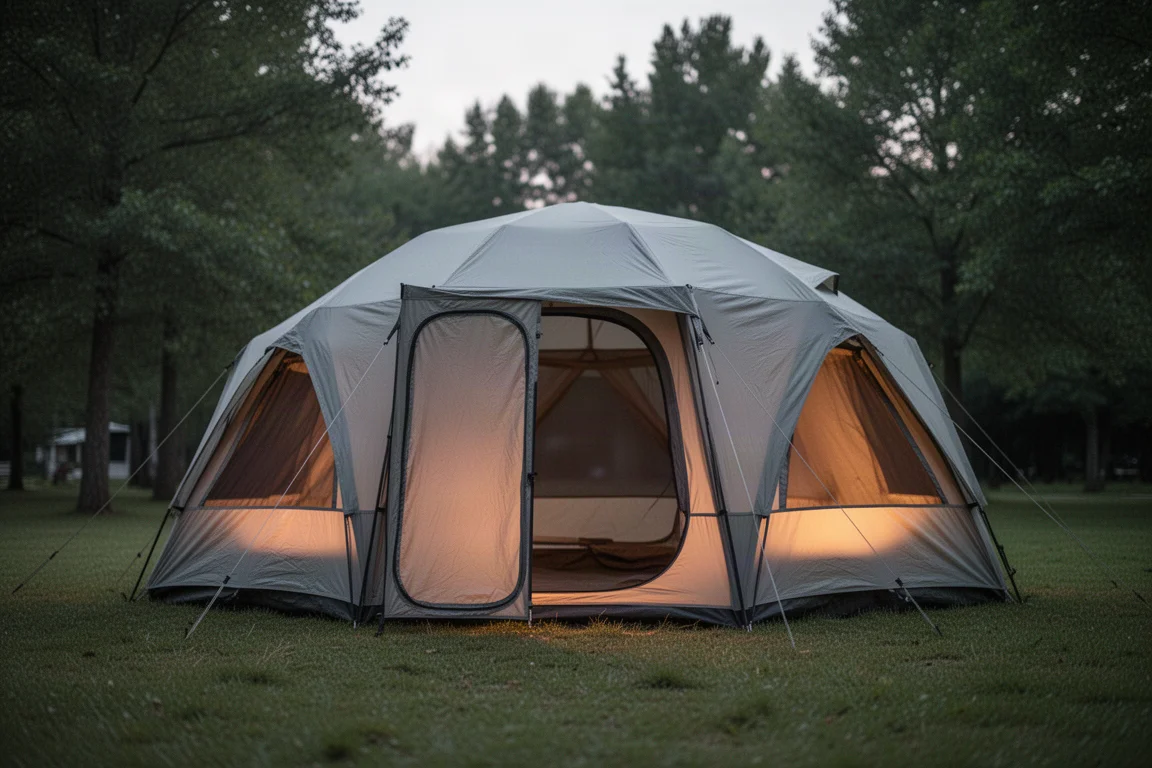
There is also a row of Velcro tabs along the door that hold it shut when it is not in use. At night you can zip the hinged door closed with the fiberglass poles still fitted, so there is no need to strip the door down before sleeping.
Setting Up a Hinged Door
A hinged door arrives with two extra fiberglass poles, each finished with a black tip at both ends. The shorter pole supports the straight side of the door: push it through the pole sleeve until it pops out at the far end and seats in the rubber gasket, bend it slightly, then set the other end into the top gasket before zipping the sleeve closed.
The longer pole handles the curved side. Feed one end through the sleeve beside the zipper and seat it in the top rubber gasket, curve the pole gently, then fix the other end into the bottom gasket. After that, ease the whole pole into the sleeve and close the zip slowly.
Setup runs to about ninety seconds on your own, and closer to a minute if someone helps. The poles are thin, so bend them gently, especially the longer curved pole. After roughly a dozen campouts one curved pole developed a small crack that a strip of duct tape repaired, and the black end tips can work loose and lodge inside the rubber gasket without affecting how the door works. If a pole ever snaps clean in two, an inexpensive pole repair splint is a simple fix.
One trade-off is size. Hinged doors measure roughly 47 inches by 29 inches, because a larger panel would put more tension on the thin fiberglass frame. A standard door can be much bigger: the door on a four-person Skydome measures about four feet by 39 inches.
Fourth Place: Coleman Elite Sundome 6-Person Tent
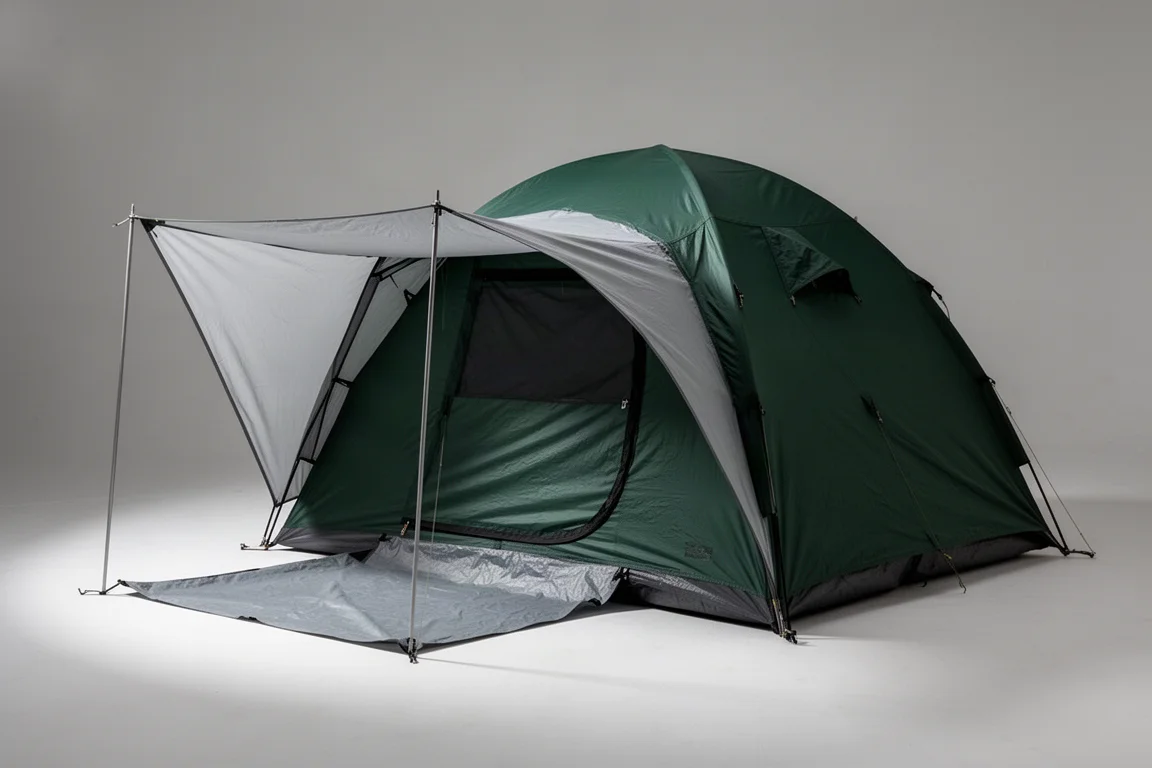
The Elite Sundome is the most feature-rich option in this group, and the gap from a standard Sundome is wide. Instead of one door it has two, which gives the tent cross ventilation, and one of them is the hinged door.
It is also two feet longer than the standard Sundome, adding around 17.5 square feet of floor area. Seven regular sleeping pads fit inside with room to spare, although the remaining floor space is not long enough for an eighth. A single room divider hangs in the middle, and each side of it takes three pads or one queen bed.
The windows use an auto-rolling design that rolls the fabric up as you unzip, so nothing droops and there are no window latches to fumble with. Lighting is pre-attached, and the tent comes with a lantern, a power pack, and a light switch beside the hinged door.
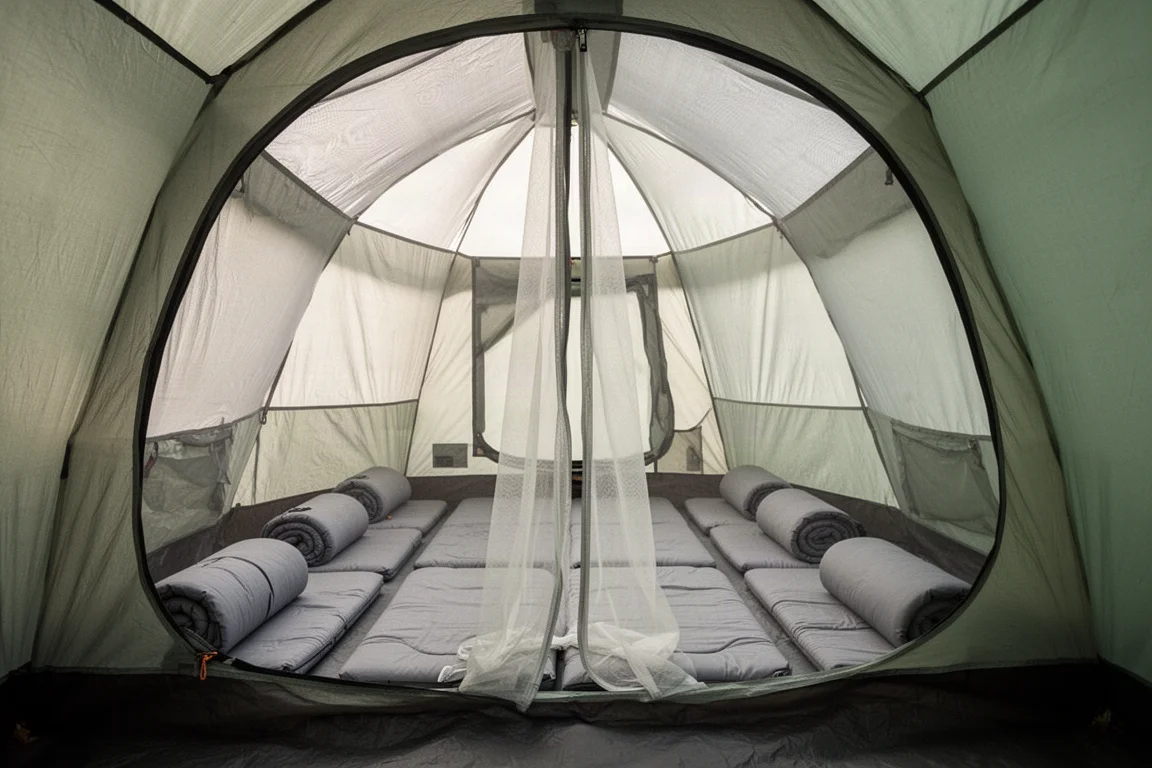
The catch is price. The Elite Sundome costs more than double a regular Sundome, which is what keeps it in fourth place here. The extra features are genuinely useful, but the value calculation is different from the tents below it.
Third Place: Coleman Montana 8-Person Tent
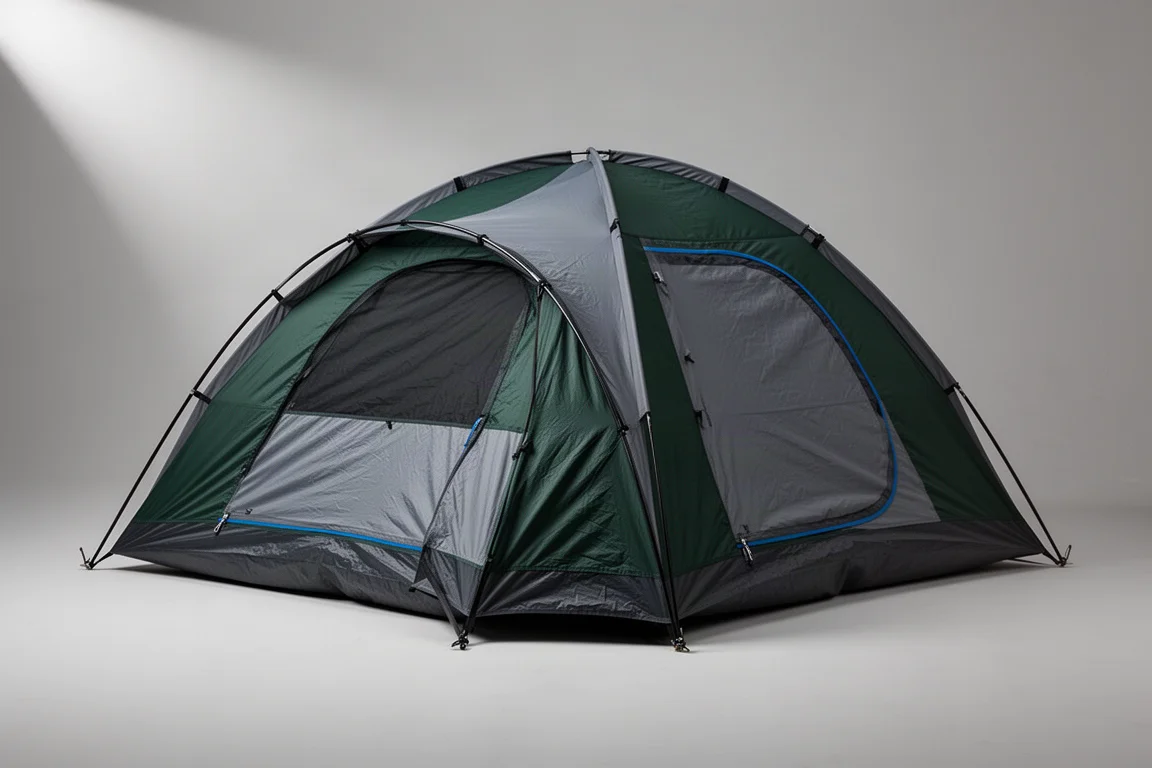
The Montana 8 is the budget pick and the least expensive tent in this comparison, well below the Elite Sundome. Its front door is hinged, and if that door matters to you, choose the eight-person version, since the six-person Montana does not appear to include it.
The standout extra is a porch measuring about 103 inches by 32 inches. It provides real shade in hot sun, and it is the only tent here with a porch at all.
Two limitations are worth knowing. The tent has a single door, positioned on the front length, which is unusual for a tent this size; every other tent on this list has two. Ventilation is also modest, with three windows spread across three walls and a fourth wall that is one solid block of fabric. Taking the rainfly off exposes a decent amount of ceiling mesh, which helps on still, warm nights.
At slightly over $100 and comfortably under $200, the Montana 8 is straightforward value. It is a simple family camping tent without premium materials or a long feature list, and it does that job well.
Second Place: Coleman 10-Person Instant Dark Room Tent
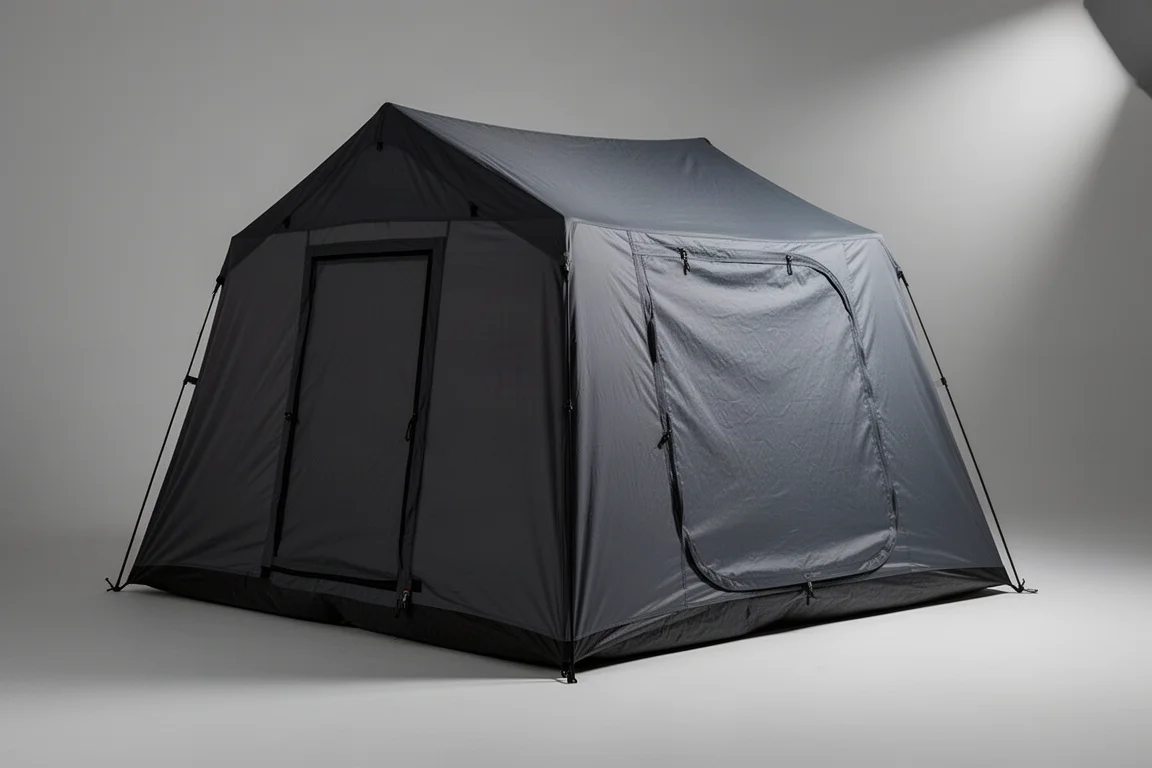
This is the tent to choose when heat is the main concern. The hinged door sits on the left width of the tent, and a regular zippered door on the right width provides a second entry. The hinged door appears to be limited to the ten-person version, since the smaller four, six, and eight-person versions do not include it.
The instant frame makes pitching quick. This tent went up solo in about sixteen minutes, which is between 30 and 90 percent less time than other tents of a similar size.
Dark room technology is the headline feature. The interior stays noticeably darker and cooler during the day, which makes daytime sleeping far more comfortable. In the morning you can open the doors and windows for airflow through the large mesh panels, and removing the rainfly opens up ventilation further.
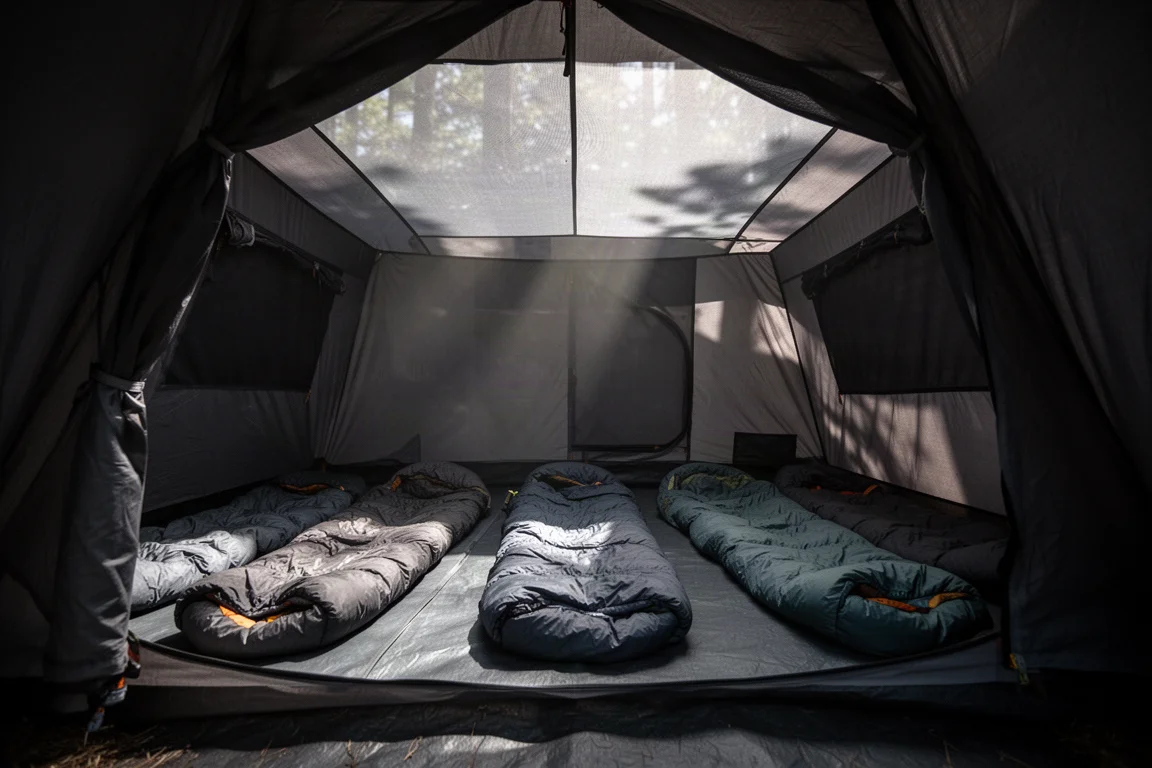
Materials sit a step above the usual Coleman build: 150D polyester fabric that is twice the thickness of regular Coleman tent fabric, paired with sturdy alloy steel poles.
Rain and wind are the weak points. The rainfly is small, so rain protection is limited, and the inverted seam between the flooring and the tent fabric is worth sealing. Ventilation while it rains is restricted too, because the tent has no vents and no windows that can be opened. For summer camping, the combination of a cooler interior and generous airflow is hard to beat.
First Place: Coleman WeatherMaster 10-Person Tent
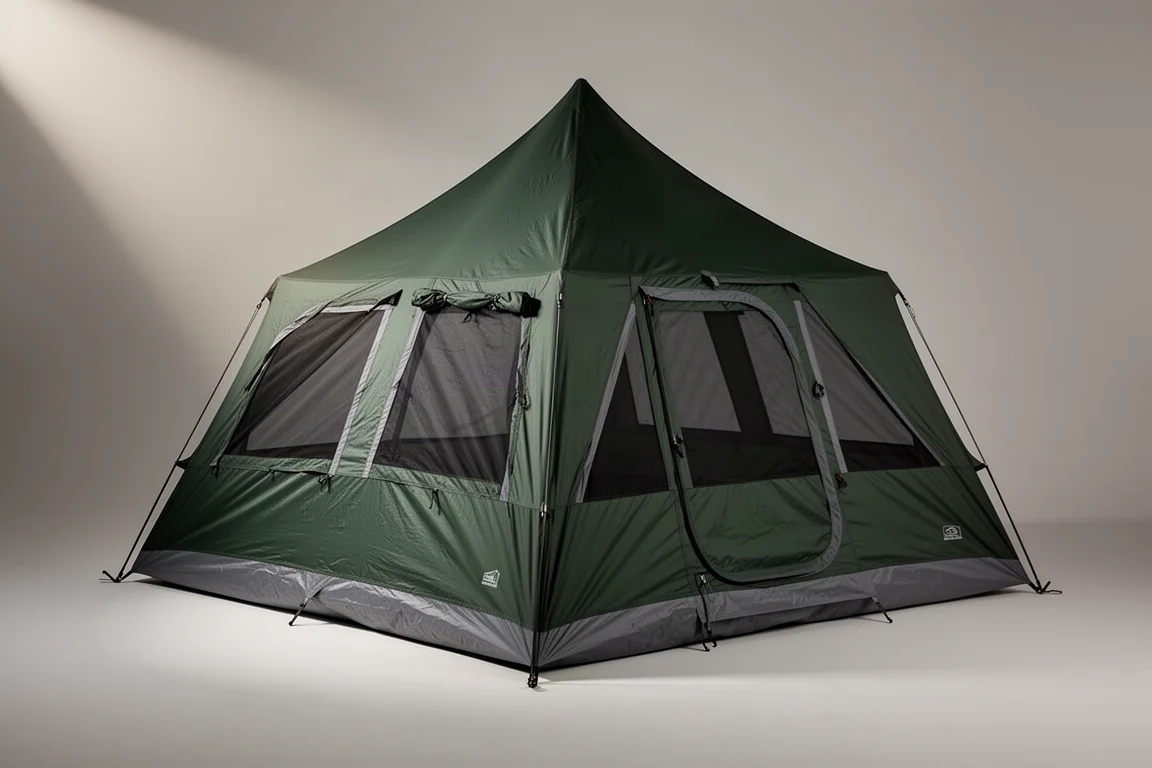
The WeatherMaster takes first place on space, headroom, and rainy-day ventilation. The hinged door is on the front length of the tent for easy access, while the rear door is a standard zippered door.
Its base area of 143.6 square feet is the largest here. Ten single sleeping pads or sleeping bags fit inside with a little room left over for gear near the door. Peak height comes in at 80.5 inches, six to seven inches more than the other tents on this list, which makes a visible difference when you stand up inside.
Two large angled windows can stay open in moderate to heavy rain, keeping air moving when the weather turns, and the poles are made from higher quality steel rather than the fiberglass used on most other Coleman tents.
The only real complaint is the carry bag, which is on the small side given how much there is to pack away. Even so, the WeatherMaster is not the most expensive tent here, and it has held up well across several years of use.
Buying Advice
Start with the conditions you actually camp in. If summer heat and daytime sleeping matter most, the 10-Person Instant Dark Room is the natural choice. If you want to spend as little as possible while still getting a hinged door, the Montana 8 delivers that for a modest price. If built-in lighting, two doors, and a room divider are worth paying extra for, the Elite Sundome 6 covers those needs. If maximum floor space and headroom top your list, the WeatherMaster 10 is the one to pick.
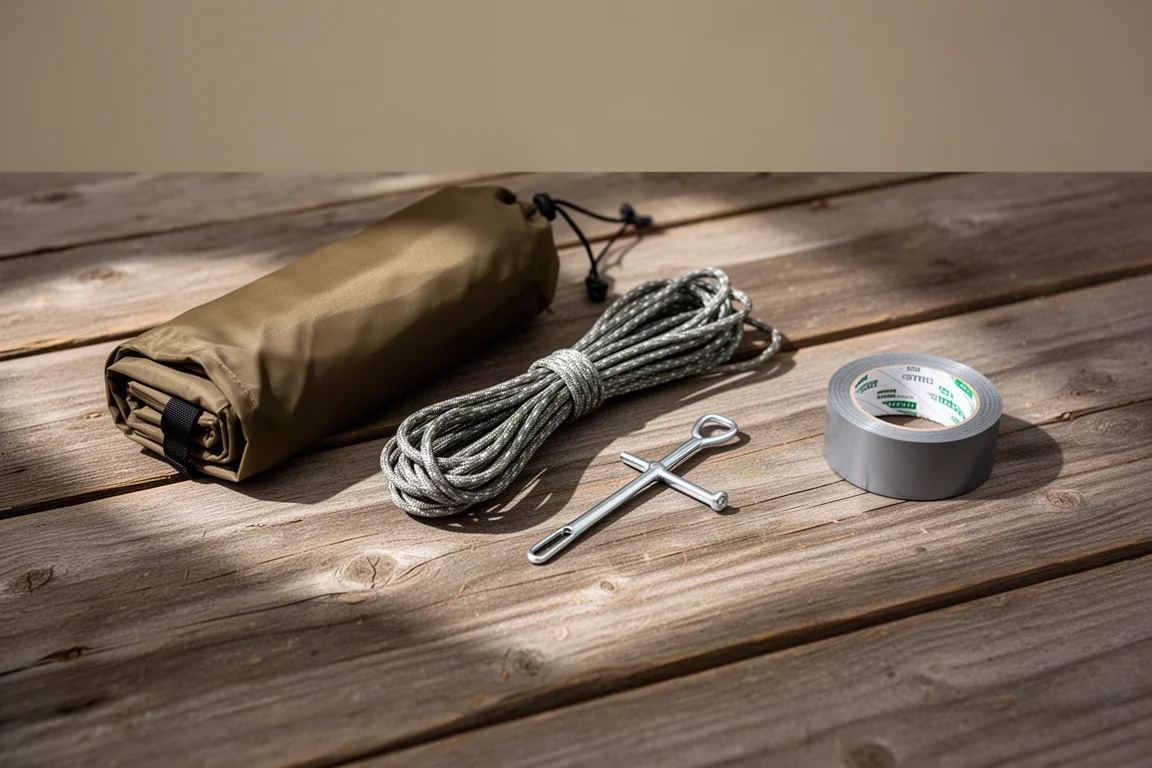
One detail to check before ordering is the size variant, because the hinged door is not offered across every size in these lines. It also pays to treat the door poles with care, bending them gently and storing them with the rest of the hardware. A small pole repair splint and a roll of duct tape take up almost no space in a pack and can rescue a trip if a pole cracks.
Conclusion
A hinged door is a small feature that changes the daily rhythm of camping: no zipper to fight, no juggling gear at the entrance, and a door that closes itself behind you. All four tents here use it well, and the right pick comes down to weather, space, and budget rather than any single specification. Any of them will make a family camping trip easier to manage.
Further reading
Related Reviews
Camping Tents
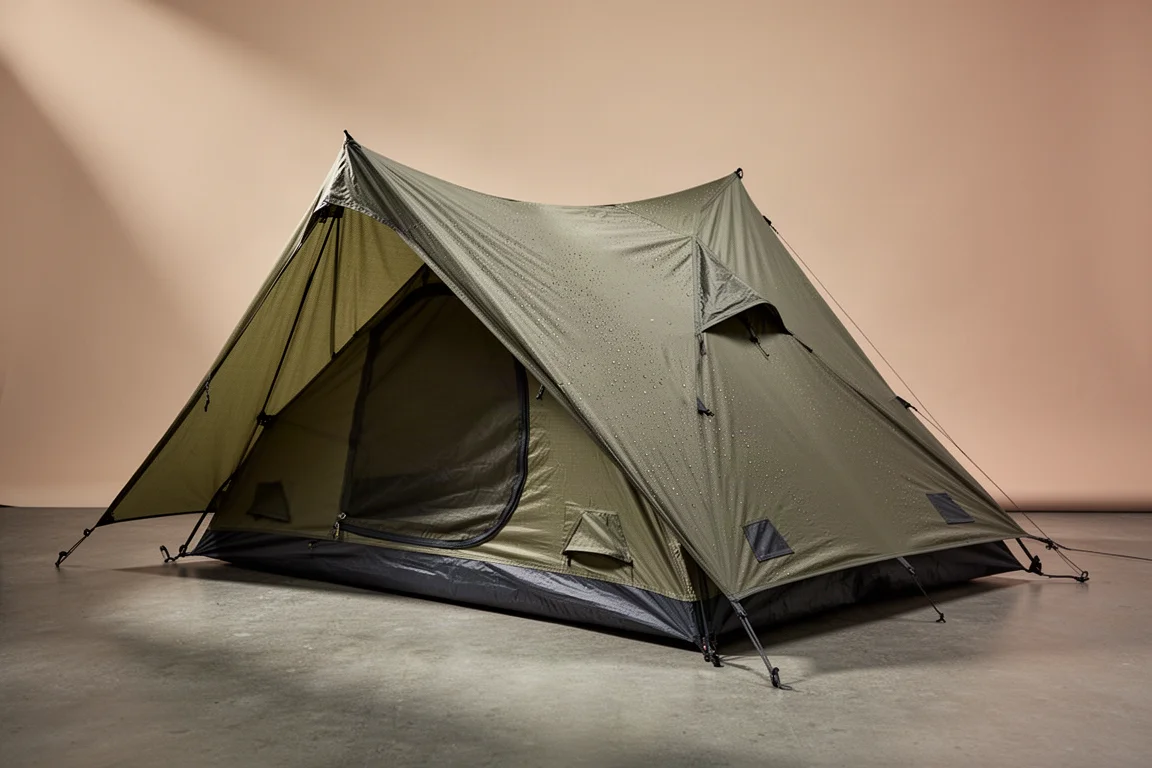
3F UL Gear Taiji Two-Person Tent Review: Field Waterproofing Results and Buying Advice
The Taiji pairs an attached fly with a removable inner, but sustained rain exposed untaped vent seams that need sealing before this shelter can be trusted.
Camping Tents
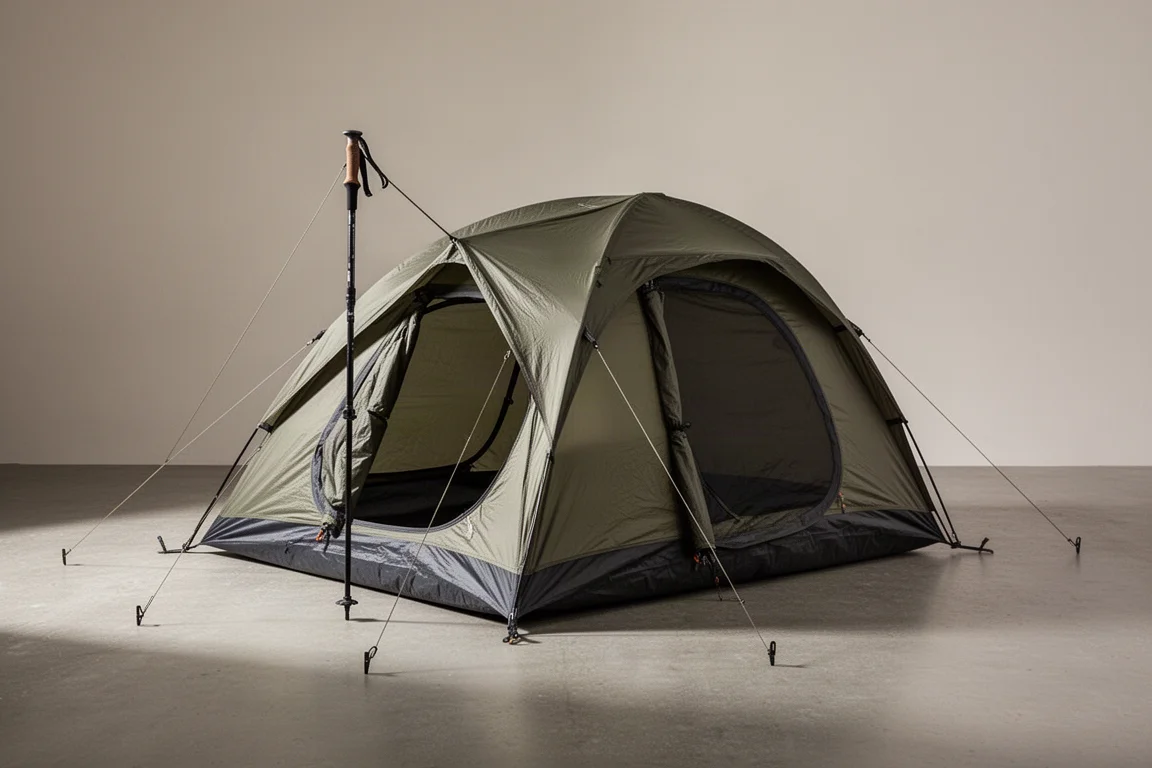
3FUL Gear Lanshan 2 Pro 4-Season Review: A Sub-$200 Single-Wall Trekking Pole Tent
An early look at the 3FUL Gear Lanshan 2 Pro 4-Season, covering its straightforward pitch, generous interior space, and the condensation and seam-sealing questions that come with any single-wall shelter.
Camping Tents
Alps Mountaineering Lynx 1-Person Tent Review: Big Value in a Small Budget Tent
A close look at the Alps Mountaineering Lynx 1-Person Tent, covering real interior dimensions, materials, setup time, ventilation limits, and who should buy it.