Backpacking Gear
Best Cold-Weather Backpacking Gear: Six Pieces Built for Wind and Alpine Conditions
Six pieces of cold-weather backpacking gear assessed in exposed alpine wind, from a four-season shelter and two sleeping systems to two all-in-one stoves and a satellite communicator.
Introduction
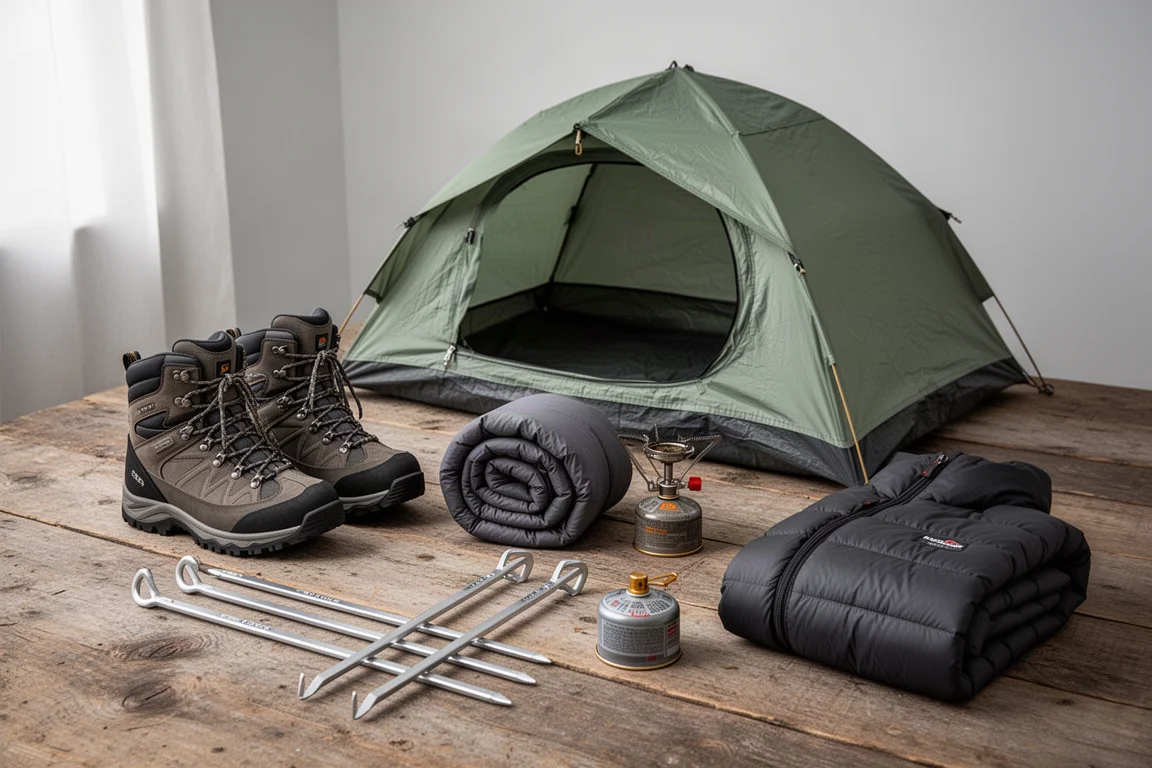
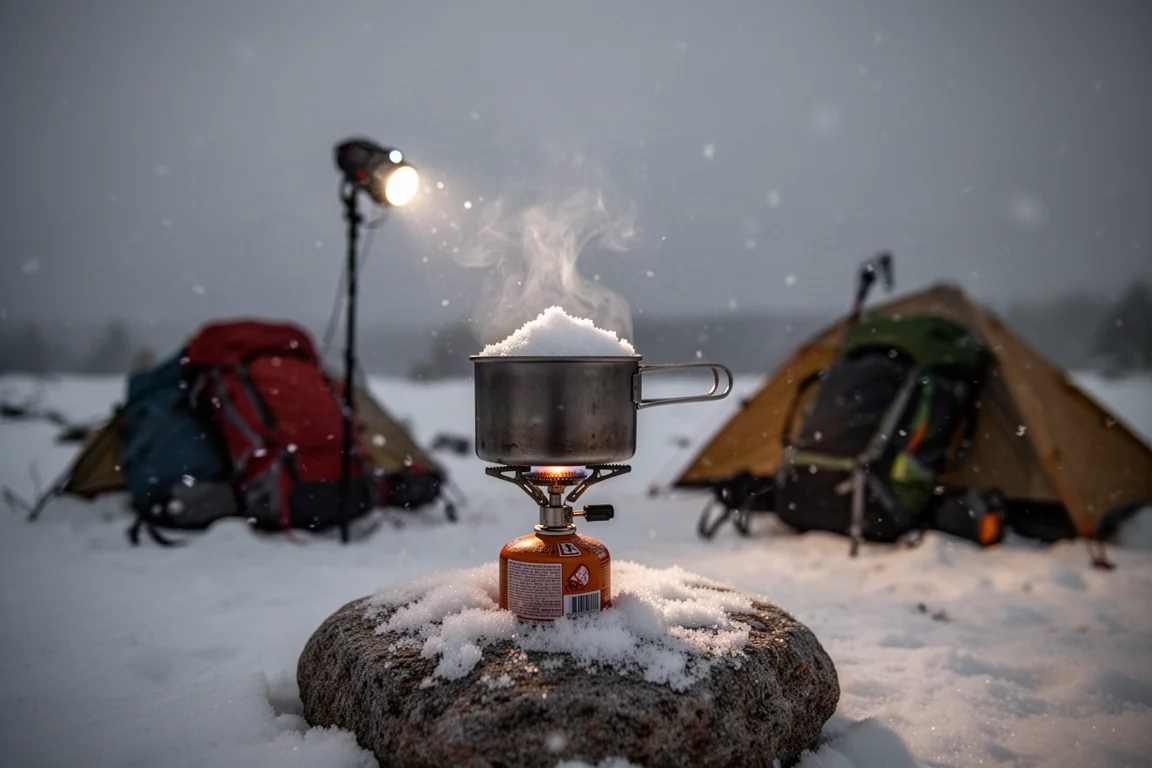
Some gear only reveals what it can do when the weather turns. This roundup covers six pieces chosen for cold, exposed and windy backpacking: the Tarptent Arc Dome shelter, the Therm-a-Rest NeoLoft sleeping pad, the Therm-a-Rest Boost 650 sleeping bag, the MSR Switch and MSR WindBurner stove systems, and the Garmin inReach Messenger Plus satellite communicator. They were taken up into an exposed alpine plateau in the Canadian Rockies, where wind gusted hard enough to stress every guy line and overnight temperatures dipped just below freezing.
That combination matters, because most of these products are designed for exactly those conditions rather than for a calm summer weekend.
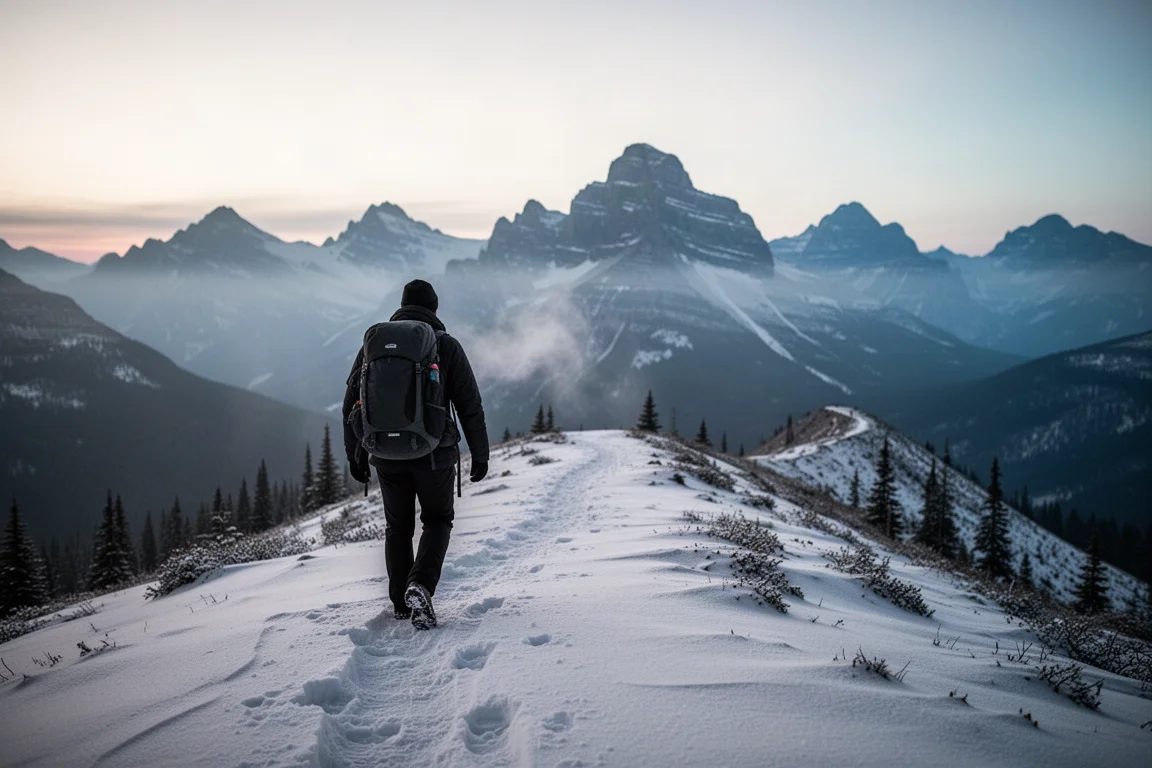
Not every piece earned an easy recommendation. One stove came up well short against a rival in a side-by-side boil test, one shelter lost a component overnight, and one communicator asks a meaningful premium for features only some hikers will value. The notes below explain what worked, what did not, and who each item genuinely suits.
What Cold and Windy Conditions Demand From Gear
Wind stability comes first. A shelter that shrugs off gusts needs a stiff pole structure, plenty of guy-out points, and a fly that sits low enough that wind cannot push underneath it.
Comfort in the cold comes next. A thicker pad with a usable R-value and a bag with adjustable ventilation both help, as long as the weight penalty stays reasonable for the trip you have planned.
Setup in bad weather deserves more attention than it usually gets. Cold hands and bulky gloves turn a fiddly sleeve or a narrow pole entry into a genuine frustration.
Finally, communication. Off-grid messaging is a safety tool, and the newest generation of satellite communicators adds richer message types on top of basic check-ins.
Tarptent Arc Dome: A Four-Season Shelter Built Around Two Crossing Poles
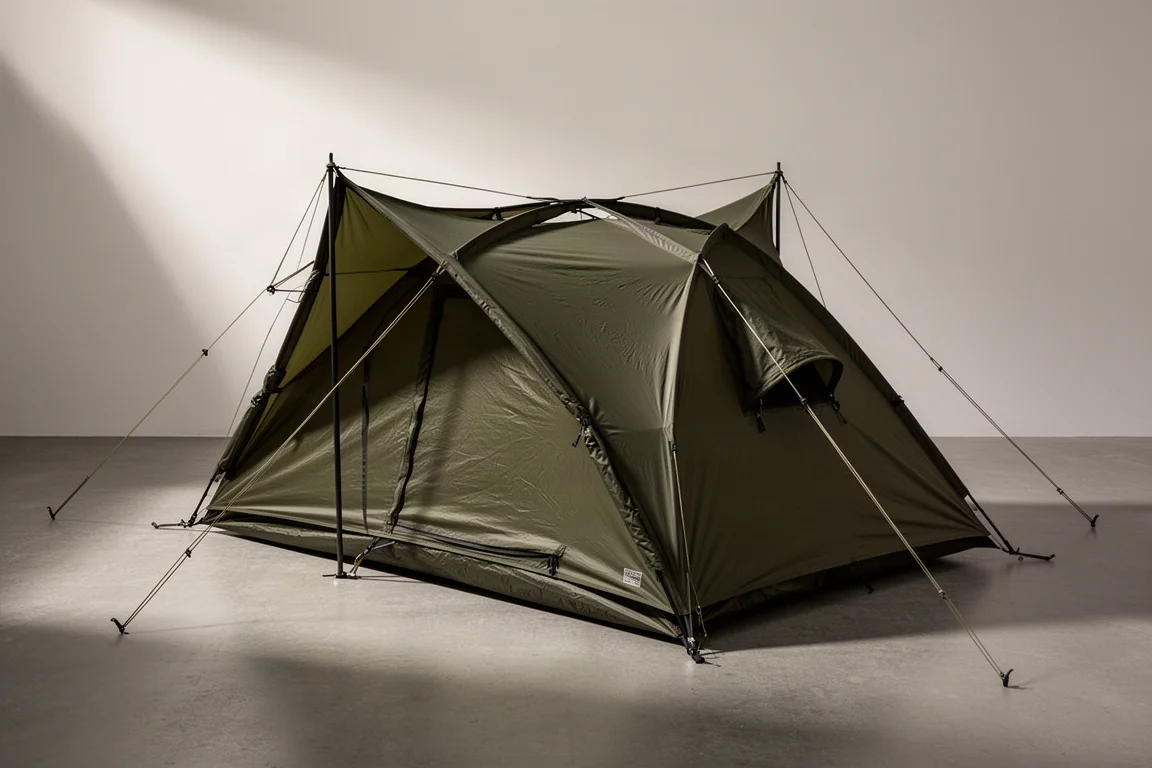
The Arc Dome takes its name from its pole structure. Two poles run corner to corner rather than following a conventional crossover layout. Setup begins by staking out all four corners to form a rectangle, then sliding the poles through full-length sleeves. Those sleeves are the source of the shelter’s structural rigidity, and they are also the least friendly part of the process: the pole has to be threaded through one sleeve, then fed across a gap of roughly four inches into the next, which often means leaning over the fabric. Tarptent has indicated that an arch connecting the two sleeves is in development so the pole can slide straight through in one motion.
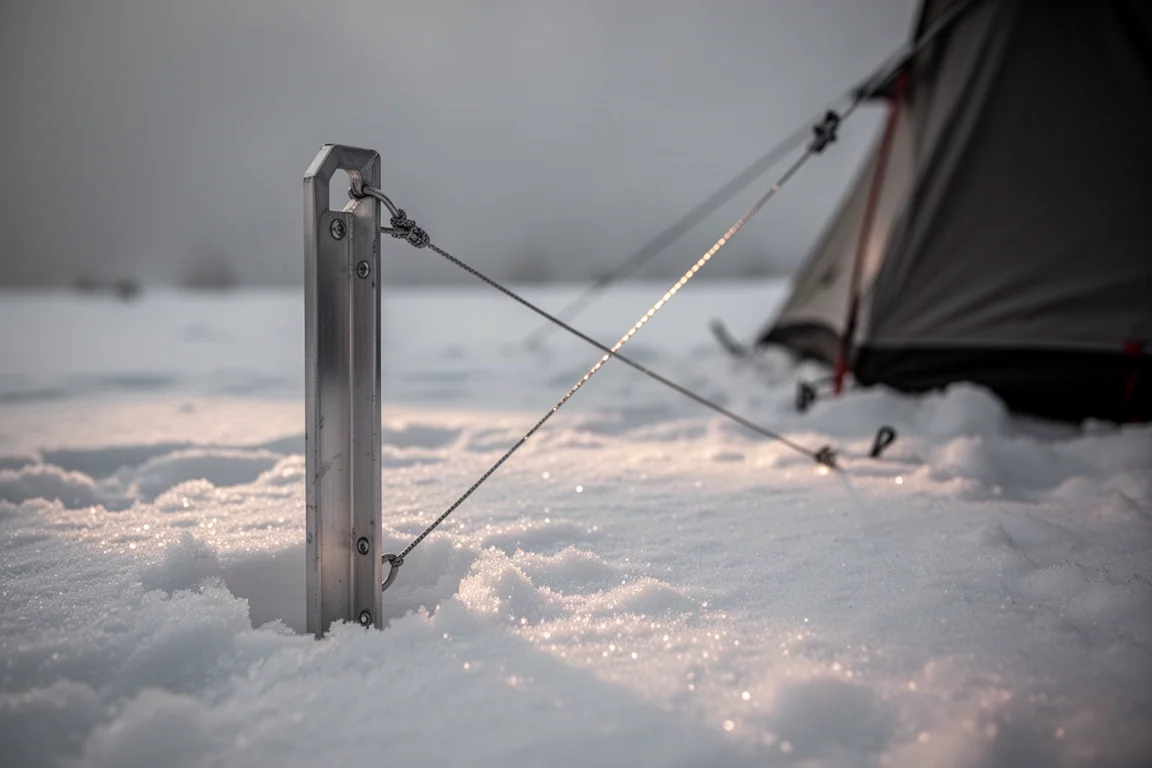
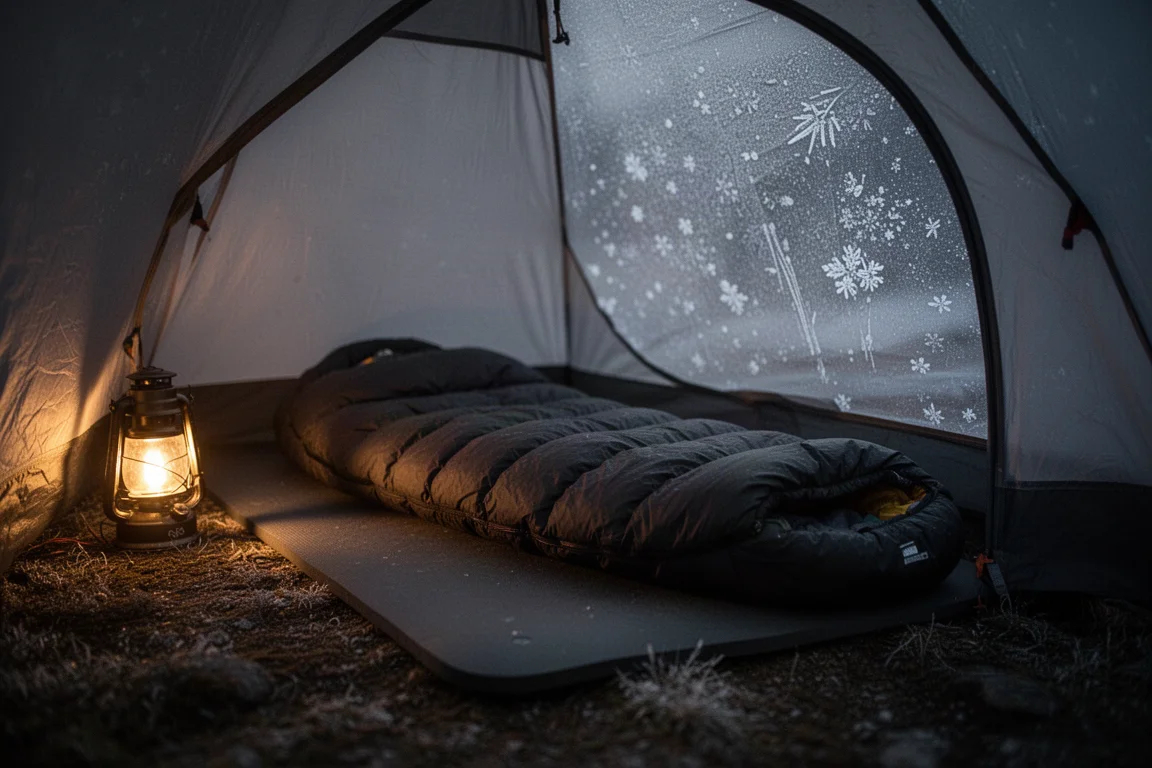
The payoff shows up in wind. With only four of the twelve available guy-out points deployed, the shelter held firm in extreme gusts, and with all twelve in use it should be close to bombproof. The fly sits low to the ground, which limits the wind that reaches underneath, and the canopy accepts a substantial load on top, enough that leaning most of a body weight onto it caused no trouble. That points to real snow-loading capability.
Smaller design decisions are unusually well considered. Two carbon fibre tubes prop open the two vents, one on each side, and they stayed quiet in strong wind. Tarptent is working on a way to tuck them away when they are not in use. The inner can be attached to the fly at a single point, which kept the inner from ballooning inward overnight. There are two large pockets at either end and two small ones overhead, which matters because two 25-inch wide pads fill most of the floor. The solid inner version was the right choice for a windy shoulder-season night, and a mesh inner is also offered.
Not everything is finished. The guy line lock hook on the largest panel failed in the early hours with an audible pop, while the hook on the smaller panel held. That hook sits tightly against its ring and the large panel carries more load, so the combination appears to have stretched before it snapped. The pole sleeve entry is also narrow, which is awkward with winter gloves, and colour coding on the corner attachment points would make assembly faster when the shelter is flapping. The one-way sleeve with a cup to catch the pole end is a nice piece of simplicity.
Therm-a-Rest NeoLoft: Thickness That Changes How a Pad Sleeps
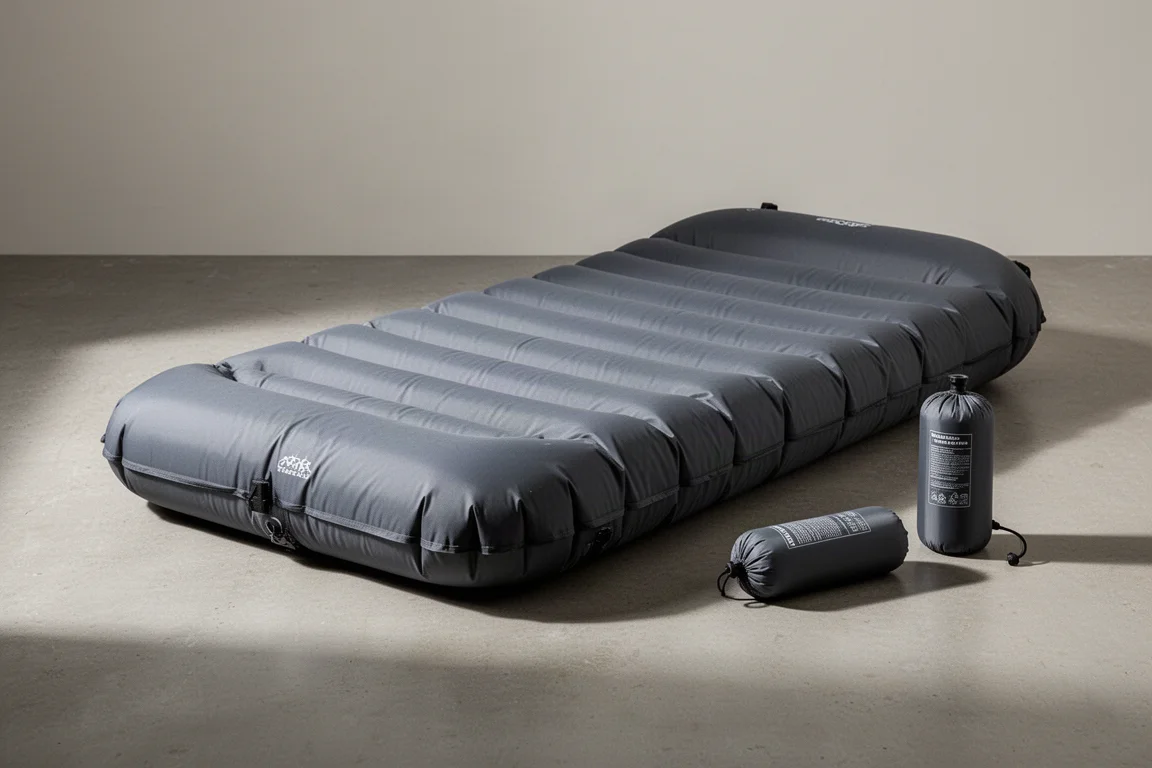
The NeoLoft is the thickest pad used on a backpacking trip here, at roughly 4.6 inches of loft and 26 inches of width, with a rated R-value of 4.7 and a weight of about 850 g. In physical terms it is close to a car-camping pad, and the weight reflects that.
Comfort is where it earns its place. Because the pad is so thick, it can be run at partial inflation, around 60 percent, which softens the surface without letting a sleeper bottom out. The fabric is stretchy enough to give slightly under a body, and the horizontal baffles, which are often uncomfortable on thinner pads, went unnoticed here.
The trade-off is warmth in practice. Deflating the pad reduces its effective insulation below the 4.7 rating, and on ground that dropped below freezing it stayed warm without feeling as toasty as a dedicated winter pad. Weight is the other consideration: 850 g is a lot to carry, so this is a pad for people who prioritise sleep quality over pack weight.
Garmin inReach Messenger Plus: Picture and Voice Messaging Beyond Coverage
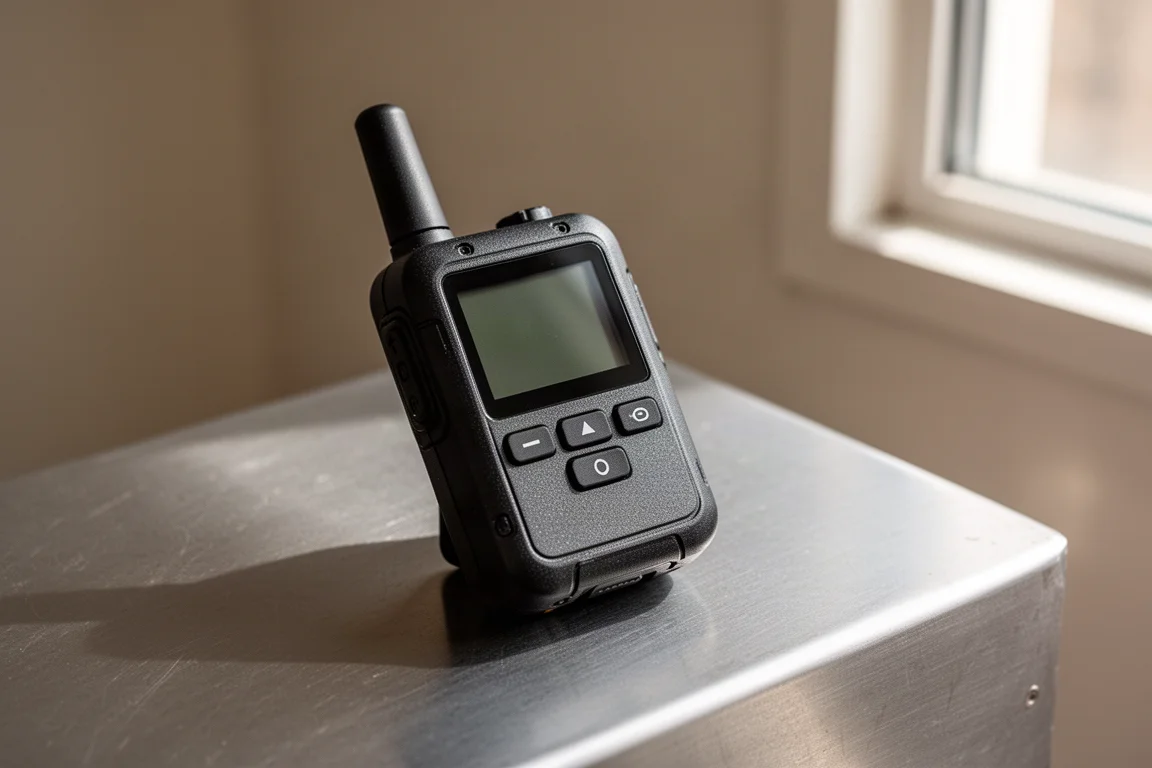
The Messenger Plus adds two capabilities to satellite messaging: photo messages and voice messages. Standard text messages arrive almost instantly, while photos took about five minutes to send and receive. Image quality is low by phone-camera standards, roughly half a megapixel to one megapixel, which is still enough when the picture is viewed on a phone screen.
The pricing structure is the important part. The device carries a premium of over $200 compared with the standard inReach Messenger, and subscription plans cost the same either way. For most hikers, richer message types will not justify that gap, since disconnecting is often the whole point of heading out. For anyone with family at home, particularly young children, being able to see a photo or exchange a voice message changes the calculation considerably.
MSR Switch: An Accessible All-in-One That Struggled in the Wind
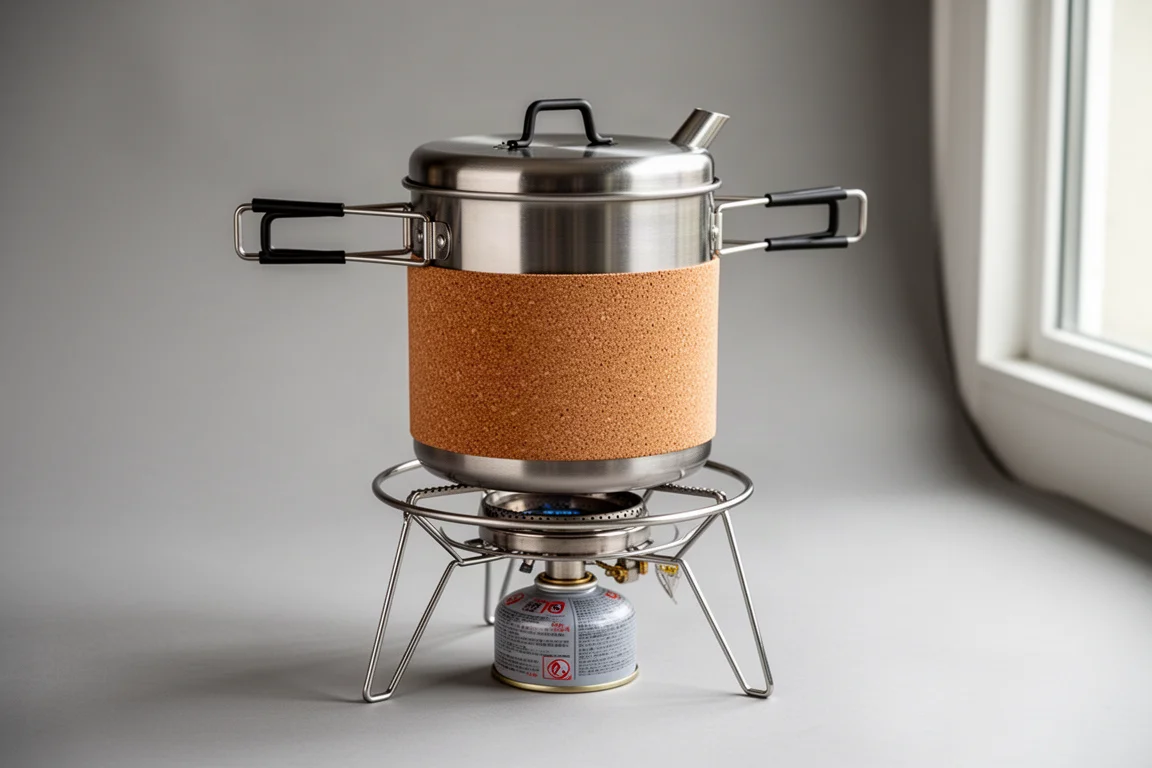
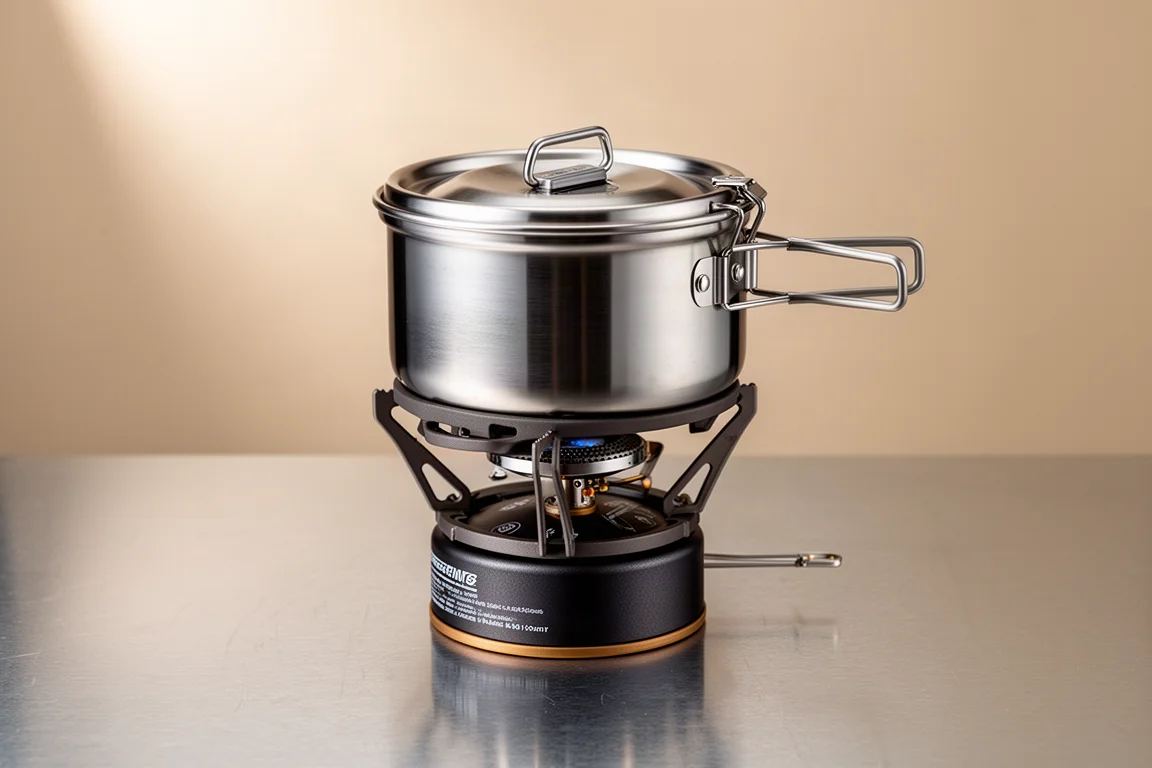
The Switch is MSR’s more accessible all-in-one stove system, positioned below the WindBurner at $130. Instead of a heat exchanger on the pot base, it uses a curved bottom intended to absorb more heat and pass it into the water, and it includes wind protection around the burner. The stove itself is essentially an upgraded Pocket Rocket 2, with a piezo igniter and a ring at the top for the pot to rest on.
In a side-by-side boil test against the WindBurner, with identical water volumes and gusts of roughly 10 to 15 km/h, the Switch took about 5 minutes 15 seconds while the WindBurner finished in roughly half that time. That is a poor result for a system with wind protection built in, and the combination of a high price, considerable weight and slow performance makes it hard to place in the market. It may suit someone who simply wants an all-in-one system from a familiar brand, but it does not stand out on merit.
MSR WindBurner: Still the Wind Benchmark
The WindBurner remains the stove to beat in moving air. In the same test conditions it boiled the same volume of water in roughly half the time the Switch needed, and wind performance has long been its defining trait. For trips where dinner happens in exposed places, that difference is practical rather than theoretical.
It is worth weighing the WindBurner against lighter canister stoves if pack weight is the priority, but for windy alpine cooking it sets the reference point against which other systems are judged.
Therm-a-Rest Boost 650: Adjustable Warmth With a Weight Cost
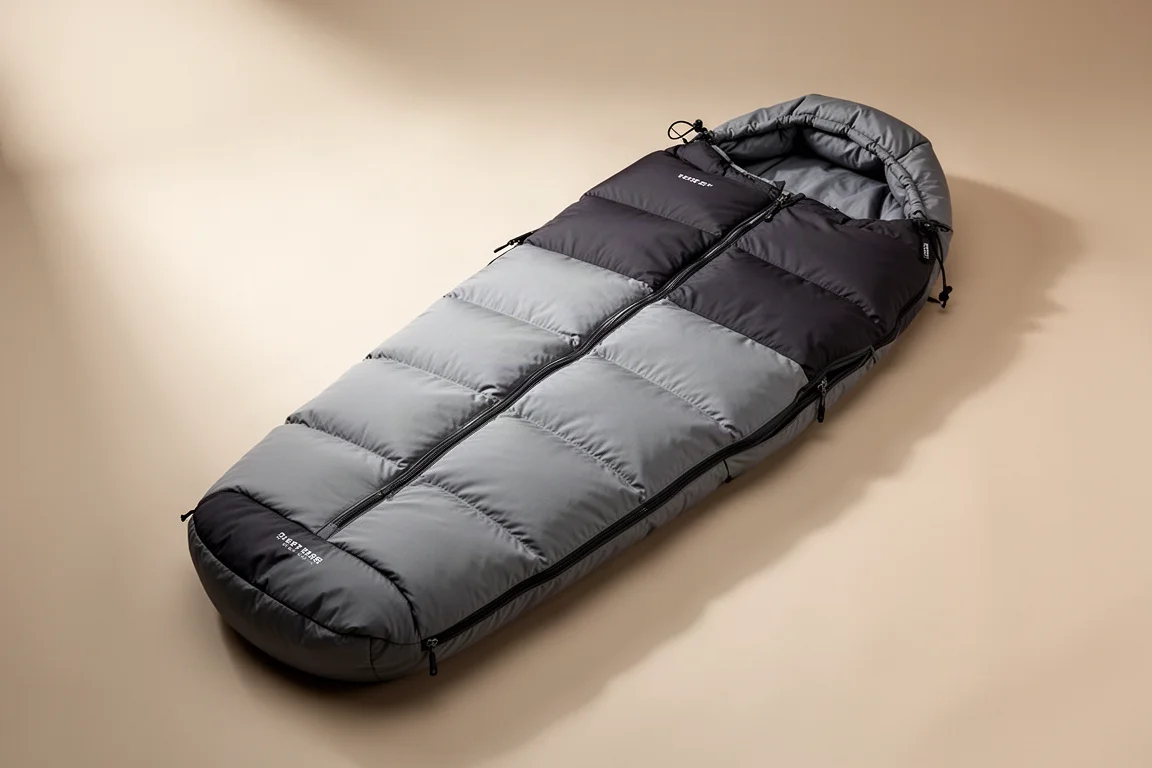
The Boost 650 is built around adjustability. Side zippers create arm holes, so the bag can stay sealed while reading or sending messages from inside. A central zipper, marketed as the warm zip, changes the rating: fully open, the bag carries a comfort rating of 0 degrees Celsius, and zipping it closed is claimed to add roughly 4 to 6 degrees, taking it to about minus 4.
The construction explains the weight. It uses 650 fill power down and a thicker shell fabric, which pushes it past a kilogram, close to the weight of a dedicated winter sleeping bag. In exchange, the usable range is wide: fully zipped for cool nights, or opened up with the arm holes venting heat in milder weather. The regular size suited a 5 foot 10, 180 pound frame with room left in the hood, and the zippers ran smoothly. The dual hood and neck baffle cords remain confusing to tell apart, and the warm zip delivered some extra warmth rather than the full claimed gain.
Buying Advice: Matching Each Piece to Real Conditions
The Arc Dome is the most interesting piece here for anyone who camps above treeline or in exposed coastal weather. Its wind performance and snow-loading capacity are genuinely strong, and the sleeve system, while slower than clips, is the reason why. Buyers should expect to spend a little more time on setup and to make good use of the twelve guy-out points.
For sleeping, the NeoLoft is the comfort pick and the Boost 650 is the versatility pick, and both make most sense for campers who accept extra weight. Lighter pads and lighter bags exist, but neither matches the thickness of the NeoLoft or the adjustable range of the Boost.
On stoves, the WindBurner is the safer purchase for windy trips, while the Switch is difficult to recommend given how it performed beside it. The Messenger Plus is the most situational item of the six: the hardware premium only makes sense if photo and voice messages solve a real problem for the buyer.
Conclusion
Wind and cold separate gear that looks good on paper from gear that works. The Arc Dome made the strongest case for a one-quiver shelter that can handle winter and shoulder-season trips, the NeoLoft and Boost 650 traded weight for comfort and flexibility, the WindBurner confirmed its reputation in moving air, and the Messenger Plus delivered new messaging types at a real premium. The MSR Switch is the one piece here that did not earn its price.
Further reading
Related Reviews

Backpacking Gear
Building a 10 lb Base Weight: An Ultralight Backpacking Gear List
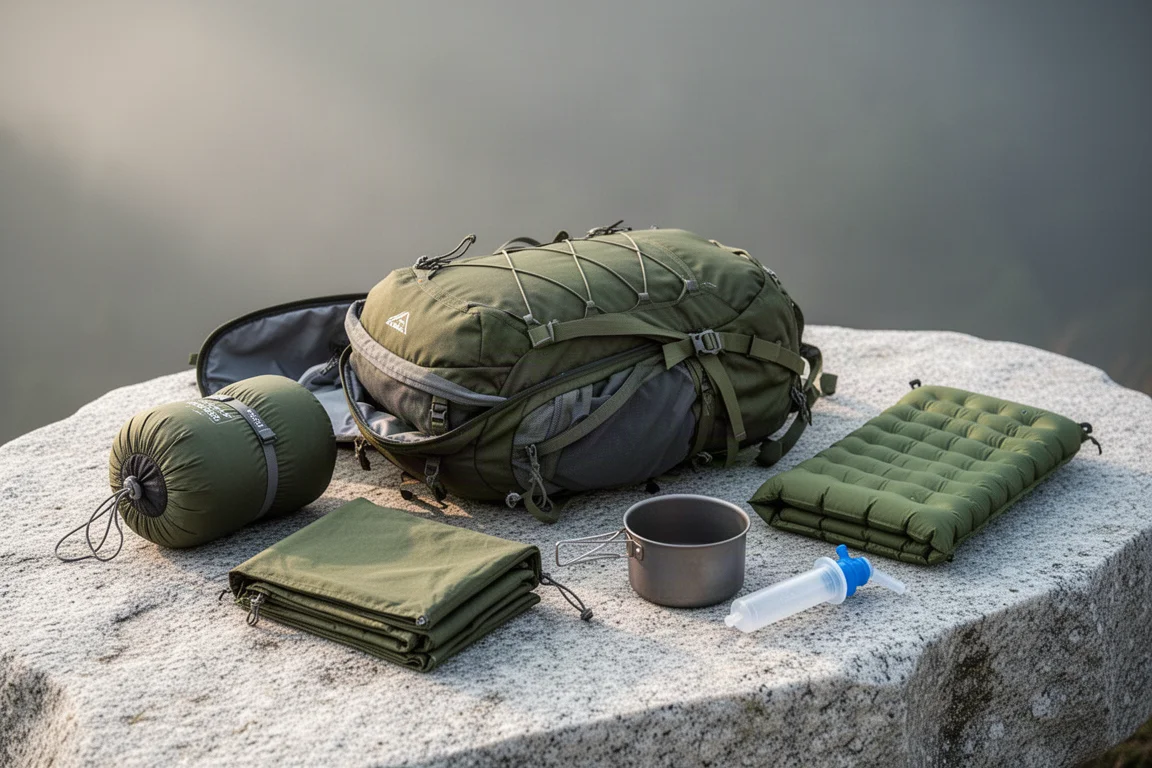
A practical walkthrough of the ultralight pieces behind a 10 lb base weight, from a 765 g pack and a roomy one-person tent to a full camp chair and a dependable water filter.
Backpacking Gear
A 15-Pound Lightweight Backpacking Gear List for Solo Trips
A beginner-friendly 15-pound backpacking setup built from easy-to-find gear, with notes on what each piece does, how it packs, and where to spend your attention.
Backpacking Gear
8 Ultralight Backpacking Gear Upgrades Worth Carrying
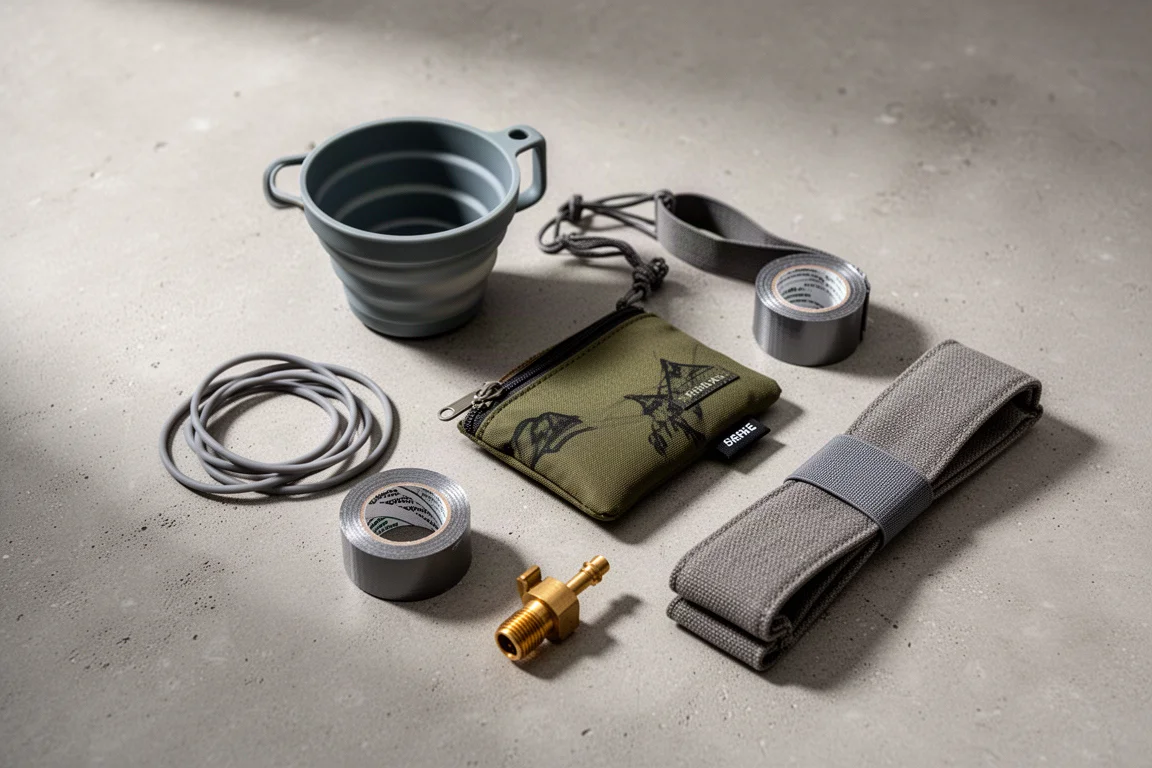
Eight small, affordable backpacking upgrades that solve real trail annoyances, from a pillow that stays put to a fuel valve that rescues leftover canister gas.