Indoor Gardening
Best Clip Grow Lights: Three Models Tested Through a Full Growing Cycle
A single, dual, and quad clip grow light went head to head growing microgreens, lettuce, and basil. Here is how each one performed and who each suits.
Introduction
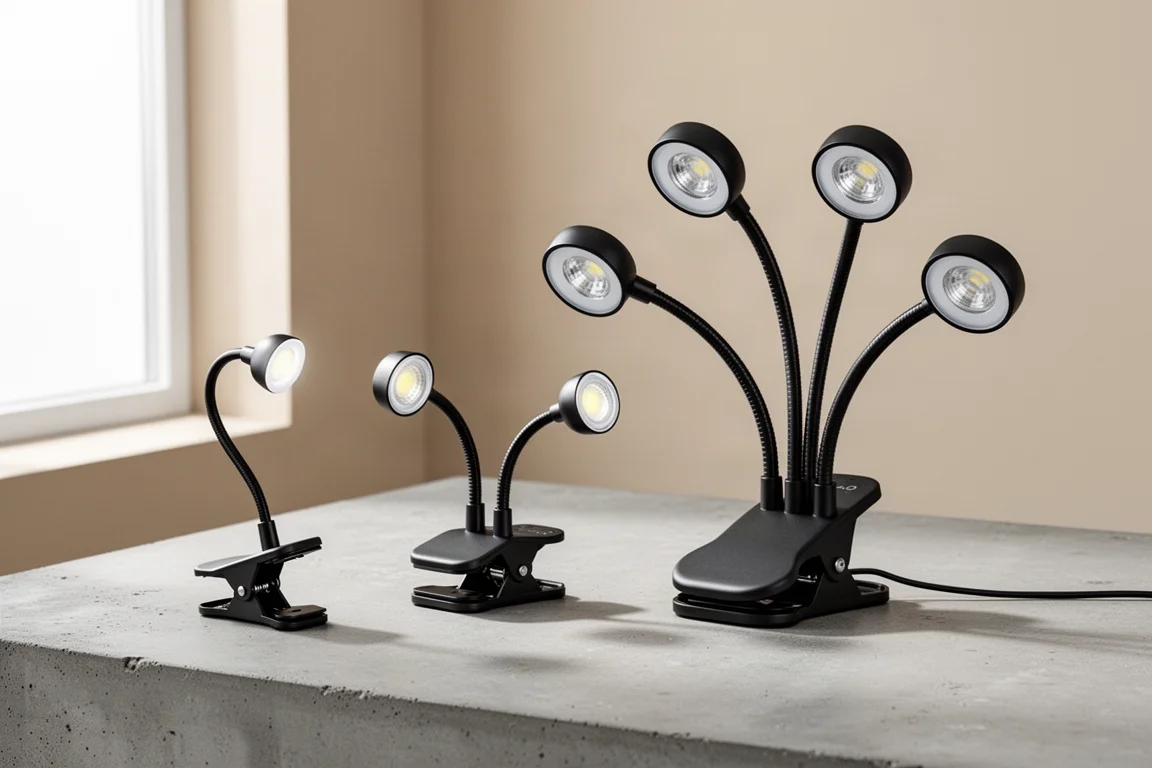
Clip grow lights are one of the easiest ways to start growing food indoors. They clamp to a shelf, a desk, or a windowsill, and they need no installation. To find out which ones actually deliver, three very different models were put through a full growing cycle: a single-bulb Open Beauty light, a dual-bulb GoGrow Top light, and a four-bulb Sansancy light. Each one grew the same crops from seed to harvest, and the results revealed clear strengths and limits for each.
The Three Contenders
The lineup covers three power levels. The Open Beauty is a 15-watt single gooseneck with five brightness stages, a waterproof build, and a built-in timer in the controller. The GoGrow Top uses two bulbs with a combined 36 watts, and its bulbs include red LED strips aimed at the fruiting and flowering stage. The Sansancy is the heavyweight: four goosenecks, 40 watts total, with patented ceramic bulb technology that produces a color rendering index of 95, meaning it mimics natural light better than most LEDs. Each bulb can be switched on or off individually, and it also carries a built-in timer.
Measured light output told a similar story. The Open Beauty produced around 2,700 lux. The GoGrow Top exceeded 9,000 lux, and the Sansancy reached roughly 15,000 lux, the strongest of the three by a wide margin.
How They Were Tested
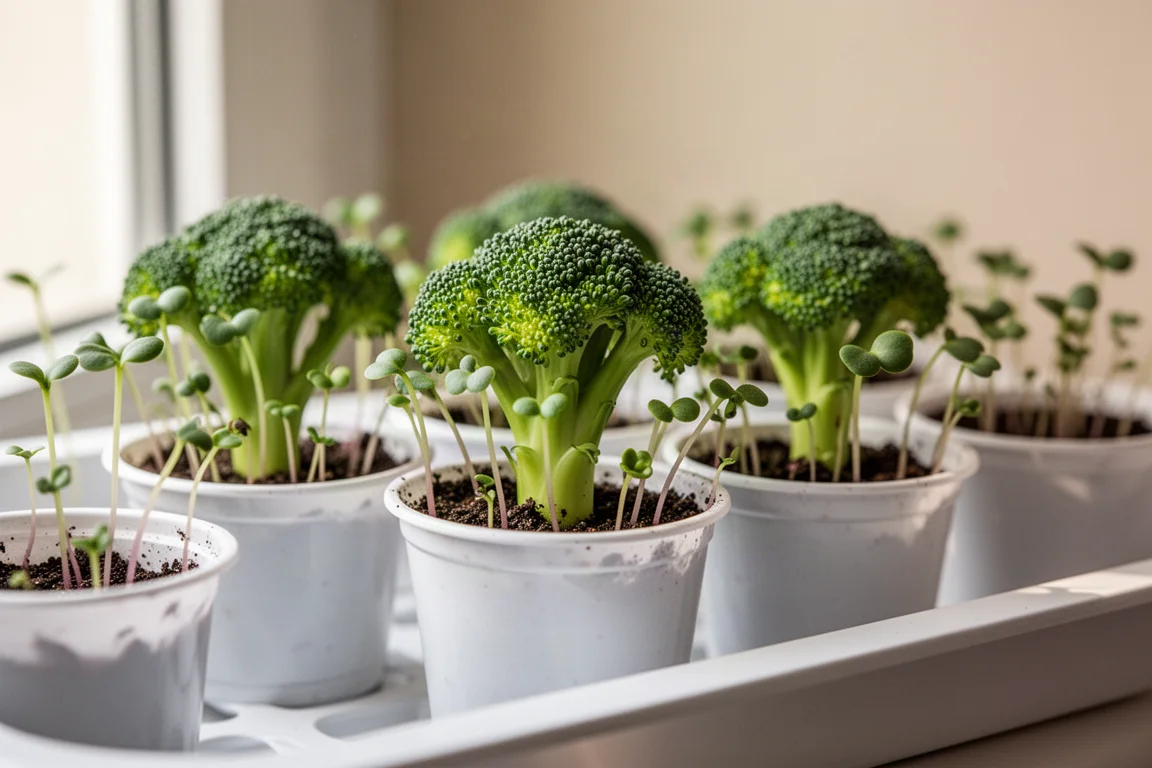
Each light grew the same six crops: broccoli microgreens, rainbow radish microgreens, Buttercrunch lettuce, red oak leaf lettuce, basil, and spinach started in rockwool cubes. Trays were added for drainage, seeds were planted on top, watered, and covered with humidity domes. During germination, the lights were dimmed and set to an 8-hour daily timer, then moved to full brightness once the seedlings emerged.
Germination Results
All the cups germinated well within a few days. The differences showed up in seedling quality. Radish grown under the single Open Beauty light came up stretched and leggy, the classic sign of plants reaching for more light. The same radish under the dual GoGrow Top germinated more densely and more evenly. The Sansancy’s seedlings were full but not quite as dense, and the light proved almost too strong when positioned close to the cups.
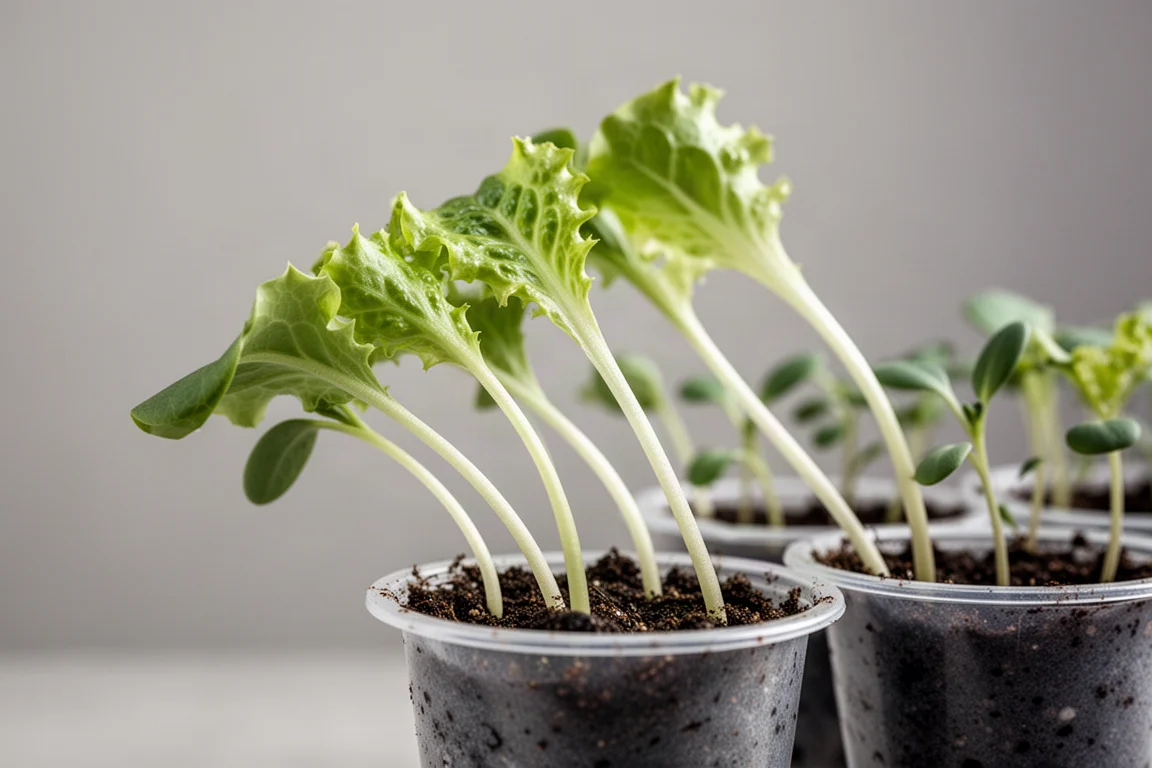
As the cycle progressed, the spinach under the single light did not survive the transition, and some surface mold appeared on the red oak leaf cups, a sign of excess heat and moisture between the cups and the lights. A small fan and better airflow solved it, but it is worth noting for anyone growing in a warm, humid room.
Final Growing Results
At harvest time the gap widened. Microgreens grew under every light, though the single-bulb crop leaned noticeably toward the light source. The dual-bulb GoGrow Top produced fuller, more even microgreens, and interestingly even outperformed the Sansancy on density, likely because the four-bulb unit was simply too powerful for seedlings that close.
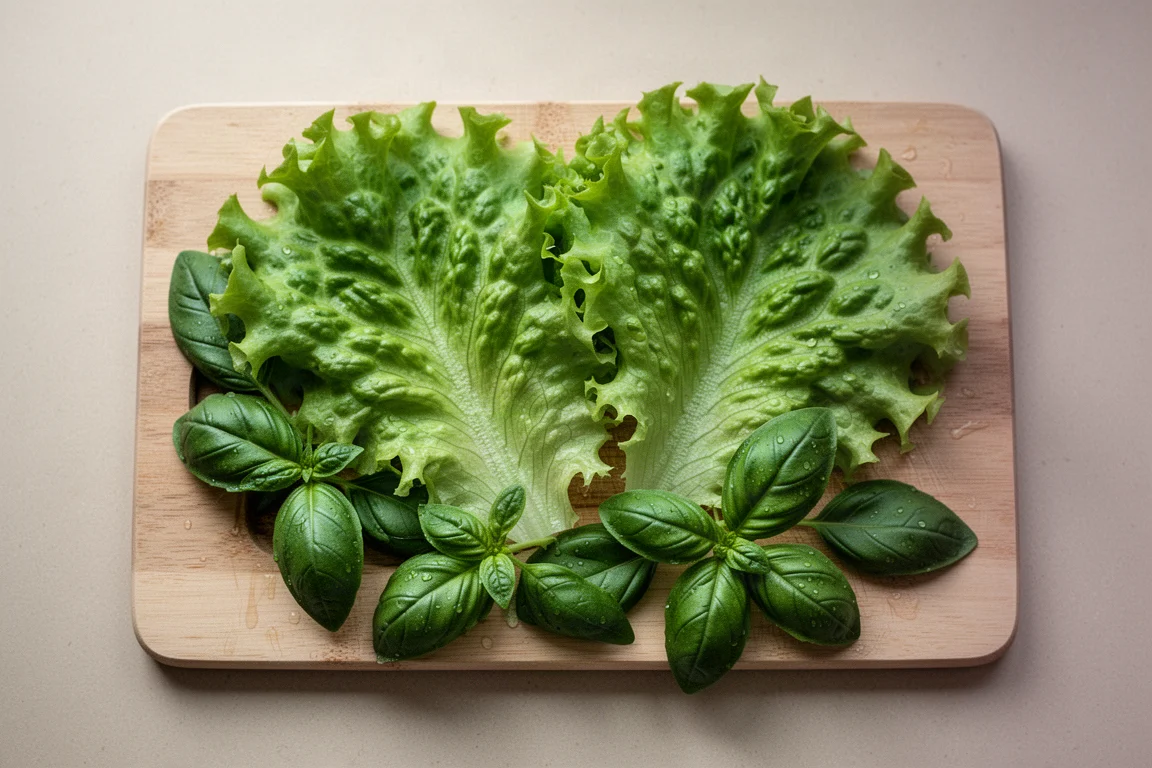
For lettuce and basil, the single light hit its ceiling. The lettuce dried up and died, and the basil never developed. The GoGrow Top, however, produced genuinely harvestable lettuce: cut-and-come-again leaves that regrow after picking, plus healthy, fragrant basil suitable for sauces or drinks. The Sansancy grew the most of all, though its lettuce was slightly droopy rather than forming firm heads, and its basil showed bleached, almost white leaves when the bulbs sat too close. Backing the light off to at least 12 inches from the plants fixed the bleaching.
One shared criticism applies to all three: the built-in timers offer only 4, 8, and 12 hour cycles. A standard indoor growing cycle calls for roughly 16 hours on and 8 hours off, and none of these lights can do it. An extra four hours of daily light would likely have pushed growth further, so plan on using an external outlet timer if you want a full-day cycle.
Which One Should You Buy?
The Open Beauty single light costs around $10 and does one job well. With a good clip, a quality gooseneck arm, and a compact footprint that fits tight spaces, it reliably grew microgreens in a room with some natural light. It is the right pick if you only want to spend $10 to $20 and stick to microgreens.
The GoGrow Top dual-bulb light sits at a middle price of around $36. Its two strong goosenecks let you light two plants in different directions from one clip, and the red LED strips are a genuine bonus for flowering and fruiting crops. It grew lettuce, basil, and microgreens successfully, making it the best all-round choice for anyone who wants a single clip light that can handle real harvests.
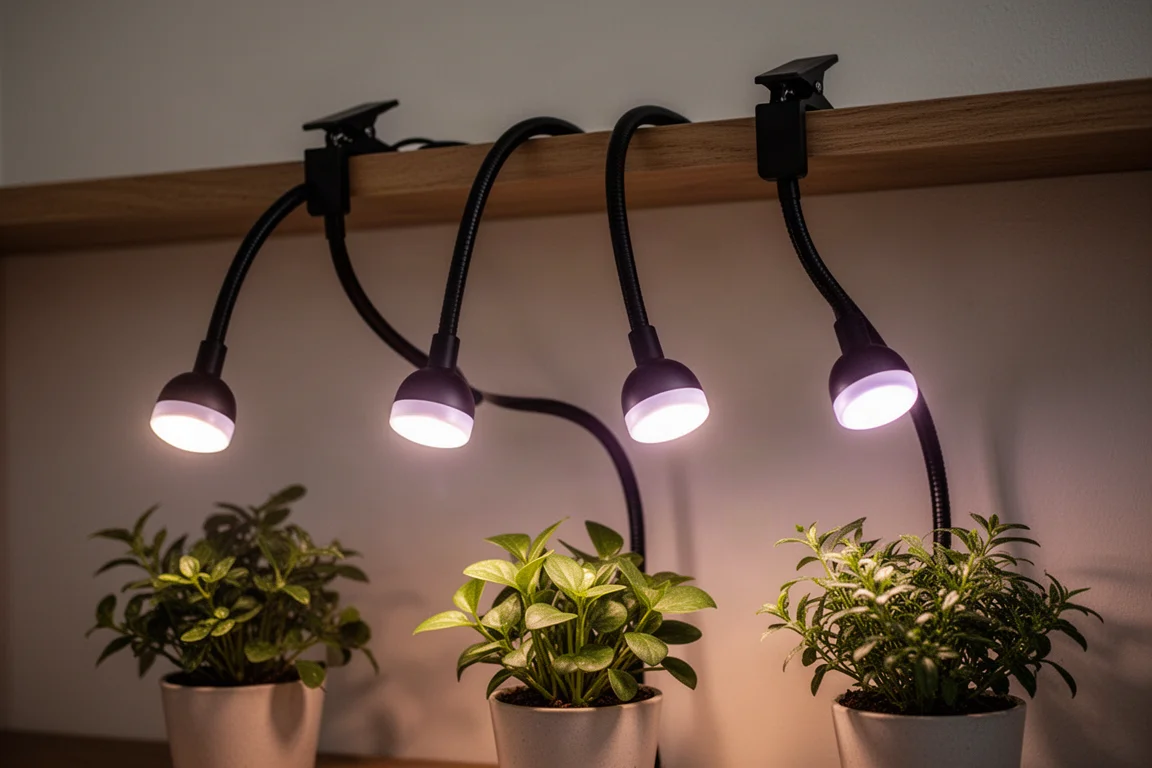
The Sansancy four-bulb light runs roughly $45 and delivered the most growth of the three, growing lettuce, herbs, and microgreens better than both competitors. Sansancy guarantees its bulbs for 25,000 hours, the clip is strong enough to hang the unit from a vertical surface, and four independent goosenecks open up serious flexibility, including lighting four separate plants at once. Keep it at least 12 inches from delicate plants, and be careful around the hot bulb surfaces.
Conclusion
All three lights earn their place for different growers. The Open Beauty is a capable budget microgreens light, the GoGrow Top is the versatile middle option that grew real harvests of lettuce and basil, and the Sansancy is the powerhouse for growers who want maximum output and multi-plant flexibility. Match the light to the crops you actually want to grow, give it a 16-hour day with an external timer, and a simple clip light can carry a surprising amount of indoor food production.
Product link
View more details for Open Beauty Single Clip Grow Light
This product is mentioned in the review. Check the specifications, options, and compatibility before buying.
View more details for Open Beauty Single Clip Grow LightFurther reading
Related Reviews
Indoor Gardening
AeroGarden Eight-Pod System Review: A Budget Hydroponic Garden That Works
After a few months of growing dill, a shishito pepper, and micro tomatoes, here is what this eight-pod hydroponic system gets right and what to watch for before buying.
Indoor Gardening
AeroGarden Buying Guide: How to Choose the Right Model for What You Want to Grow
From the 3-pod Sprout to the 24-hole Farm Plus, here is what actually matters when picking your first AeroGarden, plus the growing tips nobody tells beginners.
Indoor Gardening
AeroGarden Farm After 8 Years: What I Wish I Knew Before Buying
A long-term look at the AeroGarden Farm, the 12XL alternative, and why a Rise Garden won out on space efficiency.