Chainsaw Accessories
Best Chainsaw Sharpener: Seven Options Tested Side by Side
Seven chainsaw sharpeners, from a $10 file to a $125 precision tool, tested for sharpness, cutting speed, and sharpening time.
Introduction
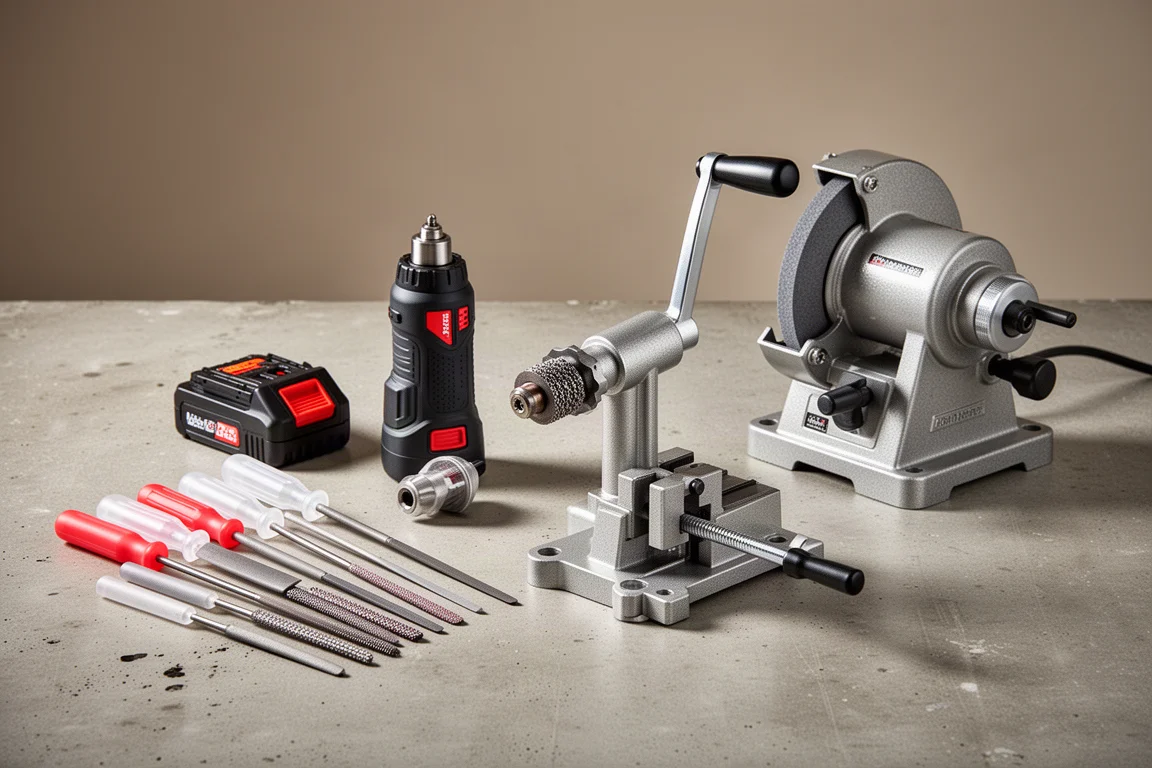
A sharp chain transforms how a chainsaw feels and cuts, but nobody enjoys sharpening one. To find out which sharpener is actually worth your money, seven options were put through the same test: each dulled chain was sharpened, measured on a sharpness tester, and then timed cutting through a test log built from nine 4x4s.
For context, a brand new chain scored 330 on the sharpness tester and cut the log in a best time of 9.75 seconds. After being dragged through a board covered in glued-on sand, the chain dropped to a dullness score of 880 and needed a painful 50 seconds per cut. Those two numbers set the bar for everything that followed.
How the Chains Were Tested
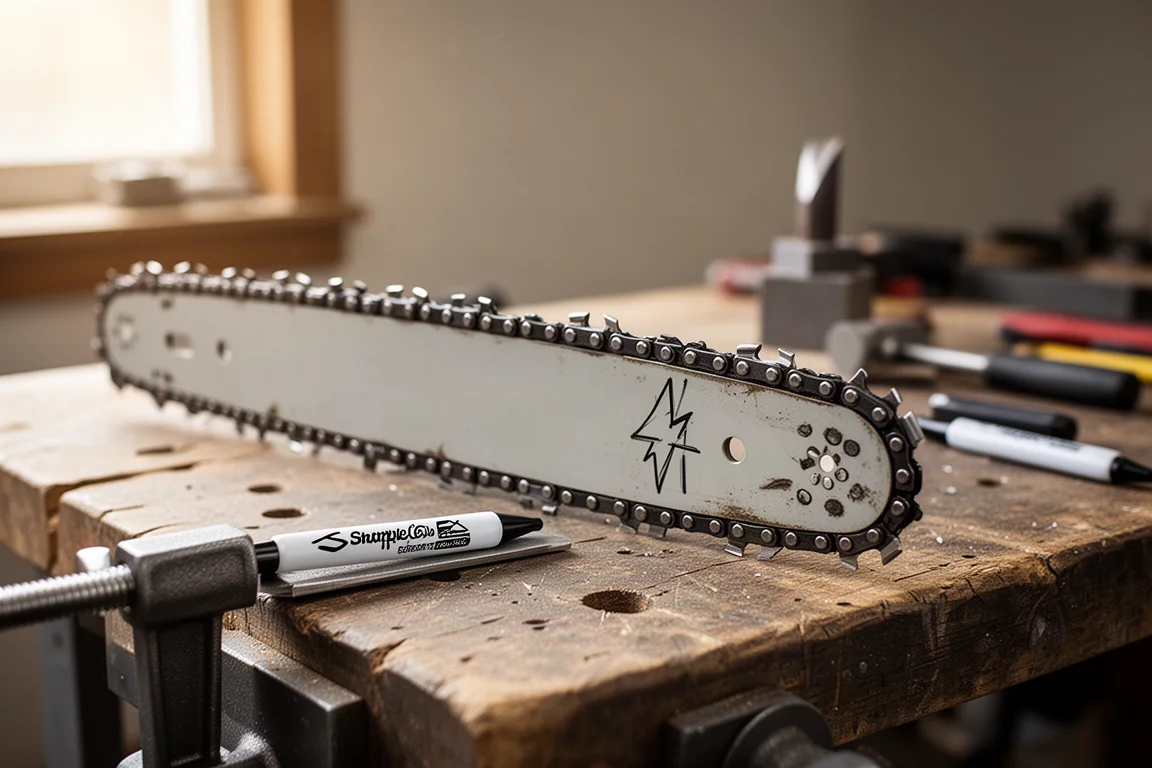
Every chain was cleaned with acetone to remove bar oil, then marked with red paint and a Sharpie so sharpening progress could be tracked tooth by tooth. Each sharpener was timed, and each resulting chain was scored for sharpness using a tester that measures the downward force needed to cut through a disposable test clip. For reference, a double-edge razor blade scores between 50 and 75 on that scale, and edges needing maintenance sit around 400 and up.
Cutting speed was measured with 5 lb of weight hanging from the front of the saw bar, making three passes through the test log and recording the fastest. A Stihl MS 250 did all the cutting work, which kept the saw variable out of the equation.
Honesun Chainsaw File: $10
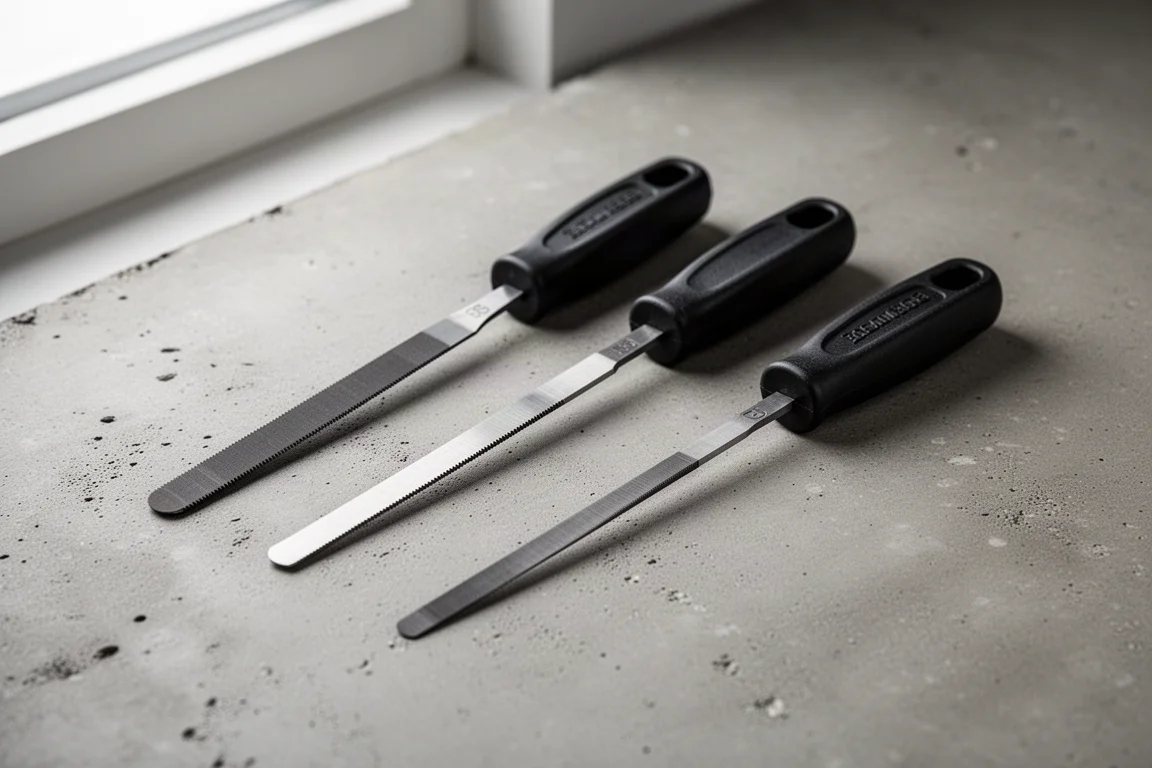
The Honesun is a three-piece steel file set covering 5/32, 7/32, and 3/16 inch sizes, each with a plastic handle. The files are claimed to be high-strength steel, weigh just 0.1 lb, and are made in China.
In practice, the file seemed fine on the first few teeth but lost its edge quickly against the hard steel of the chain. After 8 minutes of sharpening with 12 passes per tooth, the chain scored 625, still firmly dull. Pushing to 17 minutes of total effort improved the sharpest part of the chisel to 460, but the edge was uneven and parts of the tooth remained too dull to cut efficiently. Best cutting time was 27.1 seconds, and later cuts got slower, suggesting the edge simply was not holding up.
Pretek Chainsaw Sharpener: $30
The Pretek is a battery-powered rotary sharpener with a rechargeable battery, an adjustable speed range claimed at 5,000 to 18,000 RPM, titanium-plated burr grinding stones, and cutters in 5/32, 3/16, and 7/32 inch. The kit includes light-duty gloves and goggles. It weighs 0.62 lb and is made in China. Measured speed came in around 5,800 to 16,700 RPM, close to the claims.
The included sharpening stones arrived lopsided and bent, which slowed progress, though the kit includes a dozen or so assorted stones as spares. Even so, the finished chisel looked almost as good as new, the sharpness tester scored 365, and the cuts came in at 14.7, 15.7, and 14.8 seconds. The only real weakness was consistency: getting a perfectly uniform sharpening angle by hand is difficult, but the edge held up well across all three cuts.
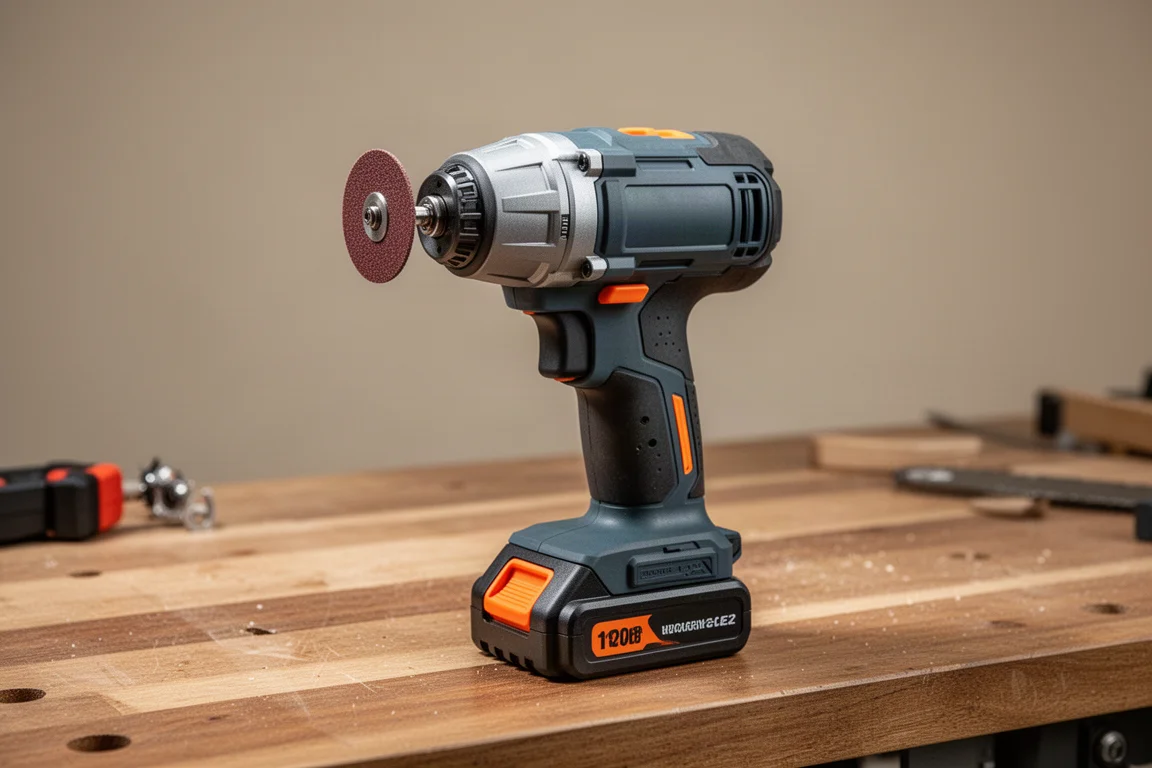
Total Chainsaw Sharpener: $30
The Total is a hand-crank sharpener with two fixed sharpening holes, a standard 30-degree front angle, and a tungsten carbide cutter. It weighs 0.665 lb and is made in China. The big theoretical advantage is consistency: it removes nearly the same amount of metal from every tooth, something hand files and rotary tools struggle with.
The operation works like a manual pencil sharpener, and it took about 10.5 minutes to do both sides of the chain. Unfortunately, the carbide cutter is simply too small in diameter to reach the part of the chisel that matters most. The sides of the chisel tested sharp at 365, but the critical top surface stayed dull. After a second 16-minute attempt, the chain still needed 36.1 seconds per cut. Consistency means nothing if the tool cannot reach the right spot.
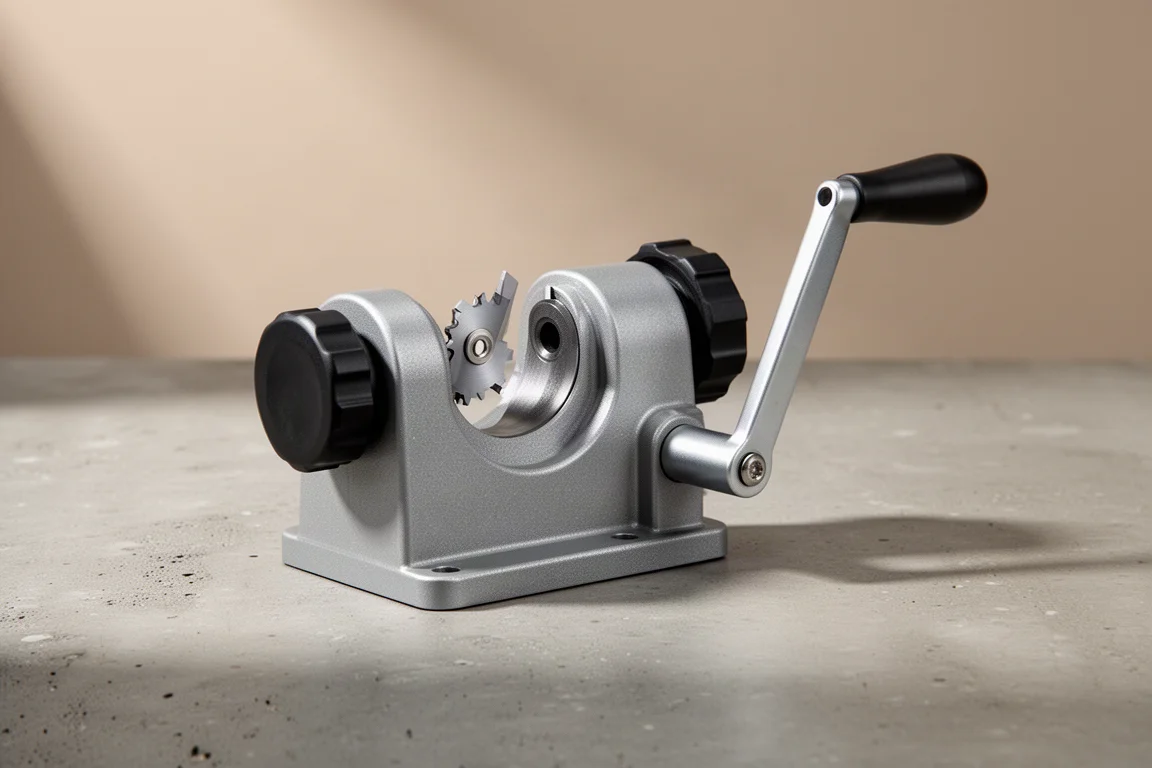
Easy Do Chainsaw Sharpener: $40
The Easy Do is the only corded power tool in the group, with titanium-plated diamond bits claimed to last 20% longer than non-plated wheels. Sizes cover 5/32, 3/16, and 7/32 inch, speed is adjustable, and the manufacturer quotes 10,000 to 35,000 no-load RPM. Measured speed ran around 20,000 to 33,500 RPM. It is the heaviest here at 1.445 lb and is made in China.
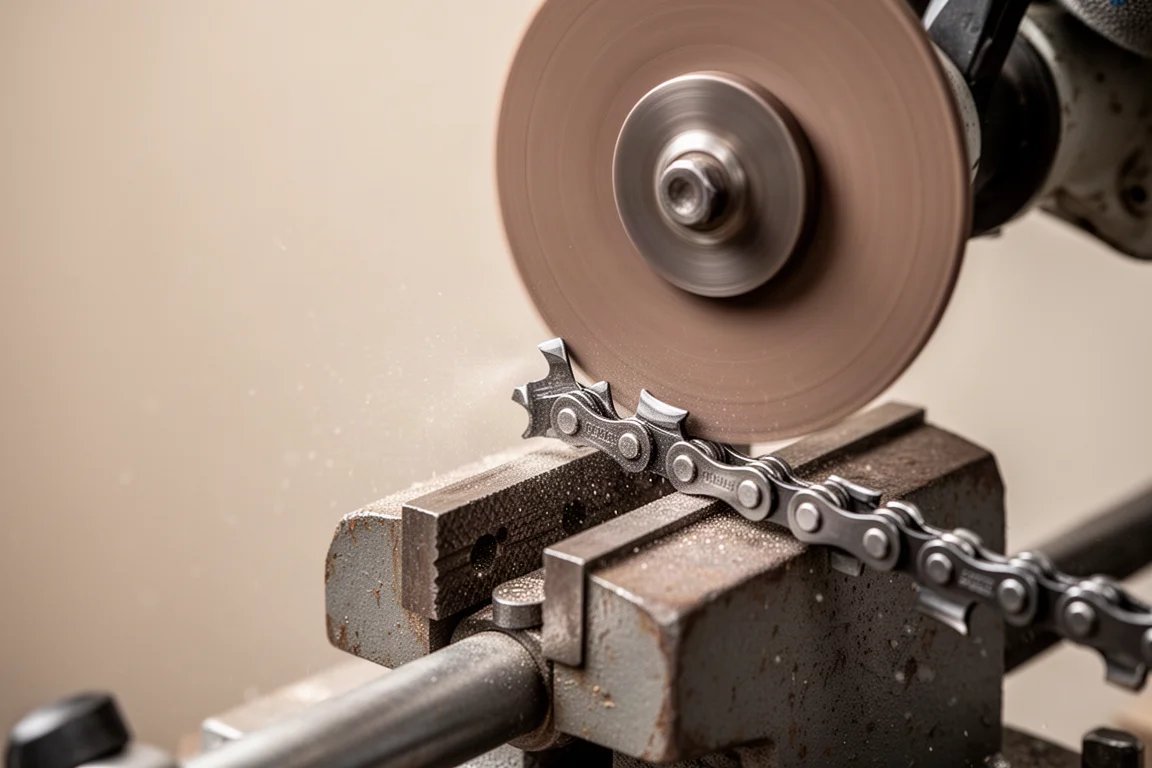
The included stones are a clear step up from the Pretek’s: straight, diamond-coated, and still looking like new after a full chain. The Easy Do finished sharpening in just 6 minutes, the fastest of the rotary-style tools, and the chisel looked extremely sharp. The chain scored 390 on the tester and cut through the log at 15.48, 15.8, and 16.7 seconds, barely losing speed across the three passes.
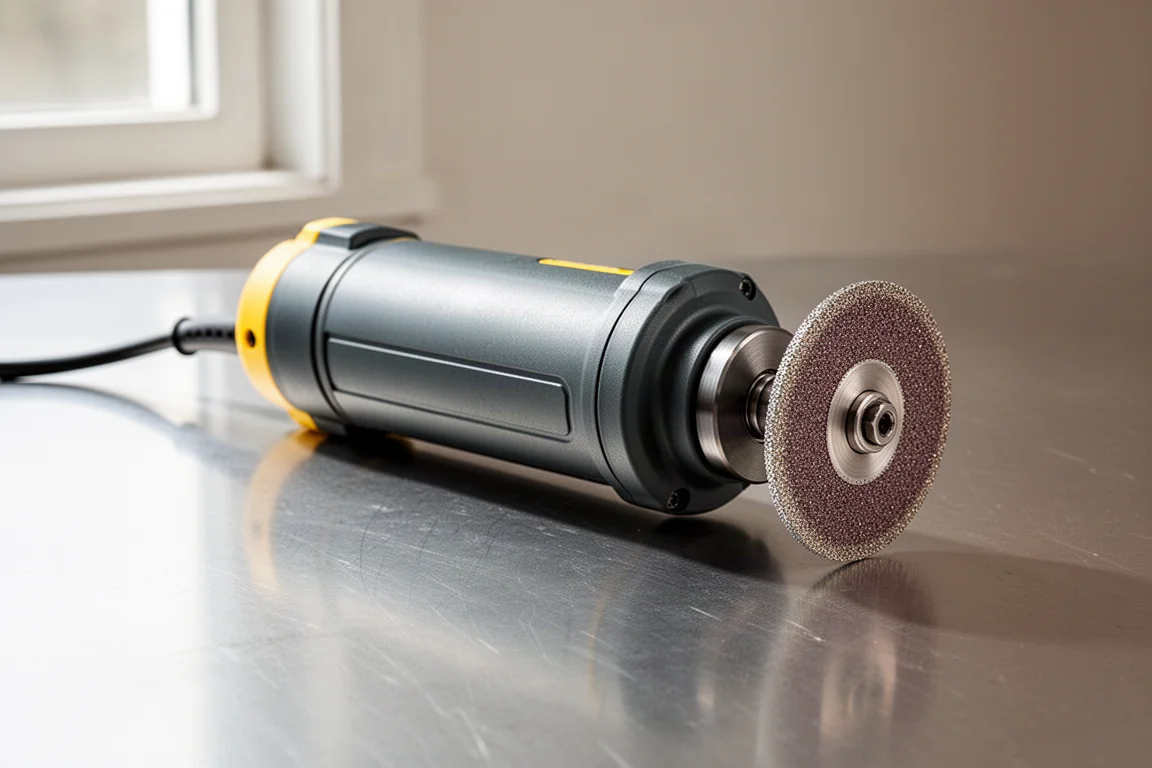
Stihl 2-in-1 Chainsaw Sharpener: $49
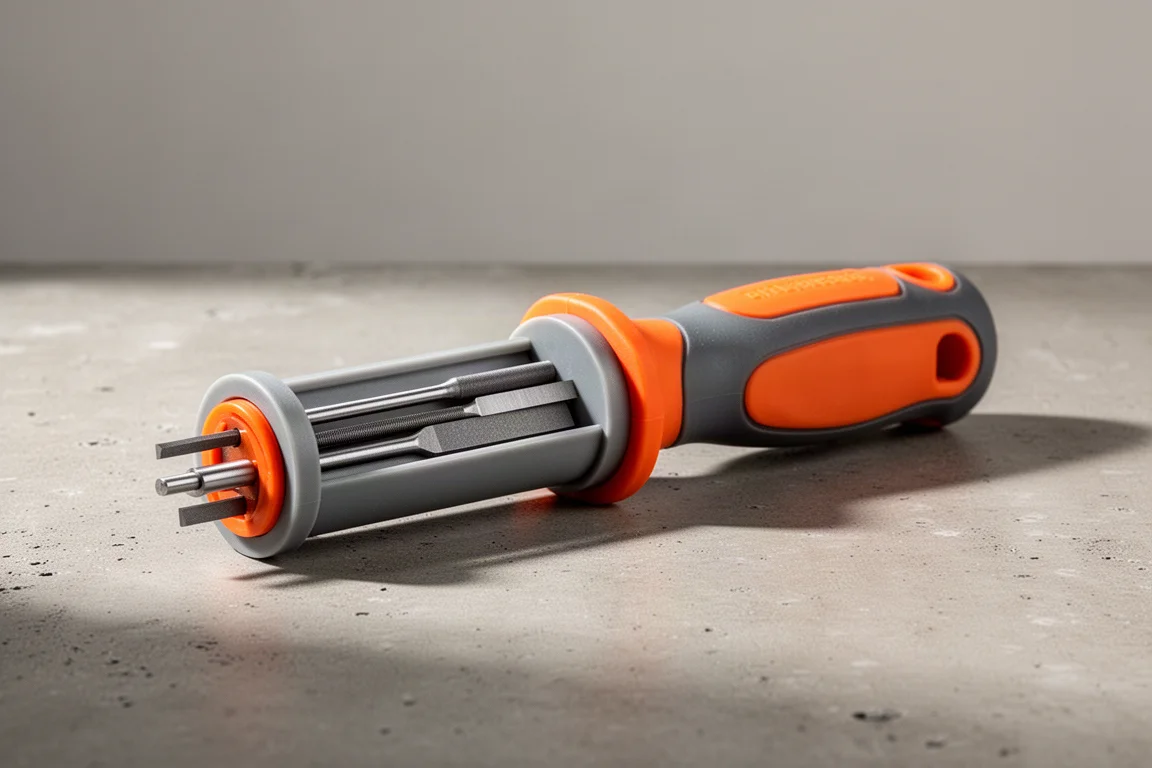
The Stihl 2-in-1 is a hand sharpening system made in Germany with one clever trick: while the outer files sharpen the cutter teeth, a file in the center of the tool works the depth gauges at the same time. That matters because depth gauges, sometimes called riders or rakers, control how much wood each tooth cuts. Skip them and a chain gradually cuts thinner and thinner until it stops cutting altogether. The files are replaceable, and the whole unit weighs just 0.72 lb.
The files are genuinely sharp and durable, and they are designed for the very hard Stihl chain teeth. Sharpening both sides took only 8 minutes, the resulting chisel looked like new, and the sharpness tester scored an impressive 295. Cuts came in at 11.6, 10.6, and 11.6 seconds, with the edge holding strong through all three passes.
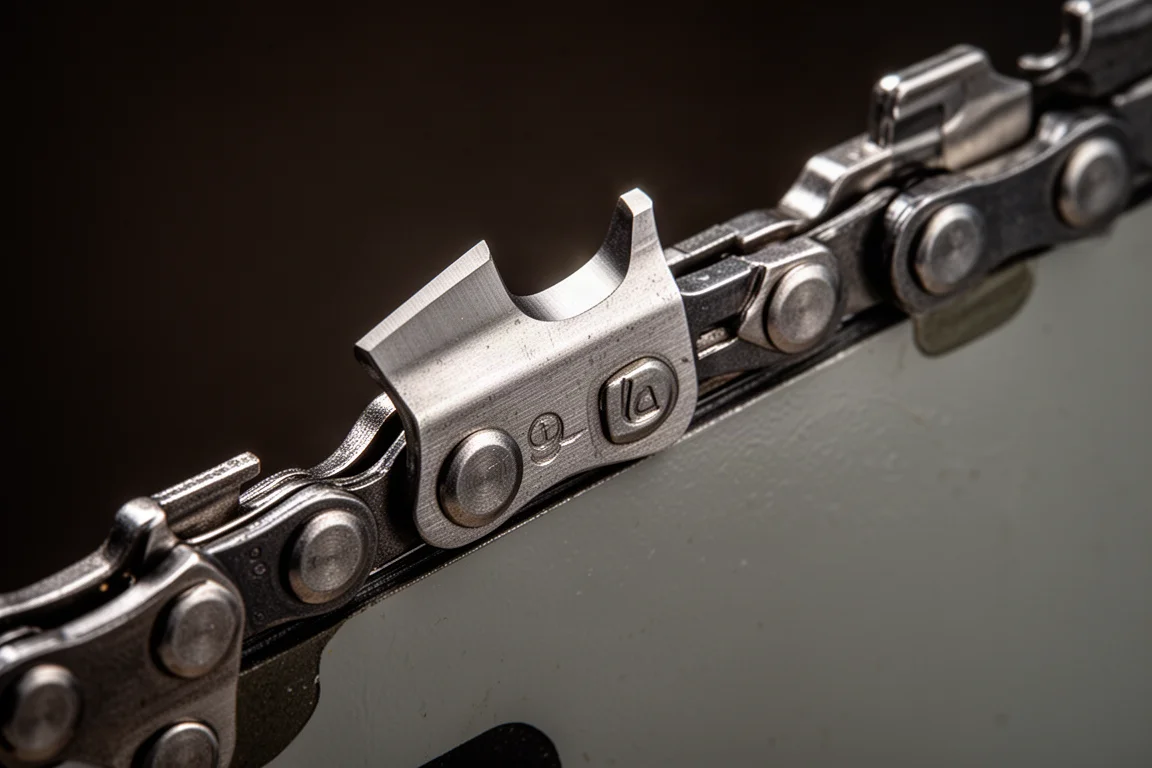
Granberg Precision Grinder: $99
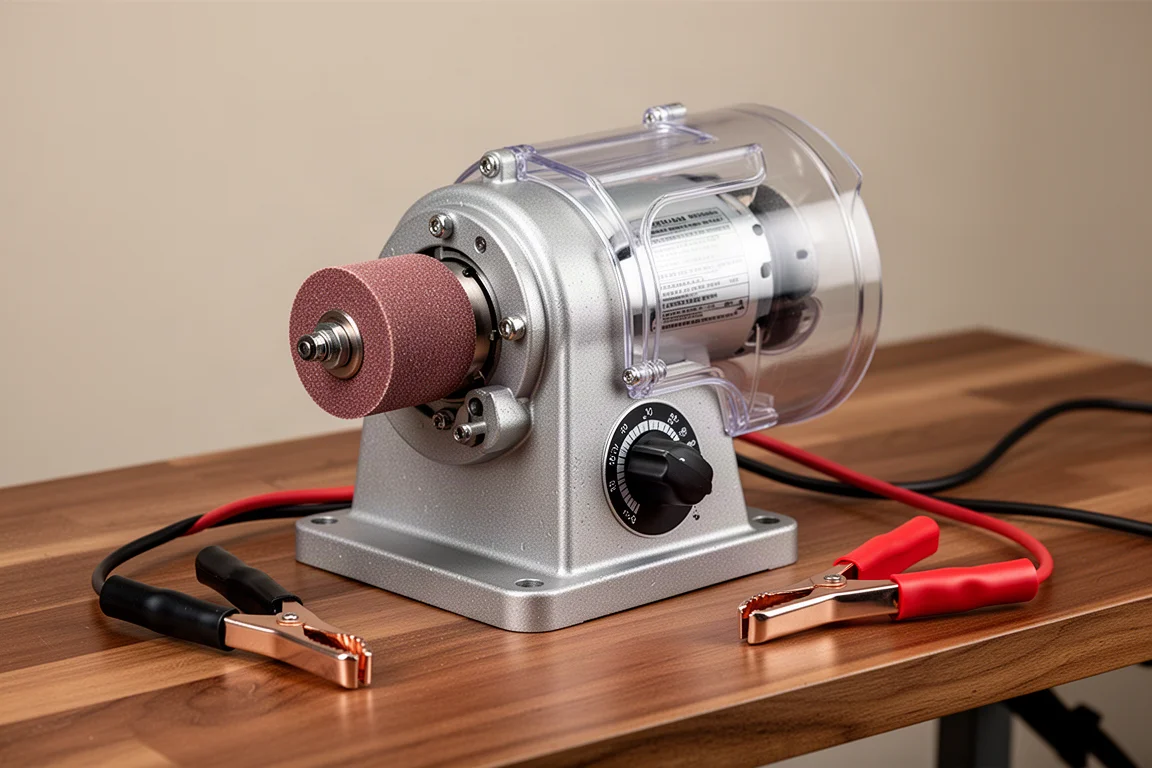
The Granberg is a precision bar-mounted grinder made in the USA from cast aluminum, molded polycarbonate, and zinc-plated steel. It hooks to a 12-volt battery via two alligator clips, includes stones in 5/32, 3/16, and 7/32 inch with threaded ends, and is claimed to reach up to 24,000 RPM, measured at close to 18,500 in practice. It weighs 1.555 lb, and replacement threaded stones from other brands are easy to find at affordable prices.
Like the Total, it delivers a consistent angle and removes the same amount of metal from every tooth, which is a huge advantage. Sharpening took just over 4 minutes, the fastest of the entire lineup, and the teeth came off extremely sharp. Cutting times were 11.46, 11.1, and 10.8 seconds, getting faster with each pass as the burr wore off and the bar warmed up.
Timberline Chainsaw Sharpener: $125
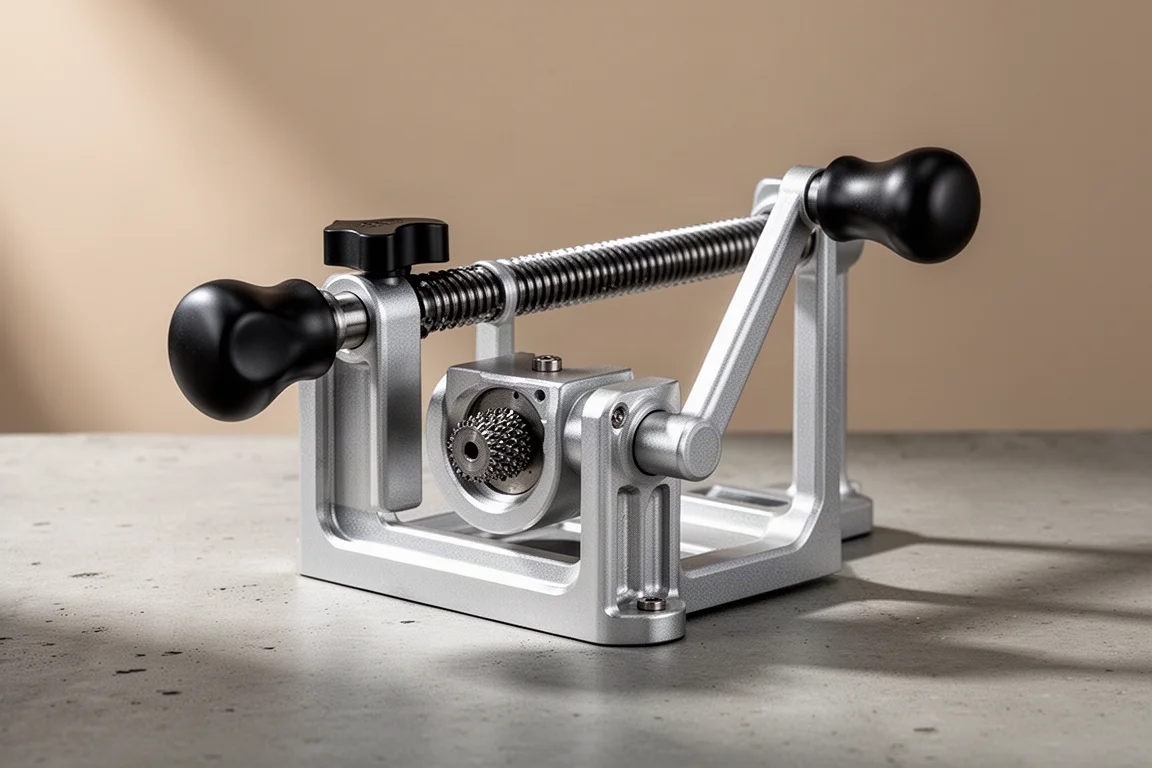
The Timberline is the USA-made original that the Total closely imitates, right down to a similar look in the instructions. At $125, it costs four times as much, so the differences matter. The Timberline’s carbide sharpener uses a larger diameter, its chain stop is a two-piece construction versus the knockoff’s one-piece design, the thumb screws are larger with a thicker threaded body, and the knobs give more leverage with less effort. Even the chain stop screw direction is correct: clockwise tightens. It weighs about 50% more than the Total, and the build quality difference is obvious.
In use, the carbide burr did a fantastic job removing damaged metal without heating the teeth, and the burr still looked new afterward. The trade-off is time: sharpening took just over 15 minutes. The reward is the sharpest chain of the entire test at a score of 225, with cutting times of 11.1, 10.5, and 10.5 seconds, the fastest single cut of any sharpened chain.
Overall Buying Advice
None of the sharpened chains quite matched the 9.75-second cut of a brand new chain, but the Timberline, Stihl, and Granberg came remarkably close. If sharpening speed matters most, and it does if you sharpen several chains at a time, the Granberg wins at just over 4 minutes, followed by the Easy Do at 6 minutes and the Stihl hand sharpener at 8 minutes.
Budget matters too. Chain prices have climbed sharply in recent years, so at roughly $30 per replacement chain, a good sharpener pays for itself quickly. The Honesun file is cheap but struggled against hard chain steel. The Total’s undersized carbide cutter kept it from reaching the part of the tooth that matters. The Pretek and Easy Do both deliver strong results for the money, with the Easy Do’s straighter diamond stones giving it the edge between the two.
Conclusion
Three sharpeners separated themselves from the pack: the Stihl 2-in-1 for its excellent files and depth gauge maintenance, the Granberg for being the fastest with highly consistent results, and the Timberline for producing the sharpest chain of the test, with the caveat that it takes the longest. Any of the three is a sound investment for anyone who cuts regularly and wants a chainsaw that performs like it just came out of the box.
Further reading
Related Reviews
Chainsaw Accessories
Best Bar and Chain Oil Showdown: Six Oils Tested in a Real Chainsaw
Six bar and chain oils, one Stihl MS250, and a full battery of wear, temperature, flow, and lab tests. The cheapest oil came out on top.

Backpacking Gear
Building a 10 lb Base Weight: An Ultralight Backpacking Gear List
A practical walkthrough of the ultralight pieces behind a 10 lb base weight, from a 765 g pack and a roomy one-person tent to a full camp chair and a dependable water filter.

Road Bikes
10 New Road Bikes Worth Watching: Aero, Titanium, Steel and Endurance Standouts
A practical roundup of 10 new road bikes, from aero flagships chasing single-watt gains to titanium, steel and endurance platforms built for real roads.