Content Creation Gear
Best Camera and Audio Gear for Starting a Video Channel: A Practical Buying Guide
A practical look at the cameras, gimbals and microphones worth buying when you start filming video, and why a phone and a small tripod still do most of the work.
Introduction
Ask what camera you need to start publishing video and the answers arrive quickly: a compact vlogging camera, a premium point-and-shoot, a pocket gimbal camera. They are all genuinely good. None of them is the reason a first video actually gets finished.
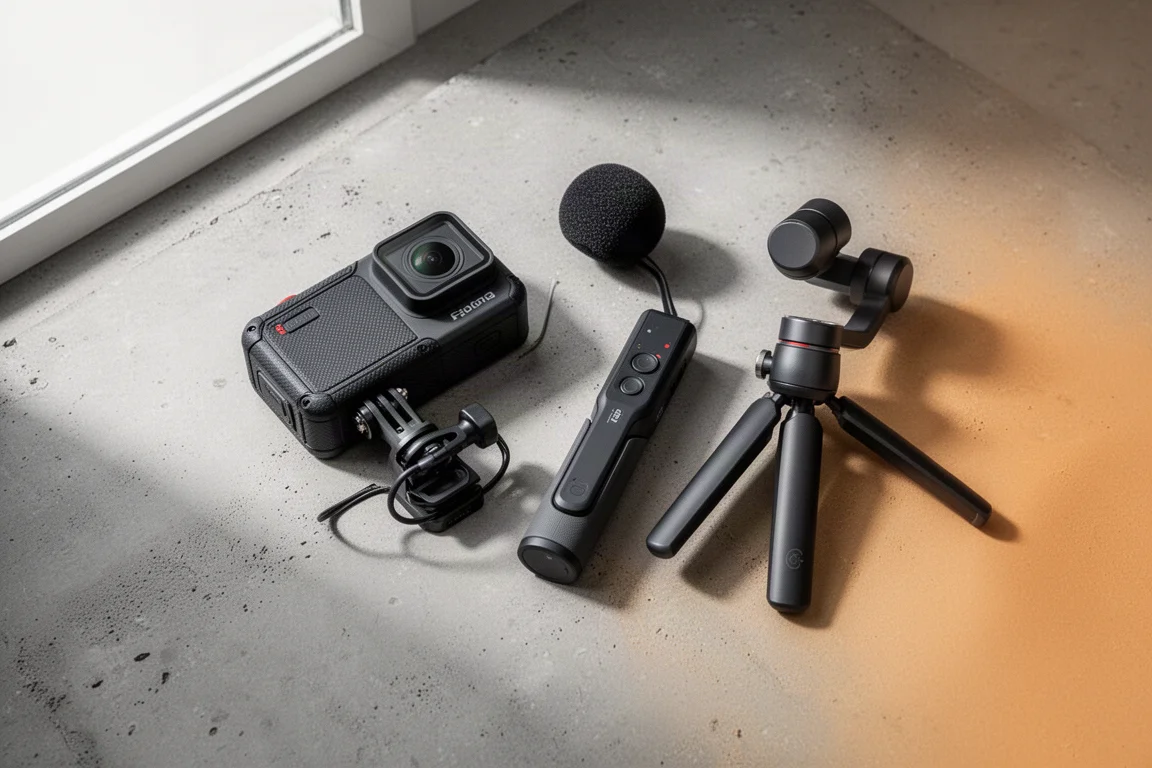
The most useful starting kit is the phone already in your pocket and a small tripod. This guide covers the gear that adds something real on top of that: a rugged action camera for outdoor filming, an audio accessory for it, a compact camera with subject tracking, a wireless microphone, and a phone gimbal that keeps you in frame while you move.
What Actually Matters When You Are Starting Out
The hardest part of starting is not the equipment. It is pressing record and then talking into the camera, and that stays difficult long after the first upload. Tiny cameras, gimbals and AI tracking features are pleasant to own, but they do not solve that problem, and buying them first rarely helps.
Almost every camera now, phones included, delivers good stabilisation, good image quality and some form of wind reduction. That shifts the gear question away from raw image quality and towards where you film and how you move.
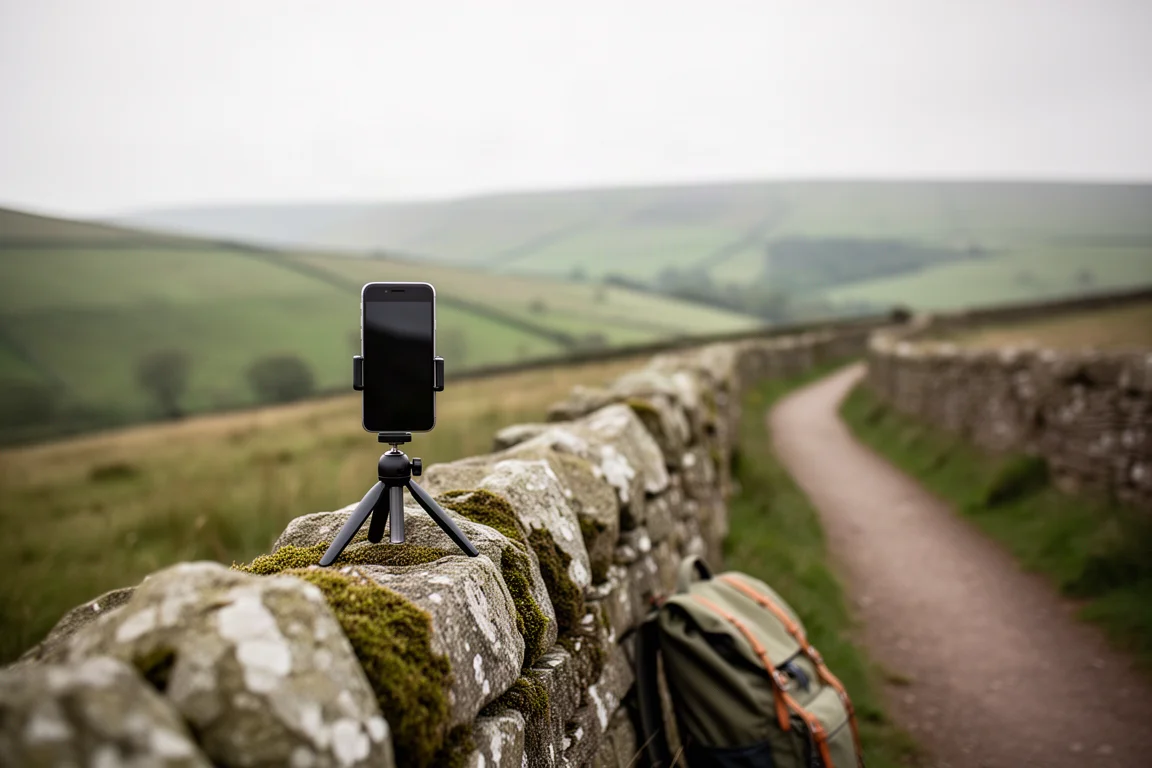
Audio is the other half of the experience and the part most people underestimate. A phone microphone works when you are close to it, but the further you walk from the camera the thinner it sounds, and a windy day can make a recording unusable. An external microphone is usually the first purchase worth making after a tripod.
GoPro: The Rugged Workhorse
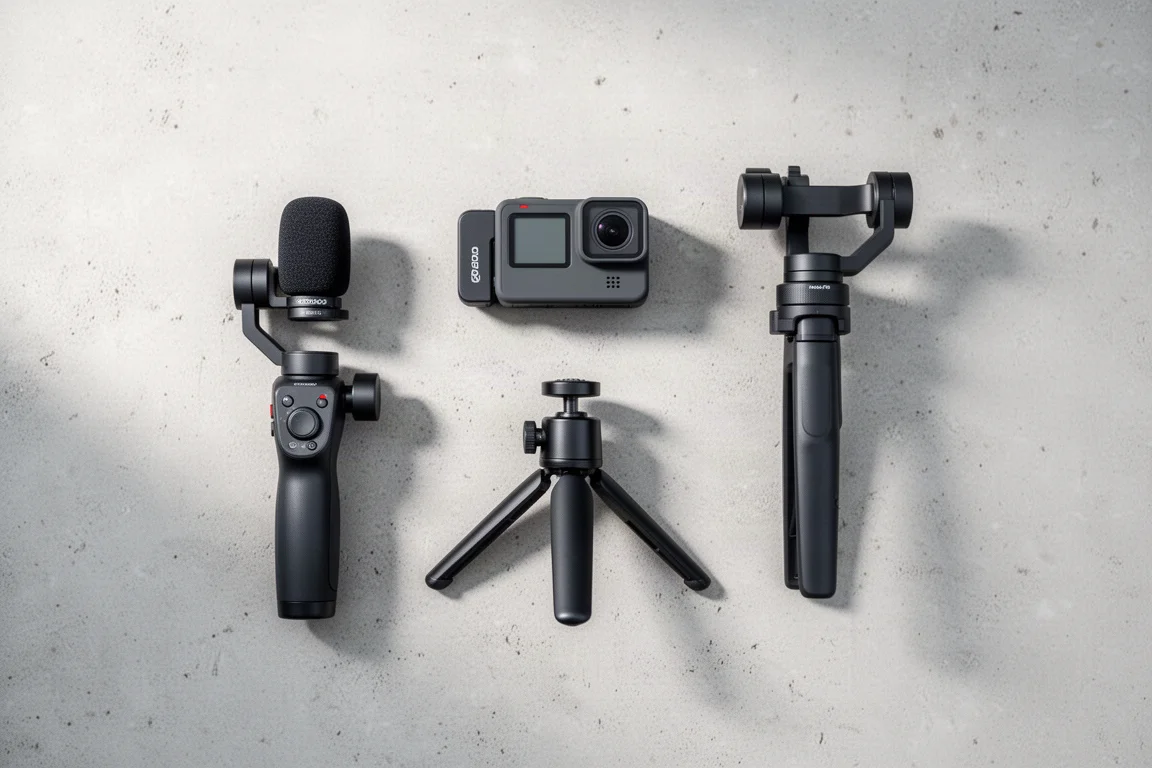
An action camera is the simplest upgrade for outdoor filming. It switches on and records, it is compact and rugged, and the bare camera is fully waterproof. Image quality is strong, though some people find the result a little too sharp for their taste, and audio captured on the internal microphone with a foam windslayer fitted holds up surprisingly well in bad conditions.
The main limitation is audio flexibility: the camera does not connect directly to wireless microphones, so the workaround is an add-on that adds a proper audio input.
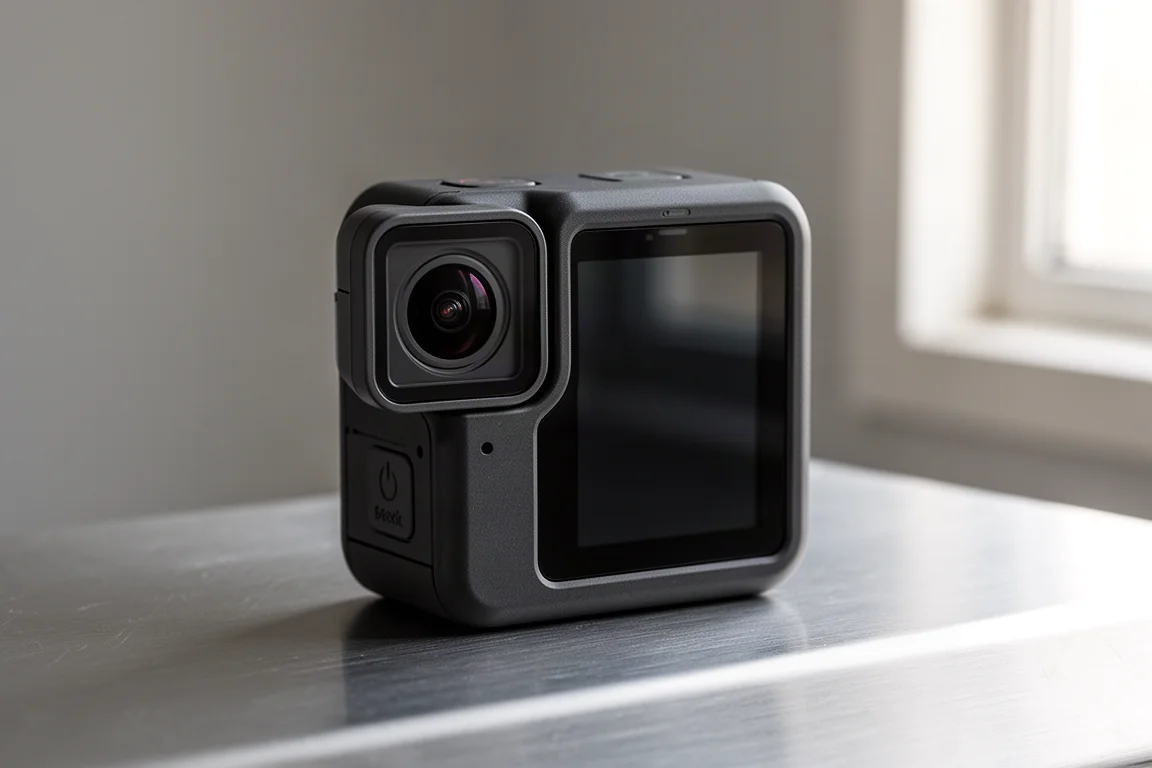
GoPro Media Mod: Better Audio for the Same Camera
The Media Mod turns the same action camera into a better audio platform. Footage and sound recorded straight out of the mod hold up for outdoor work, and for this style of filming it has been the most dependable option: weatherproof housing, strong image quality, and audio that stays usable in genuinely poor conditions.
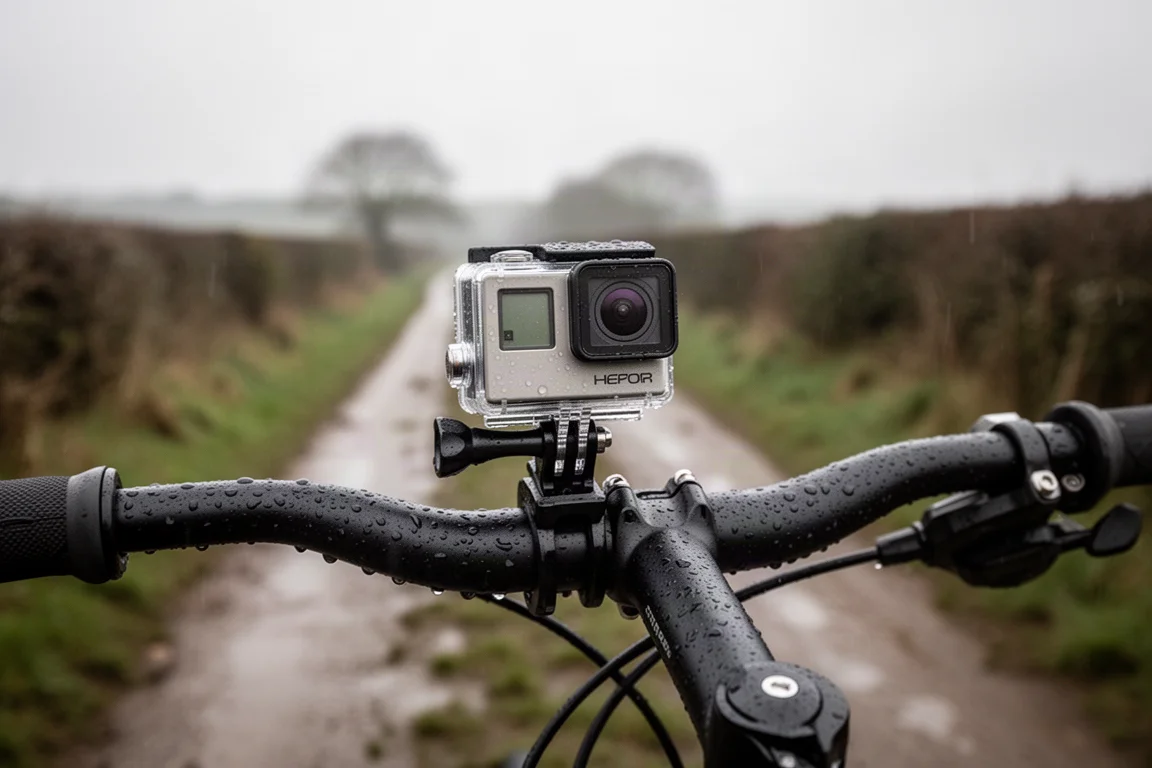
There is one trade-off to plan around. With the mod fitted, the camera is no longer fully waterproof, so the bare camera remains the better choice for water or heavy rain. If most of your filming is dry but outdoors, the audio gain is worth the compromise.
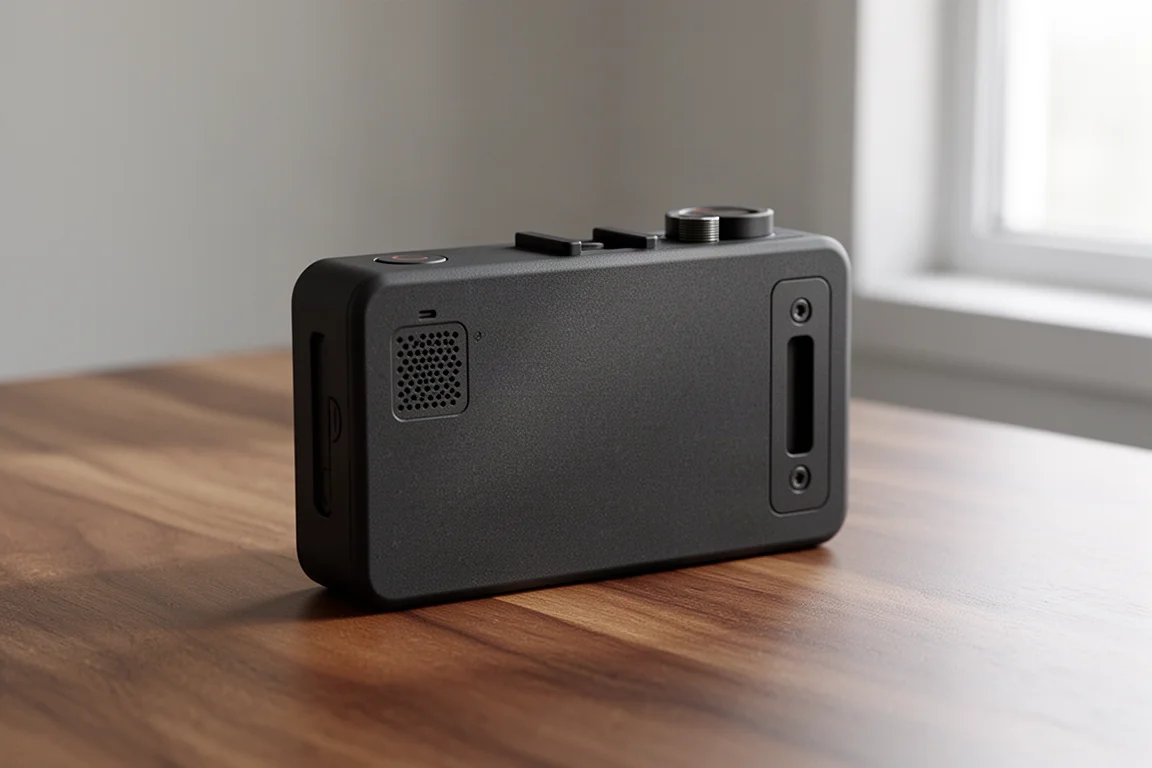
DJI Pocket 3: Small Camera with Tracking
The Pocket 3 is one of the compact cameras most often recommended at the moment, and the feature that separates it is tracking. It follows a subject automatically, which means you can walk, talk and move through a scene without a second person holding the camera, and it can reach angles a phone on a tripod simply cannot.
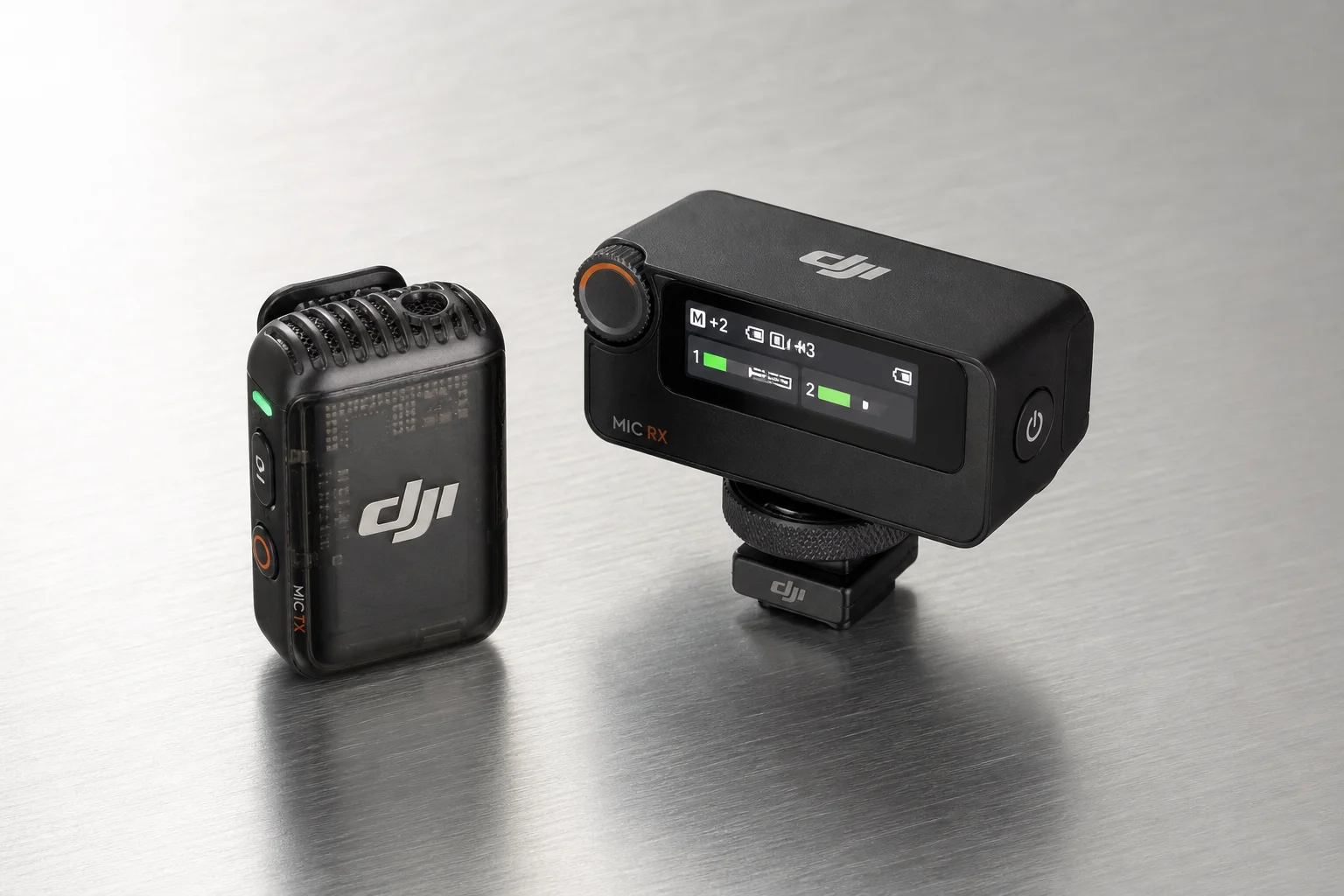
DJI Mic 2: Clean Wireless Audio
A wireless clip-on microphone is the single biggest audio upgrade for walking and talking footage. The transmitter clips to a collar and sends audio wirelessly to the phone, and the difference against the phone’s internal microphone grows the further you move away from the camera.
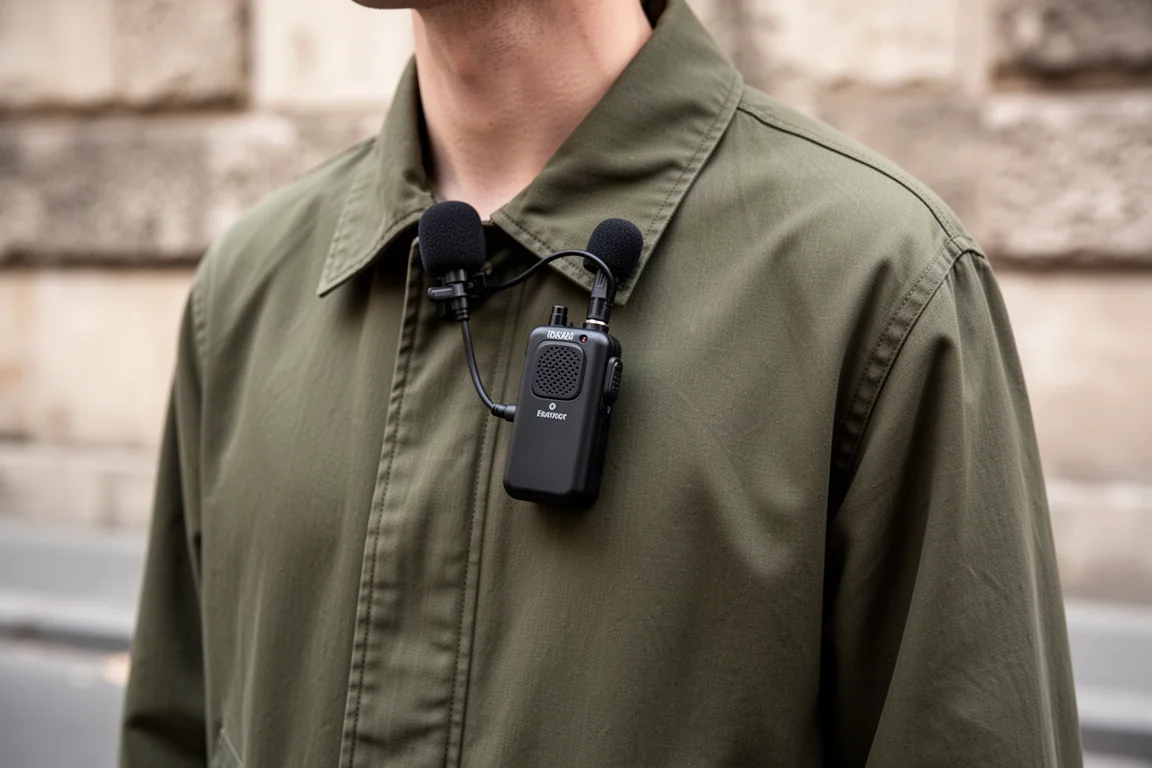
The practical appeal is discretion. A small clip-on transmitter is far less conspicuous than a shotgun microphone mounted on a phone holder, which matters if you film in public places such as museums or busy streets. On some models the wind muff is sold separately and is worth adding, because wind noise is the quickest way to lose an otherwise good take.
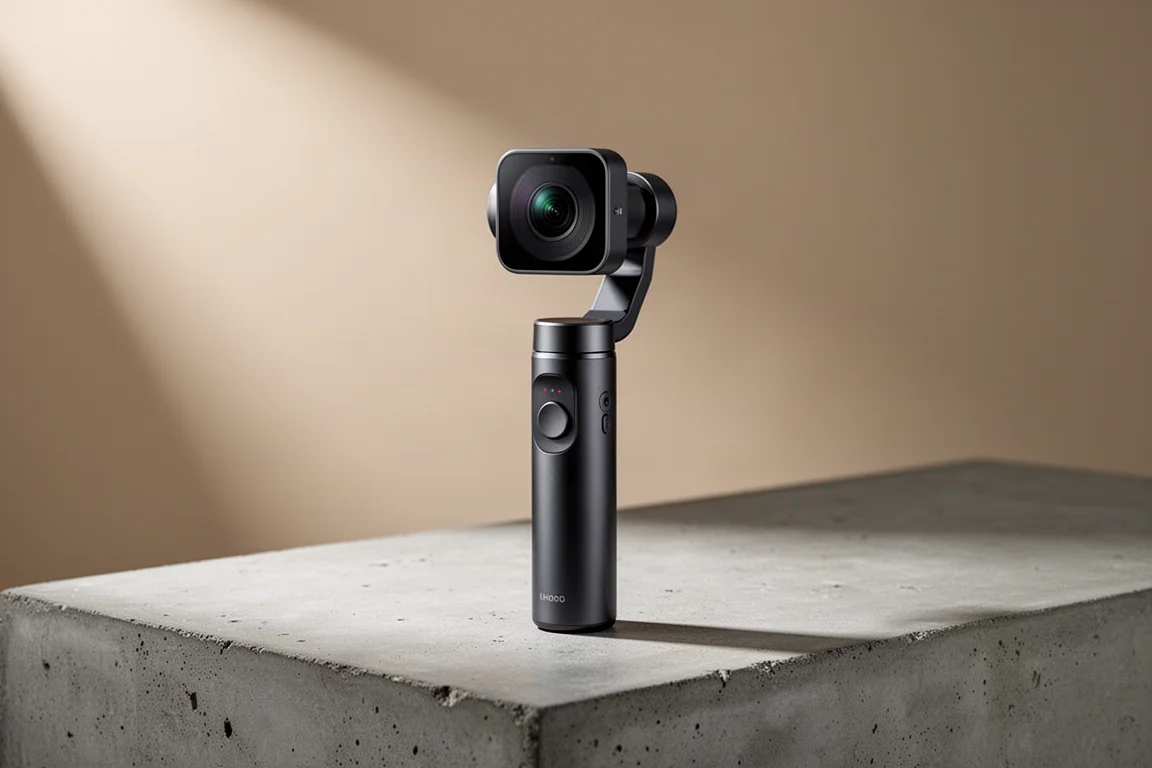
Insta360 One: Phone Gimbal with Tracking
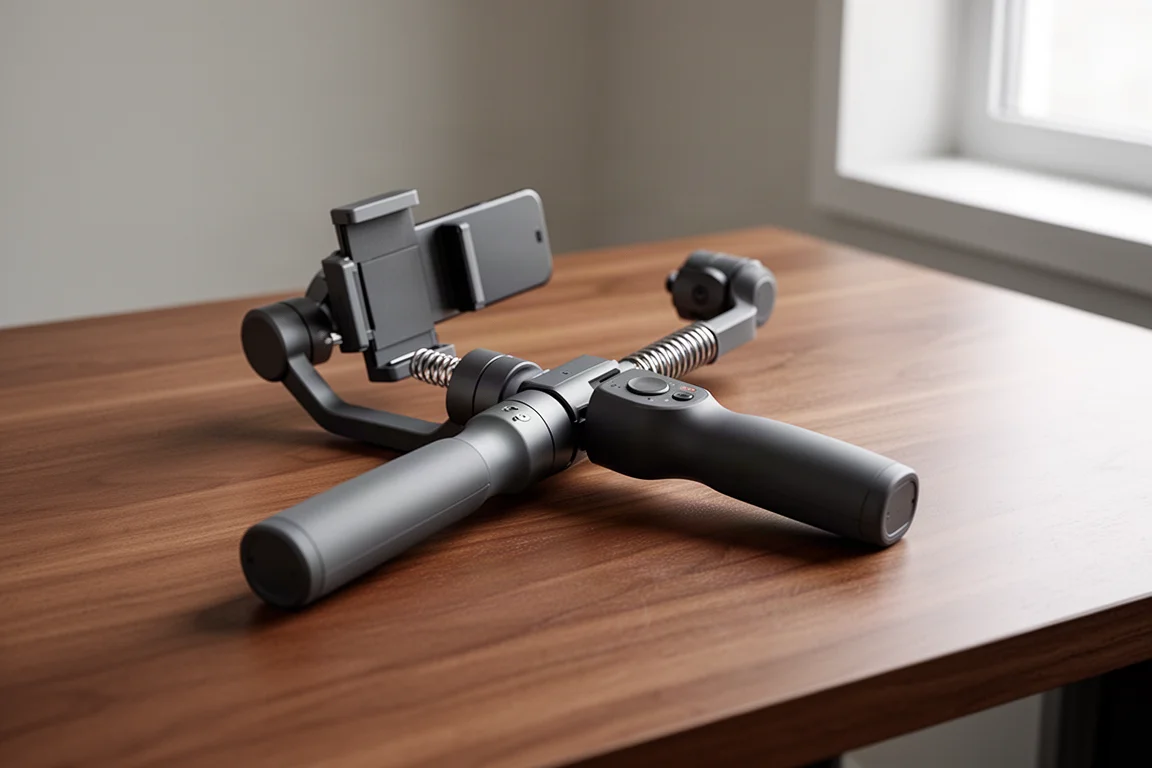
If you would rather keep filming on your phone, a phone gimbal adds movement and tracking without buying a new camera. The Insta360 One stabilises the phone and can follow you as you move, producing more dynamic shots than a static tripod while keeping the workflow familiar.
Buying Advice: Matching Gear to How You Film
Match the gear to the filming, not the other way around. If you walk and talk, a phone and a small tripod are enough to start, and a wireless microphone is the upgrade that changes the most. If you film outdoors in rough conditions, an action camera with the audio mod attached is the more durable route. If you want tracking without carrying a phone, a compact gimbal camera does the job.
Budget matters less than it seems. Basic clip-on wireless microphones are inexpensive, and similar unbranded models sell for less again, while free editing software has removed the last real cost barrier to producing finished video from a phone alone. Spend first on audio, then on the camera that suits where you actually film.
Conclusion
The best camera for everyday filming is the one that is always with you, which is usually the phone. Start there, add a small tripod, and let a microphone be your first real upgrade. Move to an action camera, a pocket gimbal camera or a phone gimbal only once you know which shots you are missing.
Further reading
Related Reviews

Backpacking Gear
Building a 10 lb Base Weight: An Ultralight Backpacking Gear List
A practical walkthrough of the ultralight pieces behind a 10 lb base weight, from a 765 g pack and a roomy one-person tent to a full camp chair and a dependable water filter.
Road Bikes
10 New Road Bikes Worth Watching: Aero, Titanium, Steel and Endurance Standouts
A practical roundup of 10 new road bikes, from aero flagships chasing single-watt gains to titanium, steel and endurance platforms built for real roads.
Bikepacking Gear
11 Bikepacking Essentials for Long-Distance Cycling
Eleven bikepacking essentials for long-distance cycling, from a steel gravel frame and a two-person tent to helmet lights, packable gloves, and a frame bag that puts weight in the right place.