Smart Home
Best Video Doorbell Cameras Tested: 11 Options From $27 to $170
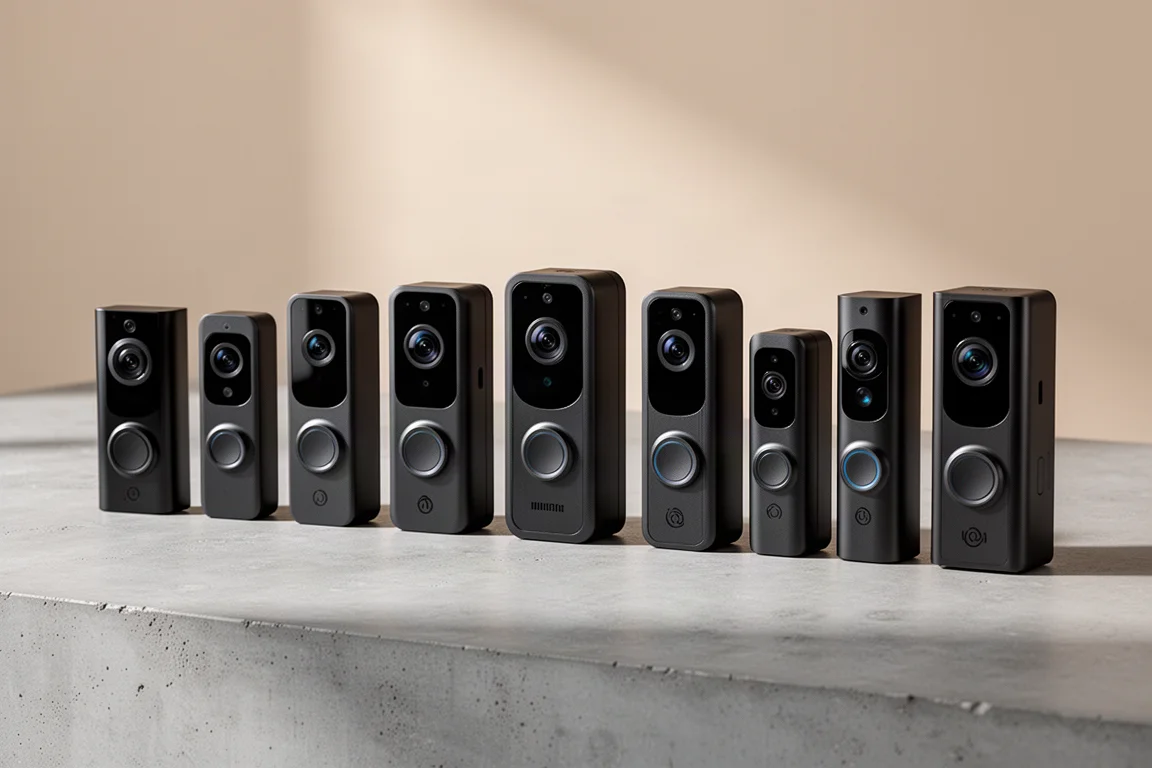
Eleven video doorbell cameras put through distance video quality, night vision, chime loudness, and app comparisons, from budget picks like Grid Terra to premium dual-camera models like the UFI U5i.
Introduction
Seeing who is at your door without walking over to it has become one of the most practical smart home upgrades, but prices range wildly: from a $27 budget model up to a $170 premium dual-camera bundle. That raises an obvious question. Is the cheapest doorbell camera just as good as the most expensive one?
To answer that, eleven doorbell cameras were compared across video quality at distance and up close, night vision, chime loudness and range, Wi-Fi range, setup experience, and app functionality. Below is how each one performed, organized from least to most expensive.
How We Evaluated Each Doorbell
Each camera was mounted at the recommended height of 48 inches with a strong Wi-Fi connection. Distance visibility was tested using markers at 10, 15, 25, 30, 35, and 40 feet, with a license plate as a fine-detail check. Close-up coverage tested whether the camera could see a visitor’s face and a package on the ground. Chime loudness was measured at 24 inches with a sound meter, and night vision was judged on marker readability, motion detection distance, and resistance to being blinded by a flashlight.
Grid Terra Doorbell Camera ($27)
The Grid Terra is the least expensive camera in the test at $27. It claims AI human detection with instant alerts, night vision, two-way audio, and battery power, though it only works with 2.4 GHz Wi-Fi. Setup is easy: add the device, name it, enter Wi-Fi details, and scan a QR code. Its chime alarm measured 77.3 dB, which is respectable for the price.
Video quality is where the budget shows. The 40-foot marker is very blurry, the 25-foot marker is barely readable, and the license plate is only readable at 10 feet. A package on the ground falls outside the field of view. In night testing, it struggled the most: the 10-foot marker was the only readable one, motion detection failed entirely, and a flashlight completely blinded the camera, though close-up night footage of a face was decent. The app is very basic, and a subscription costs around $100 per year or $29 for six months.
Blink Video Doorbell ($35)
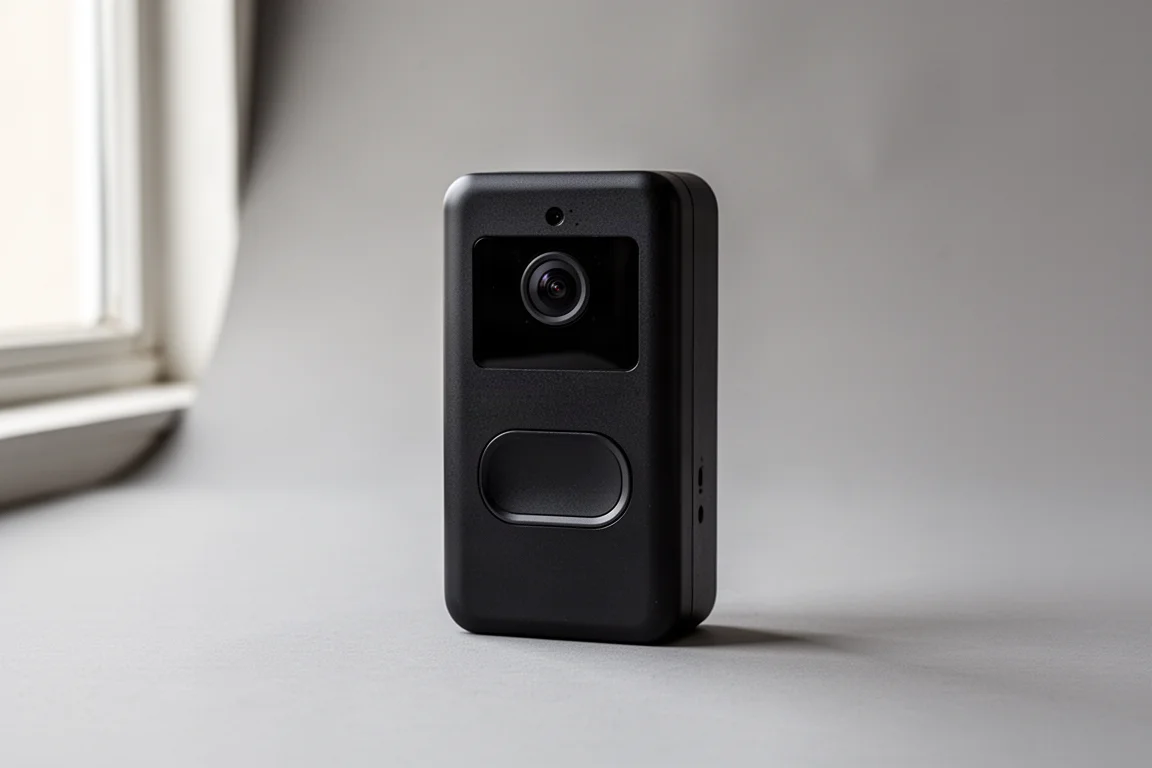
The Blink offers a claimed two-year battery life, two-way audio, HD video, motion and chime app alerts, and Alexa support, with wired or wire-free options. Batteries are included. Setup is more complicated than most because a required sync module must be configured first.
Notably, it does not include a doorbell alarm. On distance video, the 25-foot marker is readable but the 30-foot marker is not, and the license plate is readable at 15 feet. Its wide field of view is a strength: a visitor holding a package was visible while standing on both sides of the camera. Where Blink shines is motion detection, spotting a visitor at nearly 20 feet, the best of the group, and starting recording right away. Night video quality is poor, however, with the 10-foot marker blurry. The app is solid for the price, though live view loads the slowest of all brands and saving live recordings requires a subscription at $3 per month.
ieGeek Wireless Doorbell Camera ($40)
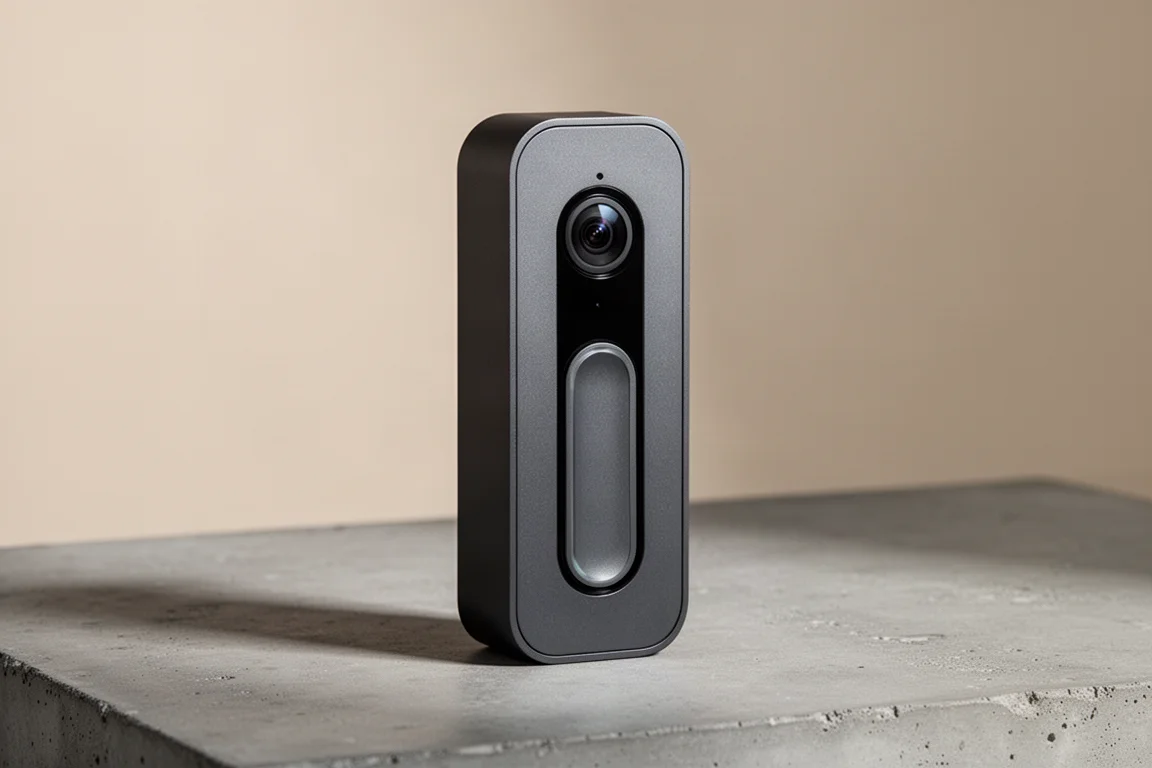
The ieGeek claims 1080p full HD video, PIR motion detection, Alexa support, no subscription requirement, and microSD local storage, and it comes with a chime. Setup is straightforward with QR code pairing and a guided installation, followed by a firmware update of three to five minutes. Chime volume measured 74.9 dB.
This is where the value starts to appear. The ieGeek delivered by far the best distance video up to this point in the test: the 40-foot marker was easy to read and the license plate was readable at 35 feet. Night vision is also excellent, with the 40-foot marker readable, though motion detection only triggered at about 5 feet and the camera was completely blinded by a flashlight. One trade-off: a visitor’s face was partially out of the line of view when standing directly in front or on either side. The app is good, with recording, screenshots, resolution changes, a siren, motion detection, and voice options all available without a subscription. A subscription costs $3.99 per month for cloud storage and AI features.
XTU 2K Doorbell Camera ($50)
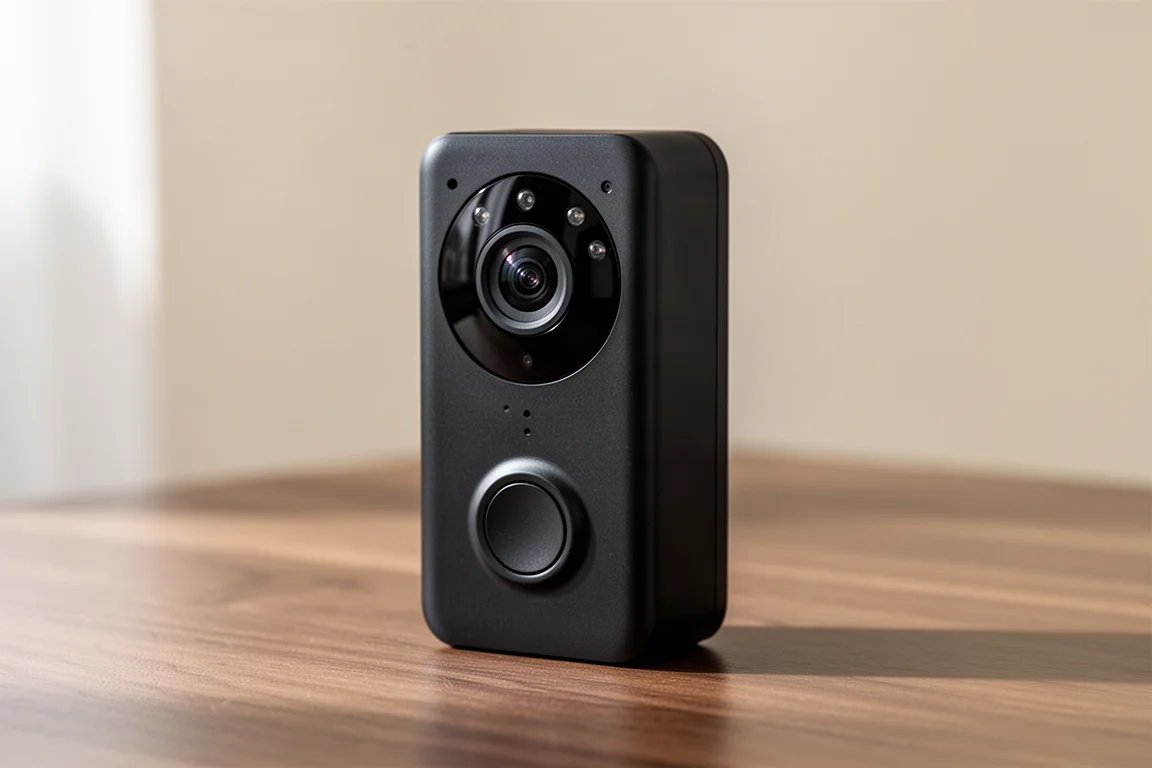
The XTU claims 2K video with no subscription required, a 120-degree wide-angle lens, human detection, night vision up to 33 feet, two-way audio, and Alexa and Google Assistant support, with a chime included. Setup mirrors the ieGeek closely, including a similar firmware update. Its chime measured 78.7 dB, the loudest so far in the test.
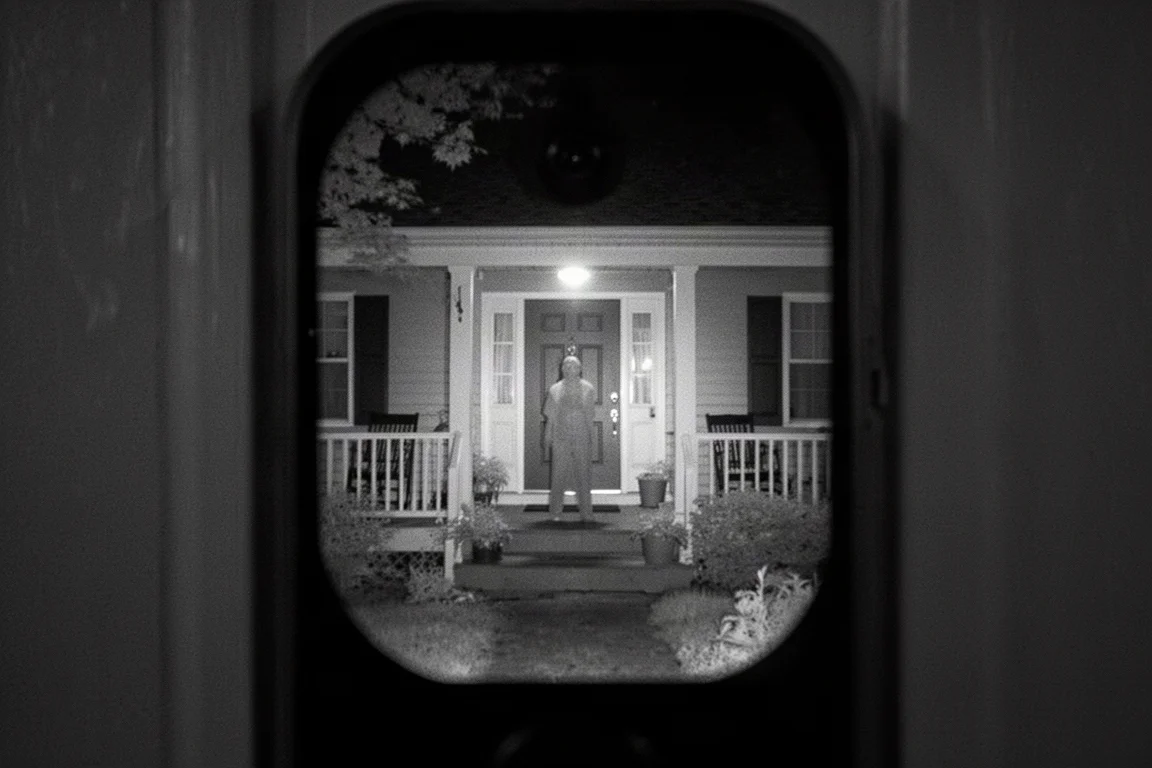
Video quality is very good: the 40-foot marker is easy to read and the license plate is readable at 35 feet, matching the ieGeek. Night footage is grainy but the 35-foot marker is readable, though auto detection only spotted a visitor about 5 feet away and the camera was fully blinded by a flashlight. Like the ieGeek, faces were partially out of view head-on and at the sides. The app is essentially the same as the ieGeek’s under a different name, with generous customization of sensitivity, power modes, activity zones, and a timeline-based playback. The subscription costs $3.99 per month.
Tapo Wireless Doorbell Camera ($50)
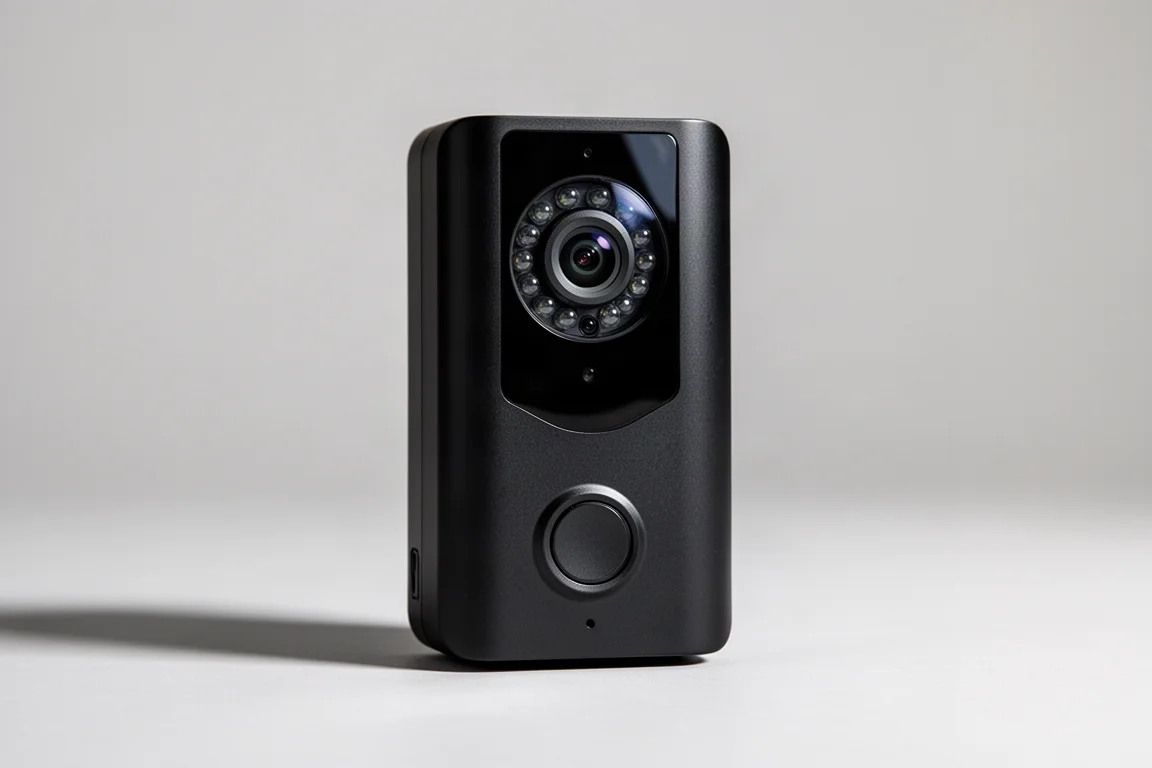
The Tapo is a wireless doorbell camera with a chime that claims 2K video, full color night vision, a 160-degree wide-angle view, free AI detection, local storage, no monthly fee, and the ability to receive a phone call to answer your door. Setup is unusually well guided, including a signal strength test and detailed positioning instructions. Its chime is adjustable and reached 83.3 dB on the highest setting, second loudest overall.
The 160-degree coverage comes at the cost of video quality. The 30-foot marker is readable, but the license plate is not readable until about 15 feet. In return, it did the best job yet of keeping a visitor in frame around the door, though the package on the ground was not visible. Night performance was underwhelming: the 15-foot marker was blurry and auto detection only triggered right at the door. The Tapo app is easy to use with strong functionality, including privacy mode, quick responses, calling, and timeline playback. A subscription at $3.50 per month adds 30 days of cloud storage, enhanced notifications, video summaries, and weekly reports.
Energizer 2K Smart Doorbell ($80)
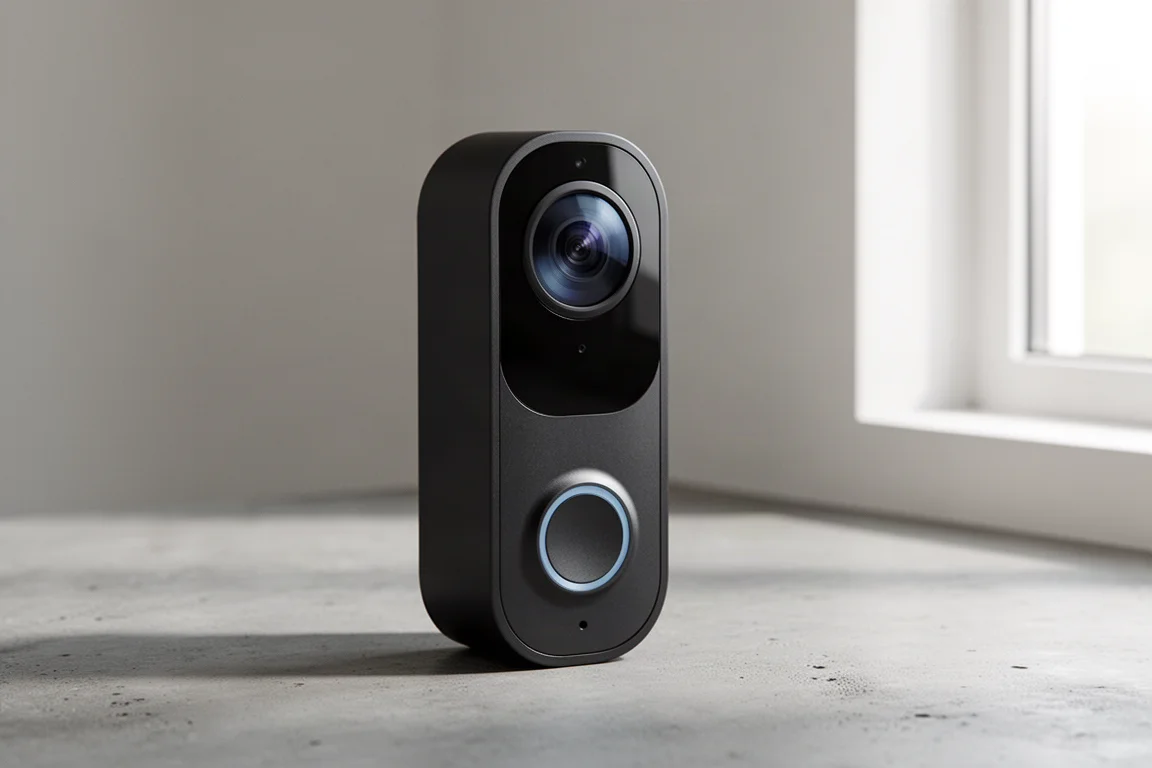
The Energizer is a smart 2K doorbell and chime with a rechargeable battery, two-way audio, night vision, and both cloud and card recording with a remote access app. Setup is easy and on par with the competition. Its chime measured 72.2 dB, the quietest in the test.
Video quality is a highlight: the 40-foot marker is easy to read, the license plate is barely readable at 35 feet, and it captures a visitor’s face directly in front of the camera, which several competitors cannot. Night vision is also strong, with the 40-foot marker readable, though motion detection triggered at about 10 feet and flashlight blinding was noticeable. The app looks basic and somewhat outdated but includes screen recording, calling, screenshots, and sensitivity customization, with a very basic activity zone. The basic subscription adds seven days of event recording for $3 per month.
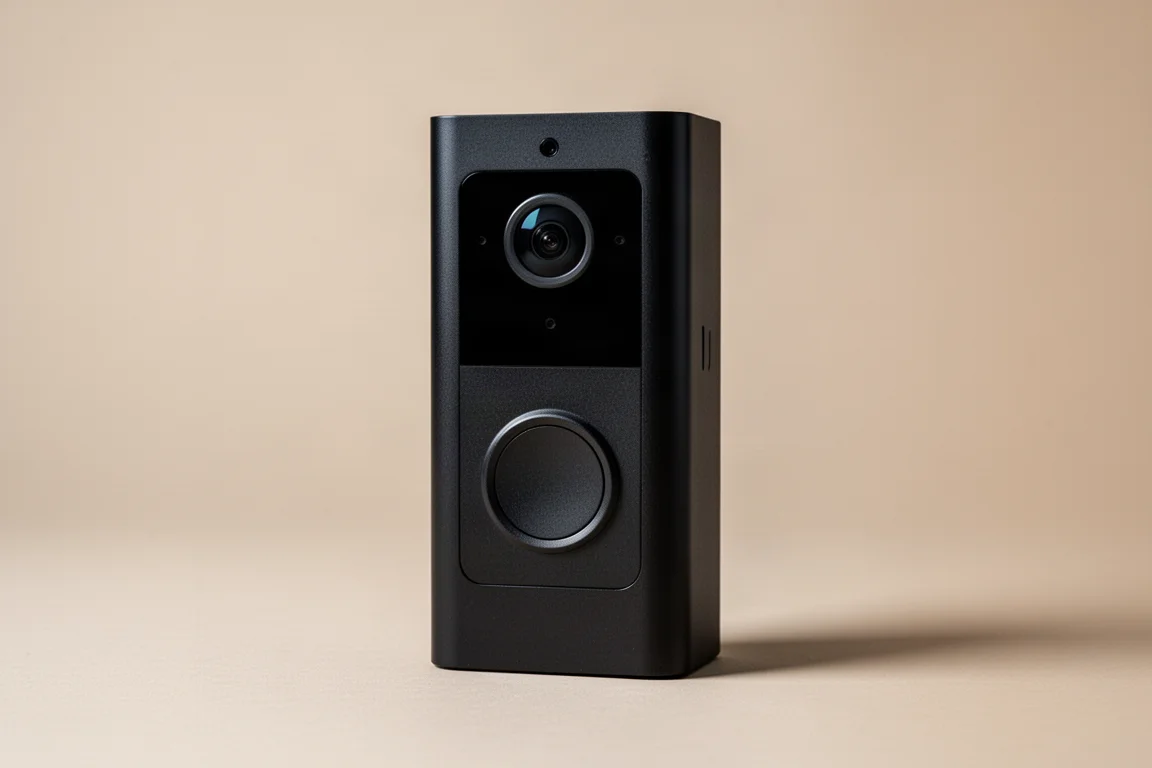
WISE Dual Cam Video Doorbell ($84)
The WISE is a dual-camera doorbell with an included chime, battery power, 2K full HD video, two-way audio, color night vision, no monthly fee, microSD storage, dual-band Wi-Fi, and a claimed one-minute installation. Setup is simple and quick, and its chime is by far the loudest at 92.6 dB on the highest setting, making it the pick for large homes or offices.
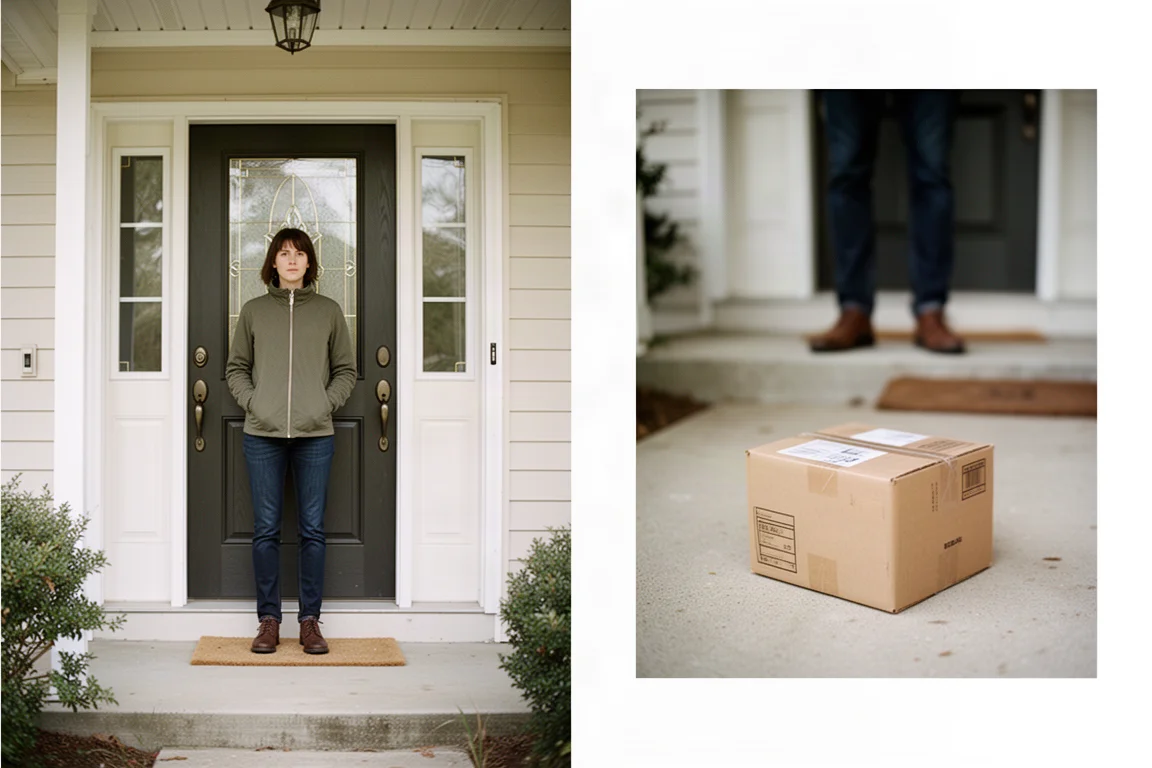
Distance video is its weak point. The 25-foot marker is readable but the license plate is not readable until about 10 feet, and there is some lag in the feed. Up close, however, the dual cameras deliver: it is the first camera that can see both a package on the ground and a visitor from head to toe, keeping them in frame on both sides. Night range is limited with the 20-foot marker readable, motion detection triggered around 10 feet, and flashlight blinding was moderate. The app is simple, showing two independent camera views you can zoom separately, with detection zones and voice-over IP settings. Cloud storage of 60 days costs $26 per month.
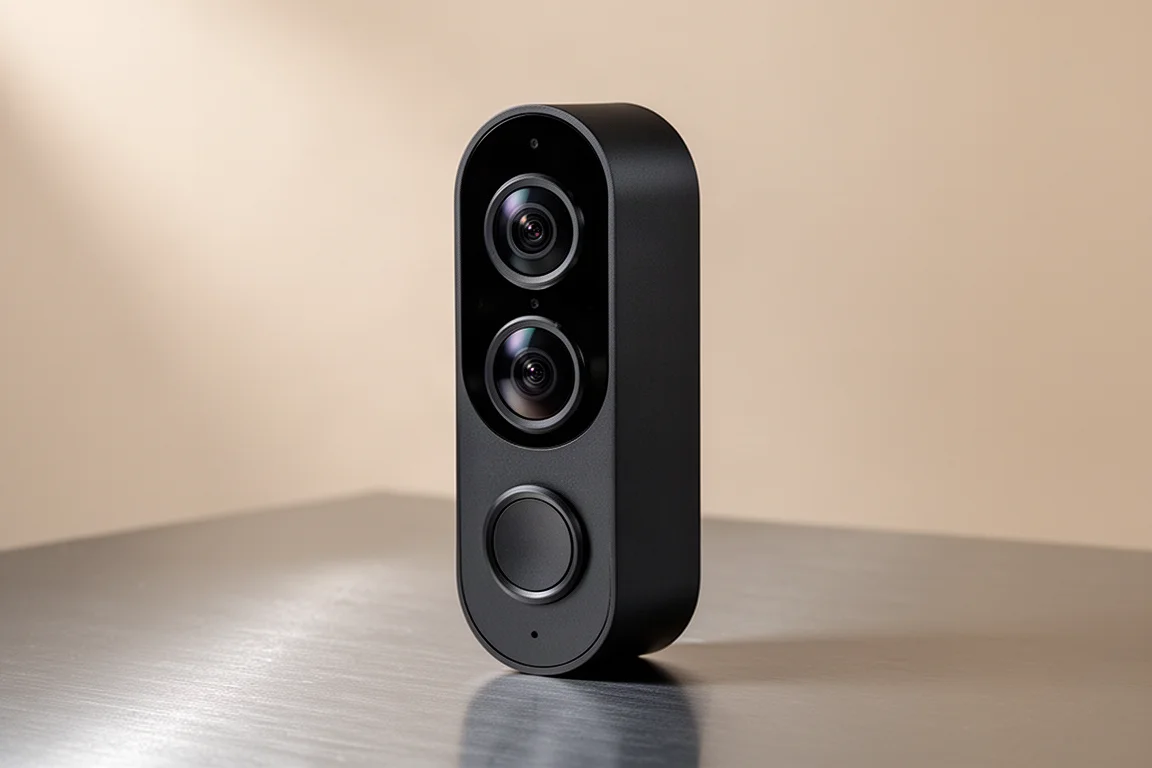
Reolink Wireless Doorbell Camera ($120)
The Reolink offers full 2K video, a 150 by 150-degree head-to-toe view, dual-band Wi-Fi, person, vehicle, and package detection, two-way talk, no monthly fees, and support for up to a 256 GB microSD card. A chime costs an extra $20. Setup works, though it is the only app requiring the Wi-Fi name to be entered manually, and it adds a password protection step. Its alarm reached 79.1 dB on the highest setting, third loudest.
The fisheye lens delivers on the head-to-toe promise: it is the only camera in the distance-focused group that shows a visitor’s full body directly in front of the door, and it also captures the package on the ground. Distance detail is moderate, with the 35-foot marker barely readable and the license plate readable at about 15 feet. Night vision is weaker than most, with the 20-foot marker readable, but motion detection worked well at 12 to 13 feet and flashlight performance was better than several rivals. The app is user friendly, with HDR, sensitivity controls, activity zones, and a unique time-lapse recording feature. Cloud plans, which include an LTE option, cost between $7 and $16 per month.
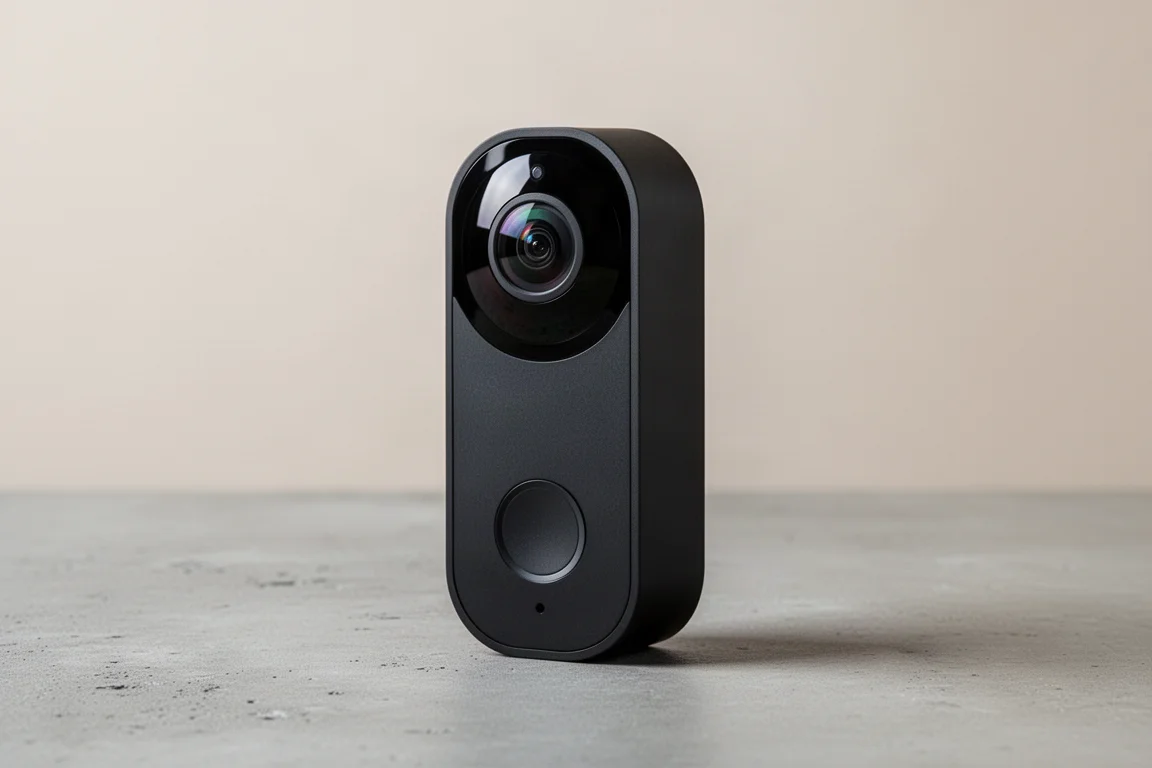
AOSU Video Doorbell ($120)
The AOSU claims 5-megapixel ultra HD video, no monthly fee, dual-band 2.4 and 5 GHz Wi-Fi, battery or wired power, Alexa and Google Assistant support, and a built-in 8 GB memory card. Setup involves a home base that needs to be plugged in, followed by QR code pairing and an installation tutorial. Its chime reached 75.5 dB on the highest volume.
This is one of the strongest all-rounders in the test. It offers 166 degrees of coverage with very high video quality: the 40-foot marker is readable and the license plate is readable at 35 feet. A visitor standing on either side remained in frame, though feet and the package on the ground fell out of view. Night vision is excellent, with the 40-foot marker readable and a clear image up close, and motion detection triggered at about 15 feet. Flashlight blinding was moderate. The app is well designed, with customizable detection zones, notifications, sensitivity, and facial recognition. Subscriptions cost between $4.50 and $9 per month.
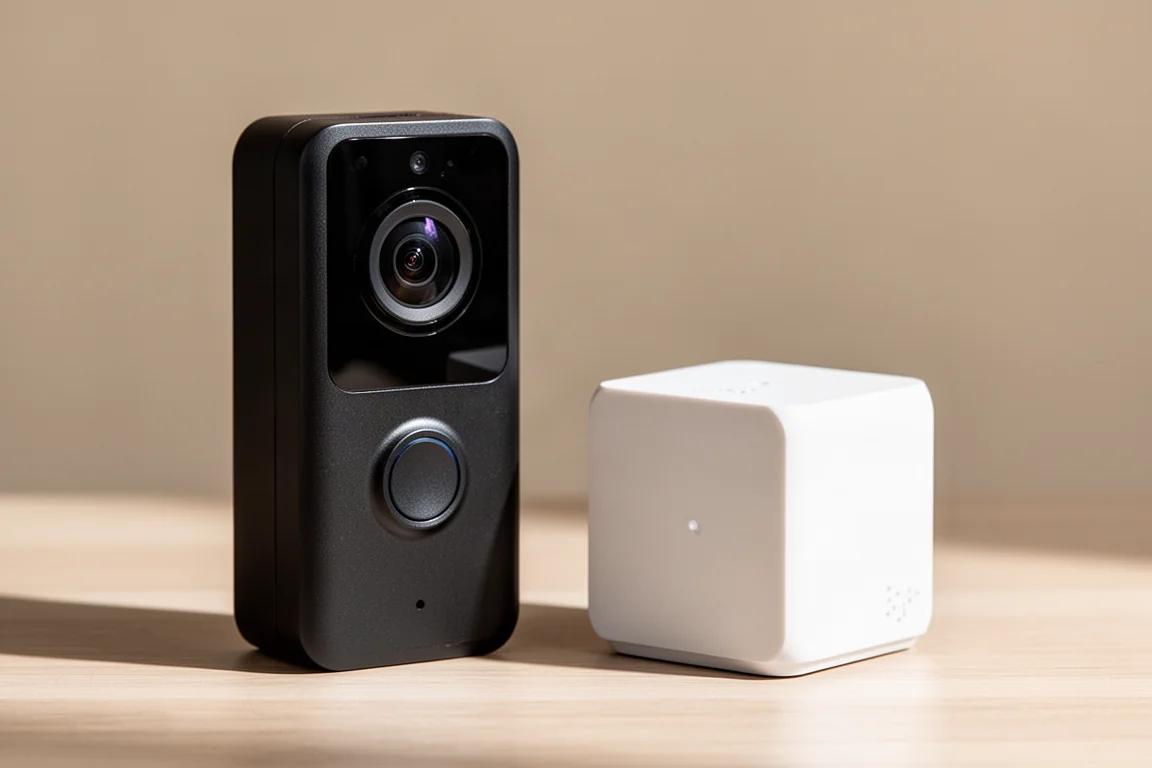
Ring Battery Doorbell ($135)
The Ring claims head-to-toe HD video, motion detection and alerts, two-way talk, and a quick-release battery pack for easy recharging, with recorded video saved up to 180 days. Note that recorded video requires a subscription, and a chime costs an extra $35. Setup is detailed, including address confirmation and careful installation guidance. Its chime measured 74.4 dB, but chime range is excellent at 300 feet through two walls.
Coverage is a strength: approximately 166 degrees, matching the AOSU, with a head-to-toe view of a visitor at the door including the package on the ground. Distance detail is weaker, with the 30-foot marker barely readable and the license plate readable at 10 feet. Night vision is also weaker than the AOSU, with the 20-foot marker fuzzy, though motion detection worked at close to 15 feet and flashlight resistance was better than average. The Ring app is simple but capable, with live view auto-recording, calendar-based playback, event search, and sharing.
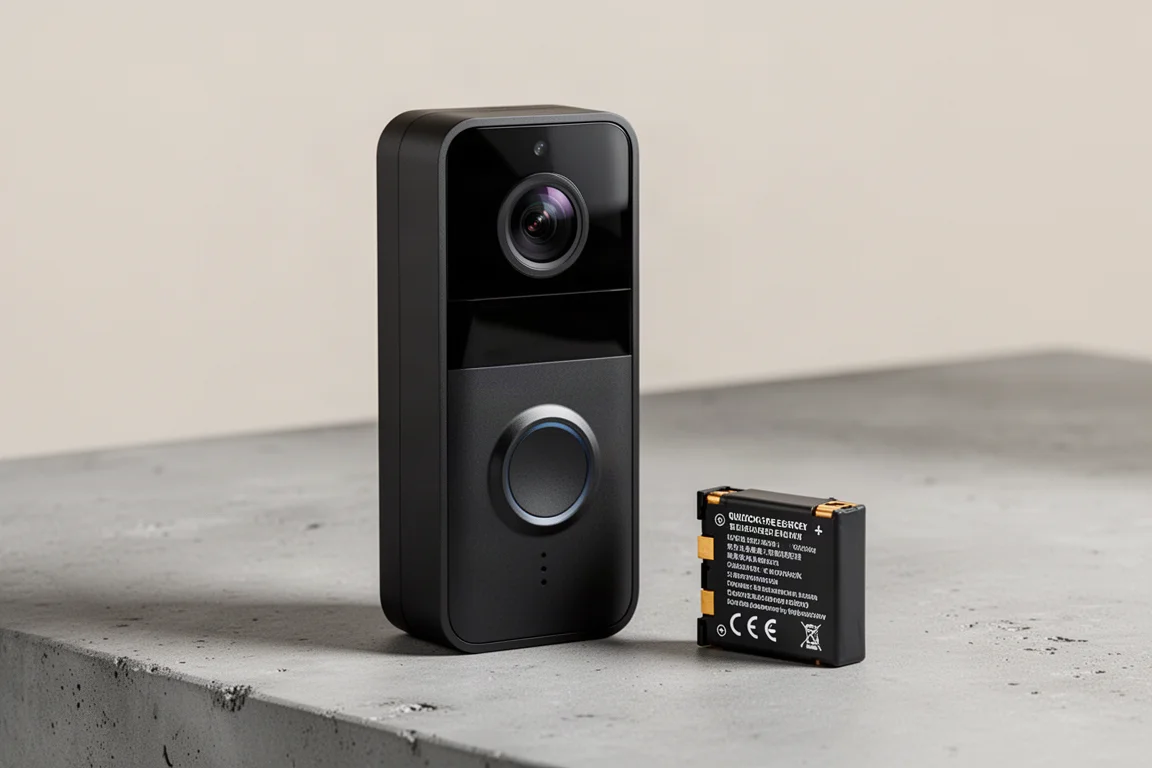
UFI U5i Video Doorbell ($170)
The UFI U5i is the most expensive camera tested at $170, sold as a bundle with the U5i video doorbell, an extra backup battery, and an additional quick-release 6,500 mAh battery pack. It features dual cameras, 2K full HD video, color night vision rated for clear view up to 16 feet, and no monthly fees. A doorbell chime is not included. Setup follows the familiar QR code pattern with a firmware update. Wi-Fi range is the best of the group at 225 feet, and like the Ring and AOSU, it offers approximately 166 degrees of coverage via a fisheye lens.
Distance detail is average, with the 30-foot marker readable and the license plate readable at about 15 feet. Where it excels is comprehensive up-close capture: the dual cameras recorded a visitor going for a package from head to toe. Night video quality is among the very best, and motion detection spotted a visitor about 20 feet out, near the top of the group. The app is excellent, showing both camera views, event and package counts, AI package highlighting, delivery guard, facial recognition, HDR, and customizable activity zones and notifications.
Buying Advice: Which Doorbell Should You Choose?
The core question is whether you want a doorbell that sees farther out, or one that gives a much more comprehensive view of what is happening directly in front of the door.
If distant capture matters most, the ieGeek, XTU, Energizer, Reolink, and AOSU performed best, with the 40-foot marker readable. Among those five, the Reolink is the only one providing a full head-to-toe view of someone directly at the door, while the Energizer and AOSU still capture the visitor’s face. The Reolink’s main weakness is nighttime video quality, though it remains adequate for seeing what is happening at the door, which is why it stands out as a strong overall value.
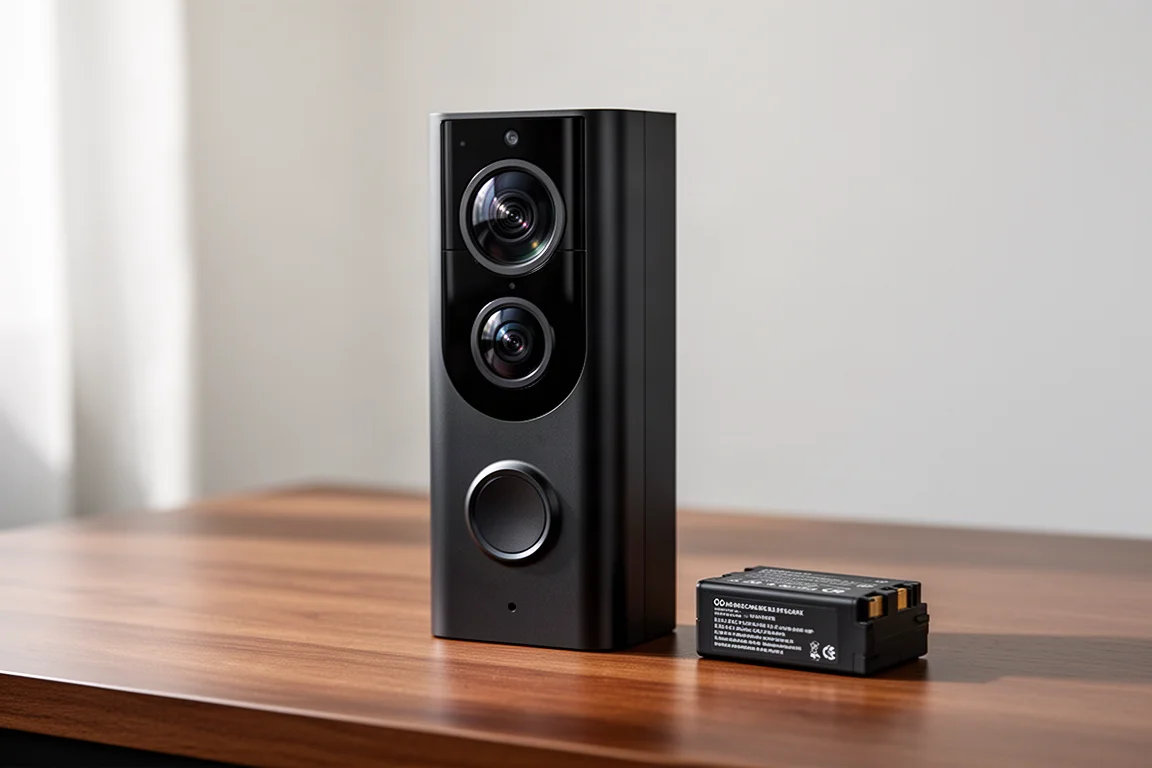
If you prefer better up-close coverage over distance, the WISE, Ring, and UFI all provide a head-to-toe view of the person at the front door. The UFI is the favorite of those three thanks to very good night video, but the WISE or Ring are worth considering if the UFI exceeds your budget. On chime loudness for a large home or office, the WISE leads at 92.6 dB, followed by the Tapo at 83.3 dB and the Reolink at 79.1 dB. On Wi-Fi range, the UFI connected from 225 feet and the AOSU close behind at 220 feet.
Conclusion
Cheap does not automatically mean bad. The ieGeek at $40 rivals far more expensive cameras on distance video and night vision, while the WISE and UFI justify their higher prices with dual-camera head-to-toe coverage. Match the camera to what you actually need to see: the doorstep, the driveway, or both. As always, double-check current features and pricing before buying, as specs and subscription terms can change.
Further reading
Related Reviews
Smart Home
Amazon Echo Hub Review: A Smart Home Dashboard That Finally Gets It Right
The Amazon Echo Hub puts smart home controls front and center with a fast, simple interface. Here is how it performs as a family-friendly dashboard.
Smart Home
15 Amazon Smart Home Automations: Practical Ideas for Every Room
Fifteen practical Amazon Alexa routines and automations that solve real household problems, from pet care to security and entertainment.
Smart Home
Apple TV as HomeKit Hub: Why It's Your Best Choice for Home Automation
The Apple TV combines HomeKit hub functionality with a display, camera viewing, and local automation control. Here's what makes it stand out from iPad and HomePod Mini alternatives.