Camping Tents
Best Budget Tents Under £200: 12 Picks for Backpacking and Wild Camping
Twelve sub-£200 tents compared by weight, interior space, pitch style and wind limits, so you can match a shelter to the way you actually camp.
Introduction
Budget tents get dismissed too quickly. A shelter does not have to cost several hundred pounds to be worth carrying, and every tent in this roundup is waterproof and will keep you dry in ordinary rain. The variable that actually decides whether a night goes well is wind.
The models here sit under a ceiling of around £200, and several come in far below it. Some are freestanding, some rely on the trekking poles you are already carrying, and a few are single-skin designs with clearly defined limits. The goal is not to crown one winner but to make the trade-offs visible, so you can match a tent to the way you really camp.
What to Look For in a Budget Tent
Start with where the tent will be used. A pop-up shelter pitched in a festival field for a couple of nights is a completely different product from a tent you carry into hills and mountains. Both have a place, but only one is built for exposed ground.
Pole material matters more than almost anything else at this price. Fibreglass poles are common on very cheap tents, and abandoned examples of them turn up in places where the weather was simply beyond what they were designed to handle. Aluminium poles, or a design that borrows the trekking poles you already walk with, is a much safer starting point.
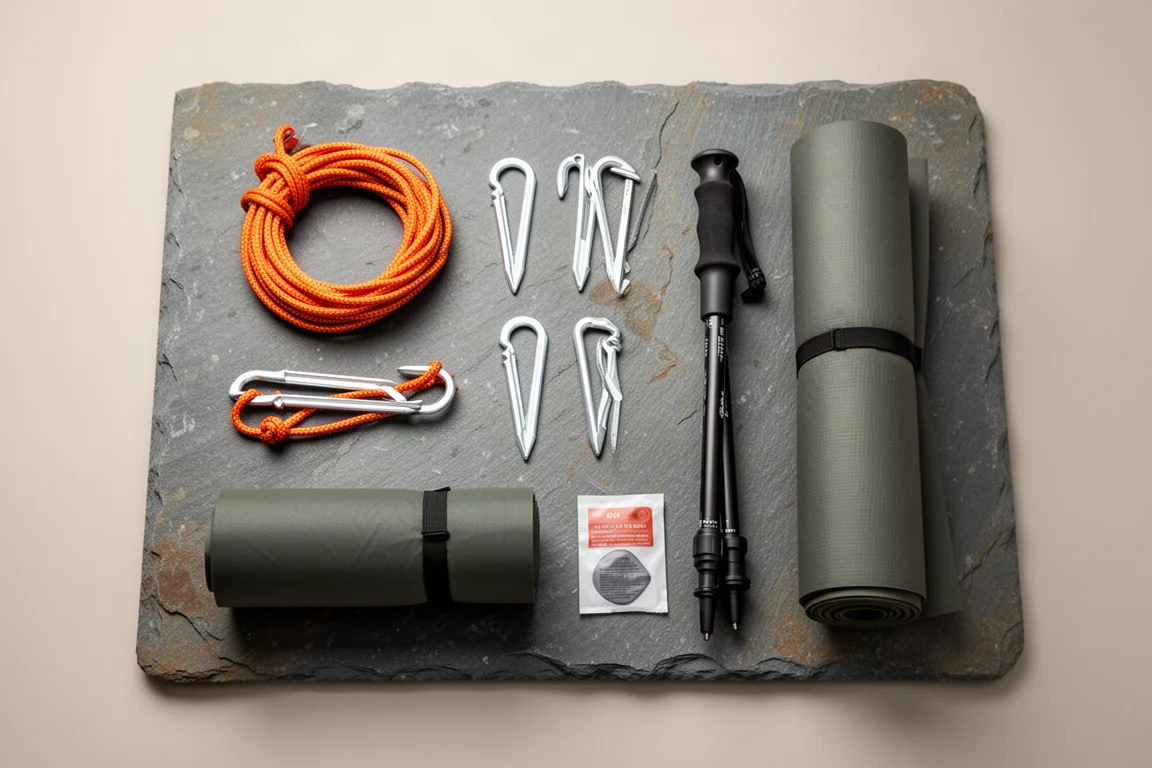
Next, decide between a traditional poled tent and a trekking-pole shelter. Poled tents arrive with a fly sheet, an inner and a pole set, and many are freestanding, which means you can lift and reposition them once the structure is up. Trekking-pole tents typically supply a fly sheet and sometimes an inner, and they need your poles plus pegging out to stay upright. If you do not hike with trekking poles, a trekking-pole tent is the wrong purchase.
Season rating is the next filter. A three-season tent uses plenty of mesh and ventilation in the inner, which suits spring through autumn. A four-season tent has a more solid inner and a fly sheet that reaches closer to the ground, which is warmer in winter but can feel stuffy in summer. Some budget tents are offered in both formats, and a four-season label does not always deliver four-season performance.
Finally, check the dimensions. A two-person tent is realistically a one-person tent plus gear, and a three-person tent is a two-person tent plus gear. Measure length, headroom and width against your height, your sleeping pad and how much you like to spread out. Get those four things right and the rest of the decision becomes much simpler.
3F UL Gear Taga 2: A Freestanding Option With Plenty of Space
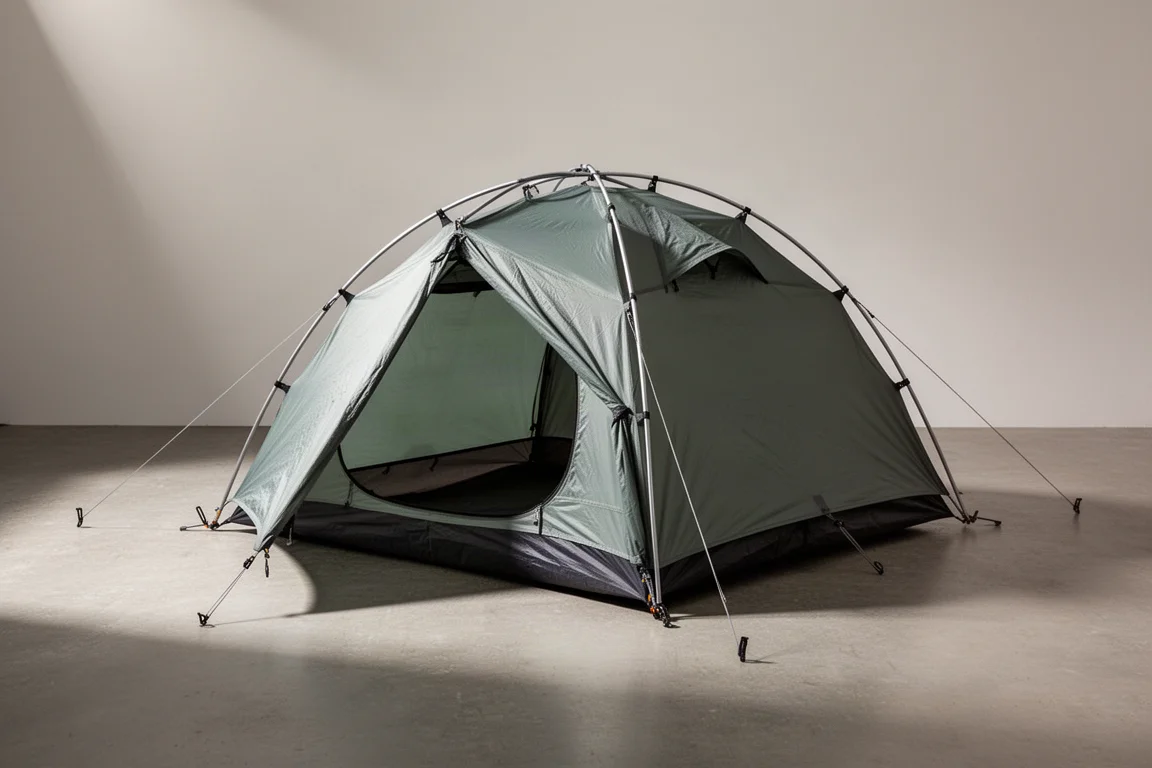
The Taga 2 is a freestanding tent weighing 1.8 kg and selling for around £155. It is available in three-season and four-season formats, although in practice it is not a true four-season shelter and should not be treated as one.
Interior space is one of its strongest points, and in the mountains of Wales it coped well when conditions were calm. Strong wind in the Lake District told a different story and flattened it. That makes it a sensible choice for campers who generally avoid exposed, windy pitches and want a roomy, self-supporting tent at a moderate price.
3F UL Gear Lanshan 1: A Single-Pole Trekking Shelter
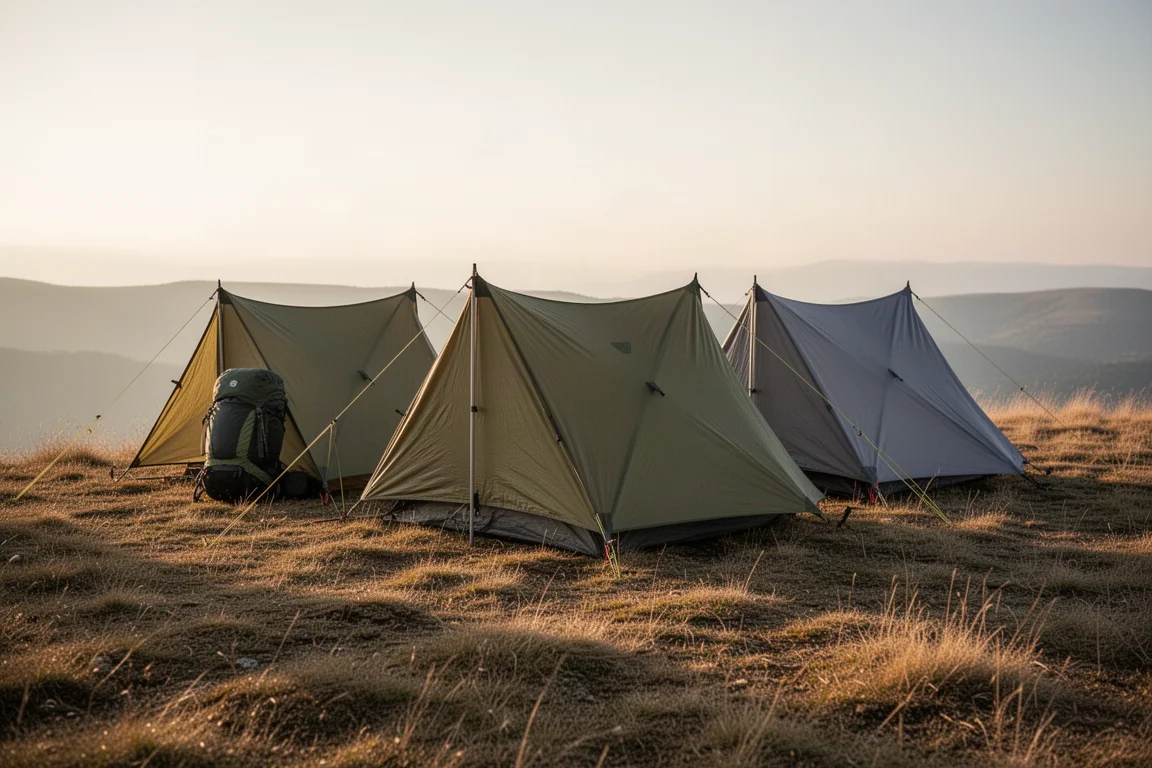
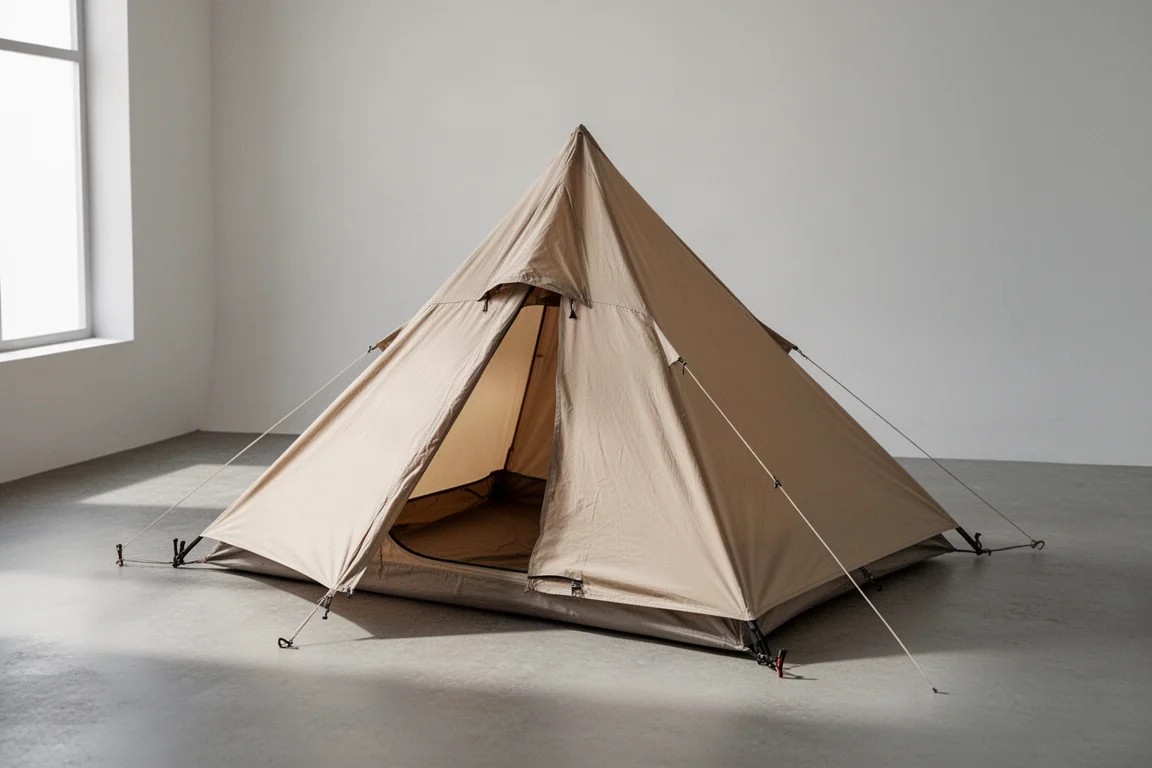
The Lanshan 1 is a one-person tent that pitches with a single trekking pole, weighs just 800 g and costs around £140. Lanshan is really a style of shelter rather than one product, and versions are made by several manufacturers, but the layout stays consistent: a low, three-season design that saves weight by borrowing the poles you are already carrying.
3F UL Gear Lanshan 2: More Room for Two Poles
The two-person Lanshan keeps the same approach but needs two trekking poles to pitch, and the reward is a noticeably larger living area. It remains a three-season design, best suited to spring through autumn trips where wind is not extreme.
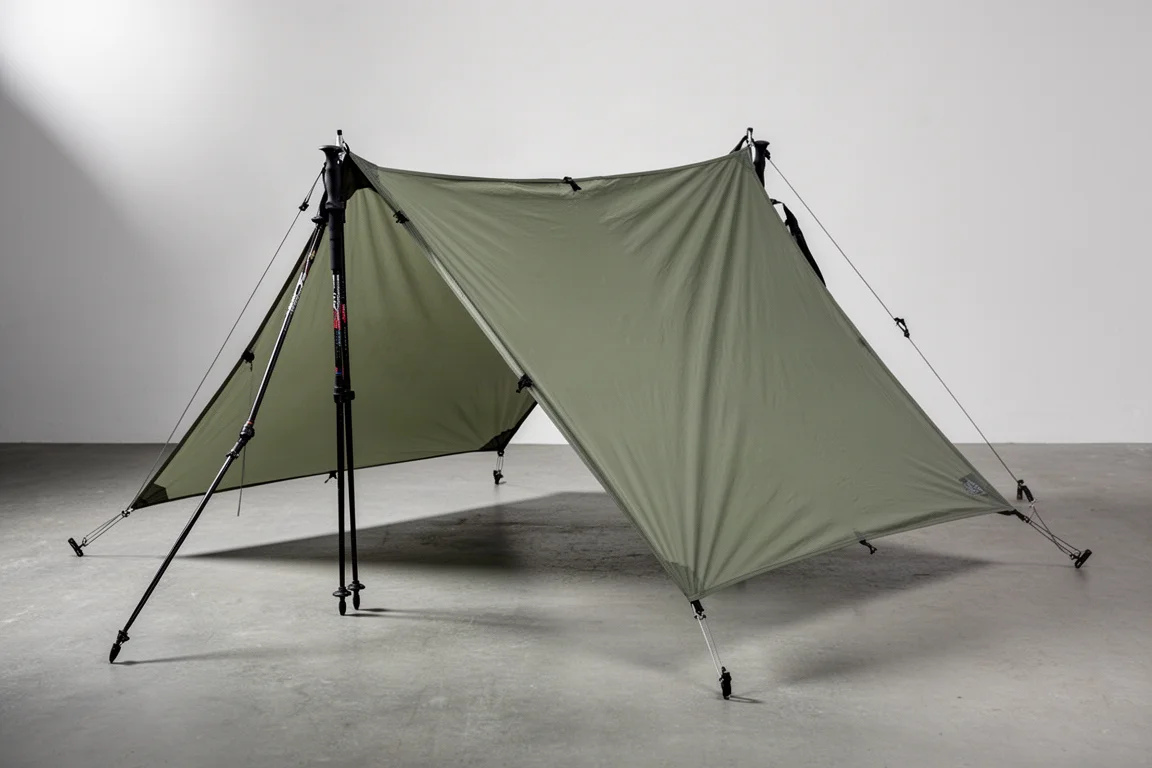
3F UL Gear Lanshan 2 Pro: Single-Skin and Ultralight
The Lanshan 2 Pro weighs 900 g, only 100 g more than the one-person Lanshan, while offering twice the interior space. That efficiency comes from a single-skin construction, which means there is no separate inner tent. It is a three-season shelter that will stand a moderate amount of wind, but it is not a tent for gusts above 30 mph.
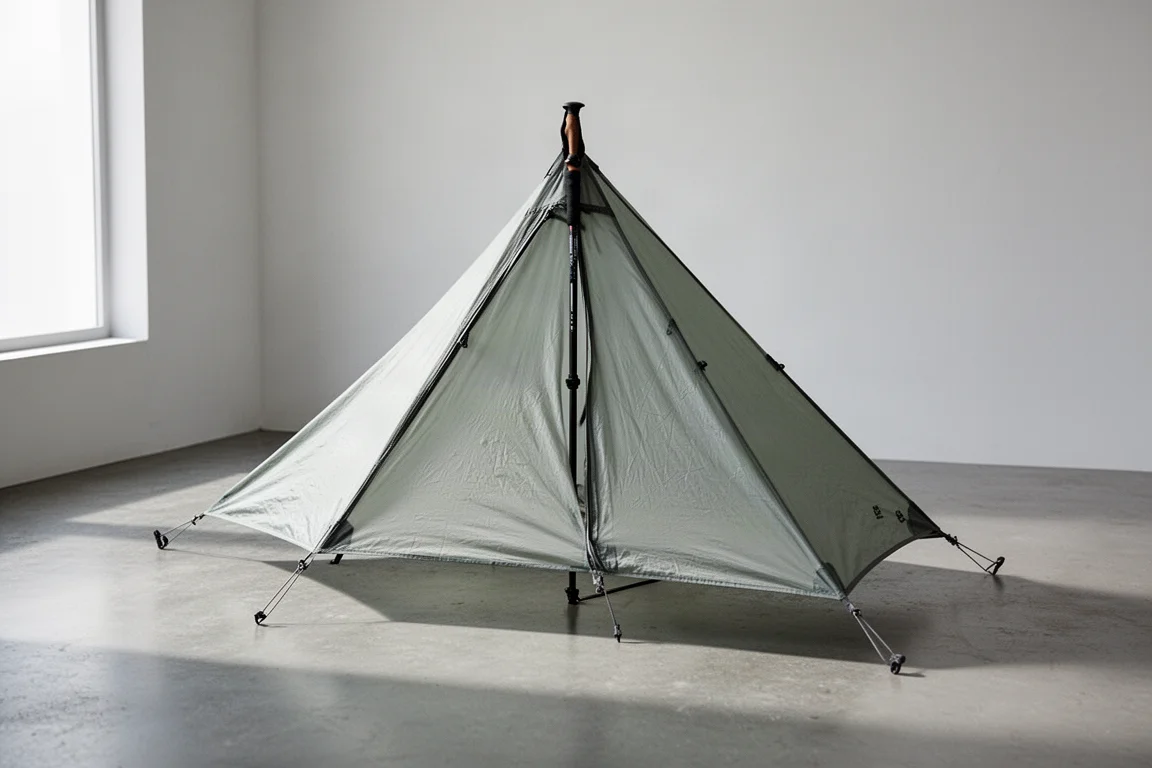
Naturehike Cloud Peak 2: Roomy and Freestanding
The Cloud Peak 2 is fully freestanding, costs around £60 and provides a decent amount of room inside. The compromise is bulk and weight: it comes in at roughly 2.4 kg, so it suits shorter carries and campsite trips better than long backpacking routes.
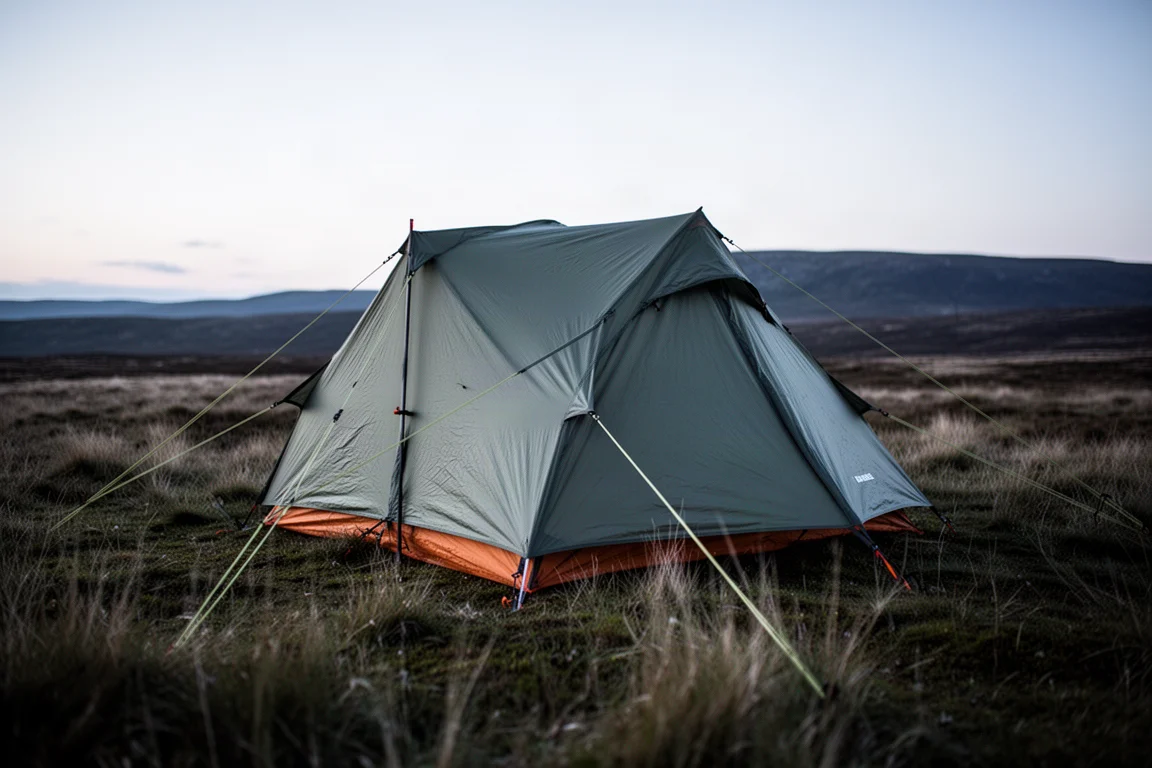
In use it handled winds up to around 30 mph, which is more than most budget tents can claim. Beyond that the usual caveat applies, and it is worth choosing a sheltered pitch rather than testing the limits of a tent at this price.
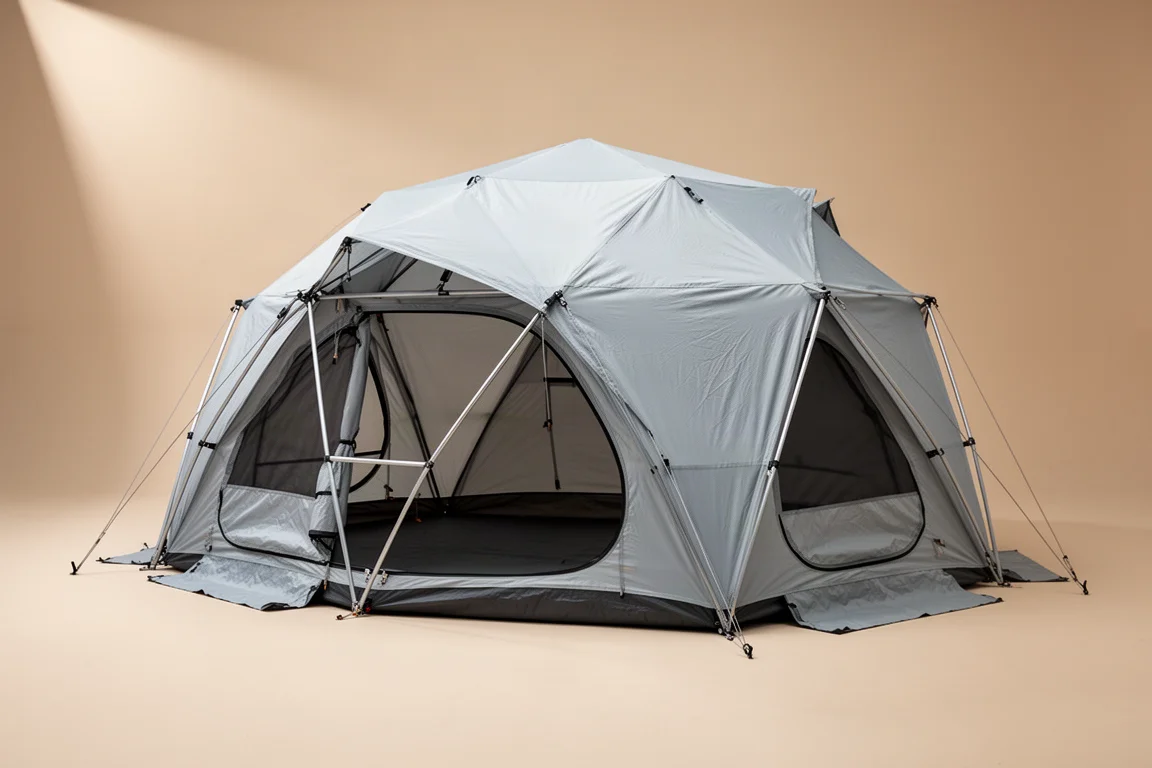
Naturehike Vik 1: A Light Single-Skin Tent
The Vik 1 weighs around 1.1 kg and uses a single-skin design. That keeps weight and complexity low, but it also means condensation can form on the inside of the fabric, with nothing between your sleeping bag and that moisture. Ventilation and pitch position matter more with this kind of tent than with a double-wall design.
OEX Phoxx 2: Solid but Compact
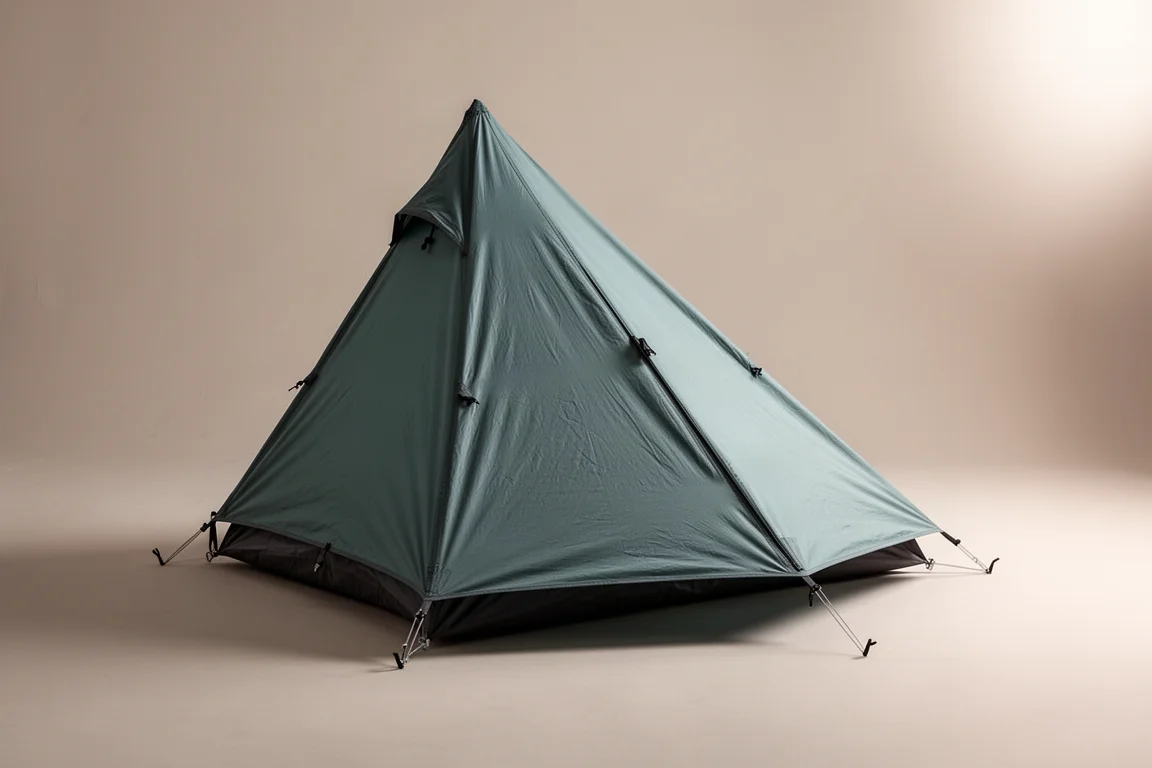
The Phoxx 2 sits at around 2.1 kg, making it heavier and bulkier than several tents here, and it does not have a lot of headroom. What it offers instead is a very solid structure for the money. Pricing is the thing to watch: it is often around £75, but it has also been listed at £150, so waiting for a promotion is smarter than paying the full asking price.
OEX Bobcat: Light and Robust
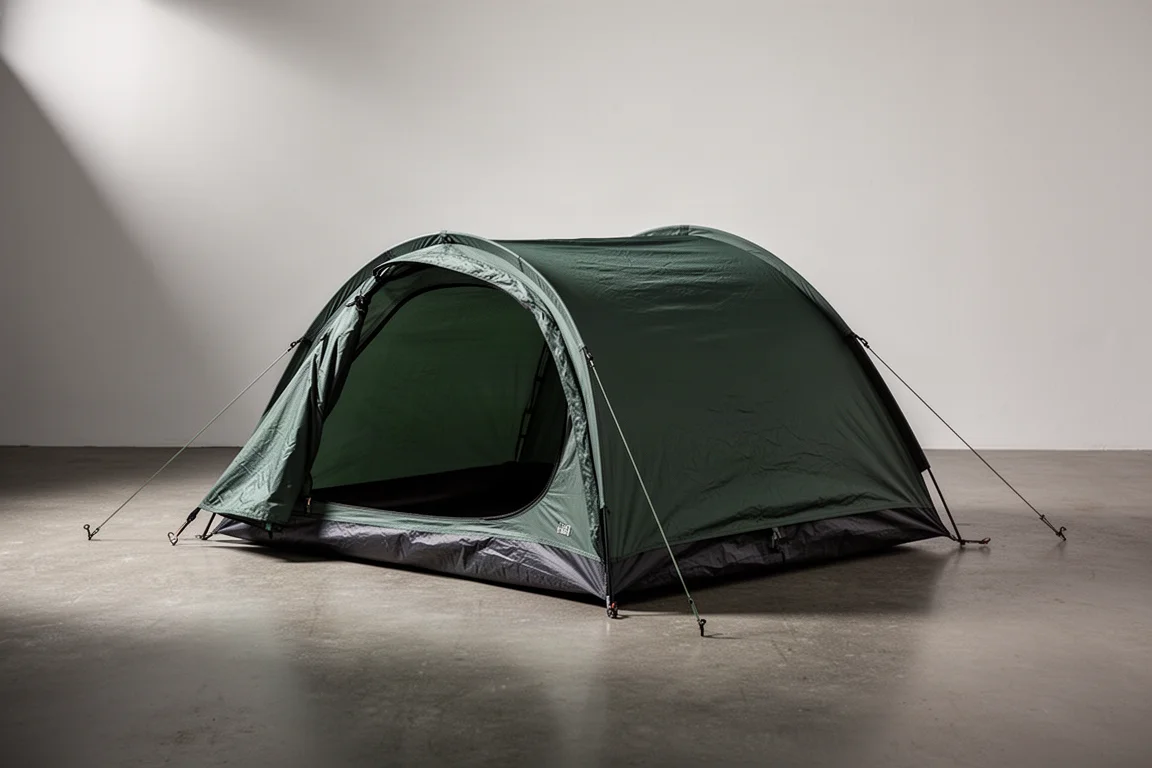
The Bobcat is a single-pole tent weighing 0.9 kg, and it has a reputation for being far more robust than its weight suggests. It has been priced near £59 in the past and sits around £110 more recently. The trade-off is interior room, because there is not much of it, so taller or bulkier campers should look at a larger model.
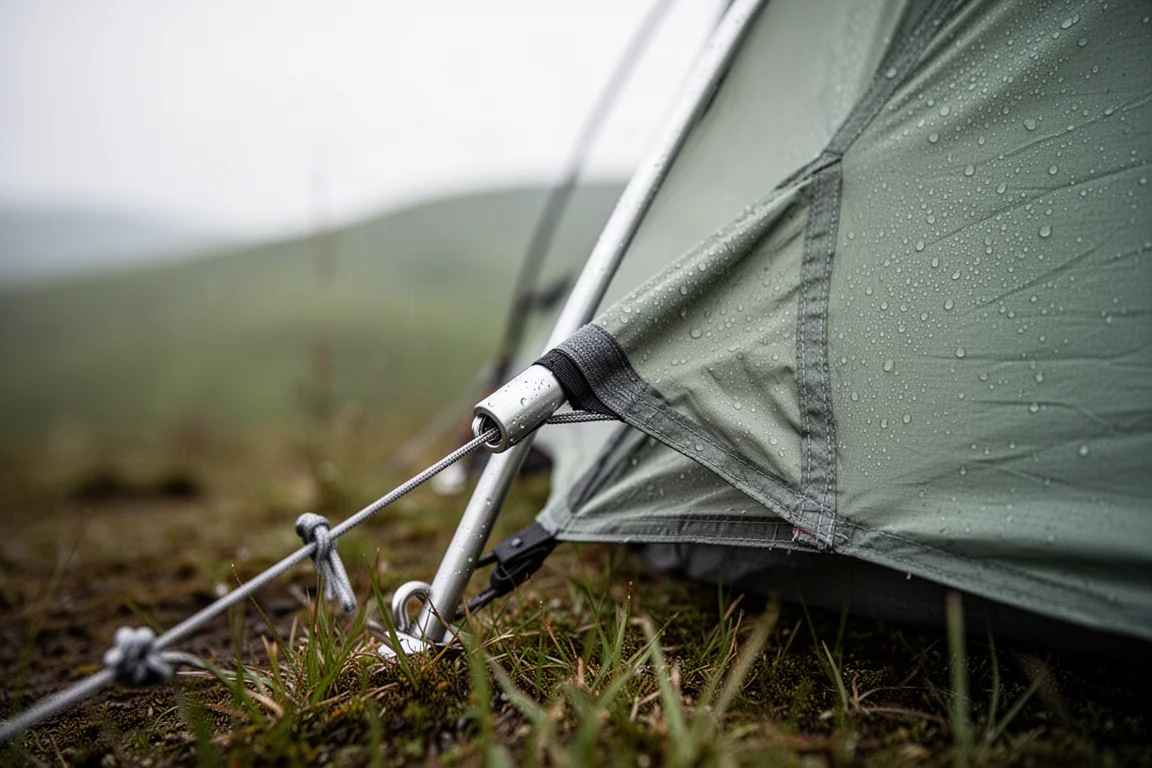
For a solo camper who values low weight and a sturdy pitch, though, it remains one of the more convincing options at this price.
OEX Bobcat Ultralight: Lower Weight, Less Robustness
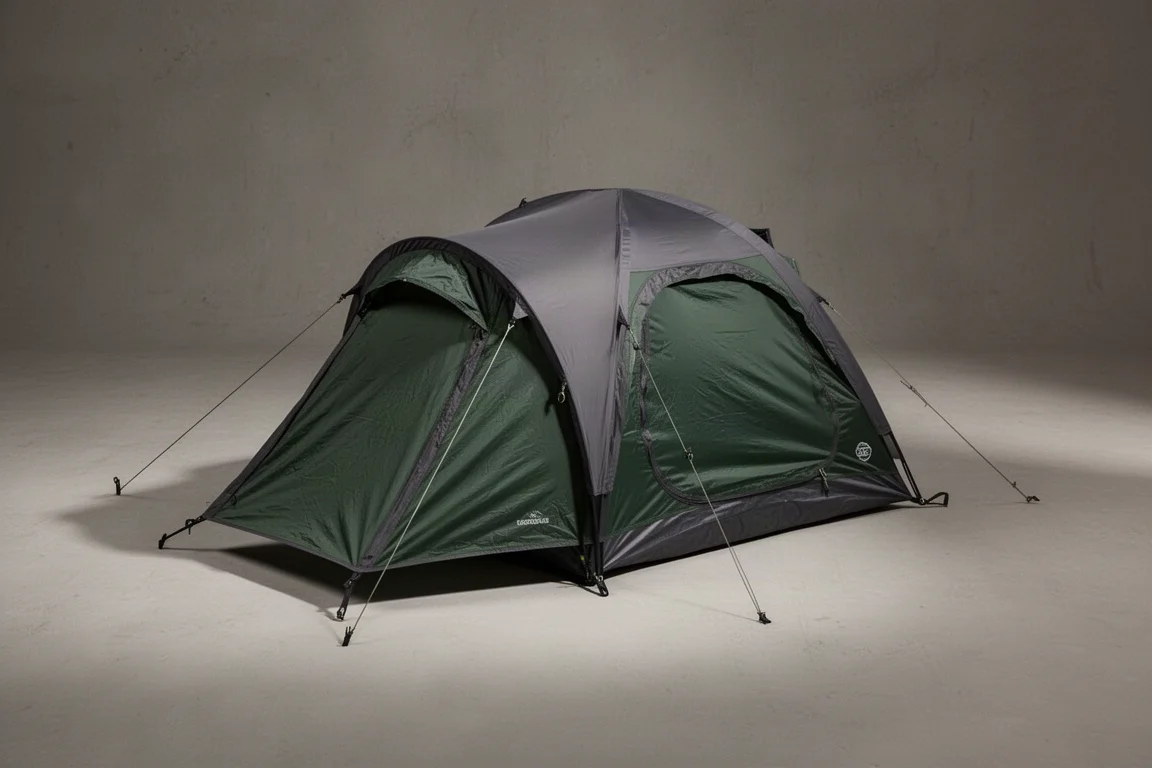
The Ultralight version of the Bobcat drops to 950 g, but it does so by using lighter materials, so it is not as robust as the standard model. Interior space is unchanged, which means the same caveat about room applies. It makes sense if saving weight is the priority and you accept the reduction in durability.
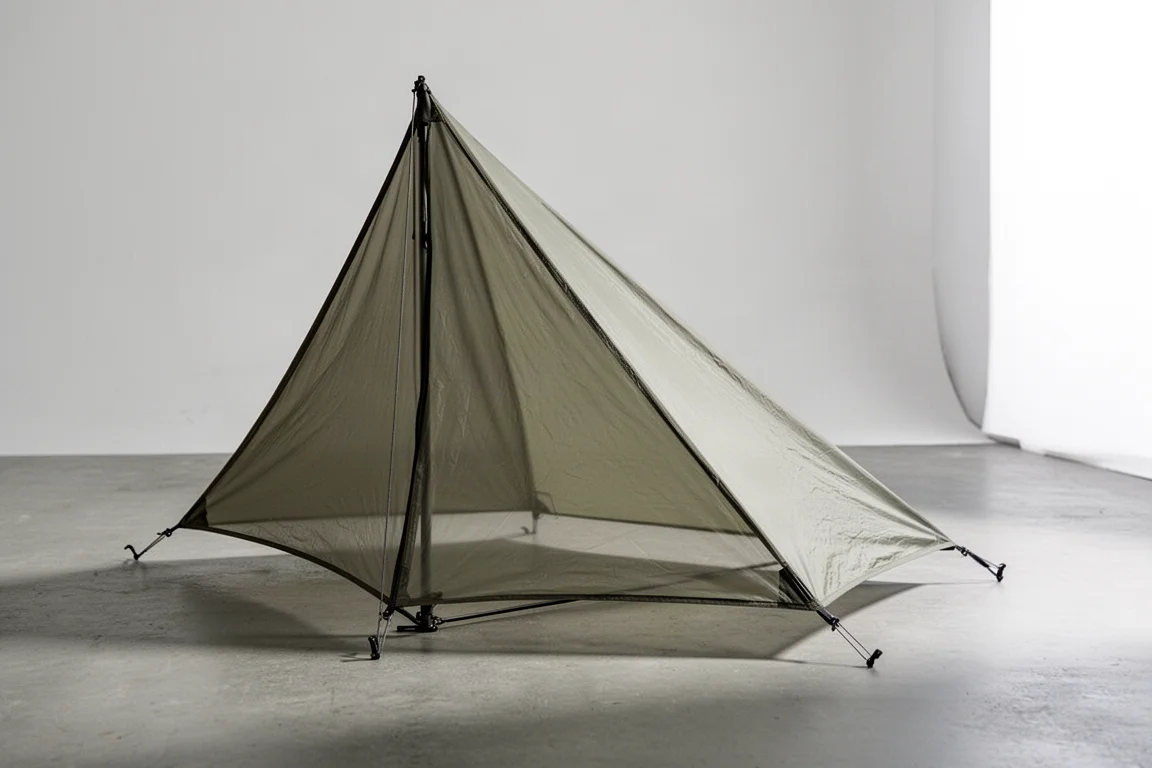
Vango Banshee 300: A Larger Option for Campsites
The Banshee 300 is the larger, three-person member of the Banshee family and a familiar first backpacking-style tent. It is a comfortable, roomy option for campsites and trips where carried weight matters less, and it is a straightforward way to start with a tent that has a proper pole structure rather than a pop-up frame.
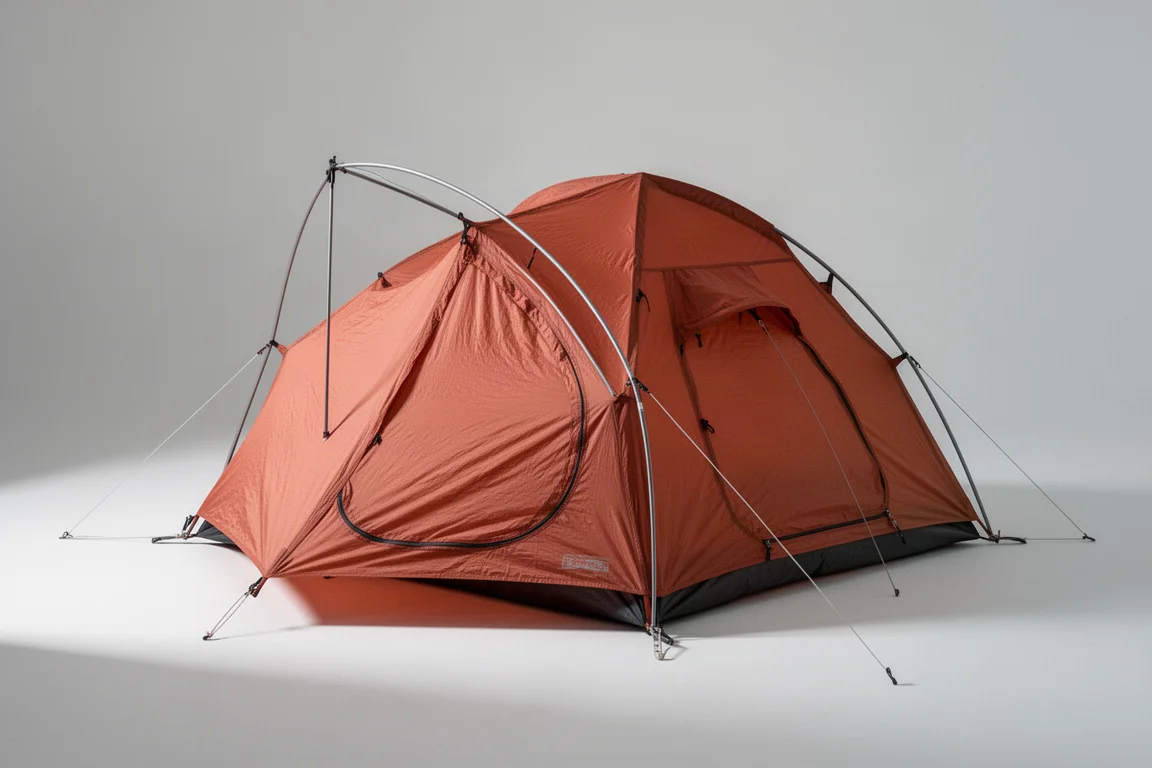
Vango Banshee 200: Strong Wind Performance for the Money
The Banshee 200 weighs 2.4 kg and has been available for around £45. It has long been a go-to tent for wild campers, and among the tents covered here it is one of the better performers once the wind picks up. Weight is the price you pay for that stability.
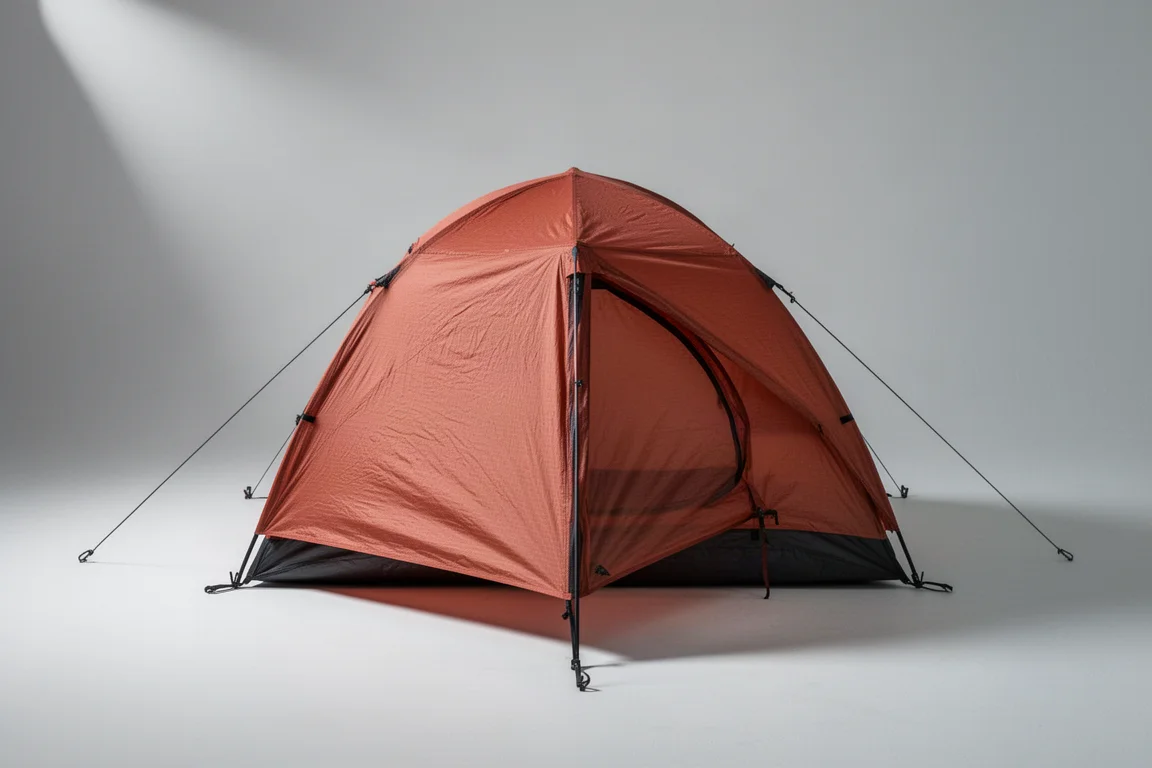
Vango Nevis 2: Two Kilograms for Under £100
The Nevis 2 weighs 2 kg and costs £99. It has been used in genuinely rough winter conditions, which is a meaningful test for a tent at this price, and it balances weight, space and cost more evenly than most of the options here.
Overall Buying Advice
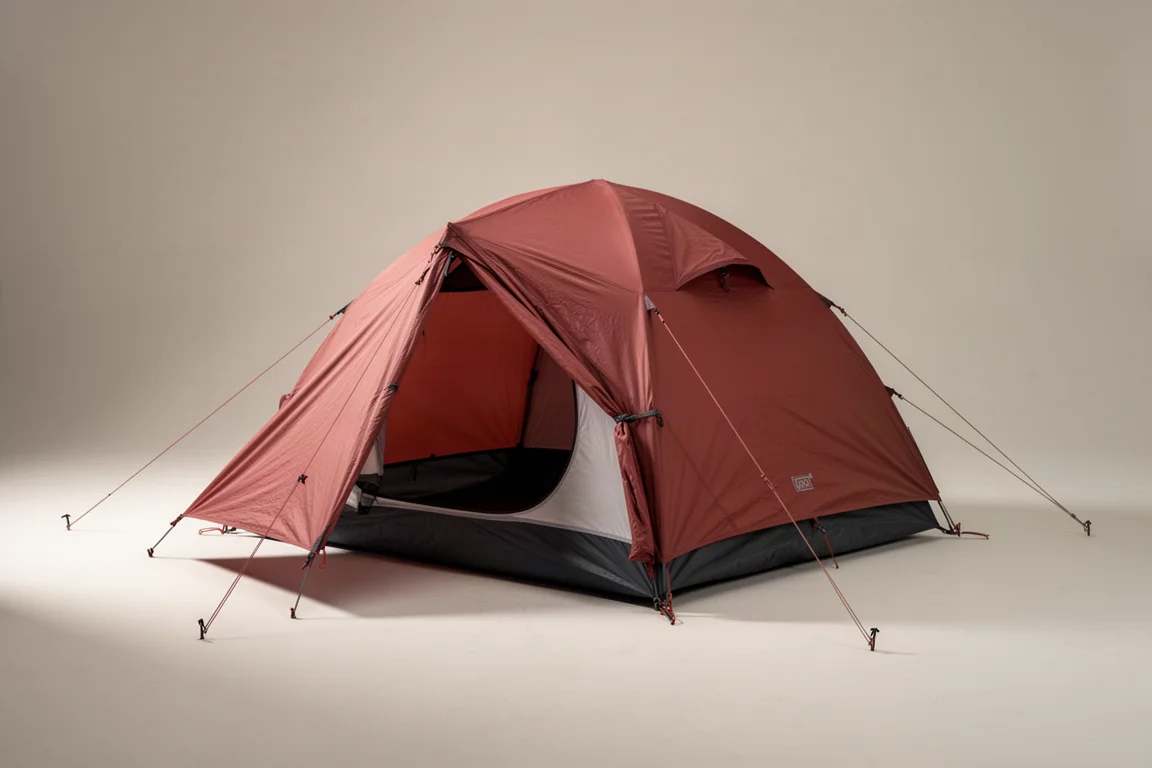
The honest summary of this category is that most tents around this budget are broadly similar. The materials overlap, the construction overlaps, and they will stand up to roughly the same conditions. The decision that matters most is style: freestanding or trekking-pole, single-skin or double-wall, three-season or four-season.
Weight and price tend to move together. If you want to go light, expect either a trekking-pole design or a single-skin shelter, and accept the condensation and wind limitations that come with them. If you want a tent that shrugs off a bad night, expect to carry more grams and pack a bulkier bag.
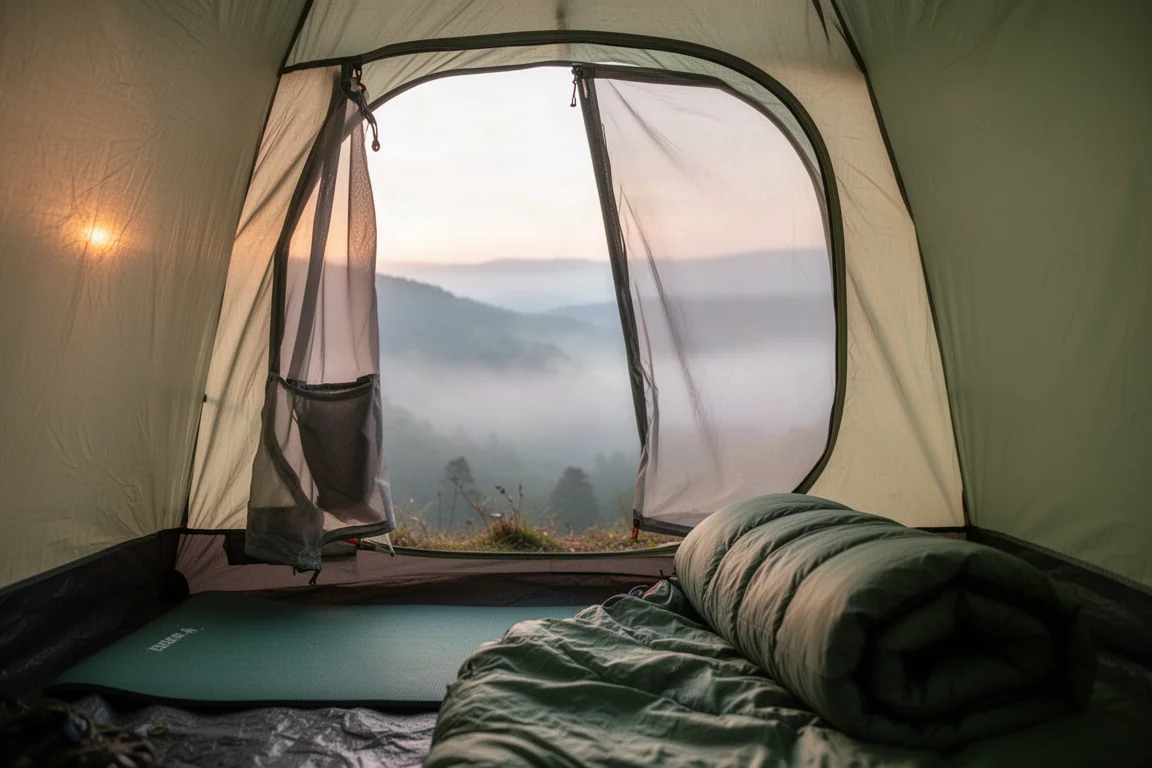
It also pays to look beyond this list. Decathlon tents have a strong following among budget campers, and several other brands offer comparable designs at similar prices. None of them will change what a sub-£200 tent can do, so choose based on the weather you realistically expect to camp in rather than chasing a specification. If you can pick your nights, do: camping is more enjoyable in better weather, and your tent is far more likely to survive the night intact.
Conclusion
You do not need to spend several hundred pounds to enjoy camping. What you do need is an honest view of what a budget tent can handle. Pick a shelter that matches your terrain, respect its wind limits, and favour decent weather when you can. Do that, and a tent at this price will look after you night after night.
Further reading
Related Reviews
Camping Tents
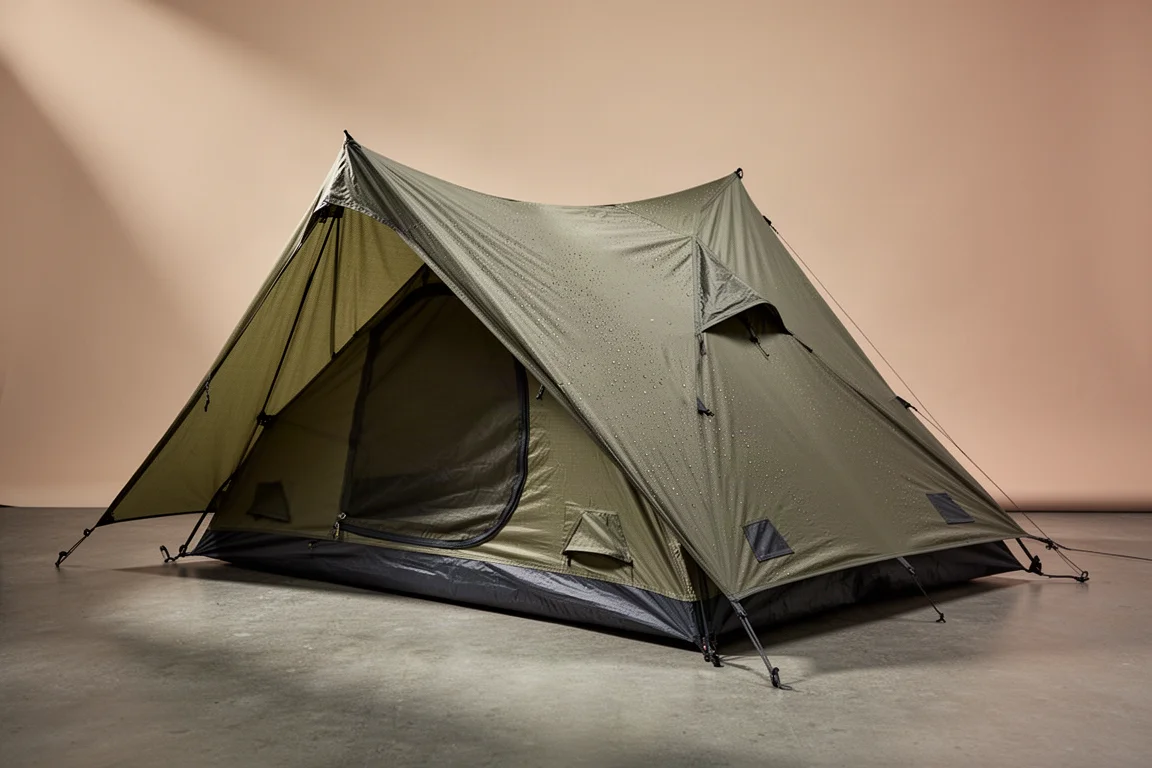
3F UL Gear Taiji Two-Person Tent Review: Field Waterproofing Results and Buying Advice
The Taiji pairs an attached fly with a removable inner, but sustained rain exposed untaped vent seams that need sealing before this shelter can be trusted.
Camping Tents
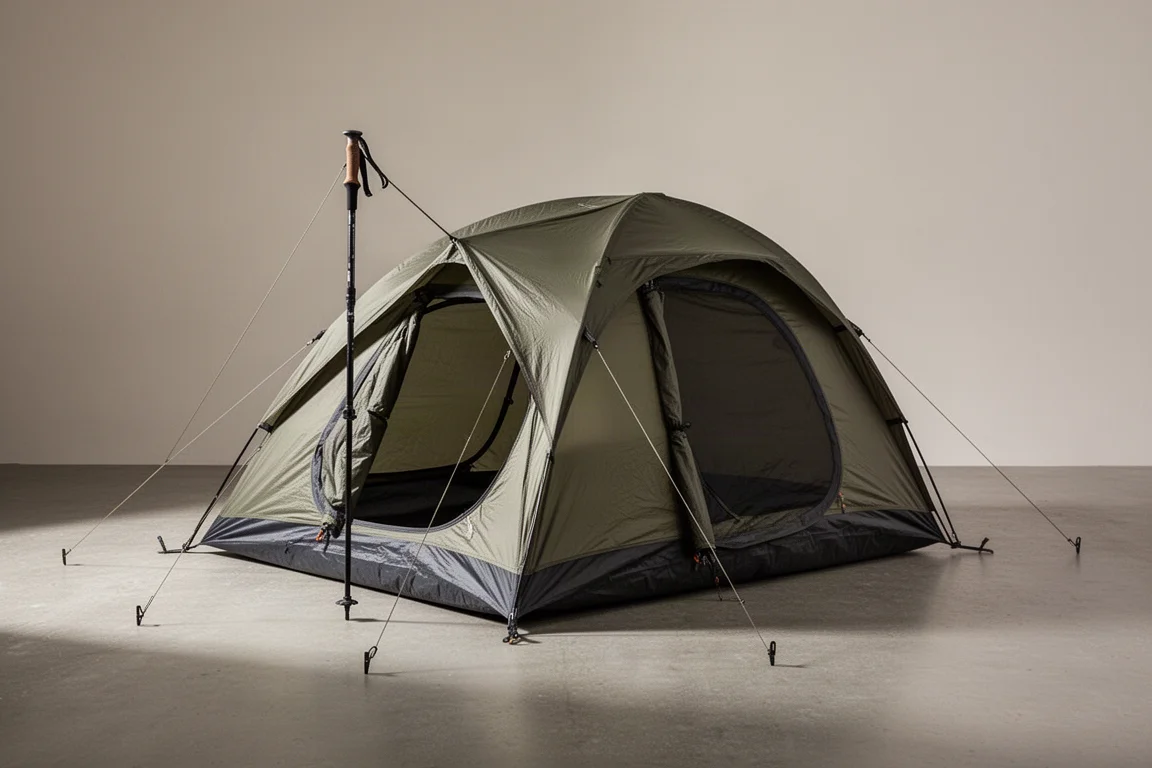
3FUL Gear Lanshan 2 Pro 4-Season Review: A Sub-$200 Single-Wall Trekking Pole Tent
An early look at the 3FUL Gear Lanshan 2 Pro 4-Season, covering its straightforward pitch, generous interior space, and the condensation and seam-sealing questions that come with any single-wall shelter.
Camping Tents
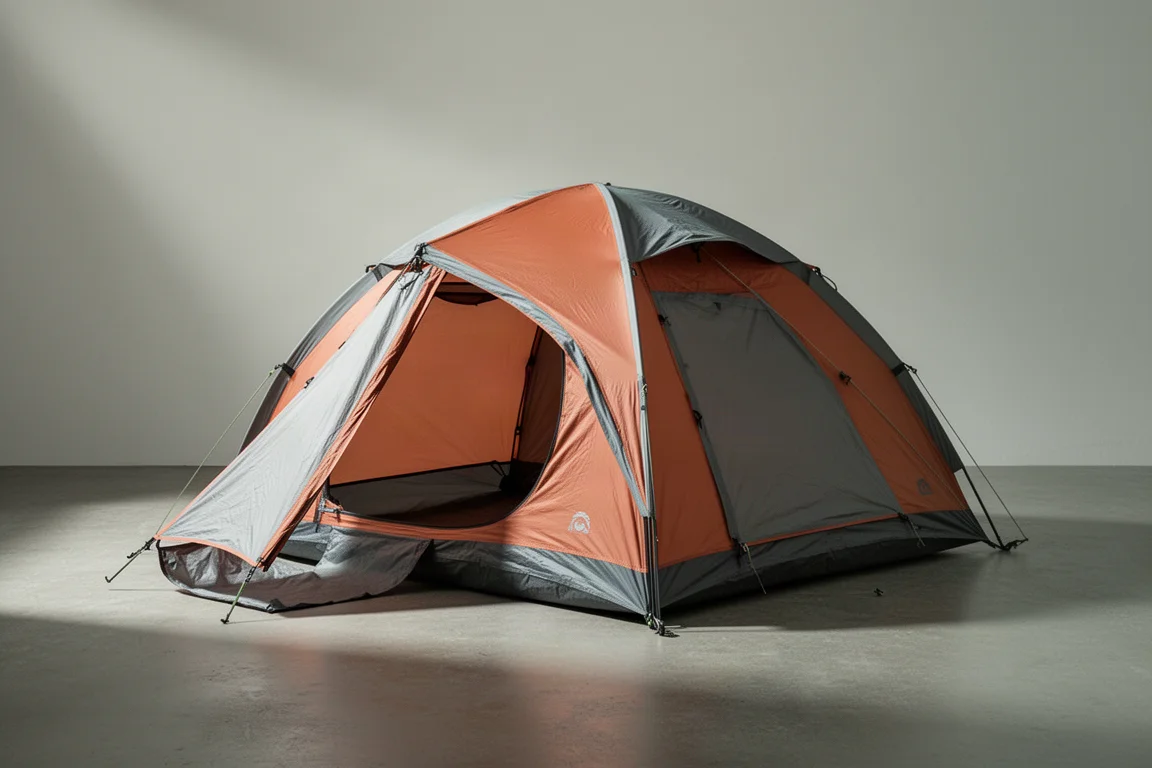
Alps Mountaineering Lynx 1-Person Tent Review: Big Value in a Small Budget Tent
A close look at the Alps Mountaineering Lynx 1-Person Tent, covering real interior dimensions, materials, setup time, ventilation limits, and who should buy it.