Sleeping Pads
Best Budget Sleeping Pads: Five Affordable Options Tested Near Freezing
Five affordable sleeping pads from $60 to $140 tested in the desert near freezing, with honest notes on warmth, comfort, weight, and where each one compromises.
Introduction
Sleeping pads have quietly become one of the most expensive items in a backpacking kit, and premium models now clear $200 without much difficulty. That raises an obvious question: does a warm, comfortable night really require that kind of spending?
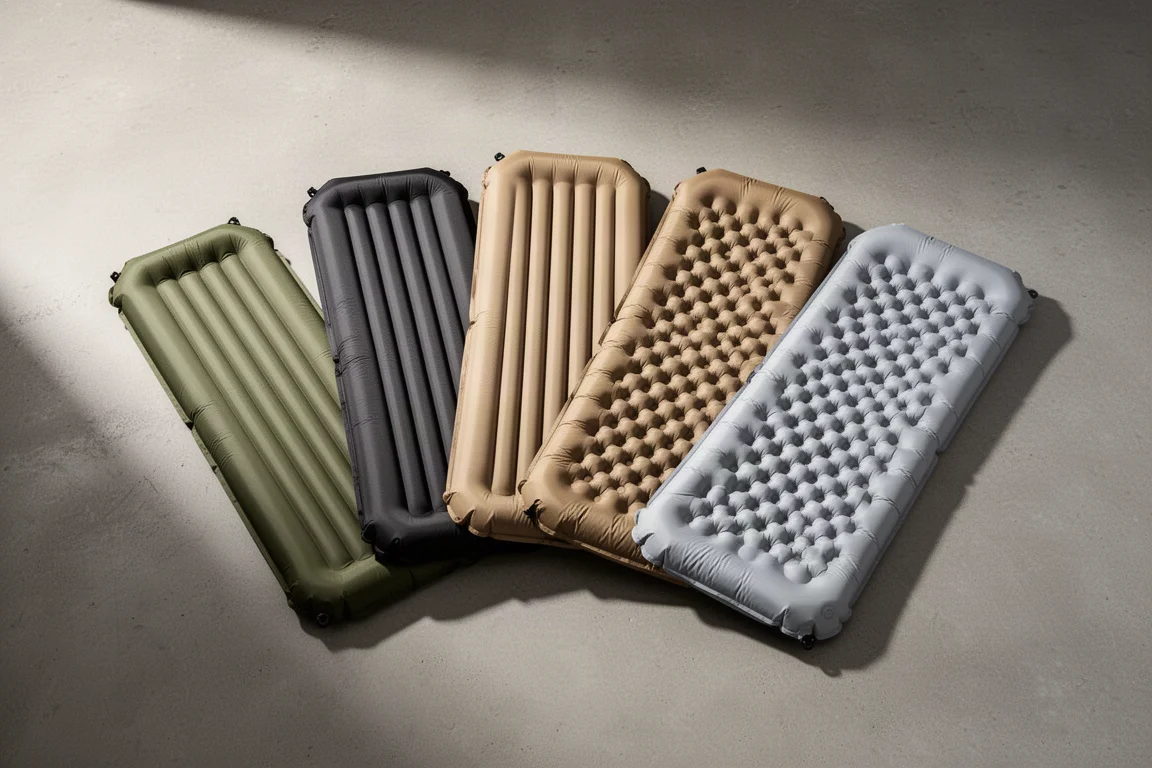
To find out, five affordable sleeping pads were taken into the desert and tested through a night that began at 10°C and fell to around freezing. The group ranged from $60 to $140, with R-values from 3.3 to 5.8 and weights from 487 g to 881 g. Each pad was judged on comfort and warmth, and the two strongest candidates were then laid out side by side for an overnight comparison.
What follows is what each pad did well, where each one gave something up, and which of the five are worth a closer look.
How These Budget Sleeping Pads Were Tested
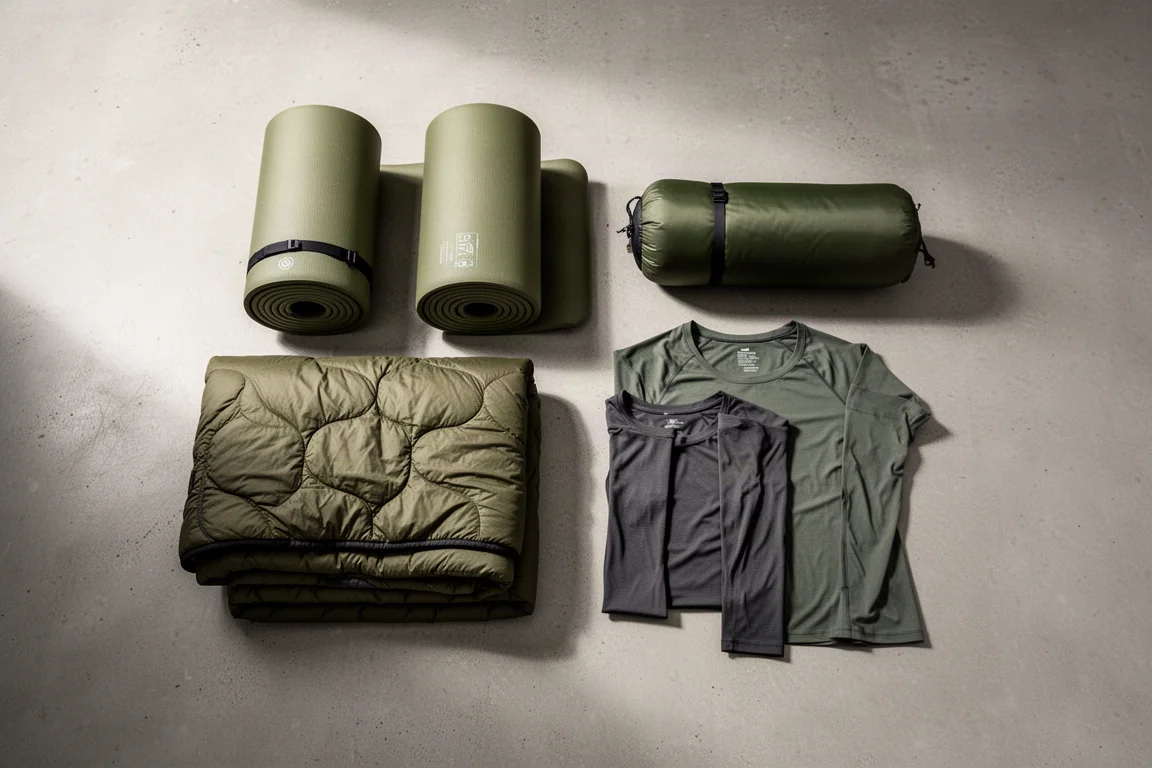
Every pad was inflated to about 90% of its full capacity, then paired with a 20°F down quilt as top insulation and Alpha Direct base layers. Thirty minutes were spent lying on each pad, roughly the time needed for a pad to reach a stable temperature in freezing conditions. Side and back positions were used to judge comfort, while warmth was assessed mostly from the back.
Conditions mattered as much as the pads. Testing started at 10°C, and overnight lows were forecast near freezing, with -1°C recorded. Because the test took place in the desert after a full day of sun, warm ground kept air temperature the dominant factor early on, while ground temperature played a larger role as the night wore on.
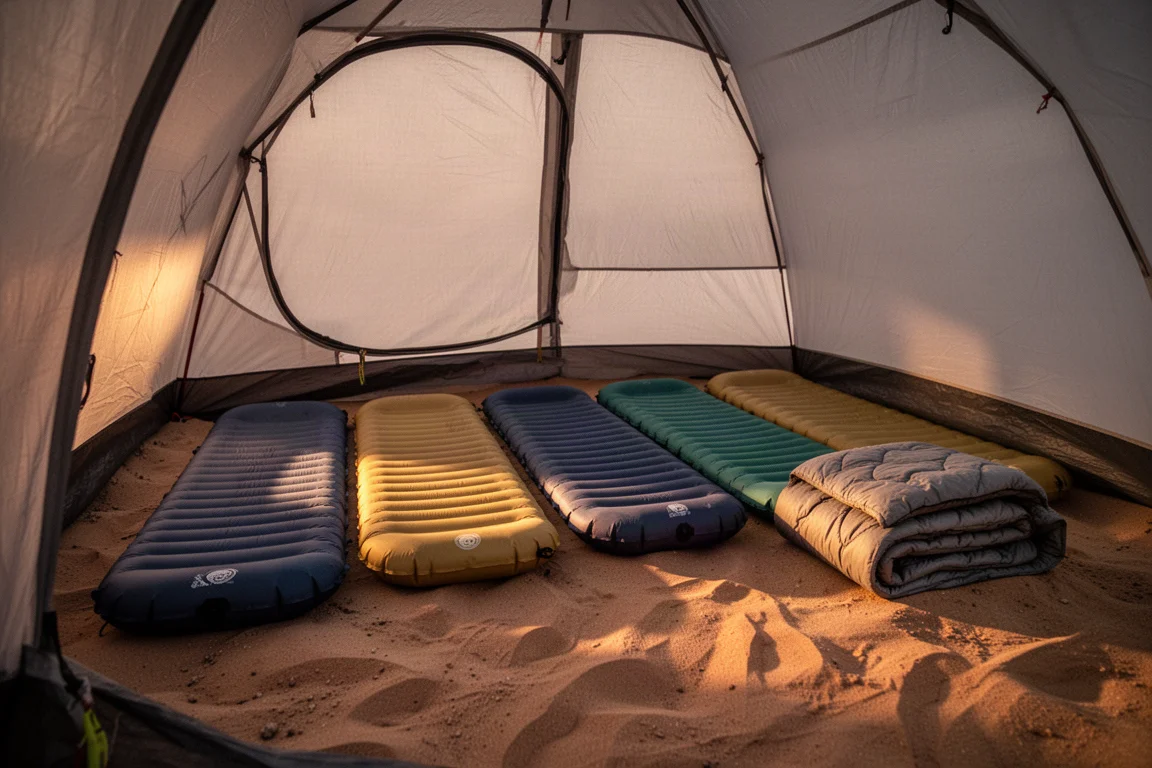
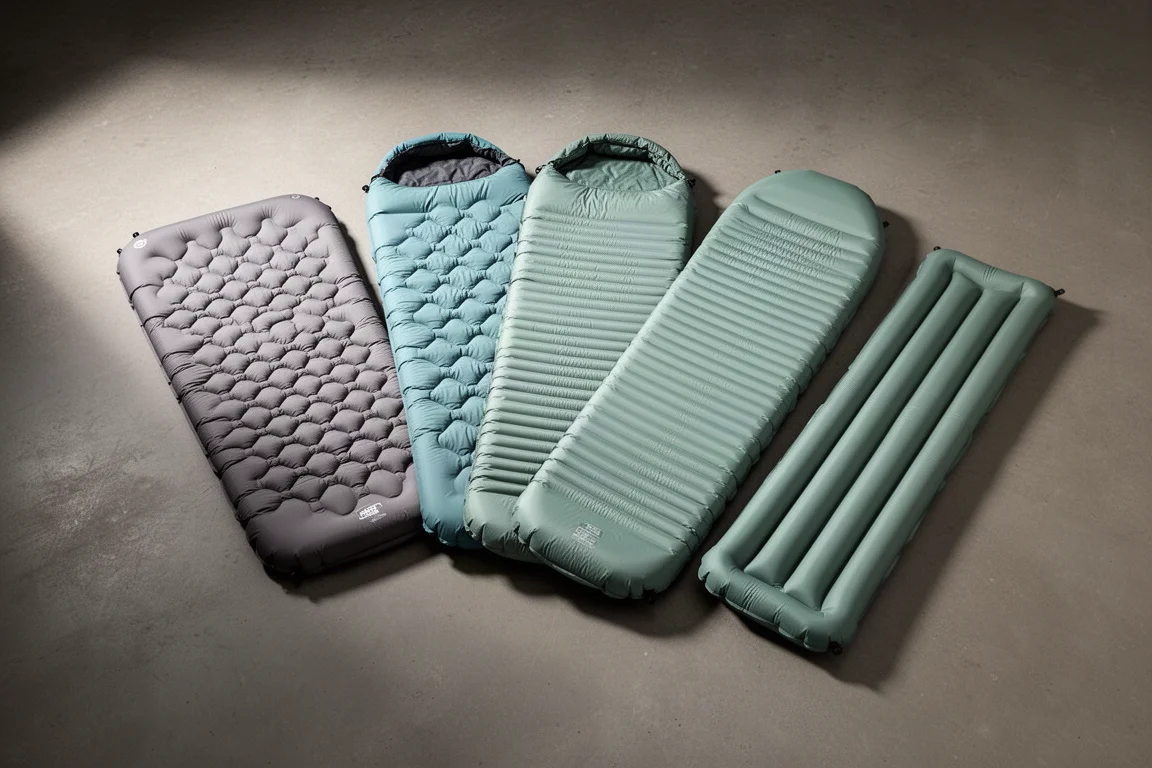
The group also covered a wide spread of designs: vertical baffles on the FlexTail R5 and the Decathlon MT500 Insulated, and dimpled baffles on the Naturehike R5, OneTigris Obsidian, and Kilos Gear AOC Cloud Ultralite.
FlexTail R5: Warmth That Fades Near Freezing
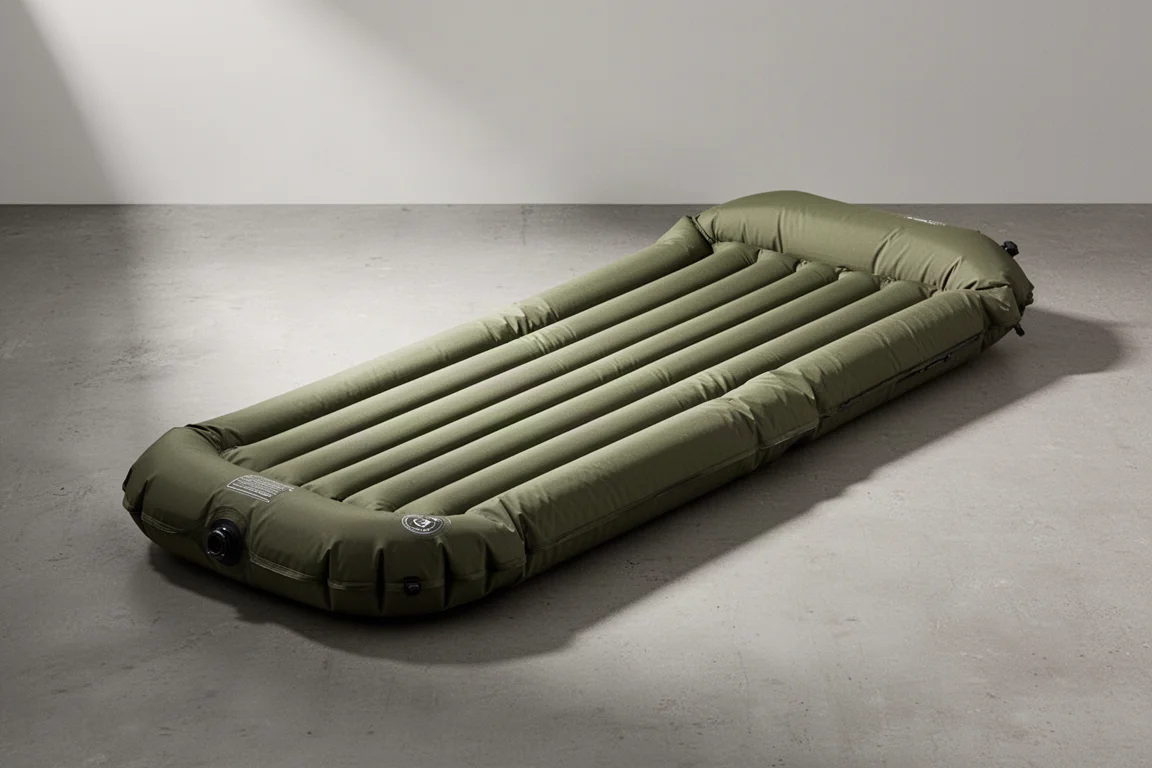
At $140, the FlexTail R5 is the most expensive pad in this group. It weighs 727 g, measures 2.7 inches thick, and carries an R-value of 5.6, with vertical baffles running the length of the pad.
From a comfort standpoint it was very comfortable, near the top of the group without quite taking first place. Vertical baffles have become a favourite for side sleeping, where they deliver strong pressure relief, and they stay reasonably comfortable on the back as well.
Warmth was a different story. The pad felt surprisingly warm at first, but it has no insulation in its two side baffles, and as temperatures approached freezing the cold became easy to feel. That limits how far into cold conditions the FlexTail R5 can realistically go.
Naturehike R5: The Warmest Pad in the Group
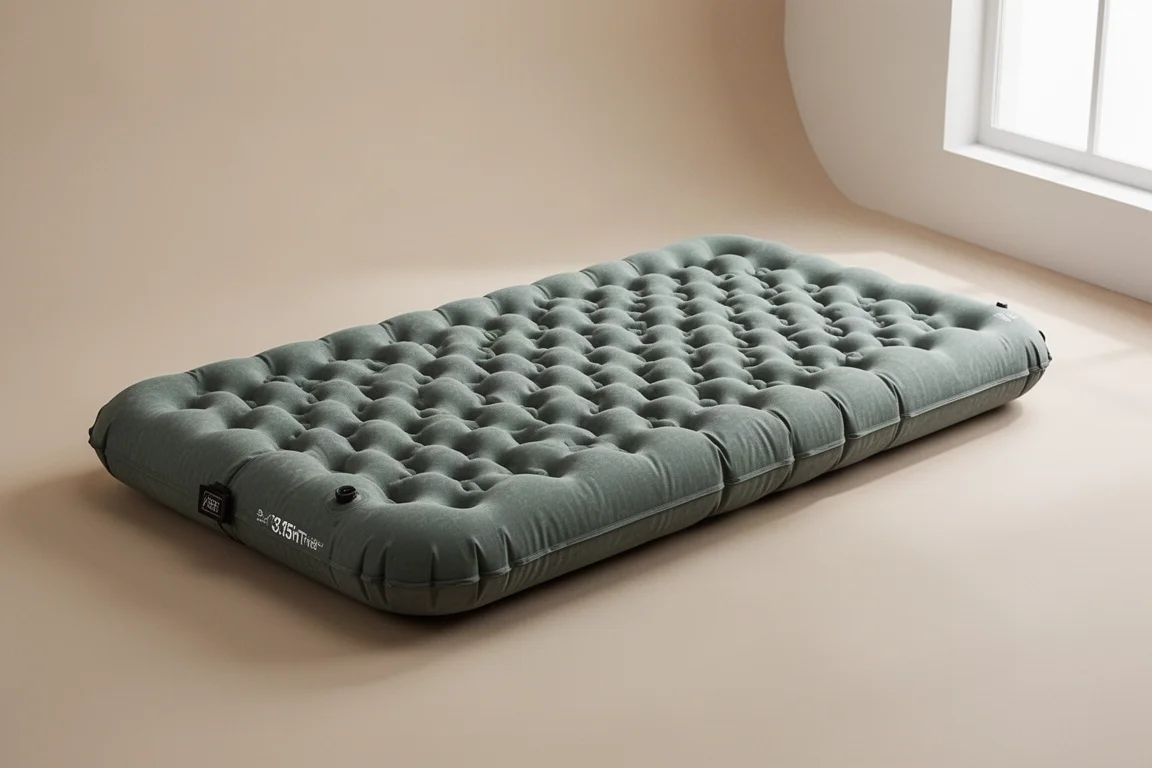
The Naturehike R5 is the least expensive pad here at $70, and it also posts the highest R-value of the five at 5.8. It weighs 594 g, measures 3.15 inches thick, and uses a dimpled baffle pattern.
Warmth is where it separates itself. Heat reflected back almost immediately thanks to suspended Mylar film running throughout the pad, and it was comfortably the warmest option tested, by a wide margin.
Comfort is more of a compromise. Dimpled baffles are generally the most comfortable style because each raised cell behaves like an air spring, but the cells here are small and have limited travel. The pad is also thin enough that some sleepers will bottom out when lying on their side or shifting position. Even so, its warmth relative to price moved it into second place overall after the overnight comparison.
OneTigris Obsidian: The Most Comfortable Pad Tested
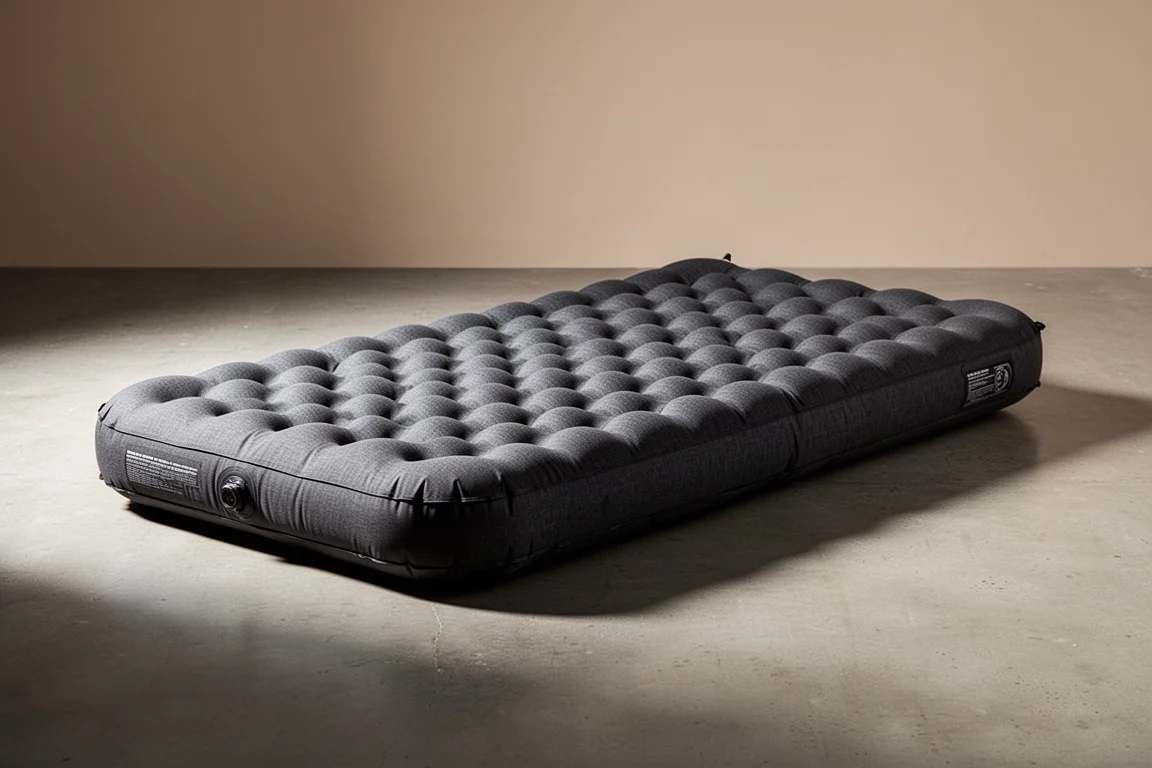
The OneTigris Obsidian costs $80 and is the heaviest pad in the group at 881 g. It is 3.15 inches thick, carries an R-value of 5.2, and uses dimpled baffles.
On comfort, it was the best of the five. The thickness and dimpled surface produced excellent pressure relief when lying on the side, and it was the most comfortable pad on the back as well.
Warmth was the disappointment. It started strongly at 10°C, then let cold through as temperatures fell toward the -1°C overnight low. For a pad of this weight, staying warm below freezing would be a reasonable expectation, and it did not deliver that.
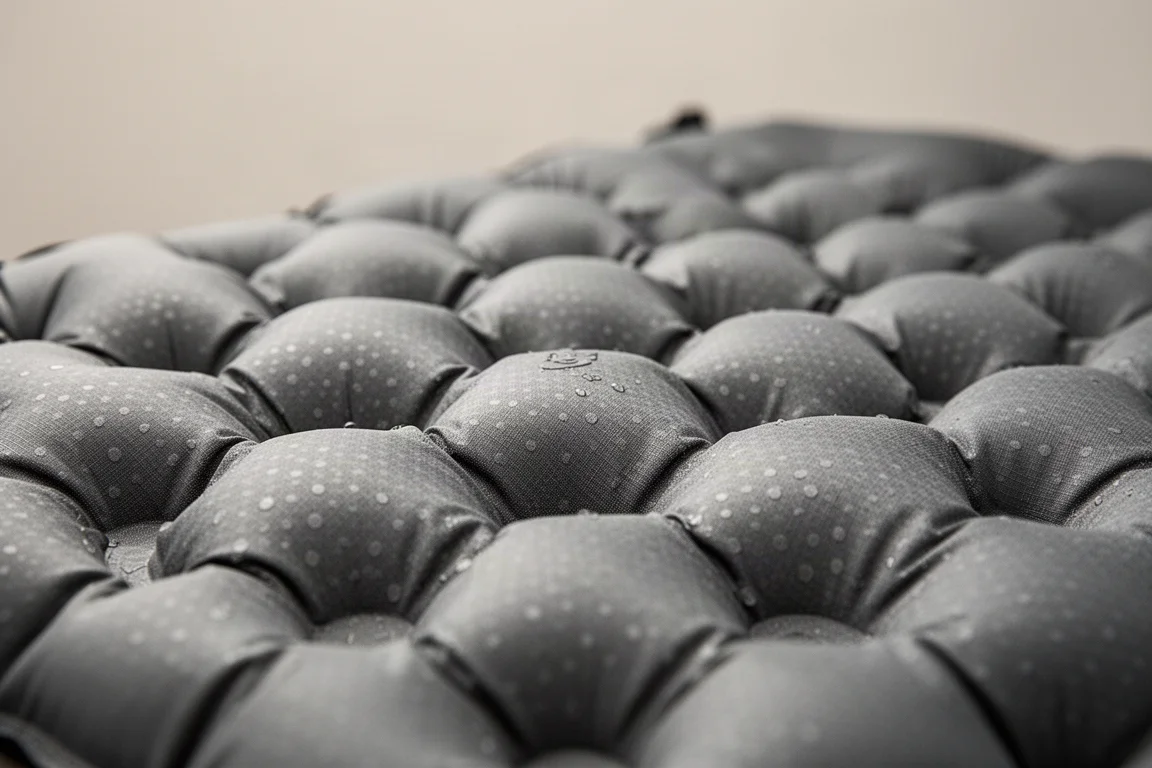
That combination of best-in-group comfort and above-average weight leaves the Obsidian in an awkward spot. It is a genuinely comfortable pad to sleep on, but the warmth it offers does not fully justify carrying it.
Decathlon MT500 Insulated: The Cheapest Option
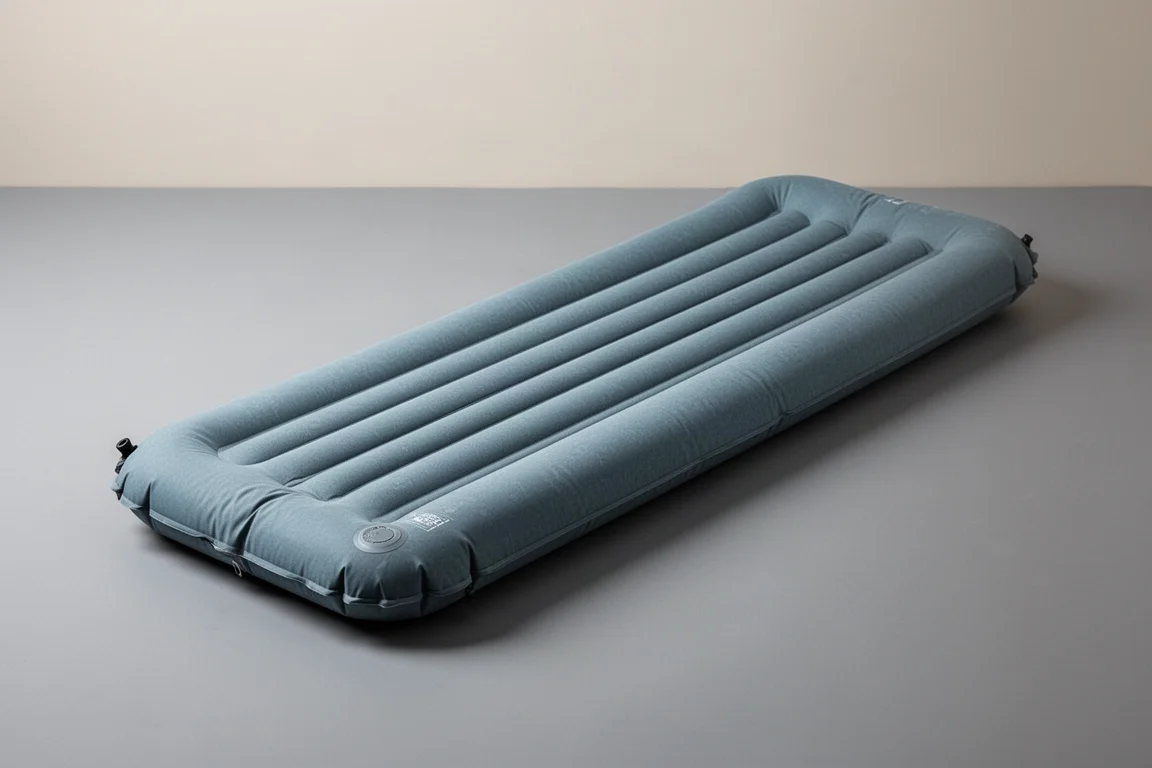
At $60, the Decathlon MT500 Insulated is the cheapest pad tested. It weighs 644 g, measures just 2 inches thick, and has the lowest R-value of the group at 3.3, with vertical baffles.
Comfort was reasonable for what it is. The vertical baffles work, but the pad is significantly thinner than the FlexTail R5, and that thinness is obvious when shifting from side to back or sitting up. At 180 lb and 5’10”, there was noticeable bottoming out even beyond the thickness question. The fabric also feels gritty and stiff rather than soft and flexible.
Warmth is the bigger limitation. This is not a warm pad, and cold became apparent at around 10°C, which is not especially cold. The heat press construction used to form the baffles leaves thin areas across the surface, and those are exactly where heat escapes.
Kilos Gear AOC Cloud Ultralite: The Lightest Option
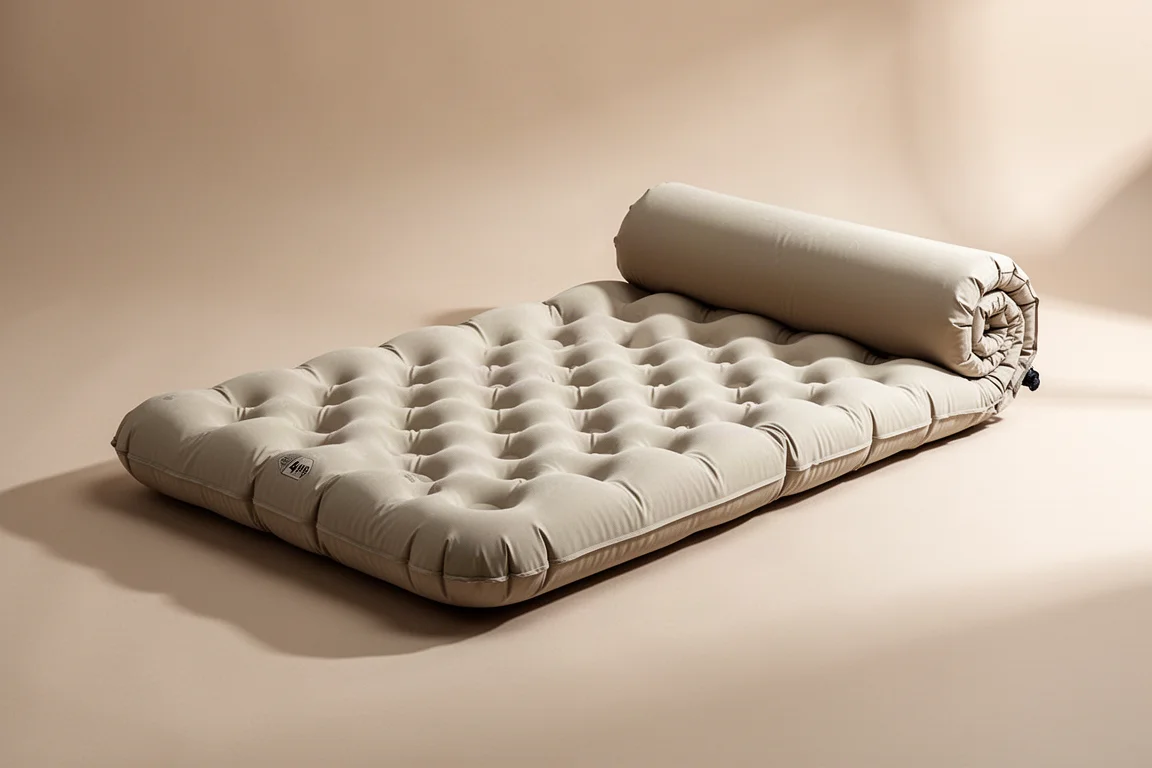
The Kilos Gear AOC Cloud Ultralite is the lightest pad here at 487 g and the thickest at 4 inches. It costs $113, carries an R-value of 3.8, and uses dimpled baffles.
Warmth was never on the table. The pad started cold and never got close to warm, because it carries no insulation at all. Outside of genuinely warm conditions, that is a hard limitation to work around.
Comfort lands roughly on par with the Naturehike R5, but for opposite reasons. Pressure relief is not as good, while the greater thickness helps in other positions. Choosing between the two comes down to which of those trade-offs matters more.
What the Overnight Comparison Changed
After 30 minutes on each pad in both side and back positions, the FlexTail R5 and OneTigris Obsidian looked like the top two, and both were laid out for an overnight side-by-side comparison.
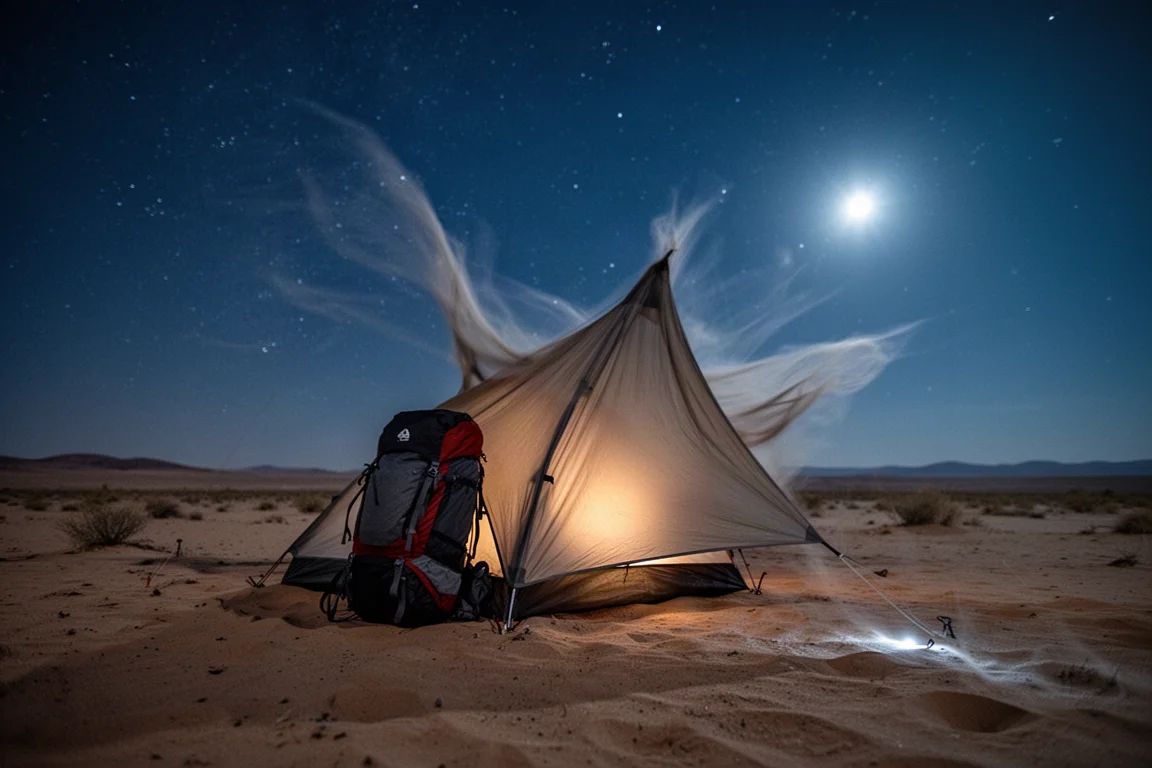
The night had other plans. Wind picked up and began buffeting the tent, and the forecast called for gusts above 100 km/h with sustained winds of 80 km/h. The gear was packed away and the night was spent in a large rental SUV instead, with both pads laid out and the windows left open so the warmth comparison could continue.
That overnight test reshuffled the ranking. The FlexTail R5 would drop below the Naturehike R5, while the Naturehike R5 would move up to second place purely on the strength of its warmth. The OneTigris Obsidian stayed on the fence: very comfortable, but heavy for the warmth it delivers. No pad earned an outright crown, because every one of the five gave something up in weight, comfort, or warmth. That is a normal trade-off at this price point, and it applies to pads well above $200 as well.
Buying Advice: Which Budget Sleeping Pad Fits Your Trips
Two pads stood out as worth a closer look: the OneTigris Obsidian and the Naturehike R5.
The Naturehike R5 is the more intriguing of the two. It is one of the least expensive pads in the group, yet it delivers the highest warmth and a decent level of comfort, which makes it the natural starting point for anyone who sleeps cold and wants to spend as little as possible.
The OneTigris Obsidian answers a different need. If comfort is the priority and the trips involved are not expected to drop below freezing, its thickness and pressure relief are the best in this group. The trade-off is weight, and warmth that stops short of freezing.
Anyone shopping in this range should go in expecting compromise. Deciding which compromise is acceptable, weight, cushioning, or cold-weather warmth, is far more useful than chasing a single best pad.
Conclusion
A sleeping pad can be affordable and still be comfortable or warm, but rarely all three at once. Within this group of five, the Naturehike R5 is the value pick for cold-weather warmth, and the OneTigris Obsidian is the comfort pick for milder nights. The FlexTail R5 sits in the middle with strong early warmth and a higher price, while the Decathlon MT500 Insulated and the Kilos Gear AOC Cloud Ultralite make sense mainly for warm-weather trips where low cost or low weight matters most.
Further reading
Related Reviews
Sleeping Pads
Best Backpacking Sleeping Pads 2026: Nine Pads Rated on Price, Comfort, Warmth, and Weight
Nine backpacking sleeping pads compared on price, comfort, warmth, and weight, from a $65 summer pad to a year-round option rated at R-7.3.
Sleeping Pads
Best Backpacking Sleeping Pads: Comfort, Warmth, and Weight Compared
A practical comparison of the Nemo Quasar 3D, Therm-a-Rest NeoAir XTherm Max, and Big Agnes Rapide SL for backpackers choosing between comfort, warmth, and packed weight.
Sleeping Pads
Best Backpacking Sleeping Pads: Ultralight, Winter, Comfort and Budget Picks
A practical roundup of the sleeping pads that stand out for ultralight weight, winter warmth, pressure relief and value, plus three popular pads that fell short.