Headphones and Earbuds
Best Budget Noise Canceling Earbuds: Five Affordable Pairs Compared
A practical comparison of five low-cost noise canceling earbuds, covering fit, sound, charging case design, and wind noise so you can pick the right pair.
Introduction
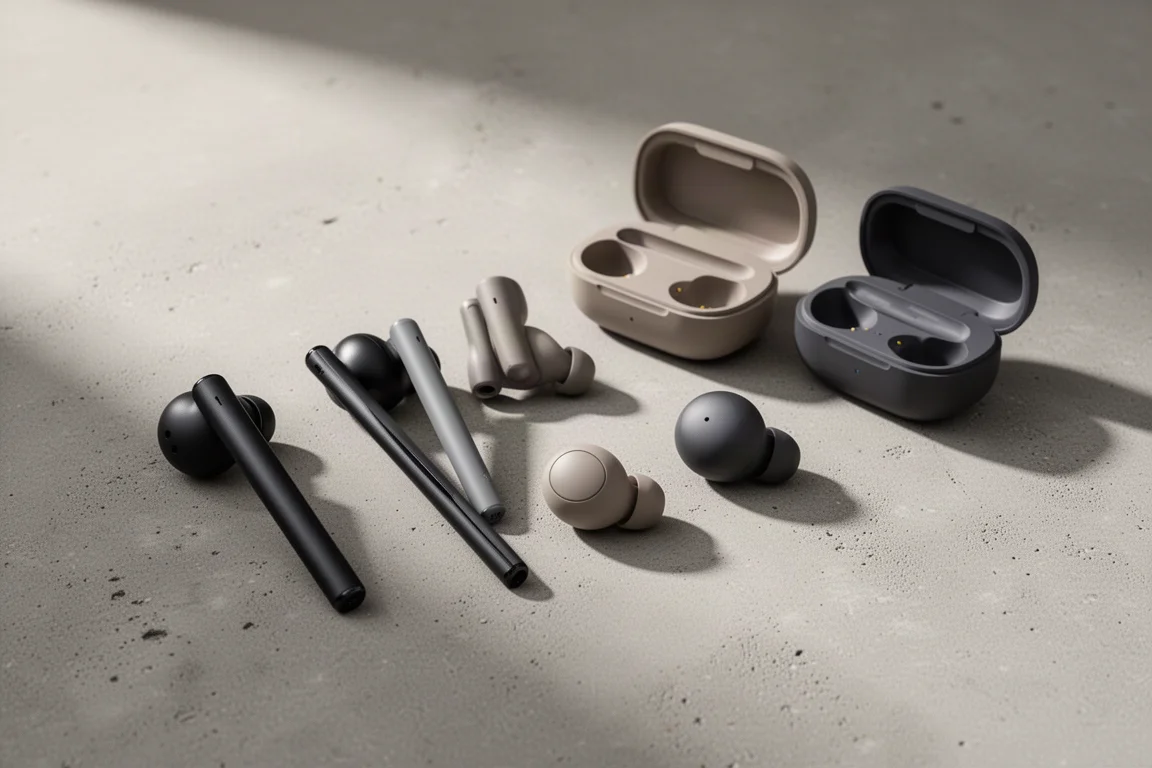
Noise canceling earbuds have quietly become an affordable category. The five models in this roundup sit at very different price points, from under $50 to around $139, and they cover both major form factors: stemmed designs that hang below the ear, and compact stemless designs that sit deeper in the ear with the electronics and controls housed behind the ear tip.
Every model here includes microphones, active noise canceling, and a USB-C charging case, and each one is positioned for active use. That combination is what makes the category interesting: the same core feature set, delivered at price points that differ by nearly three times.
This guide walks through each pair, what it does well, and where it makes sense to spend more or less.
What to Look For in Budget Noise Canceling Earbuds
Four things separate these products in daily use.
Form factor. Stemmed earbuds are easier to grab and easier to seat, but the stem catches wind. Stemless designs sat noticeably quieter in moving air.
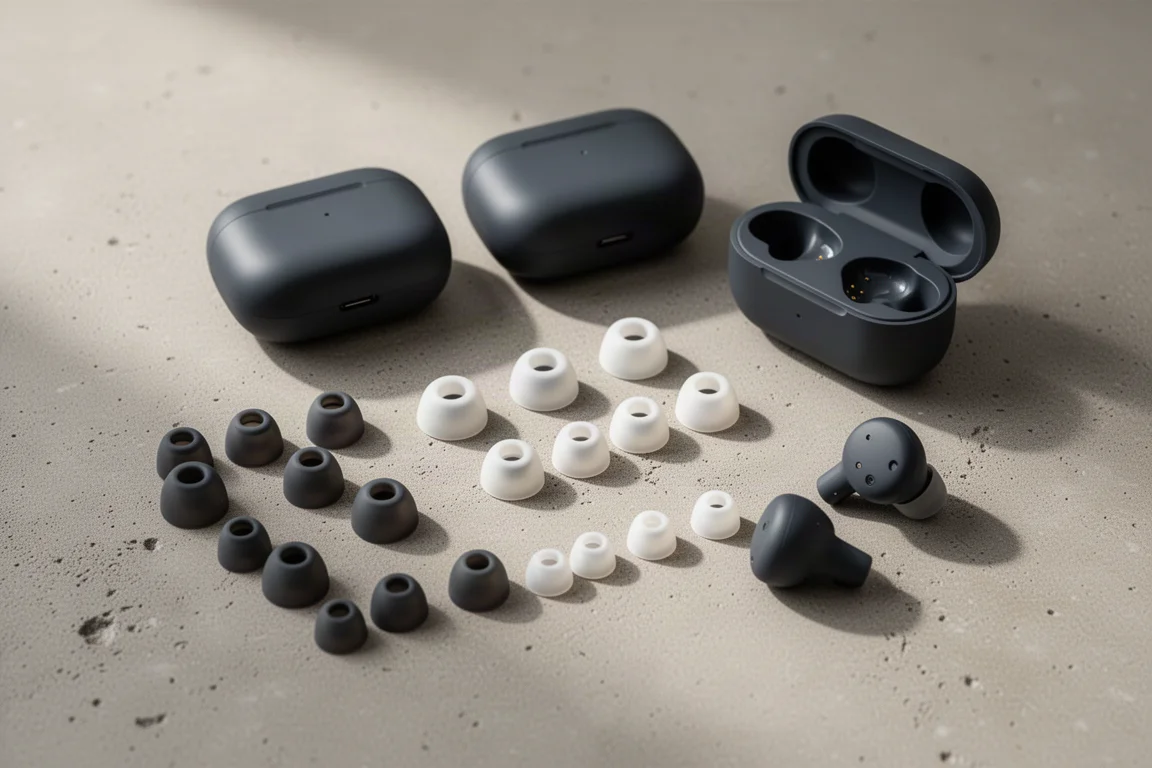
Ear tip selection. The number of included tip sizes varies a lot between models, and fit determines both comfort and how much noise canceling you actually get.
Charging case design. Cases that swallow the stem into a deep tube can lose contact over time. Magnetic seating with the charging contacts on the inner edge of the stem holds up better.
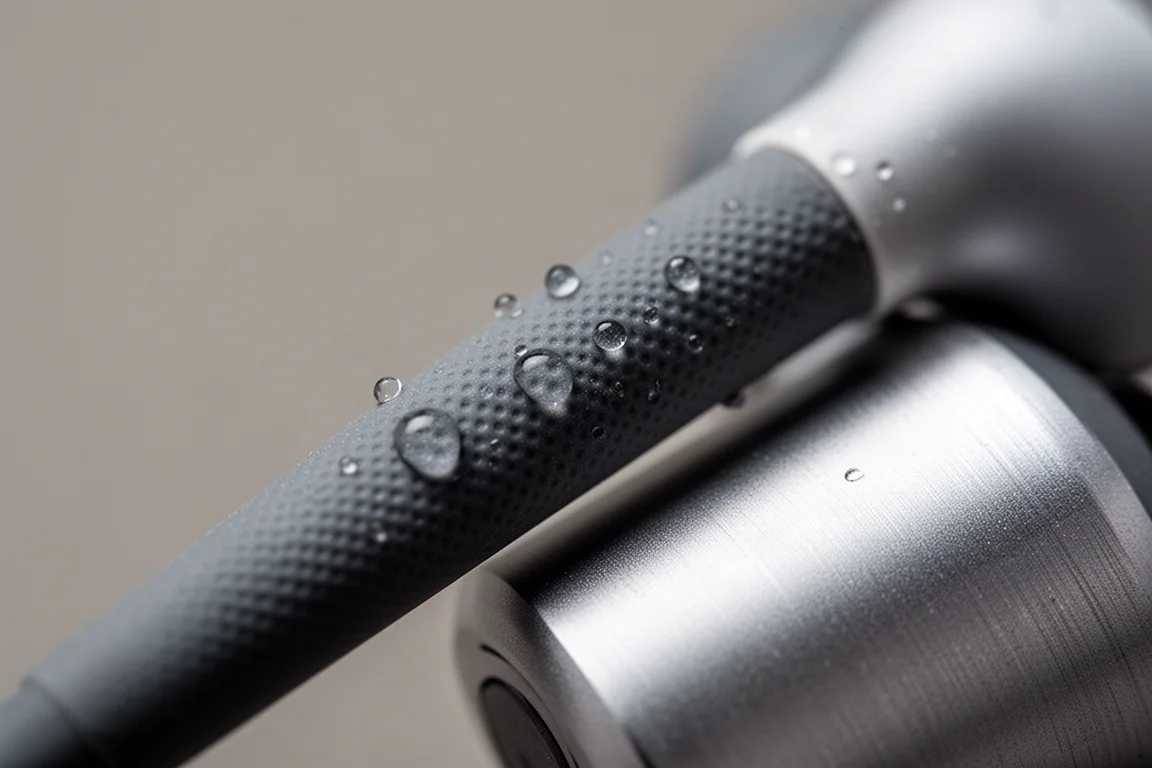
Surface texture. A lightly micro-textured finish is far easier to hold when hands are sweaty. Smooth, glossy plastic is not.
It also helps to calibrate expectations. At this price, noise canceling is mostly about reducing steady high-frequency noise rather than creating total silence. One model here is explicitly described as high-frequency noise canceling rather than full noise canceling.
Mifo S: Built for Hard Training Sessions
The Mifo S is the most expensive pair in this group, with an MSRP of about $139, and it is the most clearly athletic of the five. It offers noise canceling, and it is described as sweat proof and, beyond that, relatively waterproof, although no IPX rating is advertised.
Fit is its strongest argument. It stays planted in the ear during running, cycling, calisthenics, and weight training, and it ships with a collection of ear tip sizes so most ears can find a seal. Comfort held up over long sessions.
The tuning leans bassy, which will appeal to some listeners more than others. The case is the largest of the group, and while the spring-loaded lid is well made, the exterior is slippery enough that it is worth gripping firmly, and the lid opens with a push button.
Tribit FlyBuds C1 Pro: The Best All-Rounder
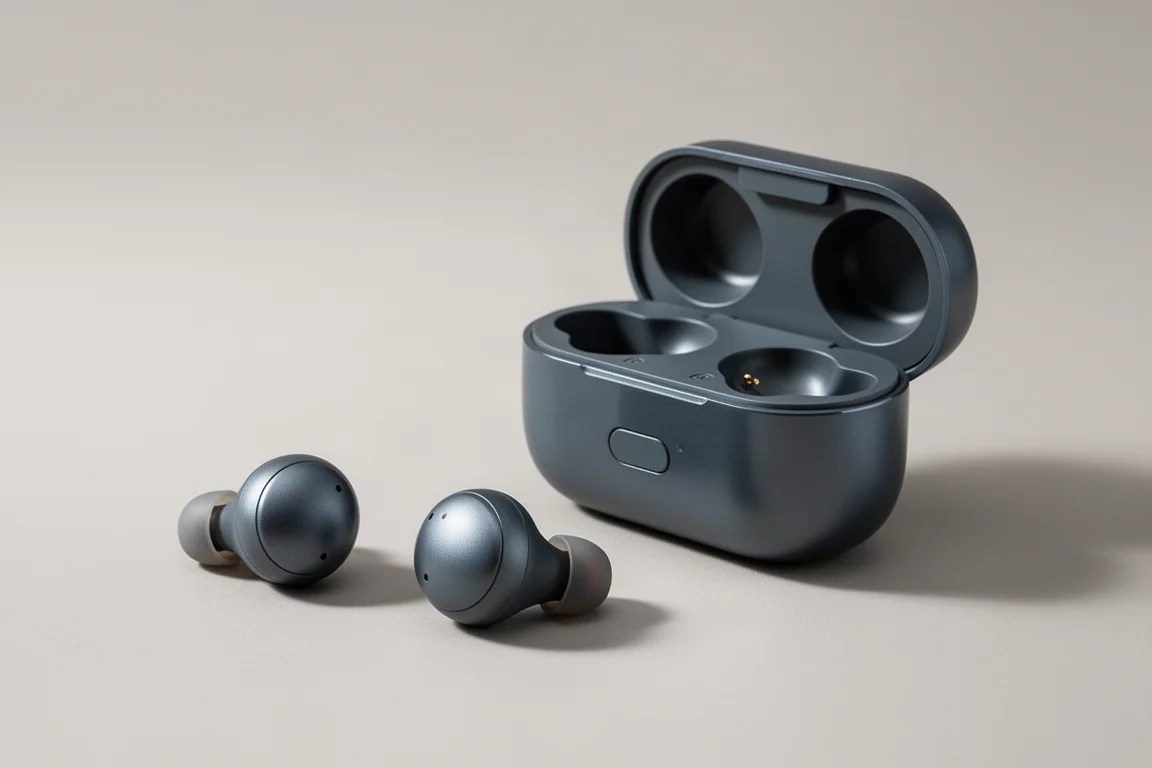
At $89.99, the Tribit FlyBuds C1 Pro is a stemmed design with one detail that matters more than it sounds like it should: the housings and the case both carry a fine micro-textured finish. That texture makes a real difference when hands are damp or when you are pulling an earbud out mid-run.
Build quality feels dense and solid in the hand, the case charges over USB-C, and the pair connects reliably to both phones and computers. Sound is smooth and well balanced, without the exaggerated bass or treble lift that makes some budget earbuds tiring. It holds up across a wide range of volume levels.
Noise canceling is marketed as a truly noise canceling experience, and it does a good job. Like every stemmed model here, it picks up more wind noise than the stemless designs.
For general listening, commuting, and calls, this is the pair that covers the most ground without an obvious weakness.
Edifier NeoBuds Pro: The Best for Voice and Podcasts
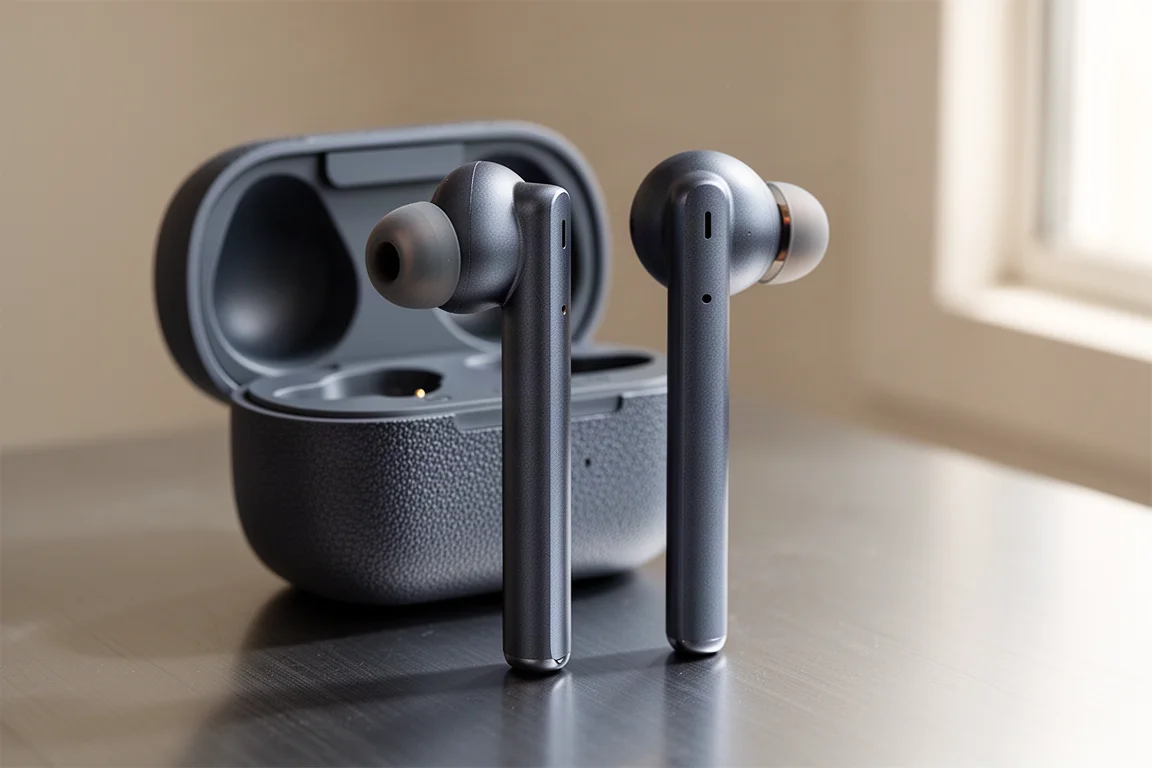
Also $89.99, the Edifier NeoBuds Pro is the most comfortable pair in this roundup. It is lightweight, lightly micro-textured, and reaches a little way into the ear canal, and it comes with the widest selection of ear tip sizes here, so finding a match is straightforward.
The on-ear controls take practice. The outer button handles play, pause, track skipping, and calls, and it can feel clumsy until you get the timing right. Once that clicks, it works every time.
The charging case is the smartest design of the group. Rather than dropping the stems into deep tubes, it seats them squarely with a strong magnet and places the charging contacts on the inner edge of the stem instead of the bottom, which should avoid the contact wear that tube-style cases develop over time.
Voice content is where it shines. Podcasts and audiobooks sound clean and easy to follow, with less bass emphasis than its stablemate below. Edifier describes these as high-frequency noise canceling rather than full noise canceling, and among the five, the cancellation stays best synchronized with music.
Edifier W240TN: Quieter in the Wind
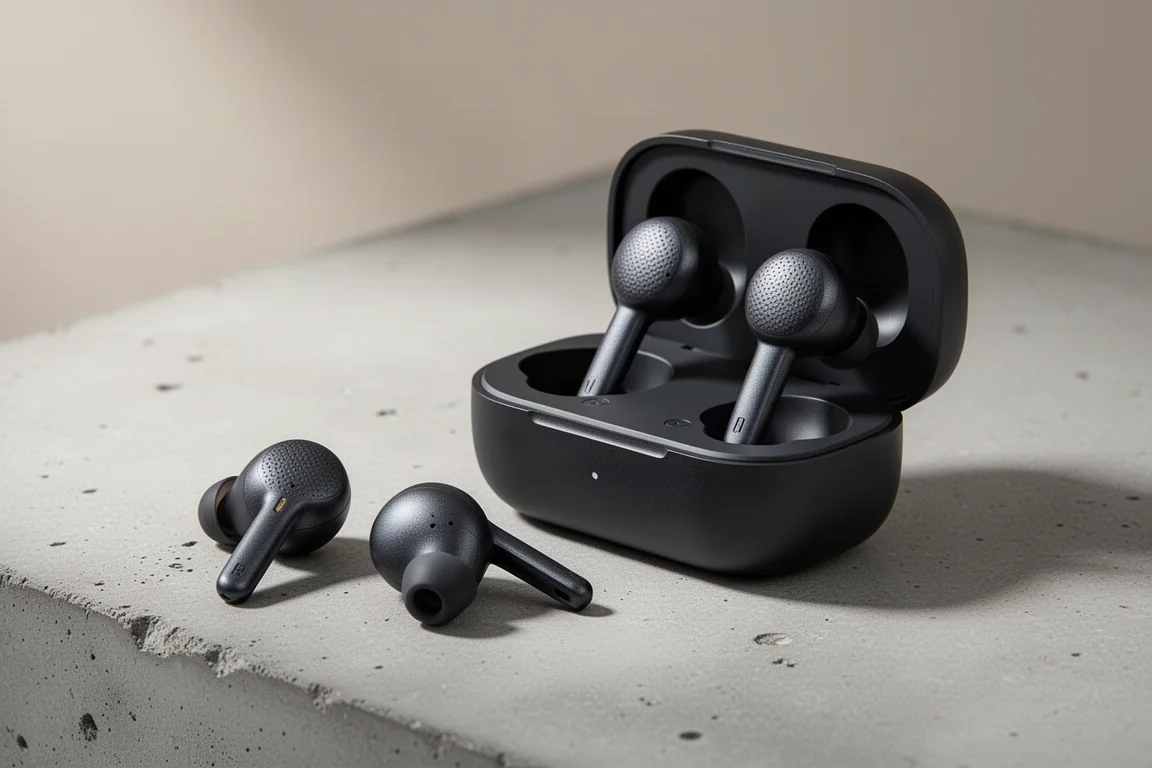
The Edifier W240TN starts at $69.99 and drops the stem entirely. It is lighter than the NeoBuds Pro, offers noise canceling, and includes a good range of ear tips, though fewer than its sibling.
Battery life is shorter than the NeoBuds Pro, but it comfortably covers sessions of an hour to an hour and a half. The case is a simple USB-C design with a more plasticky feel than the NeoBuds Pro case, though it is perfectly serviceable.
The reason to choose this pair is wind. Stemmed earbuds tend to turn into a wind tunnel when you ride, with or without noise canceling engaged. This one produces far less wind noise, which makes it the better companion on a bike. The trade-off is retention: it always felt close to working loose in the ear, and a foam ear surround would be a sensible upgrade for regular use. Calls come through well, though the bass is punchier than on the NeoBuds Pro, which makes spoken word slightly harder to follow.

At this price, neither Edifier model is a compromise on the basics, and this one earns its place specifically for outdoor rides.
SoundPeats Air3 Pro: The Inexpensive Spare Pair
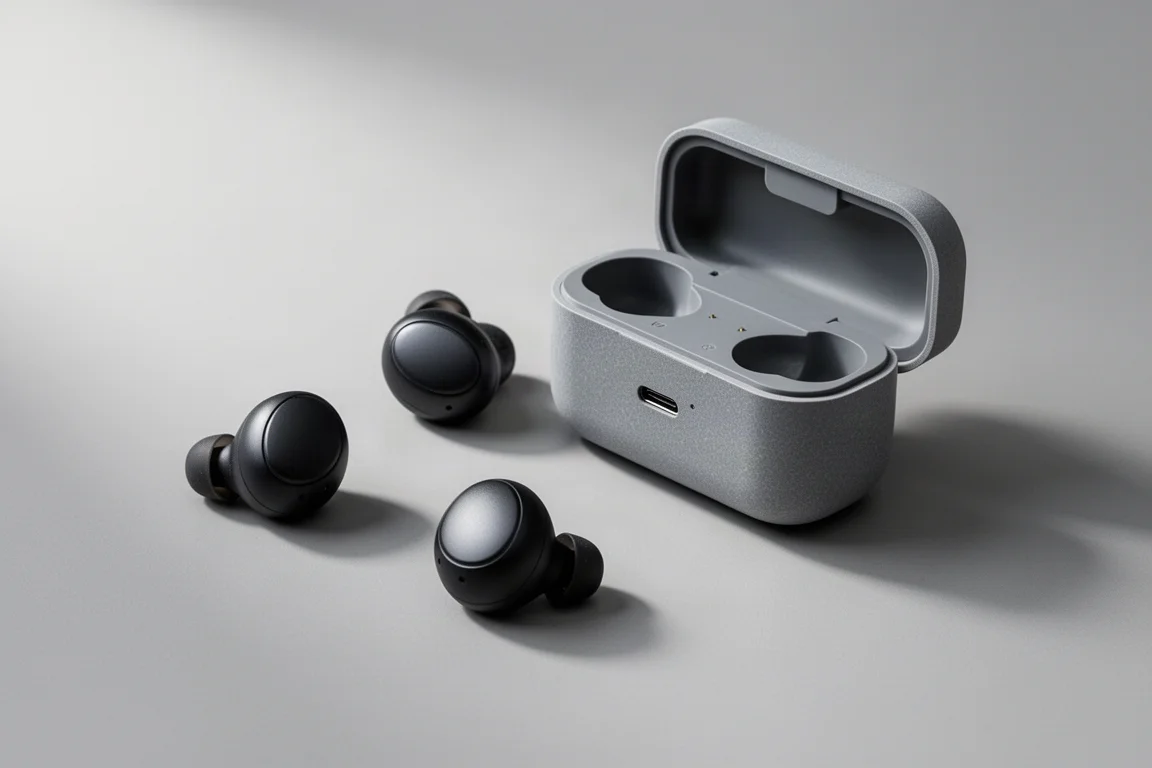
At $48.99, the SoundPeats Air3 Pro is the least expensive pair here, and it behaves like it. The case is the smallest of the group, which is convenient to pocket but means charging it more often. It is USB-C, like the rest.
These are long-stem earbuds that slot down into the case, and the glossy housings are slippery enough to make them easy to fumble. Sound is uneven: the bass sits well forward and the mids are a little muddy. Audiobooks and podcasts come through acceptably. Comfort is below the rest of the group, and the noise canceling is harder to live with than the others.
That said, at this price it has a clear role. It is the pair to grab when you are heading somewhere you would rather not risk a nicer set.
Overall Buying Advice
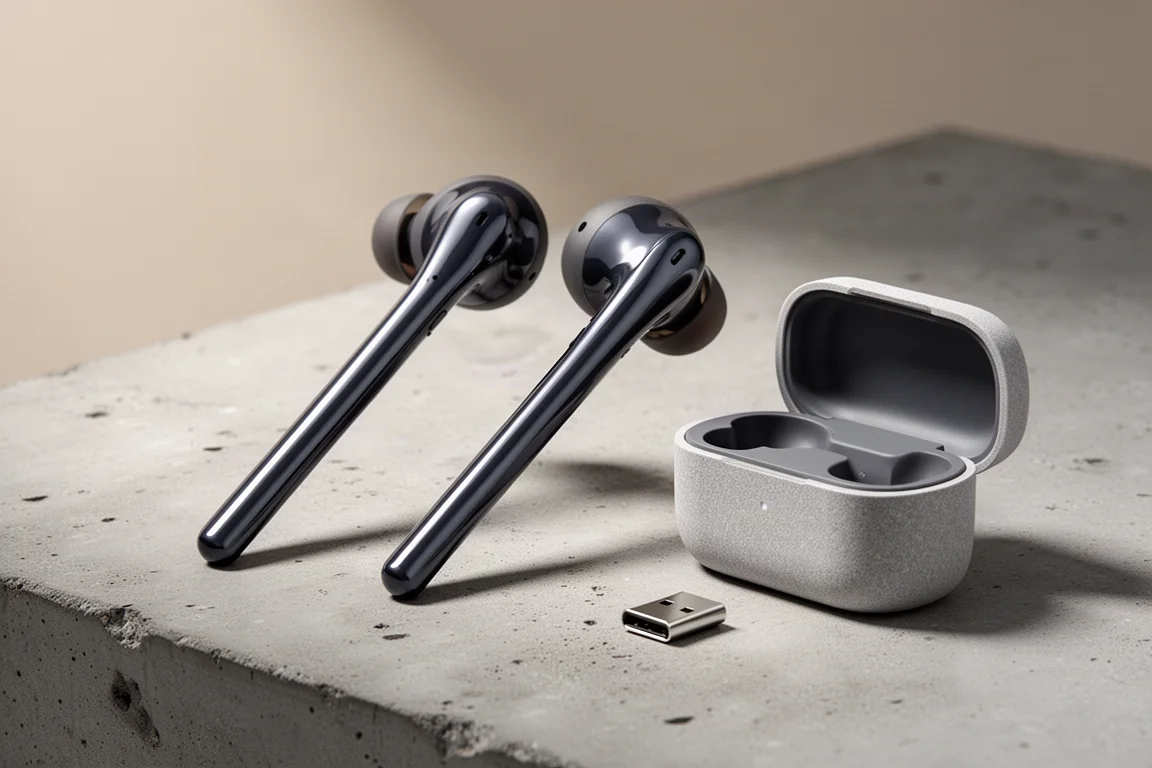
There is one trait every pair here shares. When music is playing, the inverted outside signal never lines up perfectly with what is leaking through, and the mismatch is most obvious on spoken word. Edifier handles it best, Tribit very well, and Mifo reasonably well. Spending more on noise canceling headphones generally buys better synchronization, and third-party foam ear tips can improve passive isolation, but they will not fix the timing.

Beyond that, match the pair to the job. Choose the Mifo S for training, the Tribit FlyBuds C1 Pro for all-round use, the Edifier NeoBuds Pro for voice content and the best charging case, the Edifier W240TN for windy rides, and the SoundPeats Air3 Pro as a cheap second pair.
Conclusion
None of these five pairs is trying to compete with premium noise canceling headphones, and none of them needs to. Each one solves a specific problem at a price that makes sense, and all of them handled music, podcasts, audiobooks, and calls without failing at the basics.
If you want one pair to cover everything, the Tribit FlyBuds C1 Pro is the safest choice. If spoken word and comfortable all-day fit matter most, the Edifier NeoBuds Pro is the better pick. If you train hard and want the most athletic fit of the group, the Mifo S justifies its higher price. Riders who spend time in the wind will prefer the Edifier W240TN, and the SoundPeats Air3 Pro remains a reasonable low-cost spare.
Further reading
Related Reviews

Backpacking Gear
Building a 10 lb Base Weight: An Ultralight Backpacking Gear List
A practical walkthrough of the ultralight pieces behind a 10 lb base weight, from a 765 g pack and a roomy one-person tent to a full camp chair and a dependable water filter.

Road Bikes
10 New Road Bikes Worth Watching: Aero, Titanium, Steel and Endurance Standouts
A practical roundup of 10 new road bikes, from aero flagships chasing single-watt gains to titanium, steel and endurance platforms built for real roads.
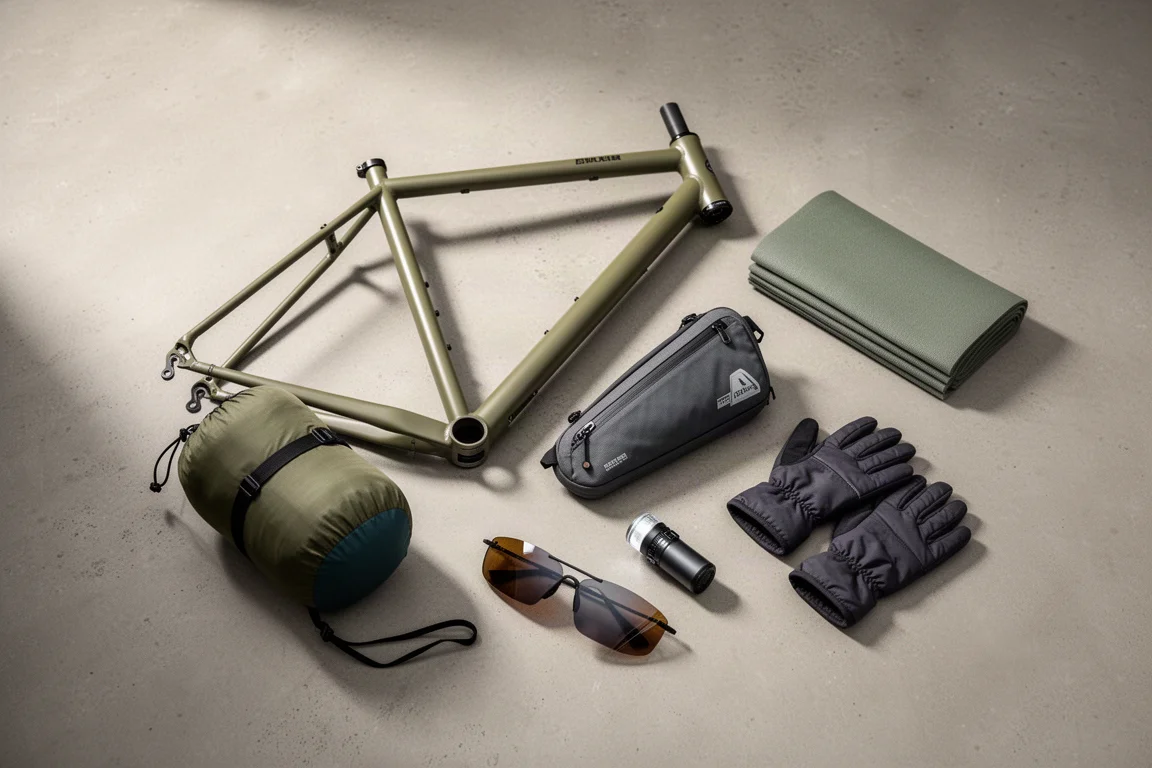
Bikepacking Gear
11 Bikepacking Essentials for Long-Distance Cycling
Eleven bikepacking essentials for long-distance cycling, from a steel gravel frame and a two-person tent to helmet lights, packable gloves, and a frame bag that puts weight in the right place.