Hi-Fi Audio
Best Budget Hi-Fi Picks 2026: A Speaker, an Amplifier, and a Turntable
A passive bookshelf speaker, an integrated amplifier, and a turntable that make sense for a first serious system, plus the trade-offs worth knowing before you buy.
Introduction
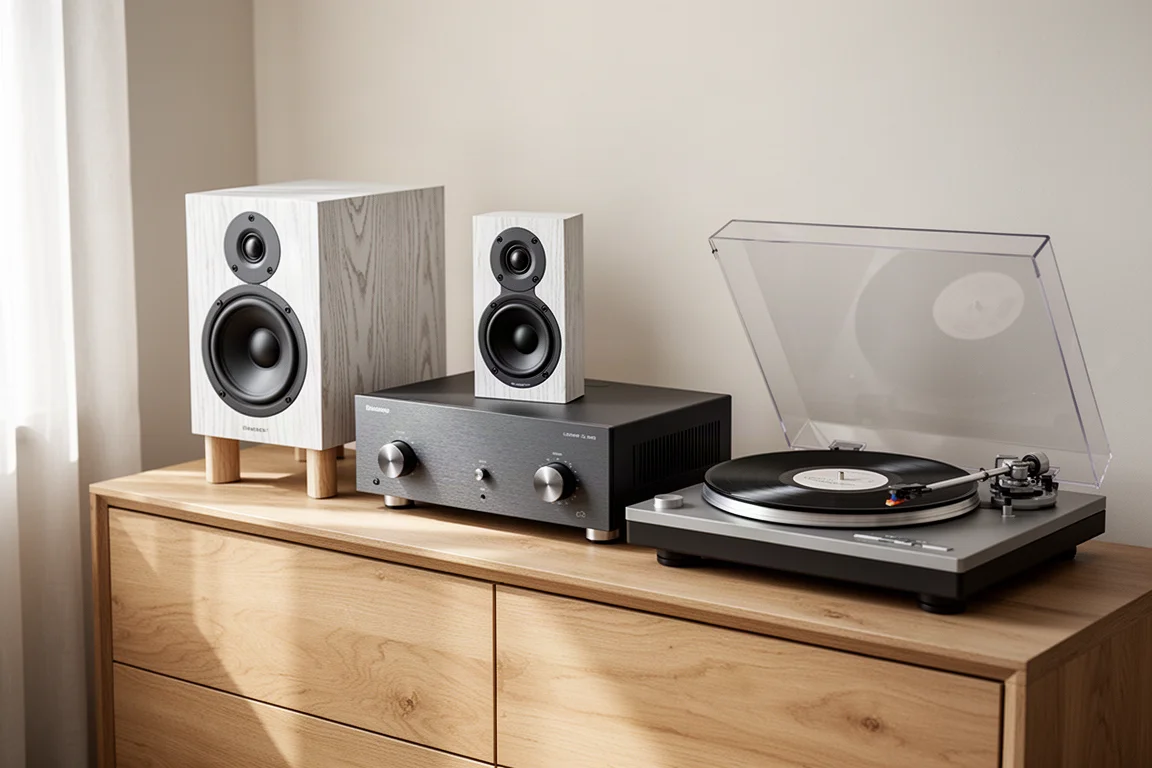
A first serious hi-fi system usually comes down to three decisions: the speakers, the amplifier that drives them, and whether a turntable belongs in the chain. Get those right and almost everything else becomes a refinement. Get them wrong and no accessory will fix the result.
The three components below cover a passive bookshelf speaker, an integrated amplifier, and a turntable. Each was chosen because it does one job well at a price that still makes sense for a first or second system, and each leaves room to grow later rather than forcing a replacement.
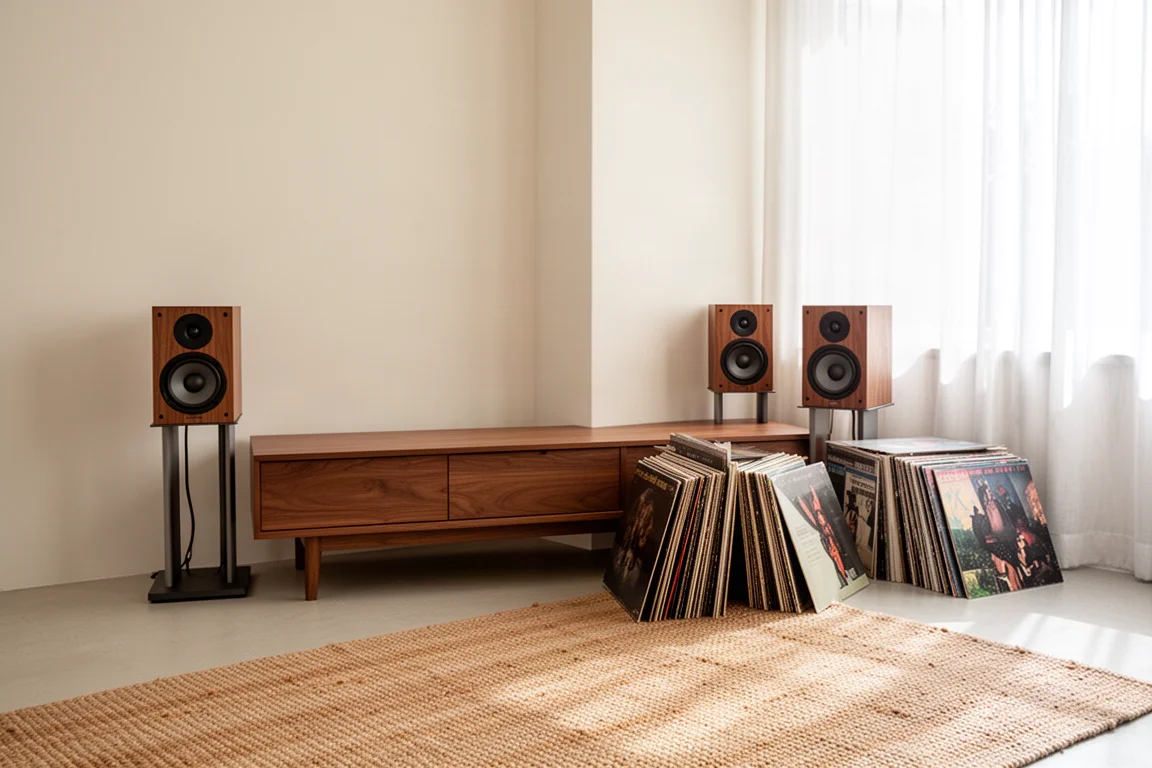
That last point matters more than it first appears. A component that can be upgraded instead of replaced keeps a system useful for years, whether that means swapping a cartridge, adding a source, or simply keeping the same amplifier while the rest of the chain improves around it.
What to Look For in a Budget Hi-Fi System
With passive speakers, the priorities are usually soundstage, clarity, and a balanced presentation rather than a strongly coloured one. Under $500 the field is crowded, and the ELAC Debut B6.2, PSB Alpha P5, Klipsch RP-600M, and Wharfedale Diamond 225 come up regularly alongside the Triangle model recommended below.
With amplifiers, the useful questions are how much power you get per channel into 8 ohms, which inputs are built in, and whether the design leaves room to upgrade. A built-in DAC and support for multiple input types make a modern integrated amplifier flexible, while a purely analog design with a moving magnet phono stage suits a vinyl-first setup.
With turntables, build quality, ease of use, and the upgrade path matter more than any single specification. A deck that lets you change the cartridge or add a better phono stage later will outlast one that does not.
Best Speaker: Triangle Borea BR03
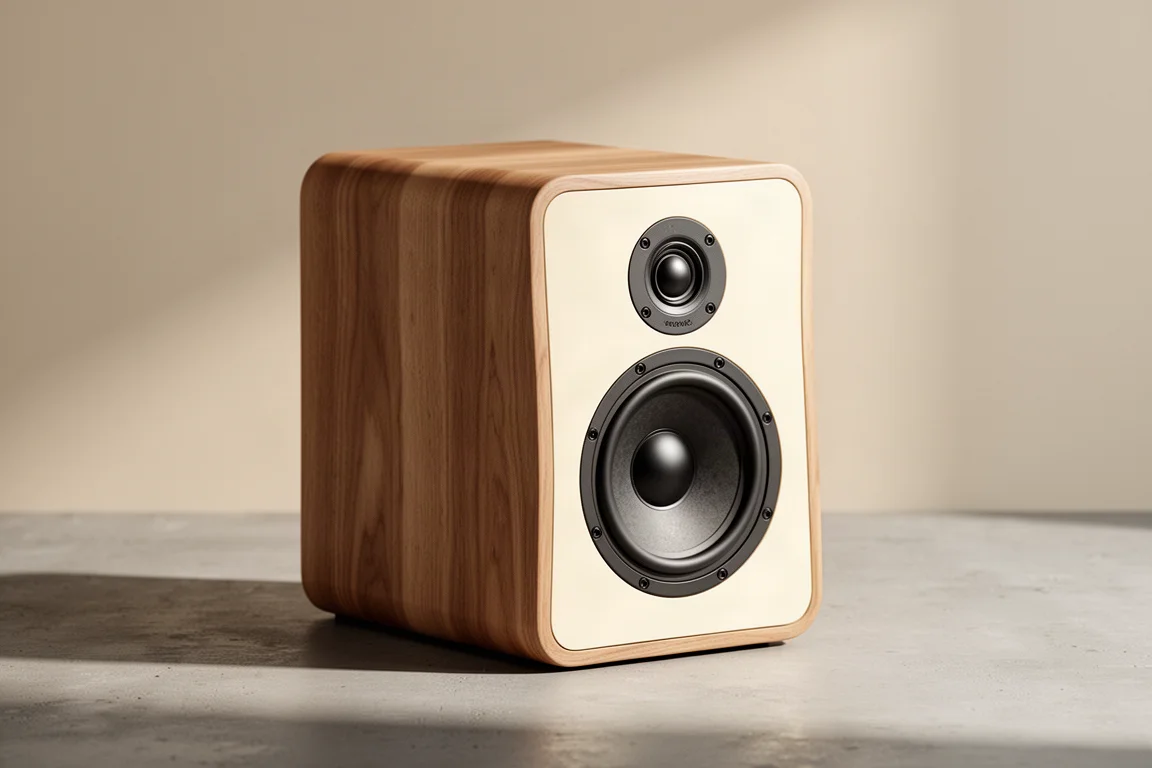
The Triangle Borea BR03 is a passive bookshelf speaker that stands out for its soundstage, clarity, and overall balance. It does not push one part of the frequency range forward at the expense of the rest, which makes it an easy speaker to live with across different kinds of music.
At around $330 it also represents strong value in a category where prices climb quickly. Buyers who want a neutral starting point rather than a heavily voiced sound will find it an easy recommendation.
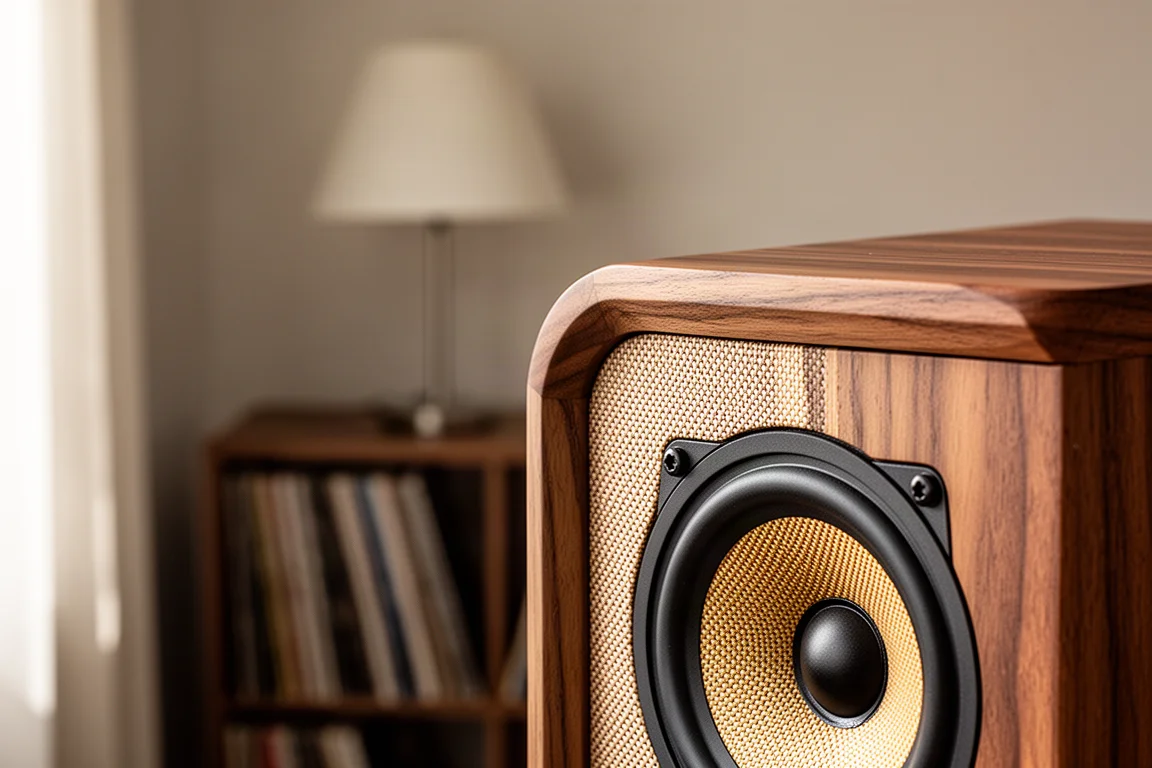
Because it is a passive design, the Borea BR03 depends on the amplifier behind it. A clean, reasonably powerful integrated amplifier will get more out of it than a small desktop amp, and that is worth planning for before you buy rather than after.
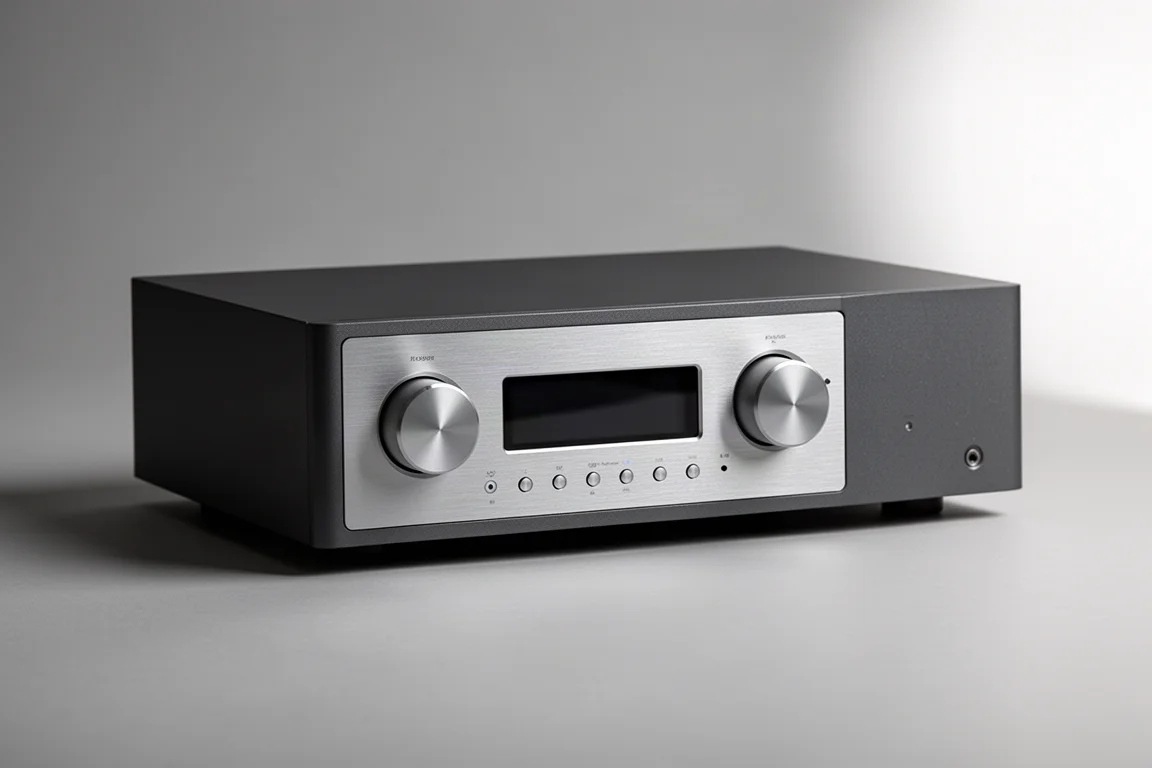
Best Integrated Amplifier: NAD C368
The NAD C368 delivers 80 watts per channel and pairs that power with a built-in DAC that supports multiple input types. That combination covers a wide range of sources without adding extra boxes to the shelf.
Its modular design is the more interesting detail. Rather than locking the amplifier to the features it ships with, the C368 allows for future upgrades, which is what makes it a long-term purchase rather than a stopgap. Sound quality is highly regarded and dynamics are described as clean, so it should not impose much of its own character on the speakers it drives.
Best Turntable: Fluance RT85
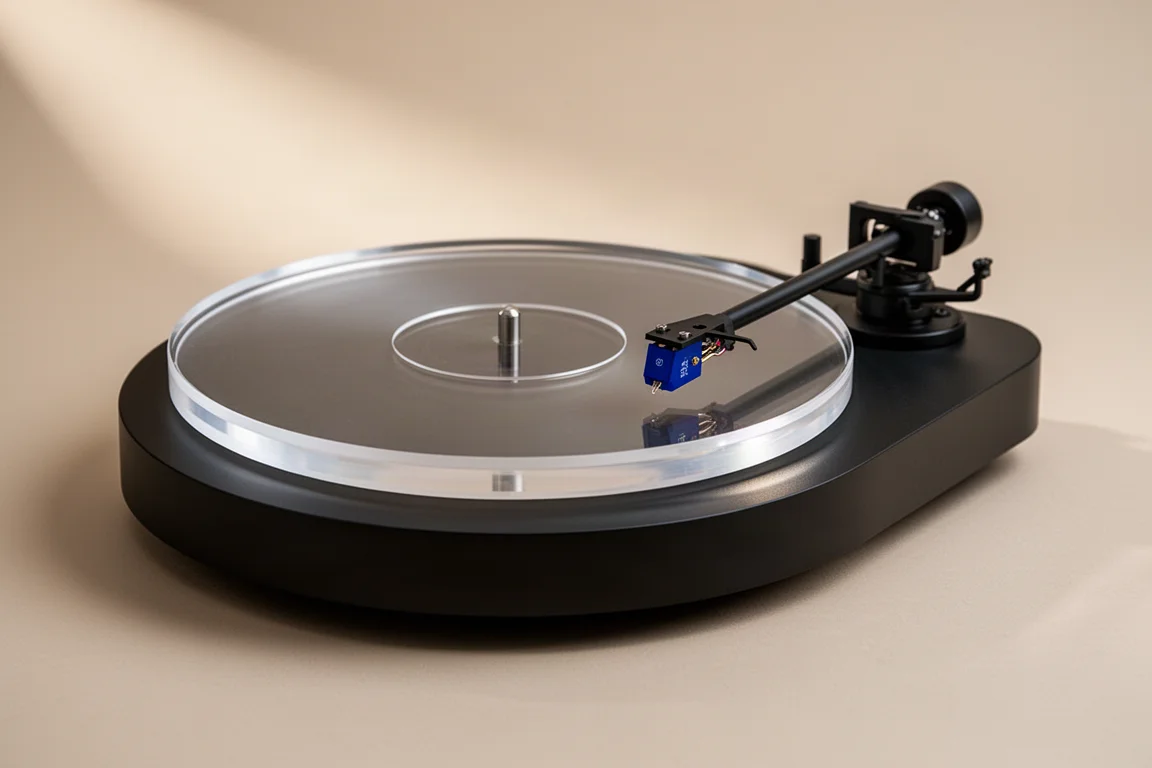
The Fluance RT85 is widely regarded as one of the best turntables under $500, and the reasons are practical rather than exotic: sound quality, build and design, ease of use, and a clear upgrade path.
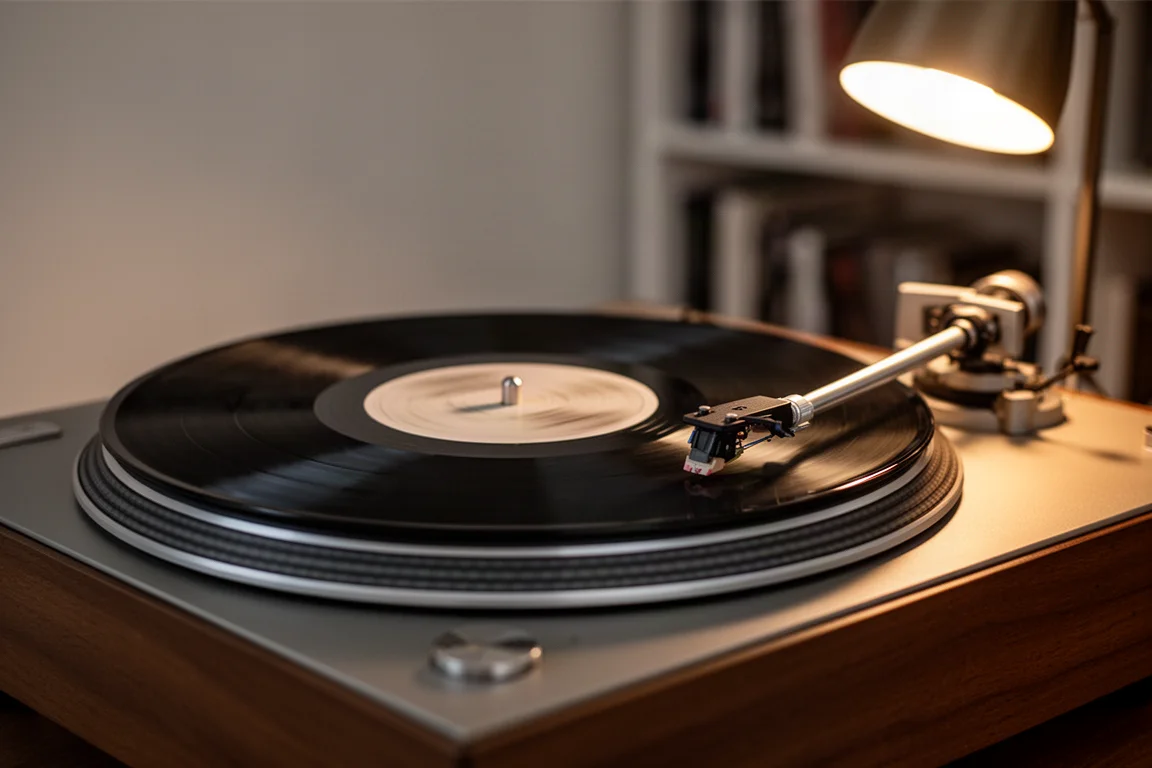
The upgrade path is the part worth understanding. The cartridge can be swapped, and a better phono stage can be added later, so the deck can improve as the rest of the system does. That is a real advantage over cheaper turntables that offer no realistic route forward.
How These Three Work Together as a System
The amplifier sets the ceiling for what the speakers can do, so it is worth choosing one with enough power and the inputs your sources need. If a turntable is part of the plan, confirm that the amplifier can accept it, either through a suitable input or through a separate phono stage.
Buying all three at once is not necessary. Starting with the amplifier and speakers and adding the turntable later keeps the budget manageable and lets each purchase be judged on its own merits in your own room.
Buying Advice Before You Commit
Spend where the difference is audible. In most budget systems that means speakers first, then the amplifier, then sources. Accessories come last, and they should be chosen for convenience rather than for a promised transformation.
Speaker cables are the classic example of a purchase that promises more than it usually delivers. Material quality matters in theory, since higher-purity copper or silver can offer lower resistance, and a thicker cable with a lower gauge number carries more current with less resistance. Construction and geometry also play a role, and some designs are built to reduce electromagnetic and radio frequency interference.
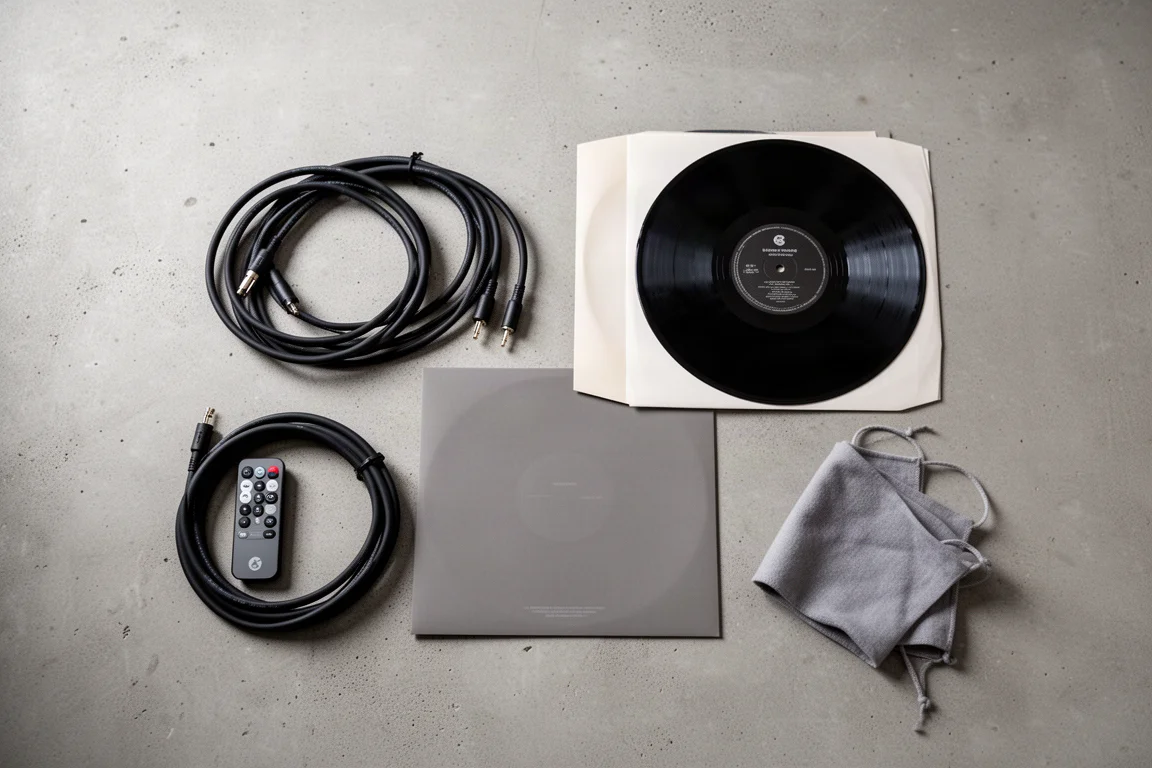
In practice the differences are subtle, and expectation plays a large part in what listeners believe they hear. The sensible approach is to compare cables in your own system, ideally without knowing which one is connected, and to prioritise upgrades elsewhere in the chain while the rest of the system is still developing.
Conclusion
Three components, three clear jobs. The Triangle Borea BR03 gives you a balanced passive speaker at a sensible price. The NAD C368 gives you power, a built-in DAC, and a modular path forward. The Fluance RT85 gives you a turntable that can be improved rather than replaced.
Start with the parts that shape the sound most, keep an eye on how each piece can grow, and the system will stay satisfying long after the first upgrade.
Further reading
Related Reviews
Hi-Fi Audio
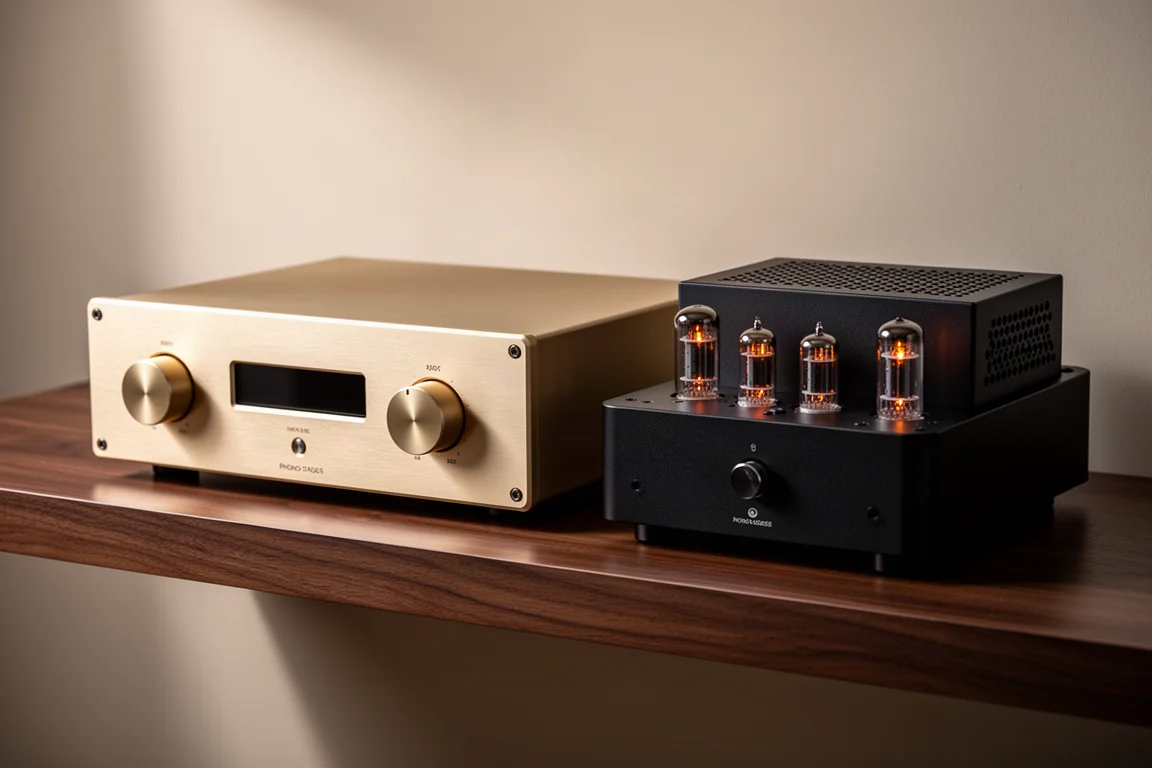
Accuphase C-57 vs Allnic H-7000V: Two High-End Phono Stages Compared
A fully balanced solid-state phono stage with a pitch-black noise floor meets a tube design built for well-loved records. Here is how to choose between them.
Hi-Fi Audio
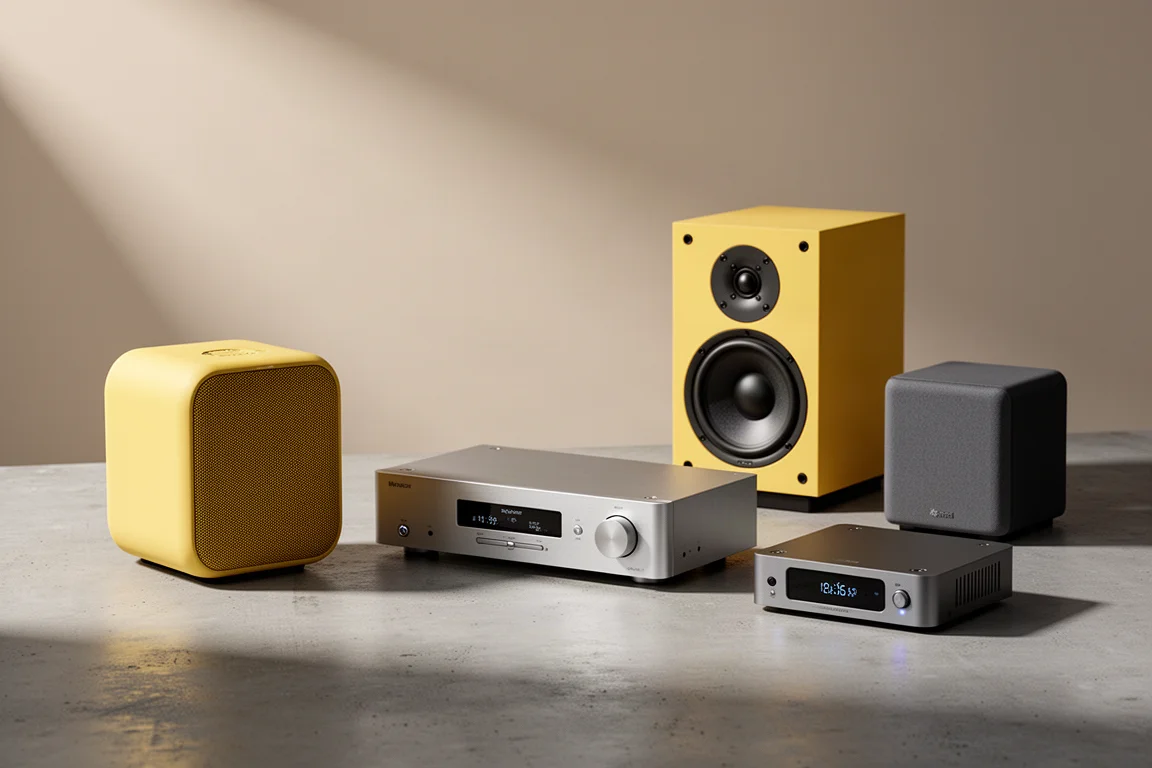
Active vs Passive Hi-Fi: Five Components for a Modern System
Five components that define modern active and passive hi-fi systems, with the strengths, trade-offs and setup details worth weighing before you buy.
Hi-Fi Audio
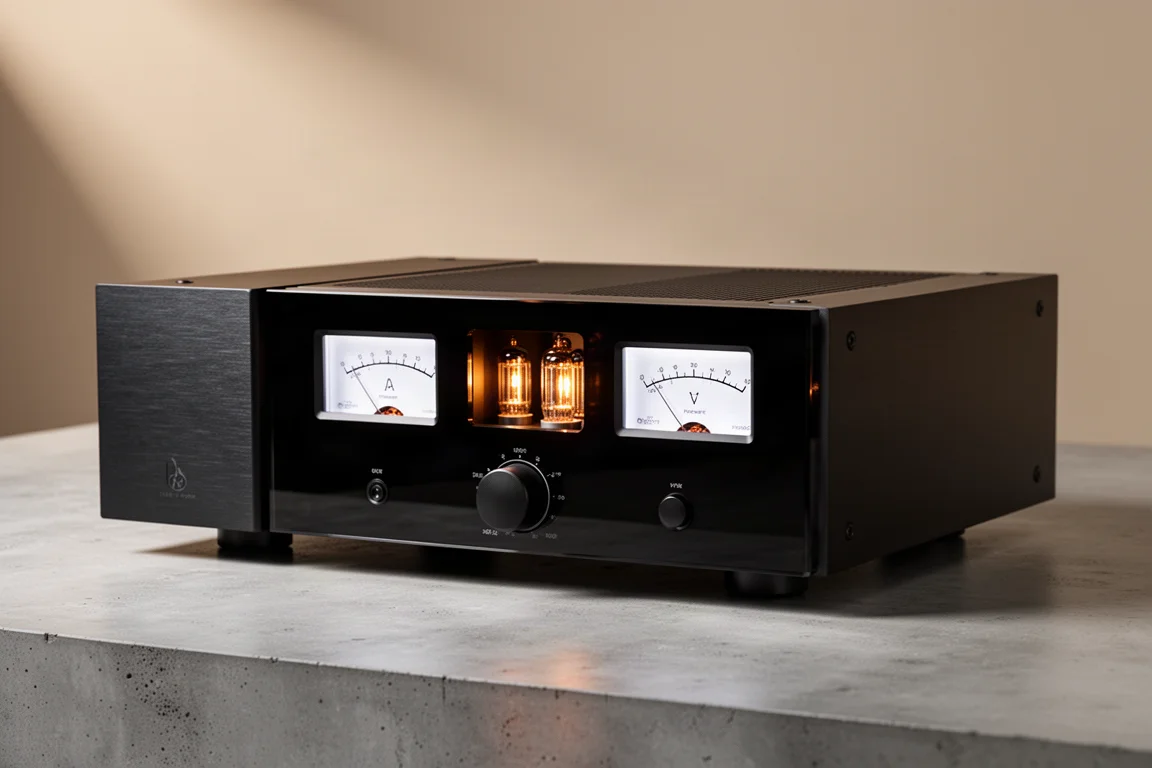
Advance Paris A10 Apex Review: A Hybrid Integrated Amplifier That Covers a Lot of Ground
A French hybrid integrated amplifier with a class A tube preamp stage, analogue power meters, and an internal DAC and phono stage good enough to make extra boxes unnecessary.