Hi-Fi Audio
Best Budget Hi-Fi Components: Six Building Blocks for a High-Value System
Six affordable hi-fi components that anchor real budget systems, with the strengths, trade-offs, and pairings worth knowing before you buy.
Introduction
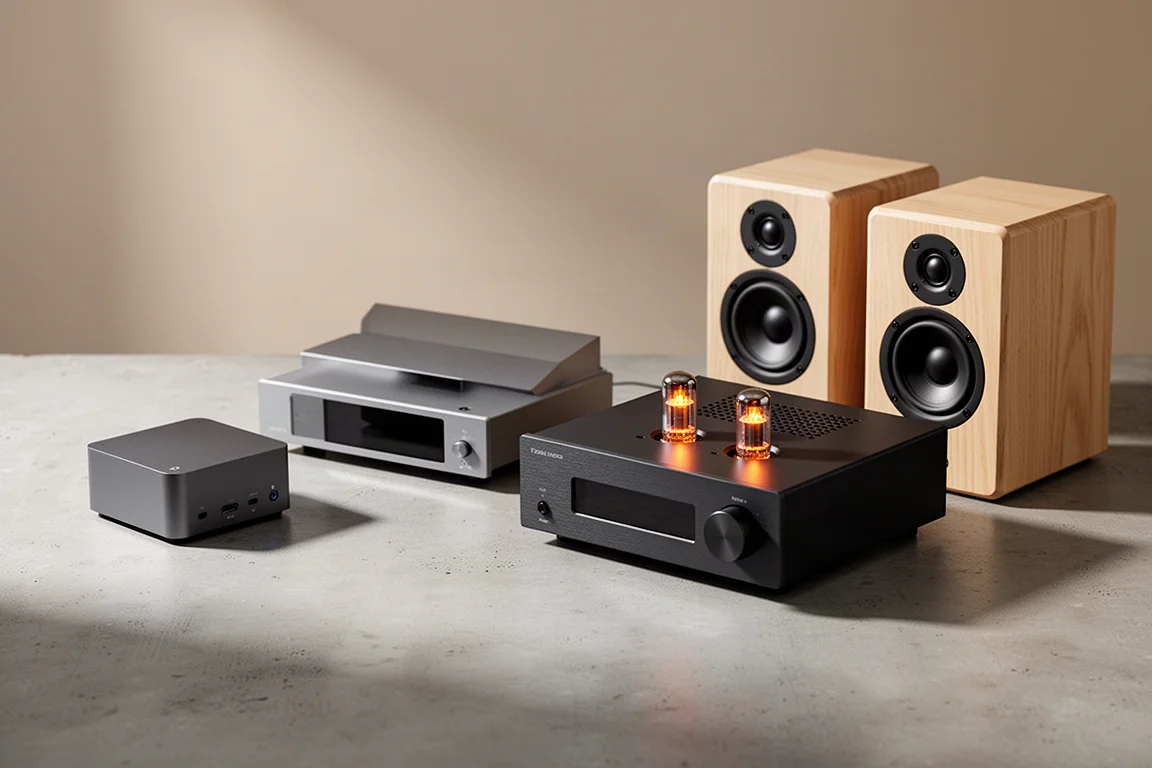
A genuinely satisfying hi-fi system does not have to start with a four-figure budget. Some of the most rewarding affordable setups are built from a handful of carefully matched parts: a streaming source, a converter that adds character where it is needed, an amplifier with enough current for the speakers, and a pair of speakers that suit the room they sit in.
Six components turn up again and again in these builds, and each one earns its place for a specific reason. Some are still easy to buy new, while others have been discontinued and now make sense mainly on the used market. What follows is what each one does well, where it falls short, and who it suits.
What Makes a High-Value Hi-Fi System
Three things separate a bargain system from a frustrating one.
Source flexibility matters most. A streaming module with a clean digital output lets you improve the converter later without replacing the whole chain, which keeps the system upgradable as budget allows. Amplifier headroom matters next: a modest amplifier driving efficient speakers will usually sound better than a more powerful one struggling with a difficult load. Tonal matching ties it together. A warm, relaxed speaker and a detail-forward converter tend to balance each other, while two components with the same character can leave a system sounding dull at one extreme or fatiguing at the other.
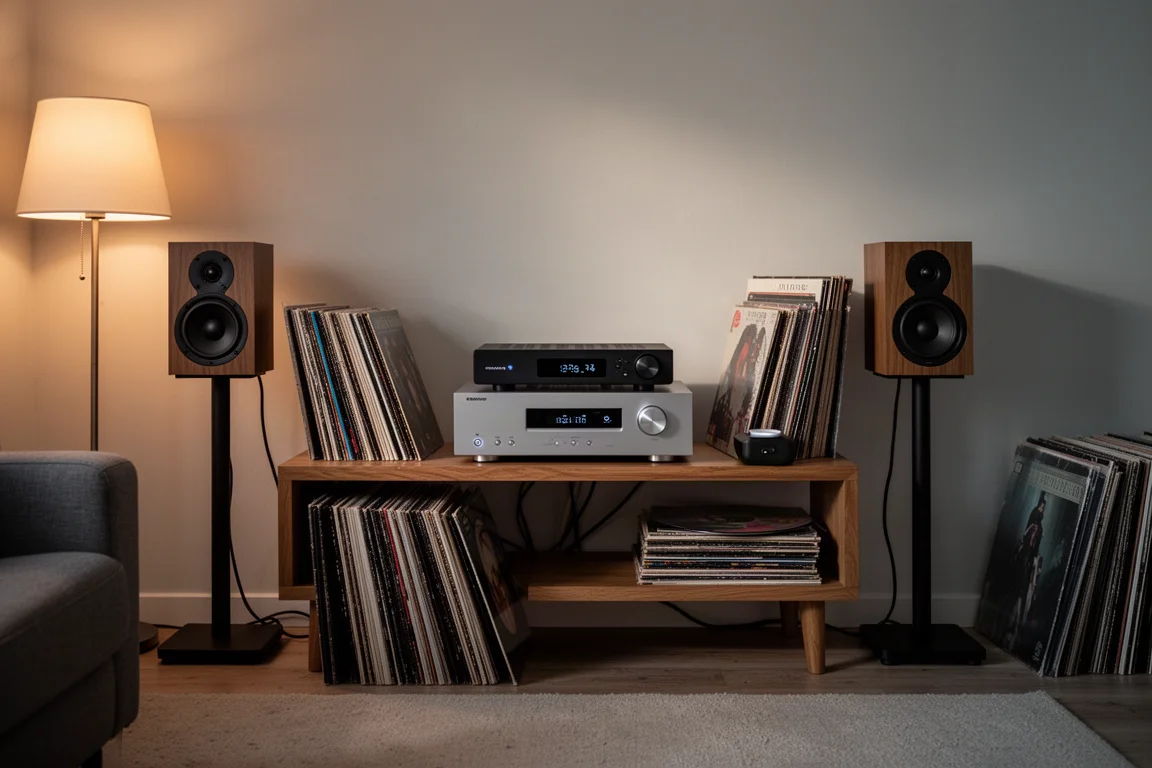
Restraint is the last piece. The builds worth copying usually keep to two or three sources and one pair of speakers instead of spreading the same money across five components.
WiiM Mini: A Streaming Source That Anchors the Whole System
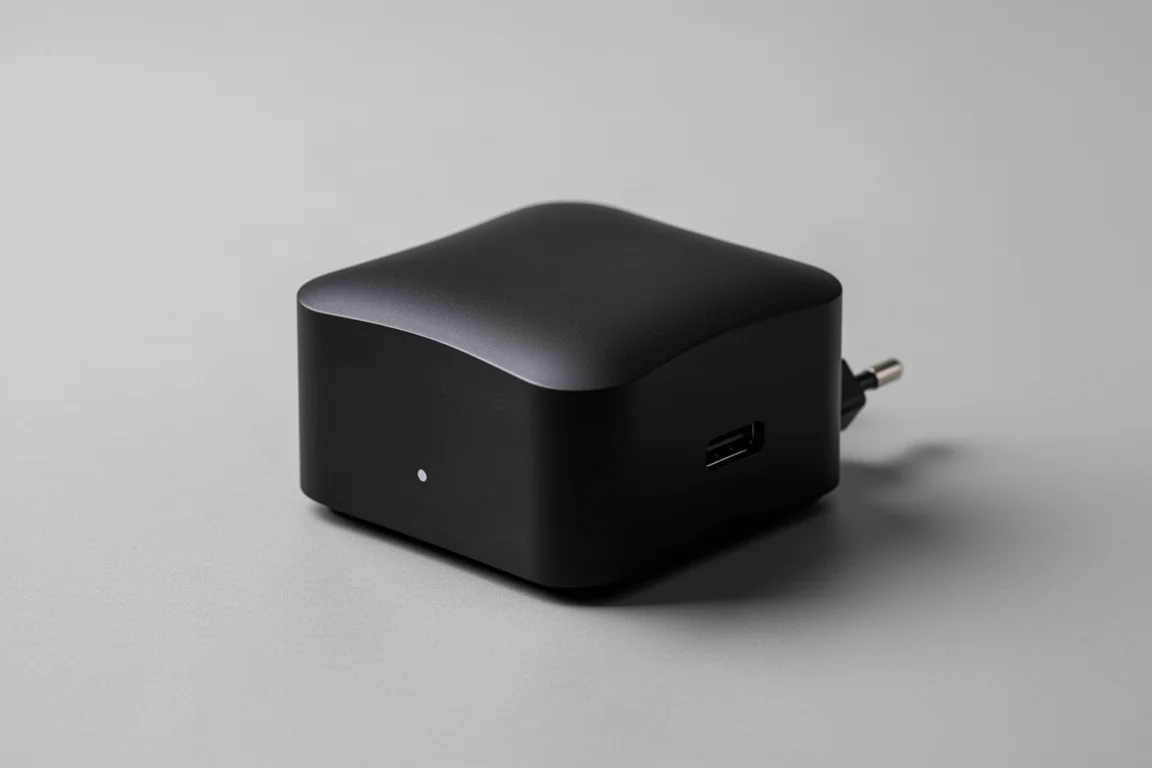
The WiiM Mini is the most common starting point in affordable builds, and the reason is straightforward. It is a compact network streamer with Bluetooth and AirPlay 2, and it works as a complete streaming platform rather than a bare receiver. It has been selling for around $80, which makes it one of the least expensive ways to bring modern streaming to an older amplifier.
Its own analog output is the weak point. Internal conversion is not the strongest part of the design, so the Mini is at its best feeding an external converter through its digital output. Used that way it becomes a long-term foundation: the streaming side stays current while the conversion and amplification around it can be changed as the budget grows.
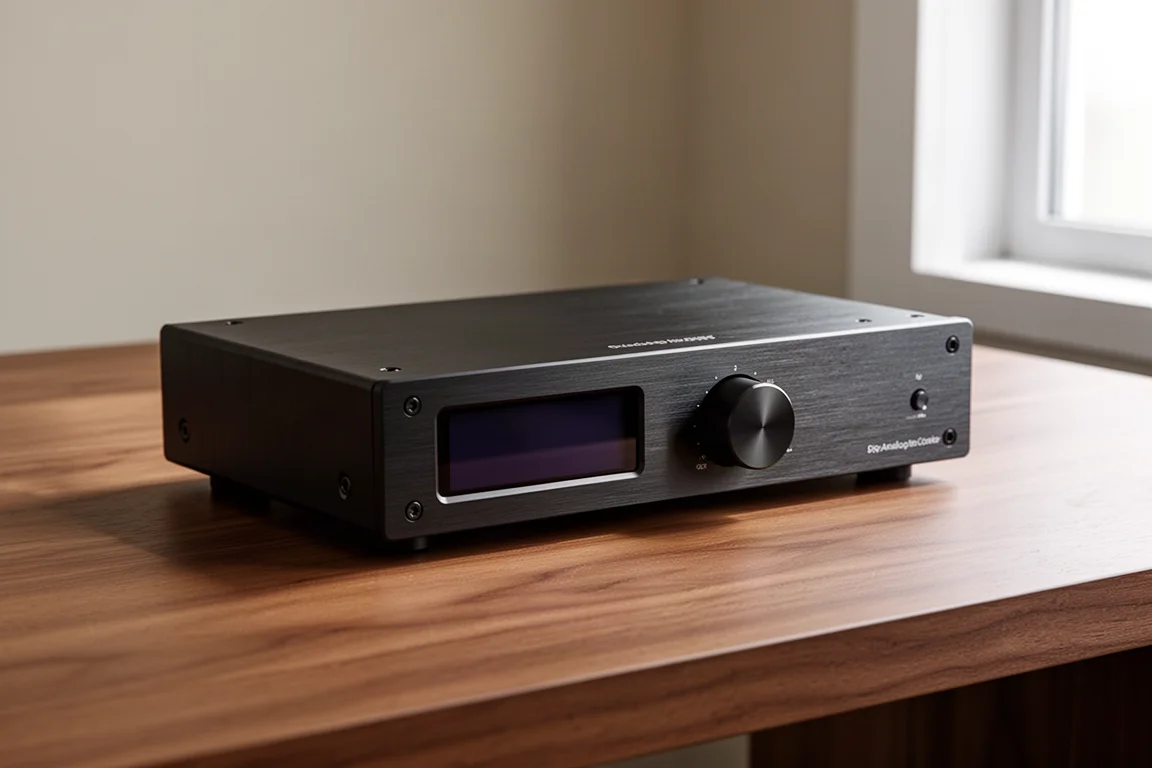
Topping E30: A DAC That Adds Detail
The Topping E30 is built around an AKM converter and has a reputation for a detailed, forward presentation with plenty of energy at the top end. That character is not universally loved, but it is exactly what a warm, relaxed system needs. Matched with a mellow speaker, the E30 brings definition and bite back to the treble without making the system sound hard.
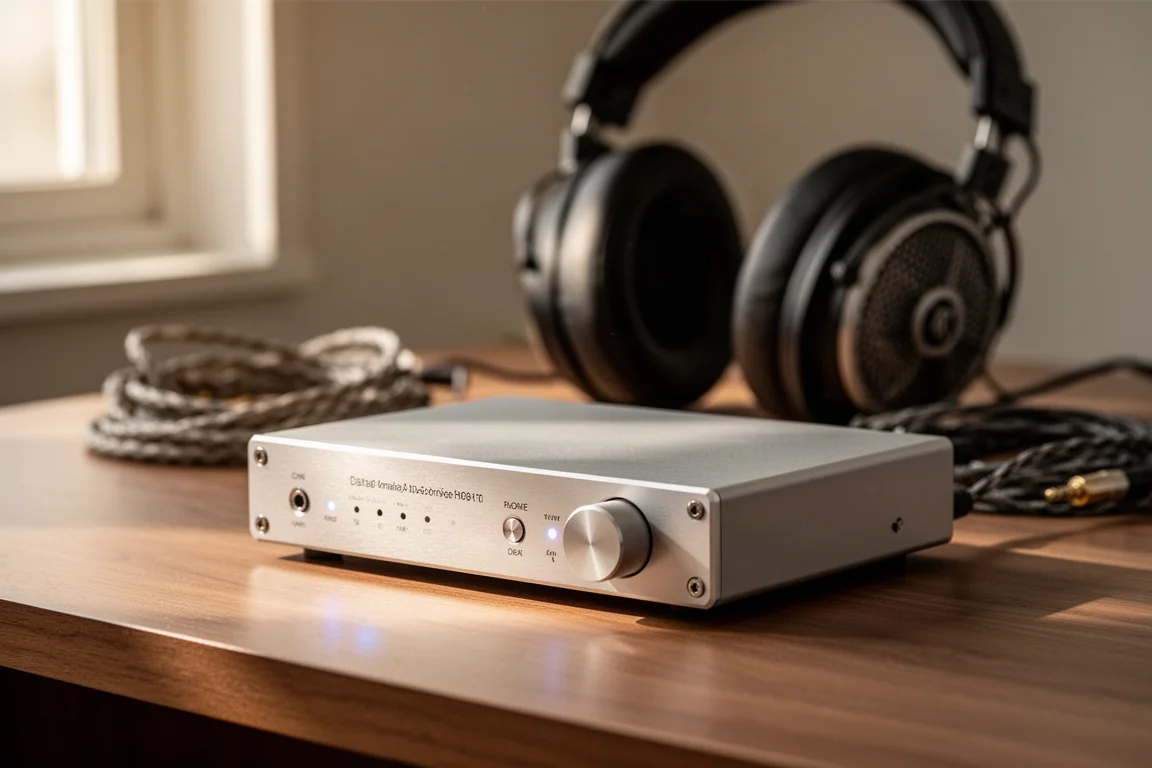
In practical terms it is a compact desktop unit with the inputs needed to sit between a streamer and an amplifier. Listeners who prefer a softer, rounder sound may find it a little forward, and the model has since been revised, so the current version is not identical to the original. For a system built around a warm speaker, though, it remains a proven pairing.
Aiyima T9: A Tube-Buffered Integrated Amp
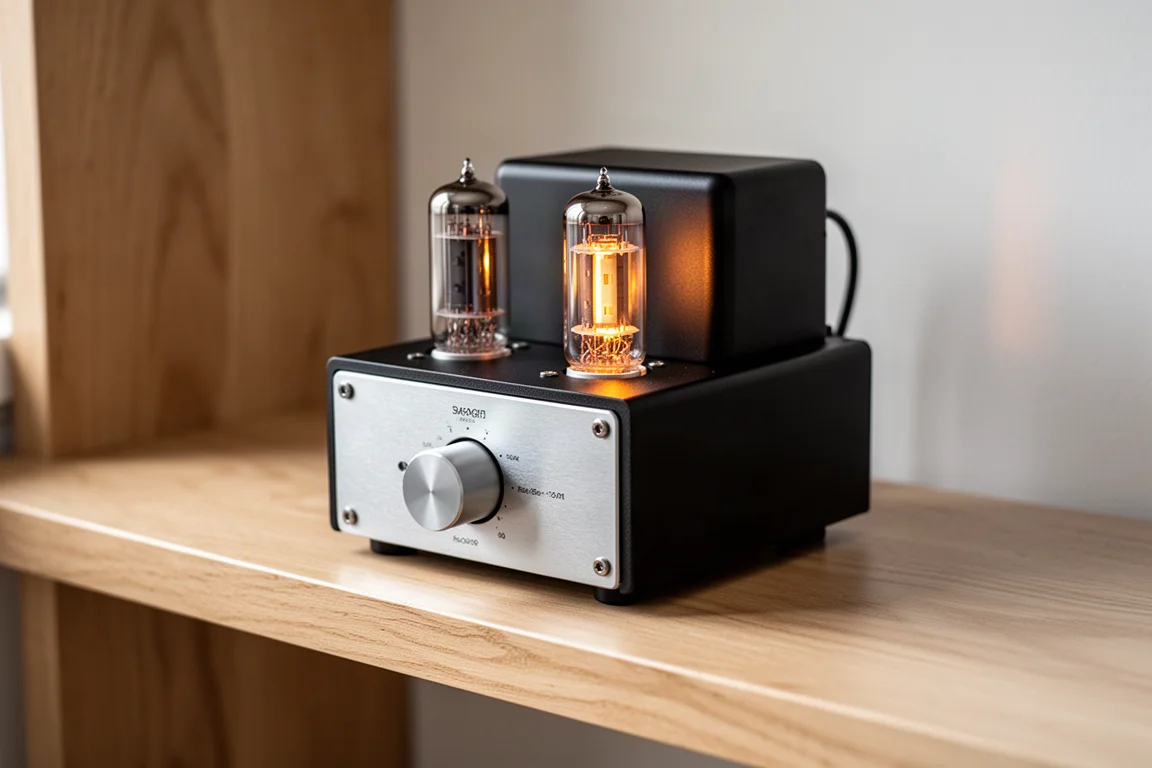
The Aiyima T9 is one of the more unusual budget amplifiers around. It pairs a Texas Instruments amplifier chip with a tube buffer and includes a built-in converter, so a single small box can handle streaming, conversion, and amplification. The result sounds considerably better than its price suggests, with the tube stage lending the presentation a little warmth.
At around $130 it is an appealing one-box answer for a desk or a second system: streamer in, speakers out, no separate converter required. The trade-off is that a tube buffer is a deliberate coloration rather than a neutral pass-through, which suits listeners who want a warmer tone more than those chasing absolute accuracy.
Wharfedale Diamond 11.4: Warm Floorstanding Speakers
The Diamond 11.4 comes from a line known for a very warm, easy-going tonal balance. In a budget system that warmth is a genuine advantage, because it makes long listening sessions comfortable and forgiving of recordings that are less than perfect.
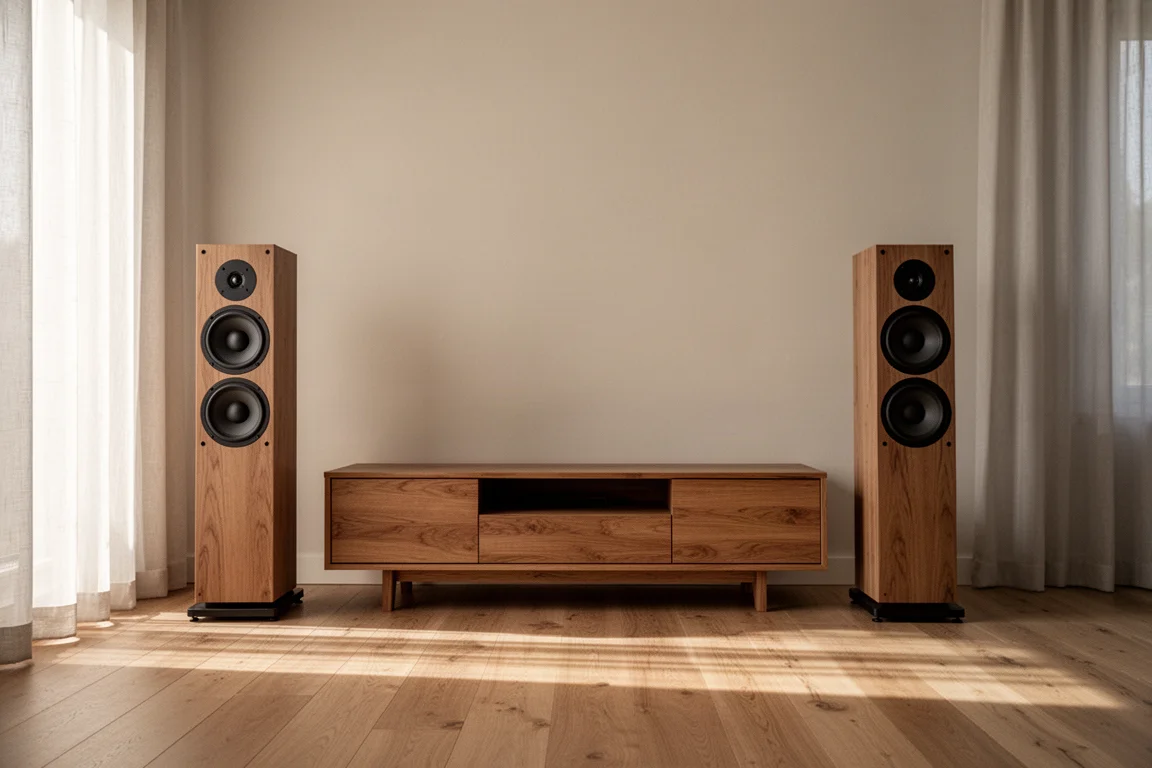
It also means the speaker benefits from a source with some lift in the treble, which is why a detail-focused converter complements it so well. The practical caveat is availability: the model has been discontinued, so a pair has to be found on the used market rather than bought new. For anyone willing to shop second-hand, it is an affordable route into full-range floorstanding sound.
Dayton Audio DTA Pro: The Bedroom System Amplifier
The Dayton Audio DTA Pro is a compact integrated amplifier that shows up in small-room and bedroom builds. Its appeal is simplicity: one box that takes a source and drives a pair of compact speakers, with a footprint small enough for a nightstand or a shelf. A full bedroom system built around it, with a small streamer and compact speakers, has come in at around $338.
It is not a component that promises exotic circuitry or enormous power. It is a practical amplifier for the specific job of making a second system easy to live with, and that is exactly the role it fills in a low-cost build.
Jamo S801: Compact Speakers With a Big Stage
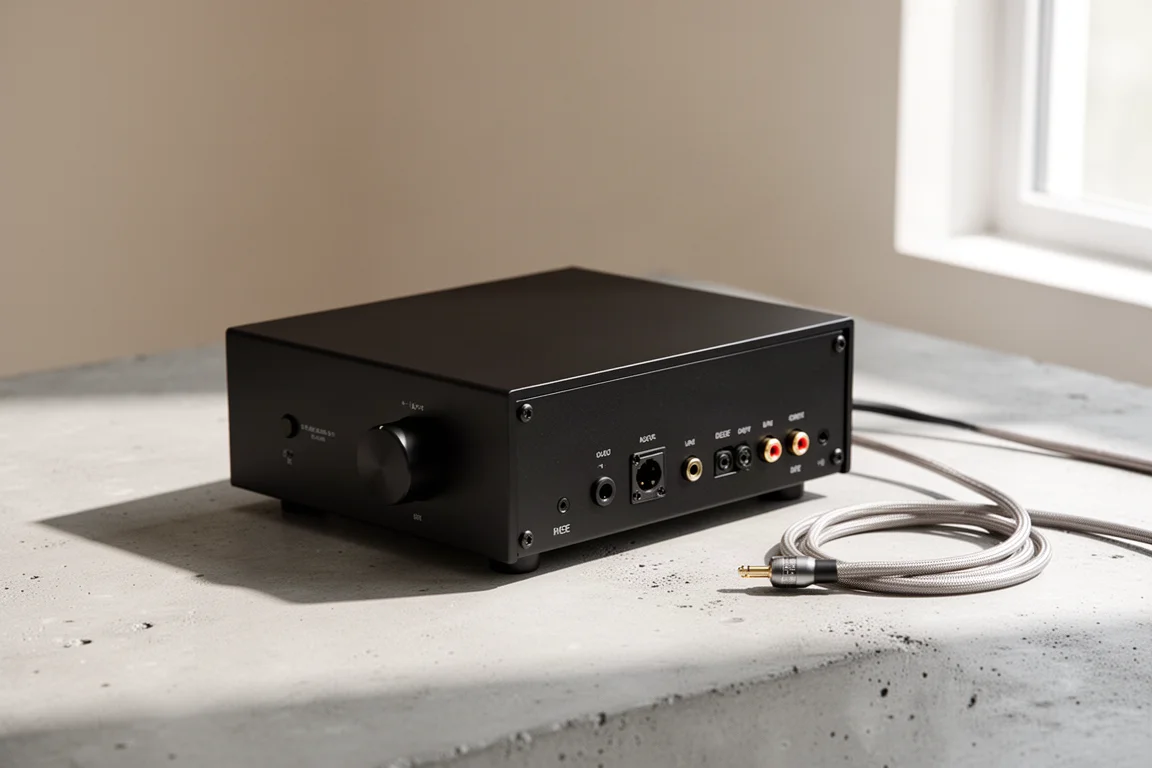
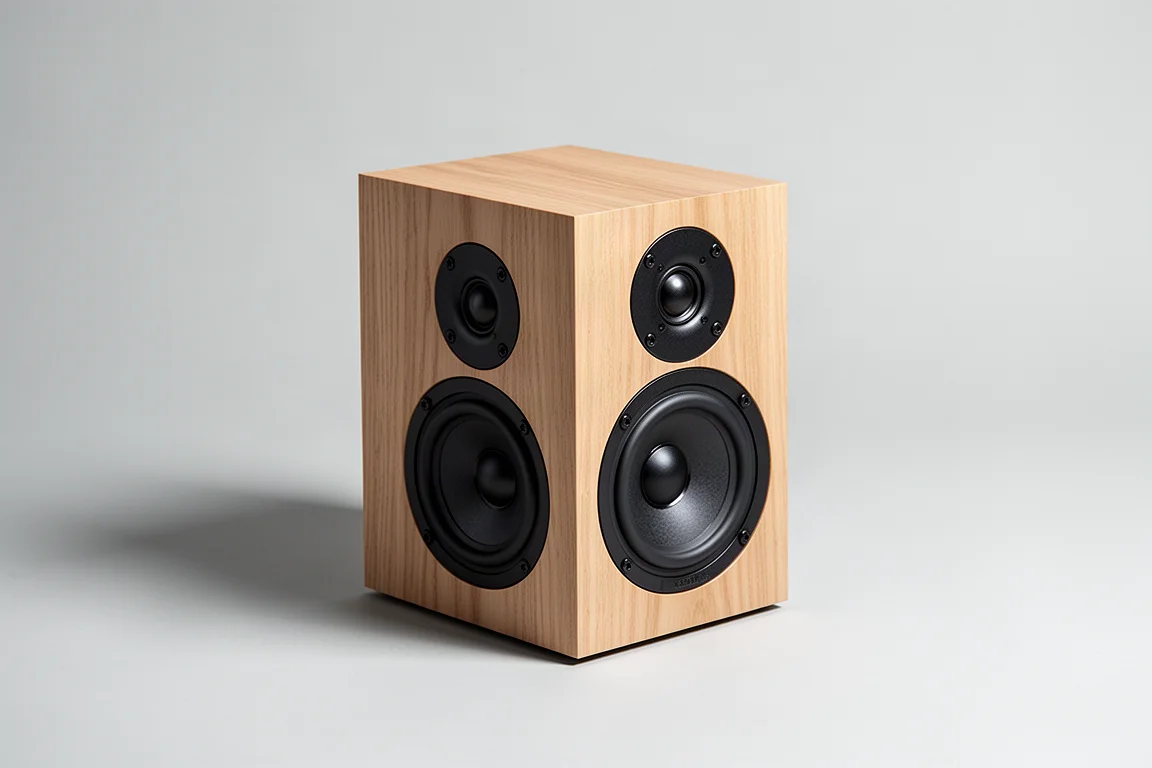
The Jamo S801 is a small bookshelf speaker, usually sold as part of a five-channel package that also includes two larger front-ported S803 speakers with 5.25-inch woofers and a matching centre channel. On its own it has a slightly U-shaped response: bass that is a little uneven and a top end with some sparkle.
Where it shines is imaging. The soundstage is wide and precise for a speaker this size, which makes it a strong pick for desktop listening where the speakers sit close to the listener. Availability is the catch: it is easier to find as part of a package than as a standalone pair, and standalone pricing has been seen around $80.
Buying Advice: Putting the Pieces Together
The systems these parts belong to land anywhere from roughly $300 to about $1,200, and the difference between those price points is mostly about how many jobs each box does.
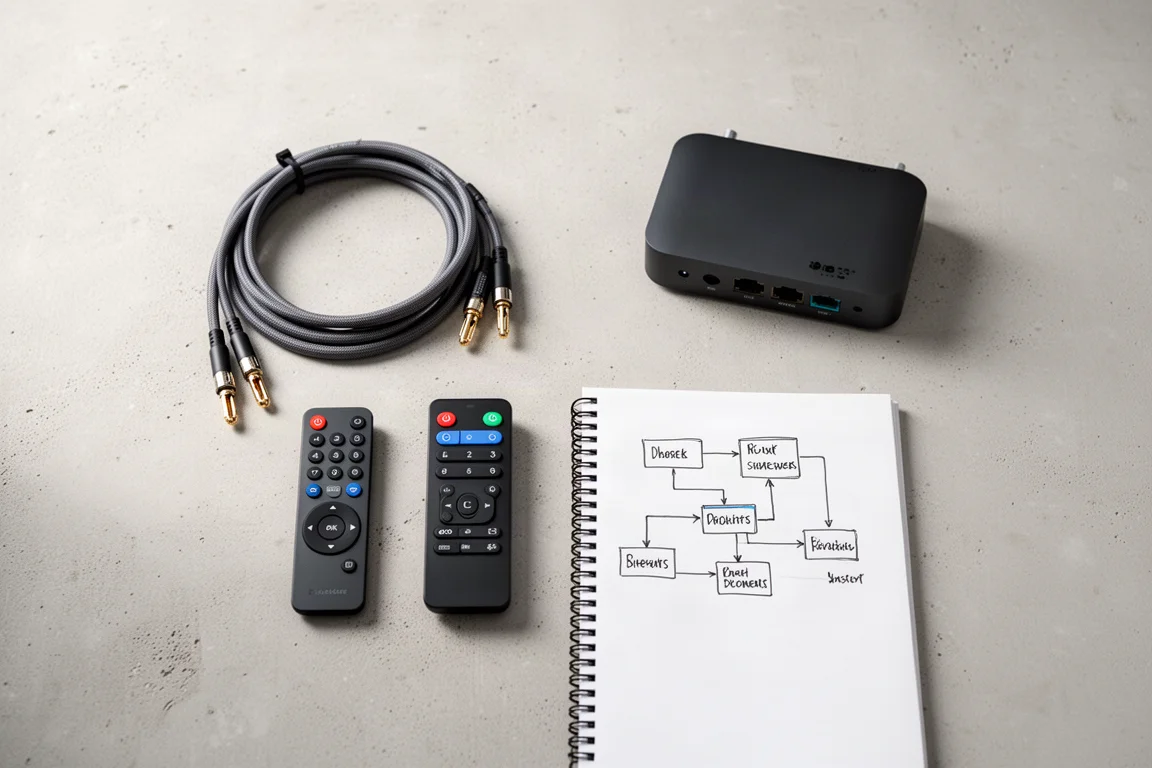
At the lowest end, a small streamer, a compact integrated amplifier such as the Aiyima A07, and a pair of budget bookshelf speakers like the Sony SS-CS5 can be assembled for under $300, and the result is a genuine system rather than a placeholder. Moving up, adding a dedicated converter, a better pair of speakers, and a subwoofer such as the Monoprice 12-inch 150-watt model takes a build toward the $900 mark while keeping every individual part affordable.
Above that, systems built around a Bluesound Node 2 feeding a compact power amplifier and a pair of neutral bookshelf speakers such as the ELAC UB52 land closer to $1,200, and they add features including multiple digital inputs, subwoofer output, and preamp functionality. A turntable such as the Fluance RT82 can be added at any of these tiers for listeners who want a second source, and a separate phono stage will be needed if the amplifier does not include one.
The most useful advice is to spend on the parts you will keep. A streamer and a pair of speakers tend to stay in a system far longer than an amplifier or a converter, so it usually pays to choose those first and fill in around them.
Conclusion
None of these components is exotic, and that is the point. Each one solves a specific problem in a budget system: a streaming source that stays current, a converter that balances a warm speaker, a small amplifier that does more than its price suggests, and speakers that deliver either warmth or imaging depending on what the room needs. Chosen to match each other, they add up to a system that sounds far more expensive than the sum of its parts.
Further reading
Related Reviews
Hi-Fi Audio
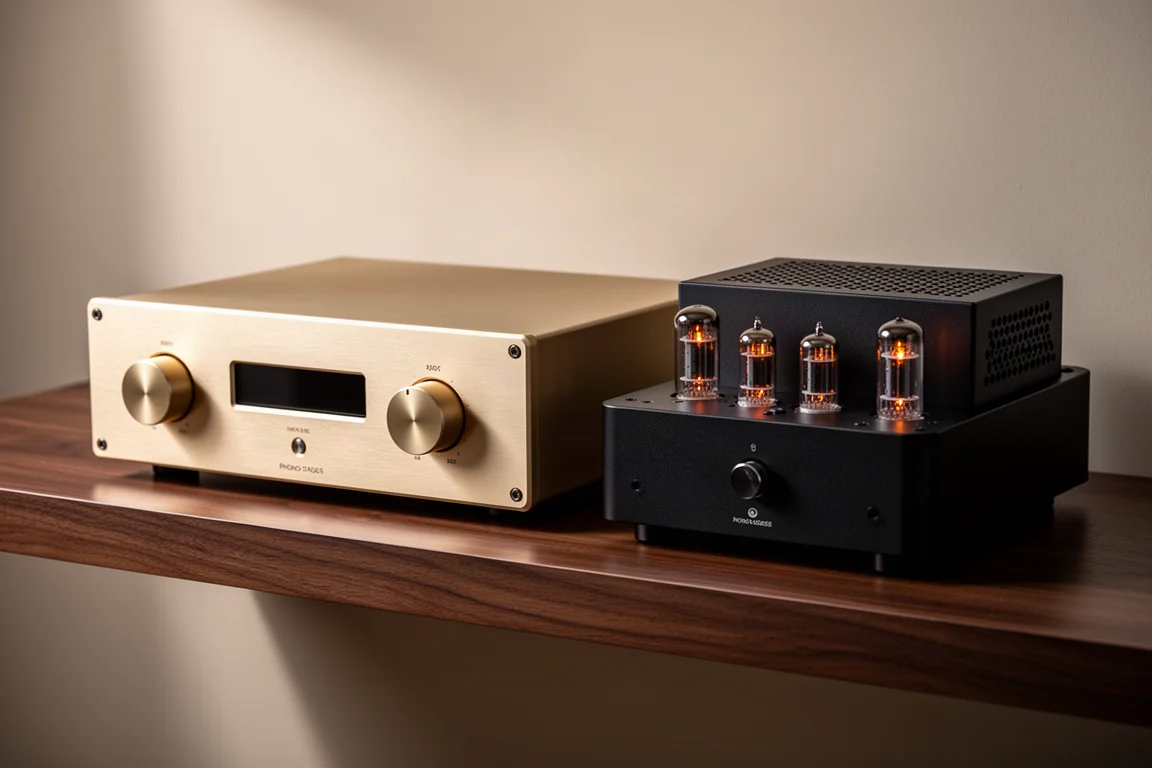
Accuphase C-57 vs Allnic H-7000V: Two High-End Phono Stages Compared
A fully balanced solid-state phono stage with a pitch-black noise floor meets a tube design built for well-loved records. Here is how to choose between them.
Hi-Fi Audio
Active vs Passive Hi-Fi: Five Components for a Modern System
Five components that define modern active and passive hi-fi systems, with the strengths, trade-offs and setup details worth weighing before you buy.
Hi-Fi Audio
Advance Paris A10 Apex Review: A Hybrid Integrated Amplifier That Covers a Lot of Ground
A French hybrid integrated amplifier with a class A tube preamp stage, analogue power meters, and an internal DAC and phono stage good enough to make extra boxes unnecessary.