Mountain Bikes
Best Budget Hardtail Mountain Bikes: Five Trail-Ready Picks
Five affordable hardtails that pair modern geometry with upgrade-friendly frames, from the award-winning Voodoo Bizango Pro to the cross-country Specialized Rockhopper.
Introduction
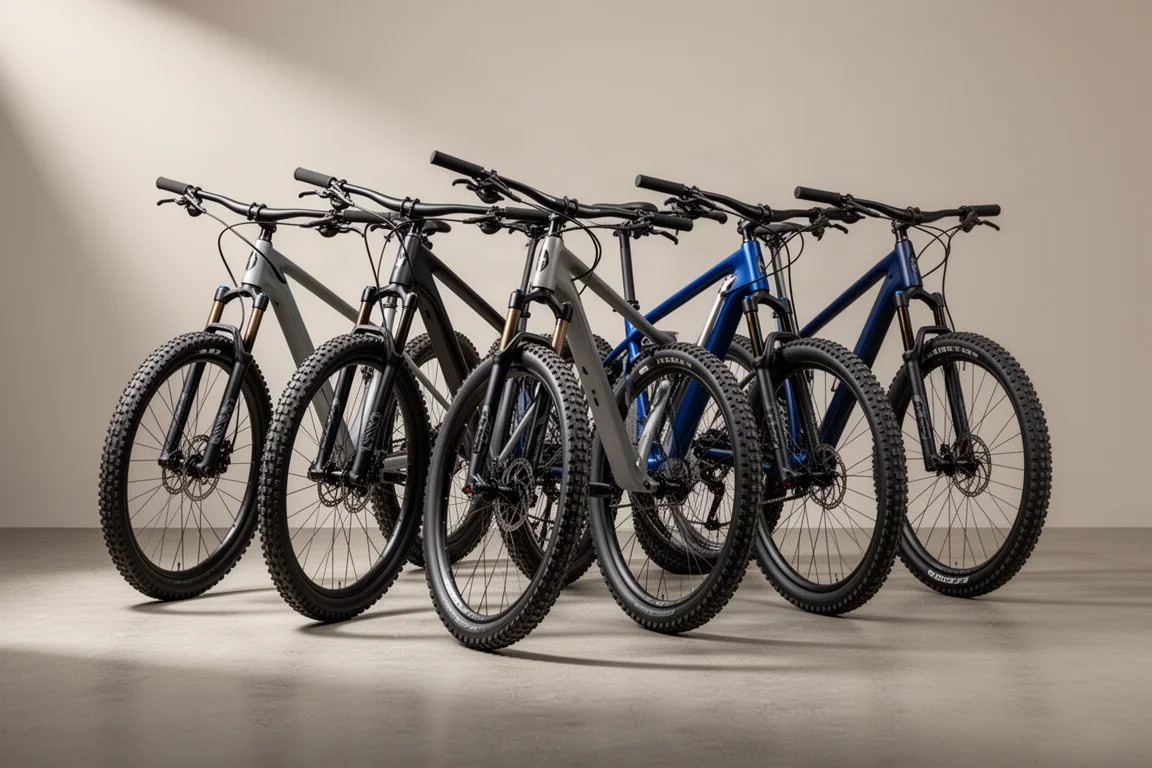
Hardtails remain the most sensible entry point into mountain biking. Air-sprung forks, wide-range 12-speed drivetrains and Boost axle standards have all filtered down to affordable price points, which means a well-chosen budget bike can handle far more than a gentle fire road. The five models below sit at or under roughly £1,500, and each one earns its place for a different reason: frame quality, geometry, fork performance or long-term upgrade potential.
How These Budget Hardtails Were Selected
Every bike here was judged against the same practical questions. Does the frame use modern, upgrade-friendly standards such as a tapered head tube and Boost axle spacing? Is the fork air sprung and adjustable rather than a sealed coil unit? Does the drivetrain offer a genuinely wide gear range with dependable braking? And can the bike be improved over time without replacing the whole thing?
Prices in this category shift with retailer promotions and membership schemes, and a couple of the bikes here have been sold at more than one price point, so it is worth checking current listings before committing. The specifications noted below reflect the builds as they stand, and the notes on each bike focus on what actually matters once the novelty of a new purchase wears off.
Voodoo Bizango Pro: The Benchmark Budget Trail Hardtail
The Bizango Pro is the reference point for this bracket, and it has the award record to match, having been recognised as a budget mountain bike of the year in 2023. Its lightweight aluminium frame combines with the build kit for a low-for-the-price 13.3 kg weight, and it carries the details that matter for long-term ownership: a tapered head tube, 148 x 12 mm Boost axle spacing and internal routing for a dropper post. Geometry is solid rather than wild, with a 66.5 degree head angle and 459 mm reach on a size large, which keeps the bike a blast on trails and still composed once you step up to harder red-graded runs.
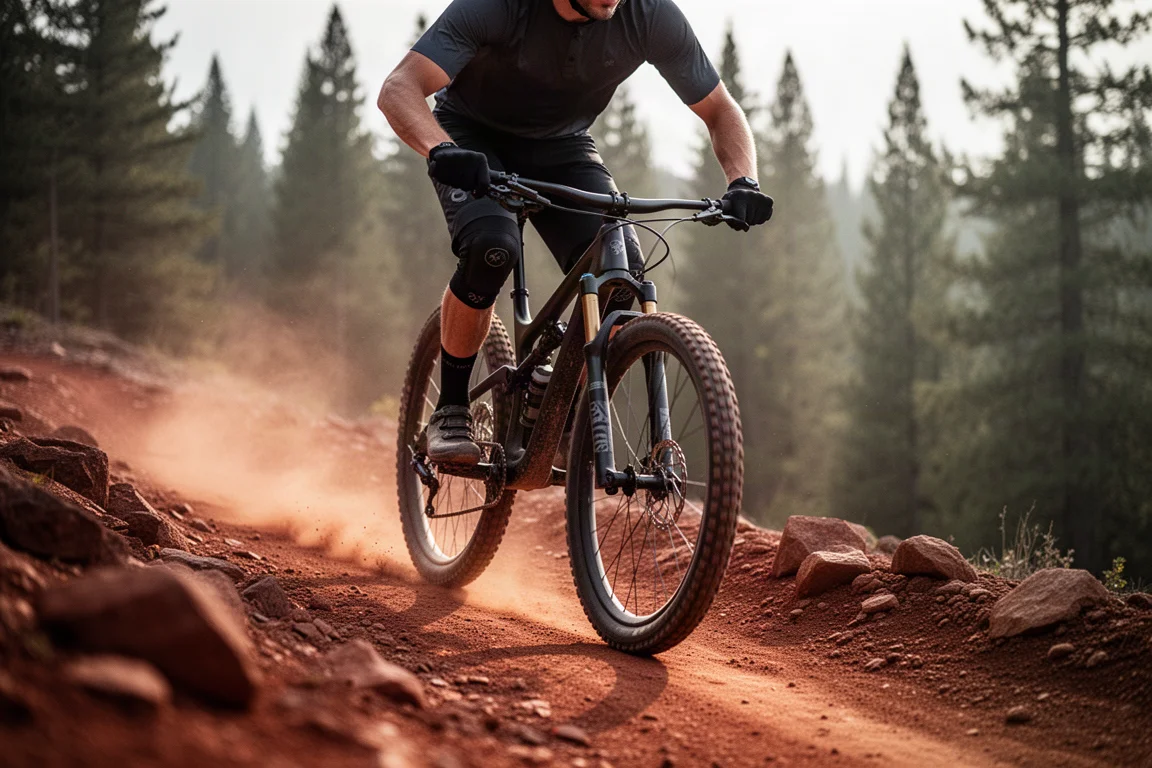
The RockShox 35 Gold fork is a standout at this price, with 35 mm stanchions, an adjustable air spring that can take volume spacers, and adjustable rebound damping. The rest of the spec is dialled in too: 3C triple compound Maxxis tyres, tubeless-ready wheels, a Shimano Deore 12-speed drivetrain and MT400 brakes. The one obvious omission is a dropper post, which is far easier to add later than a fork upgrade. At £950, there is very little to complain about.
Calibre Line T3: Future-Proof Trail Geometry
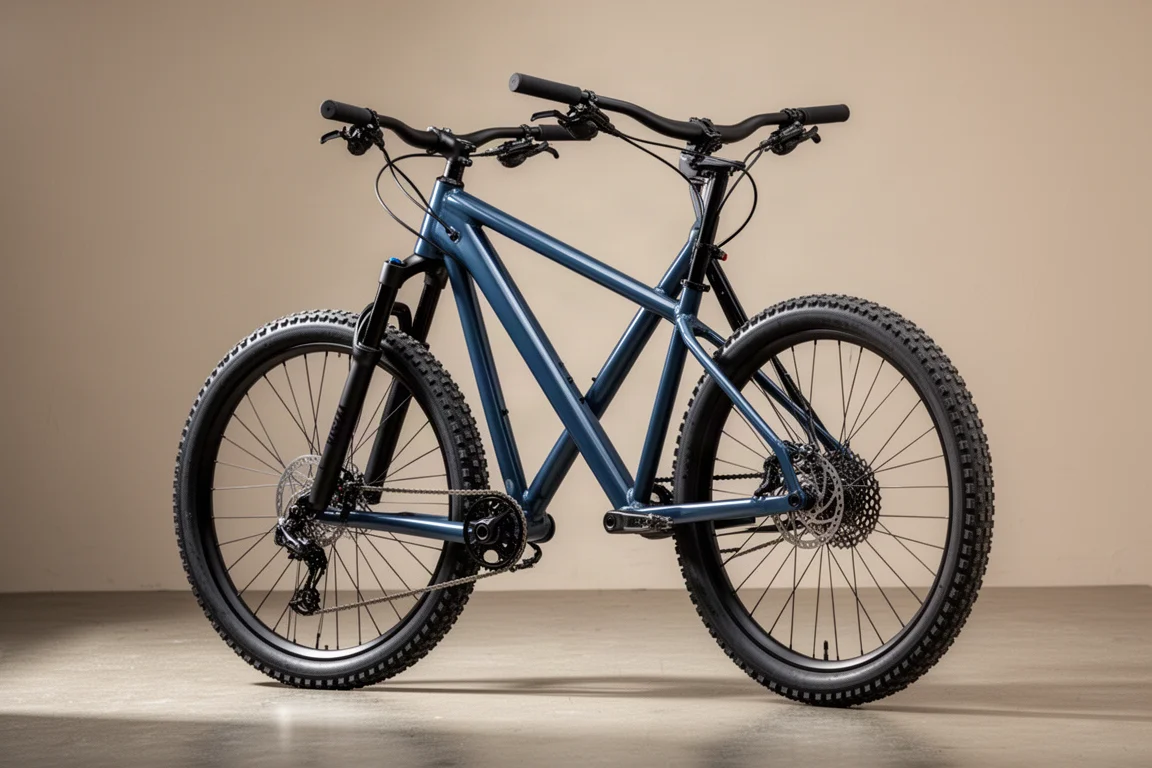
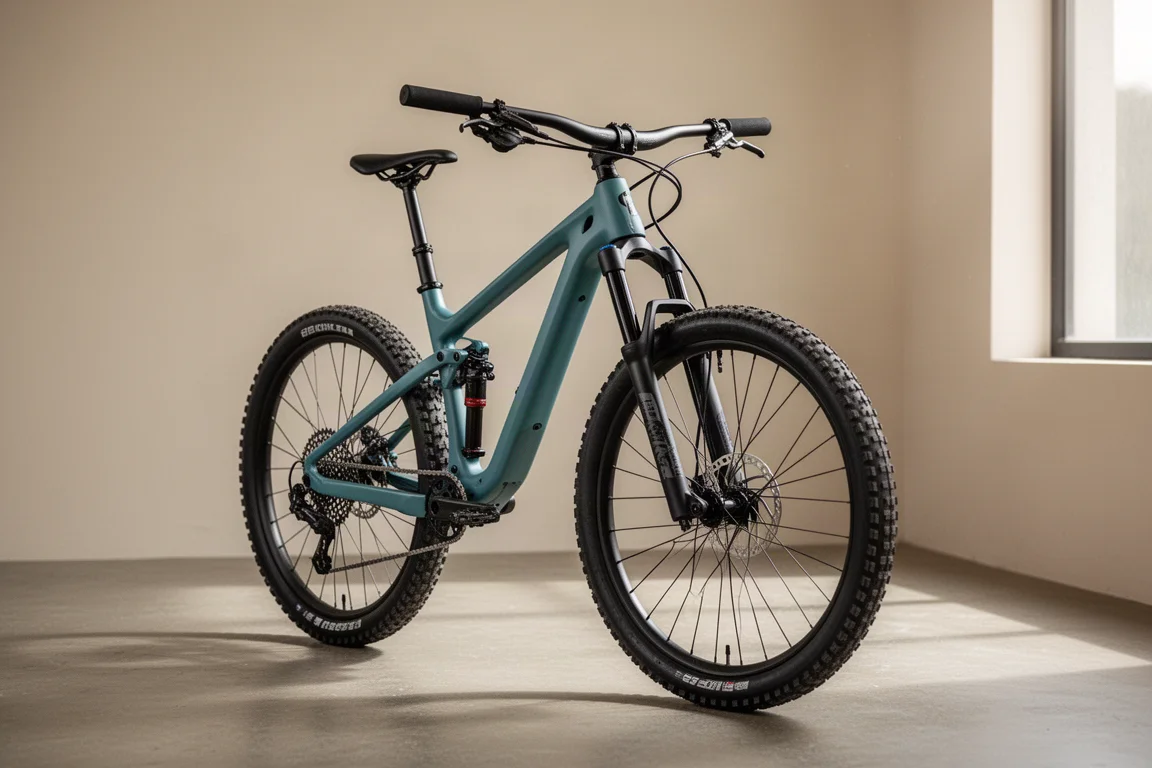
The Line T3 is built to grow with its rider. Its 6061 aluminium frame uses a slender top tube that should help compliance, and the rear axle follows the 148 x 12 mm Boost standard, a rarity at this price when many bikes still use quick-release skewers. That choice matters down the line, because replacement wheels are easier to source and the frame stays compatible with modern parts.
Up front, a tapered head tube holds a 140 mm travel RockShox Recon air fork with a through axle. The head angle sits at 65.5 degrees and reach is 450 mm on a size medium, giving the bike a slacker, more trail-focused stance than most rivals. Braking comes from SRAM four-piston Guide T brakes, and the cockpit pairs a short 45 mm stem with a wide 780 mm handlebar, plus a dropper post as standard.
The only real compromise is that the tyres are not tubeless ready, though the wheels themselves are, so it is a straightforward upgrade once the stock rubber wears out. At £1,300, or £1,100 with a Go Outdoors member card, it is a great deal of bike for the money.
Whyte 529: Balanced Trail Capability
Whyte has a long history of building trail-ready hardtails, and the 529 shares its frame with the more expensive 629. That frame is made from 6061 T6 hydroformed aluminium, a process that shapes the tubes using high-pressure fluid so wall thickness varies along their length. It is also compatible with a single chainring setup, which keeps future drivetrain changes simple.
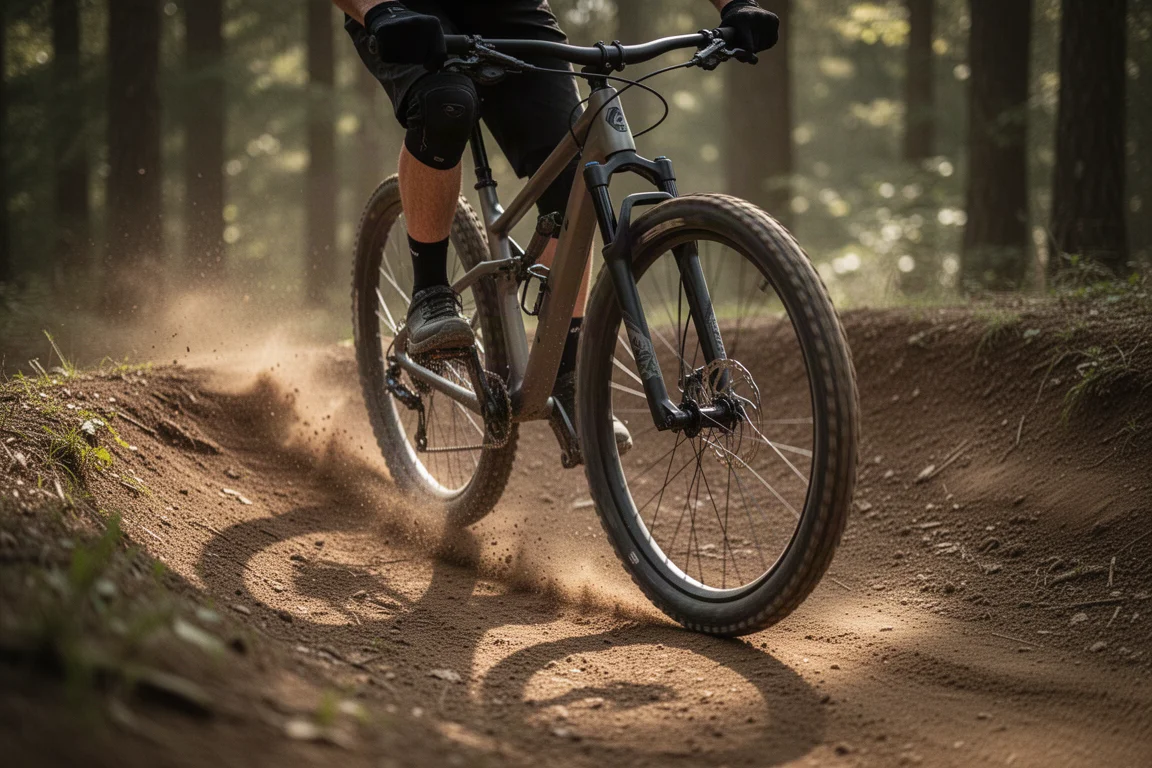
The build pairs a RockShox Recon RL fork with 120 mm of travel, a SRAM SX 12-speed drivetrain, four-piston Tektro brakes, a KS dropper post and tubeless-ready WTB wheels with Maxxis tyres. Geometry is measured and user-friendly rather than extreme, with a 65 degree head angle and 467 mm reach on a size large, which should strike a nice middle ground of stability and easy handling for newer and more experienced riders alike. The 450 mm chainstays are longer than most trail-orientated full-suspension bikes, let alone hardtails, and that adds a settled feel at speed.
Kona Kahuna: A Dependable All-Rounder
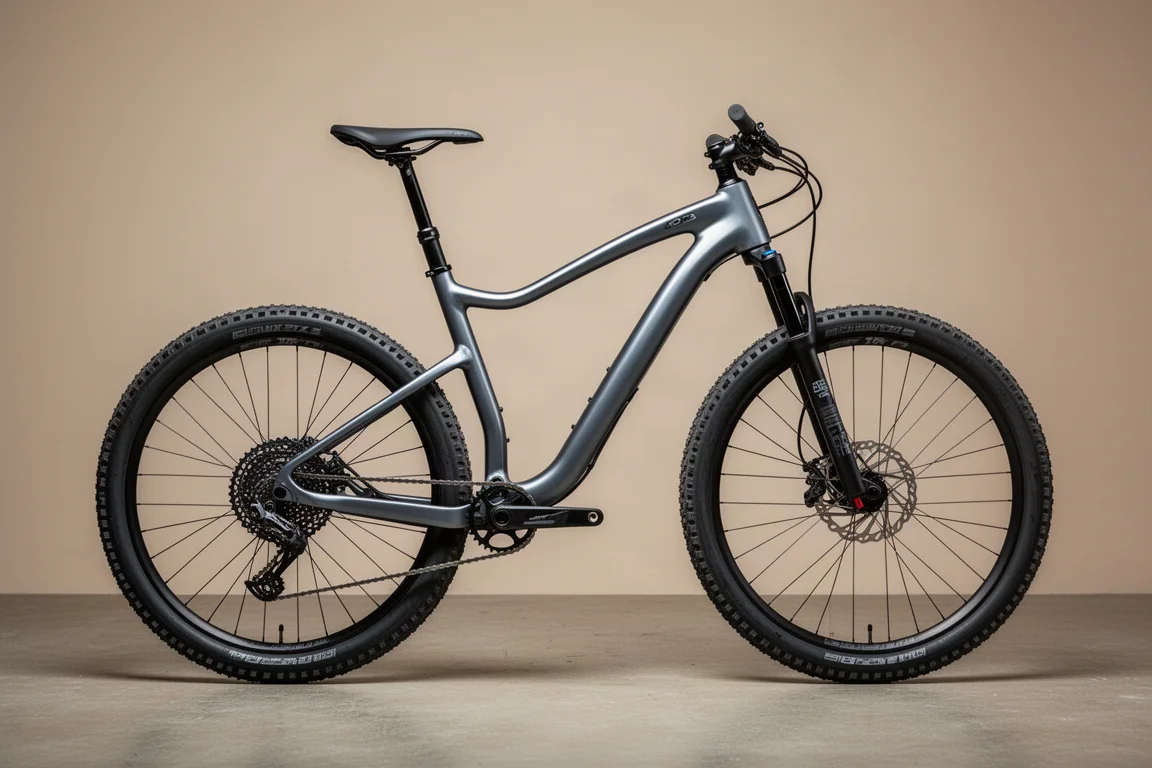
The Kahuna sits below Kona’s headline hardtails, and it remains a solid package at $1,499, or $1,299. Its numbers are the most conservative in this group, with 100 mm of fork travel and a 68 degree head angle, but that translates into a bike that is easy to live with for hacking around hills and trails. Ride quality is impressive, and the drivetrain and brakes are excellent for the price.
A RockShox Recon RL Solo Air fork with a Boost thru axle leads the way, while Shimano’s evergreen Deore groupset handles shifting through a wide-range 10 to 51 tooth cassette. Shimano’s MT410 brakes provide dependable stopping power. The two clear gaps in the spec are the absence of a dropper post and tyres that are not tubeless ready.
Specialized Rockhopper: The Cross-Country Option
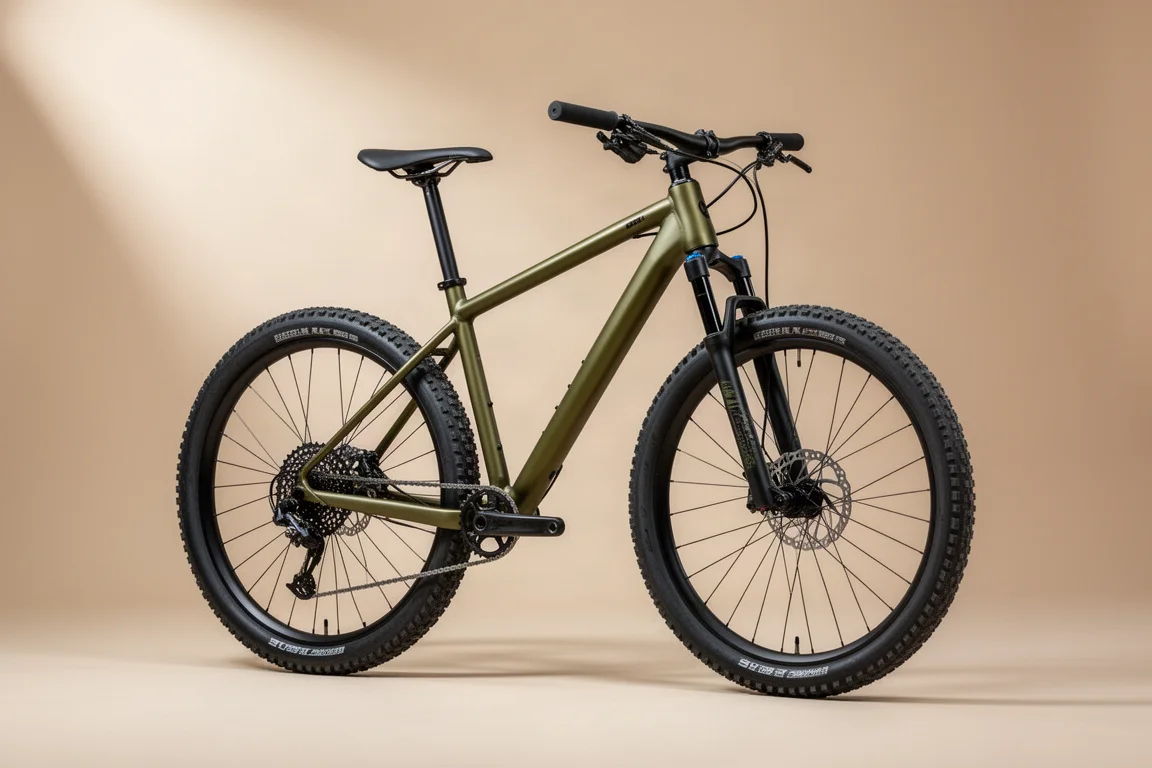
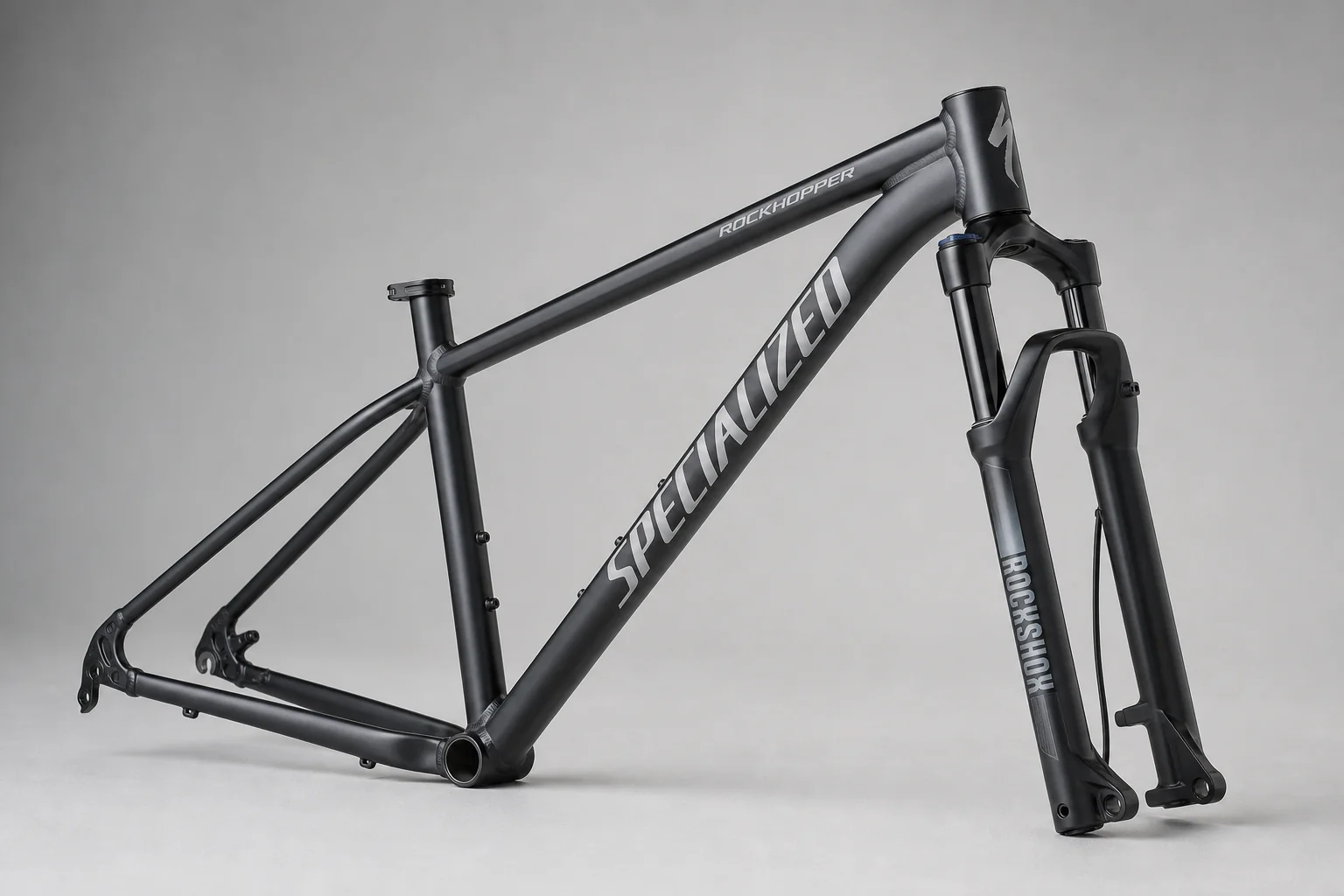
The Rockhopper is the entry model into Specialized’s mountain bike range, and it offers a quality frame, solid componentry and a huge dealer network to keep you on track if something needs attention. Where the other bikes here lean towards trail riding, the Rockhopper sits closer to cross-country, with more traditional geometry and a lighter overall weight than most of the alternatives on this list.
The A1 butted alloy frame is packed with nice touches, including internal cable routing, full-length chainstay protection and dropper seat post compatibility. The Expert model runs a SRAM SX Eagle drivetrain with Level brakes in charge of slowing things down. The wheels and rubber are a genuine highlight: hookless tubeless-ready rims paired with Specialized Fast Track tyres in a tough yet light Control casing and a grippy T5 compound. The Rockhopper Elite variant is built around a low 13 kg weight, a quick turn of speed and a reliable parts list, so it is more about climbing speed and confident descending than pure trail aggression.
Buying Advice
Start with the frame, because it is the one part you cannot sensibly change later. Boost 148 x 12 mm rear axle spacing and a tapered head tube make a bike far easier to keep running and upgrade, and internal routing for a dropper post saves a lot of hassle when you add one. A frame with those three features will stay relevant long after the stock components wear out.
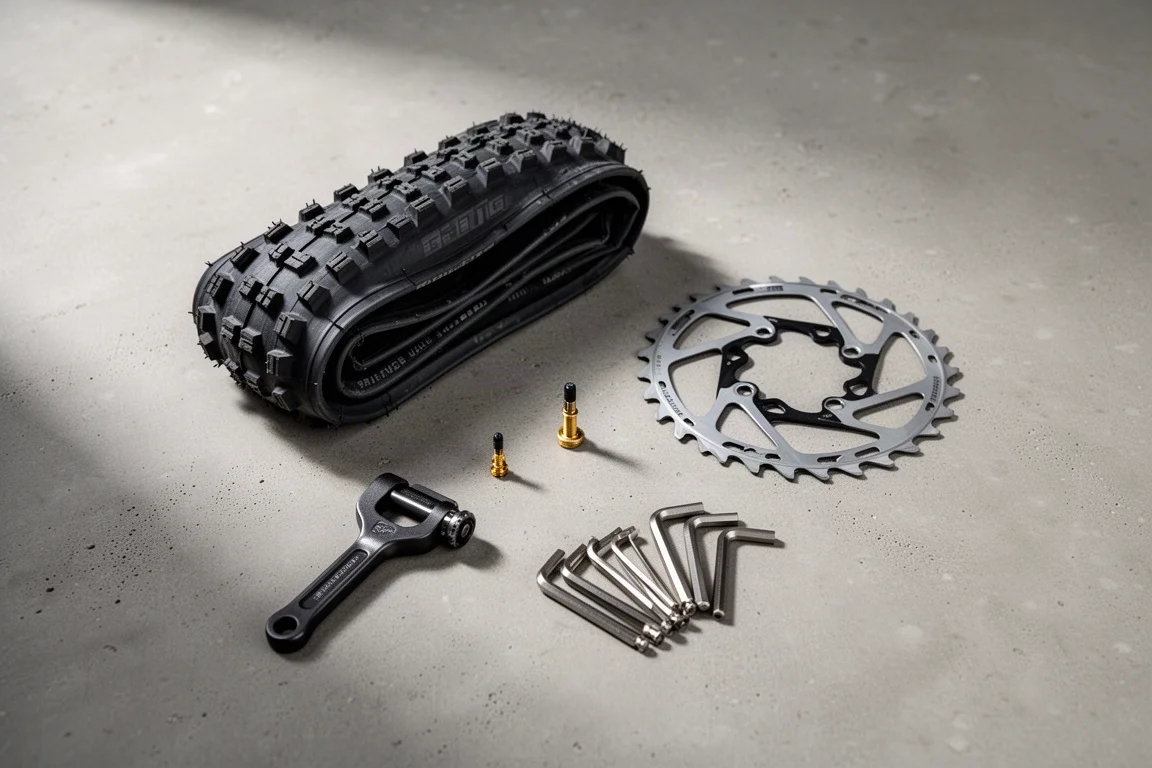
Then match the bike to the riding you actually do. If you want a slack, capable trail bike, the 140 mm travel and 65.5 degree head angle of the Calibre Line T3 or the balanced 120 mm build of the Whyte 529 make more sense. If you prefer faster, more traditional cross-country riding, the lighter Specialized Rockhopper is the natural fit, while the Kona Kahuna suits riders who want calm, predictable handling for everyday trail use. Whichever you choose, budget for a dropper post if one is not included, and check whether the tyres are tubeless ready, since that is the cheapest and most effective upgrade on any of these bikes.
Conclusion
The budget hardtail market is genuinely strong right now, and none of these five bikes feels like a compromise. The Voodoo Bizango Pro delivers the best all-round package for the money, the Calibre Line T3 offers the most future-proof frame, the Whyte 529 balances equipment and handling neatly, the Kona Kahuna is the dependable all-rounder, and the Specialized Rockhopper is the quickest and most cross-country focused of the group. Pick the one that matches your terrain and your plans, and any of them will serve you well for years.
Further reading
Related Reviews
Mountain Bikes
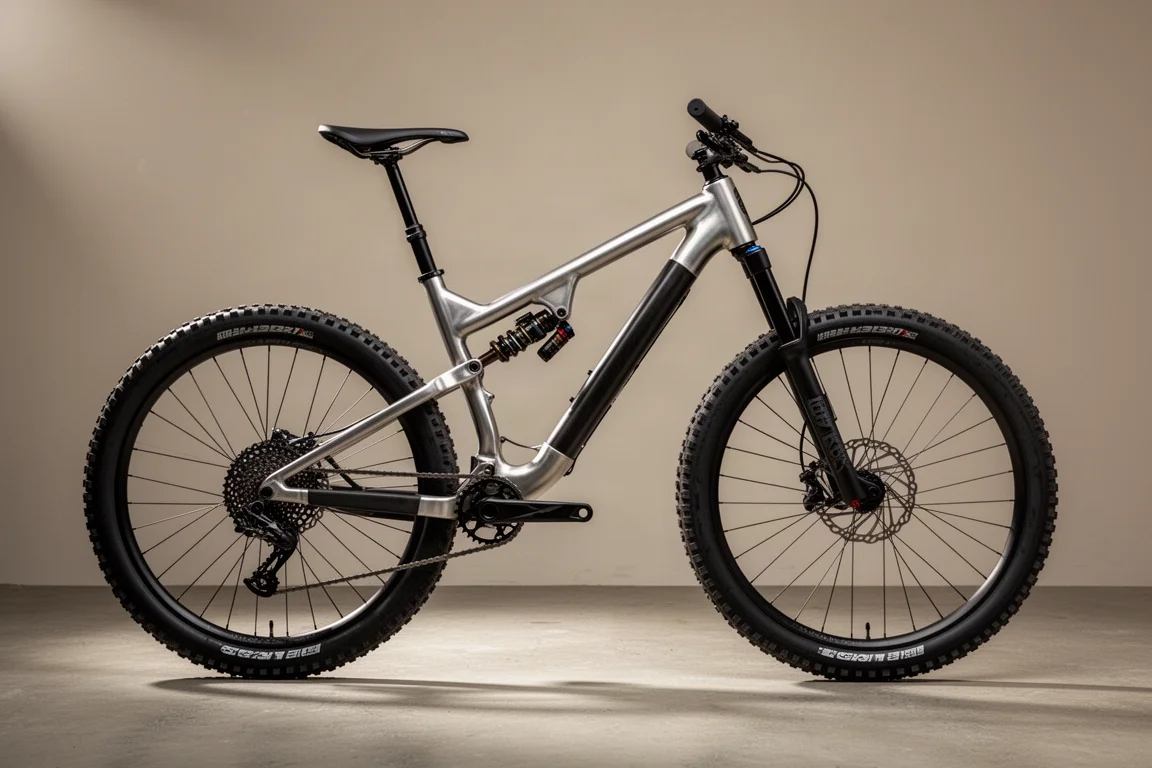
Atherton AM.130 Review: 3D-Printed Titanium Lugs and a 130mm Trail Bike That Descends Like a Bigger Machine
The Atherton AM.130 pairs 3D-printed titanium lugs with carbon tubes and a DW6 suspension platform. Here is how it rides, what the build delivers, and who it suits.
Mountain Bikes
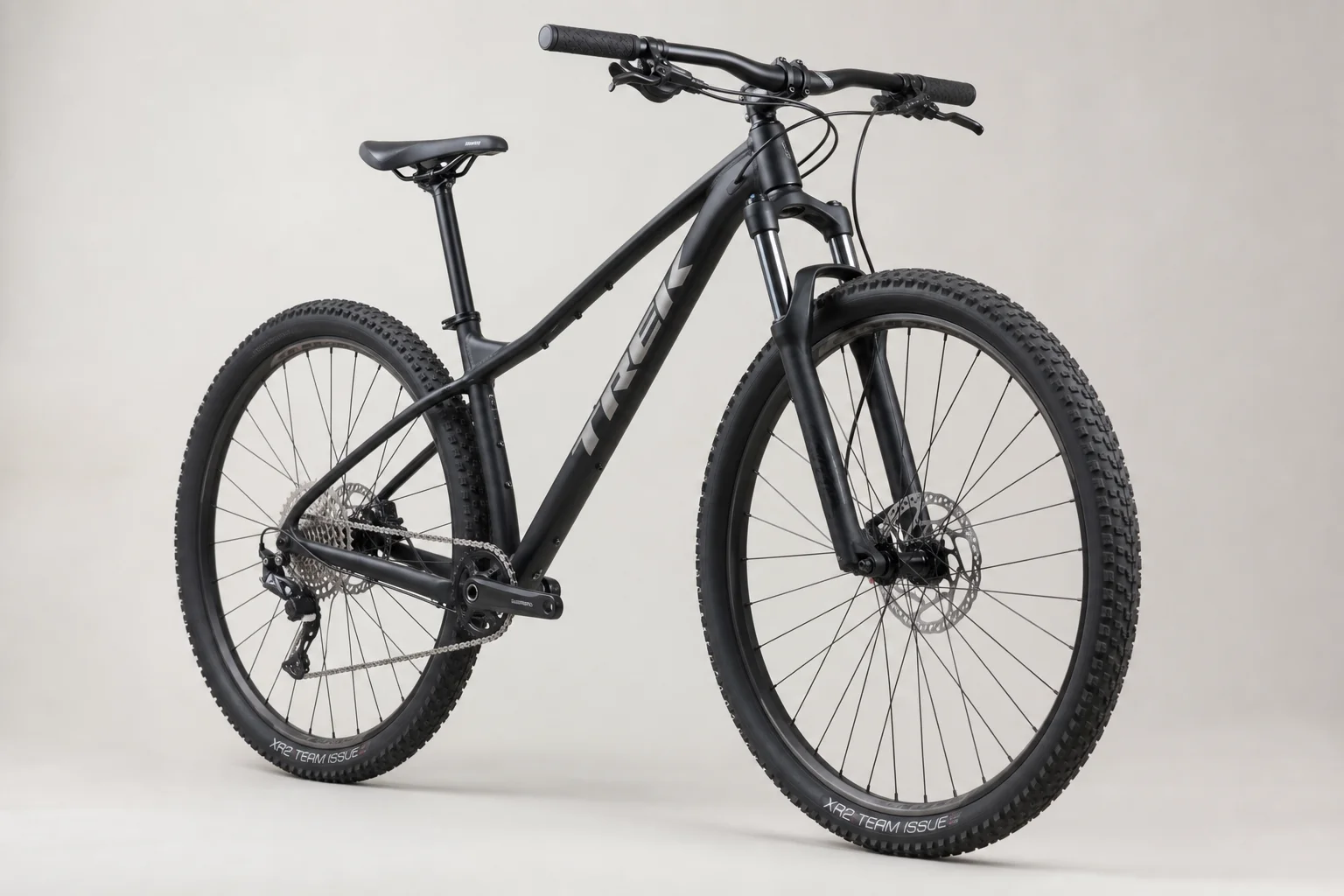
Beginner Mountain Bike Buying Guide: What to Look For in a Trailworthy Hardtail
A practical framework for evaluating beginner mountain bikes, whether new or used, by examining key components that indicate real trail capability.
Mountain Bikes
Best Aluminum Mountain Bikes 2026: Five Alloy Bikes Worth Your Attention
Five aluminum mountain bikes that show how far alloy has come, from a 120mm trail bike and a versatile machined frame to a 180mm freeride machine.