Mountain Bikes
Best Budget Hardtail Mountain Bikes: Five Trail-Ready Picks Under $1,500
Five affordable hardtail mountain bikes with modern frames, sensible specifications and clear upgrade paths, plus what to check before you buy.
Introduction
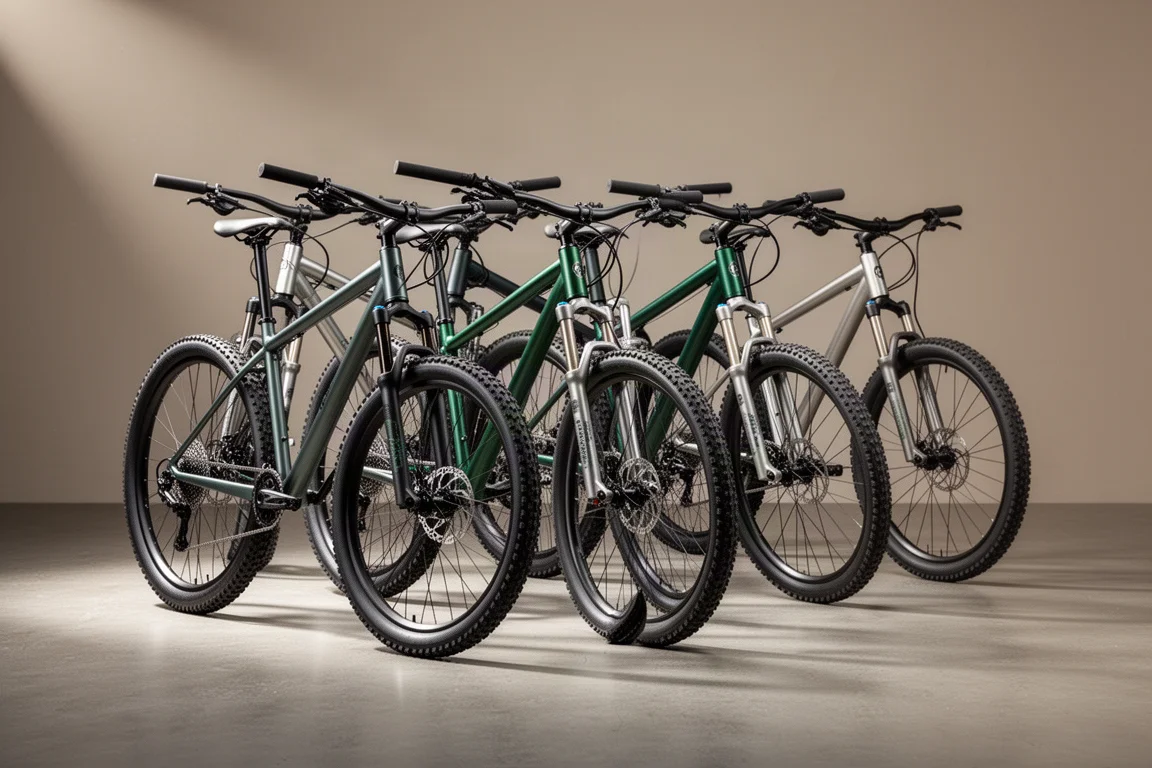
A hardtail is still one of the smartest ways into real mountain biking. A well-chosen one climbs efficiently, takes a beating on descents and can be upgraded over time instead of replaced.
The five bikes here all sit below roughly £1,500 or $1,500. Most of them share the traits that matter on the trail: aluminium frames with modern touches, through-axle rear ends on several models, and geometry that feels stable for newcomers without going flat for riders with more experience.
What separates them is where each brand spends its budget. One prioritises fork quality, another frame compliance, and a couple leave an obvious gap that is inexpensive to close later.
How These Budget Hardtails Were Chosen
Frame quality and upgrade potential come first. A tapered head tube, Boost axle spacing and internal routing for a dropper post all make a bike easier to live with and cheaper to improve over time.
Suspension matters next. Air-sprung forks with adjustable rebound do more for trail confidence than almost any other component at this price, so every bike in this group has one.
Drivetrain and brakes decide how the bike feels day to day. Wide-range 12-speed groupsets and four-piston brakes appear on several of these builds, while wheels and tyres are judged on whether they can be set up tubeless and how much grip they offer.
Geometry gets the final say. Reach, head angle and chainstay length together decide whether a bike feels playful, stable, or somewhere in between.
Voodoo Bizango Pro
The Bizango Pro is the value benchmark here. At £950 it undercuts most of this group, and it took a budget mountain bike of the year award in 2023 for the way it mixes specification with ride quality.
The frame is lightweight aluminium with a tapered head tube, 148 x 12 mm Boost axle spacing and internal routing ready for a dropper post. A complete bike weighed 13.3 kg, which is low for the money. Geometry is solid rather than extreme, with 459 mm of reach on a size large.
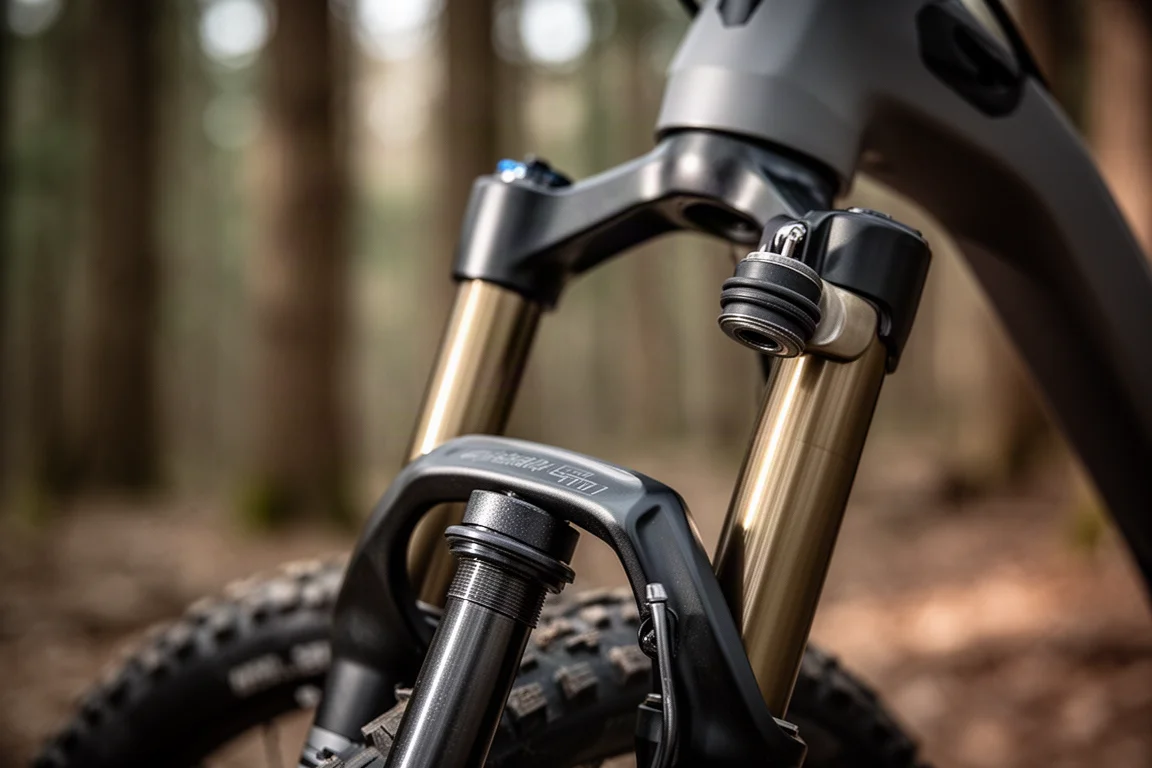
The RockShox 35 Gold fork is the standout part. It uses 35 mm stanchions, an adjustable air spring that accepts volume spacers, and adjustable rebound damping, which is a serious fork to find at this price.
The rest of the build is just as sensible: Maxxis tyres in a triple compound, tubeless-ready wheels, a Shimano Deore 12-speed drivetrain and MT400 brakes.
Riders stepping up to harder red-graded trails will find the Bizango Pro takes them in its stride, and the frame leaves plenty of room to upgrade components as skills grow. The one obvious omission is a dropper post, which is a straightforward and relatively cheap addition compared with replacing a fork.
Calibre Line T3
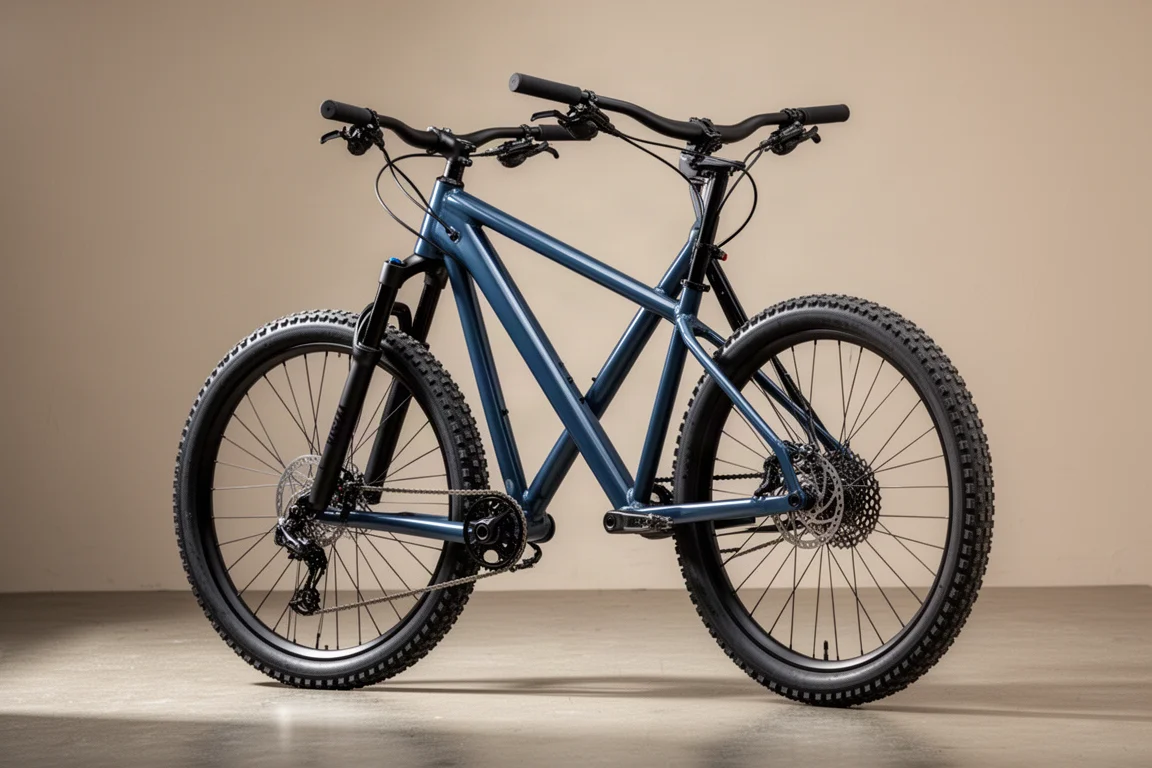
The Line T3 is priced at £1,300, or £1,100 if you pick up a Go Outdoors member card for £5. It is a fun, future-proof hardtail with geometry that suits a wide range of riders.
Nothing about the build suggests corners were cut. The 6061 aluminium frame uses a slender top tube that should add compliance, and the rear axle follows the 148 x 12 mm Boost standard. That is rare at this price, where quick-release axles are still common, and it makes replacement wheels easier to find later.
Up front, a tapered head tube holds a 140 mm RockShox Recon air fork with a through axle. Reach comes in at 450 mm on a size medium. The cockpit is genuinely trail-ready: a short 45 mm stem, a wide 780 mm handlebar and a dropper post as standard. Braking comes from SRAM four-piston Guide T brakes.
The only real compromise is that the stock tyres are not tubeless-ready, although the wheels are, so switching to a tubeless setup is an easy upgrade once the original rubber wears out.
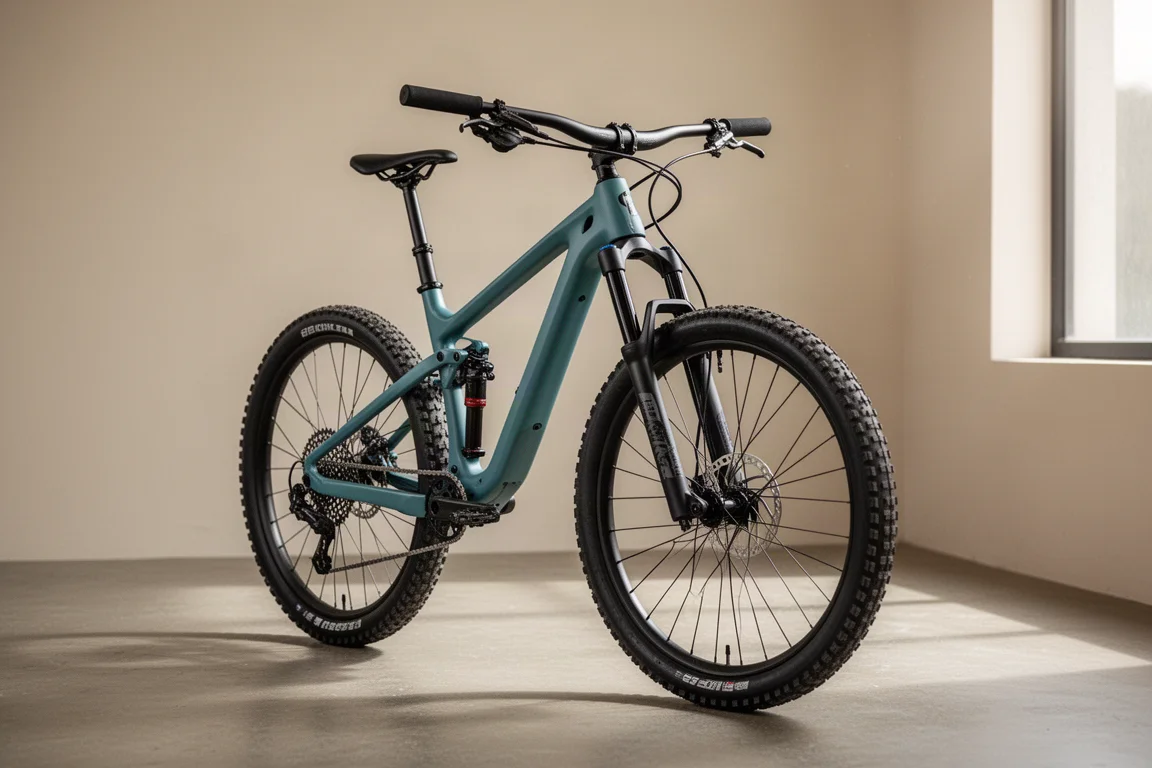
Whyte 529
Whyte has a long record with trail-ready hardtails, and the 529 shares its frame with the more expensive 629. That means capable geometry paired with a versatile, good-value build.
The frame is 6061 T6 hydroformed aluminium, a process that shapes the tubes under high pressure so wall thickness can be varied along their length. It is also compatible with a single chainring setup.
Suspension comes from a RockShox Recon RL fork with 120 mm of travel. The drivetrain is SRAM SX 12-speed, braking is handled by four-piston Tektro brakes, and the build includes a KS dropper post plus tubeless-ready WTB wheels with Maxxis tyres.
Geometry sits in a deliberately friendly middle ground: a 65-degree head angle and 467 mm of reach on a size large. Those numbers are not extreme, which suits a bike likely to be ridden by newer riders as much as experienced ones. The 450 mm chainstays are longer than most trail-oriented full-suspension bikes, let alone hardtails, which tends to add stability.
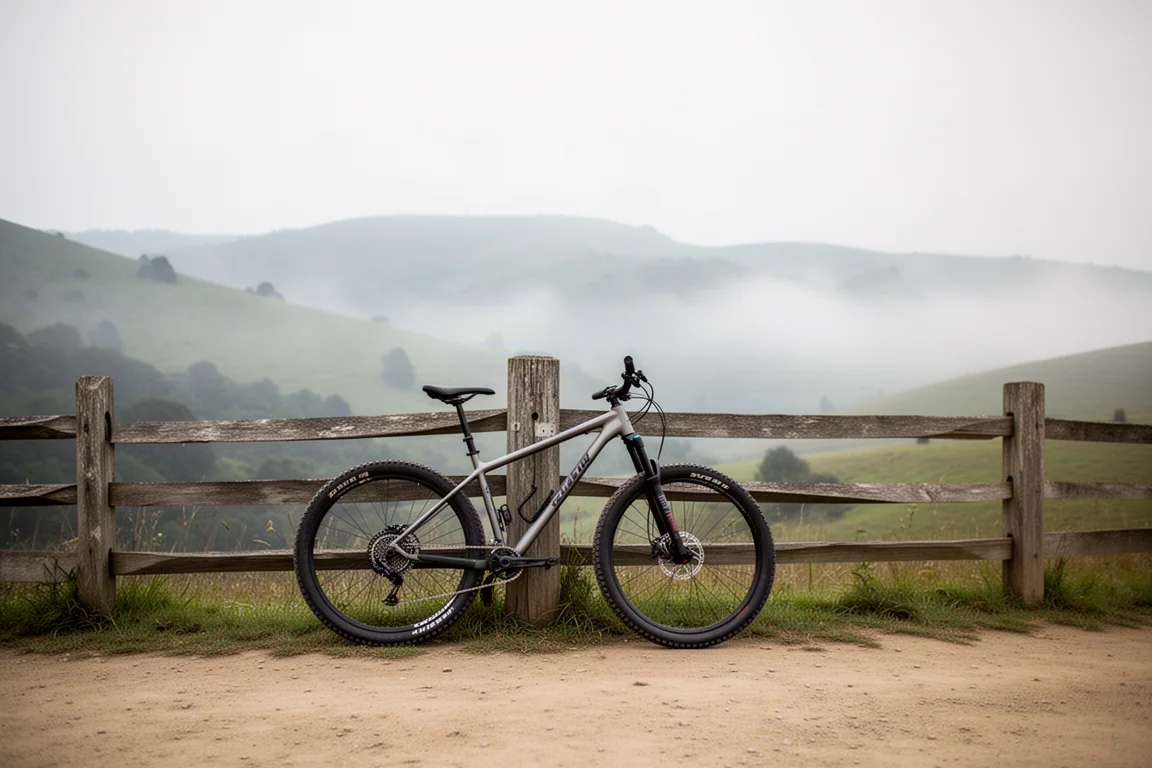
For riders who want one bike that handles gentle trails, technical descents and everything in between without needing changes out of the box, the 529 is a well-rounded package.
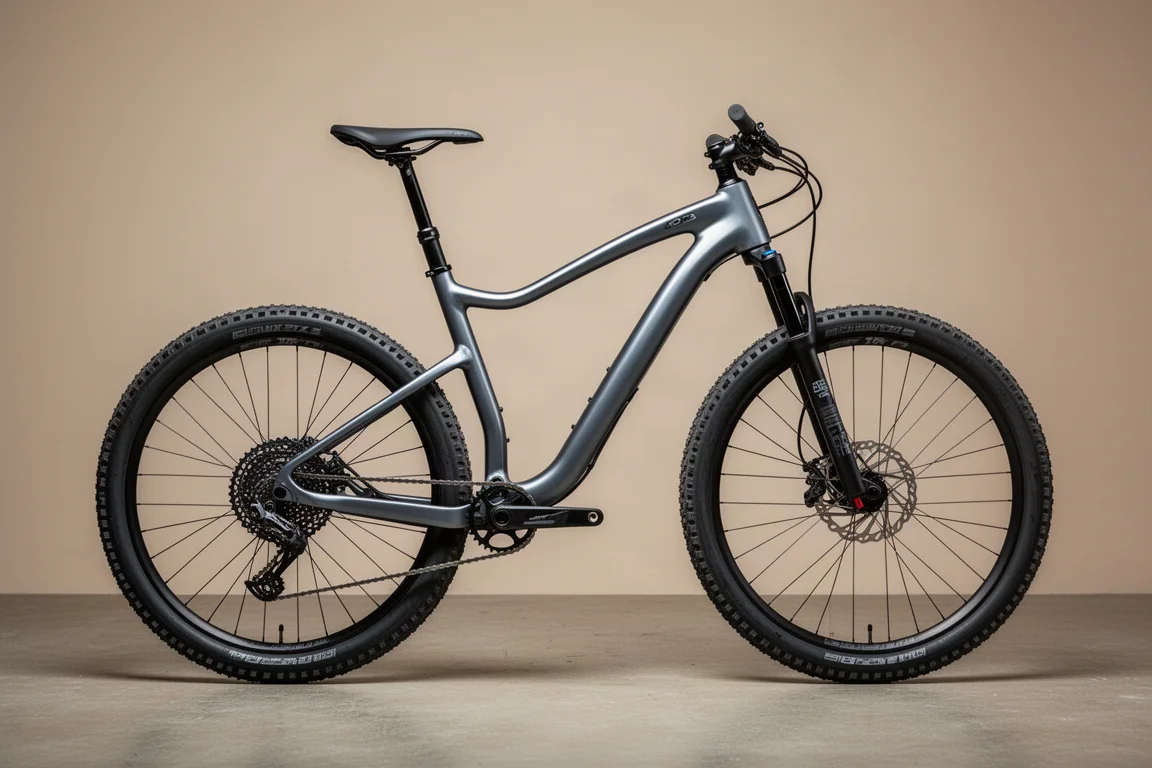
Kona Kahuna
Kona’s hardtail heritage is well established, and while the more expensive Hanzo tends to attract attention, the Kahuna at $1,499, or $1,299, remains a solid option.
Its numbers are the most conservative in this group: 100 mm of fork travel and a 68-degree head angle. That makes it a less aggressive descender than the others, but it is still a great bike for hacking around hills and trails.
A RockShox Recon RL Solo Air fork with a Boost thru axle leads the way up front, and Shimano’s Deore groupset drives it forward in a full 12-speed setup with a wide 10 to 51 tooth cassette. Shimano MT410 brakes provide reliable, budget-friendly stopping power.
The two gaps in the specification are the lack of a dropper post and the absence of tubeless-ready tyres. Neither is expensive to fix, and for riders who want a no-nonsense hardtail that delivers strong value, the Kahuna is worth a close look.
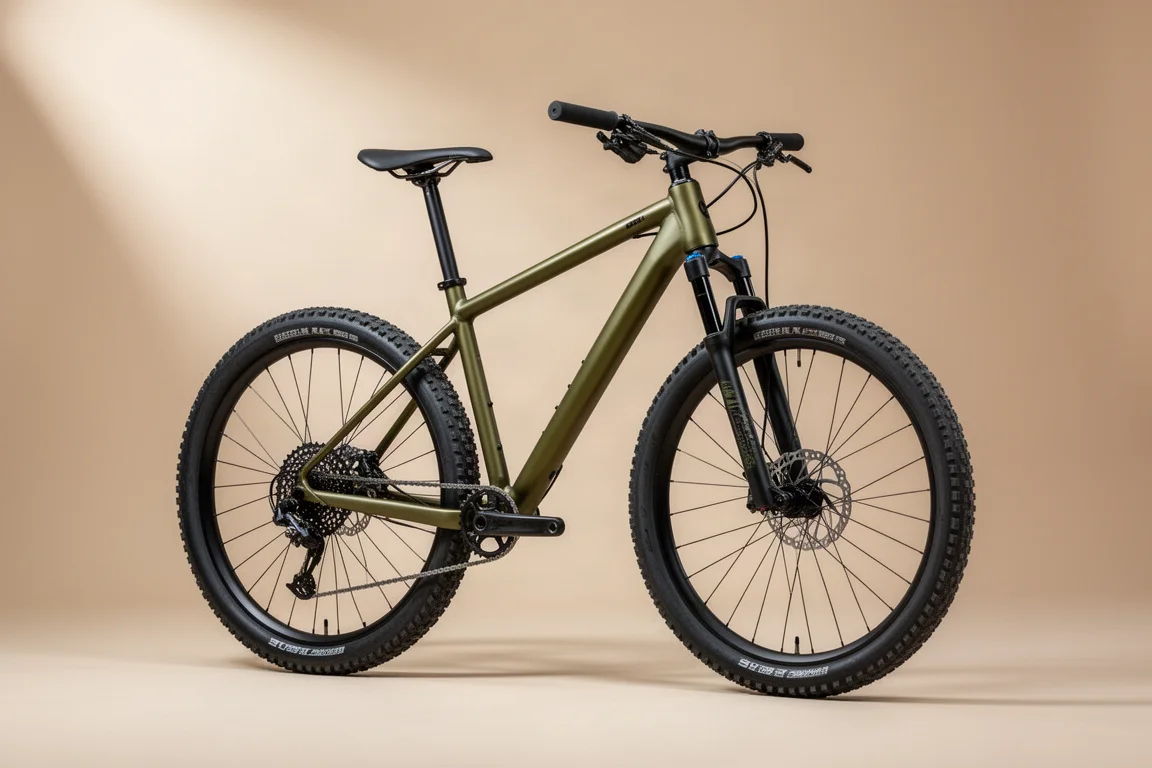
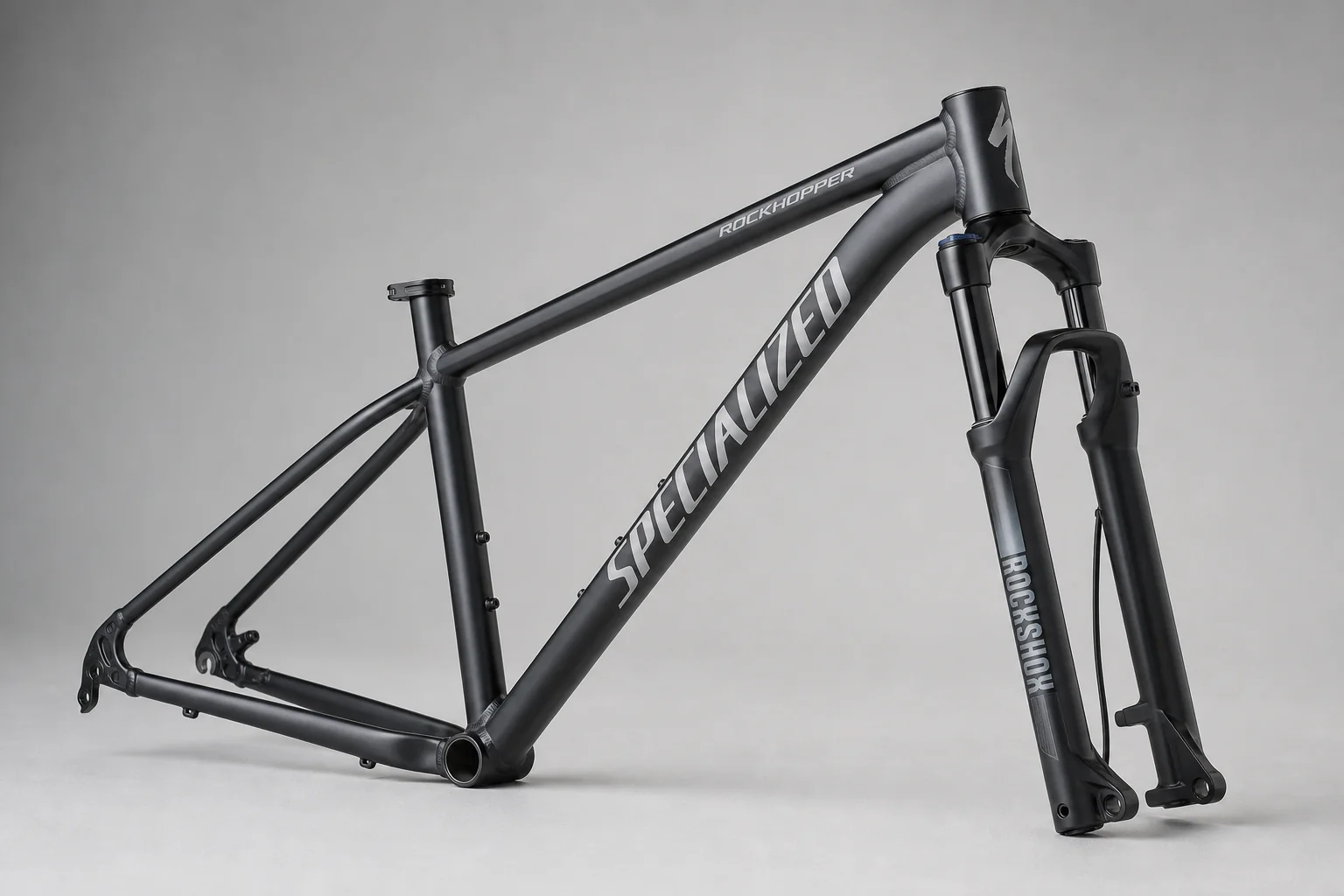
Specialized Rockhopper
The Rockhopper is a long-standing entry point into Specialized’s mountain bike range, and it offers a quality frame, dependable components and a very large dealer network for support if something goes wrong.
Compared with the more trail-oriented bikes here, it leans toward cross-country riding, with more traditional geometry and lighter weight. The A1 butted alloy frame includes internal cable routing, full-length chainstay protection and compatibility with a dropper seat post.
The Expert model runs a SRAM SX Eagle drivetrain and Level brakes. Wheels and tyres are a strong point: hookless tubeless-ready rims paired with Specialized’s Fast Track tyres in a tough but light Control casing with a grippy T5 compound.
A complete bike sits around 13 kg, which is light for the category, and the combination of low weight, quick acceleration and a reliable specification makes it a capable first cross-country race bike as well as a dependable trail companion.
What to Look For Before You Buy
Decide first what kind of riding you actually do. If you want to progress onto technical descents, prioritise geometry and fork quality, since those shape confidence more than any other part of the build. If you mostly ride smoother trails and care about efficiency, a lighter, more traditional cross-country frame may suit you better.
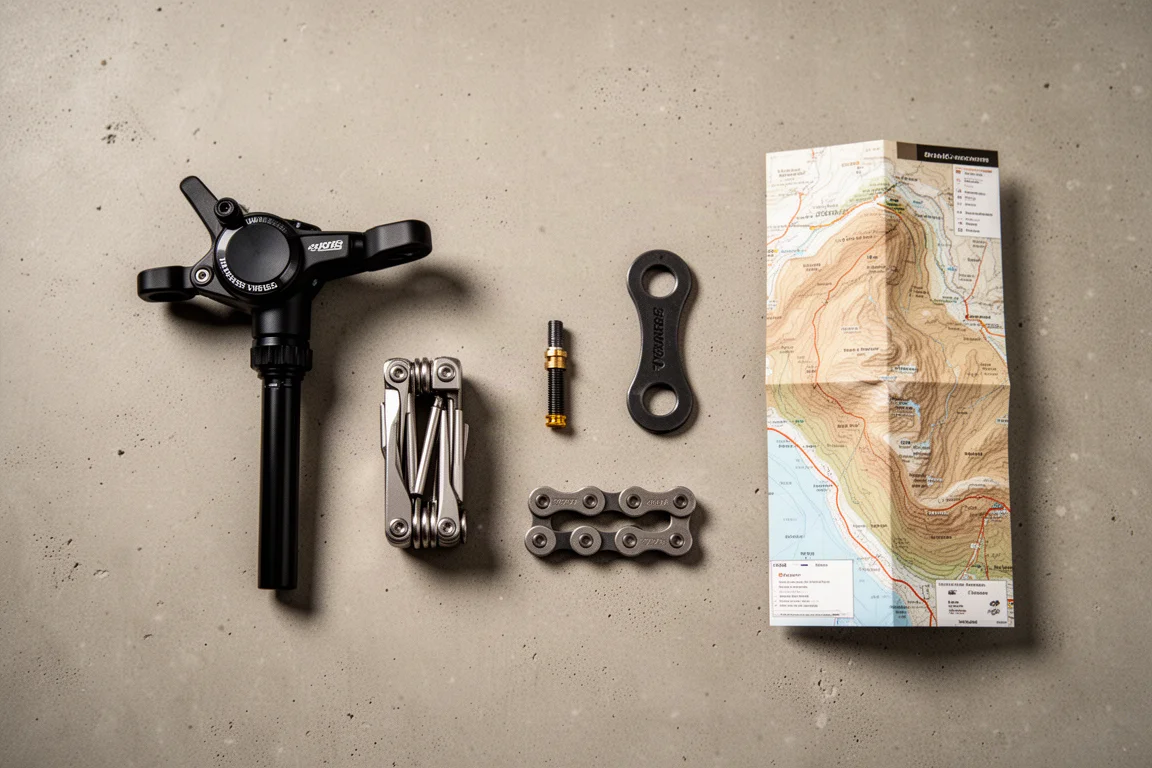
Check the details that are easy to overlook. A Boost rear axle and a tapered head tube make future upgrades simpler, internal routing for a dropper post saves trouble later, and tubeless-ready wheels and tyres mean fewer punctures once you switch.
Budget for the small extras too. A dropper post is the single most useful addition on a hardtail that lacks one, and it costs far less than replacing a fork. Tyres are the next sensible upgrade if the stock rubber is not tubeless-ready.
Finally, consider support. A large dealer network can matter as much as the specification when a warranty issue or a quick repair comes up.
Conclusion
Each of these five hardtails makes sense for a different rider. The Voodoo Bizango Pro offers the strongest specification per pound and the best upgrade path. The Calibre Line T3 is the most trail-ready straight out of the box. The Whyte 529 balances stability with friendly handling. The Kona Kahuna is the value-focused choice for mixed trail riding, and the Specialized Rockhopper is the lightest and quickest option for riders leaning toward cross-country.
Whichever you choose, the same principle applies: buy the frame and fork you want, then upgrade the rest as you ride more.
Further reading
Related Reviews
Mountain Bikes
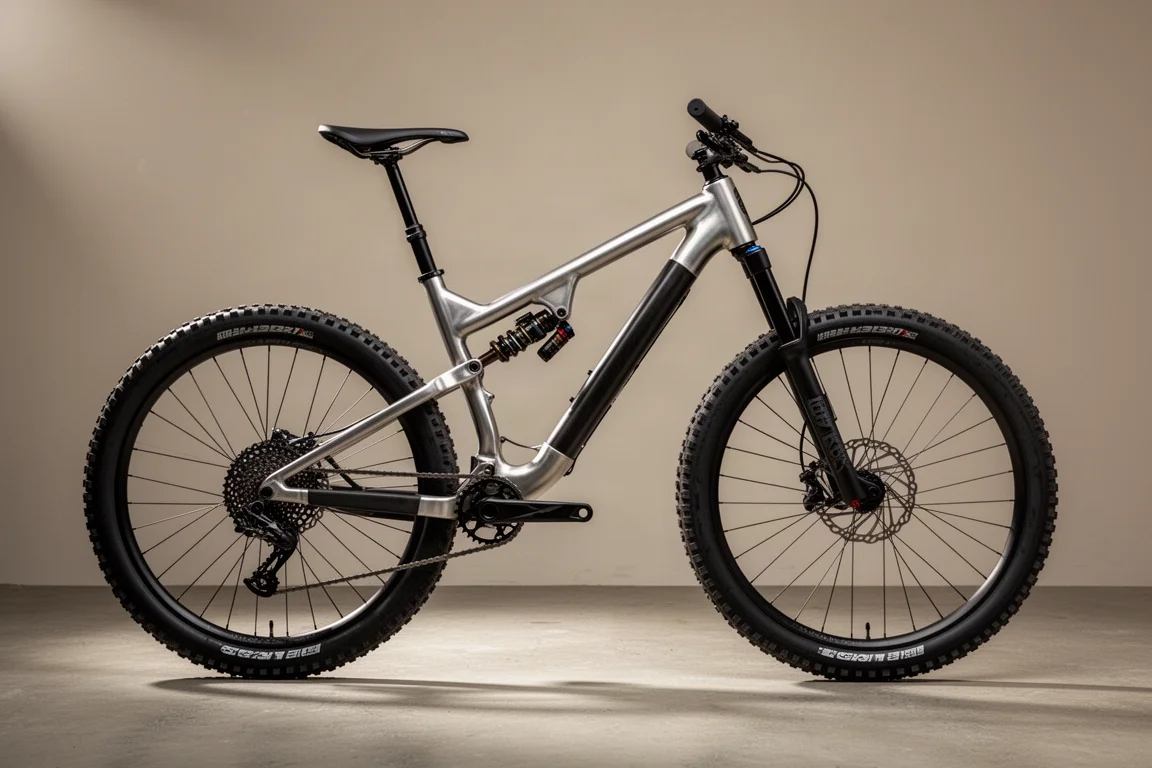
Atherton AM.130 Review: 3D-Printed Titanium Lugs and a 130mm Trail Bike That Descends Like a Bigger Machine
The Atherton AM.130 pairs 3D-printed titanium lugs with carbon tubes and a DW6 suspension platform. Here is how it rides, what the build delivers, and who it suits.
Mountain Bikes
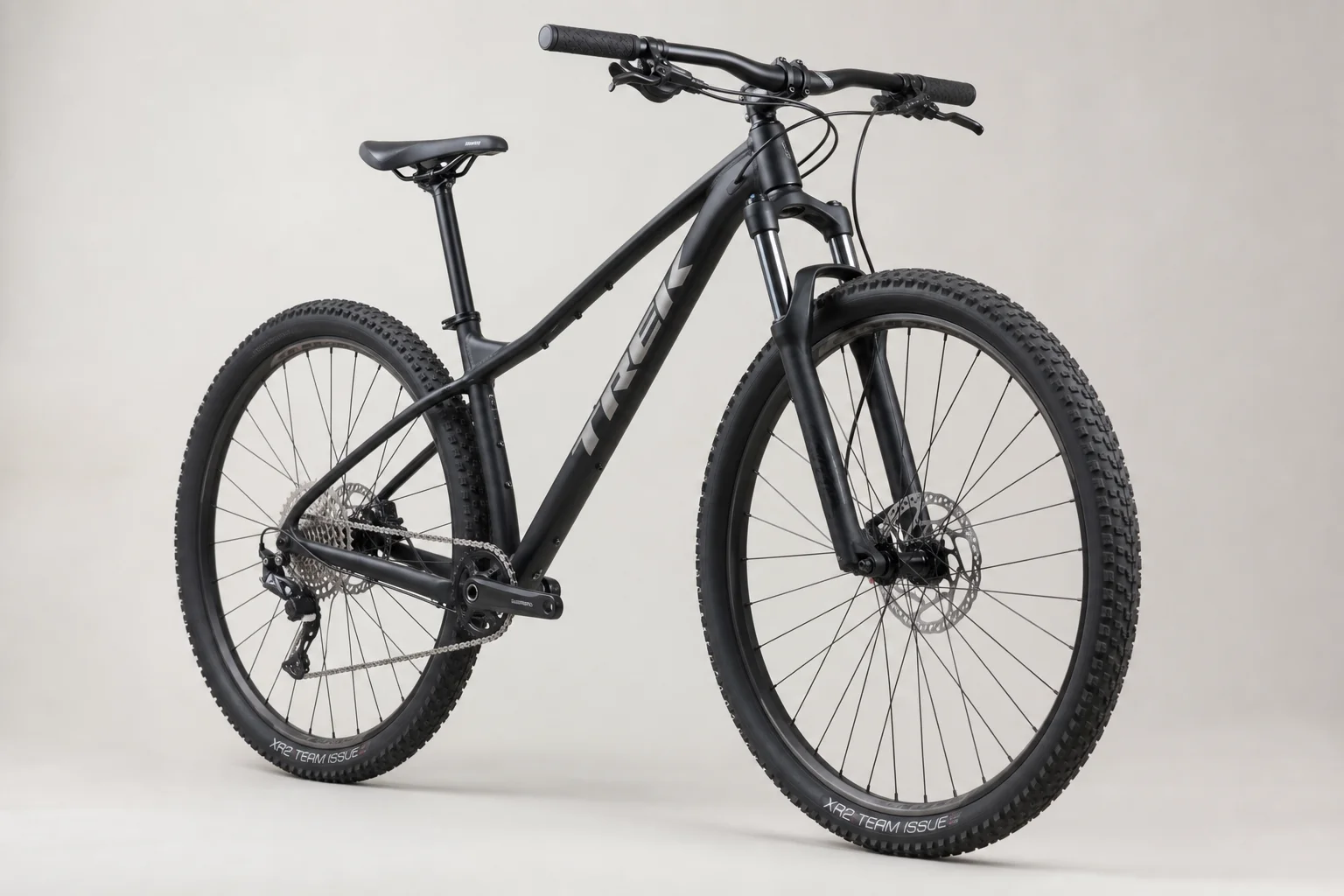
Beginner Mountain Bike Buying Guide: What to Look For in a Trailworthy Hardtail
A practical framework for evaluating beginner mountain bikes, whether new or used, by examining key components that indicate real trail capability.
Mountain Bikes
Best Aluminum Mountain Bikes 2026: Five Alloy Bikes Worth Your Attention
Five aluminum mountain bikes that show how far alloy has come, from a 120mm trail bike and a versatile machined frame to a 180mm freeride machine.