Camera Reviews
Fujifilm X-E5 vs Competitors: Five Cameras, One Sensor, Different Choices
The X-E5 shares Fujifilm's 40-megapixel sensor with four other models. Here's how to pick the right one for your needs.
Introduction
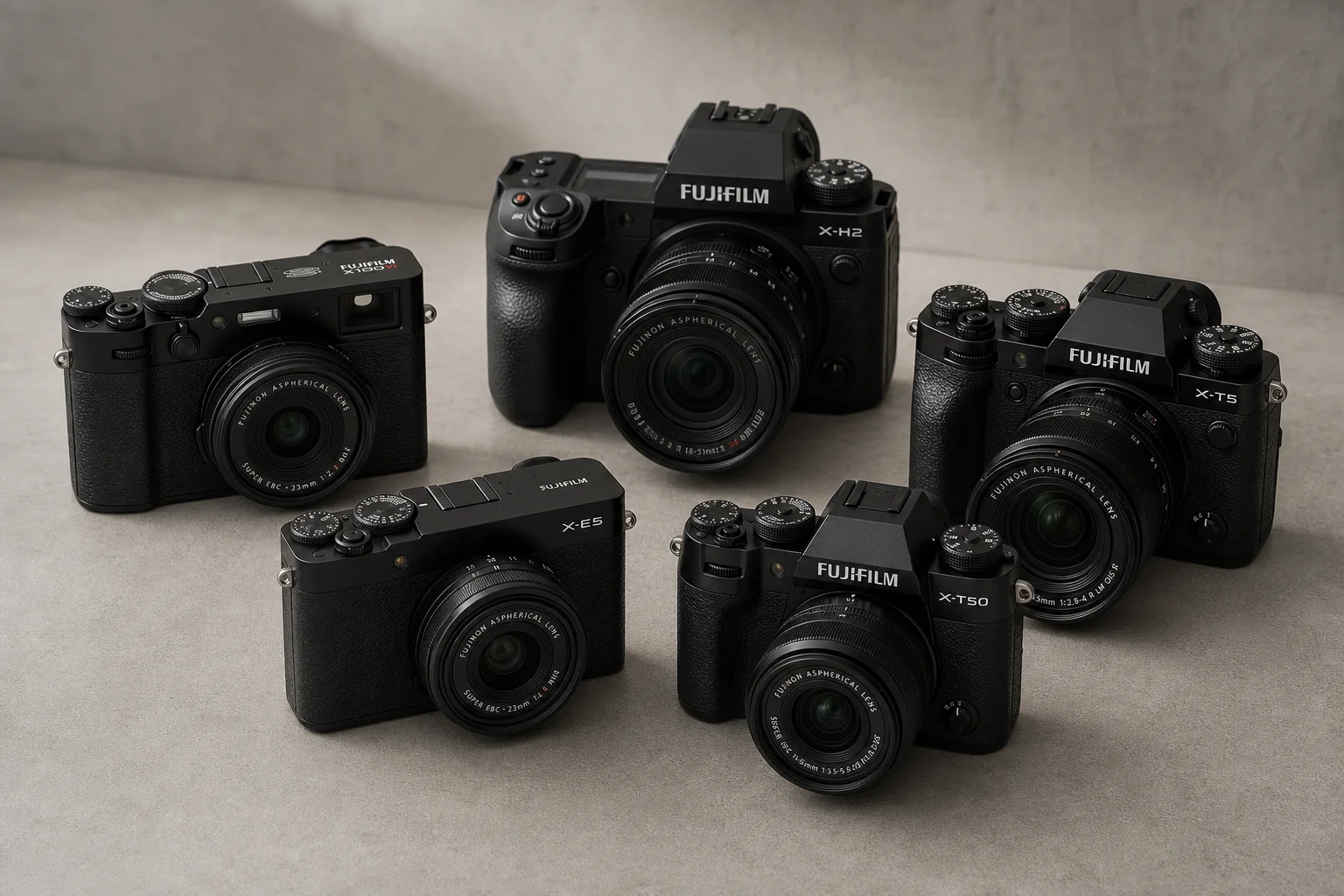
Fujifilm’s current lineup includes five cameras sharing the same 40-megapixel X-Trans CMOS 5 sensor. While this means image quality remains consistent across the range, the real choice comes down to form factor, features, and how you actually use a camera. Understanding the differences helps you pick the model that fits your workflow rather than chasing specs.
The X-E5: Compact Interchangeable Lens Design
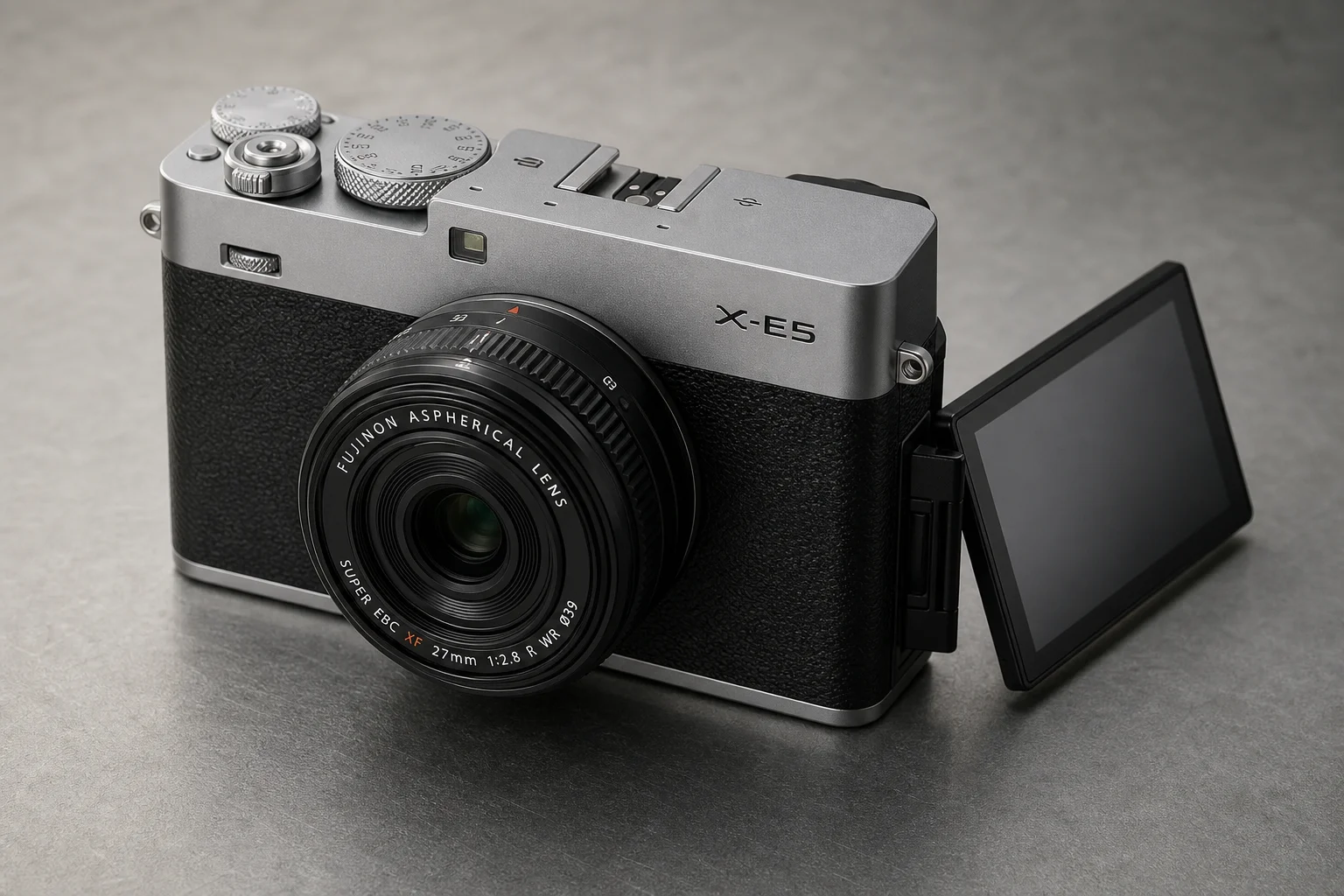
The X-E5 is Fujifilm’s tiny powerhouse, often described as an X100 with interchangeable lenses. It measures slightly shorter and thicker than the X100VI but weighs about the same when paired with a compact lens like the 27mm prime. The build quality feels premium throughout, with satisfying dials, clicky buttons, and a sturdy flip screen that rotates fully for vlogging.
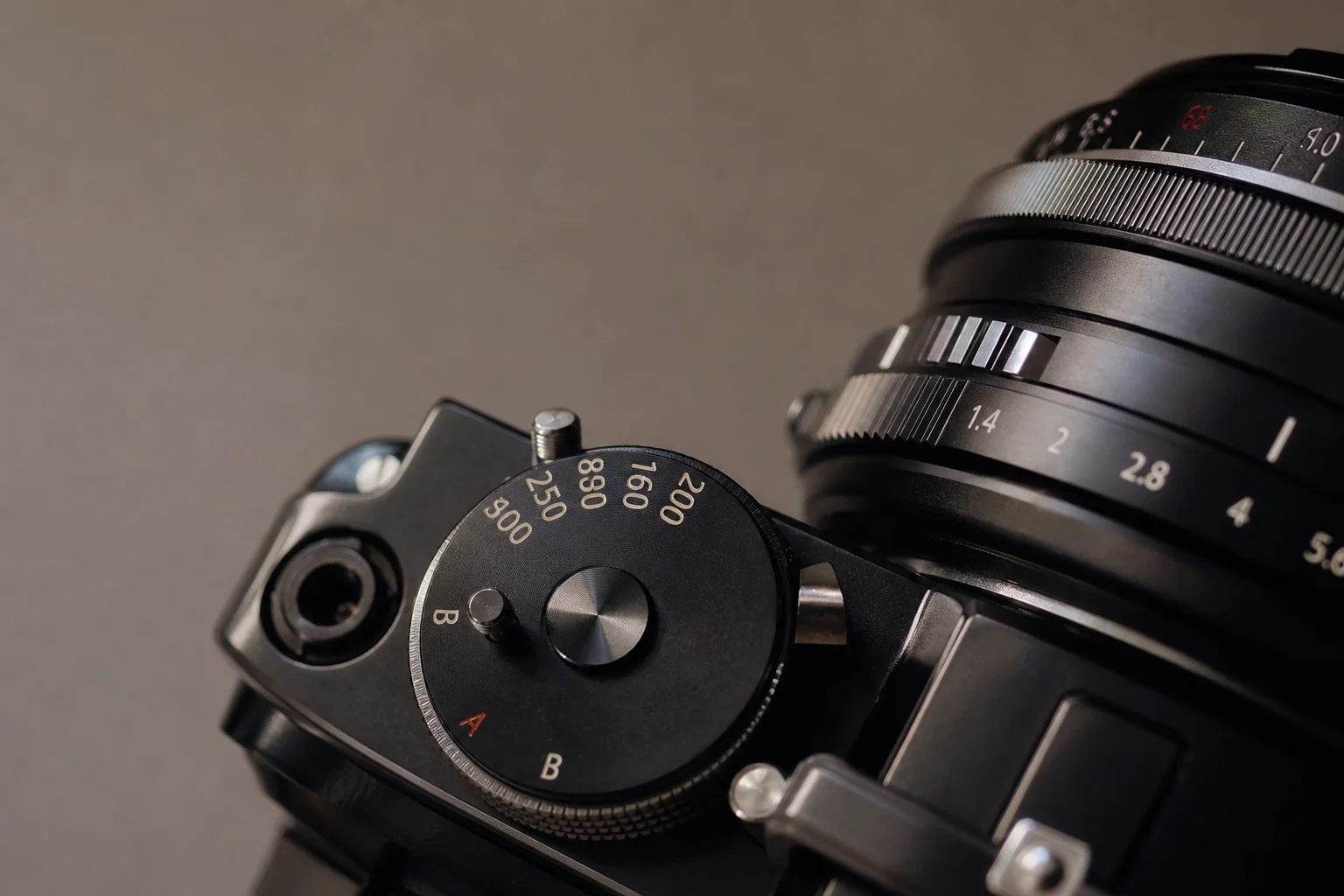
The X-E5 introduces a dedicated film simulation dial, a feature becoming more common across the Fujifilm range. Initially this feels like a minor addition, but it encourages experimentation with different color profiles and makes saving custom simulations easier. The mechanical shutter produces a tactile, satisfying sound that many photographers find genuinely enjoyable to use.
One notable trade-off: the X-E5 uses a focal plane shutter rather than the leaf shutter found in the X100VI. This means no built-in ND filter and no faster flash sync speeds. For video work, you’ll need to carry physical ND filters if you want to use slower shutter speeds in bright conditions. The camera also overheats after 14 minutes when shooting 6.2K video, which is worth noting if video is a priority.
Battery life is another concern. During a typical shooting day with mixed photo and video work, the battery depletes within two hours, which is unforgiving if you’re away from charging options.
Video and Battery Considerations
The X-E5 offers 6.2K at 30fps, 4K at 60fps, or 1080p up to 120fps. Both F-Log and F-Log 2 color spaces are available for post-processing flexibility. Rolling shutter performance is acceptable, though not exceptional. The camera works well for occasional video clips but shouldn’t be your primary video tool.

Battery performance is the real limiting factor for video work. If you plan extended shooting sessions, bring multiple batteries or prioritize photo capture over video.
Comparing Five Cameras, One Sensor
All five cameras use the same 40-megapixel sensor, so image output will be largely identical. The decision becomes about which features matter most to your workflow.
The Fujifilm X-H2 is the most expensive at $2,000. It offers an SLR-style body, 8K video at 30fps, 160-megapixel pixel shift for ultra-high-resolution stills, and seven stops of in-body image stabilization.
The Fujifilm X-T5 matches the X-E5’s $1,700 price point. It’s known for its retro aesthetic with multiple dials, offers 6.2K video, 160-megapixel pixel shift, and seven stops of IBIS. The form factor appeals to photographers who value tactile controls and classic styling.
The Fujifilm X-T50 is the most affordable option in this group. It’s essentially a smaller, cheaper X-T5 with the same video specs, IBIS, and the film simulation dial. It represents the best value if you want the X-T5 experience in a more compact package.
The Fujifilm X100VI costs $1,600 and remains hard to find. As a fixed-lens camera, it offers the same video specs and IBIS as the X-E5, but includes that leaf shutter with built-in ND filter. It’s a complete package with no lens-swapping required.
The X-E5 sits at $1,700, matching the X-T5. It’s essentially an interchangeable-lens X100 with the same video specs and IBIS. The key difference is flexibility: you can swap lenses to suit different situations, something the X100VI cannot do.
Form Factor and Your Photography Style
Because these cameras share the same sensor and core video capabilities, your choice really depends on how you work. The X-H2 appeals to professionals who need 8K video and maximum resolution. The X-T5 suits photographers who love tactile controls and retro styling. The X-T50 offers the best value for that same experience in a smaller body.
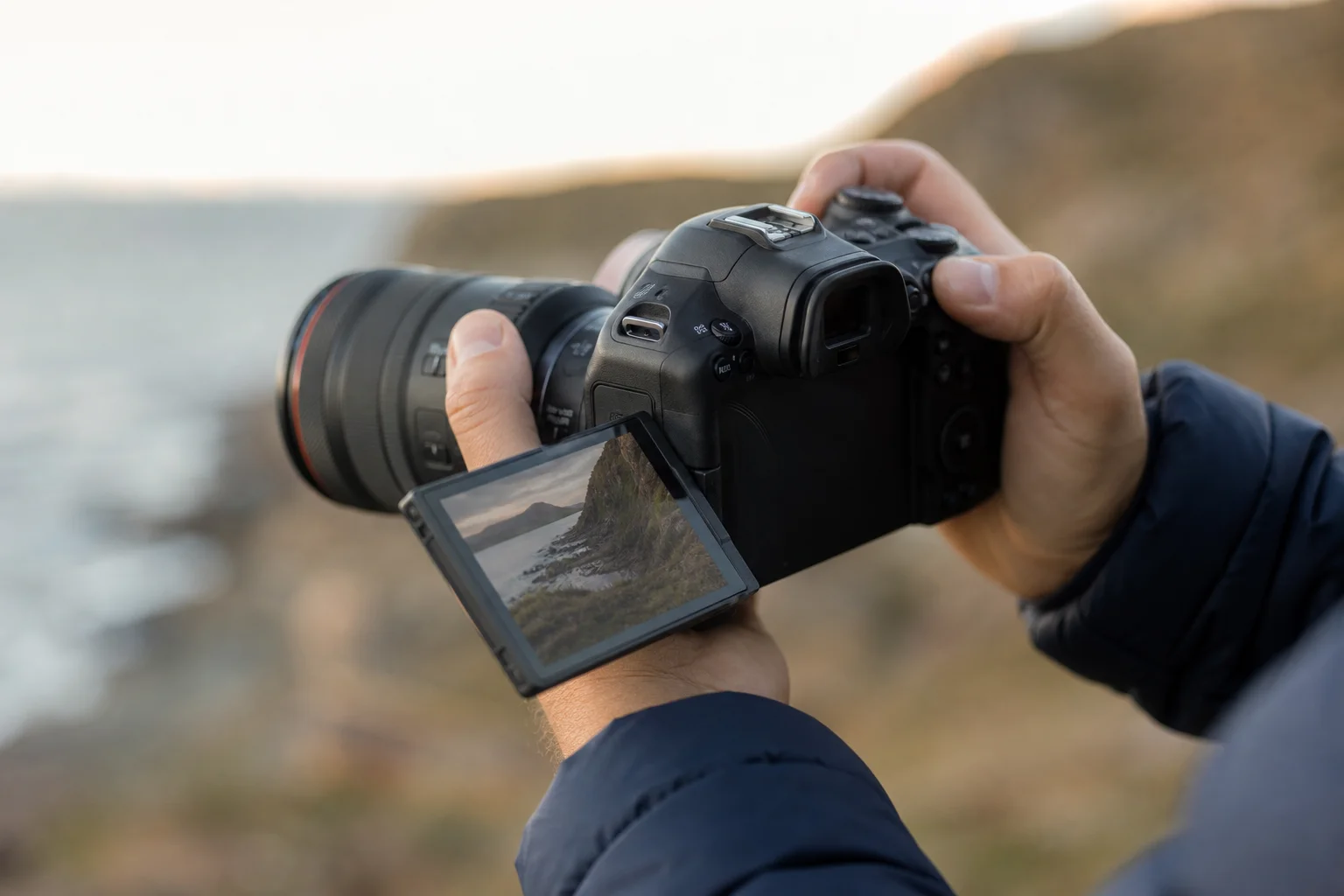
The X100VI is ideal if you want a complete, pocketable system with no lens decisions to make. The built-in ND filter and leaf shutter are genuine advantages for video and creative photography.
The X-E5 excels as a travel camera. Its compact size combined with lens interchangeability means you can adapt to different shooting scenarios without carrying multiple bodies. Pair it with a 27mm prime for everyday work, then swap to a different focal length if needed. This flexibility is hard to find in such a small package.
At $1,700, the X-E5 is not cheap. When the X-E4 launched at $850, it was considered a hidden gem. The new pricing makes it harder to justify over the X-T50 or X100VI, depending on your priorities. But if you value compact size with lens flexibility, the X-E5 remains a brilliant choice, even if it’s no longer a bargain.
Conclusion
The X-E5 is a genuinely excellent camera that happens to share its sensor with four other strong options. Your decision should rest on form factor and specific features rather than image quality, which is excellent across all five models. If compact size with interchangeable lenses appeals to you, the X-E5 delivers. If you prefer fixed-lens simplicity, the X100VI is worth the hunt. If you want maximum features at the best price, the X-T50 makes sense. Choose based on how you actually shoot, not on spec sheets.
Further reading
Related Reviews
Camera Reviews
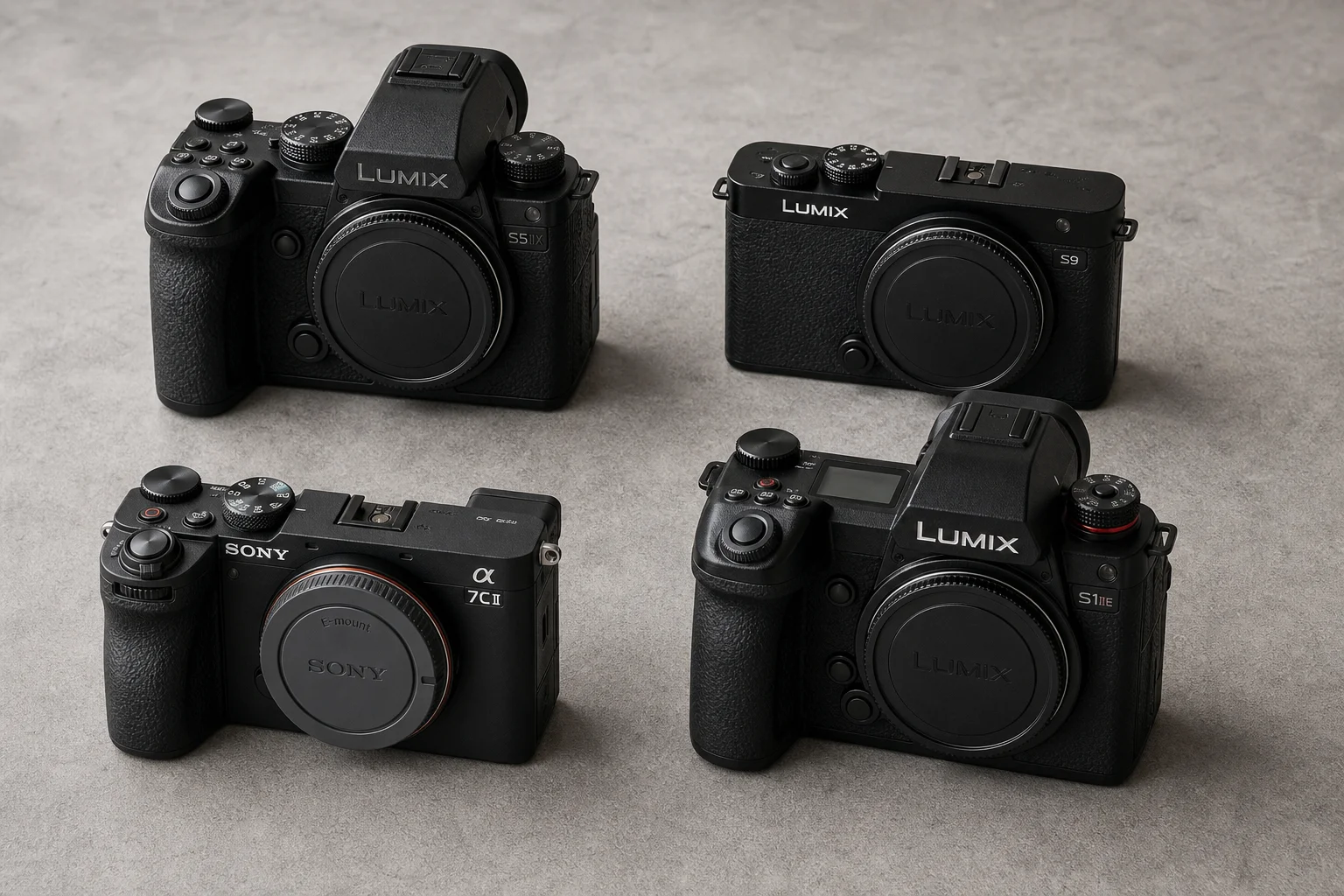
Best Budget Full-Frame Cameras for Video: Four Strong Options Compared
Four full-frame cameras that deliver excellent video capabilities without premium pricing. Lumix leads with unique features, while Sony offers strong autofocus for hybrid shooters.
Camera Reviews
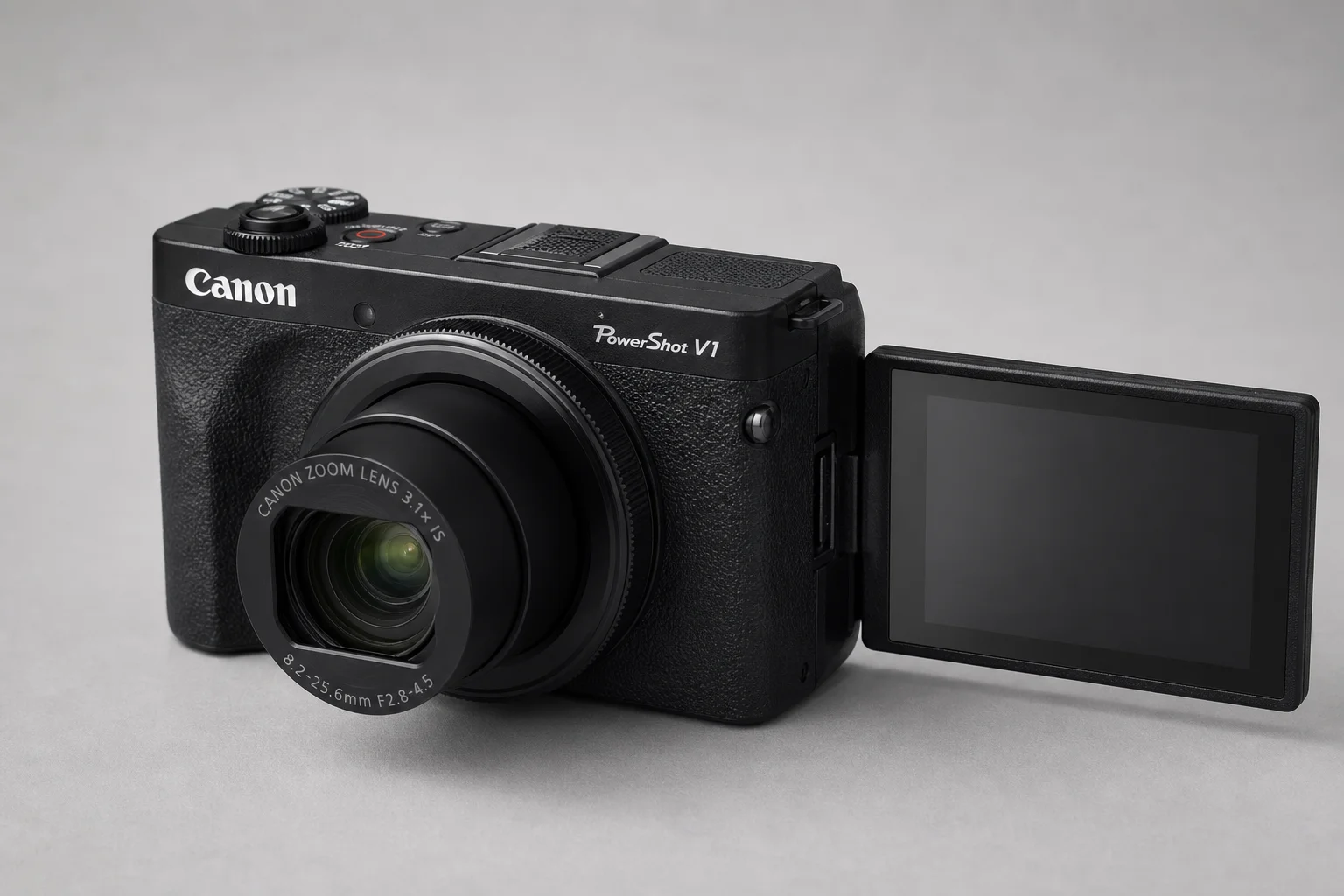
Canon PowerShot V1 Review: A Serious Vlogging Camera with Real Trade-offs
The Canon PowerShot V1 brings a larger sensor and optical stabilization to compact vlogging, but size, battery life, and dynamic range limitations deserve careful consideration.
Camera Reviews
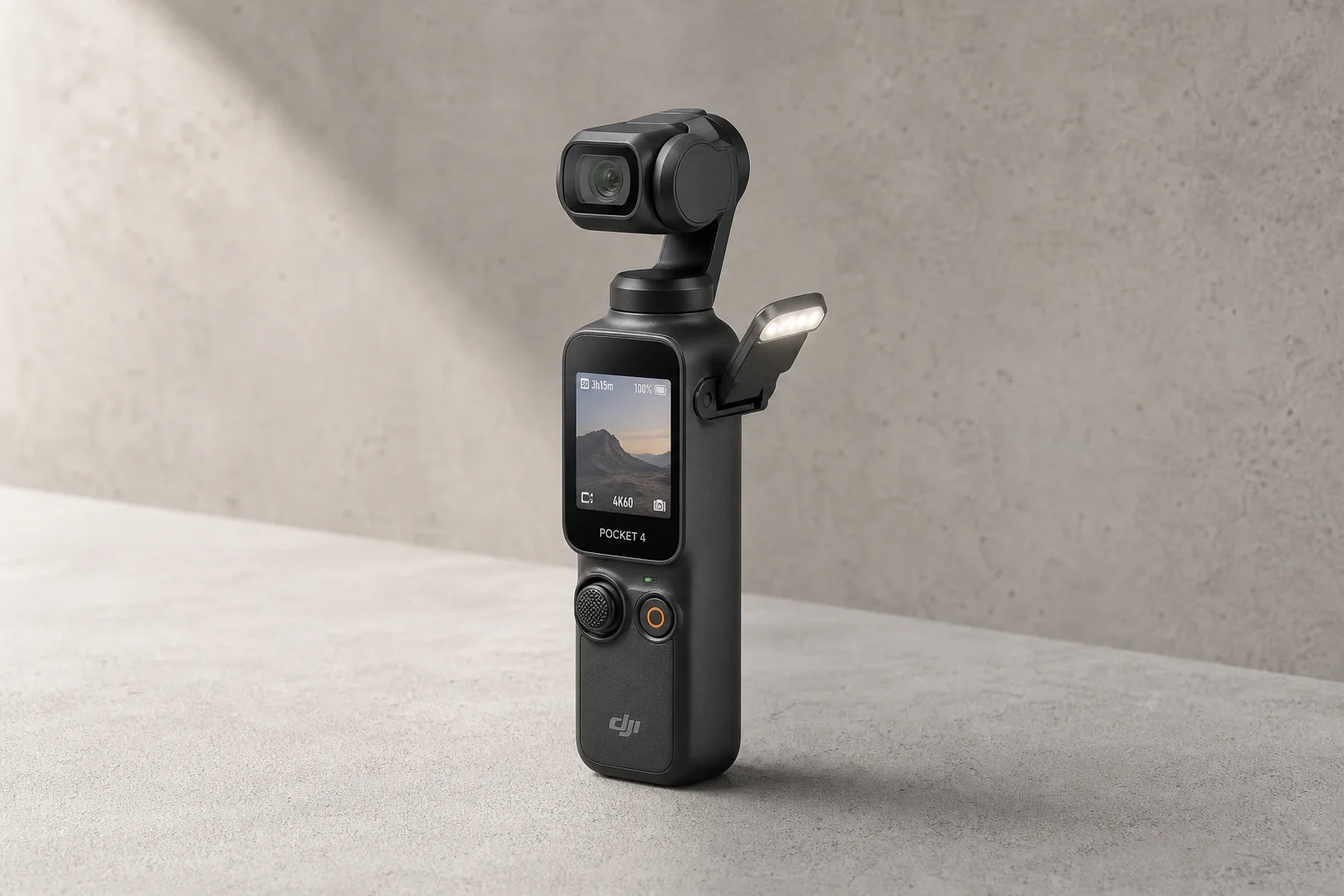
DJI Pocket 4 Review: Compact Gimbal Camera with 1-Inch Sensor and Fill Light
The DJI Pocket 4 brings a 37-megapixel 1-inch sensor, built-in fill light, 4K 240fps video, and 107GB internal storage to a single-handed stabilised camera. A detailed look at what's new and what remains unchanged.