Sleeping Pads
Best Budget-Friendly Sleeping Pads for Backpacking: Five Options Compared
A practical comparison of five sleeping pads that balance comfort, warmth, and price for three-season backpacking and camping.
Introduction
A sleeping pad is one of the few pieces of backpacking gear that directly decides whether a trip feels restorative or miserable. The category spans a huge range, from very cheap foam or air pads that cost around $15 to high-end models that can exceed $200. The difference is not just branding. Construction, insulation type, thickness, and R-value all shape how well a pad performs when the ground is cold and the night is long.
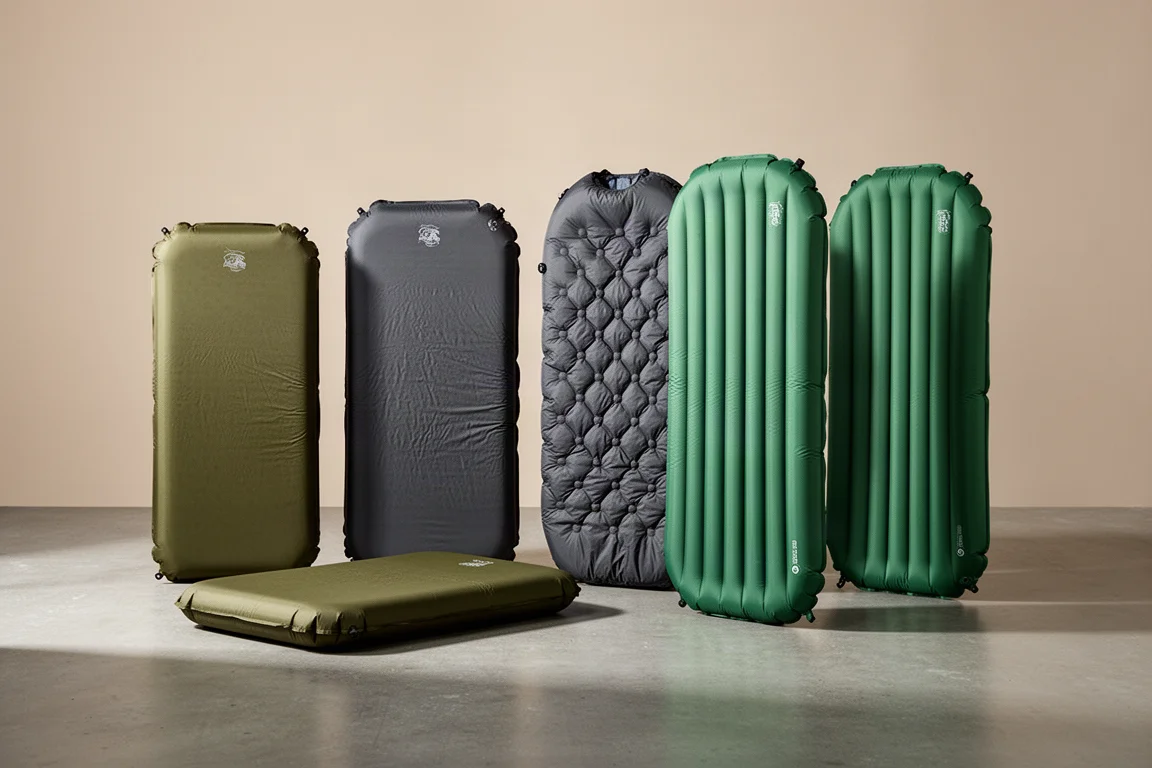
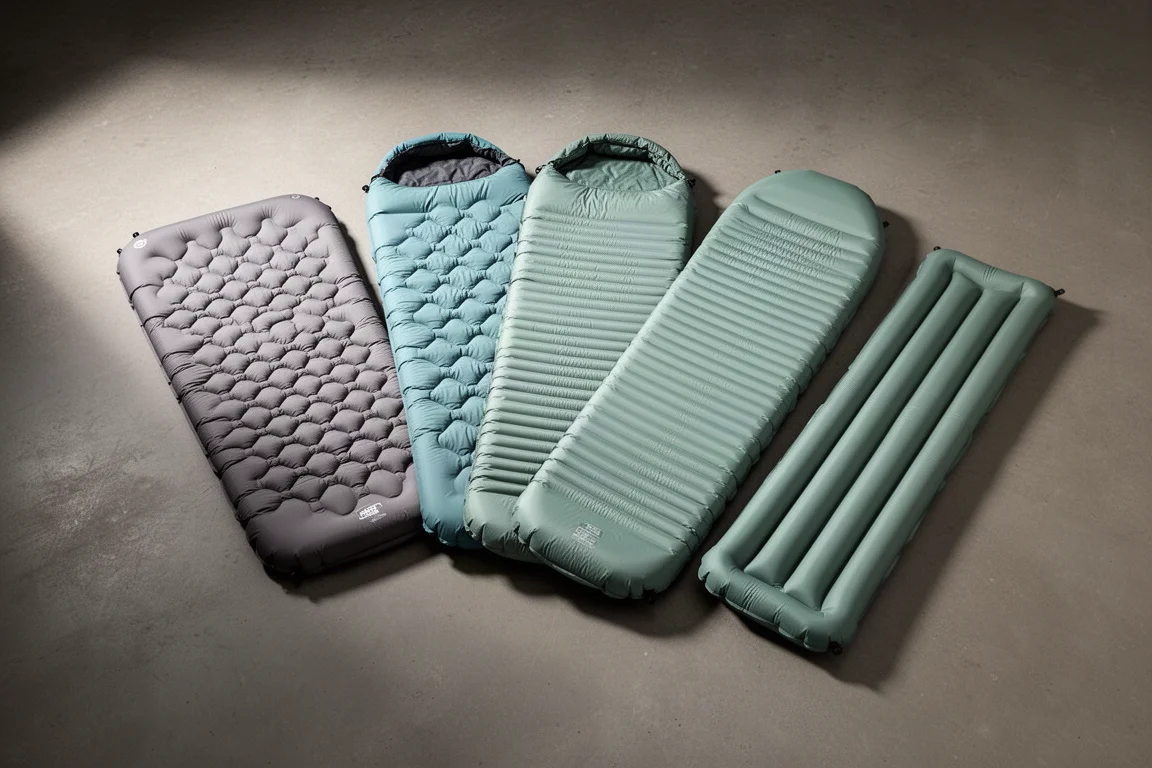
This comparison focuses on five pads that sit in a practical middle ground: the AEX Gear Rano Lightweight Sleeping Pad, the Kilos Gear Aeroc Cloud Elite, the Kilos Gear Aeroc Cloud UL, and the Exped Ultra 7R and Ultra 5R. They are not the cheapest options available, but they offer a more convincing balance of comfort, warmth, and price than a basic $15 pad.
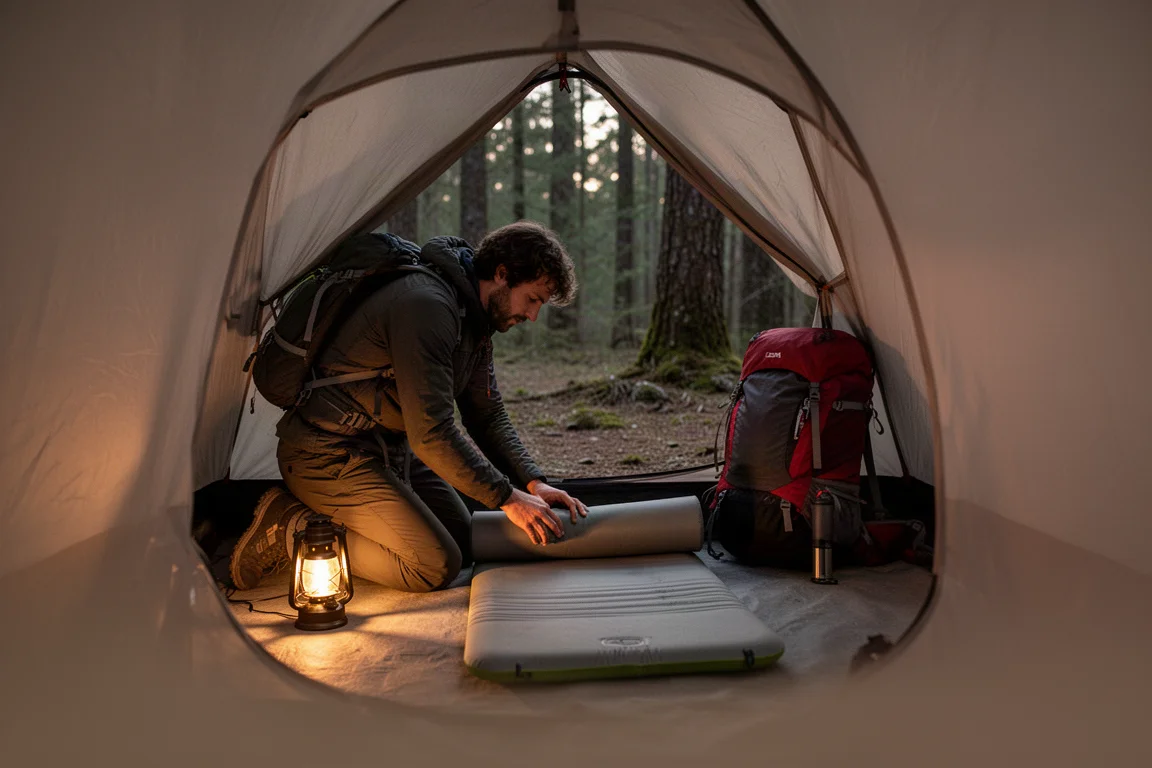
A $15 pad can be tempting, but it is often very thin, uninsulated, and poorly constructed. Hips and shoulders can dig into the ground, and cold air moves easily through the pad. Moving up to a more sophisticated design usually means better baffling, real insulation, and a more supportive surface.
How to Think About Sleeping Pad Value
R-value is the clearest starting point for warmth. Lower numbers mean less insulation, while higher numbers mean more insulation and better performance in colder conditions. However, R-value alone does not tell the whole story. Two pads with the same rating can feel very different depending on how the insulation is positioned, what materials are used, and how the baffles are arranged.
Other factors matter just as much: ambient temperature, ground temperature, pad dimensions relative to body size, and the rest of the sleep system. A pad that works well in late spring may not be enough in early fall. That is why the construction details below matter as much as the headline R-value.
AEX Gear Rano Lightweight Sleeping Pad
The AEX Gear Rano is a lightweight pad available in two sizes. The regular size measures 20 inches wide by 72 inches long, while the long-wide version measures 76 inches long by 25 inches wide. Both are about 3.5 inches thick, which is enough height to keep hips and shoulders off the ground in most sleeping positions.
It uses two layers of Mylar insulation attached to the top and bottom layers of the pad rather than suspended in the middle. The R-value is 5.5. In practice, this pad has worked well down to freezing temperatures without extra insulation underneath or on top. Below freezing, there is a real risk of sleeping cold.
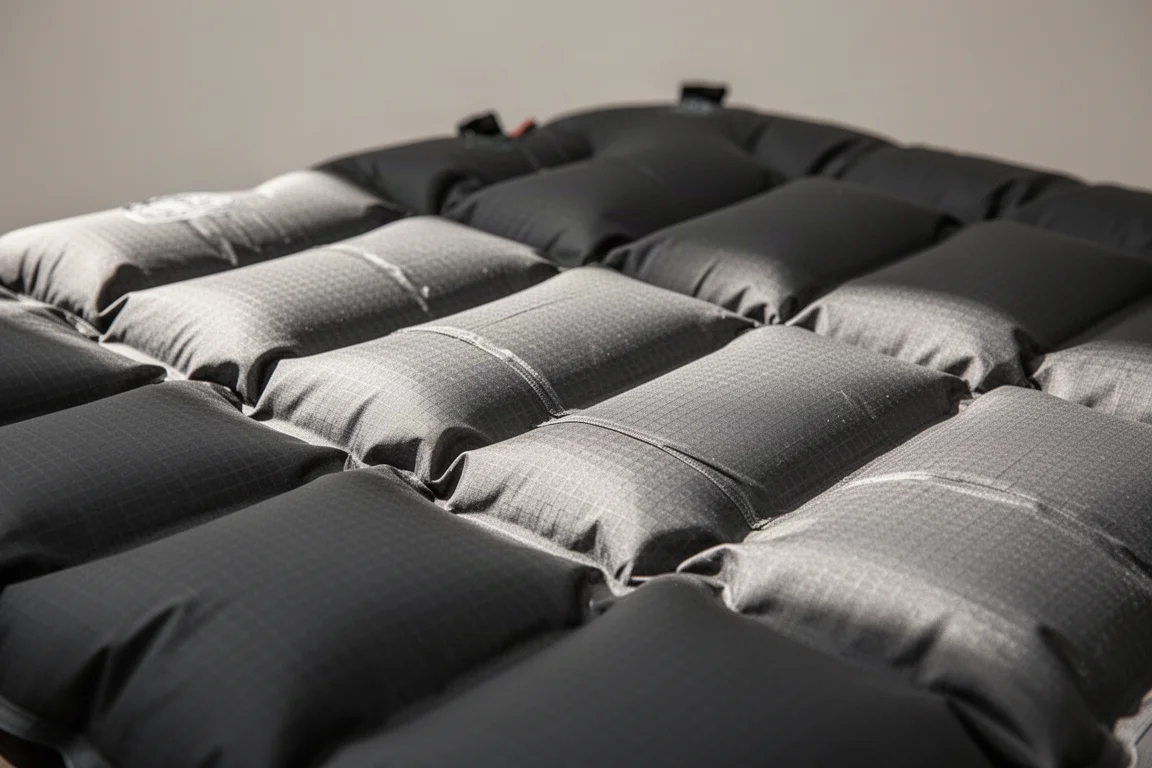
The long-wide version weighs 23 ounces, which is reasonable for the price. The baffling uses a vertical quilted pattern. It is not the most refined baffle layout, but it is generally more comfortable than the horizontal baffles found on pads such as the NeoAir or Tensor. Comfort is roughly on par with the Tensor. The 20-denier nylon ripstop fabric adds durability. At $90 for the regular and $130 for the long-wide at retail, it is a solid value for three-season backpacking when the ground is not frozen.
Kilos Gear Aeroc Cloud Elite Sleeping Pad
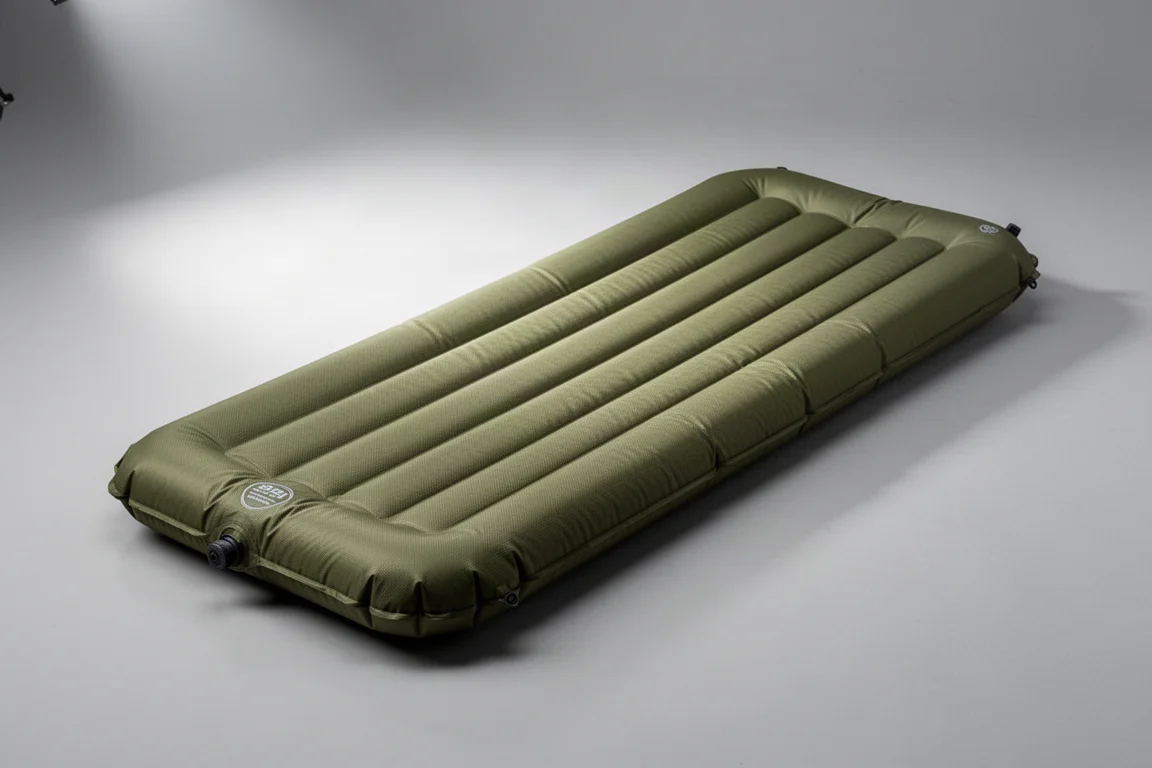
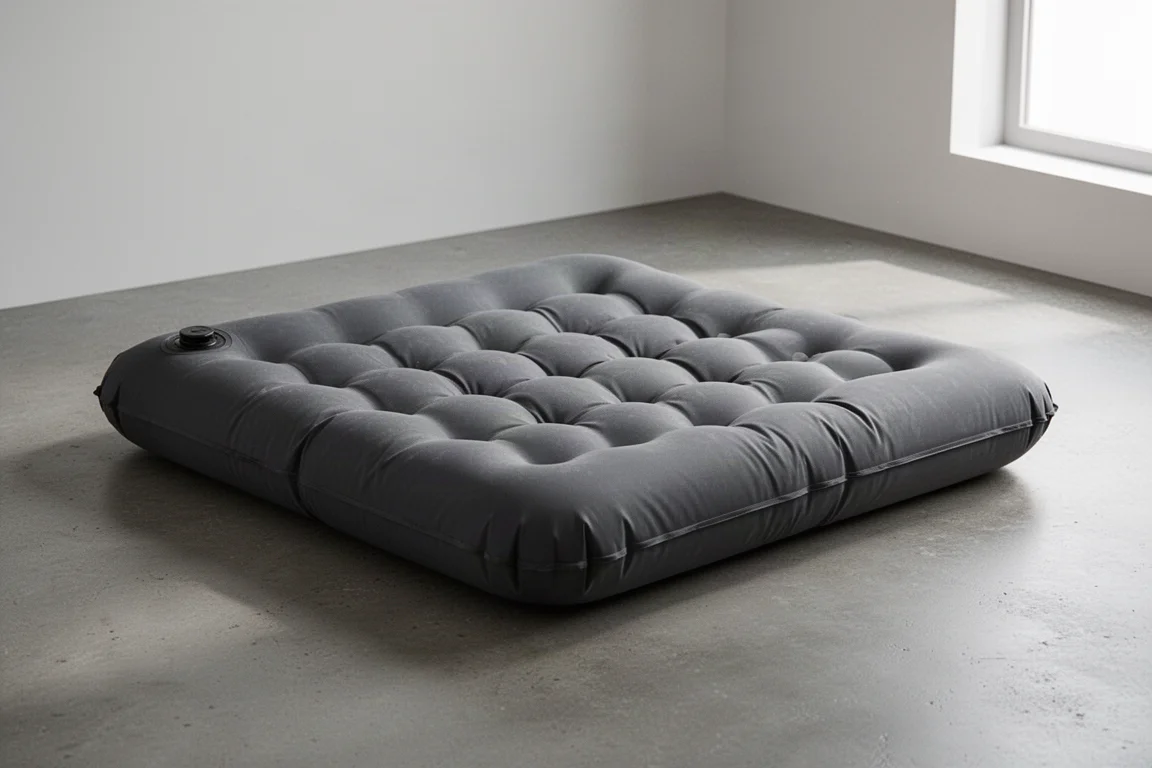
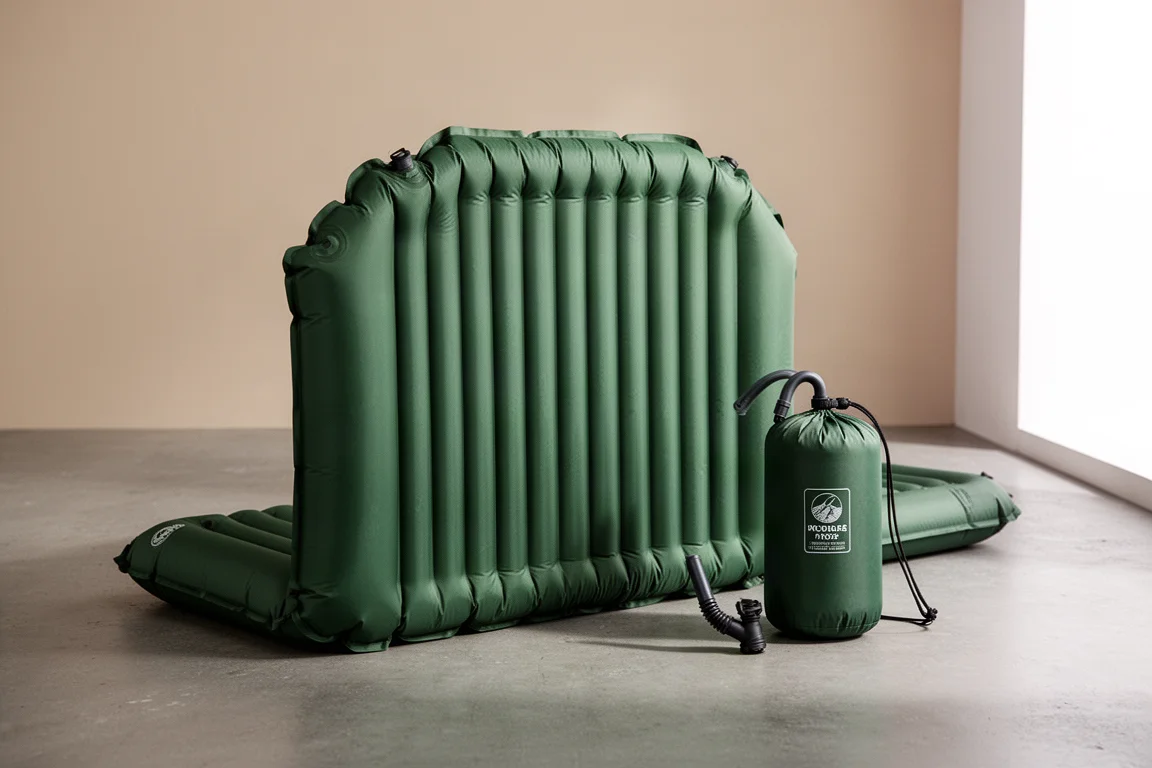
The Kilos Gear Aeroc Cloud Elite uses a 40-denier polyester fabric across the body and a metallic film layer combined with batted insulation. That construction delivers an R-value of 5. The pad is designed for comfort, and the quilted baffling gives it a distinctly plush feel that many campers appreciate.
The insulation runs the full length of the pad, but it is not suspended and not attached to the top layer, so it settles toward the bottom. It still provides a useful insulation barrier down to freezing temperatures. The weld points include small cutouts that keep the insulation from bunching. This is not a winter pad, and it is not intended to replace a dedicated high-R-value model for snow camping.
The Elite comes in a regular size that measures 72 inches long by 25 inches wide, plus a large version that is longer and 26 inches wide. Both are 4 inches thick, which adds height and makes it easier to fine-tune firmness. At $130 to $140 depending on size, it is a strong value and a comfortable option for three-season use.
Kilos Gear Aeroc Cloud UL Sleeping Pad
The Aeroc Cloud UL shares the same sizes, fabric construction, and valve as the Elite, but it uses a single layer of Mylar insulation instead of the Elite’s dual-layer metallic film and batted insulation. That change lowers the weight and the price, and it brings the R-value down to 3.8.
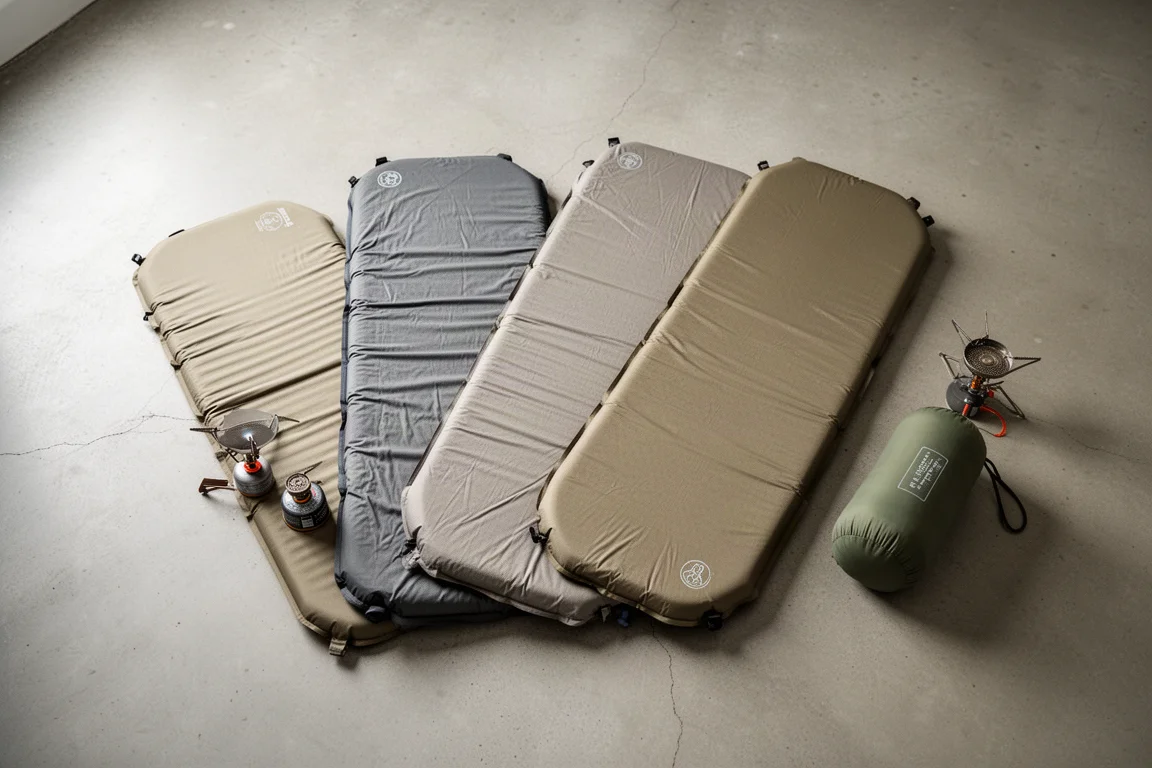
The UL is aimed at milder temperatures. It is lighter and less expensive, but it still offers a very comfortable sleeping surface and the same general build quality. For late spring, summer, and early fall trips where overnight temperatures stay moderate, it is a strong value. Campers who expect freezing nights should look at the Elite or a higher-R-value pad instead.
Exped Ultra 7R
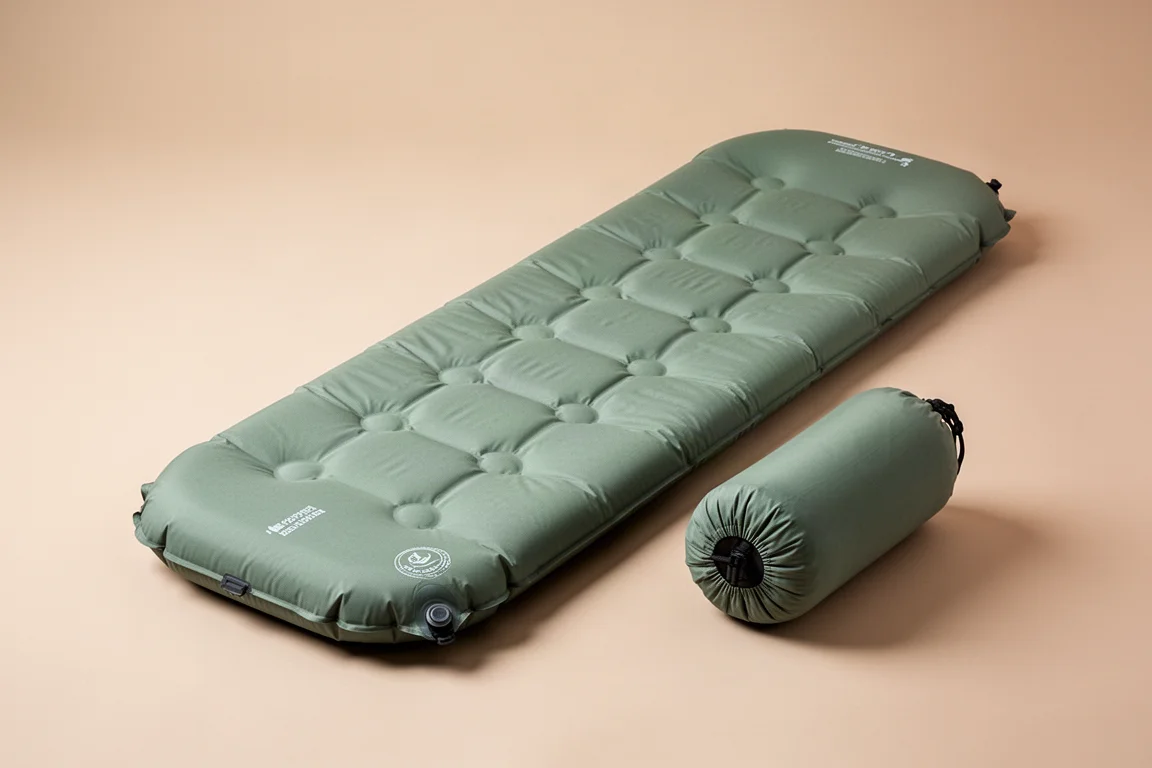
The Exped Ultra 7R sits in a different price bracket. It has an R-value of 7, which makes it a more serious cold-weather option than the pads above. The trade-off is a substantial price increase. For campers who regularly sleep on cold ground or want a wider margin of warmth, the higher rating may justify the cost.
Exped Ultra 5R
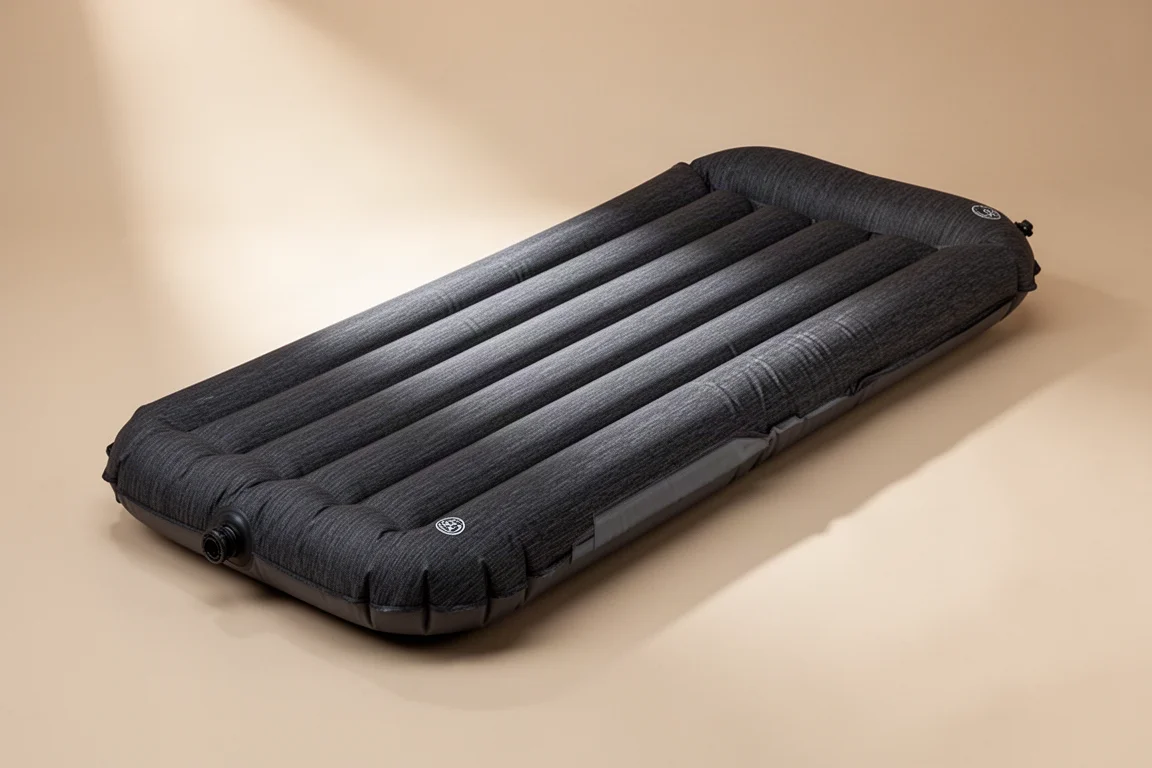
The Exped Ultra 5R is closer in price to the AEX and Kilos Gear pads, but it makes a different set of compromises. It uses fully synthetic batted insulation, which provides good thermal value and protection from cold ground. That insulation also adds bulk and some weight. The baffling is a large vertical pattern, and it is not as comfortable as the quilted layout on the Kilos Gear pads. The Ultra 5R is frequently available at a discount, which makes it a decent buy for campers who prioritize cold-ground protection over plush comfort.
Buying Advice
The right choice depends on the temperatures you expect and how much comfort you want to carry. For three-season backpacking with occasional freezing nights, the AEX Gear Rano and Kilos Gear Aeroc Cloud Elite are the most balanced options. The Rano is slightly less expensive, while the Elite has a more comfortable quilted surface. The Aeroc Cloud UL is the better pick for milder weather and lighter loads.
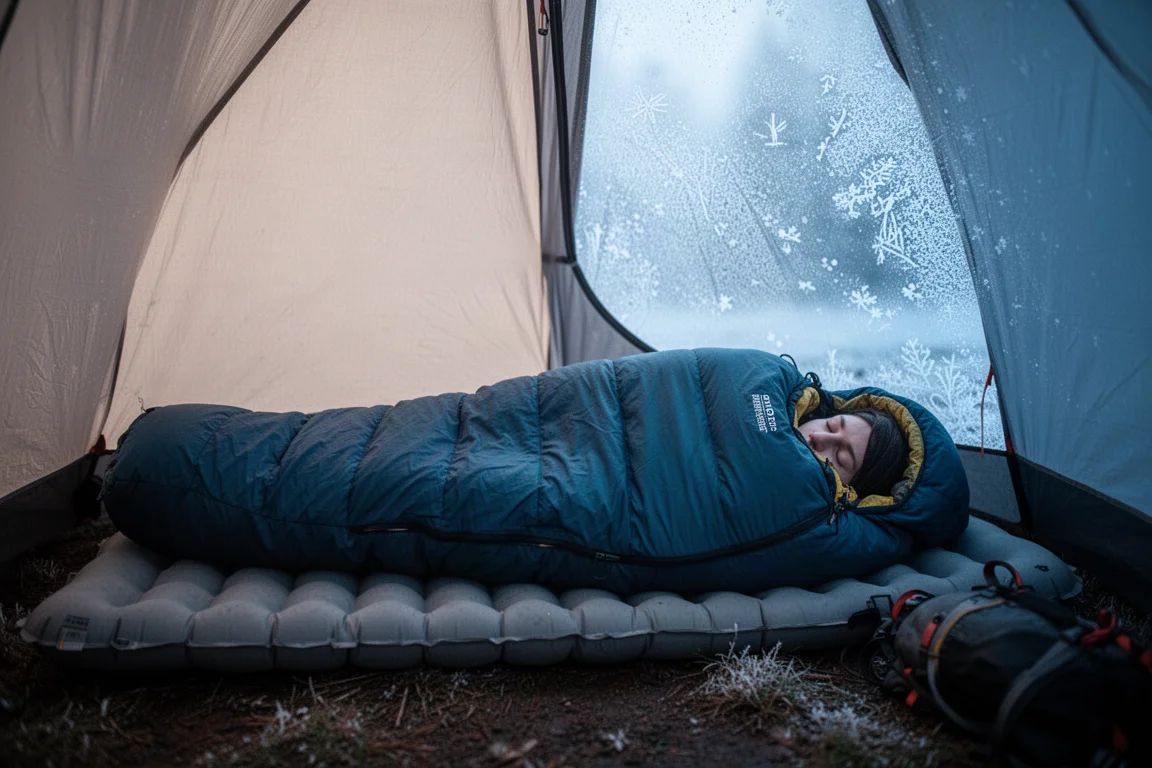
For colder conditions, the Exped Ultra 7R offers a higher R-value and a wider comfort margin. The Exped Ultra 5R is a reasonable alternative when it is discounted, but its vertical baffles and bulkier synthetic insulation are worth considering before buying. If you already own a pad and only struggle with cold ground, a closed-cell foam pad underneath can extend its range, but it adds weight and bulk.
Above all, match the pad to the trip. A warm-weather pad used in freezing conditions will feel inadequate, while a heavy winter pad can be unnecessary on summer weekends. Pay attention to R-value, thickness, dimensions, and insulation construction rather than price alone.
Conclusion
The sleeping pad market makes it easy to overspend or underspend. A $15 pad rarely delivers the comfort or warmth needed for real backpacking trips, while a $200-plus pad may offer more insulation than a three-season camper needs. The AEX Gear Rano, Kilos Gear Aeroc Cloud Elite, Kilos Gear Aeroc Cloud UL, and Exped Ultra series each occupy a useful place in that spectrum. Choose based on the temperatures you actually camp in, the comfort you value, and the weight you are willing to carry.
Further reading
Related Reviews
Sleeping Pads
Best Backpacking Sleeping Pads 2026: Nine Pads Rated on Price, Comfort, Warmth, and Weight
Nine backpacking sleeping pads compared on price, comfort, warmth, and weight, from a $65 summer pad to a year-round option rated at R-7.3.
Sleeping Pads
Best Backpacking Sleeping Pads: Comfort, Warmth, and Weight Compared
A practical comparison of the Nemo Quasar 3D, Therm-a-Rest NeoAir XTherm Max, and Big Agnes Rapide SL for backpackers choosing between comfort, warmth, and packed weight.
Sleeping Pads
Best Backpacking Sleeping Pads: Ultralight, Winter, Comfort and Budget Picks
A practical roundup of the sleeping pads that stand out for ultralight weight, winter warmth, pressure relief and value, plus three popular pads that fell short.