Hi-Fi Amplifiers
Best Budget Class D Amplifiers: Nine Value Picks Worth a Listen
A practical roundup of budget Class D amplifiers and the class AB alternatives that still make sense, with real strengths, honest trade-offs, and clear buying guidance.
Introduction
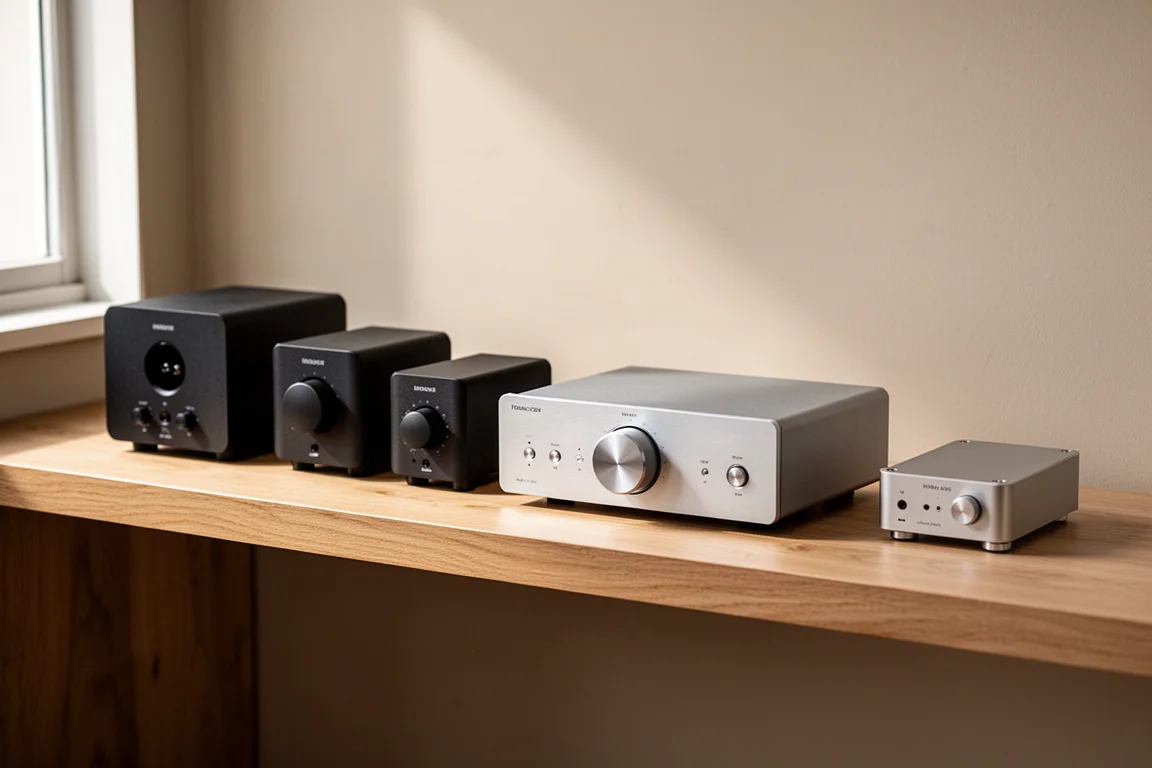
Budget Class D amplifiers from Chinese manufacturers have quietly rewritten what it costs to build a serious first hi-fi system. A few years ago, an amplifier under $200 meant accepting real compromises. Today, a compact desktop amplifier can drive proper speakers and trade blows with designs costing several times as much under the conditions most people actually listen in.
This roundup covers the models that come up most often in that conversation, along with the class AB integrated amplifiers that still hold a genuine advantage in specific situations. None of them are created equal, and the differences matter more than the price tags suggest.
Why Budget Class D Amplifiers Changed the Market
Class D amplification itself is not new. What changed is the economics. A small number of chip platforms, most notably the Texas Instruments TPA3255, made it possible to build amplifiers with substantial output using relatively inexpensive parts. The TPA3255 is also unusually dependent on the power supply paired with it, which is why two amplifiers built around the same chip can behave very differently.
Several brands have iterated on that platform quickly, upgrading the components around the core chip rather than the chip itself. The result is a category where a small amplifier can compete with designs that cost five or ten times more, provided you stay within its comfort zone.
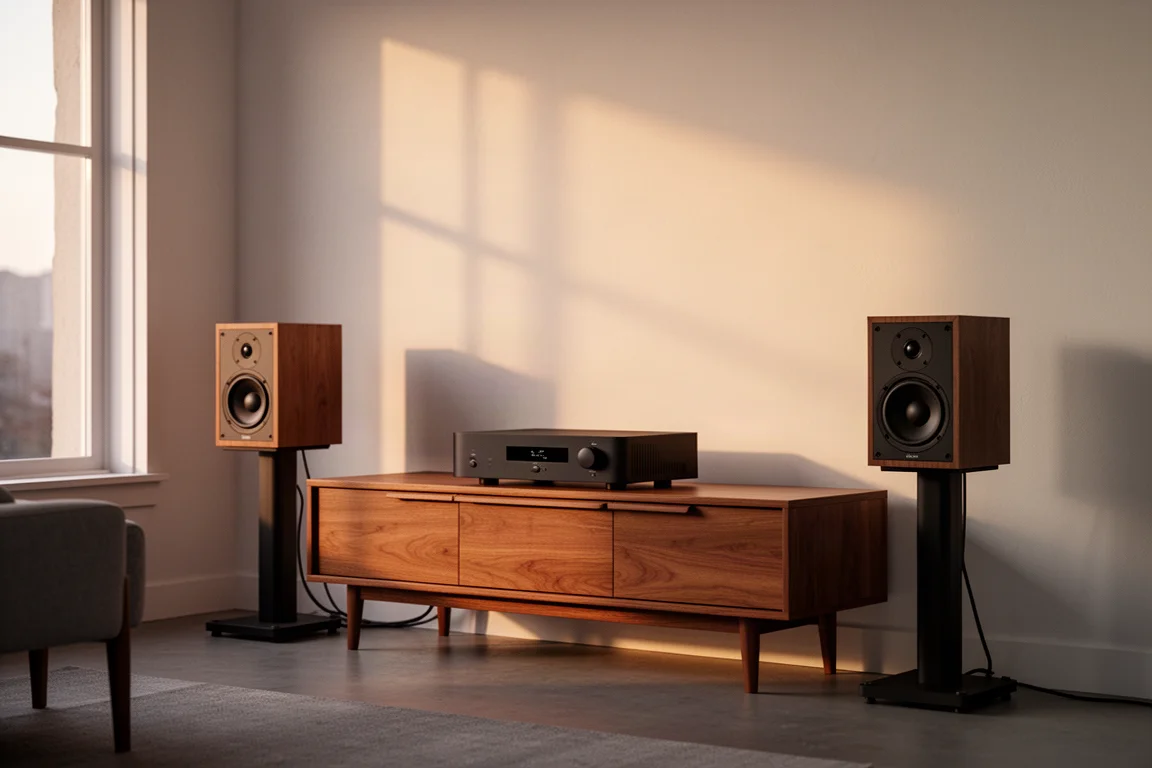
That parity is real, but it is conditional. Driving the same speakers at moderate levels, a good budget Class D amplifier can hold its own against far more expensive class AB hardware. Push harder and the picture changes, which is exactly why the older, more conservative designs still have a place in this list.
What Matters Most in a Budget Class D Amplifier
The chip platform is only the starting point. The power supply determines how much of the chip’s potential is actually available, and the quality of the components around it shapes the character of the sound. Two amplifiers using the same silicon can sound noticeably different for that reason alone.
High-level behaviour separates the field. Many of these amplifiers are convincing at everyday listening levels and start to lose composure above roughly 85 dB in a larger room. Conservatively rated class AB amplifiers tend to hold together better in that scenario.
Measurement headlines deserve scepticism. A very low total harmonic distortion figure is not automatically a sign of better sound, because the harmonic profile behind the number matters as much as the number itself. Distortion concentrated in odd-order harmonics can be more audible than a higher figure spread more benignly.
Power ratings should also be read carefully. Many budget Class D amplifiers are specified using a single-tone test rather than a full-range 20 Hz to 20 kHz sweep, so the figure on the box is not a full-range guarantee. In practice this matters less than it sounds, because even 50 watts into 8 ohms drives most speakers to levels most listeners never use.
Finally, quality control and support have improved considerably. The failure stories that shaped early reputations in this segment are much less common now, and several of these brands have become genuinely responsive when something does go wrong.
Fosi Audio V3 Mono
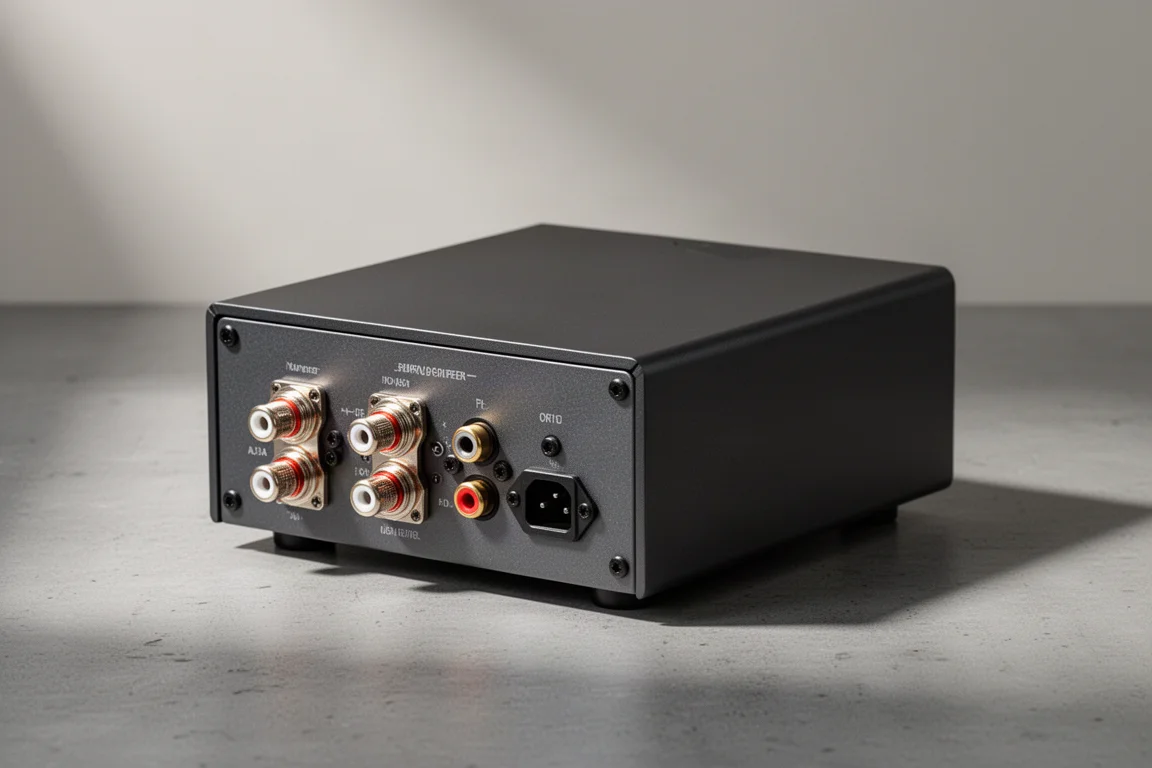
The V3 Mono is the model that made the strongest case for budget Class D in direct comparison. A pair costs around $300 without any op-amp changes, and driving the same speakers, they went blow for blow with class AB amplifiers costing several times as much. In some passages they were the preferred option.
Running monoblocks also has a practical benefit: each amplifier can sit close to its speaker, which shortens speaker cable runs considerably. The trade-off is two boxes, two power supplies, and two power outlets instead of one.
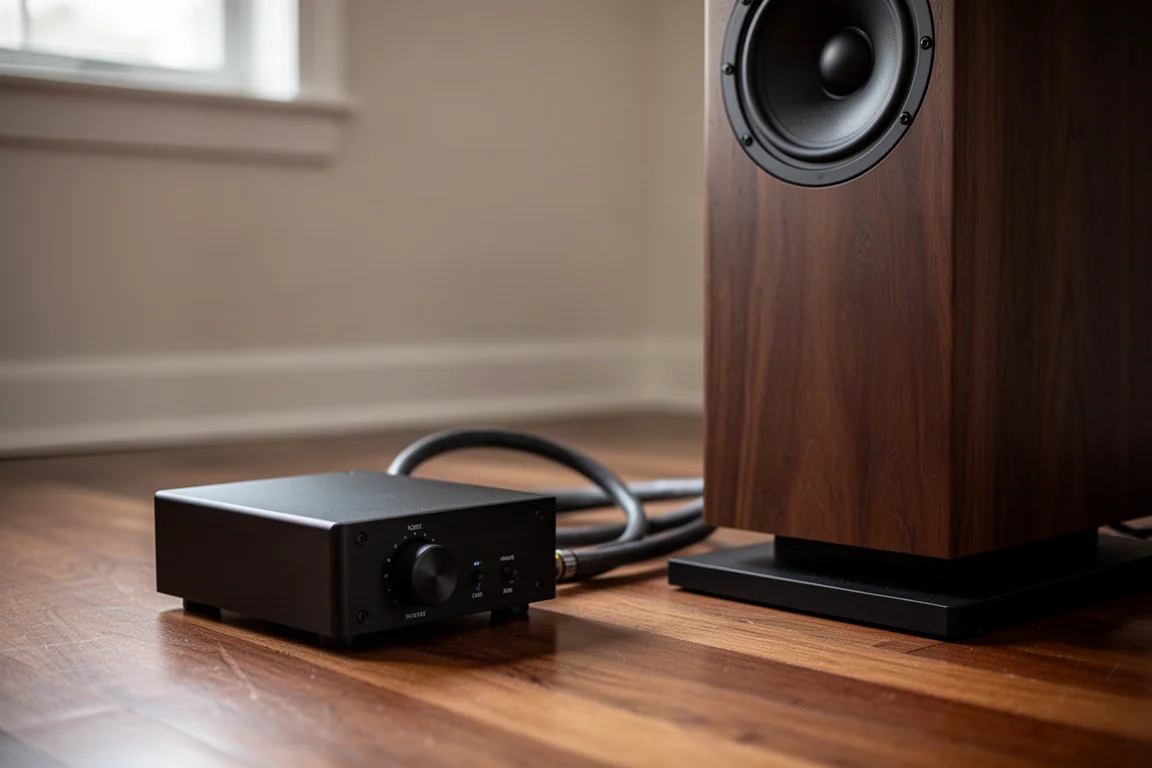
The gap between a V3 Mono pair and a much more expensive amplifier shows up mainly in the last few percent of output, where the pricier design keeps its composure a little longer. For most speakers, in most rooms, in most applications, that margin is smaller than the price difference suggests.
Fosi Audio V3
The standard V3 is the stereo sibling, and it has one of the more convincing real-world endorsements in this category. An experienced listener used a single V3 to drive large, heavy, expensive floorstanding speakers while a bigger amplifier was away for servicing, and was taken aback by how well it coped and how good it sounded.
That is one anecdote rather than a lab result, but it speaks to how much amplifier most speakers genuinely need. For a normal room, the V3 is often the more sensible purchase than a pair of monoblocks: one box, one power supply, and enough output for typical listening levels.
Fosi Audio TB10D
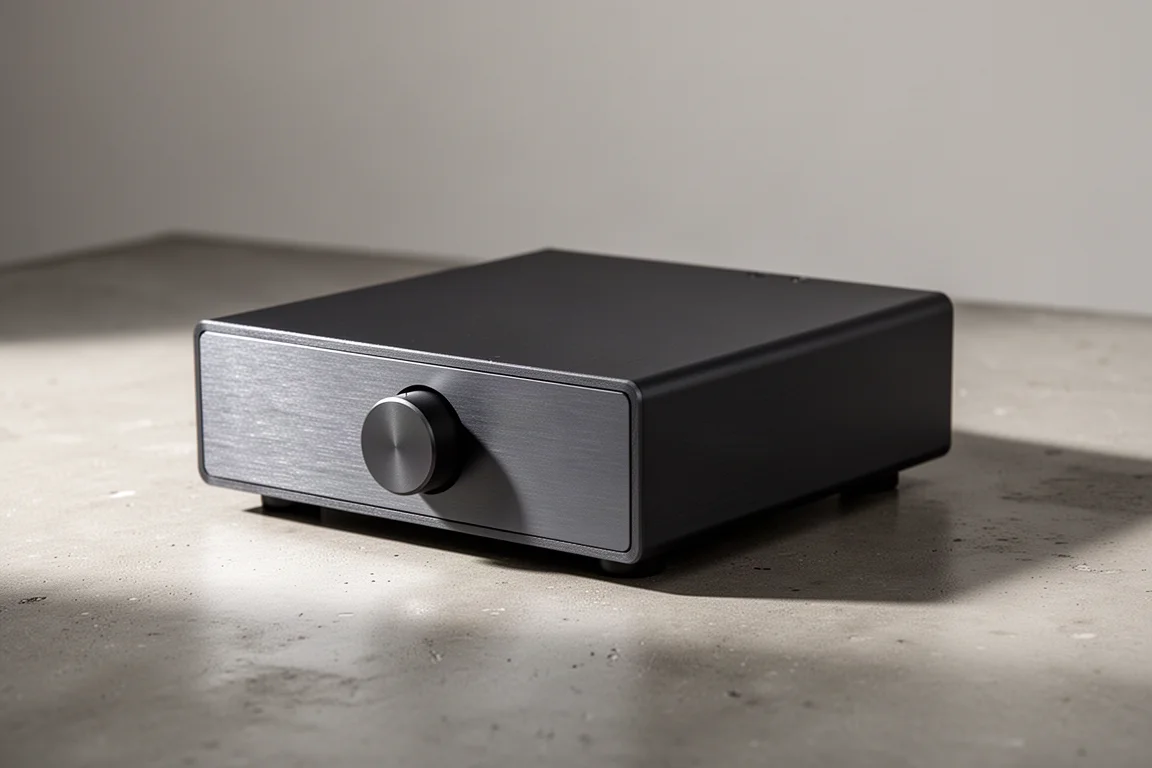
The TB10D is built around the Texas Instruments TPA3255, the chip that did more than any other to establish this whole category. Because output scales with the power supply, the same platform can be configured to very different ends depending on how much the manufacturer is willing to spend.
It is a straightforward and affordable way into compact amplification. If you want to find out what a small Class D amplifier does in your own room without committing much, this is the kind of model that makes the experiment cheap.
Fosi Audio ZA3
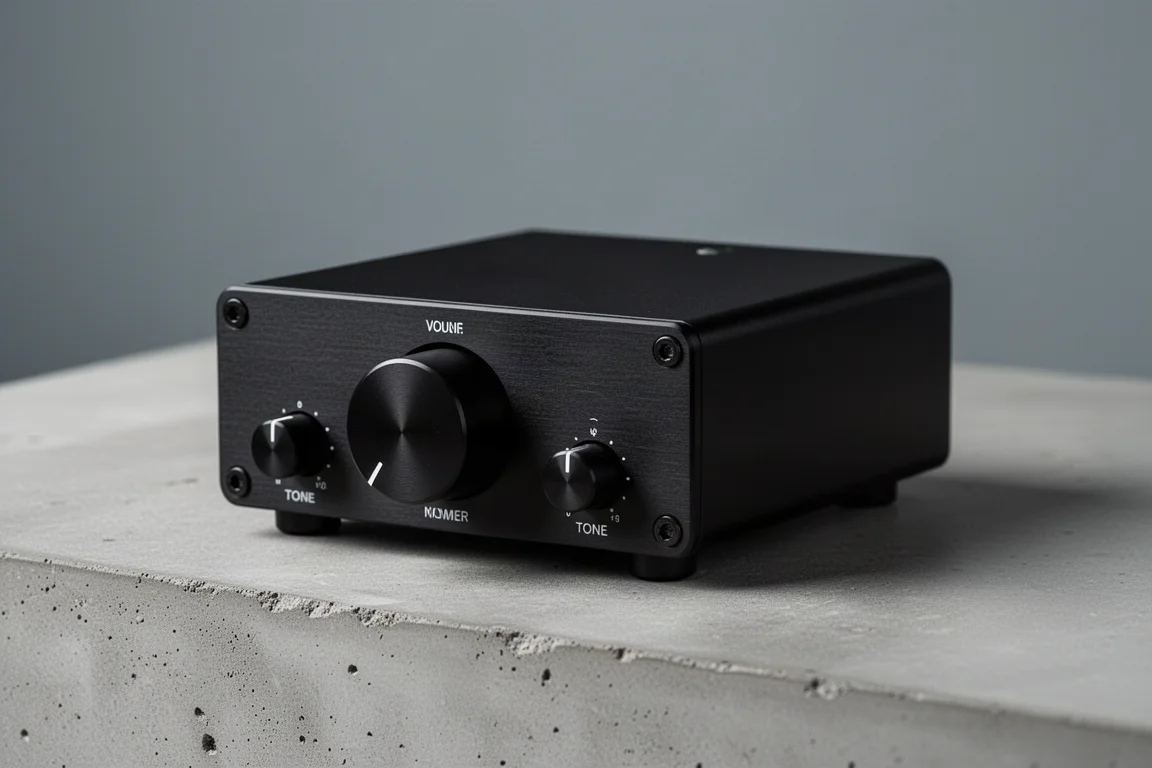
The ZA3 is the model many listeners rated as the best in the Fosi line before the V3 Mono arrived. That is worth noting for two reasons. First, it shows how quickly this segment evolves, which can make it genuinely difficult to tell which model is the current flagship. Second, it means a buyer comparing a ZA3 against a V3 Mono is choosing between two well-regarded designs rather than between a good one and a weak one.
Rapid model turnover is a real consideration. Where established brands tend to hold a design for years, some of these manufacturers release new versions at a pace that leaves owners second-guessing whether they bought the right one.
SMSL SU-1
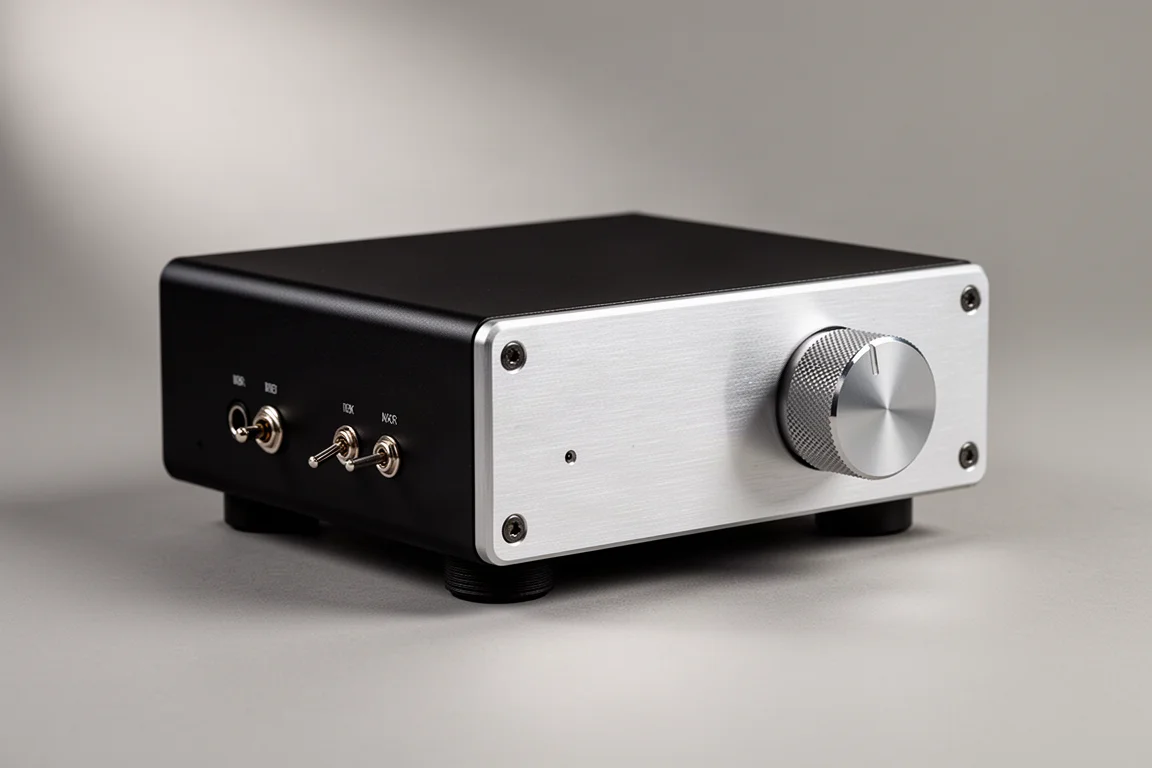
The SU-1 is not an amplifier but a digital-to-analog converter, built on the AKM 4493S chipset. More expensive converters use the same chipset, and in practice the SU-1 performs better than at least some of them. That is a neat illustration of how this segment works: the chip is a starting point, and implementation decides the outcome.
For anyone assembling a budget system around a Class D amplifier, a converter like this is often the cheapest way to add a clean digital input and get the most from the rest of the chain.
Yamaha A-S301
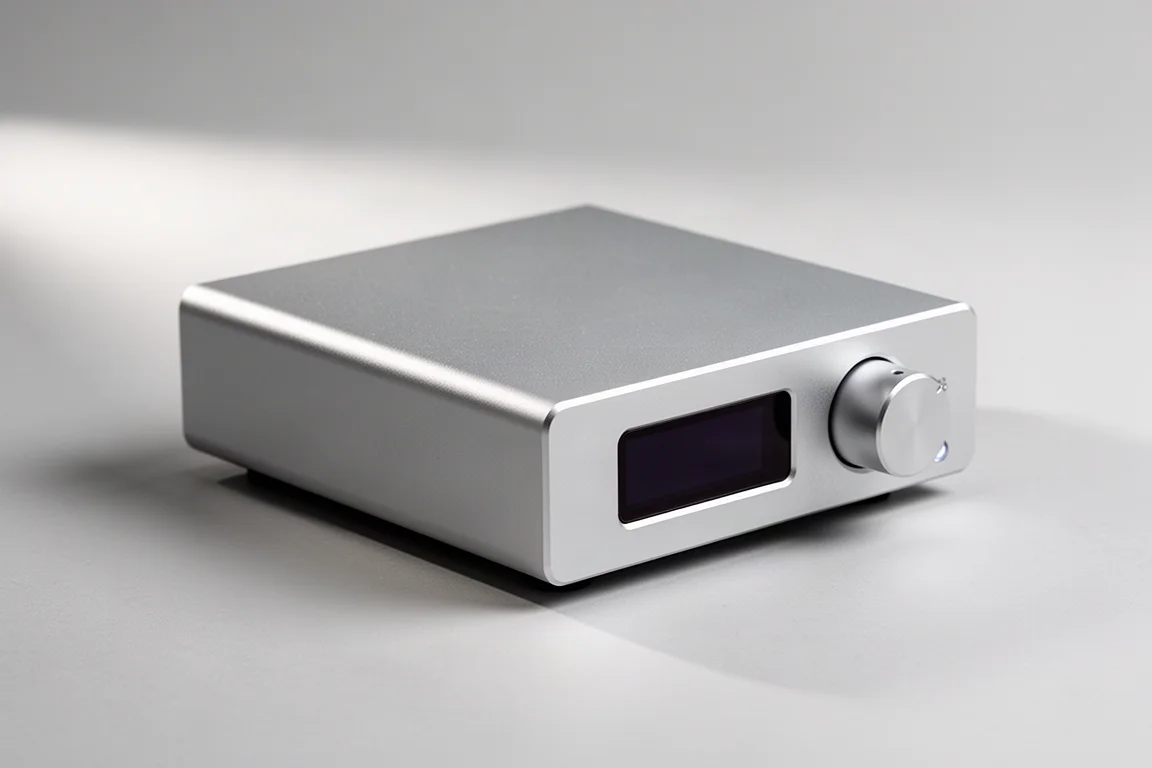
The A-S301 is a fully integrated class AB amplifier with a conservative power rating, and it handles high listening levels better than the budget Class D models here. It sits at around $350.
It does not match the best budget Class D designs on outright sound quality at moderate levels. Where it earns its place is at higher output in a larger room, and in the convenience of a single integrated chassis with everything built in.
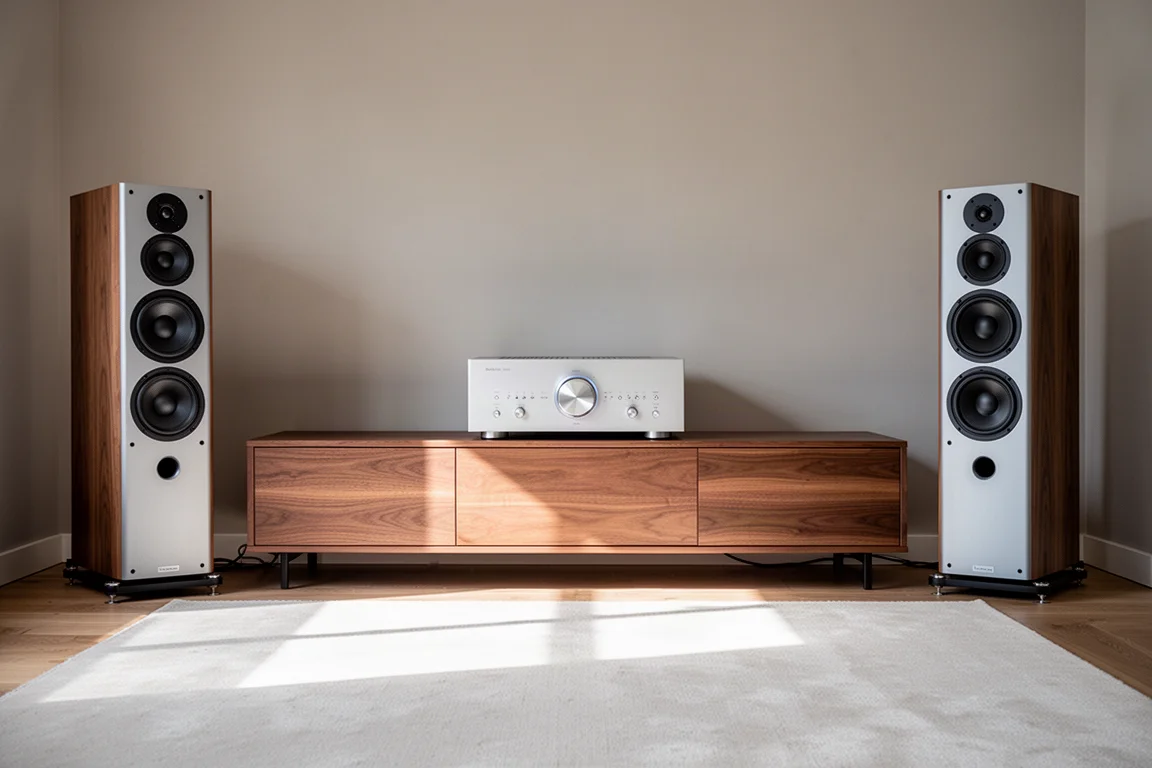
For listeners who regularly push a system hard, that composure is the whole point. The A-S301 is the sort of amplifier that behaves the same on the hundredth loud evening as it did on the first.
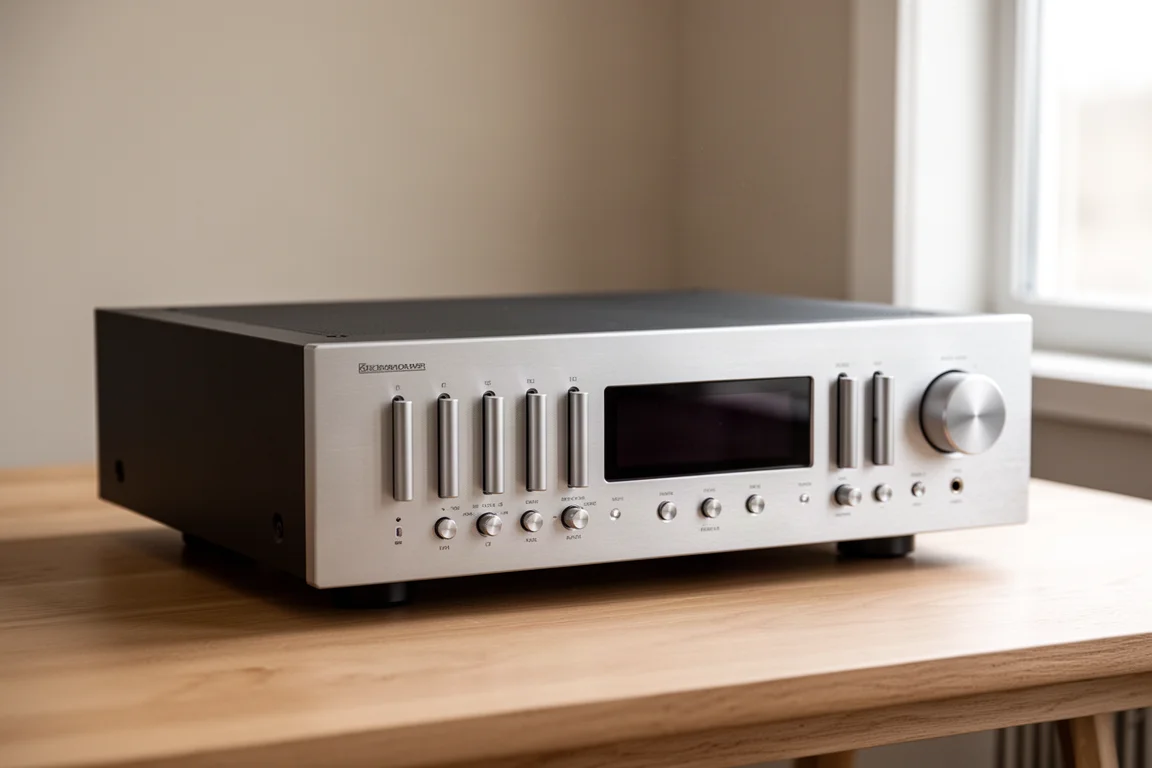
Cambridge Audio AXA25
The AXA25 is a class AB integrated amplifier rated conservatively, and it sits in roughly the same price band as the budget Class D options. That overlap is precisely why the value argument has become more complicated: at this price, a buyer can choose a traditional design instead of a compact one.
Its appeal is predictability. It is built to handle higher listening levels than the budget Class D amplifiers here, and it comes from a brand with a long track record of holding a design steady rather than replacing it every few months.
Cambridge Audio AXA35
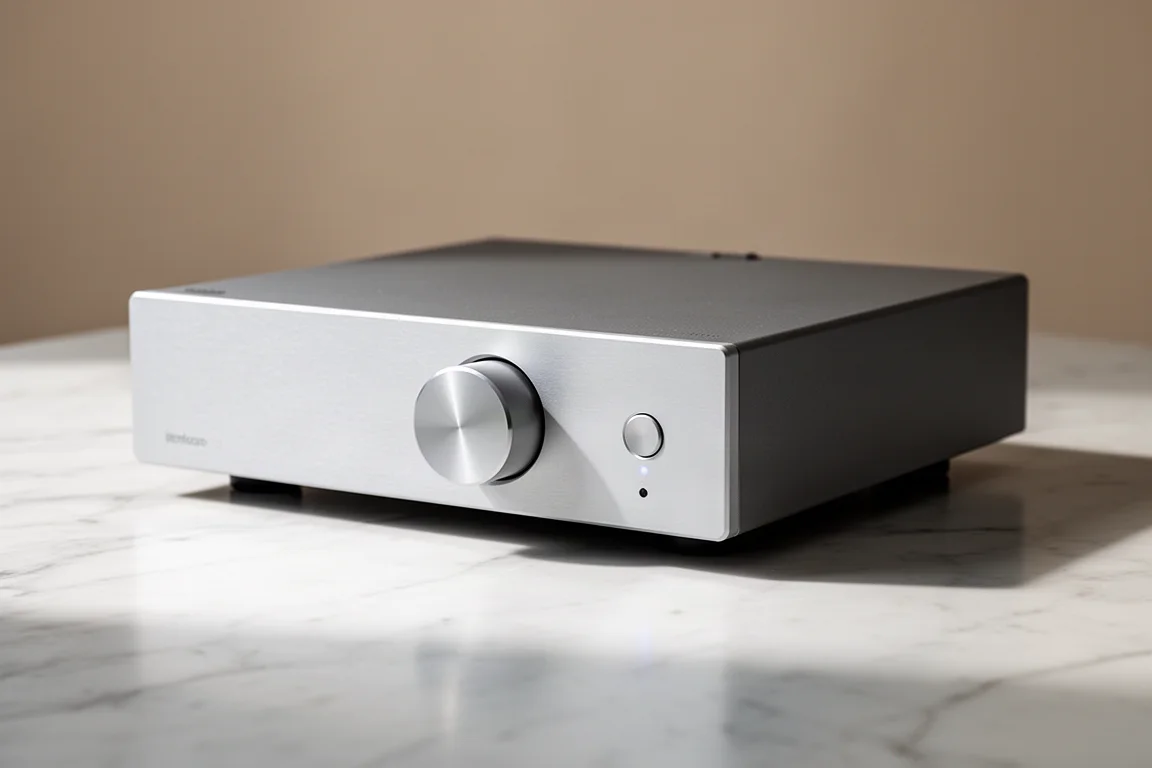
The AXA35 is the step-up model in the same family, and it is also conservatively rated class AB. Like the AXA25, it is designed to stay composed at higher output rather than chase a headline power figure.
If your priority is a single traditional amplifier that will not need replacing as your speakers grow, this is the kind of option worth weighing against a compact Class D alternative at a similar price.
Rotel A1 Mark I
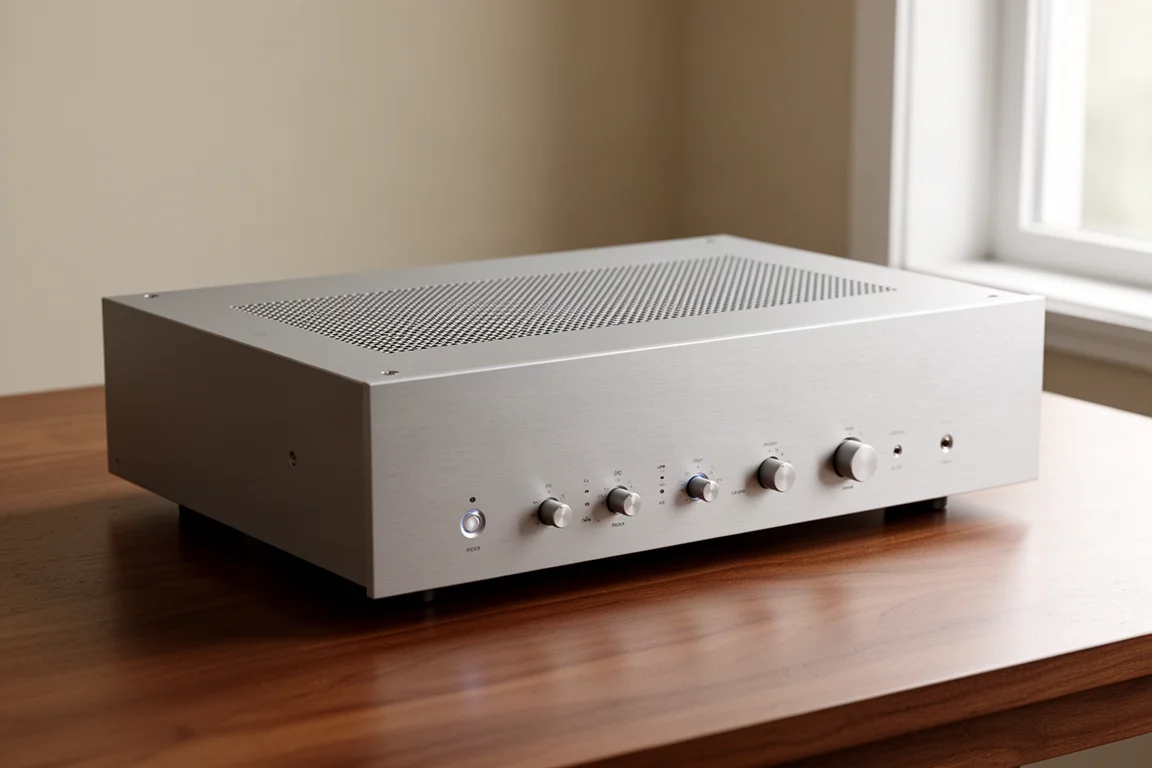
The Rotel A1 Mark I is another conservatively rated class AB integrated amplifier, and it represents the traditional approach at its most disciplined: a stable design held for years, from a manufacturer with decades of history behind it.
That stability is a feature in itself. Buyers who value knowing that the model they chose will still be the current one next year will find more reassurance here than in a category that refreshes constantly.
Where Budget Class D Amplifiers Still Fall Short
Two caveats are worth stating plainly. The first is high-level listening. Above roughly 85 dB in a larger room, these amplifiers tend to run out of composure sooner than conservatively rated class AB designs. If loud, long listening sessions are the norm, that is a genuine limitation rather than a technicality.
The second is power specification. Many of these amplifiers are rated with a single-tone test rather than a full-range sweep from 20 Hz to 20 kHz, so they do not always deliver their quoted output across the whole band. The practical impact is limited, since even a genuine 50 watts into 8 ohms is far more than most speakers need, but it is worth knowing before you compare numbers on a spec sheet.
Neither caveat undermines the value case. They simply define where the value case holds.
Buying Advice
If you listen at moderate levels in a normal-sized room, a budget Class D amplifier is the best value in hi-fi right now. An amplifier and a pair of budget bookshelf speakers can be put together for under $300, which is less than a single traditional integrated amplifier used to cost on its own.
If you listen loud, in a large room, or want one box that does everything without a second thought, a conservatively rated class AB integrated amplifier remains the safer choice. The Yamaha A-S301, the Cambridge Audio AXA25 and AXA35, and the Rotel A1 Mark I all fall into that camp.
The interesting part is that these are no longer separate worlds. At around $300 to $350, the same money buys either a pair of well-reviewed monoblocks or a traditional integrated amplifier, and the right answer depends entirely on how you listen rather than on how much you spend.
Conclusion
Budget Class D amplifiers have changed what a first serious system costs, and they have done it without making traditional amplifiers obsolete. A rising tide lifts all boats: the pressure from affordable, genuinely capable designs is more likely to make established brands better than to push them out.
For buyers, the outcome is simple. Good sound is more accessible than it has ever been, and the choice between a compact Class D amplifier and a conservatively rated class AB integrated is now a question of matching the hardware to your room and your habits, not of settling for less.
Further reading
Related Reviews
Hi-Fi Amplifiers
Accuphase E-280 Review: Entry-Level Accuphase With Flagship Attention to Detail
A close look at the Accuphase E-280 integrated amplifier, covering its champagne build, AAVA volume control, sound quality, and the speakers and sources that suit it best.
Hi-Fi Amplifiers
Advance Paris A10 Classic vs Yamaha A-S301: Two Integrated Amplifiers Compared
A practical comparison of a $350 integrated amplifier and a $2,500 reference model, covering the differences that matter and the ones that do not.
Hi-Fi Amplifiers
Affordable Chinese Amplifiers Worth Buying: Five Budget Hi-Fi Amps Compared
A practical look at five affordable amplifiers, what each one does well, and the trade-offs to weigh before you buy.