Camping Tents
Best Budget Camping Tents Under $200: Top Picks for 2, 4, 6, and 8 People
A practical guide to the best camping tents under $200, covering 2-person, 4-person, 6-person, and 8-person options with clear strengths and trade-offs.
Introduction
Camping tents can be expensive, but you do not need to spend a fortune to get a reliable shelter. Every tent in this guide costs under $200, and they cover capacities from two people up to eight. Testing focused on six practical areas: spaciousness, ease of setup and pack away, features, rain protection, quality of materials, and portability. The picks below represent the strongest performers in each size category, based on measured base area, peak height, pole structure, and real-world rain testing.
A few patterns emerged across all the tents tested. More expensive tents tend to have more poles, better materials, and more livable interiors. Budget tents often save costs with simpler pole structures, fewer features, and lighter waterproofing. Knowing where those trade-offs land helps you choose the right tent for your trip style.
How These Tents Were Evaluated
Each tent went through the same six tests. Spaciousness covered inner base area, vestibule area, peak height, and the number of vertical walls. Setup and pack away measured how quickly the tent could be pitched and stored. Features looked at door count, pockets, and storage options. Rain protection involved prolonged exposure to heavy rain. Quality assessed fabric thickness, zipper brand, and pole material. Portability compared packed weight and size. The tents below scored highest in their respective categories.
Best 2-Person Tent: The North Face Stormbreak 2
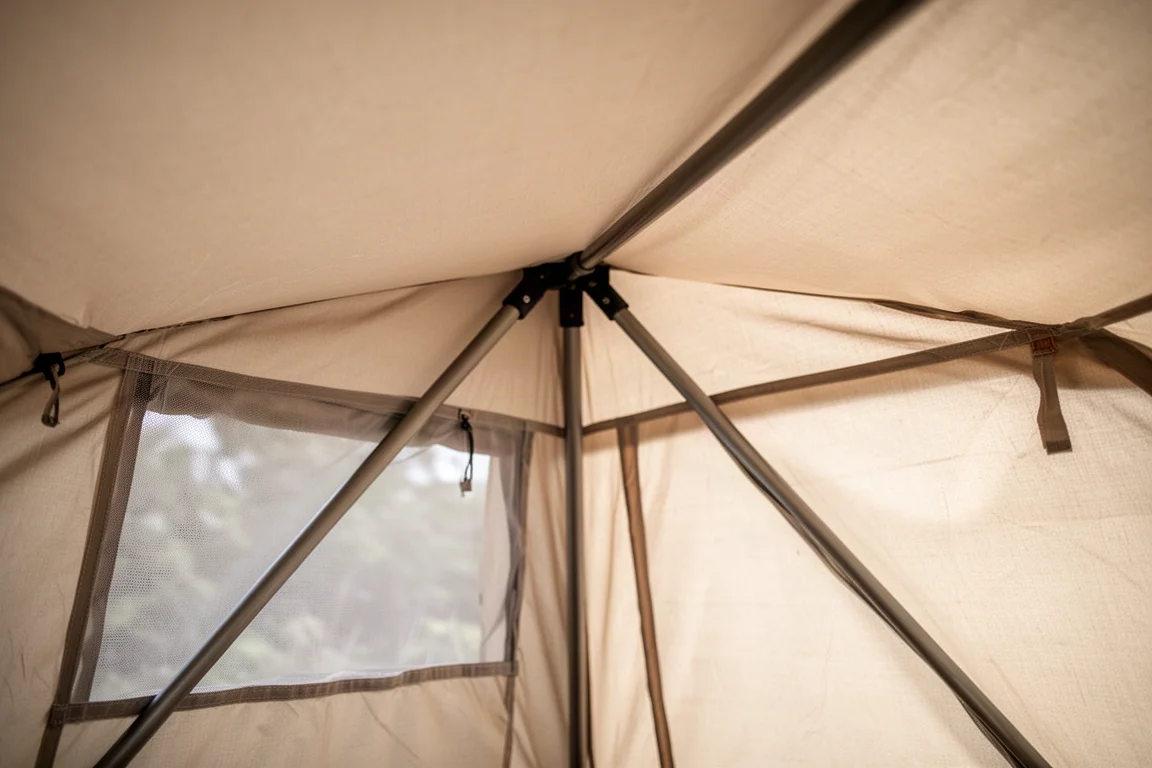
The North Face Stormbreak 2 stands out for its livable interior. It has a generous inner base area and one of the largest vestibules among the two-person tents tested, giving it the biggest total base area in this group. The peak height is not the tallest, but a clever four-pole structure changes how the space feels. Most two-person tents use only two main poles, while the Stormbreak 2 adds two short poles at the top. These extra poles pull the tent body upward, creating an extended peak height across a square area at the ceiling. The result is a more open, less cramped feeling when you are inside.
Rain protection and build quality also hold up well. The Stormbreak 2 is designed to handle extended rain without leaking, which puts it ahead of cheaper alternatives that often start leaking after a couple of hours. The trade-off is setup time: the extra poles mean it takes a bit longer to pitch and pack away than a simple two-pole dome. For campers who value interior space and weather resistance over the fastest possible setup, that is a reasonable exchange.
Best 4-Person Tent: Teton Mountain Ultra 4
The Teton Mountain Ultra 4 is the clear winner in the four-person category. It aced the rain test, staying completely dry through a one-hour heavy rain session and another twelve hours of continuous rain. Not a single drop entered the tent. Quality is equally impressive: double-thick polyester, durable ripstop fabric, and 7000 Series T6 aluminum poles. These materials are a step above what you typically find at this price point.
Features are also strong. The Teton Mountain Ultra 4 has the best doors in its category. The zippers are unbranded, but the zipper track is smooth and reliable. Each door includes its own door pocket, so you can quickly stuff the fabric away after unzipping. This is a feature usually reserved for more expensive tents. Other tents in this group use door toggles, which take more time to secure.
The main drawback is a smaller than average base area. It measures about five square feet less than the average of the four-person tents tested, roughly ten percent smaller. Setup and pack away times are average, as is the weight. If interior floor space is your top priority, this is worth noting. If weather protection and material quality matter more, the Teton Mountain Ultra 4 is an excellent choice.
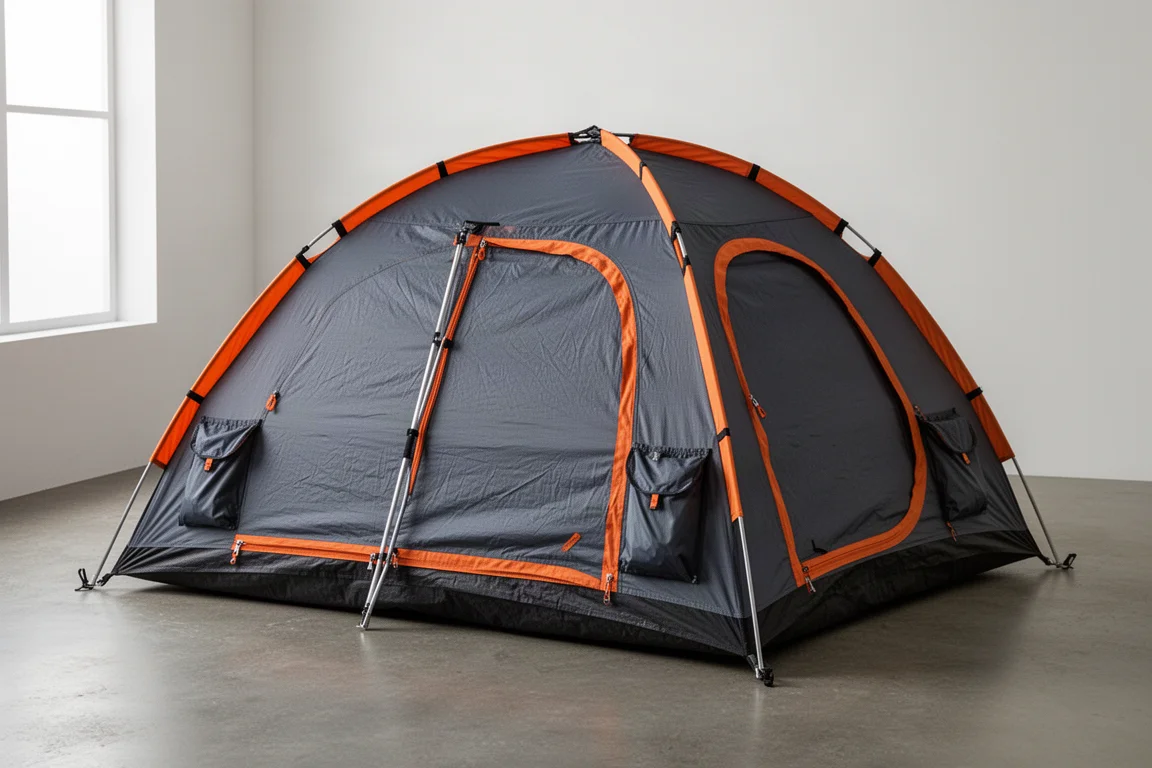
Best 6-Person Tent: Kelty Discovery Basecamp 6
Six-person tents introduce a different set of compromises. To hit a budget under $200, brands typically remove vestibules entirely, replacing them with a simple pole-supported awning. That means no dedicated space to store wet gear outside the sleeping area. The pole structure also simplifies to a barebones two-pole dome, so you lose the extended peak height and vertical walls found in smaller, better-equipped tents. On the plus side, peak height usually reaches at least six feet, allowing most adults to stand up inside.
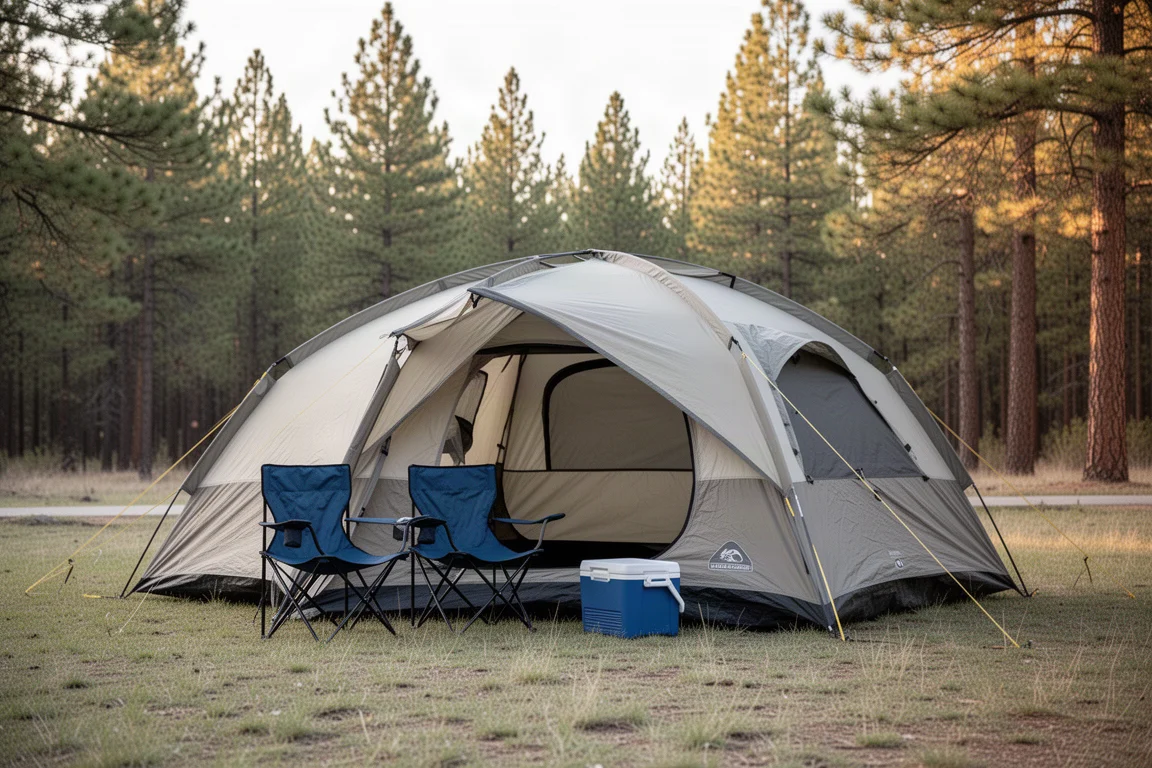
The Kelty Discovery Basecamp 6 scored highest among the six-person tents tested. It uses fiberglass poles instead of aluminum, and the fabric is thinner than what you see in four-person tents, but the waterproofing held up well in heavy rain with no leaks. Setup is slightly faster than the others because the poles are thicker and stay in the grommets more reliably. The shark’s mouth carry bag makes packing away straightforward. Features are minimal, with most budget tents offering only one door, though the ALPS Mountaineering Meramac 6 was a nice surprise with two doors.
Scores in this category are very close, less than one point apart, so any of the six-person tents will deliver a similar experience. The Kelty Discovery Basecamp 6 edges ahead on overall score and remains within budget. If you want a vestibule, consider the Kelty Discovery Element 6 instead. It adds a front vestibule and scores higher, but costs about ten percent more.
Best 8-Person Tent: Coleman Montana 8
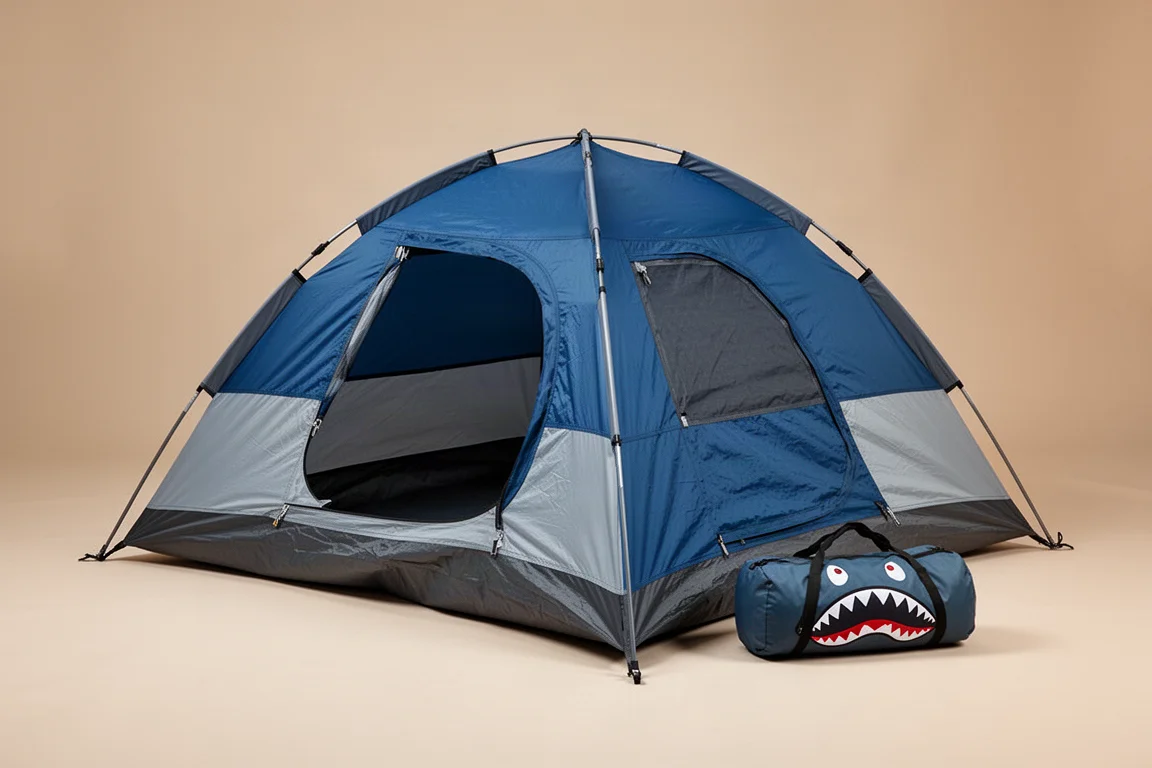
For larger groups, the Coleman Montana 8 is a strong budget pick. It is essentially an extended version of the Coleman Sundome, offering 103.5 square feet of interior space. That fits eight sleeping pads or three queen airbeds, compared to the Sundome’s 92.6 square feet, which fits six pads or two queens. The extra room makes a real difference for families or groups.
The Montana 8 also includes a huge front awning that provides significant shade from the sun, far more than the nearly nonexistent awning on the Sundome. Another standout feature is the hinged door. Coleman provides two extra fiberglass poles to install the hinged door frame, and it comes with handles both outside and inside the tent. Getting in and out takes about five seconds, compared to roughly fifteen seconds or more for a zippered door, depending on how snaggy the zipper is. You can still zip the hinged door closed when needed, even with the fiberglass poles in place.
The main trade-off is the same as other Coleman budget tents: seams are not taped, and the waterproof rating is low. This tent is best for fair weather camping. For occasional summer trips with reliable forecasts, the Montana 8 delivers a lot of space and convenient features for the price.
Overall Buying Advice
Choosing a budget camping tent comes down to matching the tent’s strengths to your priorities. For two people who want maximum interior space and strong rain protection, the Stormbreak 2 is worth the higher price within this budget. For four people, the Teton Mountain Ultra 4 offers the best weather resistance and material quality, even if the floor area is slightly smaller. For six people, the Kelty Discovery Basecamp 6 is a solid all-rounder, and the Kelty Discovery Element 6 is worth the upgrade if you want a vestibule. For eight people, the Coleman Montana 8 provides generous space and a convenient hinged door, but plan for fair weather.
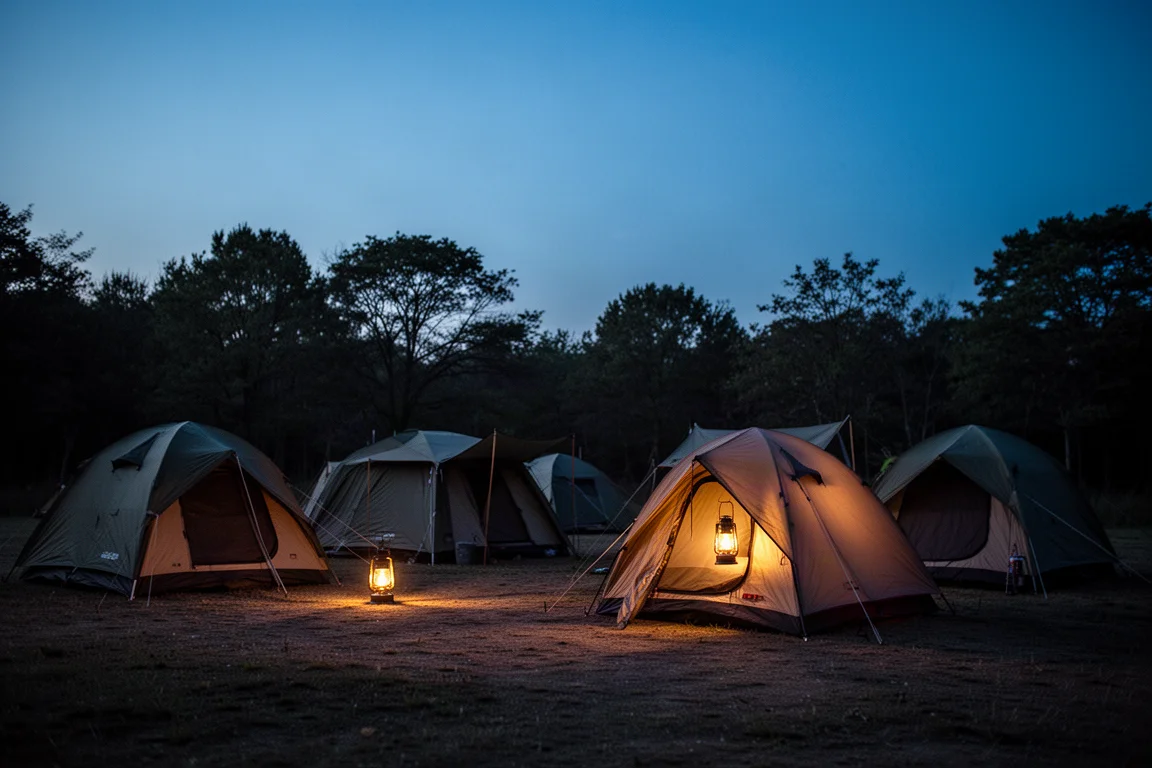
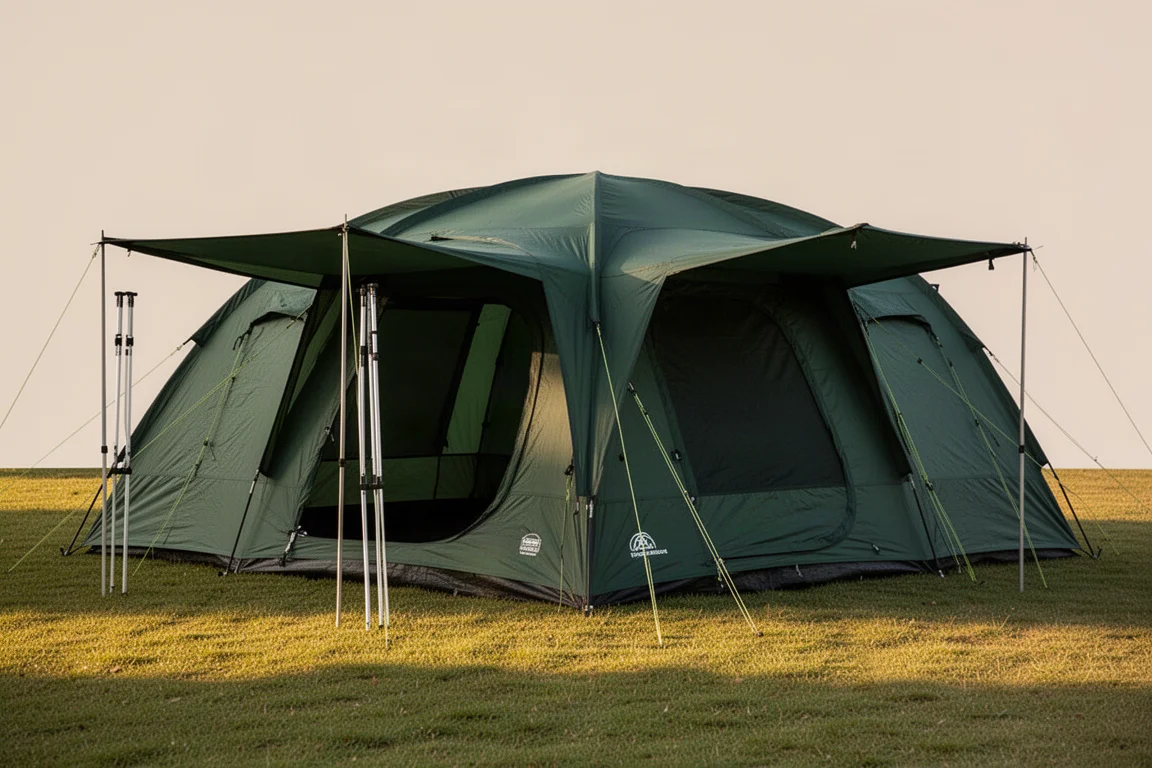
If you need a ten-person tent, the Ozark Trail 10-person model is a functional option for fair weather. It offers 136.5 square feet of base area, fitting ten pads or four queen beds, and a peak height of 88 inches. However, it has only one door, minimal storage, and very limited waterproofing. At around $150 to $190 depending on where you buy it, it remains a practical choice for dry conditions.
Conclusion
A $200 budget does not limit you to flimsy shelters. The tents above earned their spots through measured performance in space, weather protection, and build quality. The North Face Stormbreak 2 leads the two-person category with a clever pole design and a large vestibule. The Teton Mountain Ultra 4 dominates the four-person group with outstanding rain resistance and durable materials. The Kelty Discovery Basecamp 6 is the best of the six-person options, and the Coleman Montana 8 brings useful features to the eight-person size. Match your expected conditions to the right tent, and you can camp comfortably without overspending.
Further reading
Related Reviews
Camping Tents
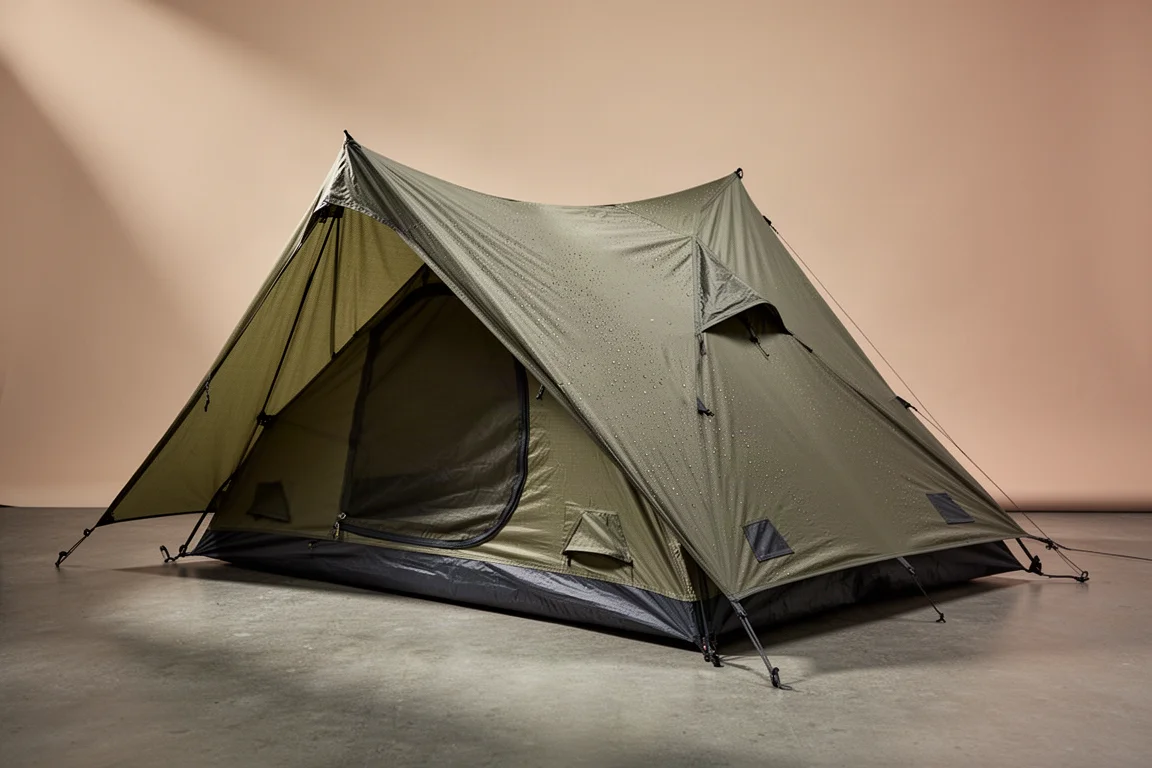
3F UL Gear Taiji Two-Person Tent Review: Field Waterproofing Results and Buying Advice
The Taiji pairs an attached fly with a removable inner, but sustained rain exposed untaped vent seams that need sealing before this shelter can be trusted.
Camping Tents
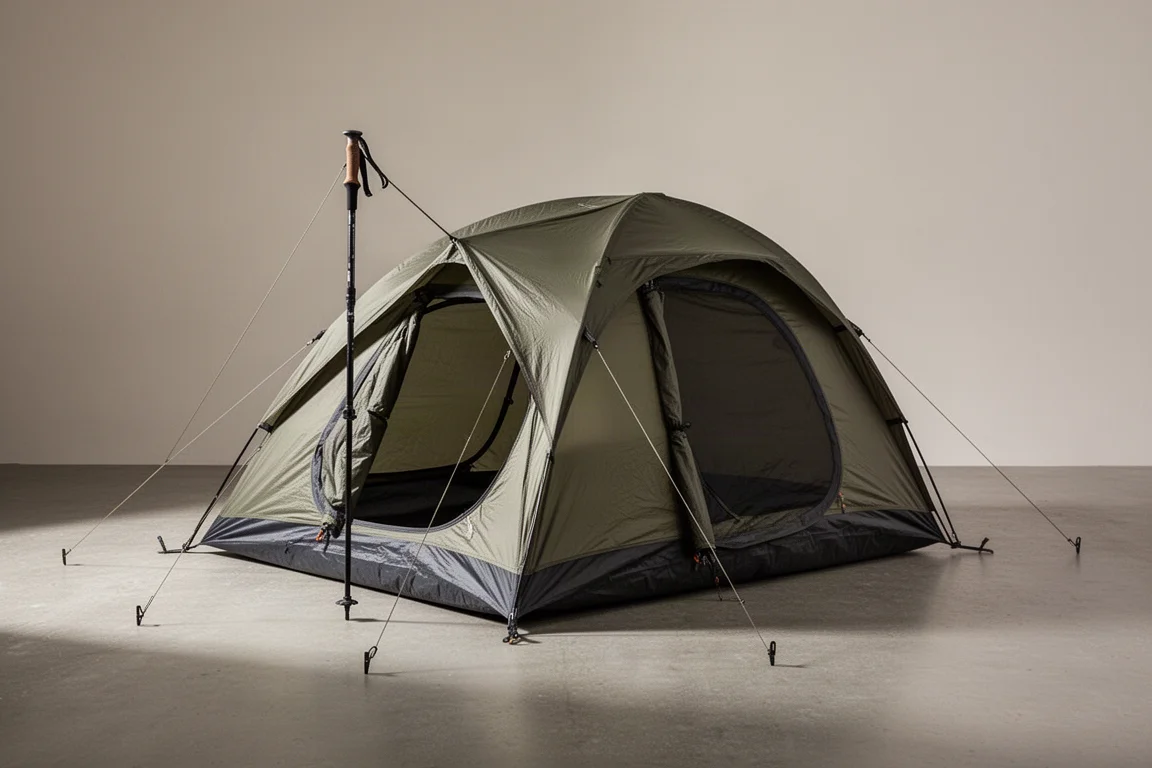
3FUL Gear Lanshan 2 Pro 4-Season Review: A Sub-$200 Single-Wall Trekking Pole Tent
An early look at the 3FUL Gear Lanshan 2 Pro 4-Season, covering its straightforward pitch, generous interior space, and the condensation and seam-sealing questions that come with any single-wall shelter.
Camping Tents
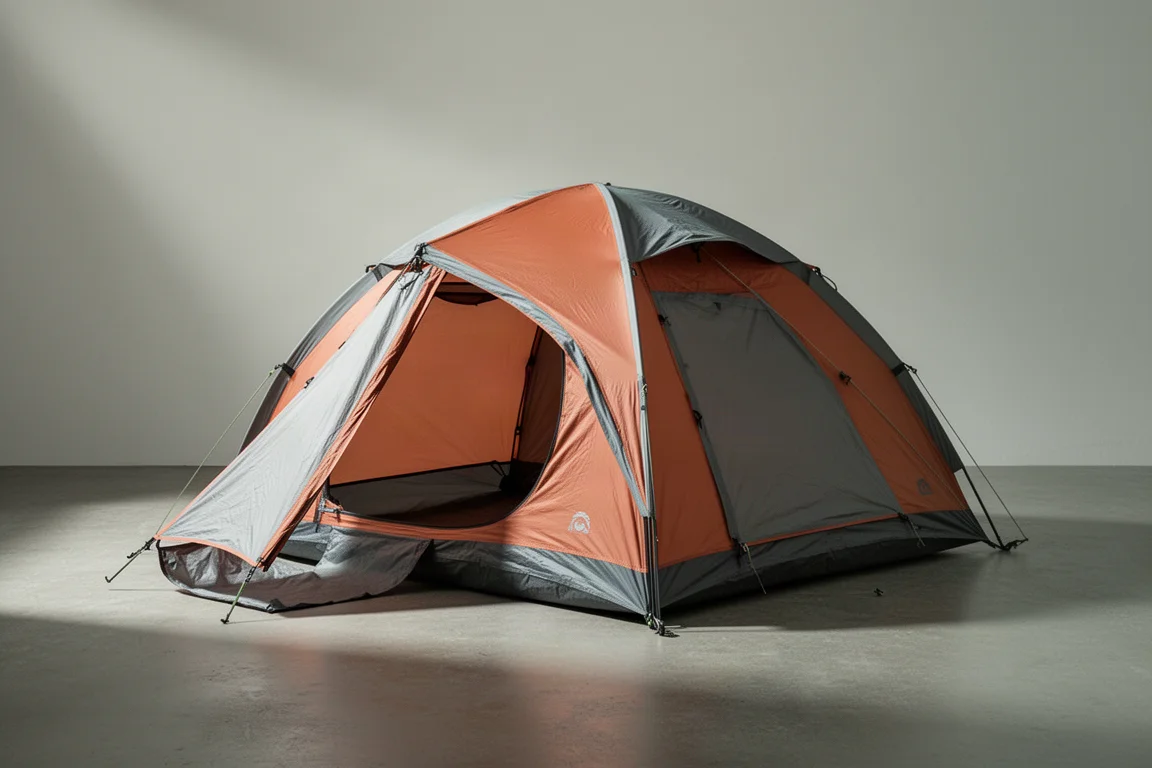
Alps Mountaineering Lynx 1-Person Tent Review: Big Value in a Small Budget Tent
A close look at the Alps Mountaineering Lynx 1-Person Tent, covering real interior dimensions, materials, setup time, ventilation limits, and who should buy it.