Bookshelf Speakers
Best Budget Bookshelf Speakers Under $250: Sony SSCS5 Mark II, Cambridge Audio SX50, and Neumi BS5
A practical comparison of four sub-$250 bookshelf speakers, including Sony's three-way SSCS5 Mark II, the original SSCS5, the Cambridge Audio SX50, and the Neumi BS5.
Introduction
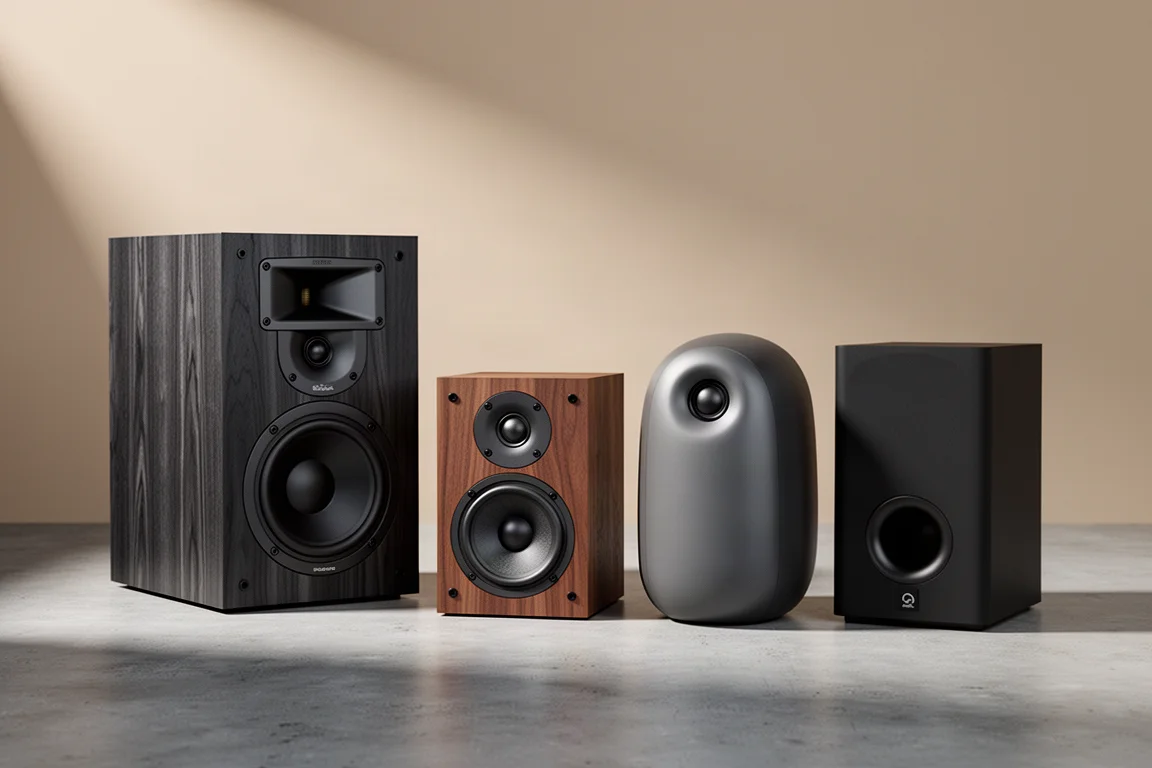
Bookshelf speakers under $250 are a crowded category, but a handful of models keep coming up in the same conversation. The Sony SSCS5 spent years as the go-to recommendation for anyone who wanted real hi-fi sound on a small budget, and Sony has now released an updated version, the Sony SSCS5 Mark II. Alongside it sit two other affordable options: the Cambridge Audio SX50 and the Neumi BS5.
All of these speakers are priced at $200 or less, which makes the comparison genuinely close. They do not sound alike, though. The differences show up in the mid-range, in the top end, and in how much bass you can realistically expect without adding a subwoofer.
This guide covers what changed with the new Sony model, where the original SSCS5 still makes sense, and which of the four is likely to suit your room and your listening habits.
What Changed With the Sony SSCS5 Mark II
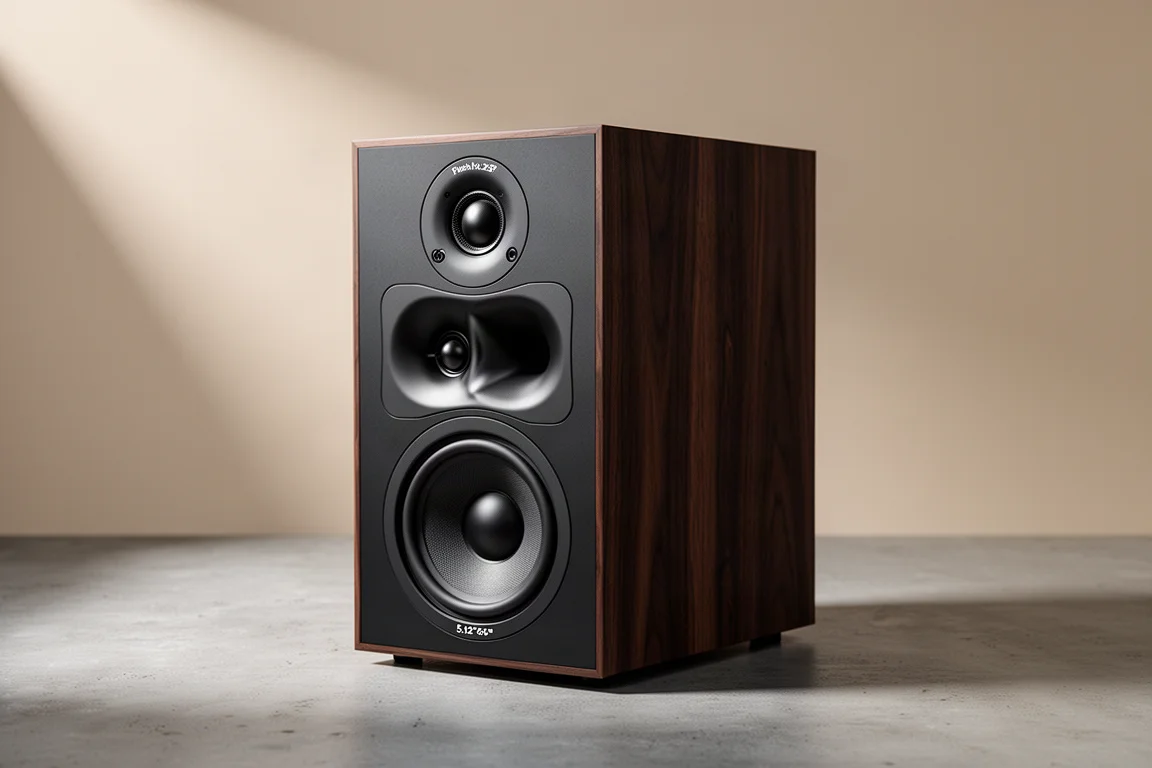
The enclosure of the Sony SSCS5 Mark II is the same size as the original, but almost everything inside it is new. The original SSCS5 was a two-way design with a super tweeter. The Mark II is a three-way speaker, and the driver roles have shifted: the super tweeter now handles tweeter duties, while the former tweeter has become the mid-range driver.
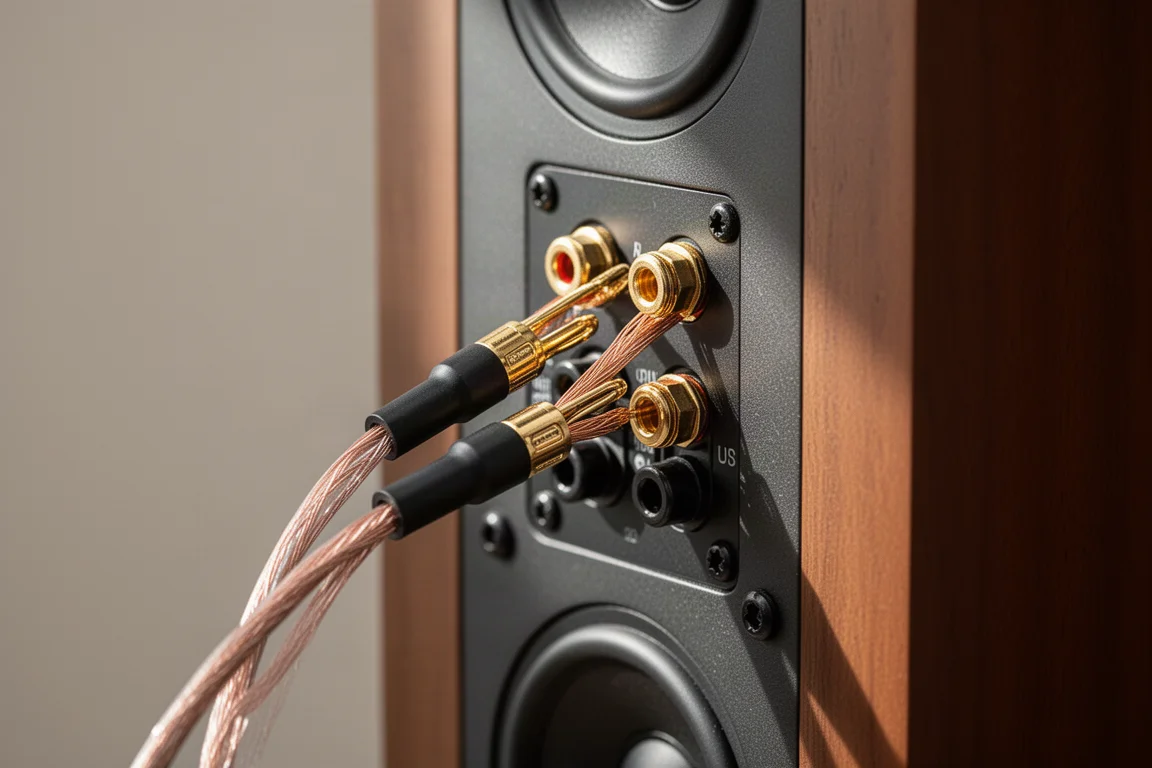
Sony also added a new waveguide that sits flush with the front of the cabinet, along with upgraded binding posts and a 5.12-inch woofer. Like the original, the Mark II uses a rear port. It carries high-res certification with a rated frequency response of 53 Hz to 50,000 Hz, and it is heavier than the first generation, with real wood veneer on the cabinet.
Pricing is the sticking point. The Sony SSCS5 Mark II has an MSRP of $250, though it has already appeared at $150 during a major sale event. Sony tends to run three price tiers on its speakers: the full MSRP, a middle sale price, and a low sale price.
Sony SSCS5 Mark II: Best Overall Value
On sound, the Mark II is a more grown-up version of the speaker it replaces. It is better behaved in the mid-range and the top end than the first generation. The boost in the 4 to 6 kHz region that could make the original sound sharp has been pulled back, and some of the dip through the mid-range has been filled in.
That does not make the Mark II a warm speaker. Without any EQ applied, it will not overwhelm you with warmth or bass thump. A little EQ on the low end helps, and the speaker responds well to a high-pass filter paired with a subwoofer. Even without a sub, moving the speakers close to the wall is a practical way to gain a bit more low-end output.
The result is a speaker that keeps the fun top end of the original while sounding more mature overall. At $150 it is easy to recommend. At the $250 MSRP it is a much harder sell.
Cambridge Audio SX50: A Livelier Take on the Formula
The Cambridge Audio SX50 sits in a similar price bracket and takes a different approach. It is a little spicier on top, with extra energy just north of 5 kHz, which can introduce a touch of sibilance on certain vocal recordings. The trade-off is that it also brings a little more air to the upper frequencies.
Against the Mark II, the Cambridge is the smaller speaker and will not play as loudly. The Sony is also more linear through the mid-range, a quality many listeners will prefer. The gap is marginal rather than dramatic, but it is there.
The SX50 remains a genuinely enjoyable speaker, and availability is the main obstacle. It has been out of stock in many places, so finding a pair at its usual sub-$200 price can take patience.
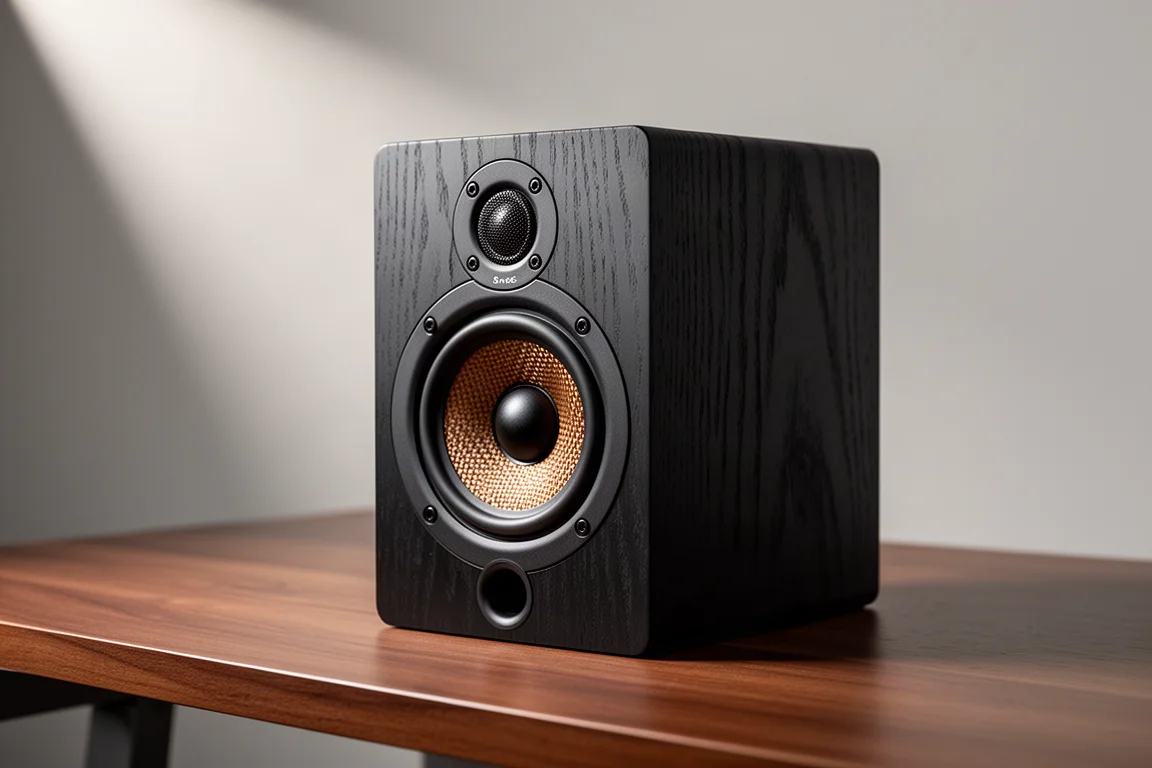
Neumi BS5: The Most Neutral Option of the Group
The Neumi BS5 is the most neutral speaker in this comparison, and it is also the cheapest at around $130 to $140. It avoids the low-end bump and the top-end spice that give the other speakers their character, which makes it a good fit for listeners who want as little coloration as possible.
It also uses front-firing ports. That matters if you want to lean on room gain for extra bass: with front ports, you can place the speakers close to a wall without the same placement questions a rear-ported design raises. The trade-off is that the BS5 is at its best at moderate listening levels, where its neutrality is the main attraction.
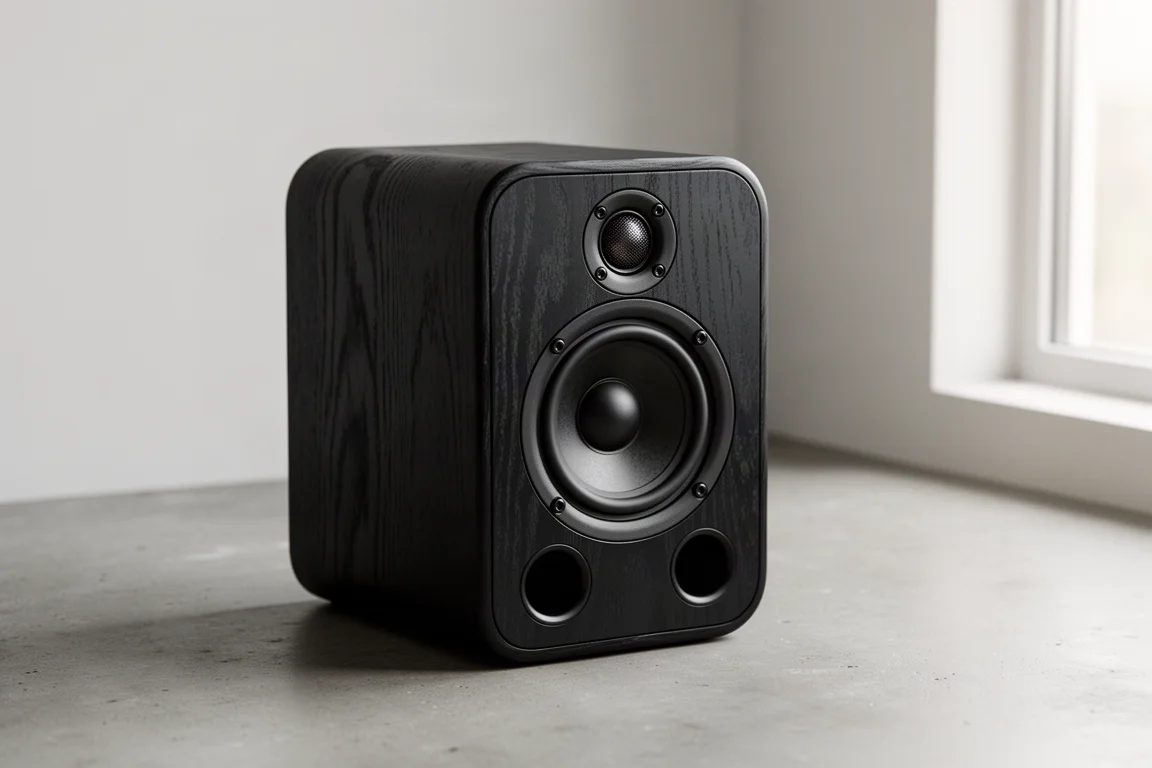
Sony SSCS5: The Original Still Has a Place
The original Sony SSCS5 earned its reputation over several years, and tens of thousands of pairs have been sold. Build quality was a big part of the appeal. The cabinet looks distinctly retro, but inside there is solid bracing and a decent crossover. It is a full-size bookshelf speaker, and it uses a rear port like the Mark II.
Sonically, the original is the more excitable of the two Sony models. It has some sizzle on top and a little bump on the bottom, with a forward upper mid-range and a boost in the 4 to 6 kHz region that can turn sibilant. The mid-range itself is a touch relaxed. Plenty of owners modified the crossover, though the speaker’s imperfections are part of what gave it personality.
Pricing history is worth knowing. The SSCS5 could regularly be found for $78 during major sales, then $90, then $120, and its MSRP eventually rose to $199. At that MSRP it is less of a bargain than it once was, but it still holds up as a desktop or secondary system speaker.
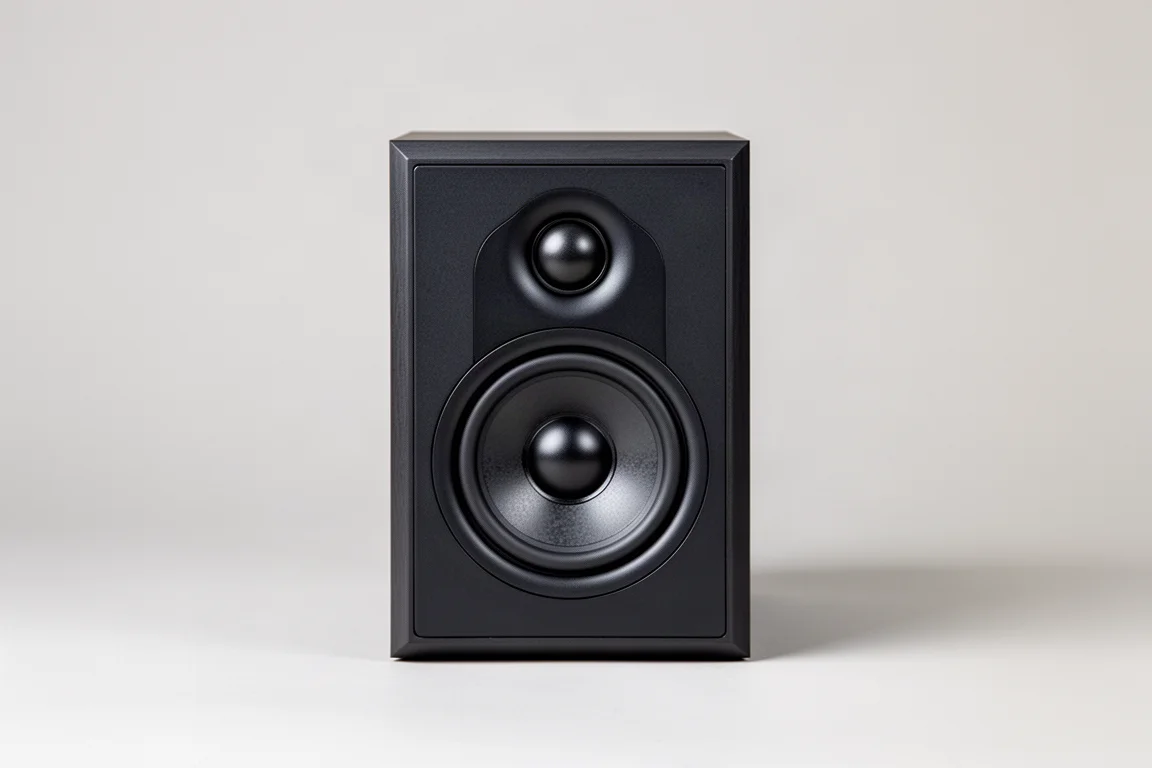
Matching These Speakers to Your Room and System
Port placement is the first practical decision. Both Sony models use rear ports, so they need a little breathing room behind them, while the Neumi BS5 uses front ports and can sit closer to a wall. If you want more low-end output from a rear-ported speaker, moving it closer to the wall is the simplest way to pick up some room gain.
Bass expectations should stay realistic across the board. Speakers at this price are not built around beefy drivers, so the low end is limited on all four. If you have a subwoofer and a way to apply a high-pass filter, the Sony SSCS5 Mark II in particular benefits noticeably from that pairing.
EQ also matters more here than it does with pricier speakers. The issues that separate these models tend to sit in the mid-range and up rather than in the bass, so small adjustments in the upper mid-range often make a bigger difference than broad bass boosts.
Buying Advice
Timing matters as much as the speaker you choose. The Sony SSCS5 Mark II is a compelling buy at its sale price and a questionable one at its $250 MSRP, so waiting for a discount is sensible. The original SSCS5 follows the same logic: it is worth owning at a sale price, less so at full retail.
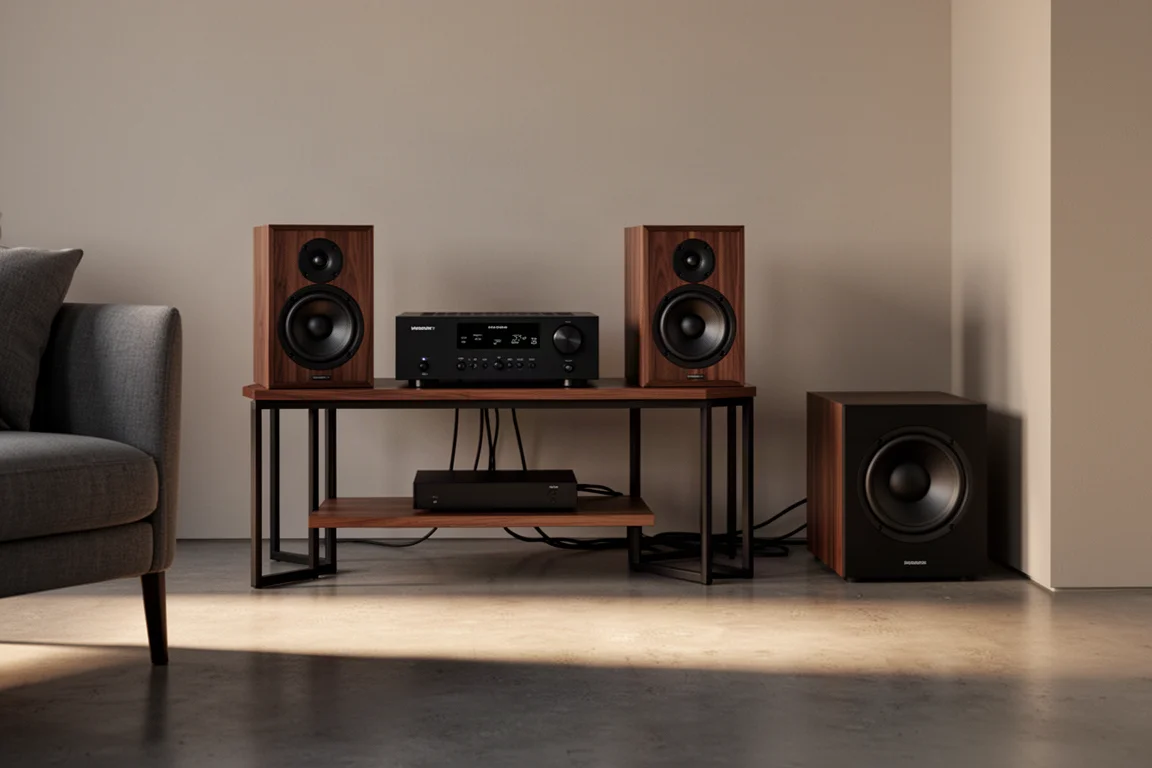
If neutrality is the priority and the budget is tight, the Neumi BS5 is the most affordable and least colored option here. If you want a livelier, airier presentation and can find one in stock, the Cambridge Audio SX50 is a strong alternative. If you are buying a pair of Sony speakers, plan on pairing them with a little EQ, and ideally a subwoofer, to get the most out of them.
Conclusion
The Sony SSCS5 Mark II improves on the original in the ways that matter most: a cleaner mid-range, a better-behaved top end, and a more mature overall balance. It is not a warm speaker and it will not deliver deep bass on its own, but at a sale price it is one of the better values in budget hi-fi.
The original SSCS5 still earns its place, particularly as a desktop speaker. The Cambridge Audio SX50 offers extra air if you can track one down, and the Neumi BS5 is the neutral, low-cost pick. None of these speakers is for everyone, and buying from a retailer with a straightforward return policy is the simplest way to confirm the sound suits your room.
Further reading
Related Reviews
Bookshelf Speakers
Acoustic Energy A100 Mark II Review: A Compact Standmount With an Expansive Soundstage
The Acoustic Energy A100 Mark II brings clarity, natural tonality and a wide soundstage to an entry-level standmount, with a few setup details worth knowing first.
Bookshelf Speakers
Acoustic Energy AE-100 Mark II Review: Compact Bookshelf Speakers With Standout Imaging
A compact British two-way bookshelf speaker with deep, layered imaging, fast bass, and a slight treble lift to weigh against a crowded $500 field.
Bookshelf Speakers
Acoustic Energy AE100 MK2 Review: Measured Performance and Four Alternatives
A close look at the Acoustic Energy AE100 MK2 bookshelf speaker, what its measured performance reveals, and four alternatives with different trade-offs.