Sleeping Pads
Best Budget Sleeping Pads for Backpacking: Five Affordable Options Compared
Five sleeping pads priced from $60 to $140 go head to head on warmth, comfort, and weight, with clear notes on which compromises matter most.
Introduction
A quality sleeping pad is the single most reliable way to protect a night of sleep in the backcountry, and the top-tier models now regularly sell for well over $200. That raises an obvious question for anyone building a kit on a budget: can a sleeping pad be warm and comfortable while costing considerably less?
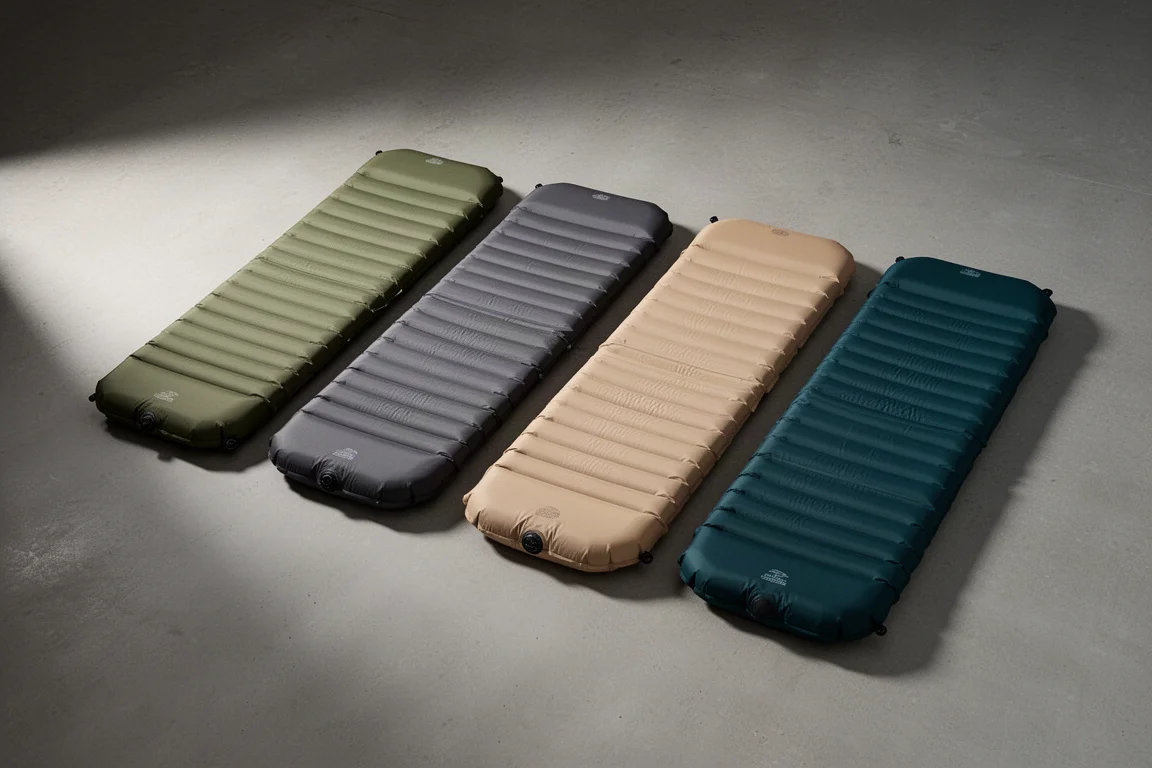
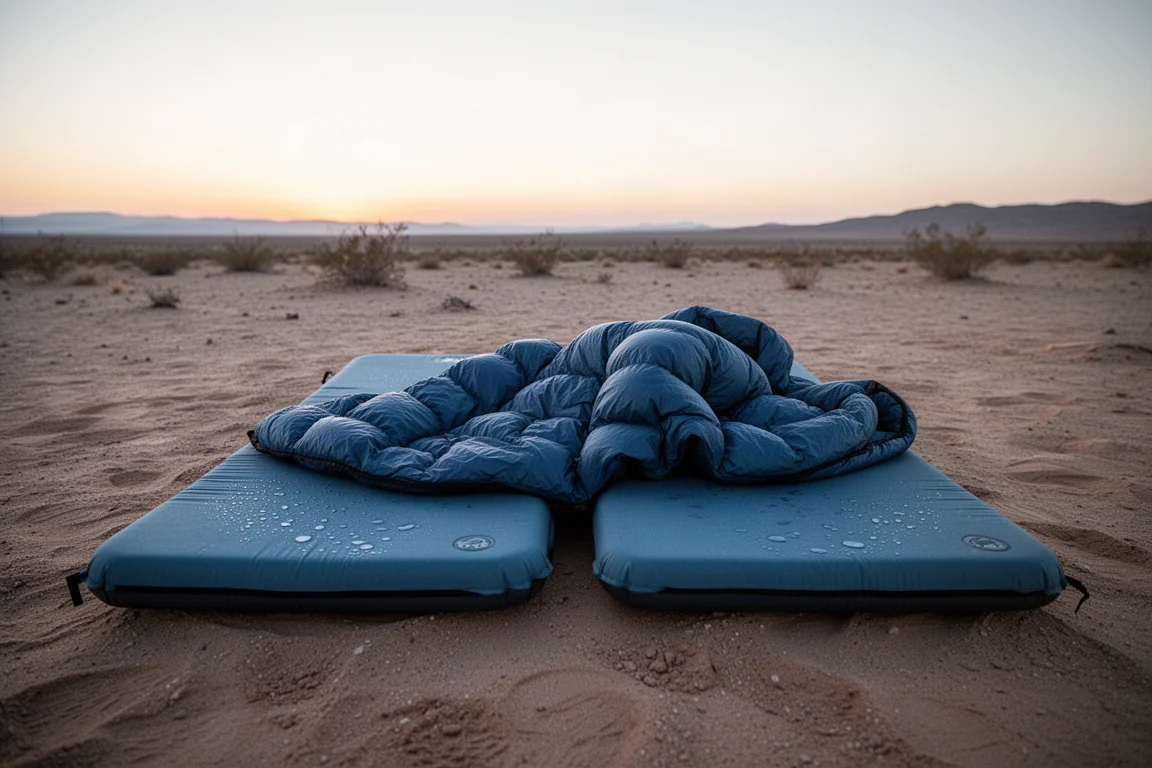
We put five affordable pads through a controlled warmth and comfort comparison, with prices running from $60 to $140. Testing took place in desert terrain with daytime temperatures around 10°C and overnight lows forecast near freezing, a useful range because sun-warmed ground keeps air temperature dominant early in the night before ground temperature starts to matter more.
Every pad was inflated to roughly 90 percent of full capacity. Insulation above the pad consisted of a 20°F down quilt, paired with Alpha Direct base layers.
How We Evaluated These Five Budget Pads
Each pad was laid on for at least 30 minutes, which is roughly how long a pad needs at near-freezing temperatures before its warmth becomes clear. Side and back positions were used to judge comfort, while warmth was assessed mostly lying on the back.
The two pads that proved warm enough for the conditions and comfortable enough to live with then went into an overnight side-by-side comparison. Strong overnight winds, with forecasts calling for gusts above 100 km/h and sustained winds near 80 km/h, forced that comparison into a large vehicle with the windows left open so both finalists stayed exposed to the same outside air.
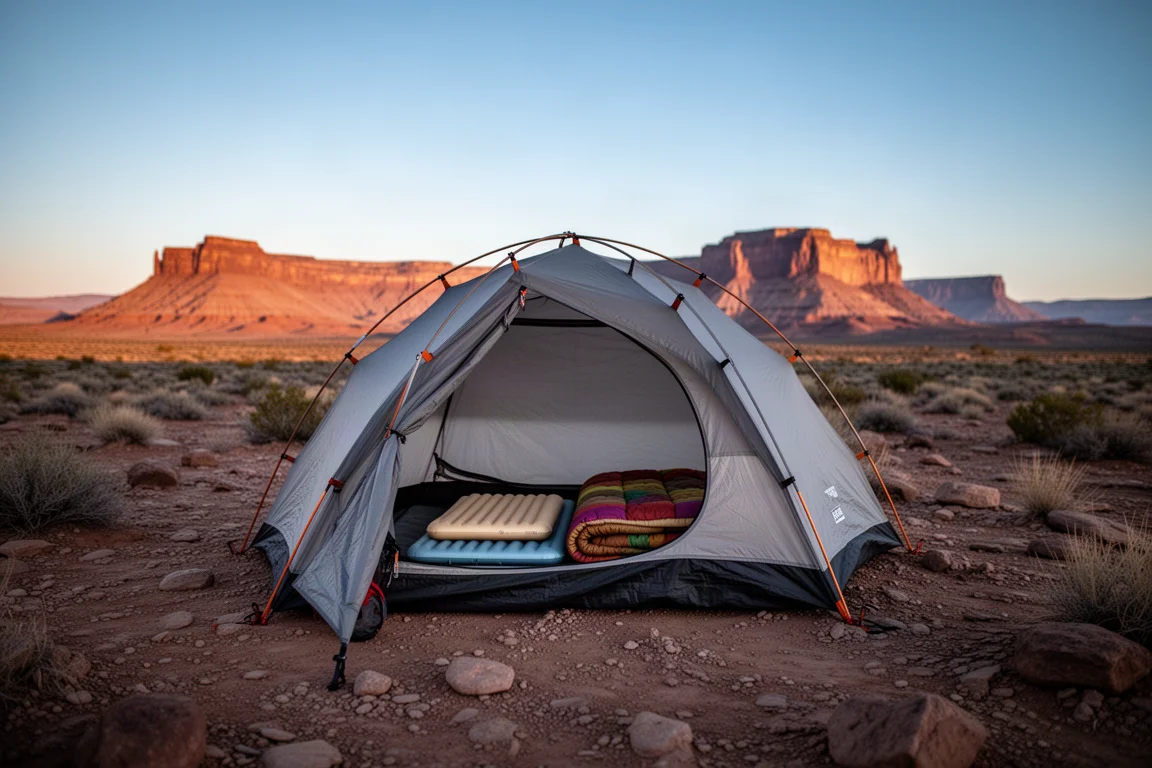
That final stage mattered more than the daytime round, because it separated pads that merely felt warm at 10°C from pads that held their warmth as the temperature kept falling toward the overnight low of about -1°C.
Flextail R5: Vertical Baffles at the Highest Price
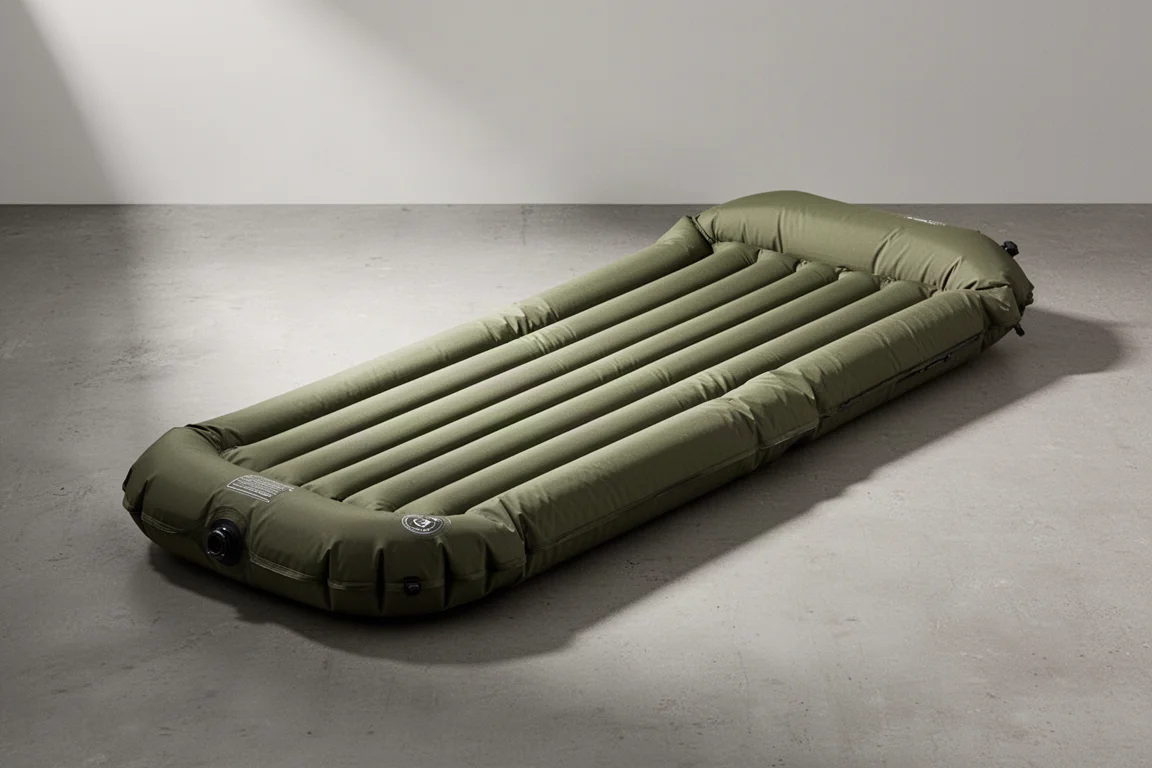
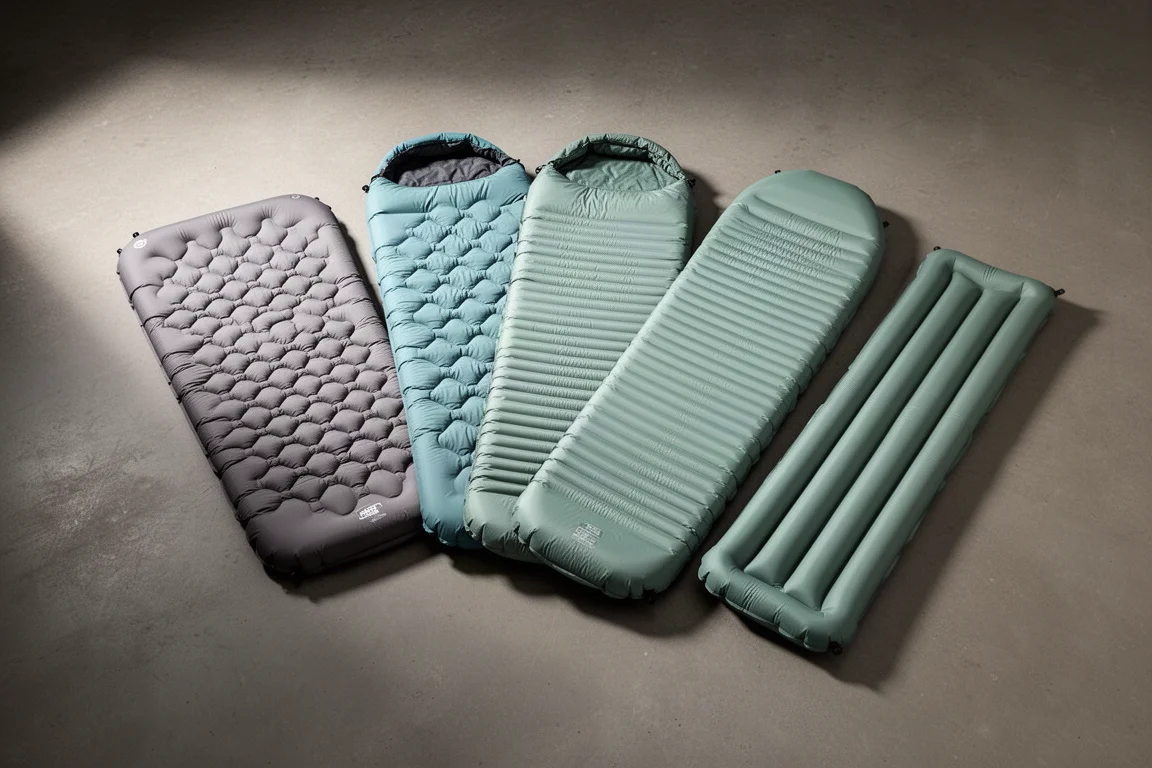
At $140, the Flextail R5 is the most expensive pad in this group. It weighs 727 g, carries an R-value of 5.6, measures 2.7 inches thick, and uses vertical baffles.
Comfort was very good. It was not the most comfortable pad tested, but it sat near the top of the group, and the vertical baffle layout does a solid job of pressure relief for side sleepers. Back sleepers get a slightly less even feel, though it remains comfortable.
Warmth was surprising at first. Even without insulation in the two side baffles, the pad felt warm at moderate temperatures. As conditions approached freezing, cold began to move through it, which is the main reason it slipped out of the top spot after the overnight comparison.
Naturehike R5: The Warmest Pad of the Five
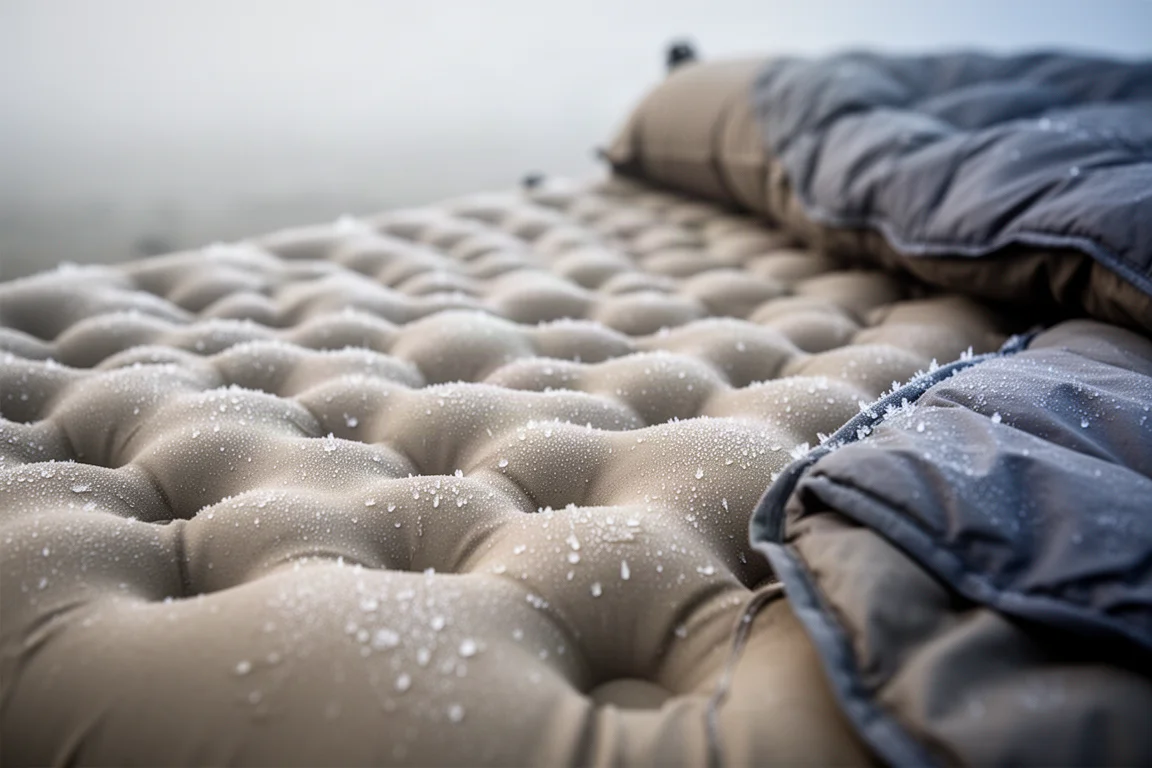
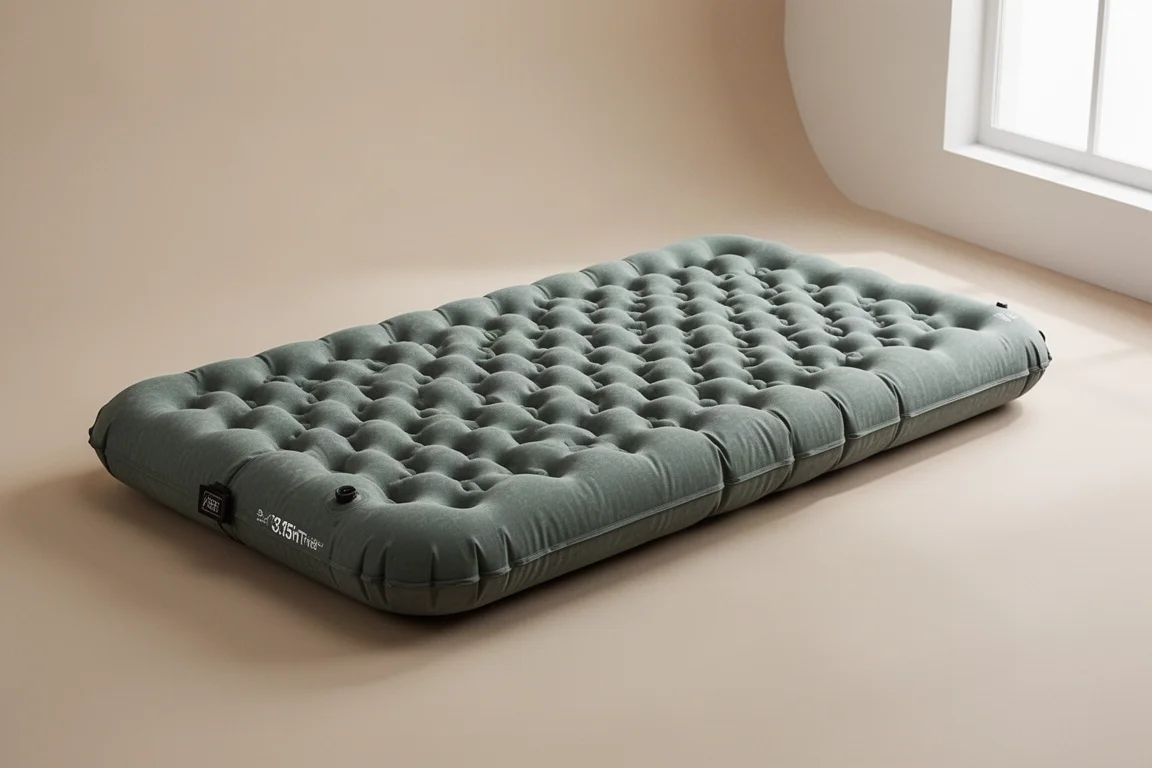
The Naturehike R5 is one of the least expensive pads here at $70, yet it claims the highest R-value in the group at 5.8. It weighs 594 g, measures 3.15 inches thick, and uses a dimpled baffle pattern.
Warmth is where it separates itself. A suspended mylar film runs throughout the pad, and heat reflected back was noticeable almost immediately on lying down. Across the full test it was clearly the warmest of the five, and by a comfortable margin.
Comfort is more of a mixed picture. Dimpled baffles are generally the most comfortable layout because each raised area acts as an air spring, but the dimples here are small and have limited travel, so the surface is less forgiving than other dimpled pads. Thickness is the other consideration: some sleepers will bottom out when lying on their side or shifting position.
For anyone who prioritizes warmth per dollar and can accept a thinner feel under the hip and shoulder, this pad is the standout value in the group.
OneTigris Obsidian: The Most Comfortable of the Group
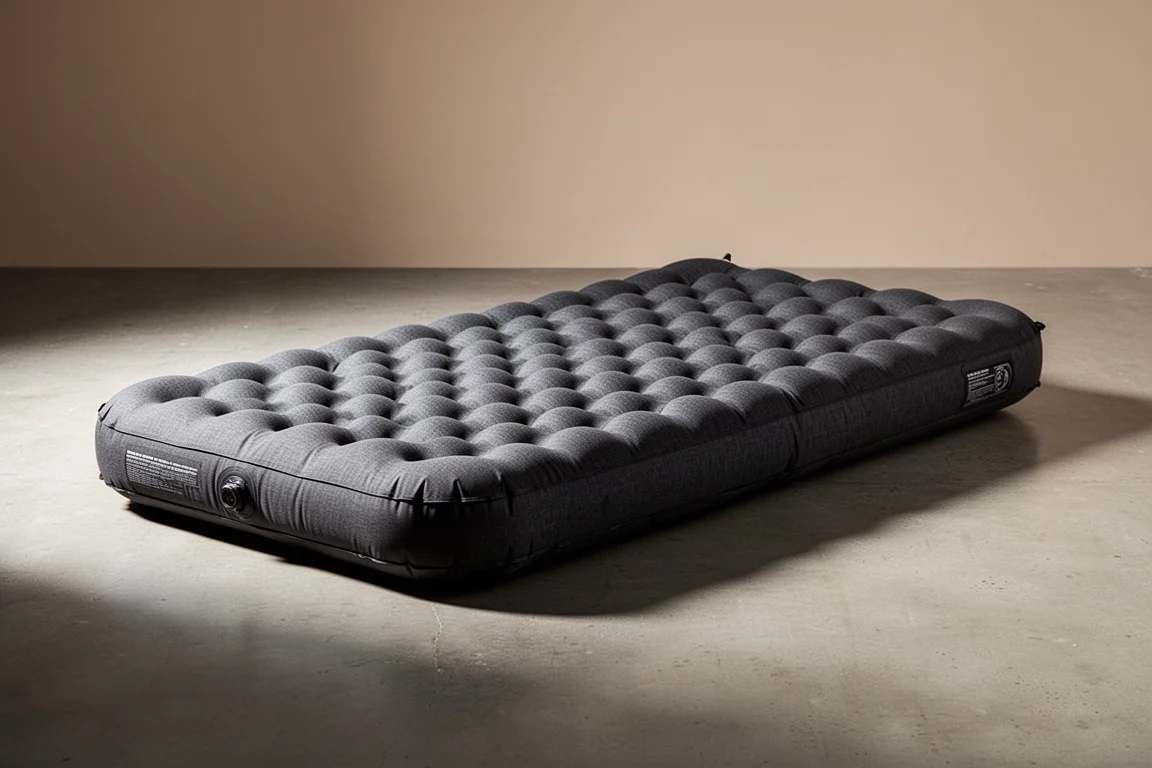
The OneTigris Obsidian costs $80, is the heaviest pad tested, carries an R-value of 5.2, measures 3.15 inches thick, and uses the same dimpled baffle approach as the Naturehike.
Comfort was the best of the five. The thicker dimpled surface delivered excellent pressure relief on the side and a genuinely comfortable back position, and it held up well across a long overnight lay.
Warmth started strong at around 10°C but faded as temperatures fell toward freezing, which was disappointing given how much padding the pad carries. For its weight, a pad in this class would ideally stay warm below freezing.
Decathlon MT500 Insulated: The Lowest Price, the Least Warmth
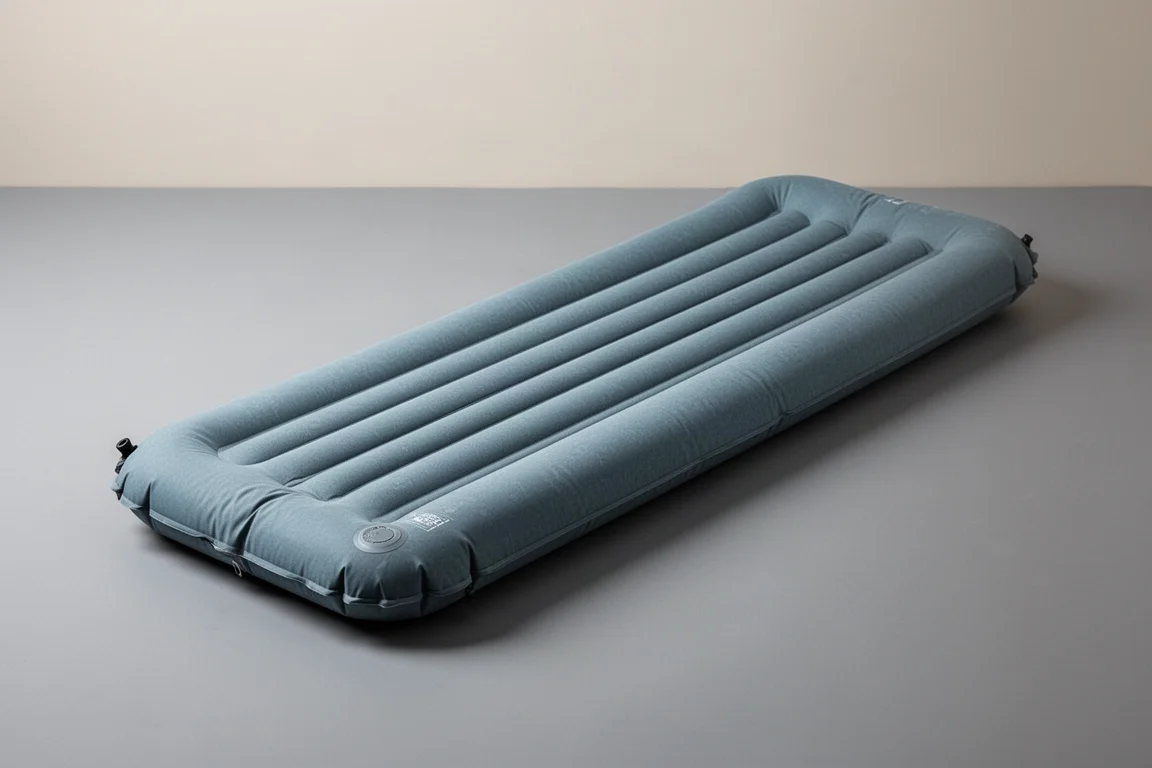
The Decathlon MT500 Insulated is the cheapest pad here at $60. It weighs 644 g, has the lowest R-value at 3.3, measures 2 inches thick as the thinnest pad in the group, and uses vertical baffles.
Comfort is reasonable for the price, but the thinness is obvious the moment you shift from side to back or sit up on it. At 180 lb, the tester bottomed out on this pad. The vertical baffles are also less comfortable than the Flextail version because the material is stiffer and has a rougher feel rather than a soft, flexible surface.
Warmth is the bigger limitation. Cold became noticeable around 10°C, which is not a demanding temperature. The baffles are formed with a heat press process that leaves numerous thin areas across the surface, and those thin spots are exactly where heat escapes.
It is worth being clear about what this pad is: an entry point for warm-weather trips or a spare for guests, not a three-season solution.
Kilos Gear AOC Cloud Ultralite: The Lightest Pad Here
The Kilos Gear AOC Cloud Ultralite costs $113 and is the lightest pad in the group at 487 g. It has an R-value of 3.8, is the thickest pad tested at 4 inches, and uses dimpled baffles.
The defining trait is that it carries no insulation at all, so it felt cold from the start and never warmed up. That is expected behaviour for an uninsulated pad, and it limits the pad to genuinely warm conditions.
Comfort lands roughly level with the Naturehike, for different reasons. Pressure relief is not quite as good, but the extra thickness gives you more material between you and the ground, so the trade-off is real rather than a clear win either way.
Overall Buying Advice
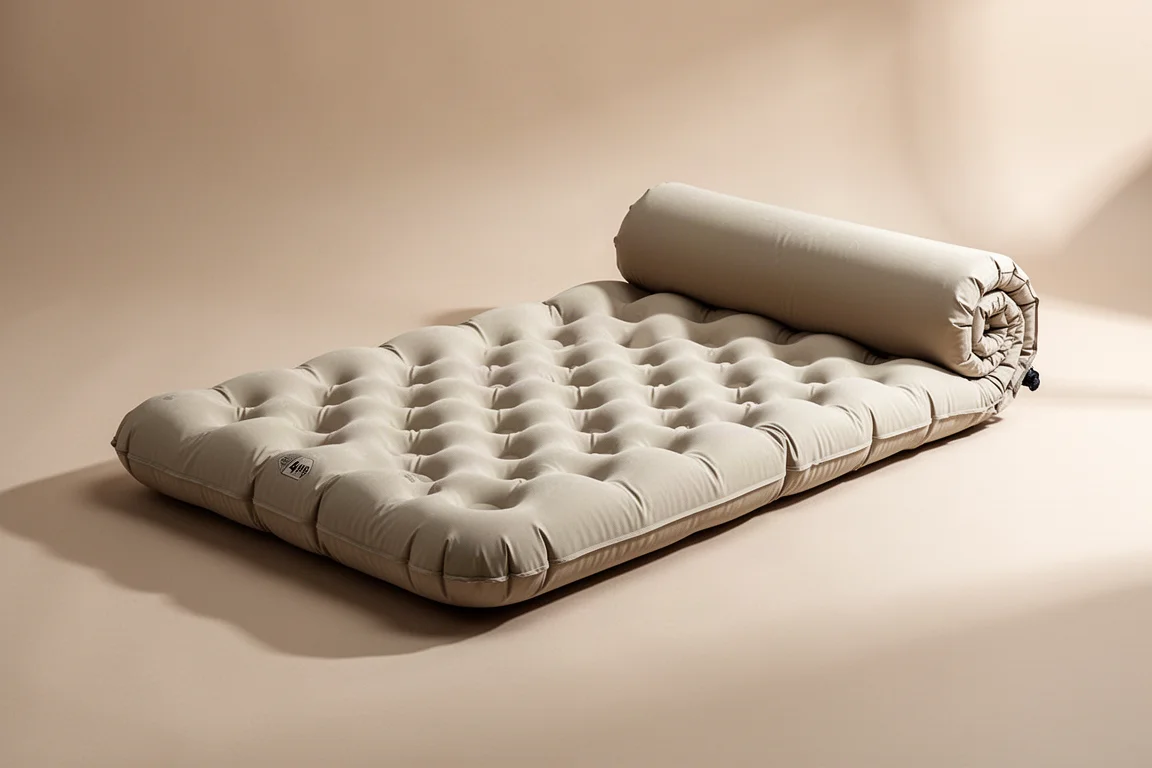
No single pad earns an outright crown, and that is the honest takeaway from this group. Every option involved a compromise, whether that was weight, comfort, or warmth, which is exactly what you would expect from affordable pads. Even pads costing well over $200 make their own trade-offs.
If you are shopping in this price range, two pads are worth a closer look. The OneTigris Obsidian delivers the best comfort of the five, and the Naturehike R5 pairs the lowest price in the upper half of the group with the strongest warmth. The Naturehike is the more intriguing of the two, and it is the one that merits further testing on a longer trip before drawing final conclusions.
As for weight, it deserves real consideration if you are carrying the pad on your back rather than rolling it out of a vehicle. The lightest pad here is also the one with no insulation, and the heaviest is the most comfortable, so decide first whether warmth or packed weight matters more for the trips you actually take.
Conclusion
These five pads show that affordable does not automatically mean cold or uncomfortable, but it does mean choosing your compromise. The Naturehike R5 is the value pick for warmth, the OneTigris Obsidian is the comfort pick, and the Flextail R5 sits between them with a higher price and a lower weight. The Decathlon MT500 Insulated is the cheapest entry for mild conditions, and the Kilos Gear AOC Cloud Ultralite is the lightest option for warm-weather trips where insulation is not a priority.
Further reading
Related Reviews
Sleeping Pads
Best Backpacking Sleeping Pads 2026: Nine Pads Rated on Price, Comfort, Warmth, and Weight
Nine backpacking sleeping pads compared on price, comfort, warmth, and weight, from a $65 summer pad to a year-round option rated at R-7.3.
Sleeping Pads
Best Backpacking Sleeping Pads: Comfort, Warmth, and Weight Compared
A practical comparison of the Nemo Quasar 3D, Therm-a-Rest NeoAir XTherm Max, and Big Agnes Rapide SL for backpackers choosing between comfort, warmth, and packed weight.
Sleeping Pads
Best Backpacking Sleeping Pads: Ultralight, Winter, Comfort and Budget Picks
A practical roundup of the sleeping pads that stand out for ultralight weight, winter warmth, pressure relief and value, plus three popular pads that fell short.