Backpacking Gear
Best Budget Backpacking Gear: 25 Affordable Picks for Ultralight Trips
A practical roundup of affordable backpacking gear, covering shelters, sleep systems, water treatment, lighting, safety, and clothing.
Introduction
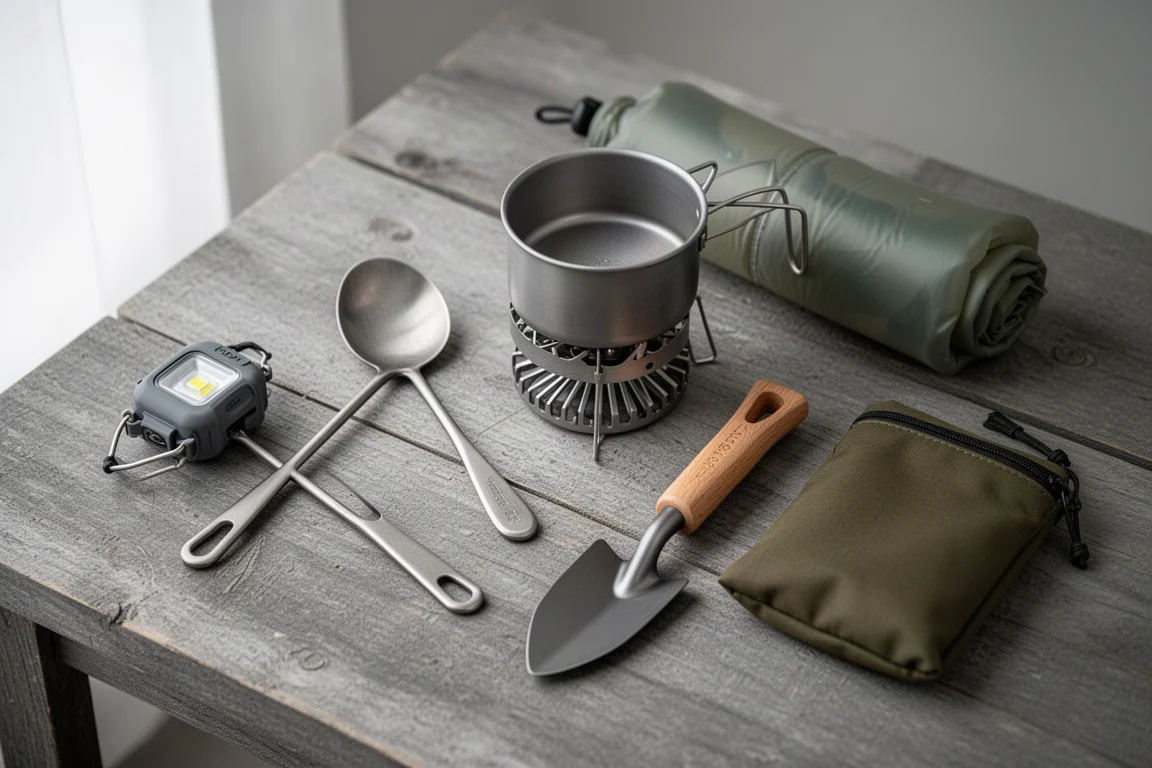
Building a backpacking kit does not have to mean premium prices. The picks below cover the categories that matter most on a trip: the pack that carries the load, the shelter and sleep system, water treatment, cooking, lighting, safety, and the clothing that keeps you warm and dry when the weather turns.
Each entry here earns its place on value as much as on performance. Some of these items go on sale regularly, so timing a purchase can matter as much as choosing the right model.
Best Backpack: REI Flash 55
The Flash 55 takes the top pack slot because it balances load carry with a price that drops regularly. It sits just over $100 when it is discounted, and it goes on sale several times a year, so paying full price is rarely the right moment to buy.
The feature set is what makes it easy to live with over a long day. The side water bottle pockets sit in front of the main side pockets, so reaching back for a bottle and returning it takes almost no effort. The frame wraps and hugs the body, which is why the pack can carry 40 lbs or more comfortably and stay comfortable through a full day of hiking.
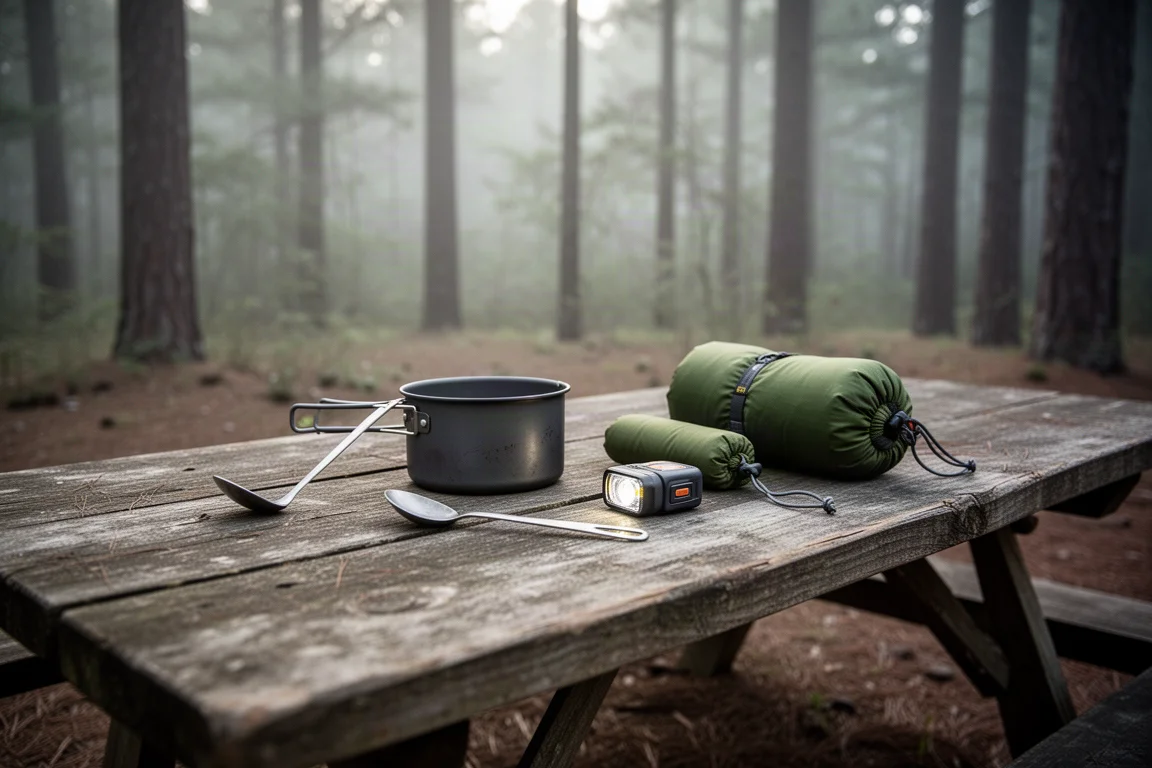
For hikers who expect to carry a heavier load, that combination of a body-hugging frame and easy bottle access is the reason this pack keeps coming up as a first recommendation.
Best Budget Backpack: Decathlon Trek 100
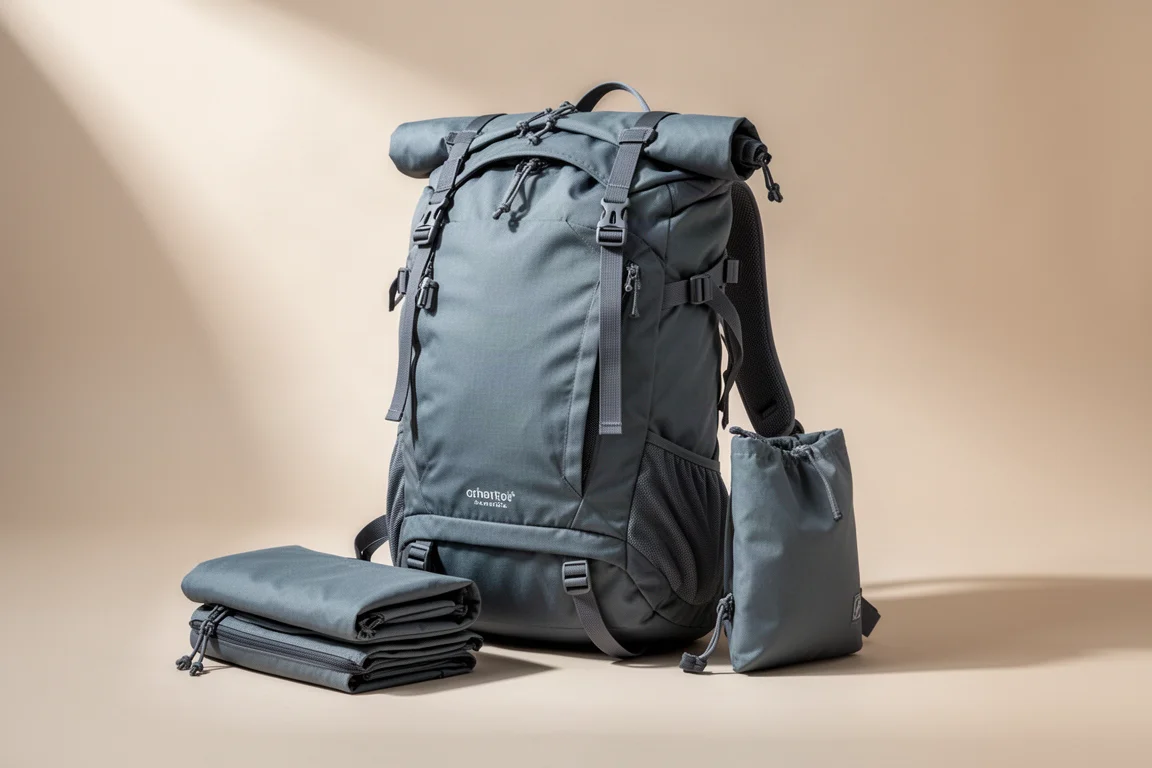
If you want to stay under $100 without waiting for a sale, the Trek 100 is the value alternative in this category. It has built a strong reputation as a straightforward, well-priced pack, and Decathlon gear generally has a solid track record for the money.
It is worth checking the volume and the fit against your own load before committing, since this is the entry point rather than a premium option.
Best Sleeping Pad: Outdoor Vitals Oblivion
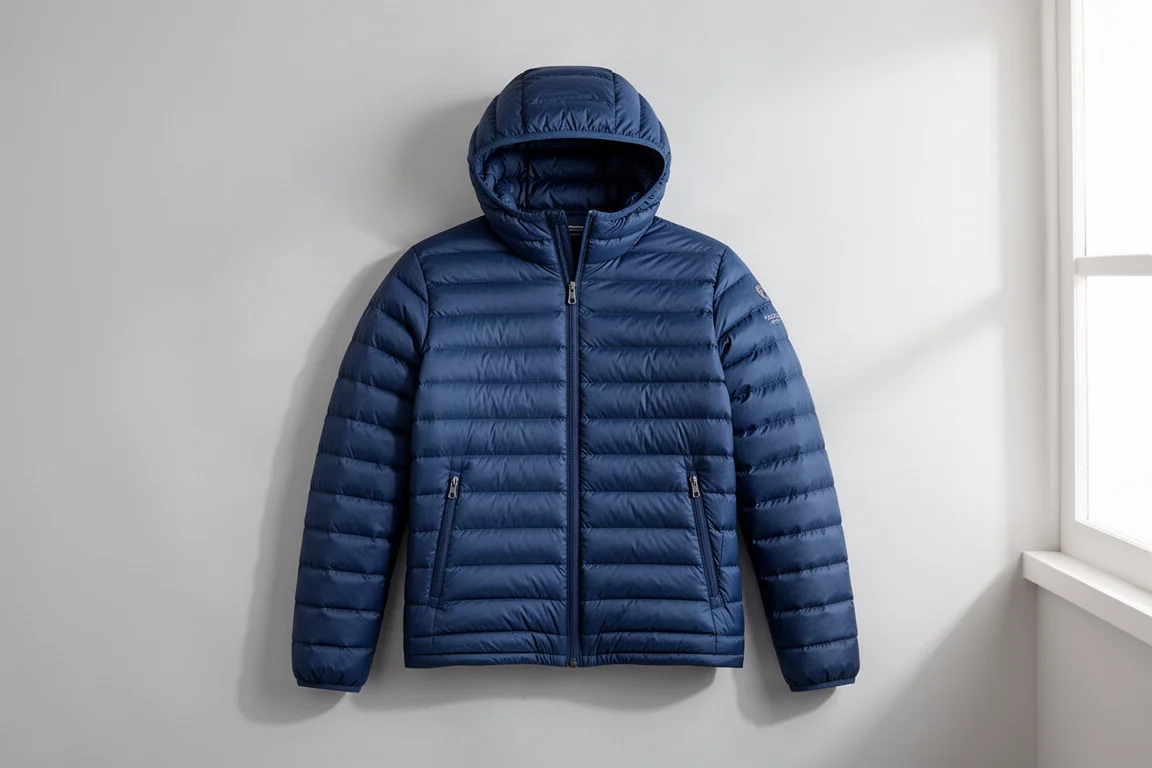
The Oblivion earns its place on warmth and comfort per dollar. It carries an R-value of 3.5, though it sleeps closer to the four range in practice, and its comfort is comparable to the Nemo Tensor, a pad that normally sits in a different price bracket. It sells for around $115.
The trade-off is weight. The large version comes in at roughly 800 g, so this is a pad for hikers who would rather save money than grams.
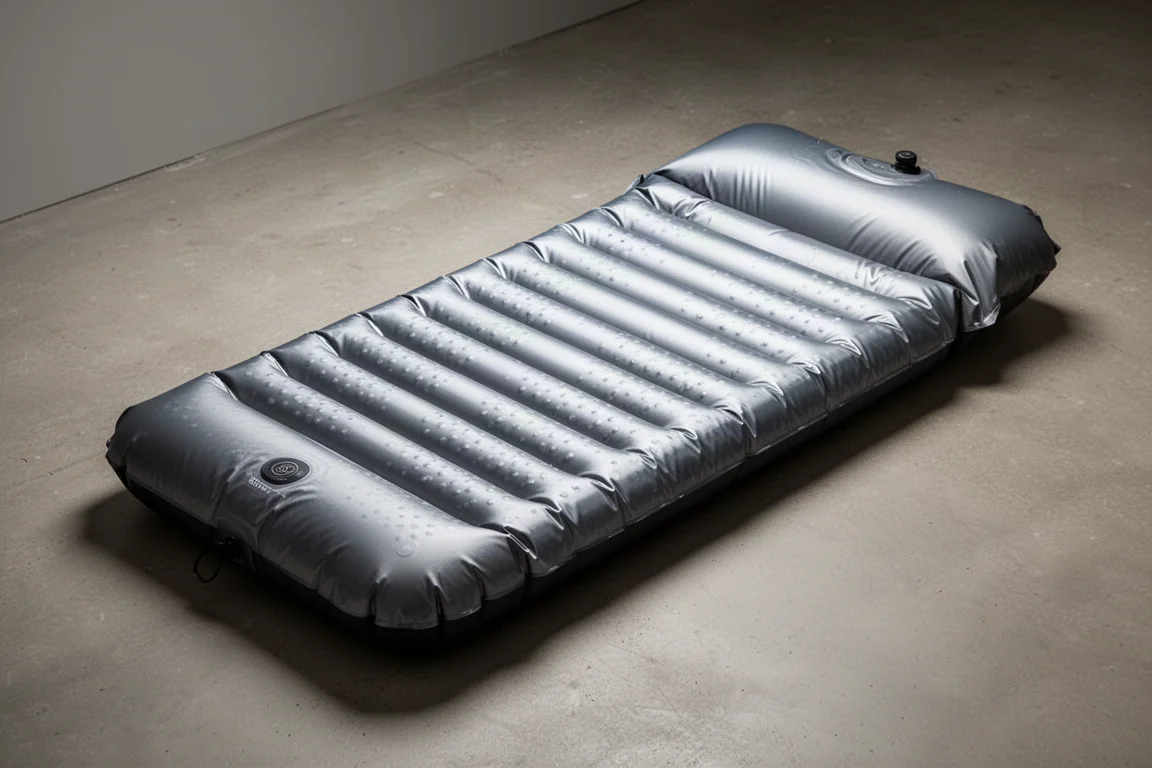
Comfort Benchmark: Nemo Tensor
The Tensor appears here as the comfort reference point in the sleeping pad category. It is the pad the Oblivion is measured against, and that comparison is exactly what makes the Oblivion read as such strong value.
Treat the Tensor as a comparison point rather than a value pick. If you are weighing pads, knowing which model the budget option is being judged against makes the decision easier.
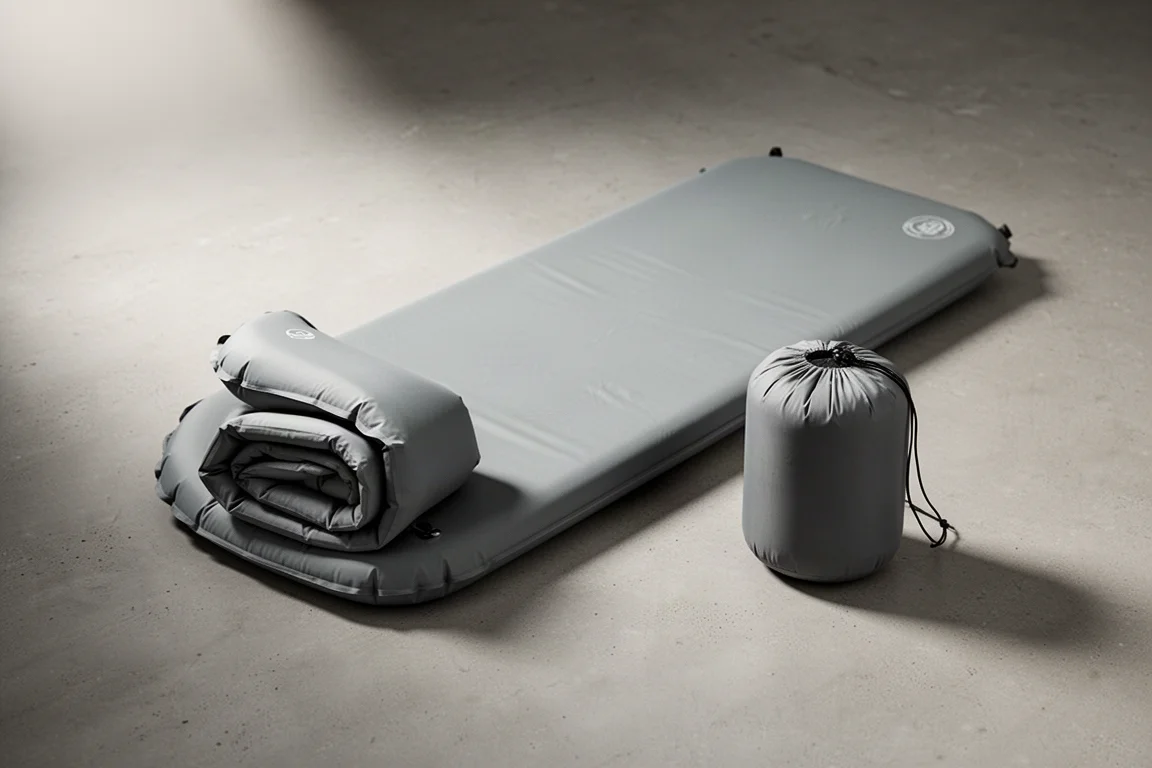
Best Quilt: Hammock Gear Econ Burrow
Quilts are rarely cheap, and the cheaper ones tend to cut corners on materials and construction. The Econ Burrow does not. It uses high quality materials, it is made very well, and it relies on box baffle construction, which is the detail that keeps you warm rather than letting cold spots form.
Quilts suit hikers who move around at night, because they behave more like a blanket at home than a sleeping bag does. Used with the pad straps set up correctly, a quilt stays free of drafts and sleeps as warm as a bag.
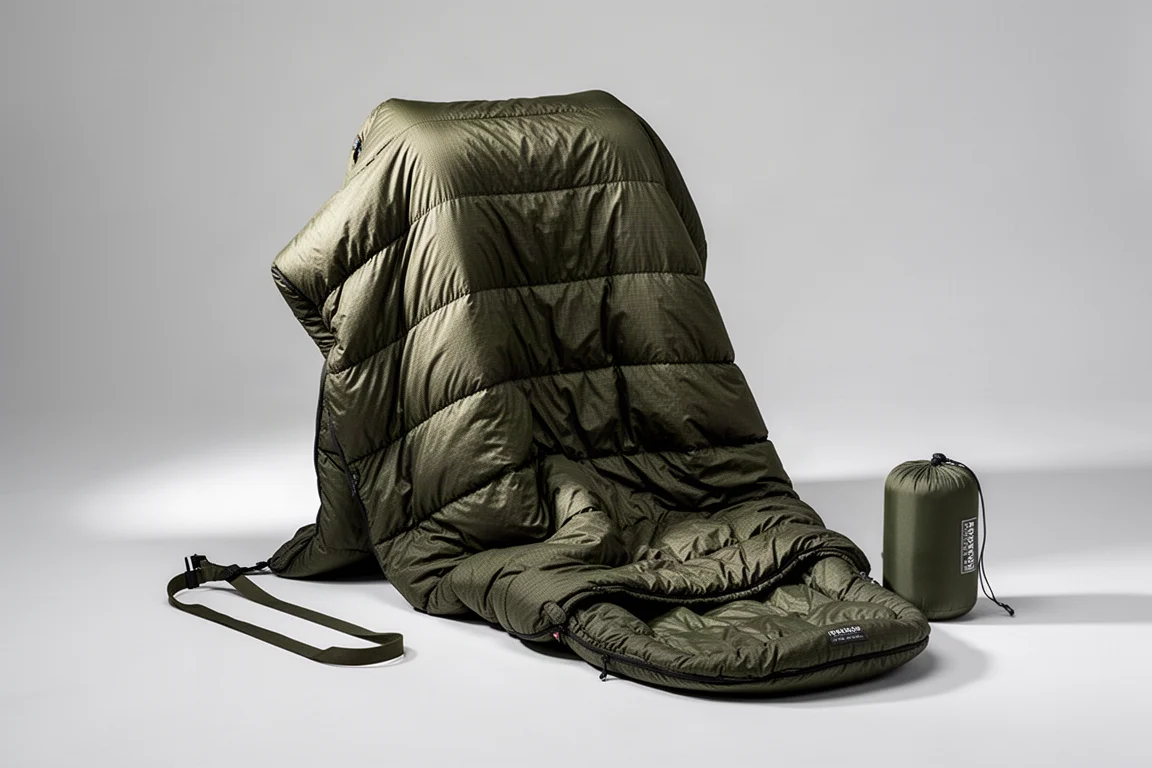
Best Sleeping Bag: Decathlon MT900
For anyone who prefers the cocooned feel of a bag, the MT900 is hard to argue with. It is lightweight, it uses high quality materials, and it sleeps warm, and there is very little on the market that compares for the money. It costs under $200, and it can be found on sale for just over $100.
That price gap matters, because comparable bags from other manufacturers often cost two or three times as much.
Best Camp Pillow: Trekology Aluft 2.0
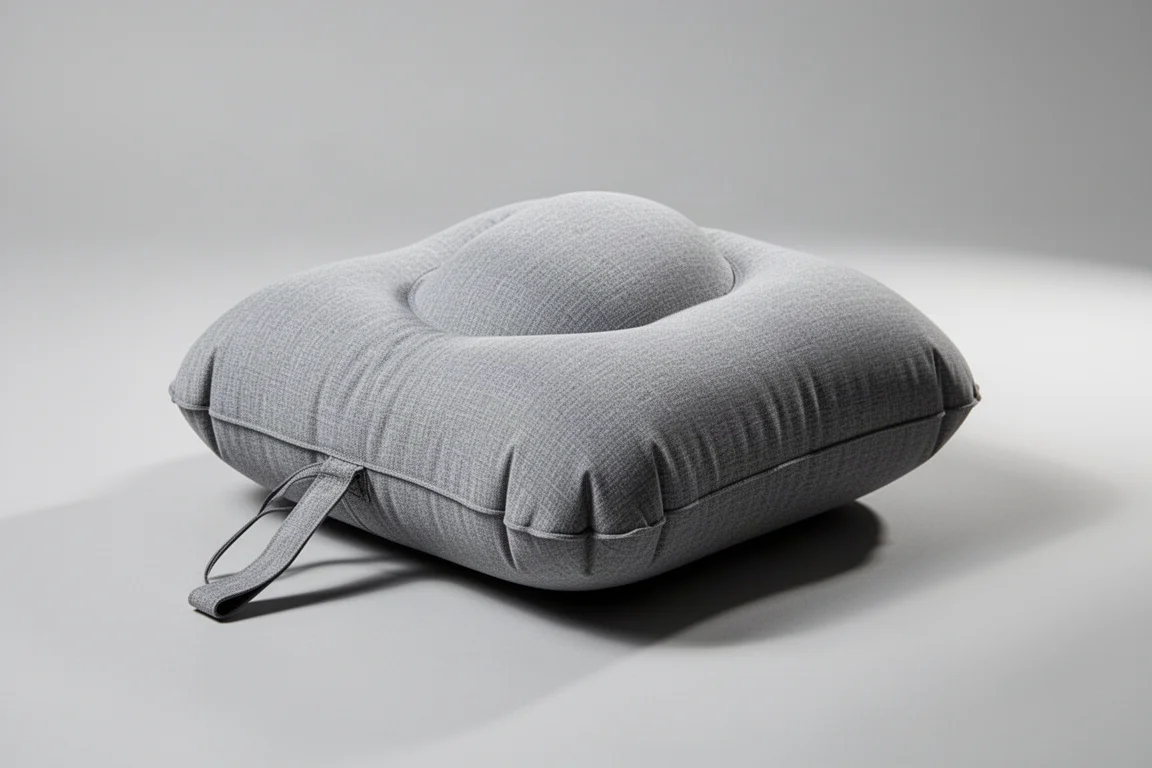
The Aluft 2.0 has stayed one of the best affordable pillows because it solves the two problems that make camp pillows frustrating. A pad strap locks it to your sleeping pad so it does not slide away overnight, and the baffling is supportive enough that it does not feel like you are resting on a balloon.
The top surface has a soft, slightly squishy feel, and the height comes in around 3.5 inches, which is enough neck support for many sleepers. If you need more height, a folded jacket, a sit pad, or spare shoes underneath will raise it.
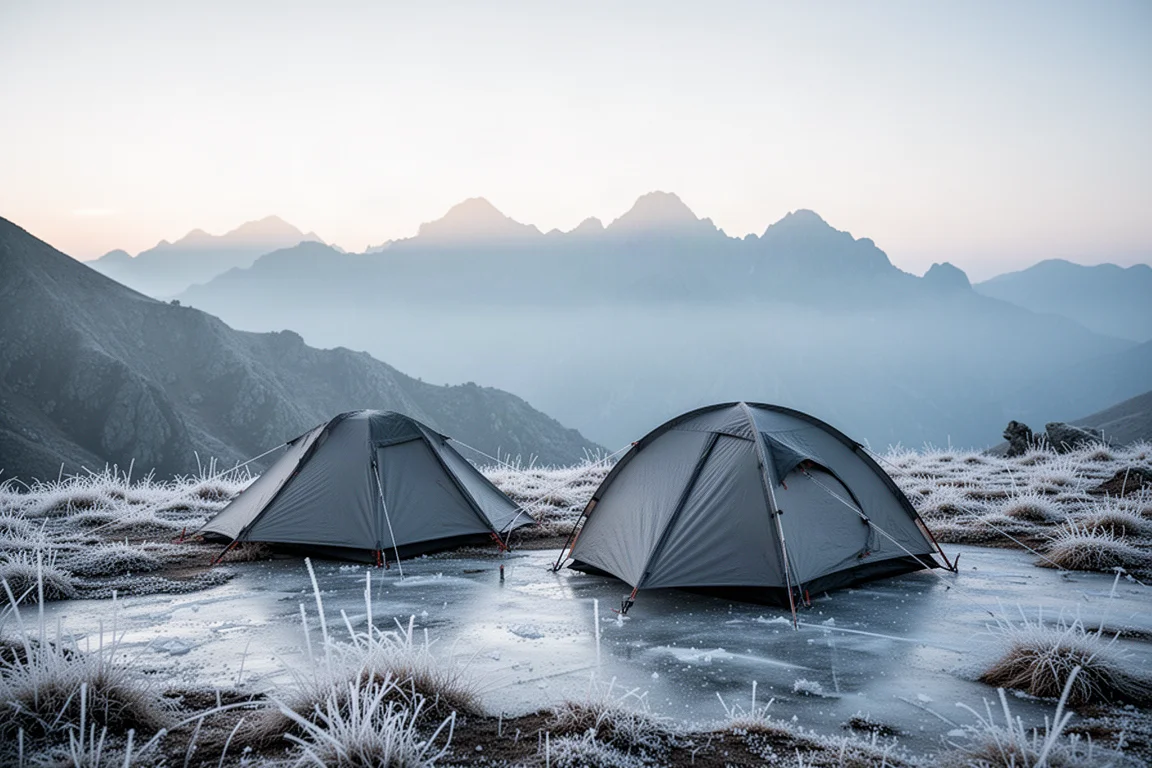
Best Two-Person Tent: Naturehike Mongar 2
The Mongar 2 is a freestanding two-person tent with a layout that will look familiar to anyone who has used a classic two-door backpacking tent. It is roomy enough for two 25-inch wide sleeping pads, and the construction is high quality and easy to use.
It is not the lightest tent on this list, but it is very affordable, and it is available in many parts of the world, which makes it an easy recommendation for newer backpackers.
For couples and friends splitting a shelter, the combination of interior space, price, and availability is what makes this a sensible first tent.
Best Solo Trekking Pole Tent: Six Moon Designs Lunar Solo
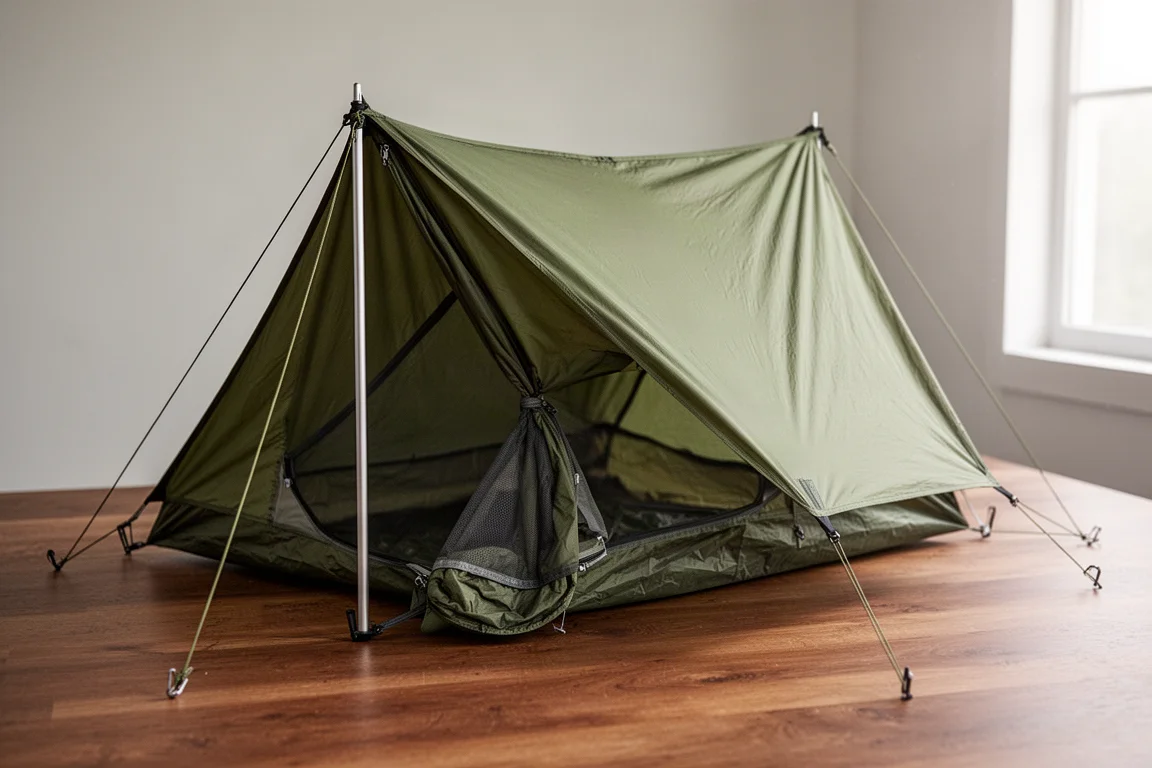
The Lunar Solo is a trekking pole tent built for solo trips, and it packs down to roughly the size of a grapefruit. It is lightweight and affordable, which is already a rare combination.
The material choice is the detail that stands out. It uses polyester, which handles moisture and rain well, so less water absorbs into the fabric and you get less of the sagging and stretching that nylon shelters can develop when wet.
Budget Trekking Pole Tent: 3F UL Lanshan 1 Pro
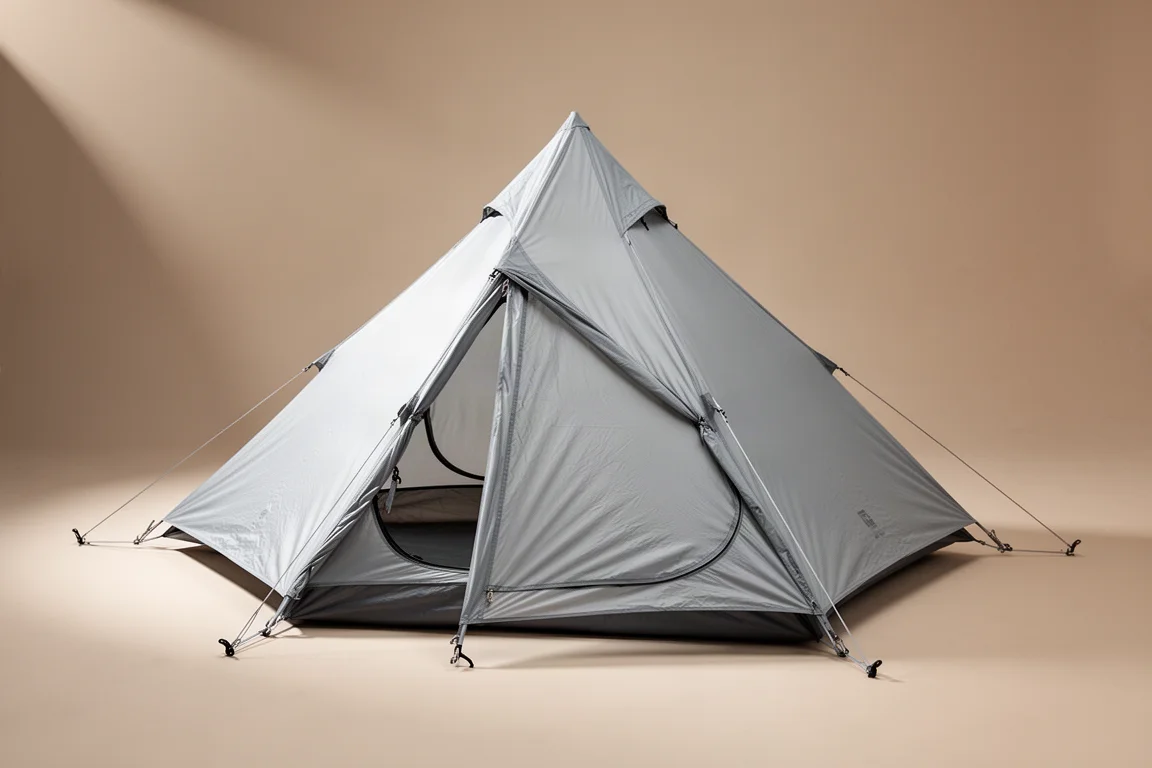
The Lanshan 1 Pro is another well-liked solo shelter and remains a strong option in its own right. The catch is that it uses nylon and its price has risen steadily, which makes it harder to justify as the budget choice.
With that in mind, the Lunar Solo above is the easier value call right now, while the Lanshan 1 Pro is worth a look if you find it discounted.
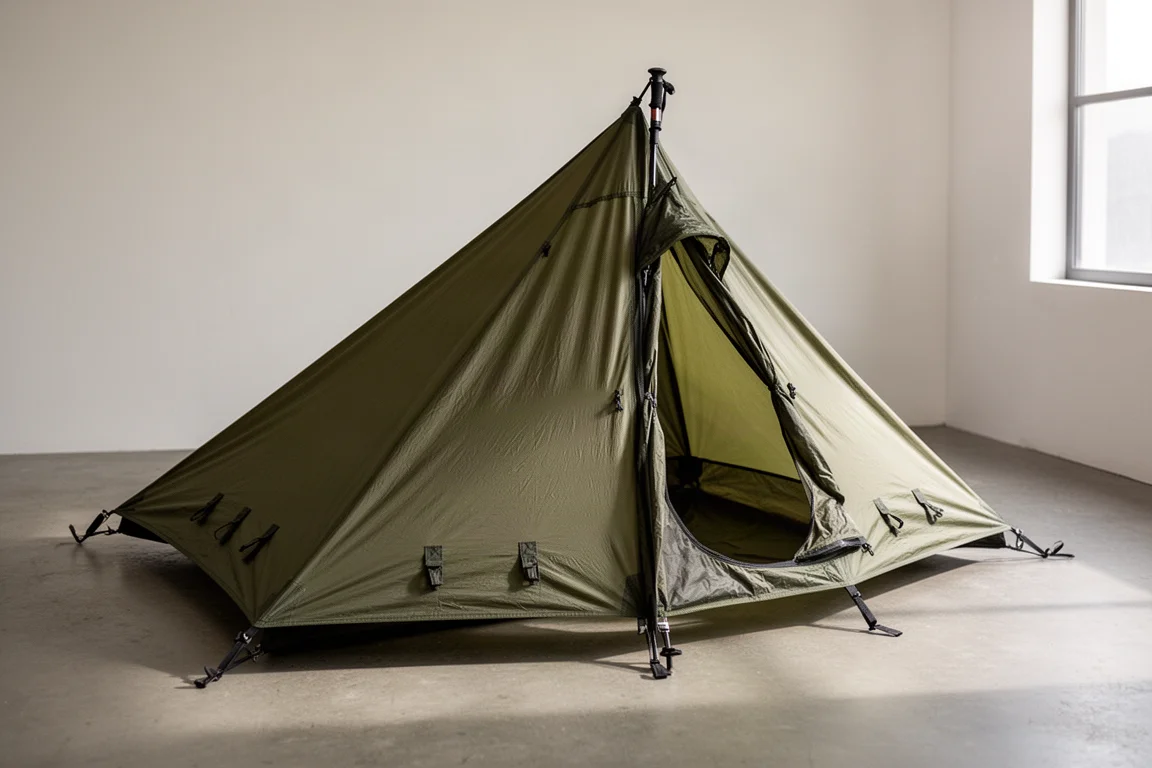
Best Budget Stove: BRS 3000
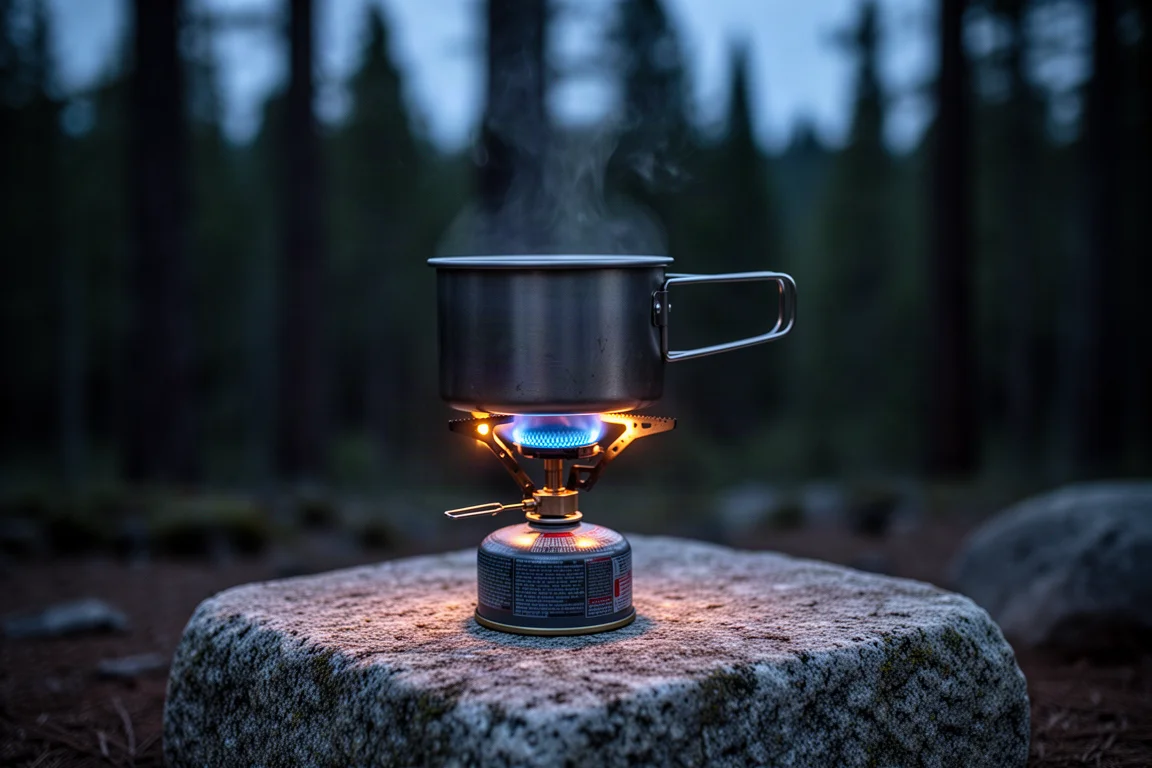
The BRS 3000 is tiny and costs about $20, and it works well for what it is. It is the kind of stove that disappears into a cook kit and boils water without fuss.
Wind is its weak point, and it is a significant one. Performance drops noticeably in exposed conditions, so build a small rock wall or arrange packs as a windbreak before you light it.
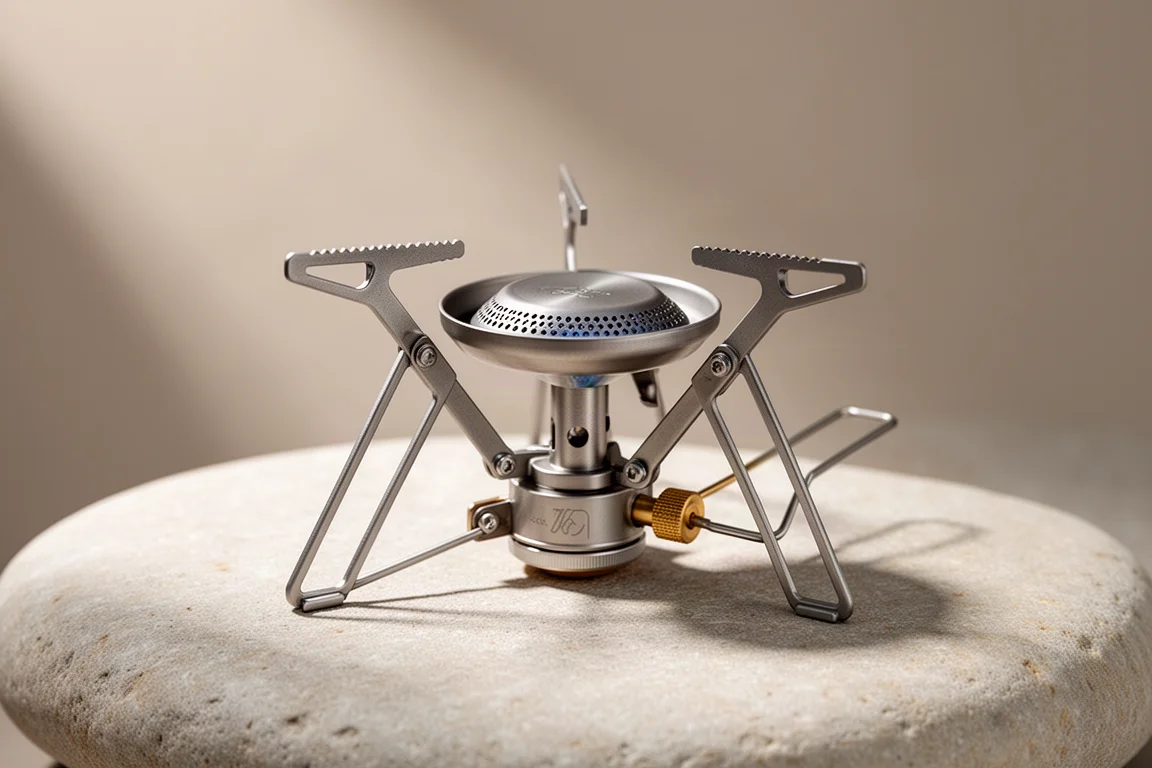
Best Affordable Water Filter: Sawyer Mini
The Sawyer Mini is the budget pick for water treatment. It is lightweight, it does not cost much, and it gets the job done.
Speed is the compromise. It is not as fast as options like the Sawyer Squeeze or the Platypus QuickDraw, so if you are filtering large volumes for several people, a faster filter is worth the extra spend.
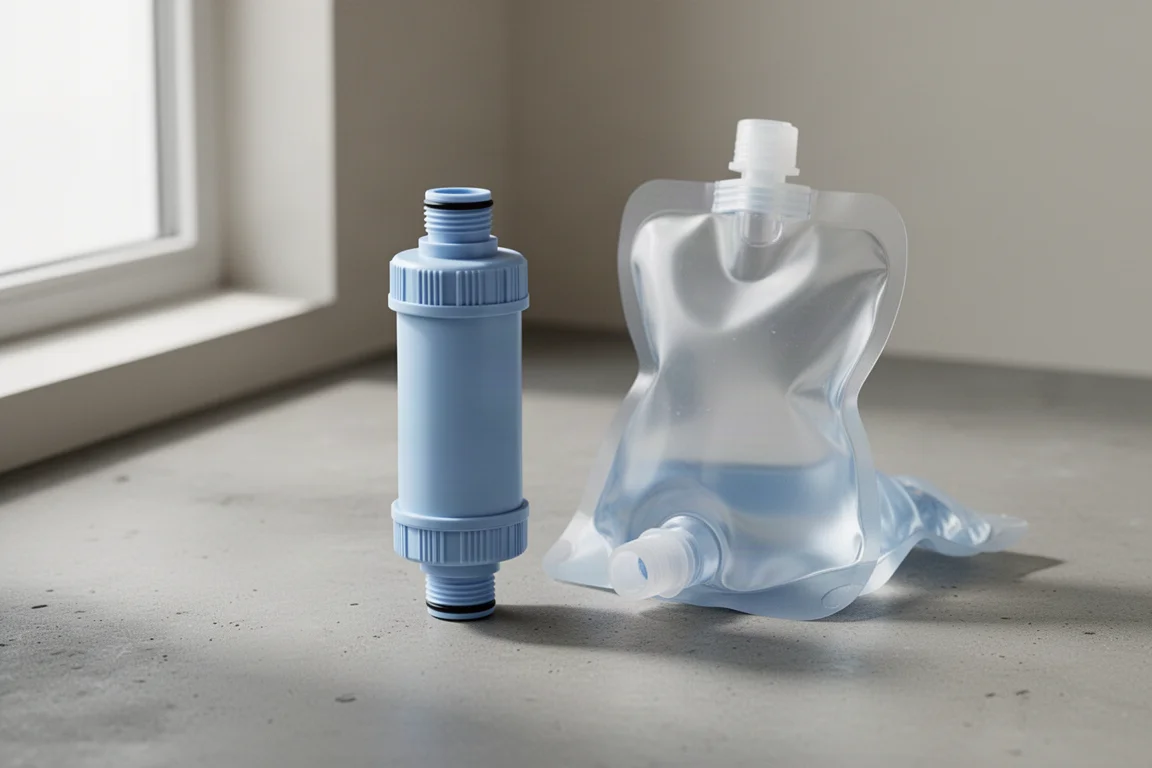
Faster Flow Option: Sawyer Squeeze
The Sawyer Squeeze is the step up when filtration speed matters. It flows faster than the Mini, which makes a real difference on trips where you are filling bottles and bladders for more than one person.
It costs more than the Mini, so it makes the most sense for hikers who filter often or travel in groups.
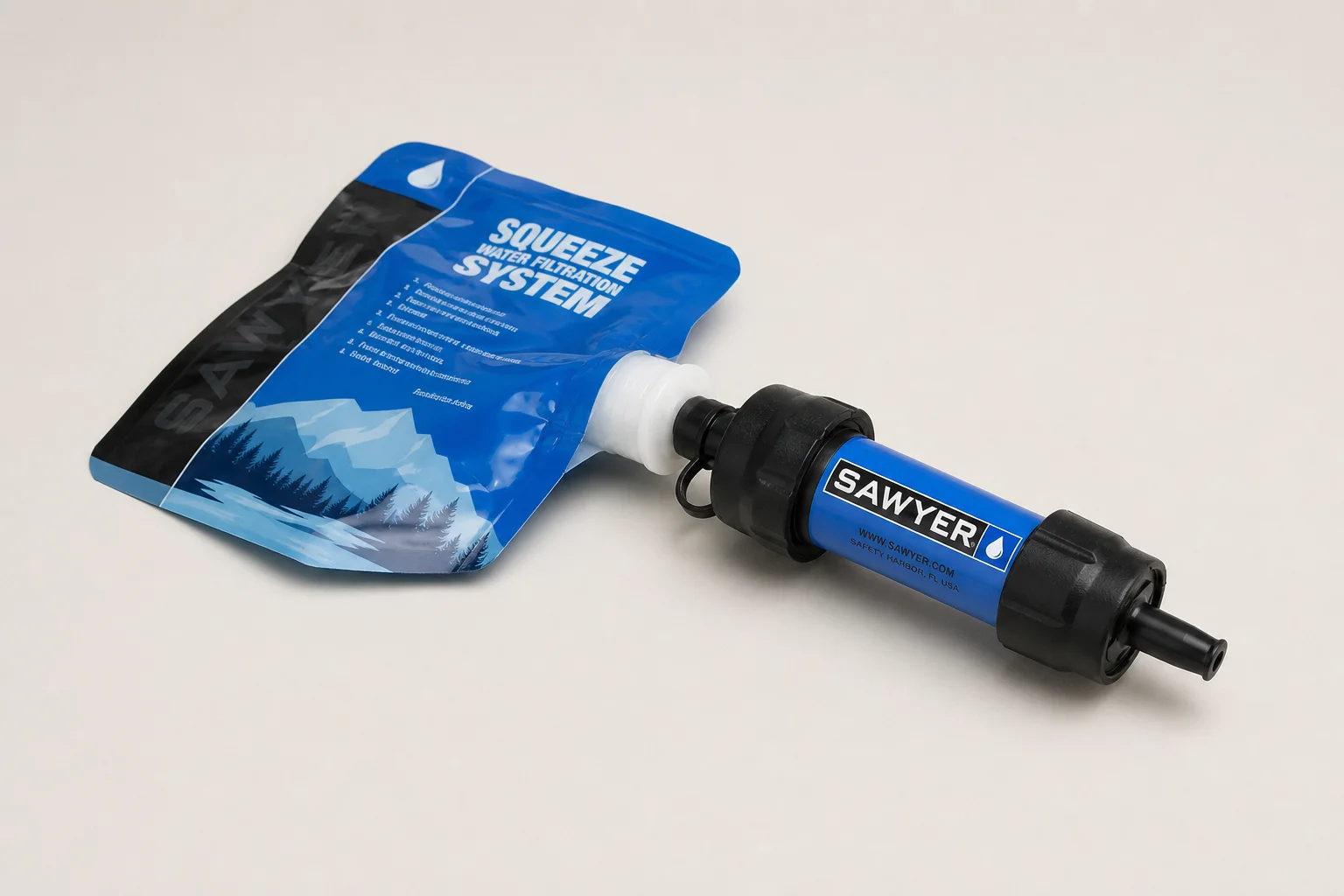
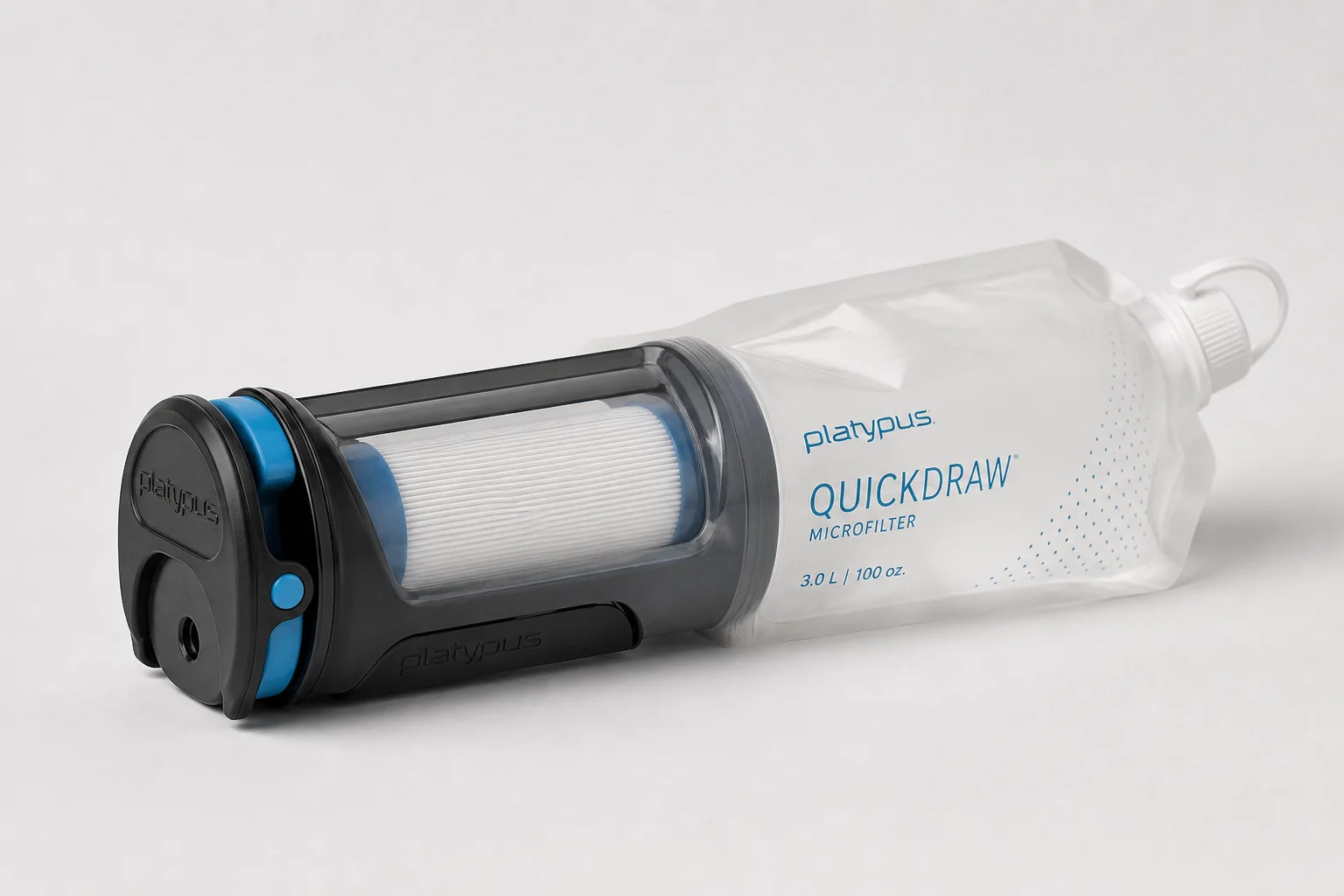
Faster Flow Option: Platypus QuickDraw
The QuickDraw is the other faster-flowing alternative to the Mini. Like the Squeeze, it trades a higher price for less time spent standing around at a water source.
Either option works well, and the choice between them often comes down to which one you find at a better price.
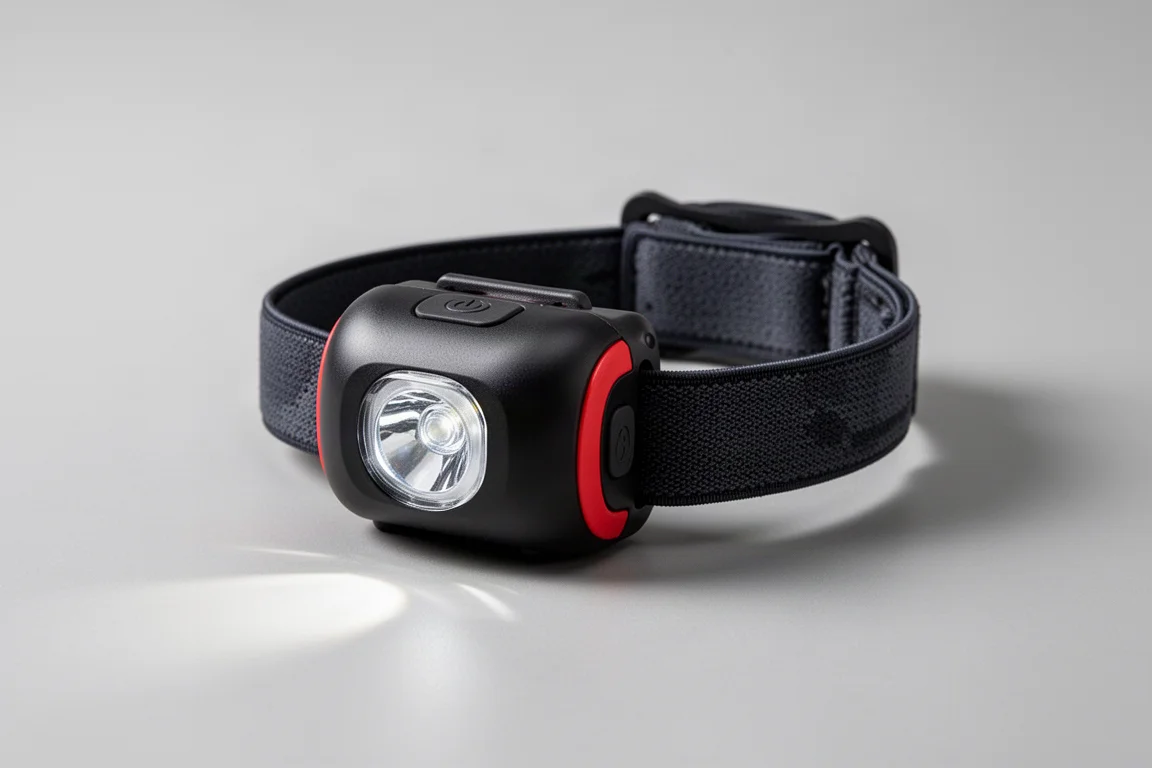
Best Budget Headlamp: Decathlon Rechargeable Headlamp
A rechargeable headlamp from Decathlon takes this category on price alone. It can be had for under $10, and it works well for camp chores and night walking on established trails.
At this price it is a straightforward way to cover your lighting without touching the rest of your gear budget.
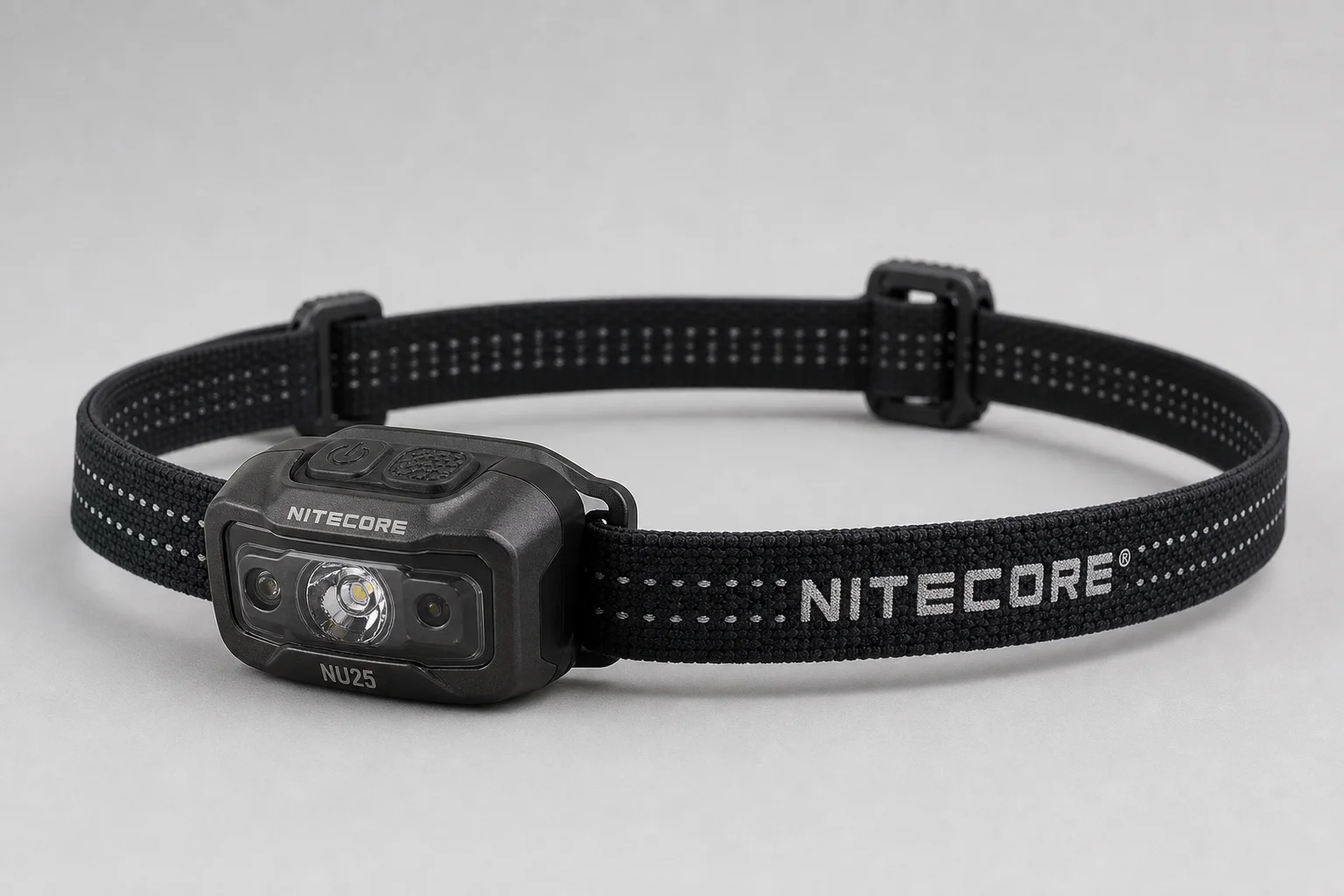
A Headlamp Step Up: Nitecore NU25
If you would rather spend a little more on lighting, the NU25 line is the natural upgrade path. It sits above the budget option without moving into serious money.
Some hikers also carry a small handheld flashlight instead, though a headlamp keeps both hands free for navigation and camp tasks.
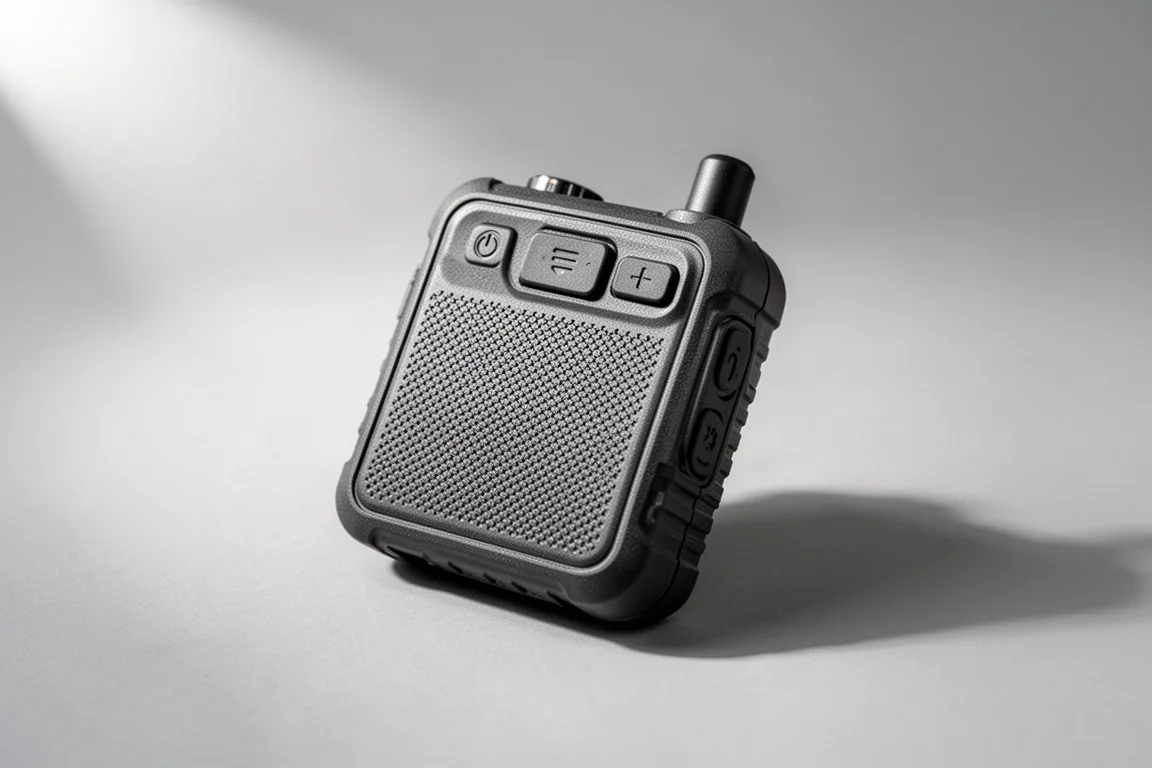
Best Affordable SOS Device: Motorola Defy Satellite Link
Satellite communicators used to be out of reach for most backpackers, both on hardware and on monthly plans. The Defy Satellite Link changes that. The device costs $150 and the basic plan runs $5 a month.
It supports two-way communication from the backcountry and includes an SOS button for emergencies, which makes it a realistic safety option for hikers who want a line out without a large ongoing bill.
Best Power Bank: VTOX VXX 10000mAh
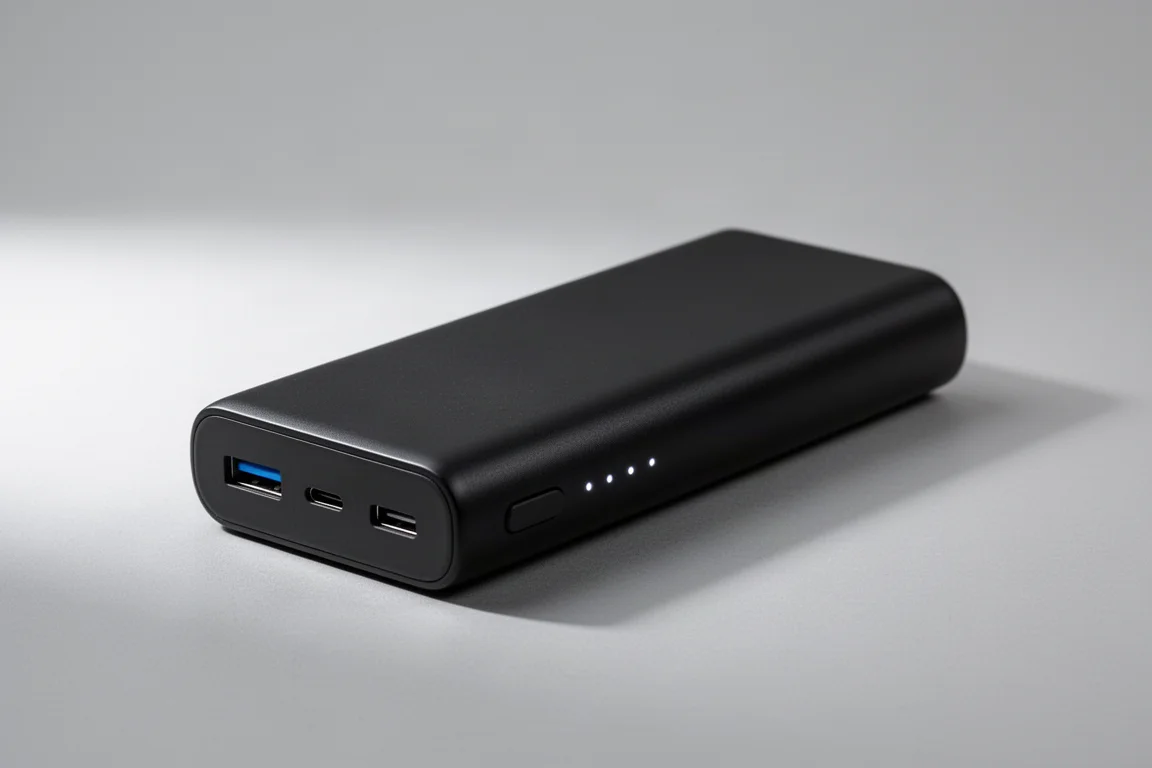
This 10,000 mAh power bank is an affordable, no-frills option that covers the basics well. It has a USB-C port that charges in and out, plus a USB-A port, and it can also be topped up over micro-USB.
The advertised capacity holds up and the charging ports deliver their rated output, which is more than can be said for every low-cost bank on the market.
Best Smartwatch: Garmin Instinct 2
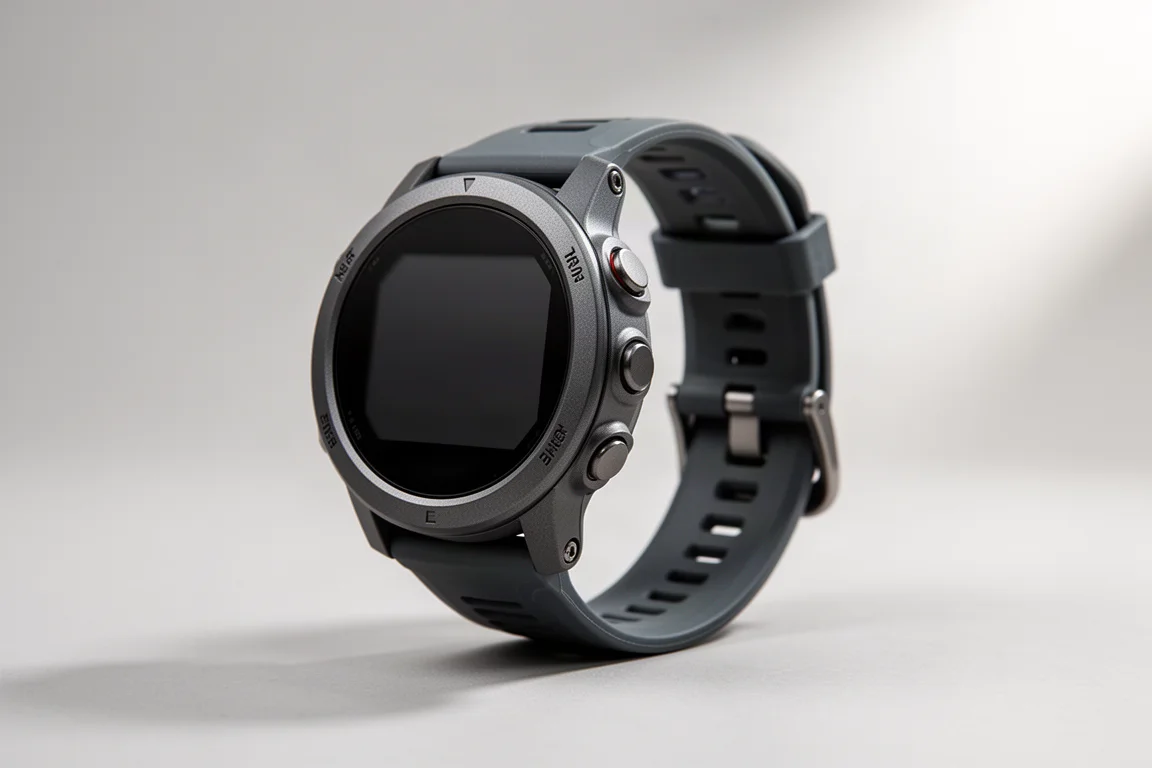
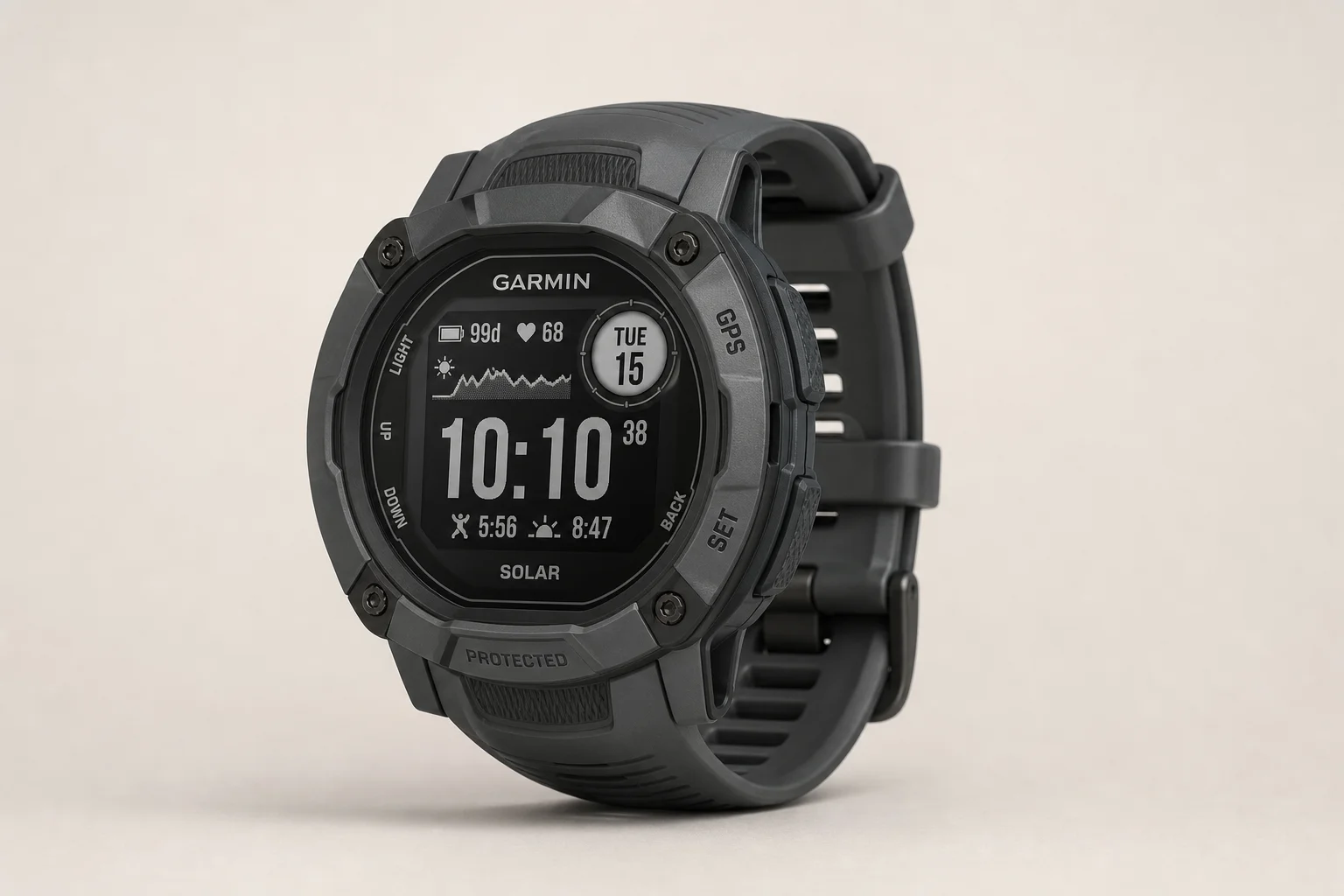
Budget smartwatches under $100 are generally not worth carrying. The better route for hikers is Garmin, and within that lineup the Instinct line is the best value for backpackers.
You give up some features found on higher-end Garmin watches, including on-device mapping with topo maps and music. What remains covers what most hikers actually need, particularly on established trails, and the Instinct 2 can be found at a very affordable price, especially on sale or bought used.
Best Value Smartwatch: Garmin Instinct
The first-generation Instinct is still worth considering. It is a high quality device that has held up over time, and used examples can often be found for under $100.
For hikers who want the core tracking and reliability without paying current prices, it is one of the better used-gear buys in this list.
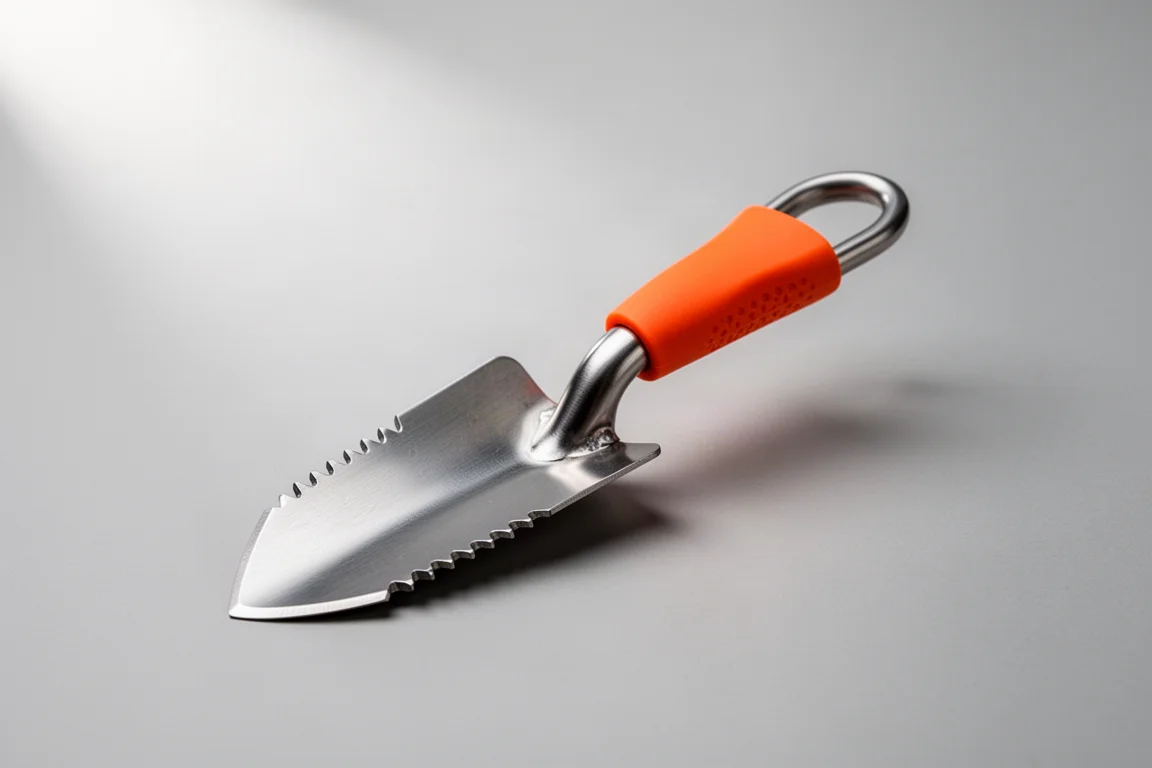
Best Trowel: BoglerCo Trowel
The BoglerCo Trowel is a well-designed digging tool that costs about $15. It is lightweight, it works properly in real soil, and it has earned a place in the pack on every trip.
The low price is a bonus rather than the reason to carry it. The design is what makes it worth the space.
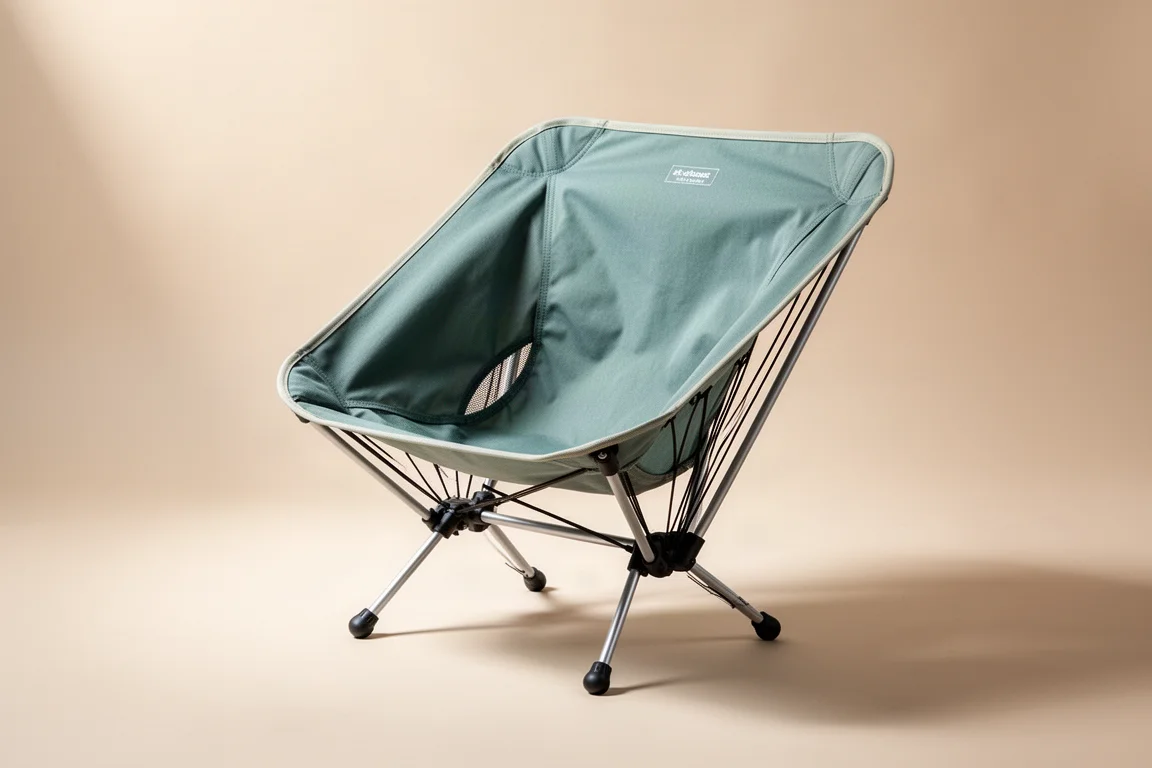
Best Camp Chair: REI Flexlite Air Chair
Cheaper chairs exist, but the affordable versions typically weigh about twice as much. The Flexlite Air sits close to the one-pound mark, which is light enough that bringing a chair no longer feels like a serious weight penalty.
It also goes on sale for under $100 fairly often, so it is worth watching for a discount.
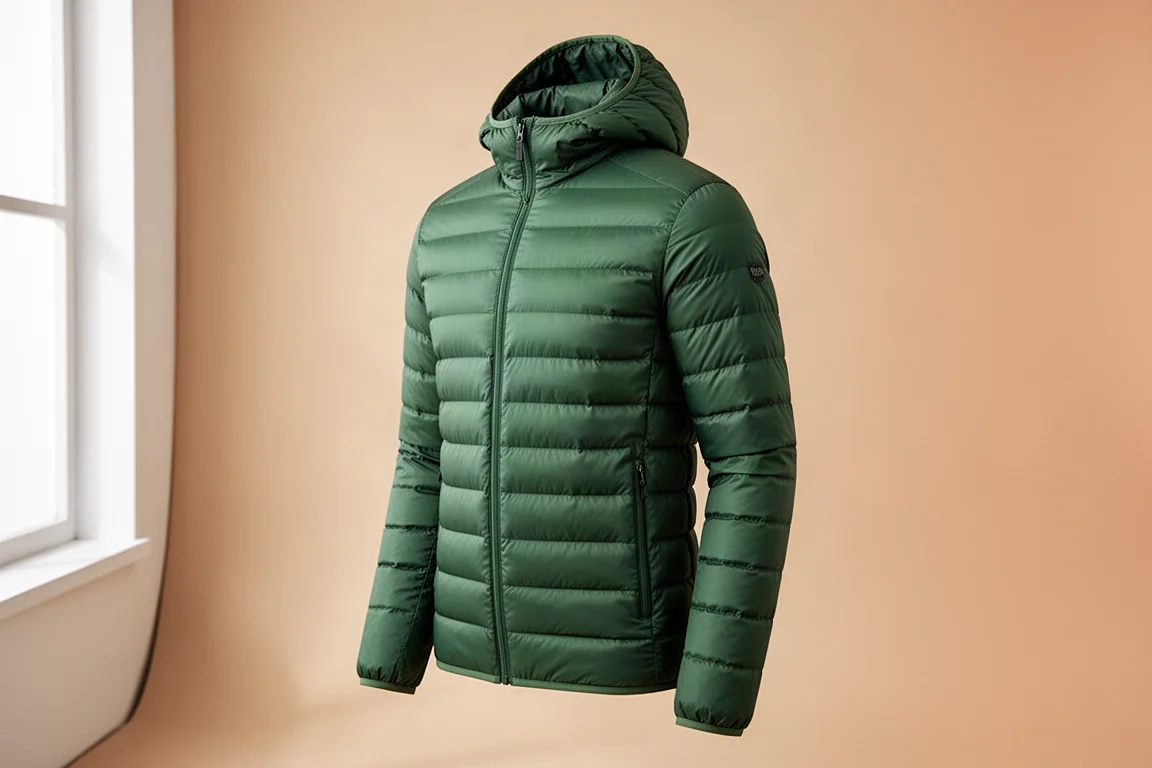
Best Down Jacket: Decathlon MT100
The MT100 has been the go-to affordable down jacket for years. It uses 850 fill power down measured in the US system, wrapped in a good shell material, and it is warm without much weight.
The price has crept up to around $99, which is still remarkable for this level of insulation. Above $100 the value case weakens, and it becomes worth comparing against other options.
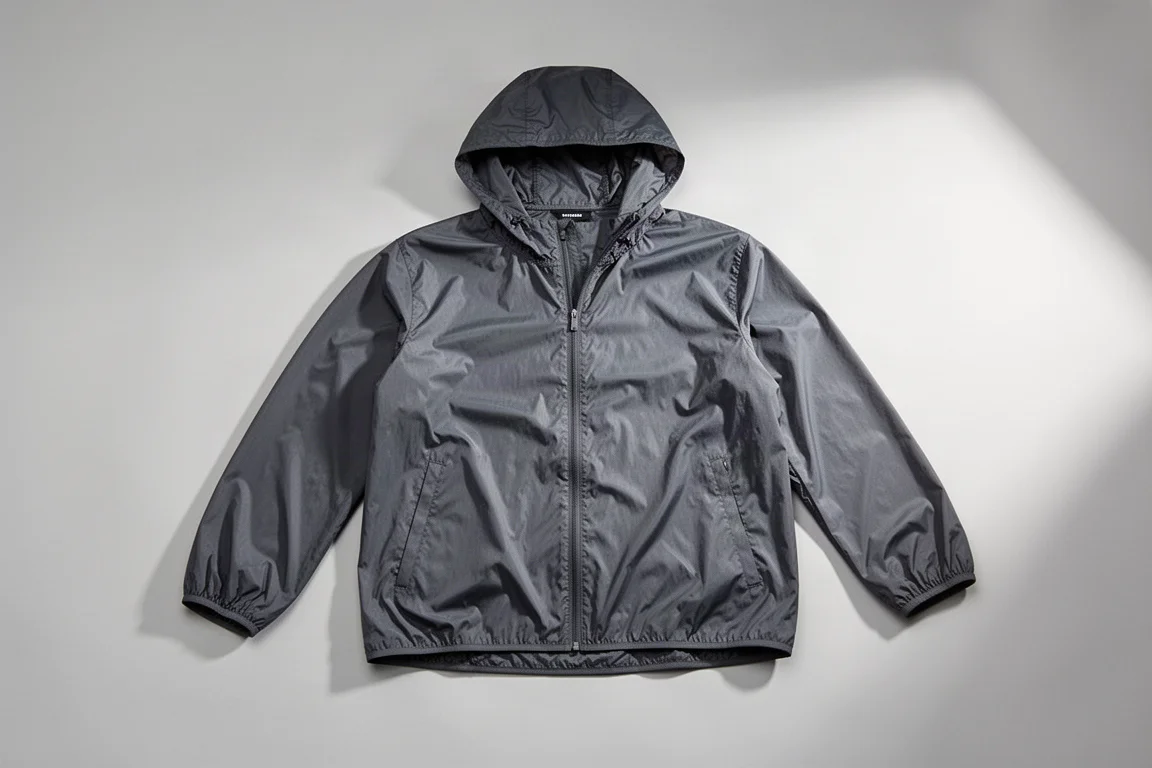
Best Rain Jacket: Frogg Toggs Ultra-Lite 2
The Ultra-Lite 2 is not the most durable jacket and it is not the most refined. What it does is keep you dry at a low price, and it is very lightweight.
The trade-offs are durability and packability. Given how few good budget rain jackets there are, a simple shell that works is often a better answer than an expensive fabric that is poorly executed.
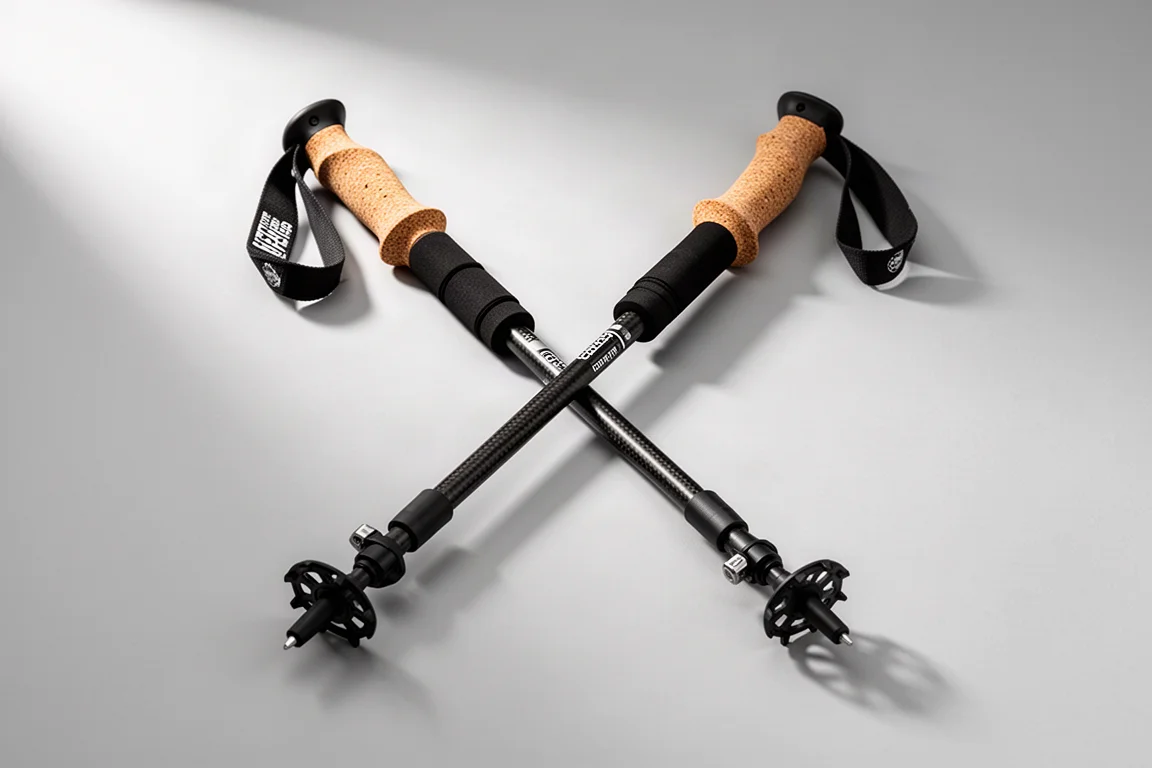
Best Trekking Poles: Cascade Mountain Tech Carbon Fiber Cork Trekking Poles
These carbon fiber poles with cork grips are a standout value. They show up on sale at warehouse clubs for around $40, and sometimes as low as $20 to $30, with slightly higher pricing online. They are high quality poles, and breakage is uncommon compared with other ultralight options.
One limitation is cold weather. The epoxy used in their construction is not as high grade as some brands use, and it can be compromised in winter, which may lead to cracking or the pole coming apart. For three-season use they are an easy recommendation.
How to Prioritize a Backpacking Budget
Start with the items that carry the most weight and affect comfort the most: the pack and the sleep system. A pack that fits and carries a load well changes a trip more than any small accessory does.
Then watch for sales. Several of the picks above, including the Flash 55, the MT900, and the Flexlite Air, go on sale regularly, and buying at the right moment can cut a meaningful amount from the total.
Finally, accept that low weight and low price rarely arrive together. The Oblivion is warm and comfortable but heavier than premium pads. The Ultra-Lite 2 is light and cheap but not durable. Choosing where to make that trade is what a good budget build comes down to.
Conclusion
The best value in backpacking gear is rarely the cheapest item. It is the one that does its job properly at a price you can justify: a pack that carries 40 lbs comfortably, a quilt built with box baffles, a $150 satellite communicator, or a $15 trowel you never have to think about.
Buy on sale where you can, weigh the trade-offs honestly, and spend where the trip depends on it.
Further reading
Related Reviews

Backpacking Gear
Building a 10 lb Base Weight: An Ultralight Backpacking Gear List
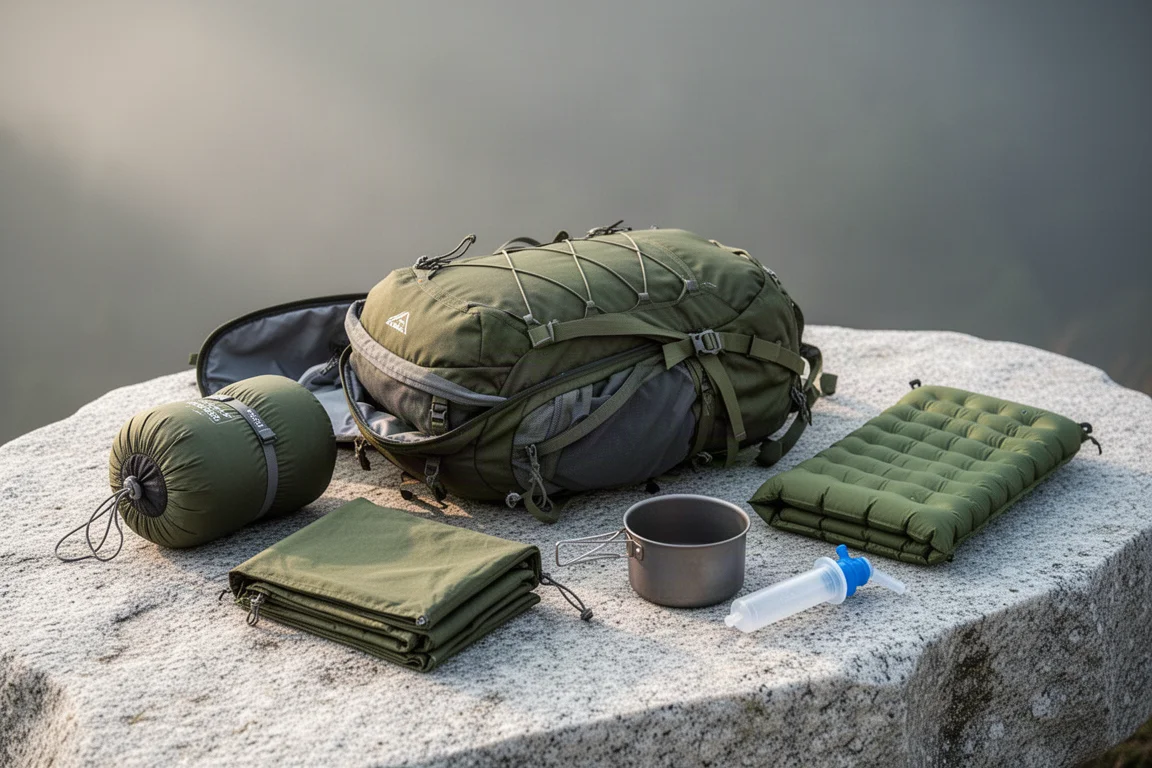
A practical walkthrough of the ultralight pieces behind a 10 lb base weight, from a 765 g pack and a roomy one-person tent to a full camp chair and a dependable water filter.
Backpacking Gear
A 15-Pound Lightweight Backpacking Gear List for Solo Trips
A beginner-friendly 15-pound backpacking setup built from easy-to-find gear, with notes on what each piece does, how it packs, and where to spend your attention.
Backpacking Gear
8 Ultralight Backpacking Gear Upgrades Worth Carrying
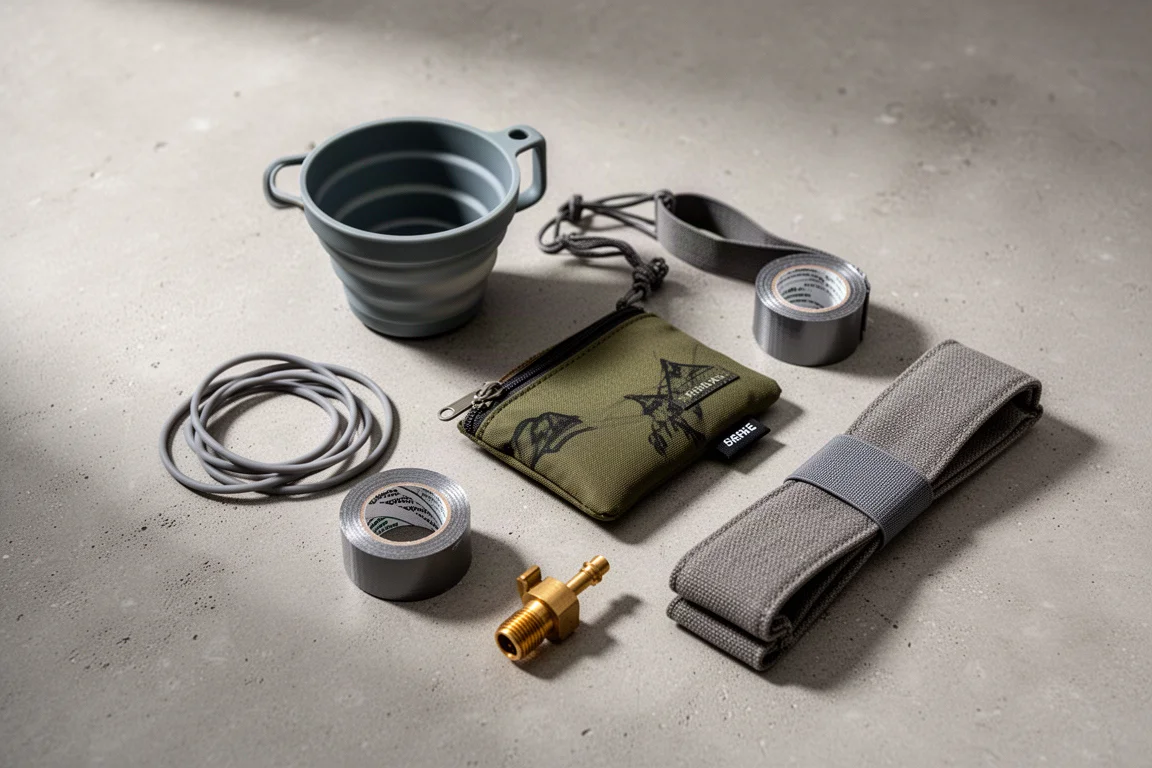
Eight small, affordable backpacking upgrades that solve real trail annoyances, from a pillow that stays put to a fuel valve that rescues leftover canister gas.