Backpacking Gear
Best Budget Backpacking Gear Under $30: Affordable Essentials Worth Carrying
A practical roundup of backpacking gear that costs $30 or less, from a sub-$20 canister stove to socks that come with a lifetime warranty.
Introduction
Building a backpacking kit does not have to mean paying premium prices for every item. Plenty of the gear that genuinely gets carried over long distances costs $30 or less, and in a few cases the inexpensive option has outlasted equipment that cost several times as much.
The list below stays inside that price range. Some items have covered thousands of trail miles, others are inexpensive experiments worth trying, and a few are simply the small consumables that every pack seems to run out of. Prices move around between retailers and seasons, so treat the figures here as a general guide rather than a fixed quote.
How These Picks Were Chosen
Every item here sits under the $30 mark, and each one earns its place for a practical reason rather than a spec sheet: a stove that weighs under an ounce, a pot that holds a full litre, socks with a warranty that replaces worn pairs. Weight, durability, and whether a beginner genuinely needs the item all shaped the selection.
Where a product has a real caveat, it is stated plainly. Budget gear usually involves a trade-off somewhere, whether that is a lower flow rate, a less refined build, or a material question worth researching before you commit.
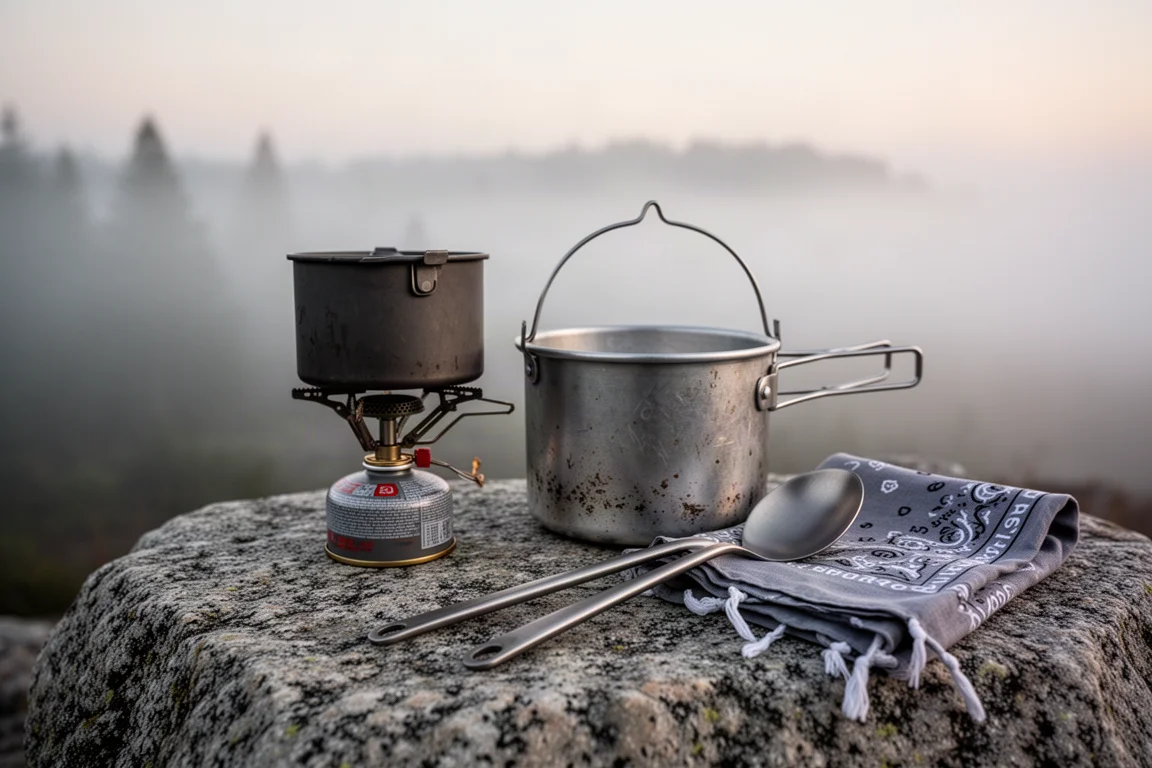
A useful test for any budget purchase is whether it removes a problem you actually have on trail. A pot holder stops you burning your fingers. A pack liner stops a leak ruining your sleeping bag. A set of stakes stops you improvising with rocks. Gear that solves a recurring annoyance is worth the small outlay, while gear bought purely because it is cheap tends to stay in the closet.
BRS Stove: Lightweight and Inexpensive
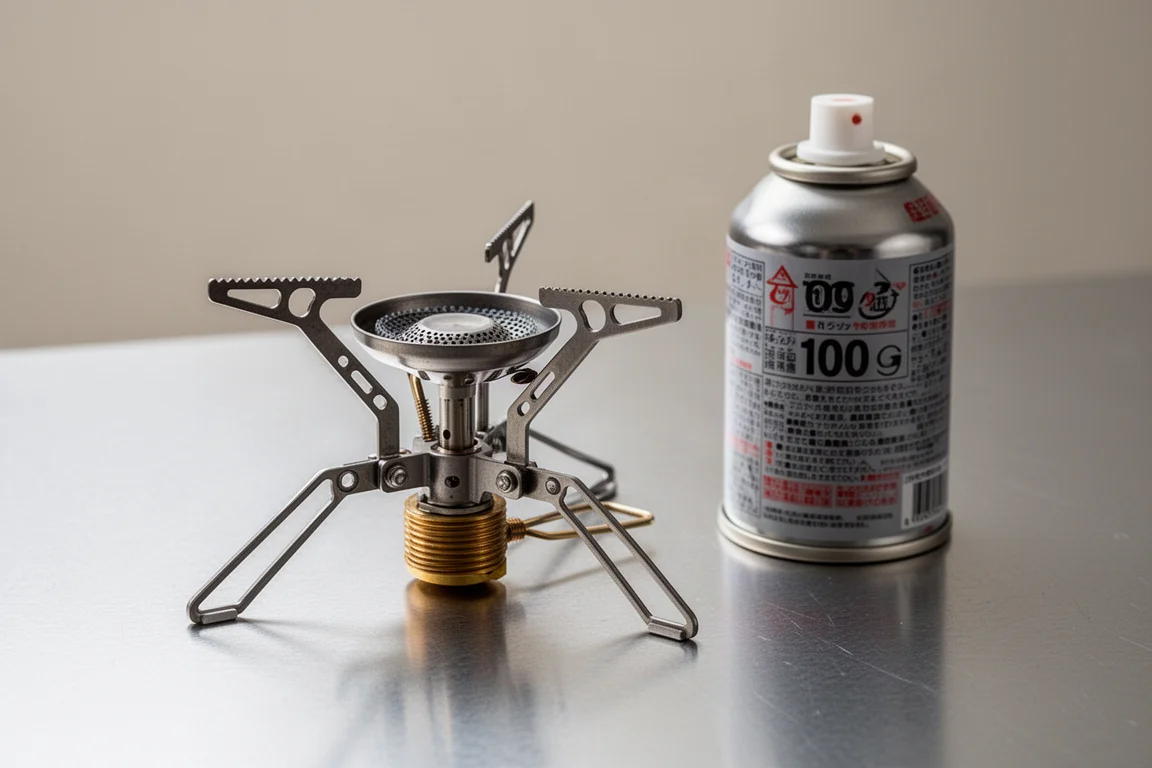
The BRS stove is one of the cheapest ways to get a dependable canister stove into a pack. It weighs just under an ounce, and it has been carried through a complete long-distance thru-hike, which says a lot about how it holds up. It can be temperamental at times, and it has never failed to light and work.
The trade-off is efficiency. Other stoves on the market are likely to burn fuel more slowly, which matters on longer stretches between resupply. For shorter trips and simple boiling, the low weight and low price are hard to argue with. Expect to pay somewhere around $16 to $17.
Stanco Aluminum Grease Pot: A One-Liter Workhorse
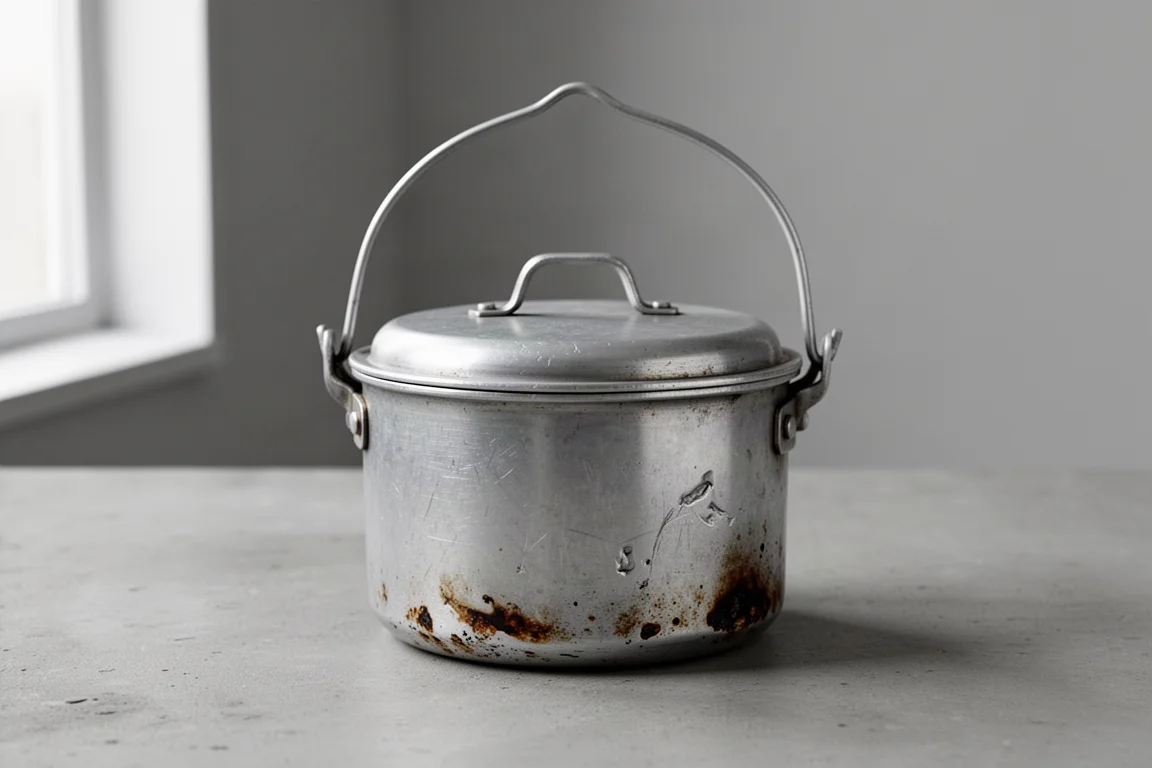
The Stanco aluminum grease pot has been in service since a 2015 thru-hike and has probably covered close to 10,000 miles, cooking over fires and stoves alike. It weighs 3.5 ounces and holds about a litre of water, which is more capacity than most titanium pots under $30, since those tend to sit around 550 millilitres. That extra volume matters if you are cooking pasta sides or rice sides rather than just boiling water for coffee or a dehydrated meal.
Two things are worth knowing before buying. First, it is manufactured as a grease pot for separating bacon fat, not as a cook pot, and the research on cooking and eating from aluminum cookware is not conclusive, so make your own call on comfort level. Second, pricing and availability vary: it has sold for around $8 in the past and generally runs $13 to $14 now.
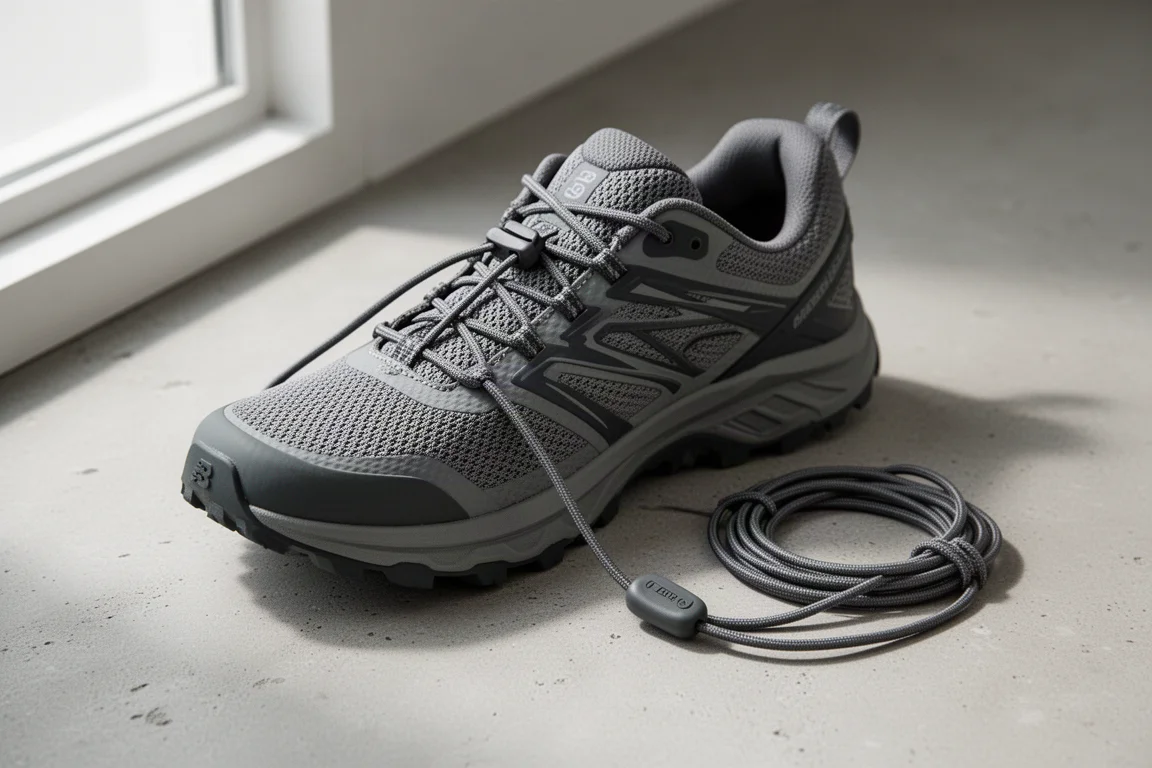
Lock Laces: No More Stopping to Tie Shoes
Lock Laces replace standard shoelaces with a thin elastic cord and a small clip, so you can tighten or loosen your footwear without bending down. That is a minor convenience that becomes a real one when you are wearing a loaded pack and would otherwise have to take it off to retie a shoe.
They fit trail runners and boots, and they come in a range of colours so you can match your footwear.
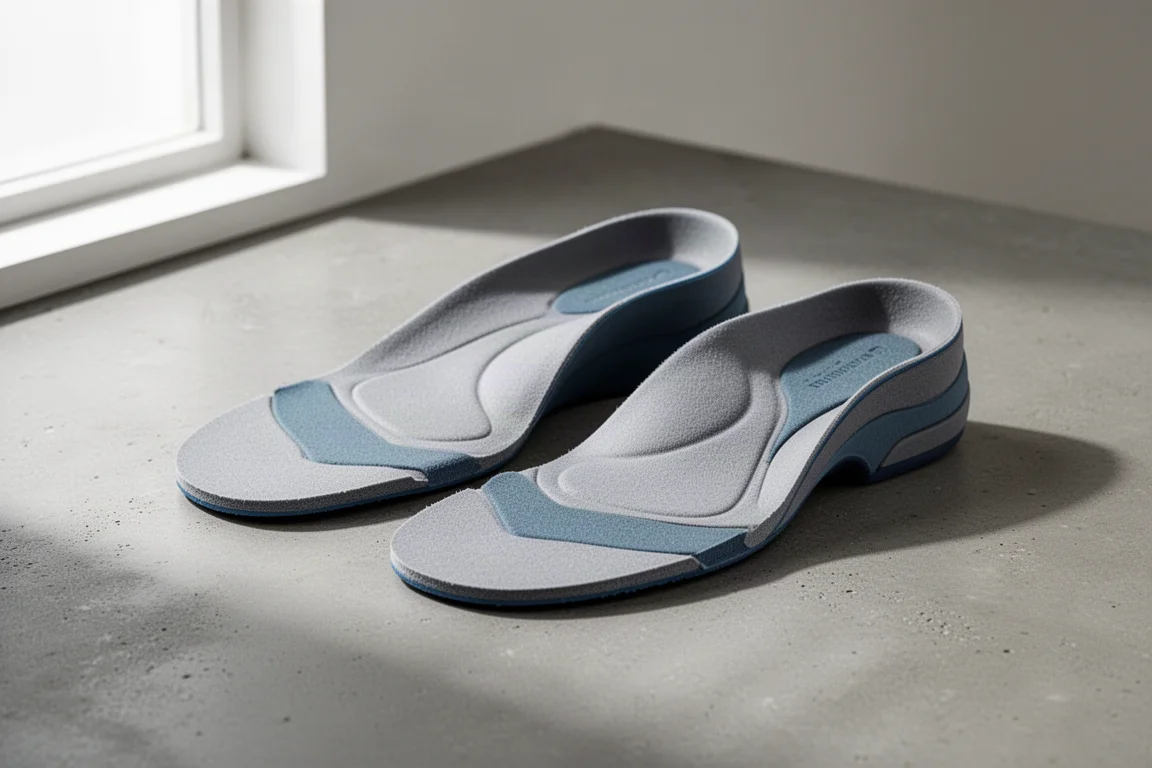
Dr. Scholl’s Plantar Fasciitis Insoles: Affordable Arch Support
Many hikers end up replacing the stock insoles in their trail runners, and premium options commonly run $50 to $60 a pair. Dr. Scholl’s plantar fasciitis insoles cost about $15 and provide noticeably more arch support, which has helped with plantar fasciitis symptoms.
They are not a custom orthotic and the build is simpler than a premium insole, but for a fraction of the price they are a sensible first step for anyone whose feet ache after long days.
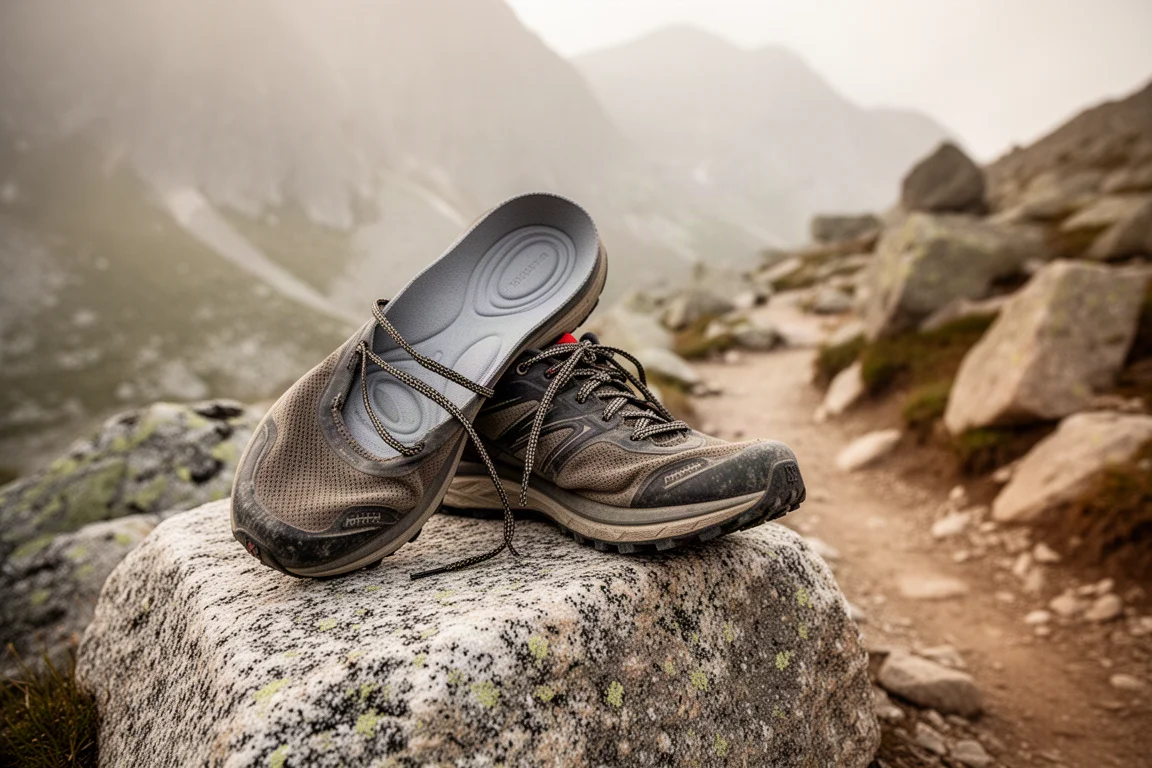
If you have never tried aftermarket insoles, the cheapest way to find out whether arch support helps is to start here and see how your feet respond over a few weeks of walking.
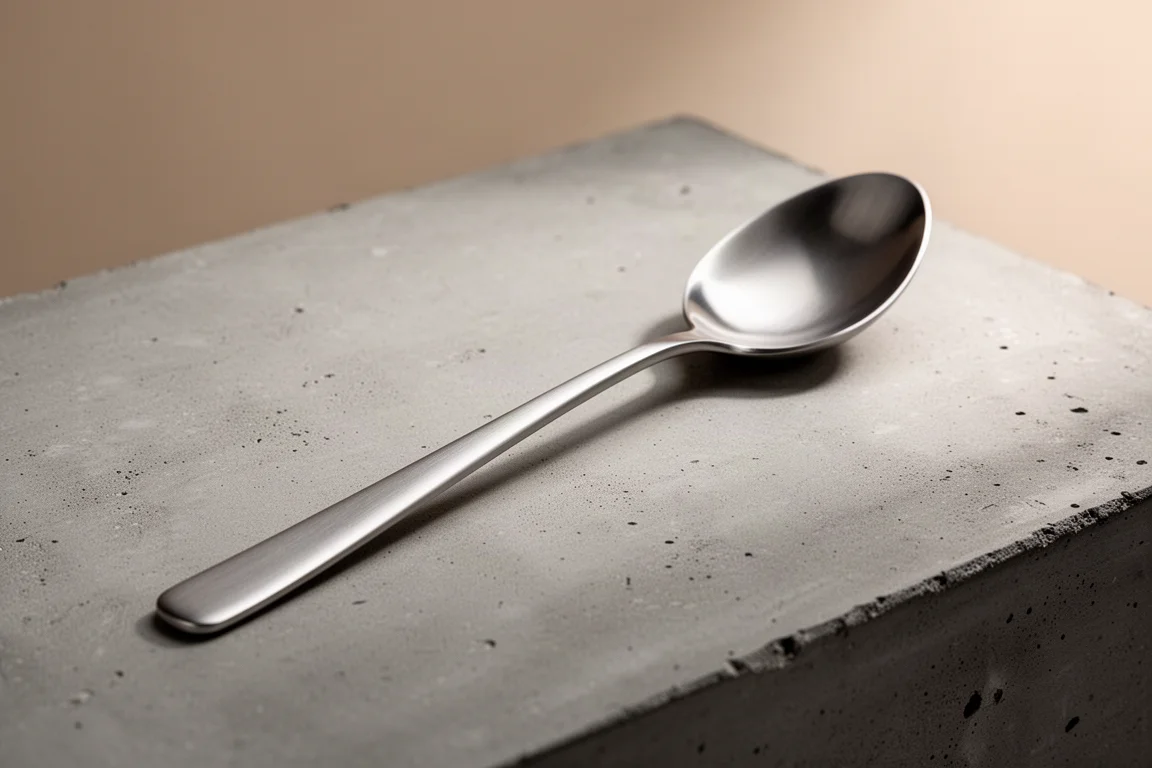
Toaks Long Handle Titanium Spoon: A Small Kitchen Upgrade
A titanium spoon costs about $10 and weighs almost nothing. A plastic utensil could be marginally lighter, but it will not survive the same abuse. The long handle looks excessive in everyday use, and on trail it is the whole point: it lets you eat straight from a dehydrated meal pouch without pushing your hand down into the food.
If you have been carrying a spork, a plain spoon is often all you need. The prongs rarely get used.
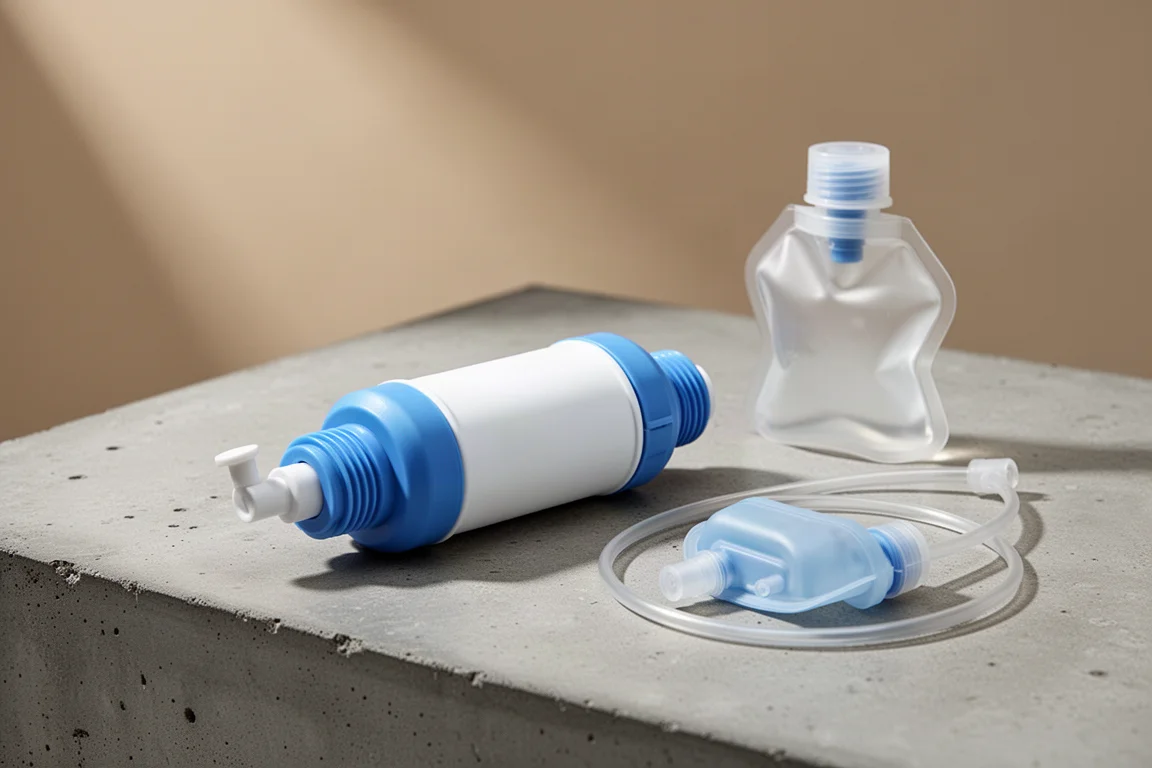
Sawyer Squeeze Mini: Filtration Without the Bulk
The Sawyer Squeeze Mini sits in the $20 to $25 range and filters out what you need to worry about in US backwaters, including bacteria, protozoa, and microplastics. It screws onto bottles with standard threading, so you can scoop dirty water into a sports bottle, attach the filter, and drink through it as you walk.
The Mini’s flow rate is lower than the standard Sawyer Squeeze, which is the main reason some hikers pay a little more for the larger version. If you are filtering for one person and do not mind a slower squeeze, the Mini works.
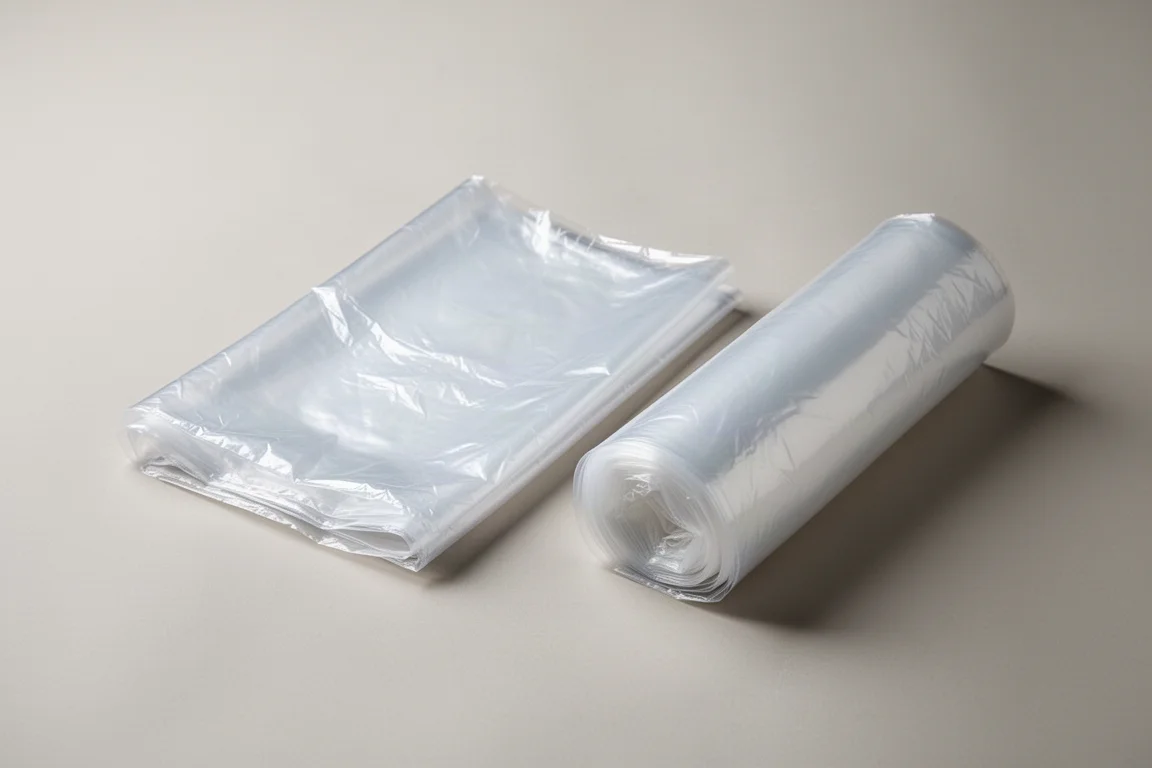
Gossamer Gear Pack Liners: Cheap Insurance for Your Sleep System
A pack liner is one of those items that is easy to forget until a wet day proves why it matters. A simple plastic liner keeps your sleeping bag and spare clothes dry even when your pack soaks through.
Gossamer Gear’s pack liners come in a pack of two for $5 on the brand’s website and have been in regular use for several years. A Nylofume liner is another option at around $4.50 for two, listed at a slightly lower weight; it feels more flimsy in the hand but has held up fine. Either way, liners wear out eventually, so having a spare on the shelf is never wasted.
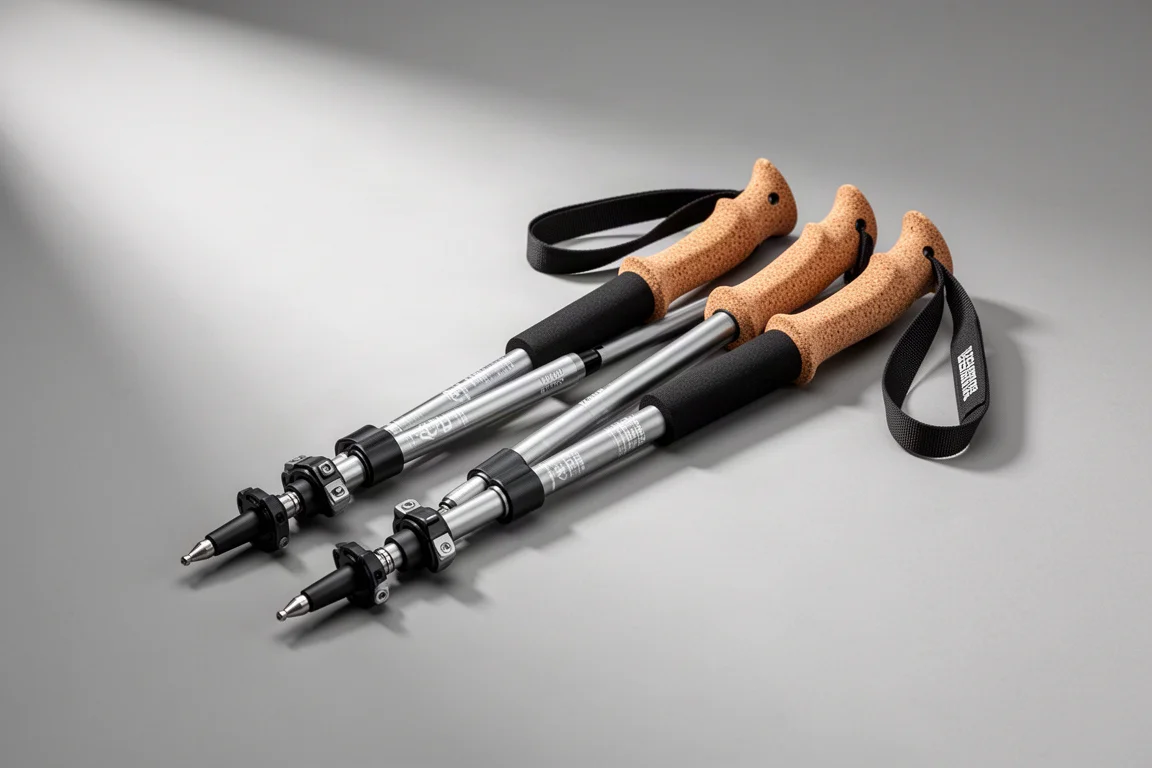
Cascade Mountain Tech Lightweight Aluminum Trekking Poles
Trekking poles can cost several hundred dollars. These aluminum poles from Cascade Mountain Tech cost about $30 and get the job done: they are not the highest-quality poles available and they will not feel as refined as a premium carbon set, but they deliver the balance and joint relief that poles are for.
For a first pair, or for a hiker who is not yet sure they will stick with poles, the low entry price makes a lot of sense.
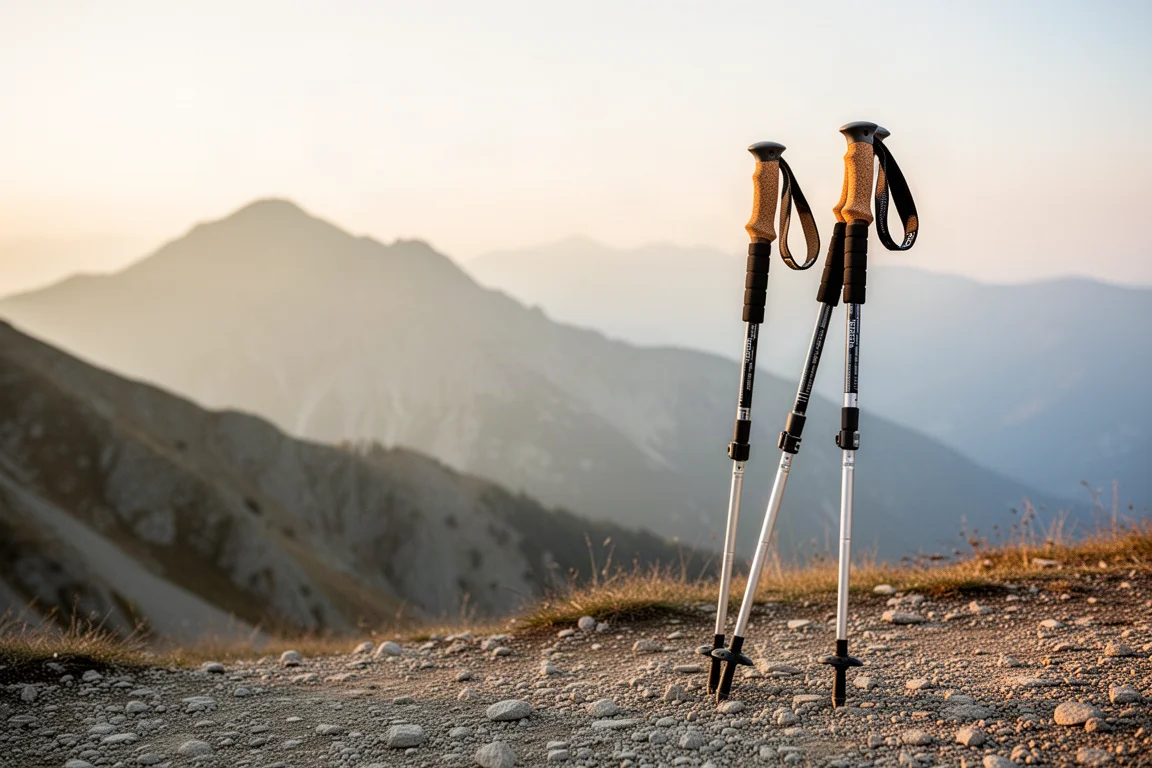
Poles also double as shelter supports and, for some hikers, as a digging tool, so an inexpensive pair is a low-risk way to find out whether you like walking with them at all.
Zpacks Shepherd Hook Stakes: Minimalist Anchors
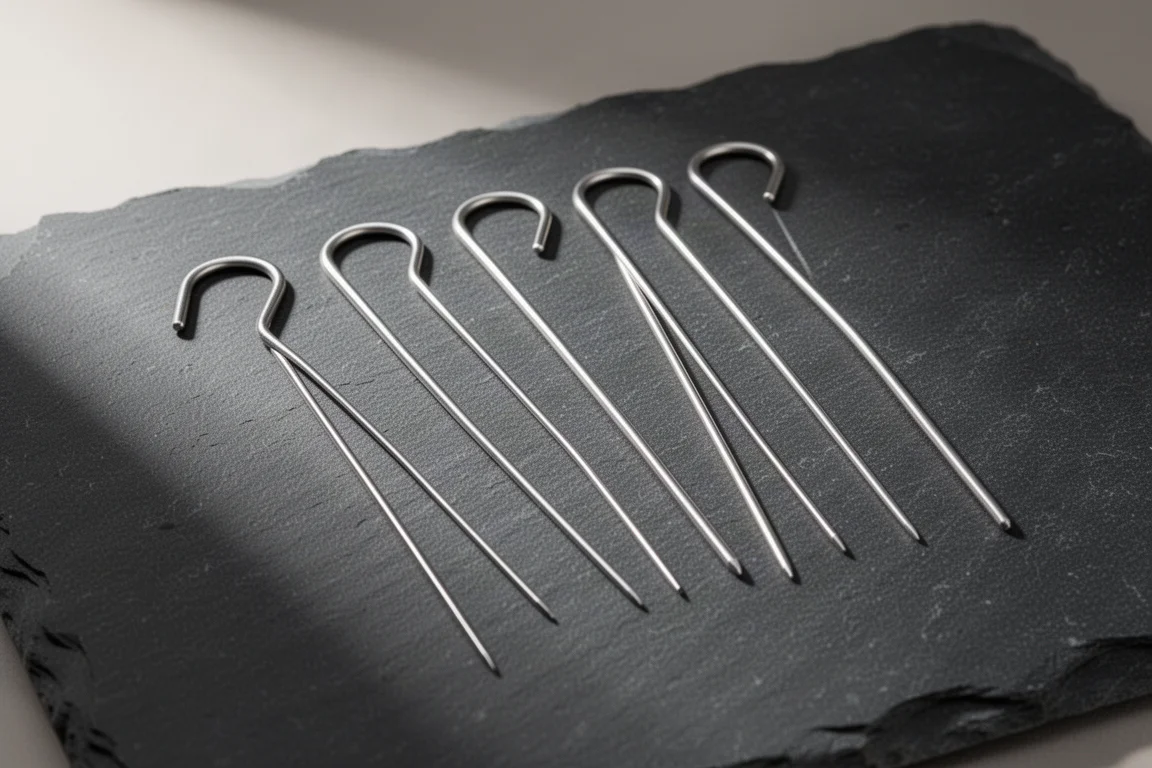
Stakes are a personal preference shaped by the ground you camp on. Zpacks’ shepherd hook stakes are about as minimal as it gets: a thin titanium hook that has held firm in places where people said it could not. MSR Groundhog stakes, including the mini version, are another dependable option.
Any set of stakes here costs well under $30, and carrying a few extras is worthwhile because stakes are easy to leave behind at a campsite.
Deuce of Spades Trowel: The Popular Ultralight Choice
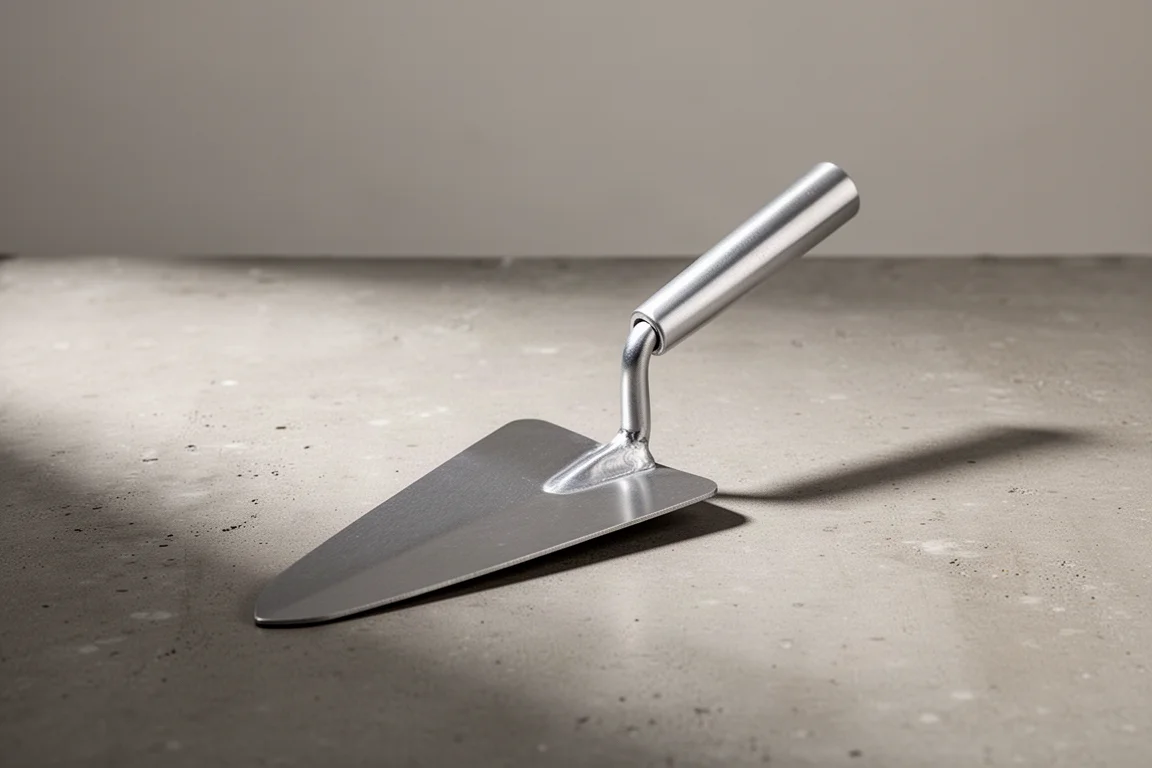
The Deuce of Spades is probably the most widely used ultralight trowel, weighing less than an ounce and costing around $20. It has a solid following, though it did not work especially well in the hard, rocky ground where it was tried, and some hikers find that collapsing a trekking pole and using the tip to dig works better for them.
If you prefer a dedicated tool, this is the one most people reach for.
Dirty Girl Gaiters: Keeping Debris Out of Your Shoes
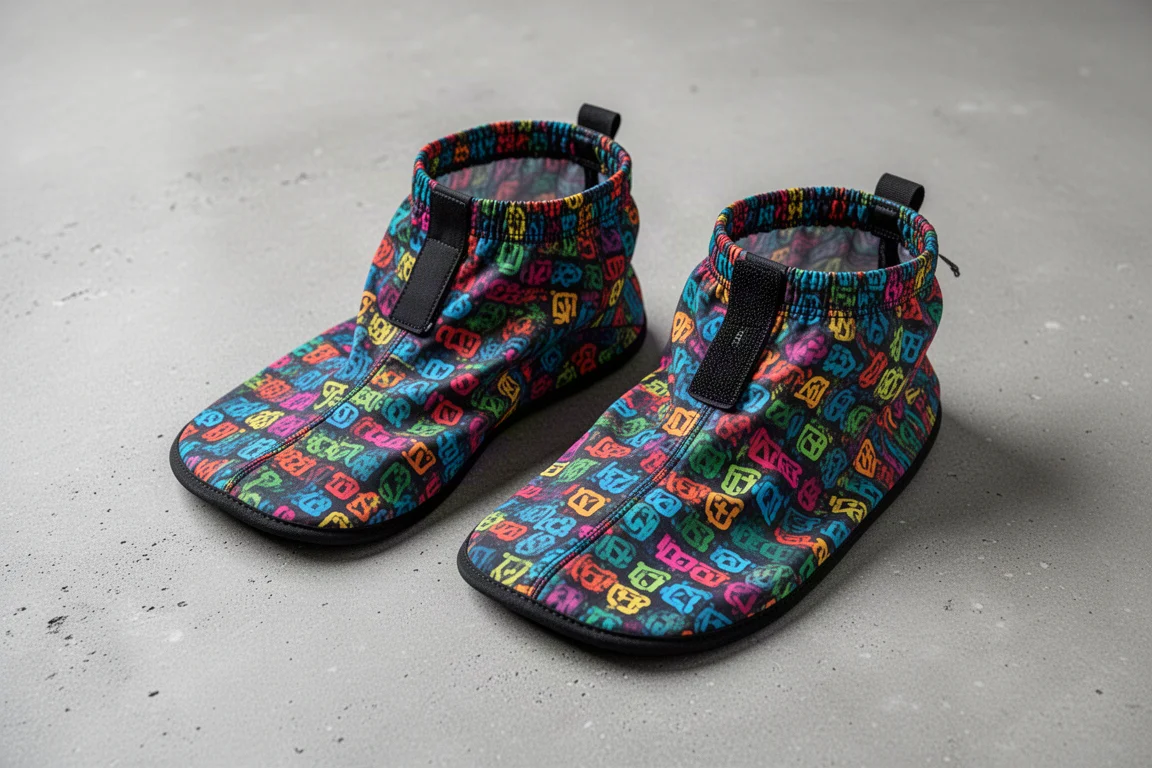
Low-cut gaiters are for hikers who keep stopping to shake rocks and sticks out of their shoes. Dirty Girl Gaiters are the best-known option, and similar pairs are available for under $30.
They are not for everyone. Gaiters are one more thing to fuss with, and not every hiker notices a difference. If you are emptying your shoes several times a day, though, they are worth trying.
Darn Tough Socks: The Case for Spending More on Socks
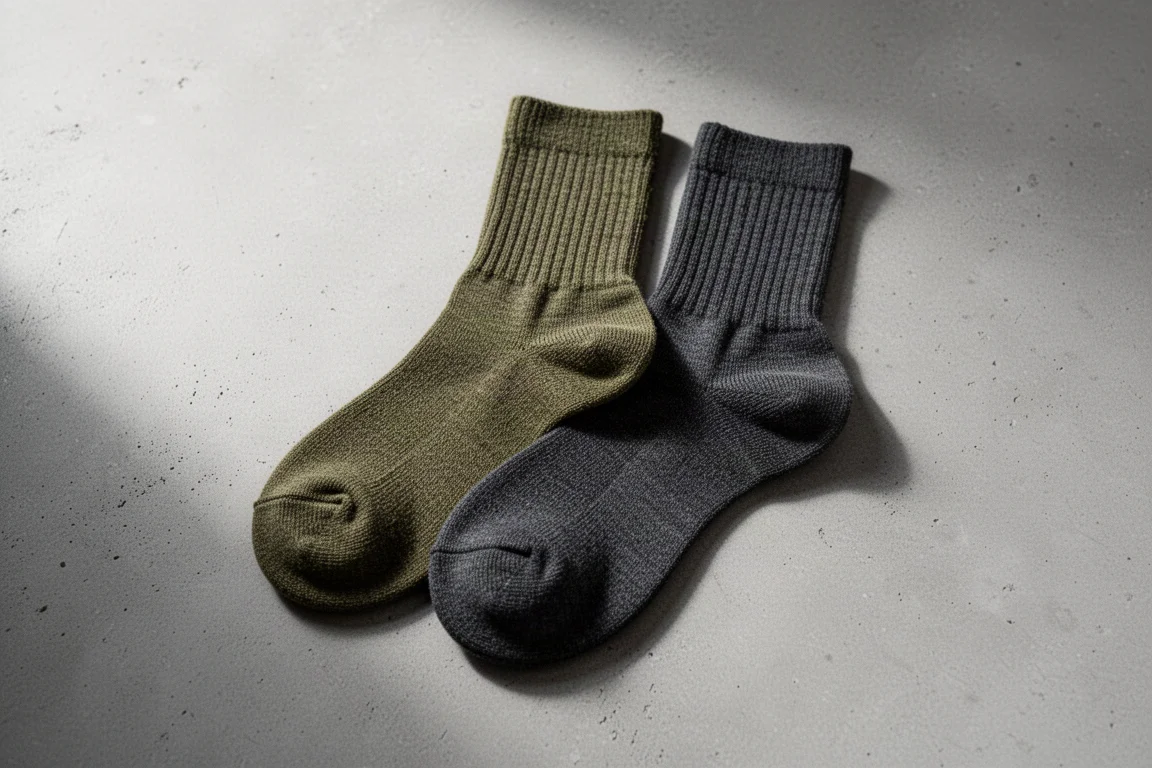
Twenty dollars for a pair of socks sounds steep until you consider that they carry a lifetime warranty: wear a hole in them and the brand will replace them. Darn Tough and Farm to Feet are the two names that come up most often, and both typically sit at around $20 or less per pair.
Clothing is where a budget can stretch furthest, and not every item needs a premium label. Budget synthetic tops, leggings, and fleeces from general retailers will keep you warm on trail and at night for well under $30 per piece.
Heather’s Choice Packaroons: A Cleaner Trail Snack
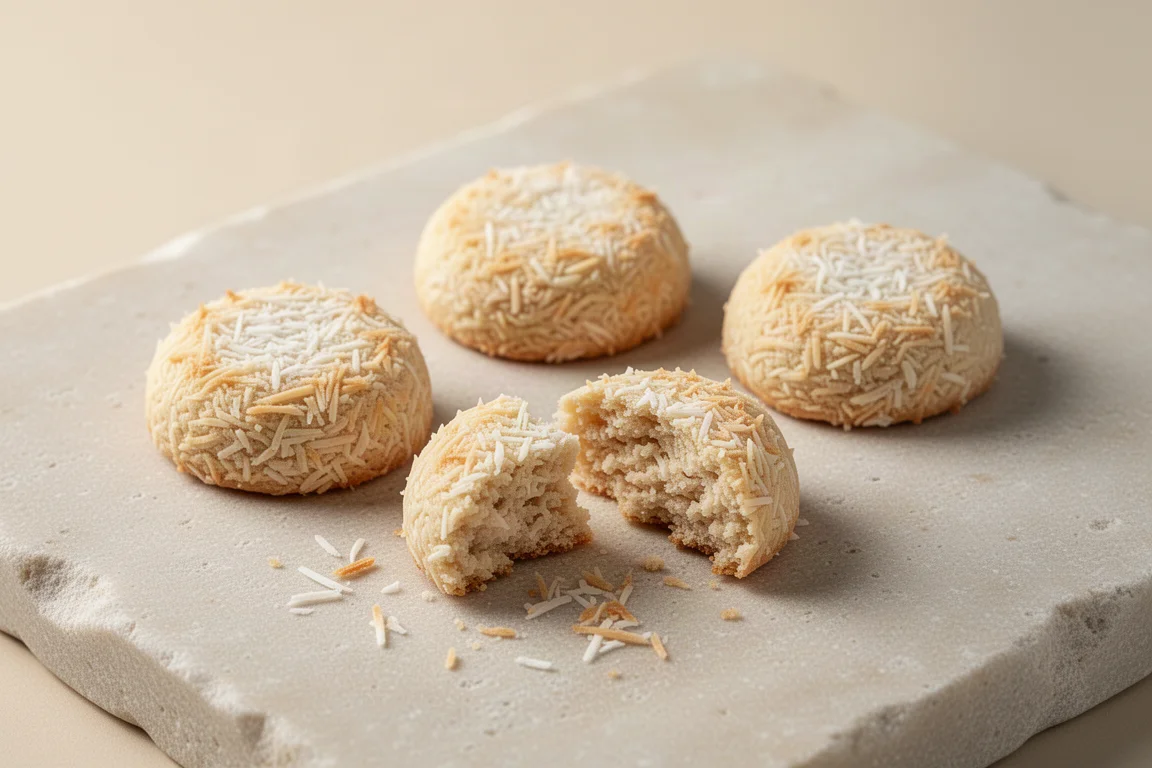
Trail food is where small purchases add up fastest, and single servings of most backpacking meals and snacks land under $30. For hikers who want something closer to a clean diet, Heather’s Choice Packaroons are a coconut-based snack, and there is a candy cane flavour in the lineup.
They are very coconut-forward, so anyone who dislikes coconut should look elsewhere. Other options worth packing include meat and veggie bars, single-serve packets of olives, and classic candy bars.
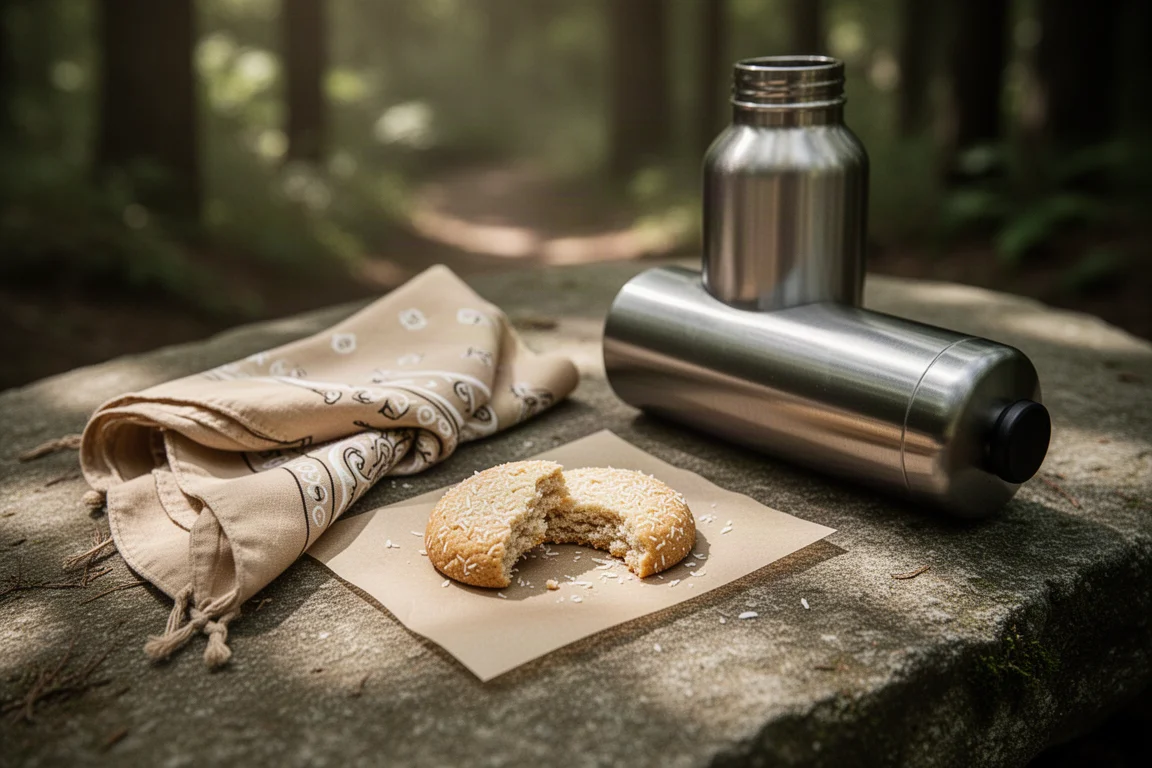
Snacks also make good gifts for a hiker, along with dehydrated meals and the small consumables that always need replacing.
Overall Buying Advice
Budget gear works best when it is bought to solve a specific problem. Start with the items that affect safety and comfort: water filtration, a way to keep your sleeping bag dry, and footwear that fits. Then add the small conveniences, such as laces, a spoon, or gaiters, as you notice what annoys you on trail.
A few of the picks here have known limitations. The aluminum pot is not designed as cookware, the Mini filter is slower than its larger sibling, and the trowel did not suit every soil type. Those caveats do not make the products bad value, but knowing them in advance means fewer surprises.
Prices shift with sales and seasons, so check current listings before ordering, and treat the $30 figure as a rough boundary rather than a rule.
Conclusion
None of the gear on this list is glamorous, and that is rather the point. A sub-$20 stove, a grease pot that has covered roughly 10,000 miles, a $5 pair of pack liners, and socks that get replaced when they wear out all do the same job as far more expensive equipment: they keep you moving and comfortable.
For anyone building a kit from scratch, these are sensible places to start. Buy the cheap version first, use it enough to understand what you actually want, and upgrade only the pieces where the limitation genuinely bothers you.
Further reading
Related Reviews

Backpacking Gear
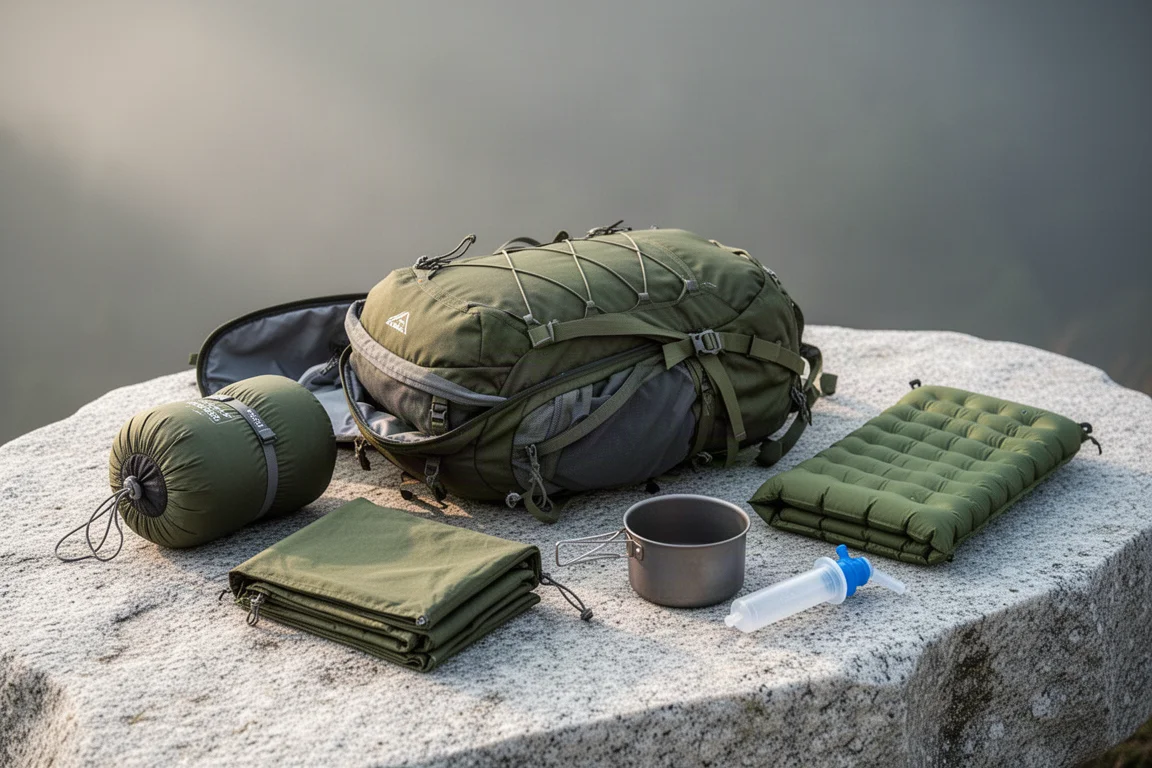
Building a 10 lb Base Weight: An Ultralight Backpacking Gear List
A practical walkthrough of the ultralight pieces behind a 10 lb base weight, from a 765 g pack and a roomy one-person tent to a full camp chair and a dependable water filter.
Backpacking Gear
A 15-Pound Lightweight Backpacking Gear List for Solo Trips
A beginner-friendly 15-pound backpacking setup built from easy-to-find gear, with notes on what each piece does, how it packs, and where to spend your attention.
Backpacking Gear
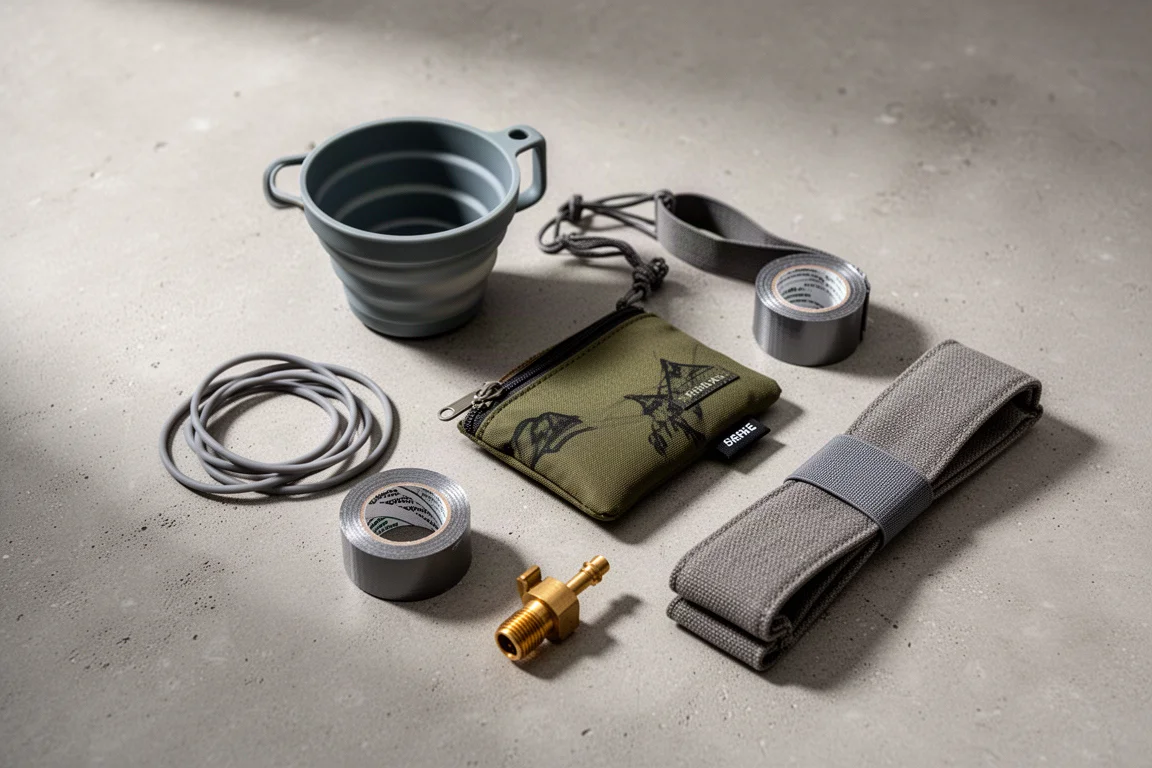
8 Ultralight Backpacking Gear Upgrades Worth Carrying
Eight small, affordable backpacking upgrades that solve real trail annoyances, from a pillow that stays put to a fuel valve that rescues leftover canister gas.