Backpacking Gear
Best Budget Backpacking Gear From Decathlon Forclaz: Six Pieces Worth Knowing
A practical look at six affordable Decathlon Forclaz pieces, with the standouts, the compromises, and the items worth skipping.
Introduction
Backpacking gear is expensive, and for many people the total cost of a full kit is the single biggest barrier to getting outside. Decathlon is the largest outdoor retailer in the world and operates in 72 countries, and it has built its reputation on making durable equipment at prices that are hard to argue with. Most of its range also carries a five-year warranty, which is unusual at this end of the market.
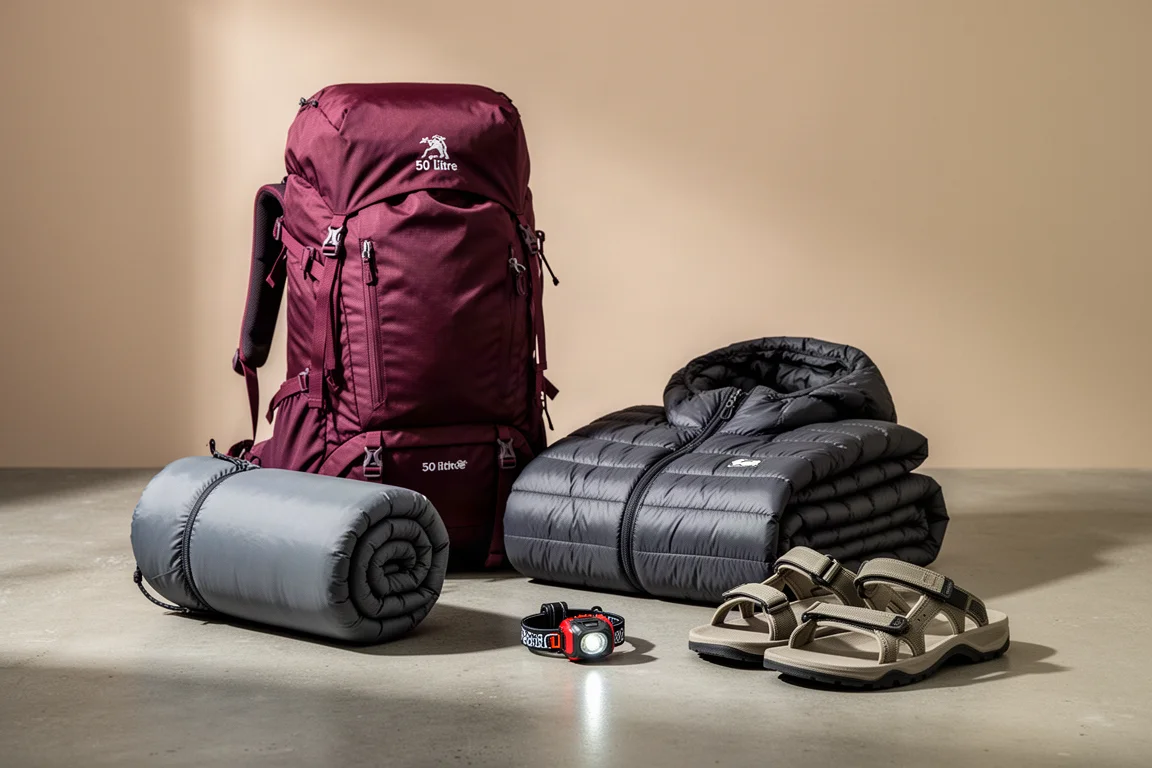
This roundup covers six pieces from the Decathlon Forclaz line: a 50 L backpack, a 0 °C synthetic sleeping bag, a self-inflating sleeping pad, a down hoodie, a rechargeable headlamp, and a pair of camp sandals. All six were used on a short but steep alpine trip carrying roughly 30 lb of gear, which is enough weight to expose a weak harness and enough cold to test a sleeping system properly.
The short version: the backpack and the insulation are excellent value, the sleep system is where the compromises show, and one accessory is not worth buying at all.
What Decathlon Forclaz Brings to Budget Backpacking
Budget gear is usually discussed through a simple triangle: strong, light, and cheap. You can generally pick two. Decathlon sits firmly in the strong and cheap corner. The materials are durable, the construction is tidy, and the warranty is long, but the weight figures are usually higher than what premium brands manage.
That trade-off matters most on the heaviest items. A heavier pack or sleeping bag costs you comfort on every climb, while a heavier jacket or pair of sandals costs you almost nothing. Knowing where the weight actually sits is the fastest way to build a sensible budget kit.
The other pattern worth understanding is that a brand can make some products that are affordable and genuinely good, and other products that are affordable and clearly compromised. The differences are not obvious from the price tags alone, so it pays to know which pieces in the range are the standouts.
Decathlon Forclaz MT 100 Easyfit 50L Backpack
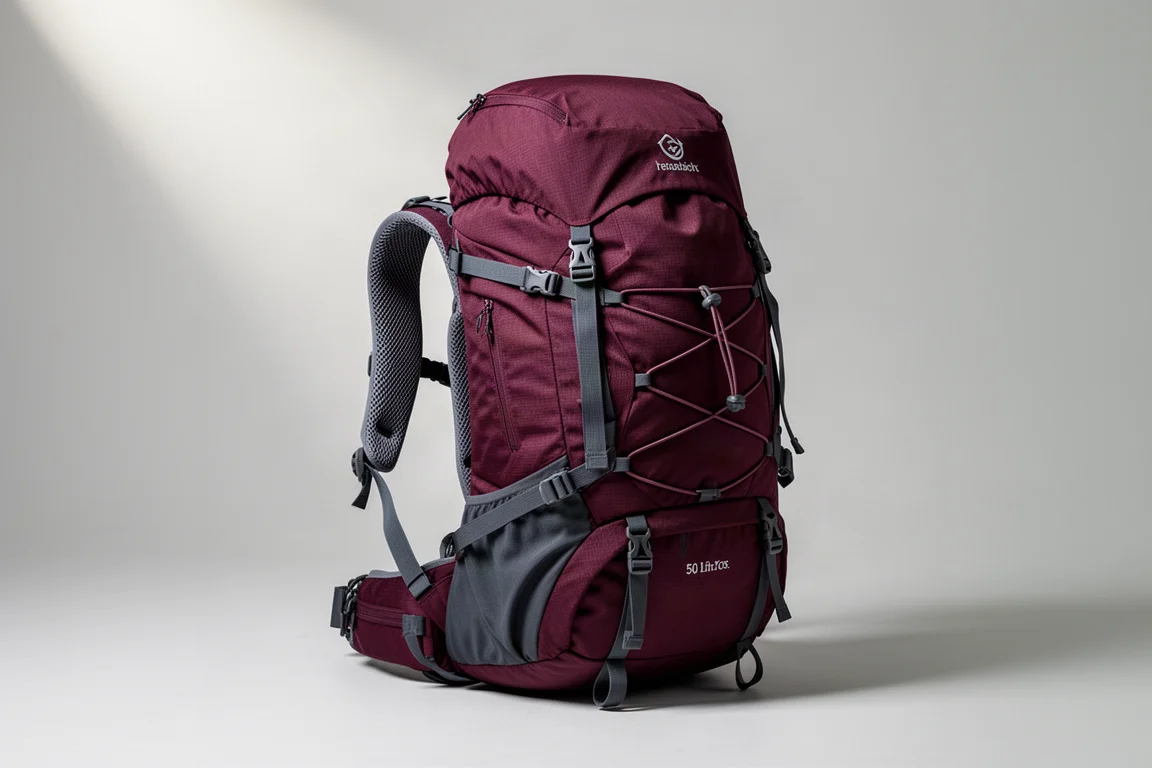
The MT 100 Easyfit 50 L is the strongest piece in this group and the one most likely to change how a beginner shops. It costs about $100 for a 50 L pack, which is remarkable for the capacity, and it includes a rain cover.
The headline feature is the Easyfit harness. Instead of measuring your torso and adjusting the back panel by hand, you put the pack on and tighten the shoulder straps, and the harness slides into position and hugs your body. It settles like a glove with almost no fiddling, which is exactly what a first-time buyer needs.
On the trail it carried a full 30 lb load well, with none of the sag or shoulder digging that cheap packs often show under weight. There is also a panel-loading zip that opens the bag like a suitcase, plus a dedicated sleeping bag compartment at the base.
The compromises are about pockets rather than performance. There is only one water bottle pocket and only one hip belt pocket, and the hip belt is blank on the other side. With the bag stuffed to the brim, a few items had to be strapped to the outside. For $99, this still looks like one of the best budget backpacking packs available.
Decathlon Forclaz Trek 500 Sleeping Bag
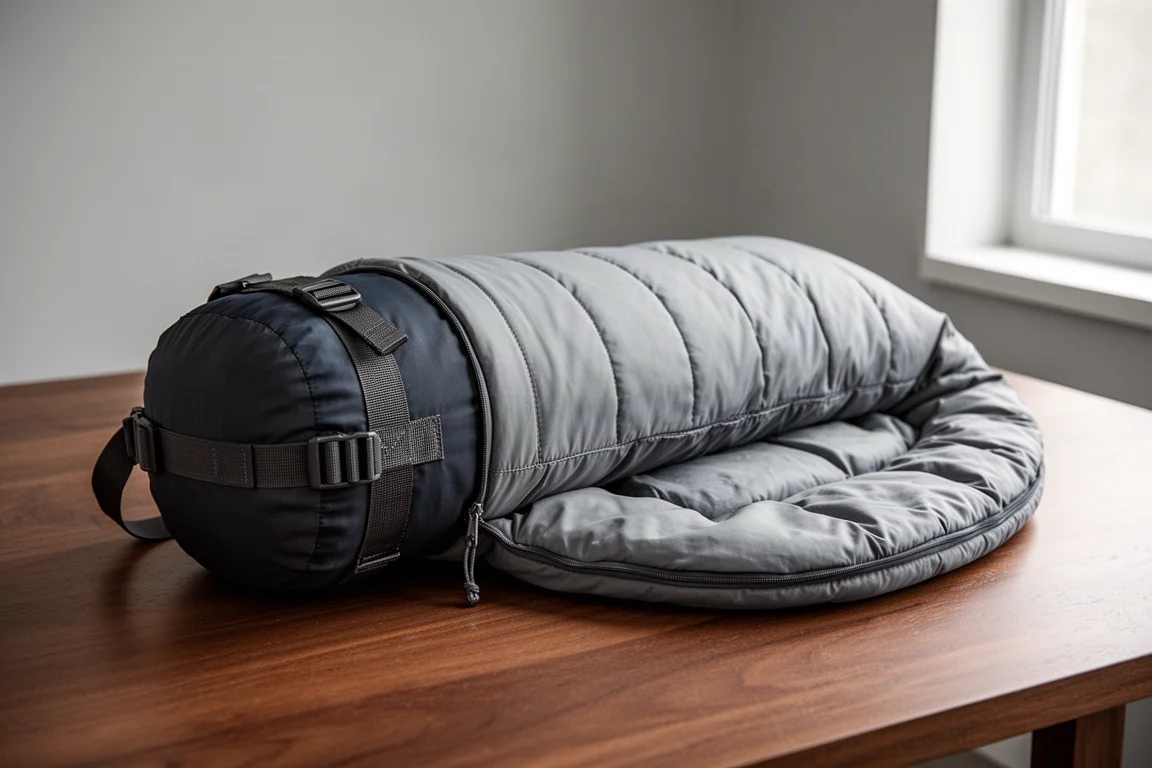
The Trek 500 is a synthetic bag rated to 0 °C (32 °F). It normally sells for around $100 and is frequently discounted, sometimes to roughly $60, which makes it one of the cheapest ways to get a bag with a stated comfort rating.
It weighs 820 g, or about 1 lb 14 oz, and it does not compress small, so it takes up a lot of room. It fits into the bottom compartment of the 50 L pack, but only just.
The problems show up in use. The shell material feels unpleasant against the skin, and loose insulation and stray threads were already working their way out at the seams. Around the hood and neck there are thin strings that catch the face, along with a stiff plastic section and stiff fabric that rub constantly. The zippers are awkward to open in the dark as well. On a night that dropped into the high 30s Fahrenheit, the bag felt cold.
This is the clearest example of the pattern described earlier: a brand can build affordable gear that is excellent and affordable gear that is not. At $60 on sale it is a cheap way to start, but it is not a bag to build a kit around.
Decathlon Forclaz MT 100 Sleeping Pad
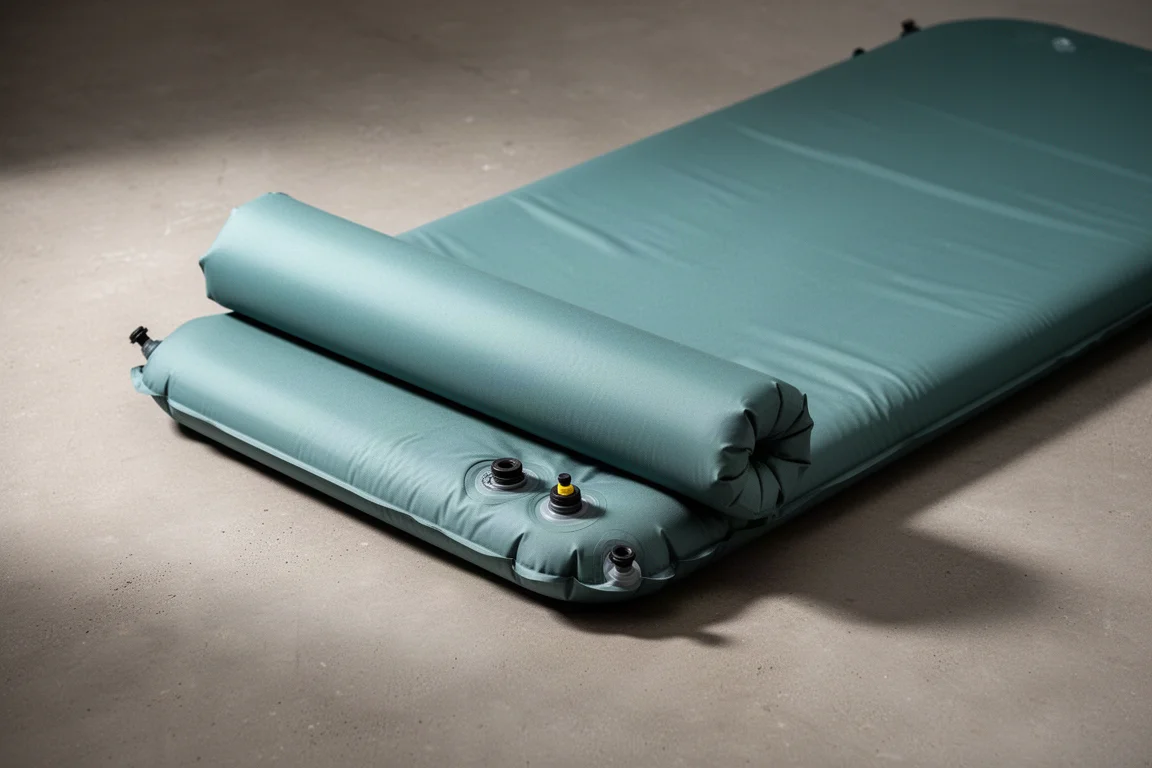
The MT 100 is a self-inflating pad with an R-value of 2.7, which puts it in warm-weather territory. It is a one or two season pad for most people, and it is not the pad to take into shoulder season cold. It costs about $50.
Setup is simple: unroll it, open the valves, let it self-inflate, then top it up by mouth. The instructions are specific about keeping it out of direct sun and avoiding pumps, which is worth reading before the first trip. It packs down small and layers easily with a closed cell foam pad for extra warmth.
The real issue is comfort. The pad is thin and extremely firm, and it sleeps more like a board than a mattress. It cannot be softened by letting air out, because the firmness comes from the foam and the thin profile. For a very still back sleeper it may be fine, but for most people it is a compromise too far, even at $50.
One small accessory in the same range is worth flagging: a $10 inflatable pillow that turned out to be genuinely comfortable, with a crinkle that disappears once you are lying on it. If a backpacking pillow has always felt like an unjustifiable expense, that is an easy $10 to spend.
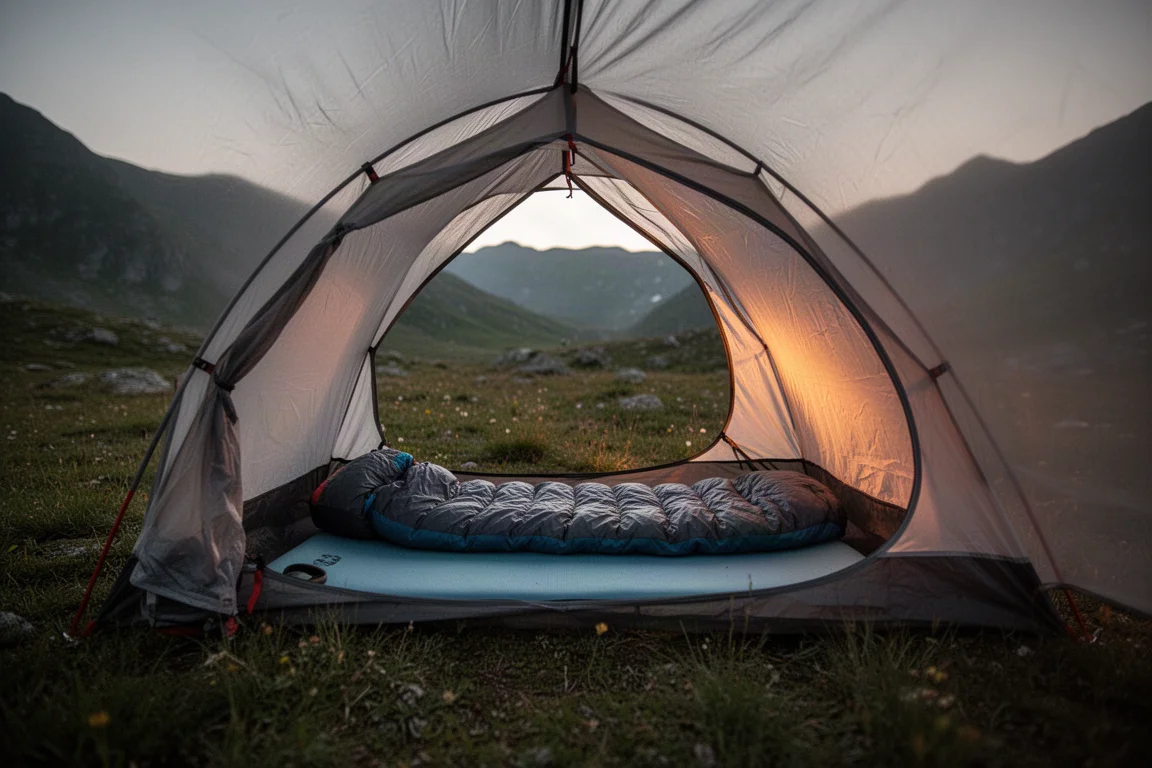
If your trips are short, warm, and dry, the MT 100 will get you out the door for very little money. If you sleep cold, or you camp above the treeline, put the budget toward a pad with a higher R-value instead.
Decathlon Forclaz Down Hoodie
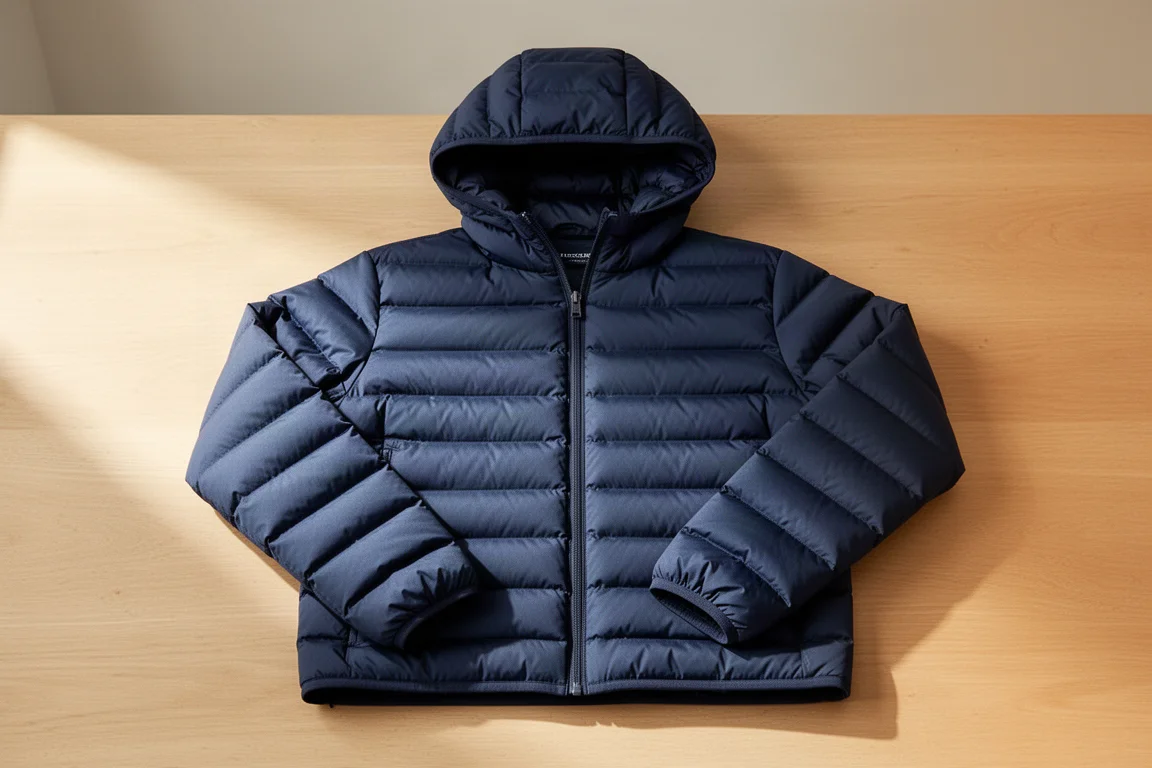
The down hoodie is the piece with the loudest reputation, and it holds up. At about $100 it is warm, comfortable, and feels genuinely well made, with a level of finish that does not match the price.
It layers cleanly with the matching fleece, which costs around $40 and is cozy, well made, and slightly cheaper than many comparable budget fleeces. Bought together, the fleece and the down hoodie come to roughly $140, which is about half what a single premium down jacket can cost. As a two-piece insulation system for three season backpacking, that combination is hard to beat.
Decathlon Forclaz Headlamp
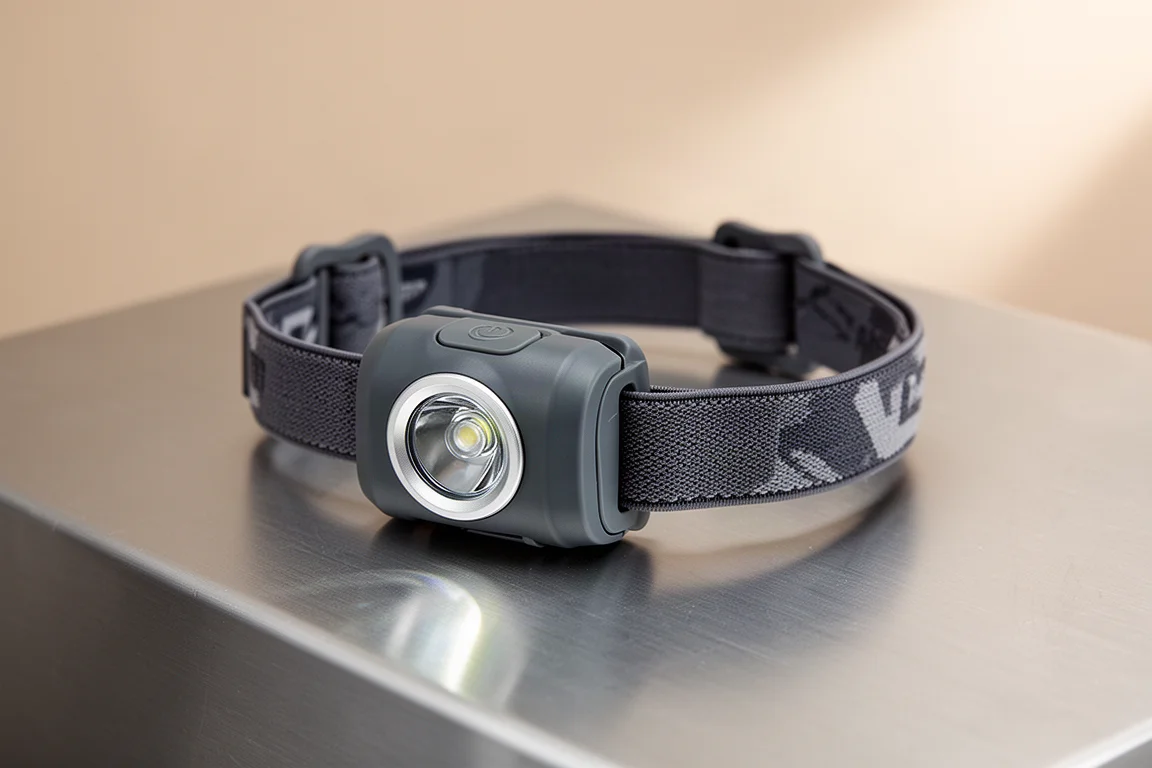
The rechargeable 200 lumen headlamp costs about $20, and it is the one item in this group that is not worth the money. It is dim, heavier than it needs to be, and uncomfortable to wear for long stretches.
Headlamps are one of the few categories where spending a little more buys a lot more. Roughly double the price gets you around double the output at about half the weight, which is a far better use of a small budget. Buy a headlamp elsewhere and put the difference into the pack.
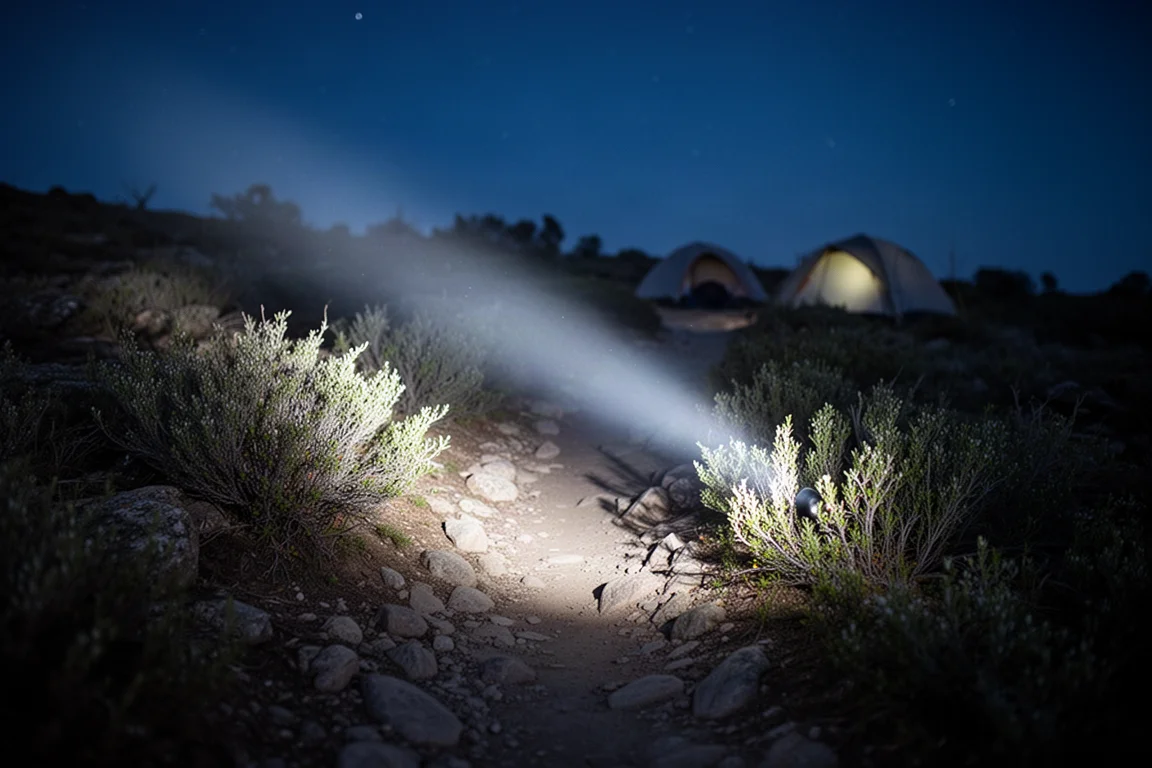
A light that is dim and awkward tends to get left at home, and a headlamp you do not carry is worse than no headlamp at all.
Decathlon Forclaz Sandals
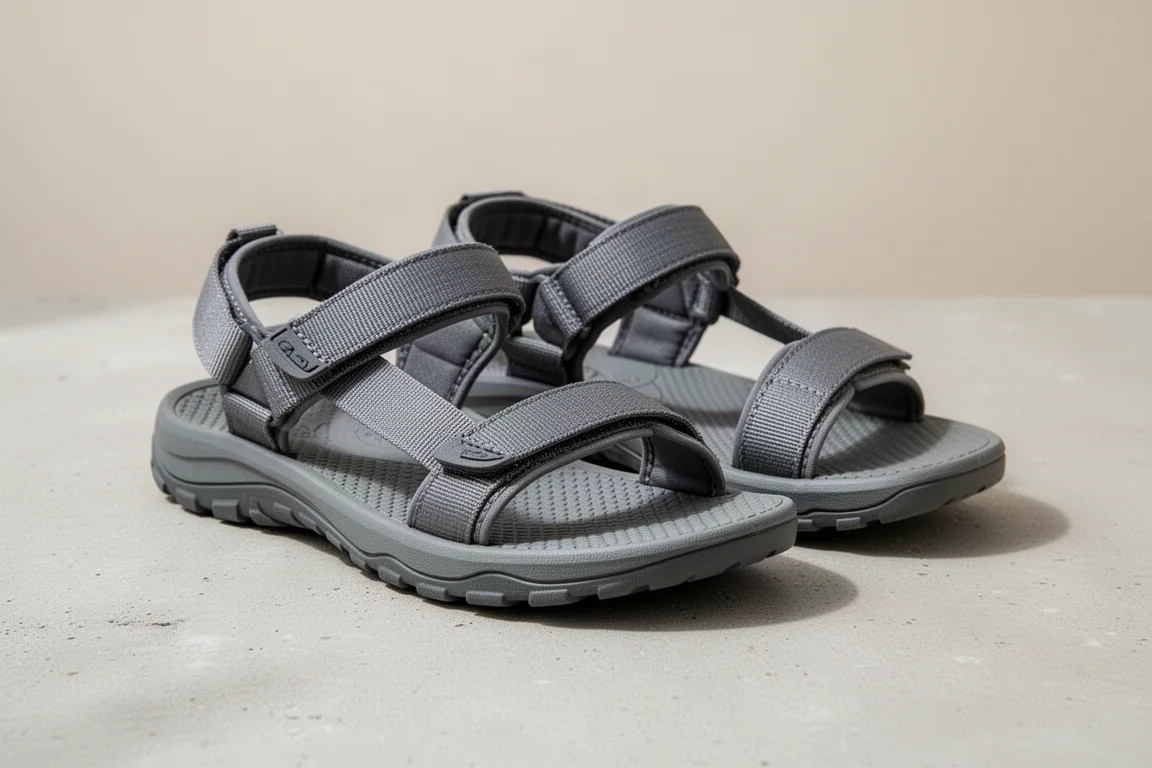
The camp sandals were the surprise of the trip. They are very light, extremely comfortable after a long day of hiking, and easy to live with around camp.
The catch is the price. They cost roughly $5 more than the Teva sandals many backpackers already use as camp shoes, so they are not actually a budget alternative. Judged purely on how they perform, though, they are excellent, and anyone who wants a light, comfortable camp shoe will be happy with them.
Overall Buying Advice: Which Pieces Are Worth It
Start with the backpack. At about $99 the MT 100 Easyfit 50 L is the piece that makes the strongest case for the range, with a harness system that removes most of the fitting guesswork and a carry that holds up under a full load.
Then add insulation. The down hoodie and the fleece are the two safest purchases here, and together they cover a wide range of conditions for around $140.
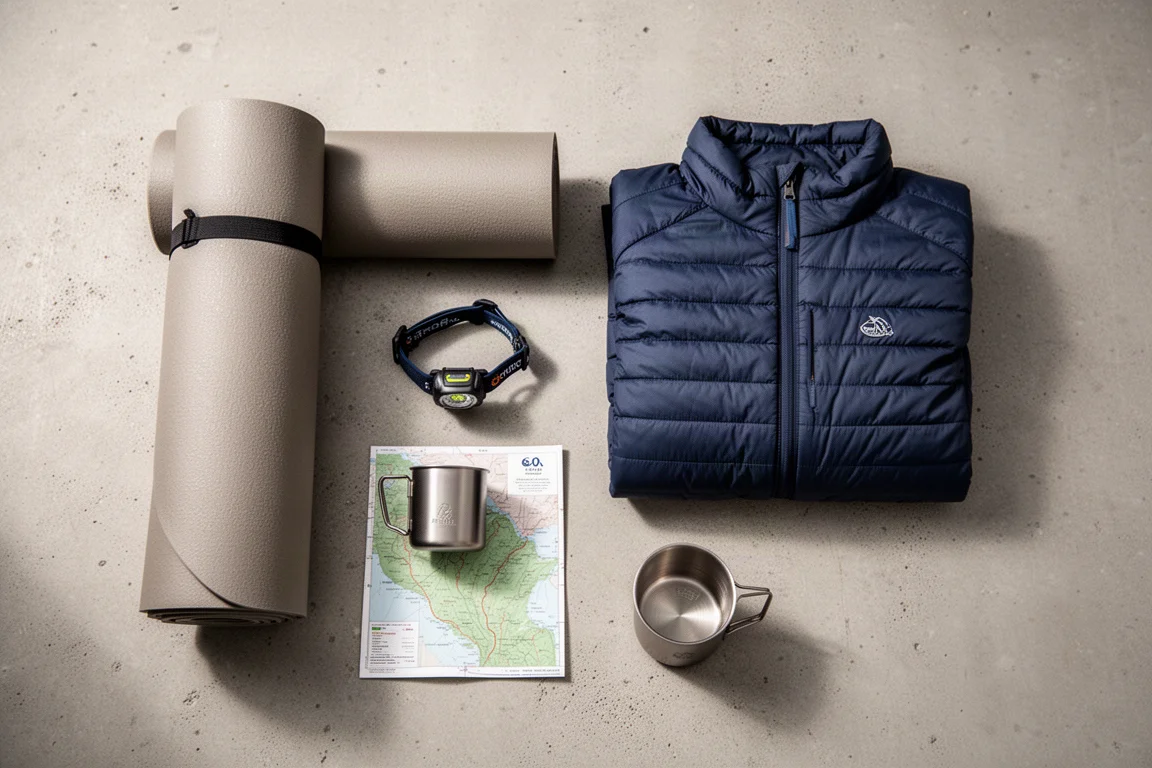
Treat the sleep system as the part to buy elsewhere, or to buy knowing the limits. The Trek 500 sleeping bag is inexpensive when discounted but shows real quality problems, and the MT 100 pad is warm-weather only and very firm. A slightly larger budget spent on a better pad and bag will do more for your nights out than anything else on this list.
Skip the headlamp and buy a brighter, lighter one from another brand. If you need a camp shoe and the price is close to what you would pay anyway, the sandals are a genuine win. One practical note for shoppers outside Europe: Decathlon does not sell backpacking tents in the US, so a shelter will have to come from another brand. Apparel sizing across the range is also limited, so check the size chart carefully before ordering clothing.
Conclusion
Decathlon Forclaz is a mixed bag, but a better one than the price tags suggest. The 50 L backpack, the down hoodie, and the fleece deliver real value and would not look out of place in a kit costing several times as much. The sleeping bag, sleeping pad, and headlamp are the pieces to leave on the shelf. Buy the standouts, replace the weak points, and you can put together a functional three season backpacking kit for a fraction of what a premium setup costs.
Further reading
Related Reviews

Backpacking Gear
Building a 10 lb Base Weight: An Ultralight Backpacking Gear List
A practical walkthrough of the ultralight pieces behind a 10 lb base weight, from a 765 g pack and a roomy one-person tent to a full camp chair and a dependable water filter.
Backpacking Gear
A 15-Pound Lightweight Backpacking Gear List for Solo Trips
A beginner-friendly 15-pound backpacking setup built from easy-to-find gear, with notes on what each piece does, how it packs, and where to spend your attention.
Backpacking Gear
8 Ultralight Backpacking Gear Upgrades Worth Carrying
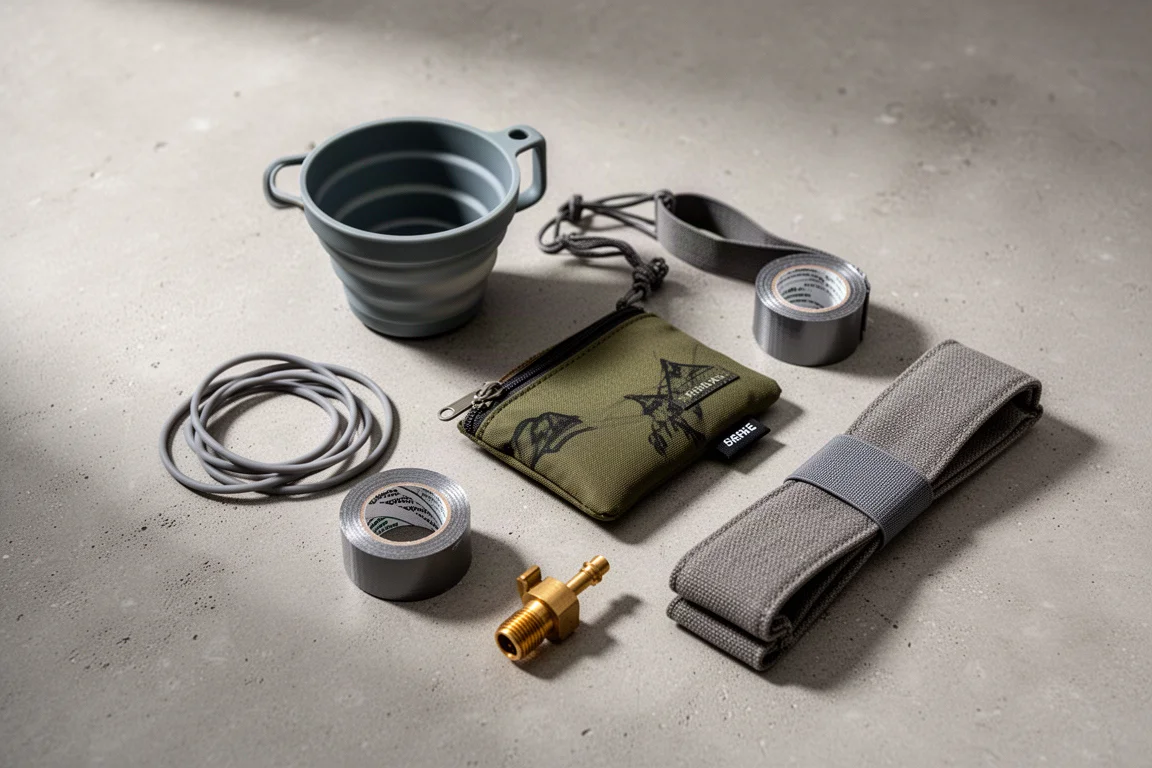
Eight small, affordable backpacking upgrades that solve real trail annoyances, from a pillow that stays put to a fuel valve that rescues leftover canister gas.