Backpacking Gear
Best Budget Backpacking Gear 2026: Four Field-Tested Picks for the Big Three
A pack, a tent, a quilt, and a sleeping pad tested in the Canadian Rockies, with honest notes on carry comfort, storm worthiness, warmth, and value.
Introduction
The pack, the shelter, and the sleep system are where most backpacking budgets go, and they are also where the gap between cheap and expensive gear shows up fastest. That makes this set of four pieces interesting: three of them come in under $100, and the fourth is one of the more affordable quilts on the market.
They were put to work on a backpacking trip in the Canadian Rockies, with overnight temperatures dropping to around -3°C and wind picking up after dark. Some of them exceeded expectations. One of them raised real questions about its headline claim.
The goal here was not to crown the cheapest option, but to work out which of these four pieces are genuinely worth carrying and which need a caveat attached before you buy.
How These Four Pieces Were Evaluated
The priorities were straightforward: gear that is easy to use, affordable, reasonably light, and functional in real conditions. In practice that meant looking at how each item carried, pitched, or slept, how the materials and construction held up, and whether the manufacturer’s claims matched what happened on the trail.
Each item was used in the field overnight rather than judged from a spec sheet. Where a claim did not hold up, that is noted. Where an item beat expectations, that is noted too.
Decathlon MT100 Pack: Comfortable Carry, Uneven Organization
Decathlon positions the MT100 around three claims: carrying comfort, versatility, and ventilation. The ventilation claim is the easiest to settle. There is a lot of contact between the padding and your back and not much airflow, so a warm day on the trail means a sweaty back within a few miles.
Carrying comfort is a different story. With roughly 25 to 30 lbs loaded, the pack carried the weight well enough that it was barely noticeable. Generous padding across the shoulders, hips, and back cushions the load, and two large aluminium stays transfer weight down to the hips effectively. The adjustable torso is the standout feature: put the pack on, pull the red straps to line the shoulder straps up with your back, tighten the load lifters, and the fit is dialed in. It is the best adjustability system of this kind, and it makes the pack genuinely easy to fit properly.
Organization is where the design gets inconsistent. There is a hip belt pocket on the right side only, with nothing on the left, where a second pocket or at least an accessory loop would have been welcome. The right-side water bottle pocket is easy to reach into but awkward to put a bottle back into one-handed while walking. The left side has no traditional side pocket at all, just a large zippered stuff pocket that works for a camp chair or a bottle you do not need during the day, plus straps for lashing gear down. The right side does get a proper side pocket above the bottle pocket, which is the better setup. Up top there is a standard lid with a zippered pocket for keys and small items. The front has no pocket, only a long zipper into the main compartment, and that zipper feels like it comes under stress when the pack is packed full.
The MT100 weighs under 2 kg and costs $99, which makes it one of the more affordable packs that still carries a load properly. The organization choices are worth weighing against your own habits, because the carry itself is genuinely good.
Clostnature Crux One-Person Tent: Storm-Worthy Shelter at a Low Price
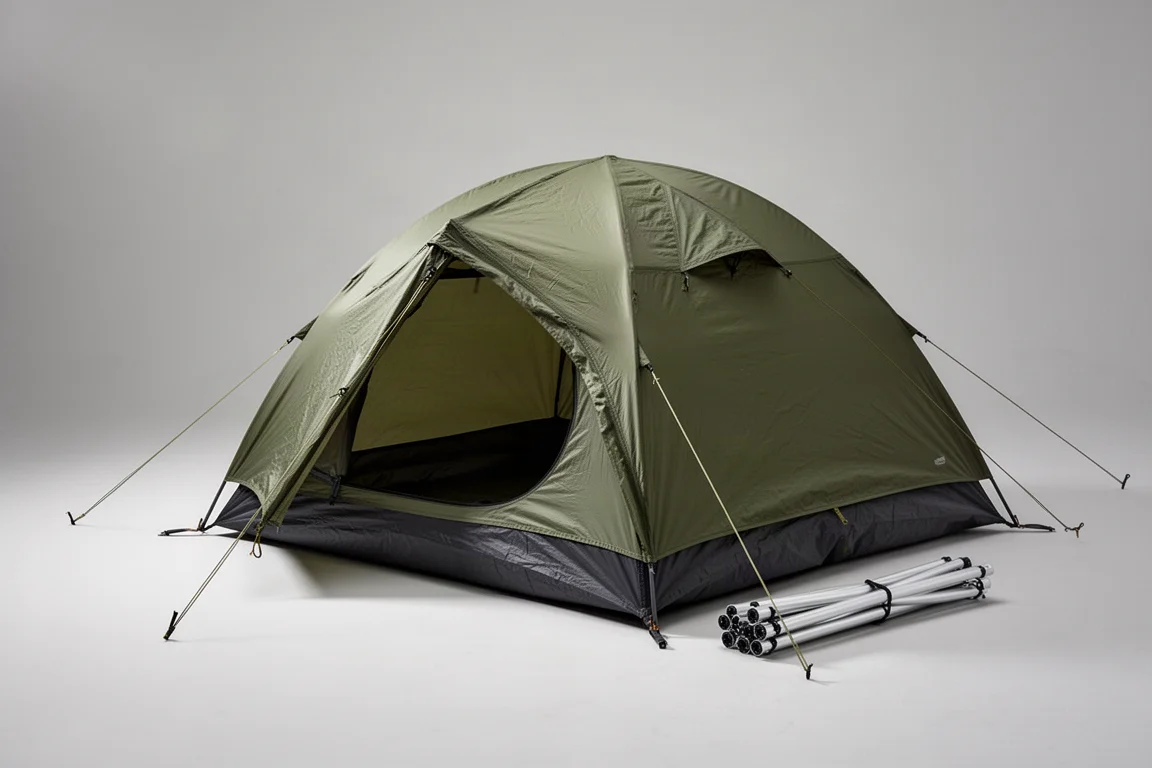
At $68, the Clostnature Crux one-person tent is the kind of budget purchase that usually comes with doubts. The spec sheet does not help much either: at 1,754 g it is not a lightweight tent, whatever the marketing suggests. Two-person and three-person versions are also available for anyone who needs more space.
Construction is better than the price implies. It is a double-wall design with a fly over the inner, aluminium poles, and a polyester body and fly. The aluminium poles feel solid, and polyester is a sensible choice because it will not sag or stretch when it gets wet. The trade-off is the coating: the polyester fly uses a polyurethane coating, which can hydrolyze and begin flaking off after five to ten years, unlike tents that use silicone or polyether urethane.
Storm worthiness is where the tent surprised. It has stakeout points at all four corners plus one for the fly, one at the back, and one on each side, along with four guy-out points and included guidelines. Fully guyed out, this cross-pole dome structure could plausibly handle winds in the 70 to 80 km/h range. The fly is seam taped and coated, so rain should not be a problem. Two vents, one at each end, give it real airflow and help manage condensation.
Space is the main limitation. With a long, wide sleeping pad inside there is still a little room at the sides and ends, but vertical space is tight. Sitting up, both shoulders touch the sides and the head touches the top. At 5’10” the head and feet were just about touching the ends. Anyone taller will find it too small, while anyone around 5’8” or shorter should have enough room. There is a pocket at each end and a detachable gear loft for small items. The included stakes are cheap aluminium and one bent underfoot, so replacing them is a sensible first upgrade. With better stakes, this is a shelter that could handle serious weather, and possibly winter trips.
Neve Gear Tarkine Quilt: Conservative Ratings and Smart Draft Control
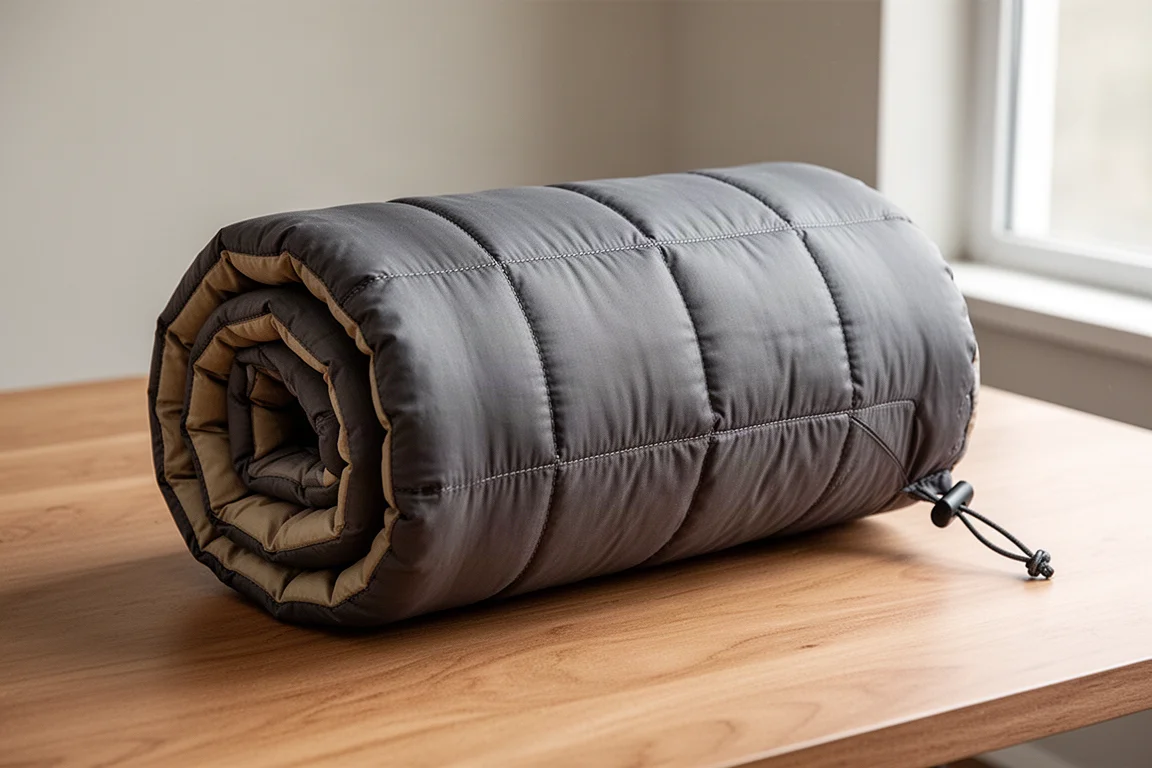
At $225, the Tarkine quilt is the only item here above $100, though it is still on the affordable end for quilts. The advertised comfort rating is -2°C, and Neve Gear notes that warmer sleepers may get another 5°C or so out of it, down to roughly -5 to -7°C. Those ratings appear conservative rather than optimistic.
The feature set is aimed squarely at keeping heat in. There is a neck baffle with a snap and a cinch to seal the quilt around the shoulders and neck, where heat loss is easy to overlook. The pad attachment system is straightforward, and the attachment points sit about 6 inches above the edge of the quilt, so the side baffles seal against the sleeping pad as you move around at night. That design removes most of the fiddling quilts usually demand: you do not have to position pad straps perfectly to avoid drafts.
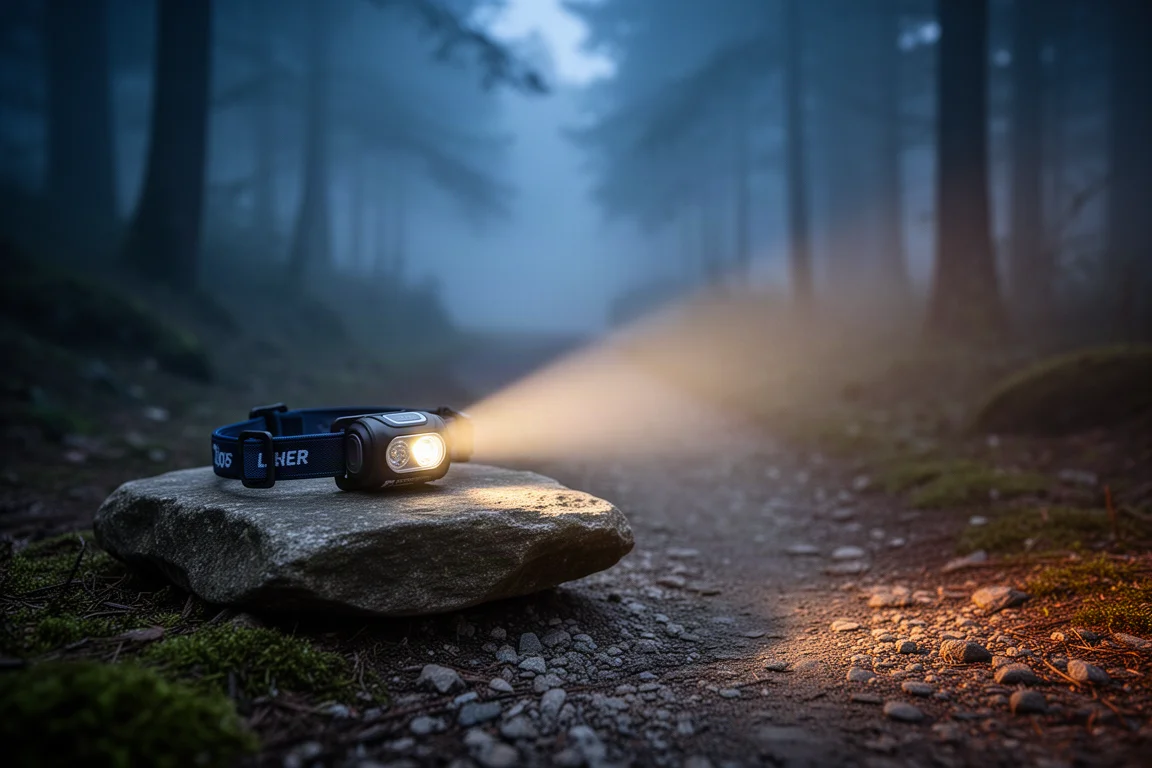
In testing at around -3°C, with minimal clothing and wind picking up overnight, there were no drafts and no cold spots along the sides or around the neck. The quilt held its warmth well. It weighs roughly two-thirds as much as a comparable sleeping bag, though it is heavier than the lightest quilts from brands such as Enlighten Equipment and Zpacks. The extra weight buys features that make it easier to use and a little warmer in practice.
Trekology Ultralight R7 Sleeping Pad: Great Value With a Warmth Caveat
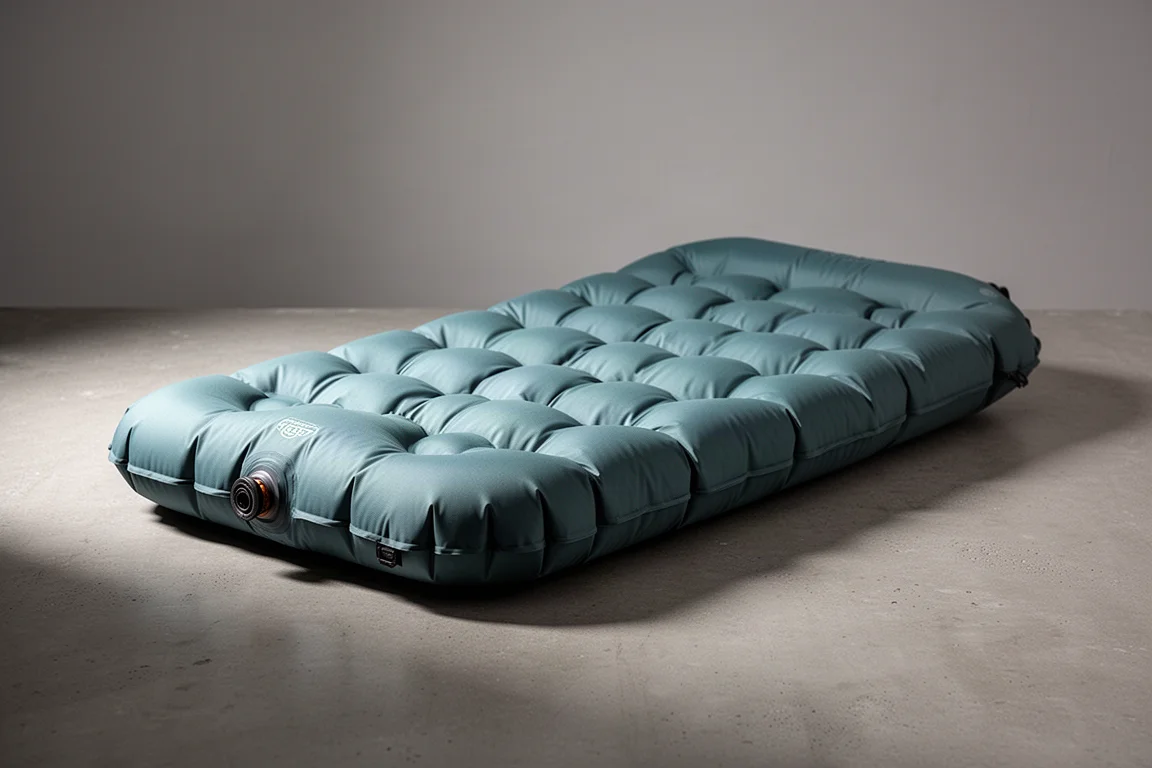
The Trekology Ultralight R7 claims all-season warmth, a compact and ultralight build, and durability. The pad is compact, but it is not ultralight in the hand, and its measured weight is well above what the name implies. That extra material would normally be expected to translate into insulation.
The overnight test did not support the R-value 7 claim. Temperatures fell to around -3°C, colder than forecast, and most of the heat loss came through the pad rather than the quilt. With only boxers and a light Alpha Direct sweater as insulation, the cold was noticeable around the torso. The likely explanation is that the pad is not delivering the warmth its rating suggests.
Comfort is decent rather than excellent. The pad feels similar to the Nature Hike 8.8, and the night’s sleep was acceptable, but there were several wake-ups to shift position, which points to pressure relief that is not quite class-leading.
That said, this is not a pad to dismiss outright. At its price, it is still a strong option if it sleeps comfortably down to about freezing, and it should be more comfortable than most pads in the same price bracket. Long-term durability remains an open question, and it is worth treating the R-value as optimistic rather than relying on it for sub-freezing trips.
Buying Advice: Which of These Four Is Worth It
The pack and the quilt are the two standouts. The Decathlon MT100 carries weight comfortably, fits easily thanks to its adjustable torso, and costs $99, provided you can live with the one-sided hip belt pocket and the front zipper design. The Neve Gear Tarkine quilt is the most expensive item here at $225, but it is warm, draft-free, and easier to set up than most quilts, which makes it fair value for three-season and shoulder-season use.
The Clostnature Crux tent is a strong all-rounder for $68, with construction and storm worthiness well beyond its price. The catch is sizing: at 5’10” it is a tight fit, and anyone taller should look elsewhere. At 5’8” or below it should feel roomy enough, and replacing the stock stakes makes it more capable still.
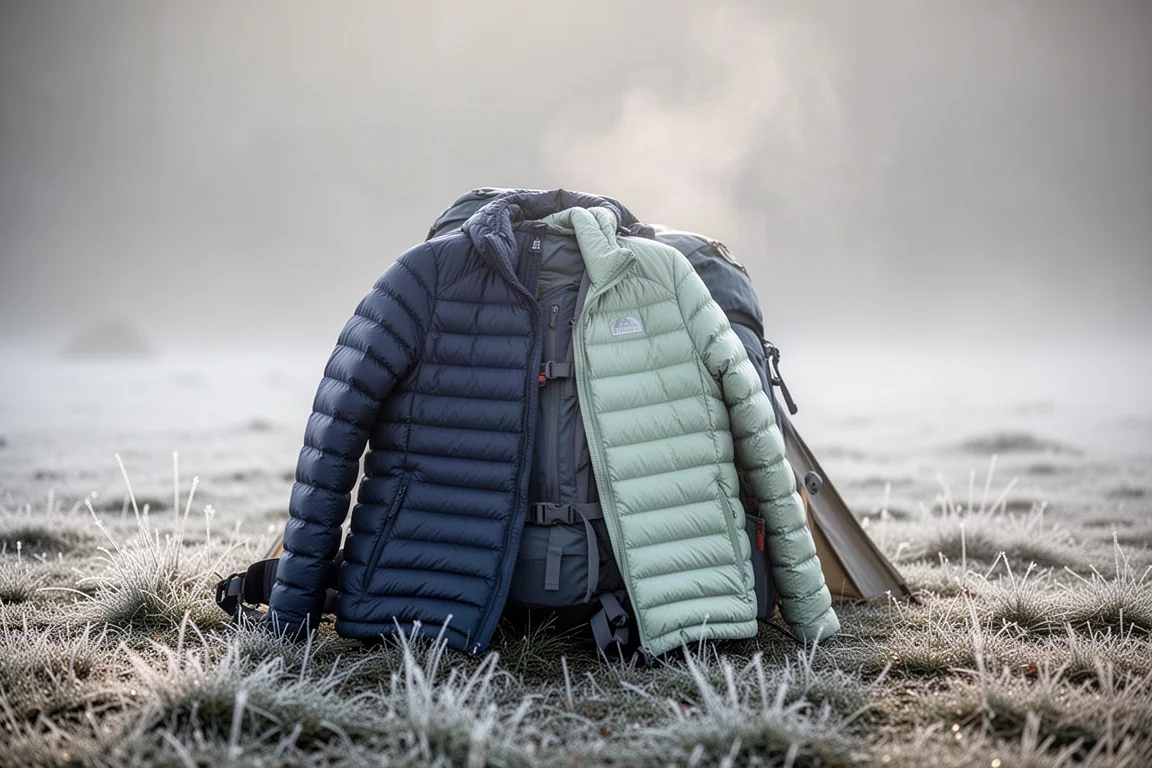
The Trekology Ultralight R7 pad is the most nuanced of the four. It does not live up to its R-value 7 claim, and it will not keep you warm well below freezing. As a budget pad for trips down to around freezing, though, it remains a reasonable buy and likely more comfortable than most of its direct competition. If sub-freezing nights are part of your plans, pair it with a warmer pad or add a closed-cell layer underneath.
Conclusion
Three of these four pieces cost under $100, and the results are better than that price point usually suggests. The MT100 pack and the Tarkine quilt are the two easiest recommendations. The Crux tent delivers remarkable storm protection for the money, as long as you fit inside it. The R7 pad is worth buying with clear expectations: a comfortable budget pad for mild conditions, not a true all-season one.
Further reading
Related Reviews

Backpacking Gear
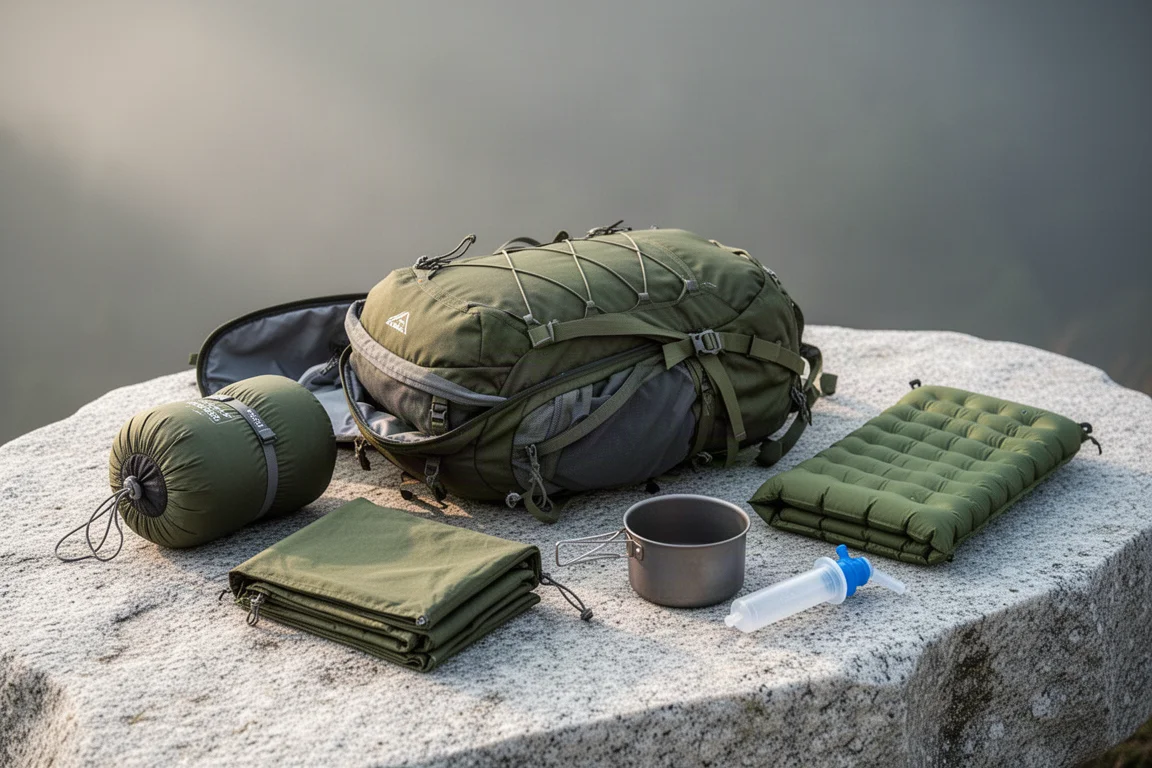
Building a 10 lb Base Weight: An Ultralight Backpacking Gear List
A practical walkthrough of the ultralight pieces behind a 10 lb base weight, from a 765 g pack and a roomy one-person tent to a full camp chair and a dependable water filter.
Backpacking Gear
A 15-Pound Lightweight Backpacking Gear List for Solo Trips
A beginner-friendly 15-pound backpacking setup built from easy-to-find gear, with notes on what each piece does, how it packs, and where to spend your attention.
Backpacking Gear
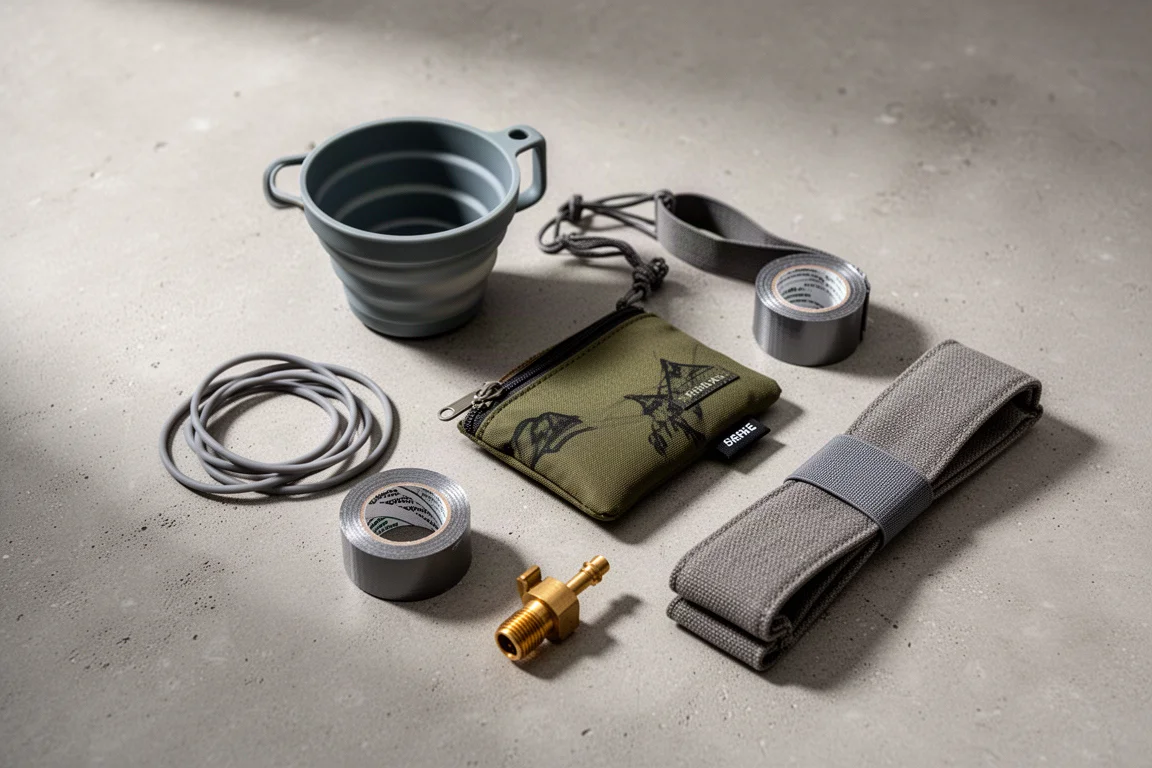
8 Ultralight Backpacking Gear Upgrades Worth Carrying
Eight small, affordable backpacking upgrades that solve real trail annoyances, from a pillow that stays put to a fuel valve that rescues leftover canister gas.