Astrophotography
Budget Astrophotography Refractors Compared: Askar 80ED, Svbony 70ED Quadruplet, and Askar 71F
Three affordable apochromatic refractors tested side by side for visual observing and deep sky imaging, with honest notes on star color, correction, and extra costs.
Introduction
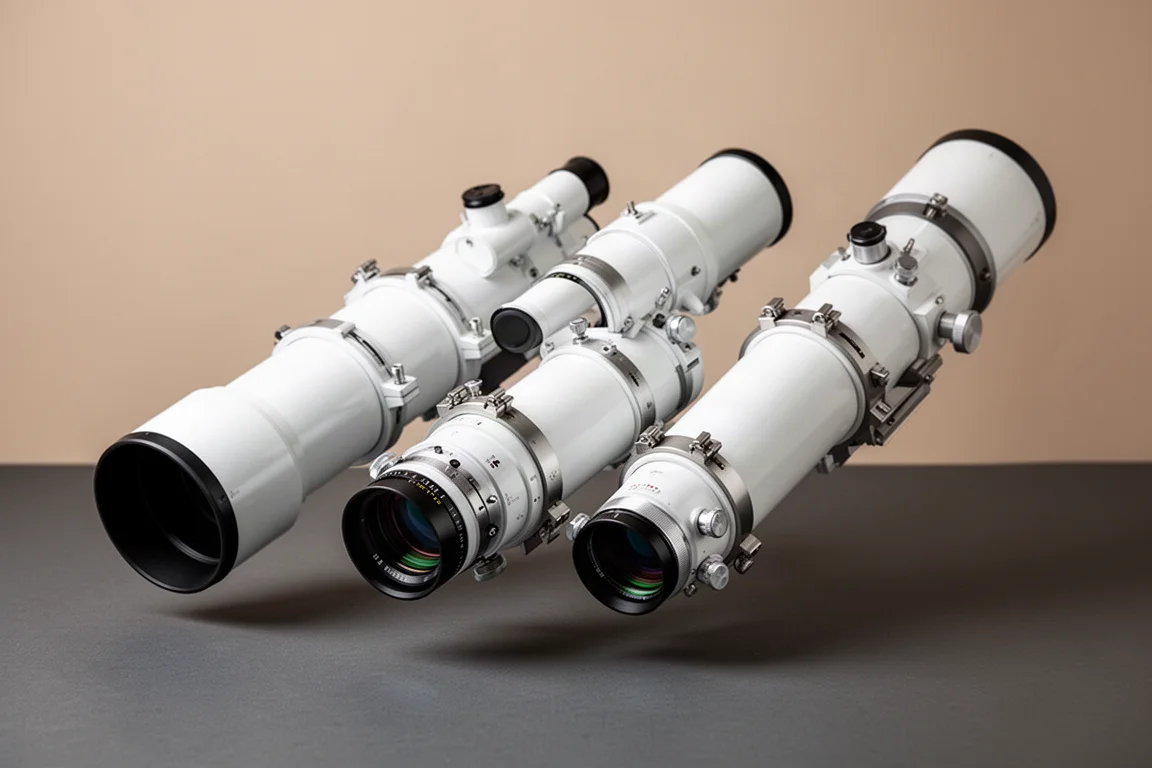
Affordable apochromatic refractors have become the usual entry point for deep sky astrophotography, and two new telescopes around the $400 mark make that entry point even more interesting: an 80mm ED doublet from Askar and a 70mm ED quadruplet from Svbony. On paper, both are excellent value for anyone getting into astrophotography. At this price, though, compromises are inevitable, so this comparison looks closely at the strengths and weaknesses of each, with the Askar 71F flat-field refractor added as a third reference point, since its $660 price and flat-field quadruplet design sit close enough to make the comparison worthwhile.
Visual Observing: What You Need Beyond the Tube
Neither a 70mm nor an 80mm refractor is the first choice if your main interest is looking through an eyepiece. For that, a 6- or 8-inch Dobsonian gathers far more light and gives better views of most night sky objects. That said, both of these scopes work well as wide-field visual telescopes, especially under dark skies.
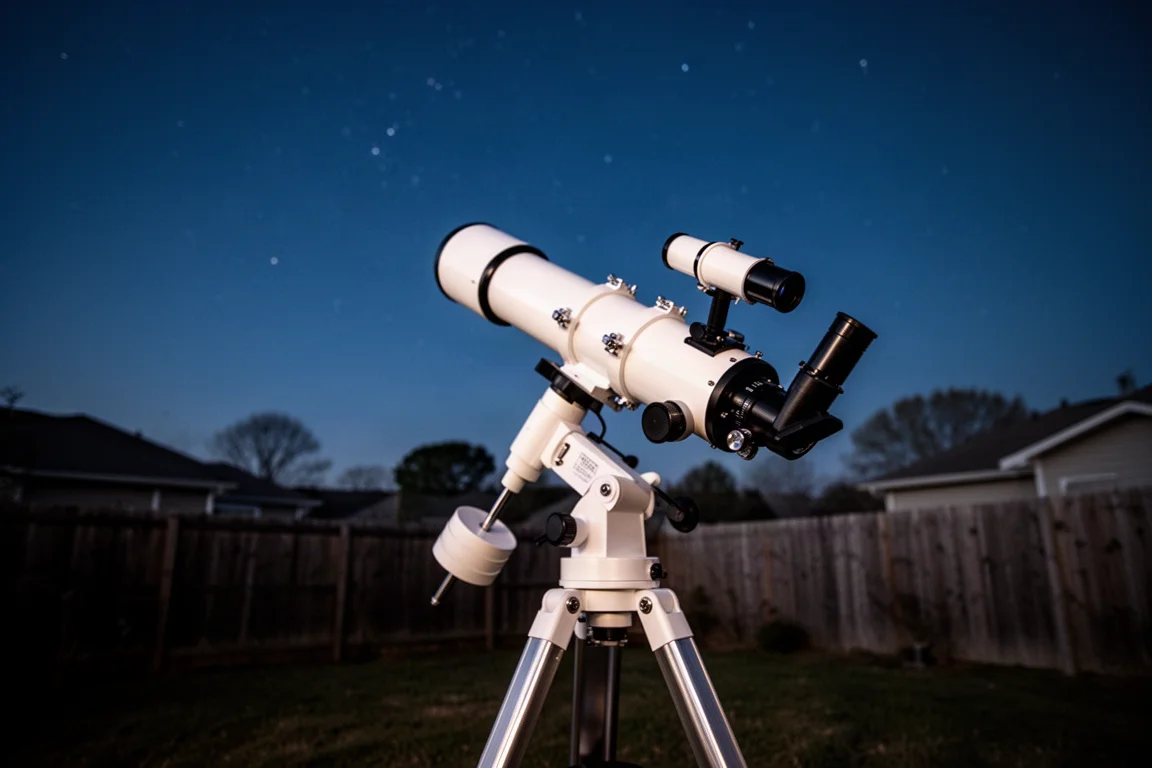
To use either one visually you will want a mirror diagonal, at least one eyepiece, and a sturdy mount. Both scopes use a standard Vixen dovetail with a quarter-inch 20 threaded hole, so they can sit on a photo tripod, but most photo tripod heads struggle with the precision movement and stability you want for real observing. For casual moon viewing a photo tripod is fine; for anything more serious, an alt-az mount is the sensible choice.
Mechanics and Included Accessories
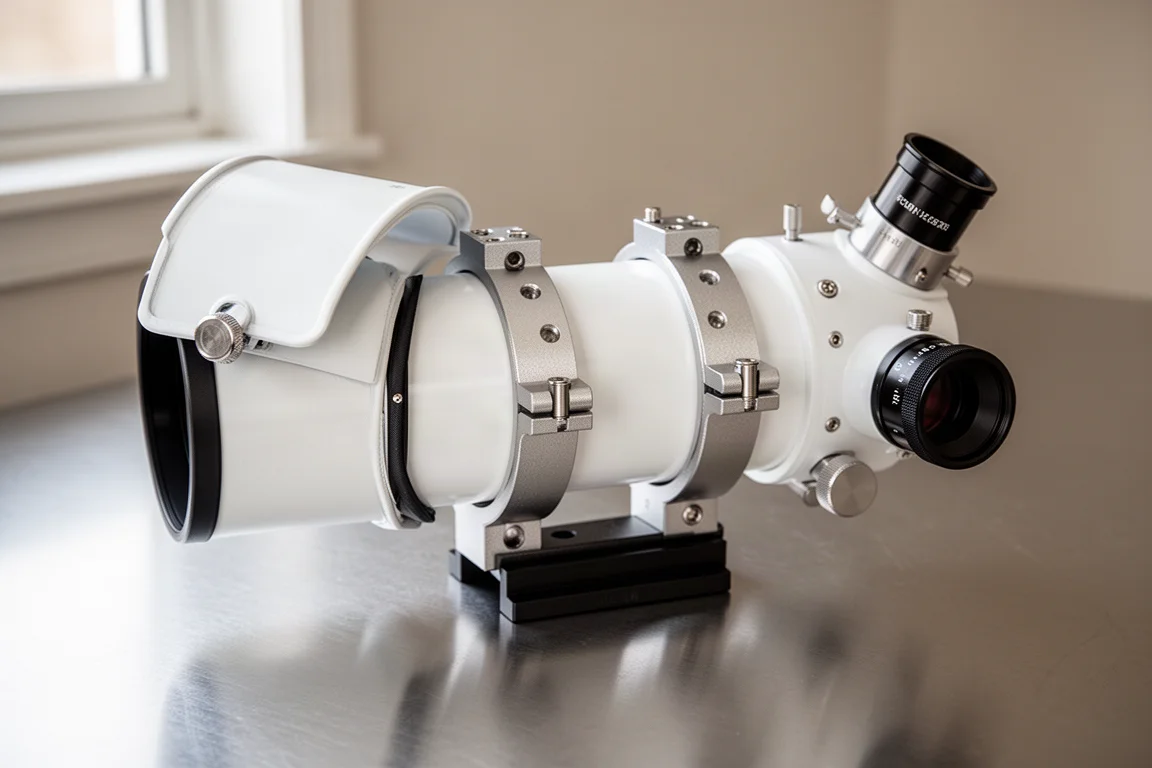
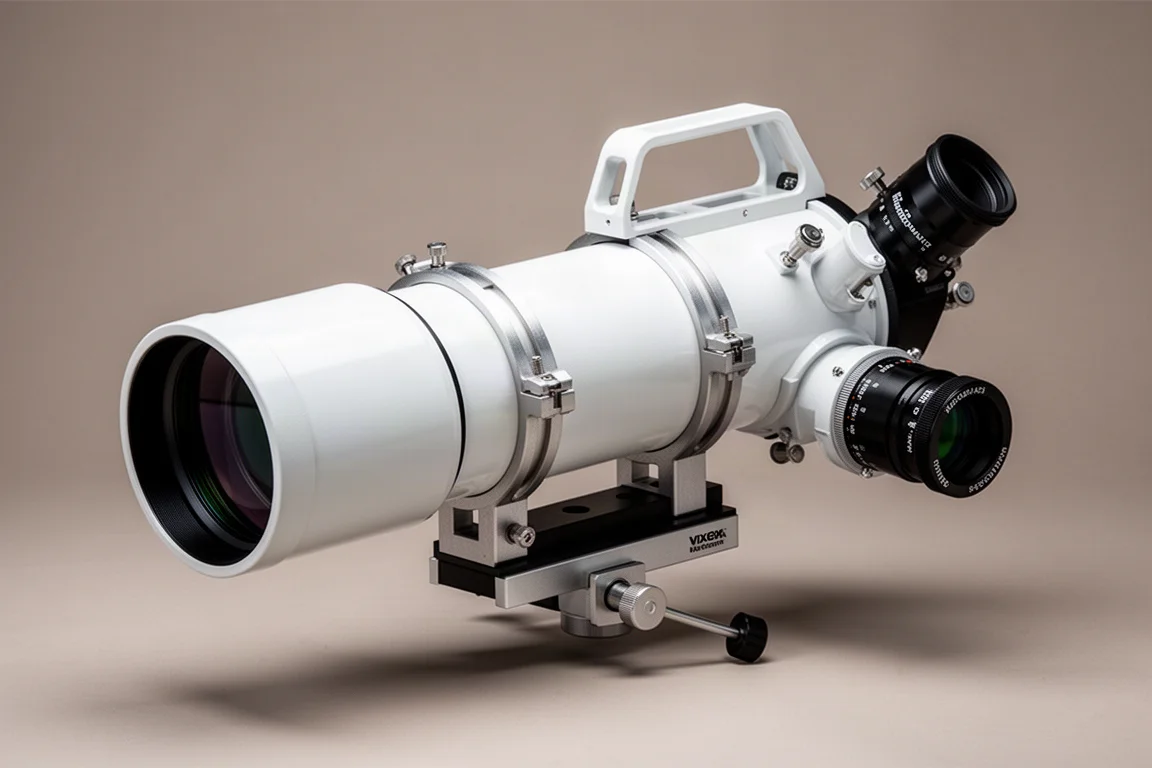
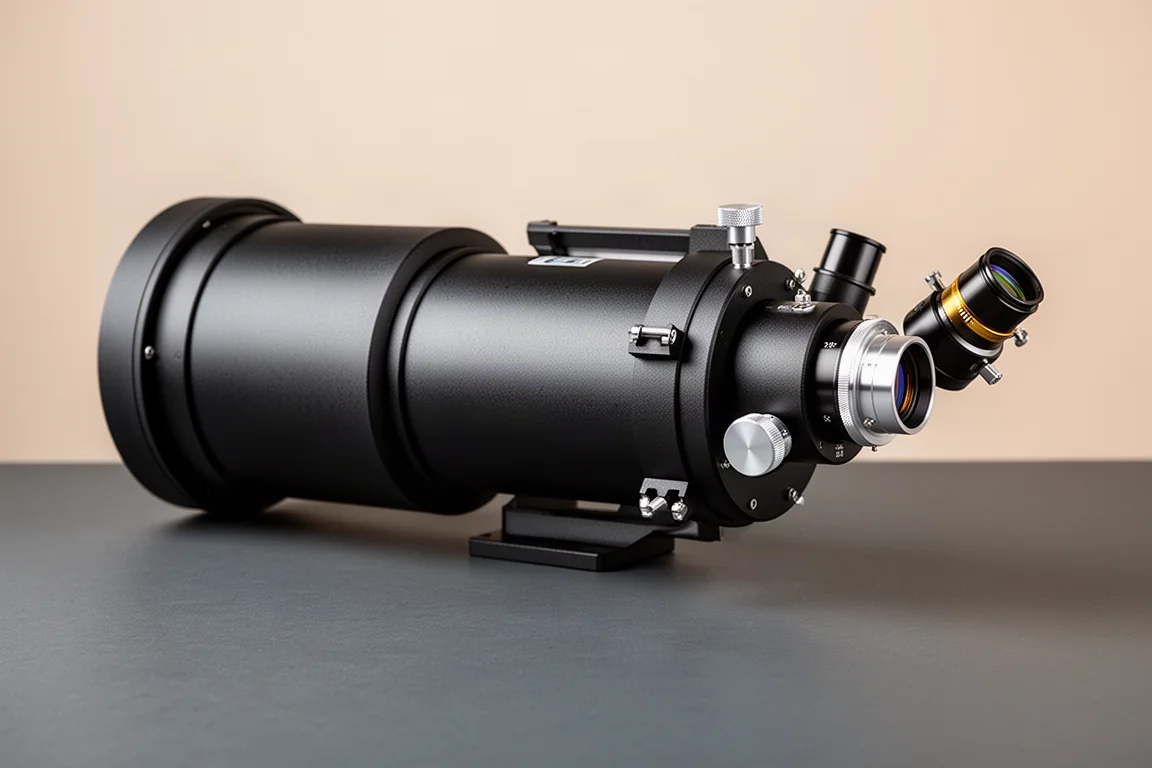
Both telescopes ship bare bones, which is part of how they keep the price down, and honestly that is preferable to a pile of low-quality bundled eyepieces. Each includes the optical tube, tube rings, a Vixen dovetail, and a visual back. Budget around $200 extra for a decent two-inch diagonal and a zoom eyepiece if you want good quality accessories.
The focusers are a highlight on both: precise rack-and-pinion units with 10:1 reduction knobs for fine movement and tension knobs that can lock the focus position. The Svbony’s tensioner sits on top of the focuser, the Askar’s on the bottom.
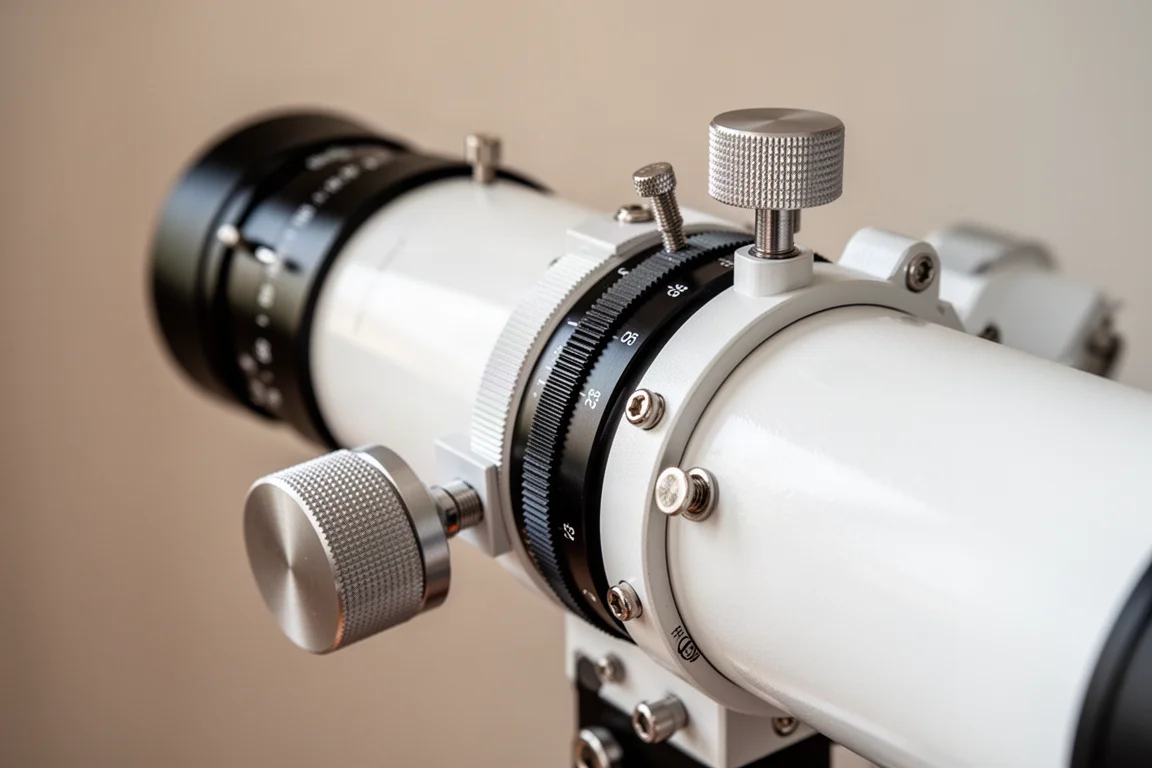
Differences are small. The Svbony’s visual back includes a 1.25-inch adapter, while the Askar needs one bought separately, roughly $12. The Askar has two Synta-style finder brackets built into the focuser; the Svbony has none but offers threaded points to add one, with its own brackets selling for about $12 to $14. The Svbony’s dew shield retracts with a thumb screw, while the Askar’s screws off and reverses for storage. The Askar’s top ring handle includes an open accessory channel; the Svbony rings simply offer M6 tapped holes.
Connecting a Camera
This is where things get practical. The Askar 80ED without a field flattener needs roughly 75mm of spacers to reach focus with the focuser nearly all the way out. The Svbony surprised even more: it would not reach focus at the standard 55mm back spacing and needed over 70mm of spacers plus the camera’s 12.5mm, about 82.5mm total. The upside is room for filter drawers, an off-axis guider, and a rotator, and the rack-and-pinion focuser should handle the weight.
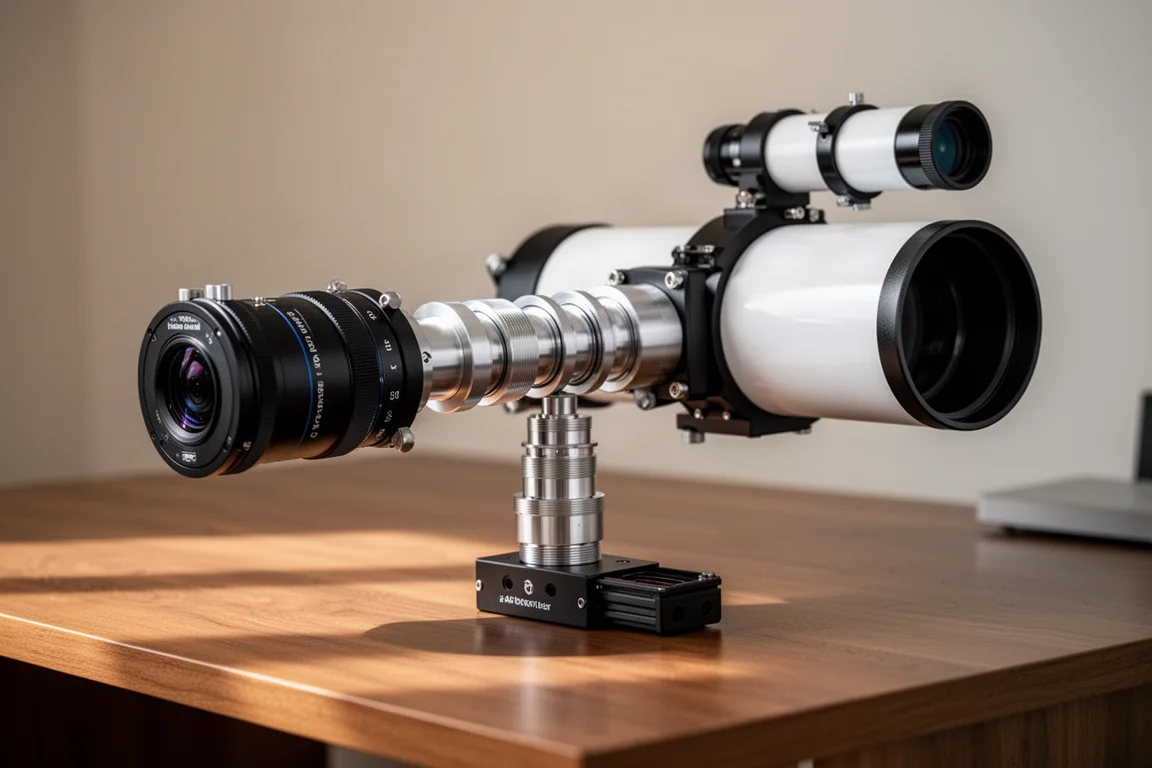
If you buy the Askar 80ED’s field flattener or flattener-reducer, connection is easy: remove the visual back, screw in the flattener, and set 55mm from its standard 48mm male threads. For the Askar without a flattener or the Svbony in any configuration, the simplest route is a stack of spacers ending in a 2-inch nose adapter into the visual back, though a threaded connection is preferable. The Svbony’s focuser ends in unusual 54mm female threads, so a male-to-male adapter (a $25 Pegasus Astro unit works) is needed first. The Askar’s focuser tube appears to end in a non-standard 58mm thread, which makes a fully threaded imaging train difficult to build without the optional correctors.
Image Quality Results
Test images were captured with a one-shot-color APS-C astronomy camera with autoguiding on a mid-range equatorial mount, from a dark rural backyard, using mostly no filter, plus a 7nm dual narrowband filter for a few frames. Stacks of twelve 3-minute exposures showed clear differences.
The Svbony shows a purple fringe around most bright stars when shooting broadband, traced to its FPL51-based glass combination. The Askar 80ED without a flattener is very soft with aberrant stars, which is why Askar really intends it to be used with a field corrector. With the 1x flattener, the picture changes dramatically, and it corrects about as well as the Askar 71F. The flattener costs $189, bringing the real Askar 80ED imaging price to about $589. The 0.85x and 0.7x reducers expand the field of view further, though bright stars toward the edge of an APS-C field show a strange bite-like distortion in their halos facing the frame center. With a smaller sensor such as micro four thirds or a 533/585-class chip, that issue essentially disappears.
The Askar 71F, being a flat-field quadruplet itself, avoids the purple fringing and shows slightly smaller stars, though some shooters may prefer the softer, extended halo the Askar 80ED renders. With a dual narrowband filter, the Svbony’s purple fringing vanishes entirely and its star profiles equalize with the Askar’s, making it a strong pick for narrowband shooters. A processing pass with a deconvolution tool improved sharpness on both but left artifacts: streaking on the uncorrected Askar data and odd color rings on the Svbony’s fringed stars, a reminder that software cannot fully rescue problematic optics.

Which One Should You Buy?
The Svbony 70ED quadruplet is well corrected in the corners and costs $400 all in, with no required accessories for imaging. Its weakness is purple fringing on broadband captures, which dual narrowband filtering eliminates. The Askar 80ED delivers more natural star colors and slightly sharper detail, but only reaches its potential with the $189 flattener, and even then APS-C shooters will see edge distortion on bright stars. The Askar 71F at $660 remains the most fuss-free of the three: flat field out of the box, minimal fringing, and the cleanest star profiles overall.
Conclusion
All three telescopes are capable deep sky imagers for their price. Choose the Svbony if you will mostly shoot narrowband and want the lowest all-in cost, the Askar 80ED if natural star color and flexibility across three fields of view matter more than the extra accessory spend, and the Askar 71F if you want the simplest, most consistently corrected imaging experience without buying add-ons.
Further reading
Related Reviews
Astrophotography
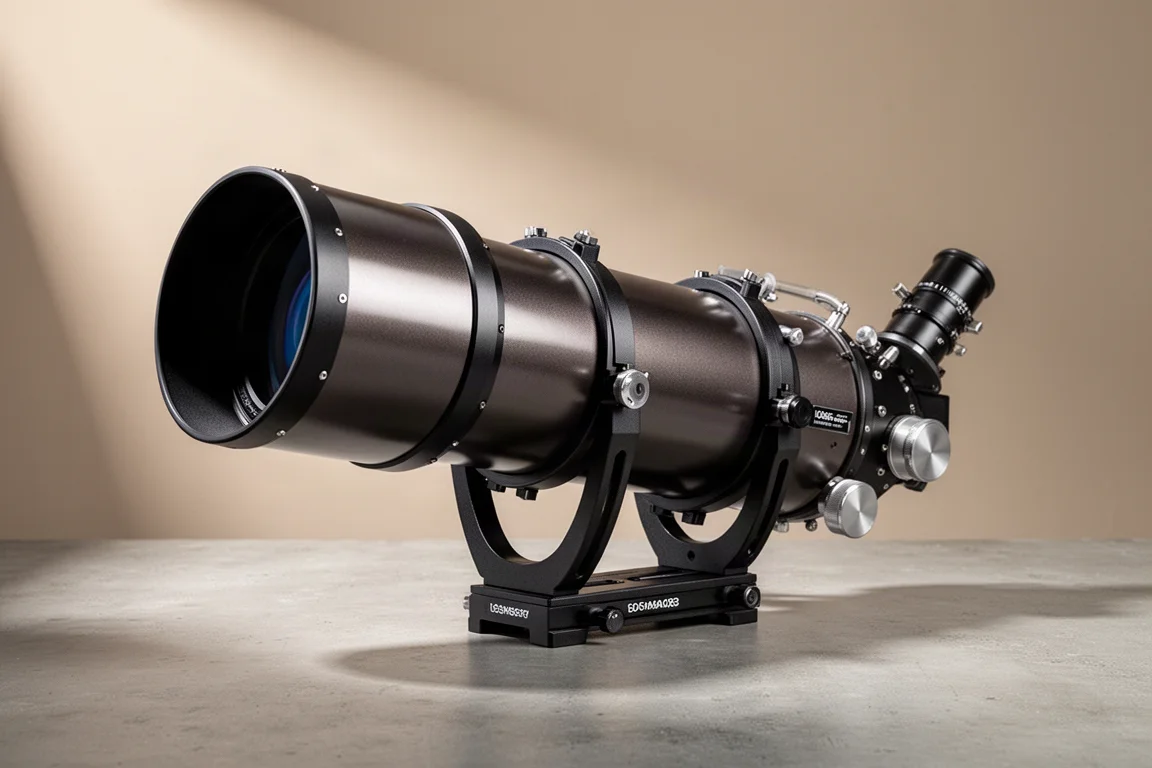
ASKAR FRA400C Review: A Versatile 400mm Refractor for Astrophotography and More
The ASKAR FRA400C is a compact 72mm refractor that balances reach, versatility, and portability for astrophotographers and visual observers.
Astrophotography
Askar SQA106 Review: A Premium 106mm Astrograph With Exceptional Optics
The Askar SQA106 is a premium 106mm quintuplet astrograph with impressive sharpness across full-frame sensors, though its price and weight demand careful consideration.
Astrophotography
Astro Imaging Gear 2026: Eight New Products Worth Watching
A look at the most interesting new astrophotography and astronomy products announced this year, from fast telescopes to smart cameras and wireless accessories.