Aquarium Water Filtration
Best BRS RODI Systems for Reef Tanks: Matching the Stage Count to Your Water
A practical breakdown of the six BRS RODI systems, from the four-stage value models to the seven-stage Pro Plus, and how to choose the right one for your source water.
Introduction
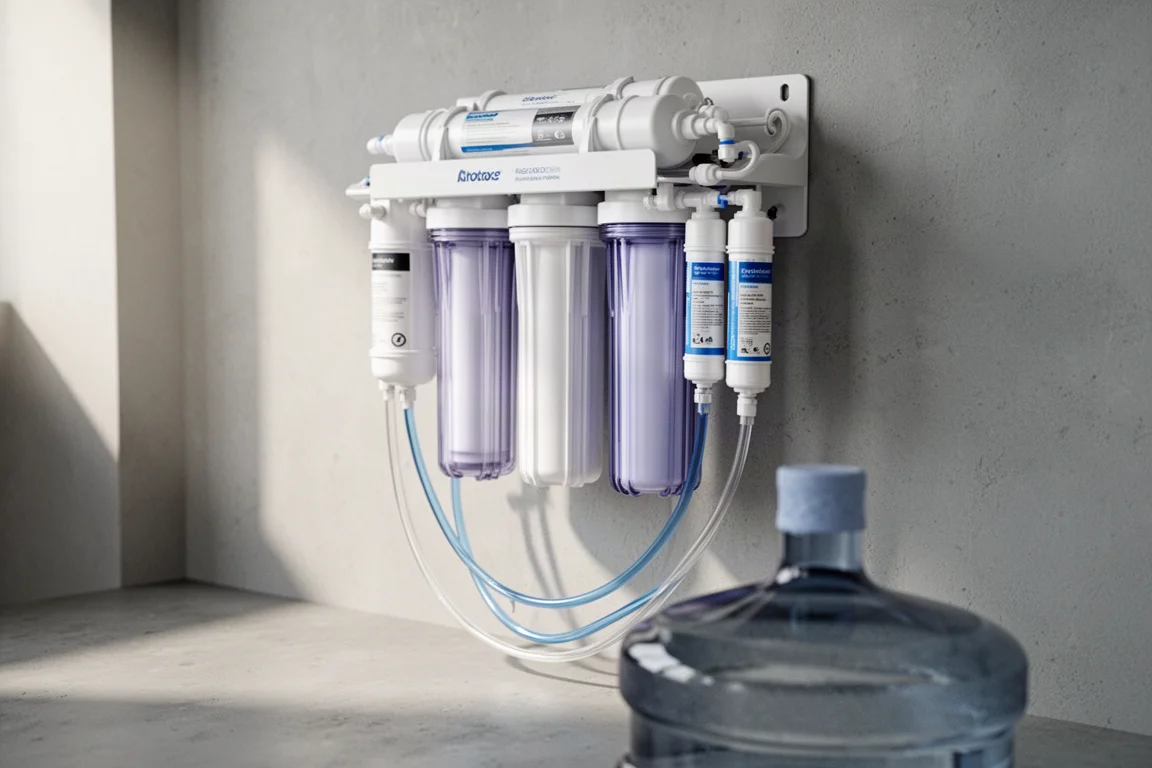
In reef keeping, the water you start with quietly shapes almost everything in the tank. Every gallon of salt water you mix and every drop of top-off water replacing evaporation begins with that source water. Tap water can carry chlorine, chloramines, heavy metals, nitrates, phosphates, silicates, and dozens of other contaminants that no one wants accumulating in a reef aquarium. That is why RODI filtration sits at the foundation of the hobby: the better the starting water, the easier everything downstream becomes.
Bulk Reef Supply offers six RODI systems arranged in a good, better, best, and best-of-the-best structure. Every unit is manufactured in the USA in Golden Valley, Minnesota, built with high-quality components and NSF certified filters, and arrives ready to install with blue, red, and black RO tubing, Mur-lok push-connect fittings with dual EPDM O-rings for leak-free connections, and a limited lifetime warranty.
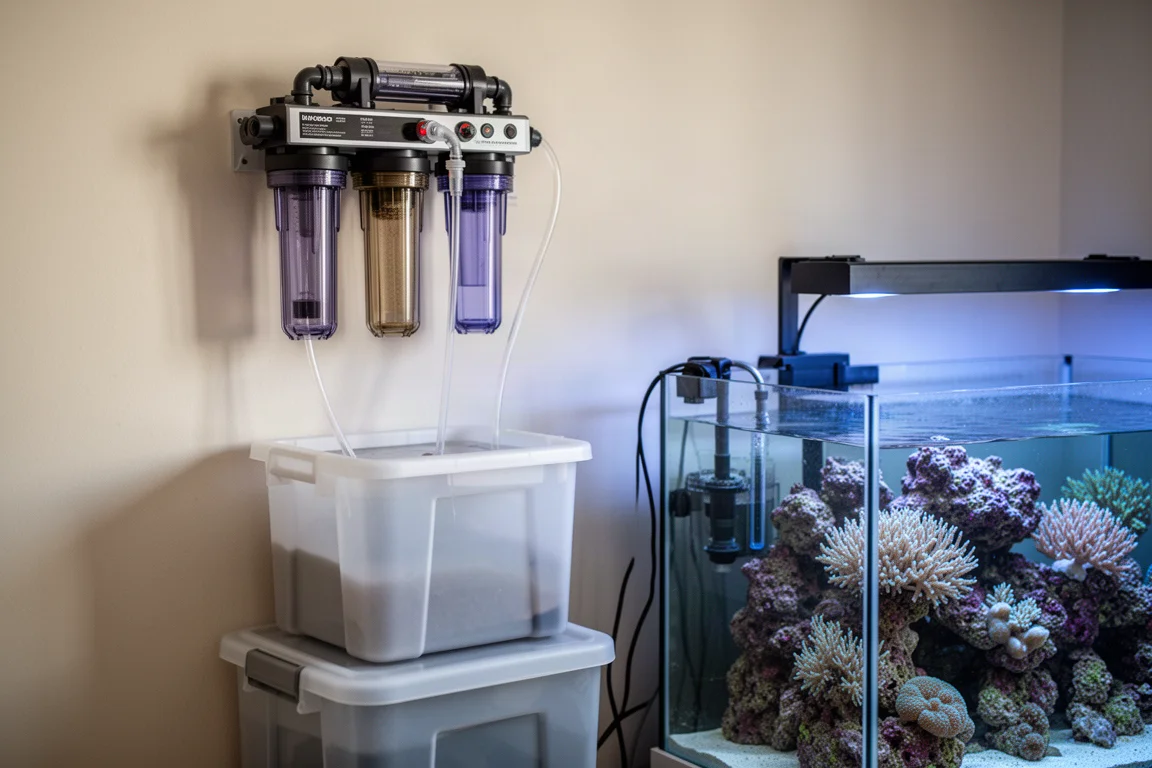
The lineup is easier to understand once you separate two things: how many filtration stages a system uses, and whether it includes monitoring and maintenance tools. Those two variables, not the brand badge on the housing, are what actually change day-to-day ownership.
What Separates One BRS RODI System From Another
All six systems share the same basic architecture. Water moves through sediment and carbon pre-filtration, then a Dow Filmtec RO membrane that removes the vast majority of dissolved contaminants, and finally nuclear-grade color-changing mixed bed DI resin that polishes the water down to zero TDS. What changes as you move up the range is how tightly the pre-filters are rated, how many DI stages the water passes through, and how much instrumentation is bundled in.
The four-stage group is the entry point, intended for city water treated with relatively low levels of chlorine or well water with very minimal contaminants. The five-stage group steps up the pre-filtration and is designed to handle most well water and most city water, including supplies treated with chloramines. The six-stage and seven-stage systems address higher TDS levels, difficult contaminants, and long-term DI efficiency.
The second distinction is monitoring. In several tiers, a Plus version exists alongside the standard model, and the two share identical filtration components. The difference is an HM Digital inline TDS meter, a glycerin-filled pressure gauge, and a membrane flush valve or kit, which make it easier to track performance and keep the system running efficiently.
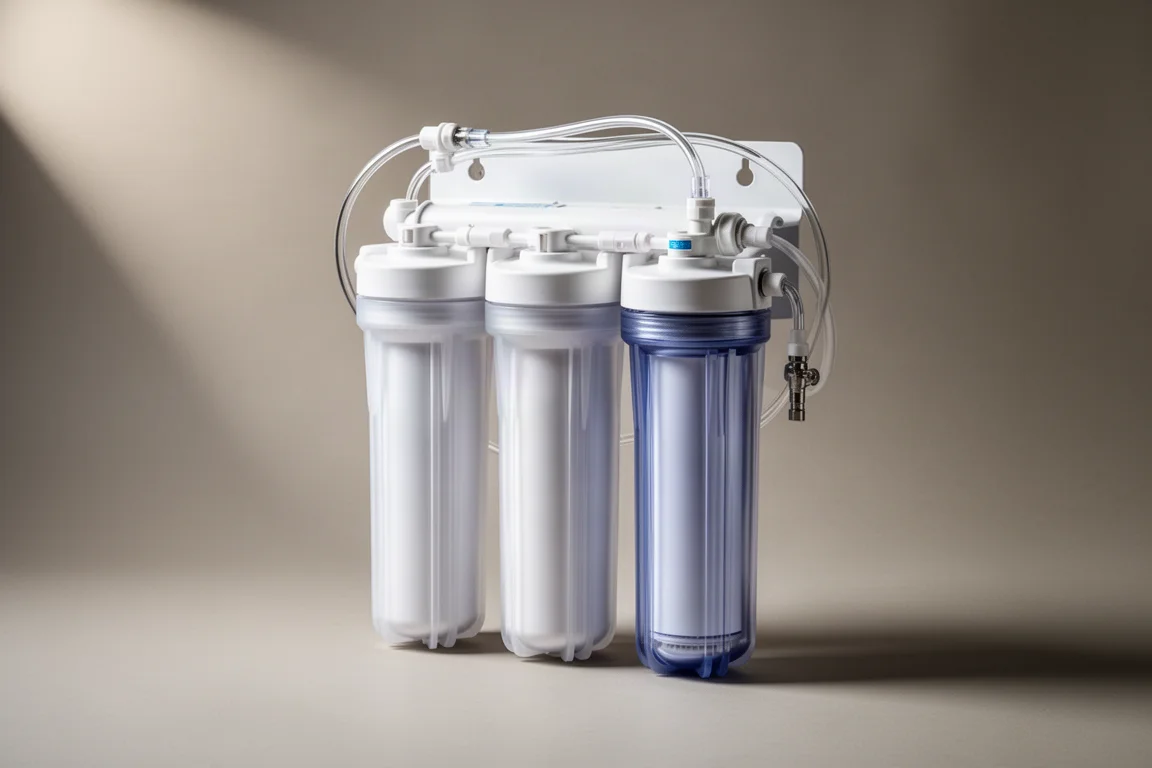
BRS 4-Stage Value RODI System
The four-stage Value is the most straightforward configuration in the range. It is built for reefers who want pure water without extra monitoring equipment, and it works well when space is tight or when a simple, reliable setup matters more than instrumentation.
Its core stages start with a PureTrex 5-micron sediment filter that captures rust, sand, and debris, followed by a BRS 5-micron VOC carbon block that targets chlorine and chemical contaminants. From there, a Dow Filmtec RO membrane removes the bulk of dissolved contaminants, and nuclear-grade color-changing mixed bed DI resin finishes the job at zero TDS.
The package includes an auto shutoff valve, a canister wrench, a laundry sink adapter, and a chrome faucet diverter valve to keep installation simple. It is available in 75, 100, and 150 gallon per day models.
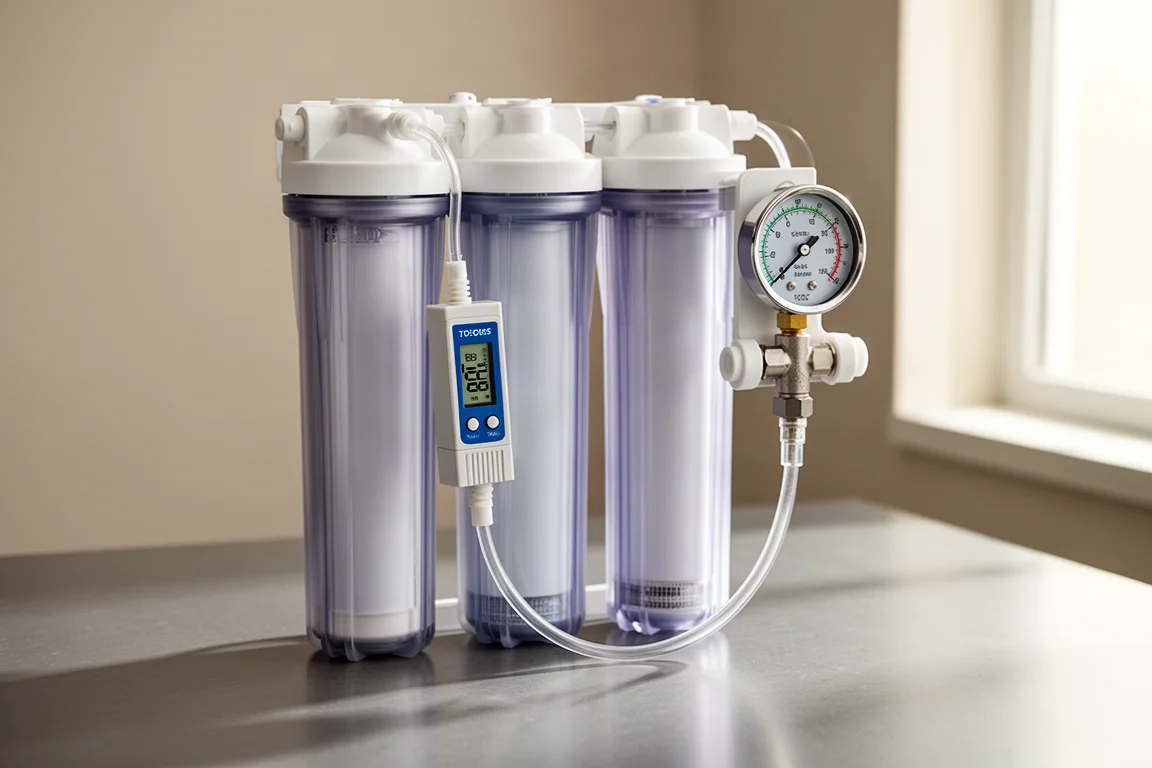
BRS 4-Stage Value Plus RODI System
The four-stage Value Plus uses the same core filtration components as the standard Value, including the PureTrex sediment filter, BRS carbon block, Dow Filmtec membrane, and nuclear-grade DI resin. Filtration performance is identical. What changes is insight: this version adds an HM Digital dual inline TDS meter, a glycerin-filled pressure gauge, and a membrane flush kit.
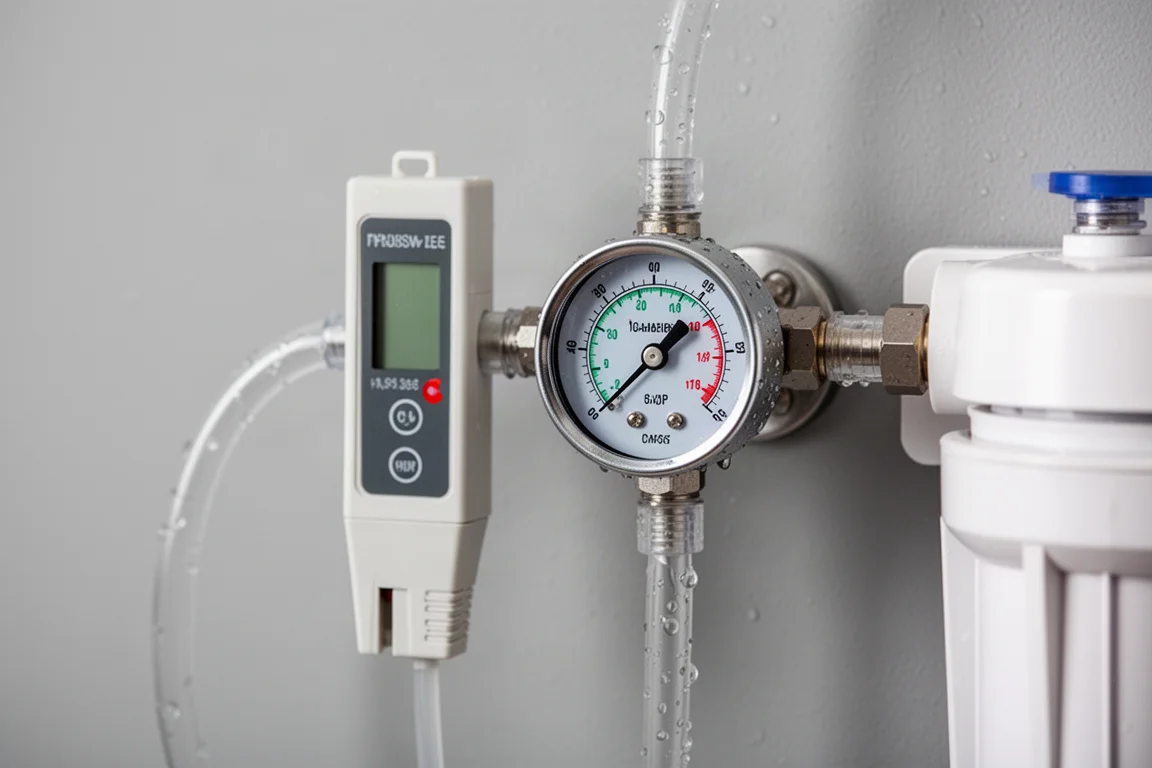
For anyone who wants to watch TDS creep upward, confirm the membrane is still performing, or follow a consistent flush routine, those tools remove a lot of guesswork. The Value Plus is also available in 75, 100, 150, and 200 gallon per day options, adding a 200 gallon per day membrane that the standard Value does not offer.
BRS 5-Stage Premium RODI System
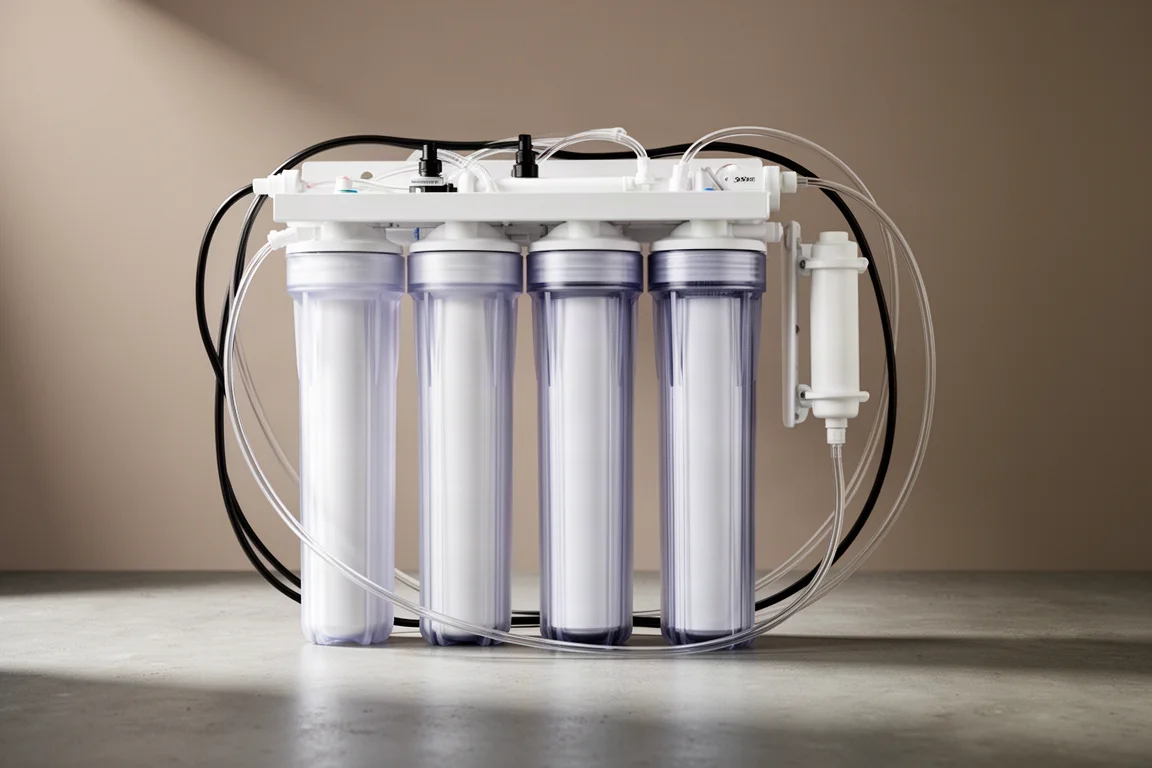
The five-stage systems are the most popular configurations in the BRS range. They are designed to handle most well water and most city water, including supplies treated with chlorine and chloramines, and the key upgrade sits in the pre-filtration stage.
Instead of the 5-micron sediment filter and single VOC carbon block used in the four-stage systems, the five-stage models use a GE one-micron sediment filter and dual BRS one-micron universal carbon blocks. That tighter filtration improves contaminant removal and protects the RO membrane more efficiently. After the pre-filters, water still passes through the Dow Filmtec membrane and then through nuclear-grade color-changing mixed bed DI resin for final polishing.
The Premium delivers all of this in a straightforward package and is available in 75, 100, and 200 gallon per day models.
BRS 5-Stage Premium Plus RODI System
The Premium Plus keeps the upgraded filtration of the five-stage design, including the GE one-micron sediment filter, dual BRS one-micron carbon blocks, Dow Filmtec membrane, and nuclear-grade DI resin, and adds the monitoring and maintenance tools many reefers appreciate.
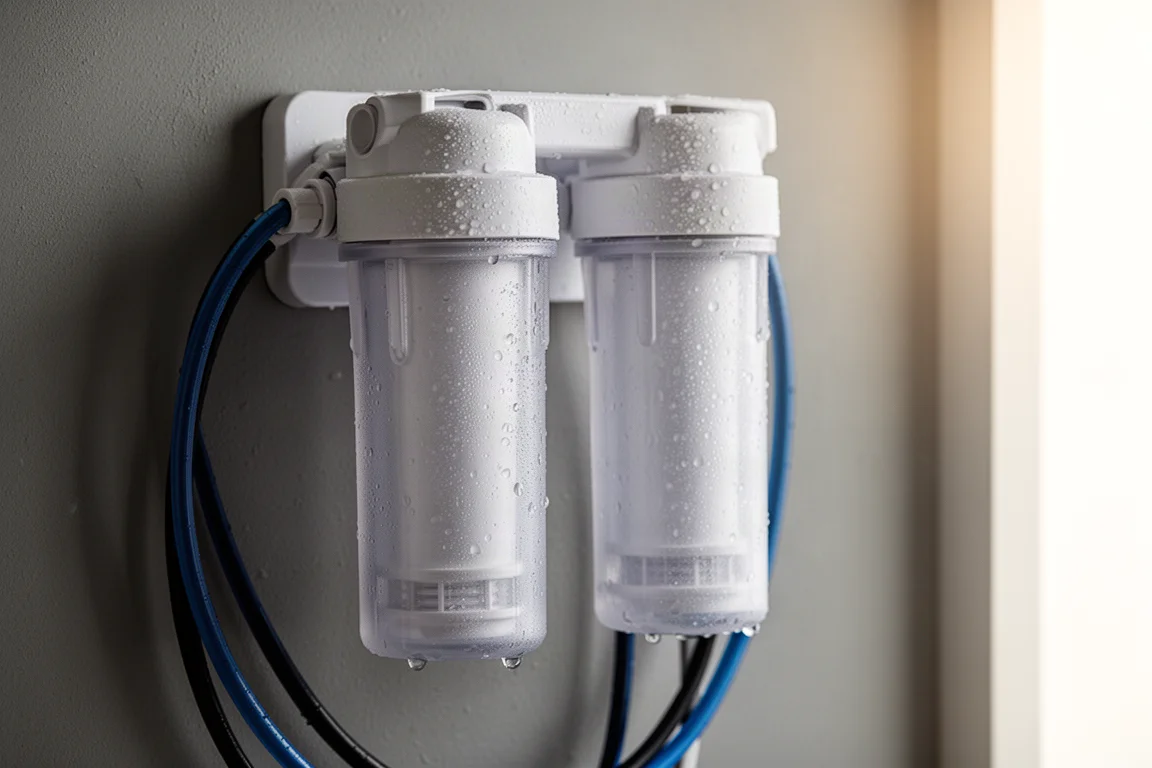
That means an HM Digital dual inline TDS meter, a glycerin-filled pressure gauge, and a membrane flush valve. As with the four-stage tier, the difference between Premium and Premium Plus is instrumentation rather than filtration performance, and it is available in 75, 100, 150, and 200 gallon per day models.
BRS 6-Stage Deluxe Plus RODI System
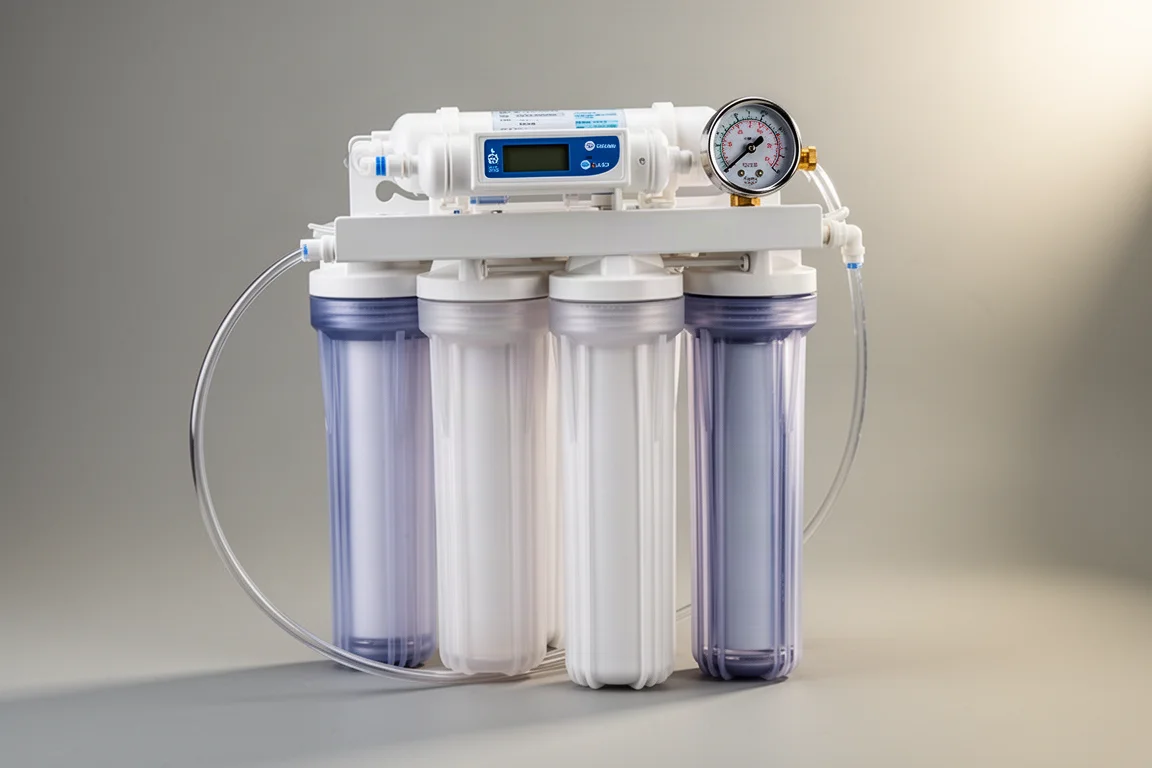
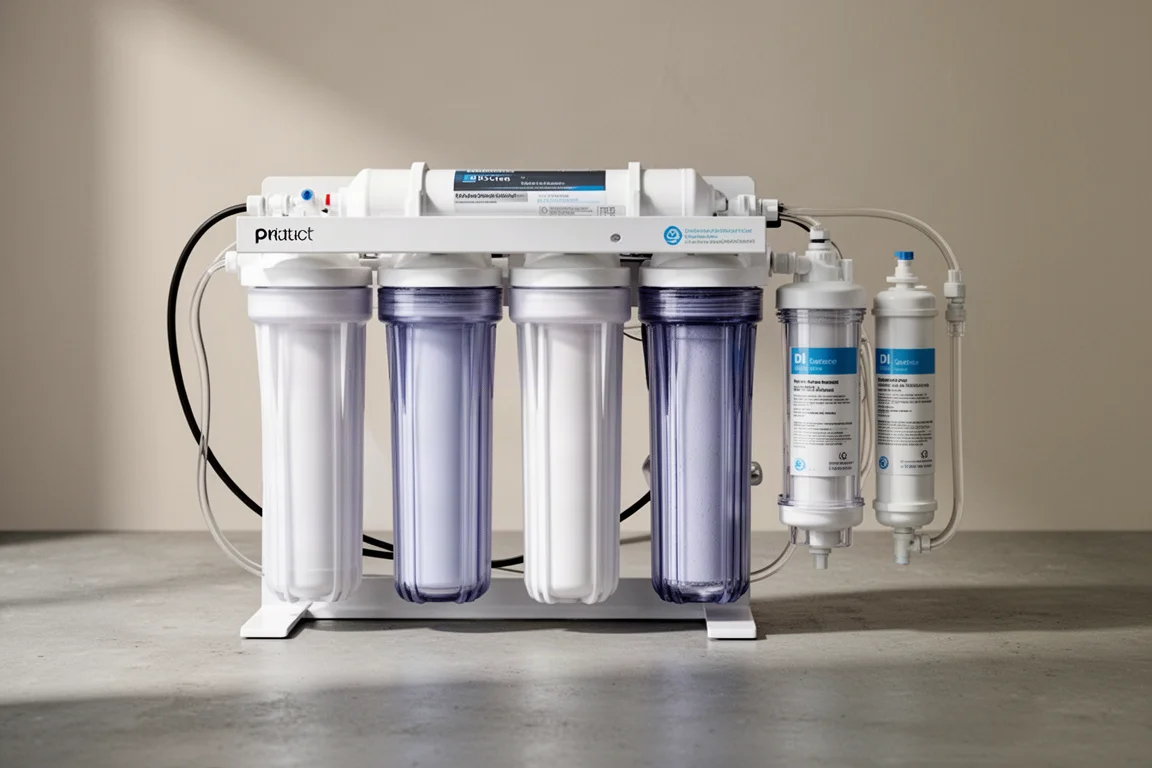
If you are not certain what is in your water, or you know it carries higher TDS levels or difficult contaminants, the six-stage systems are built to handle just about anything. The headline upgrade is dual DI stages: after the RO membrane, water passes through two separate DI resin cartridges.
That extra stage helps remove some of the hardest ions to eliminate from tap water, including ammonia, phosphate, silicates, and nitrates. The system uses the same GE one-micron sediment filter and dual carbon blocks, followed by the Dow Filmtec membrane, and finishes with dual stages of nuclear-grade color-changing mixed bed DI resin.
The Deluxe Plus also includes a full set of monitoring tools: an HM Digital dual inline TDS meter, a glycerin-filled pressure gauge, and a membrane flush valve, plus a Mur-lok easy angle stop adapter for a clean installation directly off a household water supply. It is available in 75, 100, 150, and 200 gallon per day models. For many reefers, this is the sweet spot between filtration power and long-term efficiency.
BRS 7-Stage Pro Plus RODI System
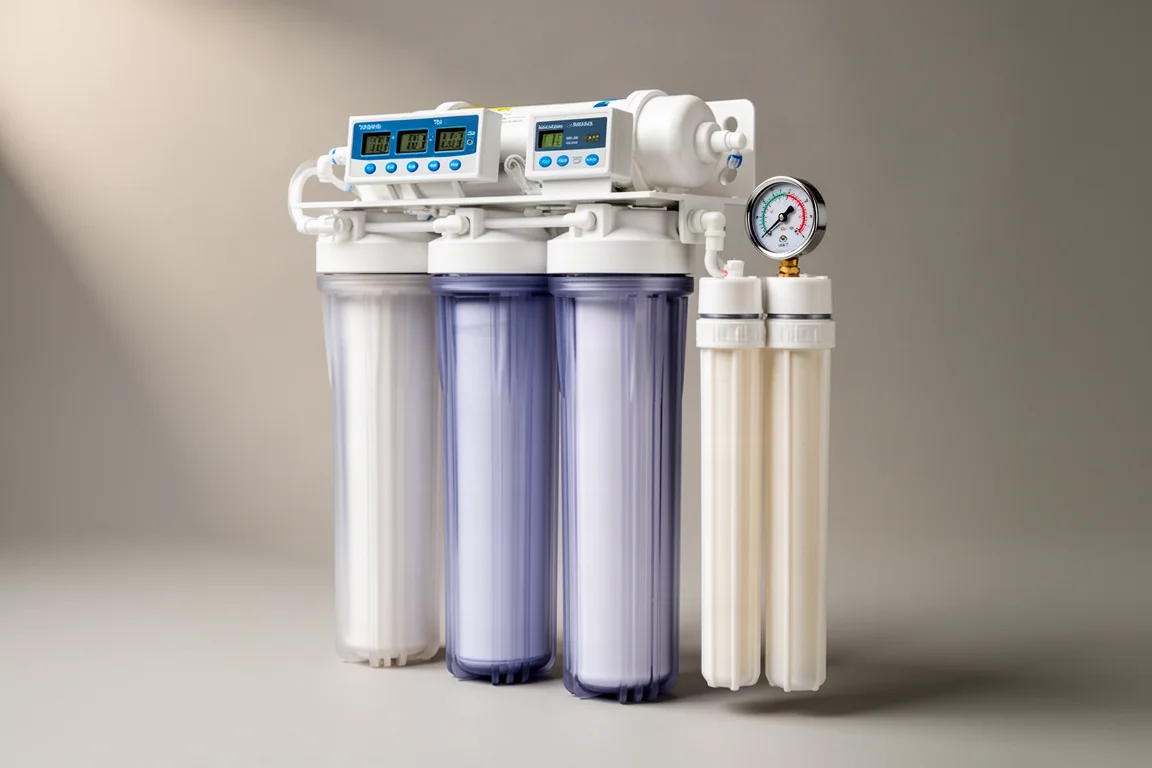
At the top of the lineup is the seven-stage Pro Plus, aimed at reefers dealing with particularly challenging water conditions or anyone who wants maximum efficiency from their DI resin.
Most RODI systems use mixed bed DI resin, which contains positively and negatively charged resins mixed together. In practice, most water supplies exhaust one of those resins faster than the other, and when that happens you end up discarding resin that still has capacity left. The Pro Plus solves this by separating the resins into dedicated cation and anion DI stages, followed by a final mixed bed polishing stage. That configuration lets you replace only the resin that is actually depleted, extend the life of the DI system, and reduce long-term operating costs.
The build includes a GE one-micron sediment filter, dual BRS one-micron carbon blocks, a Dow Filmtec membrane, Pro Series cation DI resin, Pro Series anion DI resin, and a final Pro Series mixed bed DI resin. Monitoring and hardware are comprehensive: an HM Digital triple inline TDS meter, a glycerin-filled pressure gauge, a membrane flush valve, an auto shutoff valve, and installation hardware. It is available in 75, 100, and 200 gallon per day models.
Overall Buying Advice
Choosing the right RODI system comes down to three things: your source water, your tank’s water demand, and how much long-term efficiency you want from your filtration. Answer those honestly and the stage count usually chooses itself.
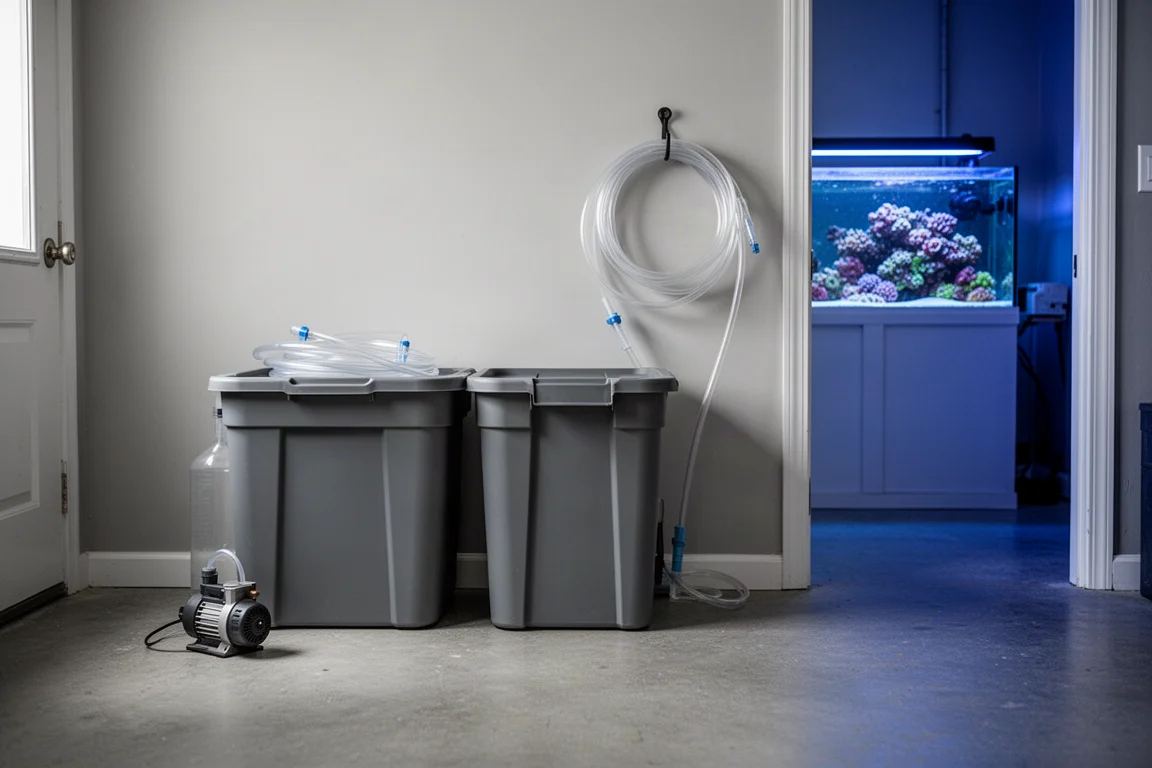
If you are on treated city water with low chlorine levels and modest demand, the four-stage Value gets you to zero TDS with a minimum of fuss, while the Value Plus is worth the step up if you want a TDS meter, pressure gauge, and flush kit to watch over the system. If your water is treated with chloramines, or you draw from a well that is not especially clean, the tighter one-micron pre-filtration of the five-stage Premium and Premium Plus is the more sensible foundation, with the Plus version adding the same monitoring tools. If your water carries higher TDS or troublesome contaminants, the six-stage Deluxe Plus and its dual DI stages are the natural pick. And if you want the longest resin life and the lowest ongoing cost, the seven-stage Pro Plus separates the DI resins so you only replace what is spent.
Whichever tier you land on, the practical details stay consistent: all units are manufactured in the USA, use NSF certified filters, ship with RO tubing and Mur-lok push-connect fittings with dual EPDM O-rings, and carry a limited lifetime warranty.
Conclusion
The goal across the entire BRS range is the same: start every batch of water with pure, predictable, zero TDS water. The four-stage systems deliver that with the least equipment and the simplest install, the five-stage systems add tighter pre-filtration for tougher source water, the six-stage adds dual DI stages, and the seven-stage Pro Plus adds resin separation for maximum efficiency. Match the stage count to what is actually coming out of your tap, and everything else in the reef becomes a whole lot easier.
Further reading
Related Reviews
Aquarium Water Filtration
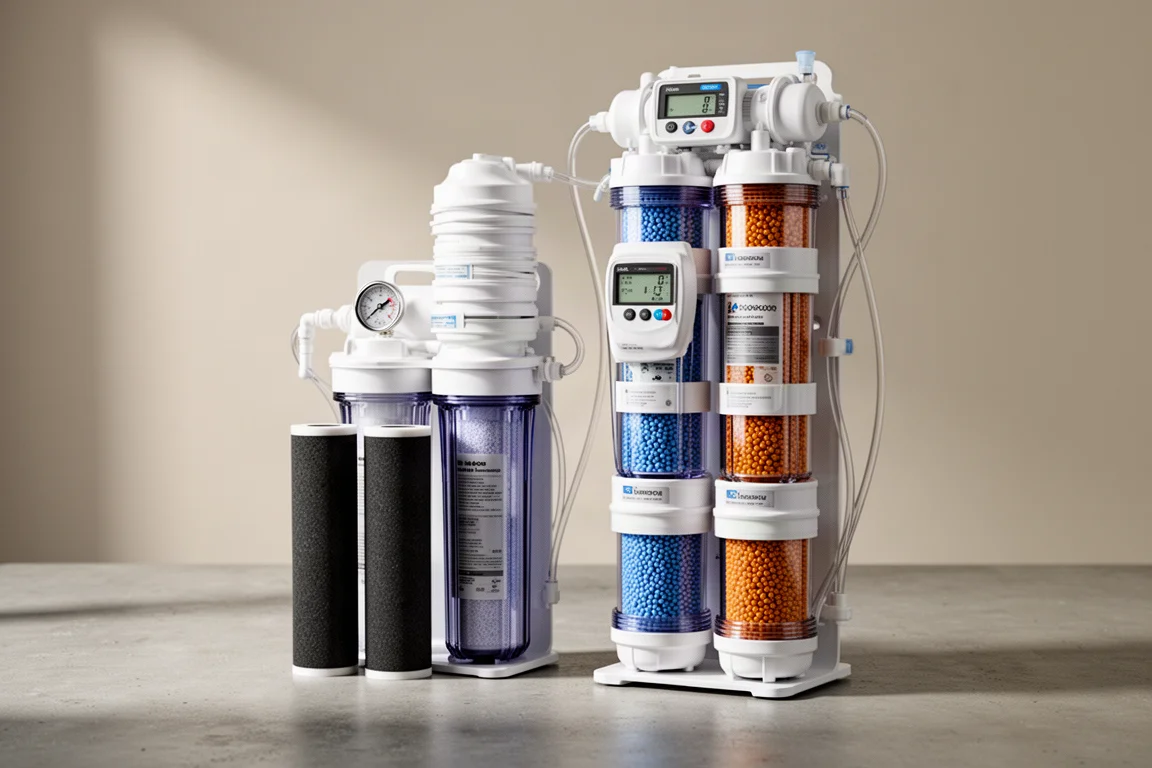
Best RODI Systems for Reef Tanks: Five Stage Water Saver Plus vs Seven Stage Pro
How to choose between two RODI systems for reef tanks, what each filter stage actually adds, and why the Five Stage Water Saver Plus suits most keepers while the Seven Stage Pro ends the search.

Backpacking Gear
Building a 10 lb Base Weight: An Ultralight Backpacking Gear List
A practical walkthrough of the ultralight pieces behind a 10 lb base weight, from a 765 g pack and a roomy one-person tent to a full camp chair and a dependable water filter.

Road Bikes
10 New Road Bikes Worth Watching: Aero, Titanium, Steel and Endurance Standouts
A practical roundup of 10 new road bikes, from aero flagships chasing single-watt gains to titanium, steel and endurance platforms built for real roads.