Bookshelf Speakers
Best British Bookshelf Speakers 2026: Three Picks for Value, Detail and Vintage Character
Three British bookshelf speakers covering value, detail and old-school warmth, with practical notes on amplifier matching, room placement and regional pricing.
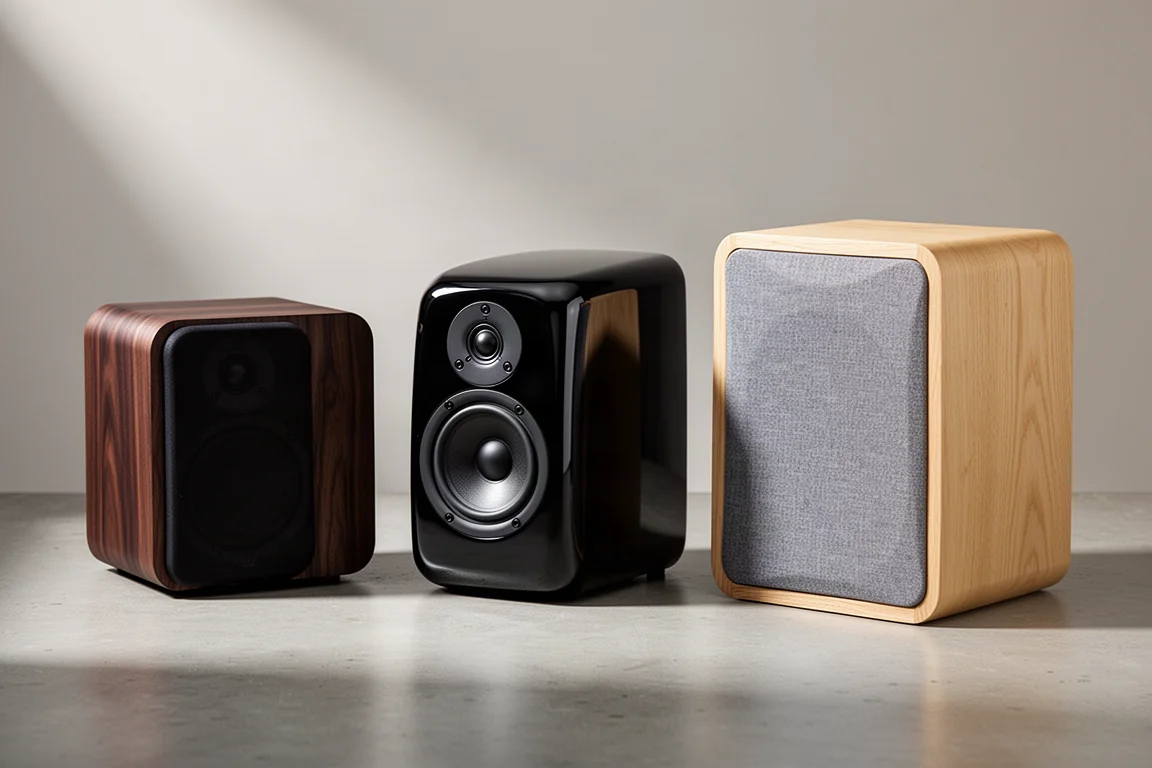
Introduction
Bookshelf speakers remain one of the most sensible ways into a serious two-channel system. They take up little space, they are easier to place than floorstanders, and at the right price they can outperform considerably larger designs. British manufacturers have long had a strong hand in this category, and the three models below each approach the same goal from a different angle: one chases value, one chases detail and imaging, and one chases a warm, old-school character.
All three sit in a broadly similar bracket. If you are building a first proper system, or stepping up from a compact all-in-one, they are worth shortlisting.
What Matters in This Category
Three things separate a satisfying bookshelf speaker from a frustrating one: how much amplifier it needs, how easily it settles into a room, and what it actually costs where you live.
Amplifier demand is the most commonly underestimated factor. A small cabinet does not automatically mean an easy load. Some bookshelf designs only come alive when they are fed plenty of current, and pairing them with a modest integrated amplifier can leave them sounding flat and restrained. Others are far more forgiving and will work well with almost anything competent.
Room placement matters just as much. A speaker that images precisely and tolerates being close to a wall is far easier to live with than one that demands a specific listening triangle and a lot of free space. In smaller rooms, that flexibility is often worth more than a small gain in outright resolution.
Price is the third variable, and it is more regional than most buyers expect. British brands are frequently significantly cheaper in the UK than in the US, while American brands tend to be priced more aggressively in the UK than you might assume. The same speaker can therefore represent very different value depending on where you are buying it.
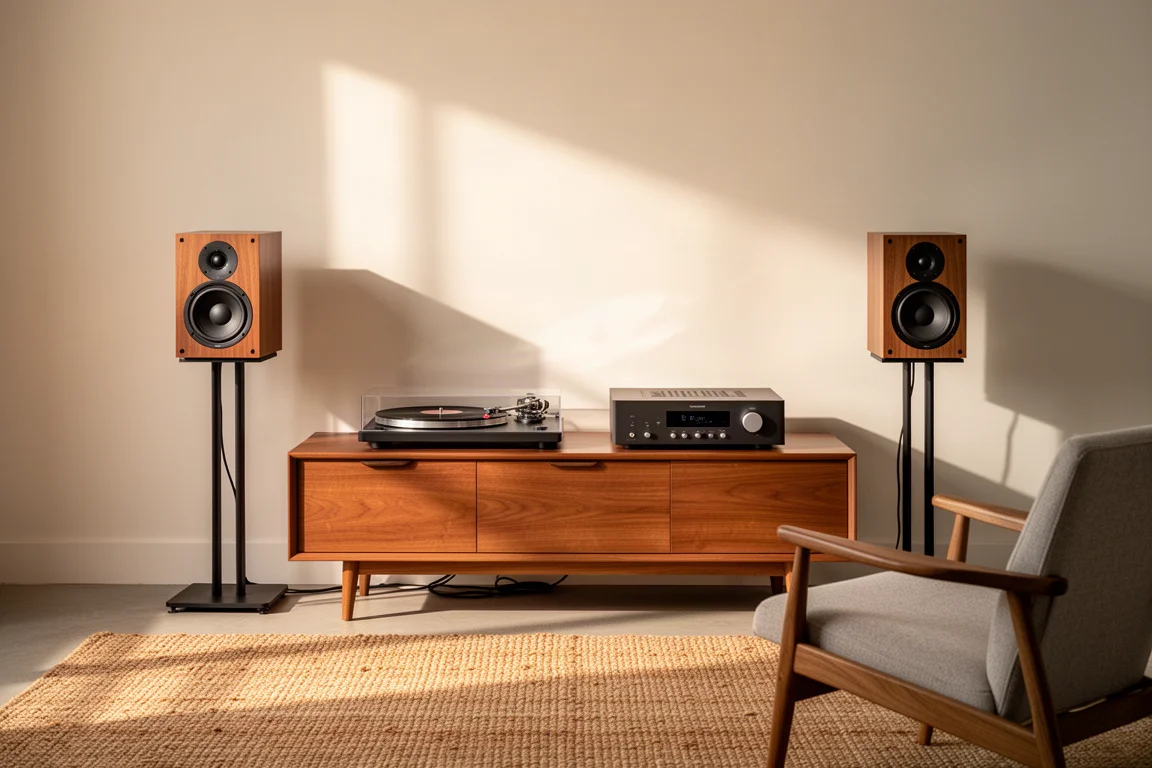
Q Acoustics 3030i: The Value Pick
The 3030i is the most affordable of the three, and it earns its place by delivering a lot of speaker for the money. Its most distinctive trait is bass. Compared with the smaller 3020i, it sounds noticeably larger and more dynamic, with dramatically more low-end weight. The tweeter is genuinely pleasant, and the treble stays composed rather than turning hard or edgy, even when the speaker is pushed hard. It has taken 200 watts of class A/B power without complaint.
The catch is that it wants power rather than merely tolerating it. This is not a speaker that flatters a small, low-output amplifier. It has worked well with a range of more capable integrated amplifiers, including a Unity Atom, Cyrus Audio, Vincent Audio and Audiolab models, and it responds clearly to that extra headroom. Buyers stepping up from a budget amplifier should plan for an upgrade at the same time, or accept that the speaker will not show what it can do.
There is one further practical note. Isolation stands can thin the sound slightly, reducing some of the low-end impact and pushing the presentation towards a more analytical balance. That is not necessarily a problem, but it is worth experimenting with placement before committing to a particular support.
Pricing is where the 3030i becomes hard to argue with. It sits under $500 in the US and around £300 or less in the UK, and it is often discounted below that. For a first serious pair of speakers, that is a lot of performance per pound.
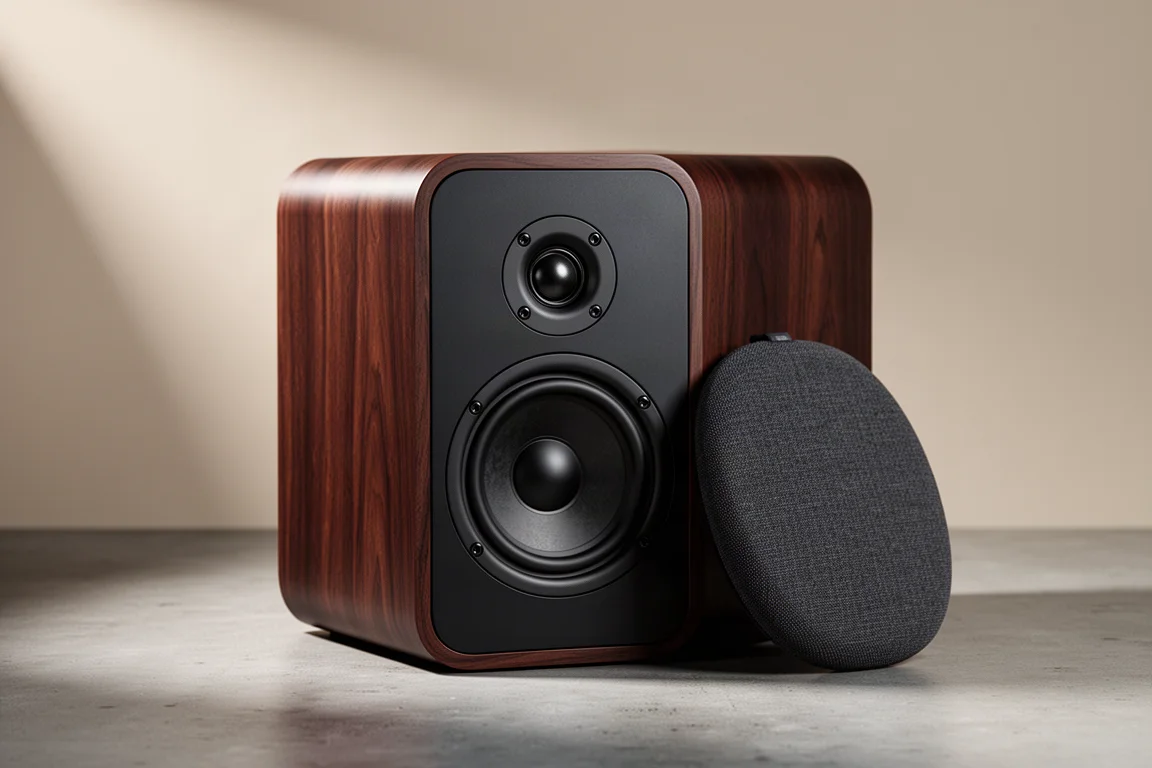
KEF LS50 Meta: The Detail and Imaging Pick
The LS50 Meta is the most refined speaker here, and the one that asks the most of the rest of the system. Its strengths are excellent detail retrieval, superb imaging and a cabinet that is unusually easy to place in a room. It creates a precise, engrossing soundstage without demanding an ideal setup, which makes it far more practical in real living spaces than its compact dimensions suggest.
The original LS50 had a reputation for being slightly bright, which meant partnering equipment had to be chosen carefully to avoid a fatiguing result over long listening sessions. The Meta version is understood to have addressed that tendency, and the rest of the package was already very impressive for the money. If the treble balance has indeed been tamed, the main historical objection to the design largely disappears.
That said, this is still a speaker that deserves good quality amplification. It is demanding enough that a weak amplifier will hold it back, and it is worth pairing with something that can genuinely control it. Buyers who want simplicity may be drawn to the wireless versions of this design, but the passive model remains the better route for anyone who wants to choose their own amplifier and build the system around it.
At just under £1,000 in the UK, it is the most expensive option in this group, and it is the one to choose if resolution and imaging matter more to you than raw low-end output.
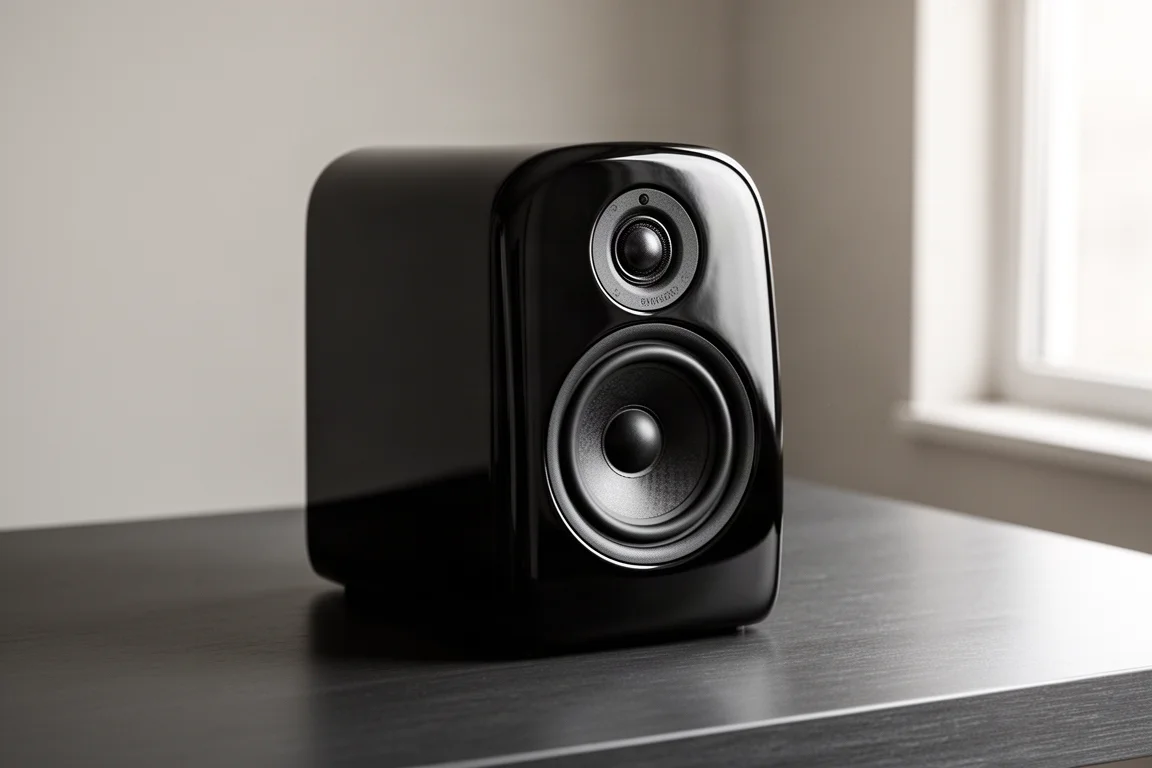
Wharfedale Denton 85th Anniversary: The Vintage Sound Pick
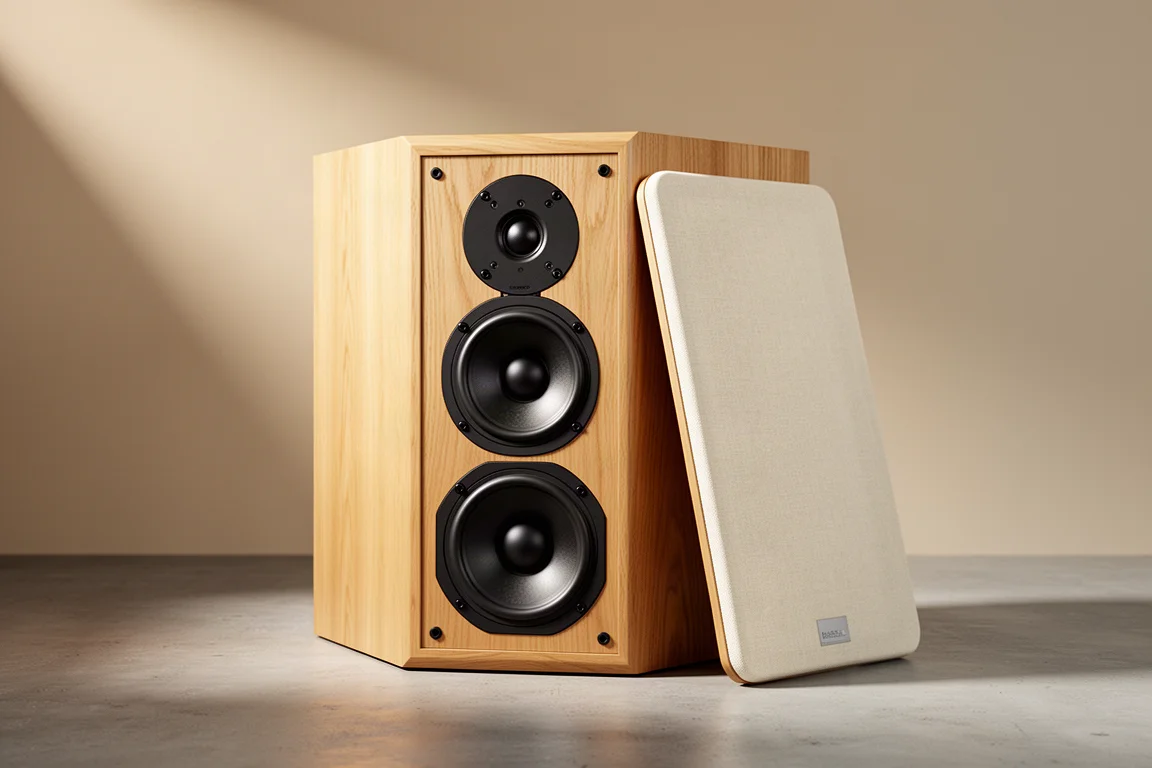
The Denton 85th Anniversary is the most characterful of the three, and the least interested in chasing modern neutrality. It is a chunky, boxy cabinet with a wide front baffle and a distinctive grille, and it looks deliberately old-school. Underneath, the drivers are modern, but the tuning is not: it produces the kind of warm, forgiving presentation that recalls classic British monitors, at a fraction of what those designs now cost.
That character makes it particularly strong with vinyl. Paired with a decent amplifier, it is the sort of speaker that encourages long, relaxed listening sessions rather than critical analysis, and it handles a wide range of material without becoming tiring.
Two practical points are worth knowing. First, it is built in China, which is now normal at this price point; achieving UK or European manufacture in this bracket would push the price up considerably. Second, its value depends heavily on where you buy it. It sits at $995 in the US, while in the UK it is £599, which makes it a notably stronger proposition for British buyers.
Matching Amplifiers to These Speakers
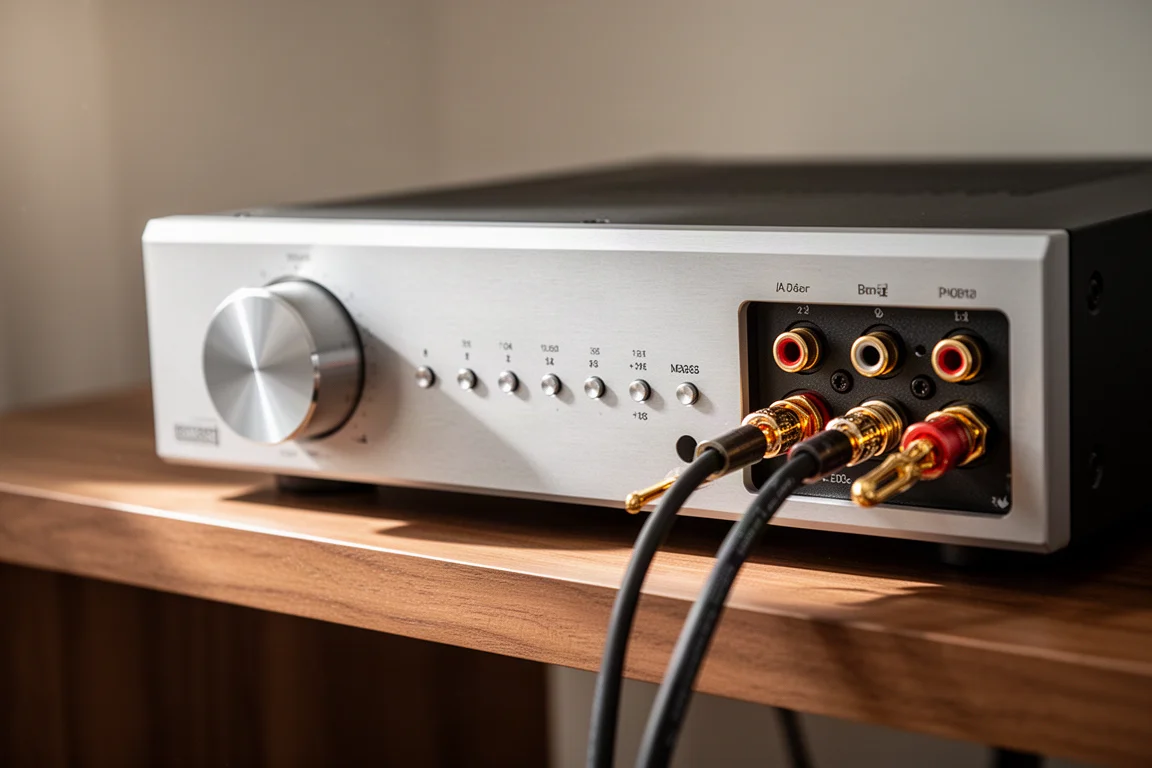
If there is one theme that runs through all three speakers, it is that the amplifier is not an afterthought. The 3030i needs more power than its price suggests, and it will reward a step up in amplification more than almost any other upgrade. The LS50 Meta is similarly demanding, and it will expose a weak amplifier rather than disguise it. The Denton is the most forgiving of the three, but it still benefits from a competent integrated amplifier.
The good news is that a sensible amplifier does not have to be expensive. The pattern that works across this group is straightforward: prioritise current delivery and a clean, neutral character over feature count. A modest amplifier with a strong power supply will generally outperform a more heavily featured one that runs out of steam.
Room Placement and Stands
None of these speakers is difficult to accommodate, but each responds differently to placement. The LS50 Meta is the easiest to position and will image well even in less than ideal setups. The 3030i has enough bass output that it can sit close to a wall without sounding thin, though it benefits from a little breathing room. The Denton, with its larger cabinet, is the one most likely to reward careful positioning and a solid stand.
Stands themselves are worth some thought. Isolation stands can tighten up the presentation, but they can also reduce low-end impact slightly, pushing a speaker towards a more analytical balance. That trade-off is a matter of taste rather than a clear win, and it is worth trying both options before deciding.
Buying Advice: Regional Pricing and Value
The single most useful thing to understand before buying any of these speakers is that pricing varies dramatically by region. British brands are often substantially cheaper in the UK, while US brands are usually priced more competitively in the UK than you would expect. The likely reason is distribution: manufacturers that manage their pricing carefully make sure their distributors can hit an attractive retail figure.
In practice, that means the 3030i and the Denton 85th Anniversary are particularly strong value in the UK, while buyers in the US will find the Denton at $995 and the 3030i under $500. The LS50 Meta sits at the top of the group at £999 in the UK, and it justifies that position through detail and imaging rather than low-end weight.
Which one is right for you comes down to priorities. If you want the best value and a big, dynamic sound, the 3030i is the obvious starting point, provided you can supply it with enough power. If resolution and imaging are what you are chasing, the LS50 Meta is the more accomplished speaker and the one worth stretching for. If you want warmth, character and a sound that suits vinyl, the Denton 85th Anniversary delivers something the other two do not.
Conclusion
There has rarely been a better range of bookshelf speakers in this price bracket, and these three cover the main approaches well. The Q Acoustics 3030i offers the strongest value if you can pair it with a capable amplifier. The KEF LS50 Meta is the pick for detail, imaging and easy placement, at the highest price of the group. The Wharfedale Denton 85th Anniversary is the choice for listeners who want a warm, vintage-flavoured sound and spend their evenings with records.
Match the speaker to the amplifier and the room rather than to the specification sheet, and any of the three will serve as the foundation of a system you can live with for years.
Further reading
Related Reviews
Bookshelf Speakers
Acoustic Energy A100 Mark II Review: A Compact Standmount With an Expansive Soundstage
The Acoustic Energy A100 Mark II brings clarity, natural tonality and a wide soundstage to an entry-level standmount, with a few setup details worth knowing first.
Bookshelf Speakers
Acoustic Energy AE-100 Mark II Review: Compact Bookshelf Speakers With Standout Imaging
A compact British two-way bookshelf speaker with deep, layered imaging, fast bass, and a slight treble lift to weigh against a crowded $500 field.
Bookshelf Speakers
Acoustic Energy AE100 MK2 Review: Measured Performance and Four Alternatives
A close look at the Acoustic Energy AE100 MK2 bookshelf speaker, what its measured performance reveals, and four alternatives with different trade-offs.