Hi-Fi Speakers
Best Bookshelf Speakers for High-End Systems: Five Standmounts Worth Building a System Around
Five standmount speakers that can anchor a serious hi-fi system, from a tiny near-field monitor to a sealed-box studio design, with the trade-offs each one asks you to accept.
Introduction
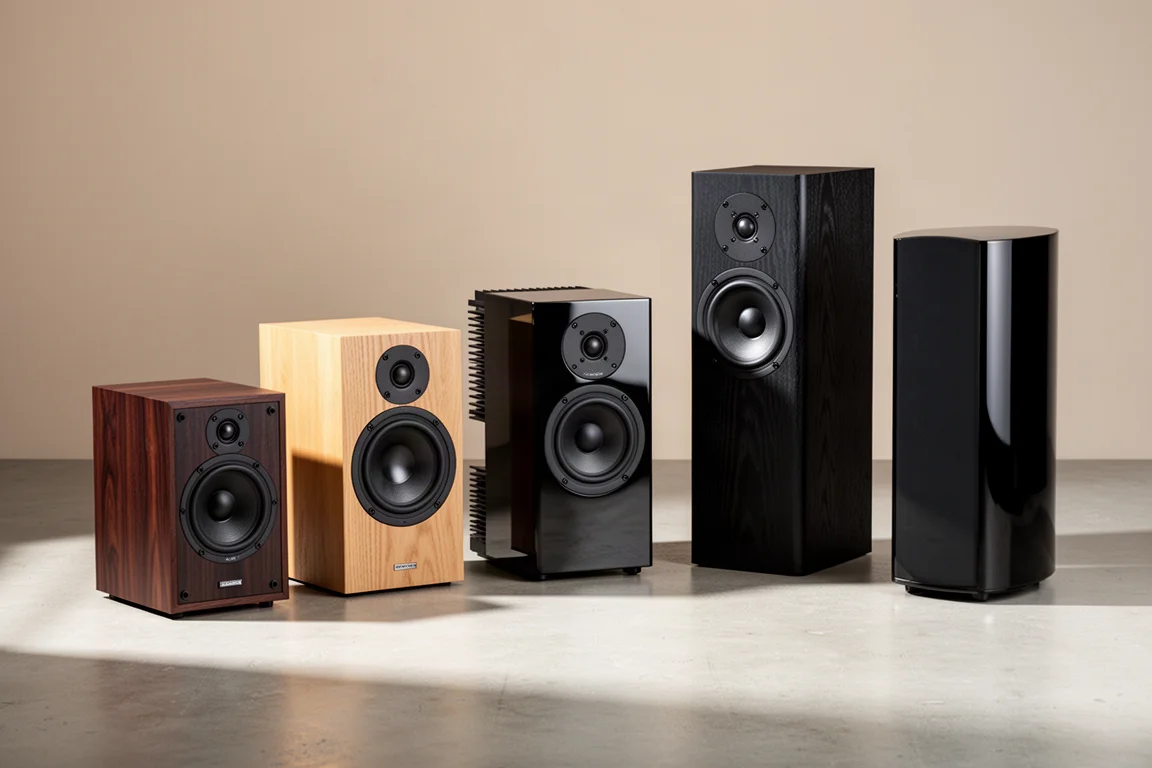
Standmount speakers have a habit of surprising you. The best of them do not need a big room, a big budget, or a big amplifier to sound like serious hi-fi, and the five models below all make a convincing case for building a system around a small cabinet.
Each of these speakers approaches the job differently. One is a tiny near-field monitor with exceptional tonality, one is a fully active design with amplifiers built into every cabinet, one is a sealed-box studio monitor that asks a lot of the rest of your system, and one is a refined passive design that scales with the amplifier behind it. The common thread is that all five are worth hearing before you spend money on anything larger.
What to Look For in a Standmount Speaker
Tonality comes first. A speaker can measure well and still sound unnatural with acoustic instruments, voices, and small jazz ensembles. Genuinely natural midrange tonality is rarer than the spec sheets suggest, and it is the quality most likely to keep you listening for years rather than weeks.
Clarity and insight matter next. A good standmount should let you hear deeper into a recording: the small touches in the midrange, the decay of a note, the space around a voice. Some designs achieve this at the expense of bass weight, while others trade a little purity for scale.
Then there is the question of how much the speaker asks of the rest of your system. Some standmounts are easy to drive from a modest integrated amplifier. Others need substantial power, a subwoofer, or both before they give their best. Sealed-box designs tend to roll off gradually in the bass rather than disappearing entirely, which often makes a subwoofer worthwhile.
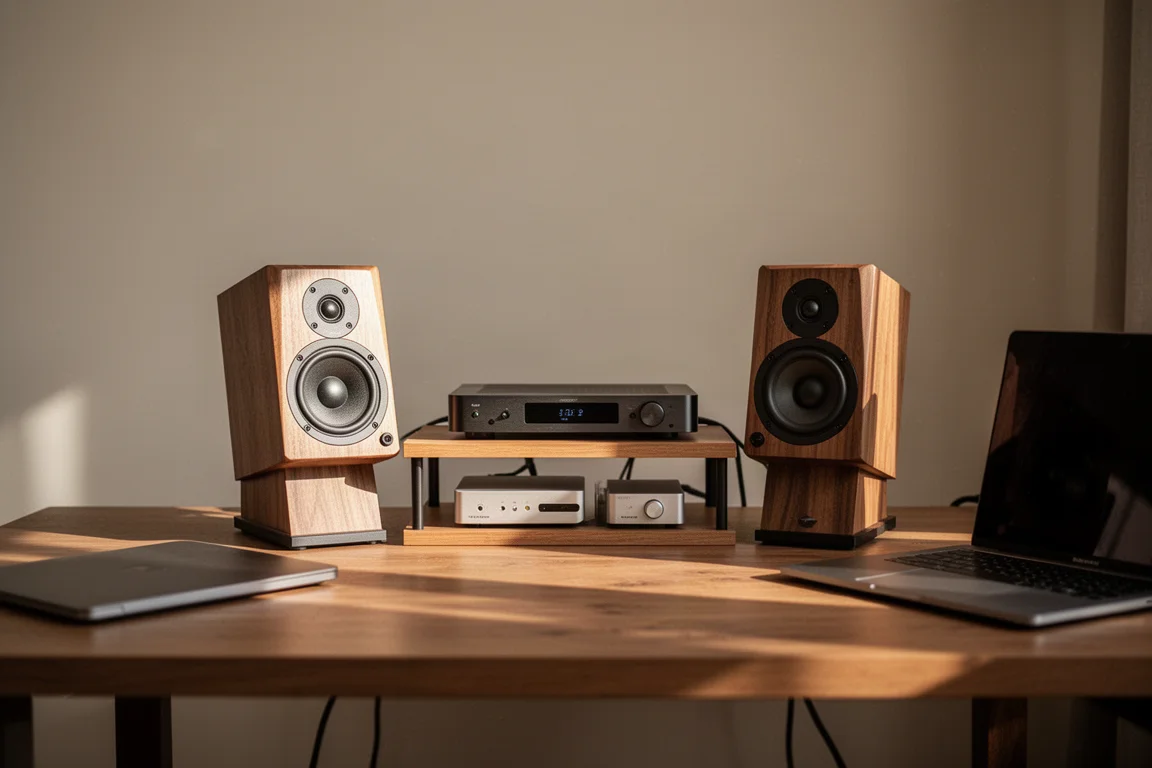
Finally, think about where the speakers will actually sit. A small room, a desk, or a listening position a couple of metres away places very different demands on a speaker than a large, well-damped room. Getting that match right matters more than any single specification.
Dali Menuet SE: Natural Tonality in a Small Cabinet
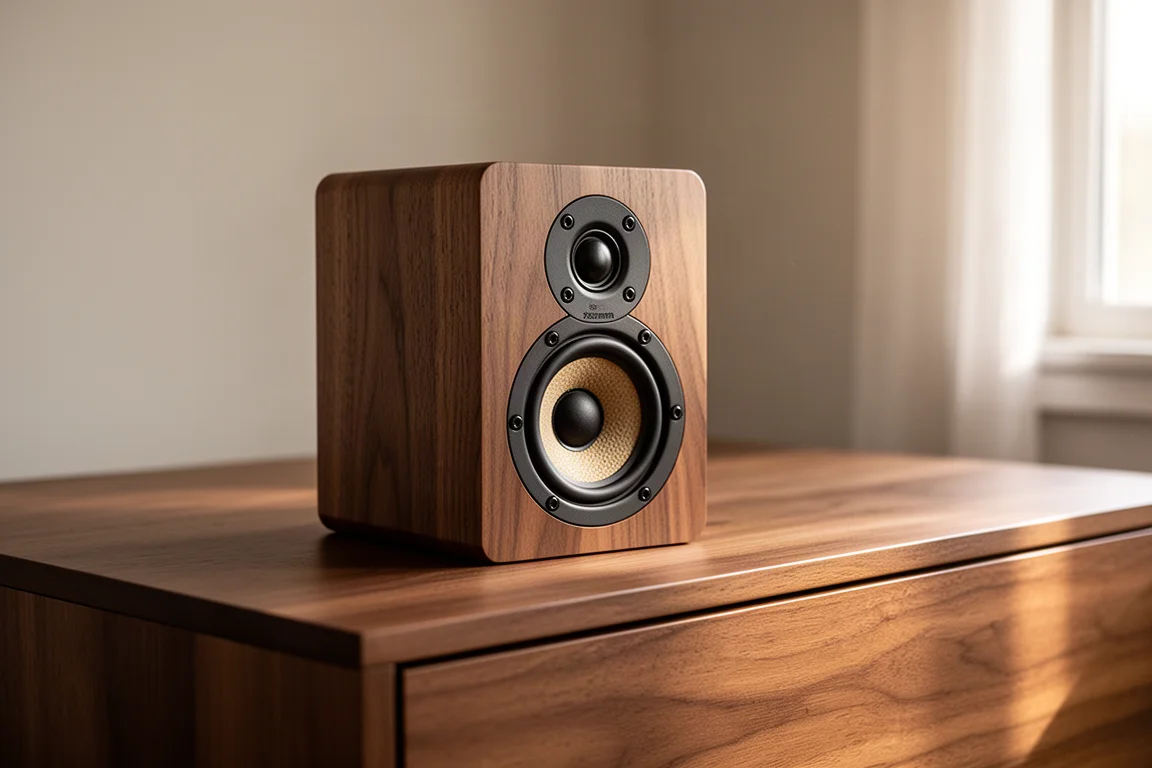
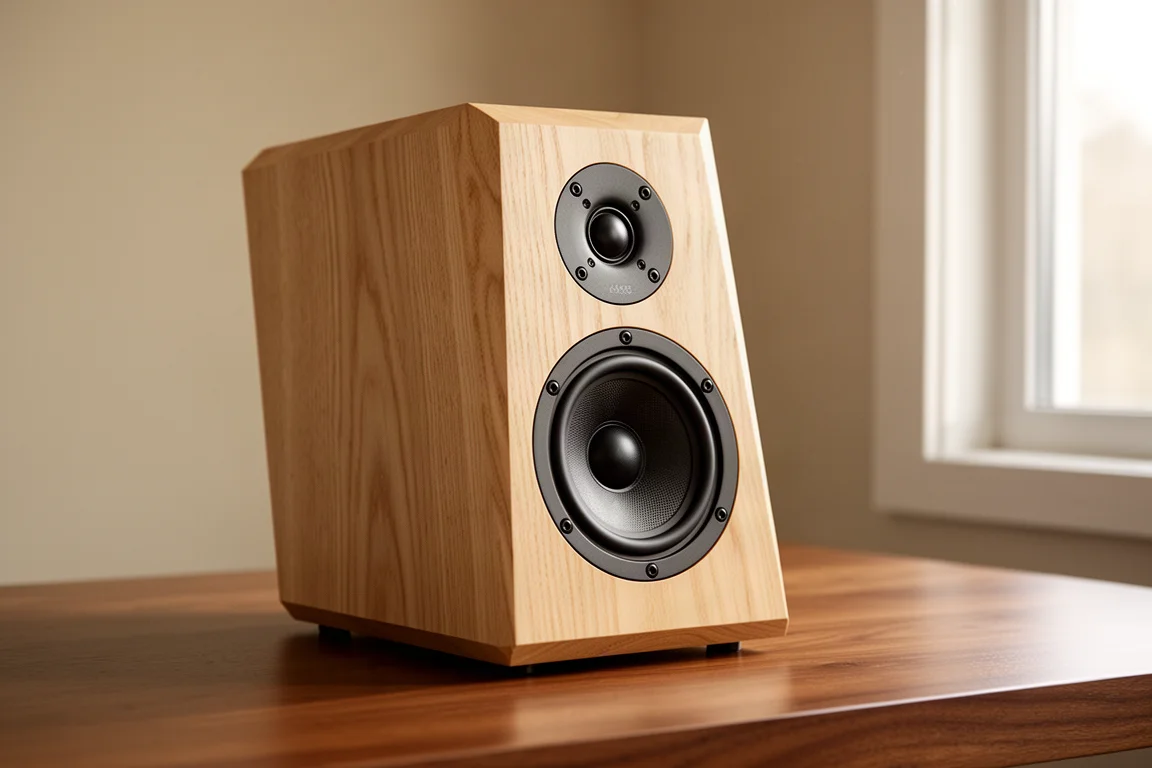
The Dali Menuet SE is the smallest speaker here, and it makes no attempt to hide it. Bass is limited, dynamics are limited, and it will not fill a large room. What it does instead is remarkable: clarity and tonality that hold their own against speakers costing considerably more. It retails at £1,500 in the UK.
Play acoustic instruments, vocals, or a jazz quartet and the Menuet SE sounds natural in a way that few small speakers manage. Its midrange purity is the reason to choose it, and its clarity sits comfortably alongside speakers in the £2,000 bracket.
Its natural home is a small room or a near-field setup: at the end of a desk, or with a listening position a couple of metres away. Paired with an Exposure 2510 integrated amplifier, the combination makes a scaled-down reference system for around £3,200 including the amplifier, and the two components suit each other well. Budget for a capable source as well, because both deserve better than an entry-level converter.
Dali also builds more of its own components in house than most brands, including its drivers, and it is one of the largest loudspeaker cabinet manufacturers in the world. That manufacturing depth helps explain how the company delivers this level of performance at the price, and new distribution in the US and Canada is making the brand easier to find in North America.
Amphion Argon1: More Scale, More Drive
The Amphion Argon1 takes the opposite approach. Its cabinet is larger than the Menuet SE’s, and the difference is immediately audible: it sounds bigger, with far more dynamic contrast and a stronger sense of drive.
The trade-off is purity. Next to the Menuet SE, the Argon1 gives away a little of that speaker’s cleanliness through the midrange, so if your listening leans towards acoustic instruments and voices, the Dali remains the more truthful of the two.
Where the Argon1 earns its place is with music that needs weight and punch behind it. If you want a standmount that can sound genuinely lively in a slightly larger room, this is the one to audition alongside the Menuet SE.
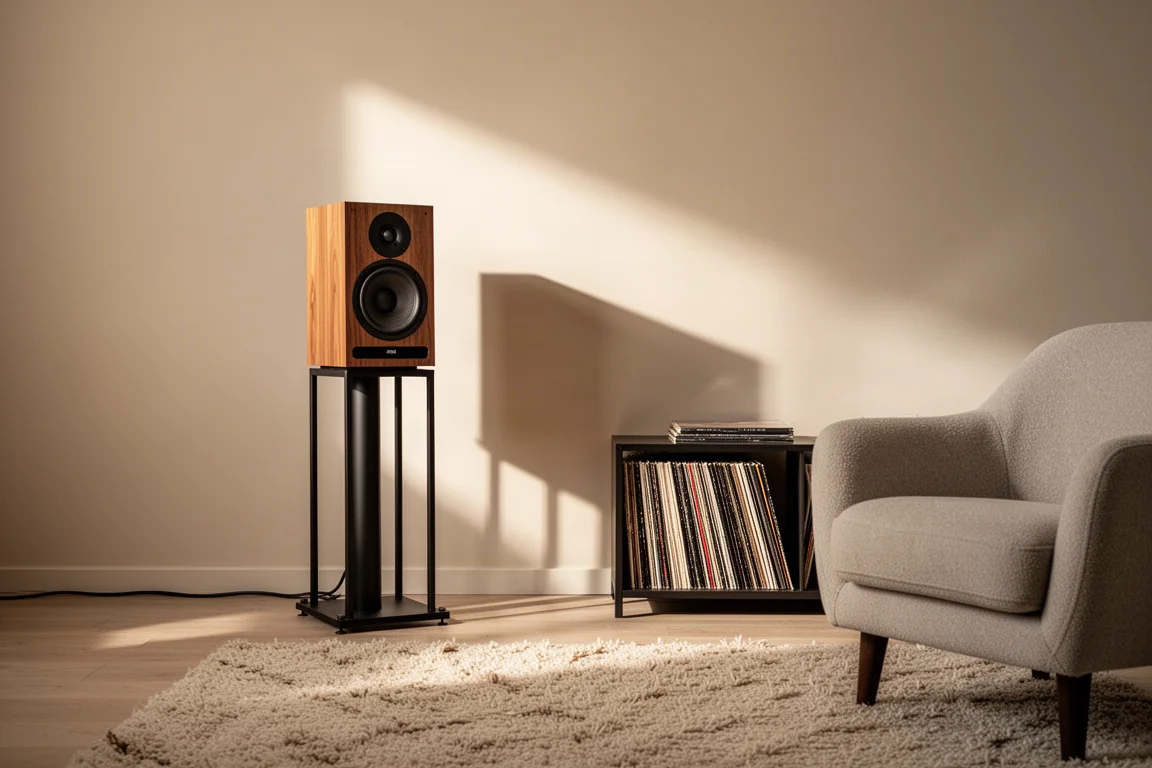
Both speakers sit at the smaller end of this group, and the choice between them comes down to whether you value tonality or dynamic contrast more.
Acoustic Energy AE1 Active: Active Drive, Outstanding Value
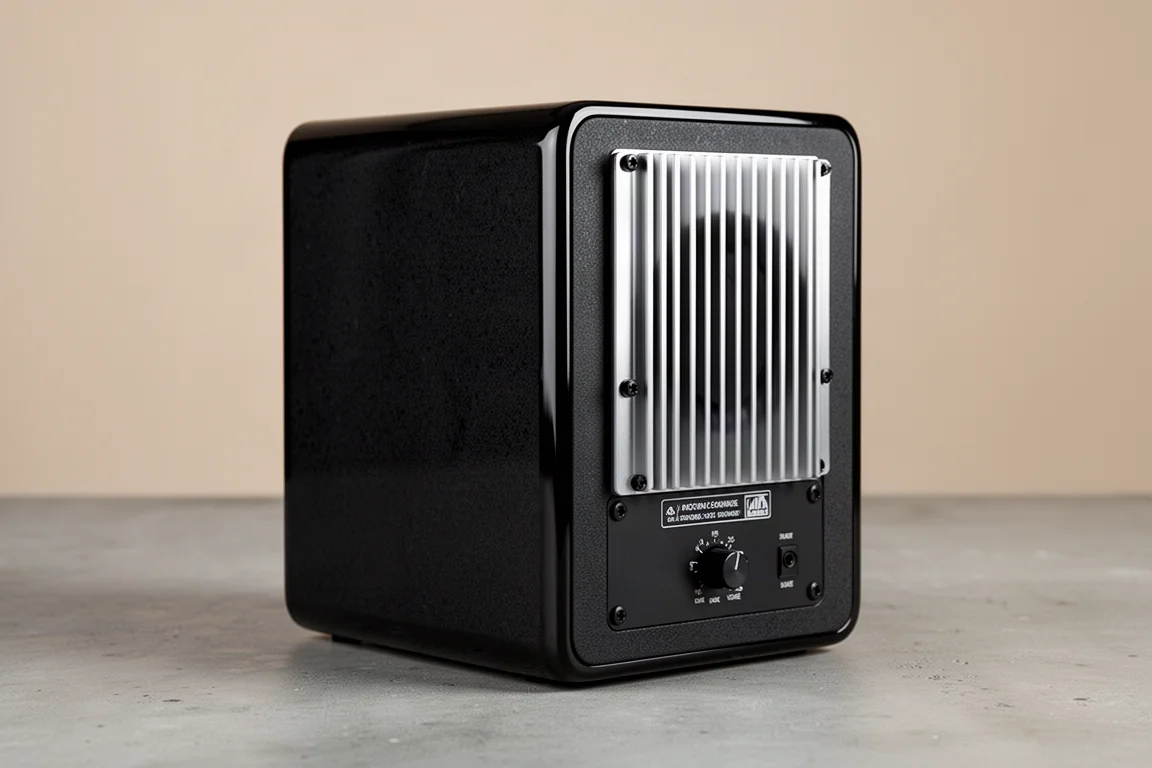
The Acoustic Energy AE1 Active is the easiest recommendation here on value alone. It is a genuinely active design: each cabinet contains Class A/B amplification for its tweeter and its woofer, with no Class D module anywhere in the chain. Nothing sits between the amplifiers and the drivers, and the result is exceptional clarity, control, and speed.
That architecture also explains the weight. These are chunky, substantial cabinets with heat sinks on the back, and the bass they produce is tight, fast, and unusually well defined for the size. Push them hard with electronic music, classic rock, or dense metal and they stay clean and articulate rather than compressing or blurring.
Price is the headline. The AE1 Active sells for around £1,050 in the UK and roughly $1,500 in the US, which is remarkable for four Class A/B amplifier channels, a pair of cabinets, and drivers. Nothing else at that money comes close to what these speakers do with bass control and articulation.
There are two things to plan for. First, each speaker accepts only one input at a time, so you will need a preamplifier or a DAC with a volume control. Second, volume is set by analogue trim controls on the back of each cabinet, which means matching the two speakers by hand. A preamplifier with balanced XLR outputs is worth the extra outlay, because a long unbalanced cable run can pick up noise that the built-in amplifiers will happily amplify.
ATC SCM19: Studio-Grade Clarity in a Sealed Box
The ATC SCM19 is the most revealing speaker in this group. It is ATC’s largest two-way design before you step up to its three-way models, built as a sealed box with rounded cabinet edges, and it delivers clarity and insight that go beyond most standmounts at the price. It is cleaner than many long-standing reference monitors, and it lets you hear deeper into a recording.
The trade-offs are real. Bass output is modest and rolls off gently from around 50 Hz, which is characteristic of a sealed enclosure but means a subwoofer is close to essential if you want full-range weight. Budget around £1,000 for a decent pair, and expect the presentation to change noticeably once they are in place.
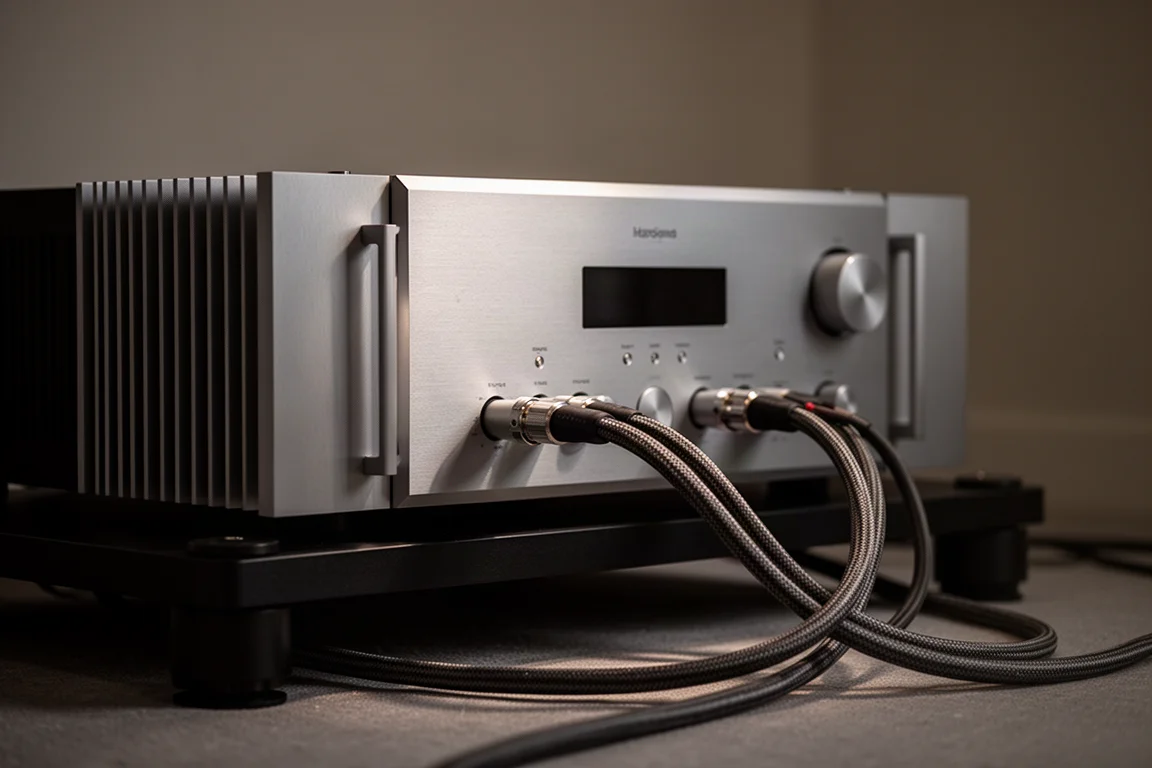
Power is the other consideration. ATC recommends a minimum of 75 watts, and the drivers use a heavy moving mass with a sandwich-type cone construction, so the speaker responds to current and voltage. It will run from a solid 75-watt amplifier, but it is one of the few standmounts at this price that leaves you wanting more. It is also not a speaker for quiet late-night listening, because the moving mass needs some volume before it comes alive.
Revealing cuts both ways. The SCM19 will expose harshness anywhere in your source or upstream electronics, so it rewards careful system building rather than quick swaps. In the UK it sells for around £2,300, while US pricing is close to double that. An active version exists for over £3,000 in a floorstanding cabinet, with the lower half given over to amplification.
PSB Synchrony B600: A Refined All-Rounder
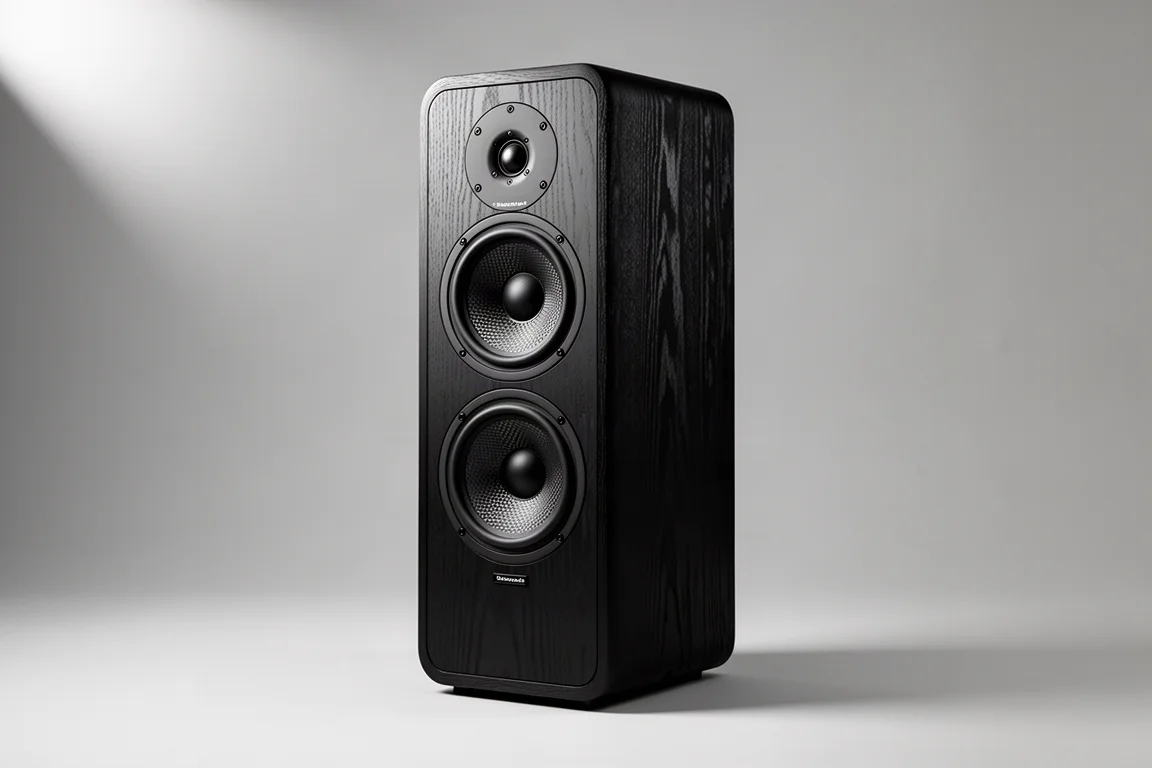
The PSB Synchrony B600 is a $2,700 standmount designed by Paul Barton, and it behaves like a speaker that knows exactly what it is. It is composed and refined, and it responds to good amplification rather than demanding it.
Feed it properly and it opens up. Paired with a high-quality integrated amplifier, the B600 shows how much headroom a well-designed standmount can use, taking power in its stride and staying clean as the volume rises. It is a speaker you build a system around rather than a speaker you bolt onto whatever you already own.
That is also the caveat. With a premium integrated amplifier at around $6,500, the total outlay can approach $9,000, and the speaker is good enough to justify that level of partnering equipment. If the rest of your system is not there yet, the B600 will still sound good, but you will not hear what it can do.
How to Choose Between These Speakers
If you are working in a small room or at a desk, the Dali Menuet SE is the natural starting point. It will not give you scale or bass weight, but its tonality and clarity are exceptional, and it is easy to build a compact system around.
If you want more punch and presence from a standmount, the Amphion Argon1 delivers exactly that, at some cost to midrange purity.
If simplicity and value matter most, the Acoustic Energy AE1 Active is hard to argue with. You are buying speakers, amplifiers, and crossover in one package for around £1,050, and you only need to add a preamplifier or a DAC with a volume control and balanced outputs.
If your priority is maximum insight and you are willing to build around it, the ATC SCM19 is the most revealing speaker here. Plan on a powerful amplifier and a subwoofer, and accept that it will expose anything harsh upstream.
If you want a refined passive standmount that grows with a high-quality integrated amplifier, the PSB Synchrony B600 is the most balanced all-rounder in this group.
One point applies to all five. The speaker is only part of the budget. Amplification, a source, and in some cases a subwoofer will determine how close you get to the performance these cabinets are capable of, so it is worth planning the whole system before you commit.
Conclusion
Five standmounts, five different sets of priorities. The Dali Menuet SE is the one for small rooms and near-field listening, the Amphion Argon1 for more scale and drive, the Acoustic Energy AE1 Active for the best value in a genuinely active design, the ATC SCM19 for maximum clarity in a sealed box, and the PSB Synchrony B600 for a refined passive speaker that rewards a serious amplifier.
None of them is a compromise on sound quality. What separates them is what they ask of your room, your amplifier, and your budget. Get that match right and any of these speakers can anchor a system you keep for years.
Further reading
Related Reviews
Hi-Fi Speakers
1723 THX Tower vs 1528 Bookshelf: Which Speaker Fits Your Room?
Two speakers at roughly the same price, built very differently. How the 1723 THX tower and the 1528 bookshelf compare on construction, bass, power needs, and sound.
Hi-Fi Speakers
Acoustic Energy AE 300 Review: Deep Bass From a Compact Standmount
A two-way standmount with real wood veneer, surprising low-end weight, and a warm, easygoing character. Here is what to know before buying.
Hi-Fi Speakers
Acoustic Energy AE1 40th Anniversary Review: A Modern Take on a British Classic
A compact standmount that revives a 1980s favorite with all-new parts, a warm mid-centric balance, and a price of £1,499 per pair.