Cheese
4 Blue Cheeses Worth Knowing: From Mild to Bold
Four standout blue cheeses covering the full range of styles, from beginner-friendly Gorgonzola Dolce to classic Stilton.
Introduction
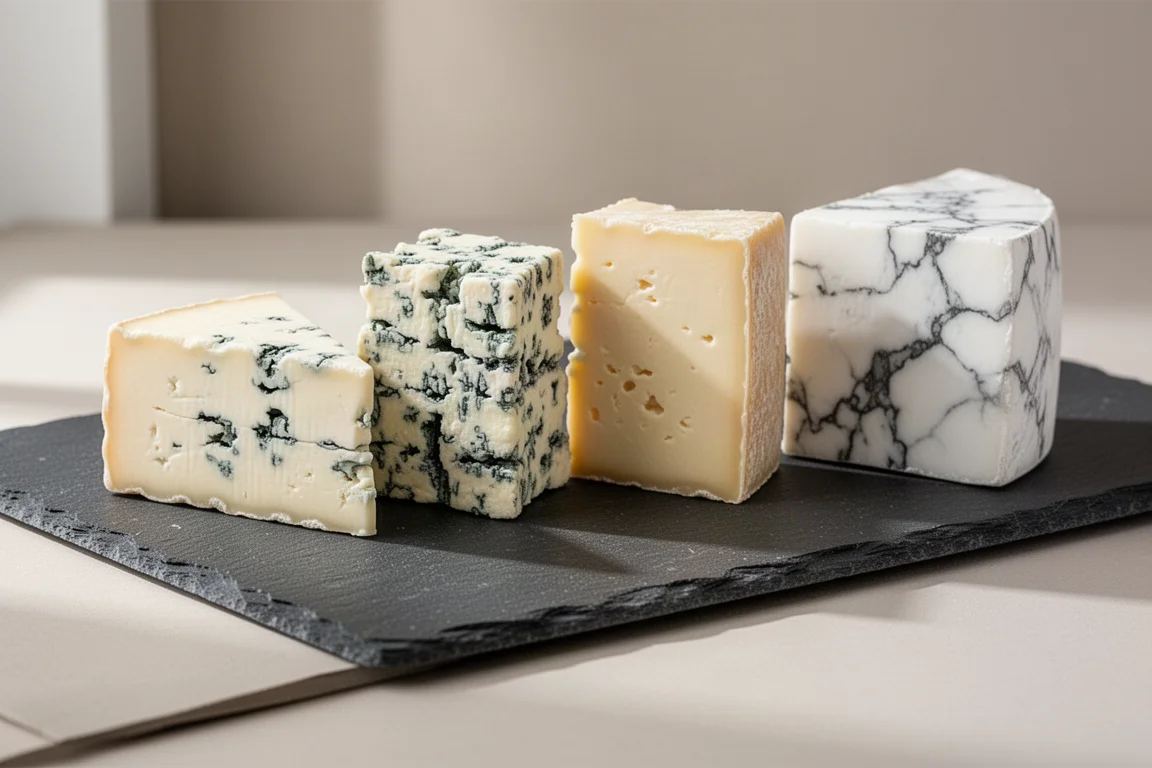
Blue cheese is one of the widest categories in the cheese world. Textures range from creamy to crumbly, flavors from mild to absolutely pungent, and there is genuinely something for every palate. To narrow it down, four representative wedges stand out from a broader field: Gorgonzola Dolce, Roquefort, Stilton, and Maytag Blue Cheese. Each shows a different side of what blue cheese can be, and each suits a different moment at the table.
What Makes Blue Cheese Different
Compared with categories like Parmesan or Cheddar, blue cheese has unusual flexibility. It can be made with cow’s milk, goat’s milk, or sheep’s milk, though most production uses cow’s milk. Aging can run from just a couple of weeks to a full year. The molds themselves are not the differentiator; the real craft lies in how oxygen is introduced into the wheels.
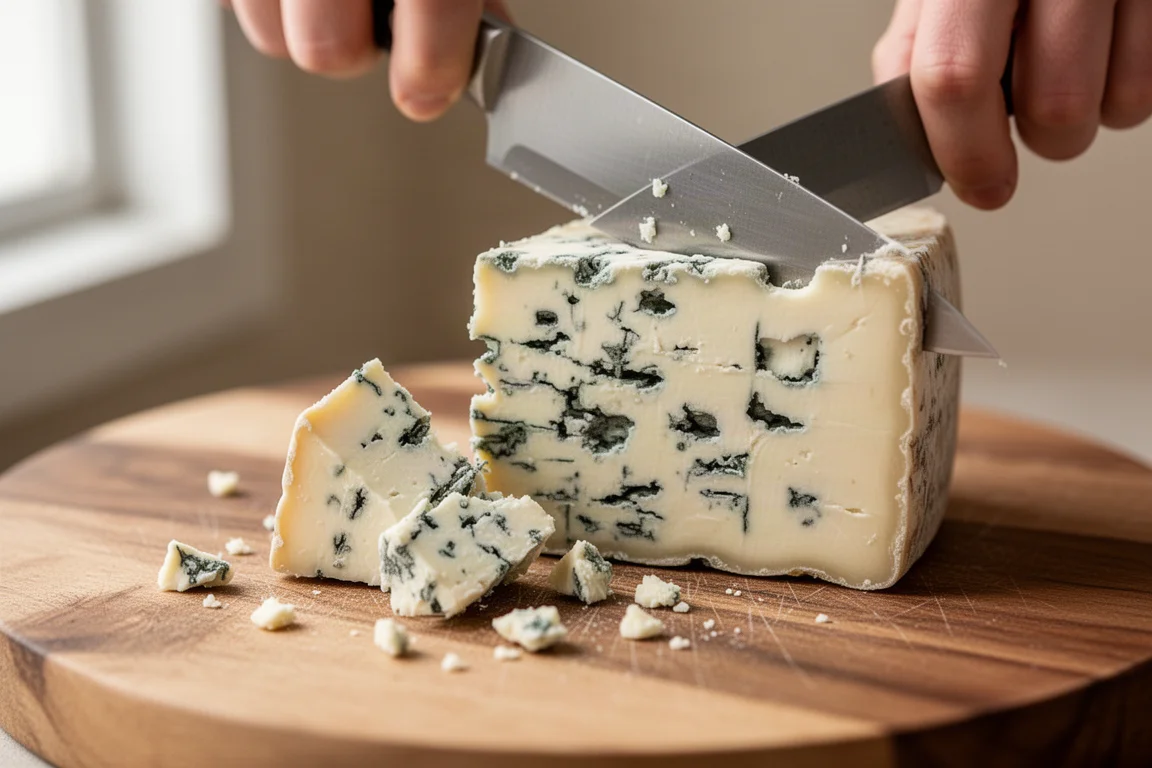
Cheesemakers pierce the cheese with a metal tube to cut channels that let air reach the mold. How they do this, how often, and the size of those channels all determine the ribboning, meaning where the mold develops and how much of it you get. Aging also plays a role: the process usually starts in a warm, moist environment and then moves somewhere cooler and drier, often a cave, so blue cheeses go through multiple aging environments rather than a single one.
Gorgonzola Dolce: The Friendly One
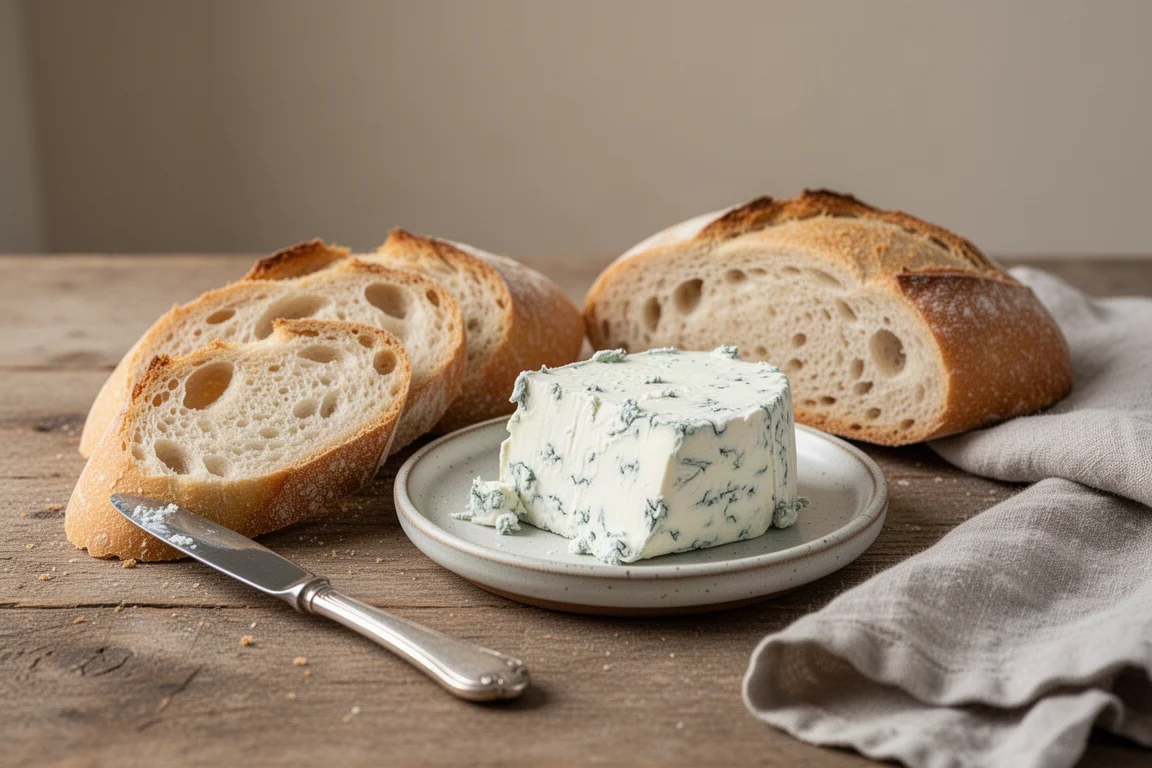
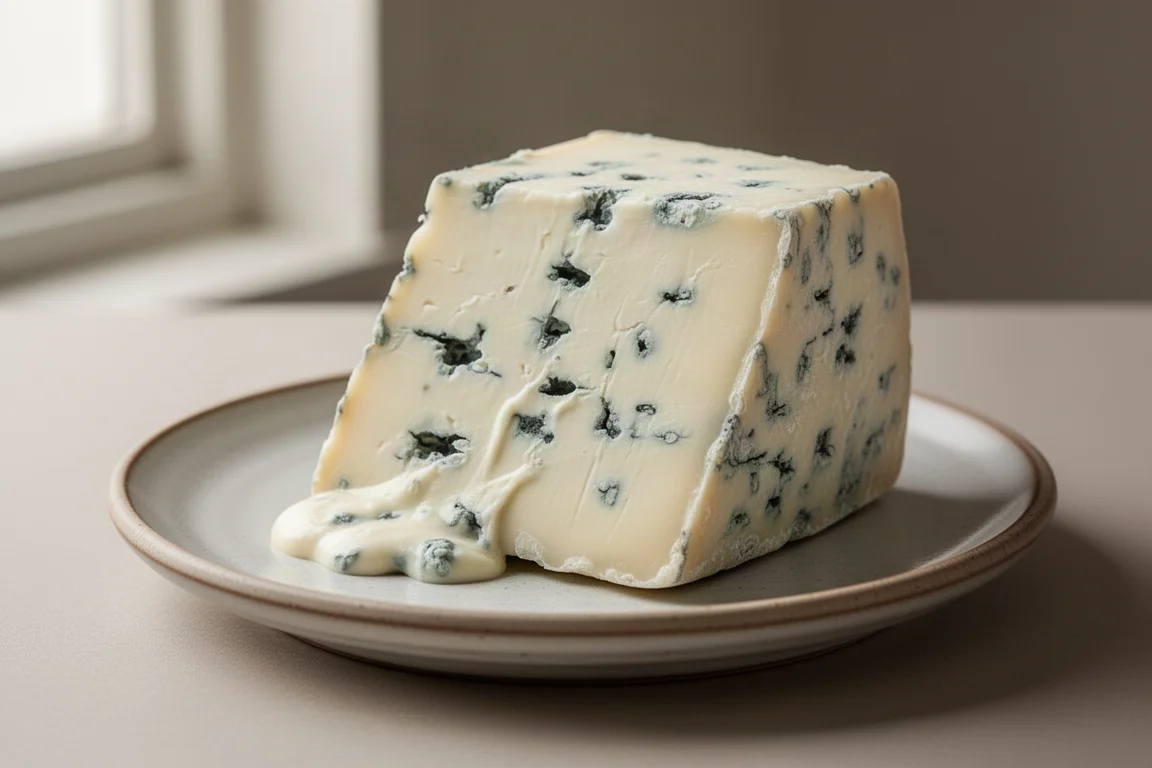
This is the wedge for people who think they do not like blue cheese. Gorgonzola Dolce is soft, creamy, and lightly aged, so the blue character stays gentle rather than aggressive. It melts in the mouth but still carries nuanced flavor, with notes that recall Parmesan and Gruyere more than a sharp blue. One taster described it as what happens when blue cheese met Brie and had a baby.
Spread onto a good baguette, it is hard to beat, and it works beautifully on a larger cheese plate where a crowd is coming, because just about everyone will like it. If you are new to the category, this is the natural starting point.
Roquefort: The Aged Classic
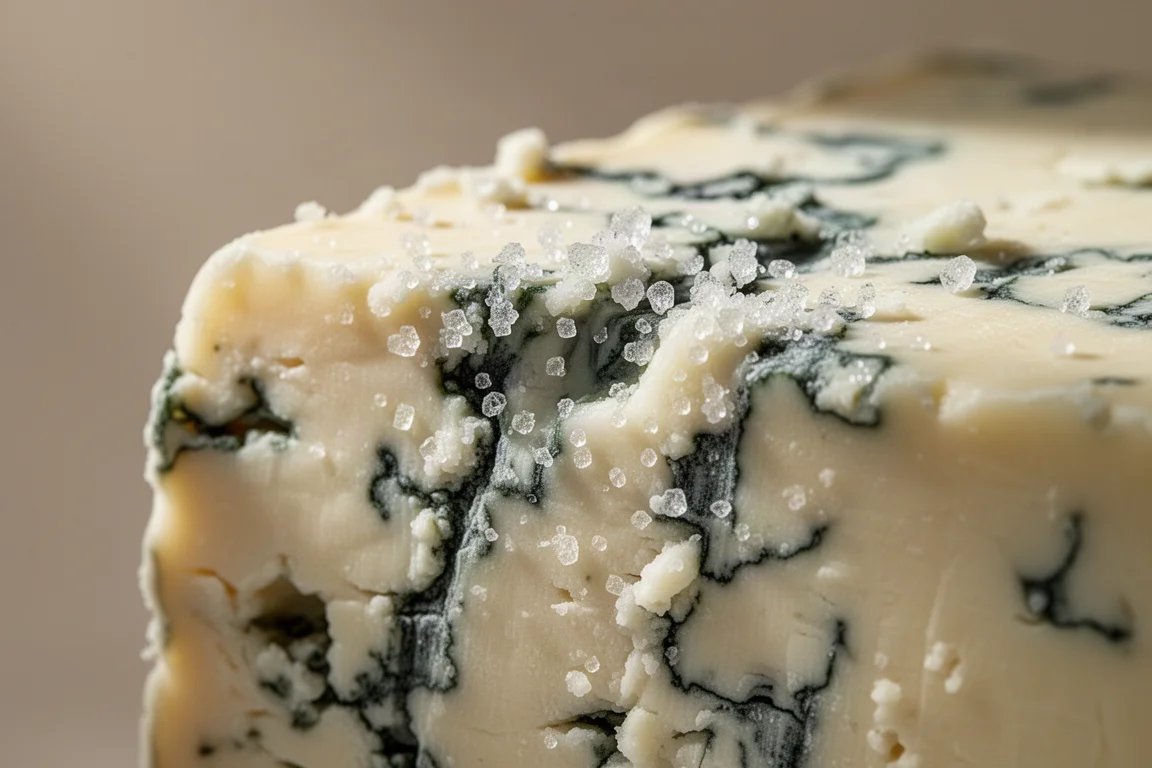
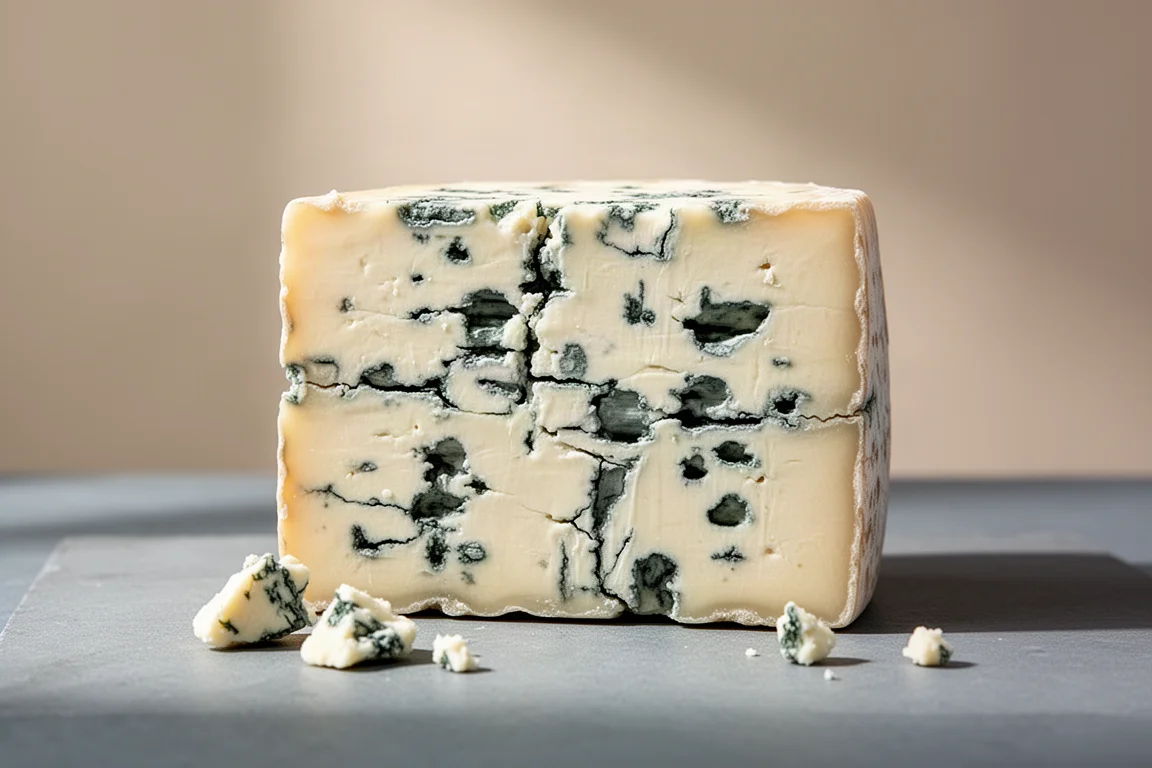
When most people picture blue cheese, this style is what they picture. Roquefort is a little crumbly but still spreadable, and it makes an excellent salad dressing. Its hallmark is a crystalline texture: small, crunchy crystals that develop through long aging, in a process similar to what happens in aged Parmesan.
That combination of crumble, salt, and those little crystals gives Roquefort a depth the softer styles do not have. It is the pick for anyone who wants the classic, full blue cheese experience with real age behind it.
Stilton: The Creamy Crowd-Pleaser
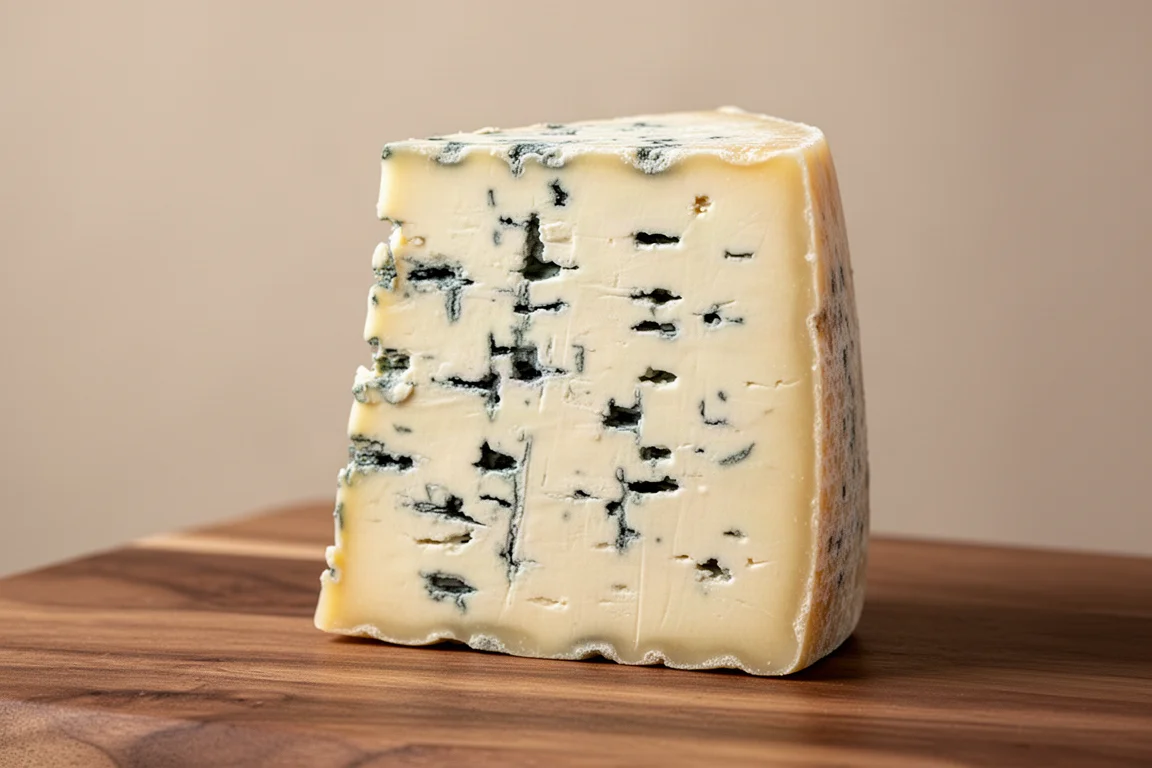
Stilton earned the best description from tasters: fudgy. It is creamy, so creamy that it is almost fudgy, with milk flavor described as absolutely divine. The paste picks up a slight yellow tint, a sign that the cows producing the milk were eating plenty of grass before the cheese was made.
This was the overall favorite of the tasting, the kind of wedge someone could eat all day long. It offers richness without the shock of the pungent end of the category, which makes it an easy centerpiece for any cheese board.
Maytag Blue Cheese: The American Heritage Pick
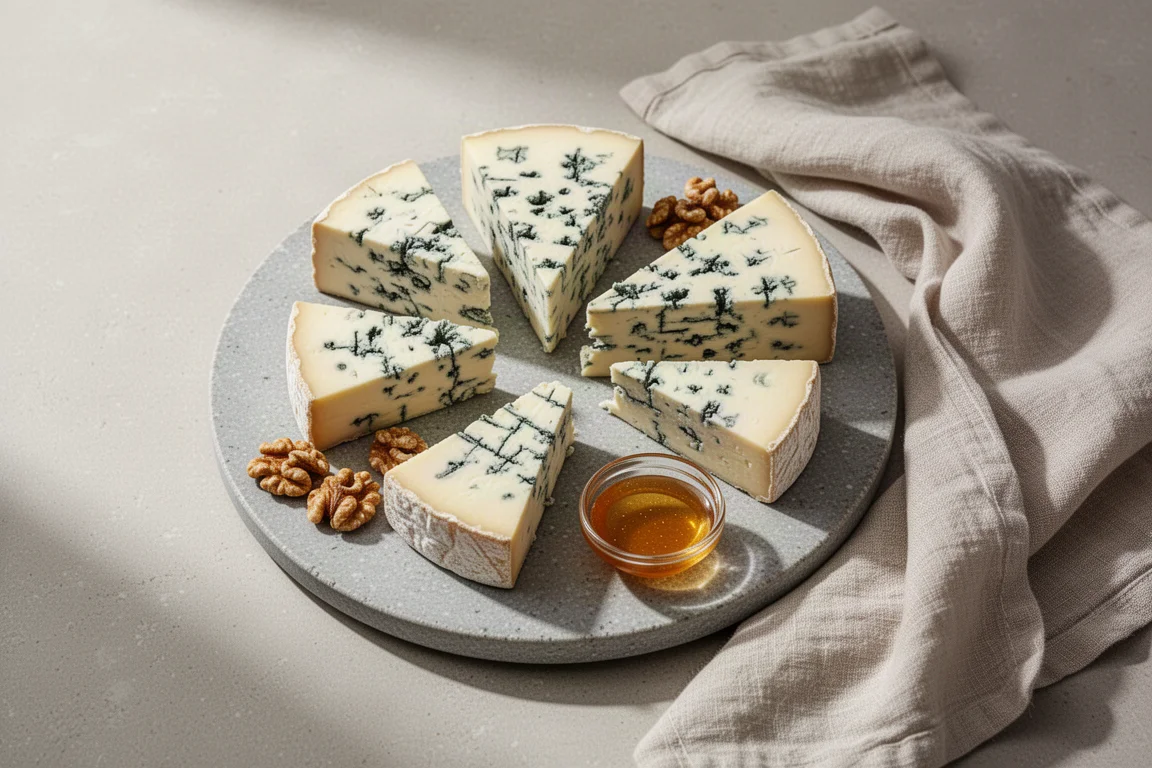
A heritage cheese from the Midwest, Maytag is worth remembering alongside the European classics. It sits in the middle of the spectrum: not super mild, not super funky, simply delicious. Think of it as an average blue cheese in the best sense, delivering a balanced, dependable flavor that works in everyday situations.
If you want a blue cheese for salads, burgers, or a casual board without committing to the boldest options, this is the practical all-rounder.
Buying Advice
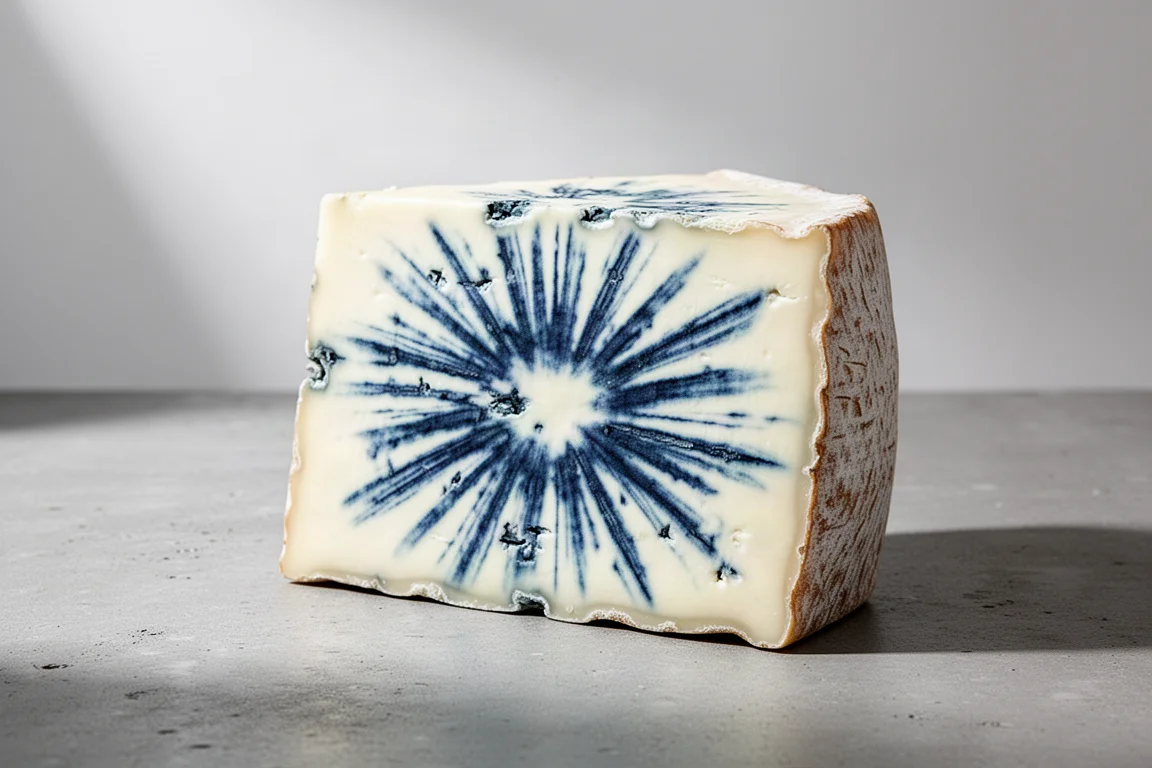
Match the cheese to the moment. For beginners or a mixed crowd, Gorgonzola Dolce is the gentlest entry. For a classic aged experience with crystalline texture, go Roquefort. For pure creamy indulgence and the crowd favorite, Stilton is the pick. And for a balanced American option that fits everyday cooking, Maytag delivers.
Conclusion
In the world of blue cheese, there is something for everybody. These four wedges cover the category’s full range of textures and intensities, and any of them can earn a permanent place on your cheese board.
Further reading
Related Reviews
Backpacking Gear
Building a 10 lb Base Weight: An Ultralight Backpacking Gear List
A practical walkthrough of the ultralight pieces behind a 10 lb base weight, from a 765 g pack and a roomy one-person tent to a full camp chair and a dependable water filter.

Road Bikes
10 New Road Bikes Worth Watching: Aero, Titanium, Steel and Endurance Standouts
A practical roundup of 10 new road bikes, from aero flagships chasing single-watt gains to titanium, steel and endurance platforms built for real roads.
Bikepacking Gear
11 Bikepacking Essentials for Long-Distance Cycling
Eleven bikepacking essentials for long-distance cycling, from a steel gravel frame and a two-person tent to helmet lights, packable gloves, and a frame bag that puts weight in the right place.