Birding Tools
The Best Birding Apps and Websites Worth Having on Hand
Six free tools that cover every part of birding: logging sightings, chasing rarities, reading migration, and cracking difficult IDs.

Introduction
With so many apps and websites aimed at birders, it is hard to know where to start. These are the six tools that earn their place on most serious birders’ home screens: two for logging and exploring sightings, two for reading bird movement during migration, and two that make identification far easier. The good news is that every one of them is free.
eBird
eBird is the backbone of most modern birding. It is the go-to site for submitting checklists, keeping track of your lists, chasing rarities, and preparing for trips to new locations.
The workflow is simple: open the submit tab, choose your location, pick your date, note whether you were traveling, stationary, or recording a historical count, then enter the species you saw and submit. From there, the My eBird section organizes all of your checklists, media, and sightings by state, and trip reports pull together every checklist you submitted on given dates plus a complete species list for that trip. The explore section lets you browse hotspots, track down rarities, and see which birds are expected in your area at that time of year, and the science section shows the famous stats and trends along with how your sightings feed the scientific community.
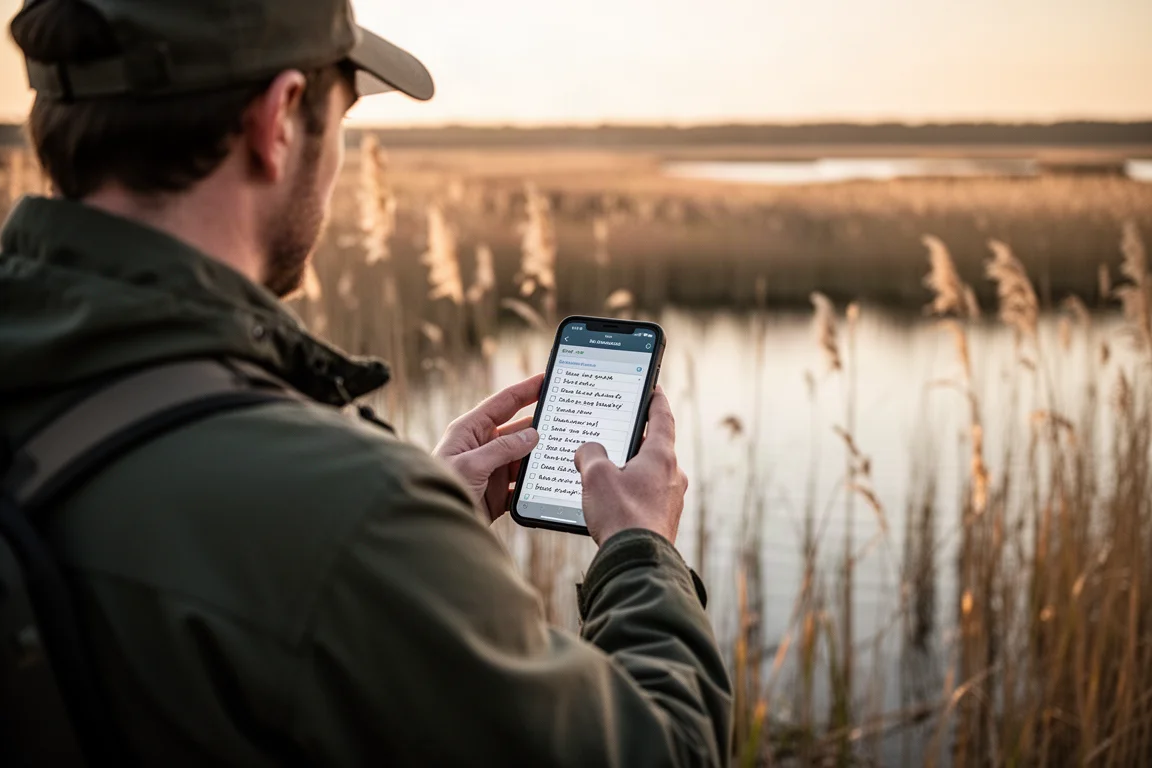
For anyone who wants their birding to count for something beyond personal records, eBird is the obvious starting point.
eBird Mobile
eBird Mobile brings the whole checklist workflow to your phone or tablet, and it is a much smoother experience than working through the website in the field.
Starting a checklist automatically determines your location and brings up the likely species for your area. You can tap through entries, add comments and breeding codes, and share checklists with other birders. Everything syncs with the same sight-tracking view you find on the website, so all of your sightings live in one place. It also means no more juggling a paper notebook, and it makes forgetting a species on a long field day far less likely.
Windy.com
Windy.com is the tool to reach for during migration, particularly when birding by the coast. Strong winds and storms can force birds to make an emergency landing as soon as they spot land, creating a fallout. Knowing when those conditions are coming tells you when to actually go birding.

The site shows wind conditions anywhere in the world: current speeds and forecasts for what is predicted. It is especially useful in spring migration, when a well-timed fallout can produce an unforgettable day of birding.
BirdCast
BirdCast pairs naturally with Windy.com as a migration forecasting tool. Its migration dashboard and forecast maps use radar to predict the intensity of birds migrating overhead up to three nights in advance, so you can see how many birds are expected to pass through your local area on any given night.
The dashboard shows how many birds have flown over a county or state that night, along with the peak migration traffic, meaning birds in flight at any given moment. Drawing on eBird sightings from previous years, it also offers an educated guess at which species are likely on the move. One caveat: these numbers describe birds traveling overhead per night, not a guarantee of a great day on the ground. The site includes plenty of articles on applying forecasts to your birding, which are worth a read.

Merlin Bird ID
Merlin Bird ID is arguably the single most useful identification tool a birder can carry. It is a free app available for Apple and Android devices.
Photo ID lets you take a picture of any bird, add your location and date, and get a list of likely matches. It is not always right, but it usually gets you close enough to work out the ID. Sound ID listens while you walk and flags the birds it hears, which is genuinely helpful, though worth double-checking. If you have no photo, the step-by-step ID flow uses your location, date, the bird’s size, its colors, and what it was doing to build a list of likely species. That makes it especially valuable for beginners or anyone birding unfamiliar territory.
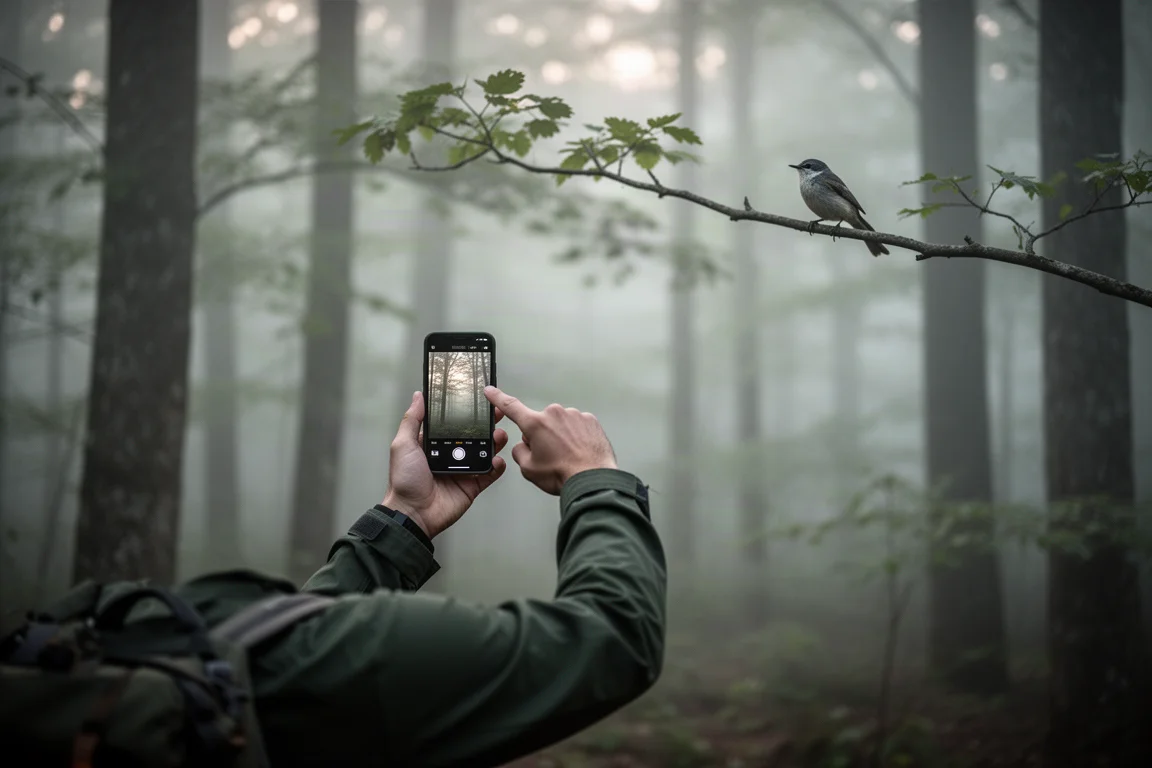
The Explore Birds feature lists every bird reported anywhere in the world for a given date, sortable by likelihood or family, with birds already on your life list hidden if you choose. That life list syncs directly from eBird, and each entry comes with pictures, descriptions, sounds, and range maps. It is a superb trip-planning tool for working out where to target specific species.
All About Birds
All About Birds is the bonus resource, and it is the one to reach for when you are stuck on a difficult ID. Searching a species brings up where to find it and a set of interesting facts, plus courses and live cams across the site.
The standout is the compare species tool. Pick a similar-looking species pair and it tells you exactly what to look for when separating them. Eastern and western meadowlarks, for example, look strikingly alike but are best separated by voice. Whenever two species are muddying the waters, this is where the answer usually lives.
Conclusion
Each tool fills a distinct role: eBird and its mobile app for recording and exploring sightings, Windy.com and BirdCast for timing migration, and Merlin Bird ID plus All About Birds for identification. All of them are free, so the simplest advice is to install the lot and let each one handle the job it does best.
Product link
View more details for eBird
This product is mentioned in the review. Check the specifications, options, and compatibility before buying.
View more details for eBirdFurther reading
Related Reviews

Backpacking Gear
Building a 10 lb Base Weight: An Ultralight Backpacking Gear List
A practical walkthrough of the ultralight pieces behind a 10 lb base weight, from a 765 g pack and a roomy one-person tent to a full camp chair and a dependable water filter.

Road Bikes
10 New Road Bikes Worth Watching: Aero, Titanium, Steel and Endurance Standouts
A practical roundup of 10 new road bikes, from aero flagships chasing single-watt gains to titanium, steel and endurance platforms built for real roads.

Bikepacking Gear
11 Bikepacking Essentials for Long-Distance Cycling
Eleven bikepacking essentials for long-distance cycling, from a steel gravel frame and a two-person tent to helmet lights, packable gloves, and a frame bag that puts weight in the right place.