Mountain Bikes
Best Bikes for Bike Park Wales: Five Riders, Five Setups
Five real bike setups for Bike Park Wales, from a light e-bike and an enduro rig to a full downhill bike, a mullet trail bike and a hardtail.
Introduction
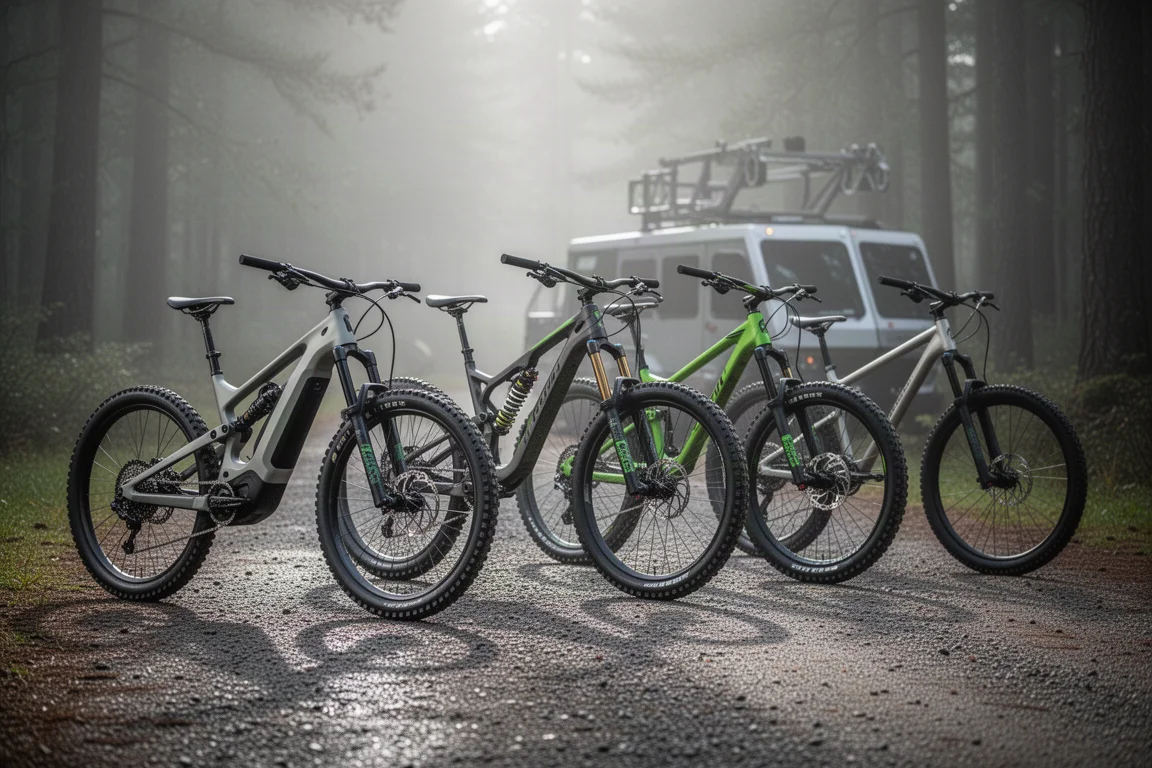
Bike Park Wales marked its tenth birthday with a hill full of riders, and the bikes they brought told a more useful story than any single recommendation could. There is no wrong answer to the question of what to ride here, but there are clearly different answers depending on what you want from a lap.
The five bikes below range from a light e-bike with 140mm of rear travel to a full downhill rig, and they include one hardtail with no rear shock at all. Wheel sizes span 27.5 and 29 inches, and pedal choice splits between flats and clipless.
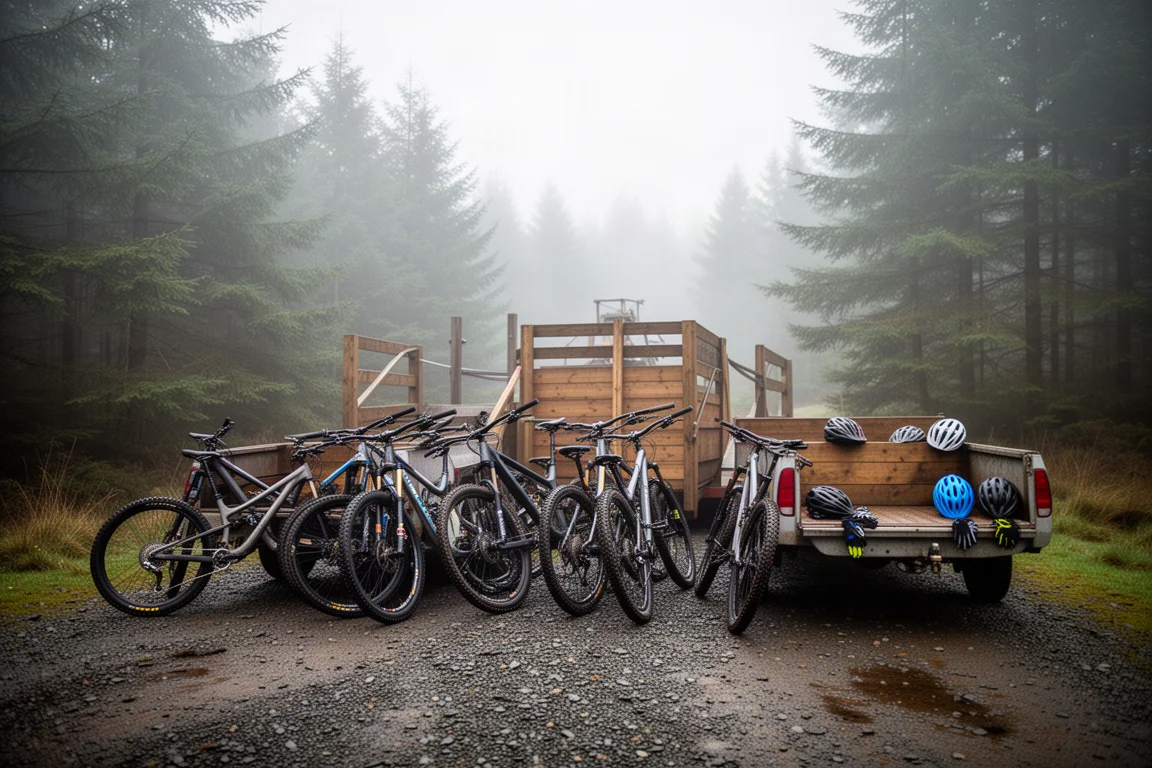
Look closely and the common thread is setup rather than spec sheet. Tire casings, inserts, shock springs and even the way grips are attached came up again and again as the details that made a bike feel right on the park’s mix of flow, jumps and tech.
How These Five Setups Differ
Travel is the first split. Two bikes here run 160mm or more, one sits at 140mm rear and 150mm front, and one has front suspension only. That range reflects how differently each rider uses the park, from steep, chattery descents to flowy blues.
Wheel size is the second split. Full 29-inch setups dominate, chosen for stability over rough ground, but there is a 27.5-inch hardtail and a mullet conversion in the mix, both picked for a more playful feel.
Drivetrain and brakes round things out. Electronic shifting appears twice, once powered by an e-bike’s main battery and once on a conventional trail bike, while the downhill build runs XTR brakes chosen for power and lever feel.
Tires and protection deserve their own mention. Casing choice, inserts and pressures came up in almost every setup, because the park’s rocky sections punish light equipment.
Orbea Rise M Team 2023: The Light e-Bike Choice
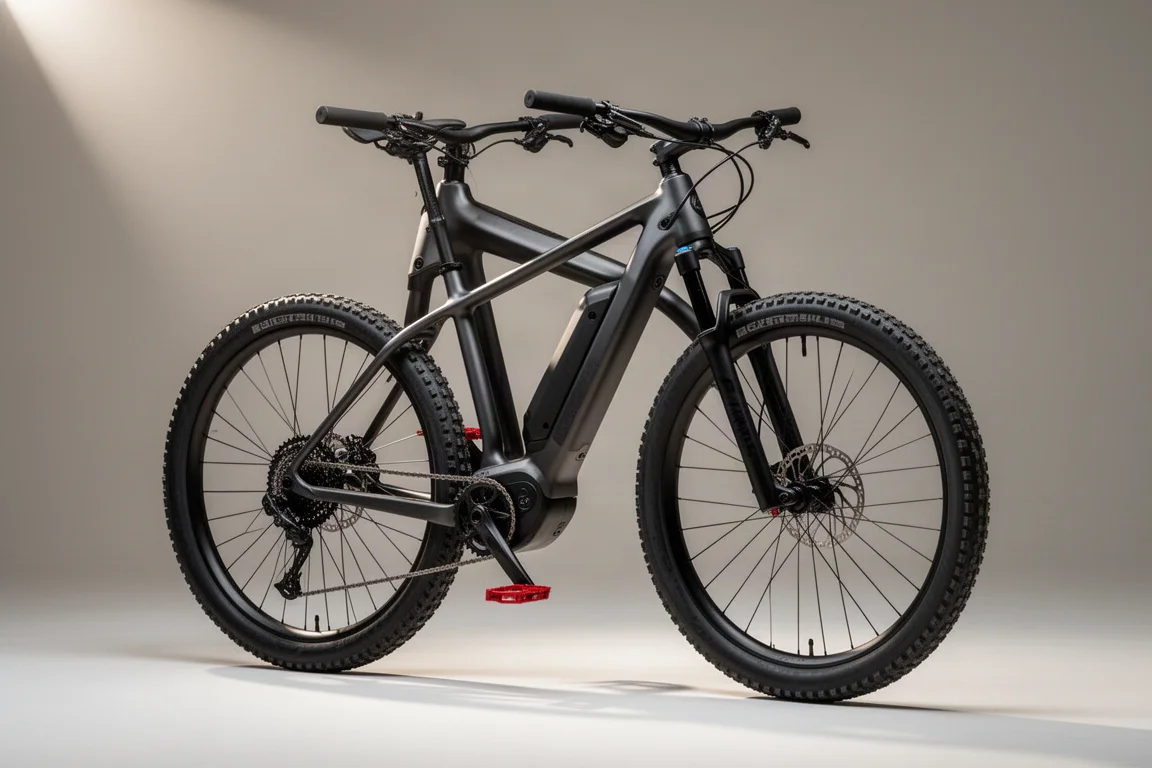
This is a light e-bike with a smaller battery and a Shimano EP801 motor detuned from its full output to suit the bike’s trail focus. It runs 140mm of rear travel and 150mm up front, with 29-inch wheels at both ends. The rider is tall and chose the larger wheels for stability over rough ground.
Trail choice shapes the setup. The preference here is the techier red runs and the flowier blues rather than the biggest jumps, which is why the build keeps lightweight parts, including EXO casing tires. A rear tire insert adds puncture protection and a little extra damping, and pressures run low, into the low 20s psi at the park compared with the late teens used on gentler singletrack.
The standout component is Shimano Deore XT Di2 electronic shifting in its 12-speed form, powered by the e-bike’s main battery rather than a separate one. It can shift while the rider is coasting, and it will pick a gear automatically during coasting, with a button on the shifter to switch between manual and automatic modes.
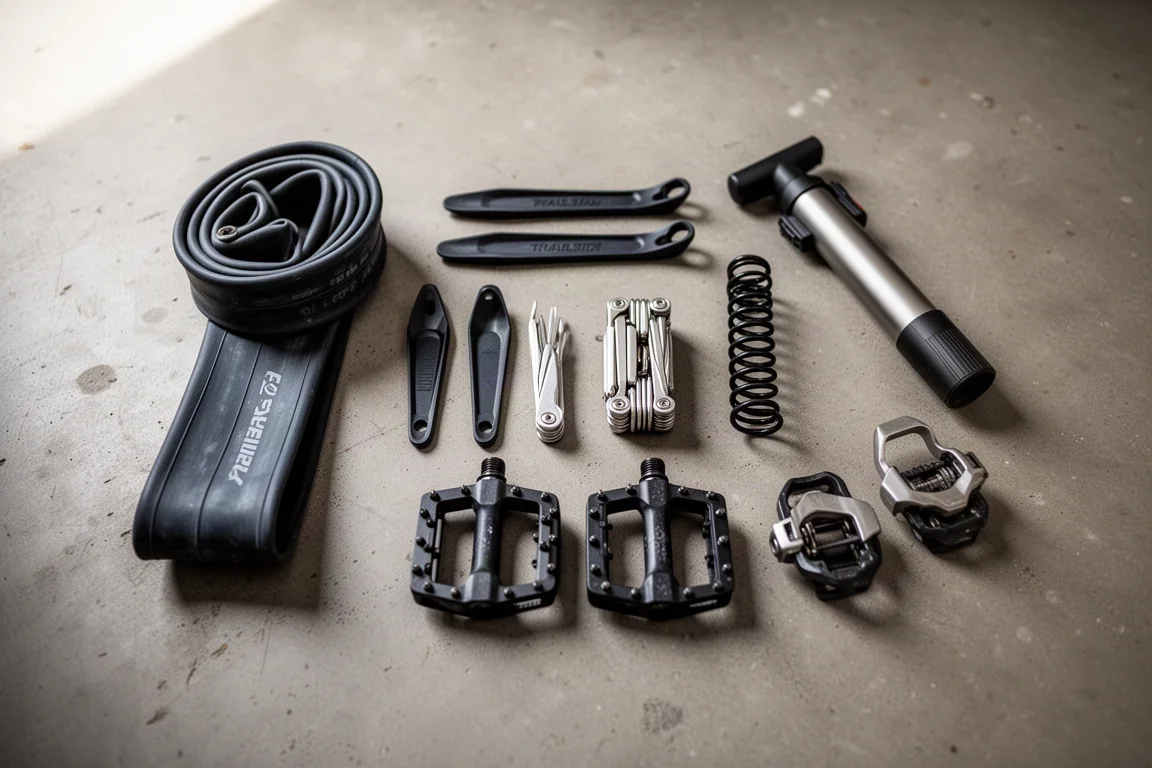
Carry options are covered by a small tool wrap holding a light and a tube, tubeless tire levers, and a frame pump with an integrated multi-tool. The visible custom touch is a set of red flat pedals that pick up the frame colour, which only really shows in bright sunlight.
Trek Slash: The Enduro Workhorse
The Slash is an enduro bike and the main ride for someone who spends most of their time at the park. It runs 160mm of travel front and rear, with a coil shock out back and a Fox 38 fork up front, and it rolls on 29-inch wheels at both ends.
Brakes are four-piston Shimano units, chosen because they are easy to replace, simple to service and straightforward to keep running under heavy use. Tires are WTB, with a Vigilante up front and a Judge at the rear, a pairing described as stable and predictable with a strong braking edge that still rolls quickly.
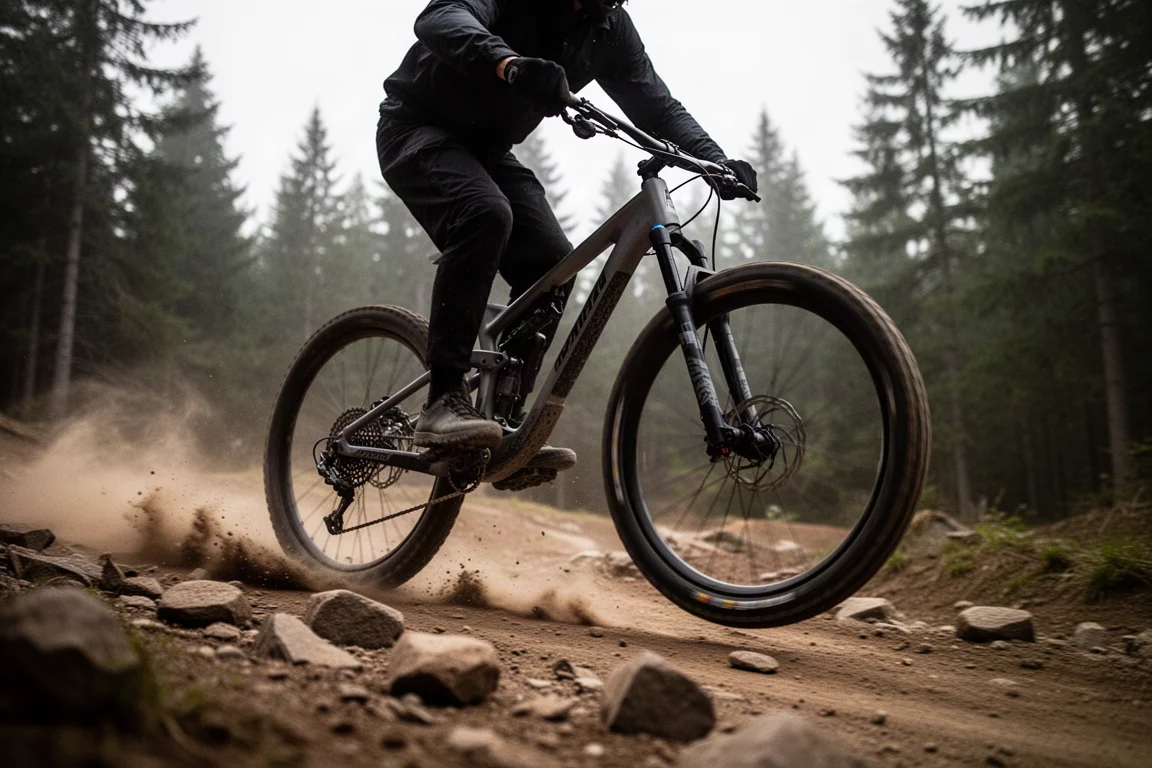
Clipless Shimano pedals are a deliberate choice for security on rough ground and for pedalling efficiency. Wheels are carbon, and they have held up well despite a long history of going through wheels quickly, with a hub sound that clearly appeals.
This is a setup built for covering the whole park, from steep technical trails to slower laps with children, rather than specialising in one discipline.
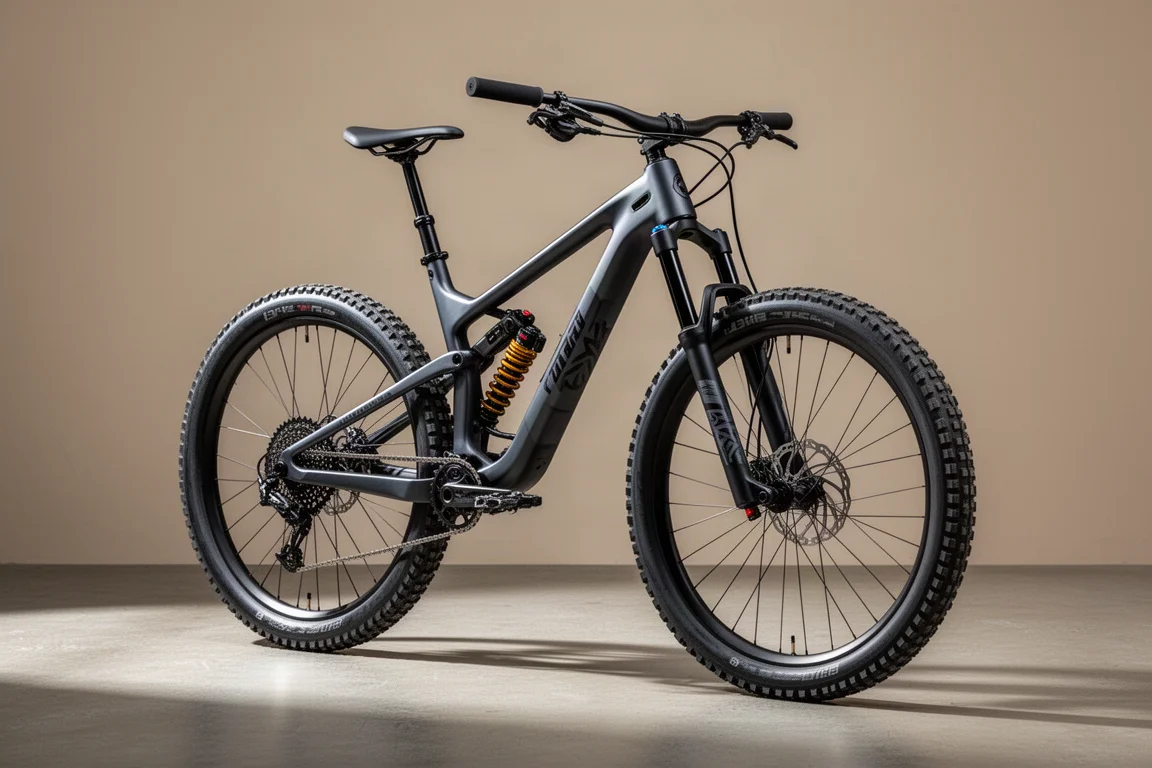
Trek Session: The Downhill Rig
This is a full downhill bike, kept for the days when a trail bike is not the right tool, even though the owner rides a trail bike most of the time at the park. XTR brakes were one of the first changes, praised for the amount of power on tap and the feel at the lever.
The suspension runs a coil shock in place of the stock air unit, which was already decent but became noticeably better after the swap. The setup leans toward race pace: forks run faster than the rear, the overall feel is slightly firmer than a standard tune, and the rear is left softer so the bike settles under load, with rebound on the quick side. When the plan is simply to play on jumps, the setup is firmed up a little.
Two small personal touches stand out. The bike runs flat pedals, and it uses rubber grips that are glued on rather than lock-on grips, which puts more rubber between hand and handlebar for comfort and feel.
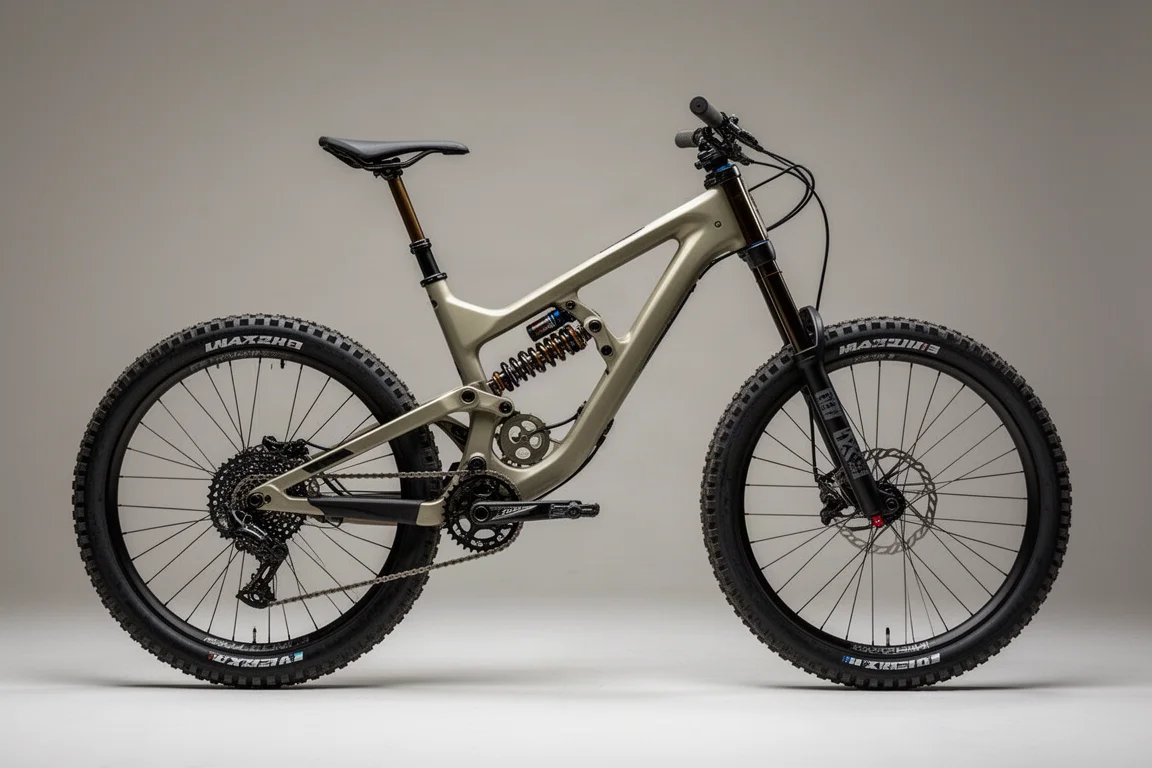
Specialized Stumpjumper EVO Pro: A Mullet Setup for Smaller Riders
This one is a Stumpjumper EVO Pro in size S2, and its owner is small enough that the stock setup needed work. The bike has been mulleted by changing the linkage and the rear wheel, which makes it feel more playful and suits a lighter, shorter rider better.
The fork was the other issue. As delivered it felt too firm for the rider’s weight, and a service plus some damper adjustment transformed it. Beyond that, the bike has been left close to stock, because it already runs a high specification.
That specification includes a carbon frame, carbon wheels and electronic shifting, described as reactive and comfortable to ride, with the honest caveat that remembering to charge it has been the main adjustment. The only added part is a set of DMR Bolt pedals.
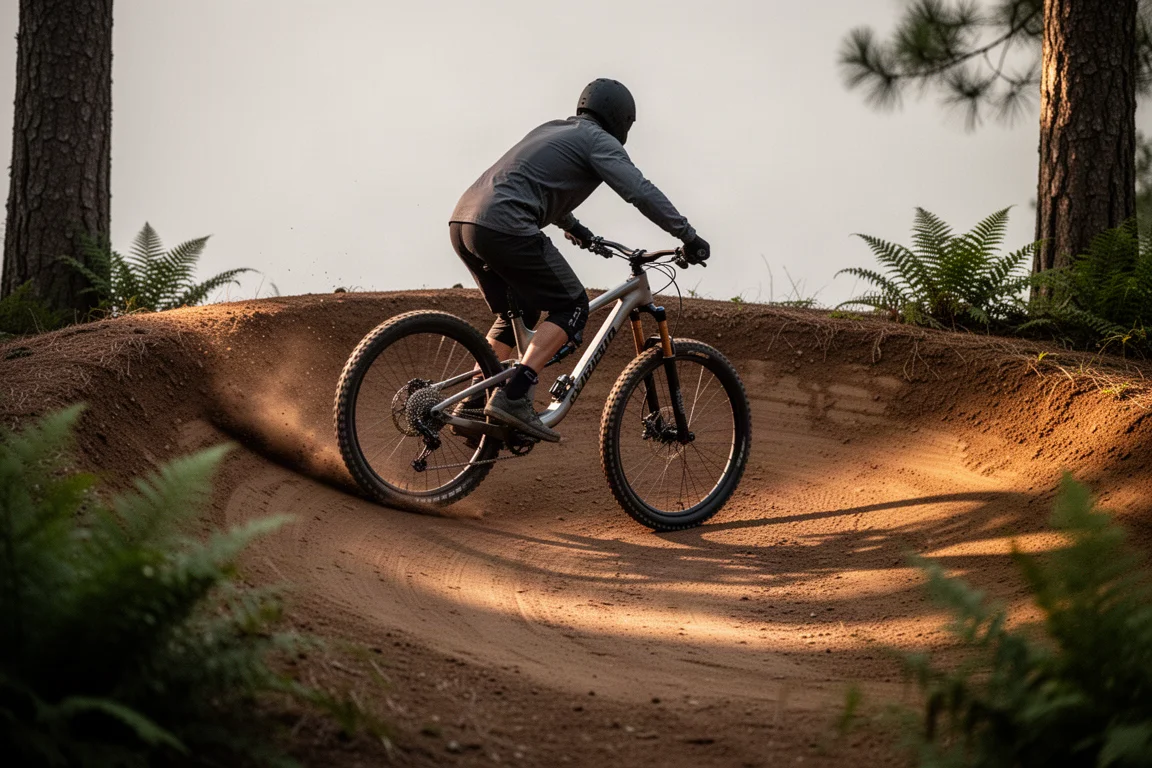
Riding here is still at an early stage of the jumping journey, so the plan is to build up from the flow blues into the reds rather than head straight for the biggest features.
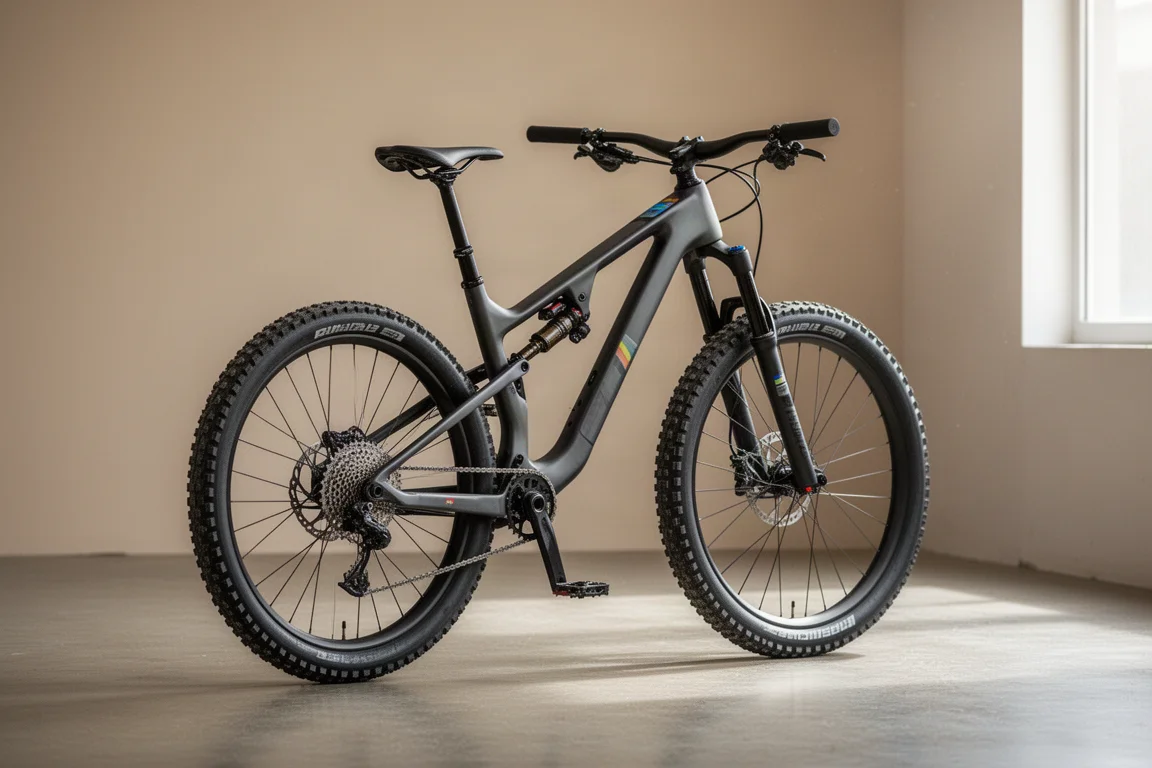
Identiti AKA: The Hardtail Wildcard
Bringing a hardtail to a bike park is unusual, and this Identiti AKA is a fully custom build with no rear shock at all. Its owner works at the park and spends most laps on the red trails, including jump and tech lines, with one favourite technical trail avoided too often because it tends to end in a broken bike.
The build runs 27.5-inch wheels and WTB tires chosen for their grip in loam, replaced regularly because the park chews through them. The wheels are hand-built carbon items from a shop in London, and fitting them stiffened the bike noticeably and transformed how it rides, surviving a rocky first descent in one piece. CushCore inserts front and rear protect against rim strikes on the rocky sections.
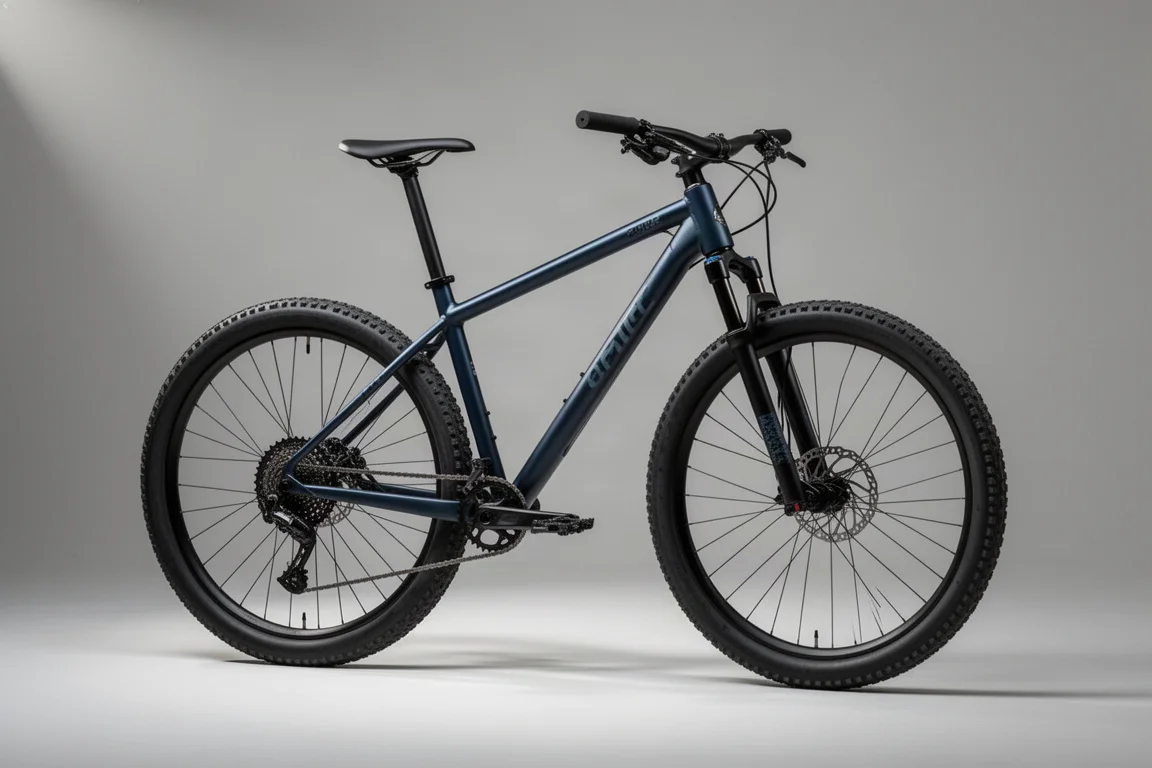
Suspension is limited to a RockShox Pike up front, picked because it is easy to maintain and service. The rest of the build uses Hope components that have lasted years, with most parts around four years old. A saddle carrying a Welsh flag is the most personal detail.
Buying Advice: Matching a Bike to Your Riding at the Park
These five setups point to a few practical decisions rather than one perfect bike. If you want assistance on the climbs and a lighter feel than a full-power e-bike, the 140/150mm light e-bike format makes sense, especially with 29-inch wheels for taller riders.
If your priority is covering everything the park offers at speed, a 160mm enduro bike with a coil shock and durable tires is the broadest option. A dedicated downhill bike makes more sense if you are chasing race pace on the steepest descents and are happy to firm the setup up further for jump sessions.
Lighter or smaller riders should expect to spend time on suspension setup. A fork that feels harsh at one weight can be transformed by a service and adjustment, and a mullet conversion is a legitimate route to a more playful bike. If you are drawn to a hardtail, the trade-off is real but manageable: simple front suspension, inserts to protect rims, and a willingness to accept that the roughest trails will be harder work.
Across all five bikes, the same themes repeat. Tire choice and pressure matter as much as travel, inserts earn their place on rocky ground, and pedal and grip choices are personal preferences worth testing rather than copying.
Conclusion
There is no single correct bike for Bike Park Wales, and these five builds prove the point. A light e-bike, an enduro workhorse, a downhill rig, a mulleted trail bike and a hardtail all found their way onto the same hill, and each one was shaped by the rider’s size, the trails they actually ride and the small setup details they trust.
The most transferable lesson is that the finishing touches do more work than the headline numbers. A rear insert, a fork service, a different tire casing or a change of pedals can shift how a bike feels more than a travel figure on a spec sheet. Start with the trails you ride most, then tune from there.
Further reading
Related Reviews
Mountain Bikes
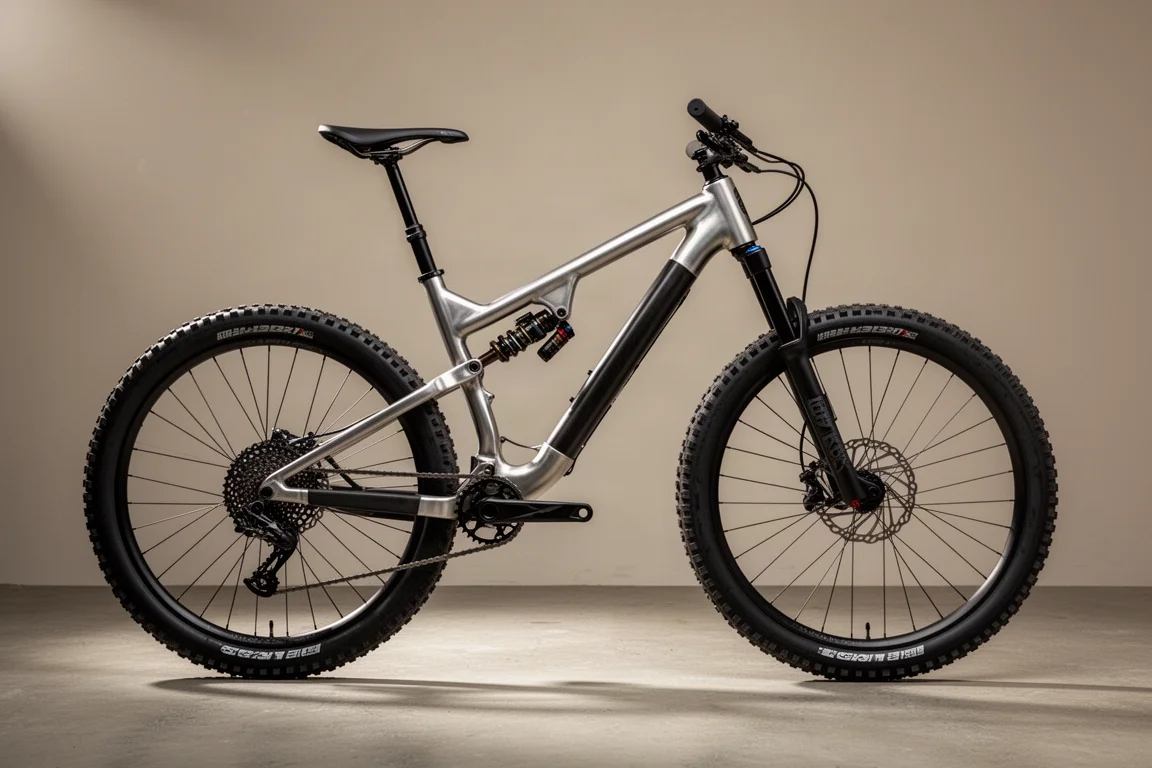
Atherton AM.130 Review: 3D-Printed Titanium Lugs and a 130mm Trail Bike That Descends Like a Bigger Machine
The Atherton AM.130 pairs 3D-printed titanium lugs with carbon tubes and a DW6 suspension platform. Here is how it rides, what the build delivers, and who it suits.
Mountain Bikes
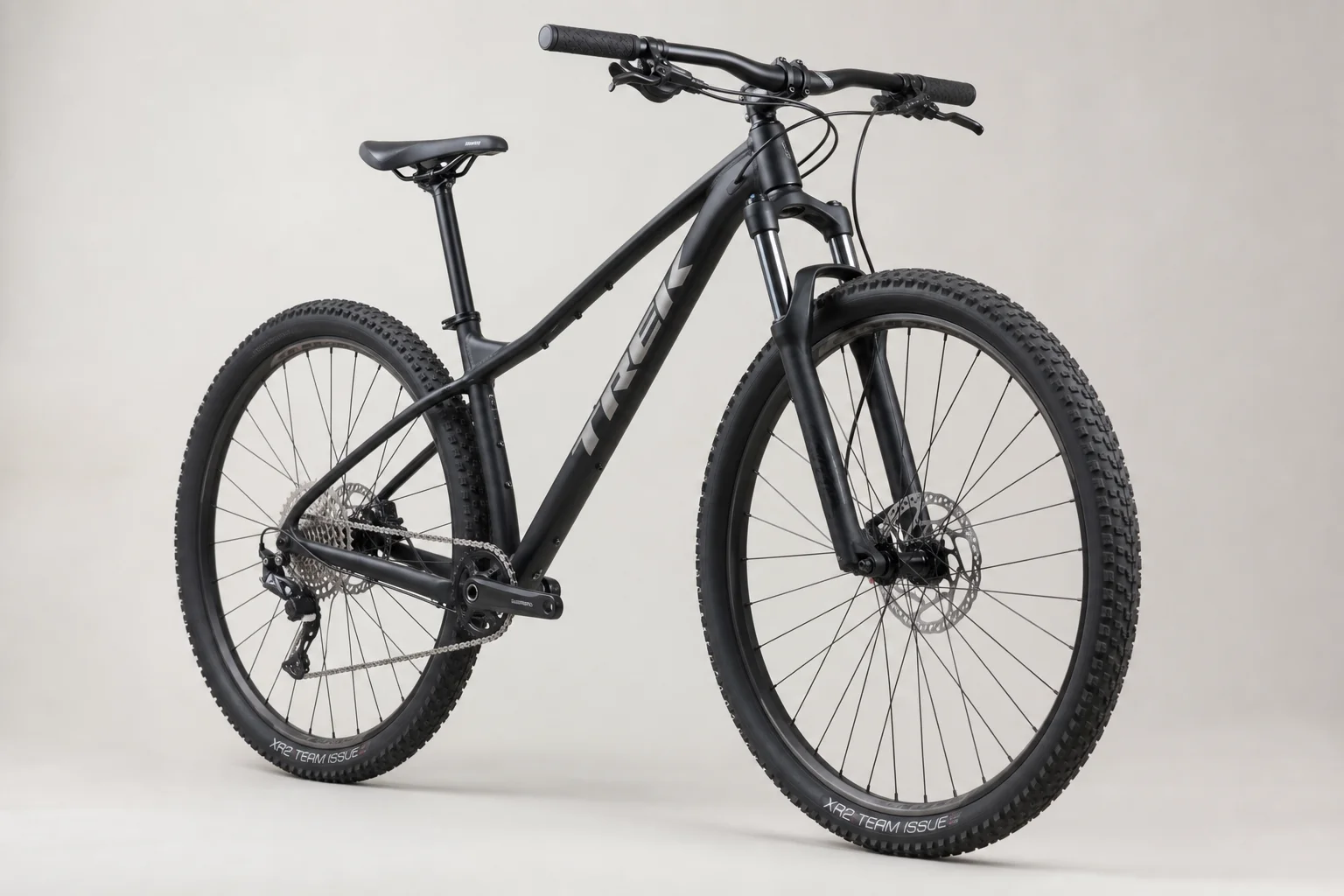
Beginner Mountain Bike Buying Guide: What to Look For in a Trailworthy Hardtail
A practical framework for evaluating beginner mountain bikes, whether new or used, by examining key components that indicate real trail capability.
Mountain Bikes
Best Aluminum Mountain Bikes 2026: Five Alloy Bikes Worth Your Attention
Five aluminum mountain bikes that show how far alloy has come, from a 120mm trail bike and a versatile machined frame to a 180mm freeride machine.