Bike Pedals
Best Bike Pedals: Road, Trail and Flat Options Worth Buying
A practical guide to the bike pedal systems that hold up over time, the ones that cause foot instability, and how to match a pedal to your stance and riding.
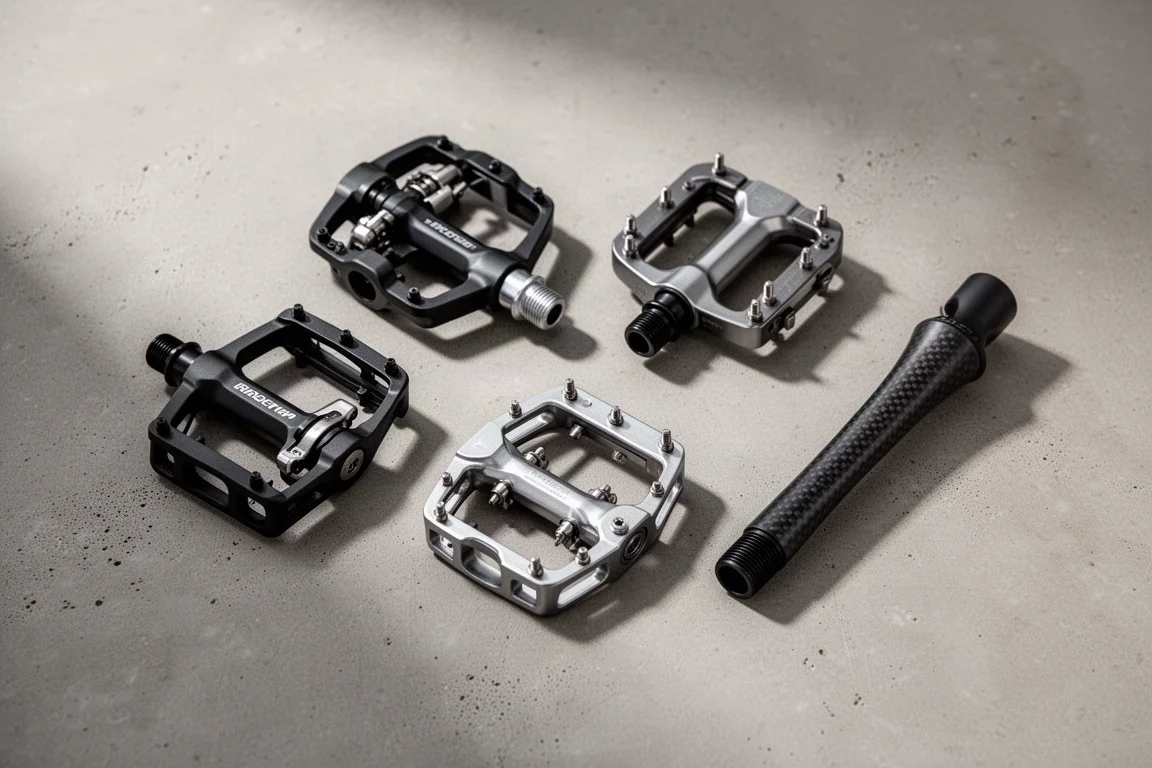
Introduction
Pedal systems have multiplied to the point where the choice is genuinely confusing: single-sided road pedals, two-sided mountain bike pedals, flat pedals, hybrid designs, and a growing list of axle lengths and float options. The differences are not cosmetic. A pedal that grips its cleat badly, or a bearing that gives up after a couple of weeks, affects comfort, stability and how the bike feels under load.
This guide looks at the systems that hold up over time and the ones that consistently cause problems, from the road-focused SPD-SL range through to trail, flat and wide-stance designs. Each entry covers what the design is good at, where it falls short, and the kind of rider it actually suits.
How We Assessed These Pedals
The criteria here are practical rather than marketing-led. Cleat-to-pedal fit and platform stability come first, because a loose or inconsistent interface shows up as excessive float and an unstable foot. Bearing quality and serviceability come next, since bearings determine how long a pedal stays smooth. Adjustability matters too: float range, release tension and, above all, stance, which is set by axle length and the number of washers a pedal can accept.
Durability of wear parts, particularly cleats, and the cost of replacing them, weigh heavily. So does entry and exit behaviour, because a pedal that hangs the wrong way up is frustrating for anyone new to clipless riding. Availability and value round out the picture.
Stance deserves its own note. Frames have become narrower over the years, largely so that light, powerful riders can pedal through corners with more clearance. Most riders do not need that clearance, and a wider stance can reduce pressure on the outside of the foot, improve saddle interaction and improve the weight going through the front of the bike. That is why extended axle pedals have become so common in fitting work.
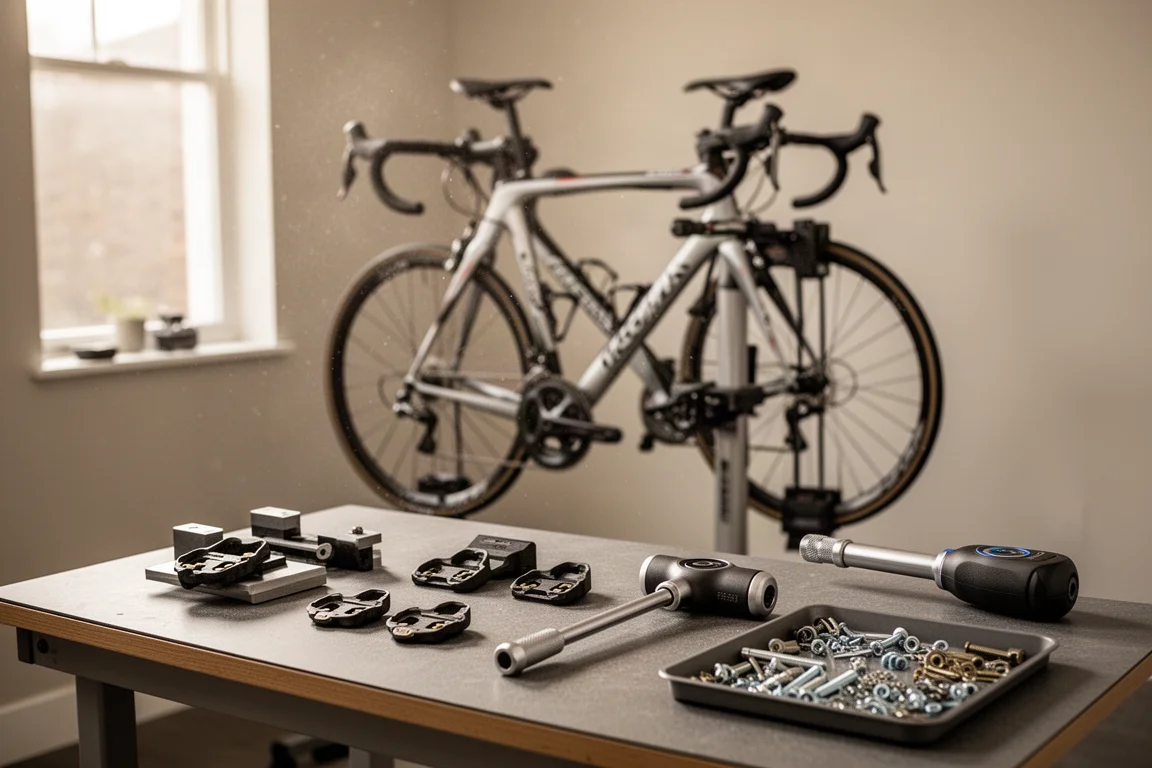
Riders who do not need extra stance should not pay for it. For everyone else, an extended axle version can solve a problem that no amount of cleat shimming will fix.
Best Road Platform: Shimano Ultegra SPD-SL Pedals
The SPD-SL family is the reference point for road pedals. From the resin-bodied R550 upwards, the platform is stable, the bearings are of reasonable quality and can be serviced, and the range offers a sensible amount of adjustment with easy entry and exit. Moving up through Ultegra and Dura-Ace brings better bearings that last longer.
The extended axle version adds 4 mm per side and is offered only in Ultegra and Dura-Ace. It is the single best-selling pedal of its type for fitters who regularly raise stance, and some shops keep 50 or 60 in stock at a time. For riders whose feet sit too close together on a modern frame, it is the most straightforward fix available.
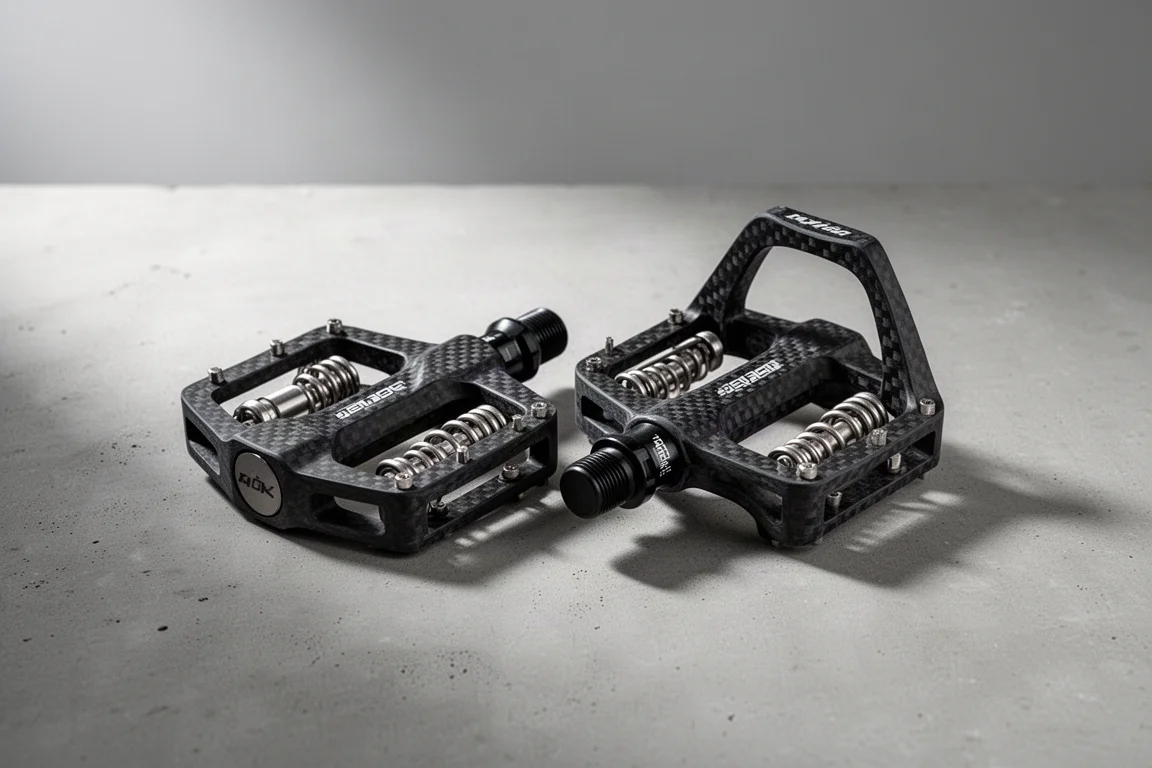
Best Value Trail Pedal: Shimano M540
The M540 is where the SPD mountain range starts to make sense. Bearing quality is significantly better than on the entry model, the pedal lasts far longer, and it feels close to the designs further up the range. For riders who want a two-sided pedal that simply keeps working, it is the sensible starting point.
Entry-level SPD pedals are a different story. Their bearings deteriorate within about two weeks and the pedal comes apart, which makes the small step up in price to the M540 easy to justify.
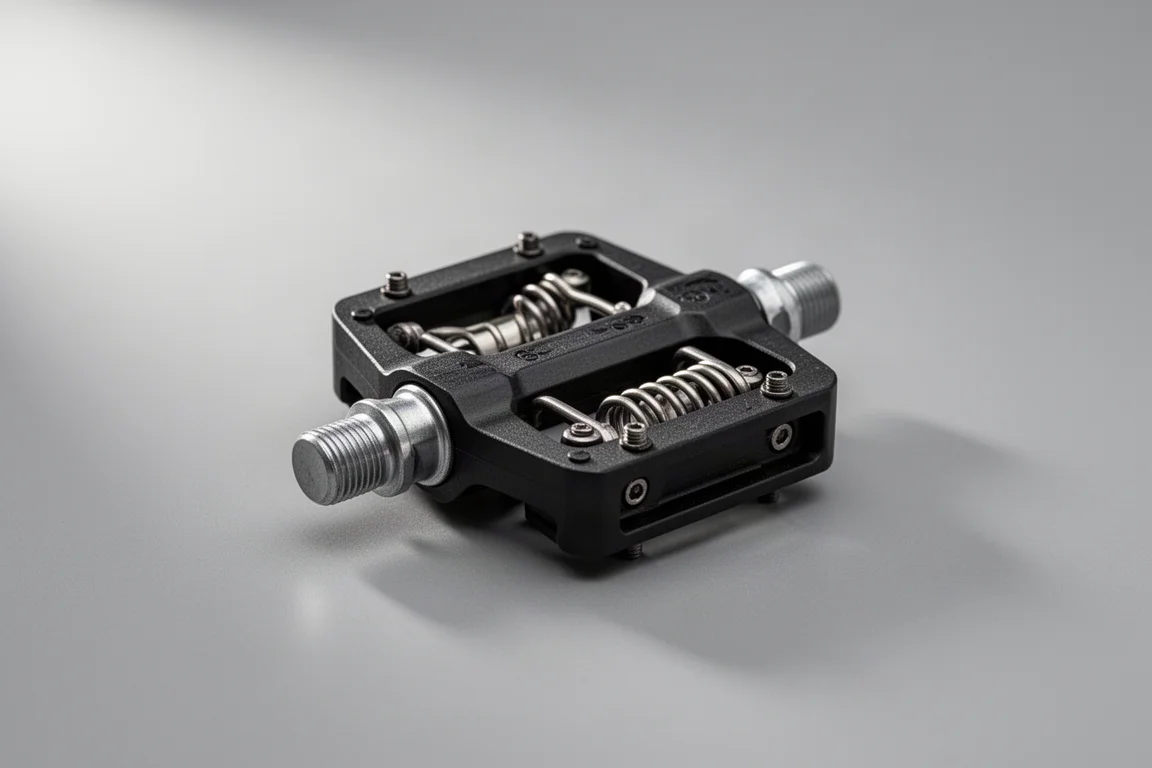
Best Premium Trail Pedal: Shimano XT Pedals
The XT and XTR pedals sit at the top of the SPD mountain range and share the qualities that matter most: better bearings that hold their smoothness for longer, and a design that can be serviced rather than replaced. The M540 and everything above it in the range belong in the same conversation.
For riders who ride in wet, gritty conditions and want the platform to stay consistent season after season, the higher tiers are the ones to look at.
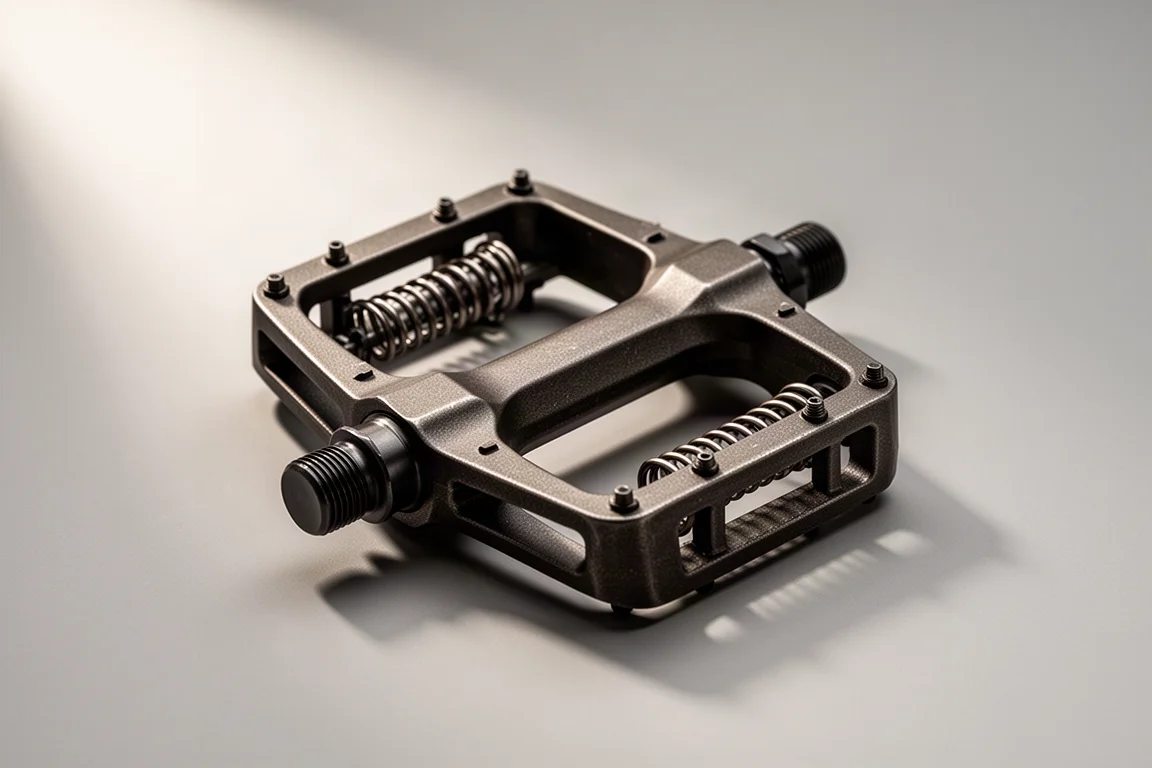
Best Entry-Friendly Road Pedal: Look Keo 2 Max
The Keo 2 Max is the strongest road option in the Look line-up. It is available with a resin or carbon fibre body, it uses adjustable and replaceable bearings, and it offers a good range of float options. The adjustment is broadly similar to an SPD-SL pedal, which makes it an easy swap for riders coming from Shimano.
Its real advantage is how it hangs. The pedal tends to sit in a position that makes clipping in noticeably easier, which matters a great deal for anyone new to road pedals. Note that Look no longer offers different axle lengths on this model, having moved that approach to the high-end blade pedals, but Look pedals generally use longer threads so more washers can be added to adjust stance.
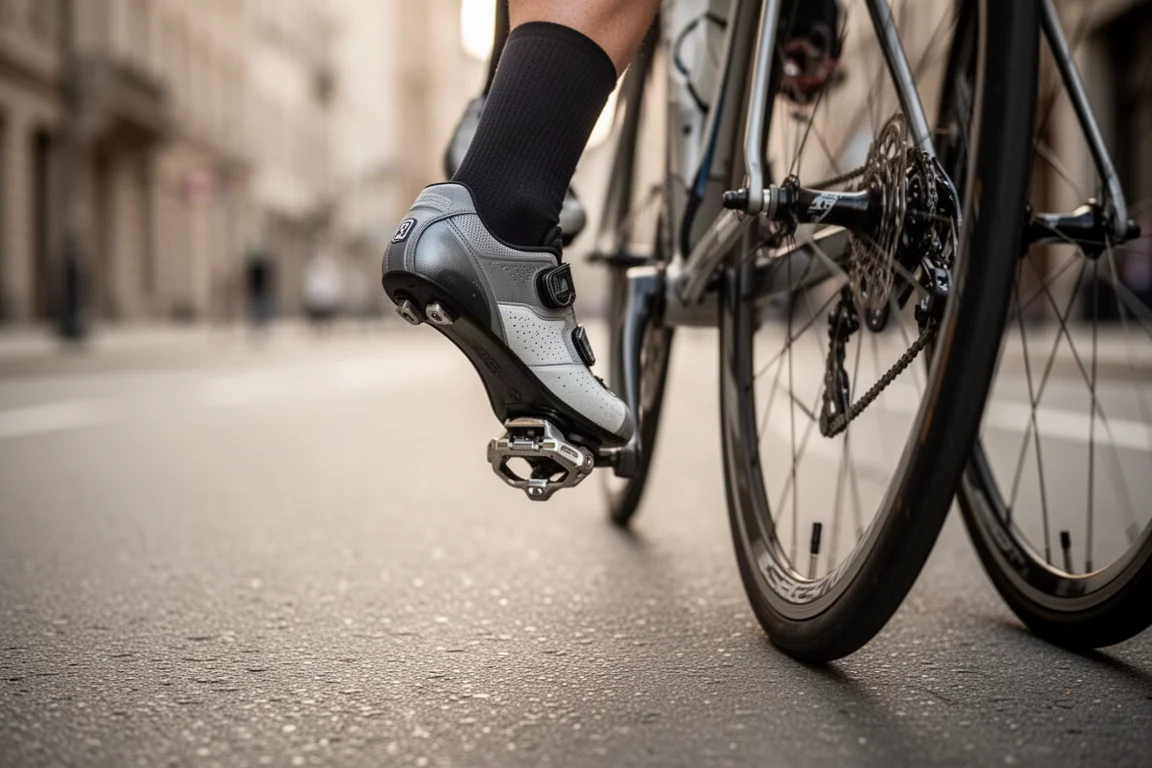
For riders who want a wide platform without a steep learning curve, this is one of the more forgiving options. The high-tension carbon leaf spring designs at the top of the Look range are a different proposition entirely, and they are much harder to release from.
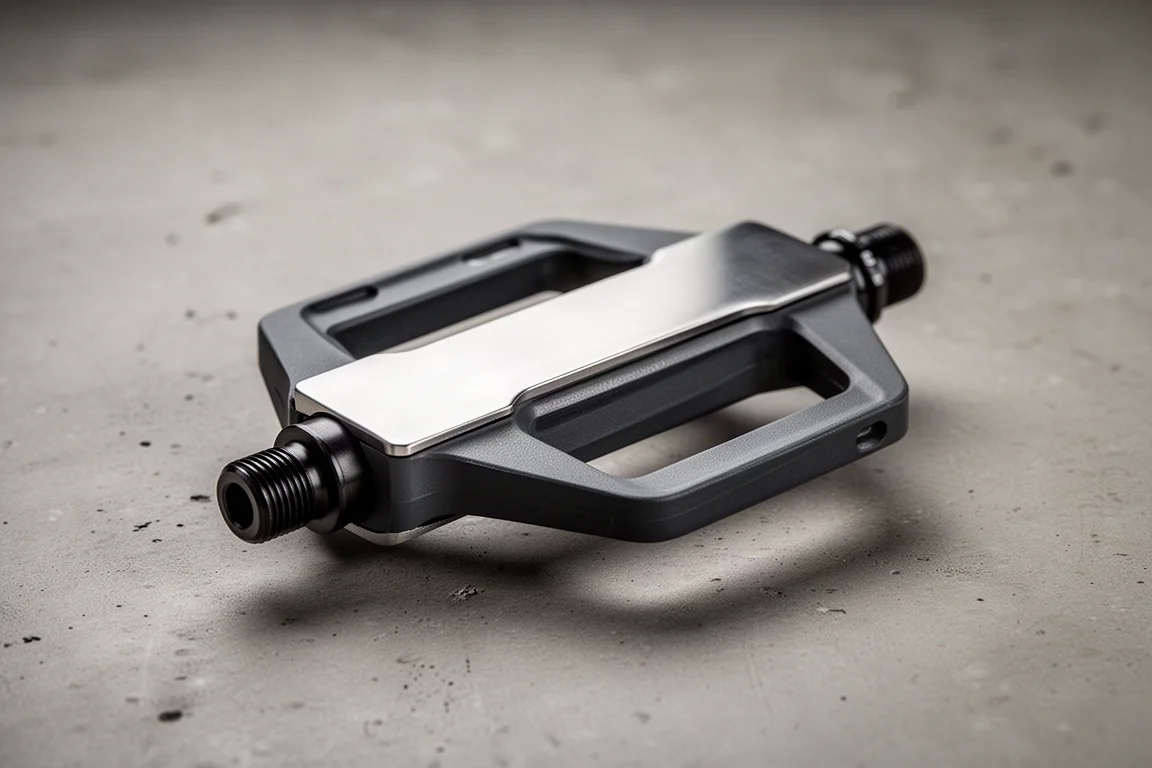
Best Mud-Shedding Trail Pedal: Crank Brothers Candy
The Candy series takes the two-sided Egg Beater layout and adds a small body around it. The result keeps the things that make the design appealing, easy entry, dual-sided engagement, plenty of mud shedding and a large amount of float, while providing a larger and more stable pedalling platform. That extra body removes most of the stability concerns associated with the smaller original design.
For riders who spend time in mud and want a pedal that clears quickly, the Candy is a strong option. Bearing quality is not the strongest part of the package, so it is not the pick for riders who prioritise long service intervals above all else.
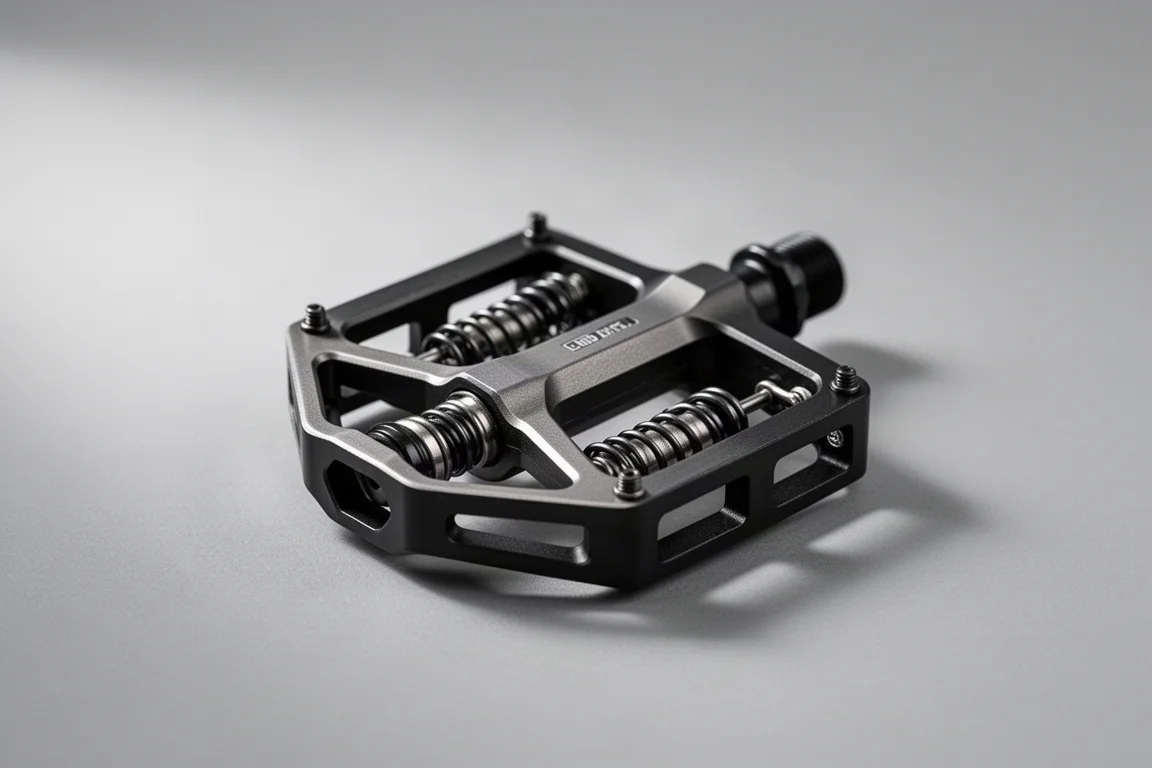
Best Wide-Stance Fit Solution: SQ Lab 511
The SQ Lab 511 is a niche product with one clear purpose. It is an SPD-compatible pedal offered with either an 8 mm or a 15 mm extended axle, and it was the first, and remains the only, SPD pedal known to offer extended axle length. For a rider who needs a very wide stance and is committed to SPD, the alternatives are limited.
The trade-offs are real. The interaction between cleat and pedal is not great, bearing quality is not great, and the finishing is not particularly strong. Availability is limited as well, with distribution arriving in very small quantities. It earns its place as a fitting solution rather than as a great pedal in its own right. The SQ Lab 512 follows the same idea with a resin body and Look Keo-style cleat compatibility, sharing the same 8 mm and 15 mm axle options.
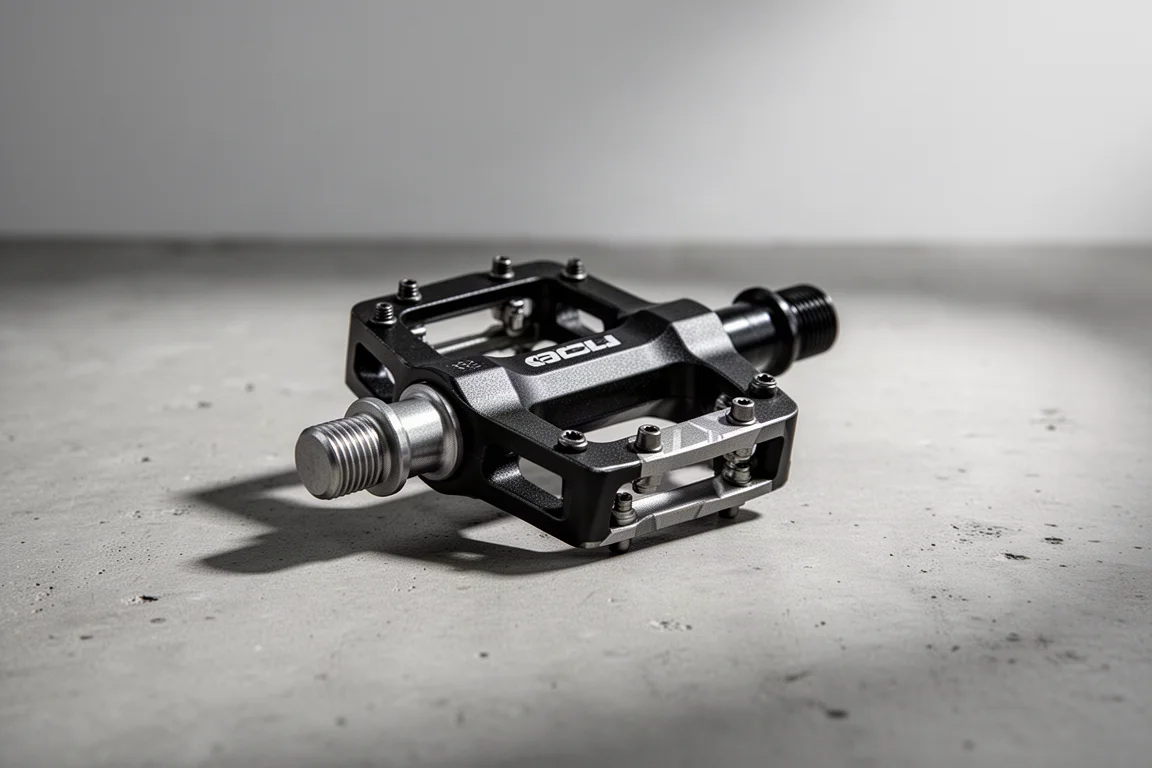
Best Low-Stack Road Pedal: Keywin KC850
The Keywin KC850 is one of the least known systems here, and one of the most interesting. It is known for an extremely low stack height, integrated wedging that can be built into the pedal, and the widest cleat interface among conventional three-bolt road pedal systems. It also offers 3 mm and 6 mm plus or minus axle options.
Those numbers matter for riders who are sensitive to saddle height and stance. A lower stack height changes the relationship between the foot and the pedal axle, and a wider cleat interface spreads load across more of the shoe. It is a specialist choice, but a well-considered one.
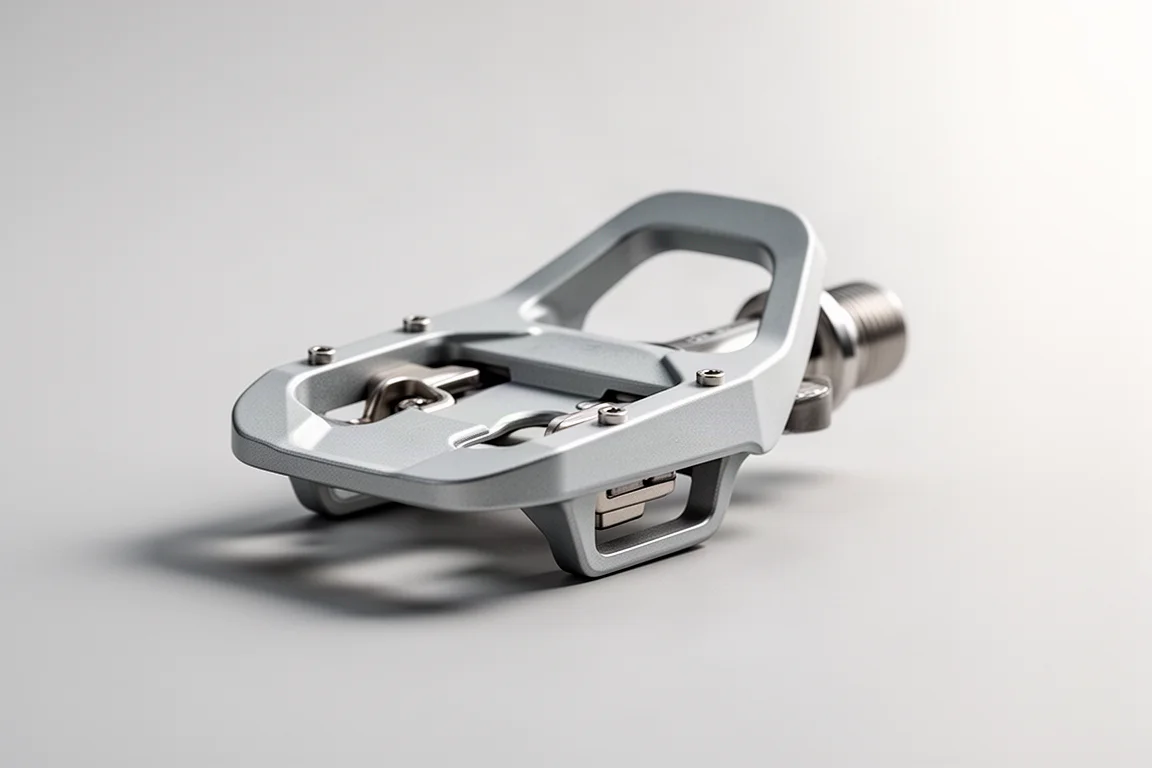
Best Flat Pedal: DMR V12
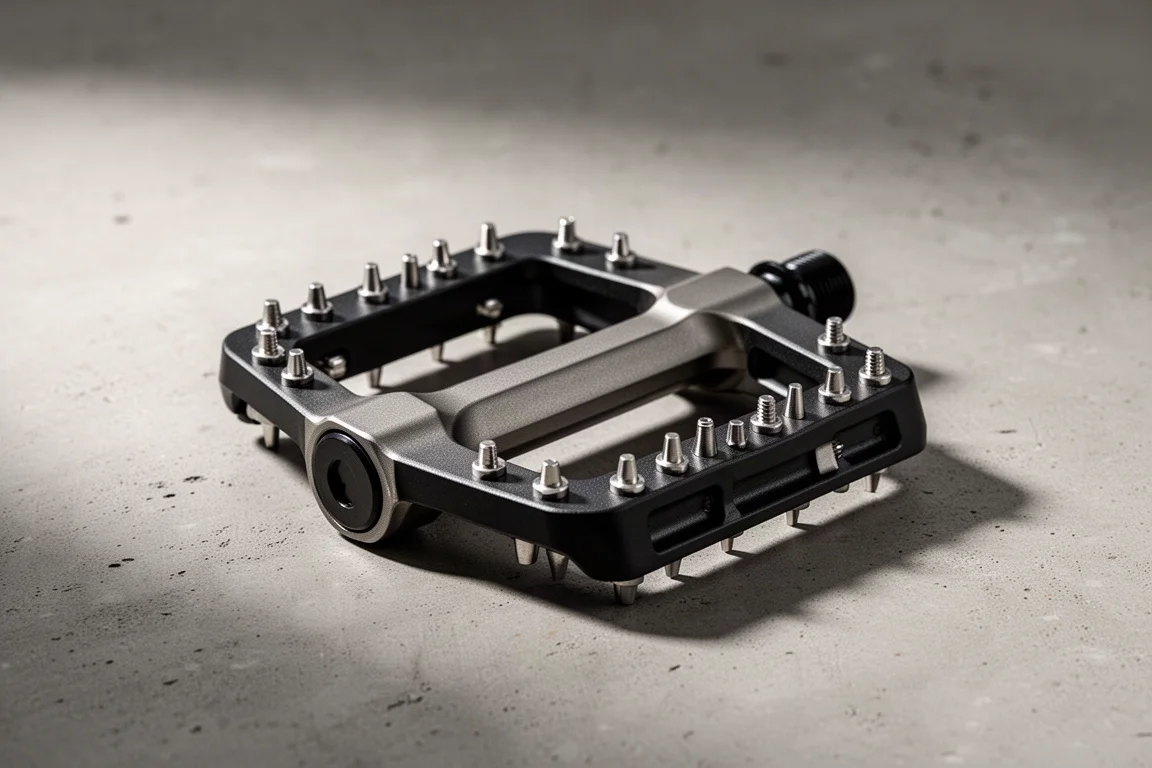
For riders who do not clip in, the DMR V12 is one of the best flat pedals available. It comes in aluminium and magnesium versions, uses sealed cartridge bearings that last, offers plenty of grip and holds up to hard use. It also comes from a small British brand, which is a bonus for riders who like to support smaller makers.
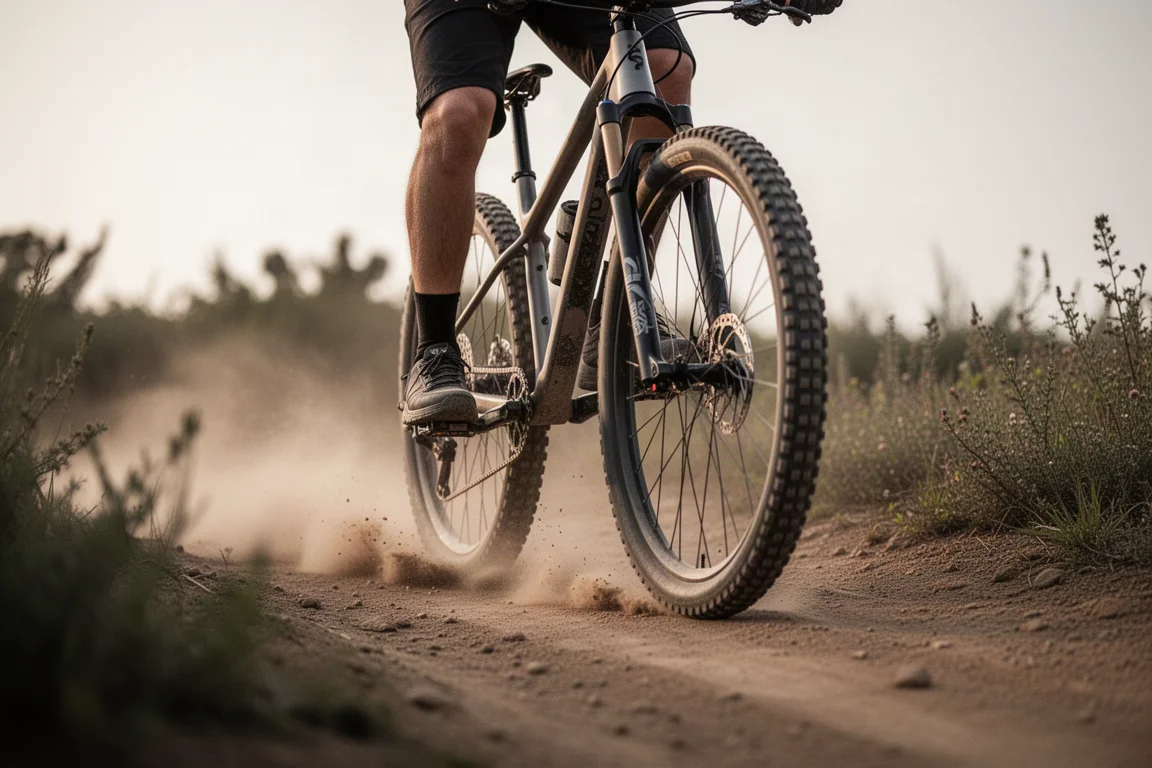
Flat pedals live or die by grip and bearing life. Replaceable pins and a sealed bearing system are the two features that separate a pedal that lasts several seasons from one that needs replacing within a year.
Other Pedals Worth Knowing
- The Time XPro 12 now comes in three stance options, a genuine improvement for a design that previously offered no stance adjustment at all. The widest version is still not as wide as some riders would like, and the narrow version has very limited use.
- The Crank Brothers Egg Beater remains a light, mud-shedding design with a lot of float, but its smaller body can create stability issues in extreme cases.
- The Shimano ME700 trail pedal adds a larger platform and a bigger target for the foot when a rider becomes disengaged off-road. It is heavy and uses cheaper bearings, so it makes most sense for mountain biking rather than gravel or commuting.
- The original Speedplay Classic was better made than the current walkable cleat system, with more durable cleats and replaceable components, but it is no longer sold new.
Pedals That Fell Short
- Shimano R540: a cheap aluminium SPD-SL pedal whose cleat does not fit the pedal well, producing excessive float and an unstable foot.
- Shimano M520: bearings deteriorate within about two weeks and the pedal implodes.
- Look Keo Classic: almost entirely plastic with no metal wear plate, so it develops rock and wears out quickly. The Shimano R550 is a more durable option at a similar price.
- Look Keo Blade: the higher-tension carbon leaf springs are very hard to release from, and the pedal is neutrally weighted, so it frequently sits upside down.
- Wahoo Speedplay: quality has declined since the brand changed hands. Cleats cost around 75 pounds, roughly 60 percent of the pedal’s value, and the retention spring wears quickly, leading to rock and foot instability. The small bolts are easy to cross-thread.
- Wahoo Speedplay power meter: the oversized pod at the crank end interfered with some shoes and cleat setups. The supplied 2 mm spacer between shoe and cleat cancels out much of the low stack height benefit and impinges the hips at the top of the stroke.
- Shimano EH500 and M324: half-and-half pedals with SPD on one side and flat on the other, which reliably present the wrong side when you need the other one.
- Generic plastic flat pedals: poor quality, and the body eventually cracks so the axle protrudes through it.
- DMR V8: a durable cast aluminium design with an open bearing axle, but bearing quality is not great and they go rough quickly. The V12 is the better buy.
Overall Buying Advice
Start with the interface you already use, then decide what the pedal needs to fix. Riders who want a stable road platform with easy entry and exit should look at the SPD-SL range from the R550 upward, and riders who need a wider stance should go straight to an extended axle version, which is available only in Ultegra and Dura-Ace. Riders who want a wider stance on a mountain bike have fewer choices: the SQ Lab 511 is the practical answer if SPD is non-negotiable.
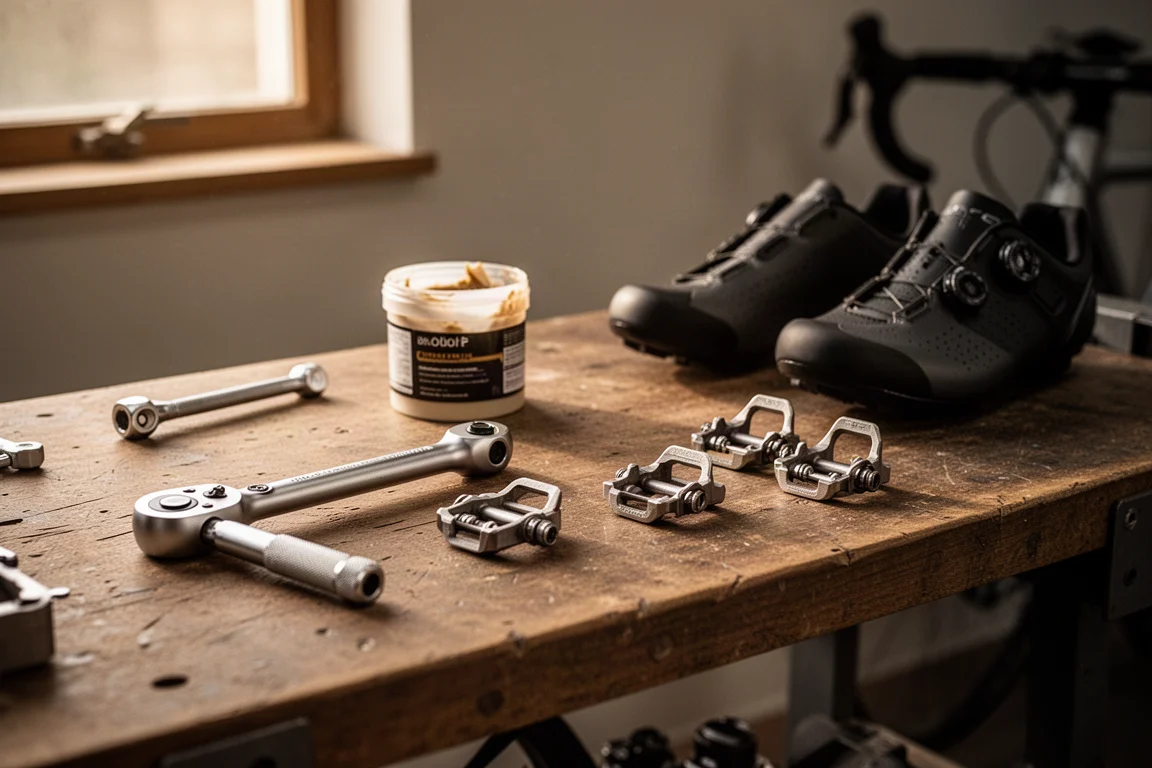
For mountain biking, the M540 and everything above it, including XT and XTR, is where the range becomes reliable. For flat pedals, the DMR V12 is the safe pick. For road riders who want something forgiving to learn on, the Look Keo 2 Max is the easiest recommendation in the Look line-up.
Two final points. Do not buy a hybrid pedal expecting it to do two jobs well, because it will always present the wrong side. And do not overlook cleat cost, since some systems make their money on consumable cleats.
Conclusion
Most pedal problems come down to three things: an interface that does not hold the foot securely, bearings that wear out too soon, and a stance that does not suit the rider. The systems recommended here address those points at different price levels, from the Shimano M540 for trail riders through to the Keywin KC850 for riders chasing the lowest possible stack height. Whatever you choose, match the pedal to the riding you actually do, and treat extended axle options as a fitting tool rather than a premium upgrade.
Further reading
Related Reviews
Bike Pedals
Wolftooth Alt, Control and Delete: Adjustable Q-Factor SPD Pedals Compared
Three SPD-compatible pedals with an adjustable axle that sets Q-factor at 55, 57 or 59 mm, plus guidance on choosing between the Alt, Control and Delete.

Backpacking Gear
Building a 10 lb Base Weight: An Ultralight Backpacking Gear List
A practical walkthrough of the ultralight pieces behind a 10 lb base weight, from a 765 g pack and a roomy one-person tent to a full camp chair and a dependable water filter.

Road Bikes
10 New Road Bikes Worth Watching: Aero, Titanium, Steel and Endurance Standouts
A practical roundup of 10 new road bikes, from aero flagships chasing single-watt gains to titanium, steel and endurance platforms built for real roads.