Cycling Pedals
Best Bike Pedals 2026: Road, Trail and Flat Pedal Systems Compared
A practical guide to the main road, off-road and flat pedal systems, covering the designs worth buying, the fit options that matter, and the ones to skip.
Introduction
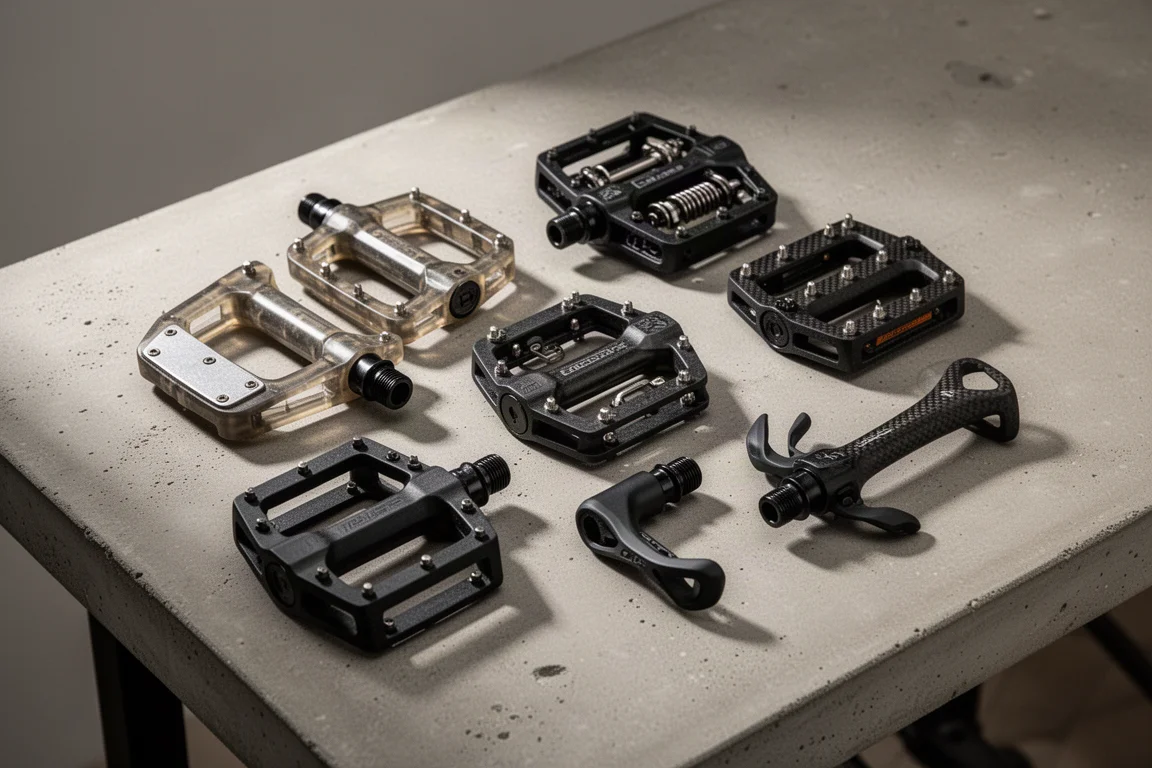
Pedals are a contact point you touch on every ride, yet most riders choose a system once and never revisit the decision. The market now splits into a handful of distinct families, and the gap between a well-built platform and a cheap one shows up in stability, service life, and how confident you feel clipping in and out.
This guide sorts the main road, off-road, and flat pedal systems into practical tiers. It covers what makes a pedal worth the money, which designs hold up over years of riding, and which ones are worth avoiding altogether.
How to Choose a Pedal System
Five things separate a pedal you keep for years from one you replace within a season: bearing quality and serviceability, the fit between cleat and pedal body, the range of adjustment for float and stance, entry and release behaviour, and the way the pedal hangs when your foot is off it.
Bearing quality is the clearest dividing line in any range. Entry-level models often use bearings that deteriorate quickly, while the upper tiers use better bearings that last longer and can be serviced rather than thrown away.
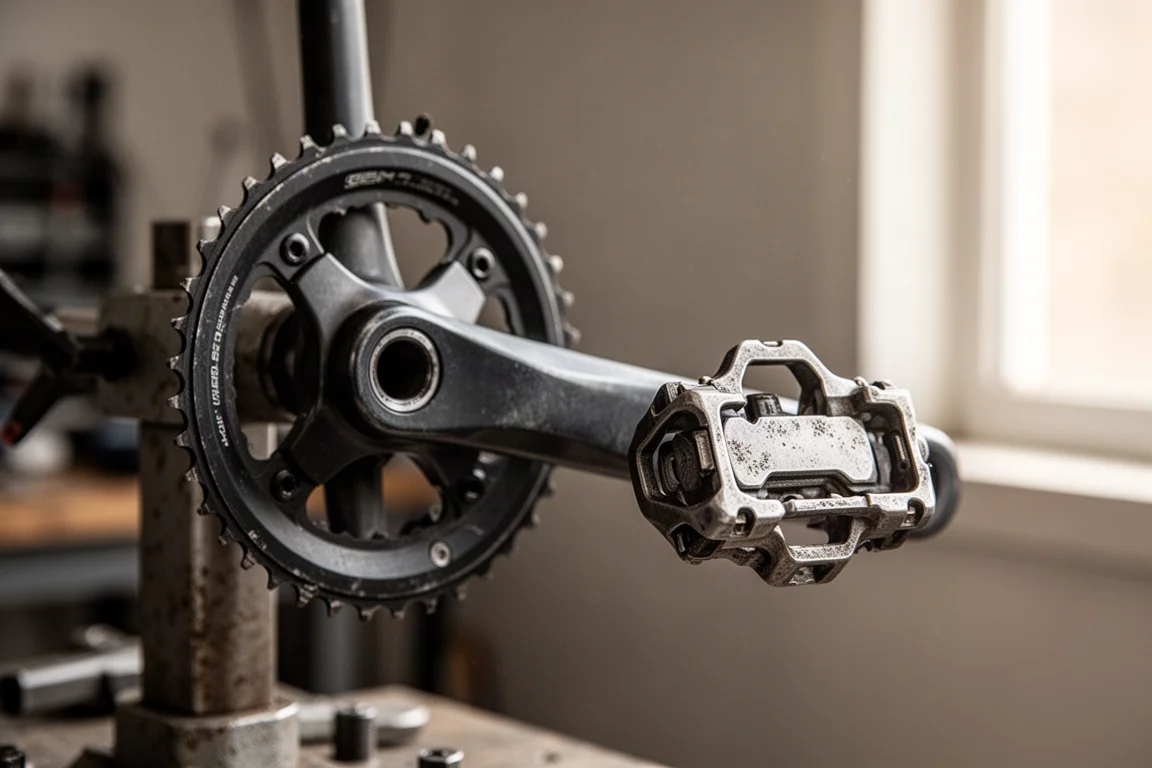
Stance adjustment deserves more attention than it usually gets. Modern frames have grown narrower to help smaller riders corner faster, and a wider pedal stance can reduce pressure on the outside of the foot, improve how you sit on the saddle, and change how your weight loads the front of the bike.
Entry behaviour matters just as much for newer riders. A pedal that hangs in a consistent, ready position is far easier to engage without looking down, while a neutrally balanced pedal often sits upside down.
Best Budget Road Pedal: Shimano R550
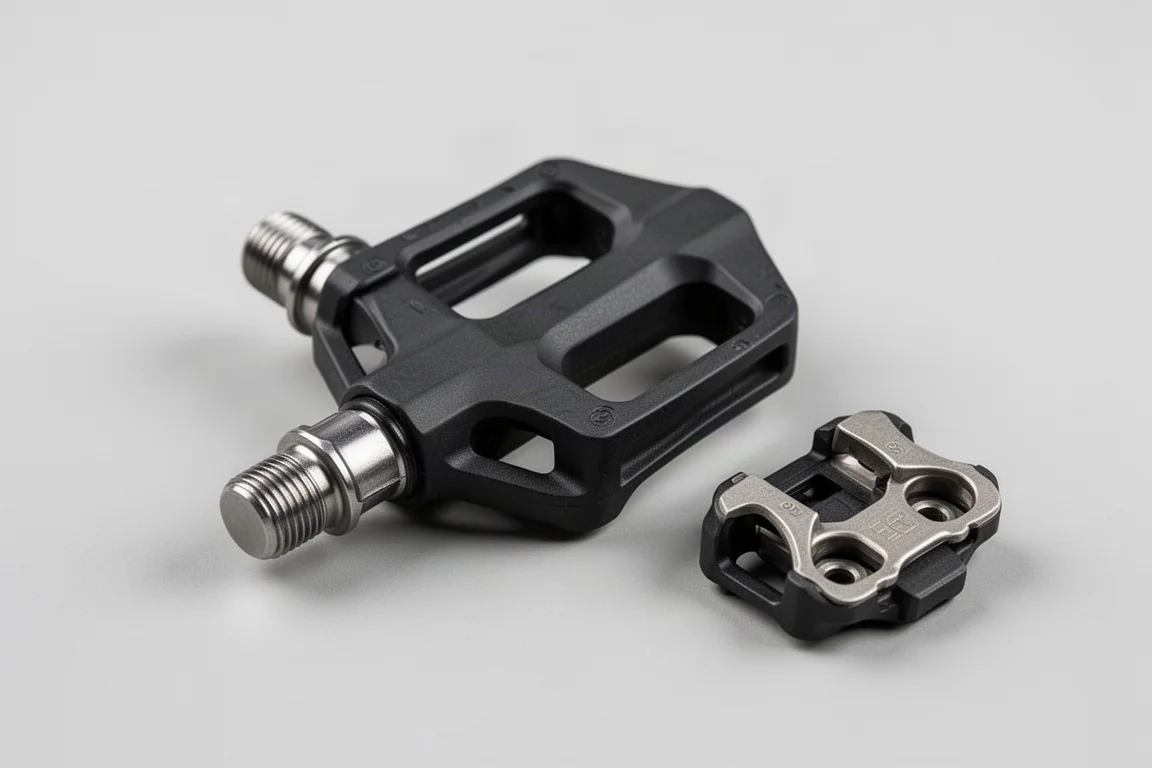
The R550 sits at the accessible end of the SPD-SL road range and uses a resin body, but it keeps the metal wear plate that protects the platform where the cleat contacts it. That plate is the difference between a pedal that stays consistent for years and one that develops play early.
The platform is stable, the bearings are reasonable for the price, and the assembly is serviceable. Adjustability is decent, and entry and release are straightforward, which makes this a sensible first road pedal.
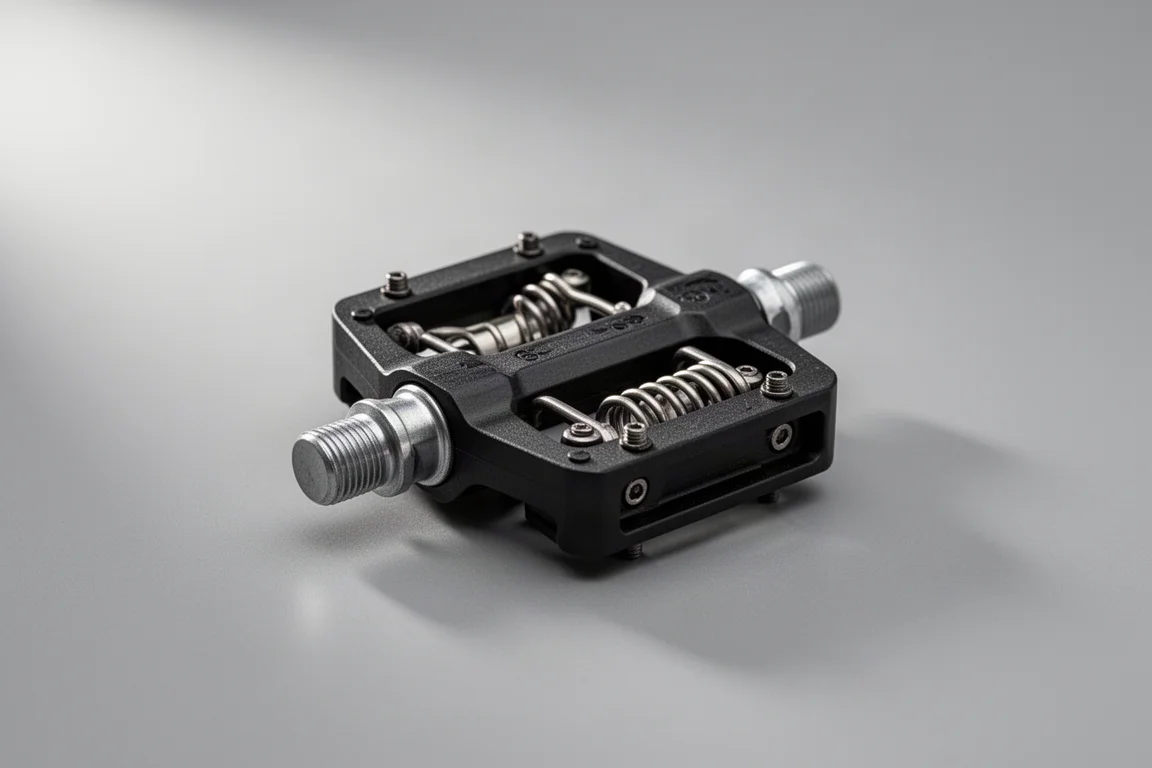
Best Off-Road Workhorse: Shimano M540
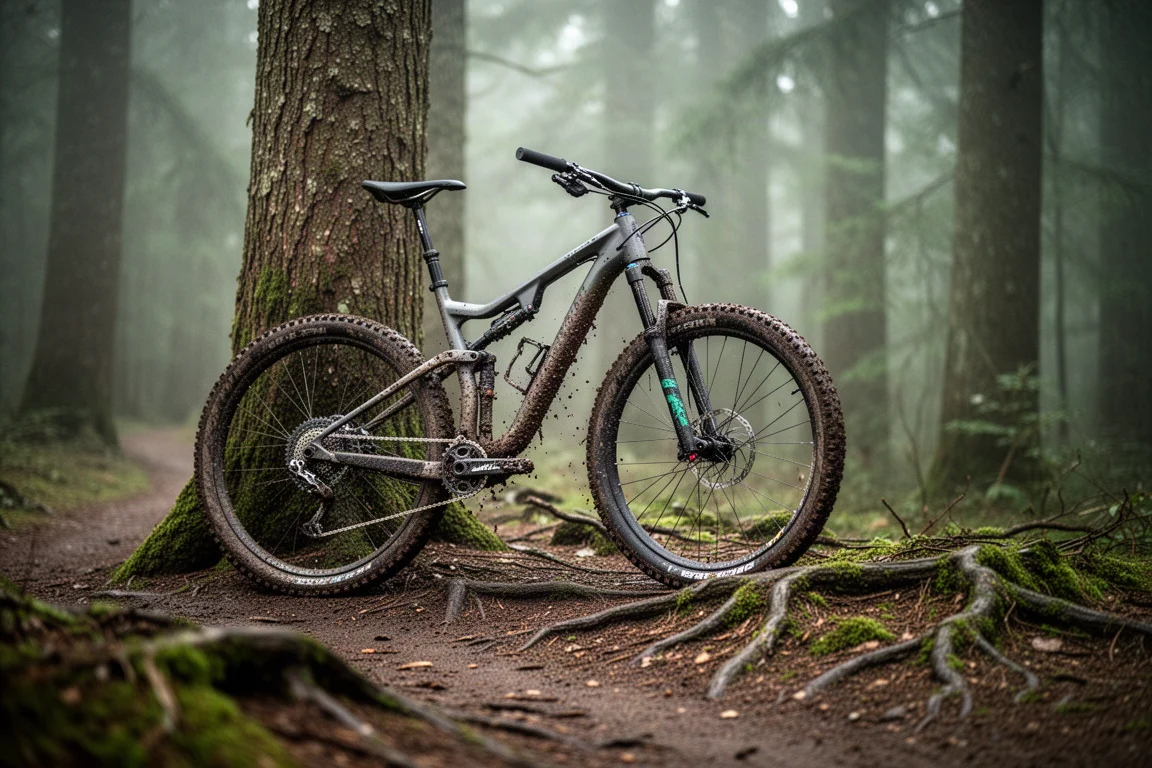
The M540 is the two-bolt SPD pedal to aim for if you ride off-road regularly. Its bearing quality is a significant step above the cheapest SPD model in the range, so it lasts far longer and holds up much closer to the higher-end pedals than its position in the range suggests.
For trail, gravel, and commuting use, that durability is the main thing you are paying for. The familiar dual-sided SPD mechanism makes entry and release easy in dirt and grit.
Riders who want the longest possible service life can move further up the range, where the bearing specification improves again.
Best High-End Trail Pedal: Shimano XT
At the top of the two-bolt SPD range, the XT and XTR models carry the best bearings and the longest service life in the family. For riders logging serious off-road miles, the extra cost buys durability rather than a different feel underfoot.
The mechanism stays easy to engage and release in poor conditions, which is exactly what you want when you are unclipping on a steep, loose section.
Best for Wider Stance: Shimano Dura-Ace Extended Axle
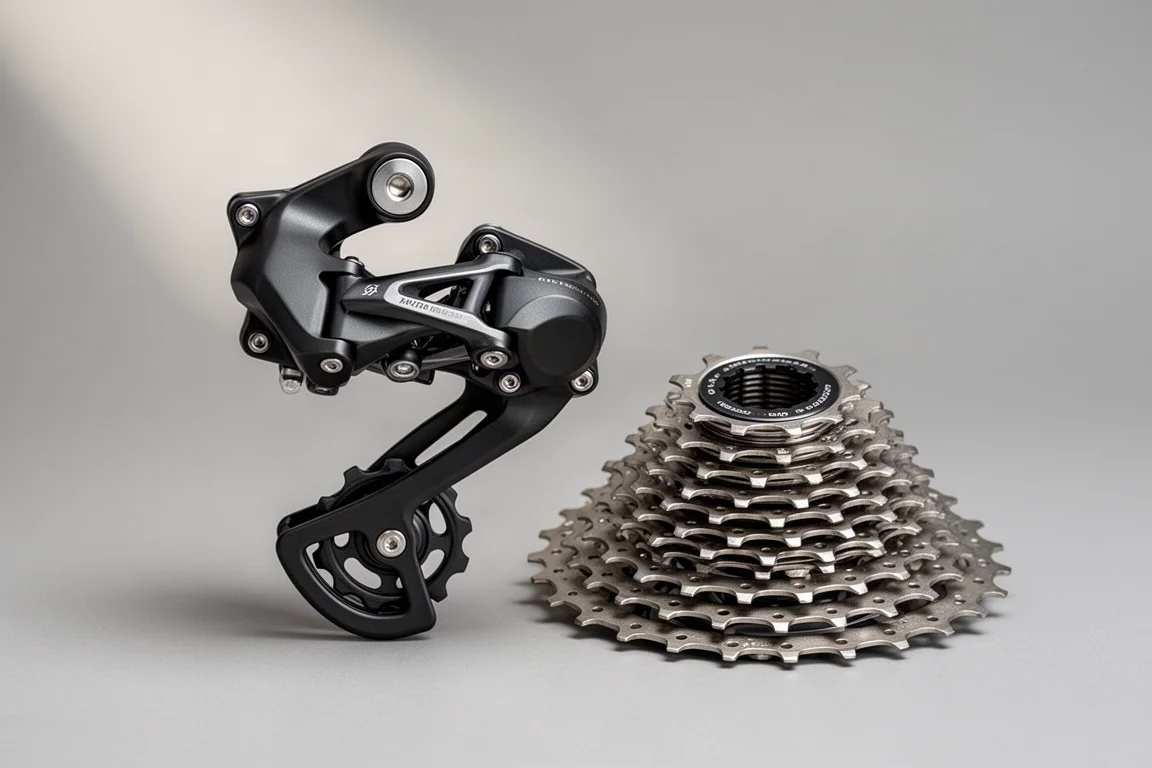
The extended axle version of the SPD-SL platform adds 4 mm of stance per side. It is only offered in the Ultegra and Dura-Ace tiers, which makes it a premium fit solution rather than a general upgrade.
It is worth considering if you feel pressure on the outside of your feet, if your saddle position never quite settles, or if your knees track poorly. Widening the stance can ease all three, and it is one of the most frequently requested changes in a fit session.
Best Beginner-Friendly Road Pedal: Look Keo 2 Max
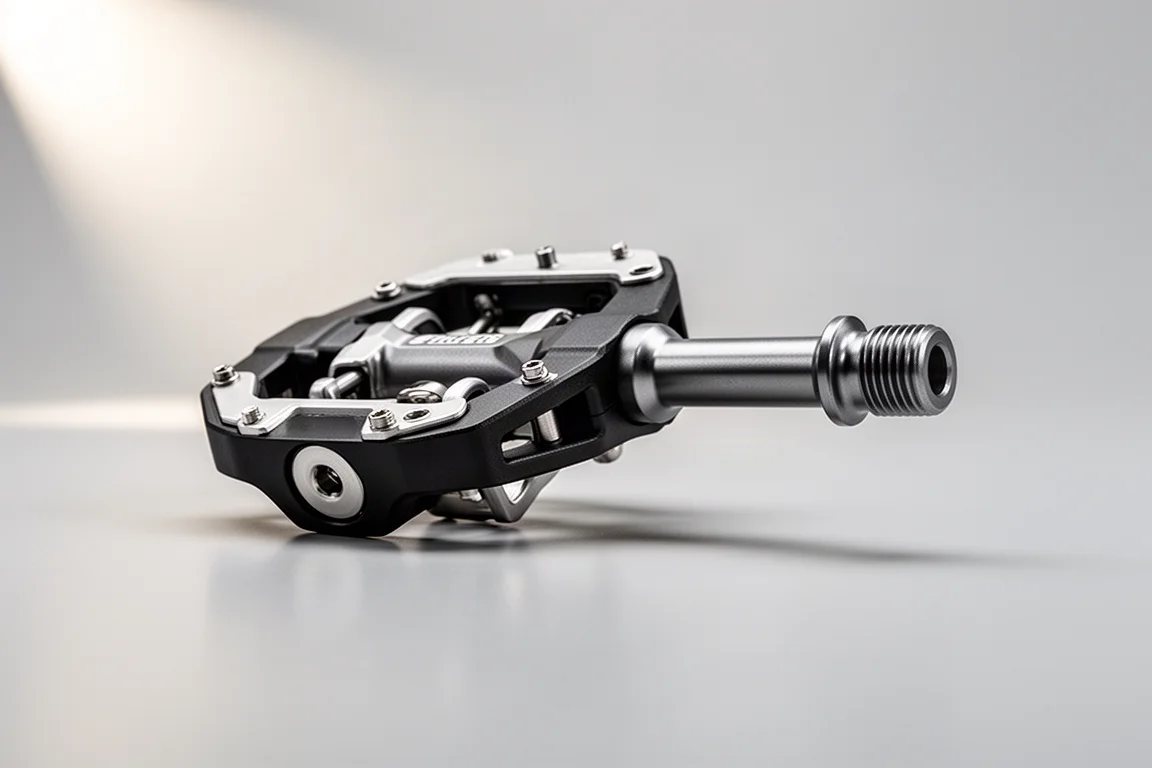
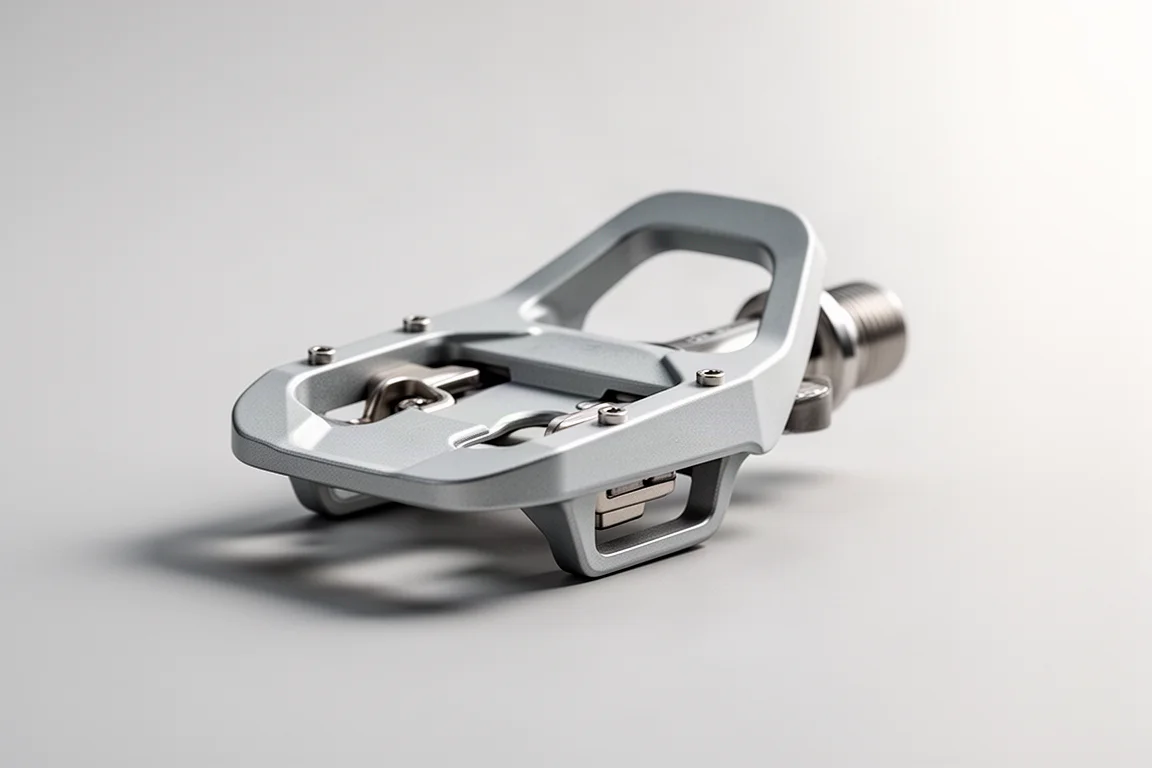
The Keo 2 Max is the most rounded pedal in the Look road line. It comes with either a resin or a carbon fiber body, uses adjustable and replaceable bearings, and offers several float options so you can tune how much your foot rotates.
Its biggest practical advantage is the way it hangs. The pedal tends to sit in a ready position under the crank, which makes clipping in far easier for riders who are new to road pedals.
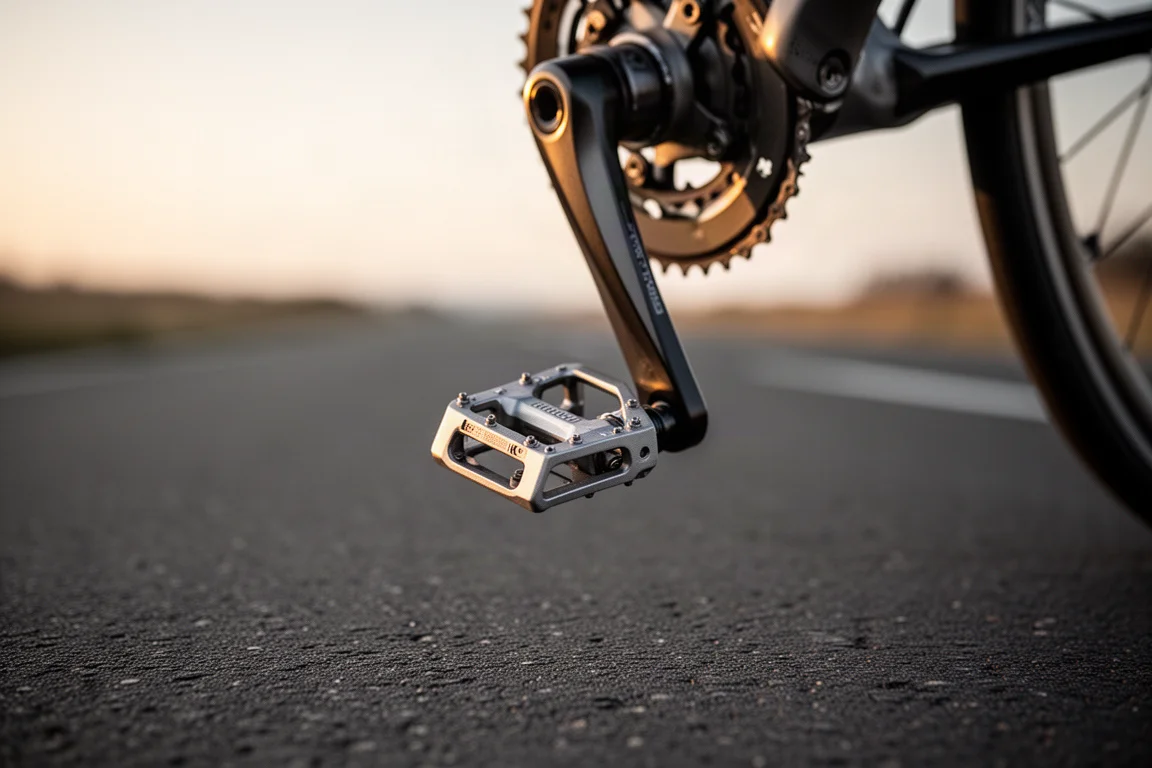
Note that current Keo 2 Max models do not offer alternative axle lengths, since Look has moved its stance options to the higher-end blade pedals. Look pedals do use longer axle threads, which allows more washers for stance adjustment.
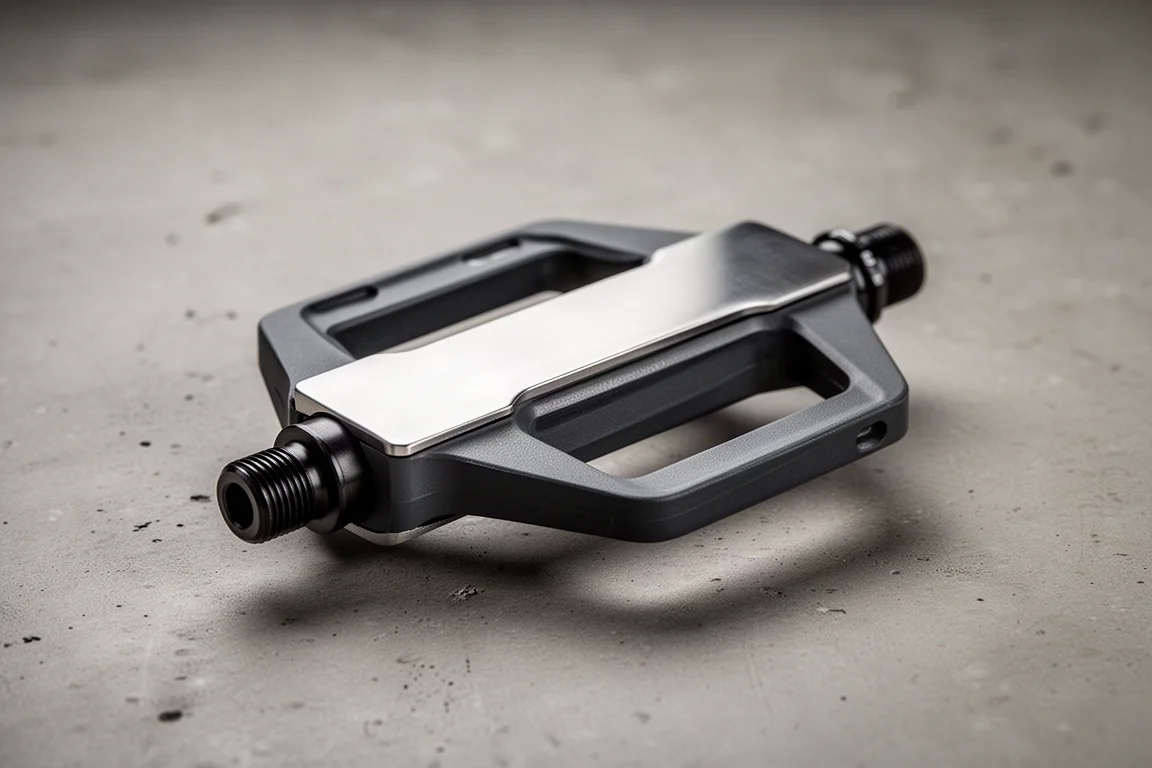
Best Wide-Stance SPD Fit Solution: SQ Lab 511
The SQ Lab 511 is the pedal to know about if you need a genuinely wide stance and you ride a two-bolt SPD system. It is available with 8 mm and 15 mm extended axles, and it remains the only SPD pedal with extended axle lengths.
The trade-off is refinement. Cleat-to-pedal interaction is not as crisp as a mainstream SPD pedal, bearing quality is average, and the finish is ordinary. Availability is also limited in some markets, so stock can be genuinely hard to find.
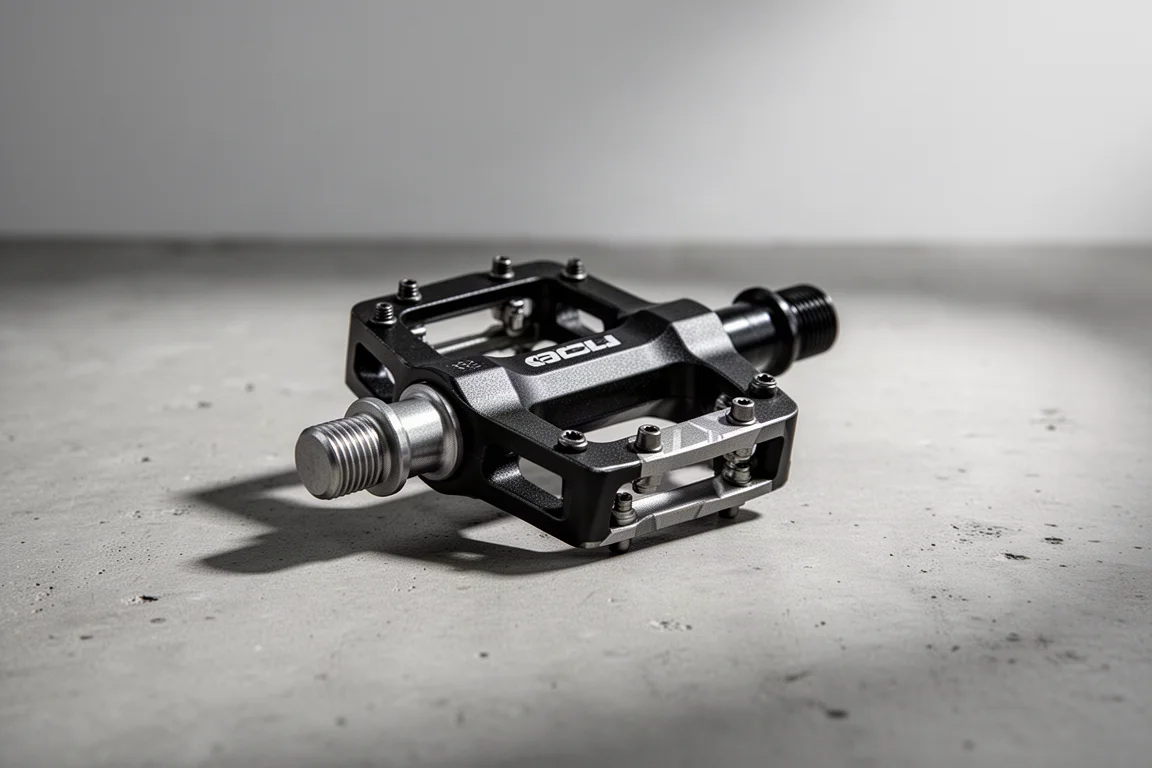
Best for Mud and Float: Crank Brothers Candy
The Candy takes the four-sided Egg Beater mechanism and adds a small platform body around it. You keep the easy dual-sided entry, the strong mud shedding, and the generous float, but you gain a larger and more stable surface underfoot.
For riders who want a light, open mechanism without giving up all of the platform, it is a strong middle ground.
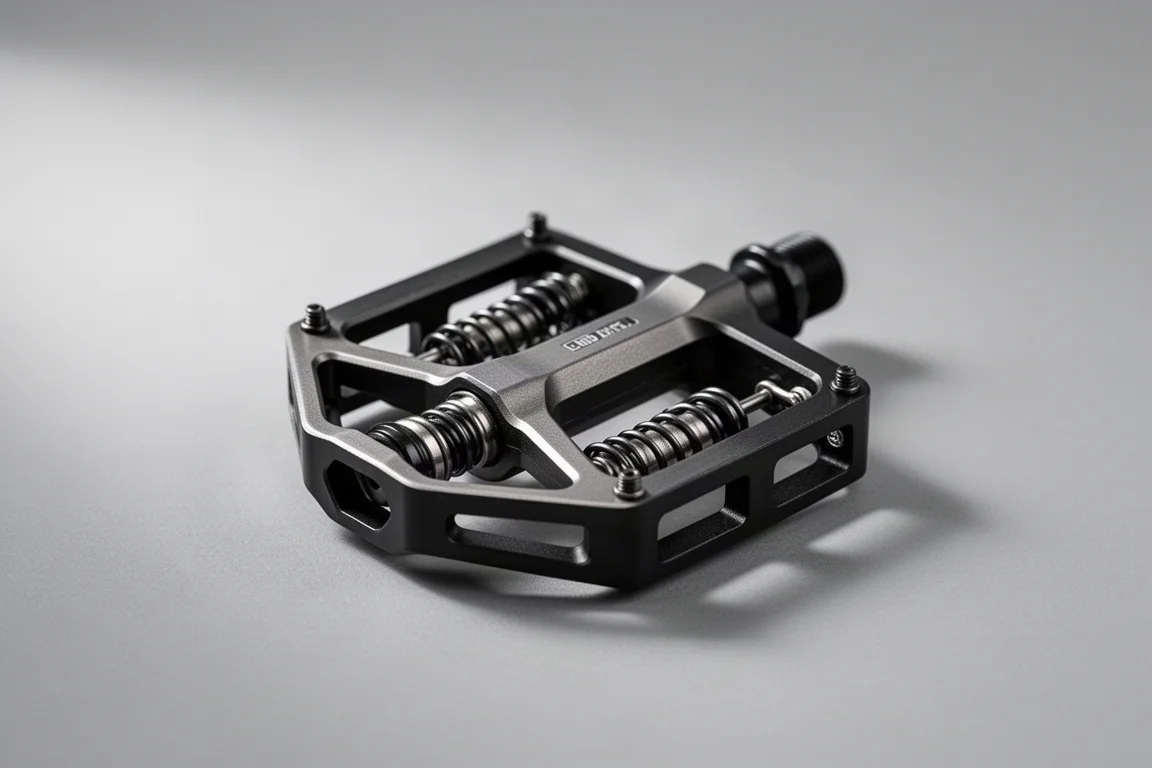
Best Stance Options on a Road Pedal: Time XPro 12
The XPro 12 is the most interesting Time road pedal in years, mainly because it is offered in three stance options. Historically, Time pedals were neutrally balanced and could release unexpectedly, and they offered no way to adjust stance beyond swapping the cleat.
The new axle lengths go some way to fixing that. The widest option is still not as wide as some riders need, and the narrow version only makes sense for very small riders, but the direction is right.
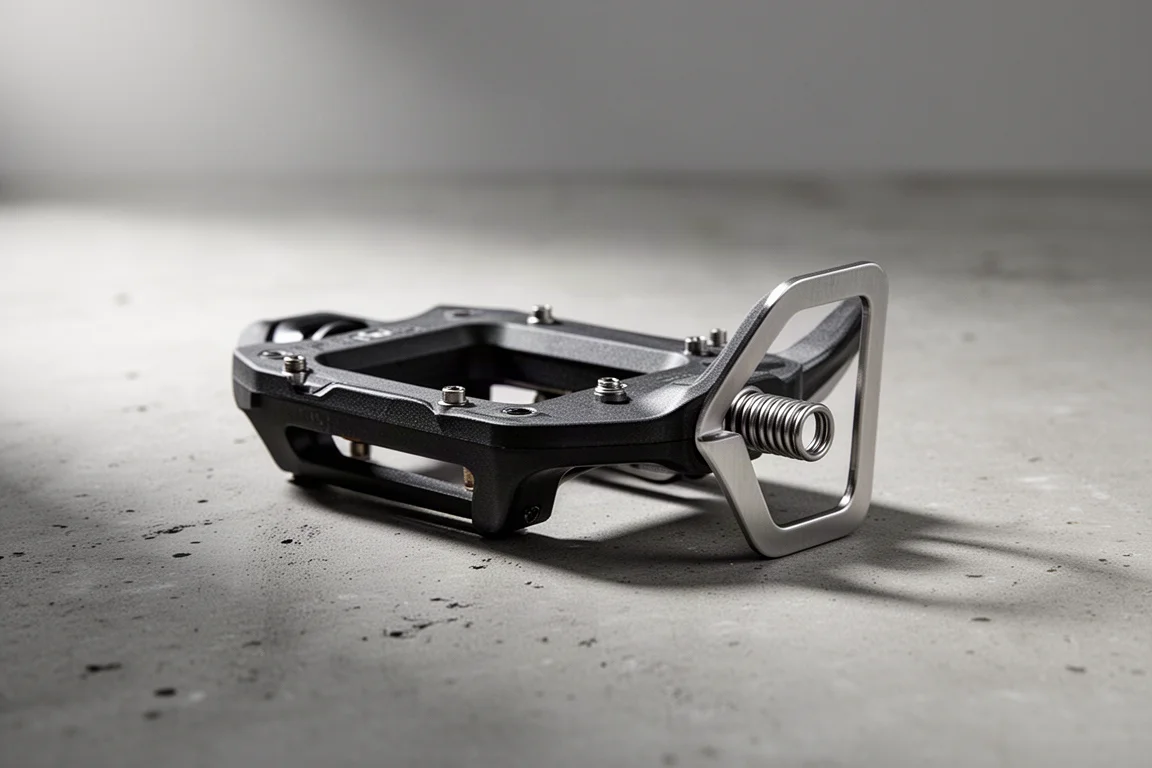
Best Low-Stack Road Design: Keywin KC850
The KC850 has one of the lowest stack heights of any conventional three-bolt road pedal, along with the widest cleat interface in that category. Integrated wedging lets you build in support for different stability needs.
Keywin also offers plus or minus 3 mm and 6 mm axle options, which gives a useful spread of stance choices for different rider morphologies. It is a specialist choice, but a well-considered one.
Best Flat Pedal: DMR V12
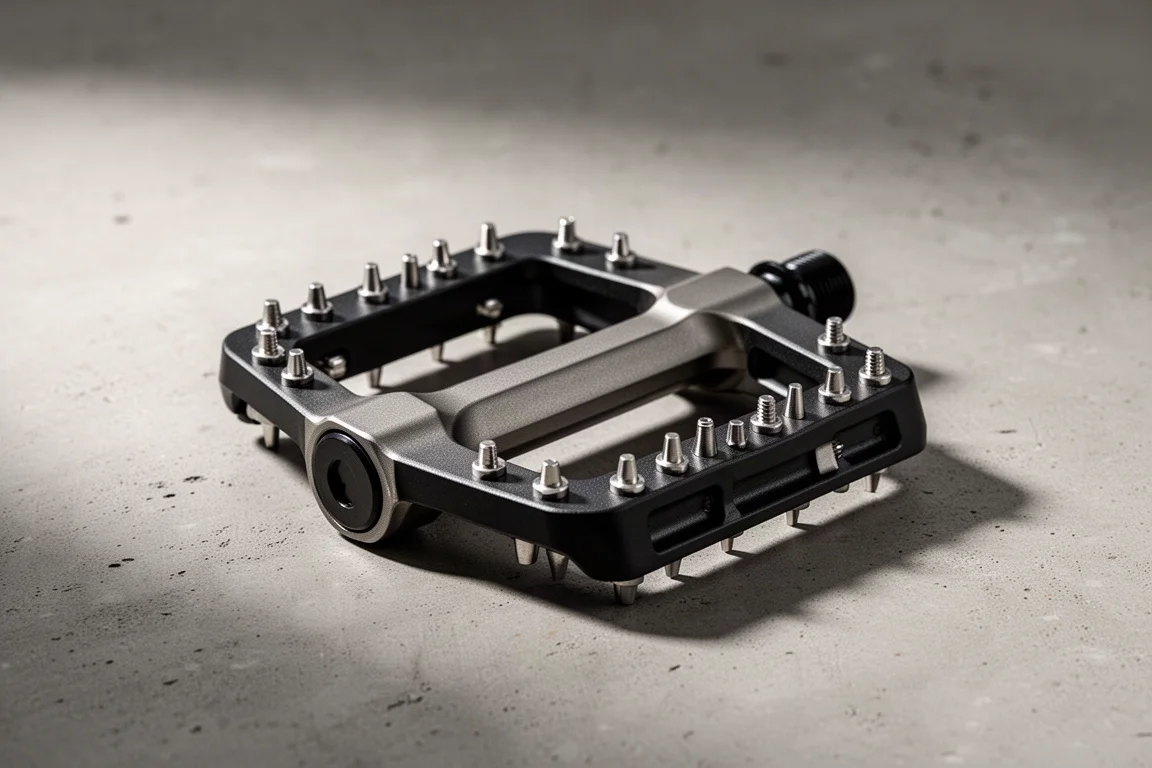
For riders who do not clip in, the V12 is one of the best flat pedals available. Sealed cartridge bearings are the headline change over the cheaper V8, and they are the reason the V12 keeps going long after an open-bearing design would have gone rough.
It comes in aluminium and magnesium versions, offers plenty of grip, and is built to survive repeated abuse on trails and street alike.
Pedals to Approach With Caution
Some systems are best left alone, whether because of poor materials, poor bearing quality, or a design that works against the rider.
- Shimano R540: the cleat does not sit well on the pedal body, which produces excessive float and a destabilised foot.
- Shimano M520: bearings deteriorate within a couple of weeks and the pedal falls apart.
- Look Keo Classic: an almost entirely plastic body with no metal wear plate, so it develops rock and wears quickly.
- Look Keo Blade: the stiffer carbon leaf springs are very hard to release from, and the pedal is neutrally weighted, so it often sits upside down.
- Wahoo Speedplay: cleats are expensive, wear out quickly, and use small bolts that cross-thread easily, while the pedal itself can develop rock.
- Wahoo Speedplay power meter: the oversized pod at the axle end can interfere with shoes, and the supplied spacer negates much of the low-stack benefit.
- Shimano EH500 and M324: half-and-half designs are always the wrong way up when you want to clip in, and the wrong way up when you do not.
- Unbranded plastic pedals: bodies crack and the axle works loose from the housing. Replace them with a quality resin or metal platform.
Buying Advice
Match the system to the riding you actually do. A road platform with a wide, stable body and adjustable float suits riders who want efficiency and predictable release, while a two-bolt SPD system handles dirt, grit, and walking far better.
If your feet, knees, or saddle position never feel right, look at stance before you look at a new saddle. Extended axle options exist in both road and off-road families, and they can be the difference between a pedal that works for you and one that does not.
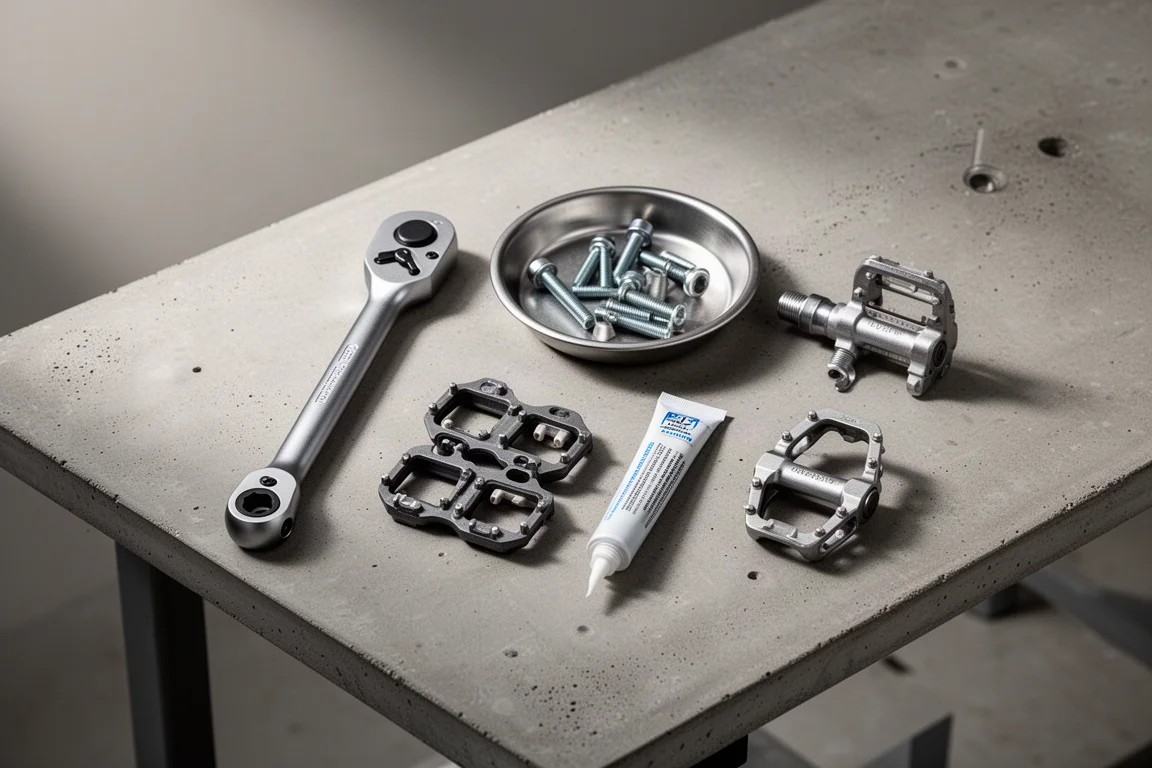
Above all, do not cut corners on bearings. The cheapest pedals in any range are the ones that fail first, and a mid-tier model with better bearings and a serviceable design will outlast two or three budget replacements.
Conclusion
The right pedal is the one that matches your riding and your body. A durable resin-bodied road platform with a metal wear plate is a smarter first purchase than the cheapest option in the range, and a mid-tier off-road SPD with good bearings will serve you for years. Where fit is the limiting factor, extended axle options are worth the extra spend, and they remain rare enough that choosing the right family matters. Skip the throwaway designs, and put the money into bearings and stance instead.
Further reading
Related Reviews

Backpacking Gear
Building a 10 lb Base Weight: An Ultralight Backpacking Gear List
A practical walkthrough of the ultralight pieces behind a 10 lb base weight, from a 765 g pack and a roomy one-person tent to a full camp chair and a dependable water filter.

Road Bikes
10 New Road Bikes Worth Watching: Aero, Titanium, Steel and Endurance Standouts
A practical roundup of 10 new road bikes, from aero flagships chasing single-watt gains to titanium, steel and endurance platforms built for real roads.
Bikepacking Gear
11 Bikepacking Essentials for Long-Distance Cycling
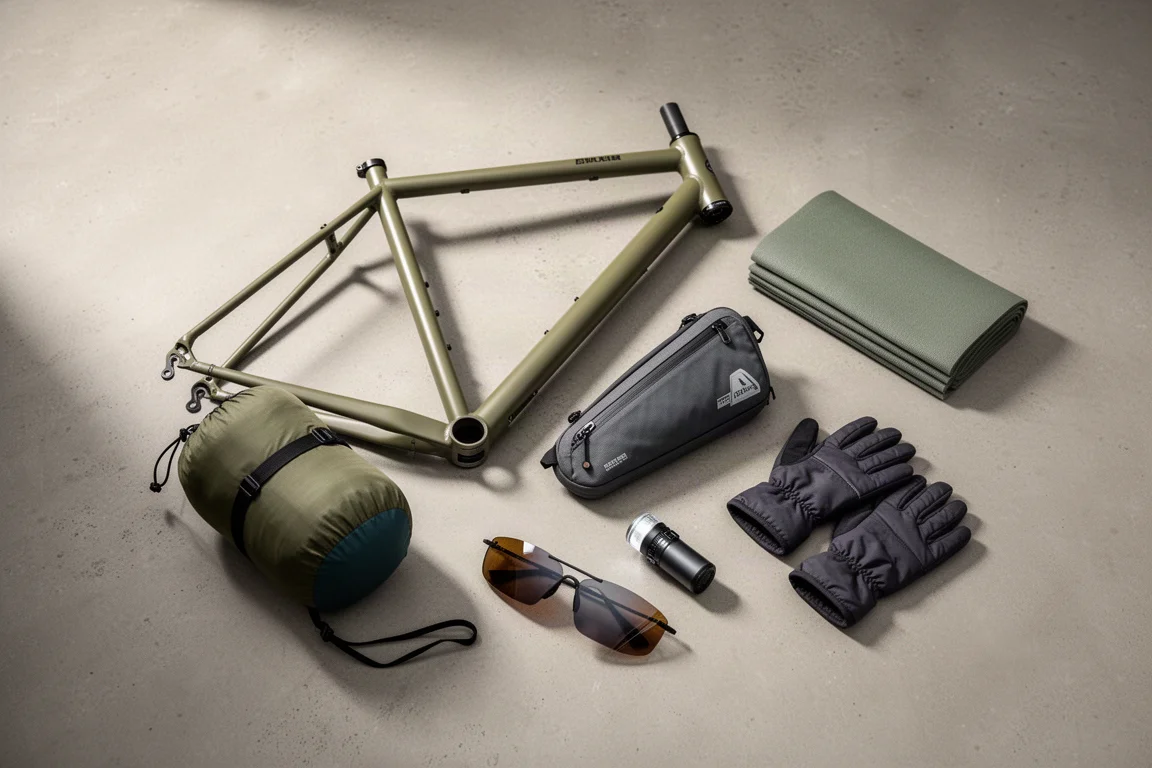
Eleven bikepacking essentials for long-distance cycling, from a steel gravel frame and a two-person tent to helmet lights, packable gloves, and a frame bag that puts weight in the right place.