Cycling Components
Best Bike Groupsets 2026: Shimano, SRAM and Campagnolo Explained
A plain-English guide to road and gravel groupsets from Shimano, SRAM and Campagnolo, covering the tiers, the gearing numbers and the trade-offs worth checking before you buy.
Introduction
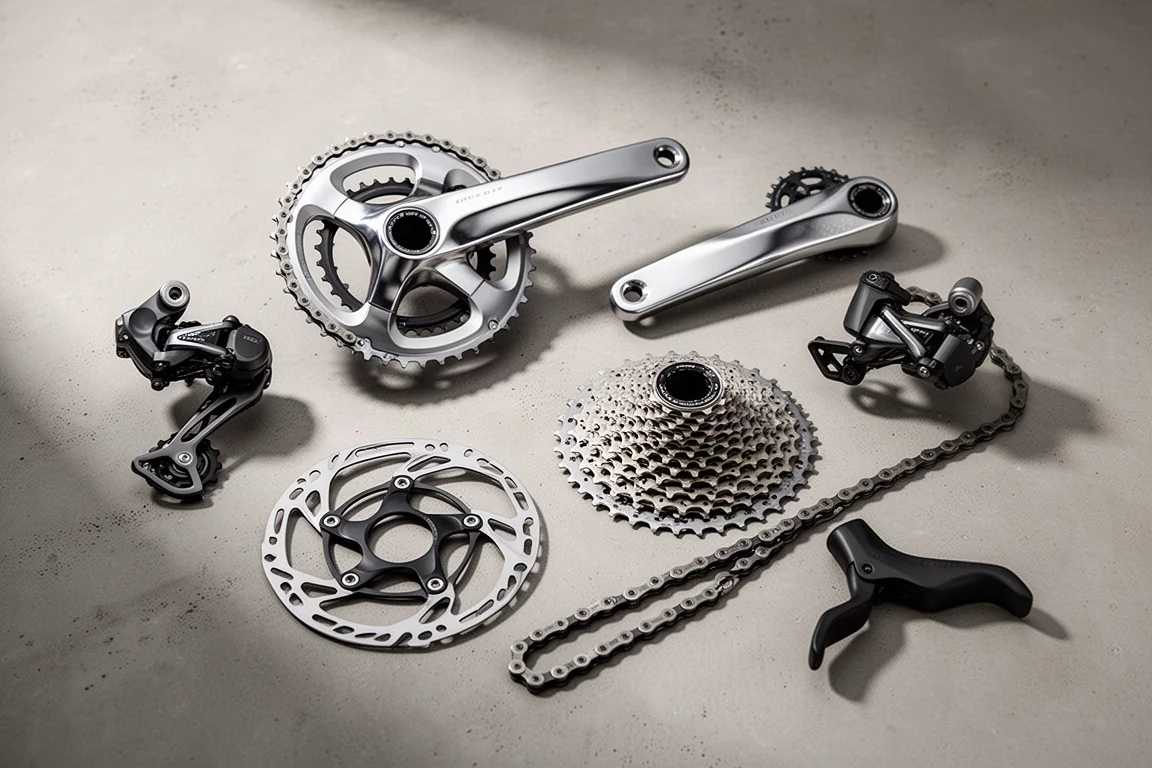
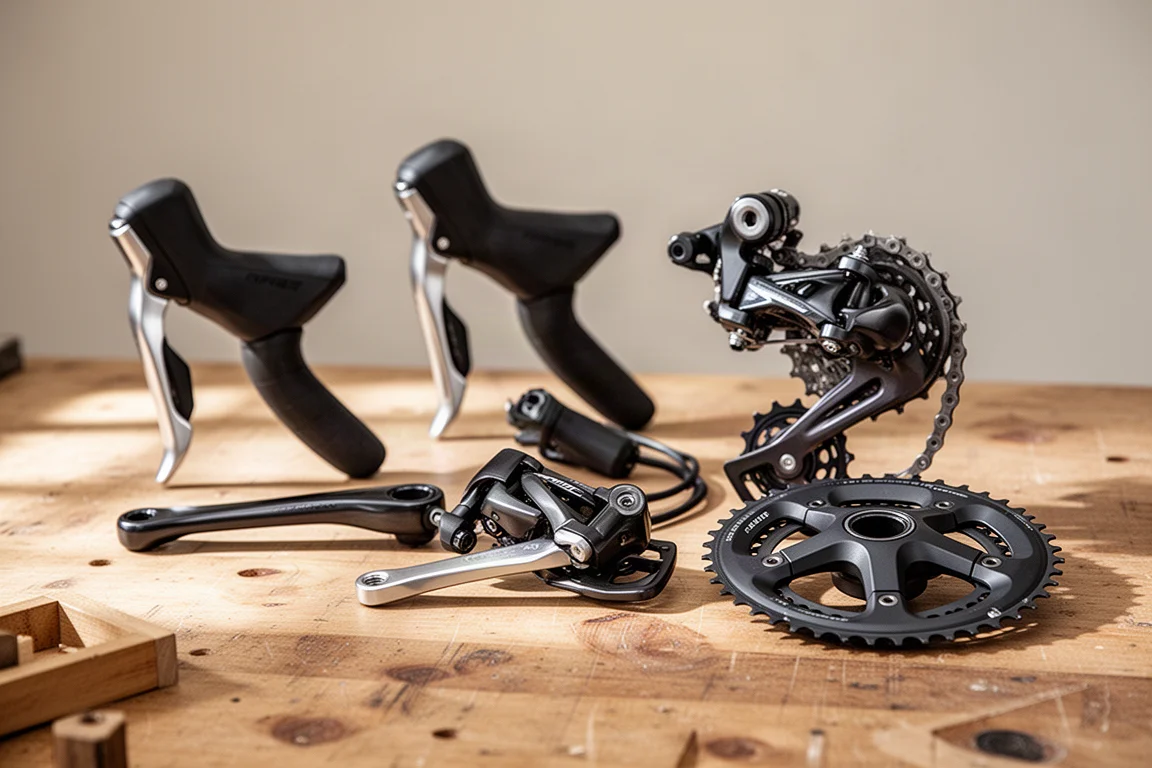
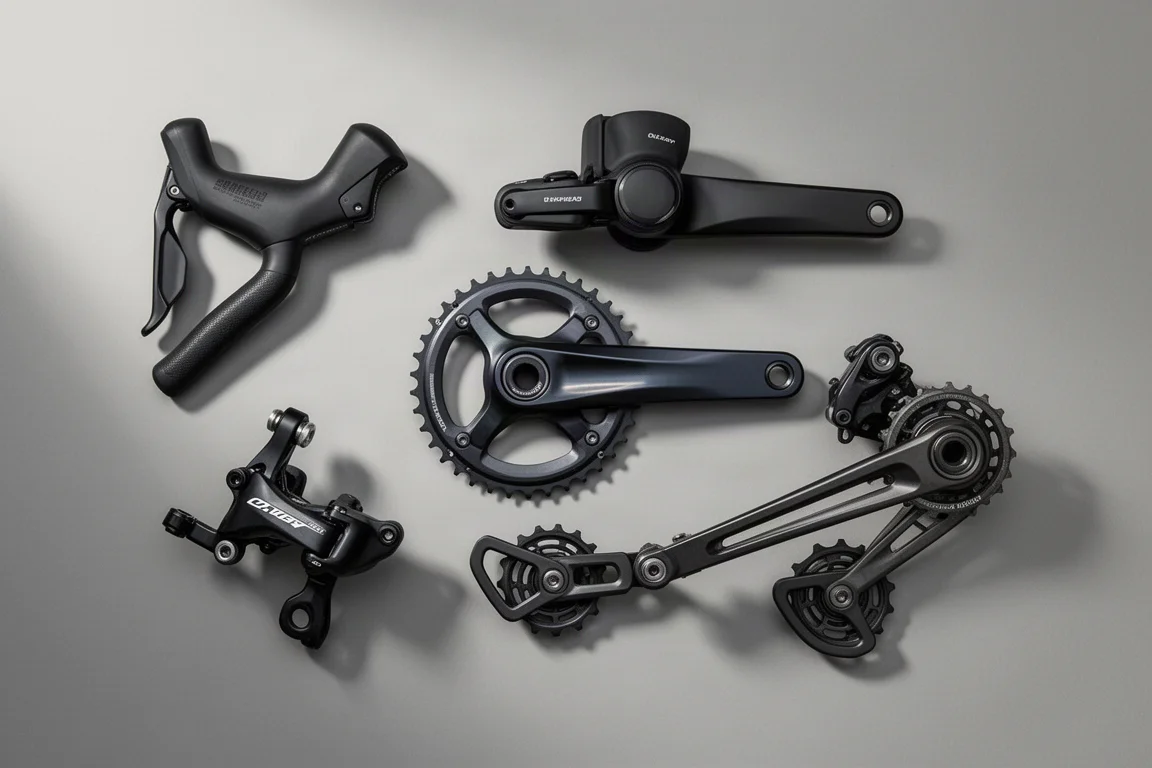
A groupset is the collection of gear and brake components on a bike: shifters, brake calipers, brake rotors, front derailleur, rear derailleur, crankset, cassette and chain. When a rider says their bike runs Shimano 105 or SRAM Rival, they are naming the family those parts belong to.
Three names dominate the market: Shimano, SRAM and Campagnolo. Each sells a ladder of groupsets at very different prices, and the names do not line up neatly between brands. This guide works through the tiers that matter, from the flagship groupsets down to the entry level, and explains the numbers you will see on a spec sheet.
How Groupsets Are Organized
Every brand builds its range as a hierarchy. At the top sit the flagship groupsets, made from the lightest and most expensive materials and intended for racing at the highest level. Below them are versions that do much the same job with slightly heavier materials and a lower price. Further down, the differences become more about gear count, weight and brake type than about outright performance.
A practical way to read the market is to picture a pyramid. The top tiers are close to identical in function, and what you pay for is lower weight, nicer finishes and the name written on the side. In the middle, the products are still excellent, and the gaps between neighbouring tiers are small enough that most riders will not notice them out on the road.
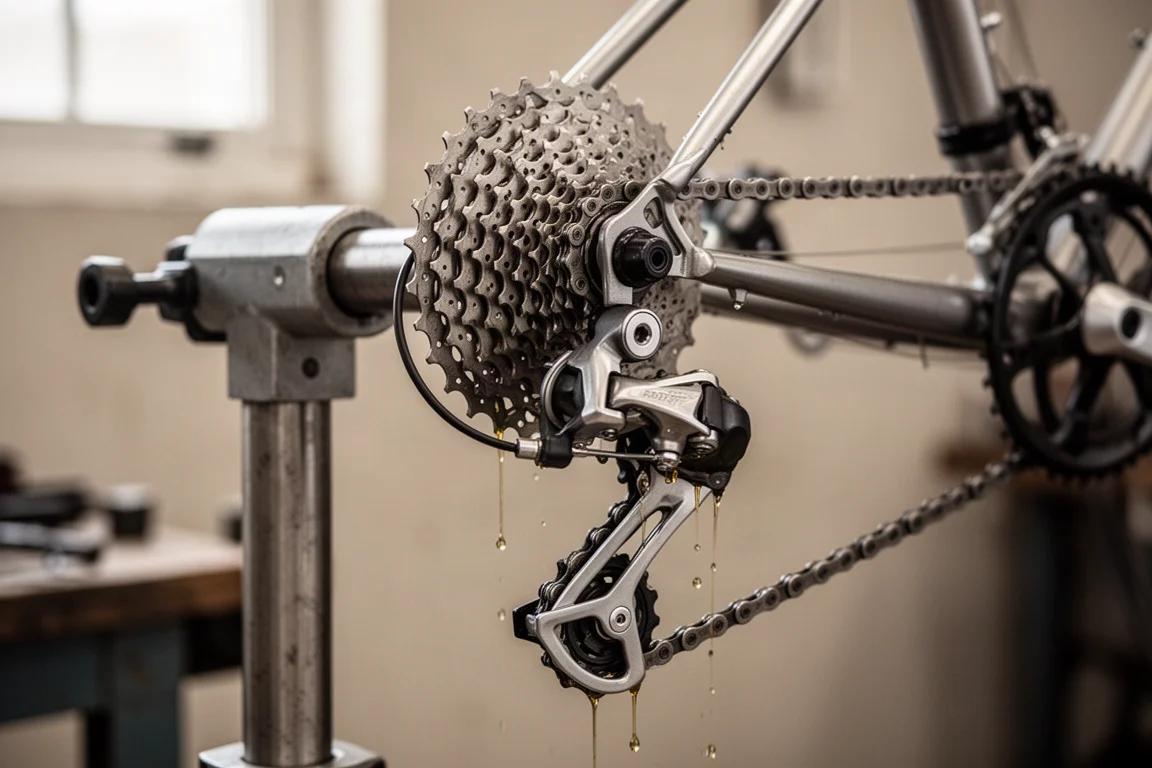
One important split runs across every tier: mechanical or electronic. Mechanical groupsets move the derailleurs with cables. Electronic groupsets use buttons on the controls that communicate with motors in the derailleurs. Both work well. Electronic shifting is faster and more precise, and it can be set up in ways that suit riders with different levels of hand dexterity. Hydraulic disc brakes are the other major decision, and they are powerful, but they cost more and take more work to service than cable brakes.
Reading the Numbers: Speeds, Range and Chainrings
The numbers attached to a groupset describe gearing. Speeds refers to the number of sprockets on the cassette at the rear. A 13-speed groupset has thirteen gears at the back, and an 8-speed has eight. More gears means smaller steps between them, so your pedalling rhythm changes less each time you shift.
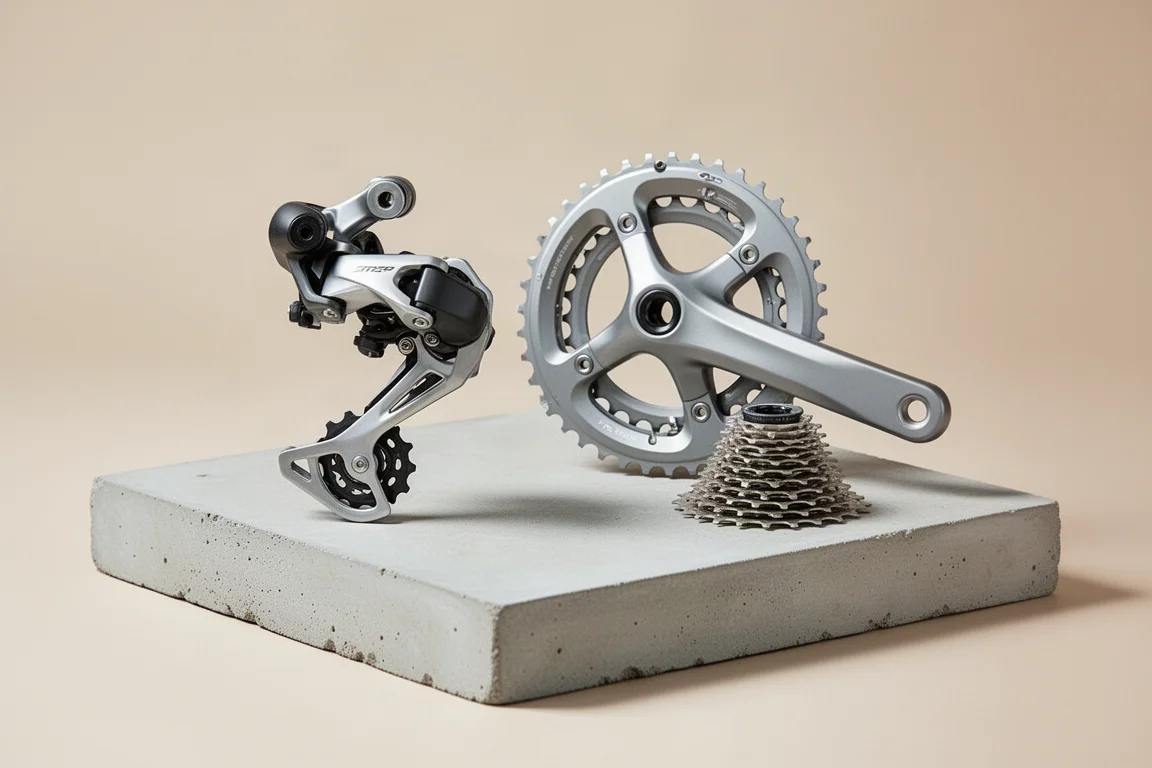
Cassettes are labelled with a hyphenated pair such as 11-28 or 10-34, which gives the tooth counts of the smallest and largest sprockets. At the front, chainrings are labelled the same way, such as 50-34 for a double, or as a single figure for a one-by setup. A smaller chainring at the front and a larger sprocket at the back make climbing easier, while a larger chainring and smaller sprockets are for speed on flat ground.
Two more numbers are worth knowing. Crank length, where the pedal threads in, usually runs from around 150mm to 175mm, and shorter riders are generally better served by shorter cranks. Disc rotors are commonly 140mm or 160mm, and the larger size gives more stopping power and better cooling. SRAM and Shimano also use different chainring sizes, so their gearing is not directly comparable.
Campagnolo Super Record: The Halo Tier
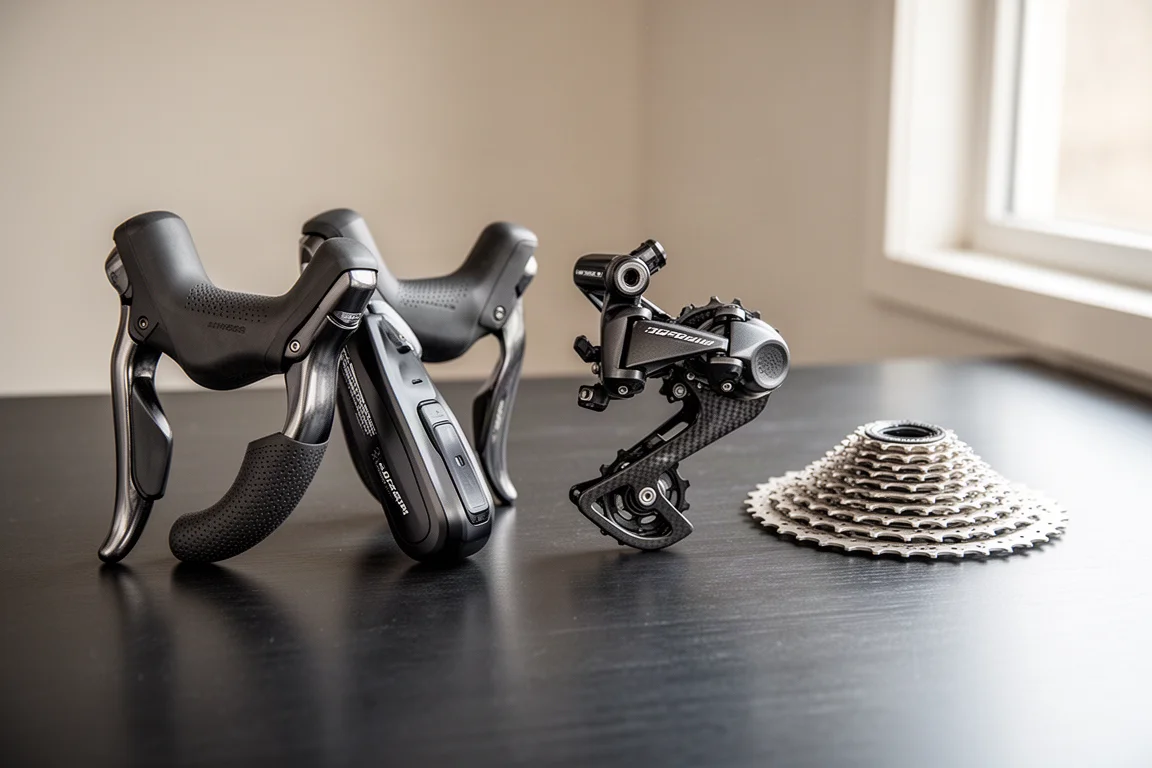
Campagnolo Super Record sits at the very top of the range and earns a step of its own above everything else. It is a 13-speed groupset, which means thirteen sprockets at the rear, paired with two chainrings at the front or a single chainring if that is what you prefer. Shifting is electronic and fully wireless, and the brakes are hydraulic.
It is built from the most expensive and lightest materials Campagnolo offer, and it is priced accordingly, at just shy of £4,000 without a power meter.
SRAM Red: Wireless Flagship Performance
SRAM Red is the American brand’s flagship road groupset and sits in the same tier as the other top offerings, at marginally less money than the very top step. It is 12-speed, it uses hydraulic disc brakes, and it shifts wirelessly. Like the rest of the flagship tier, it is extremely light and built to be raced at the top level of the sport.
SRAM’s electronic shifting is branded eTap, and its wireless component system is branded AXS. The two words are often used interchangeably, and both describe the same setup: buttons on the controls talk to the derailleurs, where a small motor moves the chain onto a different sprocket.

SRAM has been building road groupsets since around 2006 and has steadily taken market share in the performance category. Its latest groupsets are known for strong braking, and SRAM was the first to make fully wireless shifting work properly.
Shimano 105: The Practical Sweet Spot
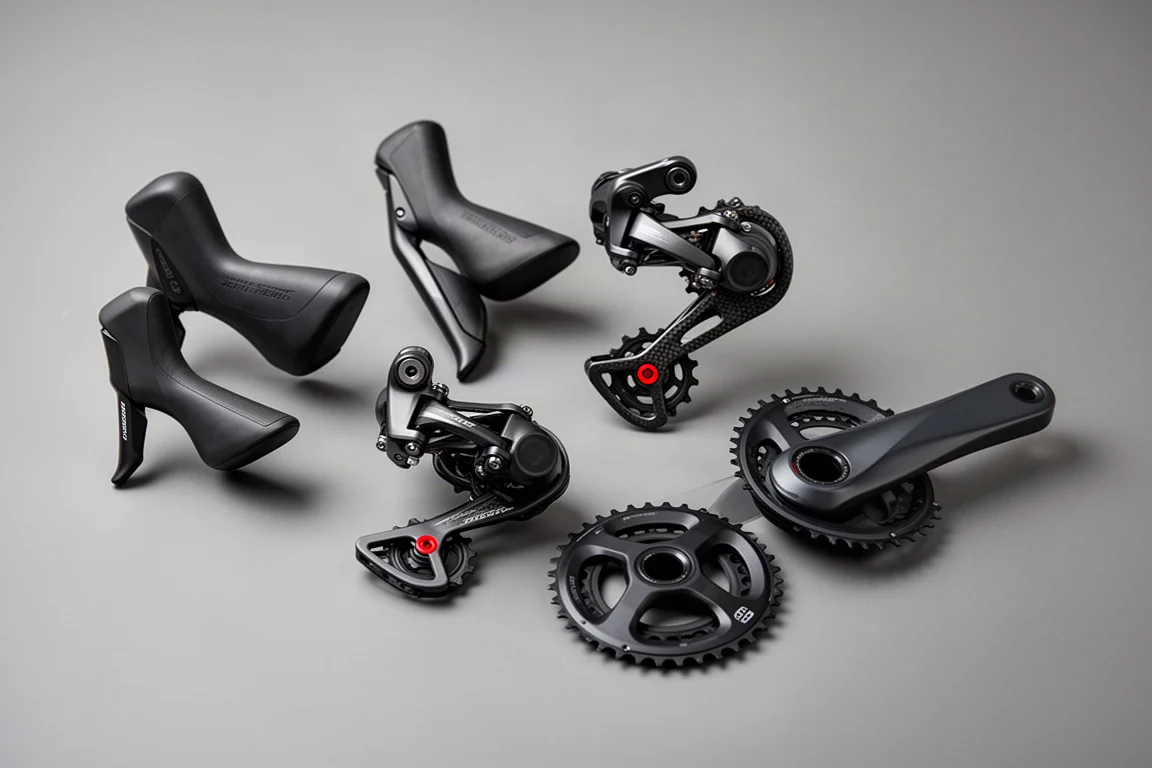
Shimano 105 is where the range becomes genuinely easy to recommend. It sits one step below the flagship tier, and it shares so much with the level above that the differences come down to materials, a little weight and how the rotors cool under heavy braking. Most riders will not notice the gap in braking power between 105 and the tier above it.
There are currently two versions. The mechanical version is cheaper and shifts very smoothly, and it remains a strong buy while it is still available. The electronic version uses Shimano’s Di2 system, which is the term Shimano uses for all of its electronic groupsets.
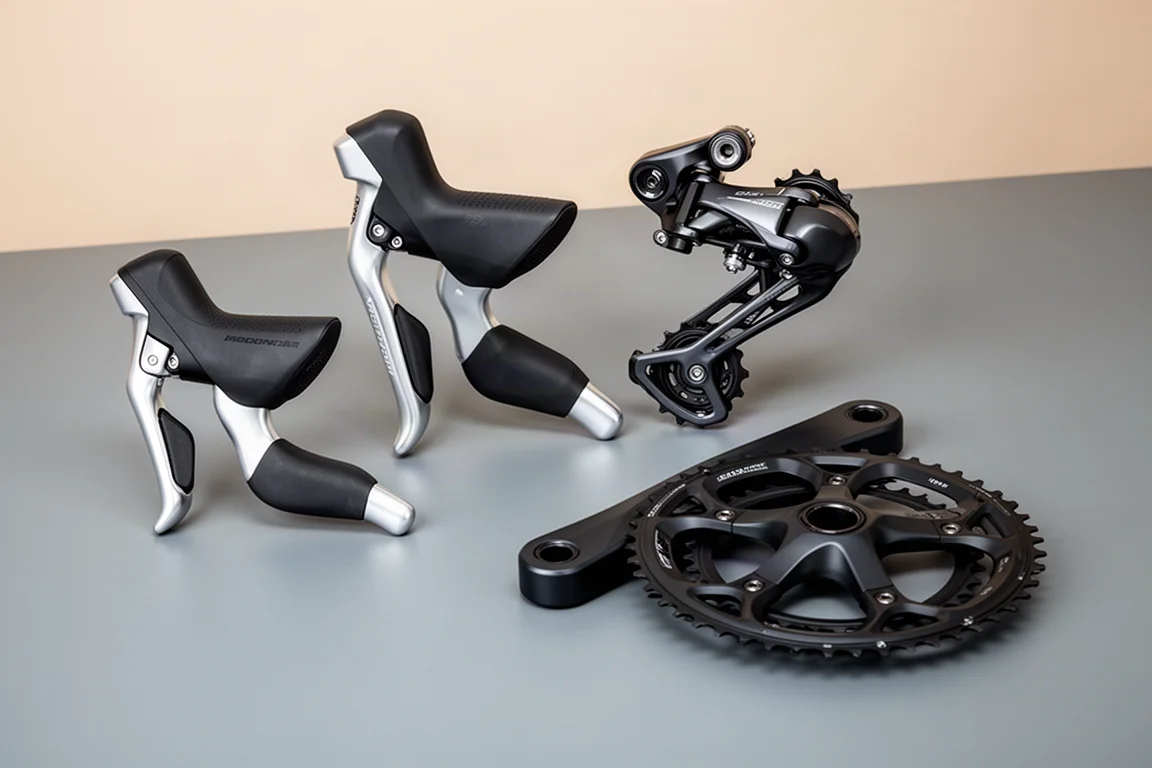
SRAM Rival: The Wireless Alternative
SRAM Rival sits at the same level as Shimano 105 and offers much the same thing. The differences are small: materials, weight and a slightly reduced set of programmable shift buttons compared with the tiers above. Many parts across the range can be mixed and matched, so it is possible to build up the exact feature set you want.
For riders who want electronic shifting without moving into flagship territory, Rival is the natural entry point into SRAM’s wireless ecosystem.
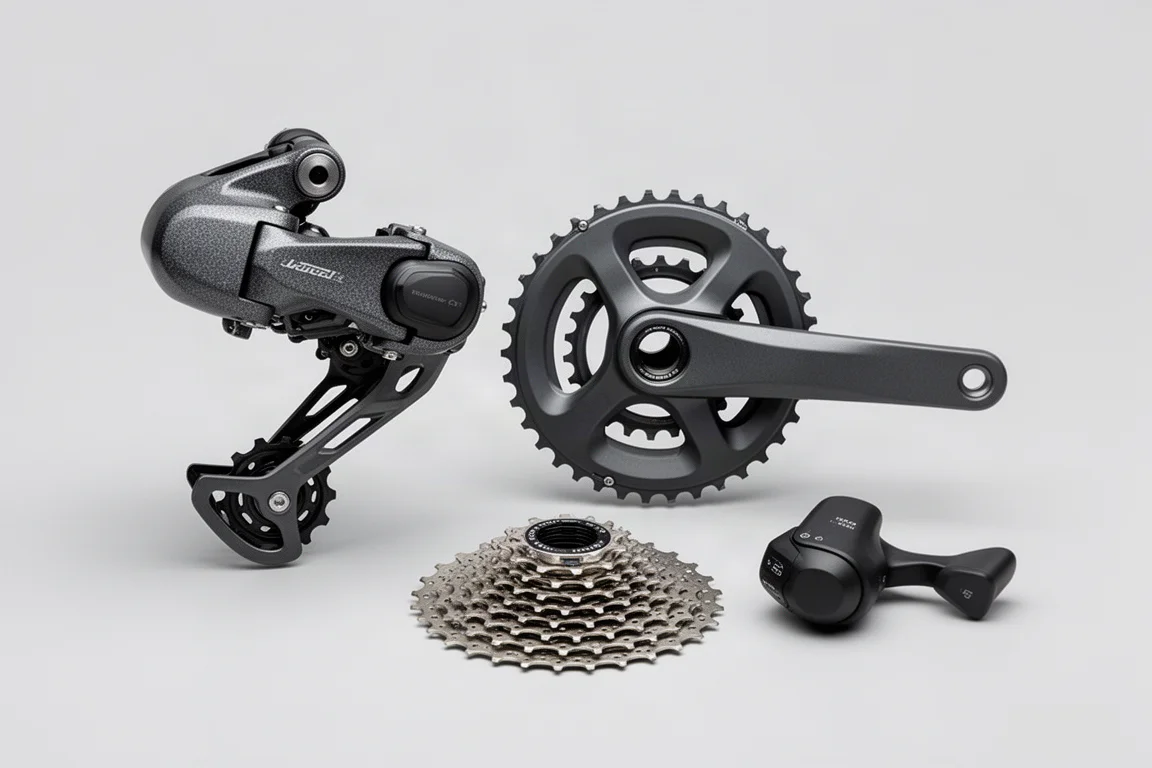
Shimano GRX: Built for Gravel
Shimano GRX is the brand’s gravel-focused line. It offers two-by chainring setups as well as simpler single-chainring options, and it comes in a couple of price points that slot in around the 105 and Ultegra levels.
Gravel groupsets generally bring features that suit rough surfaces: simplified shifting, one-by setups with less to go wrong, and clutch mechanisms in the derailleur that stop the chain from slapping around. Nothing prevents you from riding a gravel groupset on the road, and plenty of riders do exactly that.
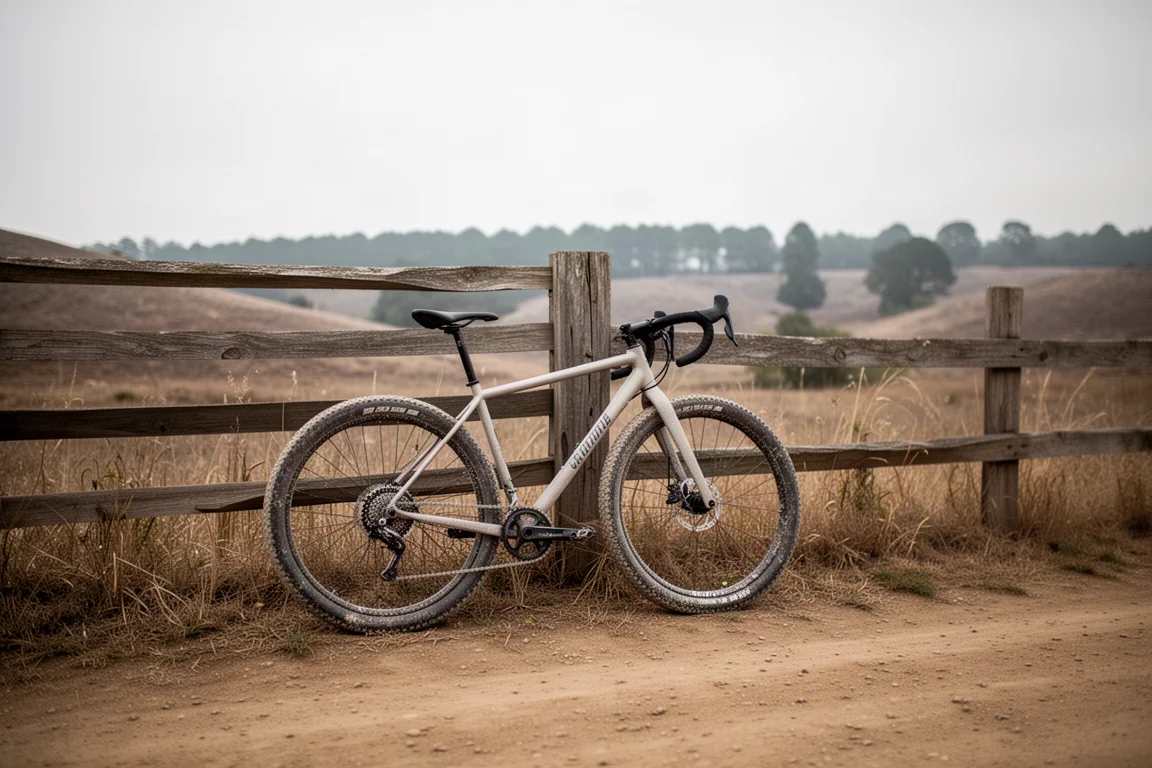
If you split your time between tarmac and unpaved roads, a gravel-specific groupset is often the more flexible choice. It keeps the gearing broad and the chain management tidy without giving up much on smooth surfaces.
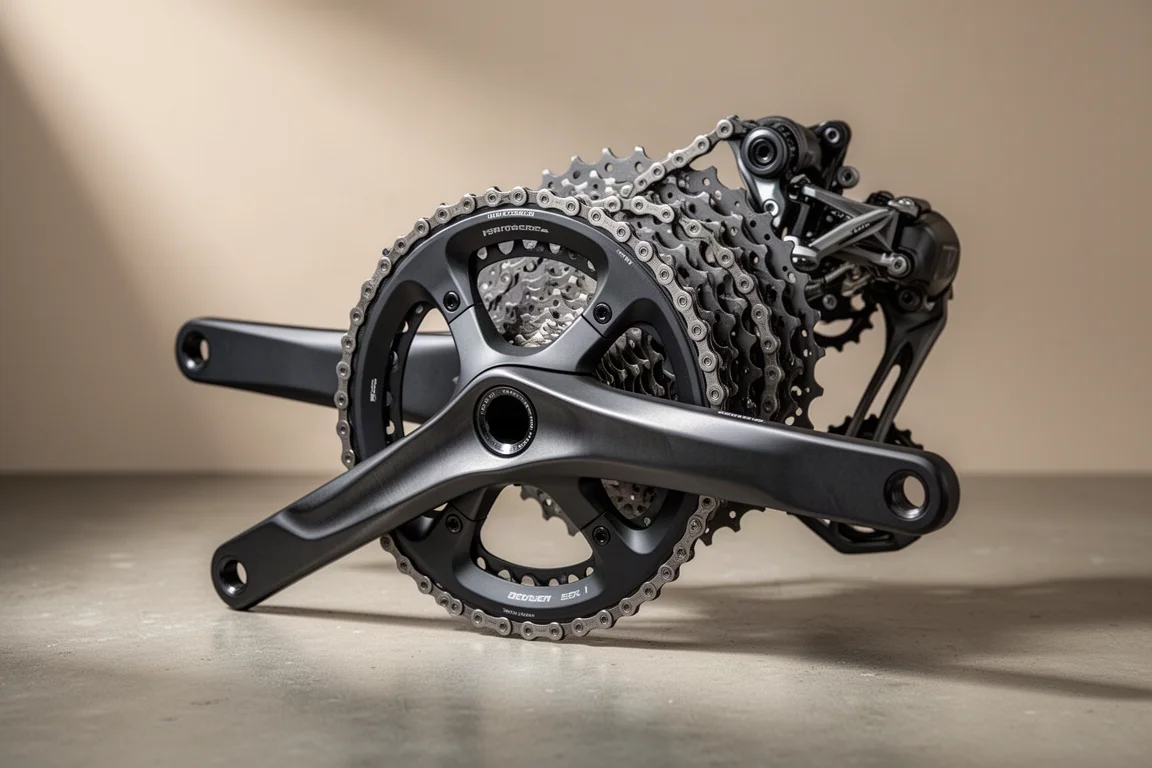
Shimano Tiagra: Mechanical Eleven-Speed Value
Shimano Tiagra sits a step below 105. It is 11-speed, so one gear fewer at the rear, mechanical only, and a little heavier. For riders who want dependable cable shifting without paying for the tier above, it remains a sensible option.
It is also worth keeping perspective here. Groupsets at this level have improved enormously over the past decade, and what counts as entry level today would have looked generous on a mid-range bike not so long ago.
SRAM Apex: Many Versions, Check Compatibility
SRAM Apex is the brand’s most affordable groupset, and it is also the most complicated one to buy. It exists in a fully wireless hydraulic 12-speed version, a mechanical 11-speed version with cable brakes, a mechanical 11-speed version with hydraulic brakes, and a mechanical 12-speed version with hydraulic brakes. Even at this level, an electronic option is available.
That variety is a warning as much as a feature. Several Apex variants are not compatible with each other despite sharing a name, so it pays to check exactly which version you are buying before you commit.
Shimano Claris: Entry Level Done Well
Claris sits near the bottom of Shimano’s range, and it is easy to overlook for that reason. In practice it performs well above its position, and there is a version with hydraulic brakes that delivers very strong stopping power. Riders shopping at the affordable end of the market should not dismiss it.
At this level you are mainly paying in fewer gears at the rear and a little extra weight rather than in any meaningful drop in reliability.
How to Choose the Right Groupset
Start with gear range. Unless you only ever ride somewhere flat, having enough gears for the steepest climb on your regular routes matters more than the number of speeds or the badge on the cranks. Good range is available at almost every price point now, and even an affordable entry-level setup can be paired with a small 32-tooth chainring and a large 45-tooth cassette cog for genuinely easy climbing gears.
Then decide between mechanical and electronic. For most riders, electronic shifting is nice to have rather than essential, although it is hard to go back once you have used it. It is also worth thinking about riders with different levels of dexterity, or who need shift buttons in different positions, because electronic systems make those setups far easier to arrange.
Finally, consider the brakes. Hydraulic disc brakes are powerful and give excellent feel, particularly on a loaded bike, but they cost more and are harder to service than cable brakes. Mid-range hydraulic calipers that keep a cable at the lever and hold a small reservoir of fluid inside the caliper are a good compromise: strong braking at a lower price.
Whichever direction you take, the sweet spot for value sits around the 105 and Rival level. Above that, you are paying for lower weight, nicer materials and prestige, with diminishing returns in performance. Below it, the groupsets have never been better than they are today.
Conclusion
Groupset names look like code, but the logic is straightforward once you know the shape of the range. The top tiers from all three brands do much the same job and differ mainly in weight, materials and price. The middle of the range is where most riders get the best value, and the entry level is far more capable than its position suggests. Match the gearing to your terrain, decide whether you want electronic shifting and hydraulic brakes, and check compatibility carefully wherever a single name covers several very different products.
Further reading
Related Reviews
Cycling Components
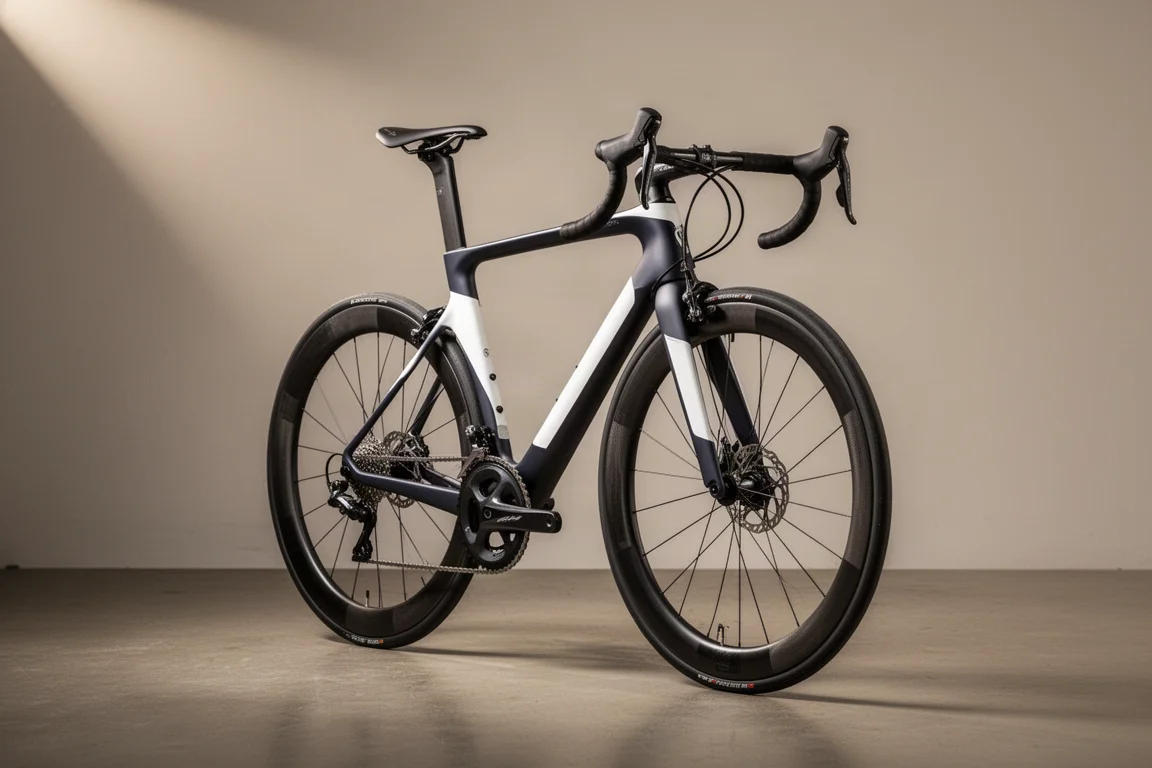
A 20,000-Mile Budget Race Bike Build: Five Parts Worth Knowing
A rim brake race bike assembled from low-cost components and ridden for 20,000 miles. Here is what delivered real speed, what caused problems, and what to weigh before copying the formula.
Cycling Components
7 Bike Fit Products Fitters Avoid: What to Check Before You Buy
Seven bike components that regularly cause knee, foot and saddle problems, with the specific concerns behind each one and what to look for instead.
Cycling Components
Four Affordable Bike Upgrades That Improve Ride Feel
Four low-cost cycling products that make a real difference to ride feel, plus the free setup changes worth trying first.