Backpacking Gear
Best Big Three Backpacking Gear: Quality Shelter, Sleep, and Carry Picks
Five backpacking big three picks covering shelter, sleep, and carry, with the strengths, the trade-offs, and the prices behind each one.
Introduction
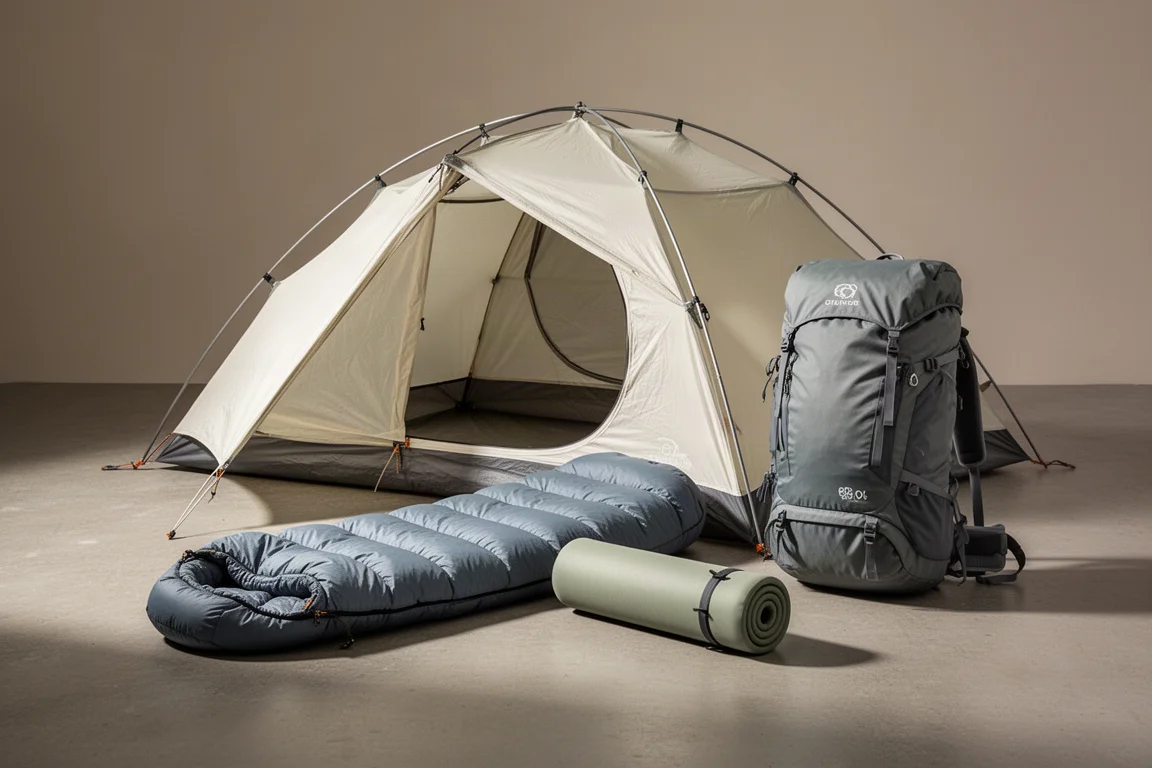
The big three, meaning shelter, sleep system, and backpack, decide how a trip actually feels. They set the weight on your shoulders, the warmth through the night, and how quickly camp comes together when the weather turns.
This list sits above the entry level. These are not the cheapest options on the market, and they are not trying to be. They are the tier where better materials, cleaner construction, and real company support justify the extra spend, which makes them sensible picks for anyone upgrading an older kit or building a setup meant to last several seasons. Prices below reflect manufacturer list pricing at the time, and several of these items turn up at a discount if you keep an eye out.
How to Think About the Big Three
Weight, warmth, and carrying comfort rarely improve all at once, so it helps to decide which of the three matters most for the trips you actually take. A shelter that pitches in tight spaces matters more on a busy trail. A warmer bag matters more on cold-weather outings. A pack with more pockets matters more if you like organization over minimalism.
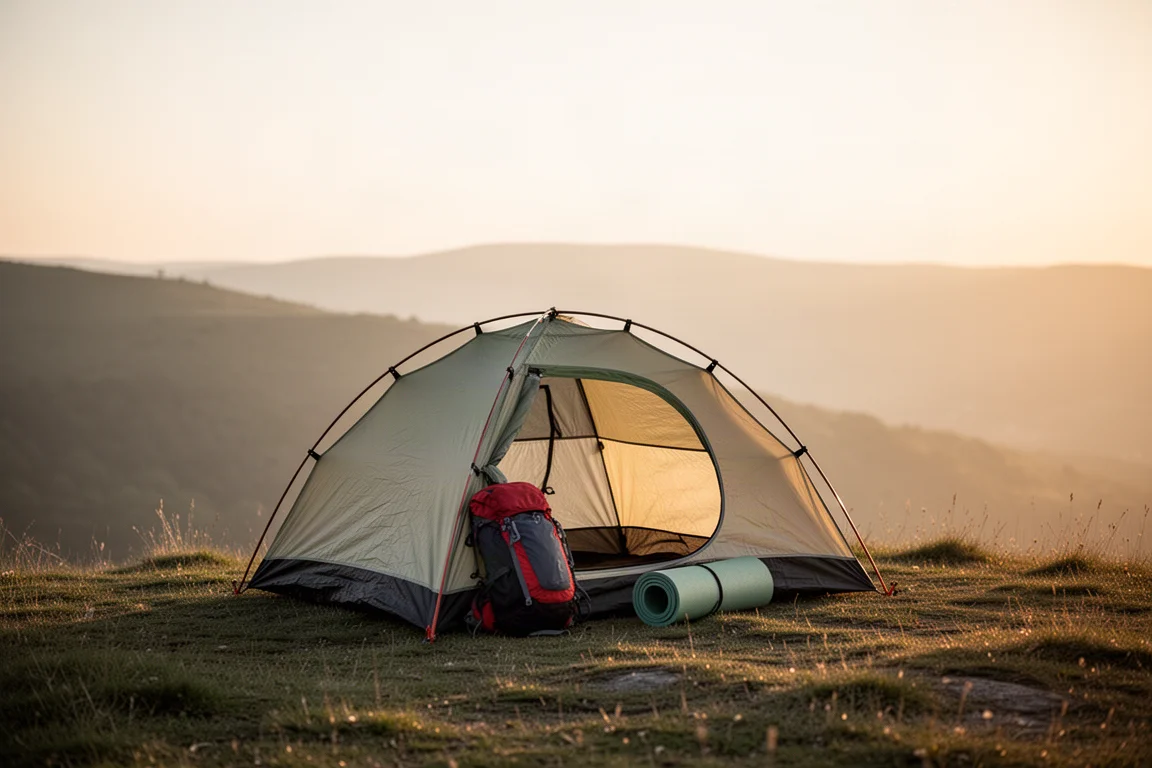
Each pick below has a clear role and a trade-off worth understanding before you commit. Read the trade-offs first, then decide which ones you can live with.
Nemo Hornet: The All-Rounder Shelter
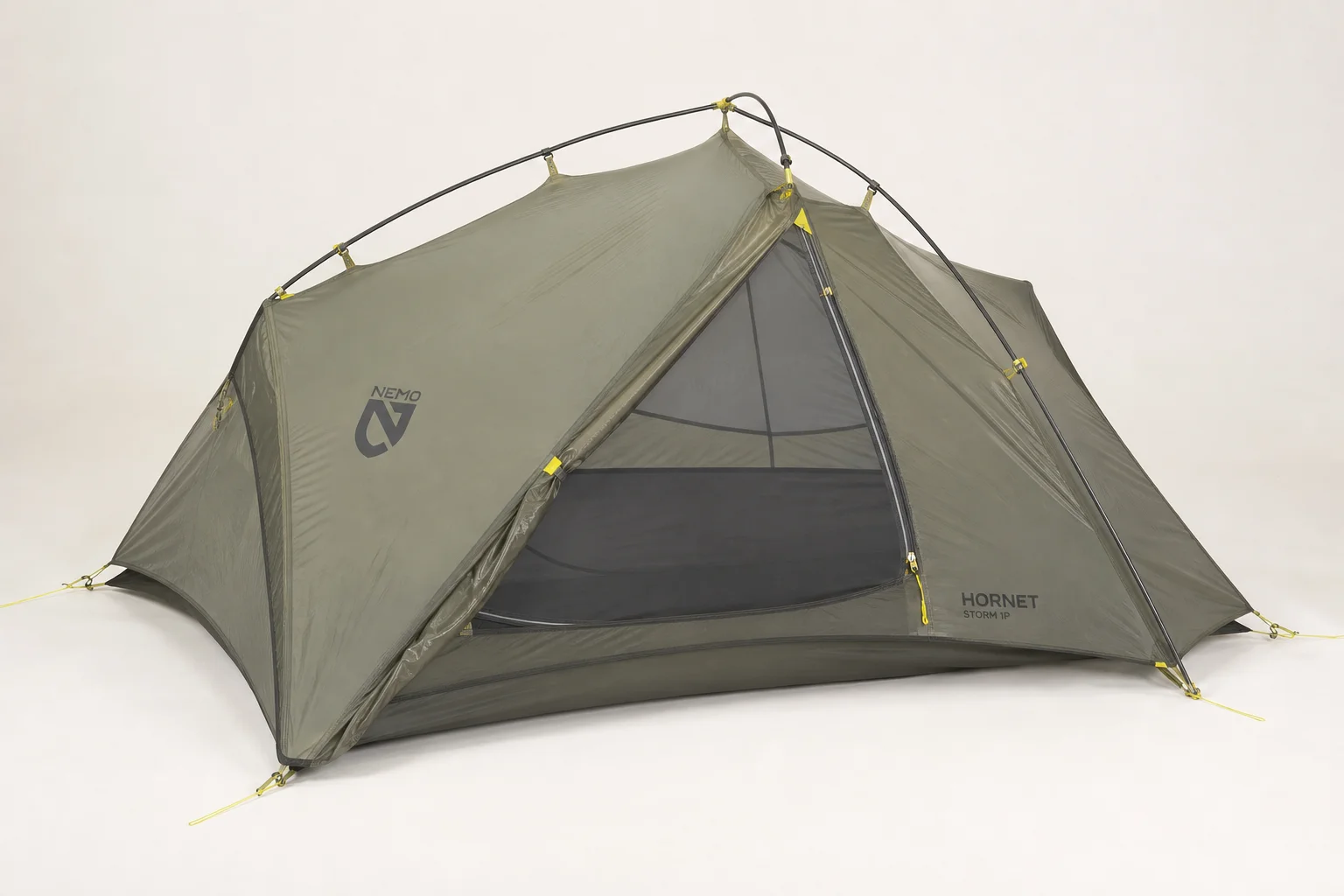
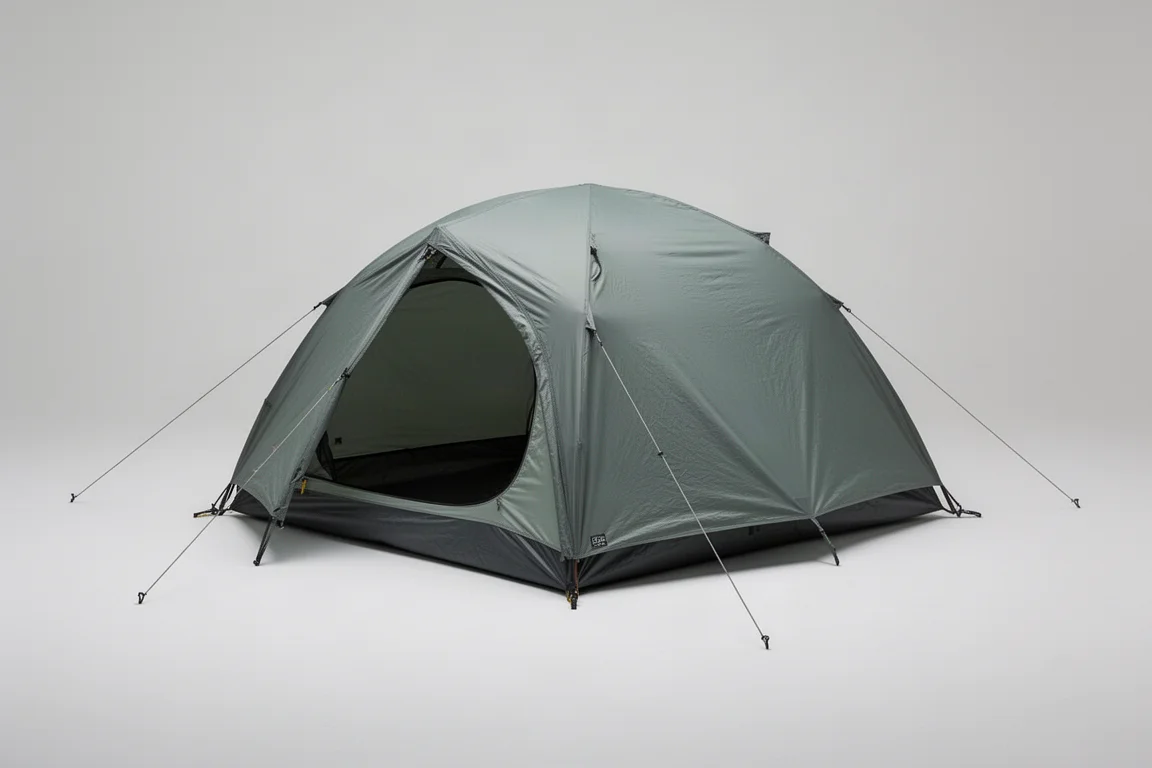
The Nemo Hornet is the shelter to look at first if you want a lightweight tent that still behaves like a proper tent. It comes in one-person and two-person versions. The two-person model weighs 2 pounds 6 ounces and lists at $369 at full price, and it is semi-freestanding, which keeps pitching simple without adding much bulk.
The one real complaint is the narrow head end. Solo, the two-person version works well; with two people inside it feels cramped. The one-person version drops to roughly 2 pounds, but it also loses a door and a vestibule, so there is less room and less covered storage.
The footprint is small, and that is one of the strongest arguments for it. It slots into tight pitches that larger tents cannot use, which matters on popular trails and in wooded sites. Add in the warranty and the company standing behind it, and the Hornet reads as a fair price for the weight and build quality.
Nemo Hornet Elite: The Ultralight Upgrade
The Nemo Hornet Elite is the version to consider when weight is the priority and budget is not. It lists at $500, and the two-person model weighs around 2 pounds. That is a meaningful drop from the standard Hornet for anyone counting ounces on long days.
This is not a budget tent and it does not pretend to be. It makes sense for backpackers who already know they want a semi-freestanding shelter and are willing to pay for the lightest expression of that design.
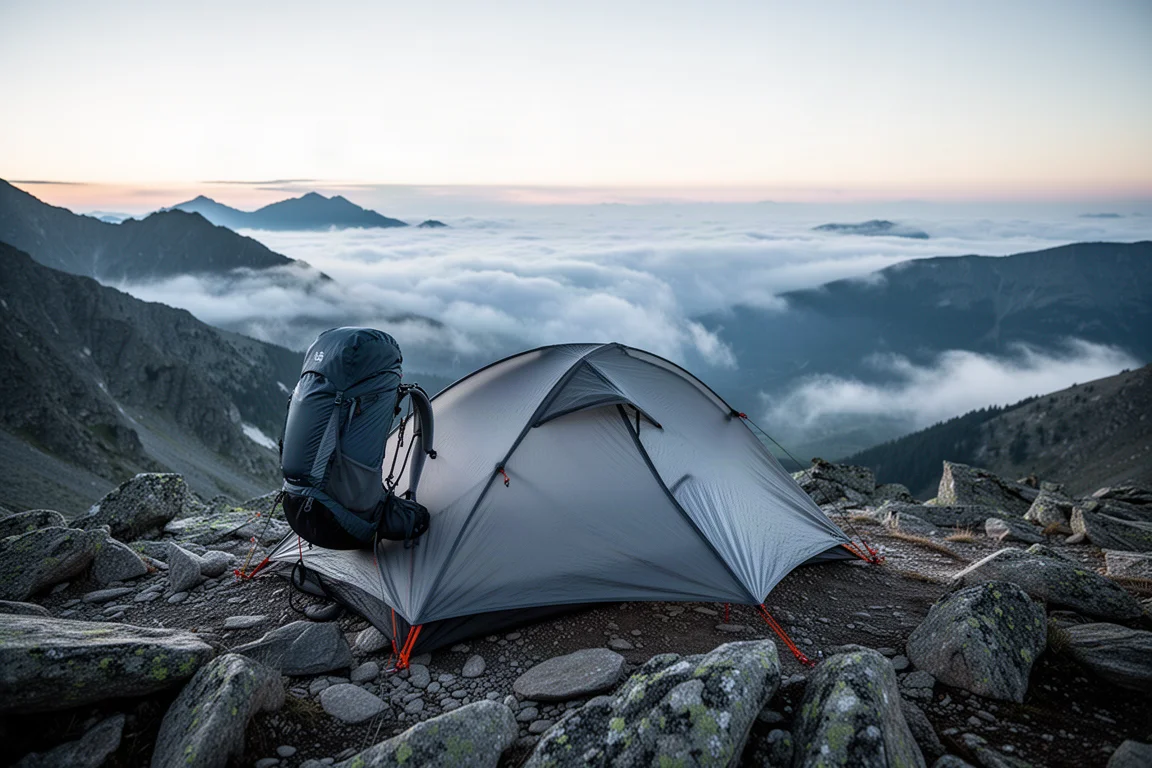
If the standard Hornet already meets your weight target, the Elite is a difficult upgrade to justify. If every ounce counts and the budget allows it, this is the version that delivers the lightest package.
Kelty Cosmic Down 20: Warmth Without the Premium
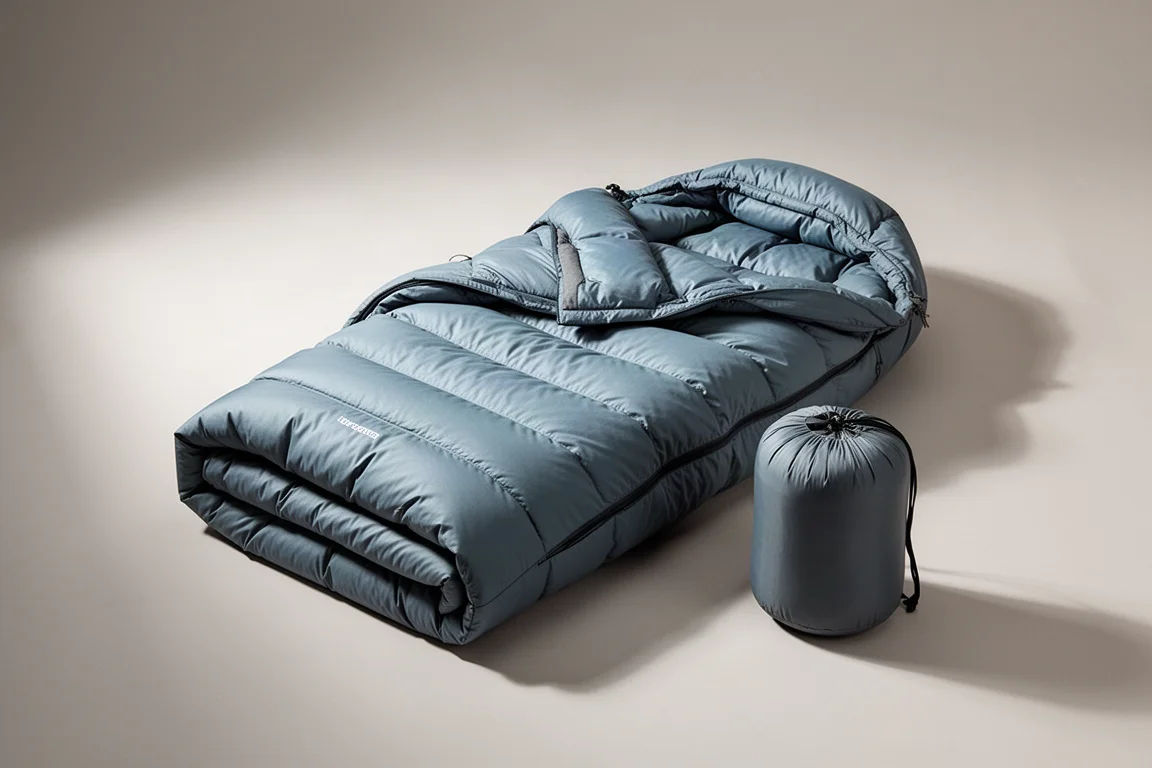
The Kelty Cosmic Down 20 is the clearest value on this list. It sells at a low price, but nothing about the build reads as cheap gear. The interior is roomy enough to roll over and shift position without leaving a large pocket of dead air around you.
Its 20-degree rating translates to comfortable use down to around 32 degrees, which is the normal and honest gap between a bag’s rating and its real-world comfort. It uses 600 fill down and includes a hood, a small internal pocket for stashing small items, and a vent at the feet for warmer nights.
It is priced well below what the specification suggests it could command. Comparable bags with similar warmth-to-weight numbers often cost around $100 more. Taken together, warmth, weight, and price make this one of the strongest picks available.
Klymit Static V2: An Affordable Sleeping Pad
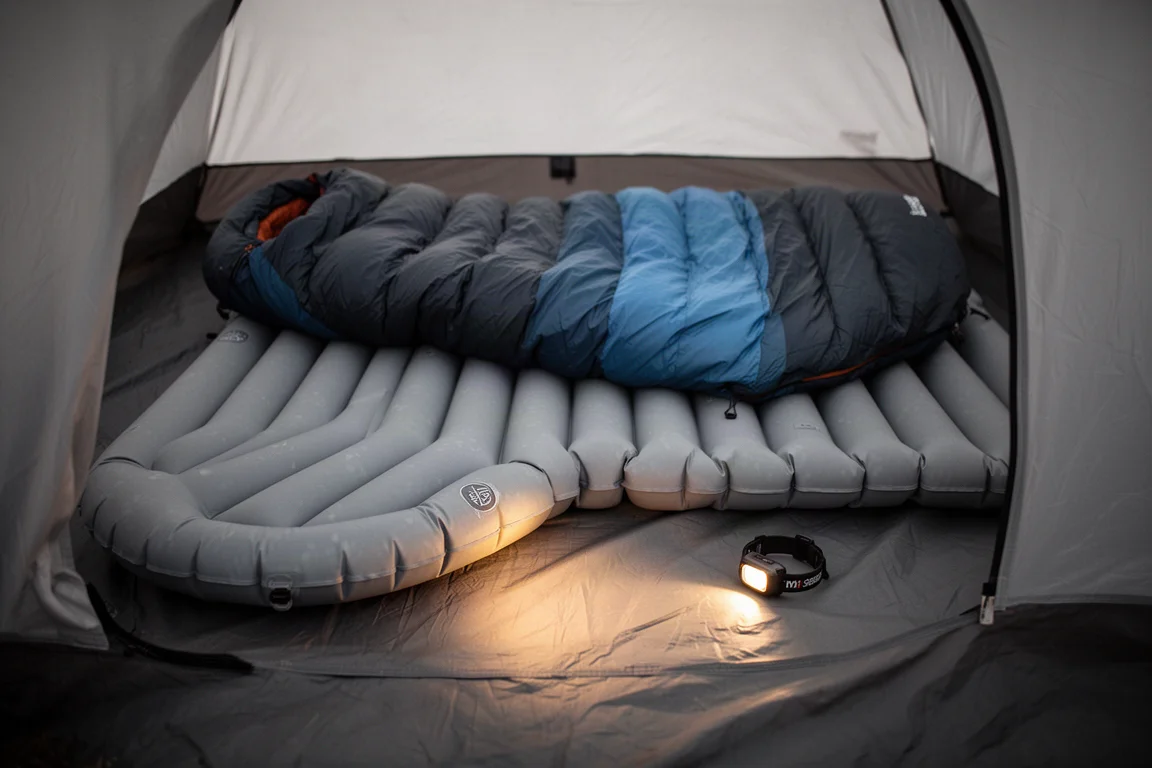
The Klymit Static V2 is a lightweight pad at a genuinely low price. It weighs 16.6 ounces and uses 30D polyester, which was beefed up for this second version to improve durability. The V-shaped baffles give the pad its name and its shape, and the valve system handles both inflation and deflation.
At $65 it undercuts almost everything comparable. The only cheaper options tend to be unbranded pads, and this one is the better buy on both durability and comfort. The pad is 23 inches wide, which is narrower than some sleepers prefer but wider than the 20-inch pads many backpackers use. Side sleeping worked without hips contacting the ground.
The catch is insulation. A 1.3 R-value makes this a warm-weather pad rather than a three-season one.
For colder trips, the insulated version of the same pad weighs 1 pound 3.6 ounces, carries a 4.4 R-value at the same width, and costs $100. It is unlikely to match the comfort of premium insulated pads, but it saves roughly $80 against them while offering a higher R-value, which makes it a reasonable middle path.
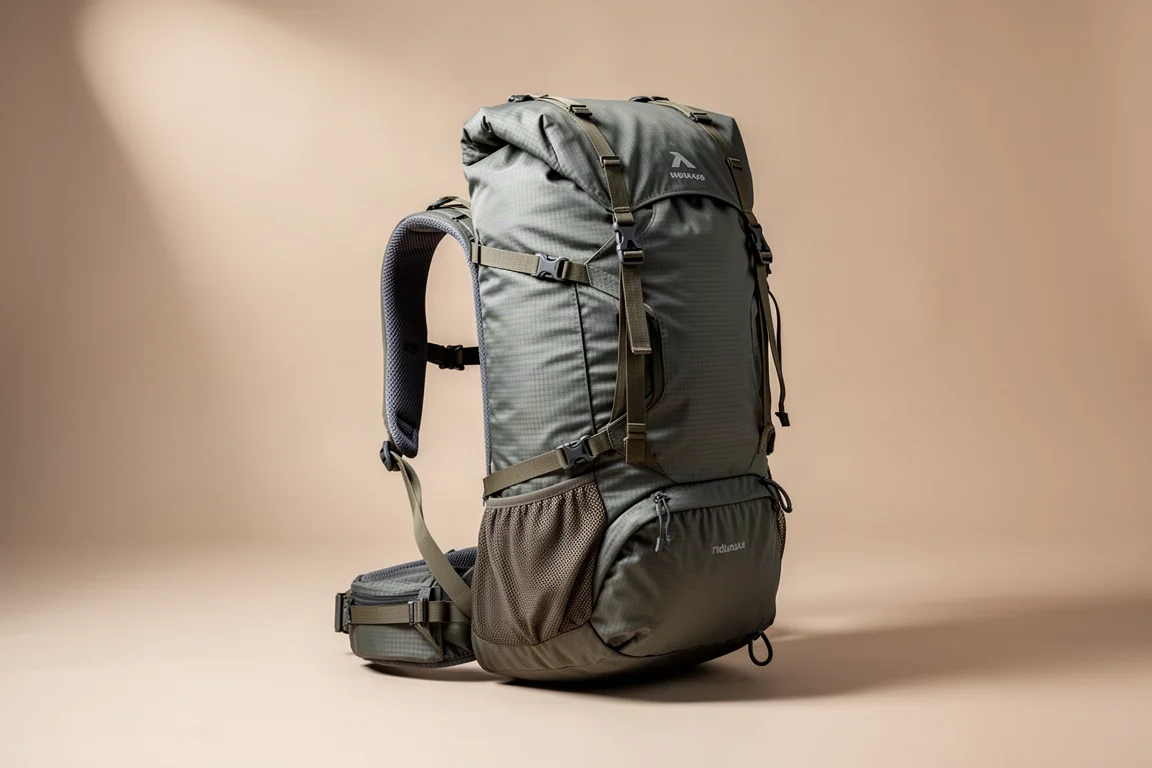
Granite Gear Crown2 60: Organized Capacity
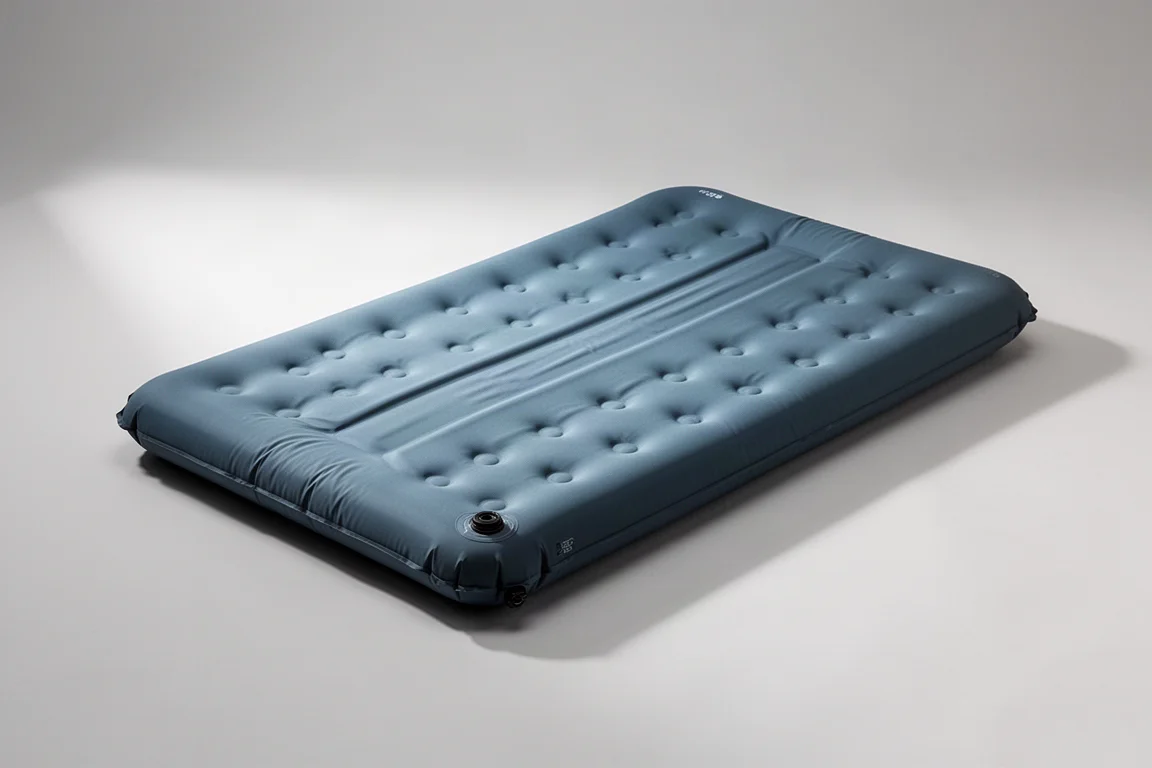
The Granite Gear Crown2 60 is the pick for backpackers who want more structure than a minimalist ultralight pack offers. It carries noticeably more pockets and organization than a stripped-back duffel-style pack, which suits anyone who likes gear separated and easy to reach.
It weighs 2 pounds 3 ounces and holds 60 liters, enough to cram in a full load, and it handles a decent amount of weight without complaint. The list price is around $200, and it frequently turns up discounted. A limited color version has appeared at 25 percent off, though that kind of pricing comes and goes.
Buying Advice
Start with the piece you will notice most. If you hike busy trails and often squeeze into small pitches, the Hornet’s compact footprint earns its place, and the two-person version is comfortable for one person who wants a little extra room. If weight is the deciding factor and the budget allows it, the Elite is the lighter version of the same idea.
For sleep, the Kelty Cosmic Down 20 covers three-season nights at a price that leaves room in the budget for the rest of the kit. Pair it with the Klymit Static V2 for summer trips, or step up to the insulated version of that pad when overnight temperatures drop.
For carrying, the Crown2 60 suits anyone who prefers an organized pack over a stripped-down one, and its list price is fair before any discount is applied. None of these are the cheapest options available, and that is the point. They are the tier where durability and support justify the spend, so you buy once and carry the same kit for years.
Conclusion
A good big three does not have to be the most expensive big three. It has to match the trips you take and the weight you are willing to carry. The Hornet and Hornet Elite cover the shelter decision at two price points, the Cosmic Down 20 delivers down warmth without a premium, the Static V2 keeps the sleep system light and affordable for warm weather, and the Crown2 60 gives organized backpackers a 60-liter option that is often discounted. Pick the pieces that fit your conditions, and the kit will keep working long after the price is forgotten.
Further reading
Related Reviews

Backpacking Gear
Building a 10 lb Base Weight: An Ultralight Backpacking Gear List
A practical walkthrough of the ultralight pieces behind a 10 lb base weight, from a 765 g pack and a roomy one-person tent to a full camp chair and a dependable water filter.
Backpacking Gear
A 15-Pound Lightweight Backpacking Gear List for Solo Trips
A beginner-friendly 15-pound backpacking setup built from easy-to-find gear, with notes on what each piece does, how it packs, and where to spend your attention.
Backpacking Gear
8 Ultralight Backpacking Gear Upgrades Worth Carrying
Eight small, affordable backpacking upgrades that solve real trail annoyances, from a pillow that stays put to a fuel valve that rescues leftover canister gas.