Astronomy
Best Telescopes for Every Budget: A Practical Holiday Buying Guide
From a first telescope for kids under $100 to a complete deep sky imaging rig, here is how to match the right scope, mount, and accessories to your budget and observing goals.
Introduction
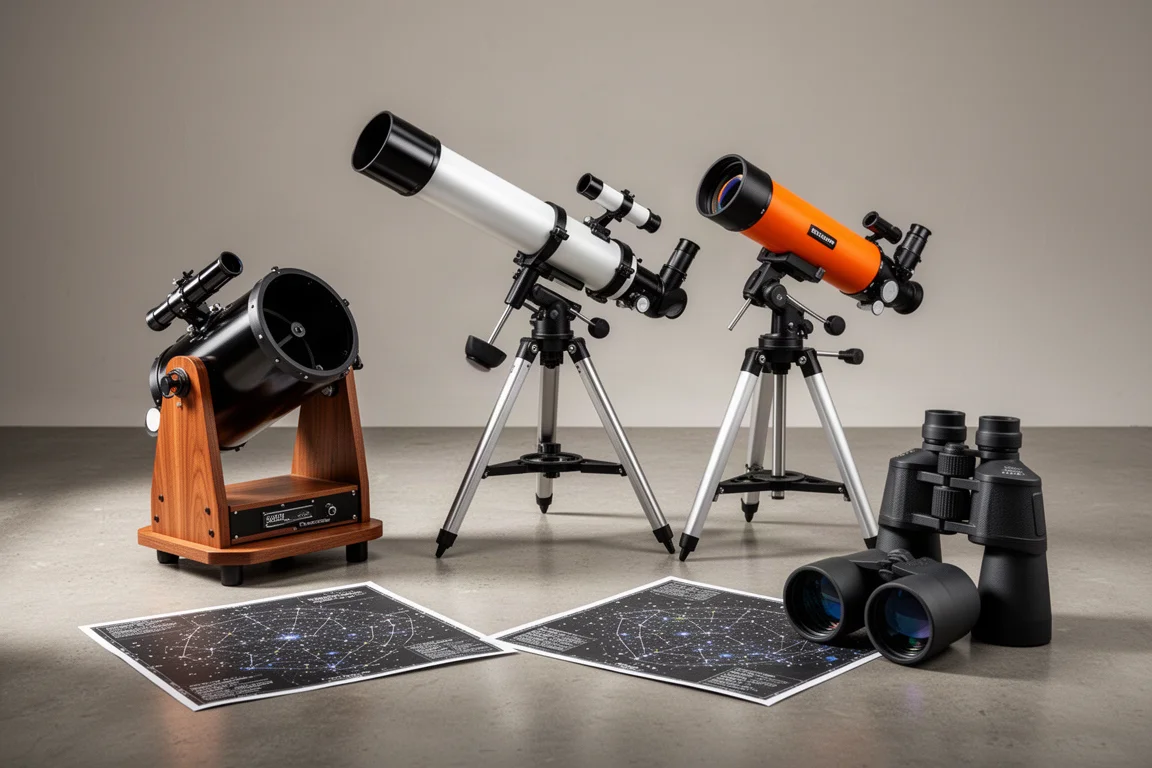
Every holiday season the same question comes up: I am a beginner, my budget is X, what telescope should I buy? It sounds simple, but the answer depends on who is observing, what they want to see, and where they live. This guide walks through proven picks at nearly every price point, from a first scope for a young child to a complete deep sky astrophotography rig.
Before You Buy: The Questions That Decide Everything
Choosing a first telescope is harder than it should be, mostly because of the sheer number of junk telescopes out there with five-star reviews. Before comparing models, answer these questions honestly:
- Who is doing the observing? Is this really for your six-year-old, or is it really for you?
- What are you planning to observe? There is a huge difference between a telescope that can see the Moon, which even a poor telescope can do, and one that can also observe deep sky objects like galaxies and nebulae.
- Where are you observing from? The Moon and planets look the same from downtown or the countryside, but deep sky objects are heavily affected by light pollution.
- Do you plan to take photos? Stargazing and astrophotography are very different hobbies. Some gear overlaps, but for most budgets they do not.
- What is your budget? For the most part, you get what you pay for.
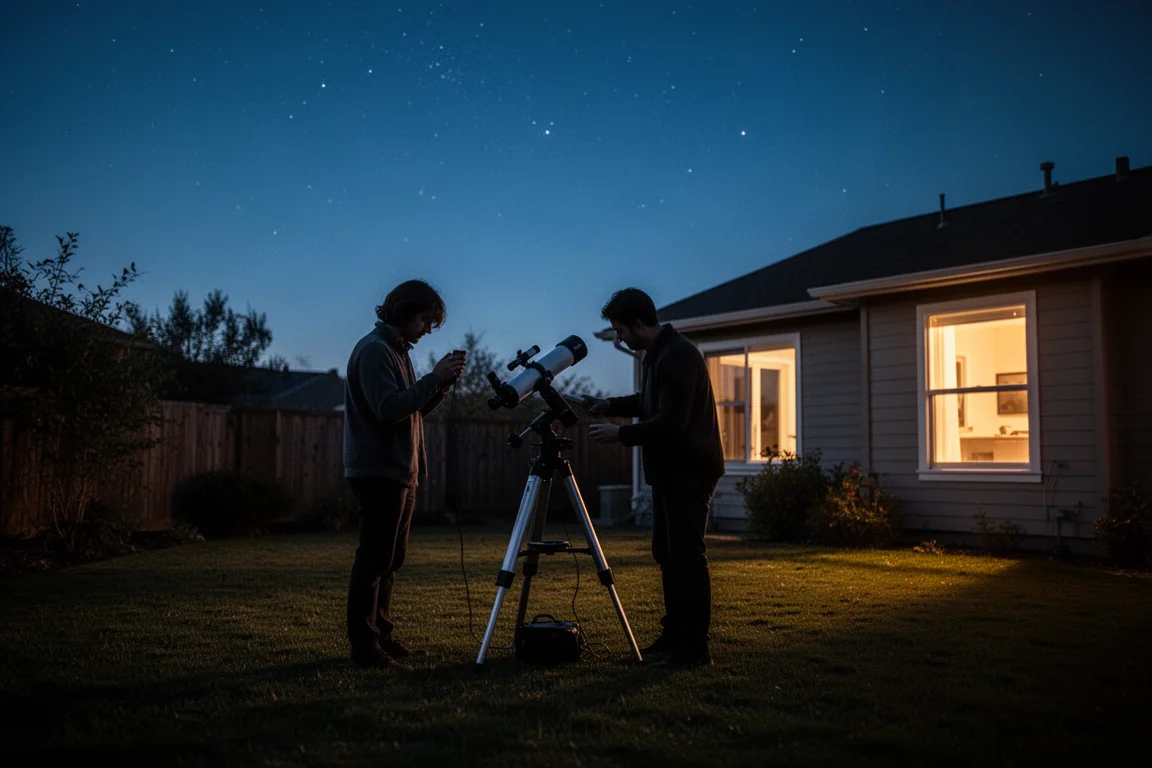
One expectation worth resetting: trying to take good photos with your phone through a $300 telescope is not fun, it is frustrating. And sometimes the telescope you want simply does not exist at your price. A beginner scope that shows close-up views of Saturn, shoots high-definition images of galaxies, and costs $300 is not a real product.
Buying from a dedicated telescope retailer rather than a general marketplace also has real benefits: expert support when you cannot figure out your new scope, and properly matched accessories such as field flatteners and focal reducers.
Best Telescope Under $100 for Kids: Celestron FirstScope
For very young kids who might be interested in only the Moon and maybe Jupiter, and for budgets under $100, the Celestron FirstScope is the main option. Note that the finder is no longer included, so you must buy one separately. With that small addition, it is a simple, honest first telescope for the youngest observers.
Best Telescopes for Kids Around $200
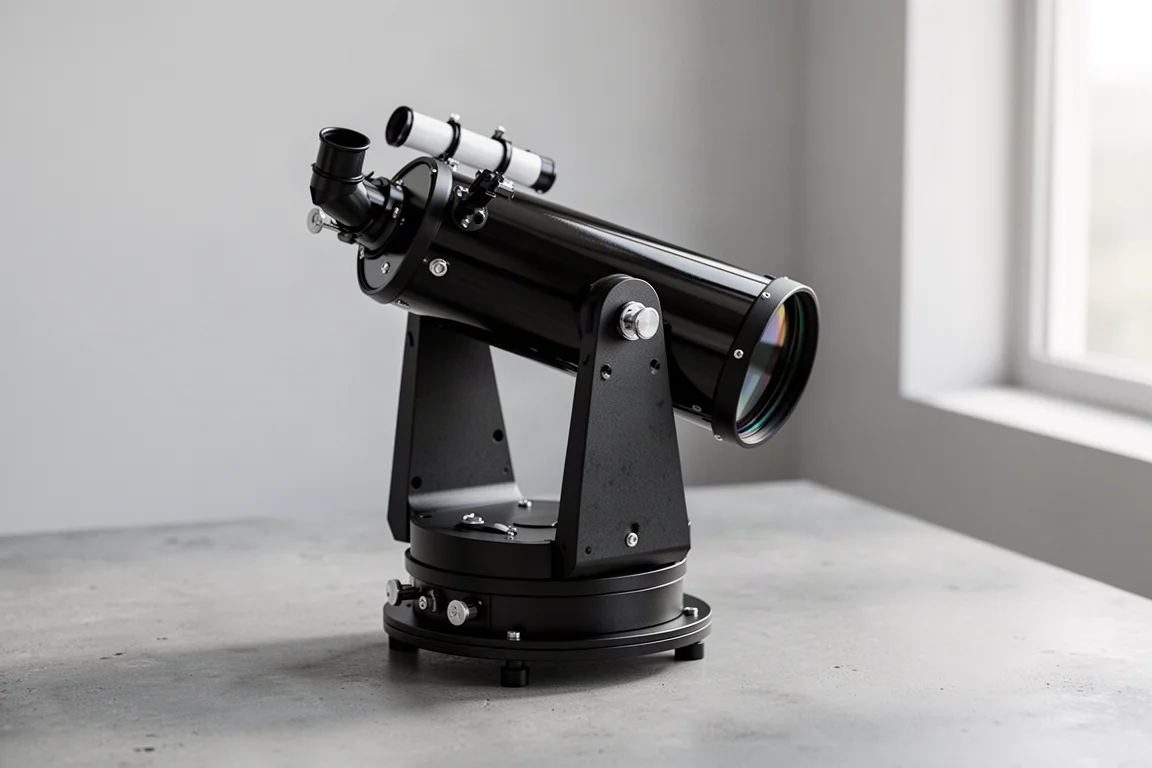
The natural step up from the FirstScope is the Sky-Watcher Heritage series, specifically the Heritage 130 and the larger Heritage 150. These tabletop Dobsonians are easy for kids to handle and offer genuinely good views for the money. For years they have been the reliable recommendation for small children getting started.
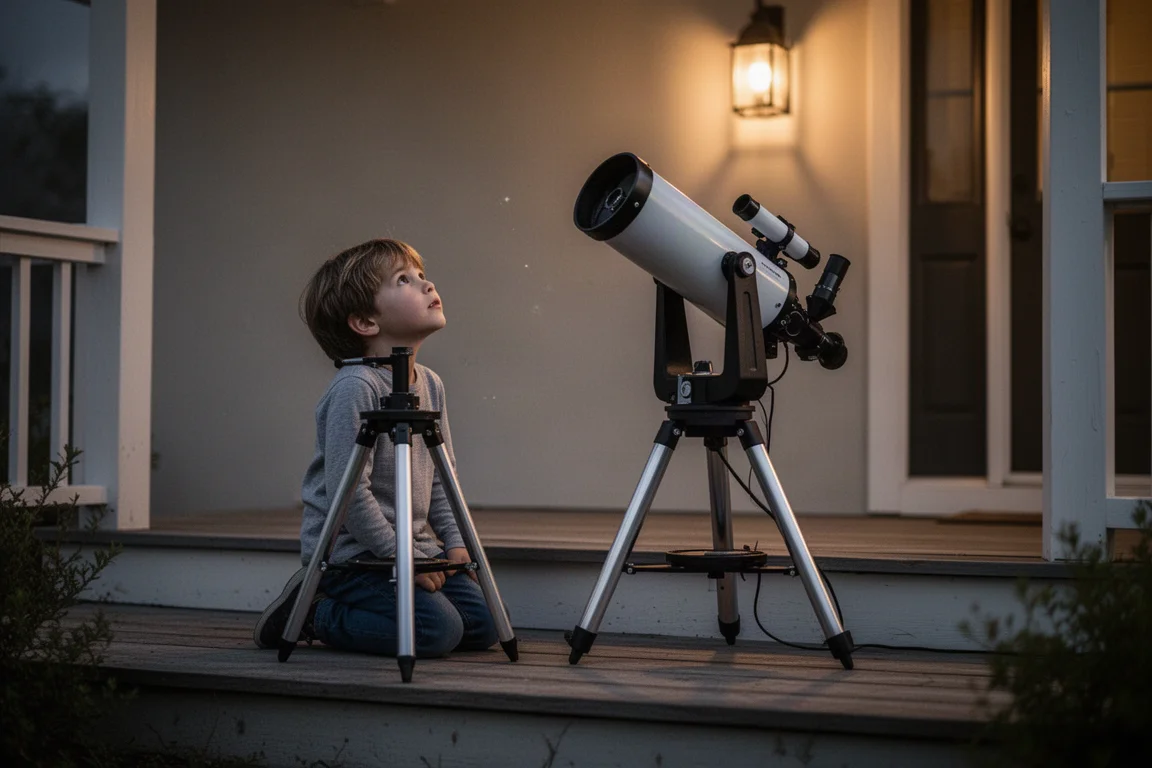
If you can still find an Orion SkyScanner, those were also great telescopes for small kids, though Orion went out of business and stock has become scarce. One warning: avoid the tiny refractors sold on general marketplaces. If a telescope is fixed directly to a tripod, it is designed for looking at bird feeders, not at space.
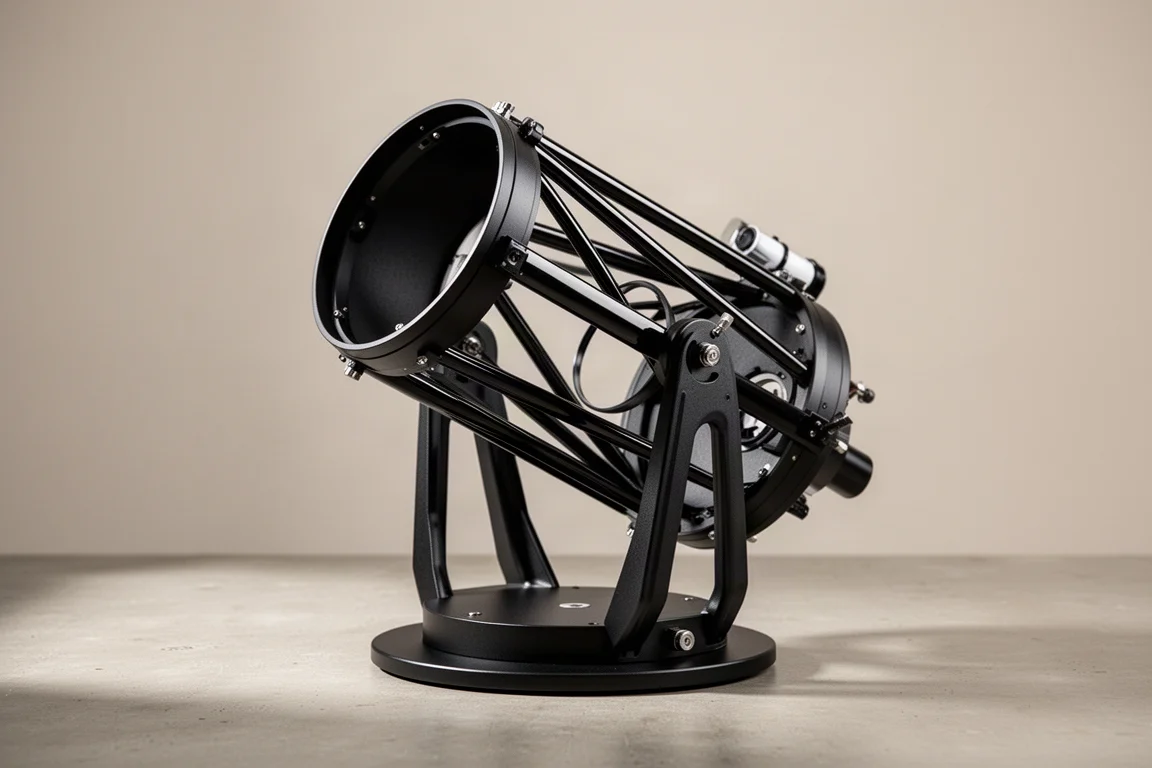
The Heritage 150 gives you more aperture in the same tabletop format, which means brighter views of fainter objects and more magnification headroom for the Moon and planets.
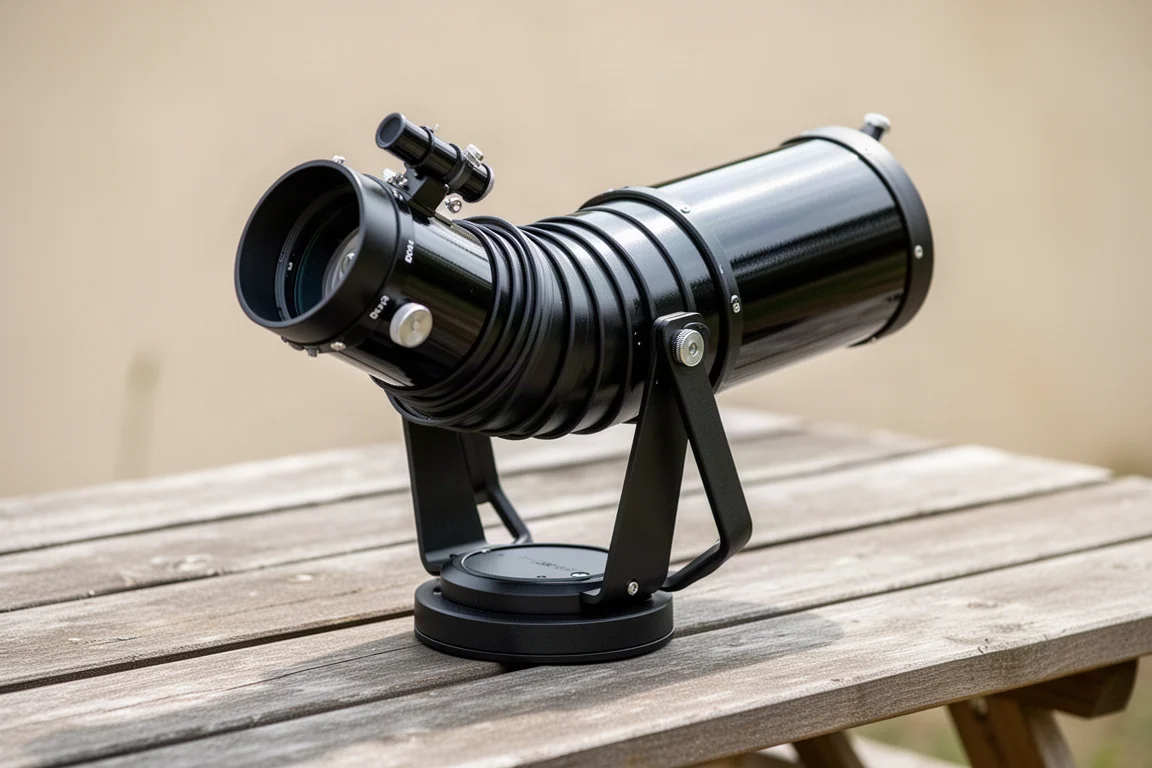
Best Budget Moon and Planet Telescope: Sky-Watcher Skymax 102
If the Moon and planets are the main targets, this is the realm of the Maksutov telescope, and the Sky-Watcher Skymax 102 is a solid example. The long focal length design keeps chromatic aberration away from the Moon and planets, where it is most noticeable. One catch: Maksutov telescopes often do not include a mount, so budget for one. The light and inexpensive Twilight Nano mount works, while the more robust Sky-Watcher AZ5 is a worthwhile upgrade for steadier, more precise pointing.
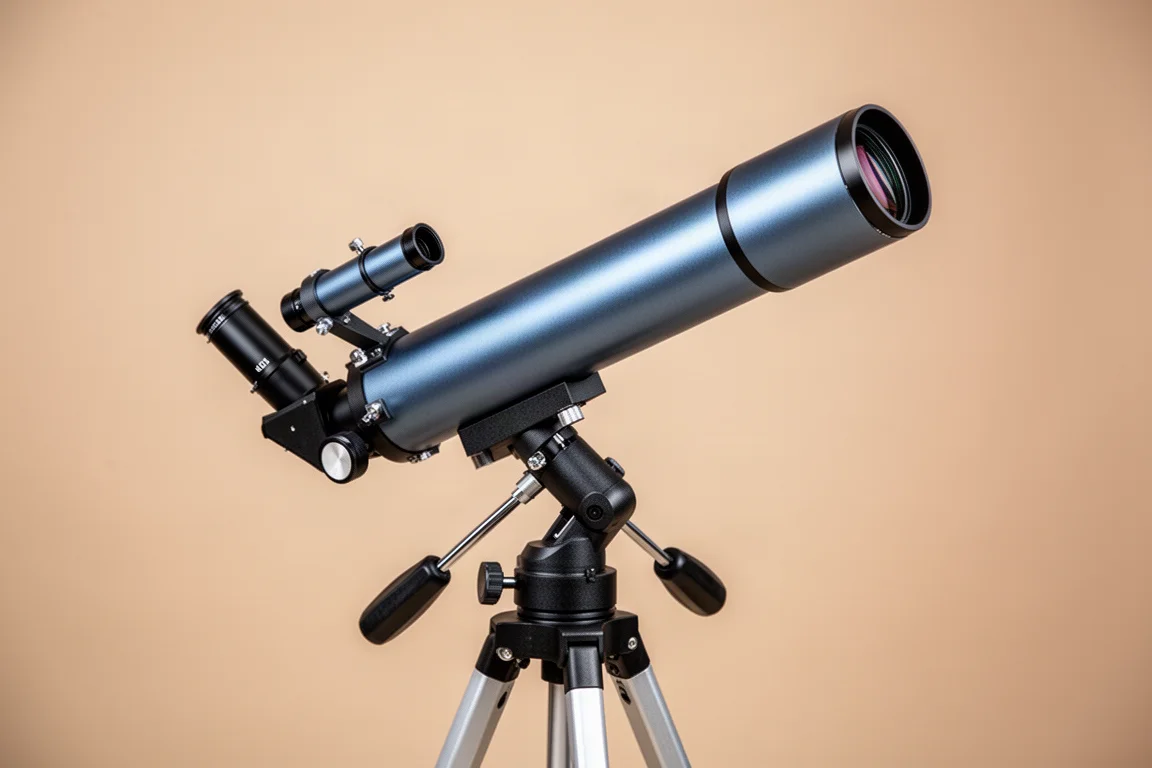
Long-tube refractors such as the Astromaster 90AZ follow the same logic: the longer focal length reduces chromatic aberration. If you only want good views of the Moon without false color, that is fine, but for deep sky objects it is better to put your money toward aperture.
Best Versatile 102mm Refractors: Star Travel 102 and StarSense 102 DX
Beyond the tabletop Dobsonians, 102mm refractors are a category worth serious attention. The Sky-Watcher Star Travel 102 has been called a forever telescope, and for good reason. Its 2-inch focuser supports 2-inch diagonals and eyepieces out of the box, it is excellent for landscape observing, and for astronomy it just needs a 90-degree diagonal added. It is one of the few telescopes that can genuinely grow with you.
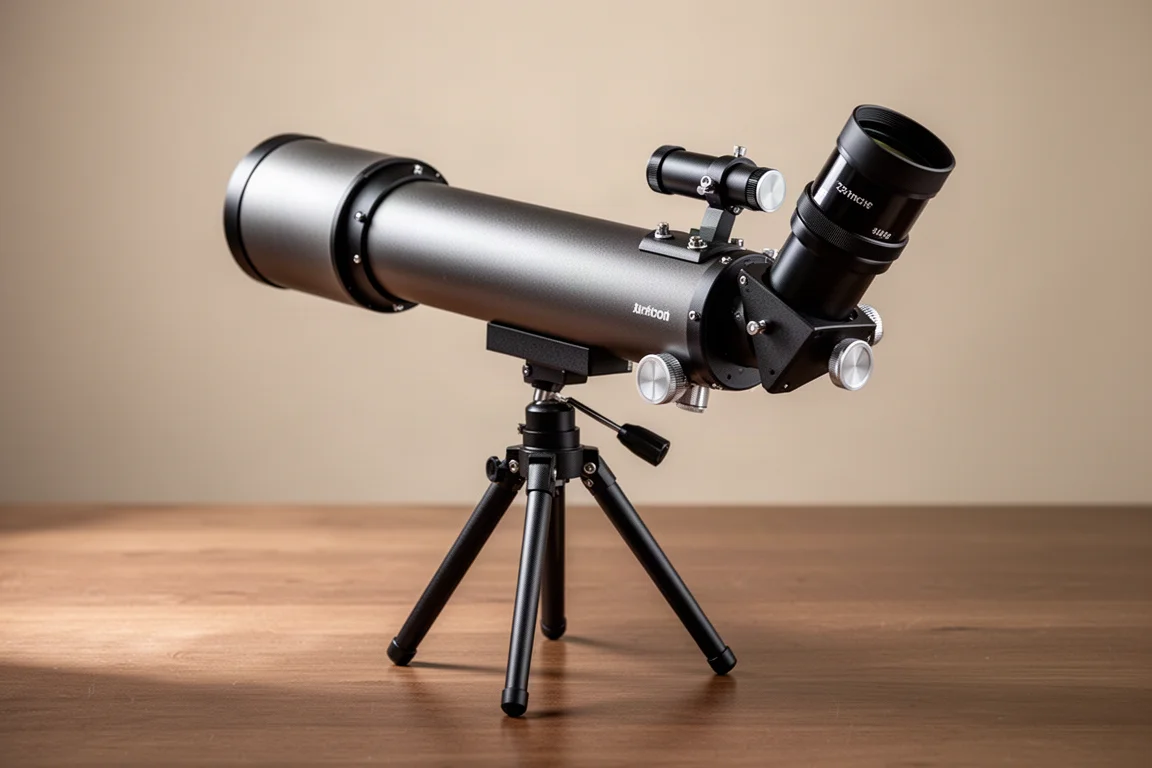
The Celestron StarSense 102 DX takes a different route to the same aperture. StarSense uses your phone to help you find targets, telling you which way to push the telescope. It makes finding deep sky objects remarkably easy, and it is a lot of fun to use. For beginners who worry about getting lost in the sky, this technology removes the biggest early frustration.
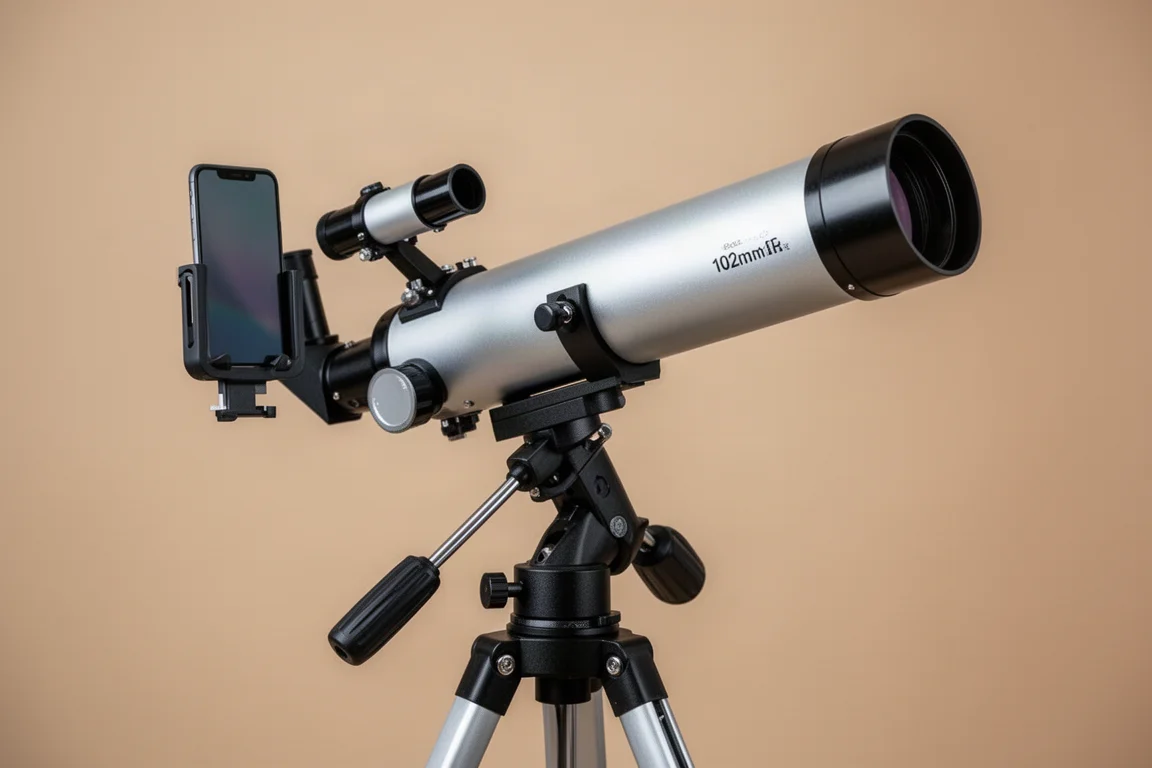
Worth knowing: Costco sometimes carries its own 102mm refractors that are not advertised online, and they have occasionally dropped below $200 in store. Extensive testing found they subjectively outperform 130mm Newtonians in optical quality, which makes them an interesting budget alternative if your local store has them.
Eyepieces and Phone Adapters Worth Adding
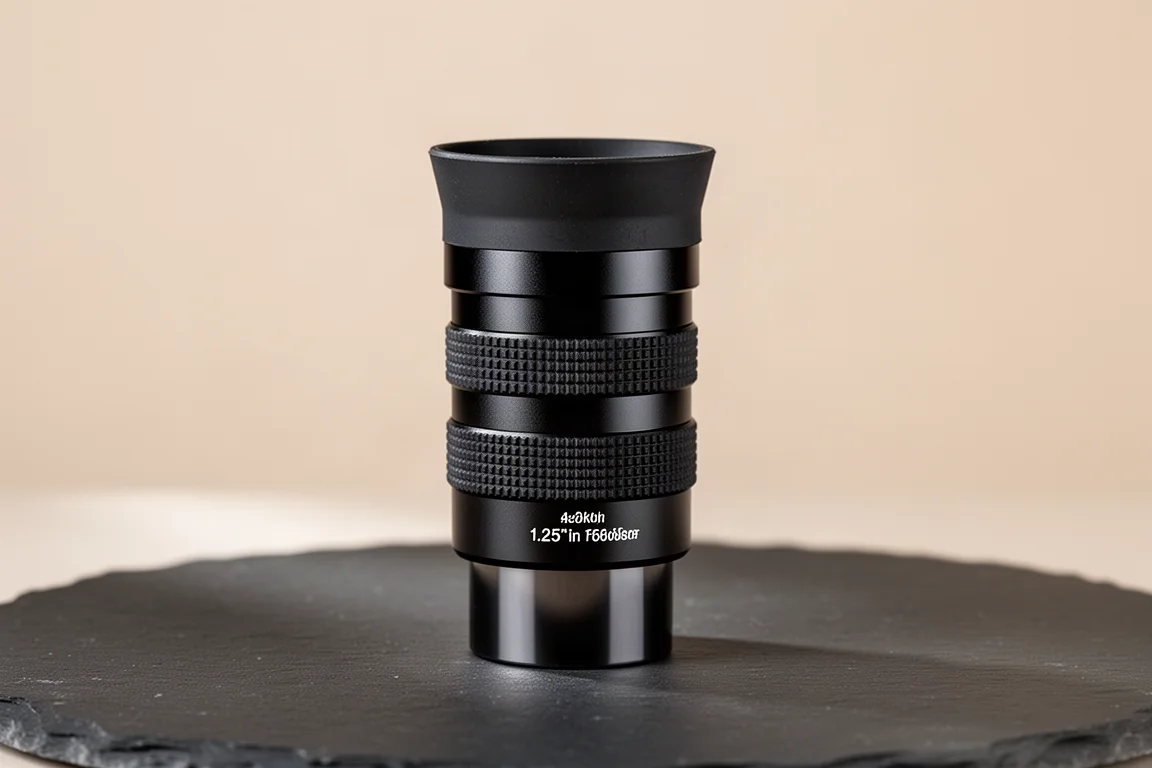
Many telescopes do not come with high-quality eyepieces, and the standard advice is to upgrade them while keeping the same focal lengths. As an example, a telescope that ships with 25mm and 10mm eyepieces benefits enormously from replacing the 10mm with a high-quality option like the Baader Hyperion 10mm, which delivers a much larger field of view, better eye relief, and higher contrast thanks to superior optics.
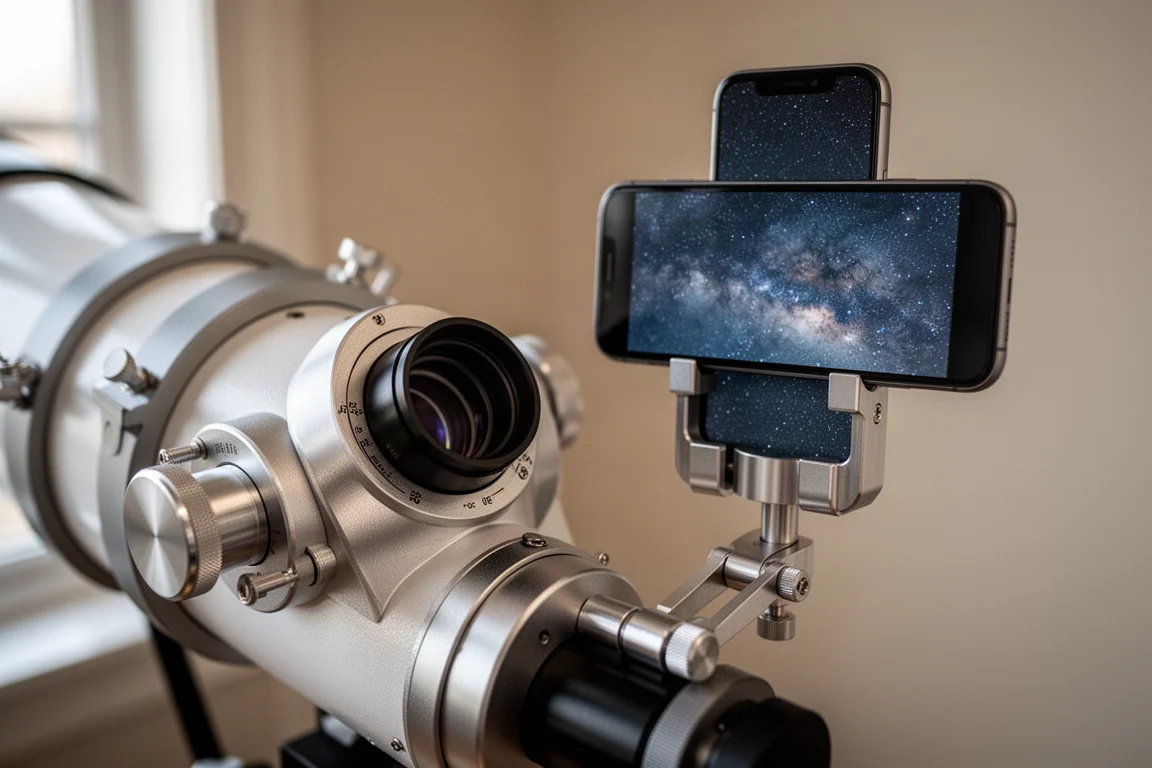
If you only want more magnification, a generic 2x Barlow may be all you need, but a zoom eyepiece gives you much better control. Zoom eyepieces follow the usual rule: around $100 is good, around $300 is great.
For photographing the Moon with a phone through almost any telescope, the Celestron NexYZ is the only phone adapter found to actually work without causing stress. Holding the phone securely in place saves an enormous amount of fiddling at the eyepiece.
Best Under $100 for Deep Sky: Celestron SkyMaster Binoculars
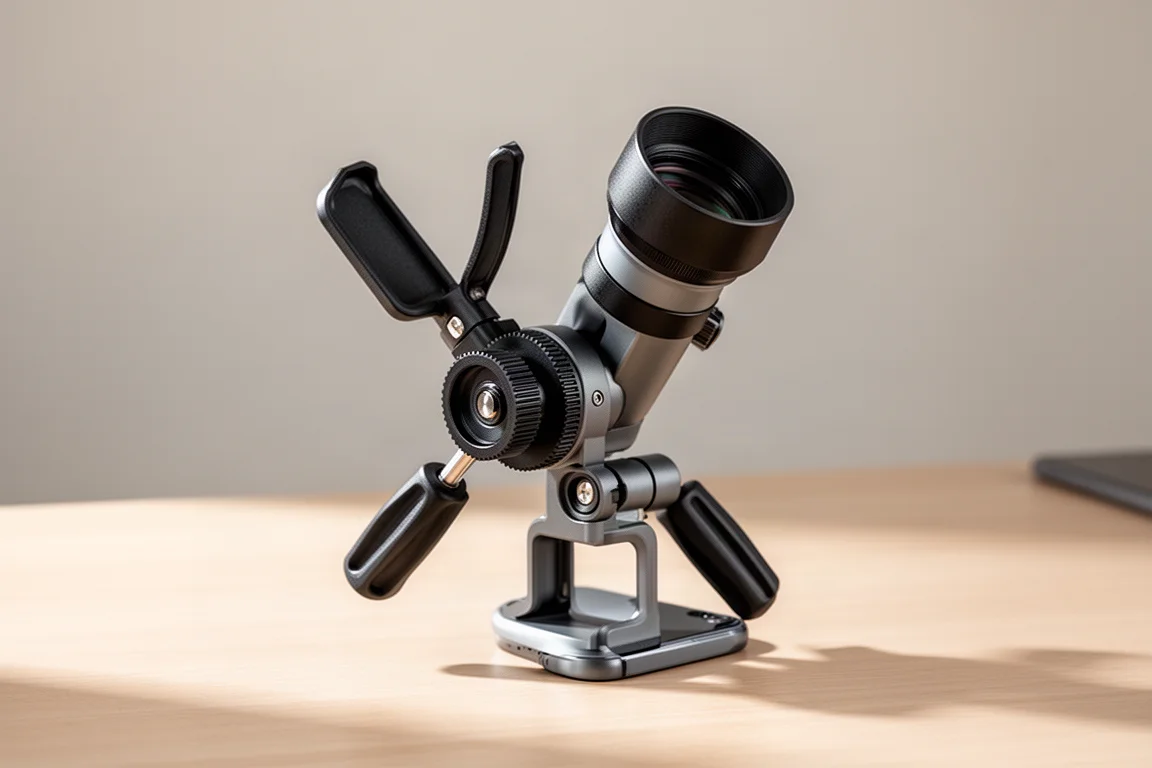
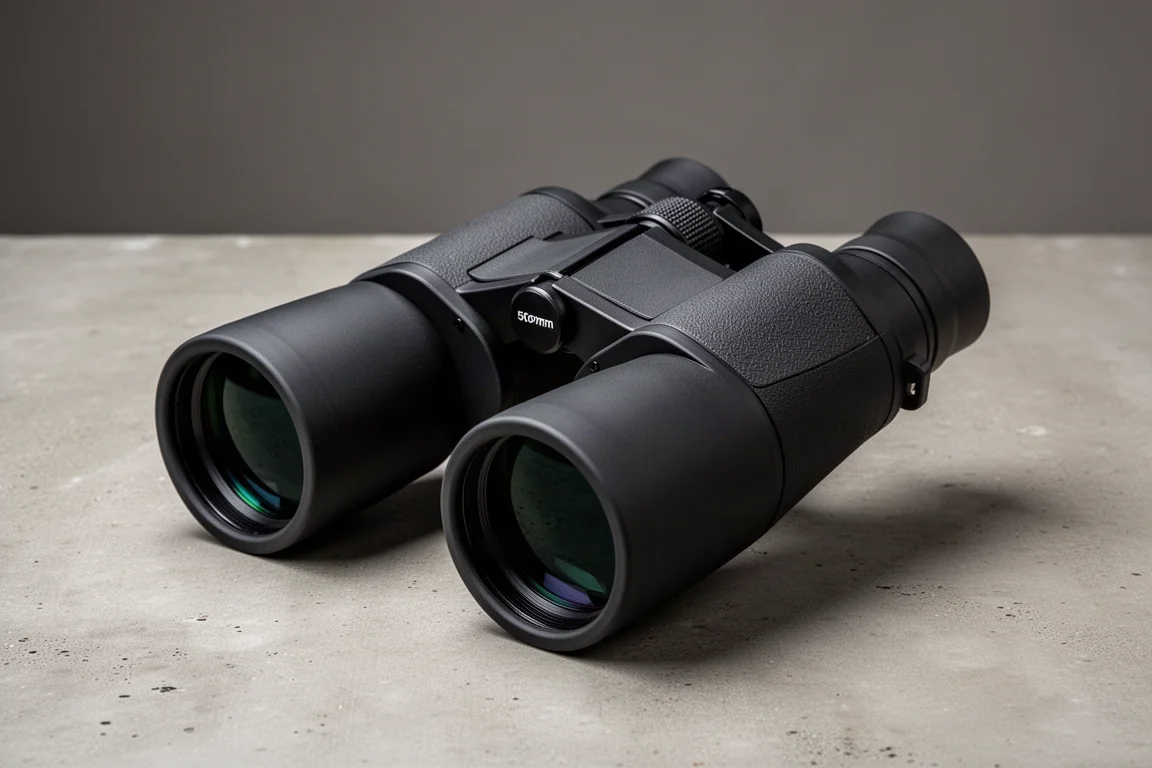
If your budget is around $100 and you want to observe deep sky objects, the best telescope is no telescope. You are far better off investing in a good pair of binoculars. A basic pair of 7x50s shows a surprising amount, and astronomy binoculars like the Celestron SkyMaster series can also be found for around $100. Using them on a tripod helps a great deal; a nice camera tripod or monopod works fine, though you may need an adapter costing $20 to $30 to fit the binoculars.
For around $200, the same Costco 102mm refractor option or, once again, the Sky-Watcher Heritage series are both reasonable deep sky choices on a tight budget.
Under $500 for Deep Sky: Newtonians and Portable Apos
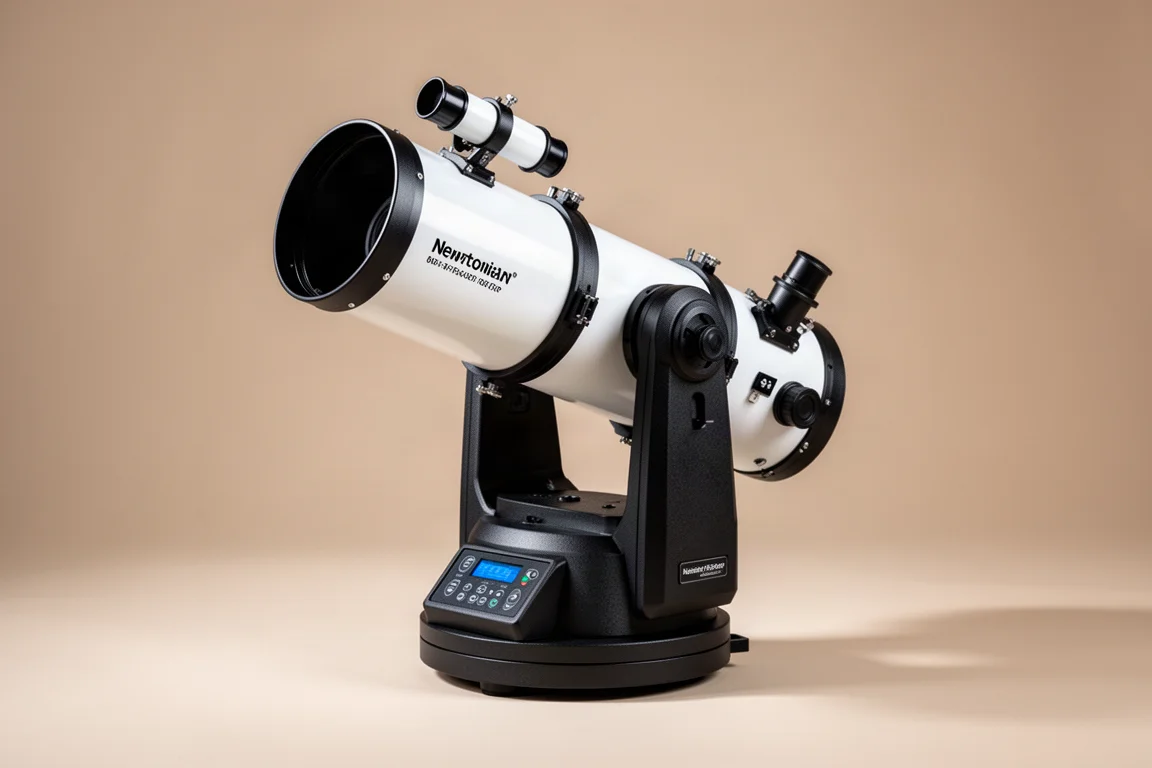
Below $500, deep sky observers have several strong paths. Newtonian fans should look at the Sky-Watcher Virtuoso GTI 150p, which pairs useful aperture with a go-to mount. Refractor fans should consider the higher-quality options already mentioned, like the Star Travel 102 or the StarSense 102 DX.
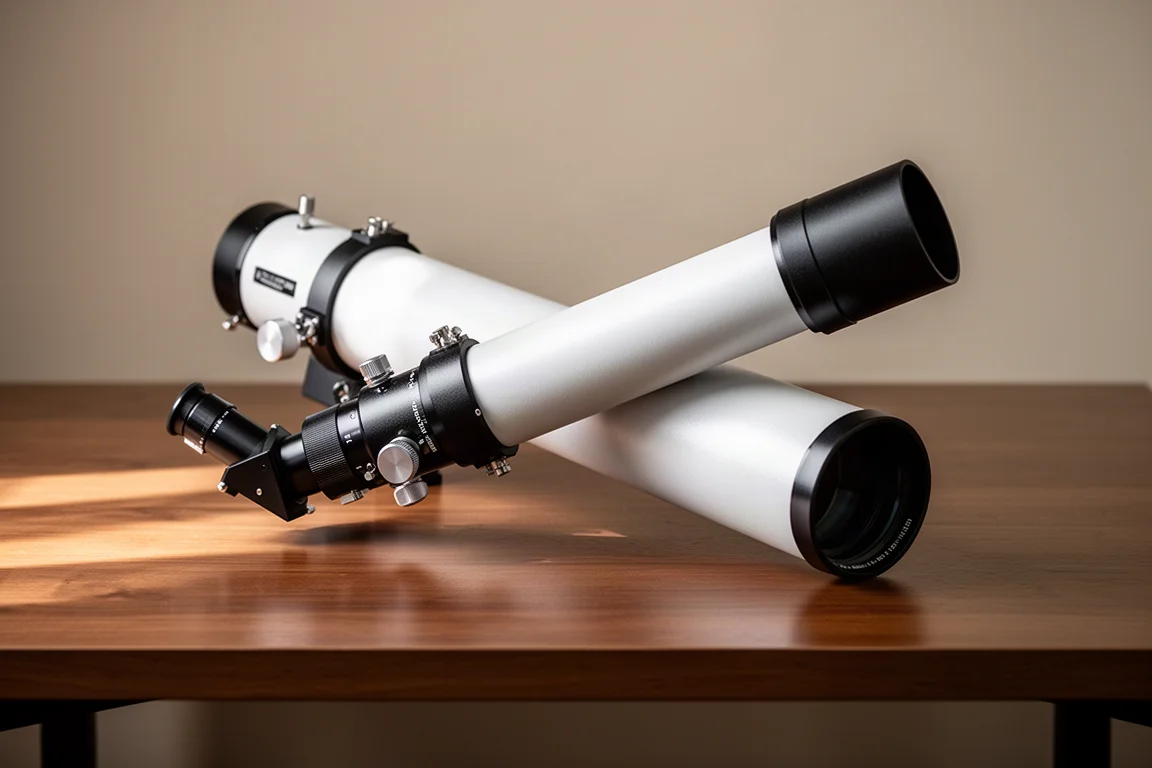
If you have dark skies and want a high-quality portable refractor that might later become part of an astrophotography rig, scopes like the Sky-Watcher EvoStar 72 ED apo refractor and others in the EvoStar series come into play. Note that these optical tubes do not come with a mount, and you need to buy the diagonal, eyepiece, and finder separately.
Larger Budgets for Visual Observing: 5SE, DX5, and FirstLight 102
With a budget nearing $1,000 and a focus on the Moon and planets, catadiotrope-style telescopes enter the picture, starting with the Celestron NexStar 5SE. The rule of thumb is simple: buy the biggest aperture your budget allows.
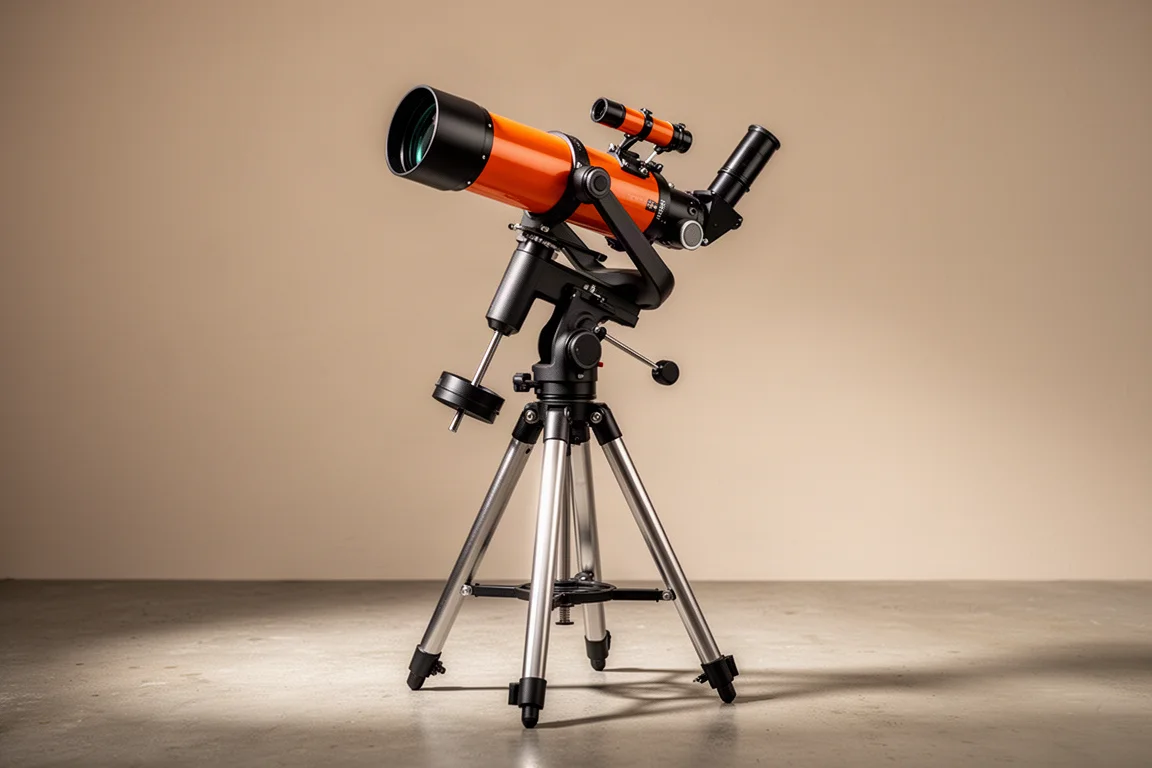
For a very portable telescope that handles both planets and deep sky objects, the Celestron StarSense DX5 is a strong pick, and a step up in budget leads to the NexStar Evolution series.
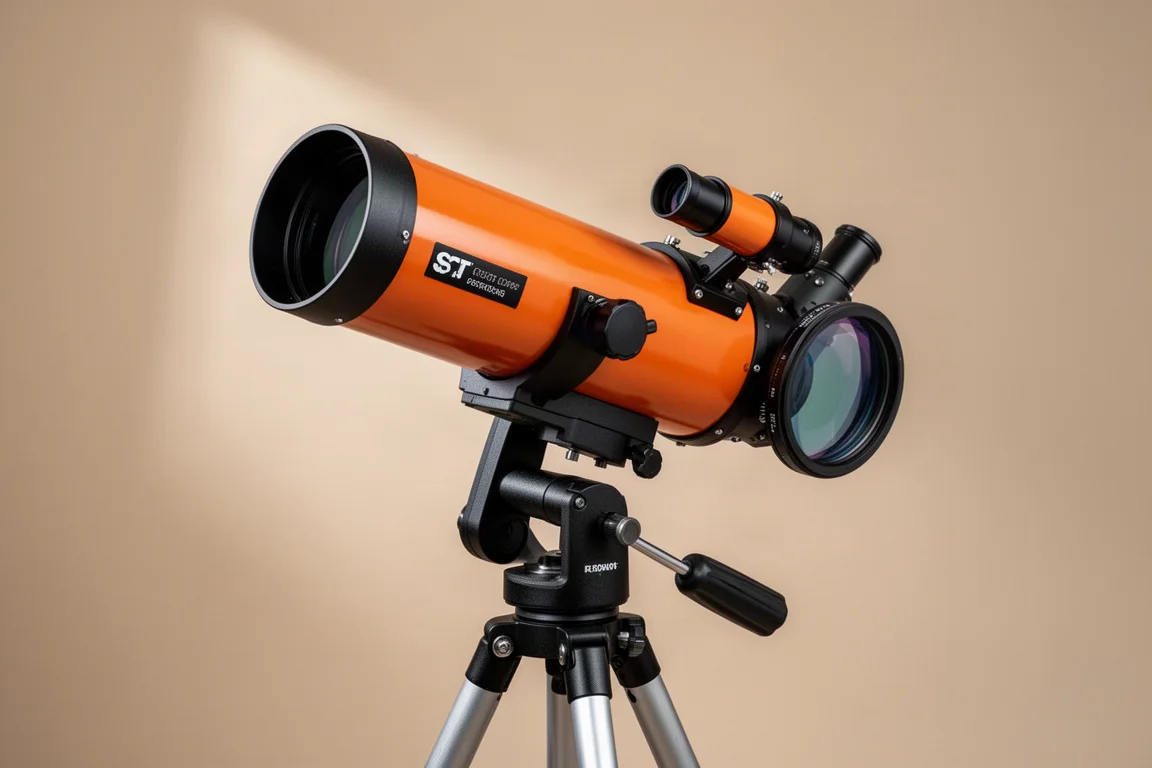
Adults and teenagers who love observing the Moon should also consider a long-tube refractor like the Explore Scientific FirstLight 102, the 1,000mm version. At around $800, the FirstLight 102mm doublet refractor on the Twilight mount is especially appealing, with a larger focuser and a larger diagonal for 2-inch eyepieces. It is, frankly, a beautiful scope.
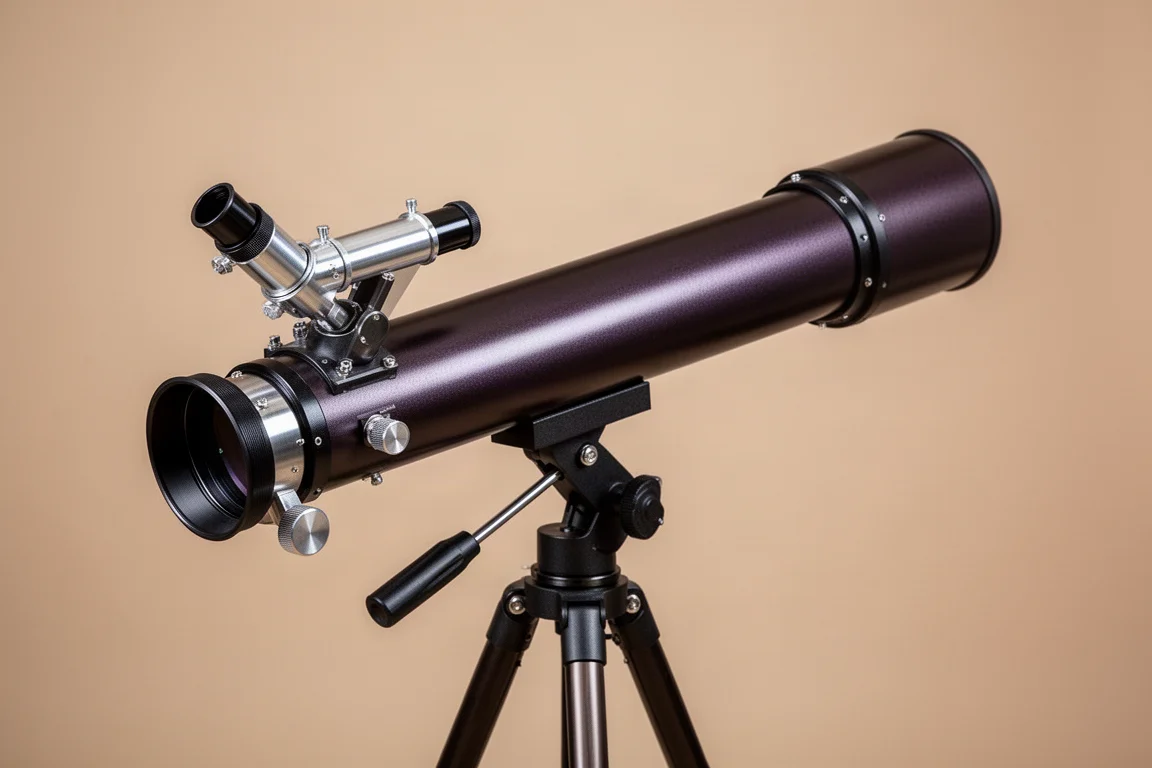
Above $500 for purely visual observing, Dobsonians offer by far the best value. The classic 8-inch Dobsonian, or the flex-tube version that fits more easily into a car, is the benchmark. Higher aperture grants higher magnifications and collects enough light to reveal extremely faint stars, giving truly immersive views. If you are purely a visual observer, max out your budget on aperture and a good eyepiece.
Planetary Imaging on a Budget: ZWO ASI 715 MC
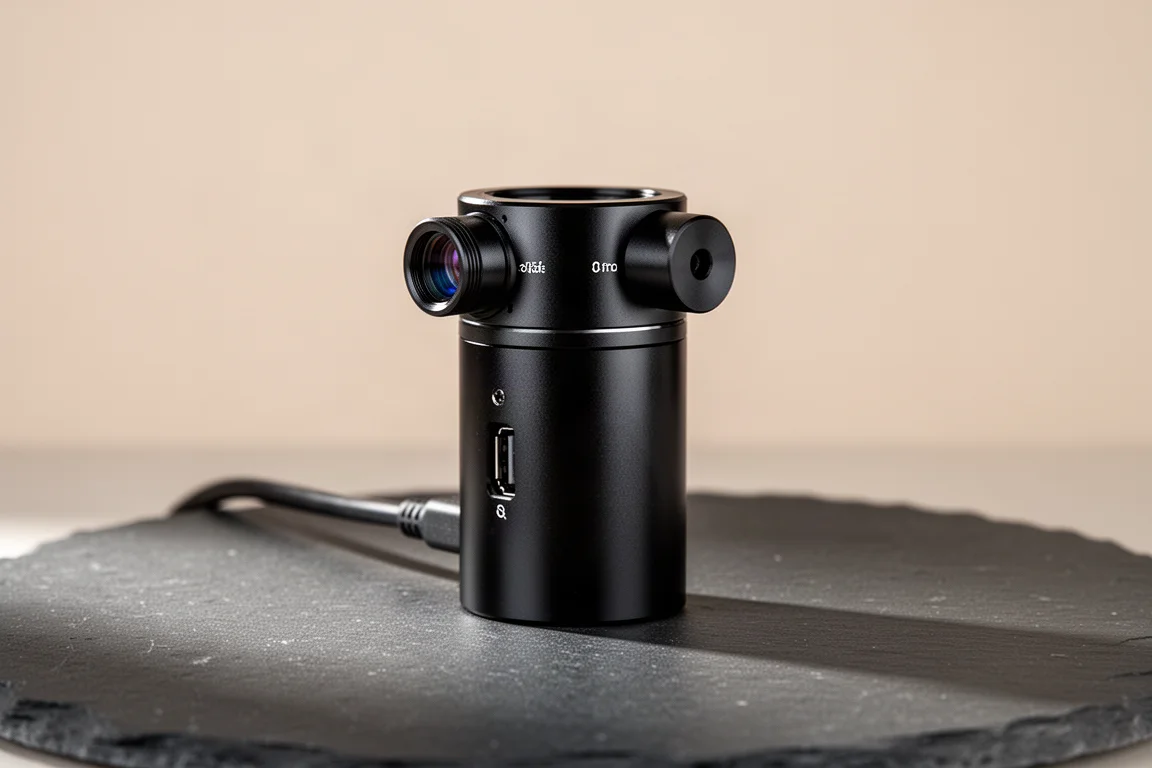
For epic photos of the planets, a dedicated planetary imaging camera replaces the eyepiece and connects to a PC or, with the help of an ASIAIR, your phone. The ZWO ASI 715 MC is one example. These cameras use lucky imaging to stack frames, and even hand tracking can work. You can browse sites like AstroBin to see real images taken with any astronomy camera before you buy. Remember that the biggest determinants of planetary image quality are the condition of your sky and the aperture of your telescope.
Building a Deep Sky Imaging Rig
At $500, a DSLR on a tripod is really your only option for galaxies and nebulae. At around $1,000, a star tracker like the Sky-Watcher Star Adventurer GTI paired with a DSLR is all you need for epic wide-field images.
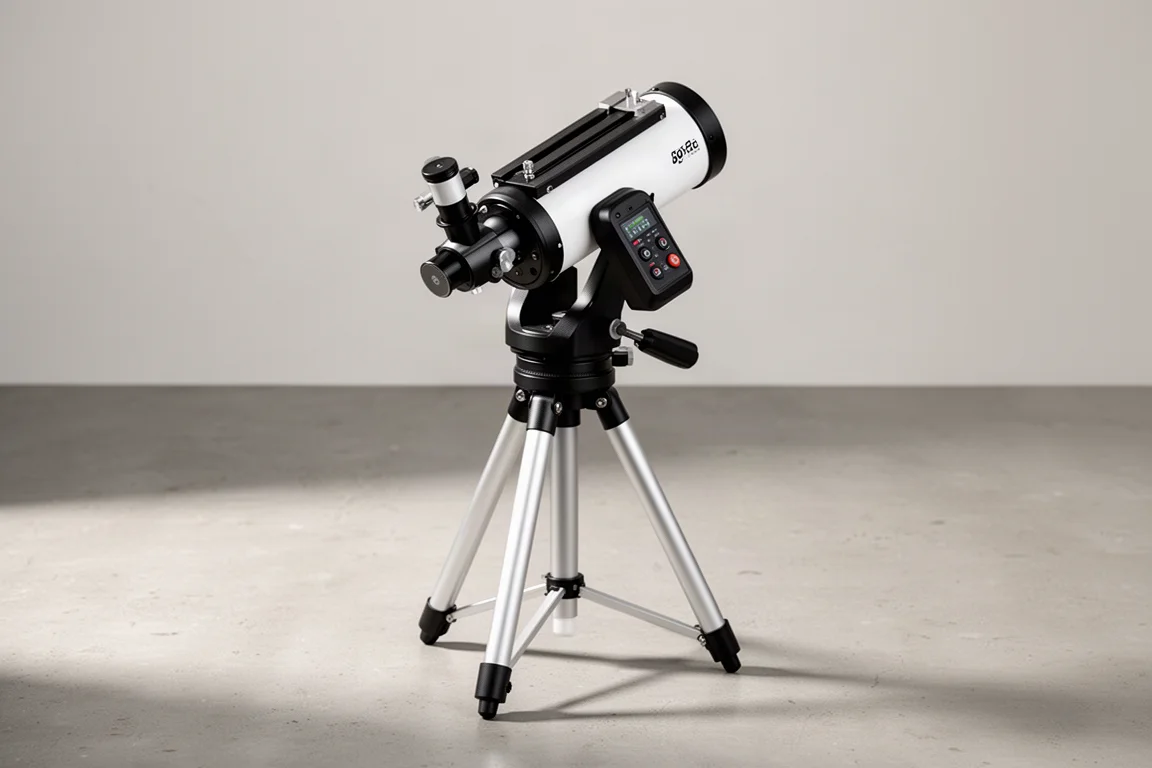
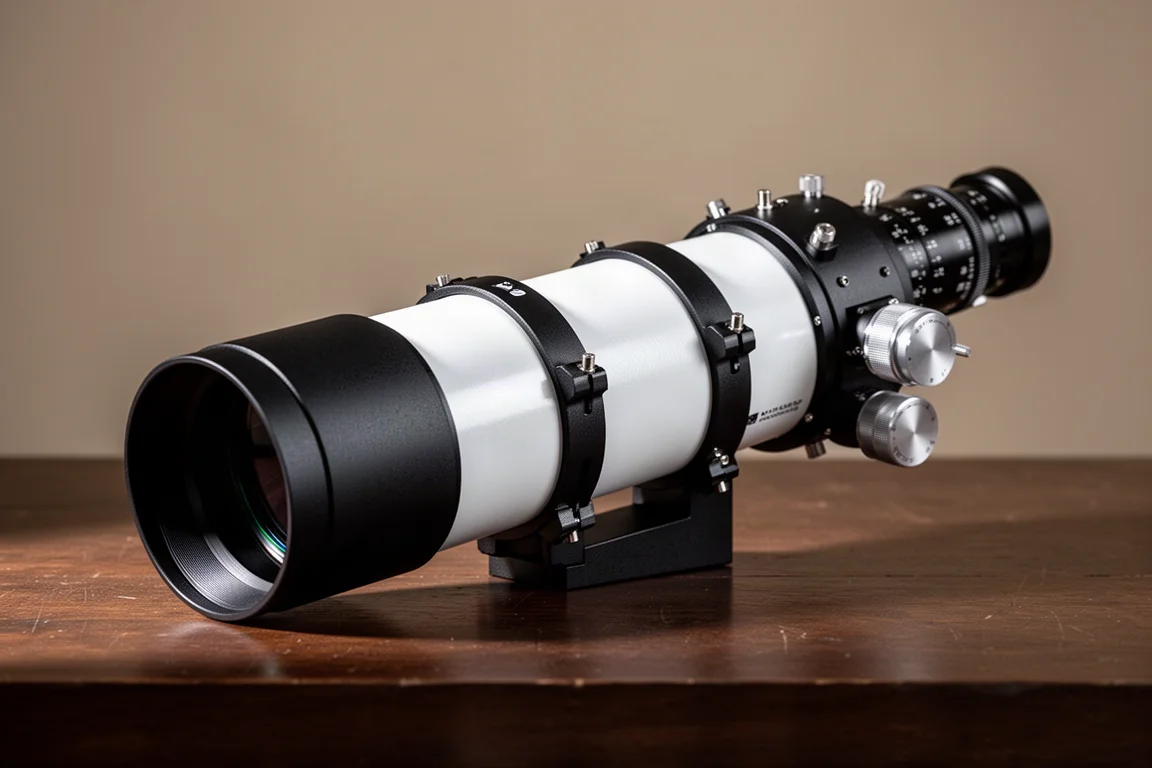
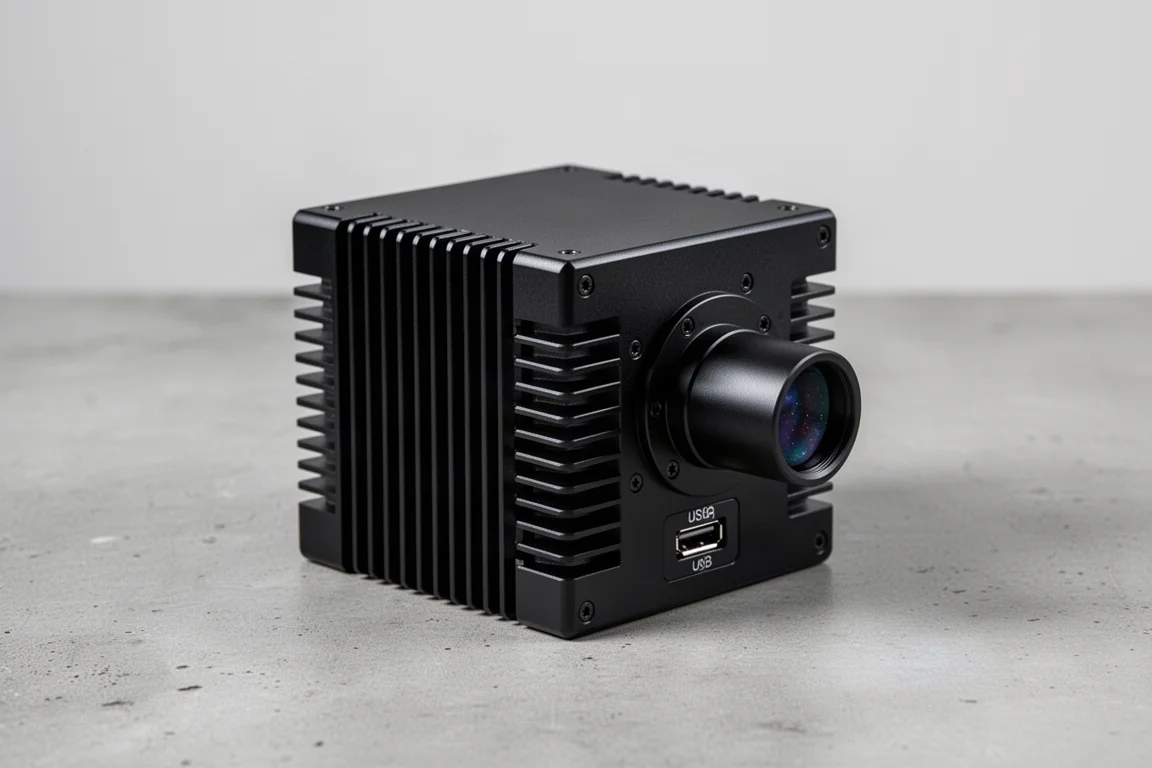
With roughly $3,000 and up, you can assemble a first dedicated deep sky imaging rig. A sensible starting combination looks like this: the Star Adventurer GTI as the mount, the Askar 65 PHQ quintuplet refractor astrograph as the telescope, which does not require a field flattener, and the ZWO ASI 533 MC Pro as the camera, a great entry-level cooled astronomy camera known for its low-noise sensor.
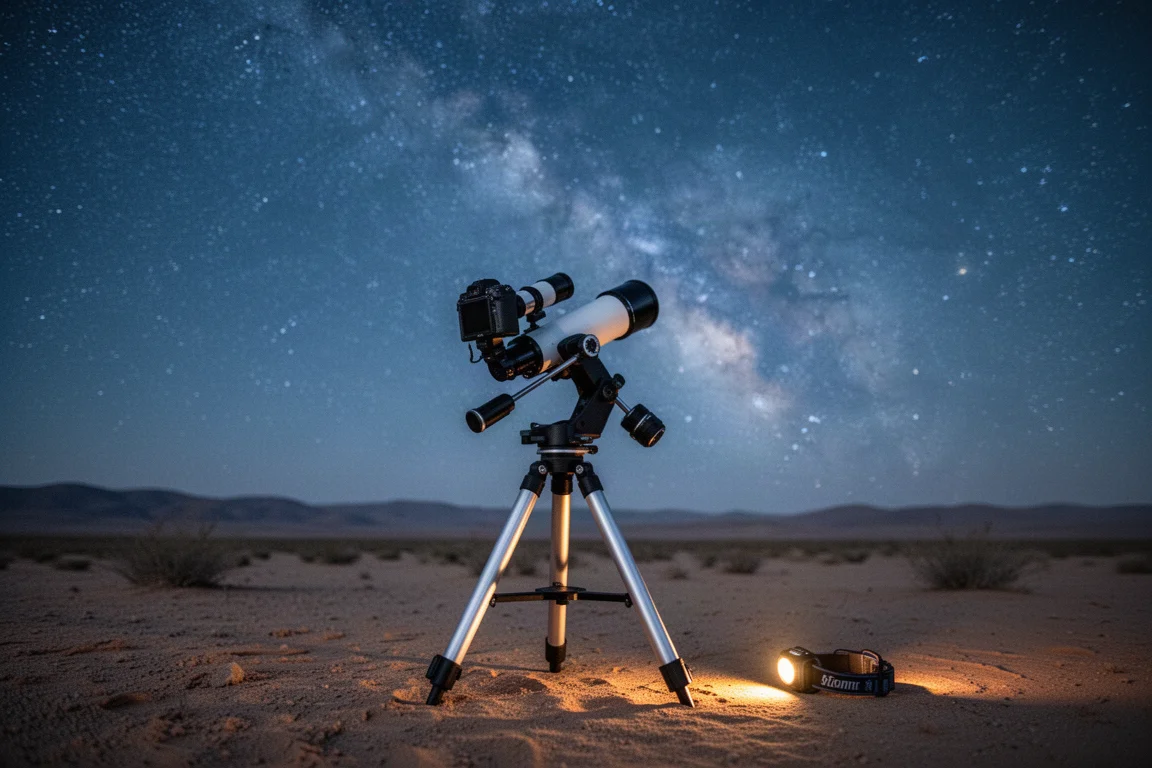
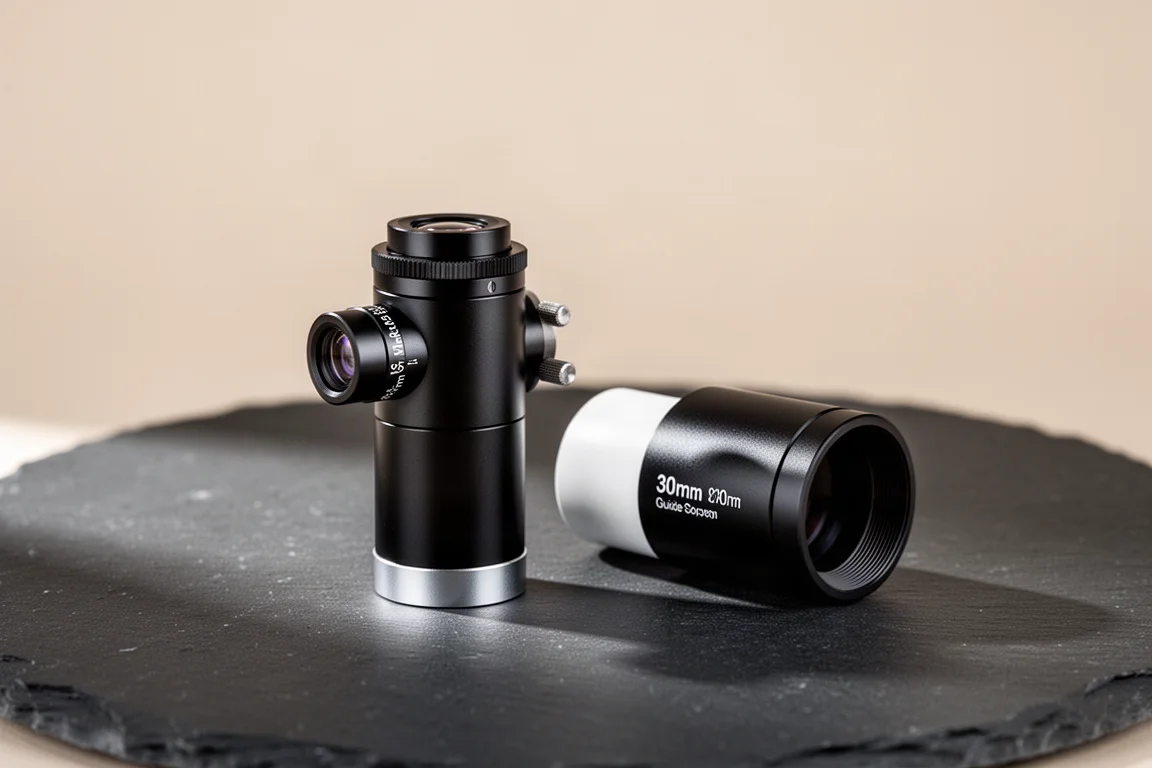
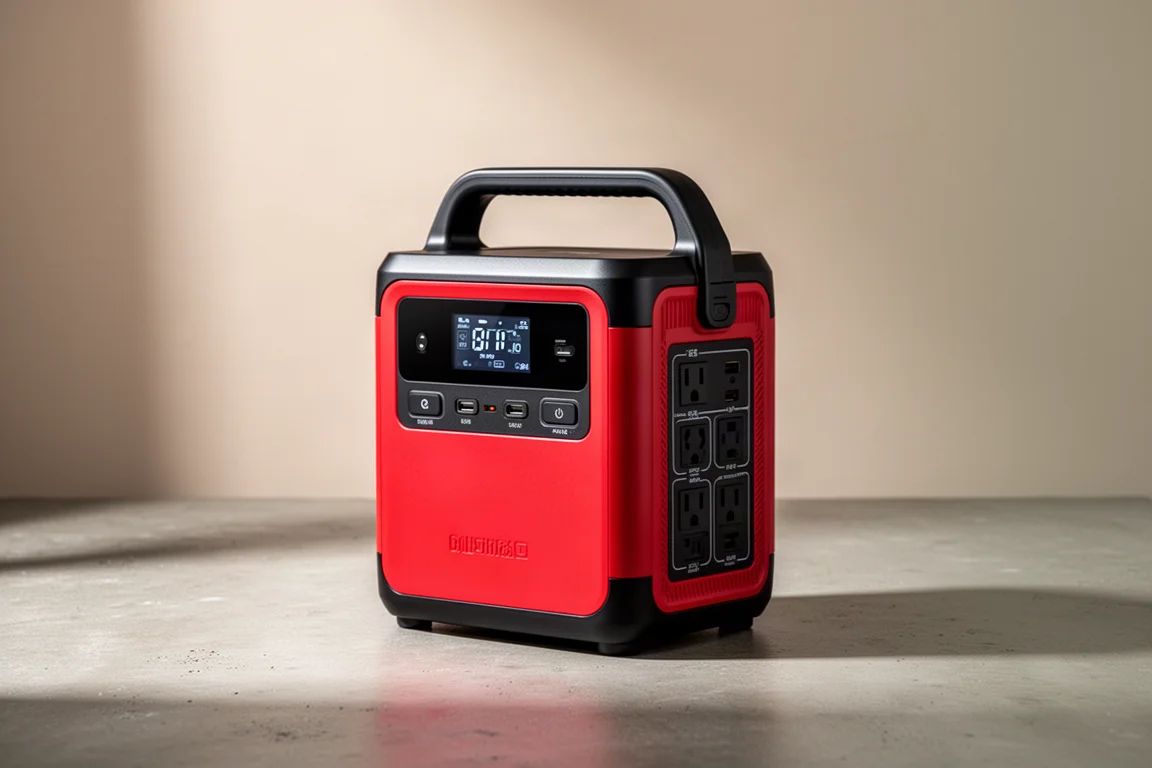
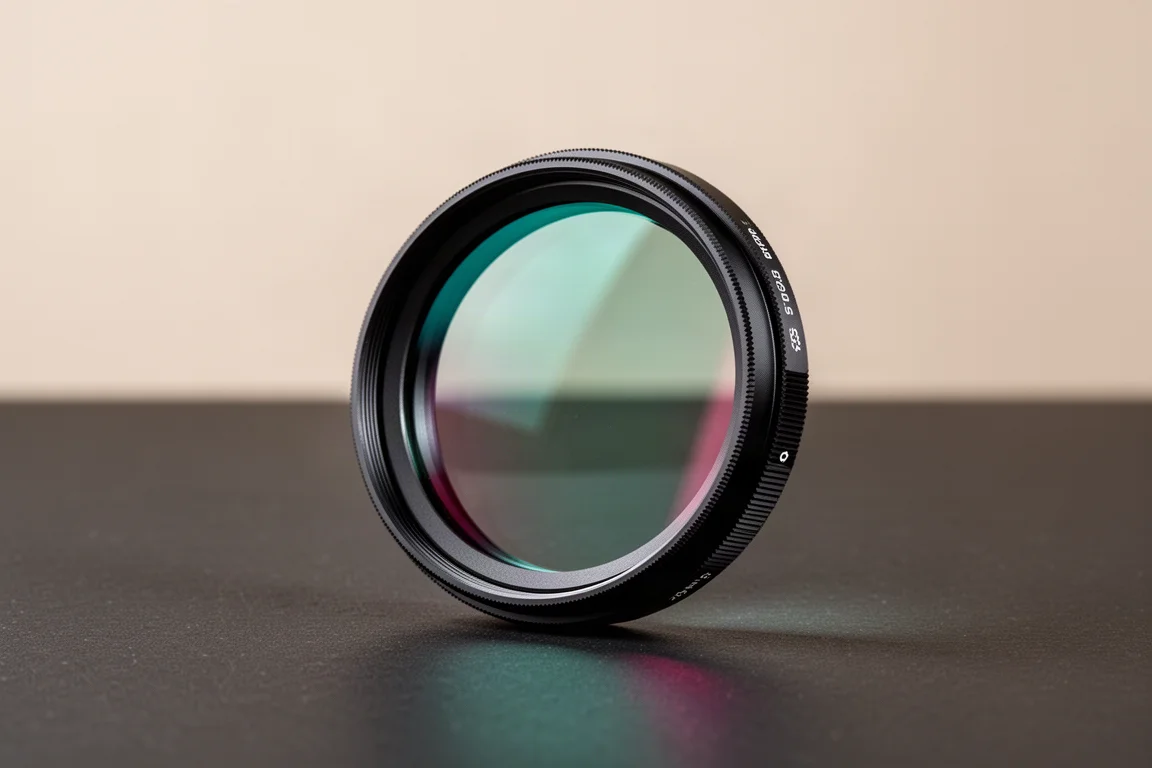
You will also need a guiding system. The most popular setup combines the ZWO ASI 120MM Mini monochrome camera with a small guide scope such as the ZWO 30mm f/4 Mini. To control everything, an ASIAIR mini works on both iPhone and Android devices and is extremely easy to use; live stacking lets you process images on your phone with no computer required. Power it all with a Celestron PowerTank Lithium, and consider accessories such as light pollution filters or narrowband nebula filters like the Optolong L-eXtreme dual-band filter, plus dew heaters and electronic focusers.
Smart Telescopes: Unistellar Odyssey
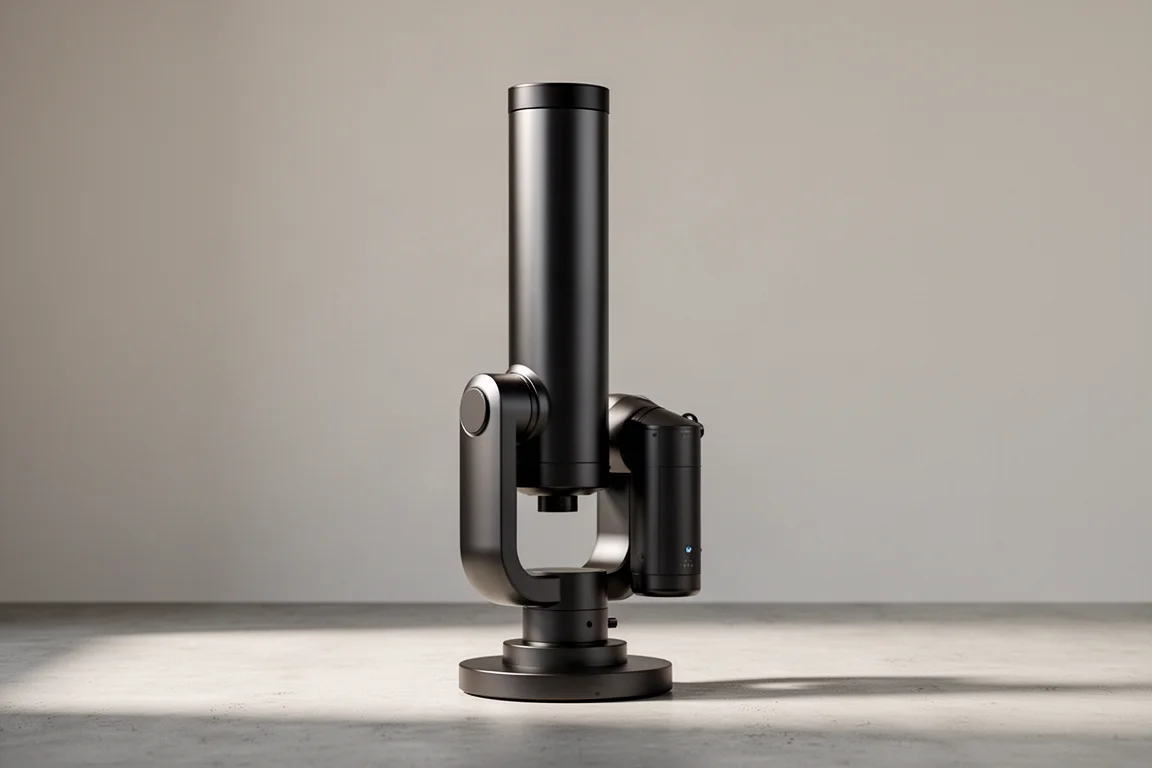
At around $2,000, premium smart telescopes like the Unistellar Odyssey become options. These are essentially fancy cameras that track the sky and stack multiple images together, reducing noise and bringing out detail. The images are not pre-stored, downloaded from the internet, or generated with AI; the hardware genuinely captures them. The Odyssey can do both planetary and deep sky photography, and for anyone who cannot handle a full imaging rig, it is a credible alternative.
Telescopes for Observers with Disabilities
For observers who need to sit down or observe from a wheelchair, refractors are the easiest telescope type to use while seated, though below $200 binoculars remain the best bet. After that, look for the highest quality refractor your budget allows.
One scope particularly enjoyed by observers with disabilities is the Sky-Watcher Star Travel 102 AZ-GTe, a 102mm refractor on a go-to mount controlled by your phone. That removes the need to bend and reach to aim the telescope manually.
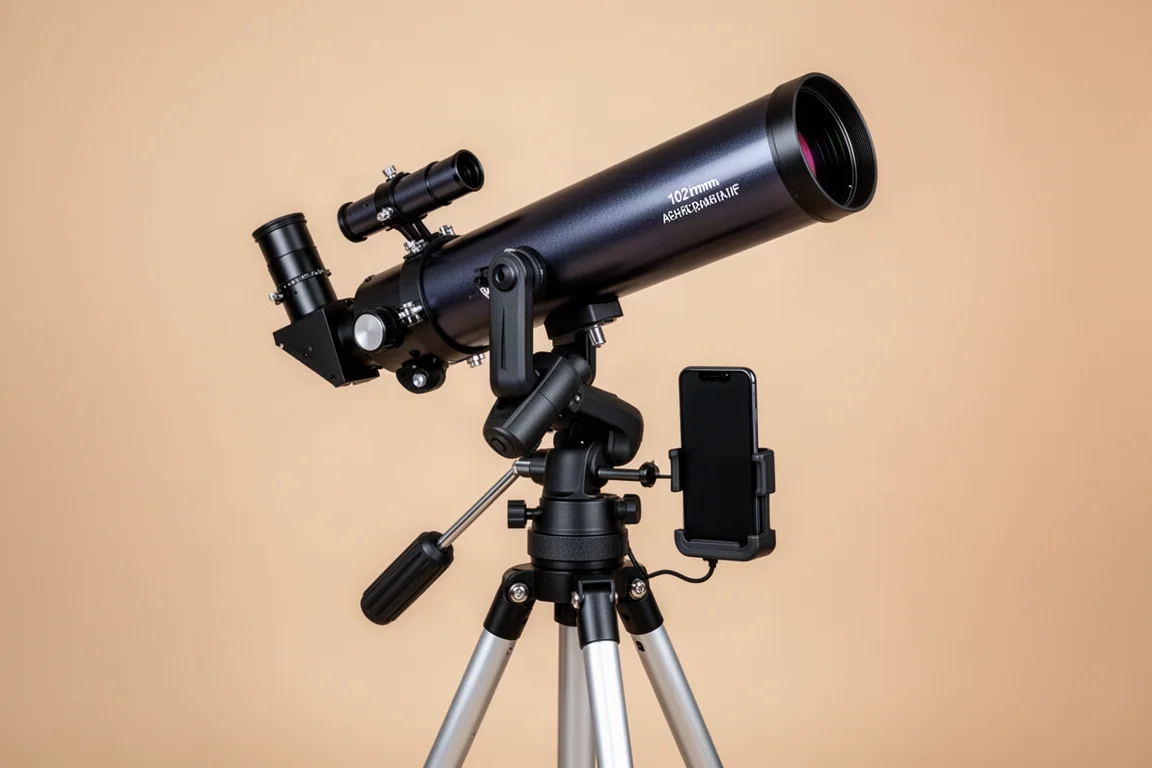
On that same AZ-GTe mount, the largest scope that works well is the Sky-Watcher Skymax 127 Maksutov, which offers incredible views of the Moon, planets, and deep sky objects in a compact, easy-to-position package.
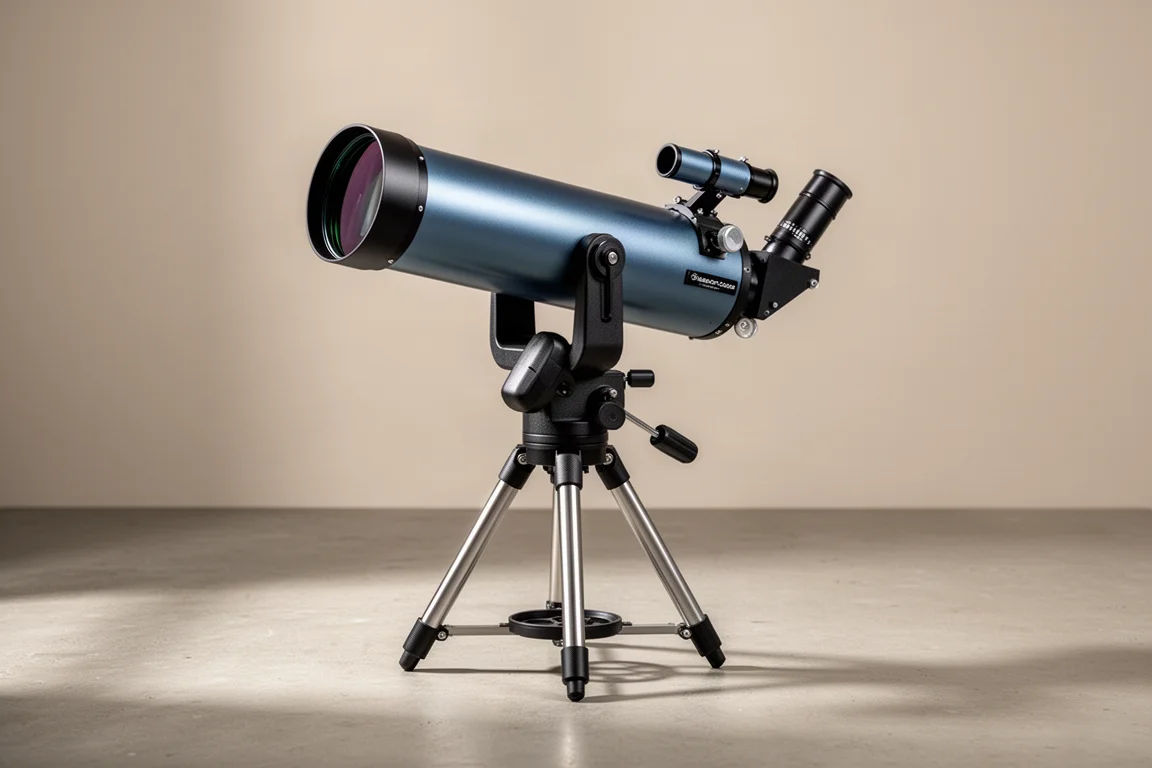
For deep sky astrophotography with accessibility constraints, the same budget logic applies: a DSLR on a tripod under $500, a smart telescope or dedicated rig above that.
Conclusion
There is no single best beginner telescope, only the right telescope for a specific person, sky, and budget. Under $100, binoculars or the Celestron FirstScope. Around $200, the Sky-Watcher Heritage tabletop Dobsonians. Near $1,000, the NexStar 5SE or a quality 102mm refractor. And from $3,000 up, a complete deep sky imaging rig becomes realistic. Answer the five questions first, buy from a retailer that offers real support, and remember: the future is looking up.
Further reading
Related Reviews
Astronomy
Astronomy Gifts for Dads: Binoculars, Telescopes and Accessories Worth Giving
A practical gift guide covering stargazing binoculars from around $50, beginner telescopes under $500, and accessories under $100.
Astronomy
Best Filters for EAA in Light Pollution: What Short-Exposure Testing Actually Showed
Five astronomy filters and two noise reduction tools tested under light polluted skies for electronically assisted astronomy, with practical results for broadband and narrowband targets.
Astronomy
Six Premium Eyepieces That Transform a Beginner Telescope
A hands-on comparison of Tele Vue Panoptic, Tele Vue Nagler, and Baader Hyperion eyepieces, and why upgrading the stock eyepieces is the best first move in stargazing.