Birding Optics
Best Beginner Birding Binoculars: Three 8x42 Picks Worth Your Money
Why 8x42 is the sweet spot for birding, and three proven binoculars across different budget brackets to consider before you buy.
Introduction
Getting serious about birding starts with getting the right optics, and the good news is that you really do not need to spend a thousand dollars to get a pair that performs well. What matters more is buying the right configuration and knowing which features actually make a difference in the field.
Why 8x42 Is the Sweet Spot for Birding
One of the biggest mistakes beginners make is buying binoculars based on zoom alone. A pair advertised with 20x magnification might sound impressive, but high magnification makes it harder to find birds, and any shake from your hands gets amplified the more zoomed in you are.
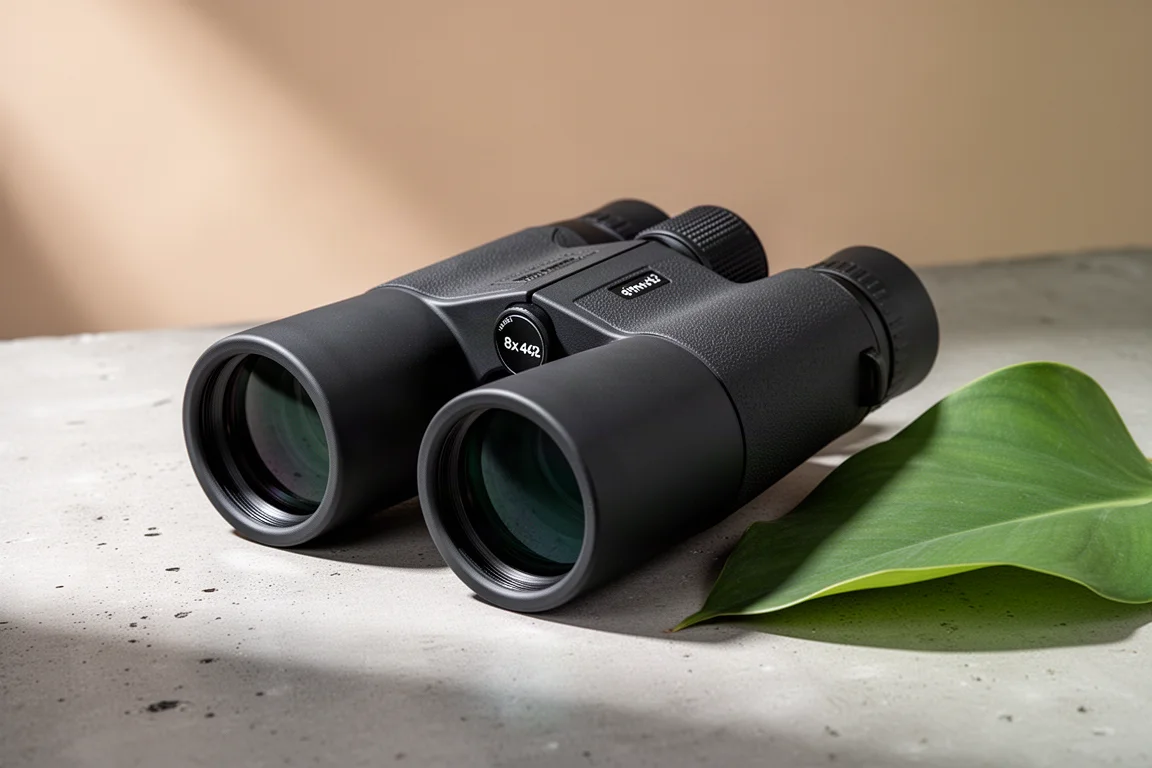
For birding, 8x42 is the configuration to aim for: 8x magnification with 42mm objective lenses. It delivers a wide, forgiving field of view that works for nearly every kind of birding. A 10x42 gives you slightly more reach, which can help for shorebirds, but 8x42 remains the most versatile choice.

What Actually Matters: Weight, Comfort, and Focus
Beyond magnification, three practical factors separate a good pair from a frustrating one. First, weight. If binoculars are too heavy, you simply will not want to carry and use them for hours. Second, comfort in the hand: you will be holding them all day, so they should feel balanced and pleasant to grip.
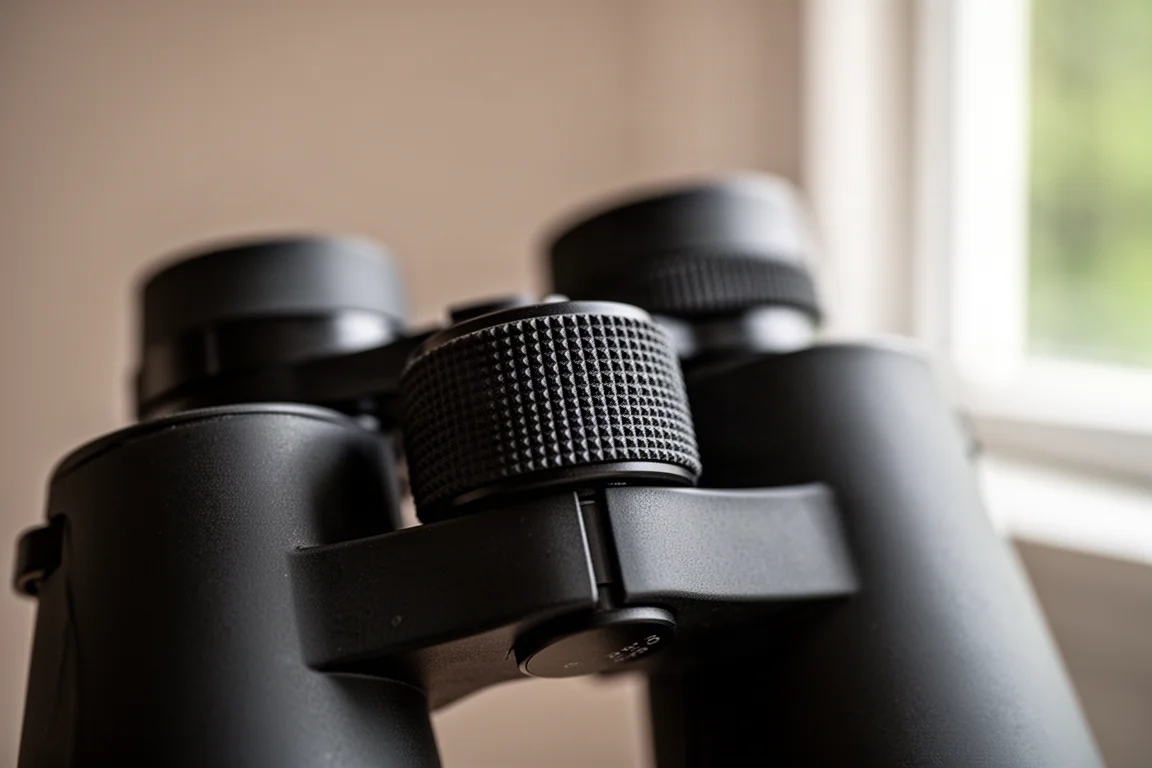
Third, focus. The focus should be smooth and fast, so unobtrusive that you barely notice it. Slow focusing, clunky knobs, or a wheel that does not fit your hands will annoy you every single time you use them.
Close focus distance is another handy spec. Every binocular has a minimum distance at which it can still focus, and shorter is better for birds at feeders right in front of you. Around five feet is plenty; you do not really need anything closer.
Mid-Range Pick: Vortex Diamondback 8x42
The Vortex Diamondback 8x42 sits at the lower end of the mid-range bracket, currently around $240 on Amazon. It shares a lot of the same practical features as more expensive models and is a rugged, fog-proof, drop-resistant set of optics that holds up well in the field.
With a minimum focus distance of about five feet, you can stand right next to a bird feeder and still pull focus comfortably. If you want the most affordable pair that still feels like a genuinely nice binocular, the Diamondback is an easy recommendation and worth its price.
Higher-Quality Mid-Range Pick: Celestron Trail Seeker ED 8x42
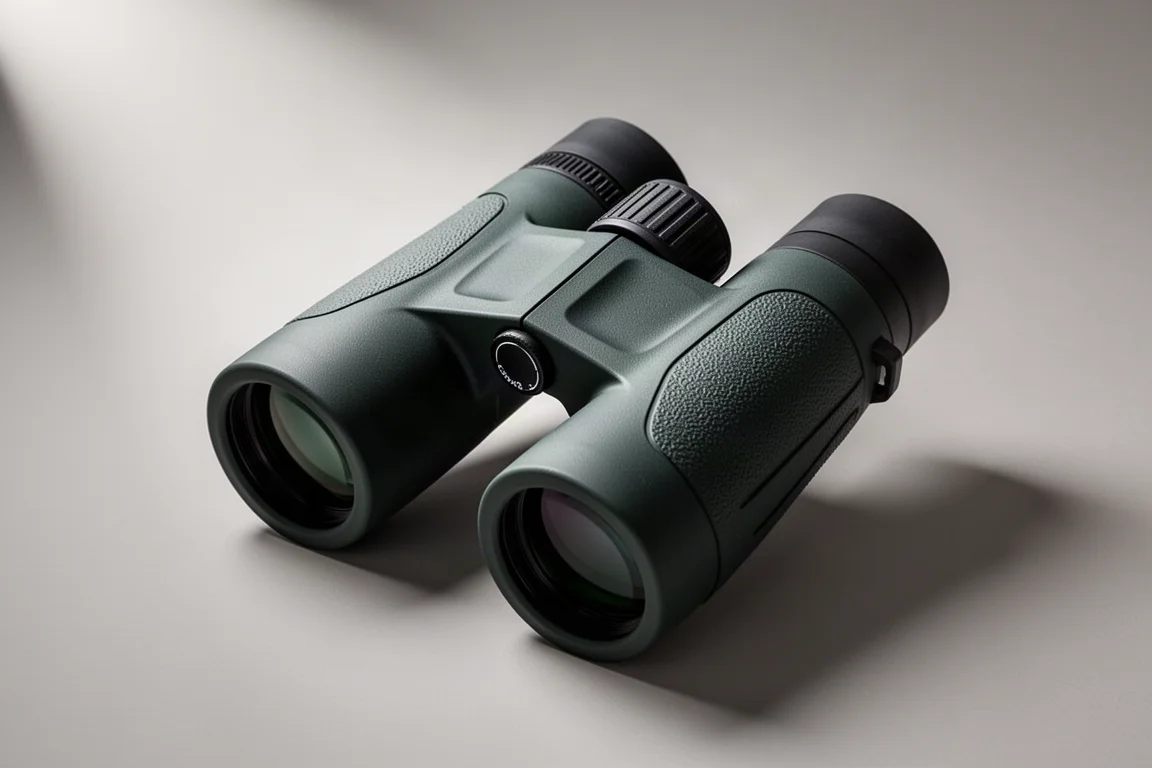
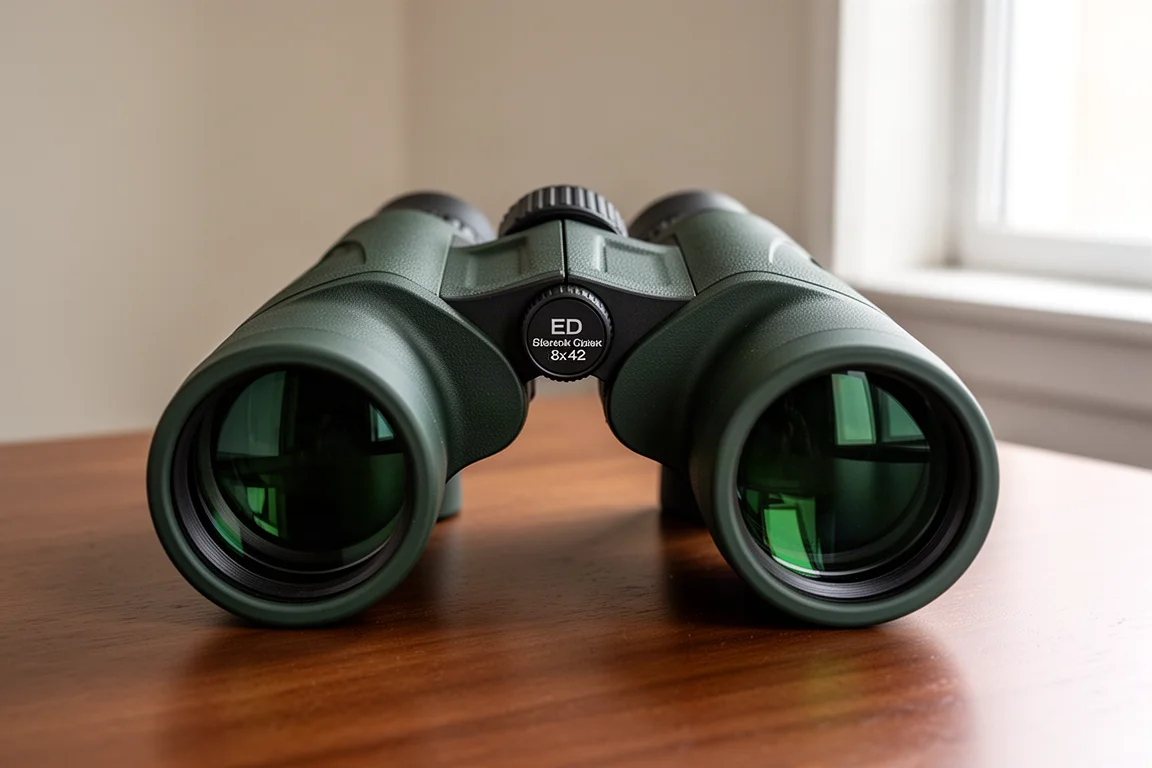
The Celestron Trail Seeker ED 8x42 costs a bit more, around $360, but steps up noticeably in quality. These were a first proper pair for many birders, and the reason is clear: excellent focus, low chromatic aberration, and genuinely strong low-light performance.
In dim conditions the view through them can feel brighter than the surrounding scene, which is exactly what you want in early morning or heavy canopy. If your budget stretches past the entry-mid tier, the Trail Seeker ED earns the extra money.
Budget Note: Under $100
Below the $100 mark, you can find usable binoculars, but low-light performance is noticeably weaker. If you can stretch into the $100 to $300 tier, the jump in quality is significant. Bushnell also makes solid budget-friendly options. Really, any well-made 8x42 will be the right kind of binocular; as you spend more, quality simply improves.
Premium Pick: Vortex Viper 8x42
At the top of this range sits the Vortex Viper 8x42, typically around $500 to $600. That is more than the Diamondback or the Trail Seeker, but the difference shows in the experience: excellent low-light performance and an overall refined feel that makes them a pleasure to use.
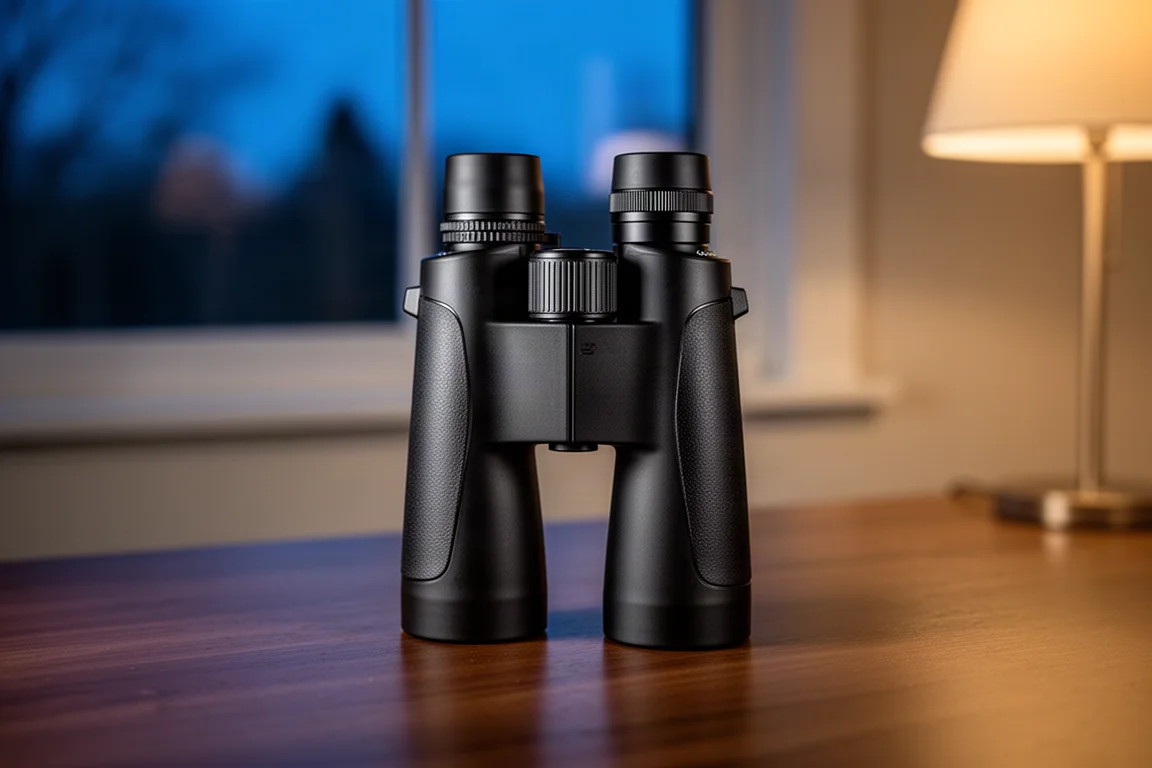
If you want a genuinely premium birding binocular without going into the thousand-dollar tier, the Viper in 8x42 is a really nice set of optics.
Buying Advice
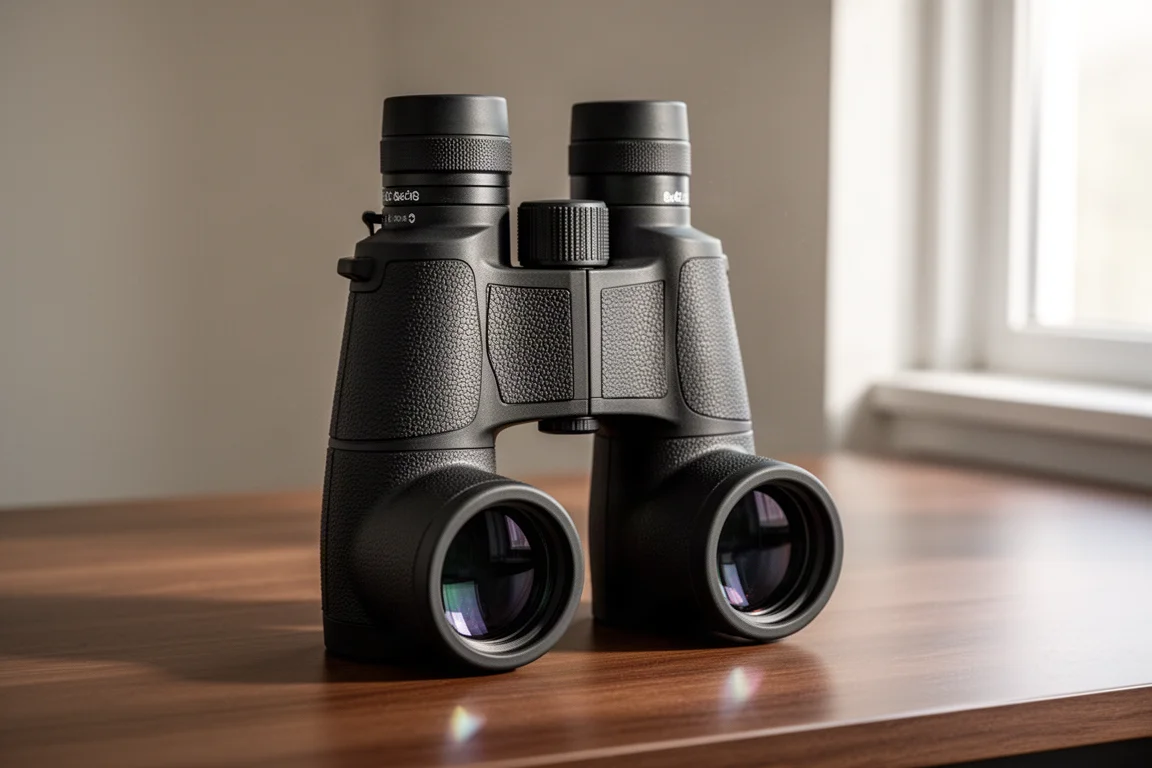
All three binoculars here are rugged, fog-proof, and drop-resistant designs built for field use. The Diamondback is the value pick, the Trail Seeker ED rewards a slightly larger budget with better clarity and low-light performance, and the Viper is the premium option of the three. Choose based on where your budget naturally lands; you will get a quality pair in every bracket.
Conclusion
Avoid the zoom trap, stick to 8x42, and prioritize weight, comfortable handling, smooth focus, and reasonable close focus. Any of these three picks will serve a new birder well for years, and you do not need to overspend to bird comfortably.
Further reading
Related Reviews

Backpacking Gear
Building a 10 lb Base Weight: An Ultralight Backpacking Gear List
A practical walkthrough of the ultralight pieces behind a 10 lb base weight, from a 765 g pack and a roomy one-person tent to a full camp chair and a dependable water filter.

Road Bikes
10 New Road Bikes Worth Watching: Aero, Titanium, Steel and Endurance Standouts
A practical roundup of 10 new road bikes, from aero flagships chasing single-watt gains to titanium, steel and endurance platforms built for real roads.
Bikepacking Gear
11 Bikepacking Essentials for Long-Distance Cycling
Eleven bikepacking essentials for long-distance cycling, from a steel gravel frame and a two-person tent to helmet lights, packable gloves, and a frame bag that puts weight in the right place.