Backpacking Gear
Best Beginner Backpacking Gear: A Practical First Kit Guide
A beginner-friendly backpacking kit built around easy pitching, comfortable sleep, and honest value, with lighter upgrades for anyone ready to spend more.
Introduction
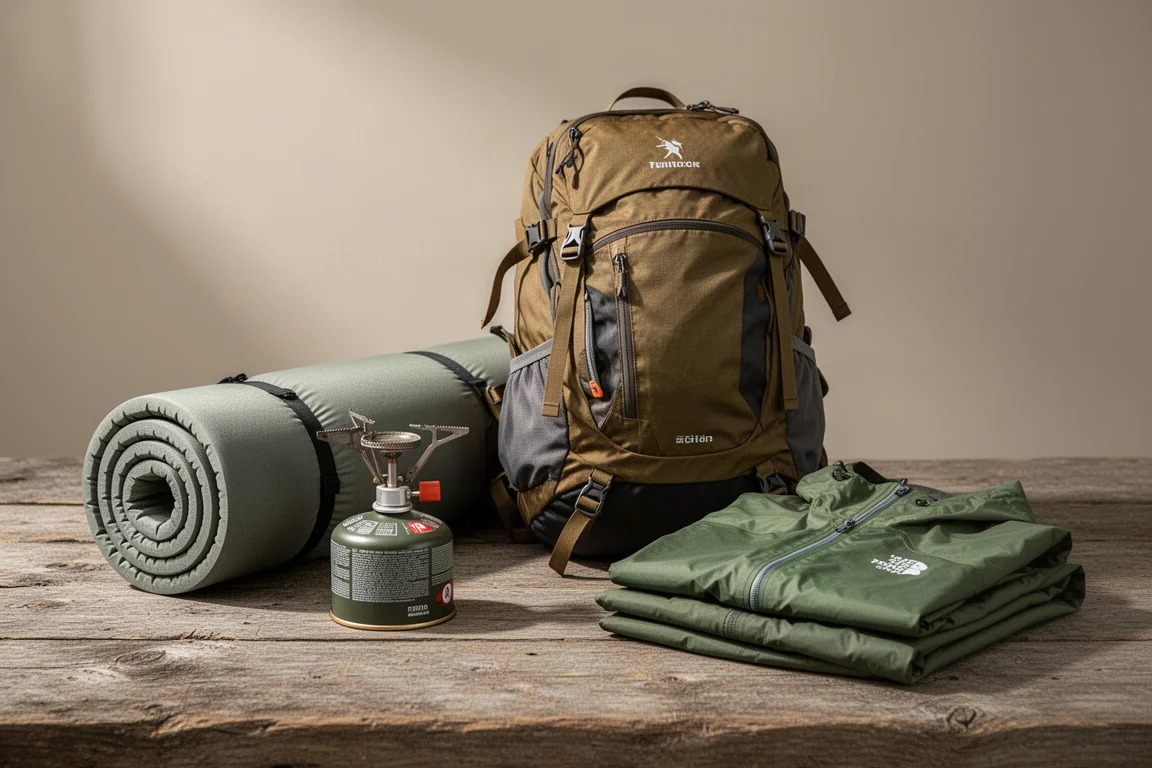
A first backpacking kit does not need to be the lightest or the most expensive. It needs to be easy to use, comfortable enough that you sleep well, and reliable enough that one wet, cold night does not end your interest in the hobby. The picks below are built around that idea: a freestanding tent you can pitch without frustration, a pack with an adjustable torso, a sleep system that puts comfort first, and a cook setup that costs less than a single premium jacket. Each recommendation also comes with a lighter, higher-cost alternative for anyone who already knows they will keep going out.
Tents
Backpacking tents fall into three broad types, and the differences matter more than the brand name on the stuff sack.
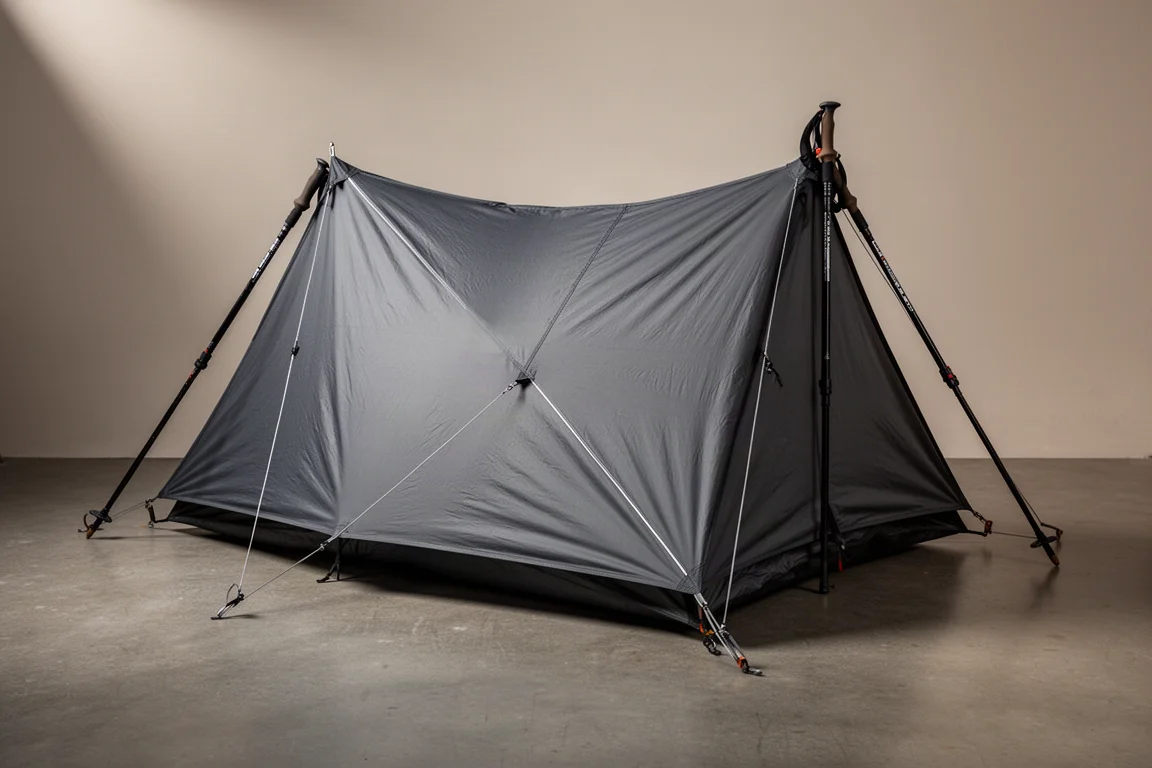
Trekking pole tents use the poles you hike with as their structure. They are very light and handle storms well, but they can be confusing for anyone used to a traditional tent. Freestanding tents use their own poles, usually with a mesh inner that the poles attach to and a fly that goes over the top. They are the most intuitive to pitch and need fewer stakes, which helps on ground that is rocky or hard. Semi-freestanding tents keep a lighter pole structure and rely on a few extra stakes at the foot end; they save weight but are not quite as structurally solid as the other two.
For a first kit, a freestanding tent is the safest choice, and there are far more models to choose from.
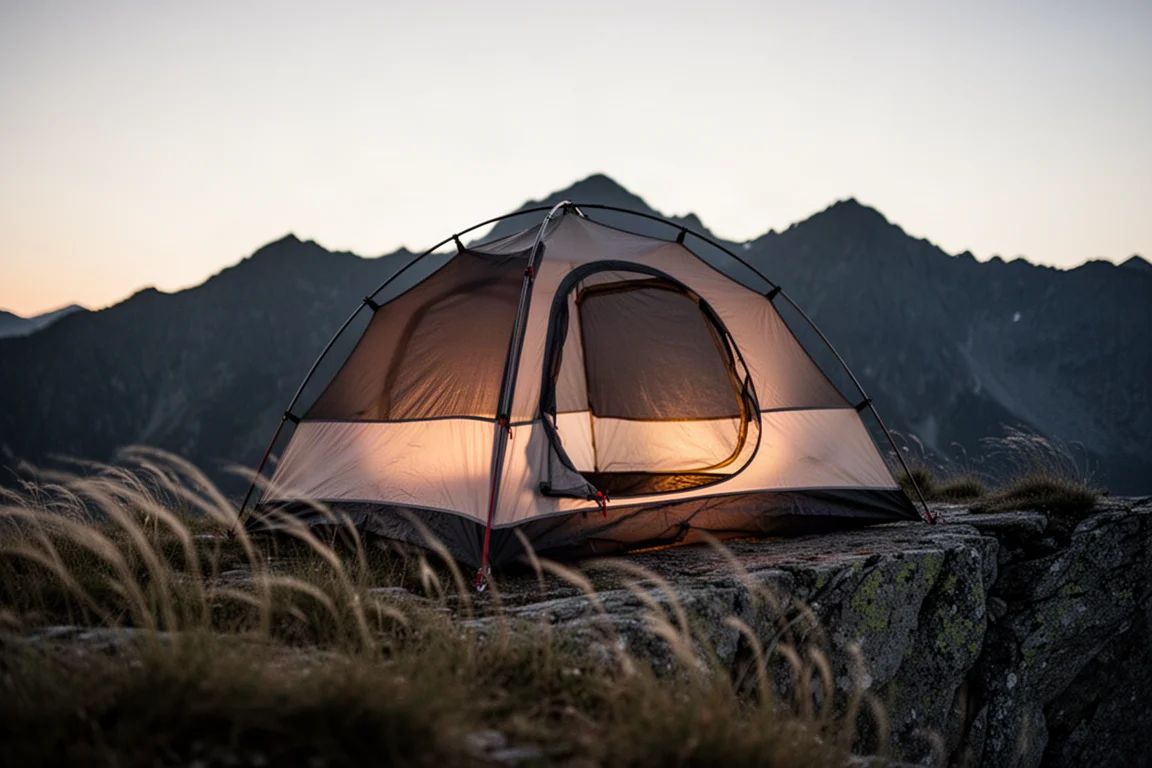
Whichever type you choose, look at two-person models first. A two-person tent is usually light enough to carry solo, and it gives you the option to share the shelter and the load with someone else later.
Naturehike Mongar 2
The Naturehike Mongar 2 is a robust, easy-to-pitch freestanding tent that anyone with basic tent familiarity can set up quickly. It is a two-person design, and the interior fits two 25-inch wide pads, which is the width you want if comfort matters to you. It is not the lightest tent available and it packs down fairly bulky, so it needs a reasonably large pack. What it gives back is solid performance at a friendly price.
Durston X-Mid
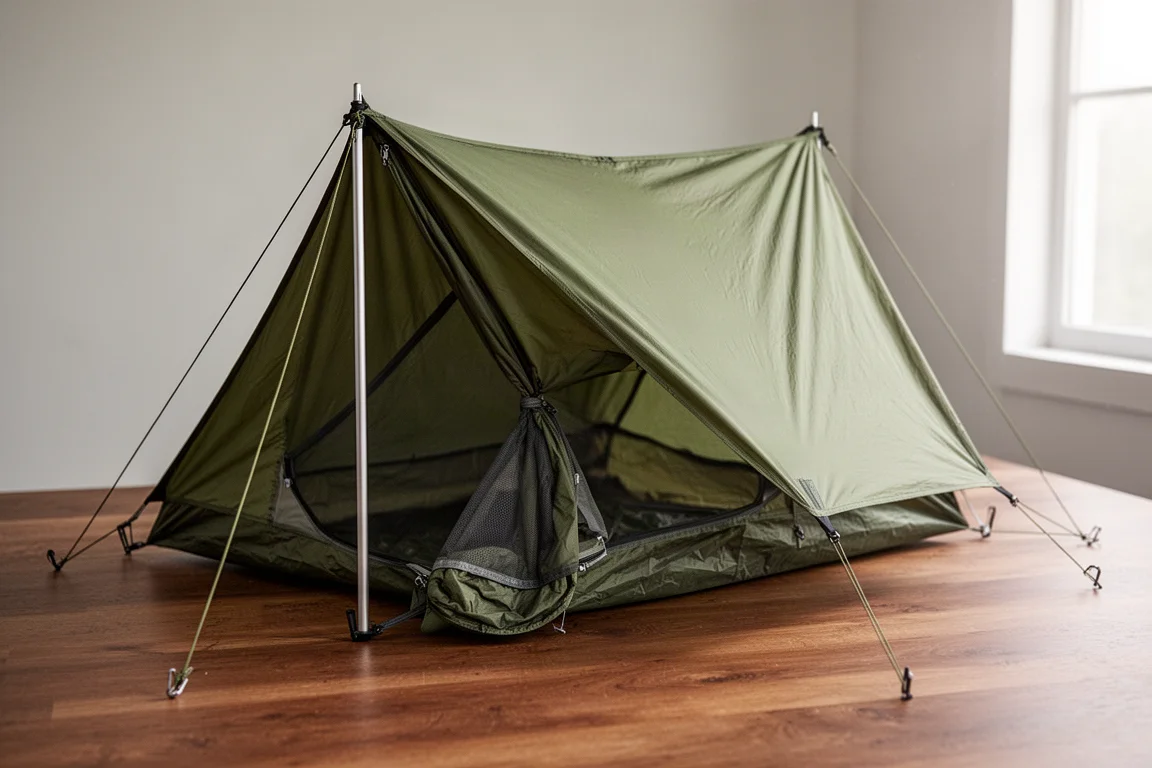
If you are willing to learn a trekking pole shelter, the Durston X-Mid is the step-up option. It is a trekking pole tent, but it is genuinely easy to pitch, and it is very light while performing exceptionally well in the field. The trade-off is a higher cost and a different setup routine. For anyone who wants one tent to grow into, this is the one to consider.
Backpacks
Four things matter most when choosing a backpack.
First, weight. Many packs sold in large stores are heavy, and a pack under 1.5 kg is a good target at which you still get features and durability.
Second, load carrying. Beginners tend to overpack, so you want a pack that stays comfortable at 30 to 40 pounds or more. That means a real hip belt with thick, stiff foam, a full frame, and load lifters that connect the top of the pack to the shoulder straps. Stiff foam can feel odd in a shop, but it contours to your body on the trail and transfers weight far better than soft foam. Aim to carry 60 to 80 percent of the load on your hips and the rest on your shoulders.
Third, fit, which is why an adjustable torso is close to non-negotiable for a beginner. It moves the shoulder straps up or down so the pack matches your back length. Lighter packs often skip this feature, so if you go that route, the sizing has to be right before you buy.
Fourth, access. Hip belt pockets help, and side pockets you can actually reach matter more than they sound. Water bladders seem convenient, but they eventually leak and are awkward to refill mid-trail, so easy bottle access is worth prioritizing.
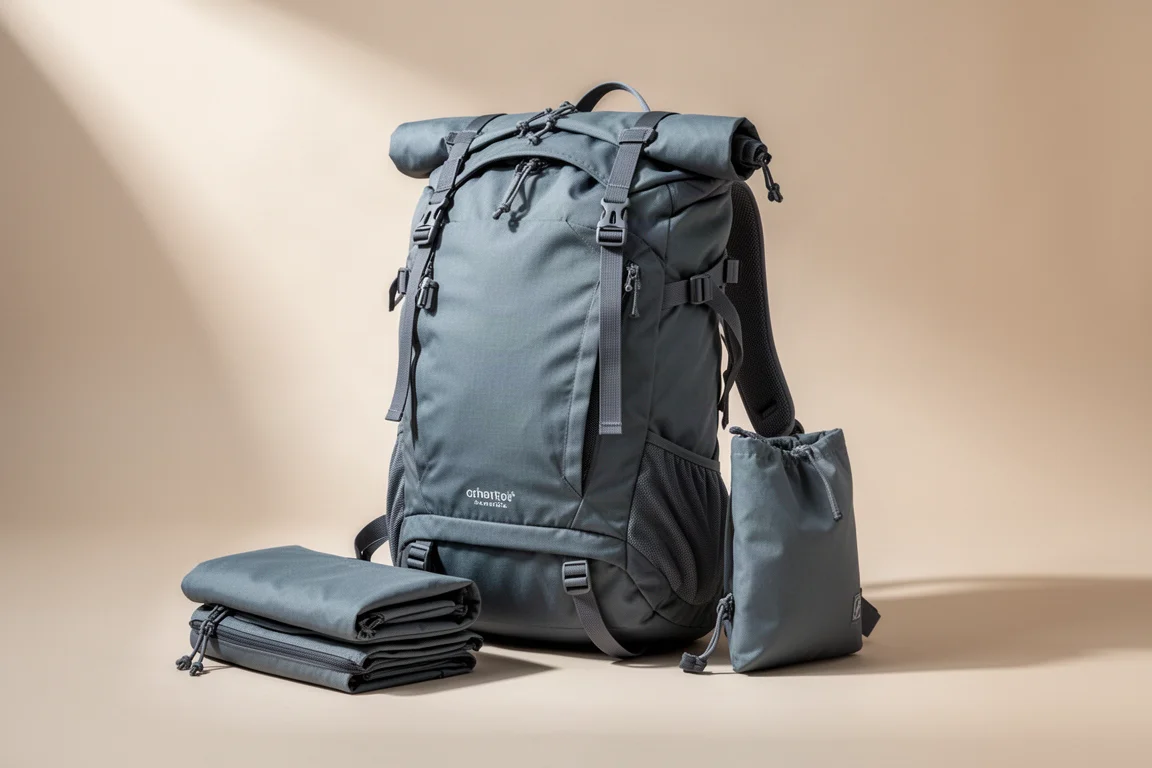
REI Flash 55
The REI Flash 55 covers all four points. It has an adjustable torso, well-placed side pockets for bottles, and a price that regularly drops to around $140 on sale, sometimes closer to $120. With the fit dialed in, it can carry over 40 pounds, and finding a pack this light that handles that much weight without costing $500 or more is difficult.
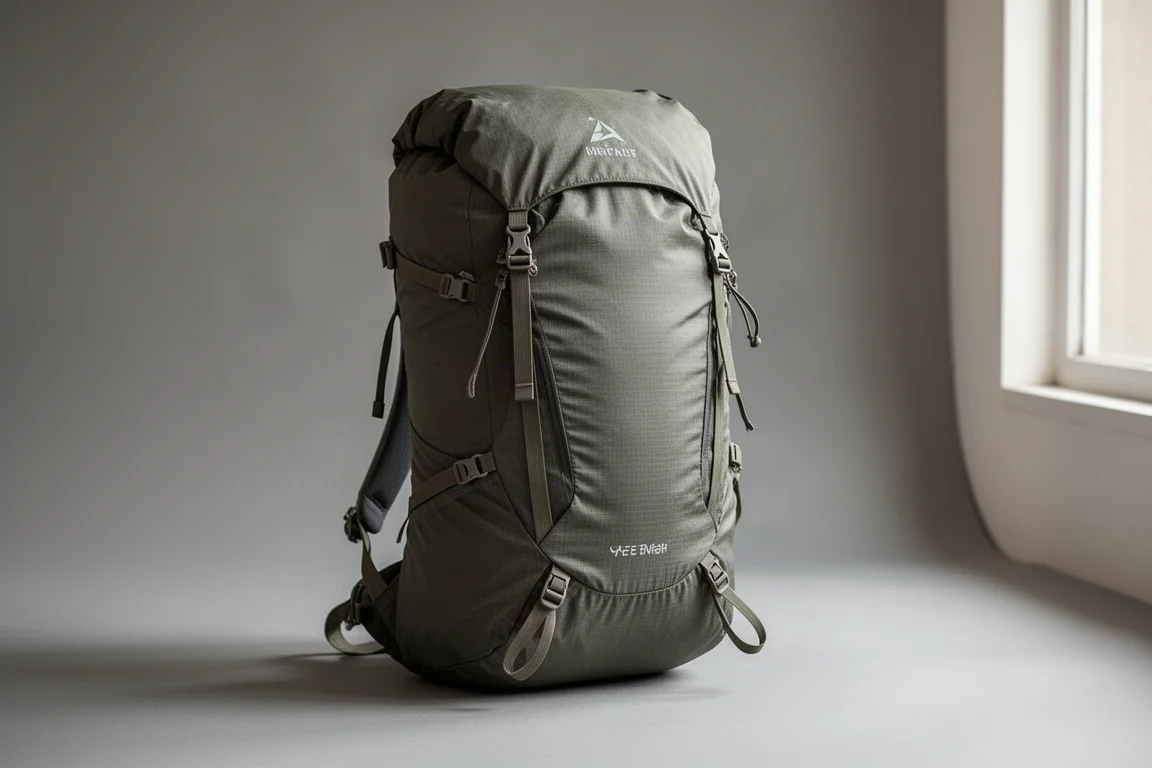
Durston Kakwa 55
The Durston Kakwa 55 is the lighter step up, offered in Ultra Grid or Ultra versions depending on budget. It saves meaningful weight over heavier options while staying fully functional on long trips. The catch is that it has no adjustable torso, so the fit has to be right from the start.
Sleep System
Sleep is the part of a first kit worth spending on. A bad night in the backcountry makes everything harder, while a good night means you wake up ready to hike again.
Sleeping pads come down to warmth, comfort, and width. R value is the usual warmth shorthand, and around 5 is a sensible target for three-season trips. In hot summer conditions, 2 to 4 can be enough. R values are not always reliable in the field, so it is worth checking how a pad behaves at its lower limits.
Comfort depends on the baffle pattern, the stretch of the top fabric, and thickness. Dimpled baffles, with raised and lowered areas, tend to relieve pressure best for side sleepers. Stretchy top fabrics feel excellent but usually need a thicker pad, and anyone over 200 pounds should look for at least 4 inches of thickness so a hip or shoulder does not bottom out. For width, a 25-inch wide pad is the comfortable default for most people.
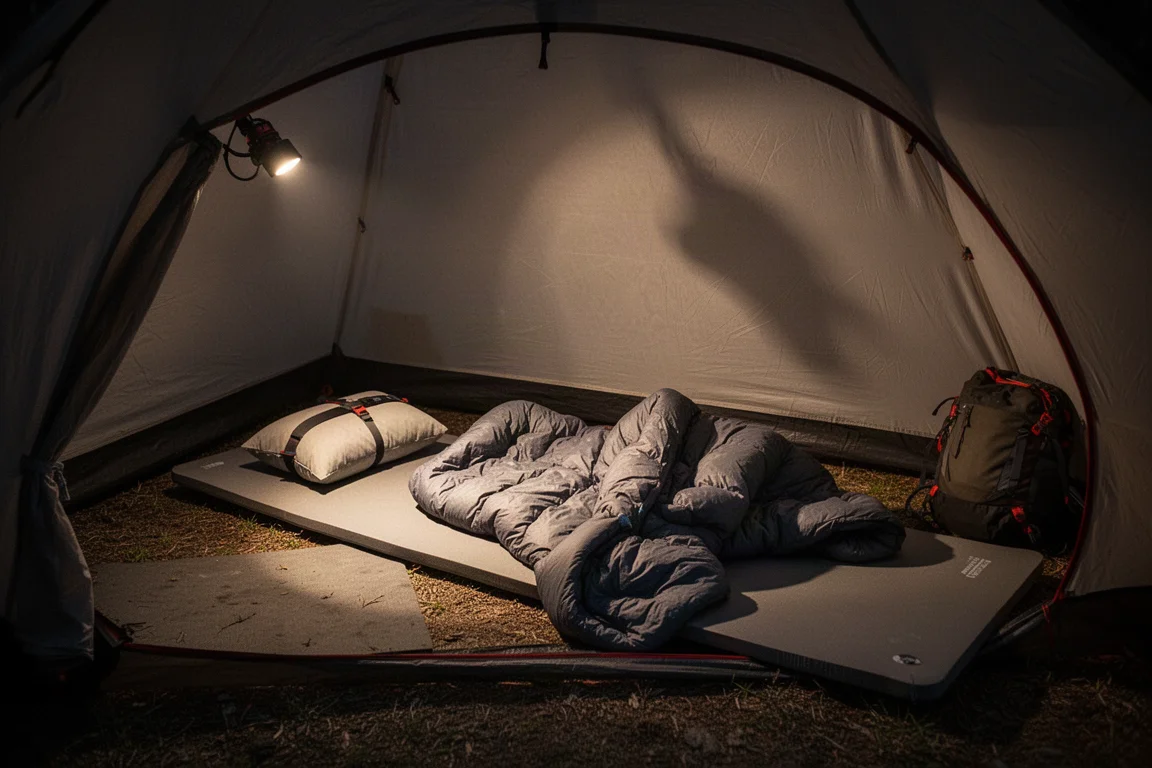
REI Helix
The REI Helix is the most comfortable pad here, warm enough for three-season use and honest about its R value. It packs down neatly and, while not ultralight, it is light enough not to weigh down your pack. As with the pack above, it is worth waiting for a sale, when it often drops to about $100 or less.
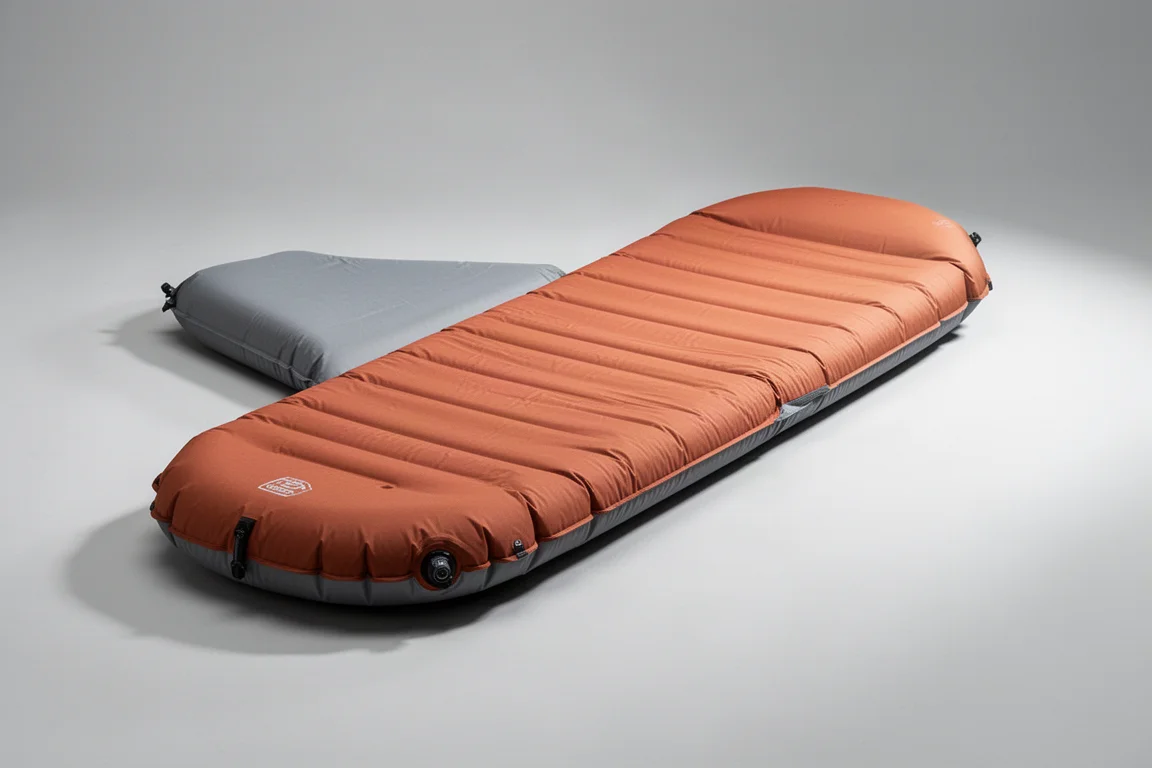
Exped Ultra 3R
The Exped Ultra pads, in 3R or 5R depending on how much warmth you need, are the lighter alternative. They live up to their R values, weigh noticeably less than comfort-first pads, and stay comfortable for most sleepers even if they do not match the Helix for pure cushioning.
Trekology 2.0 Pillow
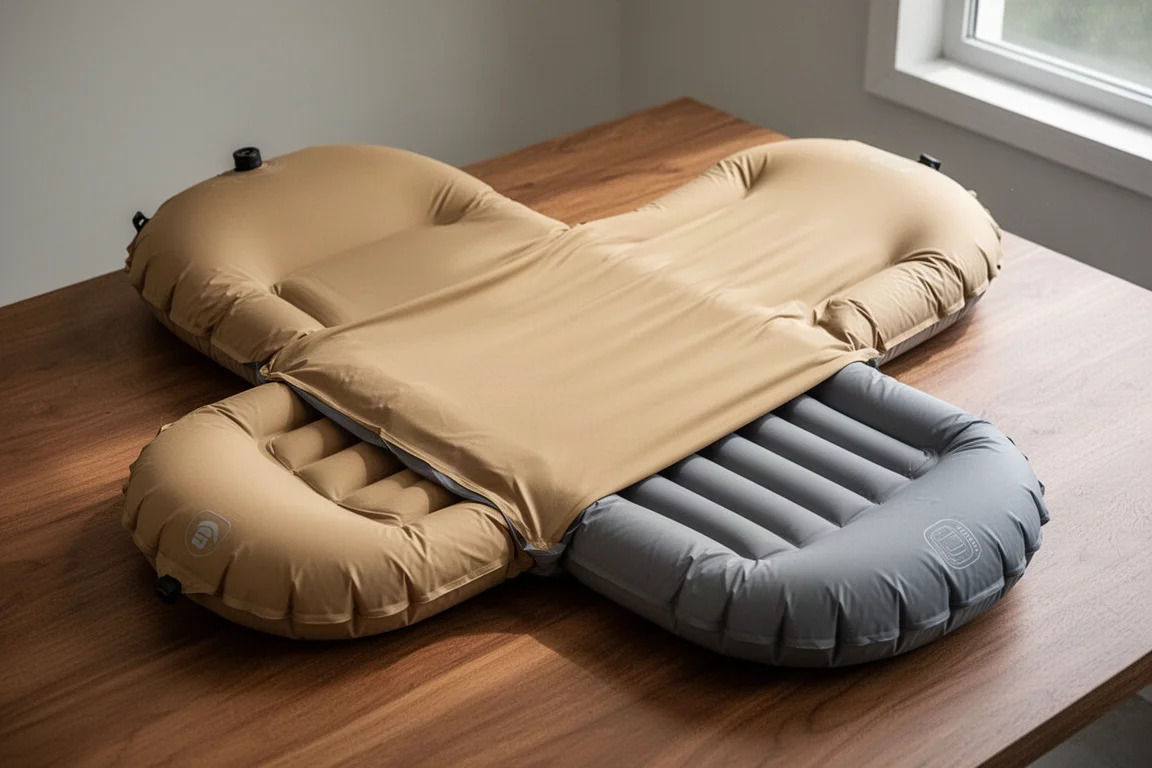
A pillow is a small item with a large effect on sleep. Look for enough size to actually rest on, enough height to support your head so your shoulder is not compressed, and some way to attach it to your pad, otherwise it will wander across the tent all night.
The Trekology 2.0 costs about $20, has a generous size, good baffling that does not feel like a balloon, and a soft stretchy top. It ships with a pad strap and silicone dots to keep it locked in place. Its one weakness is height, so sleepers with broader shoulders may want to slide a jacket or a sit pad underneath it.
Decathlon MT900 Sleeping Bag
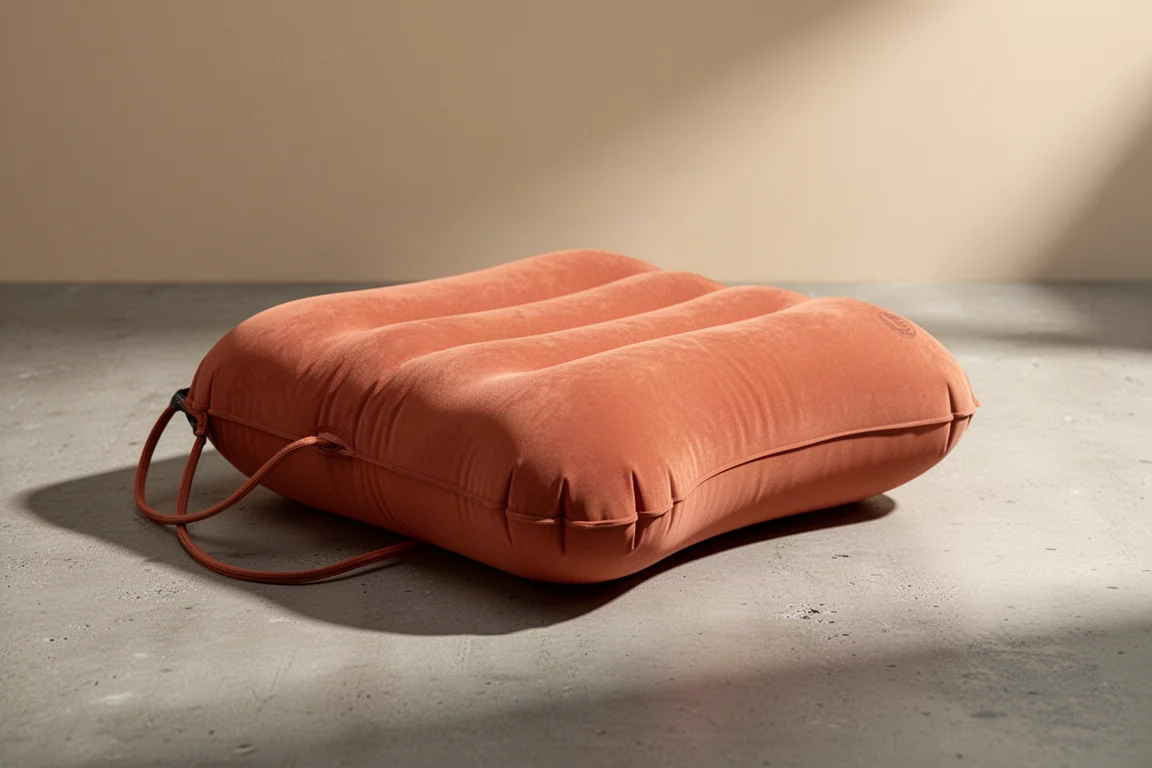
For top insulation you can choose a sleeping bag or a quilt. Quilts are lighter and more comfortable to move under, but they need pad straps used correctly to keep drafts out. Bags are more turnkey: put one on your pad and you are done. Note the difference between limit and comfort ratings, and choose based on the comfort rating for the conditions you expect.
The Decathlon MT900 sleeping bag uses a lightweight 10-denier shell and lightweight down insulation, which makes it a very light bag for the price. It is the simplest way for a beginner to get a warm, packable night of sleep.
Cook System
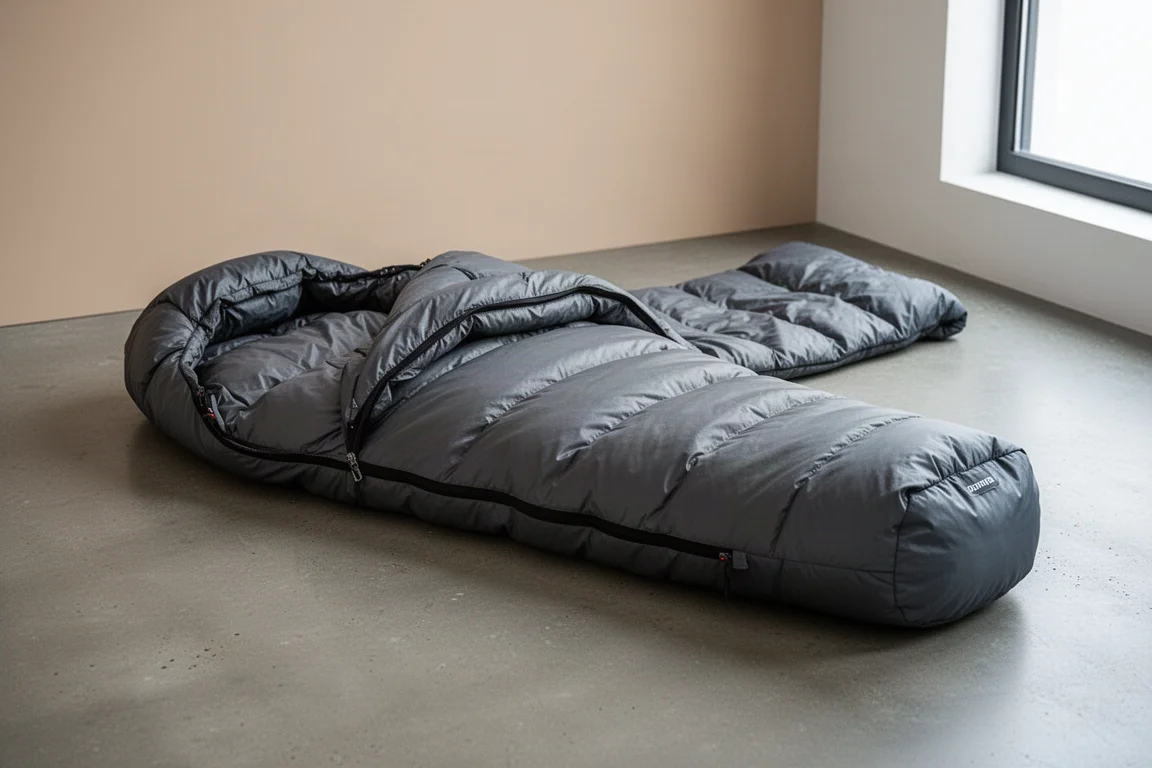
A canister stove is the easiest introduction to backcountry cooking. The fuel canisters are sold at nearly any outdoor store, and the stove simply screws onto the top.
Fire Maple Green Peak Stove
The Fire Maple Green Peak stove has a wide burner for efficient heat transfer, a small wind lip to protect the flame, wide pot arms that support almost any pot, and a piezo igniter so you do not need to carry a lighter.
Paired with the matching heat-exchanger pot, water boils faster and fuel goes further. The pot is sized so the canister and stove store inside it, and a handle pops up to lock the lid in place. As a combination it is light, performs well, and costs under $50.
Rain Gear
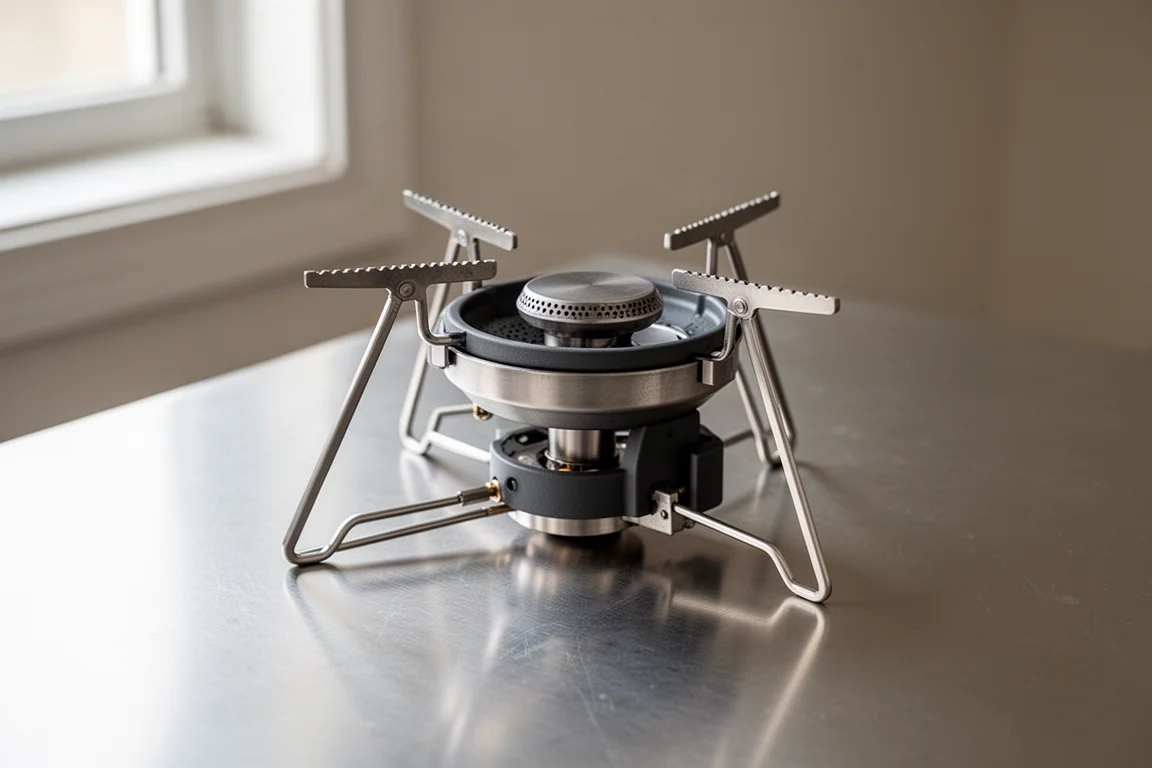
Getting wet and cold ruins trips, but a waterproof shell does not have to be expensive. The breathability advantage of high-end membranes is often overstated, and paying several hundred dollars for a rain jacket is rarely the best use of a beginner budget. A simple waterproof layer that packs small and weighs little gets the job done on established trails.
Frogg Toggs Rain Jacket
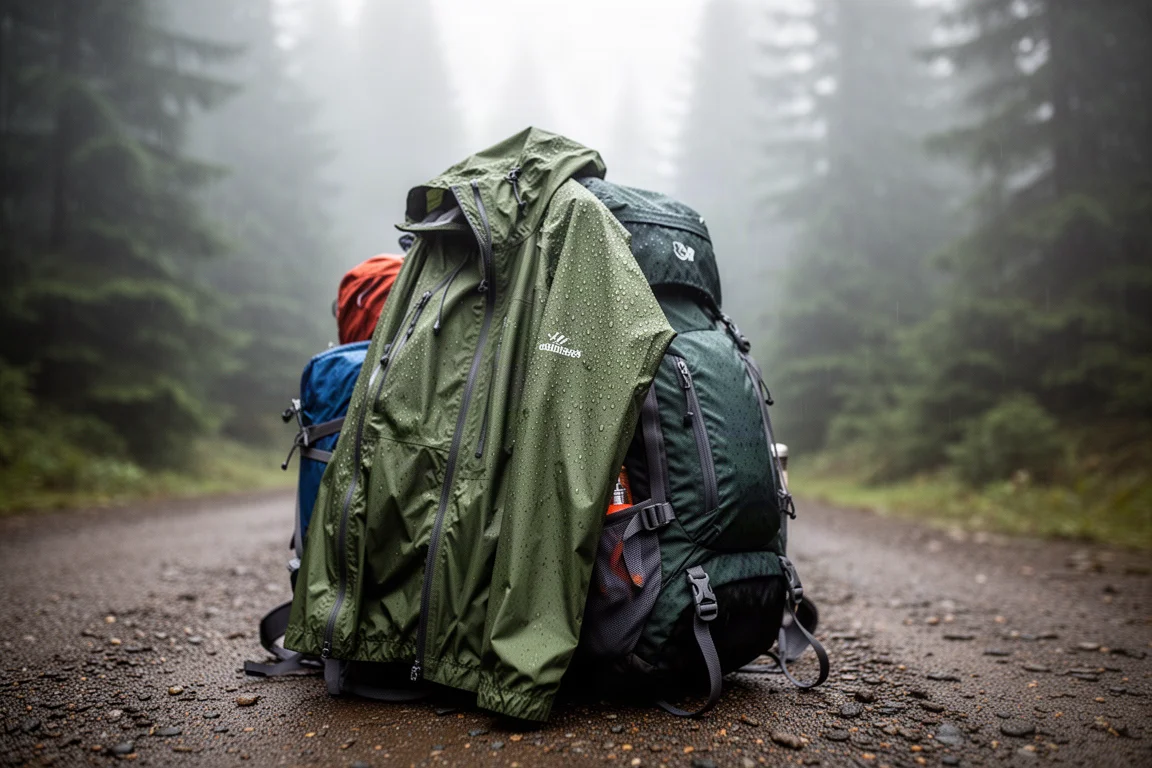
The Frogg Toggs jacket is waterproof rather than breathable, and it costs about $20. It is very light, often around half the weight of a membrane jacket, and it holds up over long distances on maintained trails. It is not the right choice for heavy bushwhacking, where the fabric may be too delicate, but for most beginners it is more than enough.
Clothing and Footwear
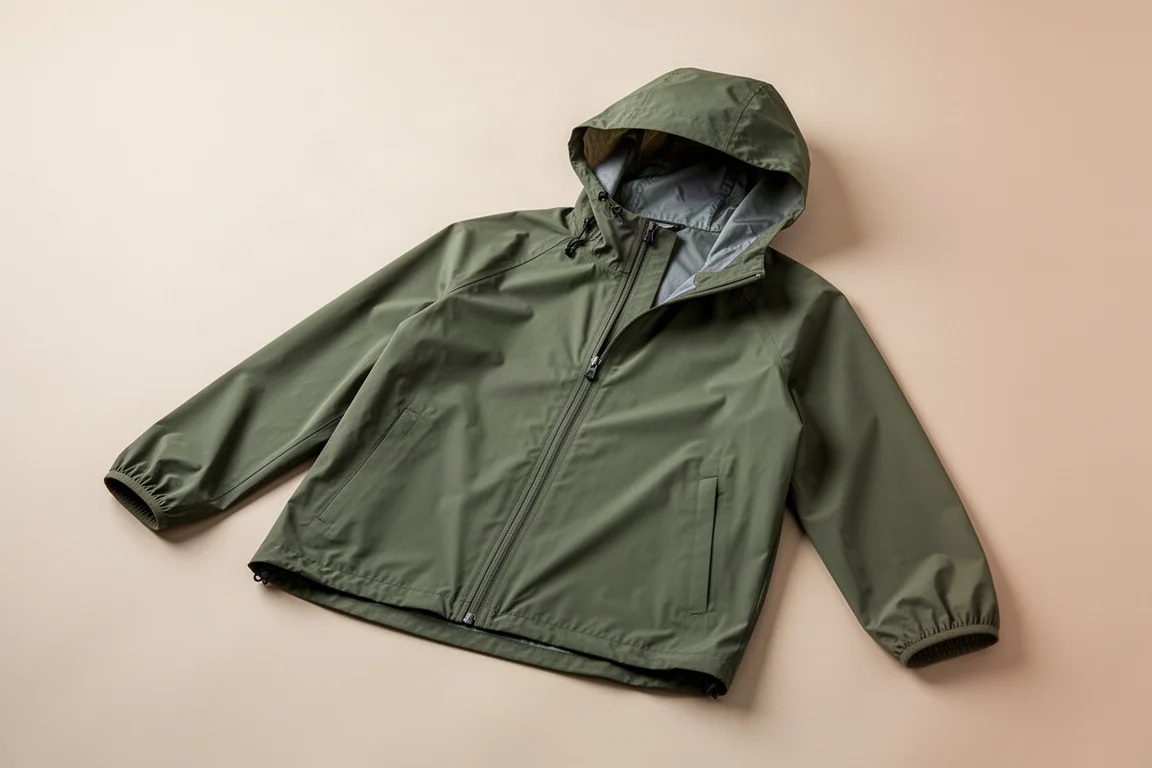
Clothing and footwear are highly individual, and much of what you already own will work. On the trail, long pants and a sun hoodie reduce the need for sunscreen and protect against scratches from brush. Around camp, fleece is excellent insulation for its weight and keeps working when damp. A lightweight down jacket adds warmth on cold evenings. The real risk is bringing too much: pack your hiking clothes, one spare pair of underwear and socks, and a few layers for camp.
For footwear, trail runners suit most people on most trips, though some hikers prefer boots. Choose what feels comfortable on your feet, and test it before a long trip. Small essentials such as a headlamp, toothbrush, and toothpaste round out the kit.
Buying Advice
Start with the sleep system and the pack, because those two decide whether you enjoy the trip. A comfortable pad, a pillow that stays put, and a pack that fits your torso will do more for your first season than shaving grams anywhere else. Then choose a tent you can pitch without frustration, and a freestanding two-person model is the most forgiving option.
Buy the budget pick first when it already fits your needs, and wait for sales on items that go on discount regularly. The pack and the pad recommended here both drop in price often, which makes them unusually good value for a first kit.
Upgrade later, once you know what you actually dislike about your setup. Lighter tents, quilts, and packs without an adjustable torso all make more sense once you have a season or two of experience and a clear reason to change.
Conclusion
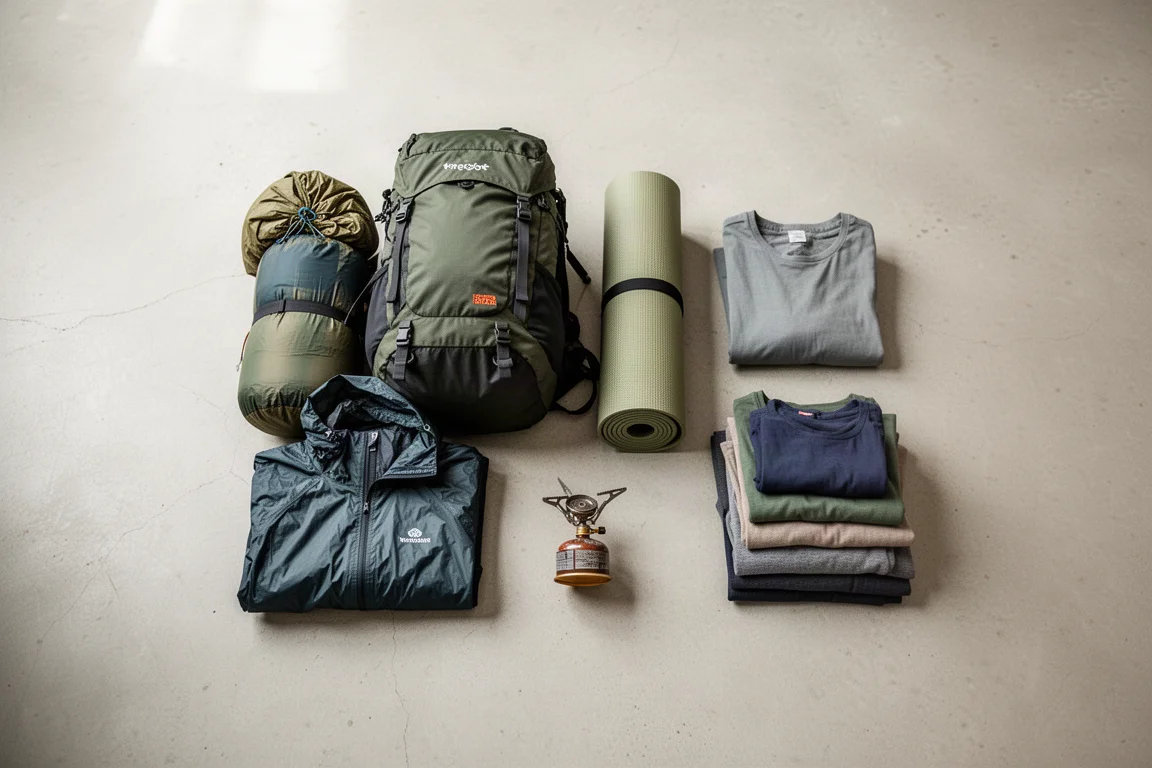
A first backpacking kit does not need to be exotic. A freestanding two-person tent, a pack under 1.5 kg with an adjustable torso, a warm and comfortable pad, an affordable pillow that attaches to it, a lightweight sleeping bag, an inexpensive canister stove, and a basic waterproof shell will get you onto the trail with confidence. Everything else can wait until you know what you want.
Further reading
Related Reviews

Backpacking Gear
Building a 10 lb Base Weight: An Ultralight Backpacking Gear List
A practical walkthrough of the ultralight pieces behind a 10 lb base weight, from a 765 g pack and a roomy one-person tent to a full camp chair and a dependable water filter.
Backpacking Gear
A 15-Pound Lightweight Backpacking Gear List for Solo Trips
A beginner-friendly 15-pound backpacking setup built from easy-to-find gear, with notes on what each piece does, how it packs, and where to spend your attention.
Backpacking Gear
8 Ultralight Backpacking Gear Upgrades Worth Carrying
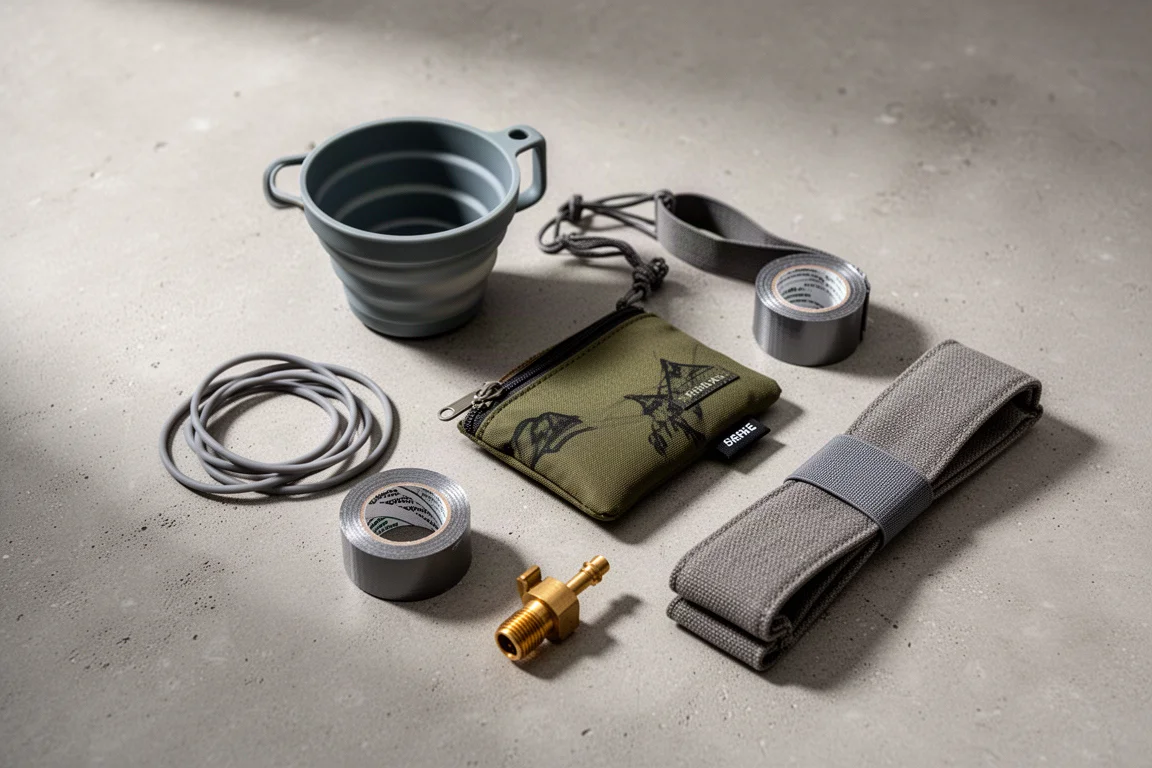
Eight small, affordable backpacking upgrades that solve real trail annoyances, from a pillow that stays put to a fuel valve that rescues leftover canister gas.