Astrophotography
Best Beginner Astrophotography Setup: Three Paths to Your First Deep Sky Image
Three realistic ways to start astrophotography, from an all-in-one smart telescope to a dedicated deep sky camera rig, with the gear that makes each path work.
Introduction
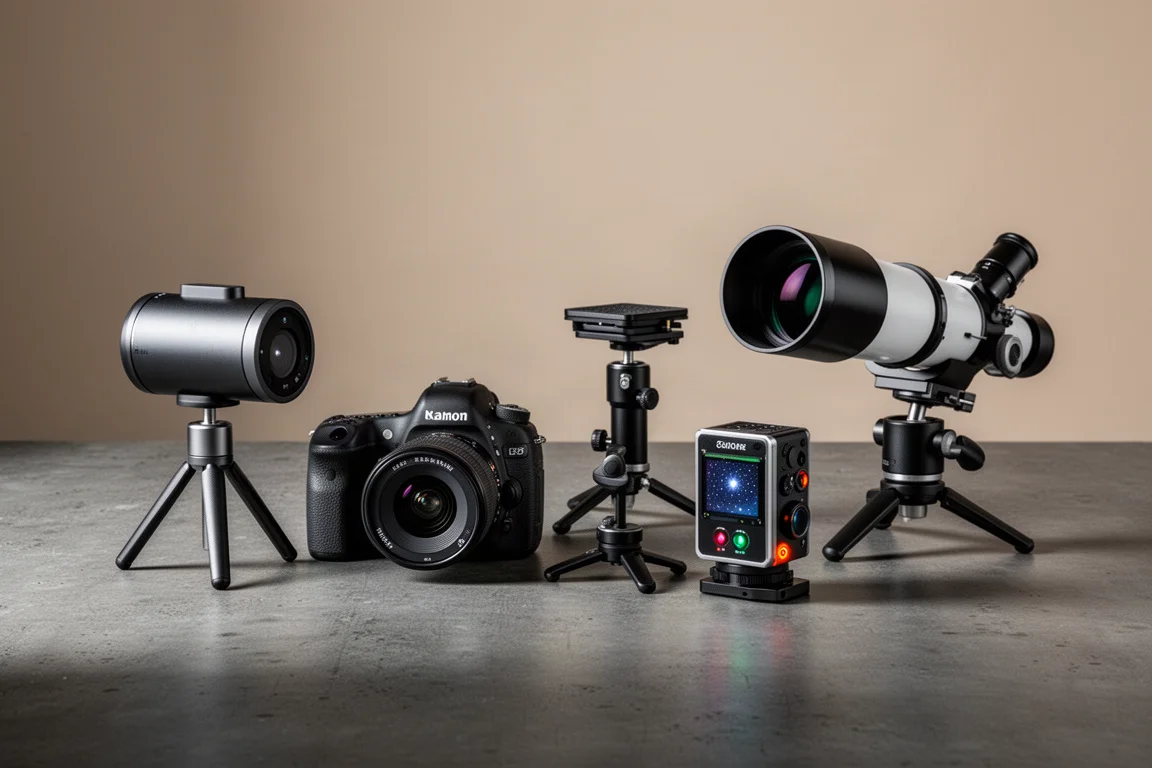
Starting in astrophotography can feel overwhelming. There is no shortage of opinions about which telescope, camera, mount, and filter you need, and comparing a dozen products rarely leaves anyone feeling confident. The simpler approach is to pick one of three proven paths: a smart telescope, a DSLR with a star tracker, or a dedicated astronomy camera rig. Each one leads to genuinely impressive images. The right choice depends on your budget, patience, technical comfort, and how deep you want to go into the hobby.
Path 1: The Smart Telescope Route
This is the easiest way in. A smart telescope removes the early frustrations that discourage many beginners: no matching camera threads to telescope threads, no balancing a mount, no guiding system, and no learning five pieces of software in one night. Everything is integrated. The device locates objects, tracks the sky, captures images, stacks them, and lets you enjoy the process.
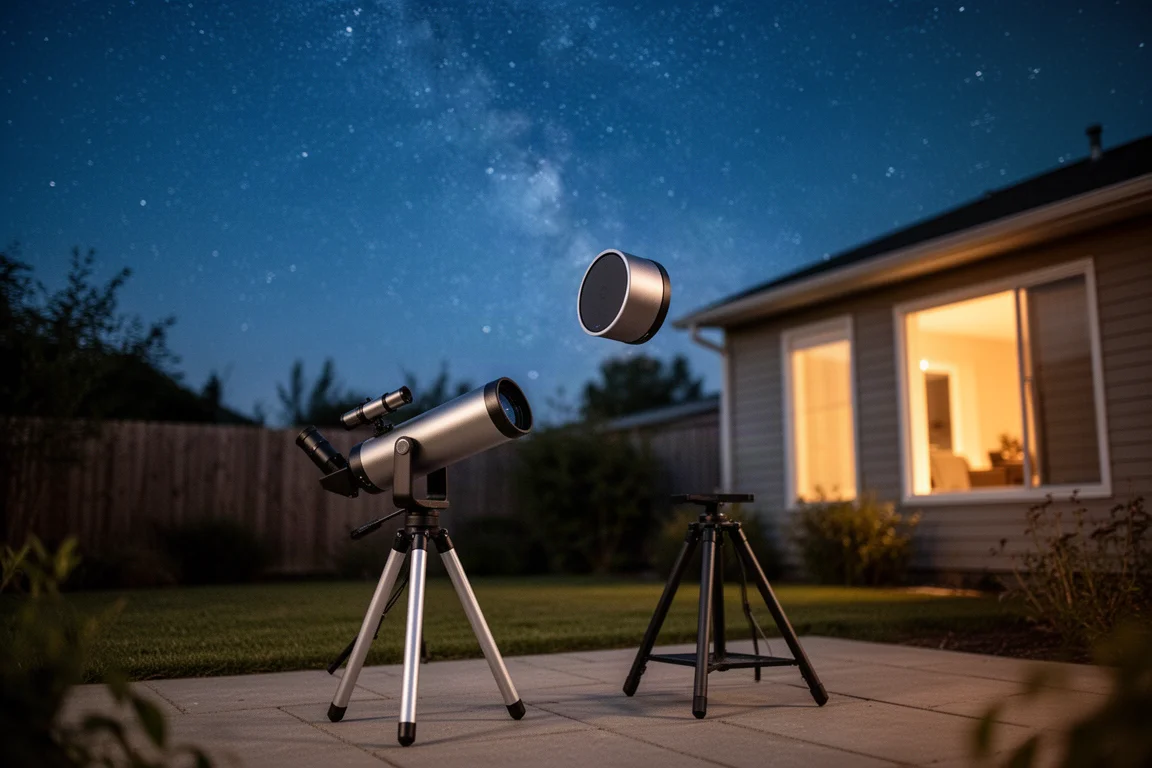
The Seestar S30 Pro is a standout starting point here. It is more than a basic smart telescope: it offers EQ mode, which provides more serious tracking than a basic alt-az setup, plus a Milky Way mode for wider night sky scenes. It also has an impressive sensor size for such a compact device, making it more capable than many expect.
The trade-off is control. A smart telescope makes many decisions for you, which is a huge advantage for some and a little limiting for others. If your biggest fear is buying a pile of equipment that never works, this path delivers quick wins: the moon, bright nebulae, and a first galaxy photo on night one.
Path 2: The DSLR and Star Tracker Route
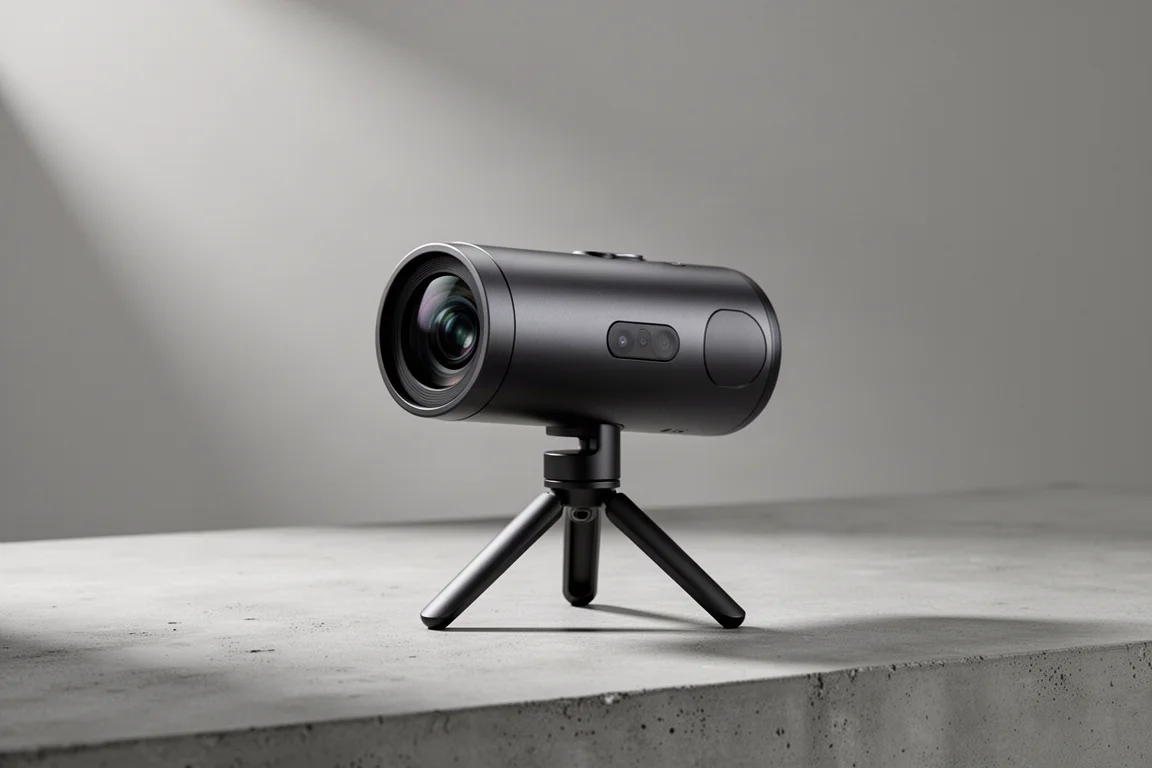
This path feels the most hands-on without being overwhelming, and it teaches the real fundamentals. Start with the Canon EOS Rebel T7, a budget DSLR with interchangeable lenses and full manual control. It is approachable for anyone coming from regular photography, and it doubles as an everyday camera. On a tripod with a wide-angle lens, it can already shoot the Milky Way, constellations, meteor showers, and nightscapes.
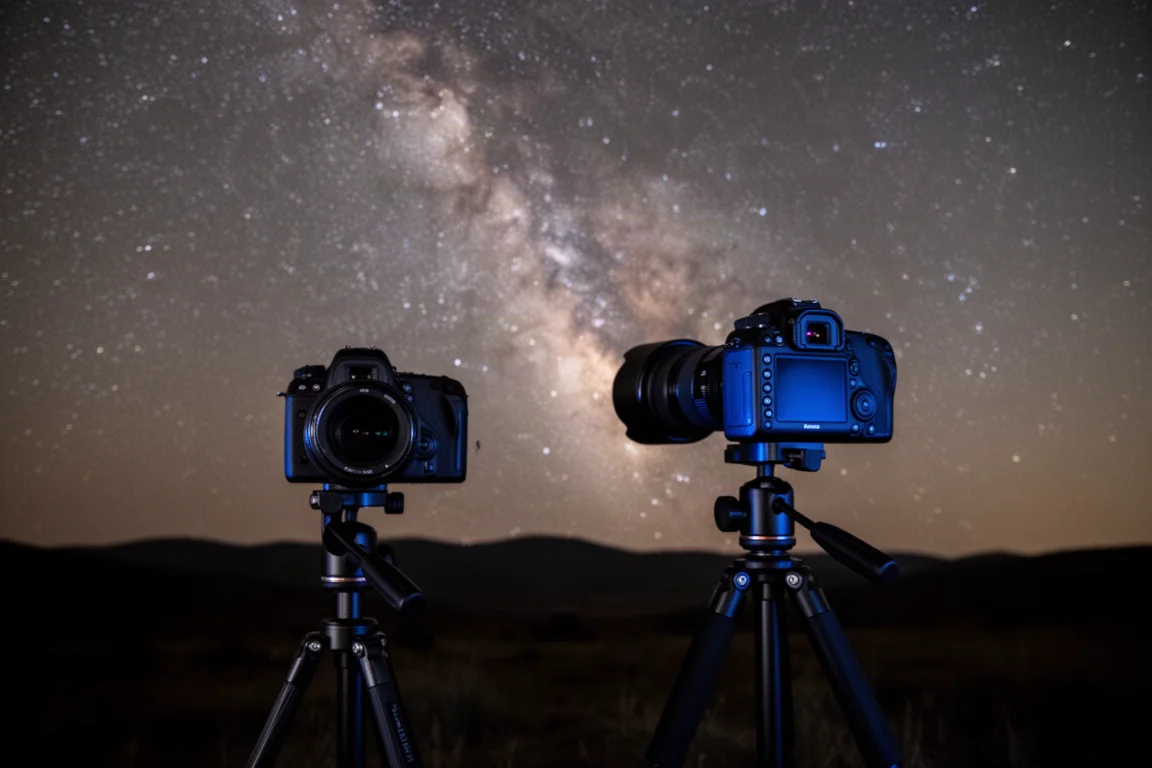
Add a star tracker and everything changes. The Sky-Watcher Star Adventurer 2i follows the rotation of the night sky, letting you take much longer exposures without star trailing. That is when targets like the Andromeda galaxy, the Orion Nebula, the North American Nebula, and large regions of the Milky Way become realistic.
For the lens, the Rokinon 135mm f/2 is a classic for good reason: fast, sharp, and light-hungry. At 135mm it frames large deep sky objects without making tracking impossibly difficult.
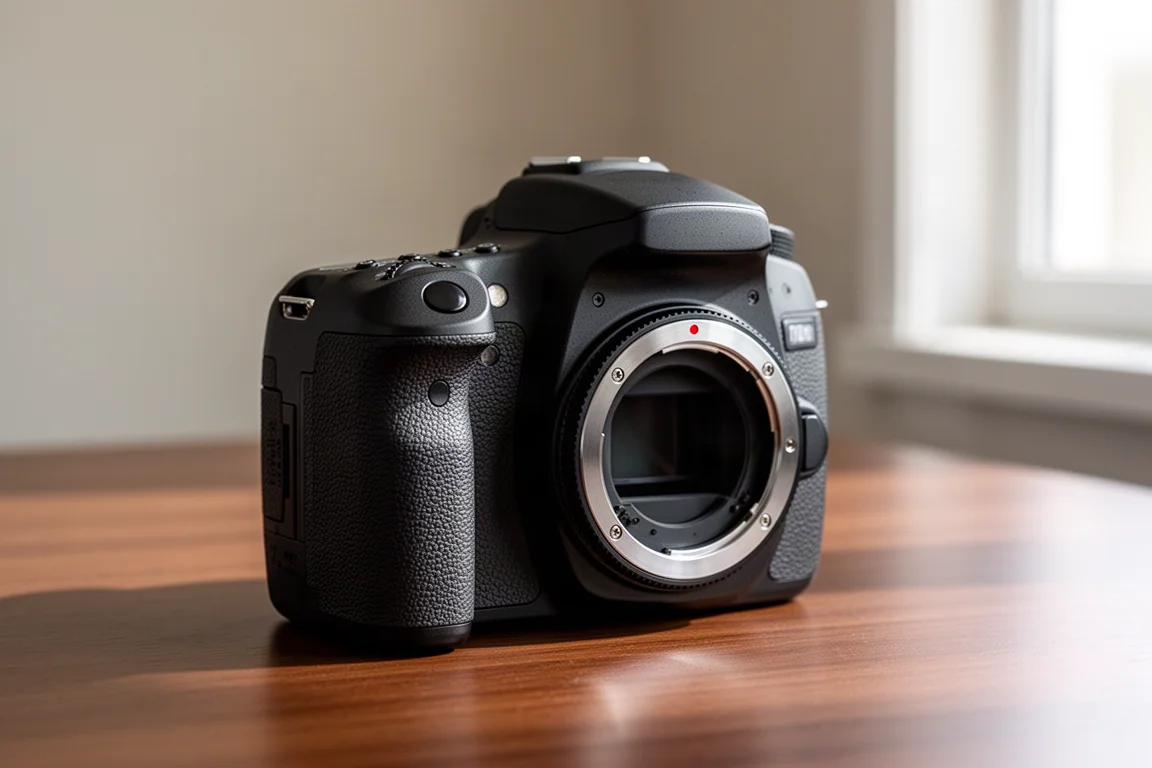
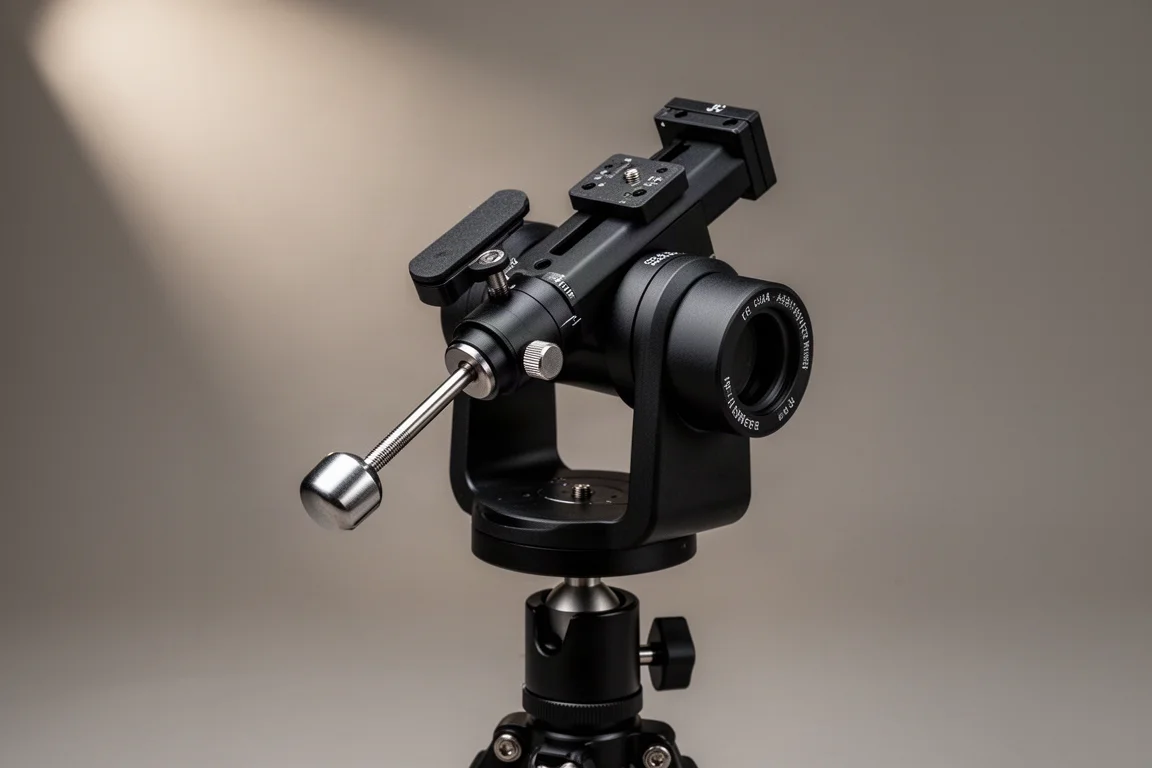
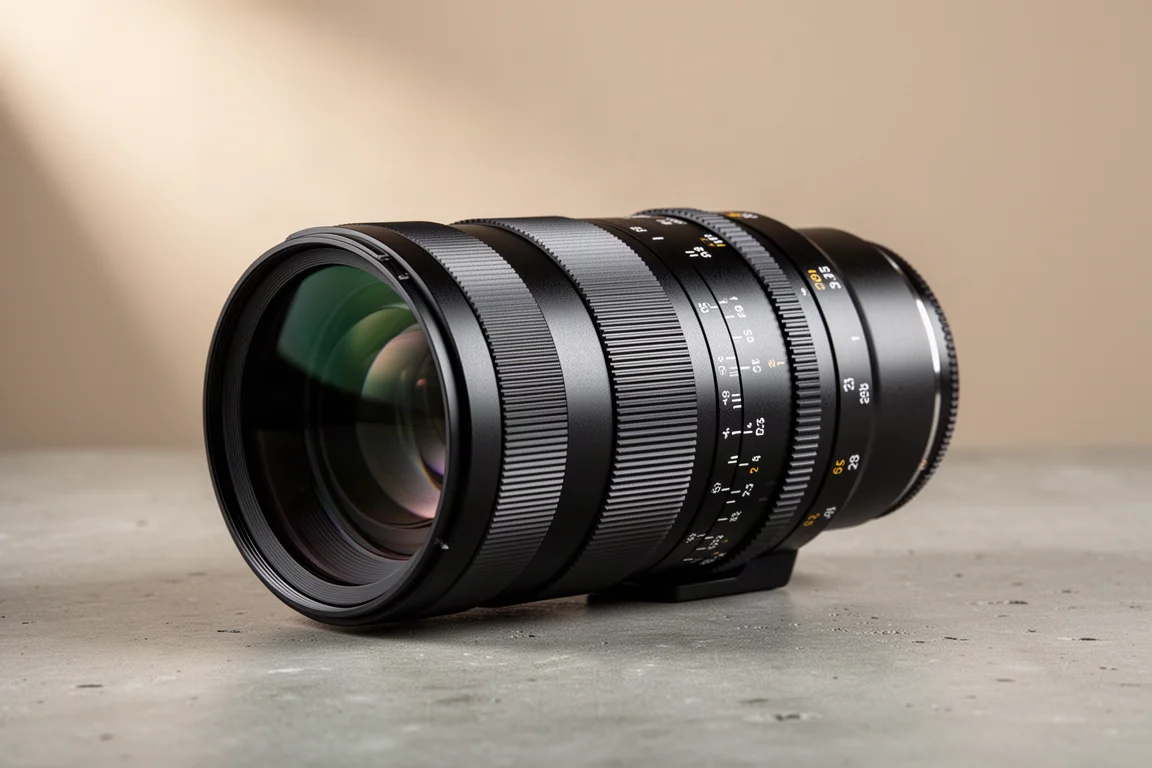
This route teaches polar alignment, exposure length, focusing, calibration frames, stacking, processing, and above all, patience. It is more work than the smart telescope path, but far more flexible, and it builds a strong foundation if you later move to a dedicated telescope and astronomy camera. One note: the most dramatic red hydrogen-alpha detail in example deep sky images usually comes from an astro-modified camera. A stock T7 still produces rewarding results, especially from dark sky locations.
Path 3: The Dedicated Astrophotography Camera Rig
This is the most advanced beginner path and the most capable, for anyone who already knows deep sky imaging is the goal. The ZWO ASI585MC Air is a colour astronomy camera with built-in guiding, smart control, and cooling. Traditionally this kind of setup required a main camera, guide camera, guide scope, controller, and a tangle of cables. The ASI585MC Air brings much of that into one device, which matters because cable management and setup complexity are two of the biggest things that discourage beginners.
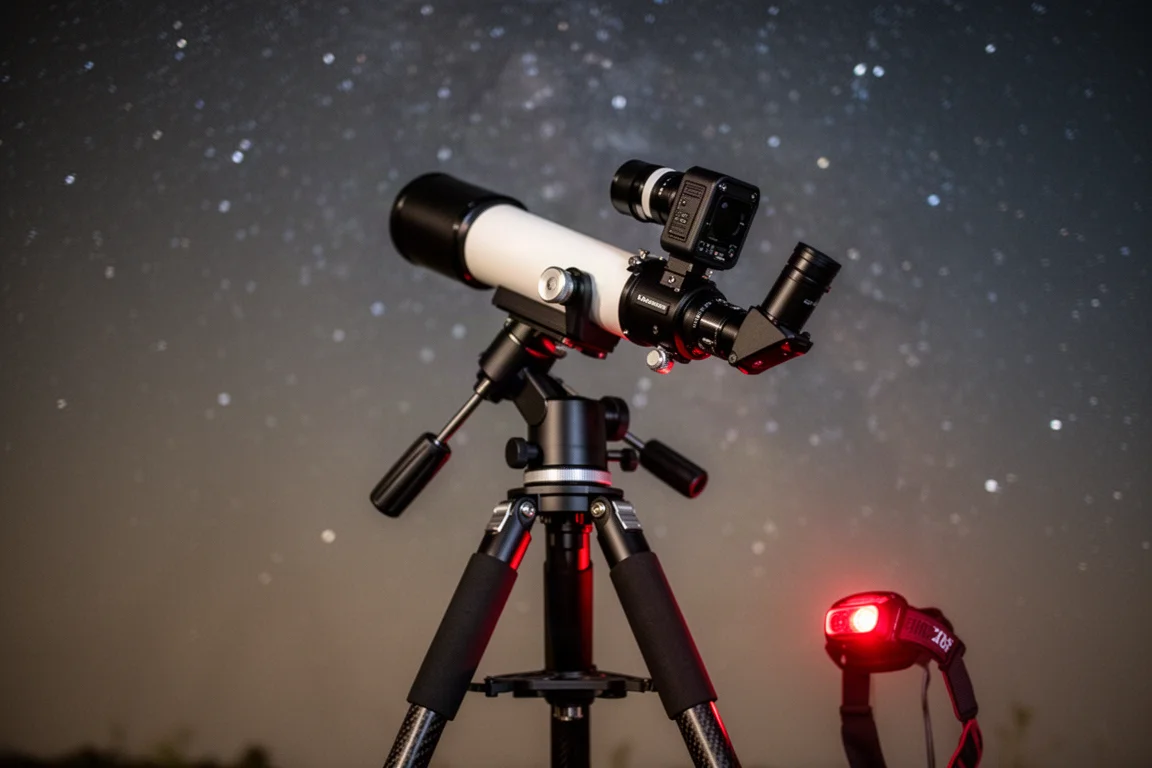
If budget allows, step up to the ZWO ASI2600MC Air. Its much larger sensor gives a wider field of view, easier framing, and more flexibility with a small refractor.
For the telescope, pair it with the William Optics RedCat 51, ideally the Gen 3 version with internal focusing, which is the easiest to add an auto focuser to. It is a compact, sharp, forgiving wide-field refractor, and its short focal length is genuinely beginner-friendly: longer focal lengths make tracking, guiding, and framing all harder, not better.
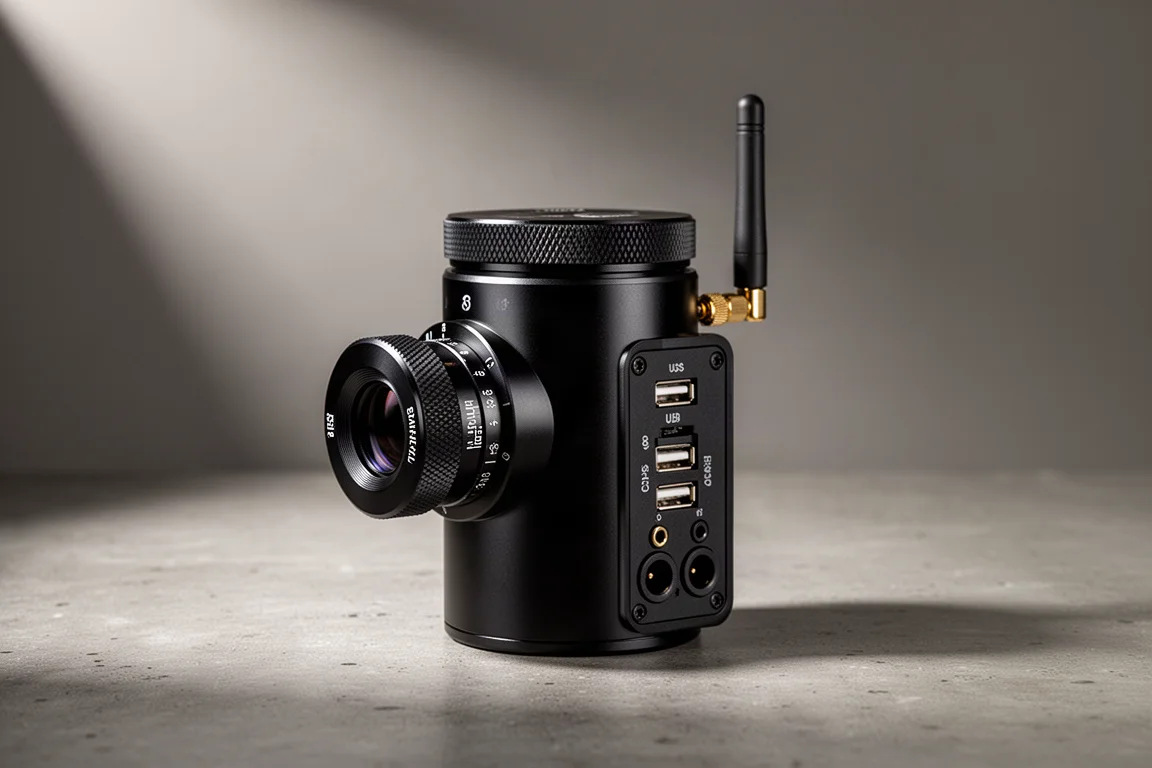
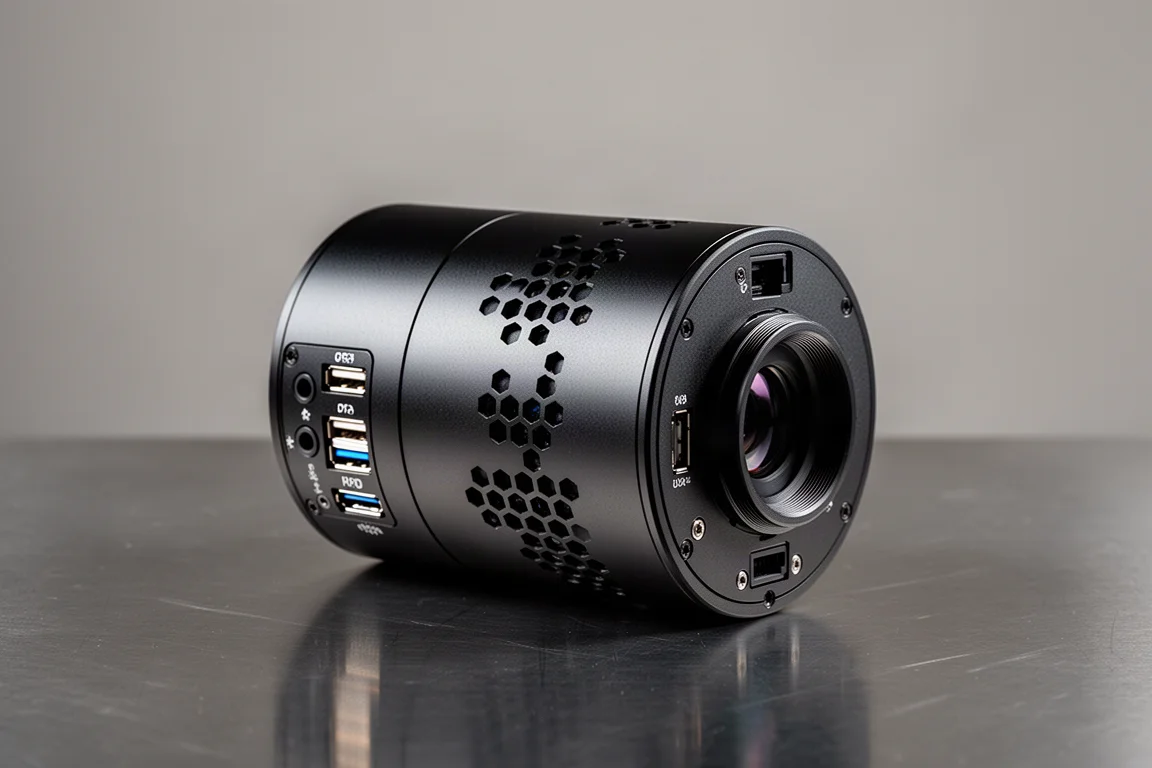
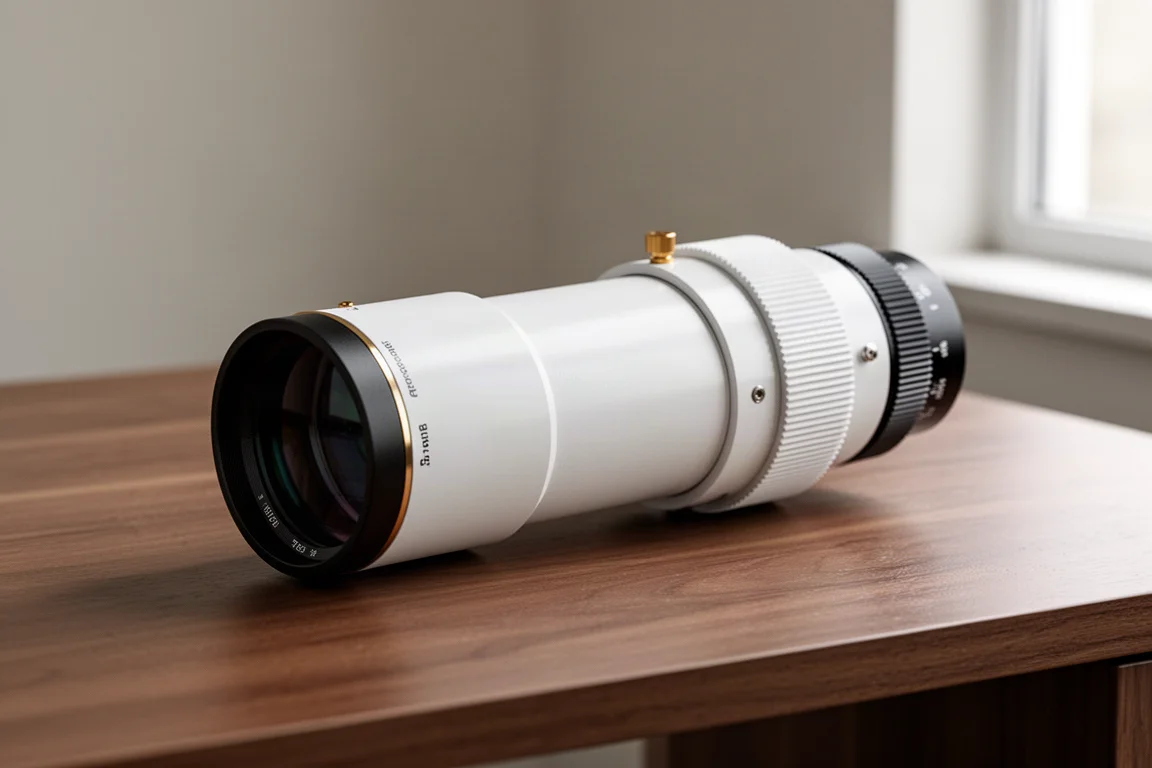
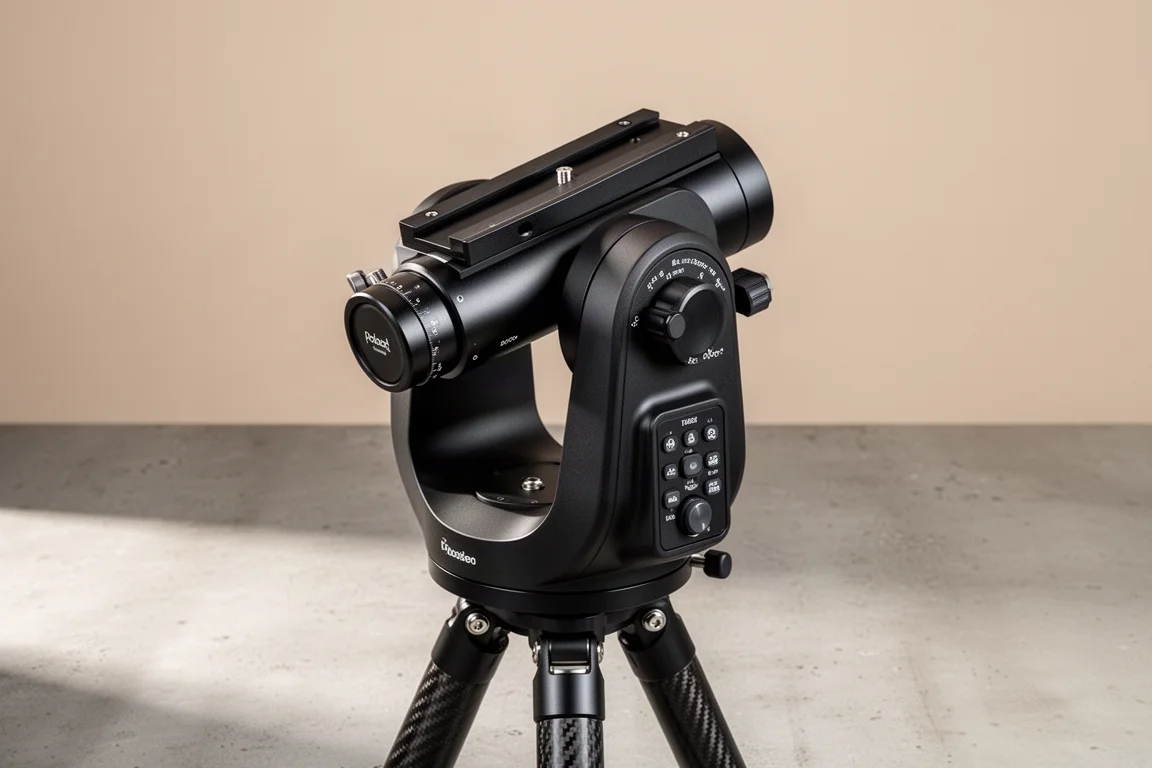
For the mount, the ZWO AM3 N is compact, modern, and well suited to a small refractor. The mount is the foundation of the whole rig: smooth tracking and solid load capacity are what make long exposures possible. This full combination is not the cheapest or simplest option, but it gets you closest to a dedicated deep sky setup from day one, and the whole rig can be run from your phone through the ASIAir mobile app built into the camera itself.
Key Extras Worth Knowing About
The smart telescope needs nothing extra; it is all built in. The DSLR and star tracker kit benefits from a simple, inexpensive intervalometer, which lets you run exposures longer than 30 seconds in a set sequence, for example two hours of data from 120 sixty-second frames. A clip-in light pollution filter can help from the city, though at 135mm you will generally get better unfiltered results from a dark sky. A sturdy, lightweight tripod, ideally a collapsible carbon fibre model with a hook for adding weight, rounds out this kit.
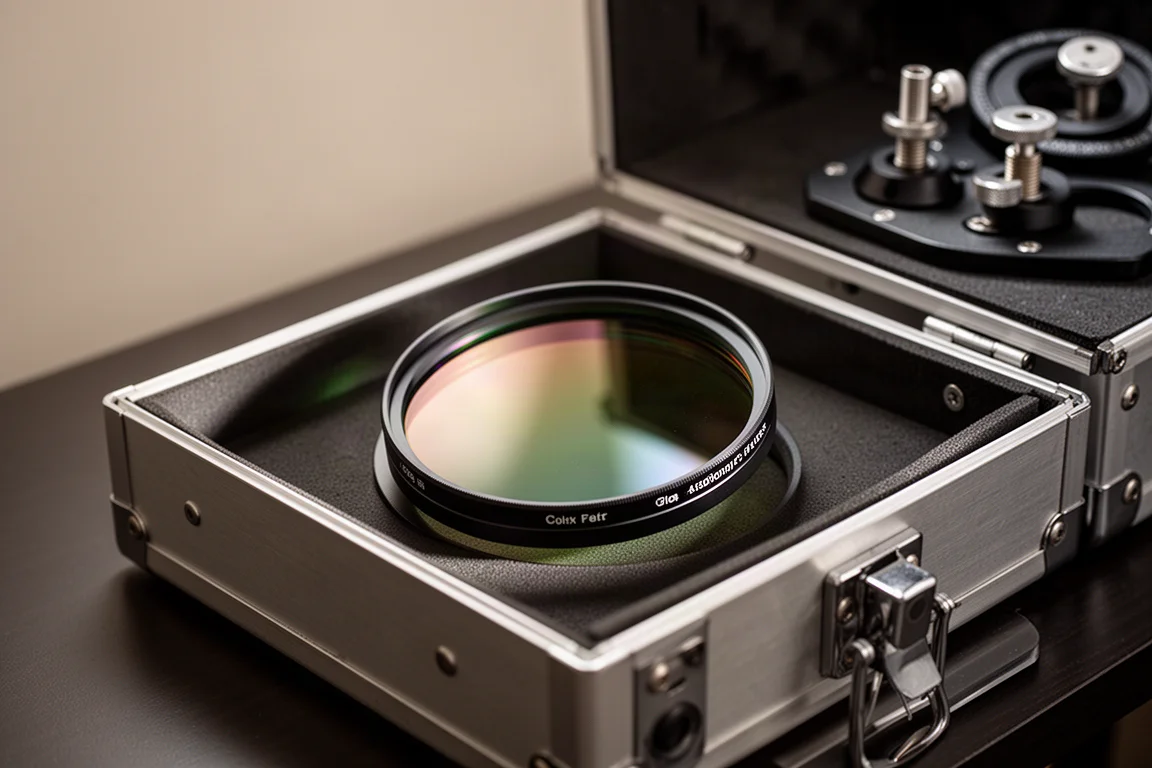
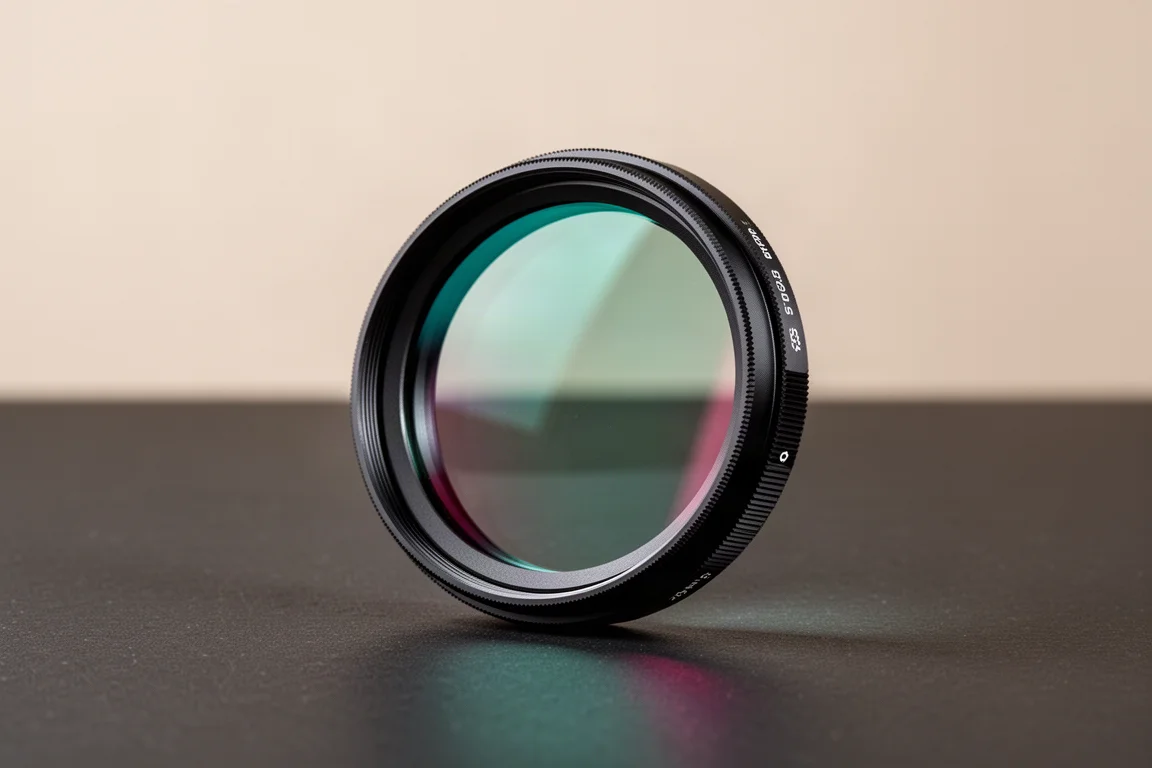
The dedicated camera rig also needs a strong tripod, and the one supplied with the AM3 N is a capable carbon fibre unit with a spreader tray for stability. Filters are far more useful on this system: a 2-inch dual narrowband Optolong L-eXtreme is a popular strong option, sitting in a slide-in filter drawer so you can swap filters easily. From mild light pollution suppression to narrowband, the 2-inch format gives you plenty of choice.
Which Path Should You Choose
If you want the easiest option, choose the smart telescope: learn the sky, capture your first targets, and build confidence. If you want the best learning experience on a reasonable budget, the DSLR and star tracker route teaches the fundamentals and leaves room to grow. If you want to build a dedicated deep sky rig from the beginning, the astronomy camera path is more involved but extremely capable.
Remember that your first setup does not have to be your forever setup. Progress comes from choosing a path, using the gear, making mistakes, and solving problems under the stars. Do not let the search for the perfect setup stop you from starting.
Conclusion
All three paths lead to images worth sharing. The Seestar S30 Pro rewards anyone who values simplicity and fast results. The Canon T7, Star Adventurer 2i, and Rokinon 135mm f/2 combination builds real skills on a sensible budget. The ASI585MC Air or ASI2600MC Air with the RedCat 51 and AM3 N is a serious foundation for dedicated deep sky imaging. Pick the path that matches where you are right now, and your first successful image will explain why so many people get hooked on this hobby.
Further reading
Related Reviews
Astrophotography
ASKAR FRA400C Review: A Versatile 400mm Refractor for Astrophotography and More
The ASKAR FRA400C is a compact 72mm refractor that balances reach, versatility, and portability for astrophotographers and visual observers.
Astrophotography
Askar SQA106 Review: A Premium 106mm Astrograph With Exceptional Optics
The Askar SQA106 is a premium 106mm quintuplet astrograph with impressive sharpness across full-frame sensors, though its price and weight demand careful consideration.
Astrophotography
Astro Imaging Gear 2026: Eight New Products Worth Watching
A look at the most interesting new astrophotography and astronomy products announced this year, from fast telescopes to smart cameras and wireless accessories.